

Raising Confident Athletes Andre Galvao DVD Review

Review: Raising Confident Athletes Andre Galvao DVD

If I had a penny for every time I had to have the “talk” with parents who know nothing about grappling and martial arts and who try to be sideline coaches, I’d still be having those conversations, I’d just be a lot richer than now. Jokes aside, parents play a huge role in their child’s grappling performances and there is a clear lack of communication on the subject between parents and coaches.

Enter the Raising Confident Athletes Andre Galvao DVD. This collaboration between the BJJ legend and a sports psychologist delivers a blueprint on how Jiu-Jitsu coaches should prepare parents to guide young grappling athletes toward developing a winning mentality for sports and life. It is a great resource for coaches and parents alike!

Key Takeaways

  • A 4-part instructional with nearly 2 hours of material on the psychology of BJJ.
  • Aimed at parents of young grappling athletes who have no experience with BJJ.
  • Invaluable for both coaches of kids classes and parents of young grapplers.  
  • BJJ World Expert Rating: 9 out of 10.

AVAILABLE HERE: RISING CONFIDENT ATHLETES DVD

Raising Confident Athletes Andre Galvao DVD Review
Raising Confident Athletes Andre Galvao DVD Cover

The Role of Parents In Kids Jiu-Jitsu

As a BJJ coach with vast experience in teaching kids classes (still do and I will never give up on those classes until I am involved in the sport), I often find coach-parent relations to be way more difficult than dealing with the children. While it is a mutual relationship, in the end, the thing parents need to understand is that they do not know BJJ (most of them, anyway) and they need to leave coaching to the professionals.

Parents obviously play an integral role in the life of a child, as they should carefully navigate, guide, and manage the development of their child into a functioning adult. When they enroll kids in competitive sports, such as BJJ parents introduce another variable int the mix, which is the athlete mindset.

Most of the time, parents are not equipped to put their child’s needs first, the reason being they do not understand the sport. This means that coaches should also dedicate a small portion of their time to coaching them on how to be the parents of athletes rather than just those of kids.

Such an investment in time is going to have incredible returns in how coachable the kids are, as well as how the parents aid in the efforts of coaches rather than inadvertently impeding them. The Raising Confident Athletes Andre Galvao DVD, as the first of its kind, is the ultimate resource to help parents and coaches achieve such a relationship.

The Coaches Behind This Project

This one-of-a-kind BJJ instructional is a collaboration between BJJ celebrity Andre Galvao and a sports psychologist named Mayra Ramos. Both have vast experience in the realm of professional sports which encompasses high-level practice, world-class competition, and exceptional coaching.

Mayra Ramos is a Brazilian clinical psychologist specializing in sports psychology. She was also a professional figure skater for over 20 years and a part of the Brazilian national figure skating team with impressive accomplishments such as World Cup runner-up and Pan and South American doubles champion.

Mayra continued her career in the realm of mental coaching after she hung her skates up, focusing particularly on young athletes as well as their parents. She is the founder of Academia do Atleta Campeão, a platform dedicated to mental training for athletes.

Andre Galvao is a name well-known to everyone in the BJJ world. The Brazilian has more world titles in IBJJF, ADCC, UAEJJF, and CBJJO than we can count. He also had the longest winning streak of ADCC super fights, from 2013 to 2022. Andre is the founder of the Atos Team which has produced countless talented grapplers such as the Mendes brothers, Ruotolo brothers, Keenan Cornelius, etc throughout the years.

Galvao’s daughter Sara Galvao, a World Champion and purple belt and currently a brown belt went through the BJJ ranks, starting at a very early age. Her career has brought together ANdre and Mayra Ramos, a partnership which now resulted in the Raising Confident Athletes Andre Galvao DVD.

Full Review: Raising Confident Athletes Andre Galvao DVD

The unique Raising Confident Athletes Andre Galvao DVD offers roughly 2 hours of material that covers all the key psychological aspects of managing child athletes. Over the course of four volumes, Andre Galvao and Mayra Ramos provide invaluable information for both coaches and parents on how to build the best relationship that includes both them and the child.

Part 1 – Parents and Mental Coaching of Young Athletes

As this unusual Andre Galvao DVD kicks off, the first chapter addresses the theme that runs throughout it – how to raise confident athletes as a parent of a young grappler. The idea is that parents should not just be there to transport kids to and from training, but rather an integral part of the team.

A short guide outlining three different layers of behavior change set the tone, providing invaluable information for parents and coaches alike. The first part of the instructional wraps up with a section covering how to best build realistic self-esteem in children who practice competitive sports such as BJJ.

Part 2 – Building a Relationship With Children

As the Raising Confident Athletes Andre Galvao DVD goes on, Mayra and Andre lead us through some of the best tools that can help parents guide their kids to be coachable, as well as outlining the main reasons why kids tend to quit sports they’re good at.

Ramos also explains how parents sometimes project their insecurity on their children and how they can do the same with confidence instead. This leads straight into the most important chapter of the entire DVD, which addresses strategies for supporting a child after they lose in a tournament.

Part 3 – Crafting the Championship Mindset in Kids

The third part of this Andre Galvao parents coaching DVD goes over the dynamics that the coach shares with parents, as both have immense influence in the child’s grappling career and life.

Aspects such h as balancing Jiu-Jitsu, family, and school, fostering a supportive environment both during training and in competitions, and allowing kids to grow feature heavily in this section of the instructional. I found the chapter on helping kids understand why they shouldn’t compare to others, particularly informative and helpful.

Part 4 – Being Supportive

The final portion of the unconventional but information-rich Raising Confident Athletes Andre Galvao DVD addresses mindfulness and how to foster a champion mindset in kids. This includes the role parents play in the aftermath of a tournament, regardless of the outcome, as well as the basics of ensuring optimal health and fitness in a growing competition.

The final chapter in the DVD is a very original one that I didn’t expect – it addresses how to approach the competitive BJJ development of kids who are home-schooled, as this introduces a different social aspect in these children’s lives.

Raising Better Athletes

The task of developing competitive grappling athletes from the youngest age possible rests not just in the hands of coaches, but also their parents. Coach only sees the kids a few hours per week, whereas parents spend most of the time in their day with the kids, so they get to influence them a lot more than the coaches.

The most important variable is how to ensure the steady development of a growth-oriented competitive mindset in young athletes who still have to discover who they are. It is easy for adults to get lost in the competitive nature of Brazilian Jiu-Jitsu, let alone children who still try to make sense of the world.

Since access to a sports psychologist is not an option for most BJJ gyms that offer kids classes, the next best thing is having the ability to consult with one or use the best-proven principles of coaching sports mentality in kids. That is exactly what the Raising Confident Athletes Andre Galvao DVD offers, and it delivers.
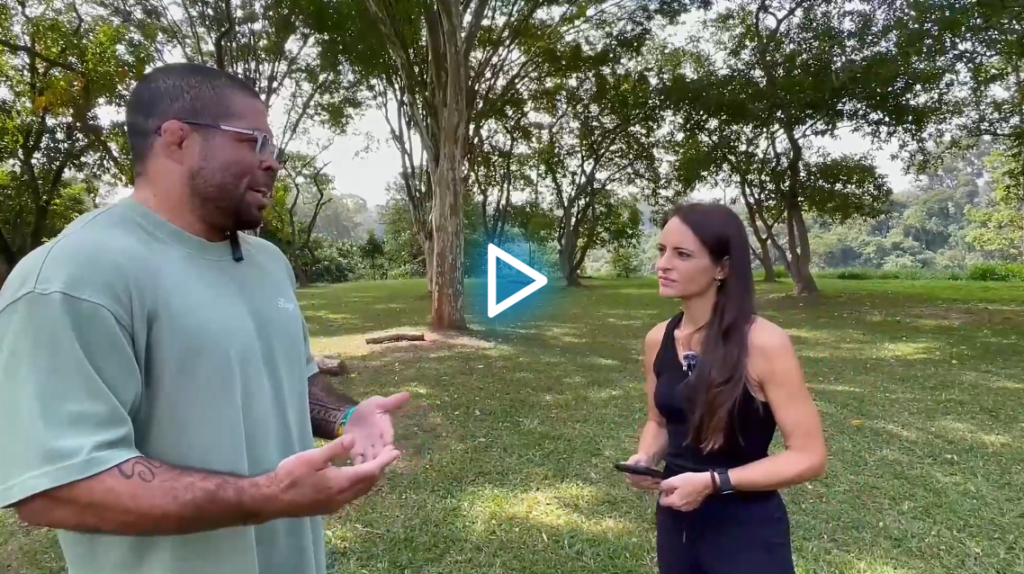
Raising Confident Athletes Andre Galvao and Mayra Ramos DVD Review
Free Sample: Raising Confident Athletes Andre Galvao and Mayra Ramos DVD

RAISING CONFIDENT ATHLETES ANDRE GALVAO DVD DOWNLOAD

Own Up!

As someone who has been coaching kids martial arts classes, including BJJ for the better part of 15 years I wholeheartedly recommend the Raising Confident Athletes Andre Galvao DVD to any adult athlete who practices grappling. The usefulness of this instructional is twofold – it will benefit both parents and kids coaches but it will also benefit those who are competing themselves and are yet to have kids.

A resource such as this is incredible to help instill a healthy competitive mindset in kids from an early age, using methods that fit their age and needs, as opposed to the one-size-fits-all-ages approach we commonly see in BJJ gyms. A true gem of an instructional, even though it doesn’t offer the latest inverted Mikey lock modification to a double triangle.
The Jiu-Jitsu Belt Ranks For Kids Fully Explained

42 Best Jiu-JItsu Games For Kids To Keep Them Motivated

Is Brazilian Jiu-Jitsu Good for Kids or is it Dangerous?

Helicopter Choke: The Complete Step-By-Step Guide and Variations

The BJJ Helicopter Choke Step-by-Step Guide

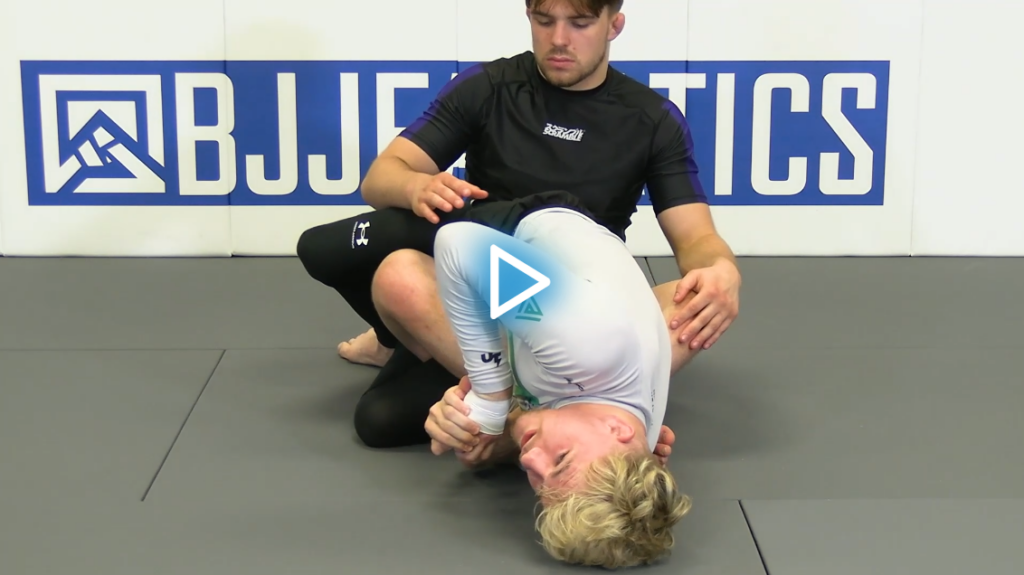
In the BJJ world, you have a huge selection of visually attractive moves to choose from. You can spin, invert, fly, or roll your way into a bunch of different positions or submissions, looking to surprise your opponents. The BJJ Helicopter choke falls within that category.

However, there is an exception to the Helicopter choke that does not apply to most of the above-mentioned flashy moves. Unlike most of them, the choke we’re about to deconstruct today has the potential to work against opponents of any size and experience and won’t land you in trouble if you mess it up. Let’s explain how it all works.

Attacking the Modern BJJ Turtle

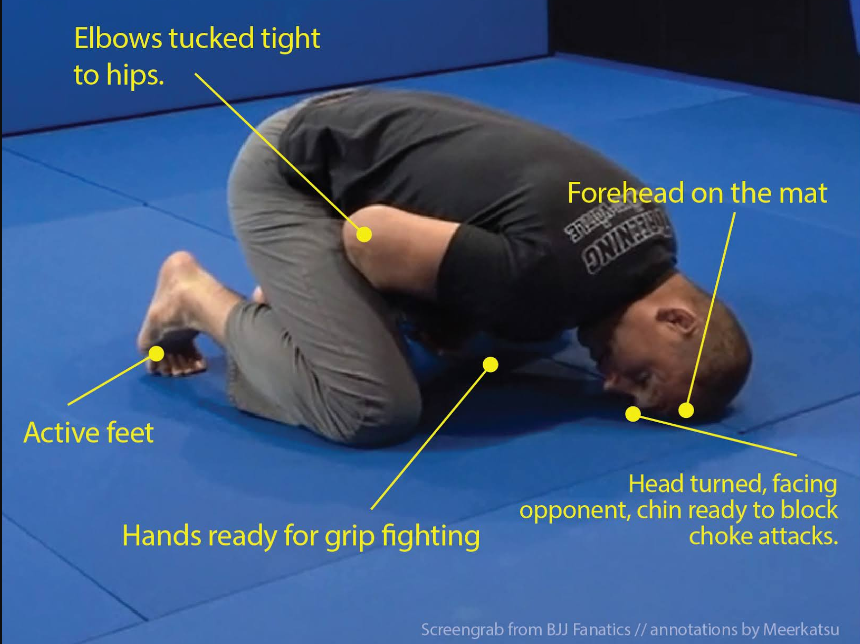
The turtle has always been the go-to defense for Judokas but it never really made too much sense for me. Fast forward to the mid-2010s and a modern system of BJJ defense emerged, turning the turtle into the one position that could block all BJJ attacks and open up escapes or counters.

So, how do you now attack a position designed to repel attacks? The main use is that the harder you try to break it down, the more you sacrifice your balance, giving away attachments and options for the bottom person to get out.

Since grabbing underneath the armpit is not an option anymore against any experienced turtle player, you’re left with destabilizing the turtle itself, which is the weakest point of the position. The best way to achieve a turtle breakdown is to target either end of the turtle – the legs or the neck.

When you are grappling with the Gi, the neck becomes your primary target. While attacking with the likes of the clock choke and the helicopter choke might not yield a submission outcome, you will destroy the turtle and set yourself up to have more success with your attacking game. Unless you let the opponent turtle up again.

Modern defensive turtle position in BJJ
The BJJ Turtle Position

Rolling Gi Chokes: A Warning

The BJJ Helicopter choke is part of the rolling chokes family, and whenever a world like rolling, spinning, or flying precedes a Brazilian Jiu-Jitsu move, you should exercise caution with it. It has as much to do with your safety as that of your opponent or training partner.

With rolling chokes, there is a point during the drop section of your roll when you have no control over your body. This is the time when you’re past the highest point of the roll and all you can do is let gravity take you to the mats. In ideal circumstances, this is a large reason behind the success of rolling chokes.

In the case of the Helicopter choke, though, you should be careful as this means all your weight is essentially going to drop-hang off the opponent’s neck. Since the Gi is involved, this might result in neck muscle or even spinal injuries before any choking mechanics start to apply.

Since there is no real way of dropping safely while executing a rolling choke, keep in mind that you don’t have to clamp on your grips as if your life depends on it and you should be ready to let go in case you feel that the opponent’s body positioning is not where you expect them to land, or they tap verbally or in a panicked way.

Step-by-Step Breakdown of the Helicopter Choke

The BJJ Helicopter choke is essentially a clock choke done in a way that locks the opponent’s head in place so that they can’t turn to the side and sneak out as they usually do versus clock chokes.

The absolute prerequisite of performing this choke is to establish a thumb-inside grip on the far side of the opponent’s collar while they are turtled up. As you’ll see later, there are ways to use the choke outside of the turtle position, but for learning purposes, it is best if we stick to it.

Grip Positioning

The placement of the choking arm is across a turtled-up opponent’s neck, while you’re positioned to the side. Reaching underneath the chin is not going to be resistance-free, which is why you only need to thread your thumb inside the opponent’s collar.

Your other arm can reinforce the position by grabbing the opponent’s pants on the near side. This way, you can still move freely to eventually set up the helicopter choke while preventing the bottom person from rolling out.

The Arm Post Checkpoint

Getting the Helicopter choke grips in usually has you in a kneeling or half-kneeling position to the side of your opponent. In order to enter the Helicopter choke you’ll need to pop up to standing, which will create space that the opponent can use.

While you should not linger in the standing portion of the choke setup, it actually helps the surprise factor as the opponent wonders why the weight is suddenly off. To ensure you can enter the choke or other follow-ups, you need to post the palm of the hand that held the pants on the opponent’s back.

The Leg Swing

The crucial moment in making the Helicopter choke work and preventing you from completely conceding the bottom position is the leg swing, also known as the stepover. This motion brings the power of your leg muscles into play, as you use the leg that is closer to the opponent to reinforce the choking arm as well as destroy any hopes of posturing up.

In fact, the arm post checkpoint serves as a power source to launch the step over, as you throw your nearside leg over the opponent’s body, trying to place the foot next to their head on the same side as the rest of your body.

This motion where you wrap your leg around your choking arm also activates the rolling motion, and the leg wedges deeper behind the neck as you start to drop to the mats.

Establishing an Underhook

Finally, as you allow the leg swing to take you over the opponent, your goal is to use the free arm, which is the one that is posted on their back to grab an underhook on the far side as you go through the rolling motion.

This aspect of the choke might not be available always, in which case, you should grab whatever you can get a hold of to solidify your position. However, once you get comfortable with the rolling helicopter choke, you’ll find it easy to sneak in an underhook control that further blocks the opponent from moving.

Choke-wise, there is no real need to squeeze anything as the roll and final landing position put immense pressure on the neck via the collars. If you need more pressure, extend the leg that is wedged behind the arm to finish off stubborn opponents.

A Couple Of BJJ Helicopter Choke Variations

Now that you know how to do the Helicopter choke against a turtled-up opponent, let’s look at a few other setups of the choke that are going to catch the eye of experienced grapplers a bit more.

Helicopter Choke From the Back

As an alternative to classic choke attacks from the back, you could opt for the Helicopter choke if you set everything up correctly. The main thing to pay attention to is that you will need to relinquish your hooks in order to get to the choke.

This variation also begins with a tight thumb-in grip on the collar, however, this time  you set it up from the back just like you’d do for a bow and arrow choke. Since you don’t need hooks, all it takes is standing up however slightly you need to execute the leg swing.

In this instance, the choke is not a rolling one but rather a falling one, and instead of underhooking the arm on the far side, you’re scooping up the near side knee, again, like in a bow and arrow choke finish.

Judo Style Helicopter Choke Entry form Throws

This variation of the Helicopter choke setup is the one that works the best out of everything in this article. The reason for this is that you set it up during a transition as you attempt a throw or a pass and the opponent decides to turtle up.

Once again, nothing happens without the grips, and you have to have the collar control to set this one up. That said, whenever an opponent turns to enter the turtle, you get your cue to go for the leg swing, allowing you to enter into the choke tightly with a high percentage of success.

The Clock Choke

Finally, we have to pay homage to the predecessor of the Helicopter choke which is the clock choke. This choke has put many people to sleep on account of the fact that you don’t have to use hooks to finish it and most people do not perceive the danger until it is too late.

Finishing the clock choke only requires the thumb-in grip and does not involve standing or rolling. Simply put, you grab the collar, place the weight of your shoulder on the opponent’s back, right below their neck and you start circling, be it clockwise or counterclockwise in the direction of their head.

Chopper Away!

Is the Helicopter choke enough to end all your turtle trouble while you’re rolling or competing in Gi Jiu-Jitsu? Of course not. However, it does present a very viable solution to help you break down the turtle and even maybe sneak in a submission while you are at it.

If you opt to use the choke during transitions through, particularly when you’re using collar-based takedown systems or passes, you open the door to a very powerful finish that often comes underestimated on account of its somewhat acrobatic nature. But, if it’s not flashy it’s not really worth doing, is it?

You Might Also Be Interested in:

What Is The Best BJJ DVD Instructional For Submission Hunters?

The Best DVD and Digital Instructionals For BJJ White Belts

The Best Turtle Attacks DVD and Digital Instructionals

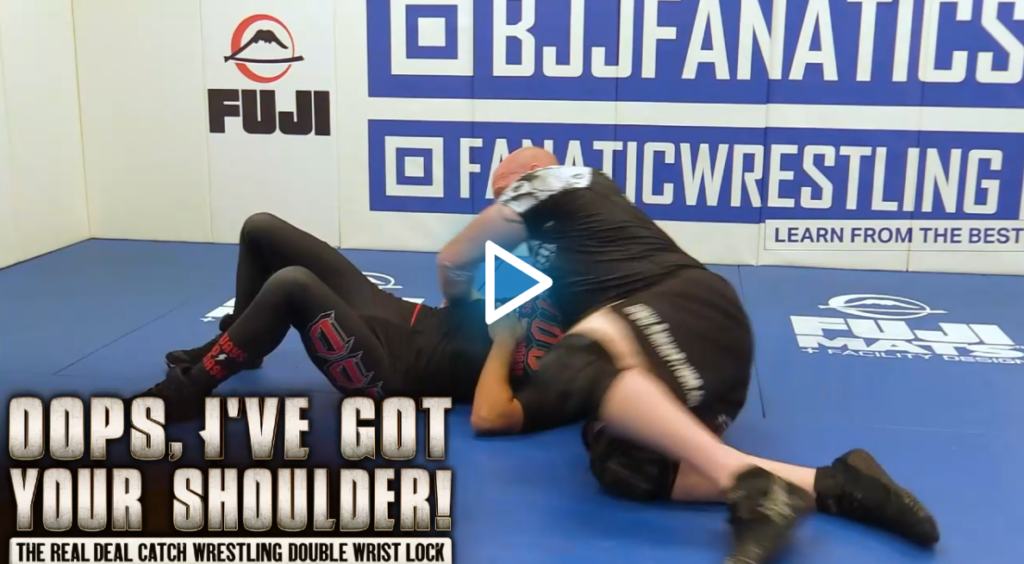
Oops, I’ve Got Your Shoulder Joel Bane DVD Review

Oops, I've Got Your Shoulder Joel Bane DVD Review

Ask yourself this: are you really using the Kimura to the end range of its potential? I doubt it, as there is a whole layer of Kimura-based shoulder-locking opportunities you’re missing out on simply because they’re not included in BJJ curriculums.

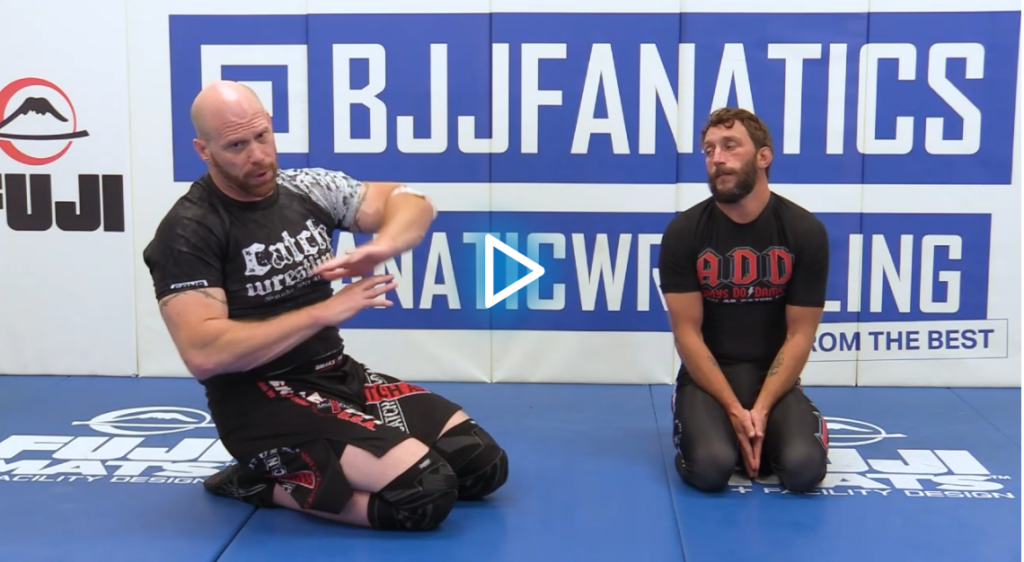
So, to supercharge your Kimuras, I recommend you pick up the Oops, I’ve Got Your Shoulder Joel Bane DVD. If you’re interested in learning about the catch wrestling roots of the Kimura and the different ways in which you can use it to pin, transition, throw, and counter stuff on top of submitting, then this is the perfect resource for you!

Key Takeaways

  • An 8-part No-Gi BJJ instructional covering Kimura uses over five and half hours of material.
  • Demonstrated by 3rd degree BJJ black belt and Snake Pit founder Joel Bane.
  • Includes direct and alternative finishes, traps, counters, mat returns, breakdowns, and pins.
  • BJJ World Expert Rating: 10 out of 10.

GET DVD HERE: I’VE GOT YOUR SHOULDER by JOEL BANE 

Review: Oops, I've Got Your Shoulder Joel Bane DVD
FULL TRAILER: Oops, I’ve Got Your Shoulder Joel Bane DVD

Where Do Catch Wrestling Submissions Fit in BJJ?

Catch wrestling is a grappling sport that does not get the recognition it deserves, It was one of the things that Maeada infused heavily into his blend of Judo that later became BJJ. Due to a host of different reasons, the sport never caught on at the level of Judo, BJJ, or Wrestling.

That, however, does not mean that we have nothing to learn from it. On the contrary, if wrestling has been fueling BJJ for the past 5-6 years, then imagine what the submission-heavy version of wrestling has to offer. So, jumping on the catch wrestling bandwagon early is a great way of ensuring you are among the first to reap the rewards.

Jsut to be completely clear I am not advocating for switching out most of BJJ for catch wrestling and hoping it will all work under BJJ rules. Instead, look for inspiration, or better yet, practical modifications to fine-tune and amp up your submissions so that tapping out higher belts is no longer something that happens once a year.

A great example is the Oops, I’ve Got Your Shoulder Joel Bane DVD. It reflects on the early use of a move dubbed “the double wrist lock” in catch wrestling, which happens to be almost the same as the Kimura in Brazilian Jiu-Jitsu. Definitely worth exploring.

Snake Pit Instructor and BJJ Black Belt Joel Bane

The Snake Pit USA. Mixed Martial Arts Academy is one of the most popular combat sports hubs in the world, with a system built on the foundation of catch wrestling. In a quest to produce the best grappling for practical uses, Snake Pit also heavily includes BJJ in their system, under the tutelage of Rigan Machado.

Joel Bane is the man who made it all happen – he is the Snake Pit founder and head instructor. He got his black belt from Rigan Machado and currently holds the rank of 3rd Degree. He also has a black belt in Luta Livre under the legendary Hugo Duarte.

Bane has spent a lifetime in grappling martial arts, training diligently in everything from Judo and BJJ to Catch Wrestling and Greco-Roman wrestling. He has 27 years’ worth of grappling experience to pick from when he is teaching,  which is clearly visible in the structure and style he brings to his Oops, I’ve Got Your Shoulder Joel Bane DVD.

Full Review: Oops, I’ve Got Your Shoulder Joel Bane DVD

The Oops, I’ve Got Your Shoulder Joel Bane DVD is a long grappling instructional, consisting of 8 parts. Each part has a different duration, but the total length of the material comes up to just under 6 hours, which is a lot in terms of grappling information.

Part 1 – The True Double Wrist Lock

Joel does a great job when starting this instructional in delivering a clear and concise definition of what the double wristlock is in wrestling, its origins, and how it compares to the Kimura we use in BJJ. Simply put, he shows how the double wristlock led to the development of the Kimura over the years.

He also shares some crucial differences between the catch wrestling version of the shoulder lock and the BJJ iteration. To begin with, he does an overview of how you can make takedowns stronger by threatening with the double writs lock, using it to pivot kick over, and even counter common takedowns.

Part 2 – Reverse Double Wrist Lock

In the second part of the Oops, I’ve Got Your Shoulder Joel Bane DVD, the action still remains standing for the most part. However, the version of the shoulder lock changes into something we need to use more in BJJ – the reverse double wristlock.

In this 27-minute long volume, Joel addresses some pretty acrobatic moves on the feet involving reverse double wrist lock counter takedowns. The one I have to single out is the cement mixer, something that has worked for me in the past. Bane’s fireman carry counter is also worth exploring further.

Part 3 – Side Control Set Ups

The third volume of this Joel Bane BJJ is when the action hits the ground, with top side control getting all the attention. Joel p[perfectly blends BJJ and Catch Wrestling to simplify the methodology behind the best grips and angles for finishing Kimuras.

He also goes over several alternative finishes while holding on to the double writs lock, such as the scissor choke, neck cranks, and key locks. I loved the fact that he turns the tables at the end, showing how to counter and escape the double wrist lock from bottom side control.

Part 4 – The Cobra Clutch

This portion of the Oops, I’ve Got Your Shoulder Joel Bane DVD shows a version of the double wristlock that is pure catch wrestling. The Cobra Clutch is essentially a choke done from a modified Gift Wrap position, which works way better than anything BJJ has to offer.

In addition to the Cobra Clutch, this volume has only one other chapter which explains how to take the scissor choke to new torturous heights by including a nasty neck crank and evil toe hold into the mix.

Part 5 – Double Wrist Lock Vs Turtle

As we pass the halfway point of this very informative KLimura-focused instructional, we start getting to some aspects that are absolutely crucial in breaking down the modern BJJ turtle. Since the latest developments in turtle defense are wrestling-inspired, it makes sense to attack with catch wrestling moves.

To that extent, Joel explains how you can set up the double wristlock from chicken wing control and use it to ride your opponent, destroying their turtle completely. As you probably expected, there are a lot of rolling attacks in this part, but all of them are simple and highly effective, as opposed to complicated BJJ maneuvers.

Part 6 – Hammerlocks

A staple of wrestling and catch wrestling, hammerlocks do not get much love in modern grappling. While they are never going to rise to the efficiency of heel hooks they do come in useful, and Bane does them justice.

An entire 40-minute long part of the Oops, I’ve Got Your Shoulder Joel Bane DVD is dedicated to the intricate interplay between the double wrist lock and hammerlocks, and how they make each other better. Bane includes both top and bottom combinations featuring hammerlock and Kimuras.

Part 7 – Double Wrist Lock From Bottom Turtle

The penultimate volume of the double wristlock Joel Bane DVD focuses on what I think is the most useful aspect of this system for BJJ grapplers – bottom turtle attacks. You can use Joel’s sneaky counters to set it up from a position most perceive as defensive, catching everyone by surprise.

Bane begins by teaching how to properly execute the sit-out and the angles you need to chase to make the double wristlock available. Once locked he takes us through a series of mat returns, flips, and trips that land you on top and allow you to apply all offensive aspects of the position that were already covered.

Part 8 – Mount Attacks

The final part of the Oops, I’ve Got Your Shoulder Joel Bane DVD offers a real treat to grapplers who would like to diversify their arm-locking attacks from the mount. In this volume, Bane goes over what we know in BJJ as the Monoplata, but injects Vitor Bellfort-levels of TRT into it.

There are several direct Kimura-like finishes offered by Joel, along with a few very unexpected bonus submissions and pins. just like with side control, Bane also offers a way out when you’re on the receiving end of the double wristlock, but I wouldn’t bet on it much.

Building A Kimura-Based Game

The Kimura trap is the perfect example of how you can base your entire game on one position that acts as a pin, a posture break, and a submission at the same time. Versatile moves such as this are not too common in BJJ and when you get the chance to expand upon the possibilities offered by one of them it is smart to consider it.

When I teach the Kimura in my gym, finishing the Kimura comes last. Instead, I have people explore what they can do without letting go of the grip. If you just enter a figure four (a.k.a. Kimura) grip from a set position, such as topside control, and decide to just go for a round of rolling without letting it go you’ll discover the potential it has.

You can easily apply the same approach to other positions such as guards, passing, standing, and even escaping. Grab onto a Kimura and see where it leads you. This entire system has been inspired by wrestling and the heavy use of the double wristlock to get anything but a submission, given the rules.

You can get everything you will ever need to know about the catch wrestling double wristlock in the Oops, I’ve Got Your Shoulder Joel Bane DVD. Do not hesitate to grab this one!

Joel Bane DVD Review: Oops, I've Got Your Shoulder
Free DVD Sample: Sit Out to Double Wrist Lock

DVD DOWNLOAD: JOEL BANE – I’VE GOT YOUR SHOULDER 

The Real Deal Double Wrist Lock

With all said and done, the Oops, I’ve Got Your Shoulder Joel Bane DVD is a throwback instructional covering how to blend catch wrestling and BJJ uses the popular Kimura to become a nuisance in every aspect of grappling. This Joel Bane DVD is one of those I’d include in a “must-have” BJJ DVD bundle as a source of basic information everyone needs to know.

The Best Catch Wrestling DVD and Digital Instructionals

The Best BJJ Arm Attacks DVD and Digital Instructionals

Catch Wrestling Submissions For BJJ

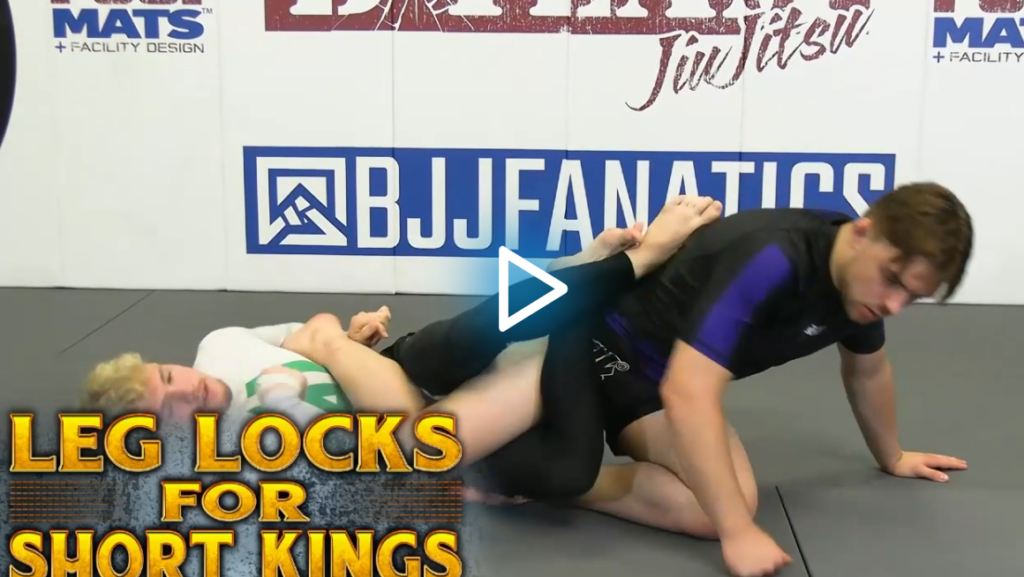
Owen Jones BJJ DVD Review: Leg Locks For Short Kings

Owen Jones BJJ DVD Review: Leg Locks For Short Kings

I am not a big fan of looking at leg locking instructionals these days, as most of them deliver sub-par, ineffective stuff that won’t work in a kids’ class. However, once I saw the background and accomplishments of the instructor, the Owen Jones BJJ DVD dubbed Leg Locks for Short Kings peaked my interest.

I knew the name was familiar from somewhere and a short research proved that the man knows leg locks, and knows how to use them against some of the best in the world. I could recommend you pick up this easy-to-follow system immediately, but why not offer you a complete insight into what the material holds? I hope you enjoy this review as much as I enjoyed the instructional.

Key Takeaways

  • A 3-part No-Gi BJJ instructional with nearly 2 hours of leg lock finishes.
  • Includes transitions between different Ashi Garami positions and entries.
  • 2023 ADCC Trials winner outlines his entire strategy for beating black belts as a purple belt.  
  • BJJ World Expert Rating: 9.5 out of 10.

GET IT HERE: OWEN JONES LEG LOCKS DVD

Review: Leg Locks For Short Kings Owen Jones BJJ DVD
SEE TRAILER: Leg Locks For Short Kings Owen Jones DVD

Where Do Leg Locks Fit in Modern BJJ?

A question I really can’t answer precisely, to be honest. I was one of the early adopters of the leg lock game, which came as a godsend to smaller framed grapplers such as myself. Fast forward about a decade since Eddie Cummings tore through everyone and leg locks are now something I teach in my kid’s class.

People who witnessed the rise of leg locks through the Danaher system have a somewhat distorted view of how they work these days. The Ashi Garami approach changed BJJ for good, which is demonstrated in the diversity of the leg lock game since those early days. Now, people use all kinds of leg lock modifications left and right, but that inclusion comes at a cost.

While Danaher’s system was complex, it was proven to work on the biggest of stages, given enough time spent practicing and perfecting it. The modifications that emerge now, some 10 years later, are mostly weird stuff that works once or twice, and only if your build is similar to the person demonstrating them.

The leg lockers who have provided legitimate variations on the subject, such as Charles Harriott, Lachlan Giles, and Robert Degle, are few and far between. So if you’re thinking about becoming a leg locker, or you’re dusting off your rusty leg locking skills, the best approach is to find what works at the highest levels of modern BJJ and try to replicate that.

In other words, when a resource such as the Owen Jones BJJ DVD Leg Locks For Short Kings, which features an up-and-coming prodigy that beat everyone at the ADCC trials pops up, you need to grab and analyze it as soon as possible.

Up And Coming Brown Belt Owen Jones

Owen Jones might not be a name you instantly recognize if you’re not really into the competitive BJJ scene. He is a brown belt under David Cartwright-Koza, the head coach of Apex BJJ. If you were watching the ADCC European Trials in 2023, you saw Owen tear through the -66 kg division, submitting everyone and earning his brown belt on the spot.

Aged only 19, sharing the accolade of the youngest ADCC trials winner with Jozef Chen, Owen beat names such as Robert Degle and Ashley Williams on his way to the ADCC trials podium. The UK prodigy caught everyone’s attention with his aggressive and submission-oriented game.

At the trials, he acted as if the highly competitive setting of the qualifiers for the biggest BJJ competition in the world was his natural environment. He talked to the crowd, tested the opponent’s concerns, and delivered a beautiful mix of leg locks and inversions to announce that there is a new up-and-comer in the lightweight No-Gi scene.

You can now check out some of his favorite leg lock stuff in the Owen Jones BJJ DVD titled Leg Locks For Short Kings.

Full Review: Leg Locks for Short Kings Owen Jones BJJ DVD

In this modern Leg Locks Owen Jones DVD, you get just under 2 hours of quality material that shows how young Owen managed to beat seasoned leg lockers by modifying the systems already established in BJJ. There are three volumes in this Owen Jones BJJ DVD each covering a different crucial aspect of the game, and all tied in together in a very methodical and easy-to-follow way.

Part 1 – Modern Leg Lock Game Essentials

As the Leg Locks For Short Kings Owen Jones BJJ DVD kicks off, Jones dedicates the better part of half an hour to the principles he uses to set up his highly potent game. Unlike most modern coaches, the youngster seems to favor simplicity and a straightforward but effective approach.

According to Owen, the key thing when you’re hunting for leg locks is how you attach yourself to the leg. He offers several different positions you can use as efficient leg locking attachments, some outside of what most leg lockers grasp as effective.

The second principle in Owen Jones’ leg lock game is to make the opponent weak before you go for the finish. He achieves this by off-balancing them, which he does not only when opponents are standing but also on the mats. he equates lack of balance to weak resistance, allowing him to finish so effectively.

Part 2 – Finishing Leg Locks

The art of finishing leg locks, even from a strong Ashi Garami has always ended up clinging on whether or not you can dig up the ankle, heel, foot, or knee to apply the breaking mechanics. Owen simplifies that in his instructional, offering variations to the finishes, most leg lockers use.

After going through the chapters on the Aoki lock finish, the Trne locks, and the modified toe hold, it is clear why Owen was able to outperform and beat seasoned leg lockers such as Robert Degle during his 2023 ADCC Trials title run. He also connects all his modified finishes beautifully to create a cohesive attacking system.

Heel hooks details for an outside and inside finish, as well as interesting modifications to the straight ankle lock also feature in this part of the Owen Jones BJJ DVD Leg Locks For Short Kings.

Part 3 – Ashi Transitions

During the final 30 minutes of the Leg Locks For Short KingsOwen Jones BJJ DVD, the focus shifts from finishing to switching between the positions that allow you to get the all-important tap.

Most of Jones’ efforts are geared towards the outside Ashi which he prefers, and he offers different ways into it which include the K-Guard, half guard, and even the De la Riva, which is unusual for a leg locker.

He also shares the interplay between sweeps and entries to leg locking positions, using BJJ fundamentals such as the scissor sweep to reiterate his point. He also provides a blueprint for seamlessly transitioning between the outside ashi and the Saddle position, wrapping up with a set of game-based sparring ideas, rooted in the ecological approach of training which is growing in popularity these days.

Leg Locks: A Solution For Short Folks

The reason I started using leg locks back in 2014 (God, that makes me feel old) was that I am a smaller framed grappler and I don’t have much reach with my extremities. Plus, back then I liked to lift weights, so seeing Toquinho a.k.a. Rousimar Palhares scare the living daylight out of everyone with leg locks made shifting to the then “dark side” a no-brainer.

To this day, regardless of which leg locking system you’re using, leg locks remain the biggest equalizer you have in Jiu-Jitsu. Wrestlers and Judokas are scared form them like Toquinho’s UFC opponents, and those Gi-only grapplers tend to tap even if you approach an Ashi Garami.

At the end of the day, if you are small, older, or a lonely female having to grapple a room full of competitive males, leg locks provide a way to dominate everyone. It goes without saying that longer-limbed BJJ practitioners can also be great leg lockers, but there is something that makes lower body submissions the bread and butter method of tapping out people when you’re built like a T-Rex.

That makes this Owen Jones BJJ DVD perfectly titled: “Leg Locks For Short Kings”. To be honest, it really delivers on the quality of material that will make you a ruler of the mats in your gym, and perhaps even the local competition scene.

Leg Locks For Short Kings Owen Jones BJJ DVD Review
Free Sample: Modified Heel Hook Finish by Owen Jones

DVD DOWNLOAD: LEG LOCKS FOR SHORT KINGS

Becoming a Leg Locking King

So there it is. The verdict in terms of the Owen Jones BJJ DVD: Leg Locks For Short Kings is that you should grab a hold of it now. Whether his modifications are going to work at the biggest stage of all, as Lachlan’s did a few years ago, remains to be seen.

It won’t take long though, with the ADCC just around the corner. Keep an eye out for Owen Jones and his leg locks in the -66 kg division and make sure not to blink!

Leg Locks 101: A Guide to Positions, Submissions, Dangers, And Rules

10 Best Leg Locks DVDs and Digital Instructionals

What Rickson Gracie Thinks About leg Locks?

Jiu-Jitsu For Old Guys Bernardo Faria DVD Review

Jiu-Jitsu For Old Guys Bernardo Faria DVD Review

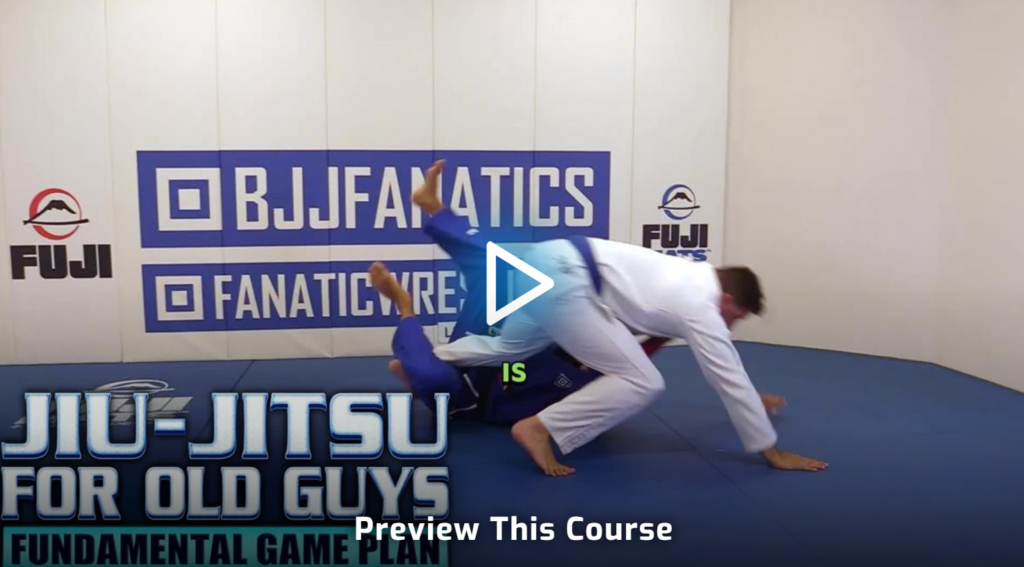
For those who can’t quite pull flying armbars and Imanari rolls any longer, the Jiu-Jitsu For Old Guys Bernardo Faria DVD offers a way to keep grappling competitively until you’re as old as Helio Gracie was. Outside of TRT, changing your approach to grappling is the only viable way forward.

After a certain age, your grappling priorities will change from dominating and winning to being able to just roll and. or compete. Don’t get me wrong, you’ll still want to win and dominate, but other things are going to come first. Having a structured gameplan that protects your body for years, hopefully decades to come is the first thing to look into if you’re aiming for longevity in BJJ.

Key Takeaways

  • A 7-volume Gi instructional DVD containing over 6 hours of material.
  • Each volume outlines complete game plans forstanding, guarded, or pinning aspects.
  • Features a submission-heavy approach proven to work in competitions. 
  • BJJ World Expert Rating: 9 out of 10.

GRAB NOW: BERNARDO FARIA JIU-JITSU FOR OLD GUYS DVD

Bernardo Faria DVD Jiu-Jitsu For Old Guys Review
TRAILER: Bernardo Faria DVD Jiu-Jitsu For Old Guys

Training Grappling Past Your Physical Prime

The thing with Brazilian Jiu-Jitsu is that you don’t want to stop doing it. Another thing is that our bodies get through so much abuse doing it, that it would very much like to do something else. Since this decision lies solely within our will, the end result is more abuse for the body and food for the soul.

All jokes aside, I’ve seen many people quit Gentle Art as a result of physical issues. Some get injured early on, nipping very promising grappling careers in the bud. What is truly difficult to witness, though, is seeing brown and black belts quit after decades of training on account of their bodies not being able to withstand the exertion any longer.

The one thing in common for these veteran grapplers who hand the Gi up is their grappling style in their prime. Those who like to move, jump, invert, and be a lot more daunting in their game, usually have to call it quits while they still have a solid portion of time left to enjoy BJJ.

While there is no way, or need, to limit such styles, there has to be a cutoff point after which you willingly switch to a different type of game. Our physical prime is between the ages of 35 and 40, and that is the time when you need to slowly re-tailor your game so that you can grapple deep into old age.

If you wait until you’re over 40, you’re already late and will suffer a bunch of different Jiu-Jitsu-related consequences. In a quest to offer a blueprint for its transition, we take a look at the Jiu-Jitsu For Old Guys Bernardo Faria DVD reviewing its contents.

OG Legend Bernardo Faria

Without Bernardo Faria, Jiu-Jitsu would be light years behind. His video instructional revolution has truly changed the landscape of the BJJ world in the last decade or so, and I am not just talking about his instructionals.

Faria is a well-known name to those who followed competitive BJJ in the 2010s. As an alliance team member (originally a Ricardo Marques black belt), Faria has 4 IBJJF world titles to his name, 4 Pans titles, 3 Europeans, and the Brazilian Nationals. Short of pro grappling tournaments which were rising in popularity during his final years as a competitor, Bernardo has really won it all.

His greatest contribution to BJJ, however, came in the form of BJJ Fanatics, a platform that records and releases BJJ DVD instructional featuring everyone and anyone in the realm of BJJ coaches. From legends such as John Danaher and Marcelo Garcia to local coaches with a wealth of knowledge, Faria has provided a platform for everyone to contribute with their grappling knowledge.

He, of course, has been adding great value to the knowledge stock at BJJ Fanatics with his own instructionals. His latest effort, the Jiu-Jitsu For Old Guys Bernardo Faria DVD comes at the back end of an impressive collection of 40 BJJ DVD titles!  I guess that is why when you Google his name, it says “YouTuber” underneath it.

Jiu-Jitsu For Old Guys Bernardo Faria DVD Review

the Jiu-Jitsu For Old Guys Bernardo Faria DVD is a collection of 7 fairly short volumes, each covering one of the key aspects of grappling, dedicated to building a game for people over the age of 40. Each volume lasts between 15-30 minutes and covers the most important Gi concepts and techniques for older grapplers to master.

Part 1 – The Standing Game Plan

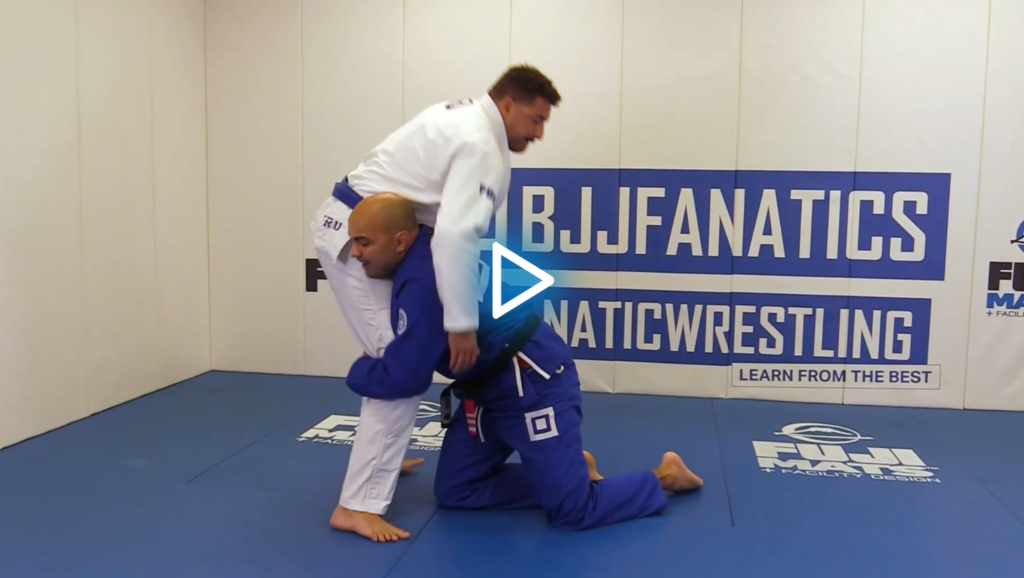
After Bernardo declares that this DVD is a huge honor for him in the intro, he quickly moves on to provide an outline for putting together a strong-standing game for grapplers over 40. I was somewhat surprised to see the double leg takedown featured here, but the takedown setups Faria offers make sense.

Bernardo provides different finishes to the takedowns, from standing and kneeling as well as guidelines on how to force top half guard immediately after pulling it off. Since he really loves the half guard, he offers an alternative to use when the double leg fails in a lapel-based deep half guard pull.

Part 2 – Half Guard

As expected, there is lots of half guard focus in this Bernardo Faria DVD. Sticking to the optimal use of the best guard for older grapplers, as well as the full use of the opponent’s GI, Faria covers several easy-to-perform sweeps, changing between the knee shield and deep half guard.

The Turksih get up sweep is what caught my eye in this part of the Jiu-Jitsu For Old Guys Bernardo Faria DVD, but I’d also suggest you pay attention to his philosophy of using the different levels of the knee shield.

Part 3 – Closed Guard Game

No surprises here, an instructional for OGs covering the closed guard. I like all my students to use it, regardless of age, so I was quite critical about this part of the DVD. I expected efficiency and got exactly that, though.

In 20 minutes, Bernardo covers everything you need to master to have a competition-ready closed guard. He begins with a detailed game plan, which revolves around the Omoplata. Faria shows variations of this sweep-submission combo that either get you on top, get you a tap, or an unexpected way into the deep half guard.

Part 4 – Guard Passing for OGs

Passing is a difficult task for anyone, when you’re on the wrong side of 35 and trying to deal with a young flexible stud in their early 20s, it is the grappling definition of hell. Bernardo has a way out though, or better said, through.

The passing method he sticks to in the fourth part of the Jiu-Jitsu For Old Guys Bernardo Faria DVD is the over under pass, which comes as no surprise. He does restrict it a lot, though, focusing on pressure and checkpoints throughout the pass more and going into great detail. Just for fun, he wraps up by teaching us how to stack efficiently and smash the half guard in addition to over under passing.

Part 5 – The Mount

If you think that ending up in the mount is going to help you deal with an adult division competition in its prime, you’re in for a rude awakening. There are things that you can do from the position, though, that will help you ride it out smoothly, and Bernardo knows them all.

I was quite surprised about the set up and execution of Beranrdo’s submission-heavy mount but it made sense. The more you threaten with submissions, the easier it is to retain position. After testing it out (I am 39) I have to say that the arm triangle choke and climbing arm bar combo is a real wrecker!

Part 6 – Side Control Tactics

One of the longer volumes in this Jiu-Jitsu For Old Guys Bernardo Faria DVD, going on for just above half an hour. I always thought that the Twister side control is the best way of not wasting energy while easily keeping side control, but Faria makes a point of using its sister position, the Kesa Gatame more.

It makes sense, especially when you hear his philosophy behind the control that leads to submissions which you don’t set up, but rather bait toward. Essentially, he sets up the scarf hold as a trap, with the submissions being the closing mechanism once prey enters.

This part also sees Faria address the turtle, basing most of his efforts around lapel control and breakdowns that open up the back.

Part 7 – Back Attacks

Speaking of back attacks, the final volume in the Jiu-Jitsu For Old Guys Bernardo Faria DVD has a few chapters to offer on the subject. Once again, the Gi features heavily and helps tie in the back attacks with previous top control volumes such as passing and side control.

Using the same or nearby grips he established early, Faria demonstrates effective bow and arrow and collar choke finishes from the back. He also ties in the arm triangle from the mount beautifully, offering a transition into it in case your initial back attacks fail.

The Fundamental Game Plan for Longevity

People tend to run away from the fundamentals on account of them being too simple or boring. Originally trained as a veterinary surgeon I can draw the parallel between BJJ and surgery. I was way more interested in complex sutures and maneuvers as an up-and-coming surgeon rather than simply doing what is proven to work.

For the most part, it was the same with my BJJ style until I got my brown belt. While I did catch the OG game switch in the optimal window, I could’ve hopped on the train a bit sooner. Or, as my surgery mentor said back in the day “master the basics first”.

The point I am trying to make is that having a strong fundamental BJJ game is not just a great and reliable way to dominate in matches – it will also allow you to train until you are an advanced age. The more you turn towards the basics, such as the gameplan outlined in the Jiu-Jitsu For Old Guys Bernardo Faria DVD the more efficient you’ll be, achieving the dream of longevity on the mats that every grappler over 40 has.

 Bernardo Faria DVD Review Jiu-Jitsu For Old Guys
Free Double Leg Takedown Technique by Bernardo Faria

BERNARDO FARIA OLD GUYS JIU-JITSU DVD DOWNLOAD

Beware of the Old Guy…

You’ve probably heard that you should “beware of the old guy in a young man’s game”. This is exactly who you want to be after you’re past your physical prime, the old guy/girl that everyone is wary of engaging.

The Jiu-Jitsu For Old Guys Bernardo Faria DVD is a fantastic resource to help you plan out your transition towards a much more user-friendly BJJ game. While aimed at Gi grapplers primarily, the same principles apply to No-Gi, and the instructional is not overly long or complicated to go through.

Best BJJ Half Guard Instructionals – The Complete Guide

Deep Half Guard in BJJ – Everything About

How To Practice Jiu-Jitsu As You Get Older

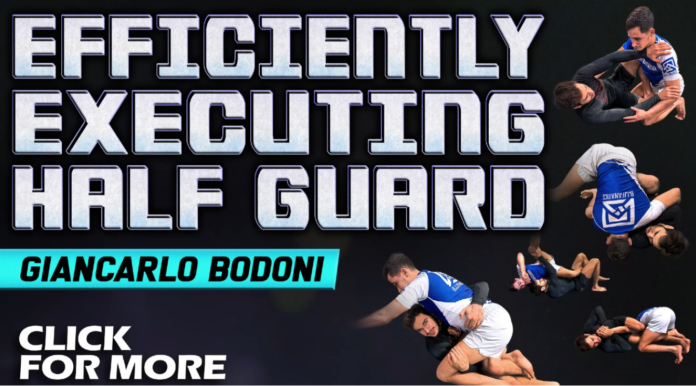
Efficiently Executing The Half Guard Giancarlo Bodoni DVD Review

Efficiently Executing The Half Guard Giancarlo Bodoni DVD Review

If you are trying to make sense of the BJJ half guard position, looking at instructionals might just leave you more confused. There are more BJJ DVDs out there about the half guard than any other position. So, before you attempt to follow any of them, give the position a try for a few months, to see what you like to do from it.

Alternatively, you can look at an instructional such as the Efficiently Executing The Half Guard Giancarlo Bodoni DVD, which contains an overview of the most useful half guard variations. The key thing to remember is not to get lost with al the options available from half guard, so even with this DVD, you should pick one volume and stick to it for a long time!

Key Takeaways

  • A 5-part No-Gi grappling DVD that lasts almost 4 hours.  
  • Contains an overview of common half guard variations, concepts, and plenty of techniques. 
  • More of a general instructional than a resource for building a half guard game. 
  • BJJ World Expert Rating: 8 out of 10.

HALF GUARD GIANCARLO BODONI DVD AVAILABLE HERE!!!

Reviewl: Half Guard Giancarlo Bodoni DVD
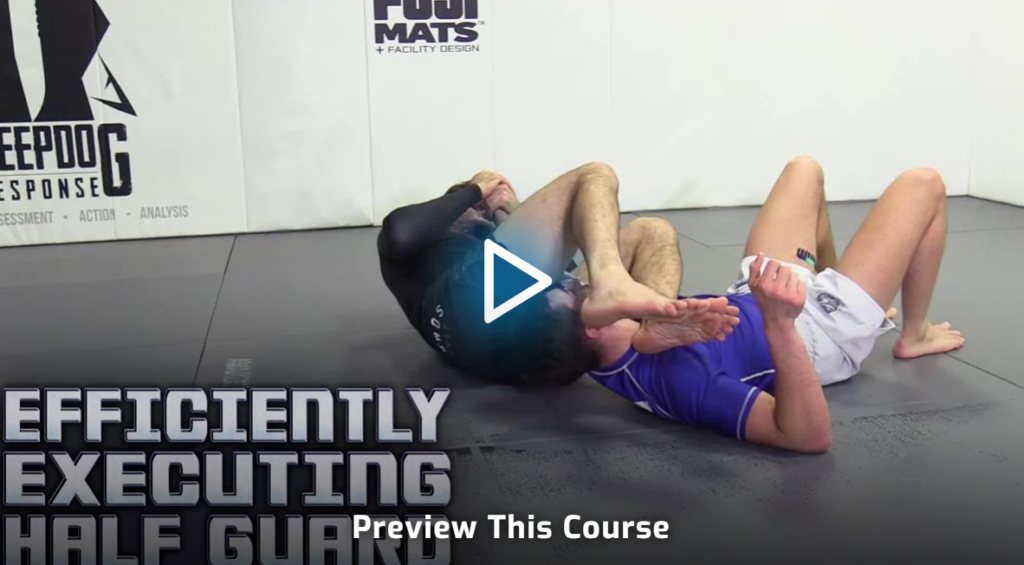
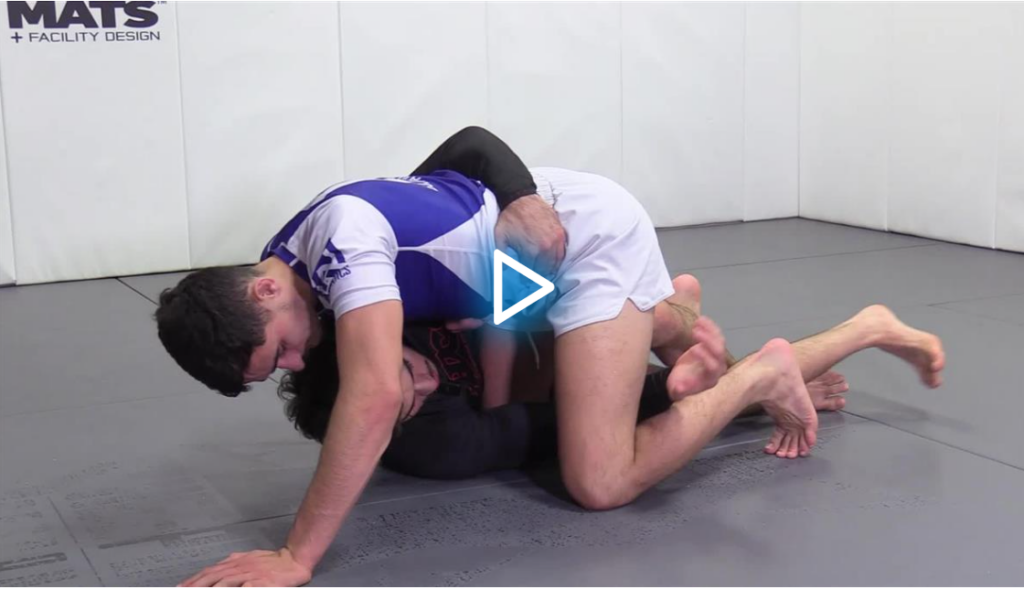
TRAILER: The Half Guard Giancarlo Bodoni DVD

Everyone’s Favourite Guard

There’s really not much to say about the half guard except that everyone likes it, even when they claim otherwise. Moreover, everyone does it, and just about everyone messes it up as well. Whenever I see people playing half guard during rolling in my gym, I know I am either in for a threat or a cringe.

The half guard is a very comfortable spot to be in when you’re playing from the bottom, which is exactly what makes it very dangerous. For you. Getting complacent in the half guard means you won’t let people pass (for the most part) but you also won’t achieve much in terms of attacking.

If you truly want to unlock the maximal potential of the half guard, you’ll need to find the balance between defending passing with it and working a bit to achieve top position and then enjoy grappling more. It just so happens, that finding this balance is the most difficult aspect of playing half guard.

We’ll be looking today at the Efficiently Executing The Half Guard Giancarlo Bodoni DVD to see whether yet another half guard BJJ DVD can do to help you achieve this balance or will only leave you even more confused.

Giancarlo Bodoni – The Italian Stallion of Grappling

The 28-year-old Florida native who rose to grappling stardom by winning the 2022 ADCC -88 kg division is one the best, yet humble grapplers of today. Originally a Lucas Lepri black belt, Bodoni is part of the New Wave Jiu-Jitsu team led by Danaher. He is set to defend his title in this year’s edition of ADCC, attempting to improve on his 41-22-1 record.

Throughout his career, Bodoni has perfected his grappling skills by learning from names such as Lucas Lepri, Rilion Gracie, Gutemberg Perreira, and, of course, his current mentor, John Danaher. Giancarlo even moved to Brazil for a while in pursuit of BJJ excellence, joining the GF Team ranks in 2017.

Bodoni was a strong member of the Alliance team from 2018 until 2021, getting both his brown and black belts from Lepri. In 2019, still, as a brown belt, he went to teach at Bernardo Faria’s Alliance Academy in Bedford, meeting up with the then Danaher Death Squad in the process.

After joining the New Wave Jiu-Jitsu team when they set up base in Austin, Bodoni started claiming No-Gi accolades such as the 2022 ADCC gold and IBJJF Pans, to add to his already impressive Gi resume. He also has several high-level instructionals out, now adding the Efficiently Executing The Half Guard Giancarlo Bodoni DVD to the collection.

The Half Guard Giancarlo Bodoni DVD Detailed Review

Ginacarlo’s latest BJJ instructional effort addresses the half guard by exploring different commonly used variations, goal setting, grip fighting, and crucial concepts, and topping it all off with a number of different defensive and offensive techniques.

In this Half Guard Giancarlo Bodoni DVD you get nearly 4 hours of very methodical material, divided into 5 different volumes. The first volume covers general half guard concepts, while the rest each address a variation of the guard in detail.

Part 1 – The Half Guard Criteria

Bodoni is very methodical in organizing his instructionals, although much more to the point compared to some of his New Wave Jiu-Jitsu teammates. The Half Guard Giancarlo Bodoni DVD begins with an introduction to everything you’ll ever need to know about the half guard, delivered in just above an hour.

Bodoni begins by setting up the key criteria for playing half guard, before addressing body positioning in terms of lower and upper body placement and motion, and how purposeful grip fighting makes everything come together.

He also covers some key concepts on guard recovery, placing an emphasis on its importance in successfully playing any half guard variation.  In this part of the instructional he also addressed the most common problems you’ll face as a half guard player and how to mitigate and/or completely resolve them.

Part 2 – Knee Shield Half Guard

As the second volume of the Efficiently Executing The Half Guard Giancarlo Bodoni DVD instructional rolls through, Giancarlo dedicates an hour to one of the most useful half guard variations in the history of BJJ – the knee shield. Building on the principles from the first volume he discusses positioning, defensive tactics, sweep setups, and submission dilemmas.

Among the more entertaining and useful chapters in this part of the DVD, I’d single out the ones on how to clamp from the knee shield, the triangle setup, and the scoop grip sweeps mini system. his take on dealing with people sprawling from the top, especially heavy opponents is also quite insightful.

Part 3 – The Half Butterfly

Every lazy guard player and leg locker’s favorite half guard variation, the half butterfly also gets a lot of attention in this Giancarlo Bodoni DVD. The majority of the setups in the volume revolve around the arm drag, which is effective given the tilted positioning of the half butterfly guard.

Of course, the New Wave’s favorite overhead sweeping system makes an appearance, tied in with straight and cross Ashi Garami entries and finishes. I particularly enjoyed the parts covering how to capitalize on an opponent trying to flee these leg lock setups by utilizing the X guard as a follow-up.

Part 4 – Underhook Half Guard Game

Somewhat lost in the modern tsunami of wrestling techniques in BJJ, the underhook half guard also gets some time in the sun in the Efficiently Executing The Half Guard Giancarlo Bodoni DVD. While I am still skeptical about its use, Giancarlo has some good points in this volume.

Namely, in the half an hour dedicated to this variation, he offers a few interesting arm positioning details, paired with several roll-through counters to deal with the danger of overhooks and front headlock attacks. The attacking trilemma he sets up from the position is also highly effective at directing the top person’s attention away from your underhook.

Part 5 – The Deep Half

The final chapter of the Half Guard Giancarlo Bodoni DVD is dedicated to the deep half guard, a.k.a. the old guy’s guard. This is a short volume, barely exceeding 10 minutes, and features a couple of sweeps including a No-Gi waiter sweep variation and a quick X-Guard transition.

The Value of Tactical Efficiency

Whoever says that stalling in BJJ is a despicable move has probably never grappled people who have any real experience on the mats. Stalling, while often abused, especially in Gi BJJ, is a valid strategy to help you set up the execution of your game against a more skilled opponent.

The thing to remember here is that you need to set up your game using stalling, not just try to survive by preventing a person from passing and going further up the positional hierarchy.

When we talk about stalling from the bottom, the half guard is the absolute best position for such a tactical approach. The reasoning behind it is simple – you contain your opponent to only play one position from the top, as opposed to having the ability to move and pass in every possible direction.

This is a double-edged sword though, as the same happens to you – you can only play half guard if you decide to force it. If you are good at half guard, then it will make a lot of sense to employ such tactics. That is where you can benefit from the material in the Efficiently Executing The Half Guard Giancarlo Bodoni DVD.

Efficiently Executing The Half Guard Giancarlo Bodoni DVD
Free Sample – Roll Through Sweep by Guard Giancarlo Bodoni

GIANCARLO BODONI HALF GUARD DVD DOWNLOAD

Shield Up!

With all said and done on the subject of half guard, and how the Efficiently Executing The Half Guard Giancarlo Bodoni DVD can help your game, al that is left is for you to become a tactical stalling machine with a dangerous submission finishing rate.

Yes, even though it sounds counterproductive, such a thing is possible to achieve as a means of playing guard, and I’ll go even as far as saying it is the best way to play guard against opponents who are better than you.

While you could figure it all out yourself by putting yourself in half guard, why not use the shortcut that this Giancarlo Bodoni Half Guard DVD offers?

Half Guard -The Best DVDs And Digital Instructionals

Best BJJ Half Guard Instructionals – The Complete Guide

BJJ Fundamentals: The Best DVD and Digital Instructionals

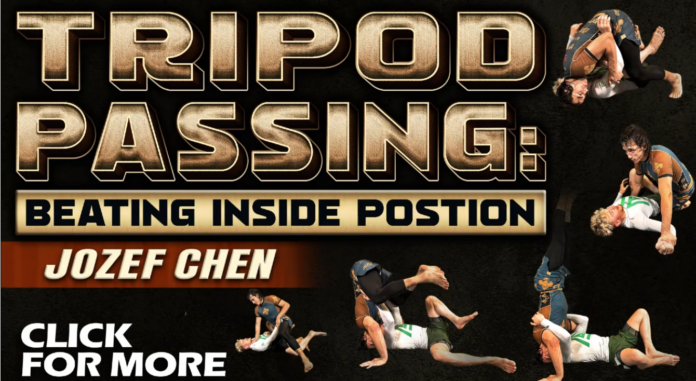
Tripod Passing Jozef Chen DVD Review: Beating Inside Position

Tripod Passing Jozef Chen DVD Review: Beating Inside Position

Passing has always been, and remains one of the toughest things to execute in BJJ. What helps immensely is understanding where the threats come from, rather than trying to pass the following steps and inflexible technique patterns.

The Tripod Passing Jozef Chen DVD is a very welcome example that people in the BJJ world understand this shift in perspective when it comes to passing and top-level athletes do not offer an insight into how they approach this daunting grappling task. I am categorical that it will make you a better passer and help you learn BJJ faster. Read on to understand why.

Key Takeaways

  • A No-Gi grappling instructional with 6 parts, covering a very practical approach to passing inside-based guards. 
  • The material is organized in phases and includes games rather than drills to master everything faster. 
  • Put together by ADCC trials winner and B-Team brown-belt sensation Jozef Chen. 
  • BJJ World Expert Rating: 8.5 out of 10.

JOZEF CHEN PASSING DVD AVAILABLE HERE!!!

Beating Inside Position Tripod Passing Jozef Chen DVD
TRAILER: What’s Inside the Tripod Passing Jozef Chen DVD?

The Formula for Passing Modern BJJ Guards

The guard game in BJJ changed significantly in the past decade, and I’m not talking about the boring lapel guards IBJJF “stars” use to claw advantages. The prerequisite for leg locks, popularized by John Danaher and Eddie Cummings as ‘inside position‘ is the real culprit that skyrocketed the threat of open guards in Jiu-Jitsu.

To be fair, only guards utilizing inside positions, such as butterfly, X guards, Reverse De la Riva, etc pose a leg-locking threat. Other outside-based guards are better suited for upper body submissions, such as chokes and armlocks.

This categorization of modern guards as inside and outside allows you to set up a passing game that kills off the guard’s immediate danger, making it a lot easier to figure out different guard positions as opposed to trying to figure out each distinct guard on its own.

Knowing where the threats are also allows you to break some staple rules of guard passing, as you can afford to take risks in a direction that has nothing to threaten you with. The Tripod Passing Jozef Chen DVD specializes in taking you past inside position guards in a versatile and fairly easy-to-master way.

Jozef Chen – The New Breed of Grappler

The BJJ Akademie gym in Berlin, Germany is one of the best places to train BJJ in Europe. It has a bunch of exceptional athletes and a lineup of top instructors, some of which I have the pleasure of personally knowing. The one person you most likely know, and everyone will certainly know in a few years, is Jozef Chen. 

Currently aged only 20, the young brown belt who represents the B-team on the world-class competition stage has only been training for barely 5 years. Starting BJJ at 14, Chen quickly tore through the professional competition scene, taking names along the way. His list of victims includes grappling standouts like Tommy Langhaker, Oliver Taza, and Elijah Dorsey, to name just a few.

Still working towards his black belt (promoted to brown by Craig Jones in 2023), Chen has used his versatile ethnic origin to train all over the globe, blending experiences into his unique game. Even though the B-Team is his base now, most of the things he has learned over the years, he attributes to relentlessly watching BJJ DVDs.

Now, he gives back with one of his own, with the Tripod Passing Jozef Chen DVD explaining how to deal with modern guards by beating inside position as you break most rules of passing.

Full Tripod Passing Jozef Chen DVD Review

The Tripod Passing Jozef Chen DVD is an instructional demonstration of the best way of Beating Inside Position against modern guards which pose a big danger of leg locks and back attacks. The full running length of the DVD is just under 3 hours, with Chen demonstrating everything in No-Gi.

Part 1 – Pre-Passing

It is crucial to understand that passing guard consists of phases that you can’t simply skip over, and not many people tend to give them the attention they deserve. Contrary to this practice, the first volume of this Josef Chen DVD is all about the prep phase for passing, which determines how successful the passing effort turns out to be.

Chen first covers distance management and the different phases of engaging from different distances upon making contact with the guard player. Of course, he introduced the concept through the lens of the tripod pass system he covers in this instructional.

In that sense, he outlines two distinct phases, as well as focuses on what you should do with the lower and the upper body as you go through them. In what I consider to be a stroke of brilliance, CHen also introduces pass maintenance, which keeps you safe in a half-pass situation until you can inch yourself forward.

Part 2 – Passing Half Butterfly

The main area that the  Tripod Passing Jozef Chen DVD targets is dealing with inside position guards, a.k.a. leg lock threats. With the half butterfly guard being every guar player’s preferred hub for setting these up against skilled passers, Volume Two is all about how to break this popular and annoying guard down.

Chen covers how to play and win the push-pull game when overhooks are involved,  as well as how to engage passing from different ranges, taking away the most valuable advantage that half butterfly brings to the table.

I particularly enjoyed that Chen passes to both sides, given that the tripod position usually leads people to only pass on one side. Using the well-known principles of underhooks from the top, and some float passing tactics, Chen offers a very secure way to beat one of BJJ’s most dangerous guards.

Part 3 – Using Shins and Elbows

The one thing I’ve always found extremely boring to drill is leg pummeling for guard passing. I still hate drilling and do not spend a minute doing it, but that doesn’t mean the pummel is not extremely useful in passing, particularly tripod passing.

This part of the Tripod Passing Jozef Chen DVD offers several different ways to use the shins as you change levels from entering a supine position to going chest to chest in order to maintain your pass. There’s that awesome concept of pass maintenance again.

Throughout the motions, Chen explains how your elbows are your best posts, carefully deconstructing all the different ways to use them to improve your shin pummeling effectiveness. he uses some popular guards, such as the knee shield and Reverse De la Riva in this part to reinforce his points.

Part 4 – Grip Strategies for Passing

In the final instructional part of the Tripod Passing Jozef Chen DVD, he spends more than 30 minutes addressing the importance of wrist control during tripod passing. The best part about using the tripod position is that it frees up at least one of your arms, which you can use to trap the opponent’s wrist(s) and ensure a successful pass.

Jozef truly does go over every applicable grip configuration here, offering solutions for scoop grips, hamstring grips, pulling grips, the Whizzer, pushing grips, etc. Once again, he uses practical examples utilizing the X guard, to prove his point.

He also covers a bonus concept in this section as he demonstrates how to trap smother someone into tricking them into urging you past their guard.  He also shows several very cool games that help all the material sink in, as opposed to boring, repetitive drilling.

Parts 5 & 6 Phases of Tripod Passing

The final two parts of the Tripod Passing Jozef Chen DVD go over the phases his tripod system uses for beating inside positions even against much more skilled opponents. He outlines the three phases of entering, maintaining, and offense from the tripod position using a different partner in each of the last volumes.

These are sort of a blend between narrated rolls and the execution of the passing games offered in the previous volume. Effectively, they represent how to practice the material so that you can quickly make sense of it and integrate it into your game.

Use Your Head More

The tripod passing position is one I don’t let my students use early on. The problem with it is that it breaks the passer’s posture, opening up a bunch of different attacks for the bottom person. Jozef Chen does offer solutions to all this, mainly by way fo wrist fighting and body positioning, but that requires a bit of experience on the mats to successfully pull off.

That said, I am a huge proponent of using the head to post on the mats, effectively getting a fight limb to use. I do use it for passing myself, but I always stay alert to position my butt high over the head, essentially keeping the posture unbroken. Chen demonstrated the same in his instructional.

The best way to start practicing Chen’s stuff without getting into trouble, if you’re not skillful enough yet with passing is to try the tirpod position out as pin. Top side control, top half guard, knee on belly, and even mount are great to provide you with invaluable balancing and body positioning experience before you can use it to beat the versatile threat of the legs using the info in the Tripod Passing Jozef Chen DVD. 

Beating Inside Position Tripod Passing Jozef Chen DVD Review:
Free Move: Learn Jozef Chen’s Trap Smother Pass HERE

JOZEF CHEN TRIPOD PASSING DVD DOWNLOAD

Wave As You Pass!

It is about time that you become so confident with your passing that you can wave to the crowd as you cruise by your opponent’s guards using the prevent tactics from the Tripod Passing Jozef Chen DVD.

Gi or No-Gi, beginner or coach, you’ll figure out many things about the modern issues that guard passing is facing in BJJ and grappling these days. The tripod position is a very welcome way to turn guard passing on its head (pun intended) and surprise even the most skilled guard players in your academy!

BJJ Guard Passing – Why It Doesn’t Work And How To Fix It

Guard Passing Drills That Can Teach You Jiu-Jitsu Fast!

All BJJ Guard Passing DVD and Digital Instructionals GI & No-Gi

6 Easy Reverse De La Riva Back Take Variations [Gi & No-Gi]

6 Easy Reverse De La Riva Back Take Variations [Gi & No-Gi]

Whenever the Reverse De La Riva guard is mentioned, people who have at least a bit of an understanding about it immediately think of inversions and back attacks. The reason behind it is that the RDLR truly is one of the best guards to use if conquering the back is your priority. 

Executing Reverse De La Riva back take is not easy, but it is not something reserved for advanced grapplers only. You can make your route to the back as complicated or simple as you wish, and we have selected 6  slick and very effective methods of not just getting to the back fast, but also introducing sweeps and different guard transitions to the mix.

Reverse De La Riva Back Take

Reverse De La Riva Guard Tactics

One of the most popular guards in BJJ, particularly in No-Gi was the Reverse De la Riva guard. I say “was” because the raise of leg locks brought an abrupt, and very unnecessary end to this position.

True, there is a threat for leg locks, but it comes at the price of potentially giving up top position, and with the guard offering leg lock entries and Ashi Garami transitions as well, it really isn’t more dangerous than playing any other guard. And no, playing RDLR does not guarantee the top person an Estima lock, so that excuse goes straight out the window.

Moving on, the potential of the RDLR is still immense in terms of playing a secure guard that works against both standing and half-kneeling opponents, reflecting passes easily and setting up various different attacks from the same position. Moreover, it ties in beautifully with the half guard if the opponent decides to kneel on both knees.

That brings us to the most efficient tactic available from the guard – the Reverse De la Riva back take. It takes some movement mastery as it involves inverting into a half spin, but the end result is a shortcut to the back position, 4 points, and a smooth ride to winning any match, Gi or No-Gi. 

6 Gi & No-Gi Reverse De La Riva Back Takes 

Let’s take a look at a few of the best routes that lead to the back from the Reverse De la Riva guard. Options include direct routes, sweep, and other guard combo threats, standing and half-kneeling setups, and details on the all-important half spin, a.k.a kiss of the dragon:

No-Gi Reverse De La Riva Back Take

Serra Jiu Jitsu’s top black belt and once a Danaher Death Squad member, Jason Rau is an established star in the sub-only scene. The young prodigy has some very slick attacks from the Reverse De La Riva guard, with one of his best being a very easy-to-master from Reverse De La Riva back take.

While these moves are demonstrated without the gi, the concepts, theories, and movements can also be applied/modified to work in the Gi. Check out this high-percentage setup below:

A Gi RDLR Back Take Variation

Gracie Barra’s top competitor Felipe Pena shares a slightly different way to set up what is more or less the same Reverse De La Riva back take demonstrated by Jason Rau. he main differences are in the grips, with Pna making the most out of the pants grip options he has available. 

The main reason why the Gi version of this slick back take is slightly better is because of the belt. It presents an attachment point that allows transitions back into guards such as the 50/50 if the back take fails after you manage to spin inside. 

RDLR Guard Sweep and Back Take Dilemma

For those who like to chain their attacks, the following option, also done with the Gi, offers the chance to threaten with a sweep and a back take at the same time. While the back take shown below is complicated and very advanced, the sweep is a breeze to set up and finish. 

I’d recommend that you use the timber sweep from the RLDR to introduce a different direction of attack, that allows you to grab the back the old-fashioned way, by half spinning between the legs. However, you can put some effort into mastering the Bolo back take available off the sweep to become even more dangerous.

Low Reverse De La Riva Back Take 

One of the most annoying things about the Reverse De la Riva is that people can kill a big portion of it by forcing and maintaining a half-kneeling position. As Luiz Panza demonstrates, this doesn’t have to be a hurdle, and can still lead to the back, albeit not the same way as a standing entry goes.

The same motion applies here, but the inverted spin goes further, and you extend your legs instead of hooking them onto the opponent. The end position is one that reminds of a distal leg locking setup and forces the opponent on their back landing you a sweep. If they decide to remain on all fours, then their back is all yours

Reverse De la Riva Back Take and X-Guard Combo

In this video, you see how you can force the top person from a half-kneeling into standing Revrse De la Riva guard which opens up all the Reverse De la Riva back take options explored above.

This version explores a route towards the X guard if the opponent has exceptional balance, which means you add leg locking and sweeping threats to your back take effort. Having this checkpoint in your RDLR back take arsenal is huge in preventing counters that might end up with the opponent on your back.

Essential Kiss of The Dragon Details 

The final video in our Reverse De la Riva back take the crash course is a detailed breakdown of the spin itself, the thing that makes or breaks your back taking attempts from the Reverse De la Riva guard.

Here Brandon McCaghren shares snippets of a class he teaches on the subject of spinning inside the RDLR, covering key details such as grip placement, hook height, timing, and when to back out of the spin. He also touches upon the crab ride, the position you end up in after the spin but before you grab the back.

The Best No-Gi Guard in BJJ? 

Some people have gone as far as calling the Reverse De la Riva the best guard in BJJ, particularly when it comes to No-Gi. I don’t agree, as I think no such determination can be made, but concur that the guard can be very effective. It is somewhat limited in what you can do, but if you want to hunt for the back, RDLR is for sure one of the best launching pads.

The best aspect about the guard is that it is very well-balanced, meaning you can use it for defensive purposes as well. That provides a sense of security in knowing passing is extremely difficult. Furthermore, pairing up the Reverse De la Riva back take threat with sweeps and leglocks means you can develop a deadly attacking guard game for both Gi and No-Gi.

So, when will you be trying these RDLR back takes out?  

Reverse De la Riva Guard – The Best DVD and Digital Instructionals

De La Riva Guard: The Best DVD And Digital Courses

Has Firas Zahabi Came Up With The Best BJJ Guard Ever?


Miko Hytonen BJJ DVD Review: Chokes and More

Miko Hytonen BJJ DVD Review: Chokes and More

Chokes. The ultimate declaration of power in combat sports and the only category of truly deadly moves that we practice day in and day out. Today, our focus is going to be on taking chokes a step further using the Gi, turning them into more than just submission moves.

The Chokes and More Miko Hytonen BJJ DVD is a great blueprint on how to diversify your chokes, making them the centerpiece that makes your entire BJJ game click, rather than just a way to get a tap. The instructional covers Gi chokes creatively and originally that will leave you wanting more.

Key Takeaways

  • A three-part Gi BJJ DVD containing nearly 2 hours of Gi strangles and chokes.  
  • Features traditional high-percentage moves as well as unusual but effective alternatives. 
  • Includes rolling chokes, catch wrestling finishes, and heavy use of collars and lapels.  
  • BJJ World Expert Rating: 7.5 out of 10.

GET IT NOW: MIKO HYTONEN CHOKES DVD

Chokes and More Miko Hytonen BJJ DVD
TRAILER: Chokes and More Miko Hytonen BJJ DVD

The Most Powerful Weapon In BJJ

What is the best submission in BJJ? You’ll get as many different answers to this question as there are submissions, but at the end of the day, there is only one category of finishes that universally works against anyone – chokes.

Whether you call them chokes, strangles, or you give them some obscure Japanese term, the end result is going to be the same – people tap. The alternative is going to sleep, and given that no person can be immune to this, no matter how big, strong, or experienced they are, the usual resolution of a successful choke comes as a tap.

At the end of the day, you can spin under for leg locks or try and play by prison rules and hunt for sneaky wrist locks all you want, but when push comes to shove, you’ll likely resort to choking someone out. Chojkes are like the closed guard – you might think they’re boring sometimes, but you always come back to use them every time you roll or compete.

In that regard, a truly unique aspect of BJJ (and Judo, to some extent), is the fact that you can multiply the effectiveness of many choking options in your arsenal using the Gi. Whether it is your own or the opponent’s, once you sink in a deep Gi choke it is all over. The Chokes and More Miko Hytonen BJJ DVD focuses on this particular aspect of strangling people in grappling.

Submission Specialis Miko Hytonen

Miko Hytonen is a Brazilian Jiu-Jitsu black belt under Santeri Lilius and is one of the more entertaining figures in the BJJ World. A self-proclaimed tattoo addict, as much as he is addicted to grappling, Miko has always been the guy who goes for the finish in every roll and match.

Submission specialists are not rare in modern Jiu-Jitsu, but those who are very effective in their efforts, such as Miko are not that easy to come by. Hytonen is not just efficient in finishing people with chokes, he is also very creative, modifying techniques and exploring new ways of strangling people on a daily basis.

Currently, he is a full-time BJJ instructor at Beach Front BJJ working alongside Eoghan O’Flanagan and Ashley Williams. With a lifetime of grappling behind him (started wrestling at age 4) Miko attributes BJJ to pulling him out of a slump of depression and laziness and giving his life a purpose.

In a never-ending quest to give back to the community, he now shares his tradecraft in the Miko Hytonen BJJ DVD Chokes and More Instructional, trying to impact other people’s lives.

Chokes and More: Full Miko Hytonen BJJ DVD Review

The Chokes and More Miko Hytonen DVD is a three-part instructional, featuring Gi chokes from a bunch of different positions. Miko is a  known choke specialist who spends almost two hours going over his favorite ways to strangle folks with their clothes, some of which are very creative and powerful:

Part 1 – High Percentage Gi Chokes

Straight off the bat, MIko goes into the essence of a choke John Danaher called the most powerful choke in BJJ – the bow and arrow. The first few chapters of the Chokes and More Miko Hytonen BJJ DVD explain how you can set the choke up from both sides of the back, finishing quickly and painfully.

Another staple of Gi chokes also makes an appearance here, with Hytonen deconstructing the Ezekiel choke from both back and front, and explaining its relation to the loop choke, another highly utilized choke among Gi grapplers. He concludes the opening act of his instructional with several brutal Krsa Gatame chokes, topping it all off with a selection of armbars.

Part 2 – A Set of Unusual Submissions

Going further, this Miko Hytonen BJJ DVD goes deep into the territory of grappling strangles, exploring some options you might not think of immediately (or at all). For example, the opening choke is an old-school catch wrestling torture move that I came by completely randomly years ago – the pillow choke. I strongly suggest you watch this chapter carefully.

Staying mostly inside control throughout this volume, Miko covers baseball bat choke grip variations and modifications, throwing in surprise subs such as biceps slicers and shoulder reaps along the way. The lapel Darce, a.k.a. Brabo choke marks the end of the second volume.

Part 3 – Creative Miko Hytonen Signature Strangles

Last but not least, Hytonen demonstrates some of his more creative choking methods that are a huge part of his game. This final part of the Miko Hytonen BJJ DVD goes over crowd pleasers such as the rolling loop choke, helicopter choke, and a series of turtle-breaking strangles, all revolving around the effective use of the Gi.

My personal favorite out of this volume, and a close second to the pillow choke when considering the entire Miko Hytonen BJJ DVD instructional is the chapter covering knee on belly. In it, Hytonen offers a brutal arm pull triangle finish that will get you hooked the moment you get your first tap.

How Chokes Make BJJ Easy

Seeing how chokes are the most effective grappling move available in combat sports and self-defense, spending time exploring how you can use them to improve your overall BJJ game is a very smart strategy for progress.

Namely, a choke is only going to work if you can figure out how to place a noose around the opponent’s neck, and more importantly, how to tighten it effectively. In the case of the Chokes and More Miko Hytonen BJJ DVD, the noose involved the Gi, but the same principle remains for No-Gi chokes. At the end of the day, you need to be able to hang your opponent using mechanics rather than simply squeezy and rely on muscle power.

This brings us to the inescapable fact that not all BJJ chokes are going to work 100%. That, however, doesn’t mean you shouldn’t go for them. The threat of a choke is a guaranteed way for you to pull off other key aspects of grappling such as takedowns, passing, sweeps, and positional retention.

Let’s use the mount for example. Threatening with a cross-collar choke, Ezekiel or guillotine is going to give your opponent an immediate threat to handle. While you may not be able to finish them off, you’ll never have to worry about them trying to bridge or slide out of your mount, giving you powerful positional dominance at all times.

Chokes and More Miko Hytonen BJJ DVD Review
Free Sample From The TRAILER: Chokes and More Miko Hytonen BJJ DVD

FULL MIKO HYTONEN GI CHOKES DVD AVAILABLE HERE!!!

Tighten The Noose!

I don’t doubt that you’re already very good in at least one choke that you rely upon heavily while rolling and competing. Exploring the contents of the Chokes and More Miko Hytonen BJJ DVD is only going to add fuel to your choking fire, expanding your options and turning you into a real threat for grapplers of all levels.

Simply put, the more versatile you become with chokes, the more dangerous you will be, which will bring out the worst in your opponents. If people fear you for a whole category of submissions, rather than just one move, it is going to be virtually impossible for them to stop you. Sounds attractive, doesn’t it?

Everything about BJJ Chokes – Systematization, Anatomy, Efficiency

The Best BJJ Chokes DVD and Digital Instructionals

Head And Arm Chokes In BJJ: Systematization

Rolling With The Big Homies Jeff Glover DVD Review

Rolling With The Big Homies Jeff Glover DVD Review

The human monkey of BJJ, Jeff Glover continues to issue instructionals that cover subjects that are underaddressed in grappling but present important issues that need to be resolved. This time, we’ll be looking at the Rolling With The Big Homies Jeff Glover DVD and whether it can help your giant-slaying efforts.

As you probably expect if you’ve ever seen Jeff in action, you’ll receive a ton of unorthodox and unexpected ways to outsmart and out-grapple bigger opponents. At the end of the day, you won’t know how effective they truly are until you give them a try yourself! The thing working for you is that this is fairly short instructional, allowing you to start surprising the big guys that annoy you in just a few days!

Key Takeaways

  • 3-part Jiu-Jitsu instructional with the Gi outlining how to survive and thrive as the smaller grappler on the mats.  
  • Jeff offers advice on how to defend common big guy attacks, as well as how to tap them out quickly. 
  • Each volume covers top and bottom positions, with a total running length of around an hour and a half. 
  • BJJ World Expert Rating: 8 out of 10.

Click Here

GRAB ROLLING WITH THE BIG HOMIES JEFF GLOVER DVD HERE!!!

Jeff Glover DVD Review Rolling With The Big Homies
SEE TRAILER: Jeff Glover Rolling With The Big Homies DVD

The Curious Case of Size and Weight in BJJ

What is your solution when you have to grapple with someone who is significantly bigger than you? There are plenty of options available, but there is also an issue – you can’t use the same tactic against different opponents.

The problem is that we’re talking about dealing with people who also know BJJ, sometimes even more than you do. With strength, skill, and weight on their side, it may seem like a meaningless effort to try and do anything grappling-related with any measure of success.

Well, you can, but you need to be smart about how you combine the different proven methods that work against the big guys /girls. In fact, you need to be sneaky about setting up traps that can turn the advantages big folks have into disadvantages, trapping them within their comfort zone and turning the tables when they least expect it.

While this approach has a lot to do with technique, it also has to do with timing and snarkiness. The best way to learn is to ask smaller grapplers, preferably ladies, how they set up for success. If you don’t have access to anyone like that, which I doubt, you can do the next best thing – use the Rolling With The Big Homies Jeff Glover DVD.

OG Grappling Innovator Jeff Glover

“If I don’t try something new each time I roll, it’s like I haven’t rolled at all”. This statement by Jeff Glover, which I did not quote word for word, since I don’t remember where I originally heard it, truly sums up what Glover is all about. He has always been fun to watch as a result of the unexpected, but somehow very effective things that he pulls off in rolling and competitions.

Glover was a top competitor in the early 2010s, famous for his victories over the likes of Caio Terra, Wilson Reis, Chris Haueter, Ben Eddy, and many others, both with and without the Gi. He always put on a performance, and never worried about the result, which was unheard of, and often frowned upon approach at those times.

This way of expressing himself did not mean that Glover was just a clown – on the contrary, he has an IBJJF world title in No-Gi, a couple of Pans titles, and a second place in one of the early EBIs.

On top of that, he has plenty of highly useful instructional out, with only Danaher and Gordon Ryan surpassing him in that regard. The Rolling With The Big Homies Jeff Glover DVD adds more value to his collection, once again addressing a hugely important and underestimated aspect of Jiu-Jitsu.

Full Rolling With The Big Homies Jeff Glover DVD Review

The entire Rolling With The Big Homies Jeff Glover DVD instructional lasts around an hour and a half, which is not unheard of for his video teaching efforts as he loves to avoid fluff. The material you get is all directly applicable and easy to follow. It is organized into three volumes, with each covering every aspect of Gi BJJ you need to know to successfully out-grapple people double or triple your size.

Part 1 – Mixed Submissions and Sub Defense

This Jeff GLvoer DVD kicks off with very useful details on the ultimate giant killer submission with the Gi – the cross choke. When you’re grappling the big guys/girls, the mount is the best position to use it, and Glvoe offers tips on making it work that even Roger himself never shared – probably because he is one of the big ones.

If you’ve ever seen Gabi Garcia grapple with Mackenzie Dern, you know how easy it is for big grapplers to beat smaller ones using the Americana. Glover offers an elegant solution to remove this huge threat, tying it in with ways to sneak out of bottom side control as well as an interesting cross collar finish that works only against big folks.

Part 2 – Jeff Glover Trickery

The second part of the Rolling With The Big Homies Jeff Glover DVD offers some moves that you’d expect out of Jeff Glover. For example, he shares how his Donkey Guard works perfectly against bigger grapplers as an alternative to playing closed guard.

He also covers how to attack more in this volume, offering options for control and submissions from the back and top side control. Defensively, he has super helpful tips on rendering the North-South position useless for big guys/girls and preventing them from ever sinking that dreaded North-South choke in.

Part 3 – Moving In and Out

In this part of the Rolling With The Big Homies Jeff Glover DVD instructional, Glvoer covers how being smaller allows you to move a lot more in relation to your opponent, making use of pockets of space you probably never considered before.

The standout chapter, for me, was the one covering how to get out of an armbar, even when your arm is fully extended. His wedge guard option is also an interesting one, although I haven’t tested it in tolling yet. You also find some useful upgraded information on the deep half guard, one of Jeff’s signature positions, as well as an ultra-important and unexpected way to deal with being on the receiving end of the crossface against a big fellow.

Developing Grappling Strategies for Larger Opponents

The one thing to understand is that you will never have an easy time on the mats when you’re up against someone bigger. however, if you set up to expect where the danger is going to come from, you’ll find that you can achieve success against them more often than not.

A key thing to keep in mind is that you have to factor in both weight and strength even before you slap and bump. If you end up surprised by how heavy or strong your opponent is, you’re already trailing and probably won’t be able to catch up.

Next, you need to be aware of the danger points you want to avoid, and have options to counter these situations both very early, and very late. This is where Jeff’s Rolling With The Big Homies  DVD comes in very useful. Oh, and it is also going to teach you how and when to stall against the big folks – an integral skill for any small-framed grappler to master!

Jeff Glover DVD Rolling With The Big Homies Review
Free Technique Sample From the Rolling With The Big Homies DVD

DOWNLOAD HERE: JEFF GLOVER BIG HOMIES DVD

Let’s Go, Big Guy!

Grab the Rolling With The Big Homies Jeff Glover DVD, spend a few days going through it (it only lasts as long as a couple of episodes of any TV show) and you’ll never be afraid to have fun while grappling with big partners or opponents again. While most of the information covers Gi tactics and strategies, the general principles remain the same without them.

All that’s left now is for you to go big game hunting armed with the proven tactics Jeff Glover has used many times on the biggest stages of Jiu-Jitsu. Happy hunting!

7 Strategies to Defeat Bigger Opponents In BJJ

BJJ For Small Guys: How To Beat Bigger Grapplers

BJJ Purple Belt Chokes Out Much Bigger Attacker