




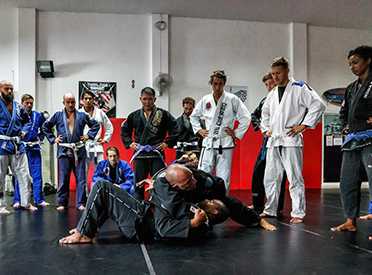
So, you ended up at a BJJ camp or a seminar. Lucky you! Especially If that is the case in the Corona stricken world where BJJ is becoming an underground activity. The thing with seminars and camps is, you run into high profile names, but short of booking a private with them, you have no control over what they’ll be showing. Sure it may be fun to go to a Roger Gracie seminar just because it is Roger, but you might not really be into the stuff he chooses to demonstrate. And that is ok because you can still learn more than you think about what you want, or BJJ in general, rather than just try to copy and paste what instructors do. Sometimes, learning BJJ isn’t that straight forward.
Learning from a BJJ camp, seminar, school visit or even videos can be hard. Okay, with videos, you can at least choose the subject matter, but even then, you’re limited to what has been recorded. More on that later. However, I’ve seen people miss classes in multi-day camps because they didn’t like the subject, or never went to a seminar with a great professor because of the same thing. OR, even worse, miss out on all the learning experiences because you’re’ exclusive to Gi or No-Gi. Well, if you truly want to learn BJJ, you’ll find a way to figure out what works for you, even if you’re a 10th Planet student at a Keenan Cornelius seminar.
The Way We Learn BJJ
 There’s an interesting duality in BJJ. We want to be lazy when it comes to learning, but do not want to be lazy when we need to, and that is during rolling or matches. By lazy in the latter, I mean the concept of lazy BJJ which is just another way of saying we need to be patient. Instead, we like to be lazy in class and tend to pretty much go with the flow. While it is perfectly ok to be a model student in the class (not when you’re in mine, but most others), you do need to broaden your perspectives and change your expectations when you go to a different academy or a different person’s class.
Usually, classes are organized in a similar fashion in each academy. Mostly, students have access to the curriculum and know what is going on. Among them, older students that usually have styles they’re developing tend to be used to the way their instructor is demonstrating, and to the way classes work in their academy. Oftentimes, seeing someone demonstrate things differently, talk about something they have barely touched upon before, coupled with the fact they’ve been around for a while (higher belts) makes people reluctant to learning from another person. That would be a mistake.
Styles and methodology are hugely important, but the bottom line is that everyone has something to teach you, even though it may seem like that’s not the case. And by everyone, I mean everyone regardless of belt level. Yeah, white belts can also teach you things, you just need to listen to what it is they’re asking instead of waiting for them to shut up so that you can answer. In BJJ camps and seminars you don’t get the luxury of picking what you learn. You do have the opportunity, though, to learn from the best of the best in the art, which is more than enough to improve your style, regardless of the class subject.
Learning from BJJ Camps And Seminars
BJJ camps and seminars are very unique environments. One thing you can rest assured is the same for both is that the instructors get to choose what they’re showing. That’s not just by accident. It takes a lot of time to prepare a Jiu-Jitsu class, and when your’ audience involves people that range from beginners to expert competitors, you need to be even more concise with what, how, and why you’re demonstrating. In that sense, seminars usually last longer, 4-6 hours, and the instructor in charge goes through a variety of things related to a subject, that can be very broad, or very precise.
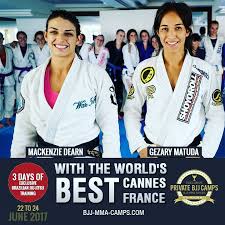 BJJ camps, on the other hand, are different. Classes last less than seminars, but there are plenty of different instructors. This means you get as many different subjects as there are classes, and as many different teaching / grappling styles as there are instructors. It is perfectly normal not to like every subject of every in a BJJ camp, given that much variety. That, however, does not mean you shouldn’t attend.
Let’s say the subject is guard passing in the Gi and you are a predominately No-Gi grappler that likes to play guard. What can you learn? Well, instead of trying to copy and paste whatever is being shown, try to listen to what the instructor is saying. The way they position their body, the way they distribute weight, the way they deal with the other person’s grips, the way they try to control the legs… These are just a few things you can pick up on to help you develop your game, even though they were not written in the class description.
Fundamental things like stances, motion, mind tricks, principles, concepts, hacks, etc. are there in every class. And even though you might be in a leg lock class, you can actually pick up very useful information on passing guards or finishing sweeps just by trying to understand what the instructor is saying, rather than just trying repeat moves like a robot.
School Visits And Other Means Of Learning
Much of the same applies to visiting a school or having an instructor visit your school. In the first example, you’ll probably be a tamer and less willing to participate in most things, because you’re not in your comfortable environment. That means that when someone comes to your gym, especially if you’re a higher belt, you tend to be skeptical about what they’re showing if it is not up to your alley. In both cases, the same thing applies – try and figure out how what they’re saying can apply to your game. In BJJ the underlying principles are the same and are easy to apply all over, given that the laws of physic, mechanics, and biology are pretty much universal, and most of the stuff in grappling adheres to them.
When it comes to learning from other avenues that don’t involve live classes like in BJJ camps, seminars, or visits, you also need to try and see the broad picture. Watching some of the more popular leg lock instructional has helped first develop a guard that cannot be passed, secondly, figure out how to get on top of everyone by manipulating levers, and thirdly, how balance works and why the hips are so important in BJJ. This is just one example of one person watching one type of instructional. Since then, I’ve found key stuff in any instructional I’ve watched, regardless of the subject matter and title have nothing to do with my own game.
Conclusion
Don’t waste the precious chances you have to learn from the very best in BJJ camps and seminars, or when visiting just because you don’t like the subject matter. You don’t’ even have to do the things in most cases, just be there, listen and watch. Take your notes and make sure you figure out how it all ties into your game. It may teach you new things, you may learn the offense, or finally figure out how to counter a move that has nothing to do with the class you’re currently in/ that’s the beauty of BJJ – everything is tied together in the craziest ball of twine imaginable.
What Two Years Of Using The Gracie Barra Jiu-Jitsu Curriculum Have Taught Me
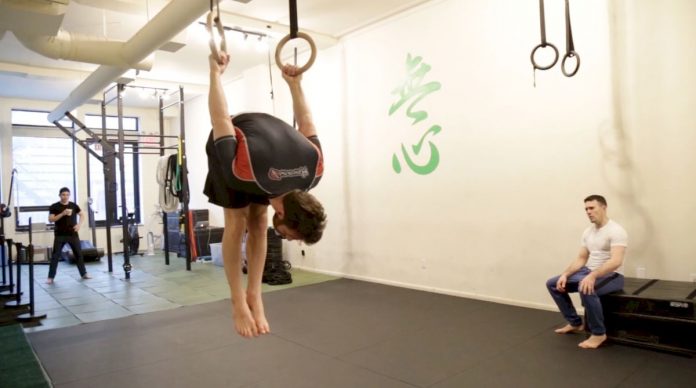
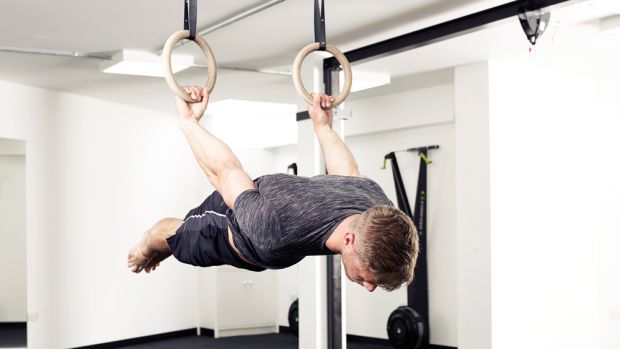 Planks are fairly easy – hang the rings so that they’re only a few inches off the ground, and do a plank, with your arms on the rings rather than on the ground. Levers are a bit more complicated and will require progressions, especially the back lever. For them, you need to hang off the rings, either holding them in front of your body or having your back facing the rings. For a lever, the aim is to hold your body at a 90-degree angle in relation to the rings. Your arms need to be straight, as well as your entire body. Sounds easy but is extremely hard, as you’ll figure out the first time you try it.
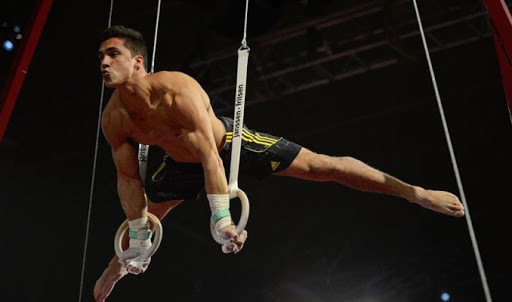 Becoming a real best on the mats, and on the rings, means you can do a couple of exercises, that Olympic level gymnasts are being judged upon (among other things we mortals will never achieve). Those two exercises are the iron cross and the
 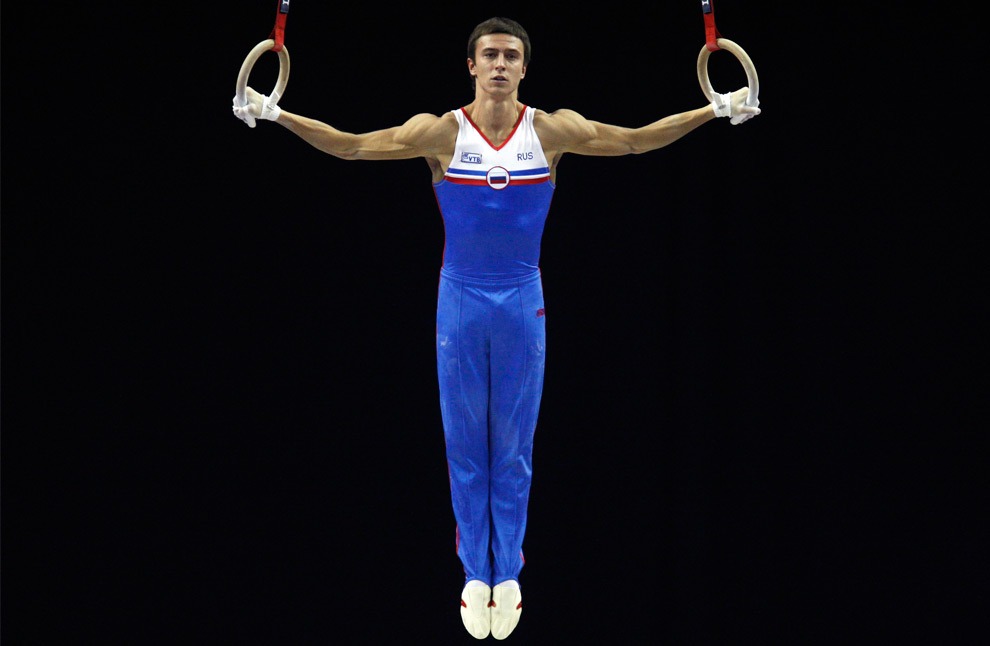 The iron cross is the ultimate measure of strength in gymnastics. In fact, for gymnasts, it is a starting point –when you can do it, you can start thinking about training gymnastic ring routines. For us grapple, doing the perfect Iron Cross is more than enough to be able to cope with everyone on the mats, at least strength-wise.
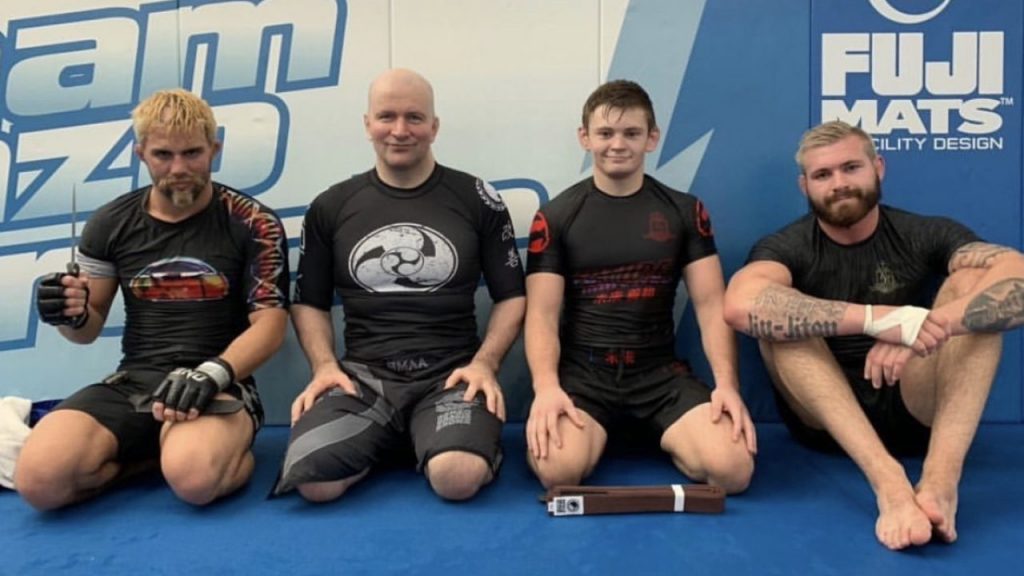 Without any specific order of things, I’m just going to start looking into the BJJ brothers and sisters that are more or less, celebrities in the BJJ world. I’ll start with the Ryan brothers, just because Gordon is on top of the world right now, and Nicky is rising even faster than his brother. Gordon Ryan came to prominence through the Danaher Death Squad, and has become the best grappler in the world in the past couple of years. His brother Nicky, who is 18 years old and still not a black belt. And still, Nicky already has a couple of ADCCs behind him and some major super-fight victories. Will he be able to beat his brother’s accomplishments by the time he gets to his age?
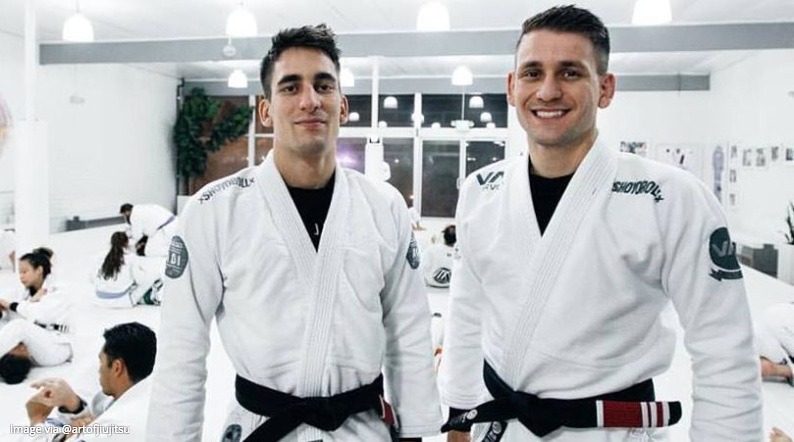 The Mendes Brothers, Guillerme, and Rafael are arguably the sport’s most famous BJJ brothers couple. Both are world champion competitors that have changed BJJ, especially with the Gi forever. Between 2010 and 2020 the brothers re-shaped the way we perceive the BJJ guard, introducing stuff like the Berimbolo and inversions and taking the entire sport to a whole new level. They’re not just competitors, though, with their AOJ academy begin one of the largest in the world, and, as expected, a real den of high-level competitors of all belt levels. They used to compete for the Atos banner, with Galvao as the head of the organization, but just recently decided to split and focus on their Art Of Jiu-Jitsu brand. Both Rafa and Gui are still active, competing, teaching, and recording DVDs, so there’ n doubt they still have lots to contribute to Jiu-Jitsu, despite already having legendary status.
 A couple of “young guns”, the Ruotolo brothers are twins that train under the Atos banner. Tye and Kade started off in AOJ, but are now part of Galvao’s team, heading in pretty much the opposite direction of the Mendes bros, at least in terms of team association. Tye already competed at the ADCC, aged just (the youngest ever to step on the ADCC mats), and barely missed out on a bronze medal when he almost broke Paulo Miyao’s leg in the 3rd place match, and subsequently lost because of the experience of Miyao. The twins have been training for almost 15 years now, since they were kids, and are “only” purple belts at the moment. That hasn’t stopped them from beating World Champion black belts, though, or recording DVDs and already hosting their own seminars.
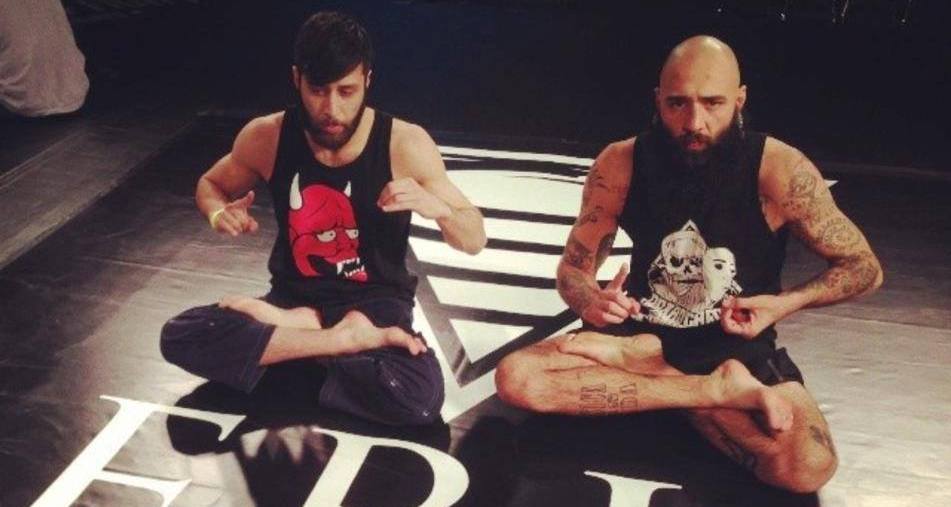 The Martinez brothers are probably the strangest sibling couple of the bunch. They are former competitive breakdances that are a part of the unorthodox 10th Planet team. They kicked off with amazing accomplishments, Geo being among the fastest black belt promotions in the history of the sport. Both black belts under Eddie Bravo, the “Freakozoid” and “Boogeyman“ have competed at any given opportunity and against anyone. They are exclusively NO-Gi artists, of course, with Geo having several ADCCs behind him, but no ADCC silverware to his name…yet. The level of technical improvement these BJJ brothers have brought to Jiu-Jitsu is also outstanding, especially in the realm of D’arce chokes (Boogey) and the truck position (Geo). They head the 10th Planet San Diego and 10th Planet Freaks gyms.
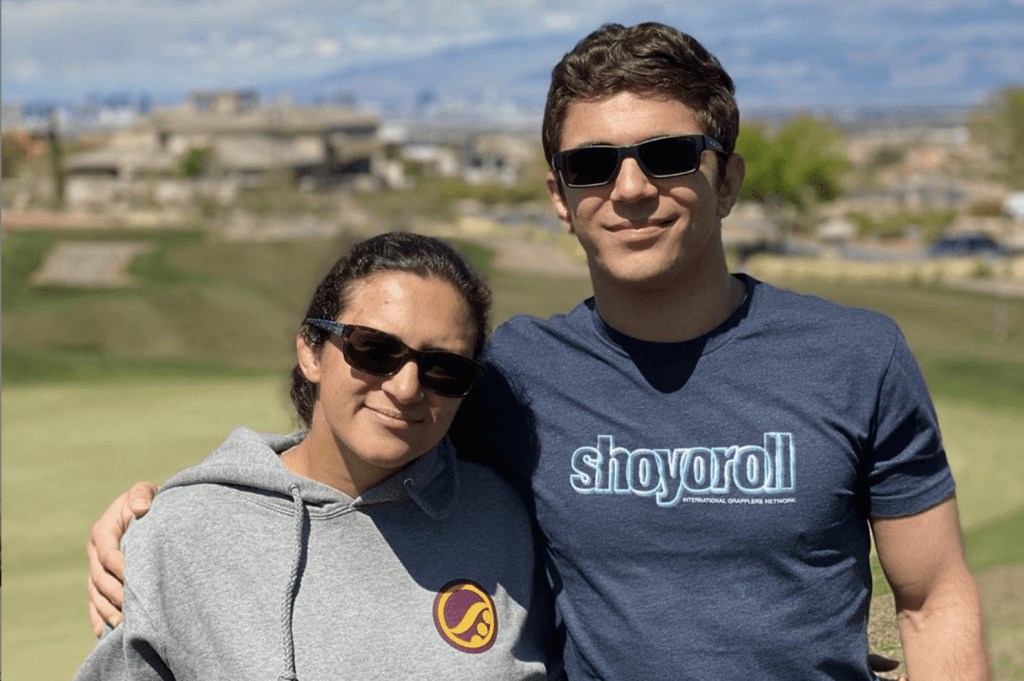 Tammi and Mikey Musumeci are a brother and sister combo that has been arguably the best representation of marital artists so far. Both humble, quiet, and extremely deadly on the mats, Tammi and Mikey are multiple times World Champions and an unmistakable part of the history of Brazilian Jiu-Jitsu. They also both started with Atos/AOJ, but later left for Caio Terra’s Association. In terms of achievement that have embedded them into the BJJ world, Tammi has 4 world championships (3 in No-Gi), and that crazy and unforgettable performance against Michelle Nicolini. Nicolini broke Tammi’s arm in the finals of the 2014 Worlds and Tami never tapped and kept fighting, to the end, even though she lost on points.
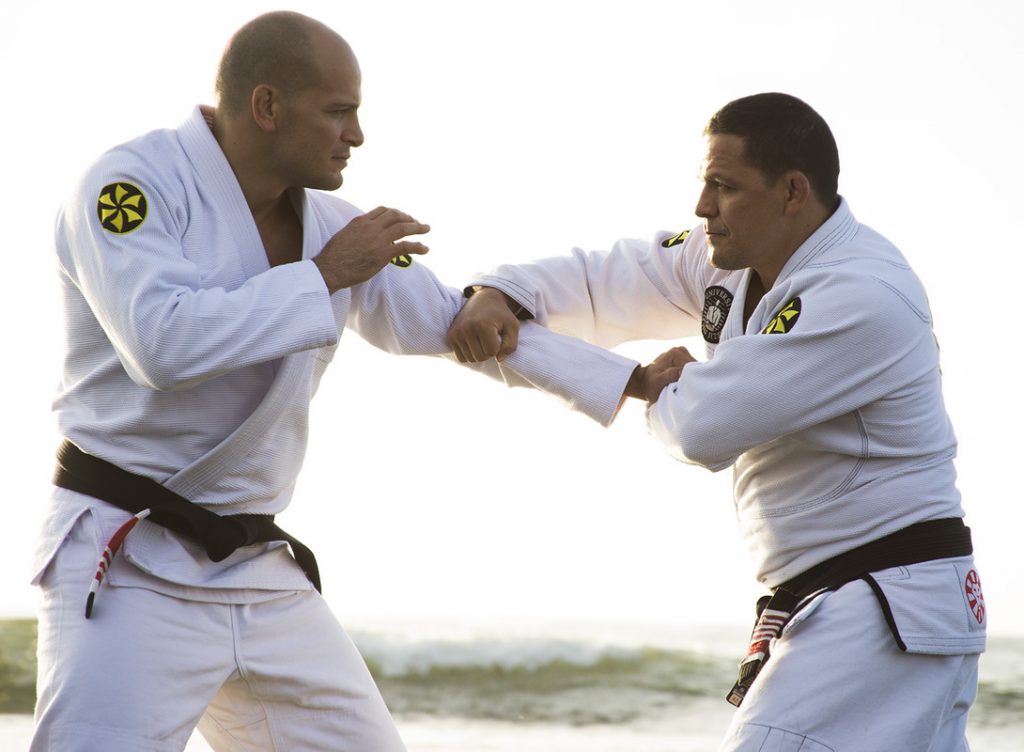 A World Champion since 1996, with 5 world and 2 ADCC titles to his name, older brother Saulo Ribeiro is known for having won those titles at light, middle, heavy, medium-heavy and super heavyweight, something nobody else has achieved ever. Six years younger Xhande is probably even more dangerous than his brother, with 7 Gi World titles to his name, and a couple of No-Gi ones along with two ADCC titles. The Ribeiro Jiu-Jitsu Association is one of the largest and best academies in the world, and the brothers are known for their University of Jiu-Jitsu instructionals which have really changed the way people perceive BJJ. Still going strong, Xhande is an active competitor to this day, while both are shooting DVDs and holding seminars around the world. Oh, and one more thing. Xhande has only had his guard passed 4 times in competition in his entire career.
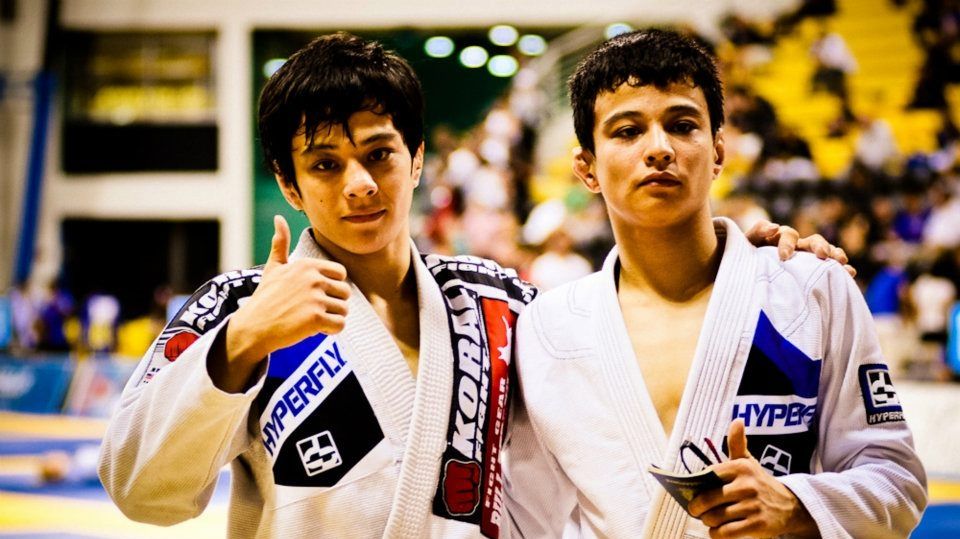 The Miyao brothers are another ultra-famous BJJ brothers couple. Paulo and Joao Miyao came into focus with their incredible dedication to the sport. Apart from their huge competitive success (they have a total of 8 World titles between them, GI and No-Gi) they were known for living in the gym for years, eating and sleeping on the mats, and spending every waking moment training. Apart from running rampant in their own divisions (feather and light feather) they also made a name for themselves by winning the absolute division. Both represent the PSLPB Cicero Costha academy but are also associated with the famous Unity JJ in New York.
 The Machados are another family that’s right up there along the Gracies. I say family because they’re not just a couple of BJJ brothers, but rather a true clan of BJJ experts. Rigan, Jean-Jacques, Carlos, Roger, and John Machado are all high-level black belts, world champions, and

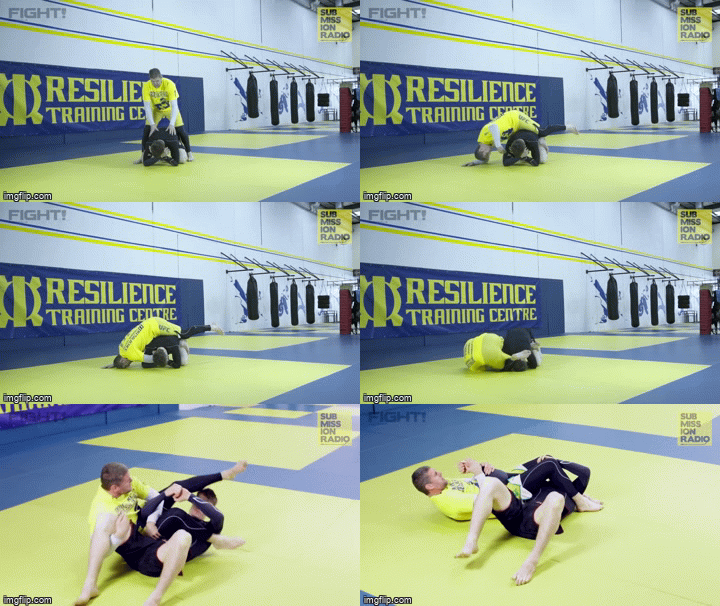
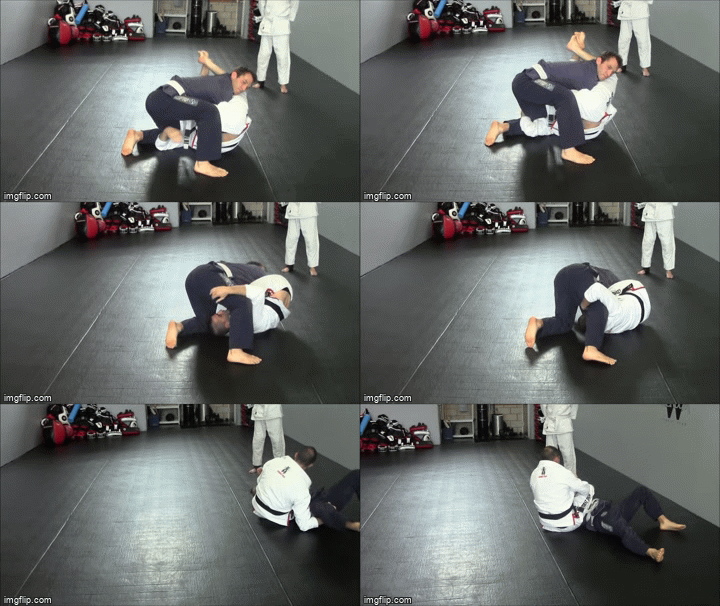
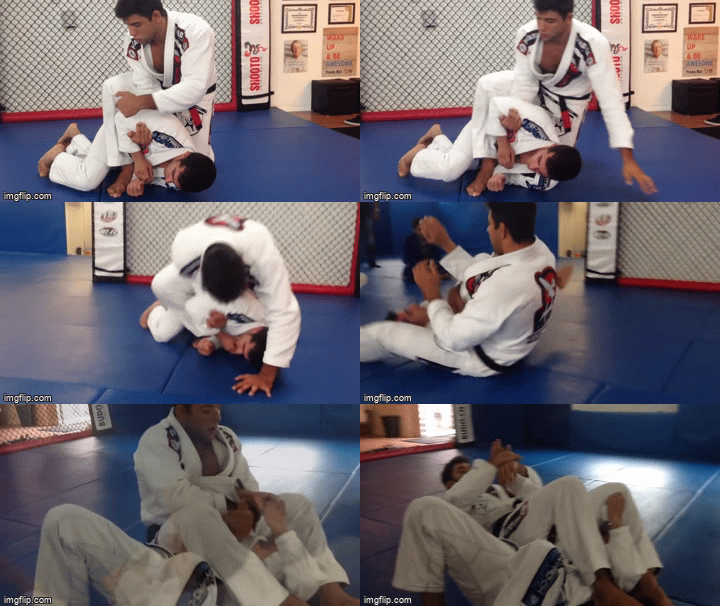
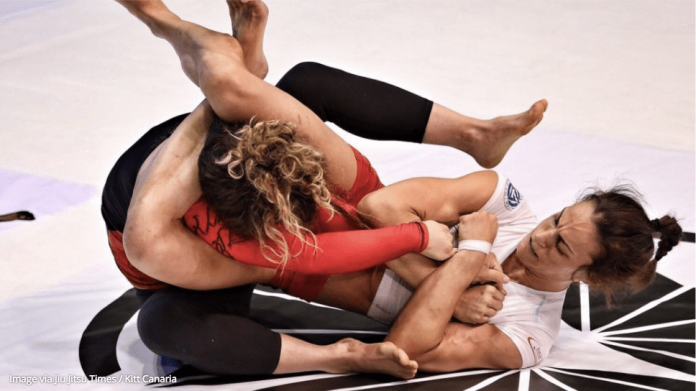
 It is just like first aid. You want to immobile the two nearest joints on either side of the one you’re attacking. Achieve that, and you’ll be able to finish any armlock, under any circumstances. When it comes to
 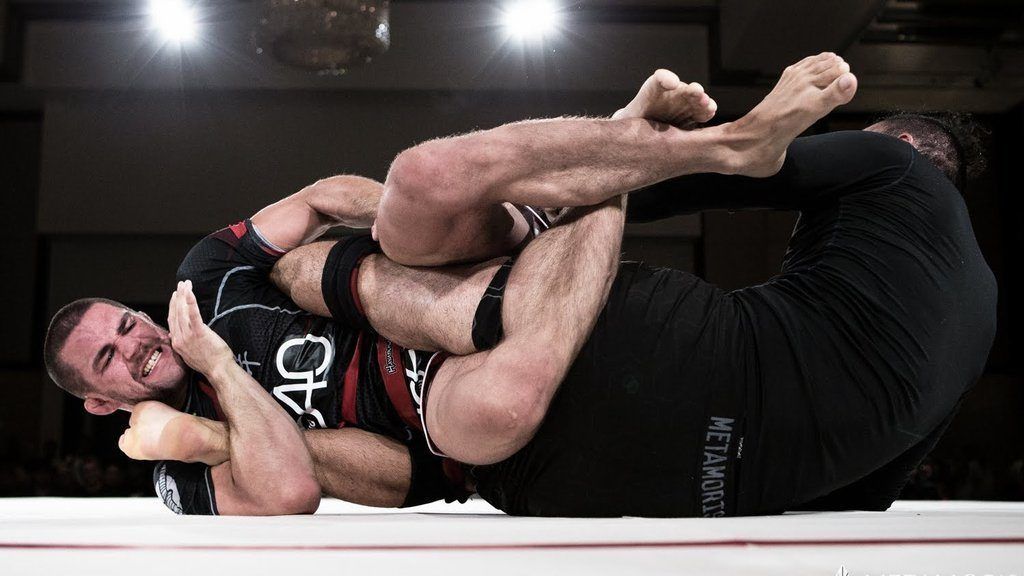 Finishing all leg lock Brazilian Jiu-Jitsu Submission holds comes down to control. Actually, it is pretty much the same as with armlocks, but you’re’ not really going after two neighboring joints primarily. Legs have different anatomy compared to arms, mostly in the fact that they’re somewhat adjoined to one another via the pelvis that is a rigid structure. That means that if you can control the hips, you’ll be able to finish a leg lock.
 The underlying principle that will make you finish all chokes, has two parts to it. The first one is structure, which has the goal of “plugging the hole”. That means there can’t be any space in between whatever it is you’re using to choke (arms, legs, Gi, etc) and the neck. I call it the Macarena principle – setting your arms like that famous dance will help you create a structure that will plug most holes.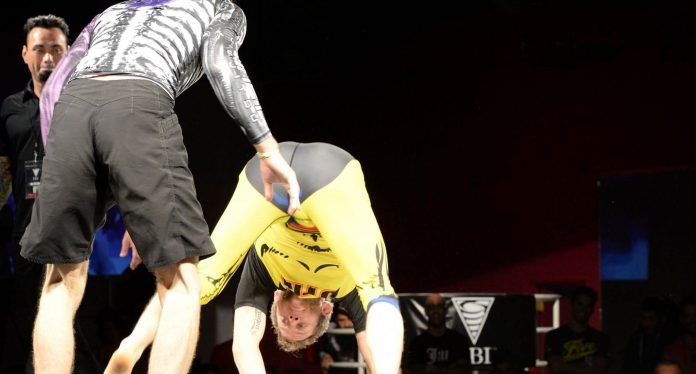
 Back in the “dark days” of professional Jiu-Jitsu, Metamoris was the only platform where people got paid to grapple. In one of the early editions (number four, to be precise) Glover met Baret Yosida in a 20 minute, submission only match in No-Gi. Right from the get-go, Glover turned his back to Yoshida (a major no-no in BJJ and combat sports) surprising everyone. He managed to invert somehow when Yoshida engaged, and almost got a heel hook from it. The crowd went wild and the Donkey guard was born. After the match, Jeff said that he did it to get a rouse out of the crowd more than for any tactical reasons.
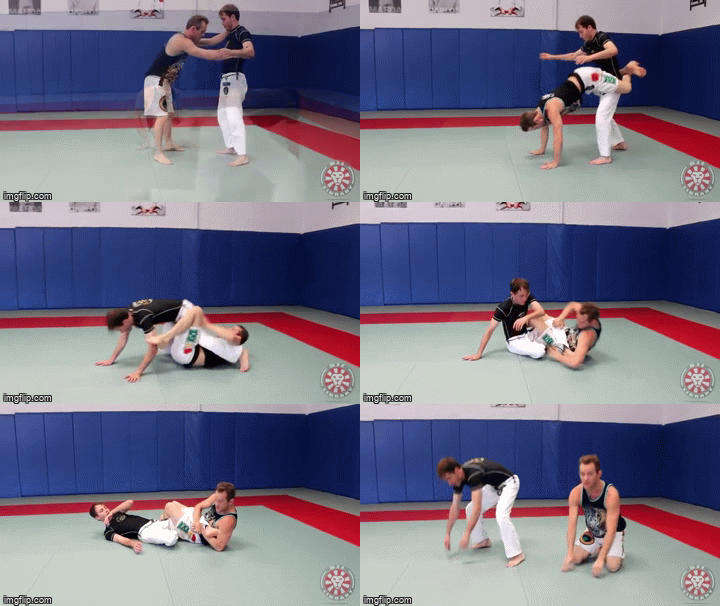
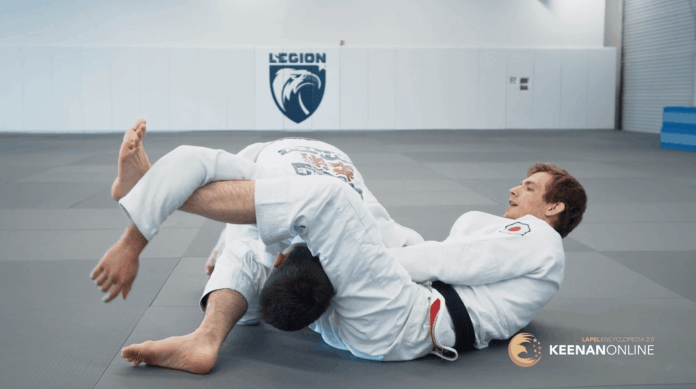
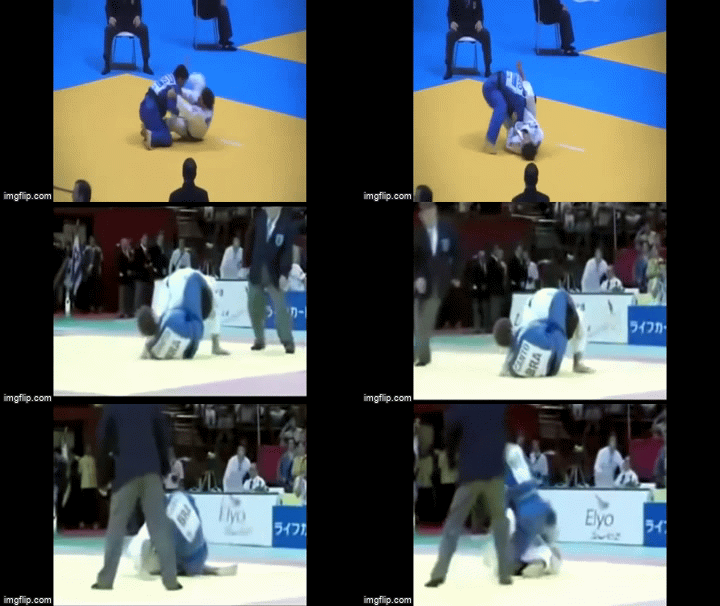
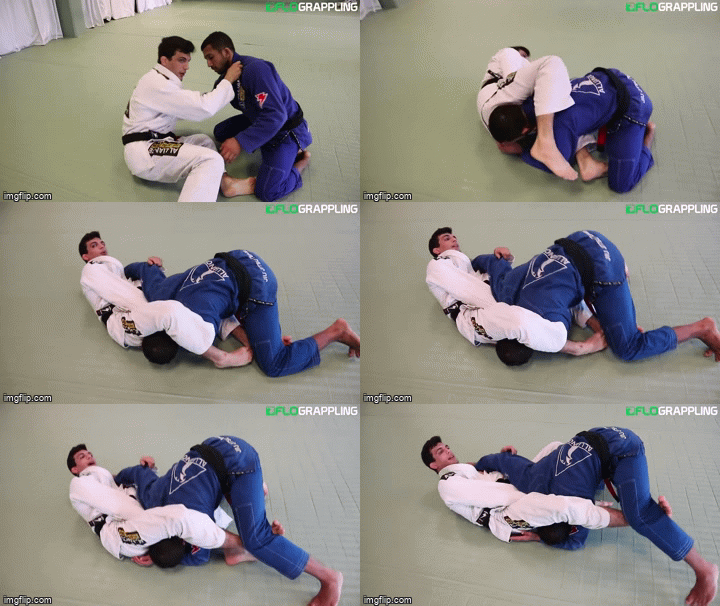
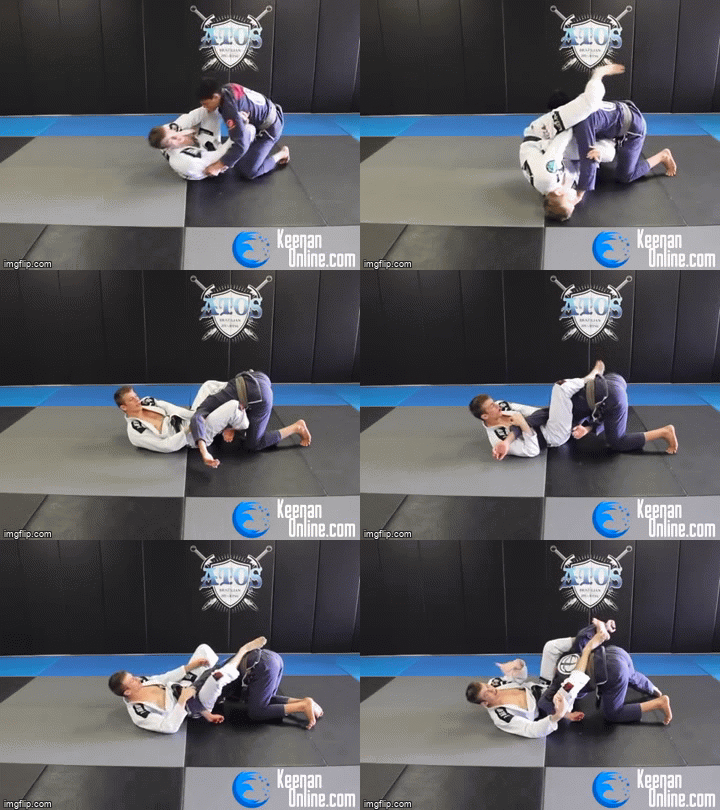
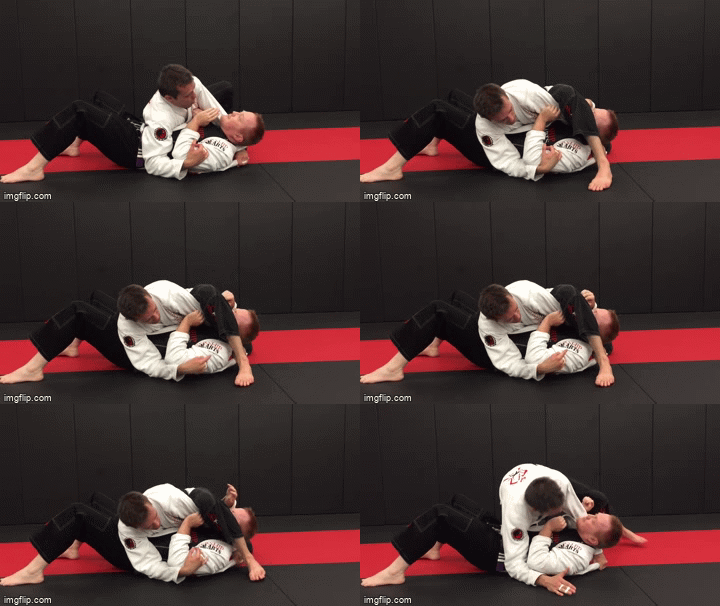
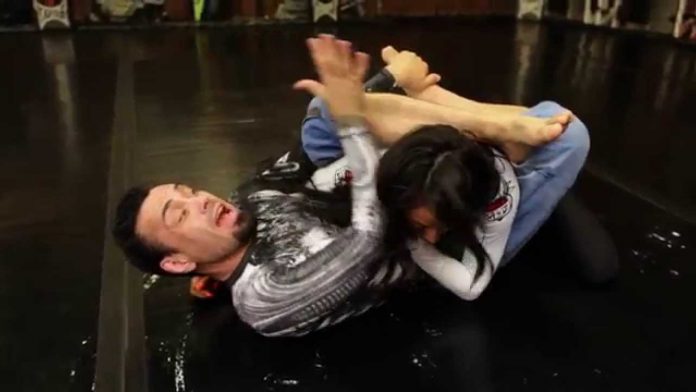
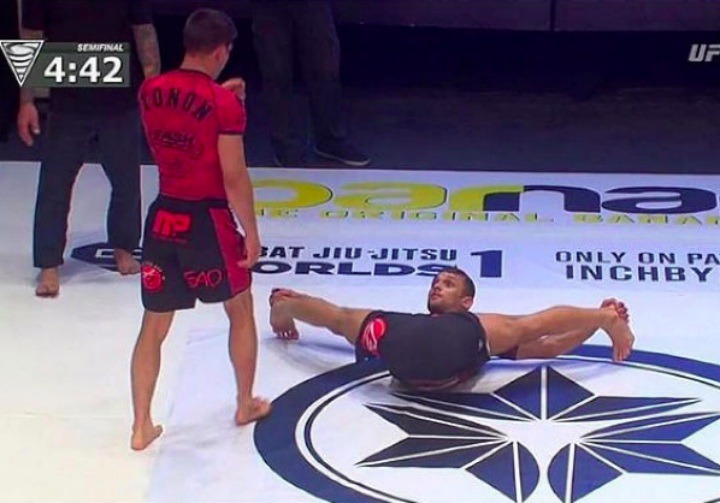 Flexibility is the ability of your joint to go through a full range of motion or even an extended one. To achieve such feats, the connective tissue surrounding your joints needs to be in a shape that allows such movements. Those connective soft tissues are ligaments and tendons. Most of us are born with different levels of flexibility. Moreover, flexibility is impacted by a host of factors throughout our lives. The good news is, that you don’t have to be jealous of the rubber teammate in class. Flexibility is a very trainable quality, and all joints can be improved upon in those terms with the right exercises, and most importantly, given enough time.
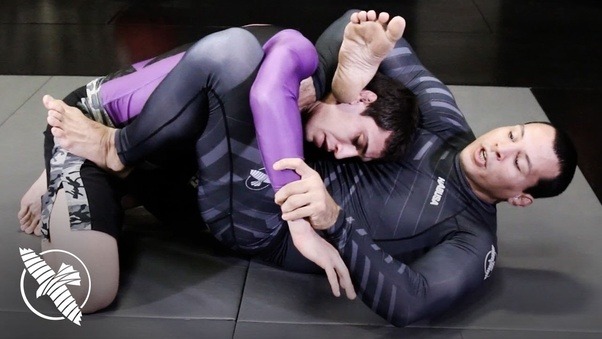 The hips do have a place as well, and you do need to have a pair of flexible ones in order to do, well, most things guard related, to begin with. Form playing guard, to retention, crazy scrambles, back takes, passing and all the standing stuff, your hips really do put in a shift every time you step on the mats. So, getting them to work more than they’re used to from sitting all day at your desk, in your car, and/or on your couch, should really be a priority. After you get your shoulders working, of course.
 The trouble with flexibility is that when you start taking your joints to the max, you’re so used to begin in spots like that that you don’t register any pain from being in such a position. Ligaments, being notorious for having a lack of pain receptors, to begin with, can snap without you even noticing (apart from the sound of tearing). This is a worst-case scenario, of course, but definitely, one that people should be aware of.
 Moreover, there are terms and phrases that might make absolutely no sense to outsiders. In fact, some of them don’t make much sense to people involved in BJJ either. In any case,
 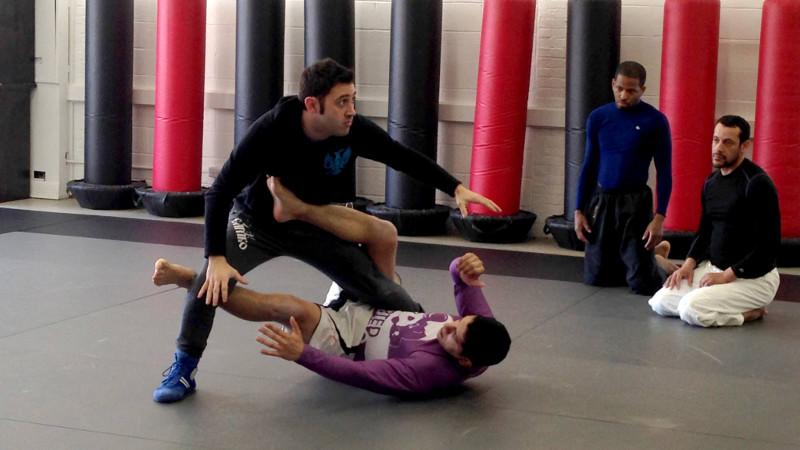 Uke is the common BJJ Japanese term for the person helping the instructor in the demonstration. It extends further than that though, as it means “the one who receives” and as such, refers to one of the training partners every time we train.
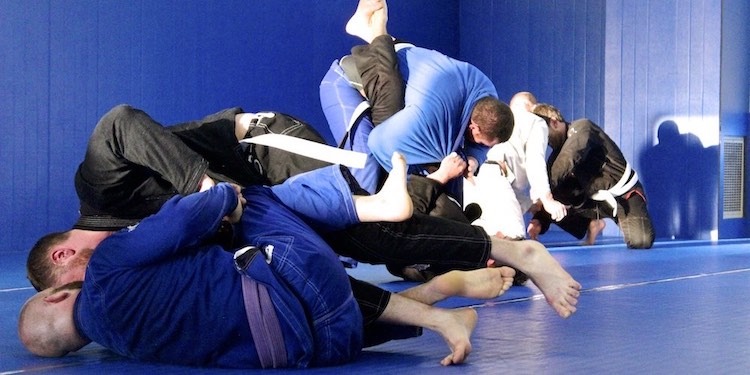 I’ve heard this term in several different gyms I’ve visited, and with a background in Japanese martial arts, it is nothing new to me. Despite most people referring to BJJ sparring as “rolling” sometimes the traditional “Randori” is also used, meaning “free training”