



Every once in a while a brand new move surfaces out of nowhere then the world of Jiu-Jitsu. It may be a sweep, a new controlling position, or, most often, a new submission. And by new, I mean a slightly modified move that already exists. Generally speaking, these moves are a result of countless hours of experimentation and mat experience. This means that the inventors of most of the “new” BJJ moves are usually black belt instructors.
However, now and then a purple or brown belt comes up with a true gem that takes grapplers breaths away! Actually, in rare circumstances, even a white belt might stumble on a move that works. Whatever the case, when these moves end up working like a charm against high-level opponents in competition, you can bet they’re going to become BJJ mainstay. One such recent “game-changing” move is the Tarikoplata submission.
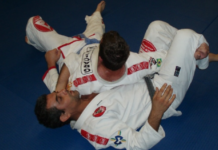
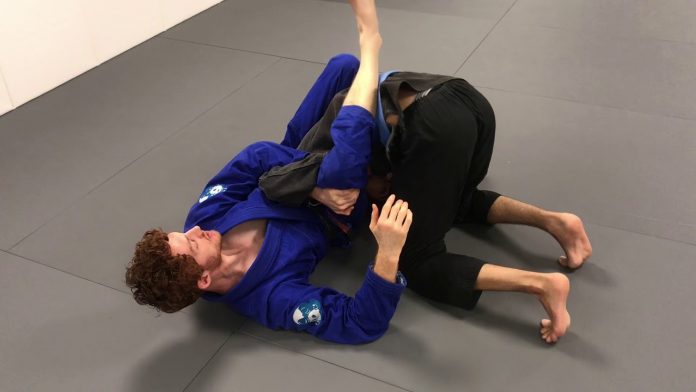
As you may conclude from the name, the Ttarikoplata is a shoulder lock. It is one more in a long line of Omoplata variations. Essentially it is a shoulder lock done against a bent arm. However, its true value lies somewhere else. The Tarikoplata has a huge mechanical advantage that is going to force even the strongest opponents into submitting. This is due to the fact that it works against a well-established defensive BJJ principle that nobody could crack so far. Now, thanks to the Tarikoplata, we don’t just get a new submission, but we’ll also end up with a better defense/counterattack strategy after a while. It is the circle of Jiu-Jitsu.
He is a brown belt from Norway, but he moved very early in his career. Although he popularized it at purple belt, he probably had it in the works even as a blue belt. This clearly portrays that in Brazilian Jiu-Jitsu, belt level does not determine someone’s ability to come up with a legitimate move. It is all about individual effort and the evolution of the sport. So, if you’re a fan of Omoplatas and Barataplatas then you are in the right place. Even though the information is pretty scarce, we’ll try to explain the Tariokoplata as best as we can.
 Speaking of Tarikoplata, I bet you still have a lot more to learn about this move. Since the Tarikoplata DVD/DIGiTaL Instructional just came out and it’s awesome. Tarik Hopstock, a Tarikoplata innovator really explained in detail how Tarikoplata works. Also, you can check out our review about Tarik’s Instructional.
Who is Tarik Hopstock
So who is this prodigy that managed to come up with such a cool BJJ hack? The culprit behind this brand new shoulder lock is a young up-and-coming grappler by the name of Tarik Hopstock. Tarik is a brown belt under Eduardo Rios. He lives and trains mostly in Oslo, Norway, although he lived for a short while in Morrocco too. Tarik’s gateway to Jiu-Jitsu was Judo, which he took up as a kid. Not satisfied with one training per week, he did some research and came up with Frontline Academy. It was near him, with multiple classes per week and a top coach. Only it wasn’t Judo, but BJJ.
Tarik demonstrated huge talent and a strong will to compete even from an early age. He quickly rose through the ranks, demolishing people in every belt level so far. Now, Tarik trains 2-3 times a day and is sponsored by the likes of Rios gear and Defense Soap.
In competition, the purple belt is where the grappling world took notice of Tarik. Only a few months after getting his purple belt he destroyed everyone in his class and got silver in the absolute of the Swedish IBJJF Open. The move he used to win multiple of his matches was the Tarikoplata, a cruel bent-arm shoulder lock.
Tarikoplata
There’s a really interesting reason why people are taken aback by the Tarikoplata. It goes against a crucial BJJ principle that we’re all aware of – elbows close means safety. Keeping your elbows tight to your body is something BJJ coaches try to instill in students worldwide. It is beneficial both for defense and attack as it helps make you more compact. Defensively, it is the best way of resisting direct arm attacks. Or, at least, it was.
Now that the Tarikoplata is in play, simply keeping your elbows together is far from enough. The move is powerful because it is based on another strong BJJ principle in itself. namely, the Tarikoplata requires you to put your entire body against the bent arm of an opponent. That’s a losing fight 10 times out of 10, for your opponent. This is where the Tarikolata is different from the Barataplata as well. It is a much more compact move and is easier to keep a hold of. At least from what little I’ve played around with it.
Tarikoplata Setup From Guard
From what I’ve attempted, the open guard position is the best road to a Tarikoplata. Actually, any Omoplata setup is a possible entry. Whenever an opponent is stubborn by keeping their palm close to their body, you have the opportunity to surprise them. Most importantly, you need to have a leg between their arm and torso, like for an Omoplata. Unlike an Omoplata, Tarik’s shoulder lock requires you to thread an arm on the inside along with your leg.
First, you need a collar grip in order to keep your opponent’s posture down. Next, you’re going to thread your other arm along with the leg. At the same time, you’ll use your free leg as a wedge behind the opponent’s neck. This will allow you to release the collar grip and thread the arm over so that you grab your own hip (like in Spiderweb).
Then, you’ll have to flip your opponent over. To achieve this, you need to switch your hips and use the same motion as an Omoplata with your leg inside. You’ll end up in an S-mount-like position. All it takes to post with one arm and push your hips in for the tap.
Countering The Stack Pass
One very very useful application of the Tarikoplata is as a counter-submission to a stack pass. All you need to do when an opponent attempts to stack you is to place the collar grip in. Then, thread your other arm in on the same side. Even though you don’t have the elbow exposed, you still proceed as before. The next step is placing the wedge behind their neck.
From there, a palm-to-palm grip and a pull are enough to expose the opponent’s elbow. Once their elbow is between your thighs, you simply go for it as before. Thread the other arm in, flip the opponent and finish with hip pressure from the top.
Tarikoplata Setup From Side Control Kimura Grip
One of the best and probably the easiest setups for Tarikoplata is once you manage to catch the Kimura grip from side control. Having your legs above your partner’s head gives you enough leverage to pull your partner’s arm up and swing your leg over him.
You have to make sure to have your partner’s elbow high in the air because it can happen that you won’t pass your arm enough to cuff your quadriceps. So, your partner’s elbow gonna be above your wrist and you might lose that battle cause your wrist may fail under the pressure.
Just like in usual Tarikoplata the main pressure will come from your leg pushing your partner’s arm together with your arm pulling his elbow. Just make sure you don’t lift the pressure leg high in the air and going with full uncontrolled rotation of your hips because it’s pretty easy to hurt your training partners once their grip holding their attacked arm breaks.
ON SALE HERE:
Tarik Hopstock – Tarikoplata (DVD/DIGITAL)
The Mechanics of BARATOPLATA – A Painfully Effective Submission

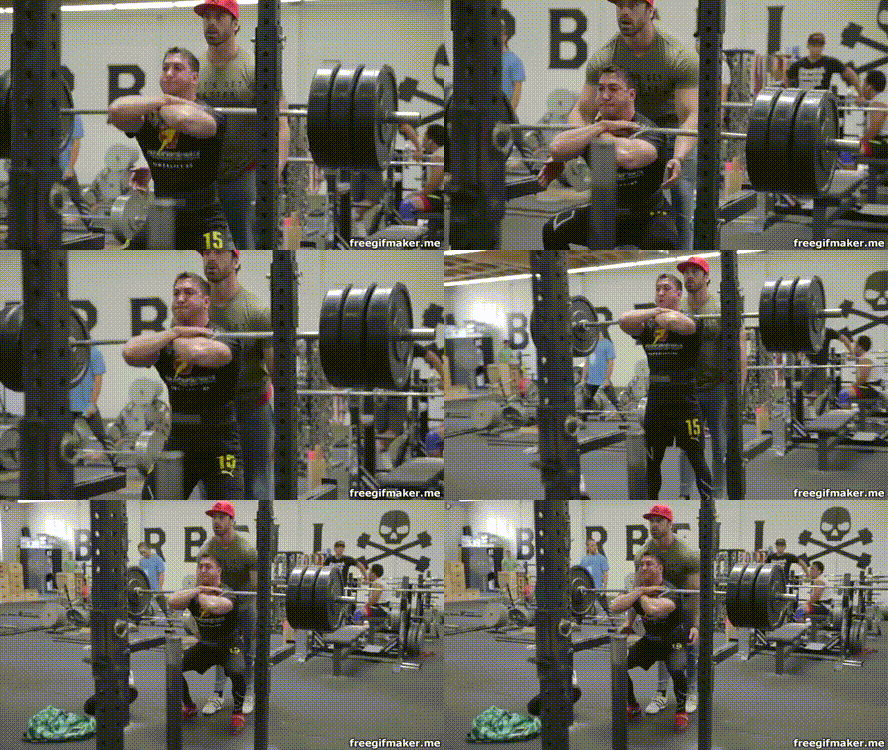 If I could only do one weight lifting exercise to improve my Jiu-Jitsu I’d stick with front squats. They are an amazing exercise that works your whole body. Especially if you decide to go for the Zercher squat variation (holding the bar in the crease of your elbows). Front squats hit about every muscle group you need for grappling.
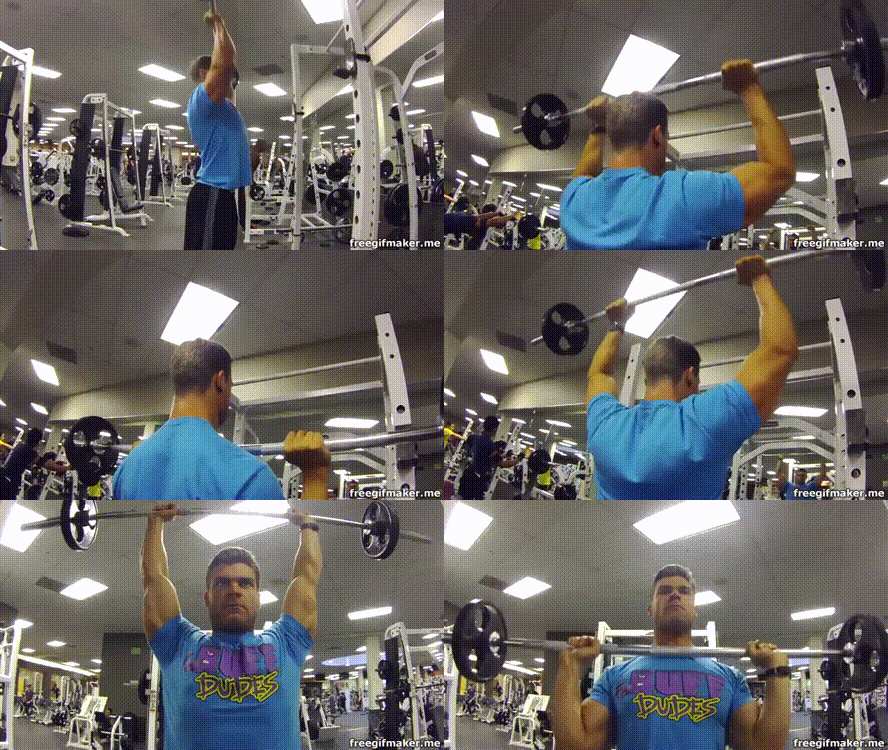 As far as upper body exercises go, this one is a must. Despite what you might hear about vertical pressing not being useful for BJJ, the overhead press is a great lift to include in your weight lifting for the Jiu-Jitsu program. There’s no better exercise to provide you with shoulder stability and strength. It also works on the range of motion of the shoulders which is highly underdeveloped in grapplers. Just like the front squat, the overhead press works the core a lot. Also, going for a push press variation brings an explosive full-body component into the mix.
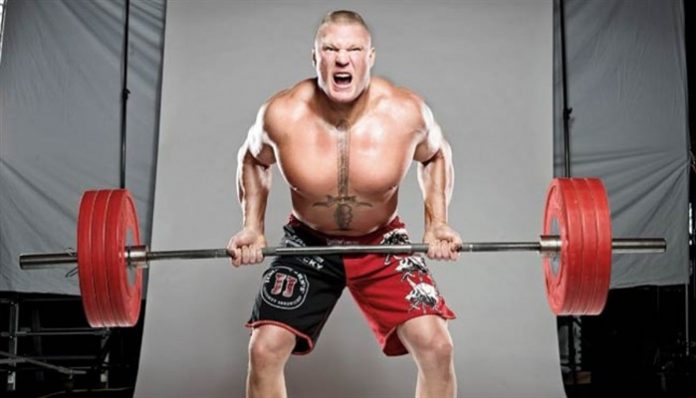
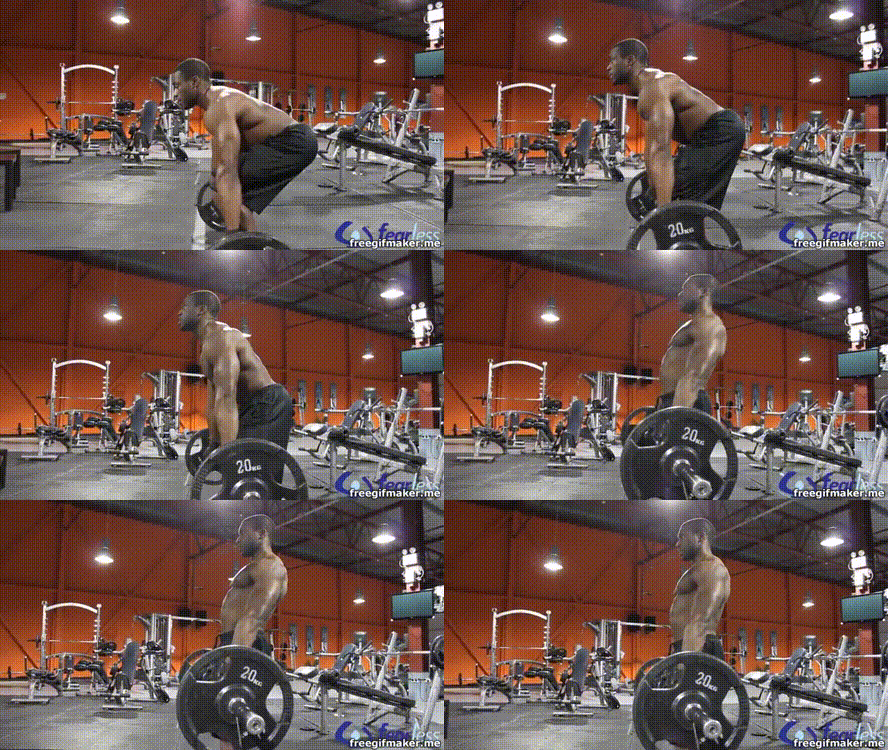 The king of weight lifting exercises. The deadlift is something you’ll find in about every weight lifting for the Jiu-Jitsu program. Just like with the front squats, Deadlifts work just about every muscle in the body. Unlike front squats though, they include an upper-body pulling component. it doesn’t matter which deadlifting variation you choose, or the tools to do it. you could deadlift with a barbell, kettlebells, dumbbells or a barrel for that matter. you could do regular, deficit, Romanian, or single-leg deadlifts. Whatever you choose, just do deadlifts. And remember to breathe throughout the motion, so that you can translate your strength gains into BJJ.
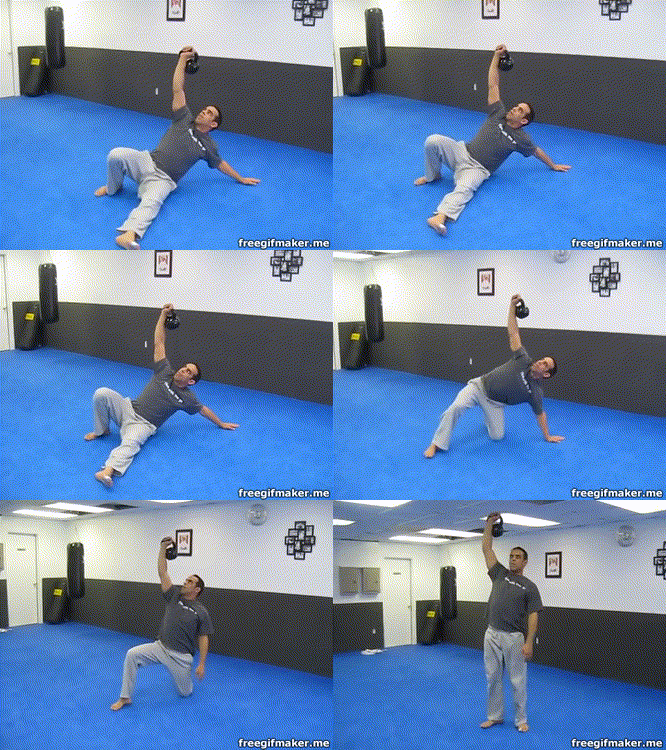 Turkish get-ups are essentially weighted technical stand-ups. In terms of weight lifting for Jiu-jitsu, it can hardly get more specific than that. Turkish get-ups make you brace your core throughout the movement. They also require a level change as you go from prone to standing and back. They work everything, especially stabilizing muscles. And, if you add a pressing motion to each portion of the Turkish get-up you’ll get a complete workout with just one exercise.
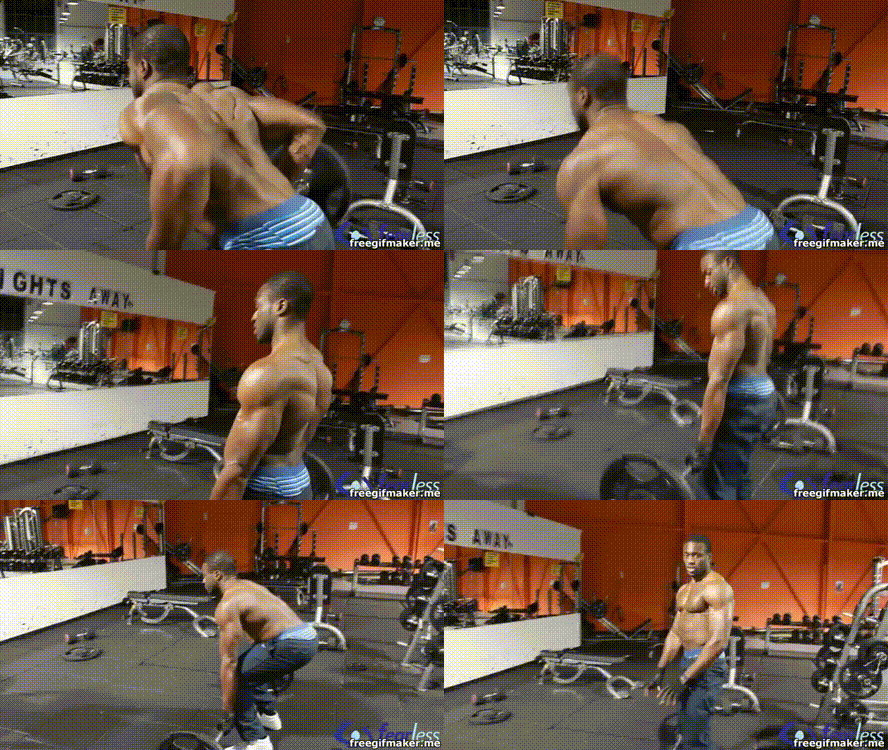 Rowing is the final piece of the puzzle. Why horizontal pulling instead of vertical Well the deadlift covers much of the vertical pulling. And, horizontal(ish) pulling is much more a part of jiu-Jitsu than vertical. Rowing with a barbell is much more than just lats work, as many people think. it does amazing things for your posture, not to mention making you adapt at pulling while maintaining it. Once again the core gets a blast as do hamstrings, glutes, and all your posterior chain. That’s as much bang for your buck as you can get.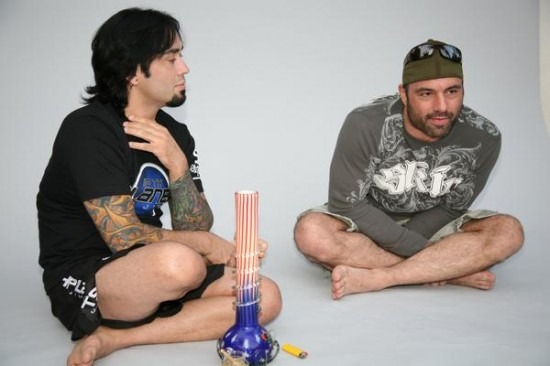
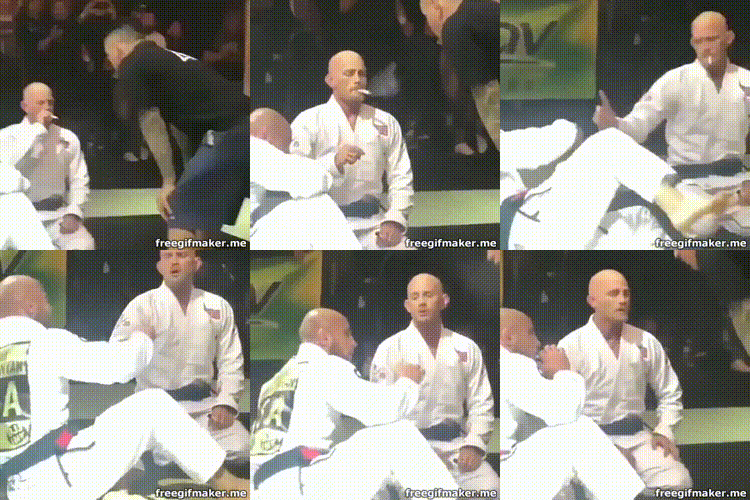 And, just like with leg locks, weed has it’s pioneers in the grappling world too. Nobody is more vocal about it than 10th Planet Jiu-Jitsu founder Eddie Bravo. So, no wonder that he was the referee at that High Rollerz tournament I mentioned. A video of the tournament went viral after BJJ standout Jeff Glover and his opponent of the night shared a joint right before stepping on the mats to grapple. Referee Eddie Bravo did not part take, but probably only because he was already high.
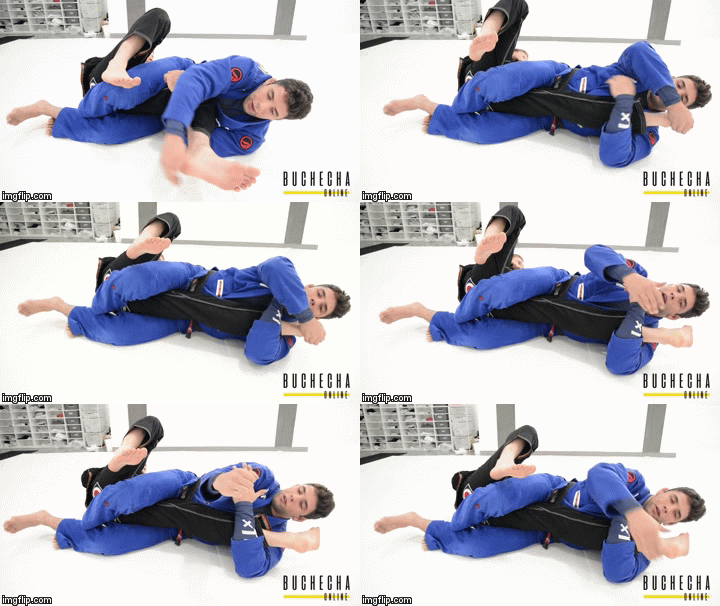 In terms of controlling the foot, there are a few different grip options. The basic one requires you to place the fingers of the opponent’s foot on your neck. Tilting the head towards that side is going to trap the leg and cause an extension crucial to finishing the kneebar. Always keep one and on the heel to control the leg until you’re ready to finish. For the finish, you can wrap a figure four around the ankle, still keeping the fingers trapped with the head. finishing is as simple as extending your hips, much like for an armbar. Or, if you want to be particularly brutal, add a twist while extending the hips.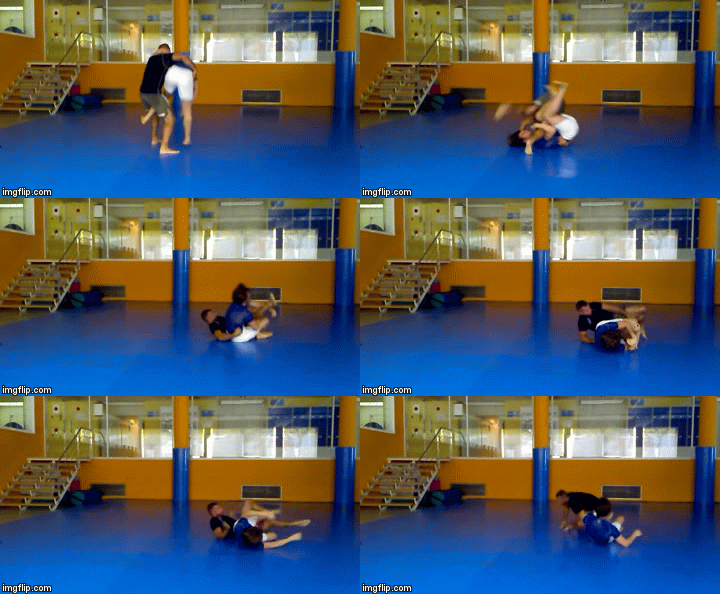
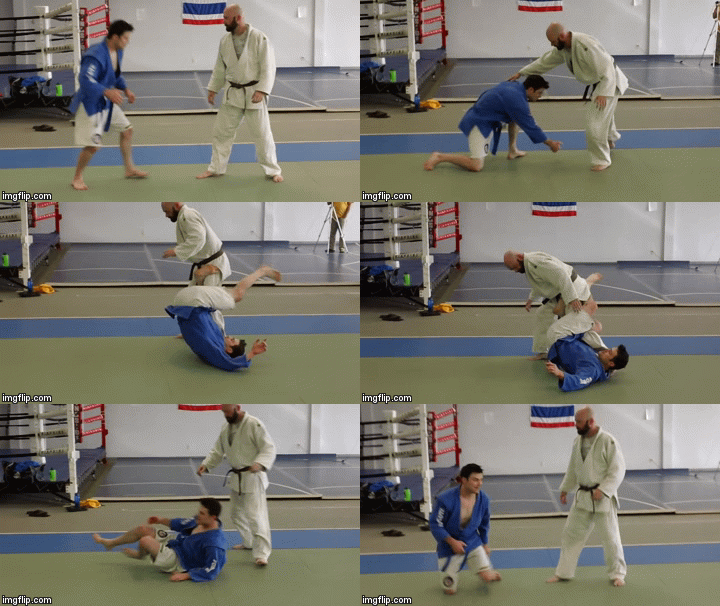
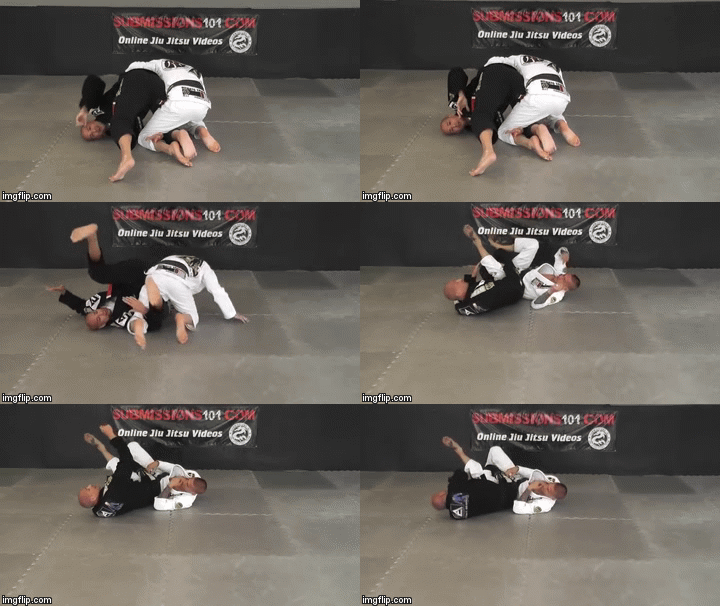
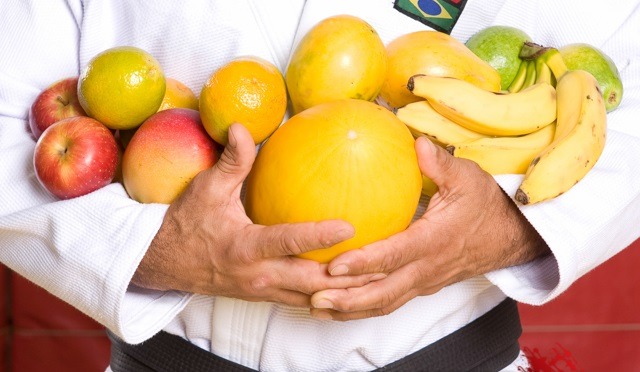
 If you eat too much food the night before or the morning of a tournament, you’re going to have trouble performing. The same stands true for eating the wrong kinds of food and eating at the wrong time. It’s all very straightforward but it is where many grapplers go wrong. Eating too much means your body has to deal with the stuff in the belly. This requires blood, which you also need to fight. As adrenaline kicks in there’ll be next to no blood for digestion. That essentially makes your pre-fight meal(s) dead weight, as no digestion means no energy to use.
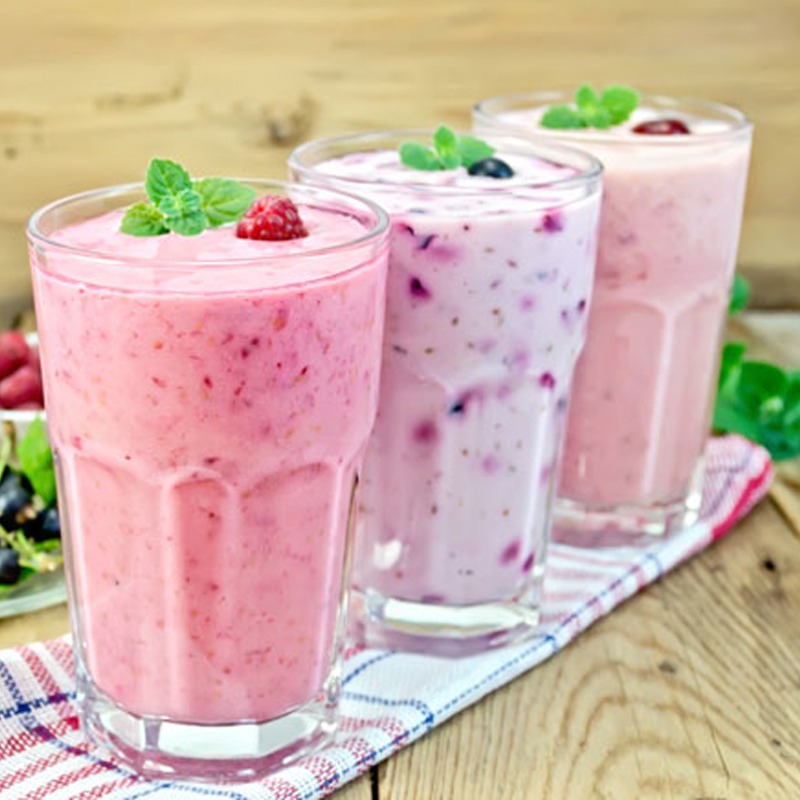 for fruit smoothies a general rule, as they’re way better than protein or mixed ones.
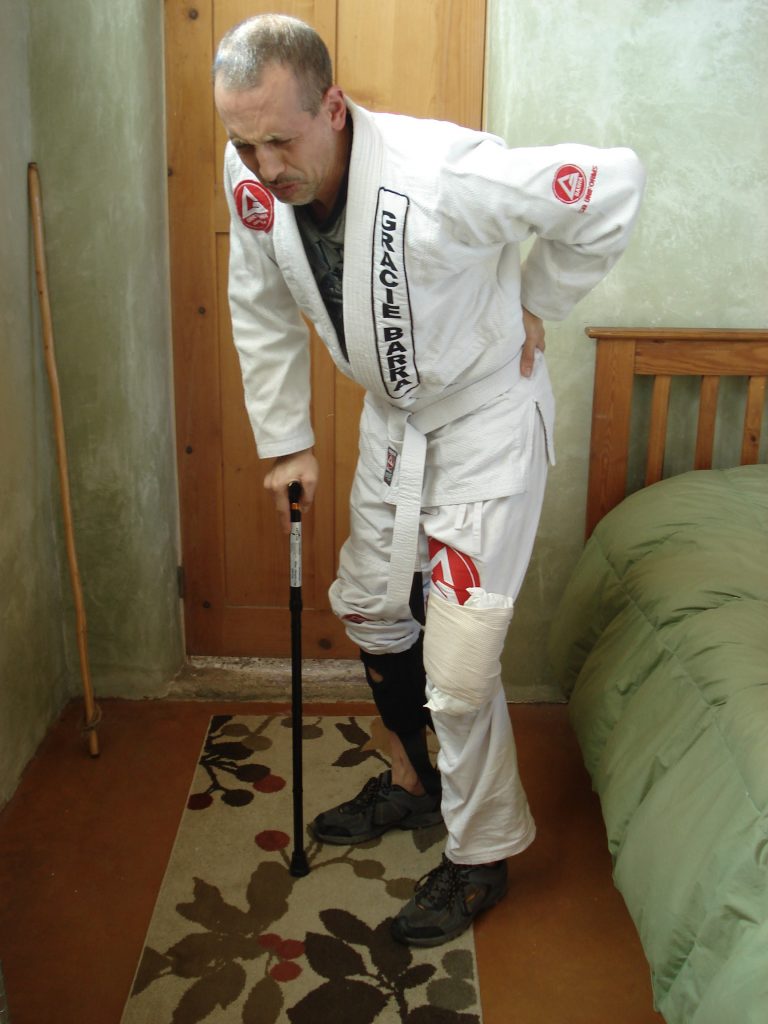 One thing that is a real indicator that you’re nearing Jiu-Jitsu burnout is your mood. This includes your mood throughout the day and week, but most importantly, your mood before, during, and after training. mood/motivation. remember that feeling of joy and eagerness to get to class? Well, when you get that feeling replaced by “do I really have to go?” it’s time to consider re-assessing your training schedule. Occasional dips in motivation are usual for grapples, given how intense and versatile training is. However, losing motivation to even be on the mats, after a few years in the sport, is very often a direct consequence of training BJJ too much, too often.
 There’s also the issue of specific overtraining within certain areas of the art. For example, You have move you drill every session, or you simply choose to spar like crazy everytime you’re on the mats. In both instances, while you might see progress in every other aspect, this one area of training BJJ is going to lag. The reason is dedicating too much time to only drilling, sparring or just going for one technique over and over again. When things start backfiring you need to consider that you’ve done too much.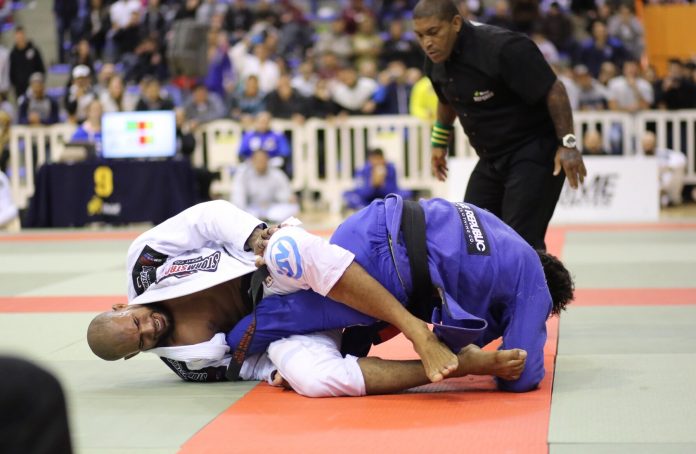
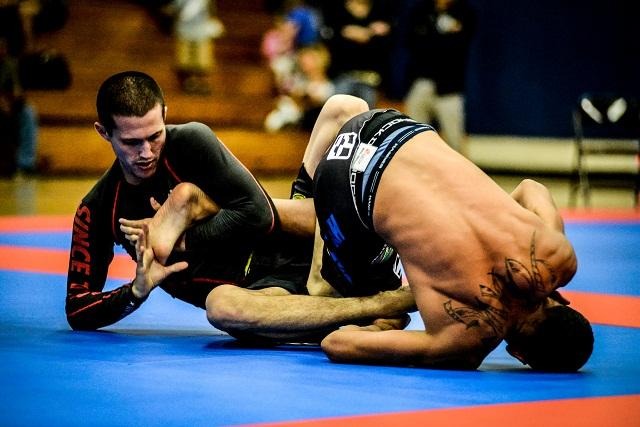 Another big excuse people use to shy away from leg locks are competition rules. The IBJJF doesn’t allow anything apart from straight ankle locks until brown belt level. For brown and black belts, kneebars and toe holds are also open for use. Conversely, people usually choose to start training Jiu-Jitsu leg locks once they can use them. Often, this means that even ankle locks get put off until brown belt. What you end up with then, is a grappler who is completely inept at leg locking. Trying to pick up the slack at the brown belt is the same as trying to learn how to do a Kimura as a black belt. While you have overall grappling knowledge, you’re very much behind in a certain aspect. And, as you should know by a brown belt, there are no shortcuts to learning Jiu-Jitsu.
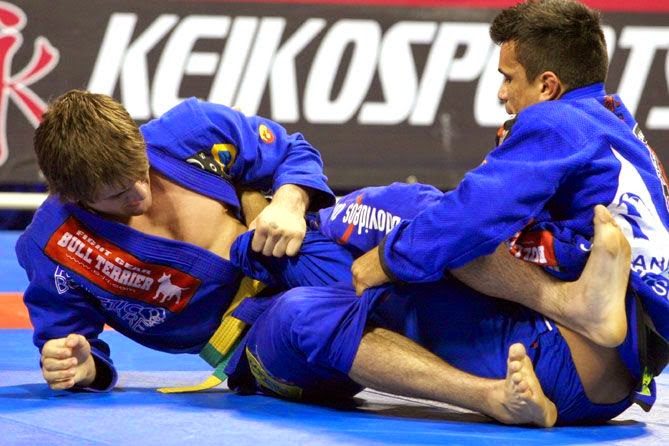 When you learn an armbar, you first need to know what an armbar is. For the sake of argument, we’ll look at an armbar from the guard. You need to understand, first and foremost, how to get into the proper position for the submission. Where do the hips go, how you grip, what’s the optimal angle, and so on. Once you’re down with how an armbar works, it’s time to see how to enter into the submission. An armbar from the bottom has plenty of entries, and they all require a basic understanding of the final goal in order to really work.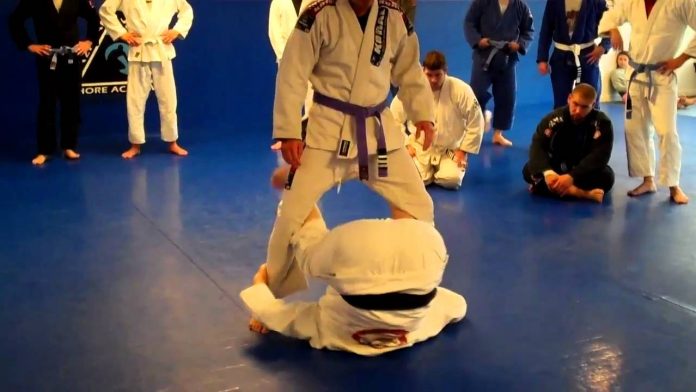
 So, with the Granby roll as our perfect technical entry and all the benefits associated with the inverted guard, why doesn’t it become as normal for a grappler to use it as a half guard, for example. Well, the trick is in staying upside down. Going inverted to prevent a guard pass, or to open up space for an escape is unquestionably efficient. However, staying in that position and attempting to play an inverted game has not been proven sustainable. At least not this far. The main issue that arises, is in staying inverted for too long. Regardless of the nature of your game (offensive or defensive), the inverted guard is not a long-term position you need to be considering.
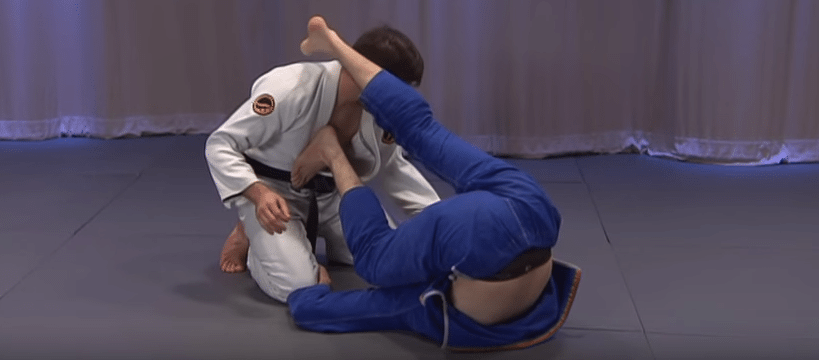 As we age, our disc spaces tend to become constricted even without the stress of grappling. Discs become more brittle and degeneration slowly develops in everyone. Now, add to that the stress of grappling with all the chokes and cranks and you already have more stress than the body can handle. If you end up staying inverted, while carrying the weight of a partner on top of that, you have a real disaster. Don’t take this lightly as having a hernia means that you’ll have to change your whole game if you want to keep training. It may even end up sidelining you for good.
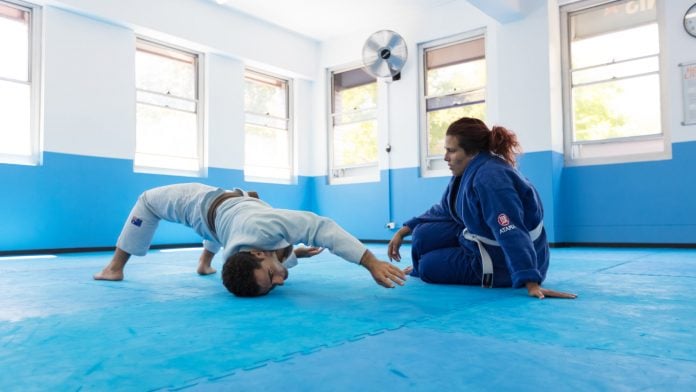
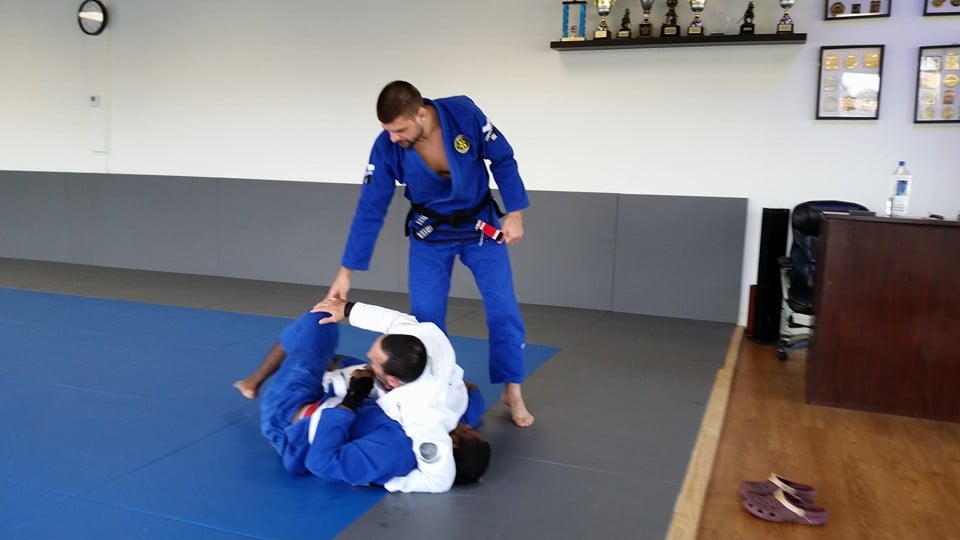 Next, you’ll spend some time discussing the subject with the coach. In some cases, the subject matter might be agreed upon beforehand. In others, you’ll inform the coach right then and there. whatever the case, a discussion is sure to follow. This is when the coach is going to ask you about your experience with the subject as well as suggest the best path to approach it. Sometimes, you might not like the direction a private takes, but you need to listen to the coach.
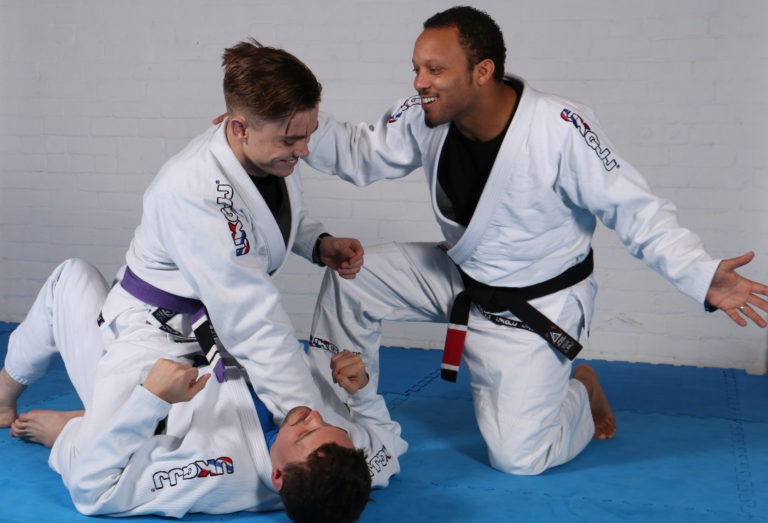 One great reason for taking private Jiu-Jitsu classes are tournaments. However, do not confuse taking a private with competition classes. First, take a private before a tournament, when you need to discuss tactics and strategy with a coach. Make sure you outline your ideas for a game plan and listen to what they have to offer as feedback. Try to have that instructor in your corner. Next, go for a private after a tournament, especially one you lost. This is where you work out all the mistakes.