

BJJ For Small Guys: How To Beat Bigger Grapplers

BJJ For Small Guys

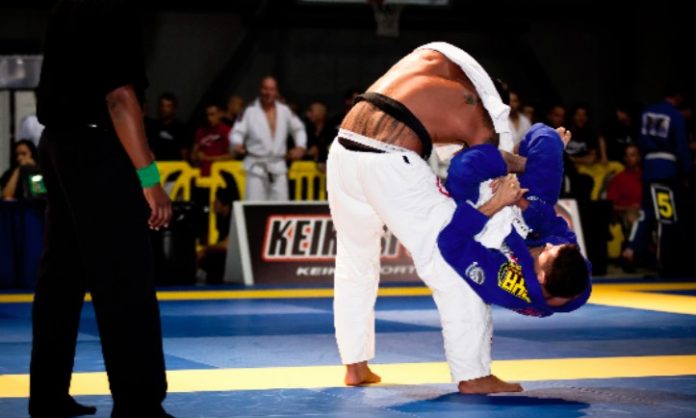
The key defining characteristic of Brazilian Jiu-Jitsu was its ability to defeat bigger stronger opponents with ease. Now, this is a claim that most martial arts have. However, only a few can really deliver on that promise. Luckily, BJJ is among those that truly can allow a smaller and physically weaker person to finish a much stronger and bigger opponent. Actually, beating bigger guys (or girls) is the reason BJJ came to be. As such, it is still just as effective today, even if your opponent is also trained in the Gentle Art. However, when your opponent knows what’s going on you need to be smarter and very precise. There are certain BJJ for small guys strategies that work against all kinds of opponents.

The trouble with small people (speaking from experience) in grappling is. well, grappling. In most other martial arts, smaller people rarely end up on the ground. Even if they do, there are very few grappling martial arts that involve a 30-40 lbs heavier opponent on top of you for extended periods of time. BJJ for small guys is the solution to this conundrum. it’s just like regular BJJ, only way more restrictive. The reason for this is to nullify all the advantages big guys have over you. Since this approach is very skill and technique used is equally good for small people or women grappling men. In any case, BJJ for small guys is a strategy just like dealing with a Judoka or Wrestler on the feet is.

Successfully out grappling experienced bigger opponents in Jiu-Jitsu is truly as close to giant-killing as you can get. It takes a really focused grappler to deal with bigger people’s strength, pressure, and other physical advantages. On top of that, we’re talking about a technically skilled opponent, not a novice at grappling. Let’s dive into some of the most effective strategies to get you out of such an encounter without crushed body parts.
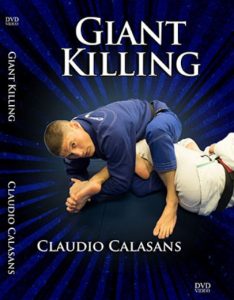
Claudio Calasans knows a thing or two about giant killing. Actually, he knows everything and very selflessly shares all his tips and tricks. Instead of taking a long way and discovering how for yourself, use the “Giant Killing” DVD set by Claudio Calasans to become a nightmare for bigger, stronger opponents!


BJJ For Small Guys – The Concepts

When you’re looking to utilize BJJ for small guys, you need to first be aware of the dangers, and then know which avenues you can use. The dangers of grappling bigger and stronger opponents are two-fold for the smaller framed grappler. First of there’s the obvious issue of weight difference. The heavier the opponent. the easier it is to get crushed under their weight. There’s also the fact that they can literally pick you up and throw you, or force a submission with no technical skill requirements.

The not so apparent dangers lie in getting stuck yourself. Now, getting stuck in matches with people similar to your build is already a bad thing. Getting yourself in a bad situation when you’re grappling someone doubles your size is arguably the worst thing you can do in Jiu-Jitsu. This means that certain things you might usually do when you roll have no place against ultra heavyweights.

In terms of the basic BJJ for small guys concepts, there are two main things to keep in mind. First and foremost, never ever attempt to overpower a stronger opponent. Even if you have your legs vs. their arm, a sufficiently stronger opponent is going to ragdoll you. There’s no place for direct strength vs strength battles when you’re the significantly smaller grappler.

Also, remember that you can’t be playing a slow controlling game. Regardless if you’re on top or bottom, you”re in danger constantly, even if it’s not apparent. This is why reaction should be your primary strategy. Do not look for comfort in any one position and look to flow and react to every adjustment your oversized opponent makes.

Managing Strengths And Weakness

Actually, the same thing that makes you weaker against bigger guys is the same thing that is your biggest strength. It is your size. You’re really easy to pin and control when an opponent establishes positional dominance. However, they need to catch you and pin you first. If you’re efficient enough with your movement, you can use your size to your advantage. Certain spots that are usually too tight now hold enough space for you to go through, this means you can use your opponent’s movements to establish a dominant position for yourself.

Also, you can nullify the strength factor by using leverage. Well, leverage and strategy, since certain moves simply won’t work. But more on that later. For now, remember that for a sweep, for example, you’ll have to time and position yourself just right and avoid using even an ounce of strength. Forcing stuff is going to get you stuck, whereas leverage is going to force your opponent to buckle powerlessly. This can be a major strength of yours if you understand how to use it correctly.

Smaller guy vs Big Guy BJJ

Movement And Mobility

The one key thing you can do against people larger than you is move. You need to move fast, move smart and keep on moving constantly. The moment you get pinned, it is probably over. You might end up escaping but at a very high physical cost. Instead, you need to always be on the move. In order to be able to withstand such a high rate of movement, you have to be smart. This means moving minimally in order to gain a maximal advantage. It also means you should be flowing, keeping your body loose and relaxed at all times. It may sound counter-intuitive but this way you’re going to become much more difficult to hold compared to being tense.

Mobility is another major factor. You can’t jsut move, but have the ability to move in very specific ways, Luckily, smaller guys are usually more limber anyway, so you shouldn’t have trouble with that. If there’s only one thing you should focus on in terms of mobility, it is the hips. If you keep your hips free, you’re going to frustrate even the strongest opponent with ease.

Positional Strategies

BJJ for small guys doesn’t jsut mean surviving. It means being offensive and looking for the fastest and most efficient way to finish. This is why Helio Gracie focused on the “position before submission” principle so much. In order to finish, you need to get into the best position to do so. When you’re the smaller person, you have only a few viable options.

The best thing to do, without question, is become a backpack. The tighter you hang on someone’s back, the better for you. The back is teh one spot where bigger opponents have almost no chance of getting to you. Furthermore, you have the option to choke them at will.

Next up, it’s everyone’s favorite new toy – Ashi Garami. Wrapping yourself around an opponent’s leg in a strategic fashion can get you a submission relatively easy. However, not every Ashi Garami position is applicable here. Avoid going into positions where you can end up smashed, like Outside Ashi for example. Instead, stick with the highest control positions that offer the most submissions.

Finally, you have the bottom game. Do not play a takedown game with bigger opponents. Getting on the ground ASAP is your absolute best bet. That said, once you’re down, forget about the closed guard too. Instead, focus on keeping an open guard, and look to always have at least one (preferably two) feet on the opponent’s hips. This is going to give you ample time to react and move in time to avoid any danger.

Submissions That Work

Submission options should be clear by now, but still, I’m going to mention them. From the positions, we mentioned there are not too many opportunities to finish bigger people. Leave your Tarikolatas and Berimbolos fro the next roll and stick with proven techniques. A major don’t is to forget about attacking the arms in any variation. Stick to chokes and leg locks and you’ll do perfectly.

For chokes, depending on your opponent’s size, the rear naked choke might prove to be troublesome. Instead, go for a short choke from the back in No-Gi. In Gi, always stick to collar chokes from the back, as they are really difficult to defend against.

The same holds true for leg locks. If rules allow them, go for heel hooks, no questions asked. If not, stick to attacking the feet, toe holds being superior to ankle locks. leave knee bars as a last-ditch option, since they involve attacking a large joint and can allow a strong opponent to get out.
The Lightweight Guard is a great BJJ Instructional for smaller Grapplers. Matheus Gonzaga did a great job explaining the best ways of using quickness and speed as a weapon to subdue much bigger opponents. He’s using pretty much-optimized techniques to deal with much bigger opponents. So, if you’re a smaller grappler and tired of getting smashed by bigger guys you might check Matheus Gonzaga Instructional HERE

Purple Belt Guide To Developing A Mean Jiu-Jitsu Guard

BJJ White Belt Survival Kit: 5 Essential Tips For Beginners

Why You Need The Technical Stand Up For High Level Jiu-Jitsu

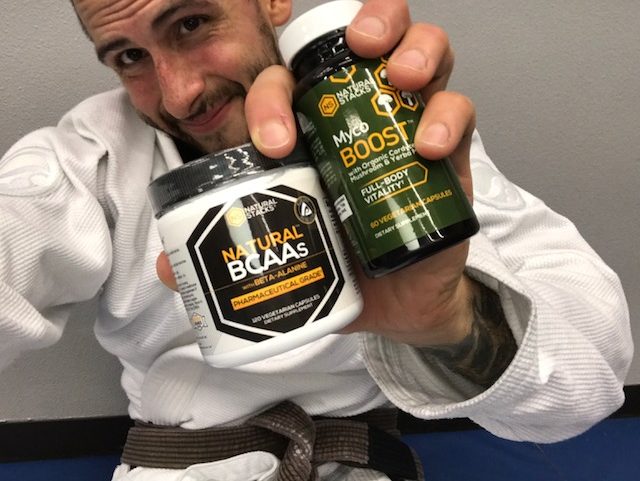
Jiu-Jitsu Supplements Series: BCAAs For Grapplers

Jiu-JItsu Supplements BCAA

Using supplements to improve performance, health and nutrition are a given in the sports world nowadays. Grapplers and MMA fighters usually take supplementation for granted. They also follow the “more is better rule” which is never a good idea in any context. Supplements for Jiu-Jitsu are helpful, but only when you’re using the right ones in the correct way. otherwise, you’re just ending up with the most expensive urine ever, in a best-case scenario. Despite their best marketing efforts, supplement companies actually offer only a few products that truly work. One of those products is BCAA or Branched Chain Amino Acids.

Even amongst bodybuilders who are the know-it-alls when it comes to supplements, BCAA use is often a mystery. Not that any of them would admit it. For grapplers, who only pay attention as to what to buy, it’s even worse. Most of the time if you ask people what BCAAs do you’ll get a few different answers, most likely none of them correct. Does it help with recovery, conditioning, or muscle building? How about strength? And there’s the always burning question of how much to take and when. Of all the Jiu-Jitsu supplements that work, BCAAs are the most misunderstood ones.

The lowdown on Jiu-Jitsu supplements is simple. First of all, they’re not essential but do help significantly. Second, there are only a few that work and even a few that are good for BJJ. In our supplements series, we’ll try to go over those that actually have a positive effect fro grapplers. Today we’ll focus on BCAAs. IF you’re looking for a highly scientific article as to what exactly they can do, this is the wrong piece for you. We’ll keep it simple and easy, explaining what they are, how to take them, and how they can help your Jiu-Jitsu.

What Are BCAAs? 

BCAA stands for Branched Chain Amino Acids. More specifically they are just three amino acids, that work together in a very specific ratio. But before going deeper into it let’s jsut explain what amino acids are. Amino acids are the smallest building blocks of proteins. They work both when taken in protein form and on their own. With BCAAs it’s the ratio of very specific amino acids that result in positive metabolic effects fro athletes.

The three building blocks of any BCAA supplement are amino acids leucine, isoleucine, and valine. All three are essential amino acids, that we should be getting from food anyway. Best sources include eggs, red meat, fish, beans, peas, and mushrooms. Th reason BCAAs work as a supplement is because the liver does not affect them after ingestion. This means that they end up in the bloodstream unchanged, and can get to work in your muscles straight away.

In terms of effects, BCAA’s primarily help increase protein synthesis. They also have a role to play in overall energy production and reduced protein degradation. These are all important benefits for all kinds of athletes, especially grapplers. So far, plenty of scientific studies has proven that BCAAs work. Given their relatively cheap price, they are certainly among the indispensable Jiu-Jitsu supplements.

BCAAs As Jiu-Jitsu Supplements

Jiu-JItsu Supplements Amino AcidsLet’s look at the effects that BCAAs have on the body in terms of benefiting grappling performance. One reason most people use BCAAs is “for energy” this, however, is a very wide term, often describing how people feel rather than providing facts.
The increase in energy that people describe as a result of using BCAAs is due to their positive protein synthesis effects. Since they both help protein synthesis and prevent degradation of muscle tissue they’re the perfect supplement to help prevent muscle loss during extreme physical exertion.

Performance-wise, BCAAs work to replenish the amino acids that our bodies use during training. Constant replenishment of BCAAs results in less fatigue and better overall endurance. Since protein synthesis means building new tissue, this translates as rebuilding teh tissue your body breaks down during physical activities almost instantly.

Amino acids are also a direct source of energy. When your body depletes your glycogen stores, BCAAs provide a boost of energy in the absence of glucose. The resulting increased energy output also means you’re able to go harder, for longer.

As an added bonus BCAAs also help boost immune function. Furthermore, they help reduce fatigue at a central level, thus boosting your recovery capabilities.

Dosage And Timing

The biggest trouble with most Jiu-Jitsu supplements is missing out on the correct dosage and timing of ingestion. There’s a time and a dose for each supplement and BCAAs are no different. Actually, they’ll offer as much variety as any supplement, since you can take them before, during, and/or after a workout.

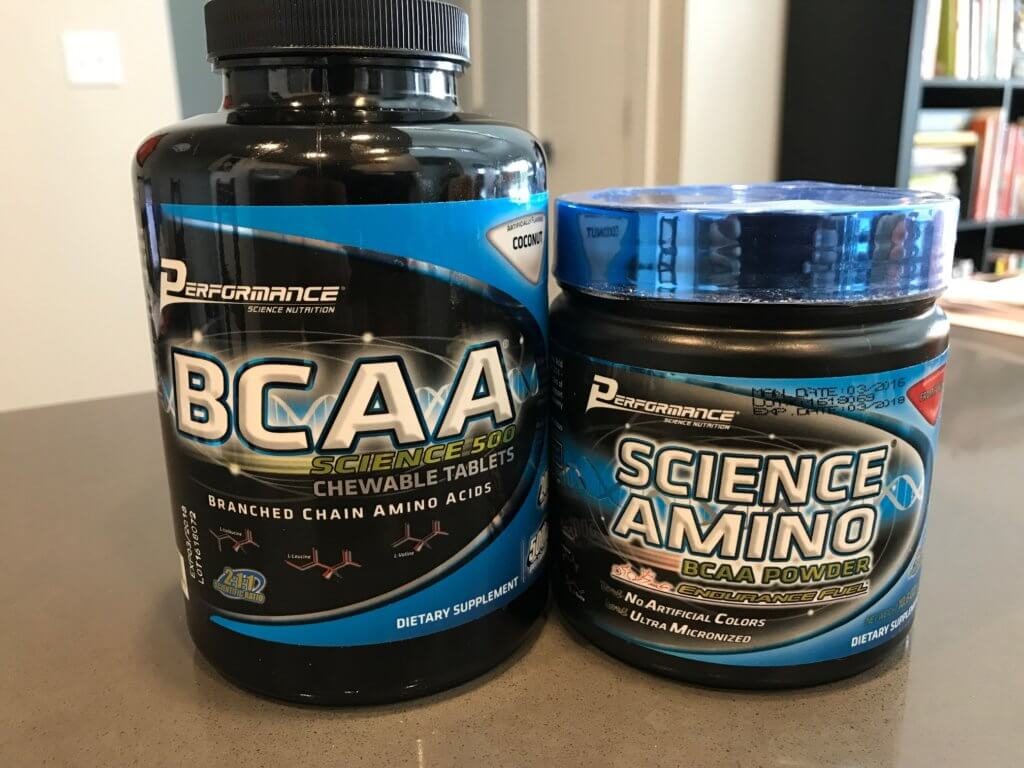
Jiu-JItsu Supplements BCAAGetting the correct dose of BCAAs is fairly simple. Since they all come in an already balanced 2:1:1 ratio, all it takes is dosing the supplement itself. BCAA supplements come in powdered or pill form. BCAAs have effects in as little a dose as 2 grams. However, the usual dose is around 6-9 grams per serving. You could go as high as 60 grams but this is both expensive and completely unnecessary.
Taking BCAA Jiu-Jitsu supplements is never wrong. However, there are certain periods of your training day that are crucial in order to get the most benefits. For Jiu-Jitsu athletes, the best time to take them is right before, and/or during training. Taking them during training can prove a bit hard because most people are usually trying to catch their breath between rounds. Running off to your shaker bottle after every roll is just a nuisance. So, getting all your amino acids in right before class starts is the best bet. You could also get another dose post-workout, allowing BCAAs to kick-start your recovery right away.

Are Pre-Workout BJJ Supplements A Good Idea?

The Only Supplement You Need – Creatine For BJJ

How To Set Up A BJJ Nutrition Plan On A Budget

Benefits Of Drinking Coffee And Green Tea For Jiu-Jitsu Training

Tarikoplata – The Shoulder Lock Nobody Can Defend

Tarikoplata

Every once in a while a brand new move surfaces out of nowhere then the world of Jiu-Jitsu. It may be a sweep, a new controlling position, or, most often, a new submission. And by new, I mean a slightly modified move that already exists. Generally speaking, these moves are a result of countless hours of experimentation and mat experience. This means that the inventors of most of the “new” BJJ moves are usually black belt instructors.

However, now and then a purple or brown belt comes up with a true gem that takes grapplers breaths away! Actually, in rare circumstances, even a white belt might stumble on a move that works. Whatever the case, when these moves end up working like a charm against high-level opponents in competition, you can bet they’re going to become BJJ mainstay. One such recent “game-changing” move is the Tarikoplata submission.

As you may conclude from the name, the Ttarikoplata is a shoulder lock. It is one more in a long line of Omoplata variations. Essentially it is a shoulder lock done against a bent arm. However, its true value lies somewhere else. The Tarikoplata has a huge mechanical advantage that is going to force even the strongest opponents into submitting. This is due to the fact that it works against a well-established defensive BJJ principle that nobody could crack so far. Now, thanks to the Tarikoplata, we don’t just get a new submission, but we’ll also end up with a better defense/counterattack strategy after a while. It is the circle of Jiu-Jitsu.

He is a brown belt from Norway, but he moved very early in his career. Although he popularized it at purple belt, he probably had it in the works even as a blue belt. This clearly portrays that in Brazilian Jiu-Jitsu, belt level does not determine someone’s ability to come up with a legitimate move. It is all about individual effort and the evolution of the sport. So, if you’re a fan of Omoplatas and Barataplatas then you are in the right place. Even though the information is pretty scarce, we’ll try to explain the Tariokoplata as best as we can.

A Complete Review Of The Tarikoplata DVD by Tarick HopstockSpeaking of Tarikoplata, I bet you still have a lot more to learn about this move. Since the Tarikoplata DVD/DIGiTaL Instructional just came out and it’s awesome. Tarik Hopstock, a Tarikoplata innovator really explained in detail how Tarikoplata works. Also, you can check out our review about Tarik’s Instructional.

Who is Tarik Hopstock

So who is this prodigy that managed to come up with such a cool BJJ hack? The culprit behind this brand new shoulder lock is a young up-and-coming grappler by the name of Tarik Hopstock. Tarik is a brown belt under Eduardo Rios. He lives and trains mostly in Oslo, Norway, although he lived for a short while in Morrocco too. Tarik’s gateway to Jiu-Jitsu was Judo, which he took up as a kid. Not satisfied with one training per week, he did some research and came up with Frontline Academy. It was near him, with multiple classes per week and a top coach. Only it wasn’t Judo, but BJJ.

Tarik demonstrated huge talent and a strong will to compete even from an early age. He quickly rose through the ranks, demolishing people in every belt level so far. Now, Tarik trains 2-3 times a day and is sponsored by the likes of Rios gear and Defense Soap.

In competition, the purple belt is where the grappling world took notice of Tarik. Only a few months after getting his purple belt he destroyed everyone in his class and got silver in the absolute of the Swedish IBJJF Open. The move he used to win multiple of his matches was the Tarikoplata, a cruel bent-arm shoulder lock.

Tarikoplata

There’s a really interesting reason why people are taken aback by the Tarikoplata. It goes against a crucial BJJ principle that we’re all aware of – elbows close means safety. Keeping your elbows tight to your body is something BJJ coaches try to instill in students worldwide. It is beneficial both for defense and attack as it helps make you more compact. Defensively, it is the best way of resisting direct arm attacks. Or, at least, it was.

Now that the Tarikoplata is in play, simply keeping your elbows together is far from enough.  The move is powerful because it is based on another strong BJJ principle in itself. namely, the Tarikoplata requires you to put your entire body against the bent arm of an opponent. That’s a losing fight 10 times out of 10, for your opponent. This is where the Tarikolata is different from the Barataplata as well. It is a much more compact move and is easier to keep a hold of. At least from what little I’ve played around with it.

Tarikoplata Setup From Guard

From what I’ve attempted, the open guard position is the best road to a Tarikoplata. Actually, any Omoplata setup is a possible entry. Whenever an opponent is stubborn by keeping their palm close to their body, you have the opportunity to surprise them. Most importantly, you need to have a leg between their arm and torso, like for an Omoplata. Unlike an Omoplata, Tarik’s shoulder lock requires you to thread an arm on the inside along with your leg.

First, you need a collar grip in order to keep your opponent’s posture down. Next, you’re going to thread your other arm along with the leg. At the same time, you’ll use your free leg as a wedge behind the opponent’s neck. This will allow you to release the collar grip and thread the arm over so that you grab your own hip (like in Spiderweb).

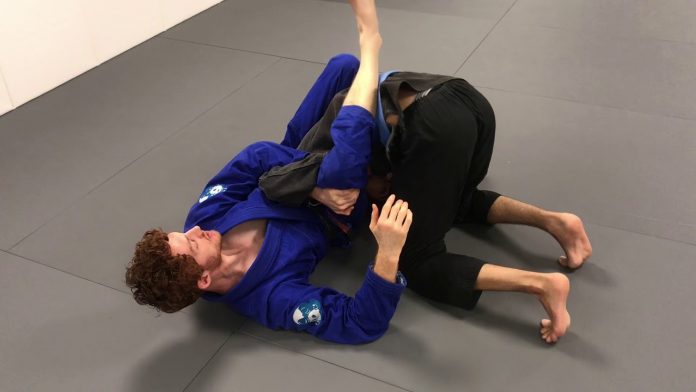
Then, you’ll have to flip your opponent over. To achieve this, you need to switch your hips and use the same motion as an Omoplata with your leg inside. You’ll end up in an S-mount-like position. All it takes to post with one arm and push your hips in for the tap.

Countering The Stack Pass 

One very very useful application of the Tarikoplata is as a counter-submission to a stack pass. All you need to do when an opponent attempts to stack you is to place the collar grip in. Then, thread your other arm in on the same side. Even though you don’t have the elbow exposed, you still proceed as before. The next step is placing the wedge behind their neck.

From there, a palm-to-palm grip and a pull are enough to expose the opponent’s elbow. Once their elbow is between your thighs, you simply go for it as before. Thread the other arm in, flip the opponent and finish with hip pressure from the top.

Tarikoplata Setup From Side Control Kimura Grip

One of the best and probably the easiest setups for Tarikoplata is once you manage to catch the Kimura grip from side control. Having your legs above your partner’s head gives you enough leverage to pull your partner’s arm up and swing your leg over him.

You have to make sure to have your partner’s elbow high in the air because it can happen that you won’t pass your arm enough to cuff your quadriceps. So, your partner’s elbow gonna be above your wrist and you might lose that battle cause your wrist may fail under the pressure.

Just like in usual Tarikoplata the main pressure will come from your leg pushing your partner’s arm together with your arm pulling his elbow. Just make sure you don’t lift the pressure leg high in the air and going with full uncontrolled rotation of your hips because it’s pretty easy to hurt your training partners once their grip holding their attacked arm breaks.


ON SALE HERE:
Tarik Hopstock – Tarikoplata (DVD/DIGITAL)

A Complete Review Of The Tarikoplata DVD by Tarick Hopstock
Techniques List

Tarikoplata DVD By Tarik Hopstock – A Review

Are You Hitting The Monoplata As Often As You Should?

The Mechanics of BARATOPLATA – A Painfully Effective Submission

Gogoplata Details That Will Change Your Game Forever

Omoplata Explained – How to Make It Really Work

Old Grappler Sprawls to a Double Leg Takedown and HeadLocks the Attacker in Super Market

There’s an old saying that if you never sprawled in your life you can’t defend a takedown. That saying was probably meant to explain grappling and takedowns to all stand-up fighters out there.

Seems like this older guy was training in some grappling martial art as he exactly knew what to do when he was attacked by a much younger man.

Jiu Jitsu Guy With No Takedown Skills in a Street Fight – FAIL

Devastating Heel Hook In a Street Fight

The Old Man BJJ Game Blueprint For Senior Grapplers

How To Keep Weight Lifting For Jiu-Jitsu Simple

Weight lifting for jiu-Jitsu

People that train Jiu-Jitsu are usually involved in some sort of weight lifting training as well. The reasons behind lifting weights are different for everyone. Some people like to look good, as simple as that. Others like to lift weights in order to become stronger because it suits their game on the mats. And then there are those who lift in order to return from an injury and prevent further ones. Whatever the case, lifting weights seems to be what grapplers prefer for strength training, despite the proven benefits of bodyweight training. However, weight training requires a lot of time and effort in order to result in benefits. Weight lifting for Jiu-Jitsu is even more complicated because it requires finding that fleeting balance between the two.

Ocham’s razor. These are the only two words you need to remember in when you’re thinking about weightlifting for Jiu-Jitsu. In case you’re not familiar with the concept, Ocham’s razor states that the simplest solution is usually the correct one. When you’re thinking about moving heavy objects in order to improve on the mats, you need to think simple. Complicated programs involving multi-layered periodization and using every gadget that modern gyms have are not a great choice. Nor is going all power-lifter and focusing on single rep max effort work only. But then, what’s the best weight lifting for the Jiu-Jitsu program?

The answer is none. there is no one program that universally works for everyone. Especially when it comes to getting that edge in grappling. The trouble is not just that everyone is different, but that everyone’s BJJ game is different along with their strength abilities, and needs. Those are too many variables to consider from the start. So, before you get lost, dumb everything down and you’ll most likely get to the right solution. weight lifting for Jiu-Jitsu needs to be easy, simple, and minimalistic.

Weight Lifting for Jiu-Jitsu For Jiu-Jitsu Dumbed Down

So do grapplers actually need to include weight lifting for Jiu-Jitsu? The answer is mostly yes. The benefits of lifting weights (correctly) are numerous. We all know that sometimes on the mats, you need to use some strength in order to push a move through. It may be that last couple of inches on a sweep or just a bit more tightness on a choke. Or, you might need to explode in order to finish a pass against an experienced and flexible guard player.

That said, what do grapplers actually get from lifting weights? Well, the goal should be stronger legs, explosive hips, a really strong core, stable shoulders, and a lot of endurance to be able to do all things over and over again. Knowing all of this makes weightlifting for Jiu-Jitsu really simple because it removes the guesswork. But it is just half of the puzzle.

The second half of the puzzle is exercise selection. Not every exercise is a good fit for a grappling strength and conditioning program. So you need to find those exercises that will deliver on the above requirements. Lucky for you, there’s no need for further research. I’m going to outline the only quintet of exercises you’ll ever need below.

That must mean that we’re done right? We dumbed it down as much as possible. Well, almost. There’s the question of programming and it does require some tinkering. The rule of thumb is to go for short sessions with the intensity to match your needs. 3-5 sets is the best and reps should be between 5 and 8. That way you ensure you develop both strength and endurance for the mats.

The Only Weight Lifting Exercises You Need

So, in our Okhams razor style of things, we’re going to explain the few exercises that’ll get you to your goal. And, interestingly, with a few tweaks, this program is going to fit any goal. Fat loss, strength gains, muscle gains, injury prevention, looking good (at least your body)… You can get it all by combining just the following exercises.

Front Squats

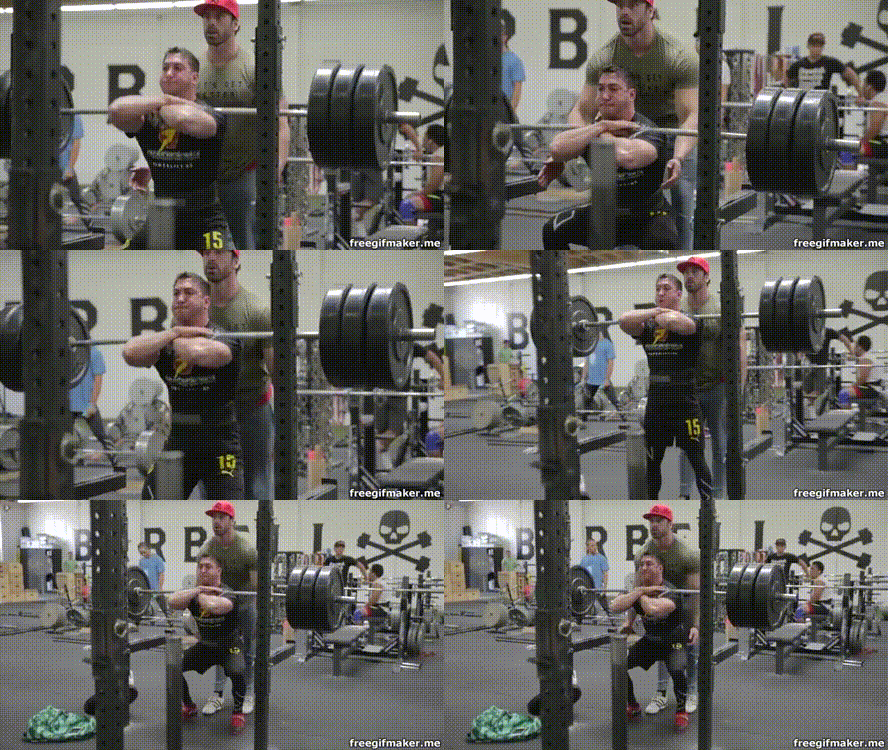
Weight lifting For Jiu-JitsuIf I could only do one weight lifting exercise to improve my Jiu-Jitsu I’d stick with front squats. They are an amazing exercise that works your whole body. Especially if you decide to go for the Zercher squat variation (holding the bar in the crease of your elbows). Front squats hit about every muscle group you need for grappling.
Front squats make your hips and wrists more mobile. They work the core throughout the movement making it stabilize. They work both the pushing and pulling muscles of the legs, as well as the glutes. Front squats also require biceps work (especially Zerchers) and shoulder stabilization. The only thing this exercise lacks is an upper-body pulling motion. A huge benefit of front squats (and all front-loaded exercises) for BJJ is posture.

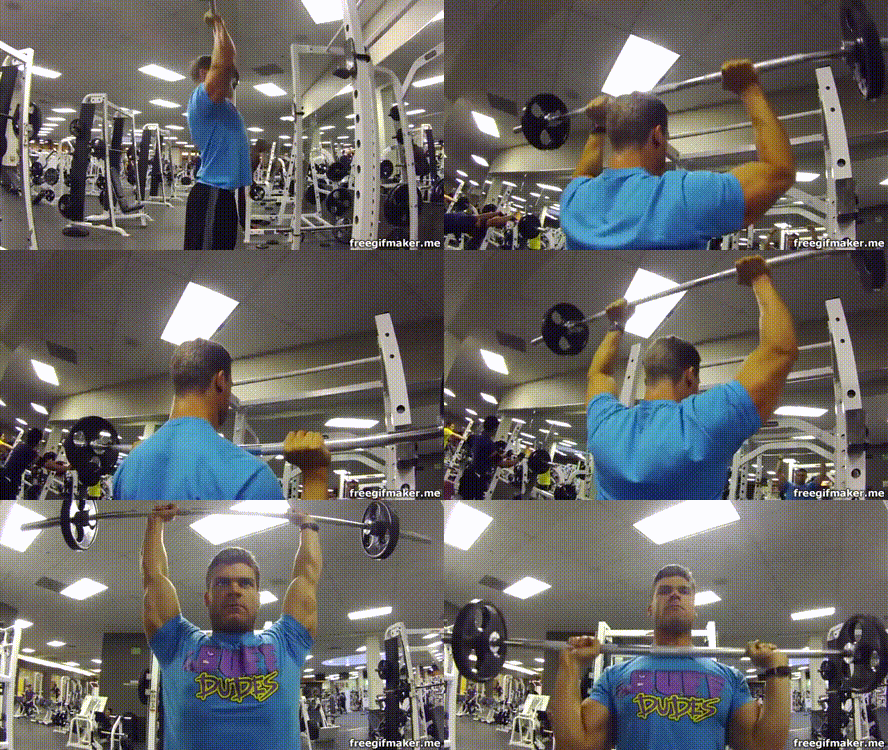
Overhead Press

Weight lifting For Jiu-JitsuAs far as upper body exercises go, this one is a must. Despite what you might hear about vertical pressing not being useful for BJJ, the overhead press is a great lift to include in your weight lifting for the Jiu-Jitsu program. There’s no better exercise to provide you with shoulder stability and strength. It also works on the range of motion of the shoulders which is highly underdeveloped in grapplers. Just like the front squat, the overhead press works the core a lot. Also, going for a push press variation brings an explosive full-body component into the mix.
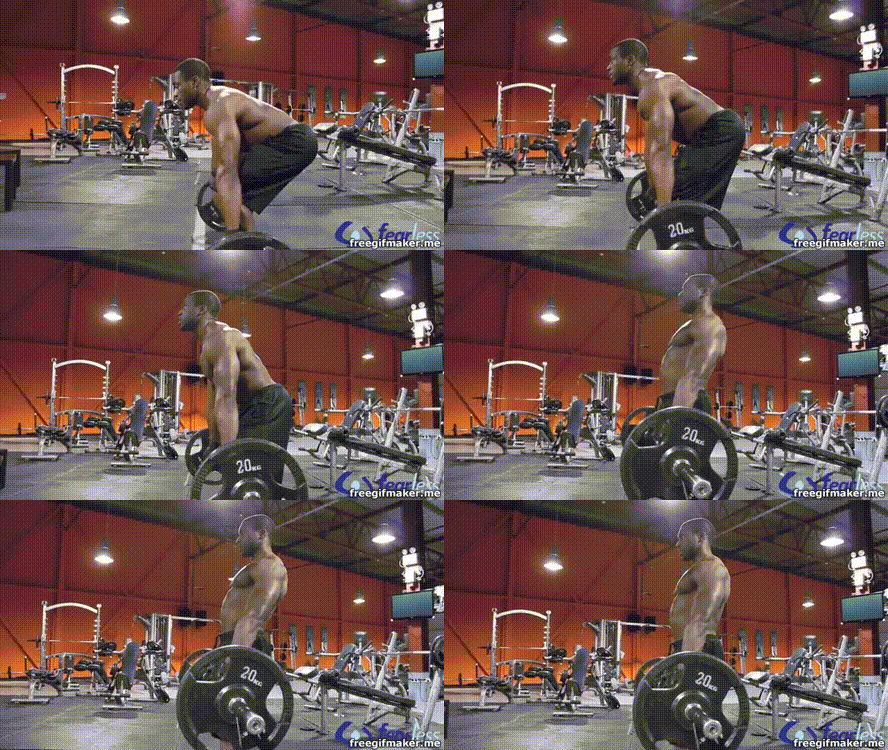
Deadlift

Weight lifting For Jiu-JitsuThe king of weight lifting exercises. The deadlift is something you’ll find in about every weight lifting for the Jiu-Jitsu program. Just like with the front squats, Deadlifts work just about every muscle in the body. Unlike front squats though, they include an upper-body pulling component. it doesn’t matter which deadlifting variation you choose, or the tools to do it. you could deadlift with a barbell, kettlebells, dumbbells or a barrel for that matter. you could do regular, deficit, Romanian, or single-leg deadlifts. Whatever you choose, just do deadlifts. And remember to breathe throughout the motion, so that you can translate your strength gains into BJJ.
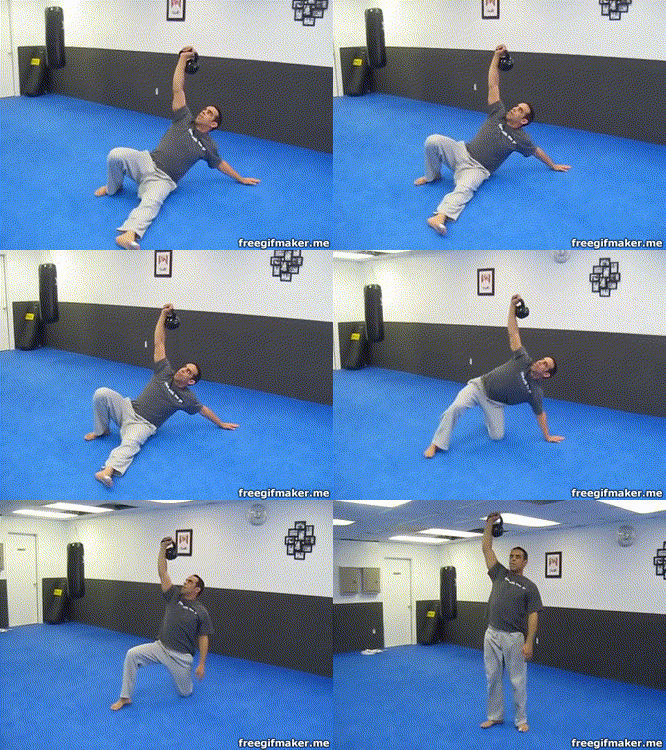
Turkish Get Ups

This is the one exercise of the bunch that fits into any program. Turkish gets-ups are as full body as an exercise can get. It does have a slight learning curve, but once you master it the returns are nothing short of astonishing. The best tool for them is a kettlebell, but dumbells will also do.

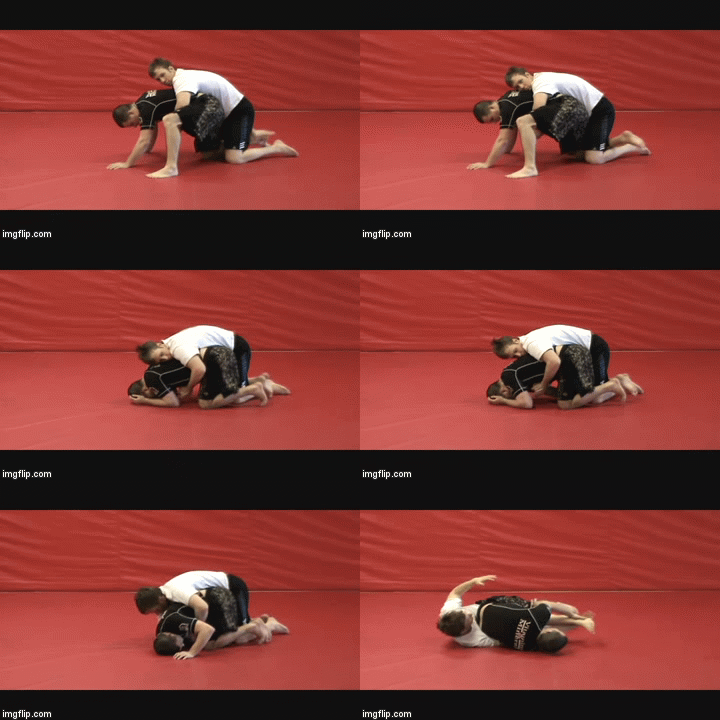
Weight lifting For Jiu-JitsuTurkish get-ups are essentially weighted technical stand-ups. In terms of weight lifting for Jiu-jitsu, it can hardly get more specific than that. Turkish get-ups make you brace your core throughout the movement. They also require a level change as you go from prone to standing and back. They work everything, especially stabilizing muscles. And, if you add a pressing motion to each portion of the Turkish get-up you’ll get a complete workout with just one exercise.
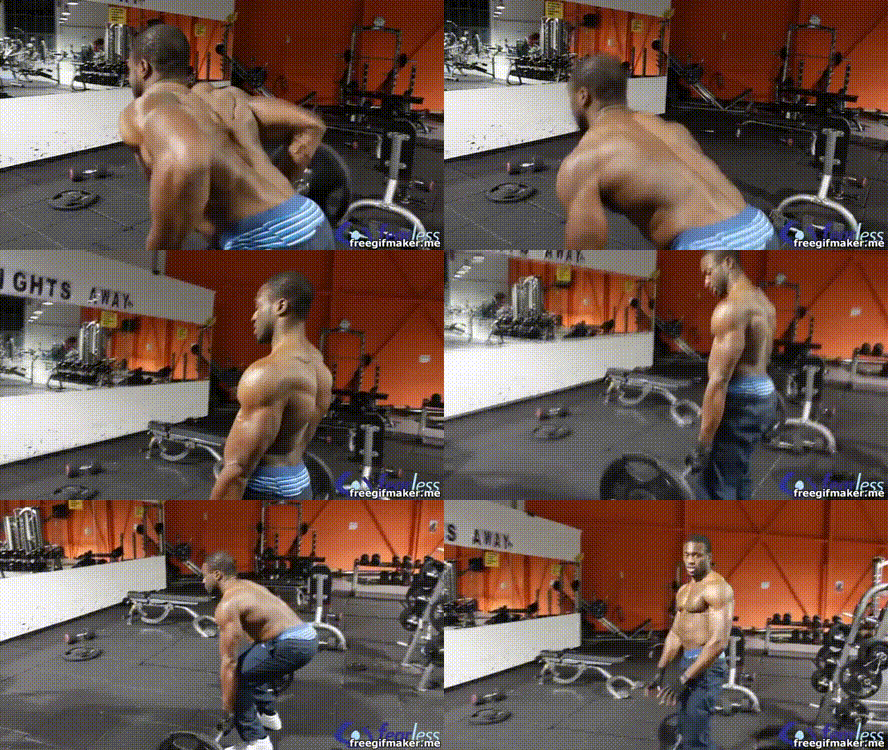
Rowing

Weight Lifting For Jiu-JitsuRowing is the final piece of the puzzle. Why horizontal pulling instead of vertical Well the deadlift covers much of the vertical pulling. And, horizontal(ish) pulling is much more a part of jiu-Jitsu than vertical. Rowing with a barbell is much more than just lats work, as many people think. it does amazing things for your posture, not to mention making you adapt at pulling while maintaining it. Once again the core gets a blast as do hamstrings, glutes, and all your posterior chain. That’s as much bang for your buck as you can get.
Putting It All Together

In terms of programming, you’ve got two main options here. First, you can do all exercises in one session, keeping an eye on intensity, twice a week with ample rest in between. Or, you can do a split. On one day do front squats, overhead pressing, and Turkish get-ups. On the second go for deadlifts, rows, and again, get-ups. If you want to throw in the third day, make it Turkish get-ups only, or just some simple bodyweight moves. Or, even better, make it another BJJ session instead.

BodyWeight Exercises Based on Jiu-Jitsu Movement

10 Strength and Condition Bodyweight Exercises for Jiu Jitsu – Tutorial

Want The Jiu-Jitsu Body Of Gordon Ryan? Train Like This To get It!

Do You Have The Best BJJ Style For Your Body Type?

https://bjj-world.com/george-lockhart-nutrition-dvd-book/


The BJJ High: How Weed And Jiu-Jitsu Work Together

Weed And jiu-Jitsu

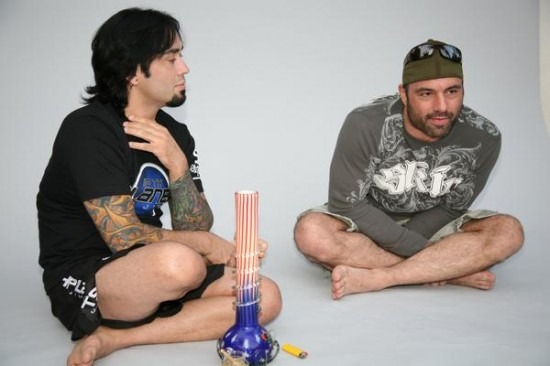
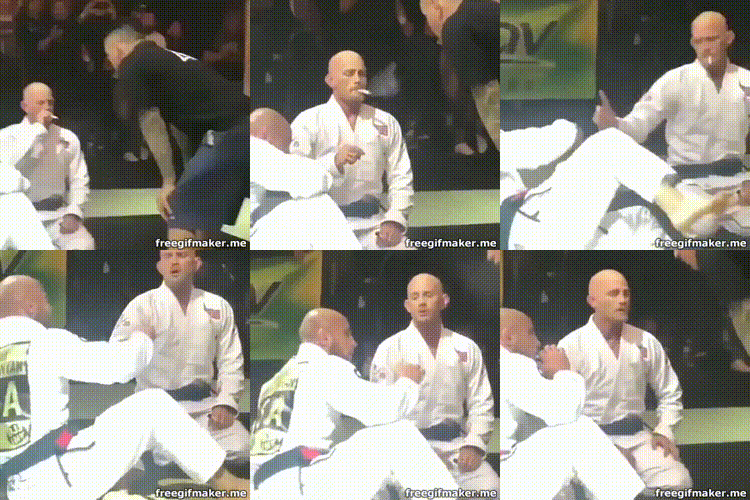
Imagine going to a BJJ tournament high. now imagine that you can actually get high right then and there, mat-side. Furthermore, imagine if the prize for winning the tournament was a pound of weed. Up until a few years ago, many people only dared dream of such an event. In today’s world though it is now a reality. The “High Rollerz” BJJ Gi Tournament offers winners of each division a pound of weed. It seems redundant to debate the subject of smoking in today’s society, but somehow, the BJJ community remains firmly divided on the subject. Weed and Jiu-jitsu are either the perfect combination or two things that don’t mix. It all depends on who you ask. Unless you’re rational about it and simply look at the evidence which is exactly what we’re going to do today.

Grappling martial arts are tough and complicated arts in nature. Brazilian Jiu-Jitsu stands out even among other grappling martial arts in that context. The elaborate maze of ground fighting that is the focus of BJJ is arguably the most creative martial arts platform out there. In BJJ, you can literally do whatever you want. Most of the things you do intuitively will only get you tapped, but you’ll still learn valuable lessons. So, it is very normal that such a creative endeavor gets connected with marijuana. Weed and Jiu-Jitsu seem like a match made in heaven. and they probably are. The whole problem with it is perception, nothing more. Of course, there are positive and negative effects of smoking weed but today we’ll focus on positive effects related to BJJ training and weed usage.

Today, weed has been proven to have a host of benefits on the human body. Weed’s effects on both the mind and body active been thoroughly researched now. It’s nothing scary or unknown anymore, and it’s definitely not just for couch potatoes. It is not the devil’s spawn either, nor is it going to make you eat children and defecate demons. It’s just another vegetable, and just like other vegetables, it comes with specific benefits of consumption. So, weed and jiu-jitsu, do they work or not? let’s settle the debate!

Weed And Jiu-Jitsu: The Perception Issue

As I mentioned previously, the main trouble with weed and Jiu-jitsu is perception. How can people involved in a sport also be involved with drugs? It goes against everything we’ve been taught. yes, it does, but that’s because we’ve been taught wrong. It’s all about perception and some rooted beliefs that make no sense. And I have the perfect example to make things clear.

The relationship of weed and Jiu-Jitsu is much like one of the leg locks and BJJ. Or, at least it was. Leg locks were deemed to be ineffective, cheap moves that people used as shortcuts. Why and how this came to be is not the subject today and everyone knows the history. The point is, it turned out after years of avoidance, that leg locks are actually one of the best weapons in BJJ. Despite all abundant evidence on their effectiveness, the Jiu-jitsu community still remains highly divided on the subject. Weed and jiu-Jitsu are the same.

Weed And jiu-jitsuAnd, just like with leg locks, weed has it’s pioneers in the grappling world too. Nobody is more vocal about it than 10th Planet Jiu-Jitsu founder Eddie Bravo. So, no wonder that he was the referee at that High Rollerz tournament I mentioned. A video of the tournament went viral after BJJ standout Jeff Glover and his opponent of the night shared a joint right before stepping on the mats to grapple. Referee Eddie Bravo did not part take, but probably only because he was already high.
Your Mind On Weed

Let’s get into the actual effects of weed. Since BJJ is not one of those sports where your mind can go wandering off, let’s look at the mind-marijuana relationship first.

When we’re rolling in BJJ if there’s one thing that we need it is the focus. There’s no space for any thoughts not related to grappling on the mats. And weed sharpens that focus like nothing else. It helps your mind reduce all clutter and just work on the issues each and every roll presents right there, at the moment. Furthermore, it opens up new avenues of problem-solving, which, in Jiu-Jitsu, is only a good thing. Most people that enjoy weed and Jiu-Jitsu find their rolls much more productive and creative when they roll high. Also, it helps reduce anxiety and nerves, which also play a major role during rolling or competition.

Another thing weed and Jiu-Jitsu have in common is flow. Being high and rolling are tightly related to the flow state. Weed helps your mind get into that “flow zone where your rolls are seamless and just keep on going. It is Jiu-Jitsu at it’s finest and weed is a great way to find your flow.

Just keep in mind that rolling high also takes time to master. Eddie Bravo uses the analogy of switching from a typewriter to a laptop for writing, the second being rolling high. If you’re used to a typewriter you’ll need time to master using the laptop. Afte you do though, you’ll have so many new opportunities you’ll never think about switching back.

Physiological Effects

The physiological effects of weed on athletes are now nothing mysterious. There is much research, both completed and ongoing on the subject, that sheds light on something that was once a mystery. The healing properties of weed are now a common knowledge and people use them throughout the world. As marijuana gets legal, it’s medicinal properties come to the forefront.

In terms of benefits for grapplers, one huge thing that people use it for is recovery. Weed greatly reduces inflammation and soothes muscles, allowing for faster recovery between training sessions. Since we all know that grappling is the thing that’s addictive, we’re all looking to be back on the mats as soon as possible after finishing the class. Weed helps our muscles relax and fight inflammation so that we can go and roll again.

Another positive aspect of combining weed and Jiu-Jitsu is tissue oxygenation. Weed allow more oxygen to get to our tissues, making them able to work at a higher rate. For the effect of increased tissue oxygenation, you need to have weed in your system while you roll.

Get high, pick up the Brandon McCaghren “Rubber Guard: The Meathook” DVD and go deep into the quintessential 10th Planet position. Then, get high again, and go practice the techniques from this DVD on the mats!

Jeff Glover Smoking Weed Between Rounds High Rollerz BJJ

Benefits Of Drinking Coffee And Green Tea For Jiu-Jitsu Training

Kron Gracie Smoking Weed and Talking about Balance Between Smoking Weed and Training

Eddie Bravo about Smoking Weed, Mushrooms, Life after death, Aliens, Pedophiles, Chester Bennington, Illuminates…

From Sambo With Love – Rolling KneeBar Setups For BJJ

Rolling Knee Bar Setups

It is time to put everything you think you know about leg locks aside. Yes, you’re waist deep into all of the modern leg lock positions and submissions. Imanari rolls are no big deal for you, and your Honeyhole setup is simply inescapable. All that is nice and well, but now it’s time to widen your arsenal with the help of a truly old-school leg lock setup. This one comes to us courtesy of Sambo but has been refined to fit BJJ since. The leg lock itself is nothing new, as we’ll be focusing on the kneebar, a staple of grappling. However, the main emphasis is going to be on getting to the kneebar in a very specific and entertaining manner. Time for a leg lock classic – the rolling kneebar!

Sambo is a martial art originating from Russia. The art’s original intent was to be a military hand-to-hand combat system. Its name actually means self-defense without weapons and is something the Russian military uses to this day. In a more civilian-friendly spinoff, there’s also sports Sambo and combat Sambo. Combat Sambo is very close to MMA, including both grappling and striking, although under different rules. Spot Sambo is the pure grappling aspect of the art. Regardless of variation, Sambo is really keen on leg locks and teaches them to students from very early on. One of the top leg lock entries Sambo has to offer is the Victor roll, AKA the rolling kneebar.

While some may argue that old-style leg locks don’t work, I beg to differ. After all, there’s nothing new in the leg lock game of today apart from how it is organized. The knee bar is still one of the most useful and reliable lower body attacks. The mechanics of the lock itself provide ample control over an opponent. ticking all modern leg lock locks. For all you Craig Jones wannabes out there, you can use the attack to transition into more heel hook oriented attacks. Or you could use it as a takedown. Or even as a counter and/or reversal. Such versatility!

How The Knee Bar Submission Works

The kneebar submission is basically a straight joint lock. The best way to explain the knee bar is with the help of the armbar. For an armbar, you basically use your whole body to isolate and, eventually, break the opponent’s elbow joint. Since the attack is on a joint that’s in the middle, you need the arm to be completely straight. In essence, the knee bar works much like the armbar with a few slight differences.

For the knee bar, the key detail is positioning your hips above the opponent’s knee (up the thigh). However, you must be careful not to go too high, or you’ll lose the lever you need for the break. As a rule of thumb, keep your belt just above the opponent’s knee and you won’t go wrong.

Rolling Knee Bar In terms of controlling the foot, there are a few different grip options. The basic one requires you to place the fingers of the opponent’s foot on your neck. Tilting the head towards that side is going to trap the leg and cause an extension crucial to finishing the kneebar. Always keep one and on the heel to control the leg until you’re ready to finish. For the finish, you can wrap a figure four around the ankle, still keeping the fingers trapped with the head. finishing is as simple as extending your hips, much like for an armbar. Or, if you want to be particularly brutal, add a twist while extending the hips.
Check Out Craig Jones And His Leg Lock Principles With The Help Of His “Down Under Leg Attacks” DVD Instructional. You’ll Learn A Bunch Of Rolling Entries Into All Kinds Of Leg Locks Form One OF The World’s Best! Here’s What To Expect.

The Rolling Knee Bar 

The knee bar is a submission that plays a huge part in both Gi and No-Gi Jiu-Jitsu. It is legal for brown and black belts in IBJJF competition and for everyone in other formats. It is a relatively safe submission and one that everyone should have in their arsenal. Actually, people should look to start learning the kneebar as early as a blue belt. By the time you need to use it in a competition, you’ll be more than ready. Even for the rolling kneebar.

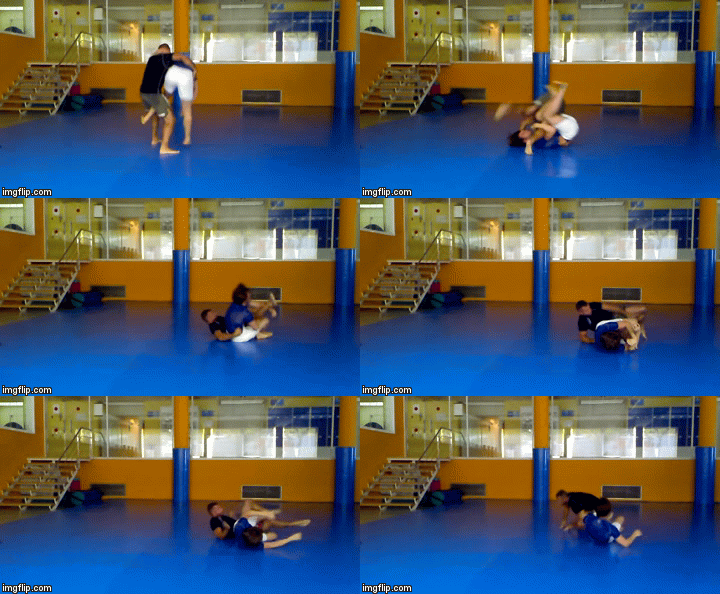
So, what exactly is the rolling entry into the knee bar? Think of a forward roll, just like you do (or should be) during every warm up. Now imagine that you’re trapping an opponent’s leg between your legs in the middle of the roll. That’s essentially how the rolling kneebar begins. In order to explain the mechanics better, let’s use a practical example.

Rolling Knee Bar
Click for Full Video

The starting position is on the feet, with an opponent behind you having a body lock. The goal is to position yourself slightly to the side so that you have one leg on each side of one of the opponent’s legs. From there, you’ll need to bend forward, arms to the mat to bake yourself as heavy as possible. Before you think about rolling you’ll have to anchor the leg of you’re attacking or you’ll achieve nothing. To do that, place a grip as high towards the knee of the opponent as possible.

Time to roll. When you roll, make sure you roll over your shoulder and not your head just like when you drill. For the best effect, look toward the other leg of the opponent when you roll.

Rolling From Standing

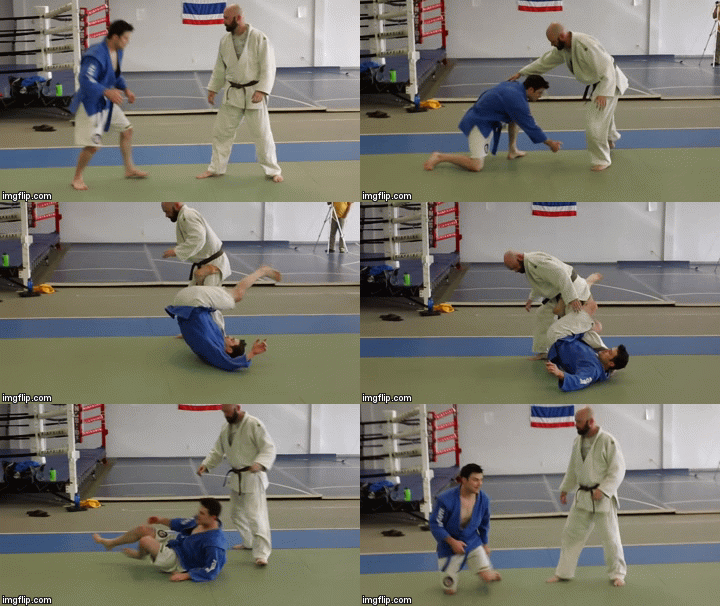
One great use of the rolling kneebar is as a takedown that’ll finish the fight in an instance. Despite our example, in which we used it as a counter takedown against a rear body lock, you can use the rolling kneebar to tie in takedown attempts together. One great example is the ankle pick.

Rolling Knee Bar Takedowns
VIdeo Courtesey Of “welcomematstevescott” Youtube Channel: https://www.youtube.com/channel/UCyYLg9fylmLH-7mX_n3lqWA

The ankle pick is a great takedown that transcends the Gi/No-GI border. Throw in a kneebar and you have the perfect storm. Whenever you shoot for an ankle pick, there’s a real danger that the opponent is going to pull the leg ba which leaves you in a vulnerable position. However, pulling the leg back requires a shift in body weight on their part, which means you can go for the other leg. Simply go for and Imanari roll but stop halfway and trap the leg. From there on you actually, need half a roll to get to the kneebar.

You can also use the knee bar as a continuation of Judo throw attempts, like the Uchi Mata. Most Judo throws place you in the perfect position for this move anyway.

Rolling Knee Bar From Guard

In an attacking/counterattacking fashion, you could go for the rolling kneebar from the bottom as well. You could do it off a butterfly guard sweep attempt or from a failed Inside Senkaku entry. These are by no means the full extent of entry options, just some of the most used ones.

Rolling Knee Bar
Click For Full Video

If your opponent shifts base while you’re looking to sweep them from the butterfly, they’ll end up on the ground, one of your legs trapped in between theirs. This is a perfect position for them to pass with a leg surf, so you need to react. The rolling kneebar works best of an overhook butterfly guard, but it can be done with the underhook if needed. Once the opponent has your leg on the ground simply switch to your knees, and roll immediately, hooking their leg as you do. It is that easy.

The same setups work from the Inside Senkaku. If you didn’t control the hips well enough, the opponent is going to stand straight back up, attempting to put weight on their foot and eventually pressure you into passing. Once that happens and they end up on top, release the triangle and roll into a kneebar. Be careful to time it right as you need the opponent standing as high as possible. If you’re too late though, you’ll end up under a lot of pressure.

Counter Rolls

Probably the most valuable use of the rolling kneebar is when you’re stuck in turtle. Getting out of turtle can be a real problem, especially against an experienced back attacker.

Rolling Knee Bar
Click For Full Video

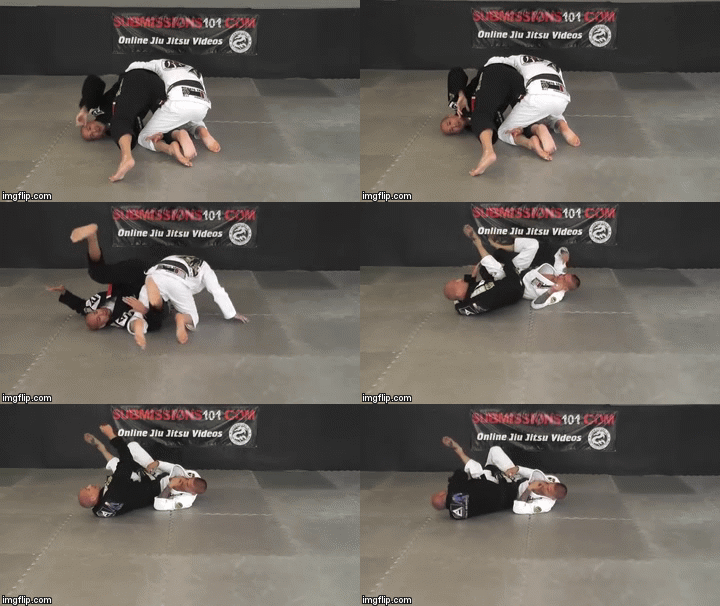
From a tight turtle position, make sure you sneak one of your legs to the inside of the opponent’s legs and make a hook. without it, there’s no point in rolling. Once you have that, though, you can look to roll oThe THe only trouble is, you need to do it fast and precise. You also need to establish grips on the leg while rolling. Otherwise, the opponent is just going to switch base and end up on top.

Eddie Cummings DVD – Ashi Garami Seminar

Sambo For BJJ – Vladislav Koulikov DVD Review

Safety Guidelines for Training BJJ Leg Locks

How To Master The Kneebar For BJJ And MMA

Tournament Day BJJ Nutrition Hacks

Tournament Day BJJ Nutrition

It is the night before a tournament and you’ll all be ready to go! You put the hours in the gym, drilled like crazy, you’ve got a gas tank for an ultramarathon and you’re on weight. Your Gi/rashguard is ready and up to the standards, the gameplan is decided, you have the perfect cornermen. Everything seems to be going along just fine. You had a perfect nutrition plan that brought you fast and easy to maintain results. Then you go out to dinner with the team and, since you’re on weight, you make the mistake of grabbing some comfort-food style meal. Or, even worse, you stuff yourself with the wrong stuff the morning of the tournament. Suddenly all your effort goes waste, simply because of bad pre-tournament BJJ nutrition.

We’ve all been there. Competing in a weight-class sport is difficult under any circumstances. When that sport is grappling, the bar is even higher. You need to go up against several opponents of similar size, skill, and strength levels. Every little detail can count towards victory and you need every advantage you can get. Short of illegal substances, of course. The thing is you never know what the deciding factor is going to be. is it going to be superior technique, explosive power, or who can go longer at the pace that decides the match? Actually, there’s one more thing you need to factor in here. BJJ nutrition in the last 24 hours before a match. If there is ever a crucial period in a nutritional system, it’s this one. Even if you’re on weight, a single burger can make all the difference on the mats.

BJJ Nutrition In General

BJJ nutrition nowadays can be as hard or easy as you wish. You can go and read the PhD-sized material or just learn a few principles and adhere to them. Whatever works for you. However, you need to understand that nutrition for grapplers is not just a means to an end. It is a huge part of the lifestyle. Wouldn’t you go hunting for a submission you haven’t done in years instead of those in your game plan right? SO why would you approach BJJ nutrition right before a competition any different? Worry not, we have some very cool nutritional hacks to make your tournament day both more enjoyable and effective!

If there’s one nutritional methodology that works universally it is George Lockheart’s! Check out theNutrition And Weight Management Systembundle and never worry about nutrition again! The DVD set includes an E-book full of recipes and explanations as well! 

Tournament Day BJJ Nutrition Requirements

First of all, you have to understand exactly what you need. From there on, you need to know how to best modify your nutrition plan to fit your needs and the fact you’re probably traveling for the tournament. You won’t need to carry “special” food items with you. You simply need a bit of common sense.

For one, know what to expect. Undereating is just as bad as overeating before a tournament. Since you’re already coming off a weight cut, you need to be careful. BJJ requires a lot of energy doesn’t need to eat 1000s of extra calories during the competition. This means you’ll need fuel and enough of it to perform your best. However, you must find balance, as overdoing it also has negative effects.

BJJ NutritionIf you eat too much food the night before or the morning of a tournament, you’re going to have trouble performing. The same stands true for eating the wrong kinds of food and eating at the wrong time. It’s all very straightforward but it is where many grapplers go wrong. Eating too much means your body has to deal with the stuff in the belly. This requires blood, which you also need to fight. As adrenaline kicks in there’ll be next to no blood for digestion. That essentially makes your pre-fight meal(s) dead weight, as no digestion means no energy to use.
Furthermore, be wary of the ingredients of your meal. Of course, you need to eat stuff you’re digestive system is accustomed to. But even then, don’t eat a complete meal, no matter how small, just a couple of hours before stepping on the mat. A meal consisting of protein, carbs, and fats takes about 4 hours to digest. A single source meal, of carbs only, takes considerably less, for example.

Competition Day Nutrition Hacks

So, you need energy but not dead weight for competition, and you must make sure you eat at the correct time. But what else can you do to turn the tables in your favor? Let’s go a bit deeper into competition day BJJ nutrition and find some shortcuts. Actually, we’re going to look at what to do during a tournament as well.

First and foremost, before we think about any kind of food, remember to always stay hydrated. Dehydration is a huge enemy of athletes and can really affect the outcome of a match. The best option is water, although you could also reach fora sports drink as well. A few hours before your match you could go for as much as 16-18 oz. As fight time approaches, keep drinking but significantly lower the amount.

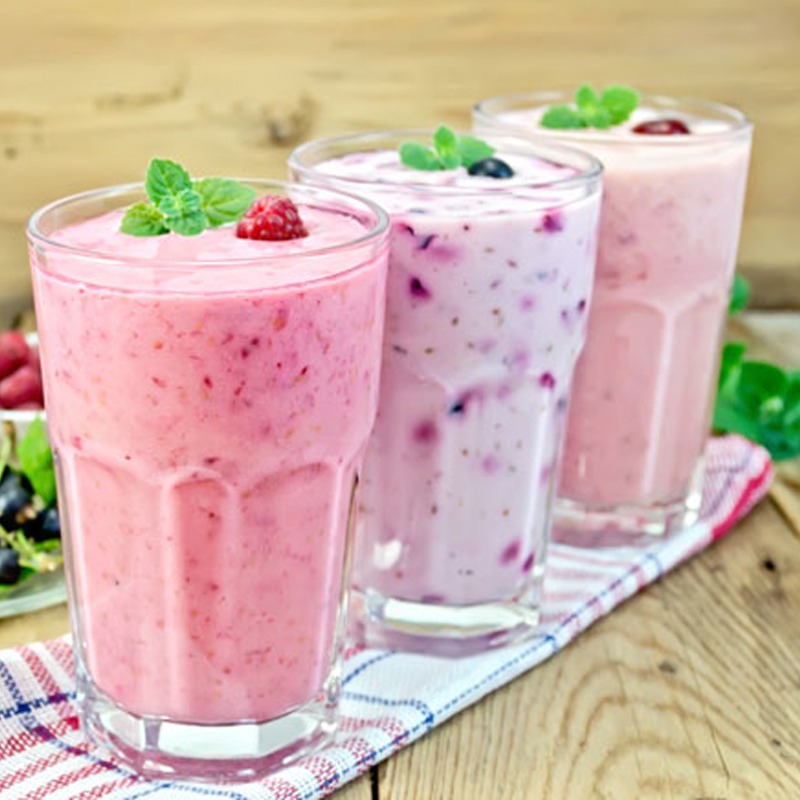
On the subject of liquids, consider liquid meals. Shakes and smoothies fit perfectly because of multiple reasons. They’re good for people with a nervous stomach, they’re nutritious, delicious and help hydration. Furthermore, you can easily make them carb-only thus making them even more easily digestible. GoBJJ Nutrition for fruit smoothies a general rule, as they’re way better than protein or mixed ones.
Speaking of protein, you needed it when you were preparing for the tournament. You can also enjoy them after you finish. However, avoided them before you step on the mats. They take a long time to digest and won’t provide you with any immediate benefit.

Carbs, on the other hand, are the food of choice. Go for a pasta variation the night after, or just stick to fruit and/or some crackers on competition day. Bananas, grapes, melons and other sugar-rich fruits should be the first thing you go for. Still, be careful not to overdo them.

How To Be Completely Ready For A Jiu-Jitsu Competition

The Lowdown On BJJ Rules For IBJJF Competitors

Stop Blaming Your Defeats On The Jiu-Jitsu Referee

Obscure IBJJF Rules That Can Influence A Match

How Training BJJ Too Much Can Hurt Your Progress

Over Training BJJ

Brazilian Jiu-Jitsu is a martial art that has quite a big learning curve. Ther’s no shortcut to learning BJJ apart from putting in hours and hours of repetition. You won’t learn Jiu-Jitsu just by visiting a class from time to time. You won’t even learn if you can manage one session a week. OK, you will but it’ll take at least double the amount of time to progress. And if you already know that it takes about a decade of training BJJ to reach the black belt, would you really like to use twice that time for the same goal? On the other side of this spectrum, there’s also the issue of burnout, or training BJJ too much, too often. Finding the sweet spot is not science, but it does take trials and errors.

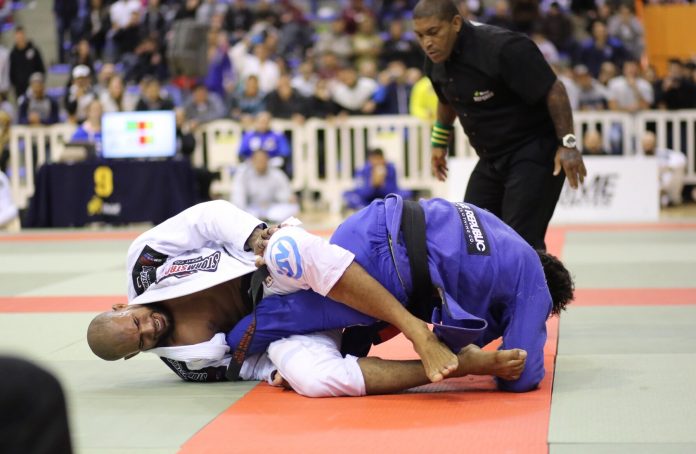
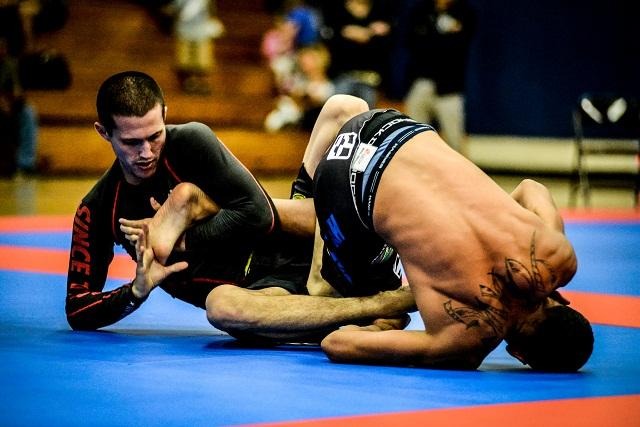
When you train grappling, the first thing you’re going to feel is pain. After your first couple of sessions, it’s the pain of grappling as physical activity. You’ll feel muscles working that you never knew were a part of you. As you get over the initial shock on your system, pain becomes more systematic, as you find out that the Gentle Art is not actually so gentle. Plus there’s the pain of your bruised ego every once in awhile. However, if your response to dealing with all these circumstances is just to train more, you risk overtraining BJJ. That can lead to a whole host of new issues that might steer you away from the art.

Finding balance is as important in your training schedule, as it is during guard passes. You need to find a balance in your personal life first. Working long hours, or day and night shifts and training BJJ regularly is a really hard thing to balance out. So, you need to make sure your grappling schedule works along with your daily obligations. Next, you need to make sure training itself doesn’t destroy you. By training, I mean both Jiu-Jitsu and supplemental conditioning. It doesn’t matter if you’re hitting the mats 6 times a week if you’re burnt out from lifting weights 7 days a week. Balance is key to constant progress. Too little and you’ll struggle to catch up. Too much and you’ll burn out, having your progress stall again.

Symptoms Of Overtraining BJJ

Too Much Training BJJ One thing that is a real indicator that you’re nearing Jiu-Jitsu burnout is your mood. This includes your mood throughout the day and week, but most importantly, your mood before, during, and after training. mood/motivation. remember that feeling of joy and eagerness to get to class? Well, when you get that feeling replaced by “do I really have to go?” it’s time to consider re-assessing your training schedule. Occasional dips in motivation are usual for grapples, given how intense and versatile training is. However, losing motivation to even be on the mats, after a few years in the sport, is very often a direct consequence of training BJJ too much, too often.

Next up is your energy level. While this might have a lot to do with food, it also connects to training frequency. Training too much is going to deplete your energy levels due to physical exertion alone. If you add to that the mood factor we discussed above, you have classical burnout syndrome. One more thing that usually stems from an overtrained body and mind is health deterioration. Getting sick more often, becoming more sensitive to certain allergens, or having overall decreased immunity can all be a result of over-exerting yourself.

Technical Burnout 

From a technical standpoint, performance is a huge factor to consider. Too much Jiu-Jitsu is going to actually make you worse at Jiu-Jitsu.  Getting a dip in performance might be a consequence of many things. Overdoing a certain move, learning a new one, or overtraining are all possible options. However, with overtraining you’re going to suffer a dip in overall performance, instead of just one aspect. A specific area in which you can see this is your reaction time. All the moves you timed near-perfectly before are going to be way off. Every roll, against every partner you’re just going to get frustrated instead of exciting your favorite moves.

The focus is another major thing. Maintaining high-level focus to solve problems under the high pressure and tension of Jiu-Jitsu is crucial for successful rolling. Too much training translates to reduced focus which, in turn, leads to poor decision making. This going to make otherwise prolific rolls a feature to resent. If you see your focus dipping despite you increasing your time on the mats, you need to reconsider your approach.

Over Training BJJThere’s also the issue of specific overtraining within certain areas of the art. For example, You have move you drill every session, or you simply choose to spar like crazy everytime you’re on the mats. In both instances, while you might see progress in every other aspect, this one area of training BJJ is going to lag. The reason is dedicating too much time to only drilling, sparring or just going for one technique over and over again. When things start backfiring you need to consider that you’ve done too much.
Solutions To Help You Recover

The logical thing to do when you face too much Jiu-Jitsu training is time off. However, time off can very easily turn into an extended hiatus, and eventually complete distancing from the art. In order to achieve the correct balance make sure you take the correct time off, along with accessory adjustments. Item off is easy – at least one week completely off BJJ is what the doctor prescribes. This might extend to two weeks in certain situations. The key thing here is not jumping straight back in. You have to take it easy or you’ll just repeat the process. Make sure you do not exceed three training days per week, plus one open mat day every once in a while. Having strategic rest days like this is going to give you a chance to let BJJ sink in and progress will ensue.

Making accessory adjustments includes altering your recovery and nutritional habits. If these are already in order then just the previous strategy is going to help you return fresh and ready to roll. If not, you’ll need to improve your overall lifestyle. That means increasing sleeping time and managing stress. Increasing sleeping time doesn’t just include adding more hours to your overnight sleep. You can throw in an odd nap or two to refresh yourself during the day.

Nutrition should already be something you have dialed in, especially if you’re a competitor. In any case, you need to make sure you give your body the optimal fuel to get you through your work/training week.

A Change In Routine 

Finally, on a more specific topic, you need to look to change up your BJJ routine once you get back on the mats. This means freshening things up at least once a week. Drop one GI/No-Gi class and replace it with its counterpart. Look to switch up your rolling routine, and open up to learning completely new moves. In case you’re over-drilling things, try to roll live more often. Or the other way around, if rolling is all you do.

Also, consider visiting a neighboring gym during an open mat. Or, even better, take up a coaching role in your own academy. teaching others is a great way to polish your own Jiu-Jitsu skills.

Whenever you’re looking to refresh your approach to BJJ, looking at it from a conceptual standpoint is a great option. Nobody knows more about the conceptual side of BJJ than Kit Dale. He actually got his black belt in record time thanks to favoring concepts over techniques. Check out his “Art Of Learning Jiu-Jitsu” DVDs to freshen things up. Special offer for a limited time only!!!

No Time To Train BJJ? Here Is How To Make Time For Grappling

Inverted Guard – Is It Really Worth The Trouble ?

Stop Chasing BJJ Belts And Focus On What’s Important

How Many Times A Week Should You Be Training BJJ?

Invest In Jiu-Jitsu Leg Locks To Really Master Them

Jiu-Jitsu Leg Locks

This article is aimed predominantly at those grapplers training and competing in Gi-only tournaments. The modern leg lock game is an undeniable part of Brazilian Jiu-Jitsu now, so there’s a clear need to address it appropriately. For those who part take in No-Gi training with Gi classes and those that train exclusively without the Gi Jiu-Jitsu, leg locks are not really an unknown. However, the approach to training them might be. Most BJJ academies across the globe still tend to look at leg locks as advanced moves. This contradicts even the highly restrictive IBJJF rules, where ankle locks are allowed to all. So, how should you approach training, or for that matter, teaching Jiu-Jitsu leg locks?

The main reason why Jiu-Jitsu leg locks are still a bit of a taboo is history. In a classic “Boogeyman” fashion, leg locks are the nasty, career-ending submission that hides in dark, damp places, waiting to scare the daylight out of you. While the scare of this was real amongst grapplers, the perceived injury potential was way off. Even to this day, despite all the evidence to the contrary, people remain afraid of leg locks. This scare prevents people from either training them at all, or it contributes to faulty training strategies. In both cases, the result is falling back behind the rest of the BJJ community. The effects are all the taps you’re going to give away in tournaments. because of a Boogeyman scary story.

Jiu-JItsu Leg Locks Toe HoldAnother big excuse people use to shy away from leg locks are competition rules. The IBJJF doesn’t allow anything apart from straight ankle locks until brown belt level. For brown and black belts, kneebars and toe holds are also open for use. Conversely, people usually choose to start training Jiu-Jitsu leg locks once they can use them. Often, this means that even ankle locks get put off until brown belt. What you end up with then, is a grappler who is completely inept at leg locking. Trying to pick up the slack at the brown belt is the same as trying to learn how to do a Kimura as a black belt. While you have overall grappling knowledge, you’re very much behind in a certain aspect. And, as you should know by a brown belt, there are no shortcuts to learning Jiu-Jitsu.
Investing In Leg Locks

One of the best pieces of BJJ advice I ever got was back when I was a blue belt. A newly promoted black belt, whom I strongly respect and look up to was teaching at our academy. After a few rolls and plenty of kneebars induced taps later, he said to me “Invest in the legs”. That really made an impact on me. Training at a Gi-mostly academy, there was no leg locking whatsoever on the curriculum. Not even defense. Which got me thinking.

Instead of waiting until la technique becomes legal, you should be looking to master it. It is as simple as that. There’s no point in waiting until brown elt to even start training toe holds and kneebar. Should you do it straight off the bat? Of course not. Fundamentals are fundamentals for a reason. A good time to start playing with Jiu-Jitsu leg locks is the blue belt. And not just a freshly promoted one. People with a year or so experience at blue belt should already be acquainted with ankle locks at least.

Ad you near the purple belt, you should open up to learning leg locks. This is going to give you years to practice them in training and think about them in competition. As you compete you’re going to discover where leg locks can fit into your game. And I’m not talking about training only inverted heel hooks. Competing with the Gi, under IBJJF rules is also a great platform to use leg locks on.

Start training knee bars, ankle locks, and toe hold early. Invest in knowledge, so that when the time comes, you’re ready to use them. It’s like learning to drive with your old man before you’re even of age to get a license.

Be Ahead Of The Learning Curve

Learning a new skill is no different at brown than it is at blue belt. You’re going to need time in order to cover every aspect of it. If you think you can just train a few Jiu-Jitsu leg locks and you’re ready to use them, you’re in for a rude awakening. Just like with all other techniques, leg locks have multiple aspects to them.

The learning curve of a technique in Jiu-Jitsu is a big one. You need time in order to master even the simplest moves. Now add to that the fact that you rarely do just one thing in grappling and that curve gets even bigger. Let’s see an example.

Jiu-JItsu Leg Locks TrainingWhen you learn an armbar, you first need to know what an armbar is. For the sake of argument, we’ll look at an armbar from the guard. You need to understand, first and foremost, how to get into the proper position for the submission. Where do the hips go, how you grip, what’s the optimal angle, and so on. Once you’re down with how an armbar works, it’s time to see how to enter into the submission. An armbar from the bottom has plenty of entries, and they all require a basic understanding of the final goal in order to really work.

As you master getting an armbar from scratch, you’ll notice that a new aspect opens up. transitioning from an armbar to other submissions, and vice versa is another huge skill you need to master. But, in order to get there, you need to know what an armbar is and how to enter into it. Now imagine it’s a kneebar instead of the armbar. The process is the same. the timeline of learning is also going to be the same.

How To Safely Train

Still afraid, but intrigued at what we’re saying? Why not make sure you have every precaution in place before you start training leg locks, then?

First and foremost, learn to form a qualified instructor who has experience in the matter. Next, make sure you practice the techniques and rill with like-minded partners. Your best bet is higher ranked belts, preferably those that can use a variety of Jiu-Jitsu leg locks in competition. They’ll help point you to what works, and what to avoid.

Next, adopt a catch-and-release policy. Never ever go for a pain-induced tap fro ma leg lock. When you get into a position, hold the roll. Look at the mechanics and your partner and slowly apply the submission. The same goes for when you get caught in one yourself. Learn and explore instead of panicking at what might happen.

Finally, even if you do not like to use leg locks, consider that learning how to execute them is going to make you better at defending them. You can recognize a cross collar choke from the mount the moment your opponent shifts weight for a grip. This is due to experience and begin in that situation over and over again. Knowing that a toe hold is coming is going to make it easy for you to prevent it before it even becomes a threat. You just need to start early and invest in mastering leg locks before you’re allowed to sue them in the competition!

Eddie Cummings has a great digital resource for mastering both leg lock attacks and defenses! The Wolverine offers his immense knowledge in a very detail oriented Ashi Garami Seminar that you simply can’t miss! Here’s a list of all the techniques included. 

John Danaher DVD Instructional REVIEW – Leglocks: Enter The System

The One Legal BJJ Leg Lock More Dangerous Than A Heel Hook

The 9 Best Leg Lock DVD Instructionals For Grapplers

The IBJJF Legal Leg Locks and How to Do Them