




Until a few years ago, the BJJ world had a pretty much-unified stance on leg locks. As per the IBJJF, most were banned from competition up until very advanced levels. Furthermore, people thought that training them was a certain way of getting career-ending injuries. As the landscape of leg locking changed during the past few years, so did the perception people had of these submissions. In today’s modern Jiu-Jitsu, leg locks are considered to be as useful as some of the highest percentage moves, like the rear naked choke for example. However, under the IBJJF rules, which are the ones that “matter” the most, there are still legal leg locks, and those that even black belts cannot execute in competition.
If you like leg locks as much as the next person does, you need to know how to use them in competition. The thing is, most people training BJJ are not black belts, at least not yet. So, training competition legal leg locks requires a high level of understanding of both the rules and the submissions. Despite the rise of plenty of professional submissions only tournaments, the IBJJF still rules the competition stage in BJJ. And, as far as I am concerned, that is perfectly all right. they have the experience, resources, and infrastructure to put on huge BJJ competitions at the worldwide level. Furthermore, they manage to do it a few times a year. So, if you want to win the ultimate honors but you’re also a fan of heel hooks, you’ll need to adjust your game. After all, if Gordon Ryan can do it, why shouldn’t you?
AS with most things in Jiu-Jitsu, the first thing you need to know about IBJJF legal leg locks is what not to do. While some of the rules are as straightforward as possible, some remain hard to decipher for most. Some are actually so stuck in a grey zone that even IBJJF referees get confused. However, things are not that hard to actually understand. The next step in the process is knowing what you can do and when you can do it. Some leg locks still have the reputation of being too dangerous for beginners. However, there’s also the learning curve of leg locks, which is not a small one. So, understanding what lies ahead can let you plan accordingly and start training early.
Assessing The Current SItuation
The trouble most people have with the IBJJF rules is that they deem them to be too restrictive. The efficacy of heel hooks was never something people doubt, but training them in a safe manner was. Training heel hooks were never really at the level it is today. In turn, most leg lock submissions were mostly opportunistic techniques, not really finding their place amongst BJJ mainstays. Staying true to the Gracie ways, the IBJJF devised a ruleset that pretty much-outlawed leg locks in general. The result was that even legal leg locks were used very rarely, taking away a very useful tool for competitors.
On the other side, the IBJJF stance is that leg locks are dangerous, especially certain locks from certain positions. As the massive organization that it is, the IBJJF went on to devise a progressive ruleset concerning leg locks. To be fair, their basic system makes sense. The leg locks people get to do in the competition become more numerous as their belt rank rises. Also, certain positions open up for attacking “lower tiered leg locks” after getting to a certain belt level. It is a somewhat logical system that actually is pretty sensible.
The main issue with these two opposing forces in the BJJ world is lack of compromise. On one side, it is the submission only crowd, calming everyone should be allowed to do everything from the moment they step on the mats. On the other side, the IBJJF has an unmovable stance on legal and illegal leg locks. BWith both currents are unwilling to make changes in order to unify rules, the grappling community remains divided. So, you’ll need to know what you can do at your belt level in terms of lower body submissions.
IBJJF Legal Leg Locks Belt By Belt
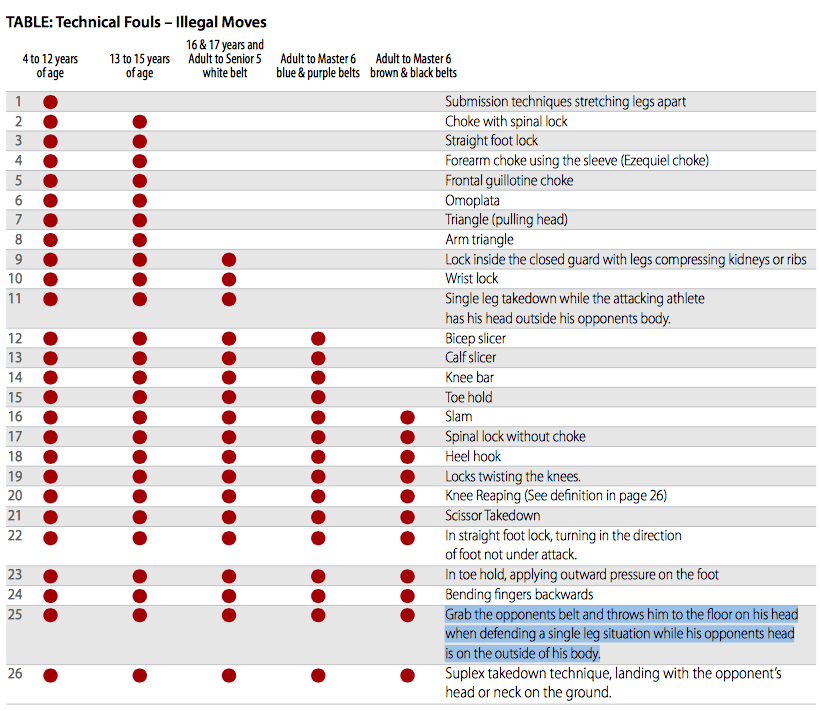 As you start BJJ, most people will refrain from teaching you leg locks. This is particularly true in Gi based academies. Even if you walk in looking to learn leg locks, you’ll most likely end up disappointed. That said, certain locks are available even at white belt level. And some of them are pretty nasty!
Before you start looking into leg locks though, make sure you adopt a catch and release policy. Even though leg locks are not the boogeyman, training still requires safety. The best way to make sure you’re not even near an injury is to take caution when training. But, then again, this rule applies to every other aspect of training Jiu-Jitsu.
White Belt
As a beginner, you can go ahead and work with straight ankle locks as much as you want. The only condition here is that you are 16 years of age or older. The positions allowed for that are the straight AshiGarami, outside Ashi Garami and the 50/50 guard. Keep in mind that training straight ankle locks requires time and dedication, so spend enough time drilling the positions before you go for them in competition.
Blue And Purple Belt
Unfortunately, blue and purple belts do not get much more to do in terms of legal leg locks. Just like with white belts, they’re restricted to straight ankle locks form the same positions. A thing to consider is that you can’t go for an ankle lock if the leg you’re attacking is on top. So, when you go into the straight Ashi Garami, make sure you’re facing the leg you’re attacking. Also, try and avoid the 4/11 position until referees really clear up where it stands. Just remember to avoid ant submission that puts twisting pressure on the foot/ankle.
Brown And Black Belt
This is where things get interesting. Brown belt is the level where most legal leg locks are available. Apart from heel hooks, you can freely go for toe holds and knee bars in addition to straight ankle locks. The thing is that while attacks open, not man other positions are available to attack from. Knee raping remains forbidden despite belt level. One more submission that’s not on people’s minds often is the calf slicer. After the brown belt, you could go for calf slicers as much as you want, from any position possible. Which brings us to the most curious part of the IBJJF legal leg locks – the grey zones.
 Turn to Mr. Craig Jones to improve your leg locking game massively. Learn all kinds of leg locks, both legal and illegal to make sure you can compete in both aspects of BJJ. “Down Under Leg Attacks” is a DVD set that is going to be of use to any grappler looking to learn about leg locks.
The Grey Zones
Now that it is clear what you can and can’t do at every belt level, let’s see what you might get away with. There are plenty of grey zones in the leg locking department, but two stand out more than others. Let’s take a look.
The one thing where most people (IBJJF referees included) end up confused is the Estima lock. While it was legal at all levels for a while there, I think now refers look at it as a toehold. This makes it legal only above the brown belt. The reason is that it places twisting pressure on the ankle, despite the difference in grips to the regular toehold. If you are a white belt, your best bet is to stay away from it. Like a blue or a purple belt, you might and try to get away with it, but I doubt plenty of referees are not ready for just such an occasion.
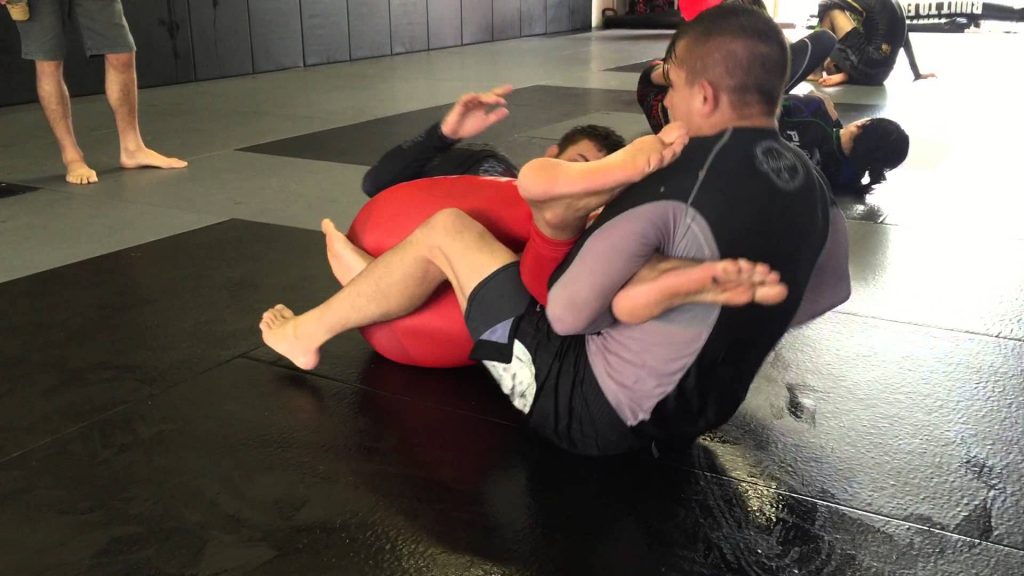 Finally, there’s the dreaded 4/11 position AKA Inside Senkaku. It turns out this position is legal. The reason that his position is not a knee reap position is that of the placement of the leg. The opponent’s leg goes across your body when you get your knee move. It is essentially a reverse half guard position, with a locked triangle. As such, it is perfectly ok at brown and black belts, where kneebars are legal. However, it may land lower belts in trouble, depending on the referee.
In terms of submissions, you can only attack the free leg. This means that you can’t even wrap your arm around the leg you have in a triangle. Furthermore, the only options you have on the other leg are a couple of straight ankle lock variations. Oh and forget about hitting the leg also submission.
DVD and DIGITAL Instructionals Related to IBJJF Legal Leg Locks :
IBJJF Legal Leg Attack Secrets by Dean Lister
IBJJF Legal Leg Attacks by Tiago Alves
High Percentage IBJJF Legal Footlocks by Mikey Musumeci
The Belly Down Footlock From Single Leg X by Tarik Hopstock
IBJJF Legal Footlocks by Jose Varella
https://bjj-world.com/leg-locks-ultimate-guide-positions-submissions/

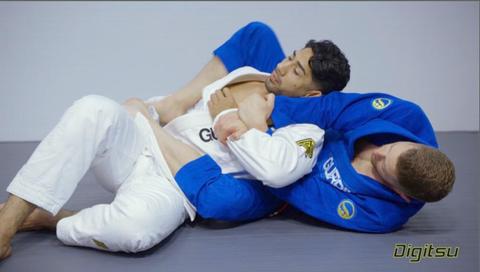
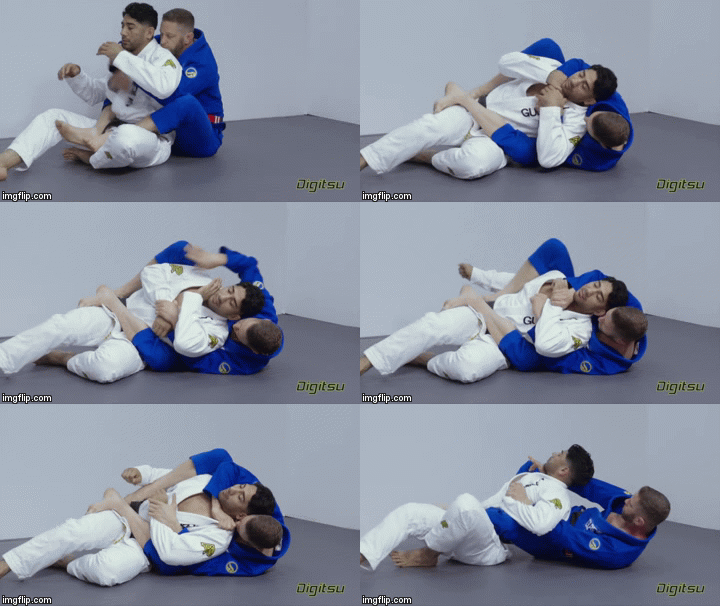 The cool names continue as Darcy goes deep into his unusual yet brutally effective system. The D.O.D control is an option to go for from the Iron Maiden. it is a way to keep attacking from the back while switching to even more upper body control than before. Since this is a fairly advanced concept with lots of details, the Iron Maiden Back Control DVD provides answers to questions even before you think of them. There’s a big troubleshooting section that further explains moves like The Iron Maiden Transition, Reverse Guillotine and the intricate grip fighting system Darcy teaches.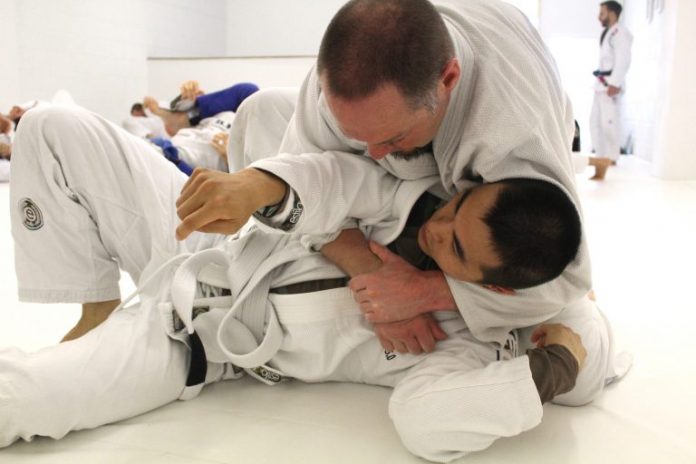
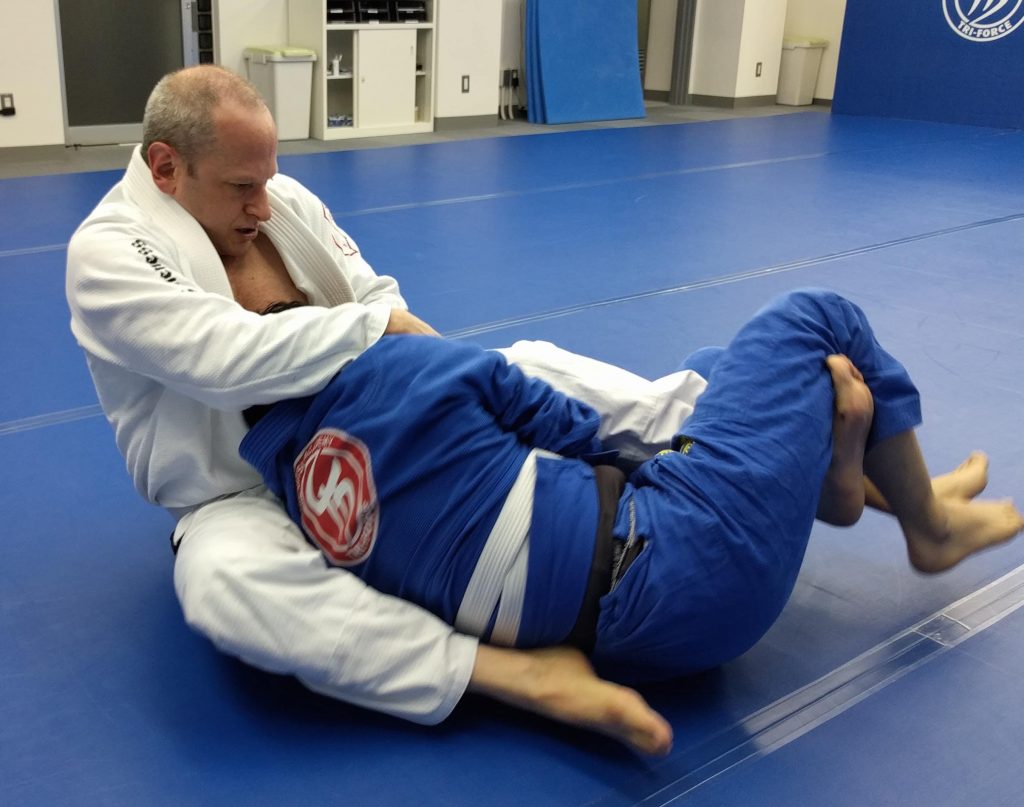 First and foremost, beginners lack the experience to understand where risks lie. It’s happened to me time and time again, to have to go and break up couples ready to roll at just the right time. There should be no way that a new student s does their first/second roll with someone that has a month or so more than them. That right there is the recipe for disaster.
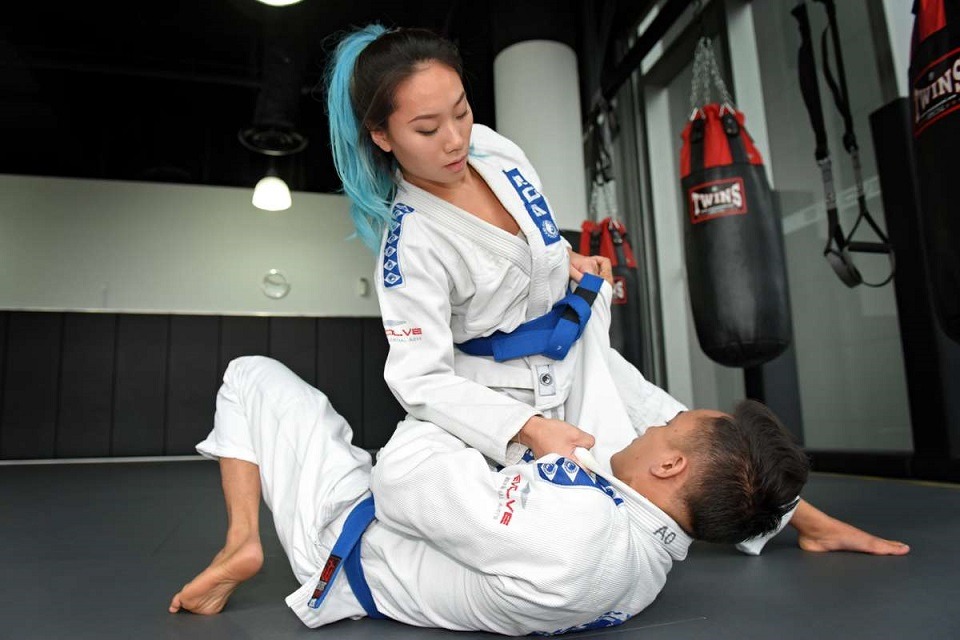 Well, there are a few solutions that fit the bill here. Contrary to popular belief, the open mat is not just for BJJ sparring. People can also ask questions, drill or do position sparring. Those are just three possibilities of what beginners can do on the open mat.
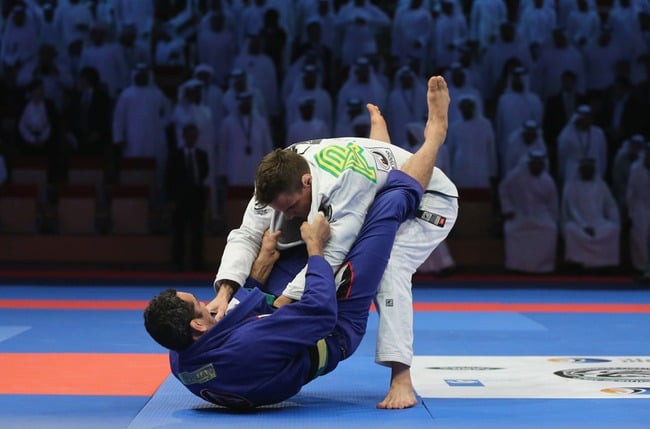
 In the world of machismo culture, doing anything in a smart and risk-free fashion is regarded as not manly enough You would think that BJJ, wit hall it’s ego-taming properties is beyond such things. But, no, it seems there are certain aspects of the art that just can’t shake that negative vibe. Up until a while ago, it was leg locks, and mainly due to the same reason. they were seen as moves done by cowards, who do not know how to ass the guard.
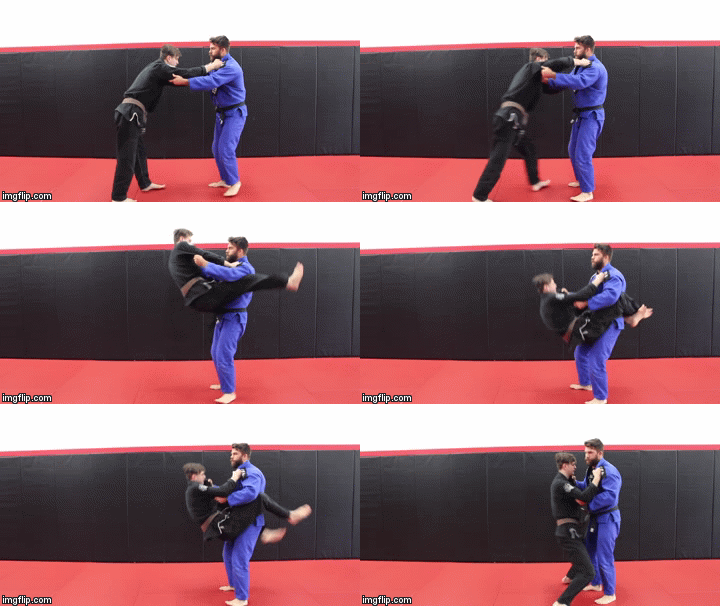 Jumping guard is a potentially very dangerous move to go for. It is forbidden for white belts in all tournaments based on IBJJF rules, and even higher belts should be cautious. It is a good way of getting to an opponent who knows you’re about to pull guard. The same grips apply, only there’s no foot on the hips. Instead, you pull your upper body with your grips and jump, crossing your legs into closed guard the moment you reach your opponent.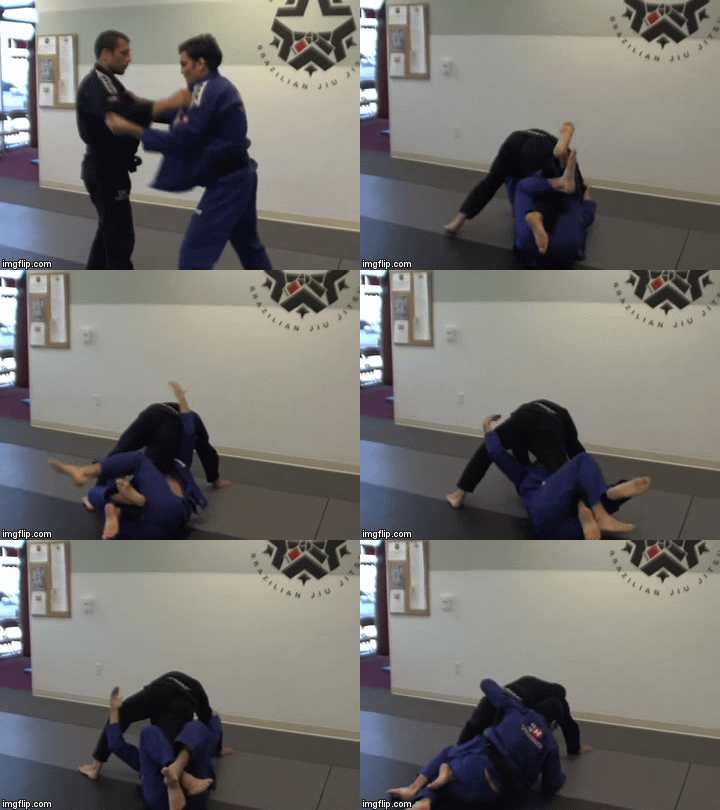
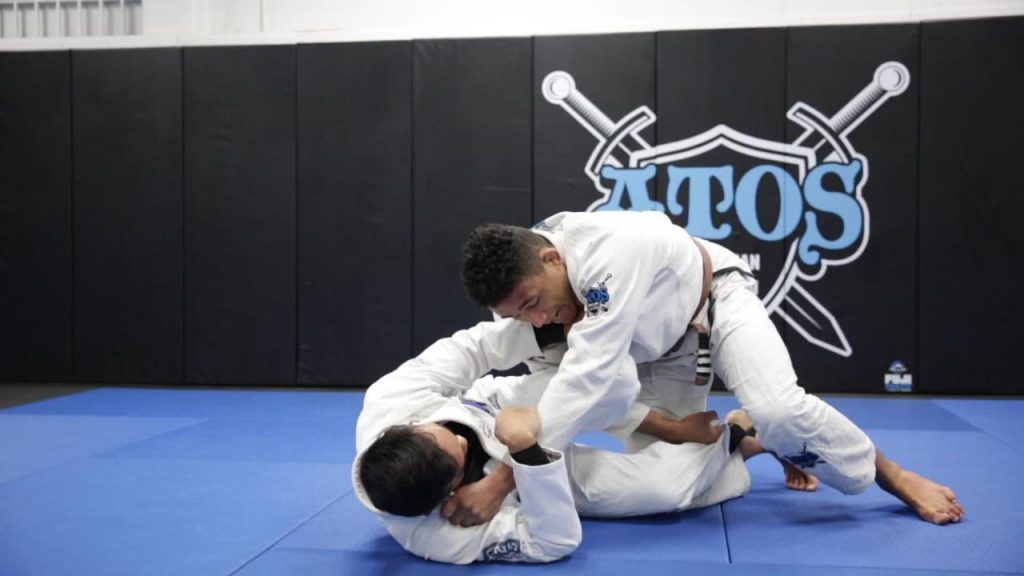 To begin with, passing via cross-face control from top half guard is definitely a smash pass. But, so is the now trendy over/under pass, as well as the knee slice/smash pass. Even the leg surf pass is a variation of a smash pass. Another really famous option is the leg drag as are some smashing options past the butterfly guard.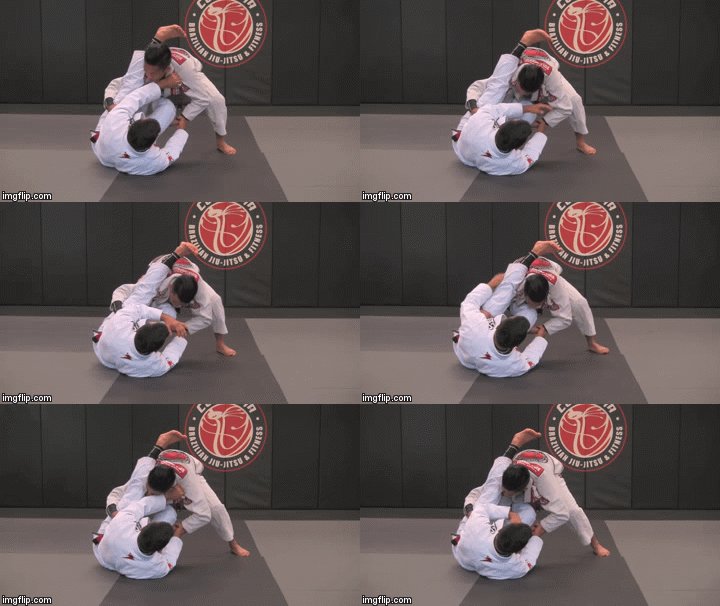

 A great way to become a giant-killing specialist is to learn the trade from one.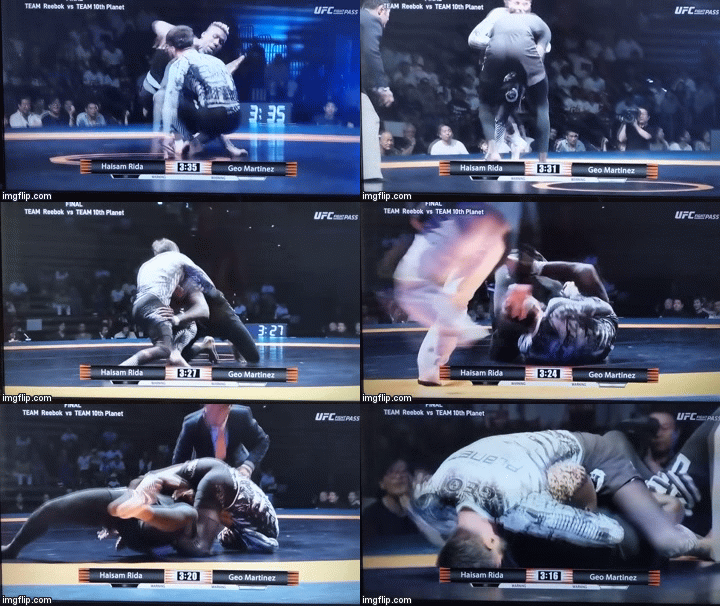
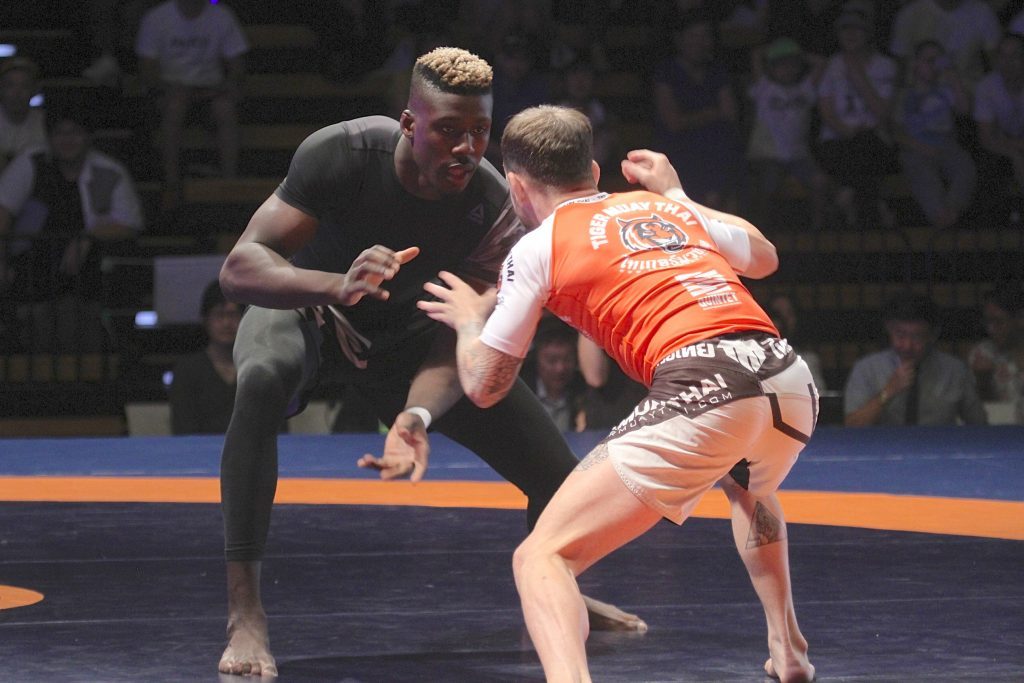 On the ground, you also need to know that it all boils down to movement and timing. There are a few positions that you, as a smaller grappler can use against big opponents. You’ll need to know which those positions are, a well as the best ways of getting there. In order to achieve them, you’ll need to work constantly and never stop moving. However, remember to move with purpose, because getting tired is going to get you beat.