





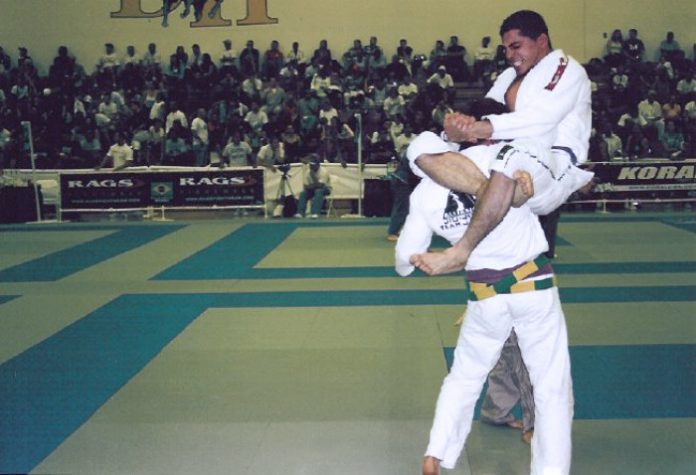
When you first witness a flying submission, your mind focuses on two main things. First, that it is a beyond cool, bad-ass move. Secondly, you ask yourself how you can learn to do that quickly and painlessly. While I completely agree with the first notion, the second is a bit more complicated. Learning anything in BJJ fast is hard. With flying submissions, it is plain impossible. I have to stress out here that if you choose to ignore this fact, you’ll more than likely end up really injured, or injure someone else. Learning a flying submission is a process just like learning break falls or armbars. You need to first be aware of, then understand and finally learn every step fo the move. Because, yes, flying submissions do have steps and setups a well.
The appeal of flying submissions is very easy to see. Who wouldn’t like to end a fight in a truly spectacular fashion? Flying submissions are probably the top of the hill when it comes to finishes. In essence, they’re shortcuts that remove most of what defines a BJJ match. With a flying submission, you jump (or fly) right to the end, skipping everything in the middle. While this is a nice shortcut to have as an option, like all shortcuts worth taking, it comes at a price. And, there’s no way for anyone to avoid paying it.
The price that I’m talking about comes in the form of a dilemma. If you really like to learn flying submissions you’ll need to spend a lot of time learning how to perform them correctly. Even more so, you’ll probably have to focus on just one flying move. The other end of the dilemma is ending up injured or giving up position in tournaments
Flying Submissions – An Assesment
Let’s look at flying submissions in a completely honest fashion. They’re difficult moves that beginners should not even think about attempting. Insufficient knowledge and understanding of what you’re trying to do can only result in a negative outcome. Most often, this is going to happen in the form of an injury.
Flying submissions area advanced moves because they have certain pre-requisites. For one, you need to actually know how the submission works in general. Actually, you need to be really good with a submission to even consider going for a flying setup. So if you are that set on learning of lying submission, master the basics first. Even as a beginner, choose your submission and start learning how it works and how to get there. Because flying is just one way of entering into a submission move.
The consequences of improperly executed flying submission can be really severe. Anything you do wrong in BJJ carries a certain risk, but flying changes the whole complexion of it. Whenever you’re “flying” your whole body is going to be without a base of support at one point in time. Unless you really know when, how and in which direction to “fly”, you’ll miss out on the move. As a result, you’ll most likely land in an awkward fashion that can leave you injured. best case scenario, you end up on your back, with nothing to show for it. And that is without even mentioning the injuries you could cause your partner/opponent.
Technical Tips
The key thing to understand about flying submissions is that performing them is not different than performing any other move in BJJ. If you can comprehend that, you’ll be well on your way to mastering them. The best way to approach a flying submission move is in steps. There are three main steps you absolutely need to be aware of.
The Anchor
First and foremost, you need to be in constant contact with your opponent. If you try to just fly through the air to get them, you’ll never succeed. Gi or No-Gi, you need to have correct grips for the submission you’re chasing. This is called an anchor point. You have to hold to the anchor point from the moment you start “flying” to the moment you get the tap.
The Power Source
This is the second crucial step of every flying submission. If you want to fly you need to know how to take off. Logically, since your arms are anchoring you, your legs are going to be the power source. However, you need to know exactly where to place them in regard to the submission you’re chasing. Because going for a flying armbar and a flying guillotine are two very different things.
The Landing
Whenever you go up, you’ll have to come down at one point. How you land has a lot to do with how you set up the previous two steps. If you’re anchored well and you chose the correct power source, landing shouldn’t be difficult as you should be in the submission position by then. Remember that when you’re landing, even if you’re not quite there with the submission, you have to stay tightly anchored to your opponent.
Flying Submissions That Works
Flying Guillotine
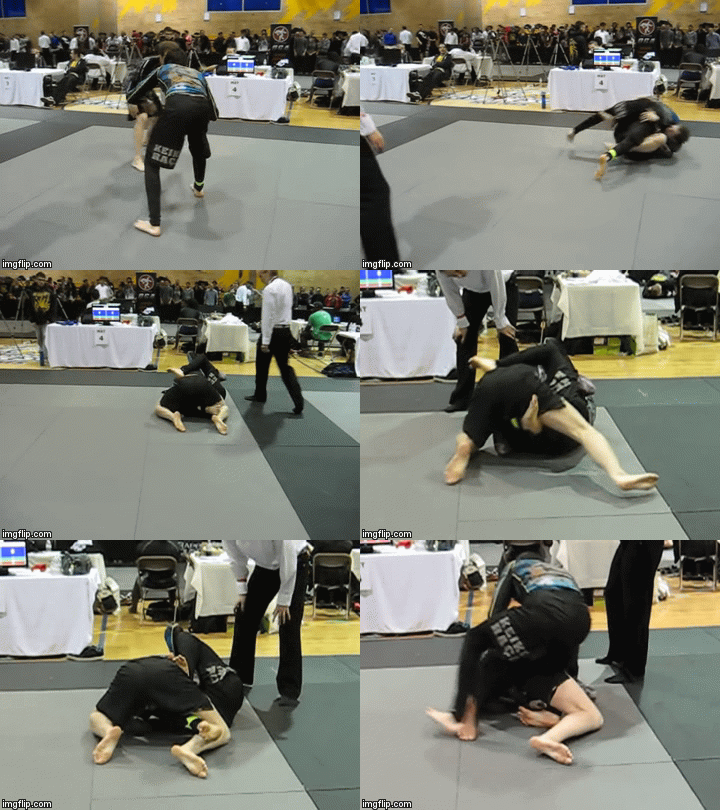 The guillotine is probably the easiest option to go for. There’s not much flying in this one, actually, and it is the most high-percentage flying submission of them all. The initial grips are quite simple for this one. You’ll need the same thing you need for a snap-down – arm and head control.
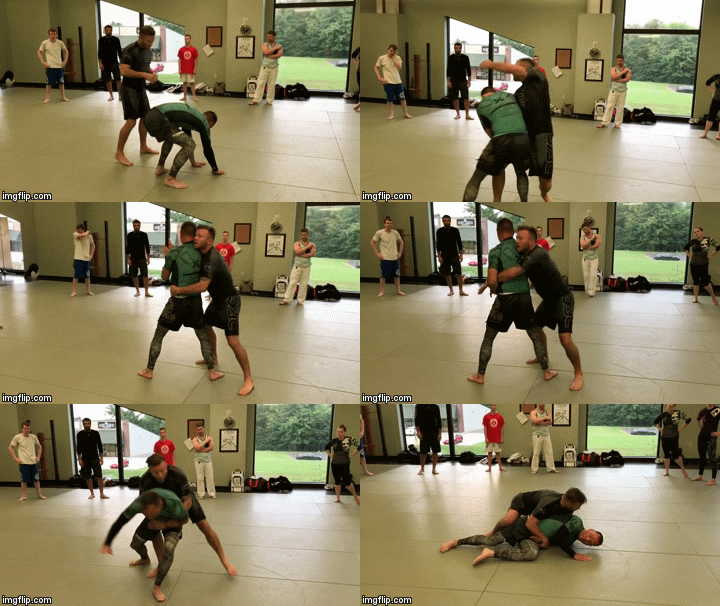
To set it up, you must bait your opponent to come low, so that when you fly, you can actually be on top. You need to pul the arm while you propel yourself forward and up, jumping off the mats. At the same time, use the snap-down to get their head down so that you can place the guillotine grip while you’re in the air. As you land, you’ll come down to your feet, forcing the opponent on their back. From there, you can look to finish from a top position or roll onto your back for a classic finish.
Flying Armbar
The flying armbar is next on the ladder of the difficulty of flying submissions. Here you’ll need to rely on your anchor grips a lot, especially with the Gi. Furthermore, your power source is going to change,m as you won’t be jumping off the ground with both feet.
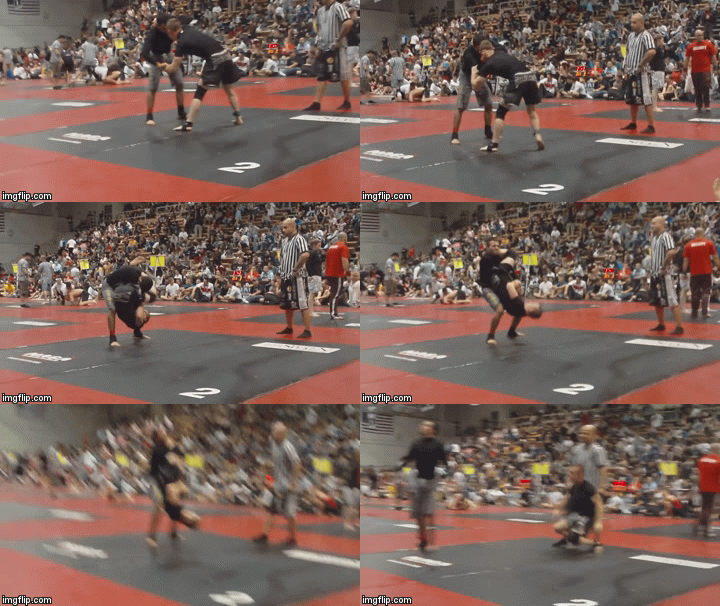 Initial grips involve triceps control and a collar grip or head tie. The grip on the triceps needs to be with the thumb and forefinger facing yourself, which is not the usual way. This will enable you to transition into a finish with ease when the time comes. The leg that’s on the side of the collar grip/head tie needs to go on the opponent’s hips before you go airborne. Remember to be fast about it as it can give you away. The power source here is first the leg that’s on the ground and then the one on the hip. Depending on how tight you are, you can finish off your back, or from a top position after the landing.

Check out how Bernardo Faria approaches submission hunting. In his “High Percentage Submissions” DVD set you won’t see any submissions that do not work. What you learn from this instruction will serve you from white to black belt, both flying and from more conventional setups.
Flying Triangle
Getting a flying triangle requires experience, precise timing, and some dexterity. This is arguably the most difficult flying submission you can go for, that has a good percentage chance to work.
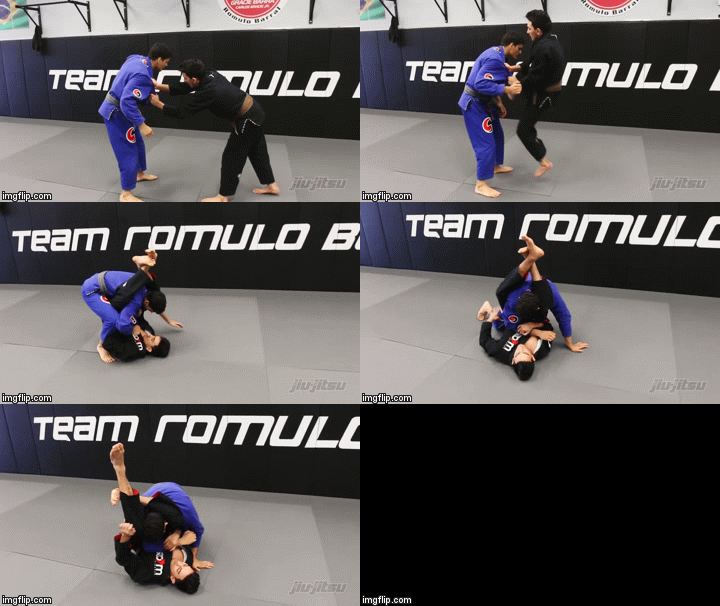 The anchor grips here are very specific. Both your hands must be on one of the opponent’s collar. Furthermore, it needs to be the collar on the side where your leg goes under the armpit. You’ll need to get your hips as far back as possible to both get a better boost and lower your opponent’s head. The goal is to pull your self with the anchor and go for a jump guard-like motion. Instead of placing both legs on the opponent’s hips, though, you’ll aim to throw one leg over their shoulder. From there you can land in a controlled manner to your back and proceed to finish a triangle choke.
https://bjj-world.com/guillotine-choke-basics-bjj-submission/
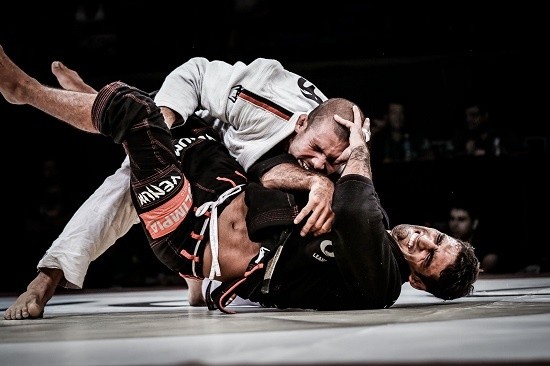
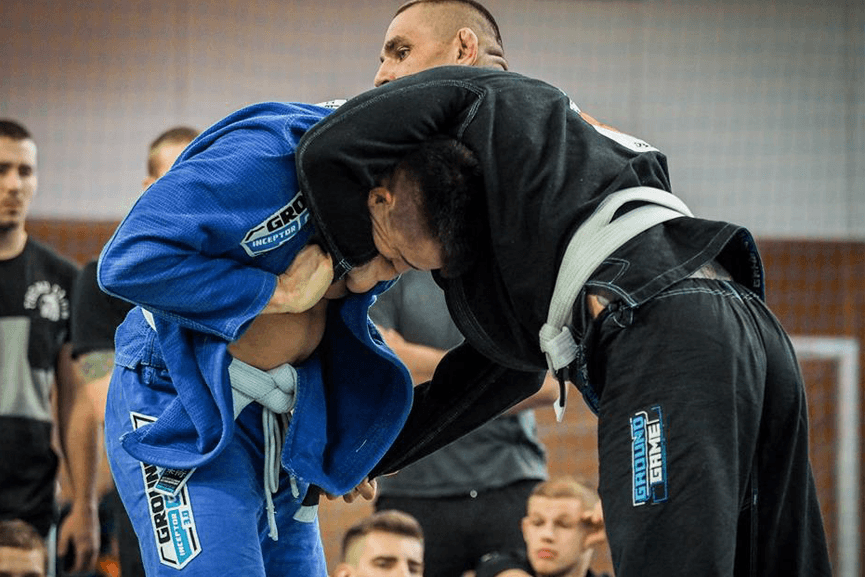 After you’re in position, the best outcome is to execute your takedown and finish in your preferred position. If you like to fight from the bottom, pulling guard is the best option. Conversely, going for to position means you need to find a way to throw or take the opponent down.
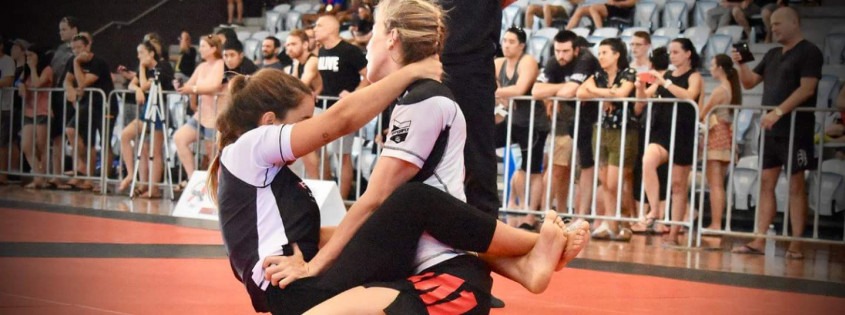 If you pull guard in a BJJ tournament, you need to make sure you know how to play both open and closed guard. it doesn’t matter if you prefer one of them. Pulling guard, especially after the purple belt, rarely guarantees you’ll end up in closed guard. Submitting your opponent is, of course, the best way to go. However, if you prefer to sweep, make sure you have sufficient follow-up options.
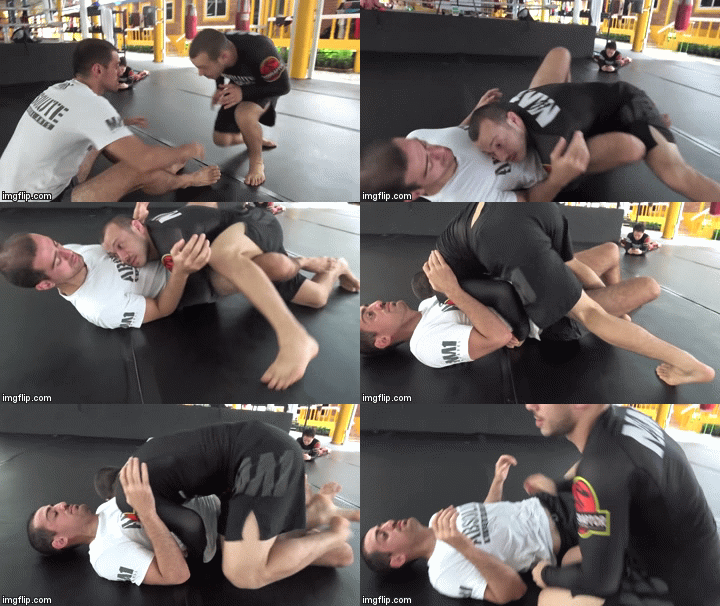
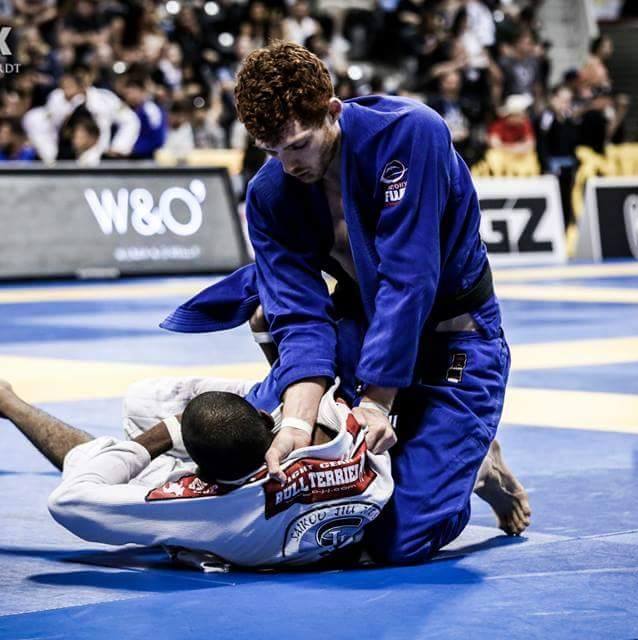 In a BJJ tournament, it is not advisable to go down to your back once you’re on top. This is especially true from the guard. If you do, you’re both gifting your opponent points and improved positions. If you’re so dead set on hunting from your back, do not go there unless you’re in mount or side control. Even then, your best bet is to use an A-game submission but know how to hunt for it from the top as well. A good example is the cross collar choke or the armbar. Getting a cross collar choke from mount means you can safely roll to your back without giving away points.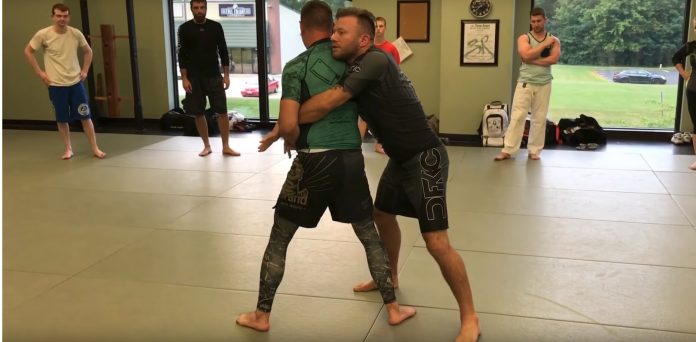

 Use
Use 
 The main goal of powerlifting for grapplers is Jiu-Jitsu strength. A useful side-effect, sort of speak, is massively increased power and explosiveness. The only hard part is figuring out how much your body can take and how to program it correctly. Training only three lifts means you can save a lot of time in the gym while you’re getting stronger. Furthermore, the lifts work the whole body as one unit, just like in grappling. Plus there are plenty of varieties of the exercises that directly benefit grappling movement patterns
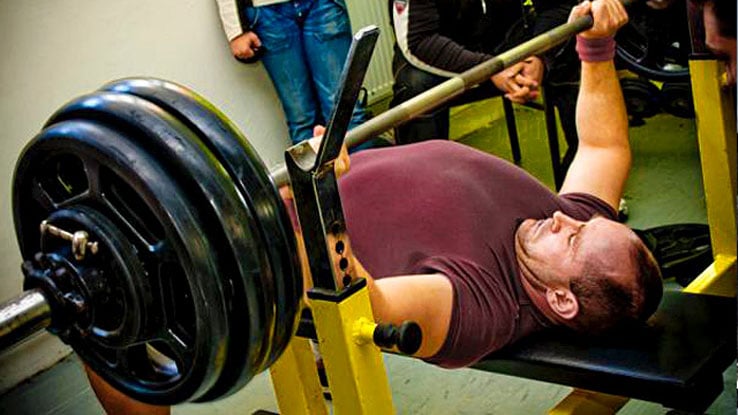 The bench press is arguably the most famous lifting exercise of all times. It works basically all the pushing muscles of the upper body, also demanding stabilization from the pulling muscles. Since grappling is a sport that has a lot of pulling in it, working on your pushing is a great way to achieve balance. Plus, it is a movement pattern where you’re most likely to rely on strength while grappling.

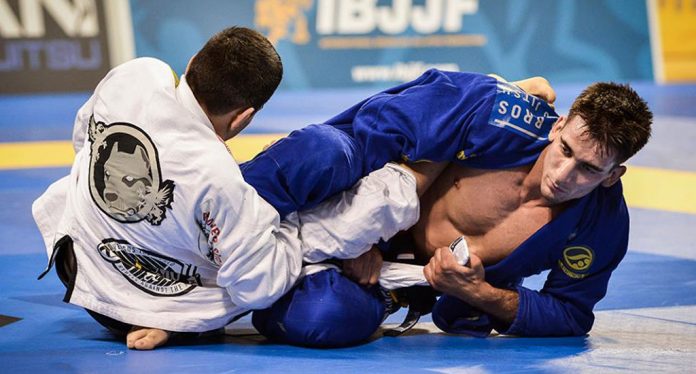
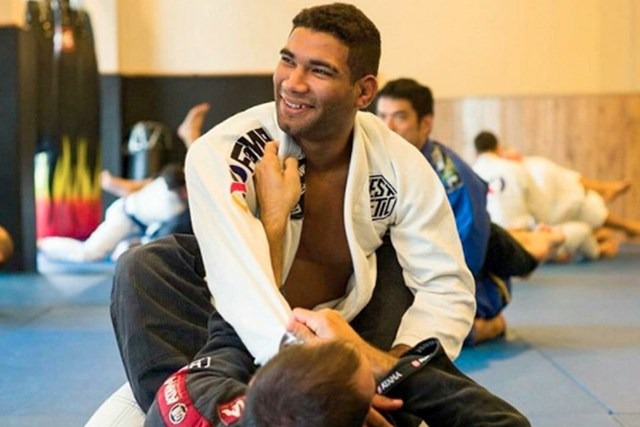 Under standard IBJJF rules, competitors in a BJJ match are going to get two warnings before receiving a penalty for stalling. this usually amounts to at least a minute where they can stall and do nothing. In lower belt matches, a minute is a lot of time to lose. Even in black belt matches, it can make a world of difference. is it acceptable? Let’s say yes. the problem is, that one of the grapplers that’s stalling moves and starts being active, they can get away with yet more stalling time if they return to a good position. There rea even people who are so good at stalling that they seem to be active while actually doing nothing.
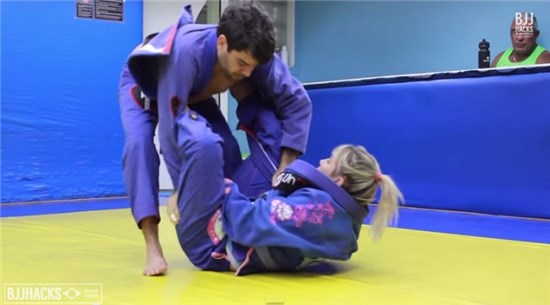 The first and crucial thing to consider when stuck are grips. Or, to be more precise, breaking them. In order for an opponent to pin you successfully, they’ll need to use their whole body. If you manage to peel off a grip, or better yet, both, you’ll force them to move. This is especially effective in the Gi where grips really do make everything work. So break grips early and make sure they stay off!
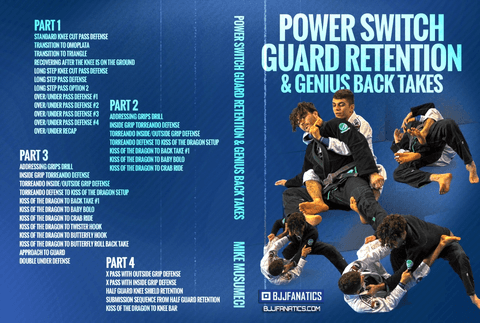
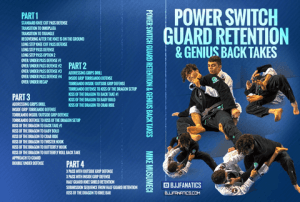
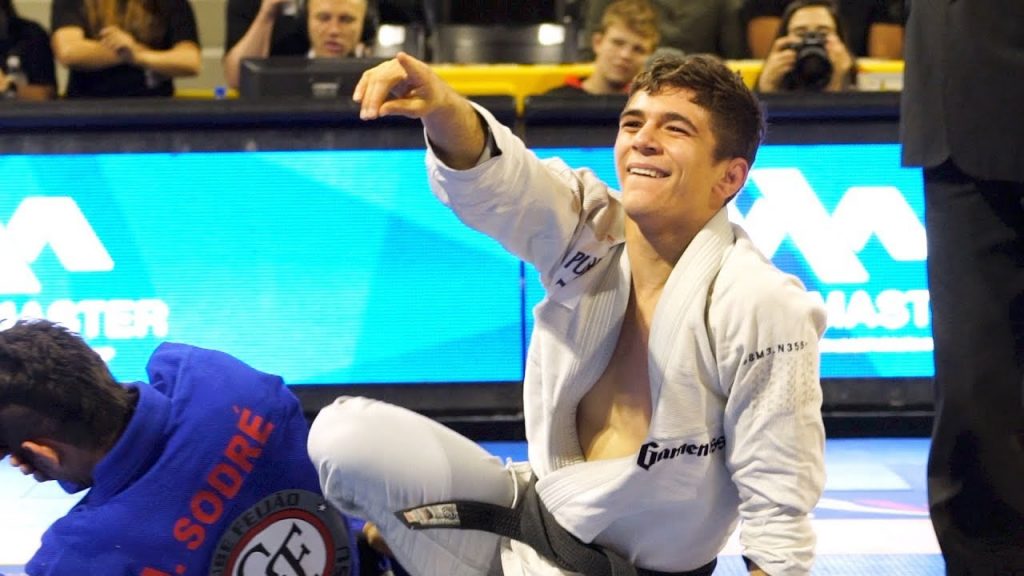 The most impressive thing about Mikey is that he has accomplished everything at such a young age. from 2012 onwards, he has a world title to his name, in either the IBJJF or UAJJF or both, at different belt levels. Currently, he is a part of the Caio Terra Association where he sharpens his skills with some of the best lighter weight grapplers in the world. Apparently, and luckily for us, he is now also issuing video instructionals on his favorite moves. You could hardly be a smaller grappler that doesn’t own such a gem of an instructional as this Mikey Musumeci DVD.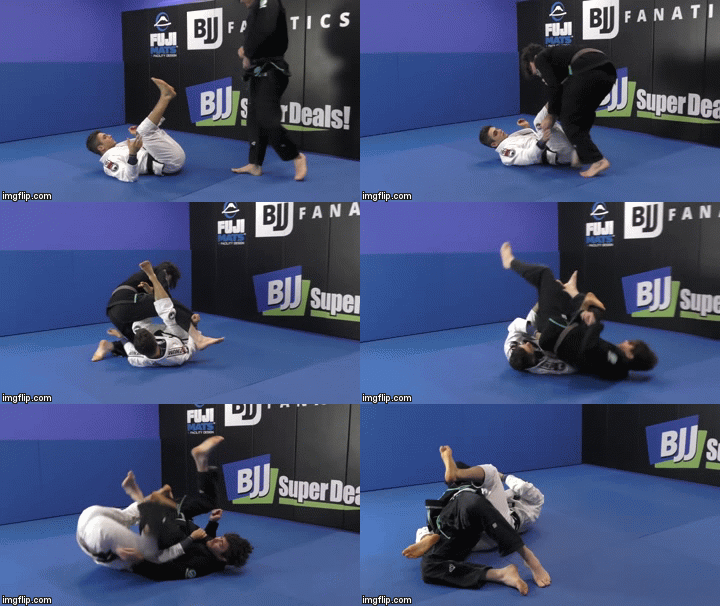
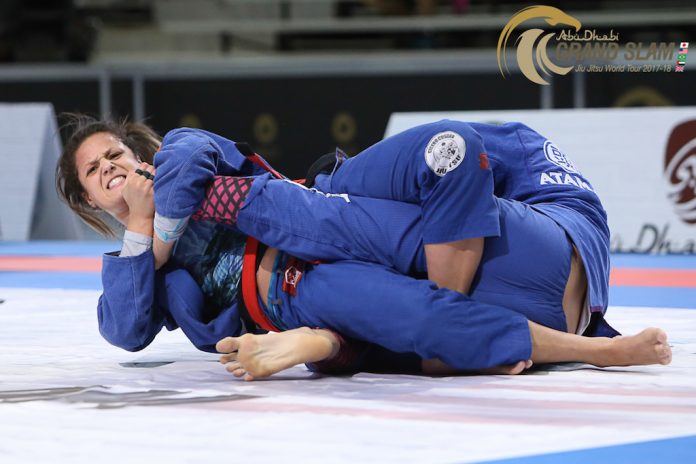
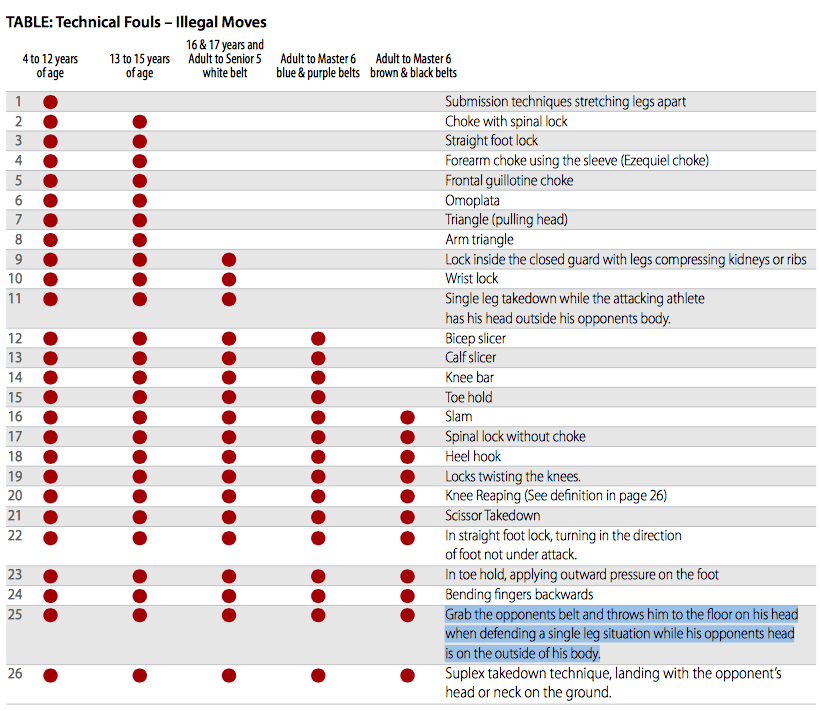 As you start BJJ, most people will refrain from teaching you leg locks. This is particularly true in Gi based academies. Even if you walk in looking to learn leg locks, you’ll most likely end up disappointed. That said, certain locks are available even at white belt level. And some of them are pretty nasty!
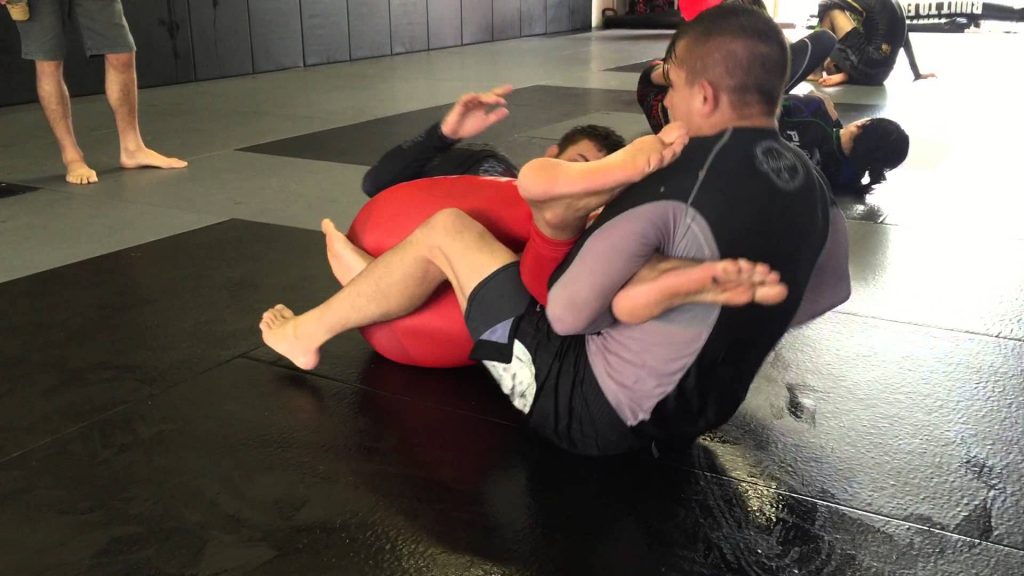 Finally, there’s the dreaded 4/11 position AKA Inside Senkaku. It turns out this position is legal. The reason that his position is not a knee reap position is that of the placement of the leg. The opponent’s leg goes across your body when you get your knee move. It is essentially a reverse half guard position, with a locked triangle. As such, it is perfectly ok at brown and black belts, where kneebars are legal. However, it may land lower belts in trouble, depending on the referee.