



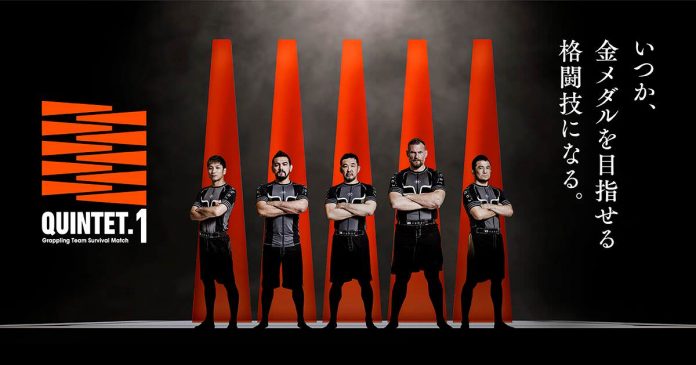
The grappling world seems to get wackier as time goes by. First, we only had the usual, “vanilla” IBJJF Gi competitions to test out our skills. Later on, Metamoris opened a whole Pandora’s box by coming out with the submission-only format. From there on this format got associated with the No-Gi scene for one reason for another and caught on like wildfire. It took a while to find the best ruleset, which Eddie Bravo ultimately did with EBI. His ruleset got further adopted by many organizations, an even modified by some. Now, it seems there’s a whole new level of wackiness in the grappling competition scene. And it seems fun as hell too! Today’s focus is on the latest quantum leap in Jiu-Jitsu competition formats – the Quintet Grappling tournament.
Usually, when grapplers come up with grappling tournament ideas, they tend to come out successful. When the grappler in question is a true legend of the ground game, we expect nothing less. Even when it sounds dubious at first like the Quintet Grappling Tournament did. The founder of this innovative tournament format is non-other than Japanese grappling veteran Kazushi Sakuraba. The esteemed grappler, pro wrestler, and MMA vet clearly had some time on his hands which he used pretty creatively. He brought a pro wrestling component into an individual sport that’s based around teams, and arguably, hit the jackpot!
What the Quintet Grappling Tournament is all about is basically “tag team” grappling. No, it’s not like the 5 on 5 MMA madness we saw a few years back. This tournament is very well thought of and precisely organized. It features teams of 5 grapplers that battel under pre-determined rules, thus having always changing chances of victory! ANd this crazy new format already attracted huge name the likes of Craig Jones, Josh Barnett, The Martinez brothers etc. But will it catch on?
Learn the most effective choke setups for No-Gi from Austrailia’s premier grappling coach! Lachal Giles has a DVD out by the title “High Percentage Chokes: No-Gi” Form the guillotine to the Japanese Necktie, you’ll have everything you need for any kind of a tournament!
The Quintet Grappling Tournament Concept
The interesting thing about BJJ competition is that is is an individual sport that only works with a team. There’s no preparing for competition without a good team, nor competing successfully without sound corner advice. However, once you step on the mats, the outcome is all down to you. But what if winning a tournament wasn’t down only to your success in a single grappling match?
The QUintet Grappling Tournament’s concept is that grapplers face their opponents’ as a team. Each event features teams of 5 grapplers, that have varying chances of victory, depending on each member’s success on the mat. Let’s look at the rules to gain some clarity.
First of all the Quintet is an invitational tournament held in No-Gi format (rashguards are mandatory). The competition’s format is based on the Japenese, pro wrestling “Survival Series” model. This means that a few 5 member teams, that have to fulfill certain conditions will battle it out between themselves.
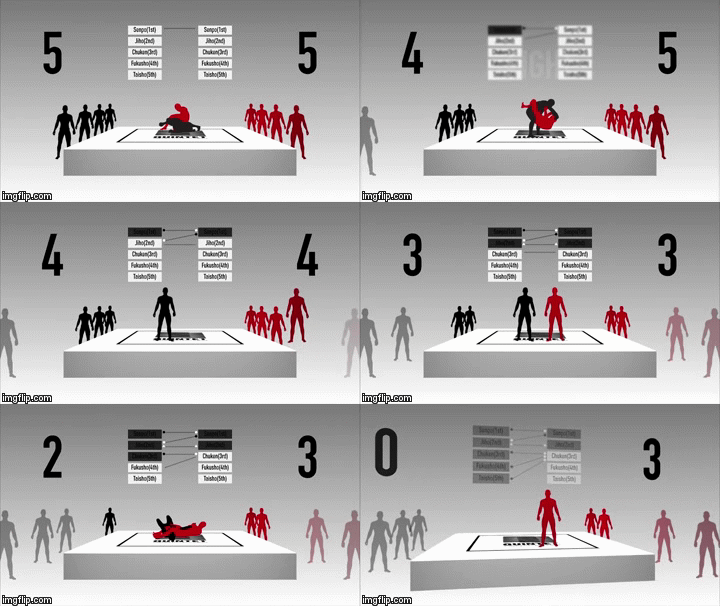 The basic rules are that the weight of all competitors on a team must not exceed 946 lbs (430 kg). Furthermore, each team has their own order of appearance. The first pick of one team is going to go against the first pick of another, and so on. The time limit is 8 minutes unless there’s a weight difference of more than 33 lbs (15 kg.) IN that case, the total time of a match goes down to 5 minutes.
The victorious grappler proceeds to the next round in which he/she’ll face a grappler that has also won on the other side of the brackets. Only illegal moves are the closed guard and heel hooks. The way of getting eliminated is by losing, or drawing within the time limit. IN case of a draw. both grapplers get eliminated.
The Result So Far
While there are more rules than the above, we covered the gist of it so far. For the first tournament, Sakuraba employed the help of Josh Barnett for moth the competition format and on the mats alike. They were part of the “Haleo” team, one of four teams that fought for glory at the inaugural Quintet event. The tournament took place on April 11 at the legendary the Ryogoku Sumo Hall in Tokyo. Apart from the Haleo team, three other teams completed the roster. Those were the Sambo team, Polaris team, and Judo team. The glory went to the Polaris team, unsurprisingly, given that it featured Craig Jones, Daniel Strauss, Gregor Gracie, Charles Negromonte and Caol Uno. Runner-ups were the hosting Haleo team.
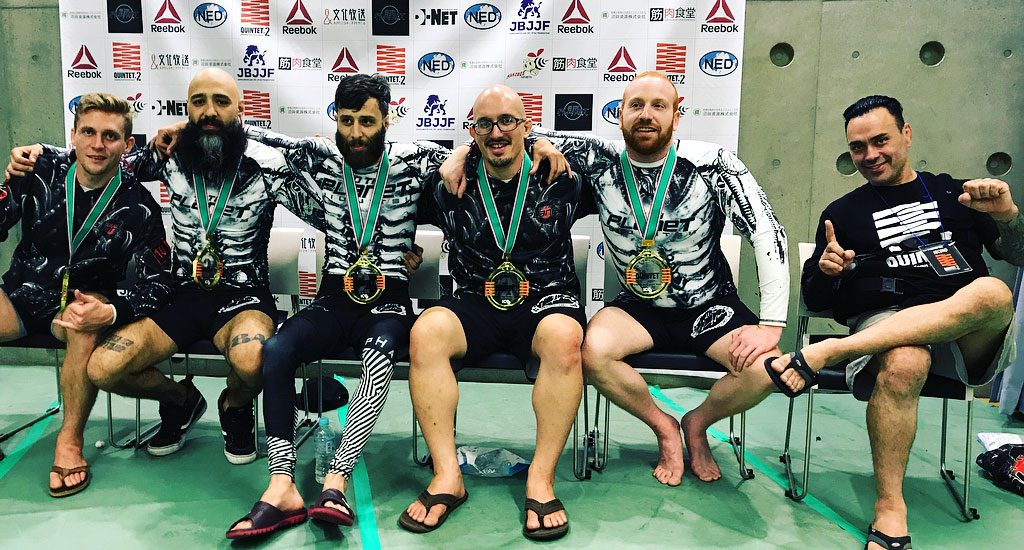 While the first event didn’t really get plenty of attention, the second one most certainly did. It took place just a couple of days ago and featured a whole new lineup of 5 man grappling teams. To be completely honest, I only got wind after the event, but it most certainly raised my appetite for the next one. Through some very very exciting matches, the 10th Planet Jiu-Jitsu Team got the best of Tiger Muay Thai, Reebok and Vagabonds teams.
The organization’s aim is to put on one more event in 2018, for a total of three. I will most certainly be looking forward to it and will take careful note of the build up. It seems to me, personally, that his format is a really fun one to compete in and it will certainly catch on. I can’t even imagine what this format is going to give birth to next, but for now, I’ll settle for Quintet Grappling Tournament 3.
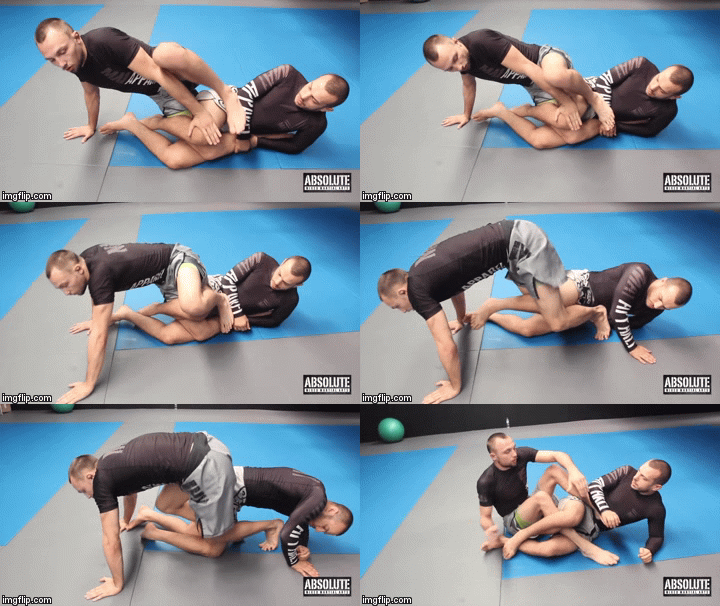
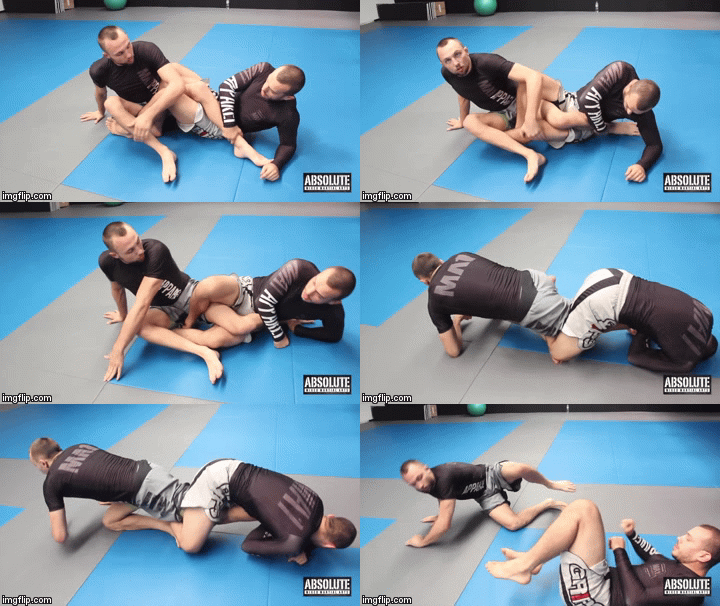
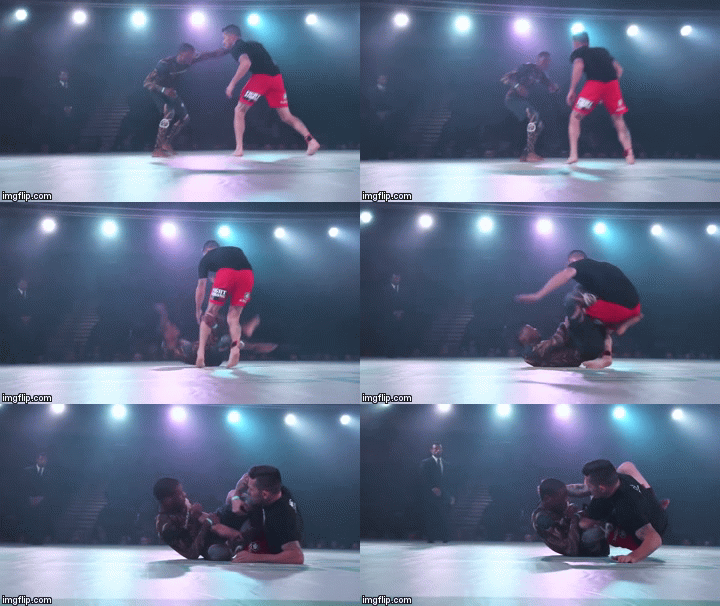 Since the old days of Imanari rolls in Pride, other people adopted the move to great effectiveness. Ryan Hall is one name that stands out in terms of using the roll to set up heel hooks. Much like the father of the move, Hall used it in both BJJ and MMA matches, in an awe-inspiring fashion. Since then, the new wave of leg lockers also gave in to the temptation of using the Imanari roll entry. Remember 10th planet prodigy Marvin Castelle’s breathtaking viral execution of the move? It’s on the left, for all of you who need a reminder.
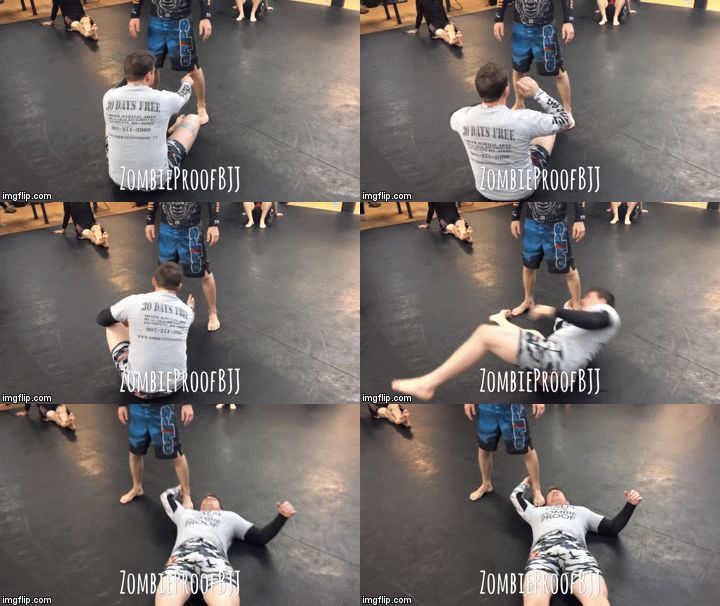 Let’s take an opponent in a parallel stance as the starting point in our Imanari roll execution example. You’ll start on your butt, feet close together like in a butterfly guard. The first goal is placing a hook grip on the leg you’re about to attack. for the grip, you need to place your palm on the inside of their ankle, palm facing outwards. This is going to allow you to end up with a perfect grip once you roll.
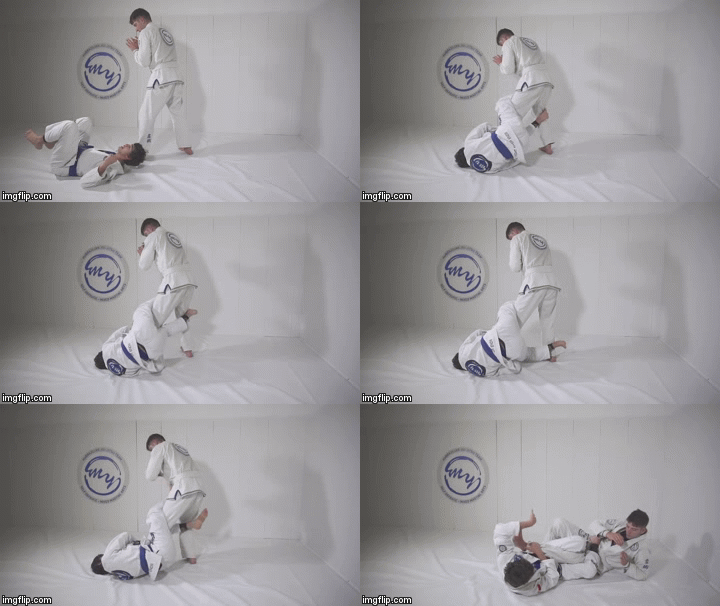 The roll itself is anchored on this first grip. Basically, you want to use your grip to pull yourself into inversion, rolling your legs toward the outside of your opponent. To do that you lay down on the shoulder of the arm that’s gripping the leg and you swing your legs around and over. Your shoulders should be the only thing touching the ground when you roll. The goal of the roll is to end up with your legs on either side of the leg you’re attacking. this is going to land you in a high control Ashi Garami position so that you can finish with a leg lock.
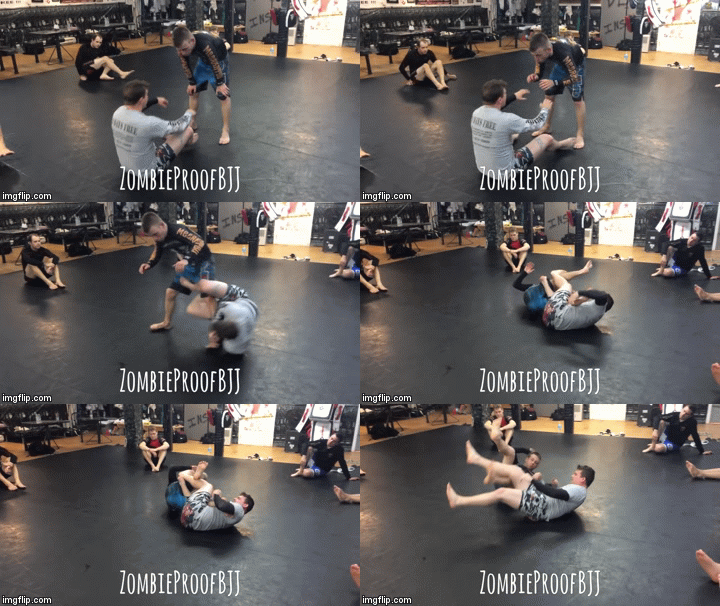 The finishing positions available from the Imanari roll depend on the placement of your legs after the roll. If you place your outside foot in a “reaping” position you’re all set for the Honeyhole AKA Inside Senkaku. The inverted heel hook finish is as easy as spelling Masakazu Imanari.
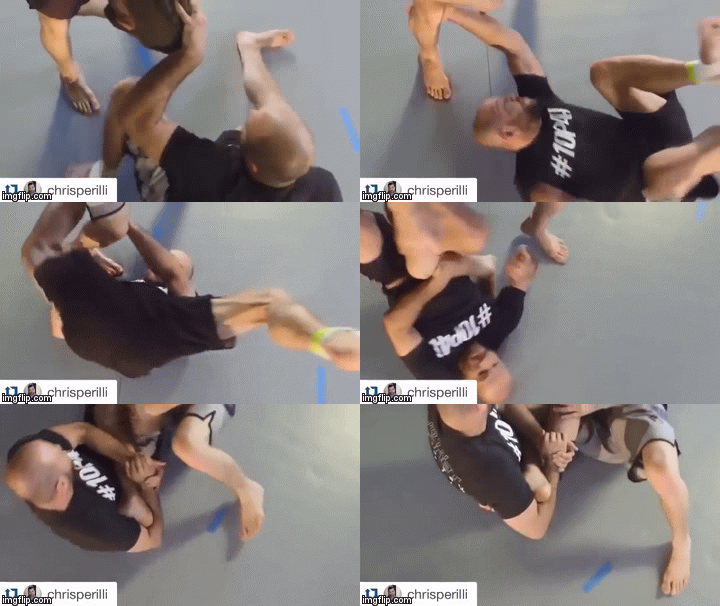 Ryan Hall’s take on it was to get to the 50/50 position instead. For this, the leg that goes in between the opponent’s legs needs to come out in front of them. Since this requires a bit more movement than the previous one, you’ll use your outside leg on their hip to help you thread the second leg. the leg on the hip also determines when you’re going to take your opponent down. The 50/50 is a legal IBJJF position and if you attack an ankle lock from there you can use the Imanari at all levels in competition.
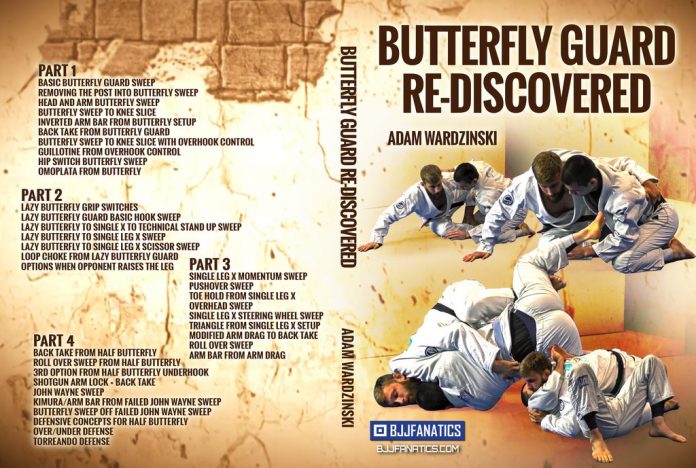
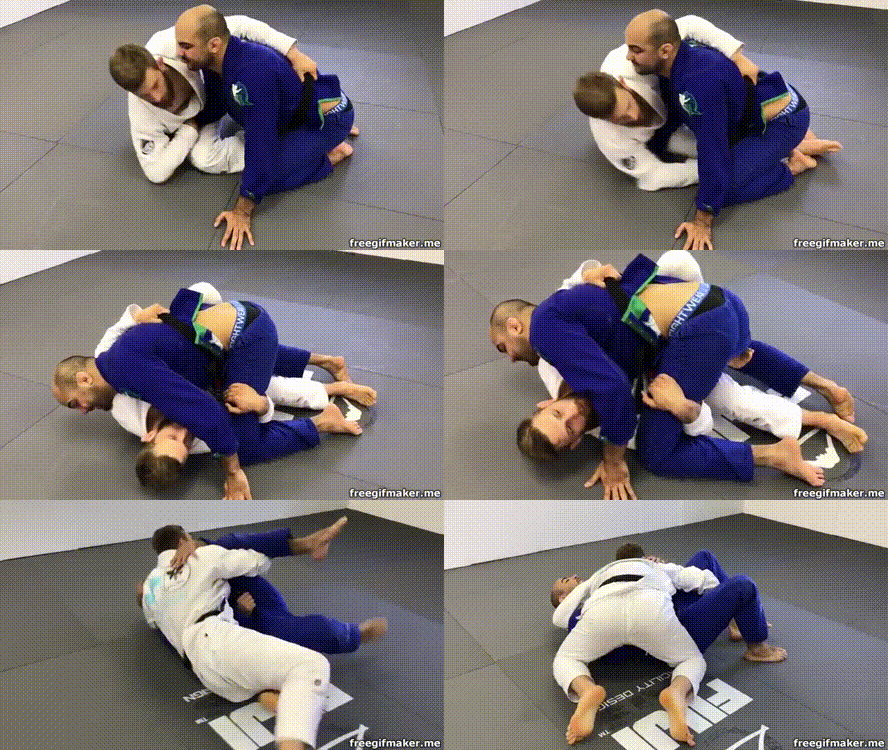 It all starts with the basics, but Adam wastes no time on needless talking. He kicks things off with a sweep, getting into the mechanics of the butterfly guard along the way. After all, learning through examples is a great method, isn’t it? I loved the detail on each aspect of completing the very first basic butterfly sweep. Wardzinski goes int detail on body positioning, how to nullify the opponent’s base and finishing with ease. he also offers a few different grip setups as well as a direct transition int a knee slice pass off the sweep.
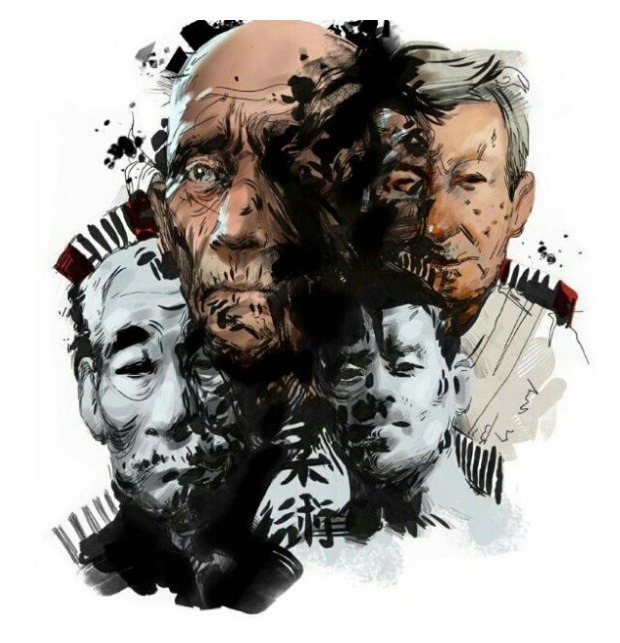 Back when Carlos and Helio re-mastered the Japanese art of Judo to fit their needs, they were non-athletic and skinny men. As such, they emphasized the use of leverage over power and developed an attacking game from dominant positions. Even to this day, the Gracies are big proponents of the “keep it playful” philosophy, one that truly represents BJJ as a gentle art.
 In the modern Jiu-Jitsu game, the Arte Suave principle is still the best way to victory, even if it is not discussed very often. The modern BJJ game is all about precision and efficiency. The goal is to use as little movement to obtain the best possible mechanically advantageous position. From there, leverage and technique are the methods of control as opposed to forcefully pinning an opponent. As the BJJ game progresses, the ultimate goal is to apply leverage and technique once more, this time in order to submit an opponent.
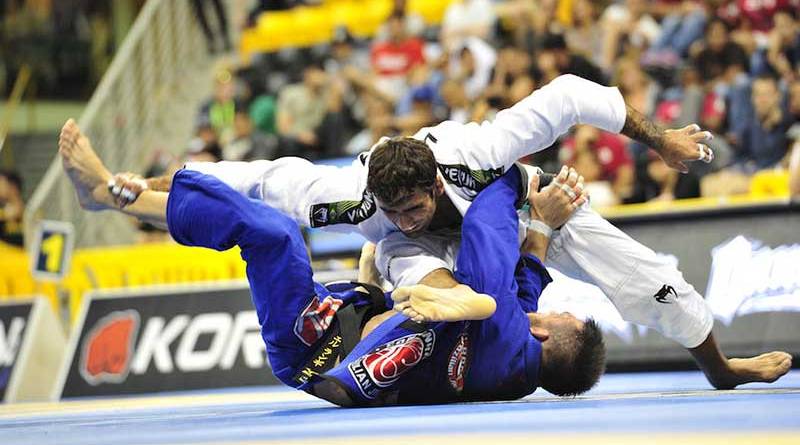 One huge lesson that Jiu-Jitsu teaches us is humility. The moment you learn how to let go of your ego is the moment you begin learning BJJ. Not only that, but you’re on a good path to understanding the gentle aspects of this grappling martial art. The reason why beginners are anything but gentle is exactly in ego. The panic of losing or giving up a position is all about ego. The consequences are tight muscles, labored breathing and the inevitable fall deeper into an opponent’s spider web.