

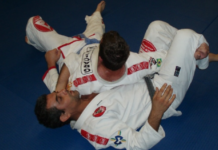

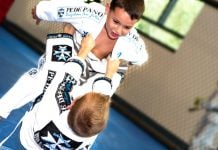

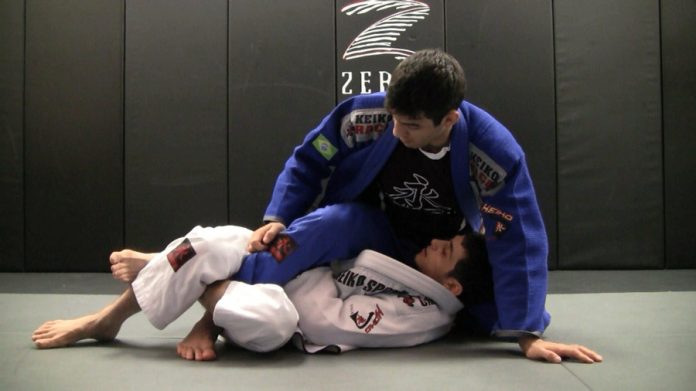
The BJJ deep half guard is a position that many of the most successful competitors use on a regular basis. It keeps the bottom person in complete control of what is going on in the match. It can slow down even the most agile of grapplers, and it is a position to sweep virtually anybody. You can see why lots of world champions have the tendency to go for the BJJ deep half guard whenever possible. And not just world champions, but more and more competitors of all levels seem to gravitate towards this position. Which makes passing it a real problem.
To say that passing the BJJ deep half guard is an easy task would be a lie. It is a guard that’s going to take a lot of careful maneuvering and precise details. If you get even the slightest detail wrong, you’ll be flying faster than you can realize what’s going on. Passing the deep half requires you to discover exactly where your balance is and how to keep adjusting it until you win the structured game. One thing to remember is that, while the BJJ deep half guard is a dangerous position, once you manage to establish a few key elements, you’ll render it useless pretty quick. However, given its dynamic nature, it is easy for an opponent to get you back, so any passes or counterattacks need to be fast and deliberate.
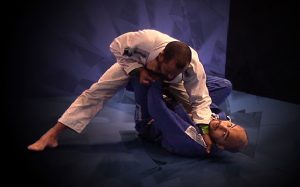
Speaking of world champions that excel in the deep half guard position, Bernardo Faria is a 5 times world champion whose deep half game is second to none! His “Battle Tested Half Guard” DVD set features the deep half heavily, including some passing principles. It is the ultimate guide to the deep half guard position by far!
BJJ Deep Half Guard Trouble
The BJJ deep half guard presents a very difficult puzzle to solve because of two main issues. The first is the fact that your opponent has what is the ultimate Jiu-Jitsu position – underneath your center of gravity. Furthermore, they have incredible dynamic control over your base thanks to the leg lever. Let’s look at both these problems deeper.
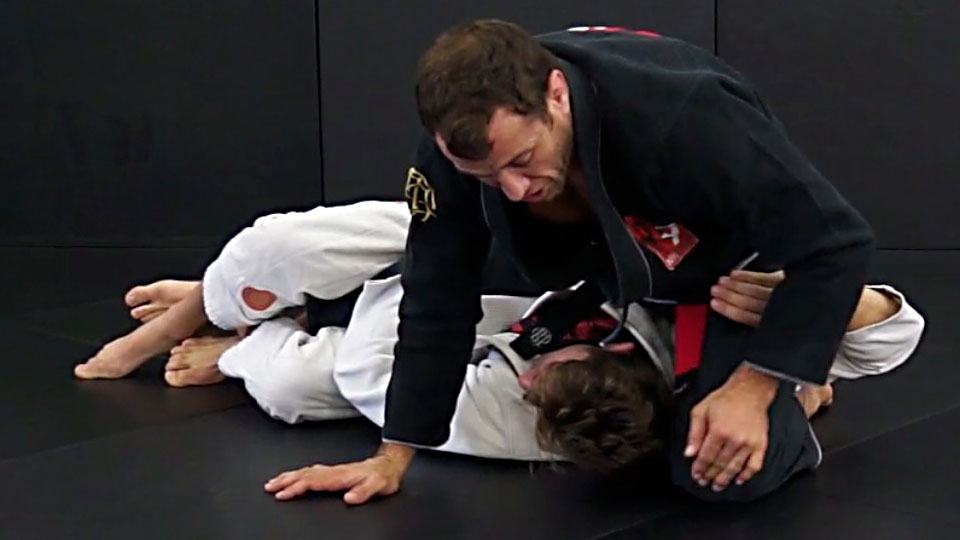 The positioning problem is the first crucial problem and is actually the first one you need to address from the top. The positioning of the opponent below you, while keeping your thighs apart is a superior one in any grappling martial art. This means they’re directly under your center of gravity and need next to no strength to manipulate your balance. The more control over your center of gravity an opponent hs, the easier it will be for them to sweep you.
As if that’s not enough, the position offers incredible control over both your hips. The reason for this is that from the deep half position, your opponent has direct control over one of your legs. It includes controlling the lower part of the leg with their feet, and the upper with their arms. Moreover, they can control the other hip directly with one of their arms. As long as the opponent has the correct grips, you won’t be able to move an inch without giving away a sweep or transition. What’s worse is is that the opponent doesn’t have to wait for you, but can create Kuzushi at any time.
Position Zero
In accordance with the two main issues the BJJ deep half guard presents, you’ll have two specific tasks from the top as well. Your first task is to stabilize your position. Your second task is to neutralize the opponent’s possibilities. Once you’re able to achieve them, you can start thinking about passing, or getting into a superior position.
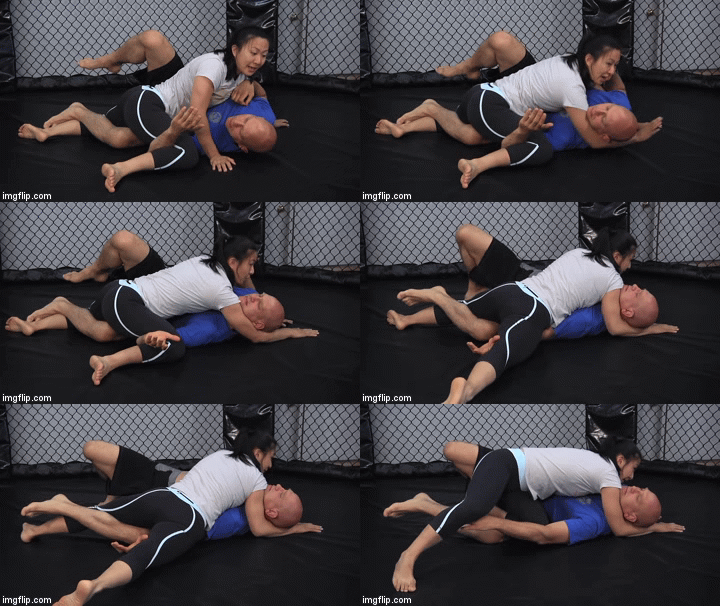 First, remember that you need to find a way to get your hips over the opponent’s central line. This is the line that vertically divides their torso into two even halves. Your goal is to get your hips towards the side that’s nearer to you. This should be done fairly early, though. In order to make sure you prevent your opponent from sneaking underneath you, the first order of business is head control. You’ll need to get your near side under their head, like for a classic cross-face. At the same time, sprawl back as hard as possible. This won’t get you out straight away, but it is going to prevent the opponent from establishing full BJJ deep half guard.
 If you can’t get your hips back, you must think about going up and over. That means raising your hips off the ground as high as possible. This takes away their control and allows you to use the knee of your trapped leg. The goal is to get that knee to the ground, ending up in a three-quarter mount position. While this is not the best position to be in, it certainly is one that can allow you to focus on passing the deep half, while keeping you safe. If you’re looking for a better position zero to pass the deep half, you’ll end up disappointed.
Sweep Prevention
Out of the many sweeps available form the BJJ deep half guard, most aren’t going to work form one of the two above positions. With the exception of the waiter sweep. The waiter sweep is one of those absolutely undefendable sweeps if you let the opponent get past the point of no return. For information purposes, this is the moment they get a grip on your trapped leg after bending it. The reason this sweeps works despite you somewhat recovering balance is the underhook grip under your thigh. This is what gets your opponent the anchor they need to leverage your extended leg into the waiter sweep position.
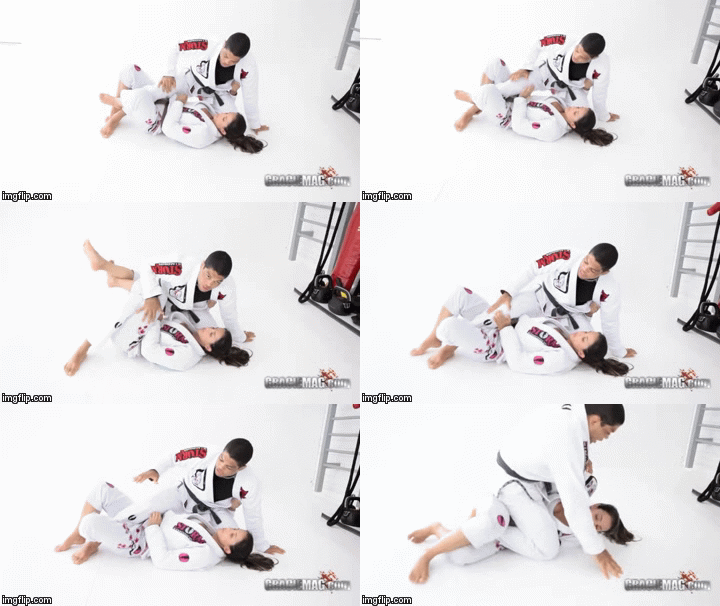
 Seeing as it’s notoriously hard to defend, you have two main avenues of approach. There is a safety zone, but you’ll need to really master it in order to stay there. Even then, unless your opponent gives up on it, you won’t be able to do much. The one thing you must do to secure position lifts the opponent’ head as high as possible off the mats. Also, make sure you trap their foot under your armpit with your elbow. However, your only viable option here is actually going down. However, there’s no need to give away a sweep when you can get a submission instead.
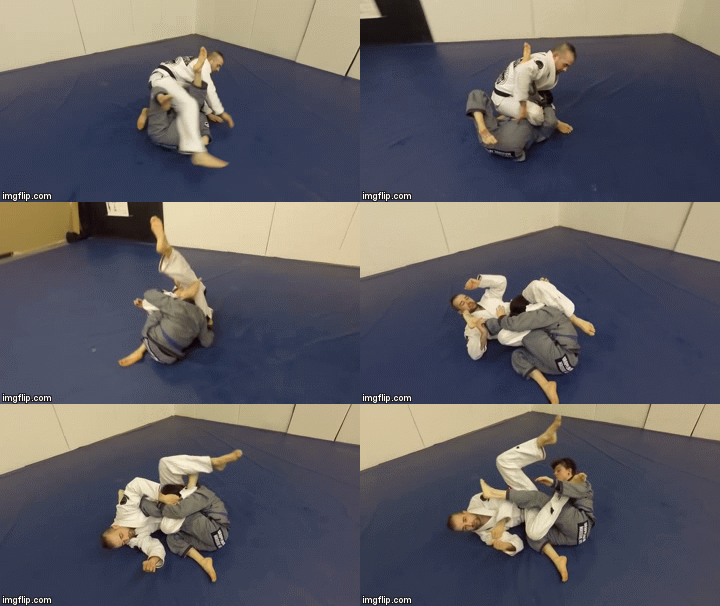
 Or, you could choose the easier option. Let your opponent get you off base and start the sweeps. the moment the start swinging up, use the fact one of their legs is swinging and snap a toe hold on it. They won’t get seep points because they’re not going to be able to stand up and you get a submission anyway.
Passing And Counter Attacks
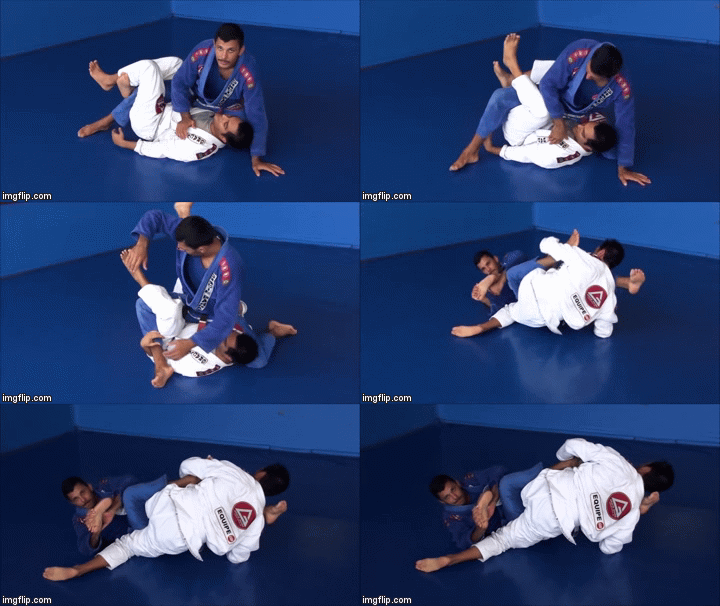
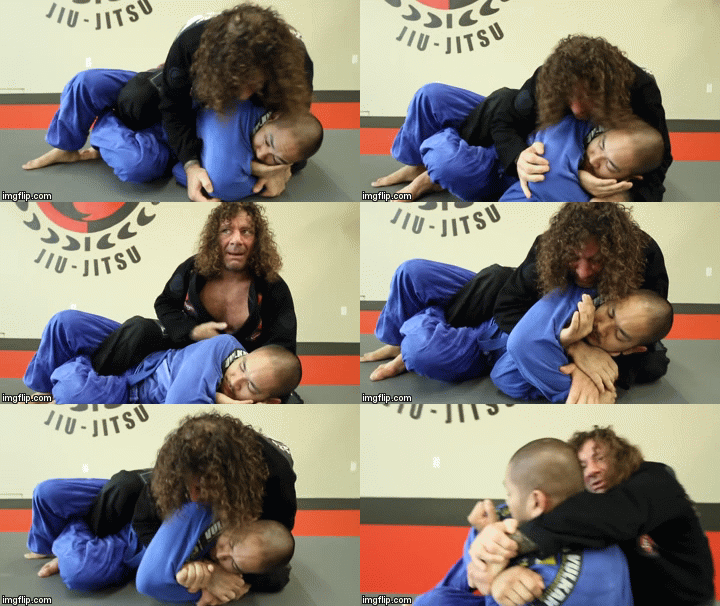 On a more attacking note, once you get a position zero, you can think about attacking. One great thing to go for, from the sprawl and head control position, is a back take. The focus here is on the Nar sid arm, which you need to lift and get over and around your opponent. To make things clear, you need to get them into the gift wrap position. This will enable you to enable you to get a seatbelt grip which, in turn, enables you to get the hooks in and establish back control. The best thing about this is that you get full points for the back and a great position to finish from.
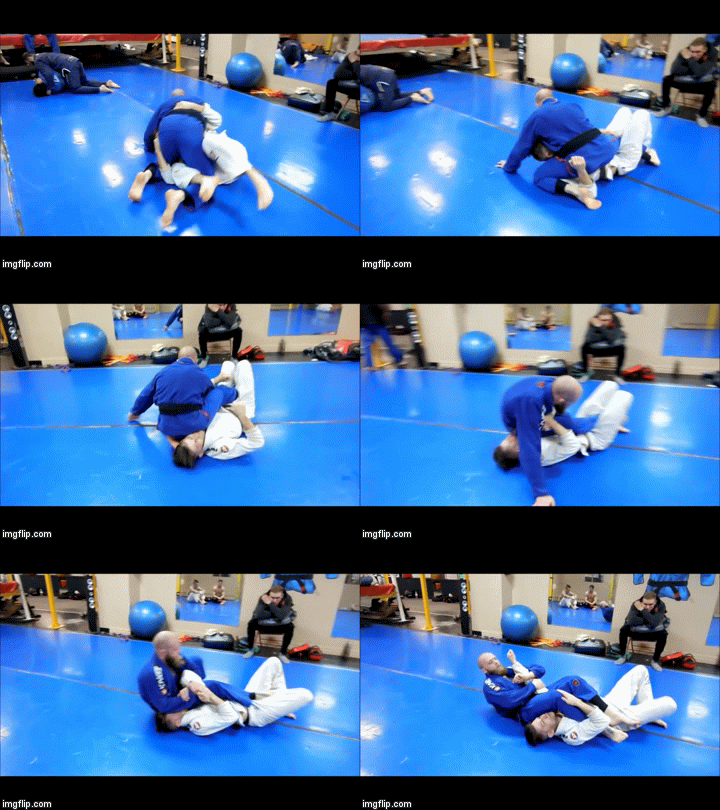 Another solid option is to go for a direct submission. This is going to ensure that you get a pass, at the very least. When in the BJJ deep half guard, aim to get an underhook on the far side arm of the opponent. This will allow you to get tight control over the arm. From there, lift your hips up and slide your bent leg over the opponent’s head. You’ll end up in a near armbar position. From there; it is easy to free your trapped leg and use it to finish the armbar. Or, if the opponent tries to counter or escape, you’ll get side control for sure.
The Best Half Guard Instructionals:
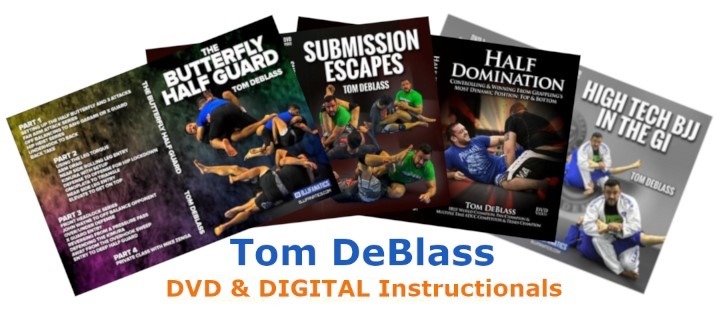
Half Domination by Tom DeBlass
Lucas Leite’s Coyote Half guard
The Battle Tested Half Guard by Bernardo Faria
The Z-Guard Encyclopedia by Craig Jones
High Precision Half Guard and Reverse Half Guard by Jake Mackenzie
High Precision Half Guard by Jake MacKenzie Vol. 2
Related Articles:
Going Deep – A Study Of The Deep Half Guard In BJJ
The Dual Nature Of The Jiu-Jitsu Half Guard
The Great Half Guard Retention Video
High Precision Half Guard 2.0 – Jake Mackenzie DVD Review
Bernardo Faria DVD: The No-Gi Half Guard REVIEW
REVIEW: Craig Jones DVD – The Z Guard Encyclopedia
REVIEW: Battle Tested Half Guard – Bernardo Faria DVD Review
Tom DeBlass Half Domination DVD Review
REVIEW: The Butterfly Half Guard DVD Instructional by Tom DeBlass
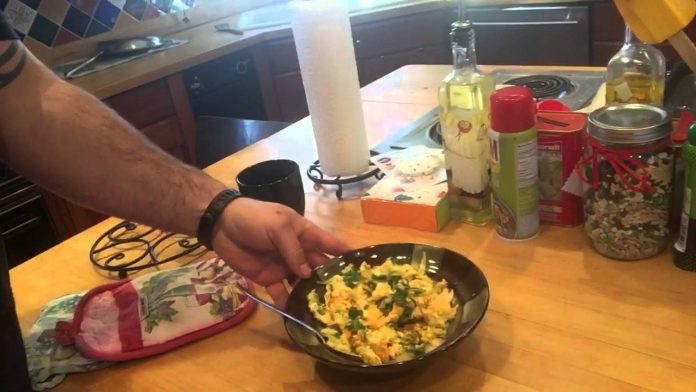
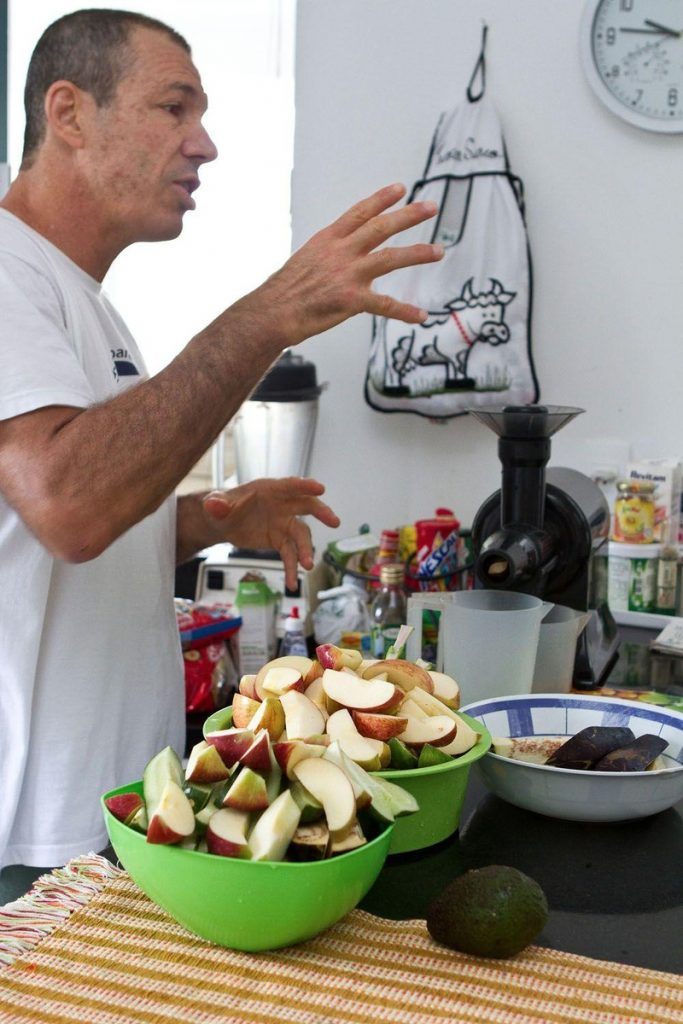 Now that food selection is covered, we can look into the specifics of a solid BJJ diet plan. First, you’ll need everything. You’ll need fat, you’ll need carbs, and of course, you’ll need protein. In that sense, while you do need to keep protein high, there’s no need for bodybuilding-like levels. just try and eat protein with your three main meals and you’ll be fine. you’ll be amazed at how much muscle you can build with relatively little protein compared to what supplement companies swear upon.
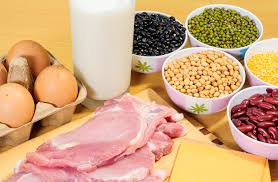 Meat is where you need to be careful. For starters, if it is processed it doesn’t have a spot in your BJJ diet. Furthermore, if it’s red meat, it has to be beef and it has to be as lean as possible. Limiting it to once a week is probably your best bet. With chicken, stick to breasts of the skinless and boneless variety. And go for fish. A lot of fish. Chicken and turkey breast and fish are lean meats that give you the best bang for your buck. Plus, they’re budget-friendly and very easy to prepare in a variety of delicious ways!
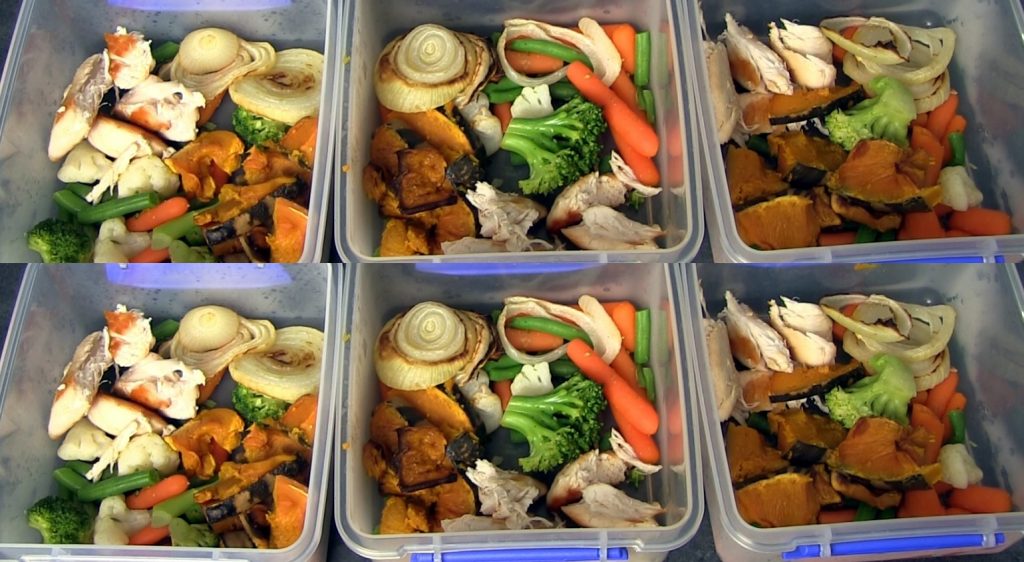 Finally, you’ve got your starches. Potatoes, beets, yams, sweet potatoes are all great, but you need to exercise caution. If you’re having any of the above, make sure you’re not including grains in the same meal as well. Additionally, make sure your protein source is a lean one, and that the only fats included in the meal are those you need to cook the food.
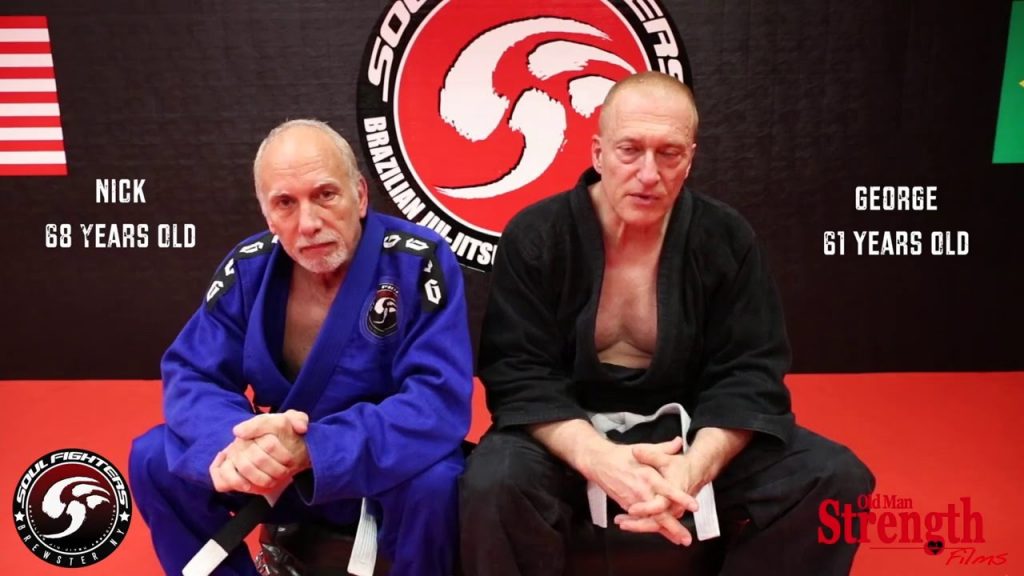 At one point as an old-timer, you’ll have to accept that younger people are going to be better grapplers than you. It doesn’t necessarily mean they’re more technical, but they’ll be able to beat you9 times out of 10. Especially if you’re trying to match their intensity. What you have to accept is that younger people, even lower belts are going to get the better of you. And it is perfectly ok.
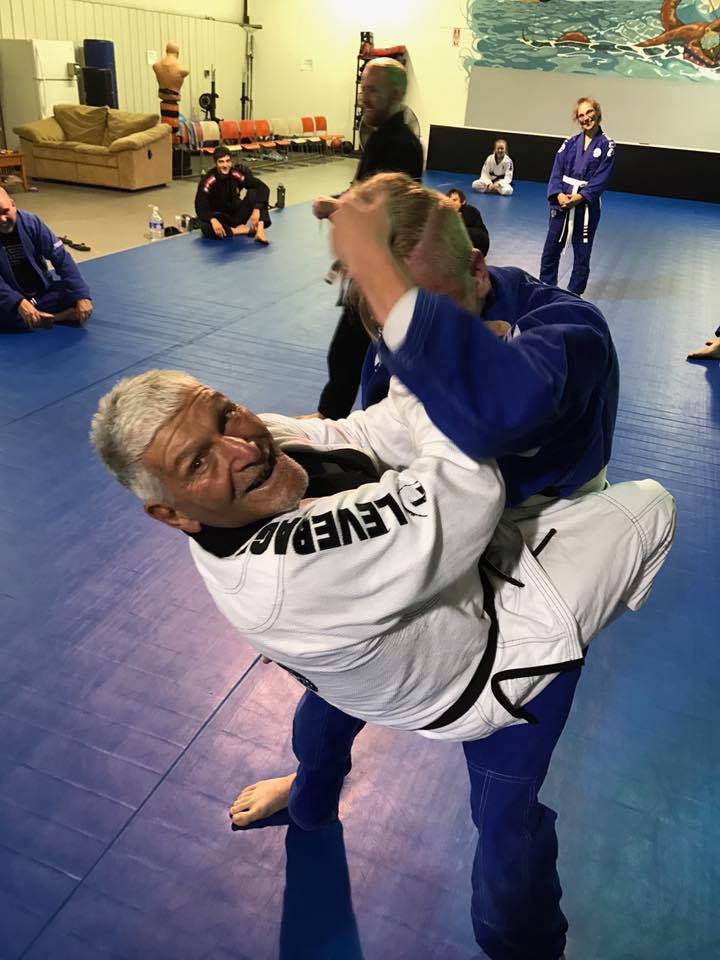 The moment you get int a roll with a young hungry competitor, you’ll end up right back into it. it doesn’t matter if you wanted to take it easy and playful, they don’t and you’ll get sucked into it. As you get older, choosing your training partners makes all the difference. Find people that think in the same manner as you Keep things playful, have fun and keep developing as a grappler instead of looking to win every exchange in every roll.
 First and foremost, at this age, drills should become your best friend. Find someone that wants to work with you and simply go over Jiu-Jitsu movement. It is not about the reps, but about the perfection of execution. Plus, you can always find a partner to drill scenarios with you, which is a great way to emulate a roll without any of the stress and intensity.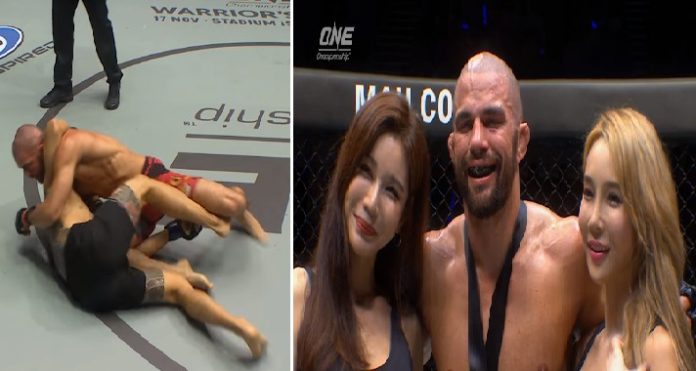
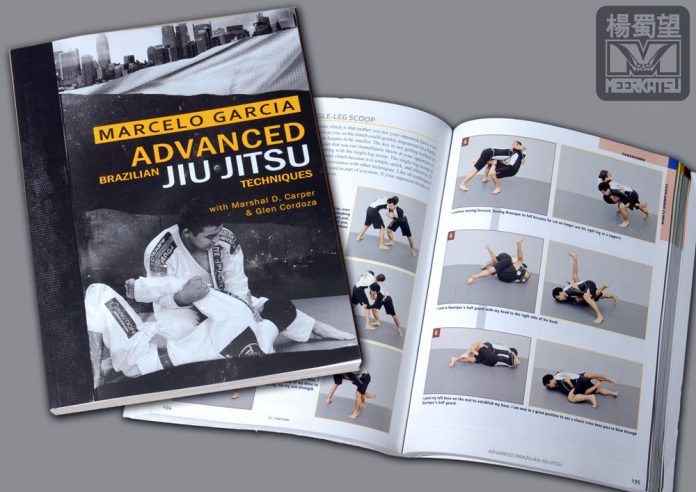


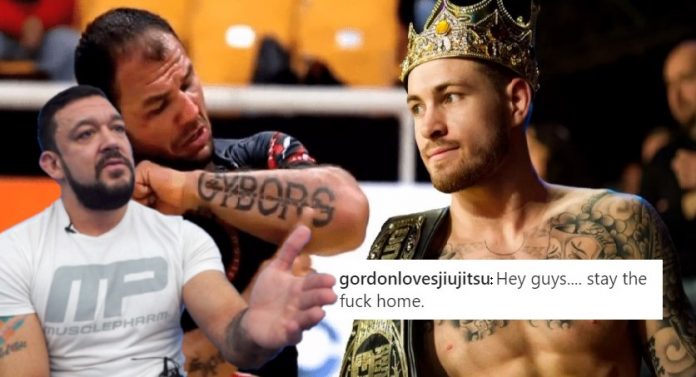
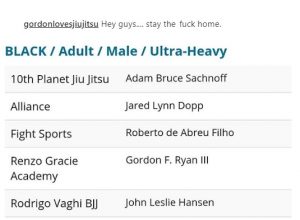 As you can see his bracket in a picture below he’s in the same division as BJJ legend Roberto “Cyborg” Abreu is and Cyborg wasn’t very happy with Gordon words. He replied to him:
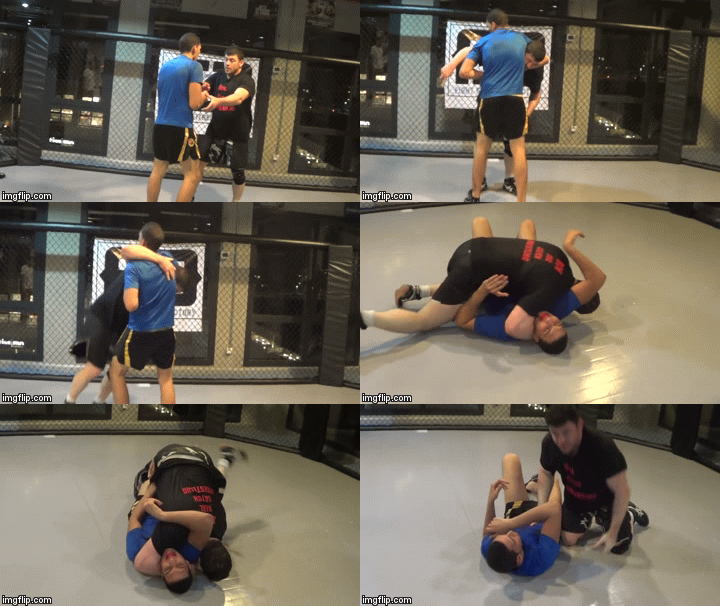
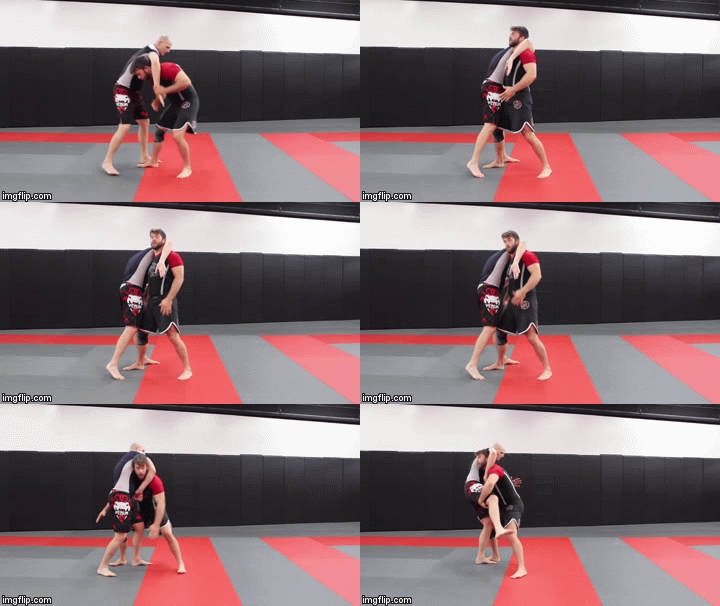
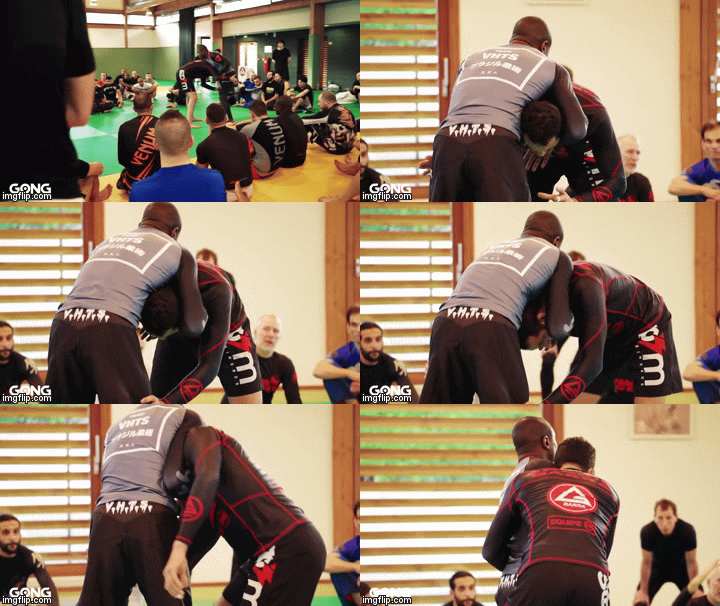

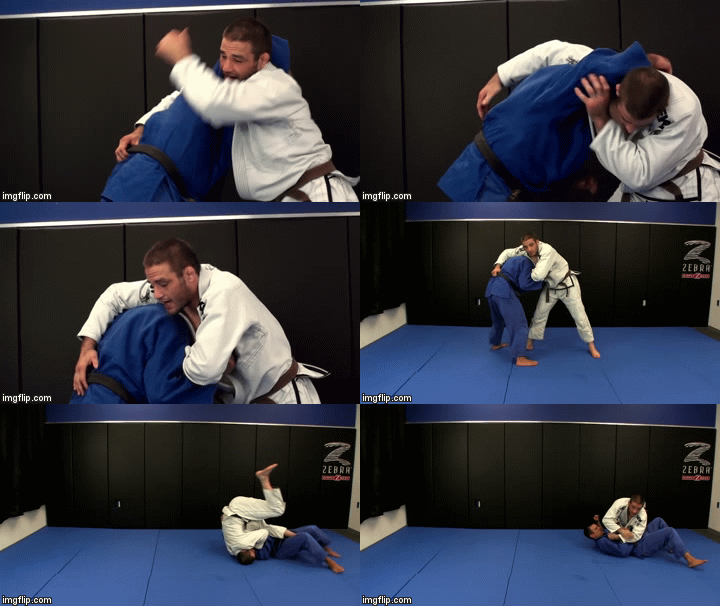
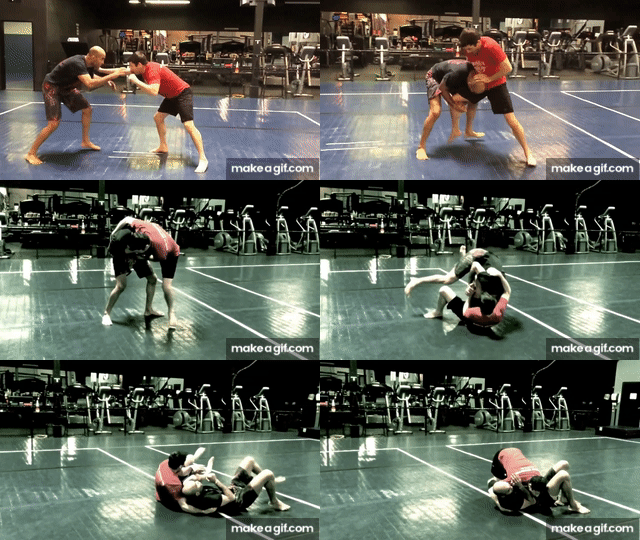 The reactive path of attacking the Sumi Gaeshi is off a single leg takedown attempt. WHenver an opponent has you in a single leg, they’ll need to secure the leg before getting you down. Simply placing the belt grip is going to prevent the takedown. From there, your leg is already in a position for the throw.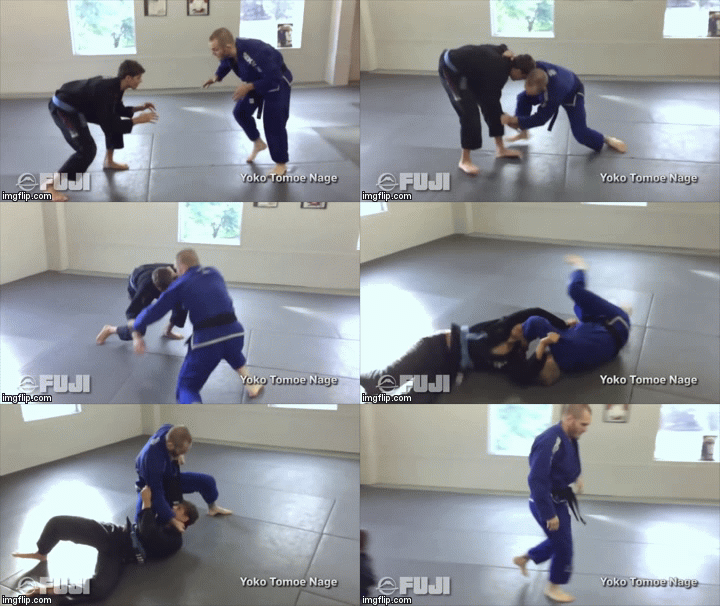
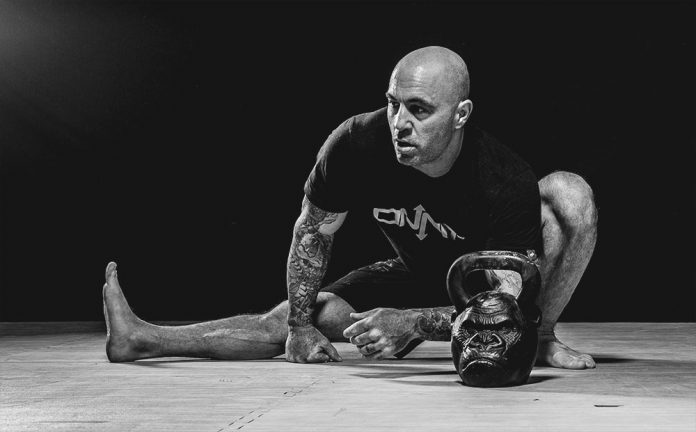
 Kettlebells are an inexpensive training tool, that can train multiple athletic qualities at once. Training with them doesn’t require much space and is fairly easy to master. The design is such that the weight is always distributed evenly, even when you train with two kettlebells at once. For Jiu-Jitsu, kettlebells mean you can train both strength, conditioning, and power at the same time. Plus, you can get into position and motion patterns very specific to the sport. The Turkish get-up is one such example. Oh, and, to quote Rogan, they “look manly as hell”.
 Rogan starts with 2 warmup sets of really light weights and 20 reps per exercise. He uses two exercises to get ready for the main circuit later on. The first one is the two-arm kettlebell swing and the windmill.