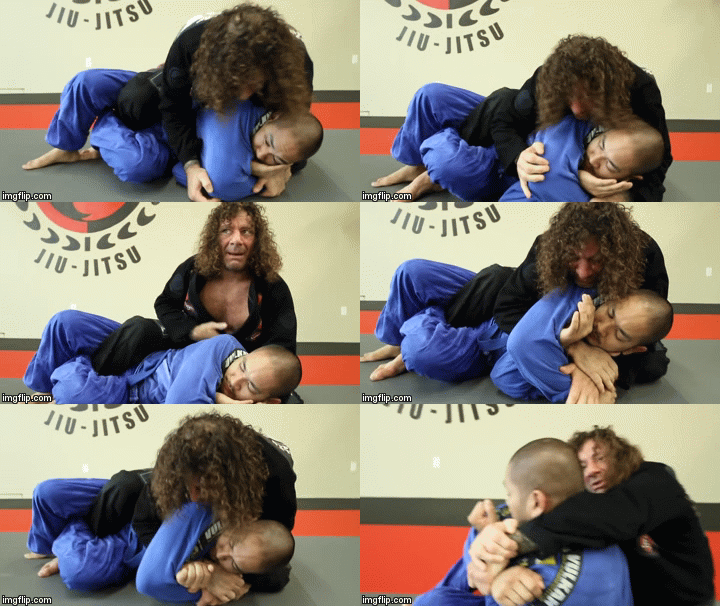




The subject of takedowns has been beaten to death, yet still, a lot of innovation emerges in that area of BJJ. As the art evolves we’re living witnesses to a huge and important shift in focus. From its inception, BJJ focused on “borrowing” takedown and throw techniques from other martial arts. As the art evolves, though, it seems like it’s slowly finding its own legs to stand on. Today, BJJ is done borrowing and is instead, looking to modify straightforward wrestling or Judo takedowns. These techniques are somewhat limited because they’re meant for Judo or Wrestling. And, since BJJ is known as the art where experimentation is encouraged, it’s not surprising that you’re seeing Judo staples modified to No-Gi grappling or vice versa. The Russian Tie Throw is one such example.
The distinct lack of original BJJ takedowns is somewhat of a conundrum. As a grappling martial art, Jiu-Jitsu thrives on the bottom. However, getting the match or fight there, seems to be second in importance to what happens on the ground. Which is somewhat confusing, to say the least. Luckily, the latest direction is one of innovation and combination, rather than imitating other arts. Today, we’re going to be exploring a very reliable wrestling technique and how to modify it to Gi BJJ. it is the Russian tie throw, which most people perceive as a distinctly wrestling/No-Gi move. Today, we’ll try to change that and demonstrate just how far BJJ can evolve.
While modifications are absolutely necessary, they do not mean the original move needs to be discarded. As Hudson Taylor demonstrates in his “Wrestling For BJJ” DVD set, Jiu-Jиtsu has a lot to more to learn and integrate from Wrestling. Check it out to improve your takedown and top position game quickly and massively!
The Wrestling Russian Tie Throw
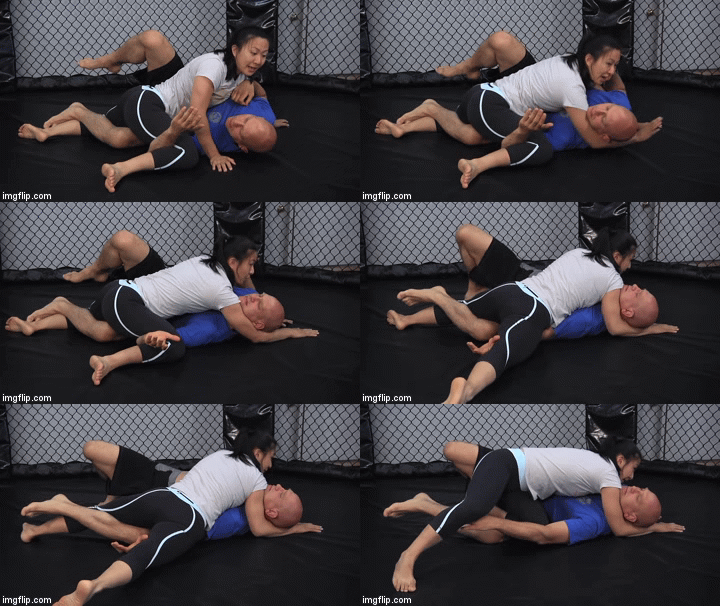
The Russian tie throw is a very powerful technique that works just as good in BJJ as it does in wrestling. It is just one option from the Russian tie position that we covered in depth in another article. The Russian tie is a very versatile position that can lead to cradles, front headlocks, single leg takedowns, ankle picks and more. On top of it all, there’s also the Russian tie throw that’s as impressive as it is effective.
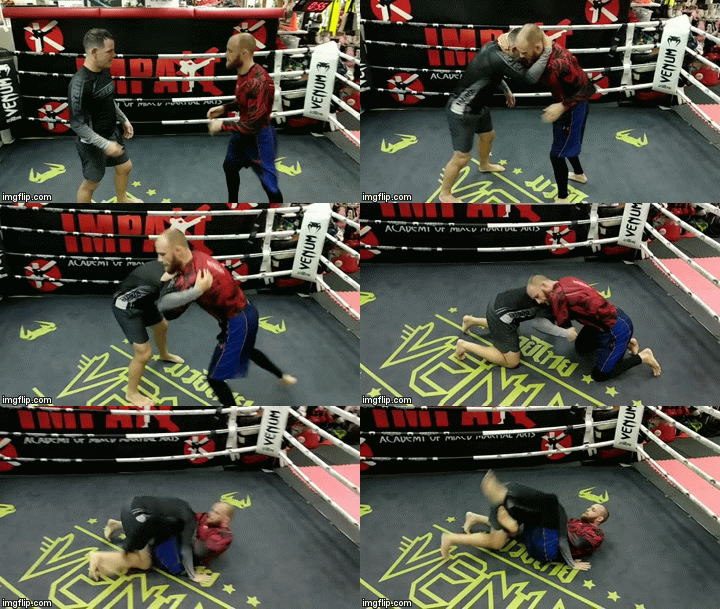
 For the basic Russian tie position, you want to be to the side of your opponent, similar to where an arm drag takes you. The difference here is that you do not want to go to your opponent’s back, but rather control the outside of their arm, shoulder to wrist. For control, one arm grips the wrist, while the other underhooks the arm around the triceps. This offers both immense control and the ability to take someone down at will.
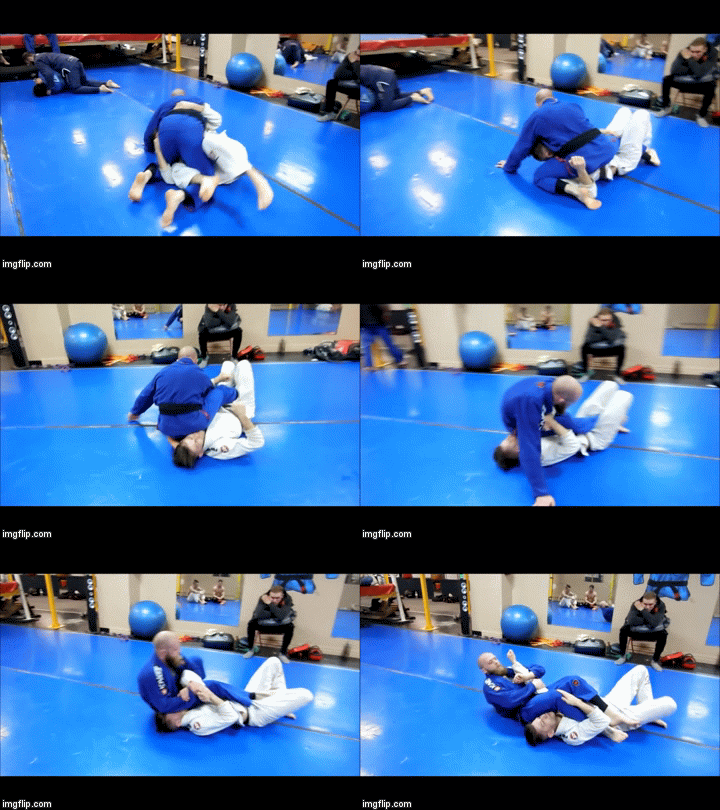
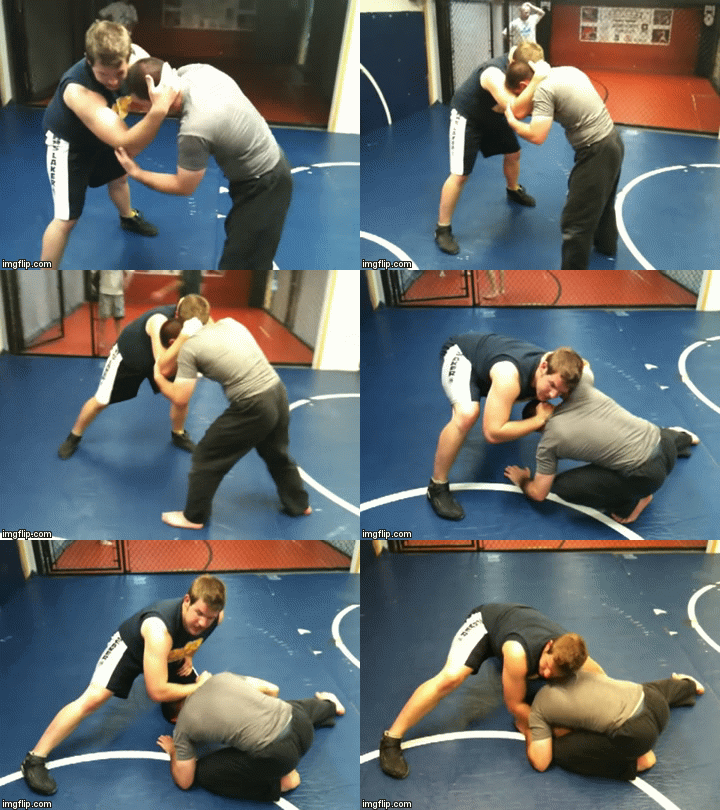
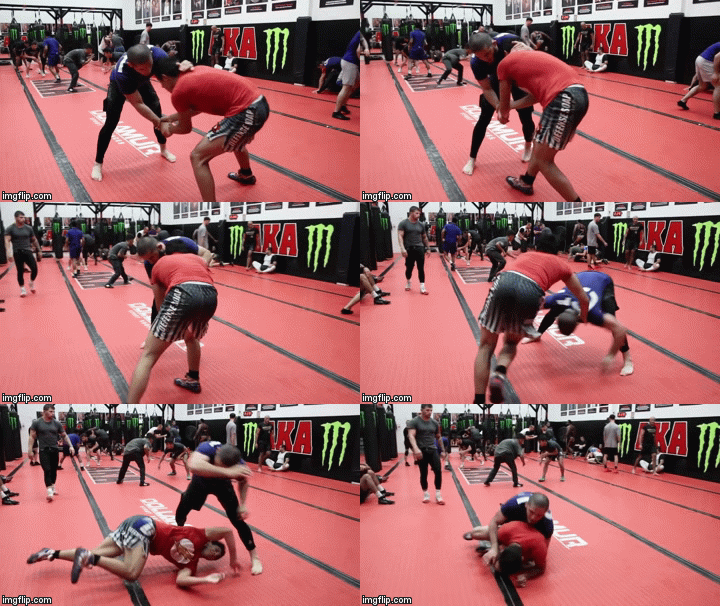
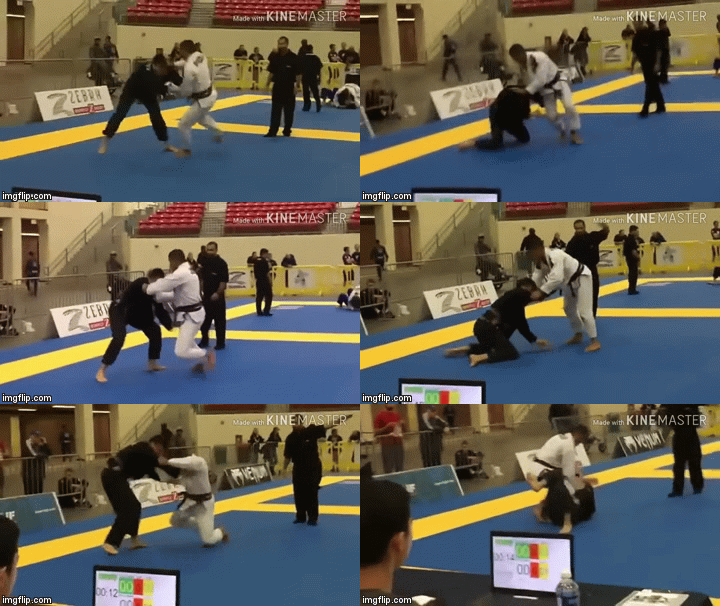
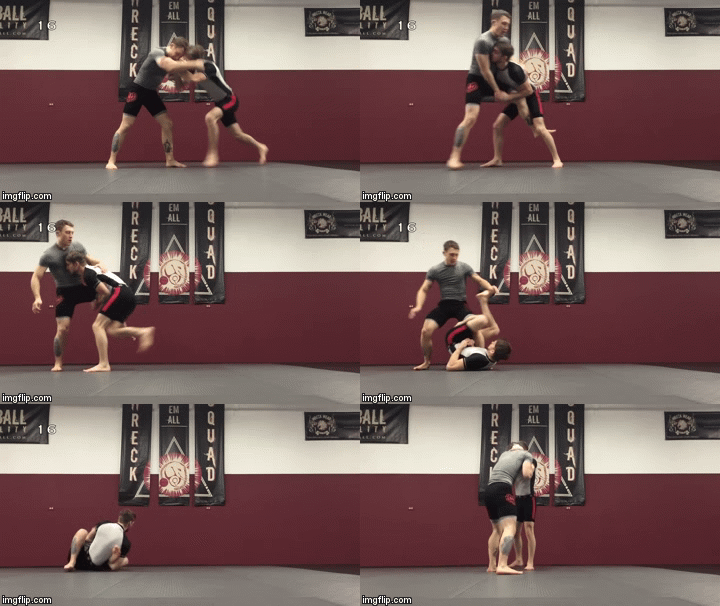
For a direct Russian tie throw, all you need to do is look to roll under your opponent, aiming to get your head in between his legs. This is going to take your opponent over your body and down to the other side. When done fast and explosive, this is a truly unstoppable takedown. The fact that it works just a well on a bent opponent and on one attempting to regain posture, it is the perfect fit for BJJ. And now you can do it with Gi grips as well.
The BJJ Russian Tie Throw With The Gi
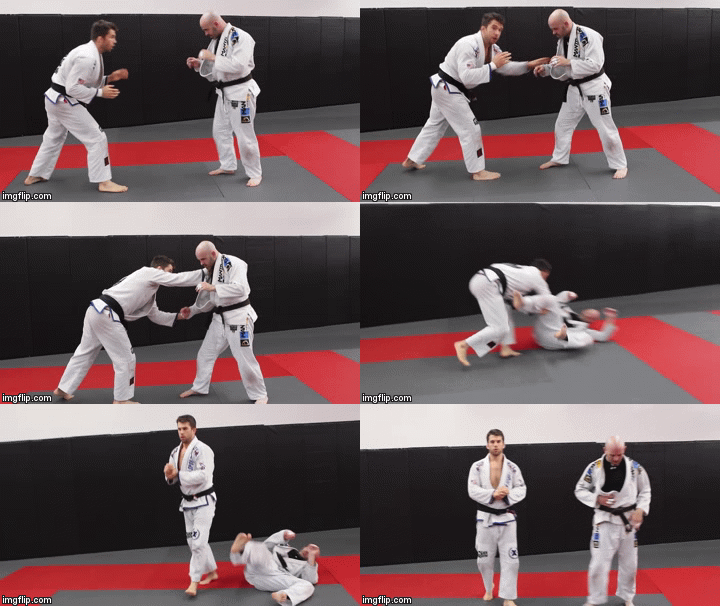
The first thing to understand about the modified Russian tie throw for BJJ is that the dynamics of the setup are significantly different. This is due to the fact that the Gi grips make the positioning a lot different than in wrestling or No-Gi. Her, you’ll be standing in front of your opponent while you’re setting the throw up. Let’s take it to step by step.
Step 1: Establishing Grips
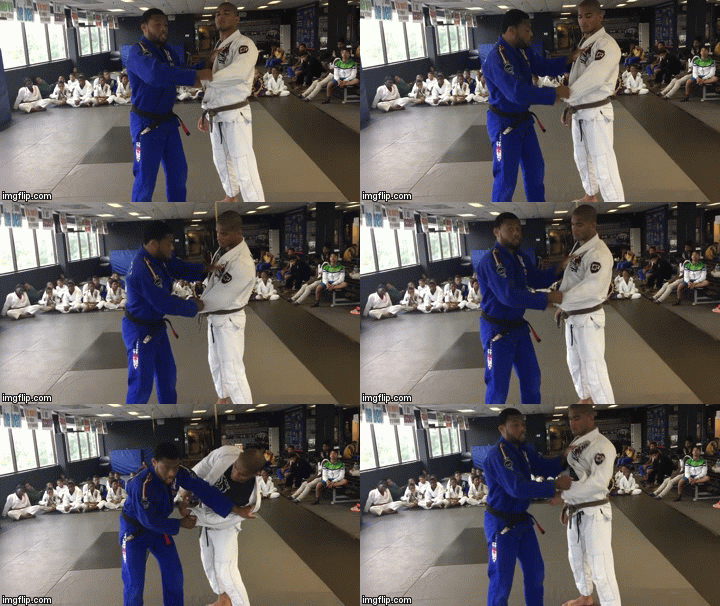
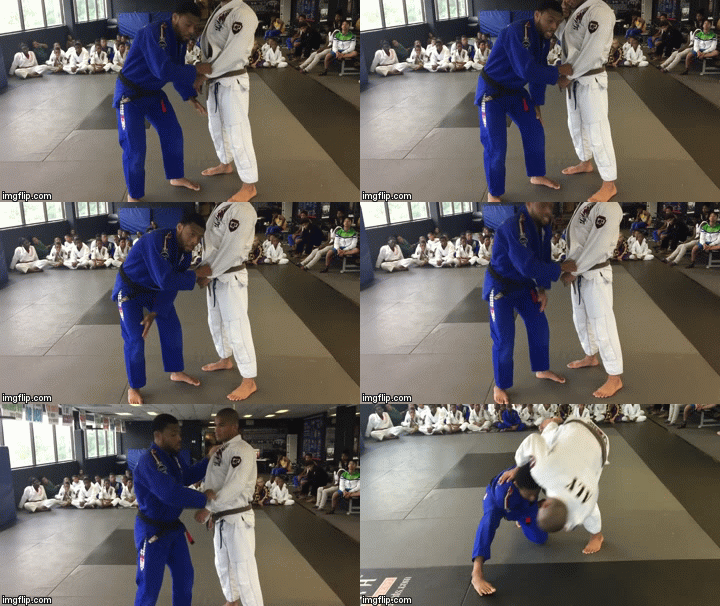
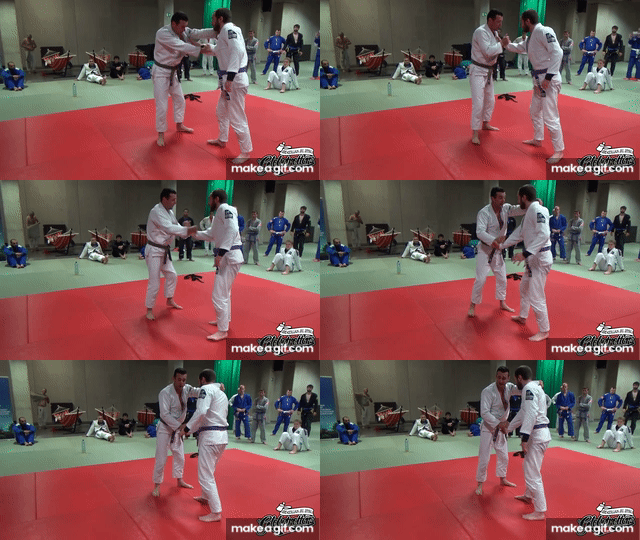 First, and foremost, let’s tackle the grips. The first order of business is to make sure your opponent has no grips on you. So, if they establish a collar grip, break it, preferably using both your hands. next, establish a cross grip on the opponent’s sleeve. This means your right hand is going to grip the Gi near the wrist of their right hand. Your left hand, in this instance, goes over the shoulder and grabs the back of the Gi collar. The grip here is a thumb in grip, with four fingers on the outside of the collar.
Step 2: Kuzushi And Movement
Since you’re now standing in front of your opponent, you’ll want to change your approach, or you’ll just roll under giving away side control. The thing to add here is one of the key Judo principles – Kuzushi. translated from Japanese, this means off balancing. To get your opponent out of balance, you’ll have to threaten their posture and base at the same time.
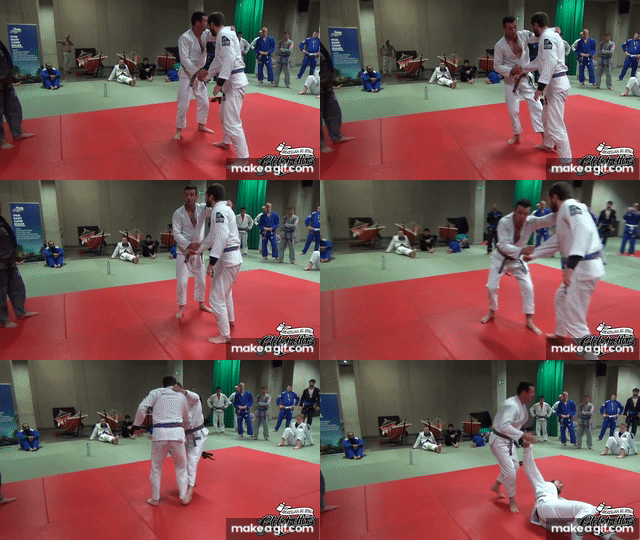 When you’re standing, the best way to do this is to use your grips to attack the posture and look for footsweeps to make your opponent move in a certain direction. First, you’ll push them backward, doing a few forward steps your self. Then, stop abruptly and start going backward, forcing your opponent to follow. After a couple of back steps, look to sweep their lead foot with an outer sweep or Deashi Harai. If you time it right, you’ll get a sweep right there to get the fight to the ground. If that fails, you have the Russian tie throw ready to go.
Step 3: The Roll
What an experienced opponent is going to do is retract the leg you’re attacking with the foot sweep. This is actually what you want. Now, you have the opponent standing in an Orthodox stance, the same as you. This opens up space you need to execute the Russian tie throw.
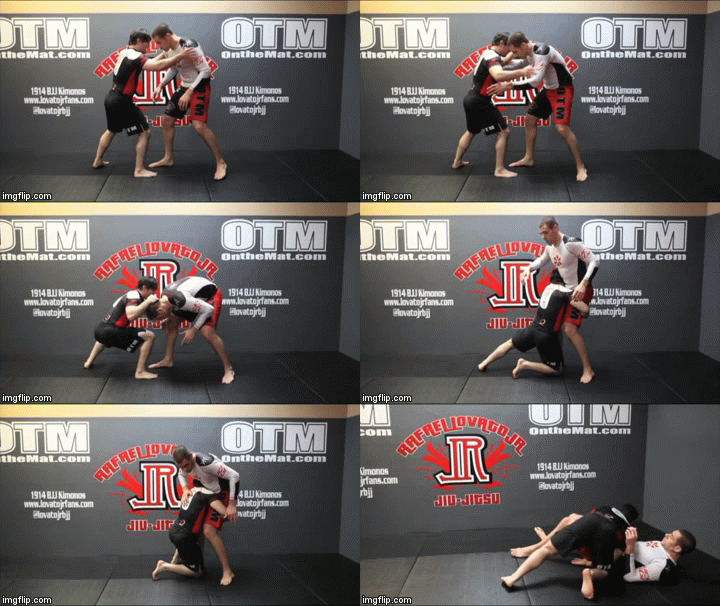
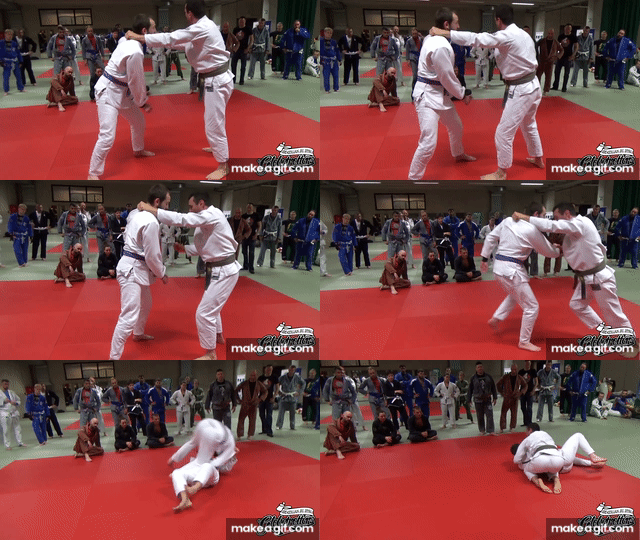 Positioning yourself correctly for the roll is the crucial step. If you miss that, you’ll end up on the bottom, most likely in north-south. Your main goal is to first kneel with your back leg. The next and most crucial thing is placing your head right in front of the foot of your opponent’s front leg. Any other spot is not going to result in a successful throw.
As you get your head in position, remember your grips. Tuck the elbow of the arm that grips the opponent’s sleeve very close to your torso. Use the collar grip to pull once your head touches the ground in front of the opponent’s foot. From there, simply extend your legs and roll like a log across your back, taking the opponent over you. You end up in a great position to take the back or hit an armbar. Just remember to keep a hold of both grips until the very end.

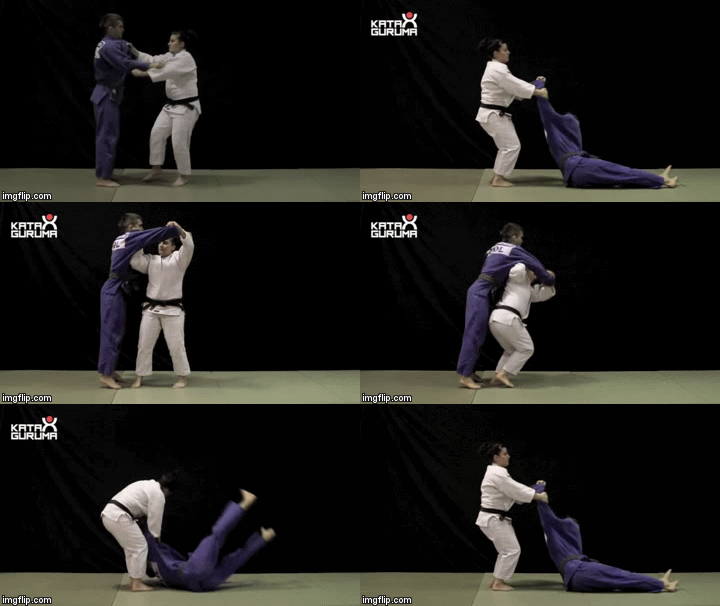 The origins of this throw lie in the Eri Seoi Nage Judo throw. The Eri Seoi Nage is done by controlling an opponents sleeve and collar on the same side. For it, you’re using a cross collar grip and a same side sleeve grip. The goal is to place the elbow of the collar grip arm under the opponent’s armpit as you enter into a throwing position. The other arm stays high, guiding the opponent over your hip as you get into position. From there, you finish like any other hip throw.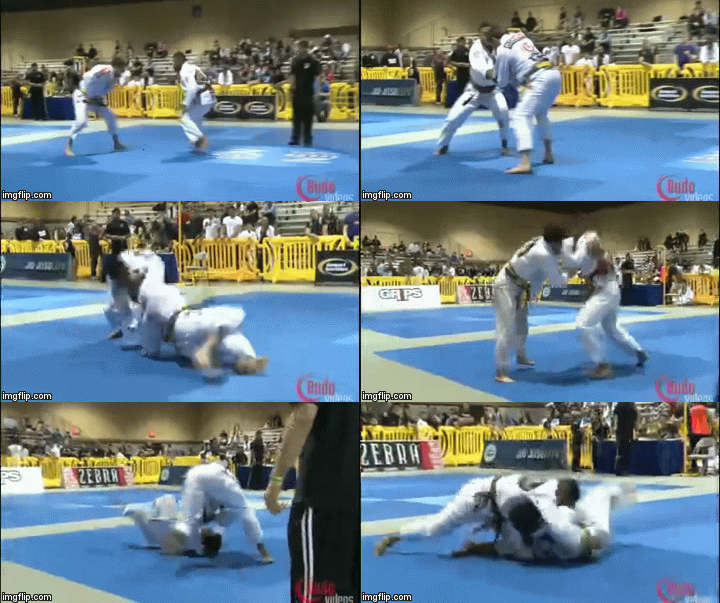
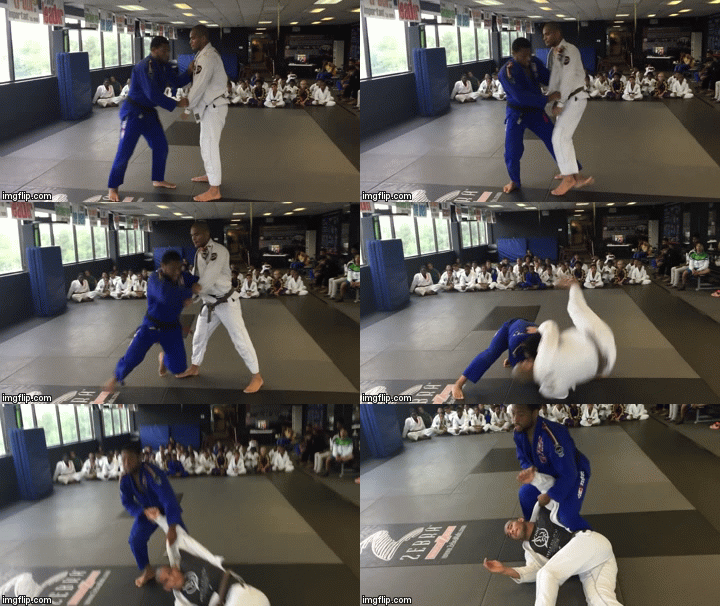
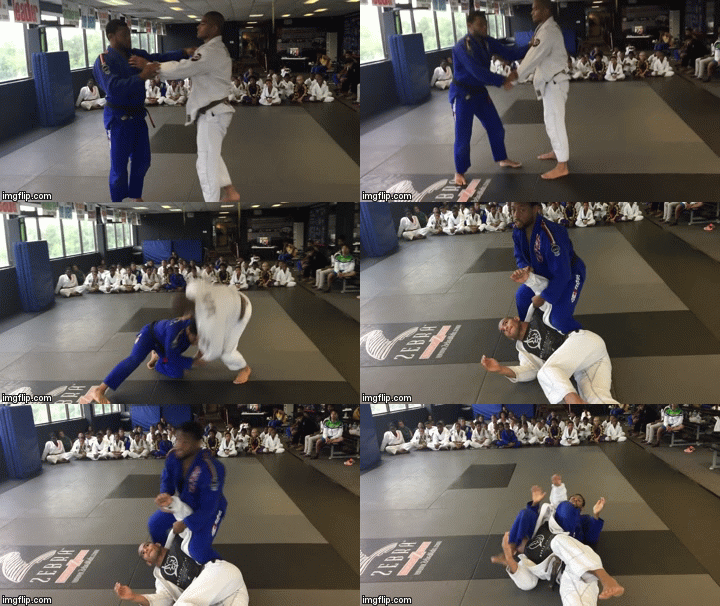 The position that the opponent ends up in is a really great one for you. Keeping the grips is imperative as you now end up with the option to hit an armbar straight away. Getting the submission is not going to be hard at all, given that your opponent is still going to be confused from the throw.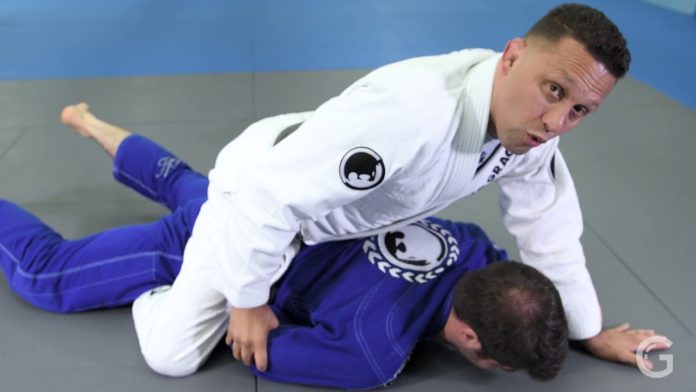
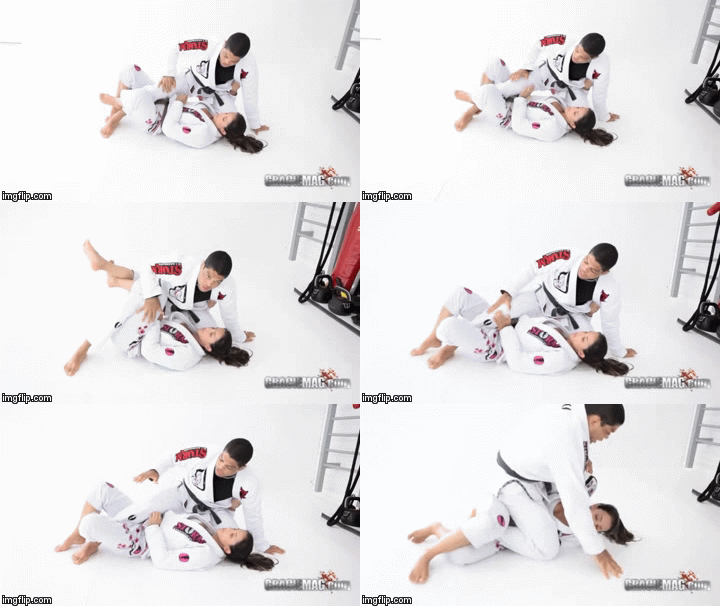
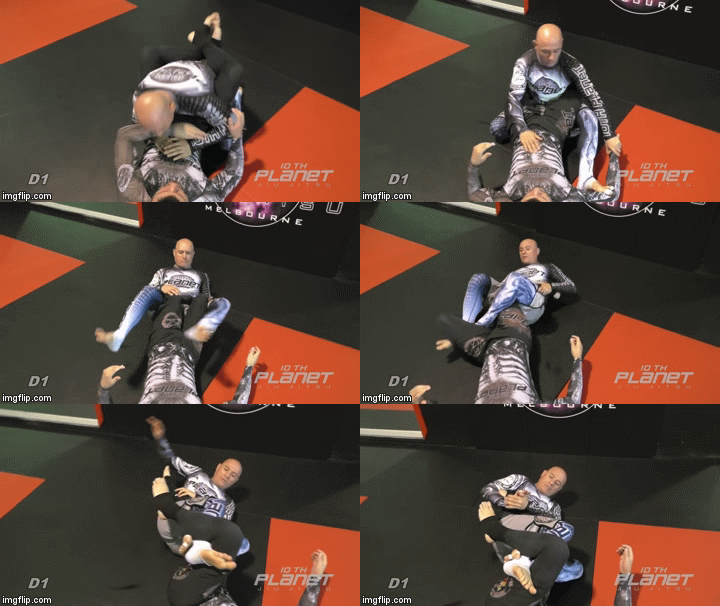
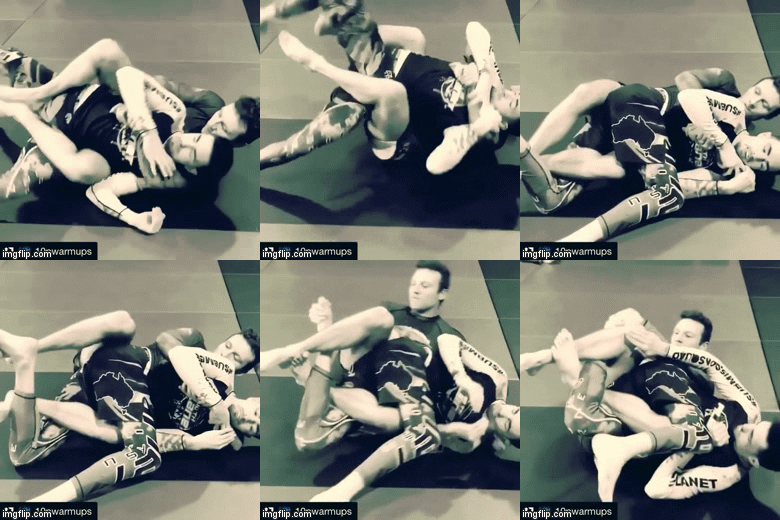 Next, the goal is to get your top hook off and kick their leg forward, as hard as possible. This opens up a path to get your bottom leg back and place your shin as deep as possible behind the knee of their bottom leg. From there, use the other leg to hook and guide their shin towards you. The ultimate goal is to place their toes behind the knee of your top leg. A great tip is to use the top arm to help you pull the foot towards their butt. From there, you’re in a position for a very very nasty and undefendable calf slicer.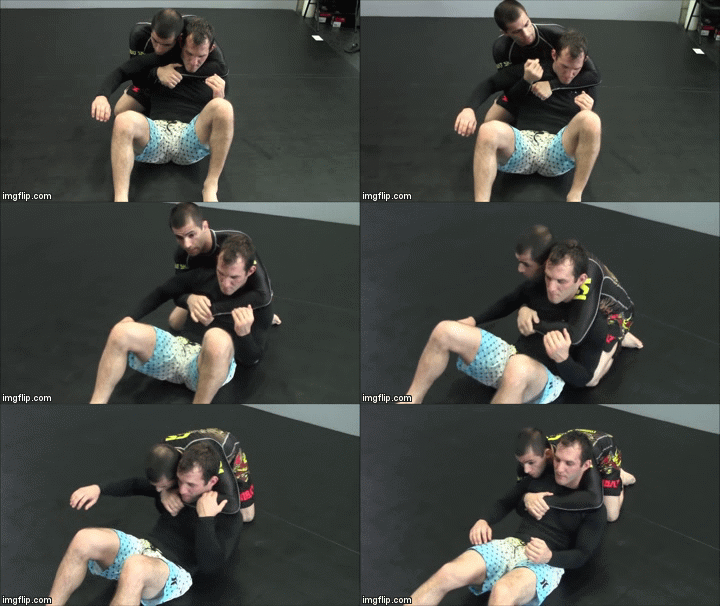
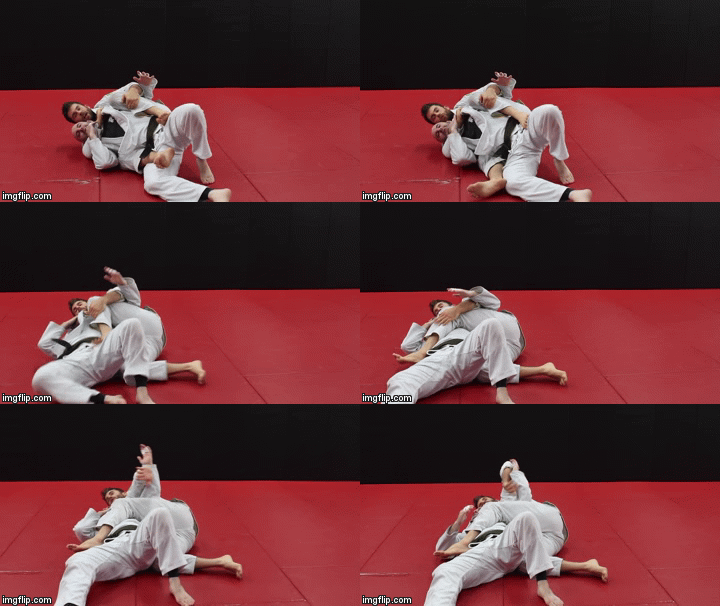
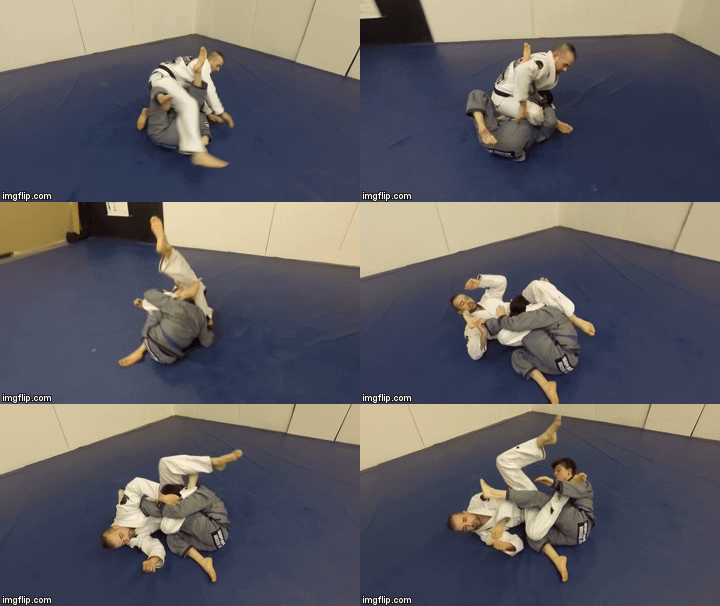
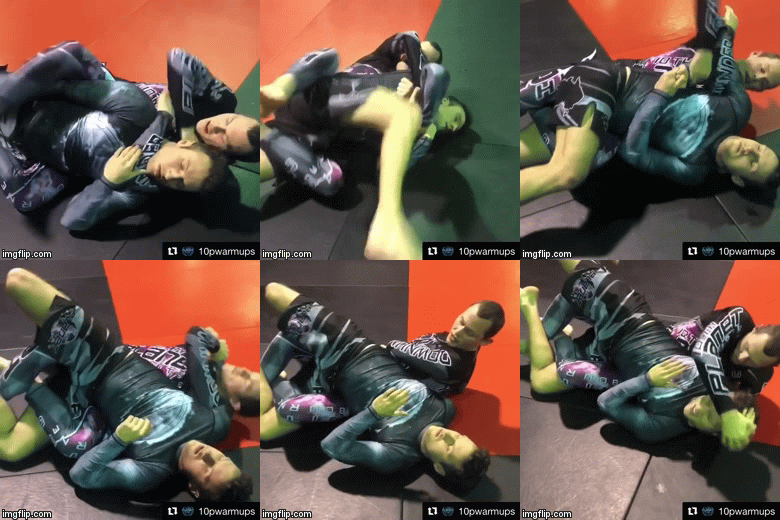 Finally, you can always transition from BJJ back attacks into other highly attacking positions. Actually, you can use the sneaky kamikaze setup to enter into some “grey” zones of grappling. We turn to 10th Planet Jiu-Jitsu once again, this time towards the Twister. While you’re learning the sneaky kamikaze, you’ll have plenty of failed attempts. That means you can either get back into classic BJJ back attacks or transition to the next best-attacking position.
 While you might find a way to figure out a program that addresses all these challenges, you haven’t even touched on flexibility and recovery. NOT only should you be as limber as possible while exquisitely strong, but you also need to be able to take on a huge workload. Both grappling and strength and conditioning sessions need to fit in your weekly schedule, meaning you’ll end up with a lot o do in little time. It is incredible that one man managed to hack the structure of the ultimate BJJ strength and conditioning program. Now, you can reap the benefits of it too.
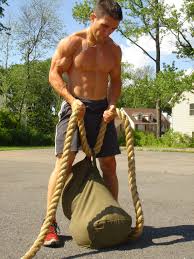 For any of these workouts, you’ll either need a basic home/garage gym or any commercial gym. While you need to push the pace and train hard, you’ll never go to failure or exhaustion with these workouts. After all, puking is not the goal here, getting stronger faster and more agile is. Finally, this BJJ strength and conditioning program is split into three training sessions per week, one of which focuses mostly on conditioning and strength endurance. Here’s teh workout program: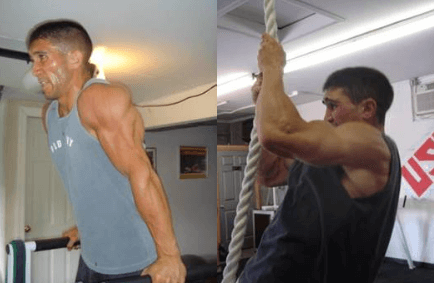
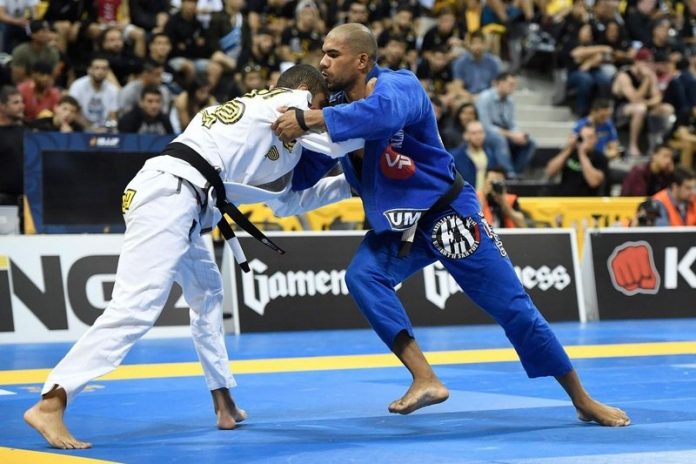
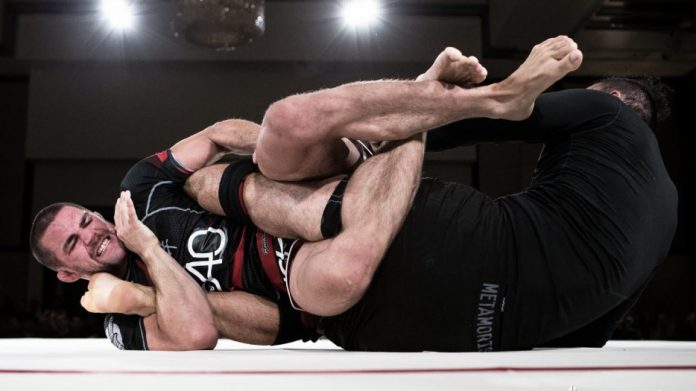
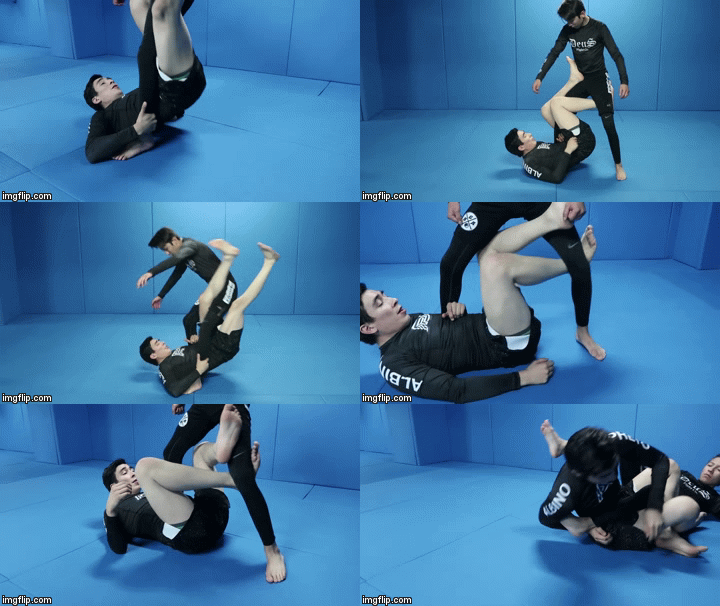

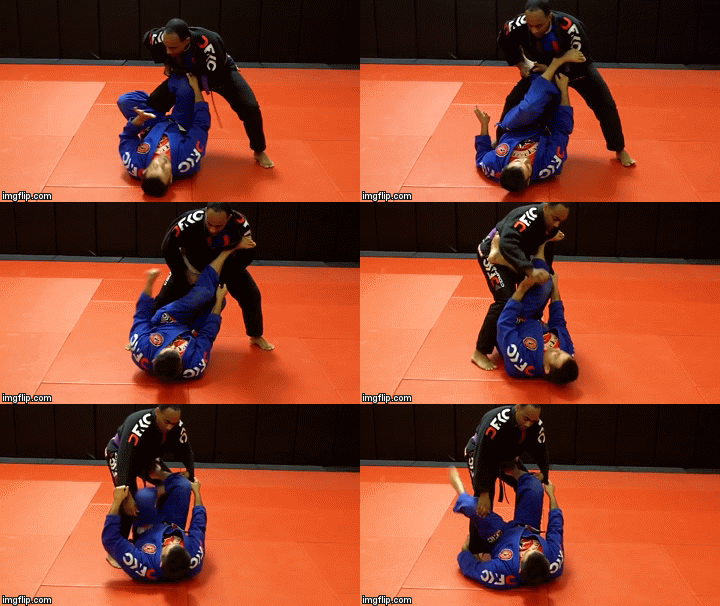
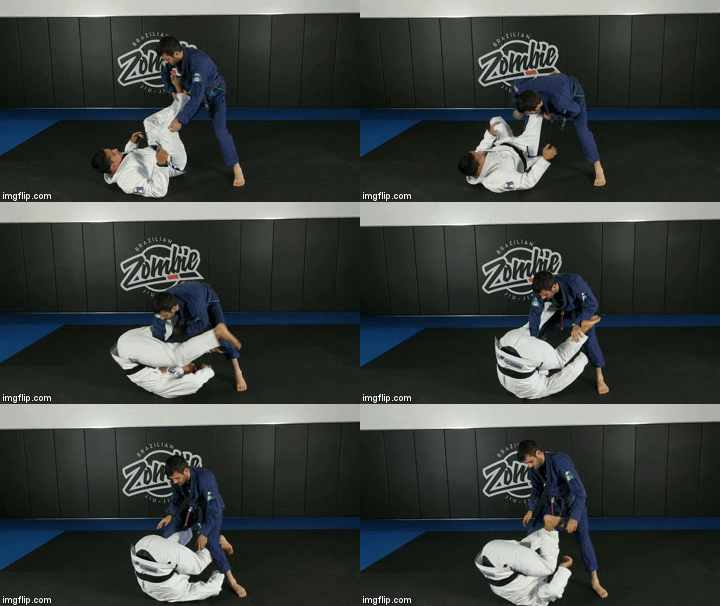
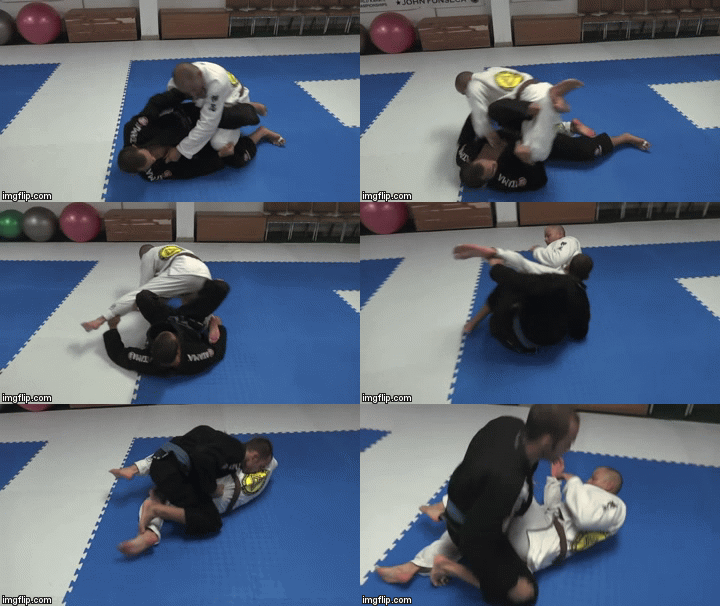
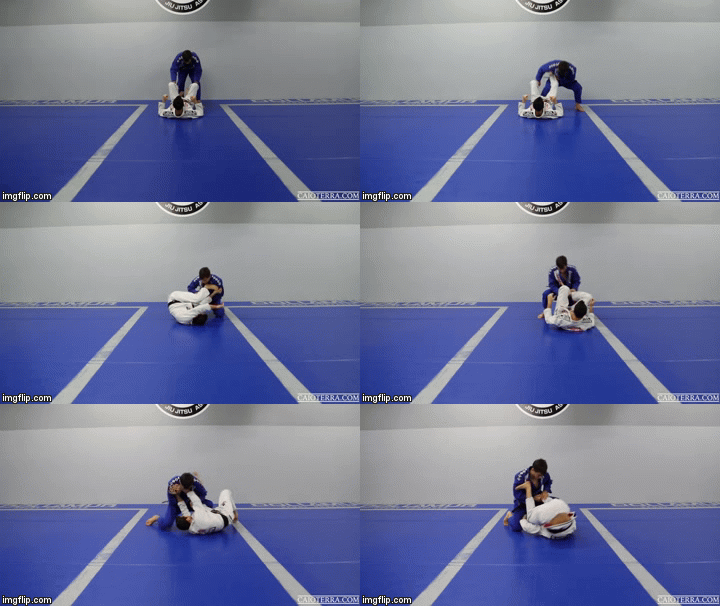
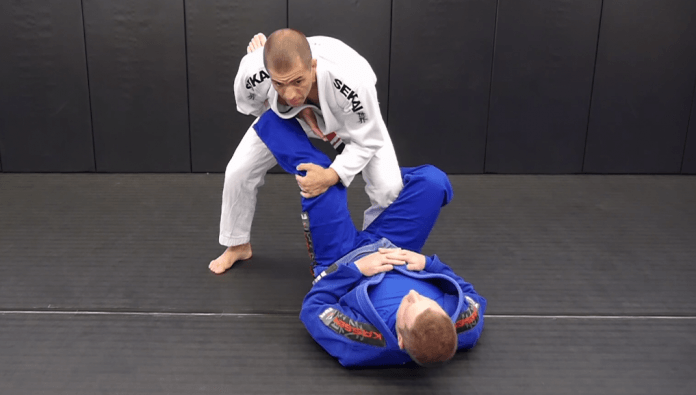
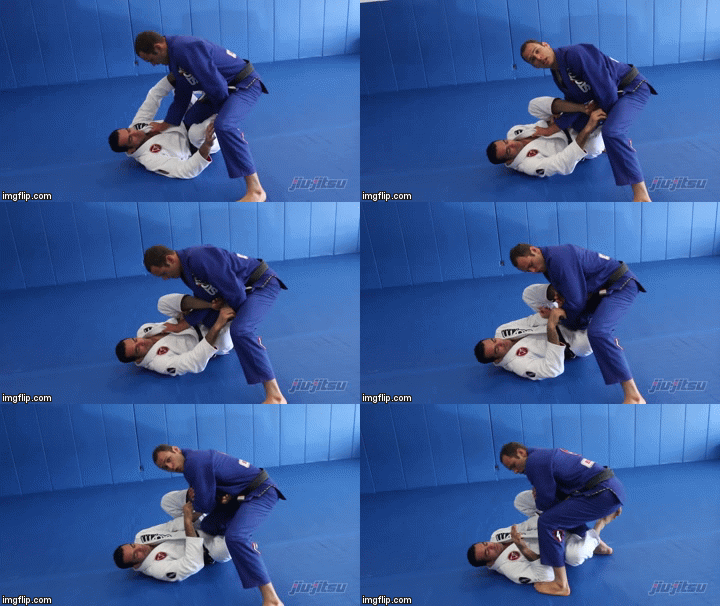
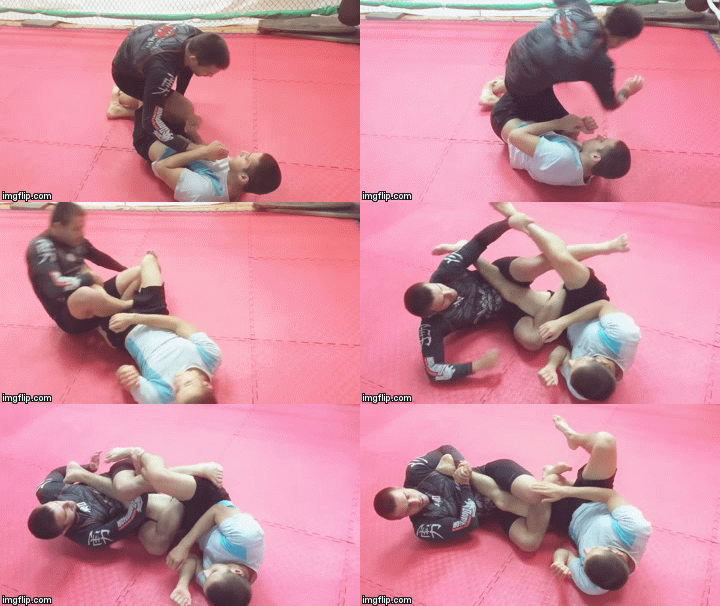
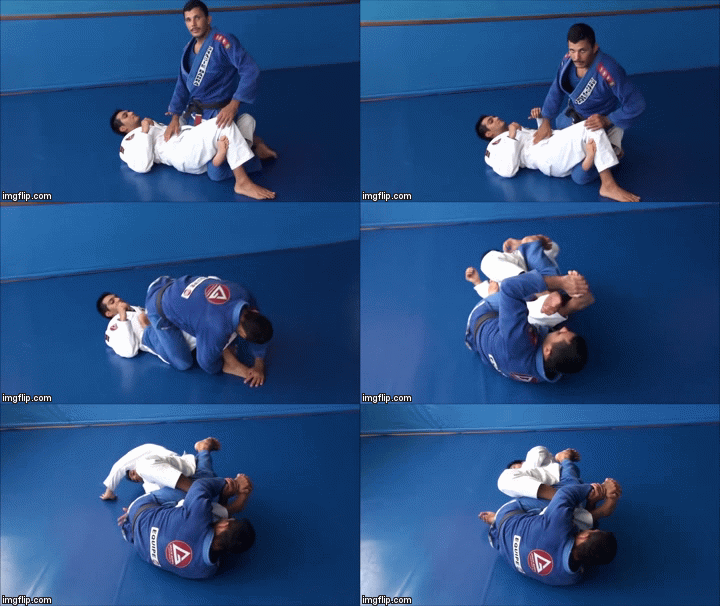
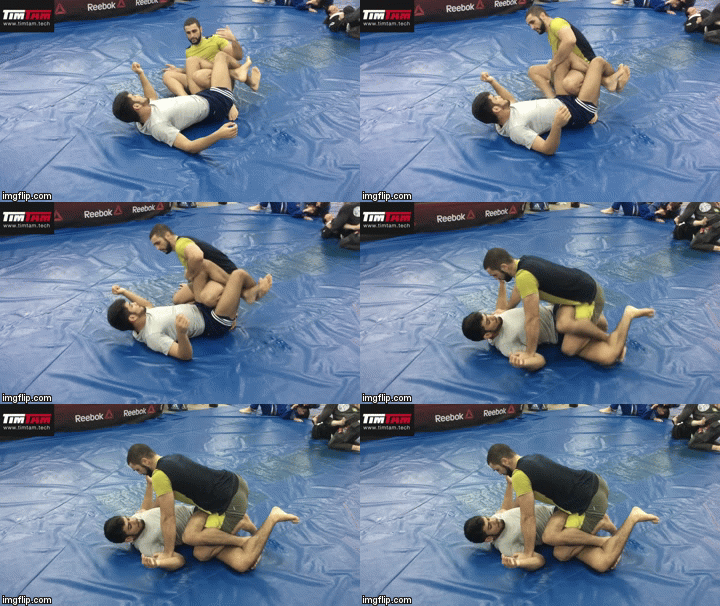
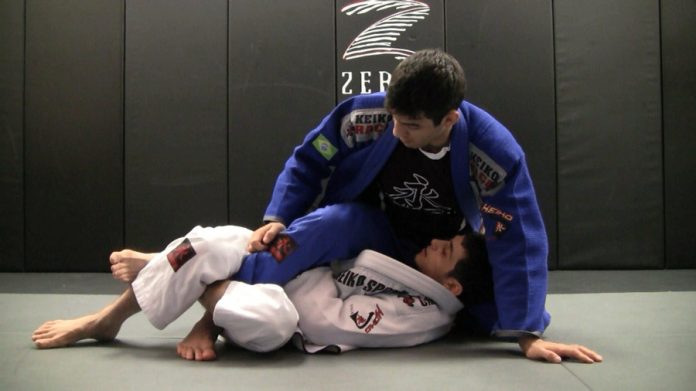
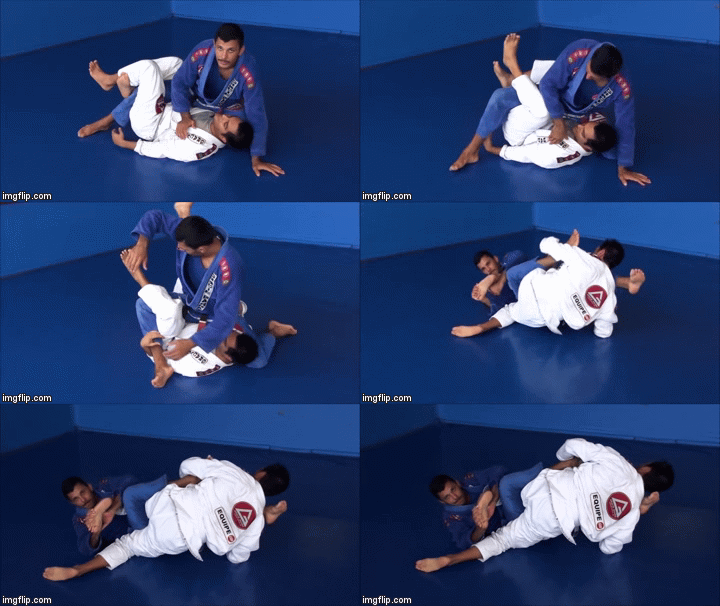
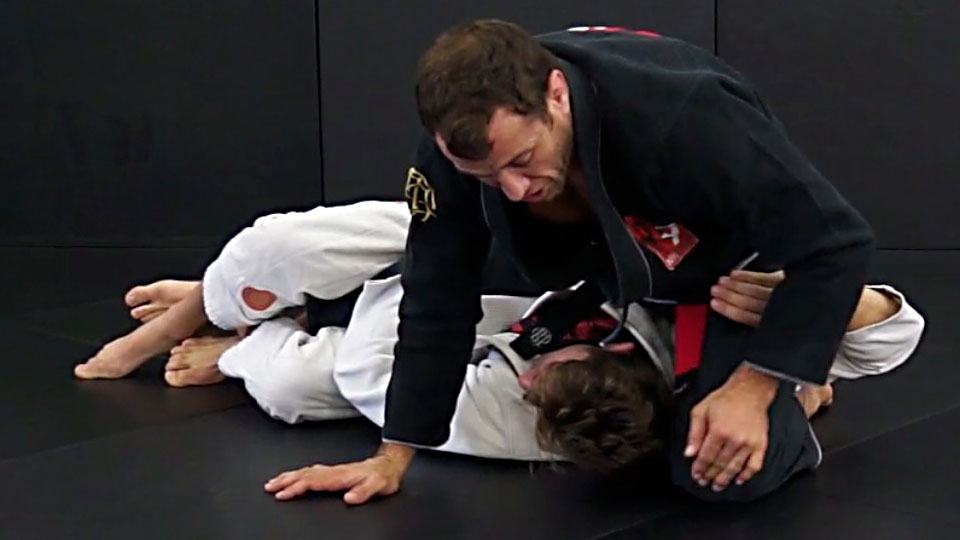 The positioning problem is the first crucial problem and is actually the first one you need to address from the top. The positioning of the opponent below you, while keeping your thighs apart is a superior one in any grappling martial art. This means they’re directly under your center of gravity and need next to no strength to manipulate your balance. The more control over your center of gravity an opponent hs, the easier it will be for them to sweep you.