How much have you traveled to a competing BJJ tournament? Most grapplers that compete have no trouble traveling great distances just to participate in open type Jiu-JItsu tournaments. However, would you travel the same distance in a van, across the continent of Africa, just so you could compete in a JIu-JItsu tournament? I guess you would if you are a part of the Sudanese BJJ team that had their sights set on competing, despite massive obstacles. Now, a BJJ documentary called Journey To Kenya” covers the entirety of their hugely impressive adventure.
Nowadays, there are plenty of BJJ movies, whether documentaries, TV series or even Holywood flicks to feast on. Something to do, I guess, while the world is in hiding. Anyhow, a brand new BJ Jdocumentary is about to get released, and I have a feeling it will be a very emotional and powerful one. The story it covers is a well known one. Even with the facts that we know about the Sudanese BJJ team’s journey to Kenya the story was incredible. However, this full-length movie will shed even more light on the things they had to overcome to fulfill their dream.
An Impressive Story
As far as the story of the Sudanese BJJ team goes, it all starts with a group of 7 grapplers from Sudan who decided to compete at the Nairobi open in August of 2019. Nothing too unusual about it. Apart from the fact that there are 1,740 miles of rough terrain that is extremely dangerous and volatile. Oh, and there’s no option to fly, just drive for days in order to arrive at the tournament.
The man behind the idea was Mohammed Al-Munir, a then-purple belt who teaches Jiu-Jitsu at the Muqatekl training Center in Sudan. The 6 guys in his team were all blue and white belts. The team was not new to competing, with a few previous successful performances in international tournaments. However, there are other factors to consider, given the geopolitical situation in the area of the world where they live and train.
Namely, Sudan is ina state of unrest, with a recent change in the governmental structure resulting in prolonged military control over the nation. Some of the competitors on the team had their brushes with police as part of peaceful protests, making traveling even more difficult of a task.
Thanks to a fundraiser, organized by the LionHeartInitiatiove, the athletes were able to receive a boost in the form of $3000 to facilitate the journey. Speaking of the journey, the details are depicted in the upcoming BJJ documentary, but in short, it took 6 days in a van across Africa for the team to arrive in Nairobi. Moreover, they were barely in time for the tournament.
“Journey to Kenya” A Full Feature BJJ Documentary
The “Journey to Kenya” BJJ documentary takes us through the incredible endeavor of the 7-man BJJ team from Sudan. The destination, Nairobi, 1740 miles away, meant they had to drive across Africa, through dangerous and hard to navigate the terrain. Of course, the journey was far from trouble-free, with the van breaking down, the team getting lost, lack of sleep, etc making things even more difficult for the enthusiastic grapplers.
The people behind the BJJ Documentary are the LionHeart Initiative managing director Armand Rupert, along with Mo-Al Munir, also from the initiative, and the documentary’s director Ibrahim Ahmed. Together they did a great job not only of making the trip possible, but also covering it in a dedicated film. The film, as coach Al Munir states will help raise the awareness froBraizlianJIu-Jitsu in South Africa.
The movie will show life in the MuqatelTrainin Center in Sudan, which is the only BJJ and MMA gym in the country. In just four years, the gym has around 150 active members and some of them are completely dedicated to JIu-JItsu. In fact, the team can be seen training extremely hard in the documentary, in preparation for their epic 2019 Nairobi Open performance.
The trip itself is another crazy story. In a 12-man team, two seats were reserved just for the gear the team had to carry. A trip expected to last two days ended up stretching to almost a week. Getting lost in the mountains of Ethiopia, encountering visa issues, the van breaking down are just some of the challenges they faced on the road. Not to mention having to “sleep” in a van for five nights, and barely eat anything.
The director of the movie traveled with the team and claims that it the movie managed to capture about a quarter of what really happened. You can imagine how hard it was for the team to compete if the people shooting the movie couldn’t manage to do so because of the hardships during the trip.
The LionHeart Initiative
The LionHeart Initiative, to an extent, made the entire journey possible, as we ll as the BJ Jdocumentary that followed. The initiative focuses on using martial arts to build positive social structures in undeveloped African areas. Moreover, they strive to help improve the economic situation by introducing professional martial arts into the communities. Suffice to say, the initiative’s efforts are worth recognizing, as are their results.
The LionHeart Initiative uses mainly MMA to help children from poor areas escape a life of crime. Since 2013, the initiative has done massive amounts for the rise of MMA in Africa and is continuing to go strong. Some of their projects include organizing competitions, seminars, and hosting fundraisers to help teams accomplish their goals, much like in the case of the Sudanese BJJ team.
Final Thoughts
“Journey to Kenya” was not intended for release quite so soon, but the COVID-19 pandemic has spurred the director to do so ahead of plans. The BJJ documentary, which already received an award at the Sudanese Independent Film Festival is going to come at a perfect time to ease people’s minds over the current situations. After all, if the Sudanese team could overcome so many things in pursuit of their dreams, we can stay t home a couple more weeks.
How do you win a BJJ match? There are actually several viable ways you can do it and a couple which are questionable. the end result would be ending with a raised arm, though. In terms of winning matches, the more efficient approach is one of tactics and strategy, rather than a collection of techniques and moves. Granted, you need to know what you’re doing. However, why not be smart (and sneaky) about it and to it wit has little effort as possible? One of the best answers to the question “how to win a BJJ match” is to make your opponents tired. Here’s how.
Your first BJJ roll probably was a strong indicator that this grappling thing is not going to be an easy endeavor. In fact, I’d wager that you thought “what have I gotten myself into”? We all have. And still, if you are savage enough to have returned after that first experience (and reading this page, you most certainly are) then your thoughts are focused on how to emerge victorious out of rolls, and eventually, Jiu-Jitsu matches. Okay, ti will be about survival the first few months, but that doesn’t mean that you can’t use defensive mode to actually win. How to win a BJJ match in a way that is easy to accomplish for anyone? make your opponent gas out, of course, Then, you can do whatever ti si you want with them.
How To Win A BJJ Match Against Almost Everyone
Depending on how good or experienced an opponent you’re facing, you’re certainly not going to be able to win every BJJ match. That said, winning most matches is not an unfeasible goal. In fact, it is easy to accomplish, as long as you think more tactics and less technical gibberish.
In terms of winning a Jiu-Jitsu match, the options are well known. You can win by submission, by points or by advantages. Those are the clear ways to victory. Another option is winning via a referees decision whenever a match is a complete draw. Those are usually controversial and ambiguous, so that’s really not a preferred way to win. Also, there are DQs and injuries that prevent people from grappling, hence making you the winner. Out of all the options, submitting someone is the best way to win. It is also the hardest one.
So how to win a BJJ match by submission? Moreover, how do you do it on a resisting opponent without you gassing out completely in the process? By relaxing, of course. You should be the one that’s loose and relaxed. At the same time, you should be making your opponent work overtime for anything they think they’re getting. Once again, ti is deception and tactics that will get you a ‘W” rather than how good or fast you can hit an armbar. In fact, the slower you do it, the better it will be.
Right there, we hit one of the greatest stumbling blocks of Jiu-Jitsu. We all want all our moves to work, and we want them to work the moment we try them. Well, BJJ doesn’t work that way, and if you truly want to win, you’ll have to start applying delayed gratification and patience.
Top Game Tactics To Make Them Gas
In any Jiu-Jitsu match, the rules are simple – be the person on top. Moreover, once you’re there, stay there. How many guards or bottom positions bring you points? Exactly. Itis top positions that get you all the points, so focus on staying on top whenever you can.
The caveat of being on top is gravity. Think about it this way. The bottom person has your weight to contend with if they want to do anything. Regardless if it is side control, munt, or knee on belly, your weight on top of them restricts their movement options. Moreover, there’s nowhere to retreat, as they have an entire planet behind them. So, stabilize any top position, be loose (you’re much heavier that way), and make the bottom person move. You don’t’ want them staying still. You actually want them moving. This brings us to the next step in the “how to win a BJJ match” formula.
Any movement you do has to be deliberate. And I don’t mean jumping from the knee on belly to spinning armbar. Instead, I mean adjusting the knee on belly position so that ti sis more uncomfortable and the person decides to move in ways that compromise their defenses. You waste no energy, they struggle you reap all the benefits. Also, this is the time when you transition to another position, as the mount, or go for the back.
This brings us to isolation. As you put pressure, stay calm and force the opponent to move, look to isolate an arm, or a neck, whatever it is you’re attacking. However, don’t even try to attack until a few minutes have passed with you wither holding, or improving the position. At the same time, you should be constantly increasing the level of discomfort the opponent is under. the more discomfort, the more they move. That makes them tired and opens up so many opportunities for you.
Bottom Traps To Tire Opponents Out
Getting submissions by tiring people out form the top is easy. Particularly if you’re an ultra-heavyweight. Doing the same from the bottom requires a bit more finesse. By all means, the one thing you would very much like to do is end up on top. In fact, such a maneuver, done from the guard, gets you two points (a sweep). However, that is not always possible.
When you’re playing guard the most important thing to focus on is safety. Unless people can pass your guard, there’s not much they can do. APart form leg locks. However, those two won’t be a problem if you just go to the one position that is a part of any BJJ position you know – the turtle. So what if you’re on your back? Simply choose a guard that allows you to protect the space between your knees and elbows without wasting too much energy. That said, the trickery with the guard is not attacking outright.
The real Jedi mind trick here is using guard retention to set up sweeps or, even better submissions. However, you can’t just sit there. Instead, make sure you guide the top person towards trying as many different poses as possible. Good grips and protecting that inside space will keep you safe with next to no effort. At the same time, the top person will have to change levels, move, jump, explode, etc. A couple of minutes of sustained effort like that, and you’ll have them tired enough to set up a trap.
In terms of a bottom position, the answer to the question “how to win a BJJ match” is simple: traps. Have a slick submission like a spider guard triangle, or a worm guard Omoplata, or a half guard loop choke waiting for them when they decide to take a breath. No need to hunt for those on a fresh opponent with great posture. However, a few minutes of guard retention will cause everyone to forget about crucial micro details, which is exactly when you pounce.
Conclusion
When you goa bout thinking how to win a BJJ match, there are now two distinct options. You can go al lout, flailing about and trying to submit people at any cost. Or, you could sit back, or on top of them, and make them work and get tired. Even if they have pristine conditioning, they’ll start making mistakes because of frustration. Only then can you switch on your submission game, which, if you’re tricky enough, should already be in place. Easy, right?
In the world of Brazilian Jiu-Jitsu, the guard is the most versatile position you can find yourself into. While being on top is always a preferred option, being in a Jiu-jitsu guard is also not half bad. in fact, many people seem to really enjoy playing for a guard, particularly as they’re starting out. In those terms, BJJ has countless of different open guard variations, most of them never before seen in martial arts. However, none are more polarizing than BJJ Lapel guards? Speaking of them, are they worth your time, or will they only work for a select few under very specific circumstances?
Keenan Cornelius is one of the best grapplers n the world. However, he has a very specific build to his body, being tall and lanky, and quite strong at the same time. Conversely, he had developed a guard game to suit his frame. In that sense, he is not unlike Marcel Garcia, who, not many people out there can emulate, given how his BJJ style and his build area a unique enough combination. Well, Keenan’s brainchildren are BJJ lapel guards, and he has come up with a bunch of them. today, the focus will be on all his guard, as well as a few BJJ lapel guards that predate his efforts of innovating in the realm of open guards.
BJJ Lapel Guards: A Mark Of Evolution Or A Waste Of Time?
This is the question that usually polarizes people’s opinions so much. Of course, those that train exclusively in No-Gi will tell you that anything Gi related has no real application in BJJ. In our study of lapel guards, we decided to exclude their opinion from the start given that it is irrelevant because NO-Gi folks have no idea how the gi works, especially in terms of BJJ lapel guards.
The lapel guards in Jiu-Jitsu work in a very specific fashion. there are many reasons why people like or dislike them. However, a fact of life is that they’re quite new, and till have a lot of development to undergo before we can really judge how effective they are. Keenan, as the man who has innovated more than anyone in this field, makes great use of them. However, a huge criterion for whether or not a BJJ guard is effective is whether r or not most people could use it against most types of opponents in a successful manner? ANd this is where BJJ lapel guards, at least for now, hit a stumbling block, of sorts.
Keenan Cornelius – The Lapel Encyclopedia Techniques List
Depends on how much you like tinkering with lapels, you might find BJJ lapel guards interesting or not, this is pretty much the same for any technique. Still, whether or not you like armbars, you do know they work. In fact, armbars are the number one move you can bet will work, according to statistics. However, with lapel guards, the question of effectiveness across the board is still open. So, how do we figure out whether or not they work?
Figuring Out the Best Of The BJJ Lapel Guards
As wit every study, we can go about in several different directions, when trying to figure out the parameters that we’ll use to determine whether or not the guards work. Given that BJJ lapel guards, apart from Keenan’s efforts, have not been used at the highest levels of competition (or any levels for that matter) frequently, we can’t use such data. that leaves us with a pretty biased analysis of whether or not they work.
In an attempt to figure out the best way to really gauge how BJJ lapel guards fare in general, we figured out three main criteria. The first has to do with the mechanics of the guard, and whether or not they’re viable for use (entering and/or transitioning from the guard. next, there’ the usual strengths and weaknesses debate, which we tried to solve very objectively. In order to really hone things in, we decided to provide you with a start rating s of three huge aspects of any guard. Those are retention, recovery, and offensive abilities. So without much further ado, let’s go deeper into BJJ lapel guards.
Lasso Guard
The first guard that suggested people could really get tied up in the Gi, is the lasso guard. It worked by wrapping a leg around the forearm of an opponent whose sleeve you control with a solid Gi grip. The Lapel lasso takes this a notch higher, using the opponent’s lapel instead of the sleeve for the basic guard position.
How it works
The way the lapel lasso works is by using the same side lapel of your opponent’s Gi. Suffice to say, just like for all the BJJ lapel guards, you need to loosen it up and get it free from the belt. The lapel then goes around your near side leg, which goes deep and hooks behind the hip. Most people like to grab the lapel with a thumbs-up grip, although this is debatable. From there, you have great control over one side of the opponent, even though you do not control their arm. like in the regular lasso guard.
Getting to this guard is fairly easy, as the lapel gets undone on itself most of the time anyway. Moreover, there aren’t too many wraps and grip changes to arrive at the final guard position.
Strengths
The lapel lasso provides great options for you to attack but limits you mostly to submission attacks. It can work for sweeps, but only if you also control the opposite side arm via a sleeve grip, In terms of submissions, inverting to a triangle, or setting up straight triangles or even Ashi Garami entries are solid routes to take. Moreover, the grip on the lapel is very hard to break.
Weaknesses
It is hard to compromise the opponent’s balance from this guard. The fact that the arm on the Lapel lasso side si free mans an opponent can use ti to post and prevent sweeps. Moreover, the guard does not help to break posture, so if an opponent stands you’ll have to find Gi pants grips to force them back down.
*** Retention: About halfway. You can easily prevent people from passing if you’re mobile, but if the get control over your free leg, they can immobilize it and then work the lapel problem.
**** Recovery: The fact you can invert and change the hand that grips the lasso means you can easily recover position in most situations. It also means you can use half gaurd as a checkpoint before recovering. However, late recovery, after an opponent gets side control is challenging, to say the least
**Attacks: Attacking is limited to the triangle and perhaps armbar options You might try and have fun with the Canto choke, but it will take some more tinkering with grips. Since sweeps are not really an option, this s good guard to hold an opponent from passing, at least for a while.
Worm Guard
Keenan’s first big hit among BJJ lapel guards is the notorious worm guard. It was one of the guards that were, and to a point, still is, notoriously hard to pass. It is a complicated guard, to say the least, which is why people have different levels of success with it. However, if you get used to tangling people up in it, you might just end up developing an annoying, and potentially quite effective game from there.
How it works
Initially, for the worm guard, you want to be in a De la Riva guard. If you have no idea what that is, I suggest you study the De La Riva guard variations a bit more before coming back to playing with BJJ lapel guards. For the worm guard, you need the same side lapel, and a De La Riva guard. From there, you transition into a situp guard, in order to grab the lapel with the far side hand. From there you lat back down to get to the Worm guard. As you can see, entering is no breeze and requires a few different guards to get to the final position.
Strengths
People can’t pass it! Well, ok, they can, but it takes a lot of tinkering and effort. IF they haven’t spent a lot of time inside the Worm guard, people won’t be able to solve it quickly. IT takes care of posture, given that the lapel goes around your own leg. Moreover, it leaves a leg and an arm free for the bottom person to attack. The grip is notoriously hard to break, making it the key feature fo this guard, actually. Sweeps are readily available, but you will need to know what you are doing. A few submissions work well from the Worm guard as well.
Weaknesses
Although sweeping is not hard, it will still take a lot of work to get sweeps to work. As hard as it is to pass, the Worm guard is not an easy position to attack from. Experienced guard passers will nullify all attempts at sweeping, bringing you toa a standstill of sorts: they can’t pass, but you can’t attack a lot.
*****Retention: In terms of guard retention, the Worm guard gets full marks. In other words, when you get it, nobody is getting past it without spending at least a few minutes and fighting a real fight. Even then, most people won’t be bel to complete a pass.
*** Recovery: Recovery is a bit trickier, given the setup of the guard. When people try to pass the Worm guard, the focus is on breaking that dreaded grip. The moment it loosens up, you’ll most likely get your guard passed. A helpful tip is to watch out for positioning because you could get in a good recovery position while your opponent is focused on the grip battle. However, you’ll need to be ready for it.
*** Attacks: Sweeps are multiple. It will take time, but once you get the guard, sweeps will become impossible to prevent. The great thing about the Worm guard is that you end up in great controlling positions (because of that lapel grip) even after you sweep. the not so great thing is that you’ll need to work on your sweeps, and by work, mean work (and fail) a lot.
Gubber Guard
A mixture of the rubber guard, Williams guard, and the Rat guard. And it all starts from the closed guard. Suffice to say, you’ll need a bit of working knowledge from all of them to make this guard work. that said, this is one of eth BJJ lapel guards that really pays off, at least in my opinion. get to this one, and you can have all the fun you want.
How it works
The Gubber guard is a rubber guard with the lapel. that’s the easy version of it. The hard thing is actually getting there. Apart from having to release one lapel (same side), you’ll also need to break an opponent’s posture completely from the closed guard. then you pass the lapel behind their back, to the opposite side arm. At the same time, you need to have their far side arm trapped as if you were going to do an Omoplata(between your knee and elbow). Them you need switch grips again, after transferring your near side arm on the other side (like placing it for a cross collar choke).
And you’re still not there. A hip escape, a push on the head, and yet another grip switch before you pass the lapel underneath and over the leg that’s now on top fo the opponent’s back.
Strengths
This guard, once you get it is probably the most secure of all BJJ lapel guards out there. Once you’re in position, you can do anything. Omoplata,s Gogoplatas, armbars, Brabo chokes, triangles, you name it. Getting to the back is also a breeze, as are a bunch of different sweeps. There’s no way an opponent regains posture, and they are nowhere near passing.
Weaknesses
Getting to the guard has so many checkpoints that despite it being extremely reliable, you have a great probability of failing on your way there. Sweeping is also going to be tricky, but once you get a handle of passing the lapel form one arm to the other, this becomes easier.
*****Retention: Hardly a guard out there that’s easier to stay into. IF you want to hold someone in a guard, the Gubber guard is the way to go(provided you get there. People need to break grips and regain posture before they can think about passing.
**Recovery: I have no idea. Losing the Gubber guard would mean you had no idea what you were doing, or the opponent is ultra-high level. In any case, the setup means you can’t really recover back to this configuration easily. So, as good as it is to hold, it is the hardest to recover.
*****Attacks: A submission bonanza is available, as well as easy transitions to sweeps or the back. Not to mention ayn combination, you might think of that you actually do from the rubber or Williams guard.
Squid Guard
As funny as it sounds, this guard is the most attacking option out there. AS such, ti is also the easiest to get to but it is also one that people might figure out how to pass quickly. That said, if you’re good at setting it up and adjusting to what’s going on, I’d say that it is the number one option to experiment with BJJ lapel guards.
How it works
The squid guard is basically like the lapel lasso guard, but it includes the near side of the opponent in the loop. Basically, With one foot on an opponent’s hip, like for a tripod sweep, you get as much of the lapel as you can, and then thread it around the leg (from the outside in) and grip with your same side arm, thumb up. Unlike the lapel lasso guard, here you have a broken posture that’s impossible to regain, without breaking the grip. It is also quite easy to get to this guard from just about any open guard variation out there, and even as a counter to a standing opening.
Strengths
This guard is actually the easiest of them a lot get to, hold and attack from. It opens up al your usual sweeps and submissions, without having to go through complicated setups. In fact, many of the attacks will come naturally to you, once you get the guard down. Quite hard to pas as well, given a powerful grip and broken posture.
Weaknesses
Vulnerable to leg locks. Controlling the near side leg with the same side lapel pretty much invites people to head into an Ashi Garami. the thing is, even if they don’t get a leg lock, switching planes like that means they’ll have an easier time breaking the grip which leaves you in a battle of sweeps. Moreover, there are ways to break the grip, unless you control the sleeve of the near side arm.
****Retention: The guard is easy to retain if you’re going to accept the fact that you’ll have to move and adjust a lot. It is easy for an opponent to get good angles for a solid base. You’ll need to be able to maneuver and counters these angles, in order to safely stay in the guard.
**** Recovery: Easy. Even if your opponent almost passes the Squid guard, getting back I snot really too hard. As long as you have a foto on the hip and the lapel, people will actually find it hard to establish side control. I like this one the best in terms of recovery capabilities.
***** Attacks: Anything and everything. A clear winner in the category. From sweeps to submissions and leg lock entries, you can dow whatever you want here. Moreover, a simple pendulum motion will get you far with this guard. doesn’t require particular physical abilities, or previous knowledge of other guards to use successfully.
Ringworm Guard
This is the nuttiest of all BJJ lapel guards Keenan has come up with. Basically itis a worm guard, you just hold the lapel with the other hand, and the opponent has one knee on the ground. I guess Keenan needed a name for each position along the way, and this one is actually the position you get before you get to the worm guard.
How it works
So, as I said, this is just a pre-worm guard, worm guard. Switch the grips and you’ll be in the worm guard. That said, this guard does have some uses, particularly when an opponent goes down on one knee, which is oftentimes inevitable after some time in the worm guard. Once that happens, you can switch to the ringworm guard to try and sweep. There snot much else you can do, really.
Strengths
Oen thing I like about this guard is that it does not place the lapel control in a tight and immovable position. Quite the contrary, you have a lot of lapel slack here, and it can actually help you open up some sweeping options that are not therefor the worm guard. It also means people can find a way past the guard.
Weaknesses
Hardly any sweeps. getting the guard is easier than the worm guard, and it is even easier to get into it from the worm guard. However, once you’re in the ringworm guard, you can’t really mount any meaningful offense. That makes it ok for holding, particularly in the case of a semi crouched opponent. However, if you want to actually do something, you’ll most likely want to transition into one of the other BJJ lapel guards.
**** Retention: Not really different from the worm guard. Easy to retain, but that’s just about all that this guard is good for.
* Recovery: Nope. Once an opponent gets past the legs and blocks the free leg, trying to recover worm guard is a smarter choice. The ringworm might be along the way, but that lapel slack is a recipe for disaster if you don’t know what you’re doing.
** Attacks: Extremely few. A couple of sweeps are possible when playing with the lapel slack. The risk, however, outweighs the reward, particularly given there are virtually no recovery options.
De La Worm Guard
This is a blend of the De La Riva guard and worm guard. In fact, it is the Reverse De la Worm guard that I’d like to focus on here. Effective? Can be, creatively, if you can manage to get there or figure out the complicated mechanics of hybridizing already difficult open guards.
How it works
You get to he Reverse de la Worm guard by overcomplicating things and reaching with your free arm between your leg and the leg of your opponent, when in the ringworm guard. Lay back and you’ll be in an impossible difficult guard, both for passing and for playing. It is one of eth BJJ lapel guards of today, though, so we had to include it. Obviously, getting there is difficult and requires knowledge of the worm and ringworm guards, not to mention the De la Riva.
Strengths
Easy. The strongest grip of al lth BJ Jlapel guards is this one. It is not just the positioning or the lapel, but also the fact that the opponent’s leg is in the way of them breaking the grip. In other words, this guard has that unbreakable grip that’ll annoy everyone.
Weaknesses
Getting there, obviously. Even if you manage to set it up, controlling someone will prove really difficult, and you’ll need to spend a lot of time there to figure it out. Not to mention that most knowledgeable people will prevent you from ever arriving to the position.
***** Retention: Obviously very good. Hardly anyone is going to pass this guard without dealign with the grip first.
* Recovery: Too complicated to get straight back into from any guard recovery position. Not worth even a try.
**Attacks: Limited to sweeps. Not a great deal of submissions work from here, and even sweeps require deception on your part. Anyone with a respectable base will have no trouble deflecting sweet attempts, given how unnecessarily complex the guard position is.
Lapel Half Guard
finally, something that has been around for longer than Keenan’s intricate BJJ lapel guards. Using the lapel while in half guard is a great way of gaining some actual effective advantage and improving the rate of whatever it is that you’re doing. While it is more than obvious that lapels play a huge part in the deep half guard, they’re also highly useful in other half guard variations.
How it works
Easy. you release the same lapel as you do for all BJJ lapel guards we covered here today. Of course, this time, you’re in half guard, so actually threading the lapel is going to be easier. What you want to do is pass the same side lapel in between the legs, to your other arm which is already around the opponent’s top leg. Easy entry and plenty of opportunities from there. A thumb down grip si the better option.
Strengths
Sweeps are easy. Roll, get up on your knees, or simply do a technical stand-up. Whatever you choose, they’re going down and there’s nothing they can do about it. Plus, it is extremely easy to just hold on to the lapel and make any adjustments you like. Plus, D’arce chokes and guillotines are not a factor if you really get a solid grip.
Weaknesses
No submissions are available, and you can still get smashed. Granted, there are ways of getting back to position, but an experienced top player will hardly let you do it.
**** Retention: High marks, although not an unpassable guard. If you want to linger in half guard, the deep half might be a better option based on the principles of BJJ lapel guards.
**** Recovery: Easy. having the lapel loose means you can get a bite on the leg at any time and easily get into the lapel half guard position. Quite useful as well in preventing opponents from settling down in side control.
*** Attacks: Sweeps are extremely easy as we covered. I can’t see any direct submissions stemming from here, but the sweeps do lead straight into passes, like the leg drag, so you can work on subs from there. All in all, a highly offensive position.
Who Is The Winner?
Did we cover all fo the possible BJJ lapel guards? Nope, just the ones that people are using. is everyone going to be happy with this analysis? So far I haven’t seen a BJJ subject that everyone is happy about. That said, BJJ lapel guards are still in their experimental phase at best. Do they have a spot? Some might, but only in very specific situations. A lot more testing needs to be done, but if you know exactly what you want out of a lapel guard, make your pick accordingly and let us know how you rate them.
Keenan Cornelius – The Lapel Encyclopedia Techniques List
Okay, enough is enough. We’re all aware that it was tight out there for a moment, but luckily, we’re slowly getting the hang of this Covid-19 situation. As it seems, the virus is not far from tapping out, which means life can return to normal, or close enough to it. While many things won’t be the same, the BJJ world will certainly recover, as training Jiu-jitsu is the one thing that everyone who grapplers misses more than anything else. the end is near, though, if indications of what’s happening in Europe are anything to go by.
It was a wild few months. Actually it still is. I haven’t trained any Jiu-jitsu (apart from some solo drills) since the middle of March. In the past 9 years, injuries included, this is getting near to the most I’ve gone without BJJ. And for most p[eople in the BJJ world out there, it is much the same. As we’ve seen online classes and solo drills can only go so far to satisfy our thirst for grappling. Brazilian Jiu-Jitsu is a contact sport and with social distancing the min measure of beating the Covid-19 outbreak, this became impossible. Luckily, there’s light at the end of the tunnel, we just need to keep driving safely towards it.
Getting A Grasp On the Covid-19 Pandemic
Brazilian Jiu-Jitsu has taken a hard hit during the globar Covid-19 pandemic. Apart from a handful of schools in certain locations, all gyms worldwide, from local 30- people gyms to the biggest academies in the BJJ world have closed their doors. And it has been going for a while now. The situation in the USA is still not stable, but the peak is near. If indications from other countries, mainly in Europe are anything to go by, social distancing and isolation, as har as they are, work great in squashing the virus’ spread.
In the recent couple fo week, we seem to have got a grasp on the Covid-19 outbreak. or, at least all the things we did worldwide seem to be panning out about now. Social distancing, wearing face masks, staying at home and all the other measures were hard to comply with. obviously, they worked, so we shouldn’t complain. In fact, the rest we got was probably something most of us needed, especially those that haven’t taken a break in years. Injuries seem to have held up, some bad habits we might have had are hopefully gone, and we’re all itching to get back on the mats.
However, we’ll need to take several things into account before simply going back and pretending as nothing happened. In fact, that is the worst thing we can do. We can’t just rush back in and resume business as usual. As much as both BJJ gym owners and students would like to do it, it won’t be possible. We’rep probably still a month, or even two away from actually being able to train a gym. In fact, lockdown will ease in stages, and we should all use it to prepare for an easy return to daily grappling and rolling.
What To Focus On: BJJ Coaches And Instructors
For all you coaches out there, returning to BJJ can’t come soon enough. I completely understand. However, there’s a lot of responsibility on our shoulders as the BJJ world flocks back to the mats. The virus is still going to be up and about and we’ll have to re-open with introducing certain measures that have not been a mainstay of BJJ gyms before.
Basically, for starters, you need to know if anyone from the gym was positive or in close contact with someone positive for the Covid-19 virus. This is not something people would share in a poll, so you’ll need to actually talk to each and every student individually, either over social media or by phone. If you have too many students to do so, all on your other coaches to help you out. You simply have to know if anyone would be coming to the gym, potentially carrying the virus.
You also have to know which are the so-called “sensitive” groups. Elderly people, people with chronic illnesses, particularly on the respiratory system, etc, will need to stay at home, at last, a bit longer.
In terms of the gym itself, disinfection is going to be huge everywhere we go. A wall-mounted hand sanitizer is a must, as well as providing clean and new flip flops. Hygiene in the gym will have to go up tenfold, meaning pre and post-training definitions, and perhaps, even quick ones in between groups.
In terms of organizing classes, this is where most of us have been scratching our head.s going back to the curriculum where we left off is a no-go. People have lost timing, the sense of movement, and grappling specific coordination. it nothing major, but significant enough. Also, everyone will be itching to roll. This means that flow rolling, or specific drilling sessions should be the only things we do when getting back, at least for an initial couple of weeks. Only then can we go back to some fundamentals before trying to resume, or starting a new curriculum.
A Few Pointers For Returning Students
And by students, I mean all fo use. Even those coaching are still going to be students of the Gentle Art. Now, the most important thing is going back to BJJ and not getting injured. What I expect to happen if people are left to do what they want. is that a majority of people returning will again an injury of sorts in the first week back. And, older students and higher belts are the “sensitive category” here.
In terms of what you need to do once you’re back on the mats, there’ nothing more important than pacing yourself. While it may not seem so in your mind, your body is not as fine-tuned to grappling as it was was a couple of months ago. A lot of the timing of moves is going to be off, for example, So are basic things like a good base, maintaining effortless posture, or simply moving with purpose during scrambles. And no, no amount of solo drill will help you compensate.
When you go back to rolling, do ti slowly. In fact, do every aspect of training very carefully, starting with the warm-up. If classes are set up for a safe return and you’re mindful of what you’re doing, you’ll be fine.
In case you want to get ready, as there’ still possibly a month before we can roll, this is the perfect time to put that sandwich down, and start to get some conditioning back. Do whatever you want, run, hike, lift weights, bodyweight exercises, etc, but do not think that you can just return to Jiu-Jitsu completely out of shape. The BJJ world will be different after the Covid-19 experience, so make sure your body is ready for what lies ahead.
Will The BJJ World Ever Be The Same?
I guess time will tell. For now, the BJJ world wil definitely have to adjust. Actually, I do think there will still be restrictions which will most likely restrict the number of students that can be on the mats at eth same time. this means more groups, a different appraoch to training, and a lot more time in the gym for instructors. However, this Covid-19 pandemic might just turn out positive, as perhaps restructuring our approach to BJJ is the next logical step in the sport’s evolution.
Very often when we talk about the history of grappling martial arts, we tend to pull towards the martial art we train in. For BJJ folks, this means that history usually doesn’t go much further than the Gracies, and Maeda at best. While most people are aware that Judo played a role in the creation of Brazilian Jiu-Jitsu, they do not know too much about the origins of Judo itself. Or, going back even further, Japenese Ju-Jitsu. A key-person that connects them all is Dr. Jigoro Kano.
The association of Dr. Jigoro Kano is always with Judo. The fact of the matter is he is definitely the “father” of modern Judo. However, Kano did not invent Judo out of nothing. He managed to organize remnants of Japanese Ju-Jitsu into a sport rather than a battlefield combat system. To that extent, he had extensive knowledge of grappling. Plus, he was an educator on top of it. He is exactly the person that we need to know more about when it comes to the history of grappling.
The History Of Grappling Martial Arts
Grappling martial arts have such a rich and varied history that it is impossible to pinpoint where and when it all began. In fact, people all around the world were grappling in one way or another, probably for centuries before we started comprehending things like martial arts. In that sense, it is impossible to pinpoint how grappling came about.
What we know for sure is that back in the era of the Samurai (12th Century -1870s) there was Ju-Jitsu. The Takenouchi-Ryu martial art system founded in 1532 is considered the beginning. With the Samurai warriors heavily armored, there was no point in engaging in hand to hand combat on the battlefield by using striking. Instead, throwing and choking people, and breaking limbs were far more practical in a hand-to-hand situation. Hence, the Samurai developed Ju-jitsu.
The history of grappling martial arts, at least those that stem from Japanese Ju-Jitsu, inevitably goes through Judo. Dr. Jigoro kano actually organized Japenese Ju-Jitsu ina style that later gave birth to the art he dubbed Kodokan Judo. From there, on, everything, from the introduction of the Gi and belts to turning Judo into an Olympic sport came about as a result of Kano’s efforts.
Dr. Jigoro Kano – The Man Behind Judo As We Know It
Dr. Jigoro Kano was born in Mikage, Japan, in a family of sake-brewers. Kano was a highly educated person, so much so, in fact, that he himself became an educator. In fact, while he was studying at Tokyo University, Kano actively sought out Ju-Jitsu teachers that were also doctors, going by the premise that they would be able to better teach the art. Jigoro Kano discovered Ju-Jitsu some years earlier, as a means to deal with bullying he faced due to his small and fragile frame.
Here’s something you might find familiar – one of Kanos’s teachers had a philosophy of briefly demonstrating techniques to students, before letting them do free sparring (randori) to figure things out. He went deeper into mechanics only with advanced students. Jigoro Kano had trouble defeating one of the more seniors students at the school. So, he started thinking outside the box. This is when he adopted some techniques from western grapplings, like the Fireman’s Carry. It did the trick.
Jigoro Kano went through many teachers, adopting the philosophy of training smarter and not harder. In other words, he sought different schools of Ju-Jitsu, trying to understand grappling more than just master a few techniques. Suffice to say, he soon became a Ju-Jitsu teacher himself.
The formation of the Kodokan style, although not yet Judo, came when Kano put together the throws form one style of Ju-Jitsu, along with chokes and pins from another. As he was open to all grappling martial arts, there are inevitably plenty of western influences in his system too. This was a huge step in the history of grappling.
The term Judo came from Kitō-ryū Ju-Jitsu, with JU meaning pliancy and DO – way, or method. From there on Kano wanted to make Judo available for everyone, and eventually managed to introduce it into the schooling system. To do that, he needed to make it less Samurai-like, and more modern. For those purposes, he designed the modern Gis, as well as introduce the white and black belts.
Judo And BJJ
Suffice to say, Judo, in its development, seems a lot like BJJ. An ancient art was taught to someone who had a frail body, but an open mind. He took parts of the art combined them with parts of other arts and ended up with something that fits the period when he lived much better. So much so, in fact, that it (Judo) eventually became a full-blown Olympic sport.
What most BJJ people know (or they should) is that MItsuyo Maeda is the culprit behind BJJ, albeit somewhat inadvertently. Well, it just so happens that Maeda was a student of Jigoro Kano at the Kodokan Institute. In fact, he himself was a small grappler, and Kano assigned him to the smallest black belt teacher he had at the Kodokan. As it seems, the history of grappling is repeating itself, as this is similar to what happened with Carlos and Helio Gracie later on.
Moreover, Maeda did what Kano did before him, and the Gracies did afterward. He adopted different styles of grappling into his game, like for example catch wrestling. When you come to think of it, form the ancient Samurai style Ju-Jitsu, to what we know as BJJ today, there have been so many combinations of different grappling styles, that there’s no way to claim that only Japanese martial arts are in the roots of BJJ. That said, one thing is for certain, and that is that the Kodokan Judo of Dr. Jigoro kano changed grappling martial arts forever. It’s offspring, Brazilian Jiu-Jitsu will do the same, some hundred years later. Make you wonder how will things develop in the future, doesn’t it?
Conclusion
While not everyone enjoys history, everyone likes stories. Well, the history of grappling is just that – a collection of extremely interesting stories about people that tried to figure out fighting. Undoubtedly, Dr. Jigoro kano has a special place in the history of grappling. To that extent, this is the first of a series of articles that will look at the historical grappling figures that came well before the Gracies and all the ways in which their arts have impacted BJJ.
Throughout the years in Jiu-Jitsu, I’ve found that one thing keeps repeating itself – simple things work. When we come to think about it, they tend to work because we can understand them, not because they’re better than complicated things. It is just easier for the majority of people to get the why behind simple stuff. And, when you’re up against a daunting grappling task, like passing someone’s guard, simple is exactly what you need. In fact, guards are arguable the most complicated positions to play in BJJ. With that in mind. using simple ways to get past them, should work best. Take, for example, the BJJ folding pass.
Occam’s razor states that the most obvious solution is often the right one. In terms of passing the guard, we could say that the simplest thing is the most obvious one, hence, it should be the correct one as well. Passing someone’s guard in Brazilian Jiu-Jitsu means getting past their legs. Given the number and nature of guards, that is usually highly challenging. However, the goal is easy- if you make the legs go one way, you can easily go the other. Moreover, if you pin the legs completely, you can go wherever you choose. This is where the BJJ folding pass comes in to play.
BJJ: It is All About The HIps
Hips, hips, hips. Forget salsa dancing and the likes. Nobody has hips as BJJ players do. In fact, if ever the phrase “it is all about the hips” was true for something, it is Brazilian Jiu-Jitsu. The hips are everything in BJJ, whether you’re on the offensive, defensive, top, bottom, or any other position. How d you finish an armbar? How d you escape mount? What about passing the guard? Or retaining the guard, for that matter? In each one of these examples (and there are countless more) the hips are the main thing that makes everything work. As such, they’re the one body part, you want to contend with in order to beat your opponent’s game.
When it comes to passing the guard, Gordon Ryan has a great principle that pretty much describes the essence of the BJJ folding pass. That principle states that if you get your opponent’s knees and toes to point away from you, you can easily pass the legs. Pass the legs, and you’ve passed any guard in existence. The Torreando pass probably springs into mind first, as it does overemphasize the fact that you’re forcing the knees in the opposite direction of the one in which you’re heading. However, the Torreando is a pass based n movement, accuracy, timing and it only works against a handful of guards. What is lacking here is variety in just one move.
Speaking of variety, Ryan’s principle works against pretty much any open gaurd out there. Why? well if you manage, in any way, sort or form, to make the knees and toes point in the same direction, you have indirect control over an opponent’s hips. In other words, you’ve used the legs as levers, to pin the hips of the opponent to one side. It is just easier to remember knees and toes away, rather than thinking of elvers while you’re passing guards. That is precisely why the BJJ folding pass is so powerful in both Gi and No-Gi.
The Power Of The BJJ Folding Pass
You can do the BJJ folding pass against a whole myriad of open guards. One reason why it is simple is that it only has a few steps. On the plus side, the BJJ folding pass is a pressure pass, meaning you get to rest along the way, instead of having to explode past the legs. In fact, you absolutely have to wait and “cook” your opponent’s for a while, passing whenever you decide they’ve had enough. Isn’t that what BJJ is all about?
In fact, if you think about the BJJ folding pass, thing leg drag. The reason why the folding pass works better is that you get to trap both legs with your pressure, instead of having one behind your hip. That top leg is exactly why people wiggle out of a leg drag. in a folding pass, you want both your opponent’s knees together, with the legs to the side. Of course, the goal is to have the legs on the mats, with your hips over the opponent’s thighs. The main difference with a leg drag is that with the folding pass, you have both their legs in between your legs. This helps pin your opponent with ease, while you decide where to go (unlike the leg drag where you usually pass to one side only).
Entering the BJJ folding pass is actually something you shouldn’t learn as a technique. The pas will work again so many different types of guards if you just understand what you want to accomplish with it. After all, entries are different every time you do them, so there’s no point in bothering with learning specifics. As long as you pin both legs in between your legs, and place your hips high over the opponent’s top thigh, you’re ready to start pressuring a guard pass.
Essentials For The Gi
One thing to know is that when you arrive at the BJJ folding pass pressure position (as described above) you’re far from done with a pass. Do thing s right, and you might end up directly in mount. Make a mistake, and you’re back in guard, or even swept. The trick is one ca again glaringly obvious – be patient. Every time you have ap resure pass, be patient. Moreover, try to take a position that more uncomfortable for the person on the bottom. And the Gi is the perfect tool at your disposal.
The moment you get the hips in place, you should be hunting for an underhook. there’s only one side to look for it, as the opponent will be lying on their side. The goal is to get an underhook and establish a grip on the back of the gi collar. This will provide you with a great handle, and even more pressure because you can force their shoulder to the ground. This puts a twist to the spine, taking away any posture an opponent might have. Even better, you can accentuate this by gripping the front of the collar with your other arm, and pulling your elbow towards your hip. Given that the base is completely destroyed by the BJJ folding pass pressure position, you now have complete control.
To finish the pass, you use windshield wipers, to go in the direction of your choosing. If you go toward the butt, you’ll end up in side control with an exposed back. If you choose the other side, you’ll end up in side control, or more likely (and preferably) a cradle. Also, if you decide not to use windshield wipers, you can just crawl directly upwards, placing even more pressure, and forcing your opponent to pull you into the mount.
No-Gi BJJ Folding Pass
Without the Gi, the BJJ folding pass is still a great option, you just need to fine-tune the grips. It is not just about the handles on the collar, but also on the Gi pants. here’s where entering perfectly into the position becomes even more important. That means, when you start learning the BJJ folding pass, pay attention to where your hips are in relation to the opponent’s thighs. That is crucial.
In No-Gi, once you enter the pressure position, you need to think diagonals. The underhook is still something you need, but you can’t really pull as effectively. You can, however, grab the shoulder, and then use your forehead to pin that shoulder, which happens to be diagonal of your hips, to the ground. Grab the head with the other arm (crossface style) and pressure get a whole different meaning. Now you have dispersed pressure and can work your way to any of the passing directions we discussed above.
Final Words
The BJJ folding pass is powerful because it pins the opponent’s hips in place. Without the hips, there’s no guard retention or recovery. Moreover, it utilizes pressure from your own hips, which, as we saw, is immense in BJJ. Plus, you get to pass in different directions, ending in a different position.. And you get to do it with and/or without the Gi. What could be better?
Here we are at one of the dilemmas of the modern lifestyle I never thought we’d be facing. Should, or shouldn’t you keep buying BJJ instructionals while we’re all stuck in isolation? After all, Jiu-Jitsu does not exist, at least at the moment. Given the nature of the sport and the fact you can’t train it at home without a partner, it may seem futile to invest in a BJJ DVD you might not be able to put to practice for months. Well, this was the dilemma until a short while ago. To be honest, I thought a lot about it myself. However, we’re now entering a phase of this Covid-19 madness which thankfully, provides us with the answer to this particular question.
During the last few years, we all got used to having BJJ instructionals at our disposal. In fact, there’s not a subject you can think of, from guard passing to submission escapes, that doesn’t have dedicated series of Brazilian Jiu-Jitsu DVDs exploring and explaining it. While pretty new for the sport of Jiu-Jitsu, the modern format and abundance of instructionals proved to be a good thing. The only issue was getting the right BJJ instructionals for you since there’s no way to catch up on all of them. Then, the Coronavirus crisis hit, and while BJJ came to a screeching halt, instructionals seem to have no intention of stopping. They just keep on coming out, raising the question of whether we really need them at the moment?
BJJ Instructionals Are The “New Normal”
There‘s a lot of talk at the moment about the “new normal” and life-changing forever etc. Well, in Brazilian Jiu-Jitsu, where things change constantly, we seem to be having a “new normal” every few years. And BJJ instructionals are certainly now considered to be a normal thing for practitioners.
However, if we take a look only a few years ago, things were very different. Go back a decade ago and three were next to no video instructionals available apart from a few DVDs and old VHS tapes. When I started out, DVD instructionals weren’t really a thing, and nobody really thought you could learn from them. Obviously, that’s not the case, and thanks to BJJ fanatics, the landscape of Jiu-jitsu has now changed forever.
Nowadays, BJJ instructionals are coming out literally every day. With everyone involved in BJJ having their own game, style, and tricks, it is beyond cool that they’re all getting a platform to share their knowledge. Even coaches have started to use them as references and recommendations for people that want to really take a deeper look into certain aspects of the sport. In short, BJJ DVDs really make life easier at the moment.
However, with the rise of the BJJ DVDs era, new issues came about. Which ones are the best? How do you know what to buy? Why are some so much more expensive than others? We’ve answered all of these questions in different articles, along with the most important one – how can you actually learn BJJ from DVDs. It is safe to say that Instructional are here to stay.
The Big Dilemma
Which brings us to the big dilemma of today – is there value ion getting new BJJ instructionals while we’re in isolation and have no clear idea when things are going to be back to “normal”? After all, DVDs do cost money, and despite having all the time in the world, there’s nobody to try things out with. Is it money and time wasted, or smartly invested?
Currently, not having access to a gym and multiple training partners really makes life difficult. Until a few months ago, seeing anything on an Instructional meant you could give it a try that very same day, and try and figure things out practically. However, it also means that you didn’t have much time to really watch entire instructionals and figure out the connections between things, given that there’s hardly a BJJ DVD today that doesn’t have at least four volumes nowadays.
Another huge thing to consider is price. To be honest, paying for BJJ DVD sets didn’t really seem expensive (in most cases). With the economy in a weird state, though, and money becoming an issue for many, spending on a BJJ instructional doesn’t really seem like a good idea. As an expense, it is completely illogical. As an investment, though, it makes a lot more sense. The only trick is rally choosing what you need and spending your money wisely so that it all pays back when we get back on those mats. And that is not so far away now.
On the plus side, we now have plenty of time. Be honest, how many of the BJJ instructionals you own have you watched completely, start to finish? Well, let me tell you this – it beats Netflix. You’ll engage your mind, you’ll make fresh new connections because you’ve been away from the mats, and you’re actually rested enough to learn and retain new information. So, in short, yeah, getting a new BJJ instructional is well worth it, as long as you make the right choice.
How To Make The Most Of BJJ Instructional During The Final Days Of Lockdown
The light at the end of the tunnel is not just visible, but getting brighter now. In other words, we’re not too far away from returning to the mats. When it comes to the best possible time for acquiring new BJJ instructionals, it is right now. Why? Because we have time to watch and learn from instructionals, but very soon, we’ll also have the opportunity to give things a try right there on the good old mats.
At the moment, we’re in the perfect situation to work on our gamelans. If you haven’t done that already, sit down, and write or draw what your current game plan looks like. You know the drill, write down what guard passes you like to use, which sweeps, submissions, what’s your favorite side control variation, etc. As you do that, you’ll inevitably see holes in your game. It may be takedowns, it may be submissions or escapes. This is a great way to identify an area in which a BJJ instructional will really come in handy.
Moreover, you can try and really hone in on a highly specific aspect of BJJ. Here’s an idea: if you’re looking, at, let’s say an armbar, then try and watch as many matches in which people win by armbars. There’s plenty of that online. Next, figure out what aspects of the armbar are not yet clear to you, and then go and choose a dedicated armbar instructional. Use the information in there not just to tray ad answer any questions you might have. however, also try to figure out new questions, which you can ask your coach in a couple of weeks’ time.
In short, BJJ instructionals are always a welcome addition, and they always have things to teach us. We just need to be in the right mindset for the right instructional. So, lockdown is as good as time as any to get your hands on some new material. And the final few weeks of lockdown are probably the best time ever to really get some hours of video material under your belt.
In Summary
I did go on quite the BJJ instructional buying rampage myself during the lockdown, to be completely honest. It just turned out to be a great time to figure certain things out. As someone who also teaches, I used the instructionals not just to figure things out for my game, but to prepare better classes as well. There are countless ways in which DVDs can help you become better at Jiu-Jitsu, and there’s no real need to immediately try what you see. On the contrary, letting things sink in might just be way better!
Yoga and BJJ go perfectly with each other. However, Yoga is much deeper than just a series of stretches or impressive balancing poses. Moreover, it can provide a lot more benefits to grapplers, some of which have nothing to do with physical training per se. Yoga is a complicated and deep practice and we’re only skimming through what it really has to offer. A great example is Yoga Nidra. Have you ever heard of this type of Yoga? It might not be the first thing you associate with martial arts and fighting, but there’s a lot of benefits of Yoga Nidra for BJJ.
Yoga Nidra is basically a form of guided meditation, to put things bluntly. Guided meditation? Nope thanks, I’m too tough for that. Yeah, I know, I thought the same thing. As it turns out Yoga Nidra is much more than just guided meditation, and it has incredible benefits both mentally and physically. Whether you use the practices to stay sane in these crazy times with no BJJ, or you decide to use it as the powerful recovery tool that it is, Yoga Nidra for BJJ is something definitely worth exploring.
What Is Yoga Nidra?
In Yoga, the term Nidra is used to describe a practice people often refer to as Yogic Sleep. In other words, during this type of Yoga you’ll be doing nothing. Well, at least physically. In Sanskrit, the word “Nidra” actually means sleep. However, ion a more spiritual way, it also refers to consciousness. That said, don’t let the talk of spirituality guide you away from Yoga Nidra – you absolutely don’t have to be the next Dalai Lama to have it work for you.
Yoga Nidra is simply the form of relaxation practice for Yoga. If you’ve ever done Yoga so far, you know that in most cases, practice ends with relaxation. In fact, those final few minutes in the “corpse pose” are when people actually feel the best. Well, there’s an entire practice based around that pose and those final few minutes of guided relaxation.
For a Yoga Nidra practice, you want to be lying down comfortably, first and foremost. The only trick is, you can’t do it on your own, as you need someone to guide you. But that is easy to solve, as you’ll see further on. The practice itself has different phases, the first of which has to do with physical awareness of the body. The goal here is to relax the muscles in the entire body in a very specific guided fashion.
The next phase is relaxing the mind which is where things get crazy and fun. This is the time when you enter a weird state of being half asleep (or fully asleep for some) and where you get most of the benefits of Yoga Nidra for BJJ and in general.
The Benefits Of Yoga Nidra For BJJ Athletes
Yoga Nidra offers a bunch of benefits you wouldn’t expect to get from just lying there. However, for people that train while tumbling on the ground most of the time, we shouldn’t be too quick to disregard it.
The very first claim of Yoga Nidra is that an hour of practice has the same effect as 4 hours of sleep. Obviously, this is something that is extremely hard to prove It does, however, feel that way, I can attest to that.
Recovery is probably the one benefit of Yoga Nidra for BJJ that will tempt most grapplers into giving it a try. In those terms, Yoga Nidra provides rest to the entire nervous system, which is why most people feel like they’ve slept for hours. There’s not one muscle in the body that remains tense, which is not easy to accomplish with any other type of stretching or mobility routine out there. Believe me, I’ve tried them all.
Something that has to be taken into account is also the effect of Yoga Nidra on the mind. The practice manages to help you clear out the mind and give your brain a rest. For everyone that does Jiu-Jitsu, being in a state where our minds aren’t engaged is extremely hard and rare. Yoga Nidra, however, will help you relax any mental tension you might have, and help bring things into perspective. Not to mention how many BJJ related stuff will become much clearer and will “click” together.
Something to also consider is the connection between the body and mind that Yoga Nidra helps strengthen. For fighters, whether it is grappling or MMA this is huge. Why hire mental coaches when you can achieve it all while going to “sleep”?
Recovery On A Different Level
In today’s way of life (well ok, not the Covid-19 one, but the hectic one we had up until a few months ago), finding time to rest is hard. This is really contradictory. As rest is what fuels athletic performance. Considering how demanding BJ is on the body, rest is huge, and not getting enough of it severely impacts how we perform on the mats. That’s where Yoga Nidra for BJJ comes in as the perfect shortcut.
Going for a Yoga Nidra practice is easy. If you can find a Yoga school to do it, I’d recommend you do it that way. You’ll need someone to guide you through the experience so that you can completely relax and let go. However, if a school is not an option, particularly not in isolation, you could find a Yoga Nidra routine online. There are plenty and they will all help you feel more rested, rejuvenated, and centered.
The trick is to really set up for the practice. You’ll need to make sure nobody disturbs you during the practice, or there’s no point to it. To that extent, put the phone on airplane mode is a must. Moreover, I’d recommend some type of headphones to help you dial down all the external noises that are all around you. As for a spot, you could lie on a bed, but lying down on the ground is better. Find a comfortable spot, perhaps even cover yourself with a blanket if it is chilly, and go do some Yoga Nidra. Don’t overthink it, and you’ll soon be amazed at the benefits.
Final Thoughts
Trying to explaining Yoga Nidra in an article is like trying to explain the feeling of training BJJ to people who have never tried it. Since that is something everyone who trains can relate to, just keep an open mind and give Yoga Nidra a try. The benefits of Yoga Nidra for BJJ are immense, particularly if you’re one of the BJJ nerds with a mind that doesn’t settle, or you need to find a way to recover better and faster.
Oftentimes, BJJ history can be really interesting. And I’m not just talking about the Gracies and Maeda, that is a subject that has been well and truly exhausted. The history of our sport has plenty of other interesting stories and folks to focus on. Previously, we wrote about the Dirty Dozen Of BJJ – the first 12 black belts that were not Brazilian. Today, we will take a look at the dirty dozen BJJ female black belts and check out their stories.
It is always fun to think about how BJJ was in its early days, right after spreading across the US. Those were days of Brazilian black belt instructors, makeshift gyms, no instructional or online content on the subject, and very few competitions. It was the era of what we now call BJJ fundamentals, and it was probably a really cool time to be training Jiu-Jitsu. In those days, getting a black belt without being Brazilian was a huge accomplishment and very few were entitled to it. The Dirty Dozen BJJ Ladies are the first 12 women to get black belts outside of Brazil in a time when Brazilian Jiu-Jitsu was almost exclusively a male sport.
The Dirty Dozen(s) Of Jiu-Jitsu
I really like the concept of the Dirty Dozen BJJ black belts. In fact, if we’re being honest, there are two – the female and male Dirty Dozen. While today it may seem inconceivable why people would give so much respect to non-Brazilian black belts, back in the early 90s, getting to black belt in Jiu-Jitsu was probably the hardest thing you could do. Getting one as a woman was probably seen as one of those things that are ludicrous to pursue. Luckily, there were those that didn’t share that opinion.
When it comes to the male Dirty Dozen BJJ black belts, some of them are still at large today. Chris Haueter springs to mind first, even though he ranks at number 10 on the list. Some of those coming before him are now unrecognizable for the everyday modern grappler. That is a pity, as they all left a huge mark on the sport and should be honored. And the same holds true for the finer half of BJJ pioneers, of course.
Dirty Dozen BJJ Ladies – Who Are They?
The Dirty Dozen BJJ ladies are even more of a mystery than their male counterparts. That said, more of them are still actively training to this day compared to the men, which is something worth recognition. Some of them, like Felicia Oh and DC Maxwell, are pretty known in the community, while others, like Sue Abergast and Jocelyn Chang, are not as famous. It is time to change that and learn something more about each one of them!
1. Cindy Omatsu, USA
Cindy Omatsu
The very first female BJJ black belt that is not a Brazilian national was Cindy Omatsu from the USA. She is a black belt under Leka Vieira (the first Female BJJ world champion) and Rigan Machado. Originally from California, she started BJJ in the ’90s looking for a way to learn self-defense in a period of increased attacks in her neighborhood. She got her black belt in 2002, making history and establishing the roots of the dirty dozen BJJ female black belts.
2. Aika Sato, Japan
Aika Sato
Sato is the first Japanese Brazilian Jiu-Jitsu black belt, promoted by Yuki Nakai. She was a part of the famous Paraestra Tokyo Academy, since its inception in 1998. Aika got her black belt in 2003, after medaling in that year’s Worlds for the third time in a row. Not much more information is available on Sato, including whether she is still training.
3. DC Maxwell, USA
DC Maxwell
The last name might ring a bell, and for a good reason. DC is Steve Maxwell’s ex-wife and the mom of Zach Maxwell. Quite the BJJ family right there. A black belt under the legendary Saulo Ribeiro, DC famously started training well into her 30’s, which didn’t stop her from becoming a household name in the sport. She received her black belt in 2003, after spending 11 years practicing, since her first classes in Brazil in 1992. She spent a lot of time training with the Gracies, including Helio.
DC played a huge role in the spread of Jiu-Jitsu in the East Coast, as well as help Relson in building up his Hawaii Academy. Oh, and DC stands for Deborah Christine.
4. Kathy Brothers, USA
Kathy Brothers
Kathy is one of the greatest American grappling and MMA pioneers on top of being in the first half of the Dirty Dozen BJJ ladies. She is not only a black belt in Jiu-Jitsu (under Carlos Machado) but also competed in No Hold Barred events. In fact, she was a World Pankration champion and a two time Pans champion in BJJ. Apart from the Machados, Kathy spent some time training with Royce Gracie as well. Last we know, she was a martial arts instructor in Dallas.
5. Kris Shaw, USA
Kris Shaw
Another Leka Vieira black belt, originally from Texas. She started training in 1997 and got her black belt in 2005. Later, she transferred to Machado’s academy in California, before moving to Leka’s legendary women-only academy in 2004. With loads of medals in the Pans and Campeonato Internacional, Shaw is now teaching at Tinguinha’s academy and holds the rank of second-degree black belt.
She is the founder of BJJ legends magazine.
6. Felicia OH, USA
Felicia Oh
Arguably, the most famous name of the Dirty Dozen BJJ female black belts, and certainly the woman to get her belt faster than any other. Felicia got promoted after just over 4 years of training by jean Jacques Machado in 2005.
She started training at 33 in Machado’s Academy in California. A Pan American Gi and No-Gi champion, World Masters champion and ADCC runner up, she has quite the competitive pedigree to boast. Oh also spent time training with Eddie Bravo, developing a unique style in the process.
It is worth noting that her success in the ADCC came at age 39, beating legends like Letícia Ribeiro and Megumi Fujii on her way to the finals. She currently holds the rank of 4th-degree black belt in BJJ and is still actively training and teaching.
7. Laurence Cousin, France
Laurence Cousin
Representing France as its first BJ black belt is Laurence Cousin Fouillat, who also happens to be Europe’s first-ever BJJ black belt. Laurence got her black belt from Flávio Behring in 2005. She now holds the rank of second-degree black belt. She switched academies in 2007 to train with François Laurent and David Pierre Louis in order to get ready for the Worlds. Speaking of record accomplishments, she is also the second non-Brazilian (males included) to ever win gold at the Worlds (2007).
Laurence became a part of the Ribeiro Jiu-Jitsu Association in 2014.
8. Jocelyn Chang, USA
Jocelyn Chang
One of the Dirty Dozen BJJ ladies that deserves a very special place in the history books of Jiu-Jitsu. She is another one of Leka’s black belts, earning hers in November of 2005. What is extremely impressive about Chang is that she had a battle with breast cancer in 2009, one that she won, and she was right back on the mats, competing two weeks after completing radiation and chemo.
One of the tiniest black belts at 4’9”, she has a pristine technical game and still teaches at Let’s Roll Academy in Torrance.
9. Gazzy Parman, USA
Gazzy Parman
A black belt under John Lewis, Gazzy is arguable the most successful competitor among the Dirty Dozen BJJ ladies. Born in London in a Persian family, and discovered BJJ in 1998, after moving to California. She got offered free classes at Joe Moreira’s academy if she never missed a class, which she accepted.
Gazzy (short for Ghazaleh) has an impressive competitive record, with 17 Grappler’s Quest titles, along with an ADCC trials gold and a 4th place at the 2005 ADCC. In 2006 she earned her black belt, becoming the first Nova Uniao Member to get one outside of Brazil.
10. Megumi Fujii, Japan
Megumi Fujii
Fujii is one of the most accomplished female grapplers of all time. She also fought in MMA and managed to go on a 6-year unbeaten streak, from 2004 to 2010. She is yet another black belt under Yuki Nakai, a rank she got in 2006.
Originally a Judoka since the age of 3, Megumi also dabbled in Sambo along with Jiu-Jitsu. That makes her an extremely well-rounded grappler and the best submission hunter of all the Dirty Dozen BJJ female black belts. In fact, she was so successful with toe holds that there’s a variation named after her – the Megulock.
11. SueAborgast, USA
Sue Aborgast
Sue was a real dedicated martial artist before discovering Jiu-Jitsu. She [practiced karate, kung fu, and a bunch of other striking arts. Sue began grappling in 1996 in Julio “Foca” Fernandez Academy. Currently, she heads Montpelier martial arts in Vermont. She has a 4th degree BJJ black belt rank and is also the creator of the “Strike Back” self-defense program for women. She is still teaching a self-defense system based on all her martial arts knowledge today.
12. Cindy Hales, USA
Cindy Hales
Wrapping up the Dirty Dozen BJJ ladies club is Cindy Hales, a black belt under Marcio Laudier since 2006. Cindy started training in 2001 (aged 26) and soon discovered she had an uncanny ability to put people to sleep. So much so, in fact, that she earned the nickname “Sleeper”. She has notable wins at Grappler’s Quest and at the Pans. She also had a great MMA career, with just one loss (to Megumi Fujii).
Currently, Cindy is a professor at Gracie Barra in Kirkland.
Final Words
The ladies of BJJ have always been impressive. That is why it is important to know the roots and history of their BJJ journey. The Dirty Dozen BJJ female black belts paved the road for countless folks, female and male, to get access to the Gentle Art, and a life-changing experience out of it all. And they’re extremely badass!
Finally, we can think about returning to Jiu-Jitsu with a sense that it is not just daydreaming! Phase 1 of the easing the lockdown is no in effect, and very soon, collective sports (like BJJ) will be able to return. Yeah, we’ll have to abide by a bunch of measures and restrictions, but we will be able to roll. And that is what matters, right? However, there’s a catch – it’s been more than a couple of months, and we’re all out of shape. That said, is getting into BJJ shape absolutely mandatory before returning to the mats?
The thing with getting into BJJ shape is that you can’t really get there unless you’re doing Jiu-Jitsu regularly. Still, there is some baseline of conditioning that definitely will come in handy, particularly for everyone that has been training for more than a year. Let’s face it, the fact of the matter is that most of us didn’t really do much in terms of staying in shape. It was close to impossible anyway, so we took the easy route out. Now, we’ll have to do some work before trying to make the transition back into full-blown rolling as smoothly as possible.
What Not To Do
Of course, what we shouldn’t be doing is much more important than what we should be doing. It is kind of like Jiu-Jitsu when you come to think of it. The first thing to keep in mind, particularly for more experienced grapplers is, to be honest with yourself. How often have you been in the shape of your life while training Jiu-Jitsu? The answer is probably never. So, when thinking about getting back into BJJ shape, don’t think you can come back having the greatest gas tank and the strength of an ultra-heavyweight, It is just not conceivable.
For everyone that is still new to the sport, thinking that you can get in shape before returning is nothing more than a hoax. At no moment in time will you really feel you’re ready enough to come back to BJJ, and you’ll probably put it off. In short, experienced or not, forget about getting back in prime shape.
Another thing to really, really focus on is the warm-up. I know, most purple belts are frantically looking to close this article the moment warm-ups were mentioned. Still, going into class, however, it is organized, without carefully and thoroughly warming up is going to be a disaster. Skipping warm-ups is definitely something you shouldn’t do (anyway), and it is actually a great idea to start doing them now.
Something else to consider is that you can actually overdo physical training and derail your BJJ return. Trying to do dumb things like the 10.000 kettlebell swings challenge after two months of Netflix and chill will get you a couple more months on the couch. The goal of getting back into BJJ Shape is to avoid injury, not create one.
Getting Back Into BJJ Shape The Right Way
So, what exactly is the right way of getting back into BJJ shape? Nobody knows. More precisely, it is going to be different for everyone. However, there are certain pointers that are all generally beneficial.
First of all, look to move. A routine based on mobility and some BJJ specific movement is going to be the best thing you can do. Look to make yourself as limber as possible, while moving in a Jiu-Jitsu-specific manner. The core moves are, as usual, hip escapes (all possible variations), bridging, technical get up, breakfalls, and rocking chairs. These are the things you use in BJJ most of the time, so it would be great to refresh your body’s memory of how they’re all done.
In a more conditioning-specific manner, you could go for some animal walks and repetition style drills. Doing a standing closed guard opening motion, pistol deck squats, shooting your legs for triangles, Granbying, and the likes are all great to break a sweat and get some more movement patterns back.
Also, try isometrics. It may not be high on your list, but it’ll definitely do more for you than running or lifting weights. Getting back into BJ shape means priming your body for training, not overtraining it in a way that has nothing to do with grappling. So, try to isometrically hold positions like squats, pushups, hang off a pull-up bar, etc.
Farmer walks fit in here perfectly too, as they’ll provide you with grip training and conditioning at the same time. Oh, and you can’t go wrong with Turkish get-ups as well.
The “Triumphant” Return
As I said at the beginning, there’s no way of getting back into BJJ shape without actually grappling. That makes the actual return to the mat the most important part of your return to shape. And that is also where most people will inevitably mess up. Unintentionally of course.
When coming back, what you can expect is to have to go through a lot of disinfectants, for shoes, gear, and hands. Apart from that, we’ll probably have to be rolling with just one person for a few weeks, so be ready to pick a “favorite” partner.
When it comes to the training itself, regardless of how the class is put together, make sure you warm-up. Yeah, I already talked about it, but it is too important to skip.
Next, expect everything to be off. Getting back into BJJ shape means you are limber, mobile, and perhaps with a decent level of conditioning. However, it doesn’t mean your anticipation, timing, body awareness, coordination, and that grappling “Spidey sense” is back. On the contrary. What this means is that when training, and especially rolling, you’ll have to take it one small step at a time. It will not be fun, but the potential for injury is immense, given that your partner is also out of tune as well.
When coming back from injuries or layoffs, people are usually off, but never both partners. This is an unprecedented situation we’re in so leave every type of ego aside, and just try to find the rhythm again. From there on, getting back into BJJ shape, and I mean that prime shape, is going to be a piece of cake.
Summary
Getting back into BJJ shape is never easy. With everyone out of shape, though, the challenge will be even more difficult. The key is, working on specific coordination and movement in a final couple of weeks of lockdown, and then returning to “action” as slowly and carefully as possible. Remember an injury now will not just get you stuck at home again, but will also set your conditioning back.





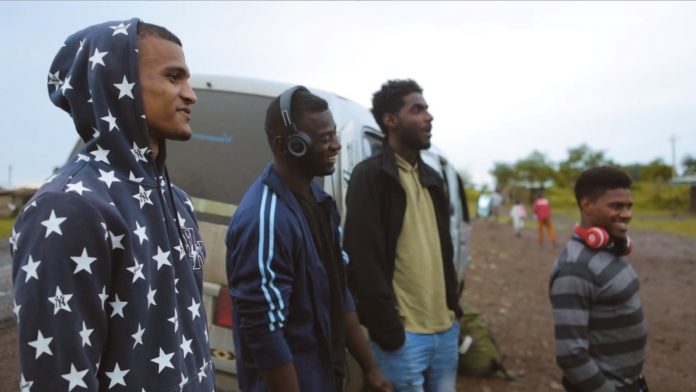
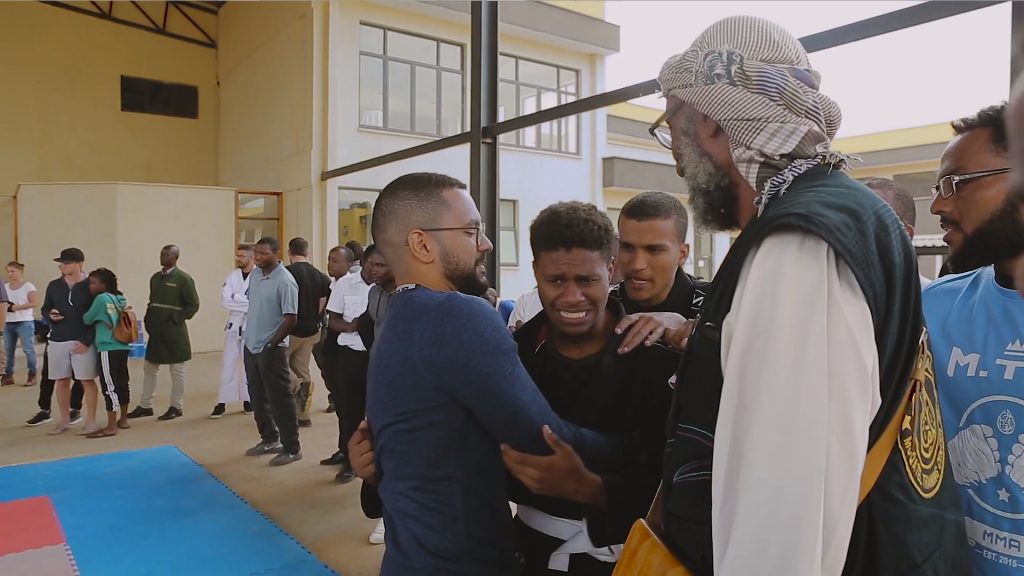 Namely, Sudan is ina state of unrest, with a recent change in the governmental structure resulting in prolonged military control over the nation. Some of the competitors on the team had their brushes with police as part of peaceful protests, making traveling even more difficult of a task.
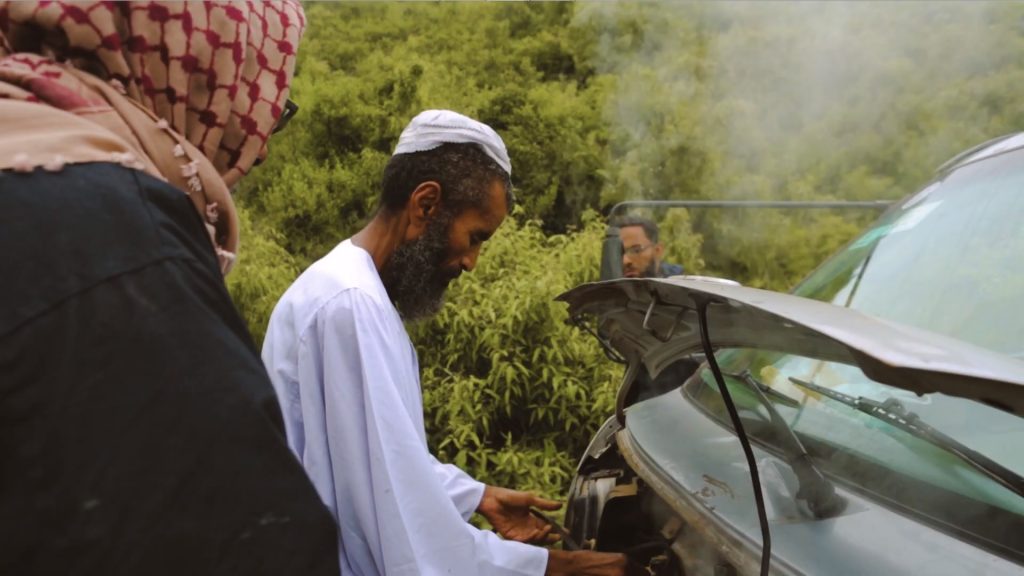 The people behind the BJJ Documentary are the LionHeart Initiative managing director Armand Rupert, along with Mo-Al Munir, also from the initiative, and the documentary’s director Ibrahim Ahmed. Together they did a great job not only of making the trip possible, but also covering it in a dedicated film. The film, as coach Al Munir states will help raise the awareness froBraizlianJIu-Jitsu in South Africa.
 The caveat of being on top is gravity. Think about it this way. The bottom person has your weight to contend with if they want to do anything. Regardless if it is side control, munt, or knee on belly, your weight on top of them restricts their movement options. Moreover, there’s nowhere to retreat, as they have an entire planet behind them. So, stabilize any top position, be loose (you’re much heavier that way), and make the bottom person move. You don’t’ want them staying still. You actually want them moving. This brings us to the next step in the “how to win a BJJ match” formula.
 When you’re playing guard the most important thing to focus on is safety. Unless people can pass your guard, there’s not much they can do. APart form leg locks. However, those two won’t be a problem if you just go to the one position that is a part of any BJJ position you know – the turtle. So what if you’re on your back? Simply choose a guard that allows you to protect the space between your knees and elbows without wasting too much energy. That said, the trickery with the guard is not attacking outright.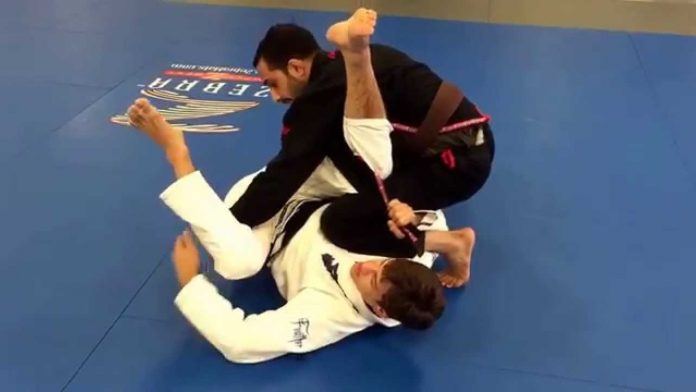

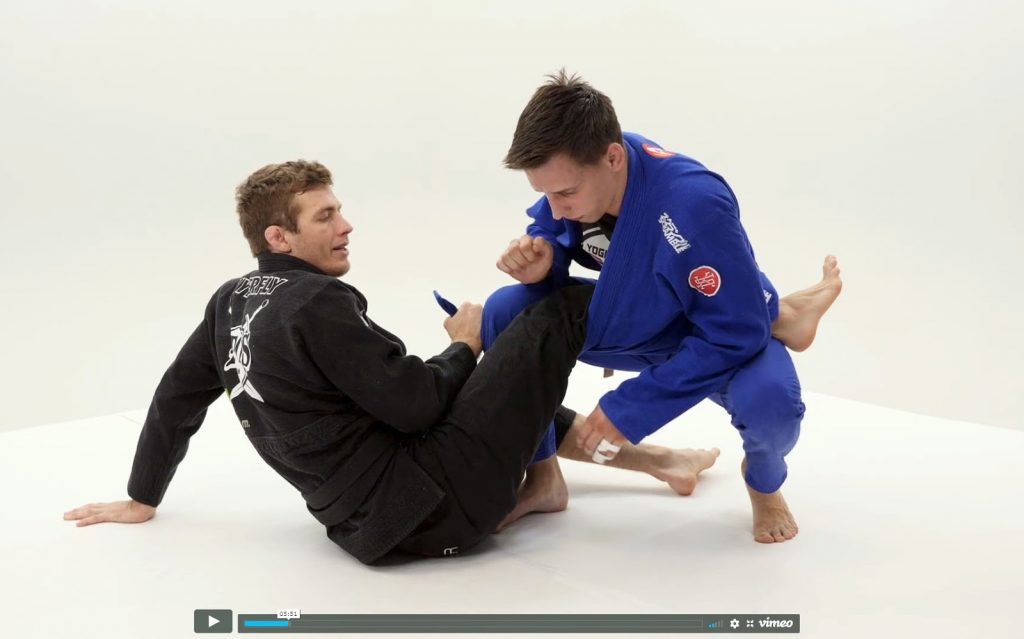 Initially, for the worm guard, you want to be in a De la Riva guard. If you have no idea what that is, I suggest you study the De La Riva guard variations a bit more before coming back to playing with BJJ lapel guards. For the worm guard, you need the same side lapel, and a De La Riva guard. From there, you transition into a situp guard, in order to grab the lapel with the far side hand. From there you lat back down to get to the Worm guard. As you can see, entering is no breeze and requires a few different guards to get to the final position.
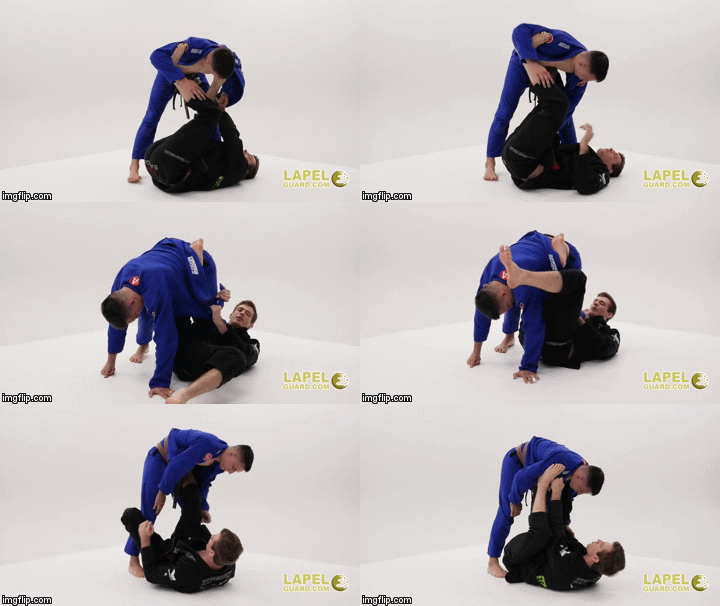 The squid guard is basically like the lapel lasso guard, but it includes the near side of the opponent in the loop. Basically, With one foot on an opponent’s hip, like for a tripod sweep, you get as much of the lapel as you can, and then thread it around the leg (from the outside in) and grip with your same side arm, thumb up. Unlike the lapel lasso guard, here you have a broken posture that’s impossible to regain, without breaking the grip. It is also quite easy to get to this guard from just about any open guard variation out there, and even as a counter to a standing opening.
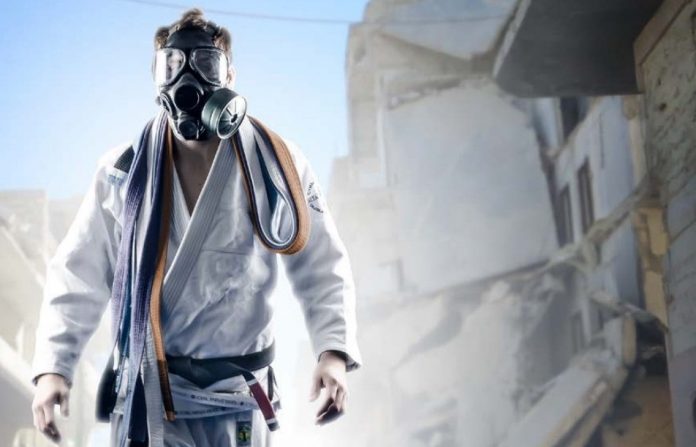
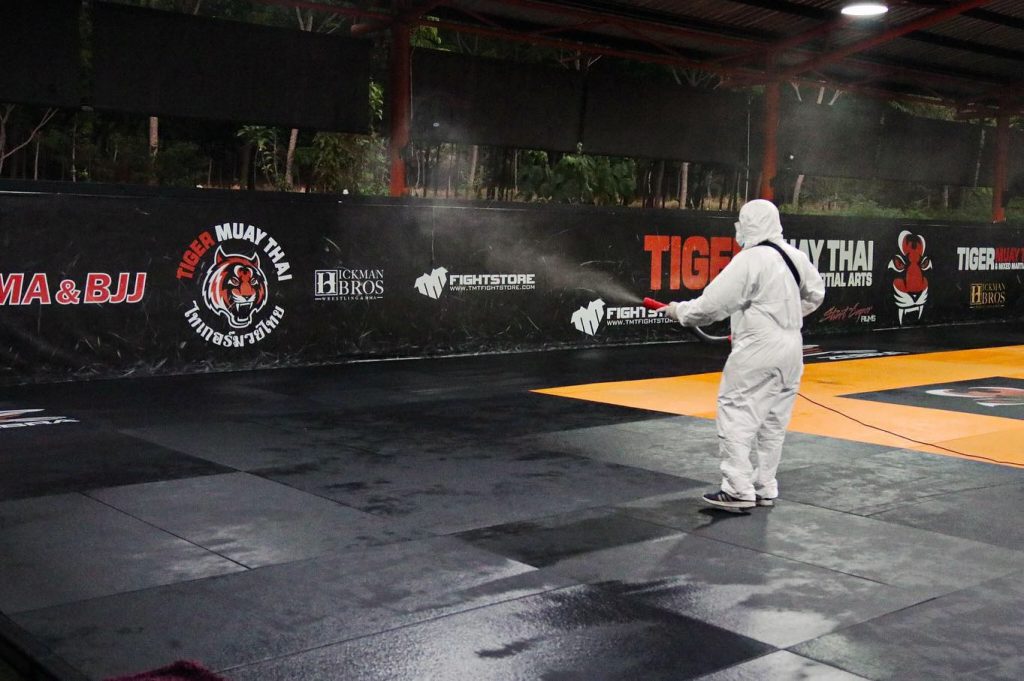 For all you coaches out there, returning to BJJ can’t come soon enough. I completely understand. However, there’s a lot of responsibility on our shoulders as the BJJ world flocks back to the mats. The virus is still going to be up and about and we’ll have to re-open with introducing certain measures that have not been a mainstay of BJJ gyms before.
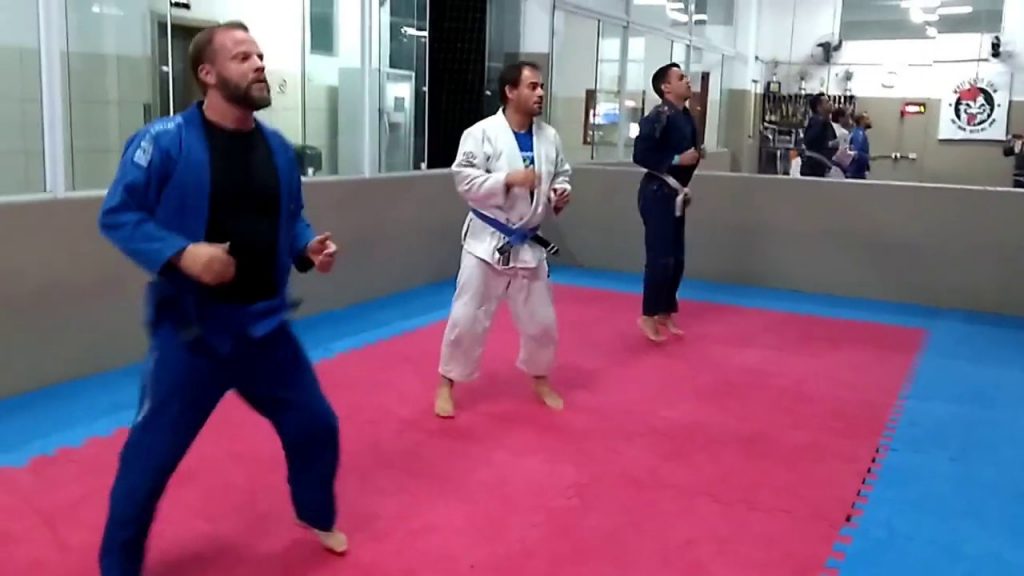 In terms of what you need to do once you’re back on the mats, there’ nothing more important than pacing yourself. While it may not seem so in your mind, your body is not as fine-tuned to grappling as it was was a couple of months ago. A lot of the timing of moves is going to be off, for example, So are basic things like a good base, maintaining effortless posture, or simply moving with purpose during scrambles. And no, no amount of solo drill will help you compensate.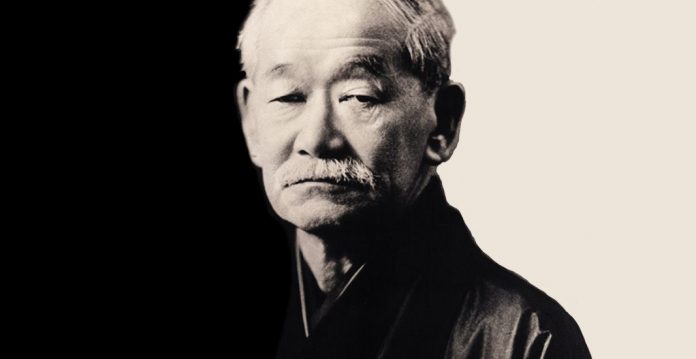
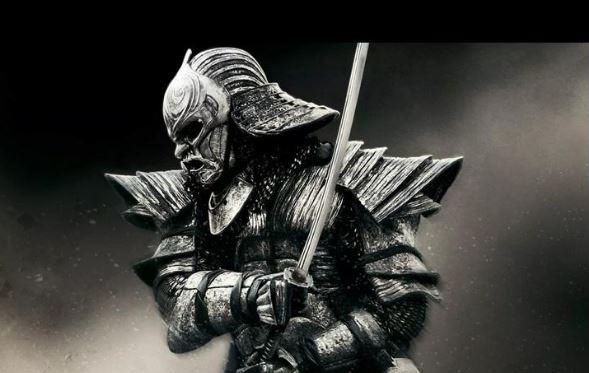 What we know for sure is that back in the era of the Samurai (12th Century -1870s) there was Ju-Jitsu. The Takenouchi-Ryu martial art system founded in 1532 is considered the beginning. With the Samurai warriors heavily armored, there was no point in engaging in hand to hand combat on the battlefield by using striking. Instead, throwing and choking people, and breaking limbs were far more practical in a hand-to-hand situation. Hence, the Samurai developed Ju-jitsu.
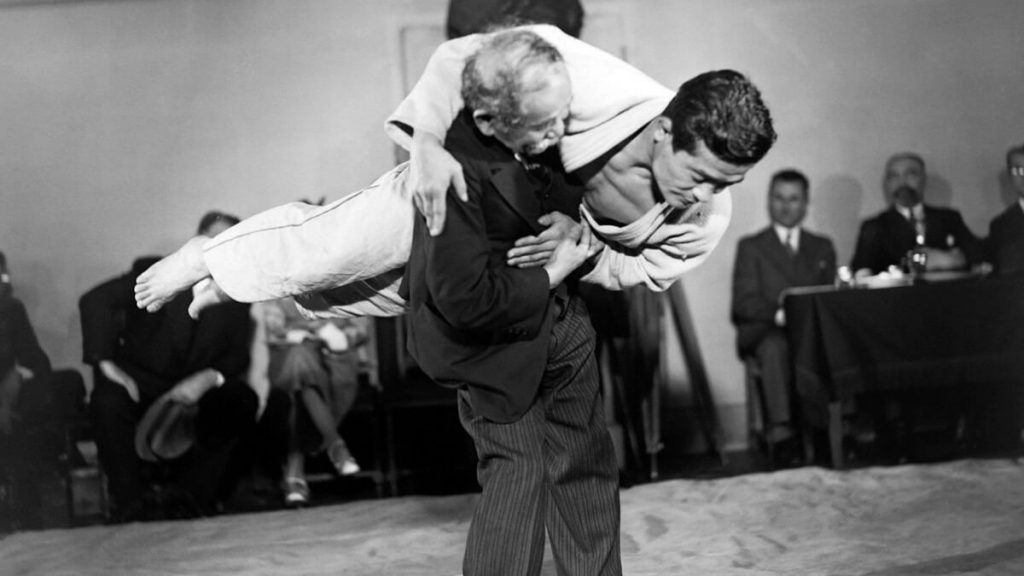 Here’s something you might find familiar – one of Kanos’s teachers had a philosophy of briefly demonstrating techniques to students, before letting them do free sparring (randori) to figure things out. He went deeper into mechanics only with advanced students. Jigoro Kano had trouble defeating one of the more seniors students at the school. So, he started thinking outside the box. This is when he adopted some techniques from western grapplings, like the Fireman’s Carry. It did the trick.
 What most BJJ people know (or they should) is that MItsuyo Maeda is the culprit behind BJJ, albeit somewhat inadvertently. Well, it just so happens that Maeda was a student of Jigoro Kano at the Kodokan Institute. In fact, he himself was a small grappler, and Kano assigned him to the smallest black belt teacher he had at the Kodokan. As it seems, the history of grappling is repeating itself, as this is similar to what happened with Carlos and Helio Gracie later on.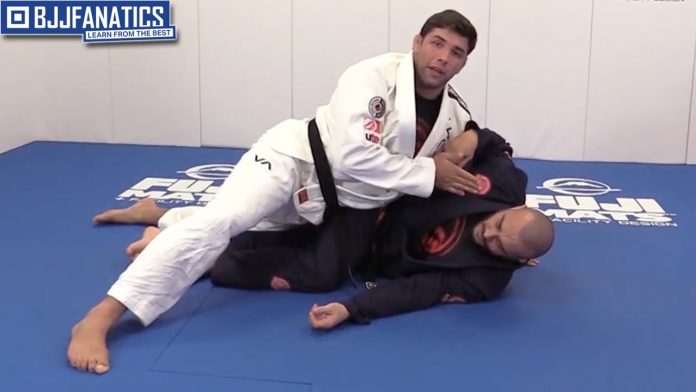
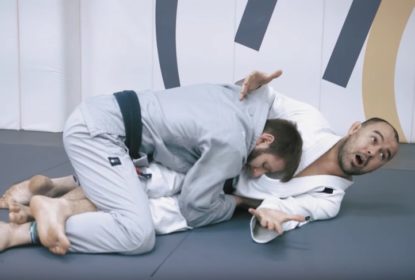 When it comes to
 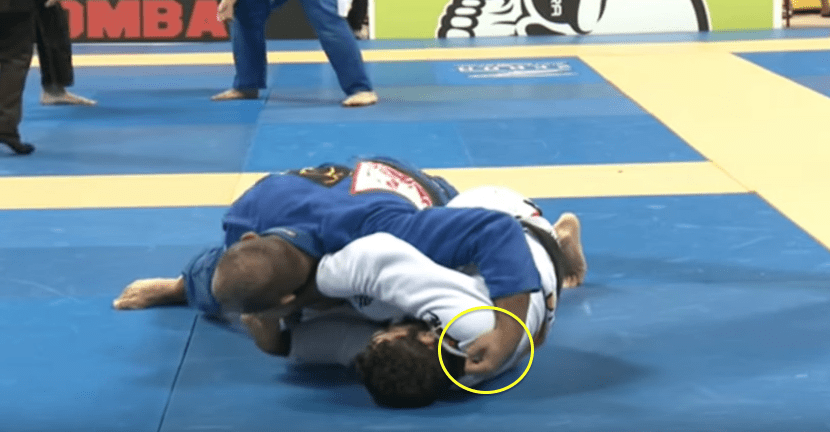 One thing to know is that when you arrive at the BJJ folding pass pressure position (as described above) you’re far from done with a pass. Do thing s right, and you might end up directly in mount. Make a mistake, and you’re back in guard, or even swept. The trick is one ca again glaringly obvious – be patient. Every time you have ap resure pass, be patient. Moreover, try to take a position that more uncomfortable for the person on the bottom. And the Gi is the perfect tool at your disposal.
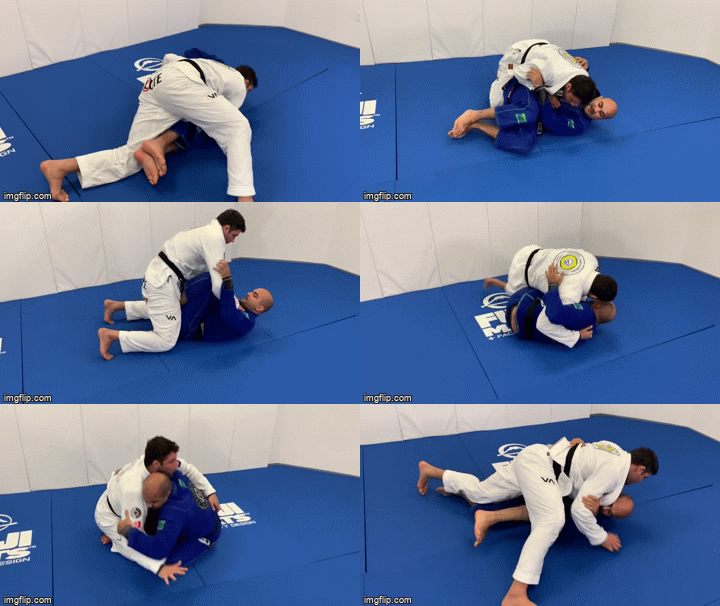 To
To 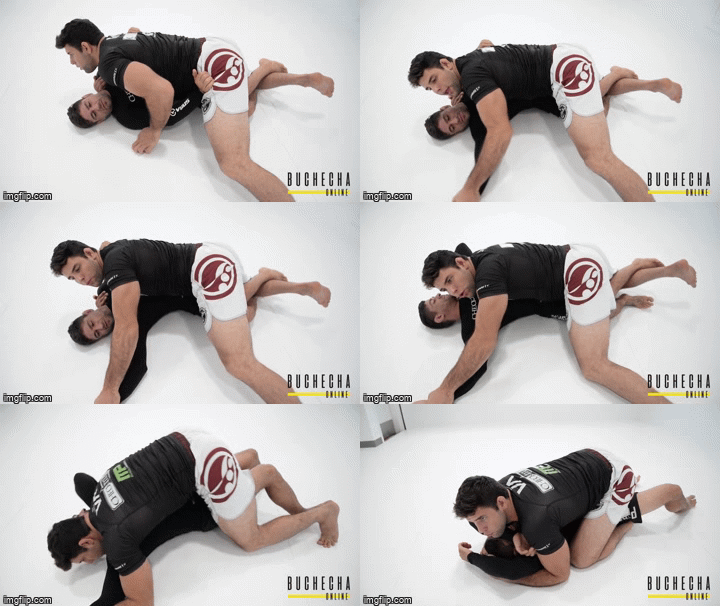 In No-Gi, once you enter the pressure position, you need to think diagonals. The underhook is still something you need, but you can’t really pull as effectively. You can, however, grab the shoulder, and then use your forehead to pin that shoulder, which happens to be diagonal of your hips, to the ground. Grab the head with the other arm (crossface style) and pressure get a whole different meaning. Now you have dispersed pressure and can work your way to any of the passing directions we discussed above.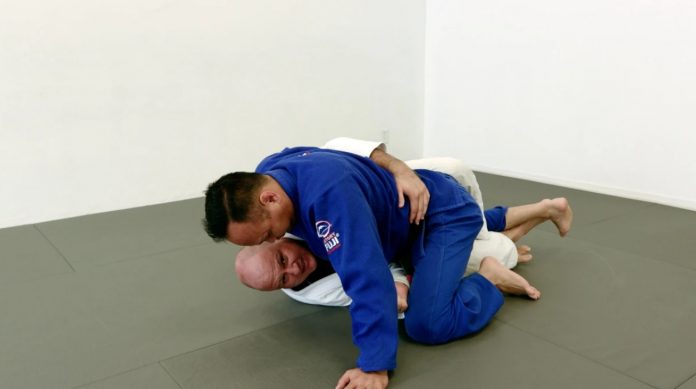
 However, if we take a look only a few years ago, things were very different. Go back a decade ago and three were next to no video instructionals available apart from a few DVDs and old VHS tapes. When I started out, DVD instructionals weren’t really a thing, and nobody really thought you could learn from them. Obviously, that’s not the case, and thanks to BJJ fanatics, the landscape of Jiu-jitsu has now changed forever.
 The light at the end of the tunnel is not just visible, but getting brighter now. In other words, we’re not too far away from returning to the mats. When it comes to the best possible time for acquiring new BJJ instructionals, it is right now. Why? Because we have time to watch and learn from instructionals, but very soon, we’ll also have the opportunity to give things a try right there on the good old mats.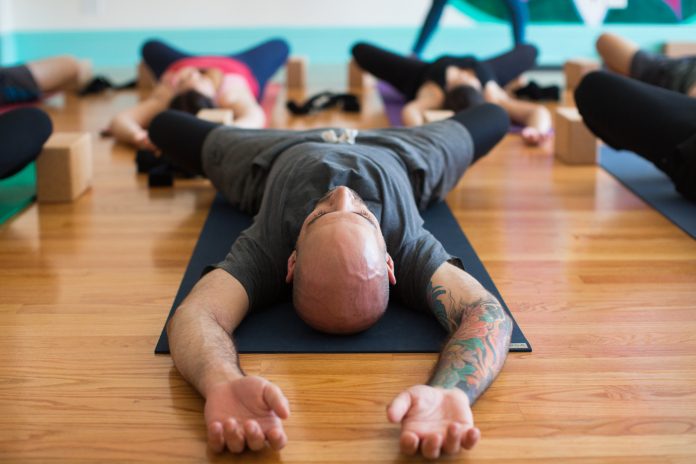
 For a Yoga Nidra practice, you want to be lying down comfortably, first and foremost. The only trick is, you can’t do it on your own, as you need someone to guide you. But that is easy to solve, as you’ll see further on. The practice itself has different phases, the first of which has to do with physical awareness of the body. The goal here is to relax the muscles in the entire body in a very specific guided fashion.
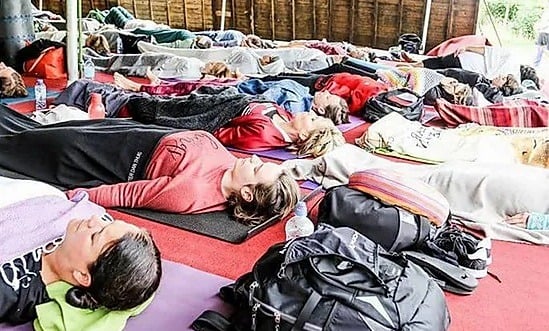 Going for a Yoga Nidra practice is easy. If you can find a Yoga school to do it, I’d recommend you do it that way. You’ll need someone to guide you through the experience so that you can completely relax and let go. However, if a school is not an option, particularly not in isolation, you could find a Yoga Nidra routine online. There are plenty and they will all help you feel more rested, rejuvenated, and centered.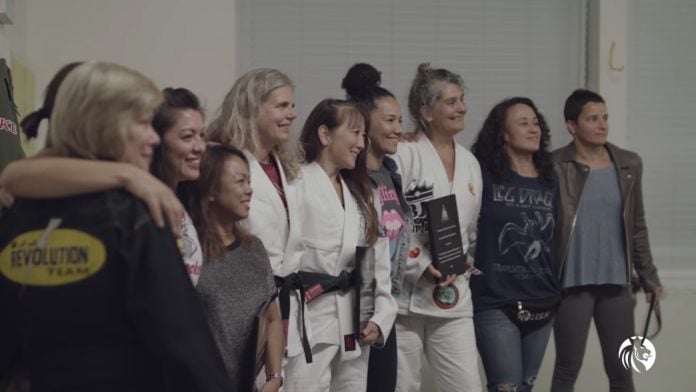








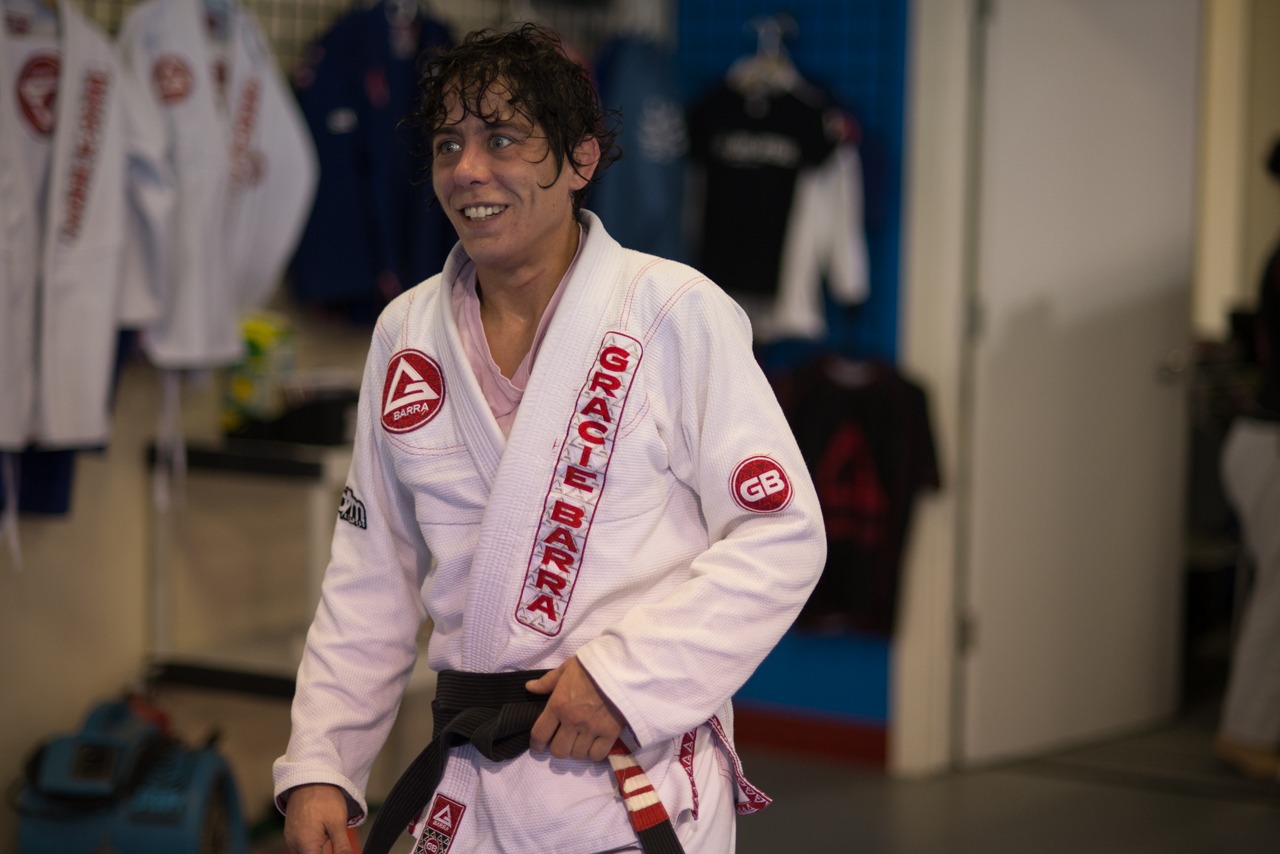
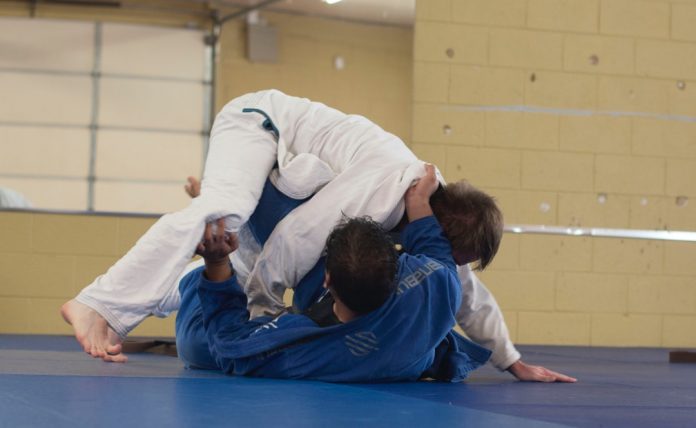
 ra-heavyweight, It is just not conceivable.
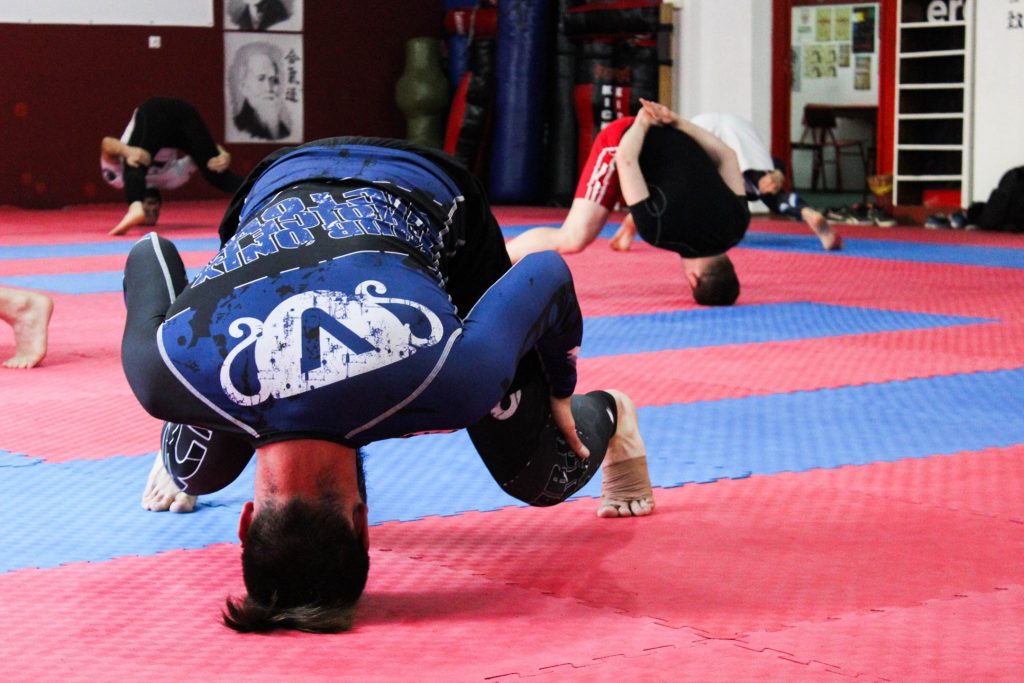 When it comes to the training itself, regardless of how the class is put together, make sure you warm-up. Yeah, I already talked about it, but it is too important to skip.