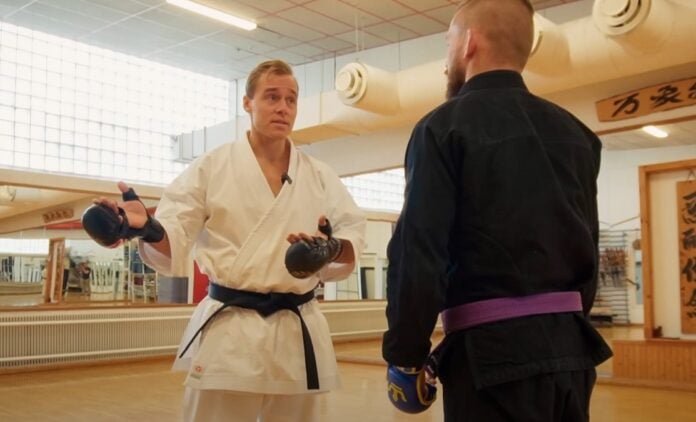



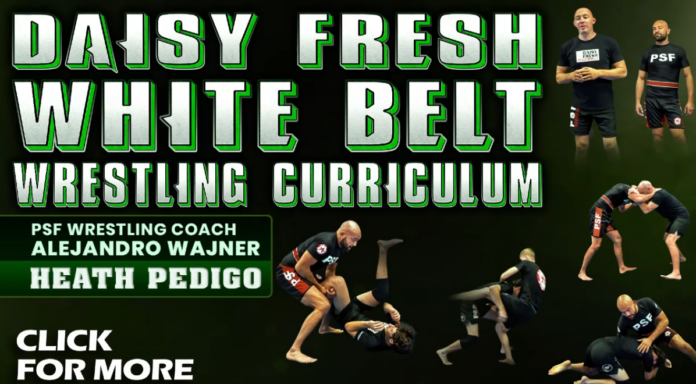
Daisy Fresh WHITE BELT Wrestling Curriculum DVD Review [2024]

Daisy Fresh WHITE BELT Wrestling Curriculum DVD Review

Key Takeaways

  • A No-Gi BJJ DVD containing everything a white belt should know about wrestling. 
  • Techniques and concepts include engagement, grips, snap downs, headlocks single-leg takedowns, and defensive wrestling. 
  • Many of the Daisy Fresh team stars feature throughout the demonstrations. 
  • .BJJ World Expert Rating: 8.5 out of 10.

DAISY FRESH WHITE BELT WRESTLING CURRICULUM DVD GET HERE:
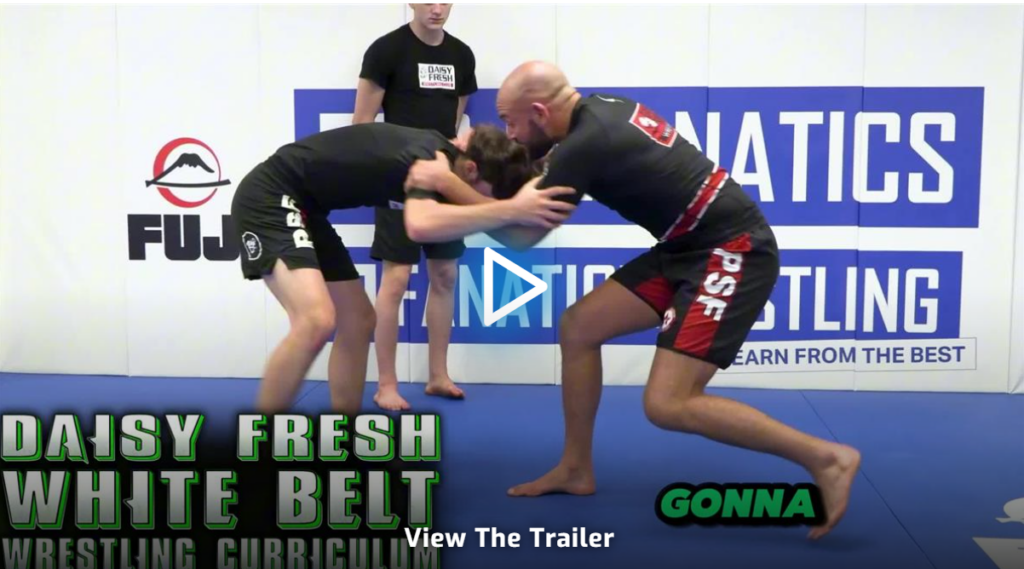
Daisy Fresh WHITE BELT Wrestling Curriculum DVD Preview
WATCH FULL TRAILER: Daisy Fresh WHITE BELT Wrestling Curriculum DVD

White belts in BJJ usually have one task, and one task alone – survive. They constantly fail at it, getting submitted and rag-dolled around by everyone, but those that push through, manage to begin enjoying BJJ at some point. However, what I find discourages white belts more than anything is wrestling.

The standing exchanges in BJJ that every white belt needs to understand are in the Daisy Fresh WHITE BELT Wrestling Curriculum DVD that we’re reviewing today. If there is one resource you should consider to kick-start your understanding of the standing goals in grappling, it is this open. Read on to find out why.

Wrestling for White Belts

When you are struggling to make sense of the crazy world of Brazilian Jiu-Jitsu techniques on the ground, the one thing that you can’t be bothered to worry about is the standing part of the game. That means, that as long as you manage to stop people from taking you down, you’re probably going to be in a good spot.

The issue with defensive wrestling is that it can only take you as far as you can match your opponent’s takedown prowess. That means that takedown defense is definitely not enough,  and the best thing to do is pair it with one or two takedowns of your own. Learning the best ones is where most people get stuck.

The Daisy Fresh WHITE BELT Wrestling Curriculum DVD is a resource unlike any other when it comes to wrestling for BJJ. It outlines the Daisy Fresh team’s system which they’ve used to transform white elt into college-level wrestling treats on the BJJ mats.

The Daisy Fresh Team Pedigree 

What is the Daisy Fresh team popular for? Well, that’s a big list, ranging from the crazy story behind the team’s roots to their prowess in submission grappling, particularly their knack for finishing and their unstoppable wrestling.

While the strength of this team lies in the team they build and the mentality they develop by living and training together full-time, they also have a plan, which is one thing most top-level grapplers share.

The man behind all the planning is the team’s founder, Heath Pedigo, a black belt from the Rickosn Gracie lineage and a Danaher-level mastermind, just without the fancy talk and numerous rash guards.

When we’re talking about the wrestling system used by the team so effectively, which is the subject of the Daisy Fresh WHITE BELT Wrestling Curriculum DVD we review today, the man to look at is wrestling coach Alejandro Wajner.

Bringing a wealth of wrestling experience to the team, he is the man that is in charge of training intensity in the team, describing the atmosphere as a “college wrestling-level”, and their results confirm this. But where exactly do they start? That’s what this DVD is all about.

Daisy Fresh WHITE BELT Wrestling Curriculum DVD Review

Before we go deep into our play-by-play Daisy Fresh Wrestling Curriculum DVD review, let’s cover the technical aspects of this DVD. You get three different volumes with this instructional, organized to cover specific subjects and delivered at the level of white belts. The total running time is over 2 hours and everything is in No-Gi.

Part 1 – Wrestling Fundamentals 

In the opening volume of the Daisy Fresh WHITE BELT Wrestling Curriculum DVD, Alejandro Wajner covers the key aspects of wrestling that anyone with no prior experience should know. He begins by talking about the wrestling mindset and how important it is to prepare your body for the rigors of standing exchanges.

Key aspects you’d see in every wrestling room follow, such as stance, motion, and level changes. What I find particularly useful in this volume are the sections covering grip fighting, and creating angles based on your gripping goals.

Part 2 – Snapdowns & Front Headlock

Building on the material in the first volume, Alejandro Wajner and Heath Pedigo then move on to introduce snap downs, which only work if you have the correct grips. The snapdown is the ultimate wrestling tool to master – it creates off balancing which then allows you to set up different attacks. This is all covered in detail in this portion of the Daisy Fresh WHITE BELT Wrestling Curriculum DVD.

Collar ties feature heavily in this volume as well, both as a means of achieving snapdowns, and eventually, front headlock and as your best way of managing distance. For people who have never wrestled before, this is an absolute must.

Towards the final third of this part of the instructional, the front headlock becomes the star of the show, with several takedowns and back takes as the best options to hunt for. A very solid piece of advice brings this volume to a close, outlining the dangers of the position and how to practice it without causing neck and back injuries.

Part 3 – Defensive Wrestling

My favorite part of this entire Daisy Fresh WHITE BELT Wrestling Curriculum DVD is the final portion, and I’ll even go as far as saying this one will benefit more than just white belts.

In it, the Daisy Fresh team demonstrates how to master defensive wrestling fundamentals, such as the sprawl, and whizzer. This then opens the door to counterattacks, which feature in the form of the Single Leg Takedown, broken down into half a dozen of different chapters.

Basics Win Fights

If you’re looking at crazy Russian Tie roll-under takedowns and flying scissor leg lock entries as a white belt, you’re wasting your time. You’ll either injure your opponent seriously, or you’ll end up failing miserably and rethinking your entire grappling experience.

Instead, stick to the basics. Your very first task is to prevent people from taking you down easily, which is where basic motions like stance, level changes, and grip fighting are key. They might not be flashy things, but they’ll win you more fights than anything else.

From there on, anything you’ll find in the Daisy Fresh WHITE BELT Wrestling Curriculum DVD is going to help you achieve your goals. I’d recommend that you stick with front headlocks as they open up direct back attacks, and remove the need for takedowns while offering points and a strong attacking position.

However, any of the stuff in this instructional will more than do the trick for you at white belt, and perhaps even beyond.
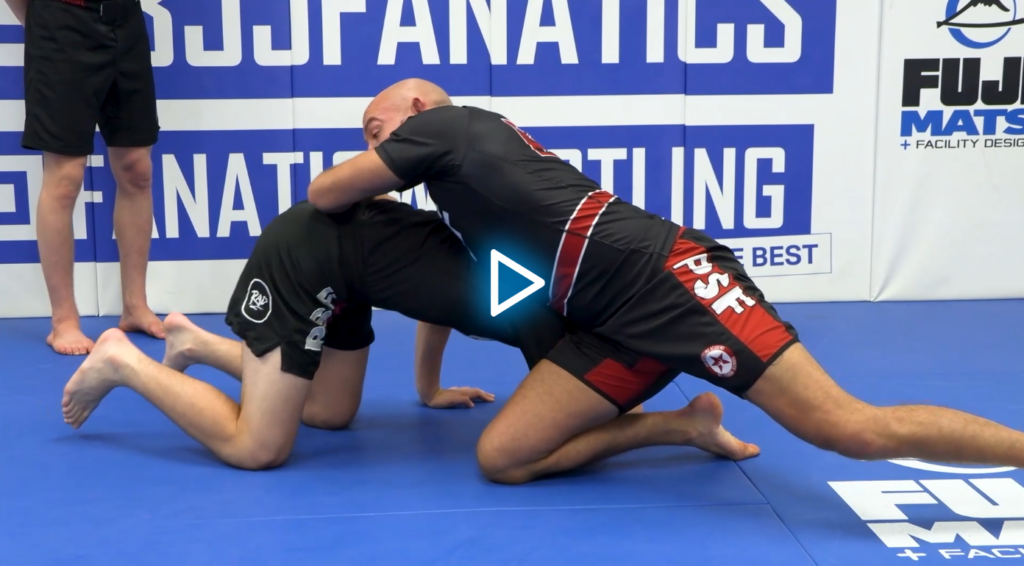
Daisy Fresh WHITE BELT Wrestling Curriculum DVD free sample
FREE SAMPLE: Front Headlock Snapdown Daisy Fresh WHITE BELT Wrestling Curriculum DVD

FULL DOWNLOAD: DAISY FRESH WHITE BELT WRESTLING DVD

Wrestle More!

At the end of the day, if you want to have anything you see in the Daisy Fresh WHITE BELT Wrestling Curriculum DVD work for you, you’ll have to do two things – try to do it live, and fail at it. Once you go through the failures, you’ll understand what the fundamentals truly are and from there on, wrestling is going to be that part of BJJ you enjoy rather than fear.

The Best WRESTLING DVDs And Digital Instructionals

Step by Step Guide To The Fireman’s Carry Wrestling Takedown
The Best Catch Wrestling DVD and Digital Instructionals

Obscure IBJJF Rules That Can Influence A Match

Obscure IBJJF Rules That Can Influence A Match

When it comes to competition, the IBJJF is the leading Brazilian Jiu-Jitsu organization in the world. Standing for the International Brazilian Jiu Jitsu Federation, it’s been responsible for competitive events across the globe.

The IBJJF is a product of Carlos Gracie Jr. who is the head of Gracie Barra, one of the most widespread BJJ associations. Organizing tournaments for more than 20 years, it is the leading organization of its kind.

Some of the greatest competitions in the world of Jiu-Jitsu are held by the IBJJF. The likes of The Mundials, The Europeans, The Brazilian Nationals, and the Pan Ams have grown to be the most prestigious tournaments available. Those who manage to score high in these tournaments have rocketed up the official rankings. So, as it seems, the IBJJF is a flawless organization working for the good of the sport.

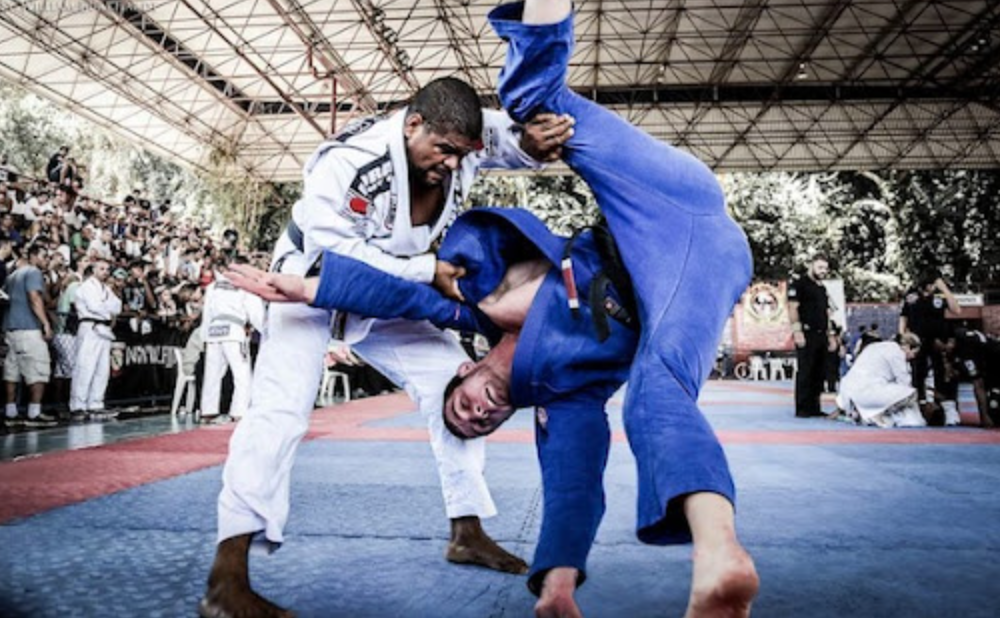
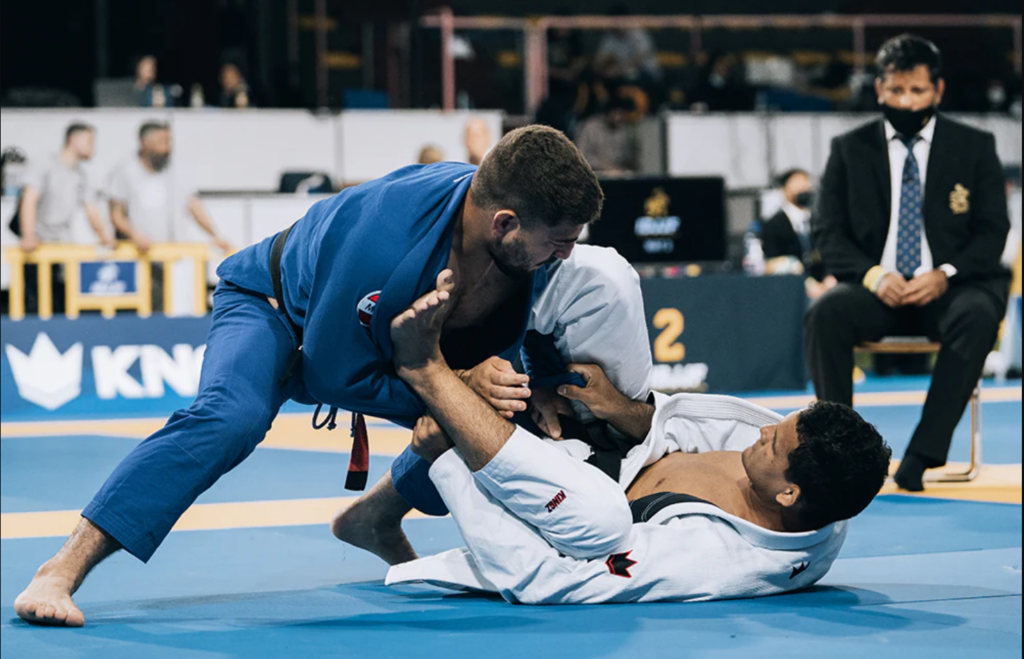
IBJJF Competition, Black Belts Excahnge standing tehcniques

Source of Controversy

In truth, things are way more complicated than they may seem. First and foremost, the IBJJF is a for-profit organization that does not pay competing athletes any monetary prizes. This approach is acceptable when it comes to the lower tiers of competitors, but at black belt level it’s different.

During the last few years we’ve borne witness to the rise of professional Jiu-Jitsu and it’s getting huge. Events like EBI, Polaris, WNO, ADCC, and CJI have been in full swing lately, the last one awarding winning athletes with $1.000.000.

In stark contrast to the IBJJF, these organizations pride themselves in promoting professional Jiu-Jitsu, where athletes are paid for their efforts. This causes a rift with the IBJJF, whose modus operandi is to require an entrance fee for all competitors.

So, on one hand, it is the professional Jiu-Jitsu scene, offering money but not as widespread exposure, particularly for Gi athletes. On the other, it’s the IBJJF conglomerate, demanding money to compete and not giving anything back to athletes.

The second eye-glaring problem with the IBJJF is its incredibly restrictive rule set. Apart from the questionable points systems, the submission limitations have been a huge source of negative feedback. Back in the days of its global domination, the IBJJF’s approach was tolerated, given the lack of competition from other organizations.

Since then, however, things have changed. People started frowning upon the impractical point system claiming that it was killing the spirit of Jiu-Jitsu. Winning a match on advantages (a still unclear concept for most competitors) or by referee’s decision became the norm. Submissions have been severely restricted, even at the elite level, with no logical explanation as to why.

Let’s dig a little deeper into IBJJF rules and the pitfalls they might lead to for those who decide to compete.

A Few Rule Set “Traps” of the IBJJF

The IBJJF rule book is a 52-page long manual that is available online. It outlines the seemingly never-ending array of BJJ competition rules in detail, with the help of an exorbitant amount of pictures. However, even when carefully read, this manual fails to outline some of the most inconspicuous and controversial BJJ rules.

These are not just insignificant BJJ rules, but decisions that might change the outcome of a match. Competing athletes have to be aware of these BJJ rules, regardless of how misleading and confusing they might be.

1. Stalling

Stalling is probably the most frowned upon strategy in high-level Jiu-Jitsu and for a good reason. Keeping someone in a position that will result in you beating them by a single advantage is not the Jiu-Jitsu way.

Agreed, BJJ is all about control, but it is the type of control that leads to submission. Grappling arts like Judo and wrestling emphasize holding/pinning the opponent to win, but BJJ is more dynamic. Once you hit the ground it should be about going up the food chain to get the tap.

IBJJF rules state that you can’t keep someone in your closed guard without attacking and penalties will be awarded accordingly. Four penalties mean you get disqualified. The same goes for being stuck in the closed guard of an opponent. Staying there until time runs out will earn you penalties.

But there is a “loophole”. If you get to the mount position or the back, you can stay there indefinitely. The logic of the IBJJF is that those are the most dominant positions and you can’t get to a better one. This often results in boring matches, especially with the Gi.

2. Passing Trickery

The idea behind a pass in BJJ is to bypass the opponent’s legs in order to gain a dominant position.  In an IBJJF tournament getting to side control will result in 3 points for the guard passer.

However, keep in mind that side control, as a position does not yield any points. The 3 points you get when you get there most times stem from the pass, not the position itself. Getting to the back, or mount, though, will earn you an extra 4 points each on top of the 3 positions you get for passing the legs.

Also under the IBJJF rules, if your opponent sits down you are obligated to engage and pass the guard. If you decide to back away in order to force them to follow you up you will get penalized.

3. Sweeping Conundrums

A sweep is worth two points in the world of IBJJF tournaments. Any motion that allows you to reverse the bottom position and get on top of your opponent is considered a sweep.

Well, sort of. If you manage to reverse bottom side control or bottom mount, you won’t get anything for your efforts. A sweep has to involve the legs during the reversal, in order to merit full points. This limits you to getting points only from guard or half guard.

If you end up on your feet while attempting to sweep someone and you get thrown down in the process, you won’t lose any points. Just make sure that you land in guard. The logic behind this one is that points will not be awarded for putting you in a position you were already in.

In a funny twist of events, these Jiu-Jitsu rules allow you to actually sweep yourself. Yes, you read that right. Whenever you’re attempting to pass someone’s guard and you decide to sit back, allowing them to end up on top, they get the points.

A sweep doesn’t have to originate from the opponent, it can be initiated by yourself as well. So be careful when you decide to sit back for ankle locks in an IBJJF match.

4. Mat Space

Getting off the mats while engaged in a match will result in the referee resetting both opponents in the middle. However, if one athlete is caught in a submission and decides to leave the mat carrying their opponent, it’s all over. No penalties are awarded, it is a straight DQ.

Remember though, that you’ll only get disqualified if you leave on purpose. If you end up outside the mat space while escaping a sub, you will be reset, but the opponent is going to get 2 points.

You can also earn a DQ even before you step on the mats. Apart from having to be on weight, make sure your Gi is up to IBJJF standards.

If you’ve already competed in one of their events you already know the drill. Sleeve length, sleeve width, and the state of your belt all undergo examination before you’re allowed on the mats. You should also make sure your Gi is either white, blue, or black, or you’ll be asked to replace it.

5. Manipulating the Point System

Remember those advantages that make everyone lose their minds? Well, those pesky little things are the tipping factor that decides most matches under these BJJ rules. They also contribute to lots of matches being boring beyond comprehension.

The trick with advantages is that they only matter if you’re all square on points. If you have just one point more than your opponent and they have 10 advantages, you’ll walk away with the win. All things equal though, advantages will determine the outcome.

If no points or advantages have been awarded, it’s down to who has been misbehaving. Whoever has more penalties is going to lose the match. And in the occasion that nothing significant happened during the match it will be down to the referee to decide who wins. Their decision is going to be based on those infamous advantages again – but this time by deciding who got closer to getting one.

6. Match Behavior

During a BJJ match, both competitors are not allowed to talk to the referee or among themselves. Arguing decisions with the ref will earn you a penalty at least. The same goes for any verbal exchanges with the opponent. Having a penalty like that decides a match is a cruel and unusual way to lose.

Keep in mind that you should keep your belt tidily tied as much as possible. The ref can stop a match and ask competitors to redo their GIs and belts. However, this is not a time intended to give you a break. Unless you want to get a penalty, don’t spend more than 20 seconds readjusting your belt.

The IBJJF seems to struggle with the rise of Jiu-Jitsu in general and the professional scene in particular. Submission-only events with no restrictions and longer or no time limits at all are taking the mantle.

Yet, IBJJF tournaments still carry weight. They are a great place to compete for most people, excluding elite black belts. There’s still great opposition at their largest events and lots of tough matches. Despite the hefty entrance fee and lack of any cash prizes, IBJJF tournaments are a great way of gaining experience. Just make sure you’re aware of all the rule tricks surrounding this type of event.

Understanding IBJJF Rules - dominate your competition

Gaming The System

Knowing the rules of the tournament you compete in is one of the first things to consider before signing up. Having a deeper understanding of the finer aspects of the rulebook is not only going to keep you from conceding a match in ways that don’t make much sense but will actually help you force your opponent into these situations and win. While not the most glorious way to in, a victory is still a victory, right? Just ask the IBJJF!

The Case For Winning By Advantage In BJJ Matches

How To Prepare For Your First BJJ Tournament and Maximize Your Chances of Winning it

Andre Galvao Vs Fake BJJ Black Belt

Medals Without Winning in Tournament and People Who Praise about Their “Success” on Social Media

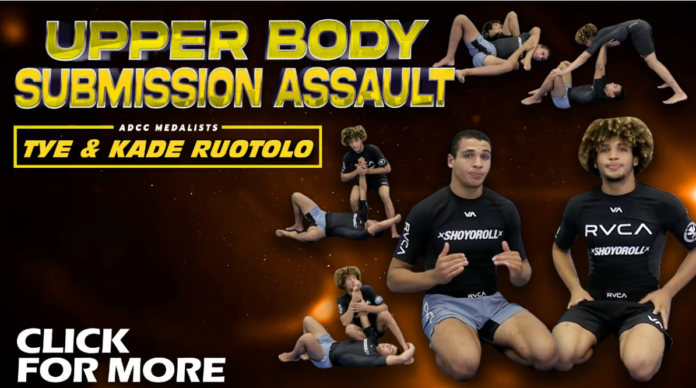
Upper Body Submission Assault Kade And Tye Ruotolo DVD Review

Upper Body Submission Assault Kade And Tye Ruotolo DVD Review
FREE TECHNIQUE: Front Naked Choke Upper Body Submission Assault Kade And Tye Ruotolo DVD

Key Takeaways

  • A No-Gi BJJ DVD offering new ways to execute known upper body submissions. 
  • Features top and bottom setups, finishes, and follow-ups to chokes and arm locks. 
  • Over two and half hours of material spread over four volumes, taught interchangeably by Kade and Tye Ruotolo. 
  • BJJ World Expert Rating: 9 out of 10.
UPPER BODY SUBMISSION ASSAULT KADE AND TYE RUOTOLO DVD HERE:
Upper Body Submission Assault Kade And Tye Ruotolo DVD Preview
WATCH THE TRAILER: Upper Body Submission Assault Kade And Tye Ruotolo DVD

Leveling up your submission finishing rate is directly dependent on how good you are at forcing people into follow-up submissions when your initial attacks do not pan out as you hoped. If you let people go and try to regroup, then I am sorry to break the news, but you’re not a submission hunter.

If you’re hoping to use the Upper Body Submission Assault Kade And Tye Ruotolo DVD to help you change this, you’re on the right track. The brothers demonstrate a bunch of new ways to finish, set up, and combine classic upper body submissions that range from chokes to armlocks.

Upper Body Submission Hunting

When people thought of submissions in Brazilian Jiu-Jitsu until about a decade ago, they only thought of chokes and armlocks. That quickly changed with leg locks, as the introduction of these submissions turned attention away from upper body submissions a little bit.

The best is of course the ability to attack both, but the advantage that upper body submissions have is that they offer two distinct categories of finishing moves, as opposed to just one with leg locks. Attacking the upper body allows for armlocks, both bent and straight, as well as strangles and chokes, not to mention cranks.

While combining upper and lower body submissions is optimal, you need to also be aware that lower body submissions are not always available. That leaves upper body subs, and the fact that you can change not just different moves, but different categories of submissions as well is what makes them perfect for submission-focused grapplers.

It is also why you see the Rutolo brothers focusing on upper body submission in their game plans. A quick glimpse into their training ideas and concepts is now available through the Upper Body Submission Assault Kade And Tye Ruotolo DVD.

The Most Exciting Grappling Brothers Duo

Whenever the Ruotolo name emerges, people involved in grappling look up with curiosity. The brothers have brought something else to the BJJ world, being the first to go through the BJJ belt system from the kids’ belts all the way to adult black belts. Kade and Tye Ruotolo got their black belts when they were 18, promoted by Andre Galvao.

The two moved quickly from being talented and hardworking to prospects in the world of professional Jiu-Jitsu, and all the way to undisputed world champions. Apart from winning the ADCC in 2022, Kade also won the inaugural CJI, earning a million dollars in the process. Tye, on the other hand, has an IBJJF world title, and the WNO Grappling Championship gold.

the scariest thing for their opponents, and the most exciting one for their fans, is that the Ruotolo brothers are just getting started. Still not even 20 years of age, they have already submitted the likes of Garry Tonon, Matheus Diniz, Mica Galvao, Tarik Hopstock, Pedro Marinho, and many others.

Kade and Tye Ruotolo also developed a deadly buggy choke game, as well as polishing specific aspects of Jiu-Jitsu, introducing the edge of people literally born into Jiu-Jitsu. Today, we’re looking at the Upper Body Submission Assault Kade And Tye Ruotolo DVD.

Upper Body Submission Assault Kade And Tye Ruotolo DVD Review

The Upper Body Submission Assault Kade And Tye Ruotolo DVD is a four-part BJ insturctional that has a total running length of over two and a half hours. All the moves are presented by Kade and Tye, depending on who is the specialist for a given move, and demonstrated in No-Gi.

Part 1 – Armlocks

As we begin our exploration of the Upper Body Submission Assault Kade And Tye Ruotolo DVD, armlocks are the first to feature. The brothers spend almost an hour exploring how they like to attack armbars, very few of which have anything to do with traditional setups or finishes.

On top of demonstrating baiting and trapping methods to launch armlock submissions as counters, which is their recognizable way of hunting, the Ruotolo brothers also show variations of bent armlocks that are fairly obscure, such as the Scorpion Lock.

Part 2 – Chokes

As you might have expected, the next subject covered in the Upper Body Submission Assault Kade And Tye Ruotolo DVD is chokes, another area where the brothers particularly shine.

In this longest volume in the entire release, Kade and Tye go over rear naked chokes, once again offering setups as counters rather than methodical dismantlement. There is a lot of movement involved in their setups, but the results are inevitably effective.

Those expecting Darce chokes in this part of the instructional will end up disappointed, as the only other choke the brothers explore in addition to the RNC is the guillotine choke, once again, with unorthodox and unexpected setups.

Part 3 – Combo Attacks

The third volume is a bit shorter compared to the previous two, lasting barely half an hour and only addressing three things: A shoulder lock, the front naked choke, and a very slick guillotine done from the knee slide pass.

Despite the short length, this part of the Upper Body Submission Assault Kade And Tye Ruotolo DVD delivers more original moves and setups than any of the other parts. The FNC is particularly worth considering, and no, it is not a neck crank.

Part 4 – Buggy Choke Variations

A Ruotolo brothers DVD about submissions wouldn’t be complete without their signature moves, so the Buggy Choke gets a volume of its own, complete with all the new details the brothers have developed as well as brutal follow-ups. One of those follow-up moves is the Darce, another Ruotolo classic that simply cannot be excluded from the Upper Body Submission Ruotolo DVD.

Seeing The Right Combinations

The more you focus on submissions, the more you’ll start recognizing other submissions that are nearby. For example, doing nothing but triangles for months is going to teach you how to isolate arms for armbars, even though you don’t want them at the moment.

The interplay here is important because the double threat from the same position only allows you to execute your initial submission better. Moreover, you get options in terms of changing submission categories as well as submission moves.

What is best about specializing in upper body submissions is that you learn to do variations of the submission you’re focused on as you explore other nearby follow-up combinations. For example, your side triangle, and perhaps even the rear triangel are going to emerge as viable options when you start trying to combine an armbar with your front triangle.

This is how submission hunters develop and evolve a game plan that ends up with them attacking constantly, not dissimilar to what the Rotolo brothers do whenever they’re on the mats. Their Upper Body Submission Assault Kade And Tye Ruotolo DVD shows you exactly what they’re doing when training.

Upper Body Submission Assault Kade And Tye Ruotolo DVD Free Sample

FULL DOWNLOAD: UPPER BODY SUBMISSION RUOTOLO BROTHERS DVD

Go For The Tap! 

No more fussing about points and positions. When you grapple, top or bottom, go for the finish and don’t just hang out in Ashi Garami. Start hitting and connecting upper body subs now, using the Upper Body Submission Assault Kade And Tye Ruotolo DVD as your guide. Give yourself a few months and you’ll be surprised at the progress that you’ll make as a legit submission hunter!

Ruotolo Twins, Buggy Choke BJJ DVD Review

Gordon Ryan vs. Ruotolo, Fixing Matches, Steroids (VIDEO)

Darce Choke Encyclopedia – Origins, Mechanics and Variations [2024]

Reverse Arm Bar System Andrew Kerfoot DVD Review [2024]

Reverse Arm Bar System Andrew Kerfoot DVD Review

Key Takeaways

  • A No-Gi Jiu-Jitsu instructional focusing on the reverse arm bar
  • Offers different ways of finishing the arm bar, as well as combinations with other submissions and positional attacks.  
  • Contains innovative and original ways to finish, some of which are very promising.
  • BJJ World Expert Rating: 7.5 out of 10.

REVERSE ARM BAR SYSTEM ANDREW KERFOOT DVD GET HERE:

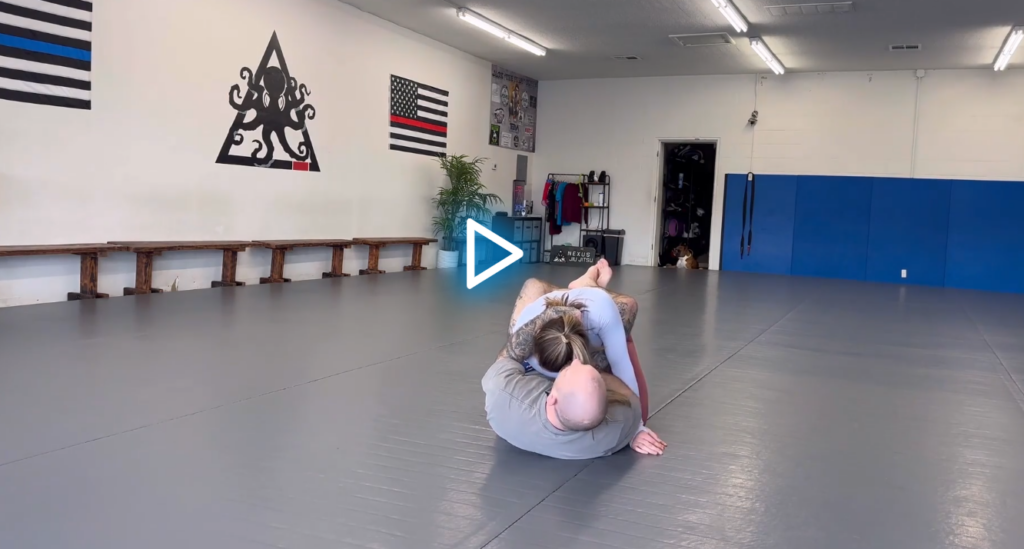
System Andrew Kerfoot DVD Preview
CHECK OUT THE FULL TRAILER: Reverse Arm Bar System Andrew Kerfoot DVD

What’s your favorite arm bar? Most answers will probably include an arm bar from top or bottom, or perhaps even bent armlock variations. Only a few, though, will state that they like to do reverse arm bars, or variations of the move.

IF you plan on becoming an arm bar specialist with or without the Gi, then you can’t reach your goal without exploring reverse arm bars. The Reverse Arm Bar System Andrew Kerfoot DVD is a masterclass on how to finish this move from top and bottom, and a blueprint to where the connections to other BJJ attacks lie.

The Marcelo Garcia Arm Bar

When I say reverse arm bar, I expect people to get two different grapplers in mind. The older generation, those who started training in the early 2000s immediately think of Marcelo Garcia, and his crazy effective reverse arm bar that earned him one of his many ADCC titles.

The other bunch are those that have been training for less than a decade and have only seen Craig Jones do a variation of the move, called the Choi Bar. While based on the same principles and perhaps just as effective as Marcelo’s, the Craig Jones variations lack in legacy and flare.

At the end of the day, if I ask about rear naked chokes or arm bars, I’d probably get lists of people who excel at them. While it is sad that not many people rate the reverse arm bar highly enough, there is an opportunity there – learn how to do it and you’ll easily dominate others, like Marcelo did, using it against unsuspecting opponents of the highest caliber at ADCC.

The Reverse Arm Bar System Andrew Kerfoot DVD promises to teach you the secrets of using the reverse arm bar not just to finish, but as the centerpiece of your game, allowing for transitions and point collecting as well. Let’s see if it delivers.

Andrew Kerfoot – MMA Fighter and BJJ Instructor

Who the heck is this guy? Andrew Kerfoot might not be the most popular name in BJJ, or MMA for that matter, but he has a strong presence in both. While he is a competitor with some notable success in the IBJJF circuit and a pro MMA fighter with a humble record of 2-1 there is a great reason why he is exactly the person to learn from.

Andrew is the owner and head coach for the Nexus Jiu-Jitsu Academy in Folsom, CA, making him dedicated to combat sports 24/7. When you meet someone who competes and leads a successful academy as a head coach at the same time, there is knowledge there that you can tap into.

With over 20 years of experience in grappling, mostly wrestling and Brazilian Jiu-Jitsu, and 15 years of striking arts expertise (Muay Thai and boxing) Andrew is a walking encyclopedia of combat sports. While his competitive results might not be that of Gordon Ryan or Jon Jones, due to many circumstances, his knowledge can prove to be more valuable in certain aspects than that of celebrity combat athletes.

The Reverse Arm Bar System Andrew Kerfoot DVD is up for review today, and I had high hopes simply because of the subject, even though I had not heard of Andrew before. Researching him made me even more excited about this instructional.

Reverse Arm Bar System Andrew Kerfoot DVD Review

With over three hours of No-Gi material, the Reverse Arm Bar System Andrew Kerfoot DVD spreads over 5 volumes (6, technically if we count the needless outro one) and contains an interesting and useful blend of finishing details and combination tactics:

Part 1 – Introduction

The Reverse Arm Bar System Andrew Kerfoot DVD begins with a short volume that introduces the subject. Andrew dubbed his version of the reverse arm bar ‘the secret weapon’ so every move in this instructional contains the phrase. Needless in my opinion.

From a technical standpoint, Andrew shows why he likes to use the reverse arm bar and how it opens up other options for him on top of just a direct submission finish. He also overviews all the positions he likes to set up reverse arm bars from before finishing with some fundamental body positioning tips.

Part 2 – Half Guard Reverse Arm Bars

The reverse arm bar is mostly a move done by guards, with the closed and butterfly guard being the two that Marcelo popularized in his ADCC escapades.  The first aspect of the movie that Kerfoot addresses in the Reverse Arm Bar System Andrew Kerfoot DVD is the half guard.

He begins by offering some unconventional methods that kind of blend the ideas of Marcelo and Craig’s choi bar into one. It seems legit, especially with the sexy arm bar and upside-down Kimura variations that Andrew introduces in this volume.

Apart from these, there aren’t any more finishes in this part, with the focus switching to other attacks you can do based on how your opponent reacts to the initial reverse arm bar attack. Sweeps, back attacks, Ashi Garami entries, and other submission combos, such as guillotines and triangles wrap up the longest volume in this DVD.

Part 3 – Closed Guard Setups 

The closed guard is a classic position for reverse arm bars, and Kerfoot does not disappoint in this portion of the instructional. He delivers a bunch of interesting variations that include several attacks in the range between the shoulder crunch position and the more standard elbow lock for a reverse arm bar finish.

The best part of this part of the Reverse Arm Bar System Andrew Kerfoot DVD is the Irish collar system which is a perfect way to set up combo upper body attacks based on the reverse arm bar in No-Gi. Andrew’s take on arm drags also opens up some interesting directions of attack.

Part 4 – Arm Bars From Top Positions

As we reach the halfway mark of the Reverse Arm Bar System Andrew Kerfoot DVD, things change as Andrew begins exploring reverse arm bars from top positions. He begins with the most important aspect – using the position to pin and pass the bottom person and deal with defensive frames.

From there on it is all about passing using the reverse arm bar attachments, by way of knee slices and three-quarter mount smash passing. Finishes follow, mostly from side control, with the most innovative one being the 1/4 arm bar finish. A cool Tarikoplata transition makes an appearance towards the end.

Part 5 – Mount Attacks

The final part of this Reverse Arm Bar System Andrew Kerfoot DVD instructional covers mount setups, which were my go-to for a while when I was a blue belt. Unlike my early focus of taking a leg over the head, Andrew offers several different reverse arm bar threats.

When I say threats I mean literally, as they serve more as entry points to regular straight arm bars, Monoplatas, and mounted triangles, rather than submissions on their own.  There is one ‘secret weapon’ finish from the mount that might have some merit to it, though. I’ll know more when I try it out.

Part 6 – Outro

The most needless and redundant part of this DVD. There was really no point in bringing the DVD to a conclusion in a separate volume when it could’ve been a chapter in the fifth volume. Waste of time.

Arm Bar Versatility

The straight arm bar, or Juji Gatame for all you Danaher groupies, remains the number one submission finish in BJJ, according to statistics. That said, finishing one against the highest level of opposition is almost an impossible task these days. Remember when Craig tried to finish Gordon at the EBI?

The answer is in versatility, but I don’t just mean submission combos. Even those are fairly expected these days, with arm bars usually followed by Omoplatas or Triangles. There are those who can mix in leg locks as well, but all of that gets you away from arm bars. If you are aiming to become an arm bar specialist, this is the last thing you want.

Another approach is to mix in your arm bars with more arm bars, and preferably stick to straight finishes. You’d be surprised how many options there are, from shotgun arm bars, reverse arm bars, short arm bars, Choi Bar, etc. Try to use the reverse as both a follow-up and an entry to regular arm bars and you’ll immediately notice a difference in your finishing rate.

I guess the Reverse Arm Bar System Andrew Kerfoot DVD will do the trick if you’ve never tried to do any of Marcelo’s or Craig’s stuff. It does offer some great details on finishing, and above all, great ideas on how to combine other attacking actions with the reverse arm bar.

Reverse Arm Bar System Andrew Kerfoot DVD Free Sample
FREE DVD SAMPLE: Closed Guard Reverse Arm Bar Setup Andrew Kerfoot DVD

FULL DOWNLOAD: REVERSE ARM BAR ANDREW KERFOOT DVD

Hit Reverse on Your Arm Bars!

The Reverse Arm Bar System Andrew Kerfoot DVD is worth your time and effort, particularly if you mostly roll and compete in No-Gi, or if you specialize in arm bars. Even if you don’t like them, learning how to recognize when they become available is going to improve your entire game, as people tend to react panicky to these threats on account of the straight elbow. Time to try it out!

Craig Jones Down Under Bottom Game DVD Bundle Review

The Complete Butterfly Guard Marcelo Garcia DVD Review

Learn How to Do the Mica Galvao Armbar (VIDEO)


Jacob Couch Leglocks For White, Blue and Purple Belts DVD Review

Jacob Couch Leglocks For White, Blue and Purple Belts DVD Review

Key Takeaways

  • A No-Gi instructional looking at ankle locs for white to purple belt competitors.
  • Features positioning essentials, many different finishing variations, and setups. 
  • Just over 2 hours of high-quality material by a proven top-level competitor.  
  • BJJ World Expert Rating: 8 out of 10.

JACOB COUCH LEGLOCKS DVD GET HERE:

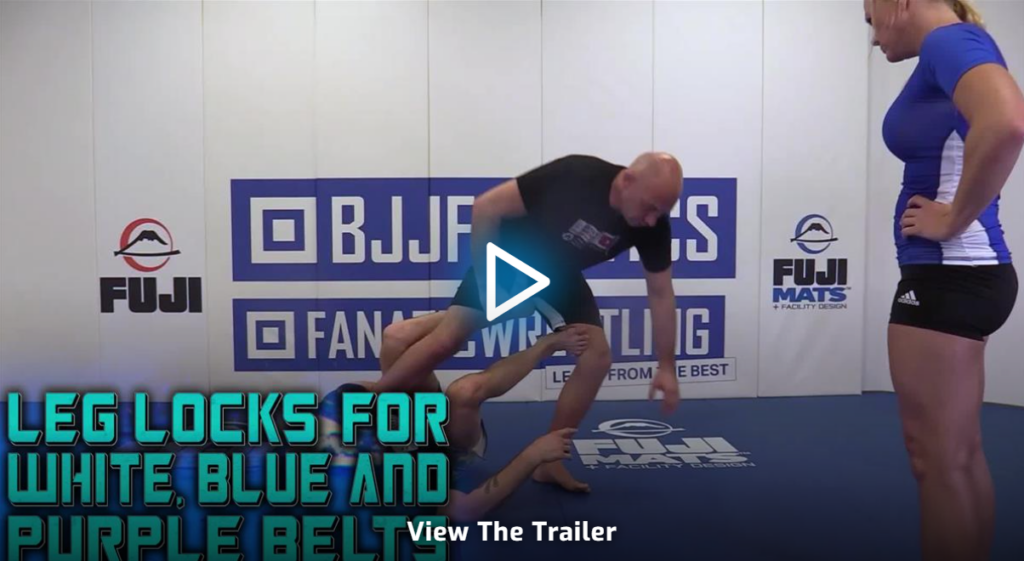
Jacob Couch Leglocks For White, Blue and Purple Belts DVD Preview
SEE FULL TRAILER HERE: Jacob Couch Leglocks For White, Blue and Purple Belts DVD

The Jacob Couch Leglocks For White, Blue and Purple Belts DVD. Quite a mouthful, this title. What it may lack in imaginative naming, though, this instructional certainly delivers in terms of content.

This is one of the better organized and scaled instructional I have seen that covers legal leg locks, a.k.a. ankle locks. It is just long enough, with Jacob Couch and Heath Pedigo presenting everything anyone needs to get a tap, while skilfully building up the complexity to match blue and purple belt levels.

Should You Stick to Legal Leg Locks Only?

Hard one.  I usually advise people to do everything in terms of submissions, particularly leg locks. However, there is a point to be made about sticking to legal finishes only, particularly if you compete often with the Gi, or in rulesets that only allow legal leg attacks.

As far as your options go, you’re only restricted to one category – ankle locks. the good news is that there is as much variety in the realm of BJJ ankle locks as there is among all other remaining high-percentage lower-body finishes. Sticking to what you can do is going to make you a lot better at it than trying to do all kinds of leg locks from all available positions.

Since you need balance in perfecting legal stuff and learning and developing the ‘illegal’ locks, I’d recommend that you restrict yourself to using the stuff from the Jacob Couch Leglocks For White, Blue and Purple Belts DVD either on open mats only or during competition training. No heel hooks during these classes, but feel free to explore them along with ankle locks during all your other rolls.

The Hillbilly Hammer Jacob Couch 

Jacob Couch is one of the most notable members of the Daisy Fresh team and if you know their exceptional story, then you know who I am talking about. The team captivated everyone during COVID-19 when their multi-part documentary came out showing how people train BJJ in a former laundromat in the heart of Mt. Vernon, St. Louis.

In all honesty, the team is named Pedigo Submission Fighting but we all know them as Daisy Fresh. The man in charge of the team is Heath Pedigo, a black belt under Rodrigo Vaghi from the Rickson Gracie lineage.

The team that Pedigo formed included people who loved grappling and opted to live in a gym, but who couldn’t afford the fees at training centers such as Atos. Among those early standouts was Javcb Couch, now a black belt under Pedigo.

With a couple of ADCC trials and local titles, as well as medals from the Pans, and WNO, Couch, who got his black belt in 2022 is still making a name for himself in the professional circuit. A No-Gi specialist, 29-year-old Couch has been terrorizing people of all levels with his leg locks since his purple belt days.

Now, through the Jacob Couch Legal Leglocks system, you can learn exactly what made him such an effective competitor.

Jacob Couch Leglocks For White, Blue and Purple Belts DVD Review

Throughout this Jacob Couch Leglocks For White, Blue and Purple Belts DVD we see material delivered in No-Gi, spanning a total of 2 hours. The instructional features great organization, and most impressively, perfect scaling to all levels from white to purple. It contains four different volumes.

Part 1 – Basic Positioning

As this DVD kicks off, Jacob begins at the very foundations of leg locks, but at the complete opposite side of the spectrum compared to Danaher or Gordon. He simplifies things rather than complicating them, offering only the essentials that lead to legal leg locks, mostly from the ankle lock variety.

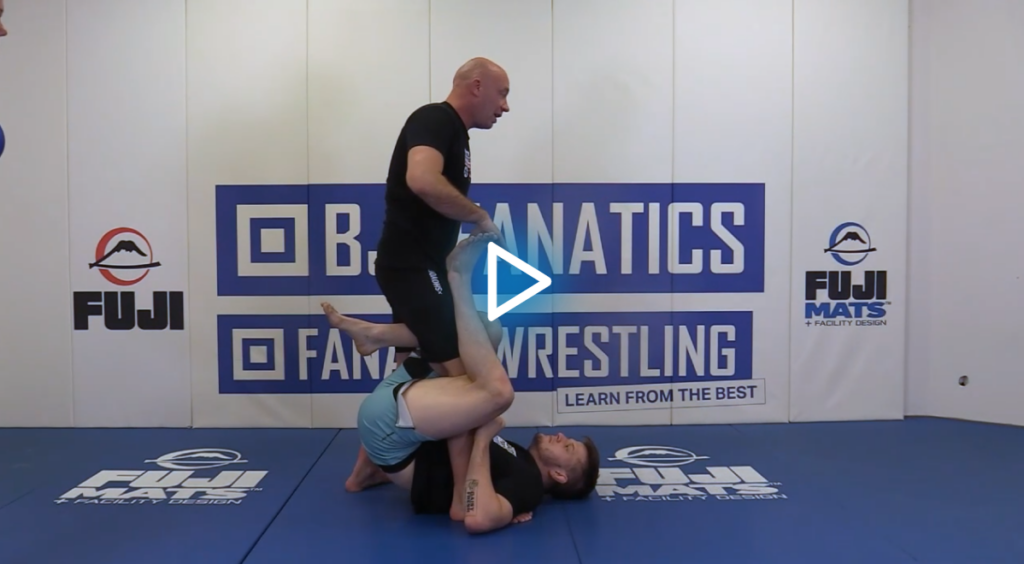
The initial few chapters focus on the Single Leg X-Guard position, without too many guard details outside of those that are of interest for leg locking. A few great tricks on positioning your elbows to cause off-balances feature, along with an easy sweeping drill that only serves to get the top person’s butt to the mats.

This is where the Jacob Couch Leglocks For White, Blue and Purple Belts DVD earns its name. While for beginners getting to this point is probably enough focus, Couch offers offense and defense cycles once the butt is on the mats, providing attacking and counterattacking leg lock opportunities.

Part 2 – Ankle Locks

The star of this Jacob Couch Leglocks For White, Blue and Purple Belts DVD is the ankle lock, appearing in several different variations, one of which is particularly interesting and innovative.

This second part of the insturctional is fairly short, only covering the finishing mechanics that follow that sweep from the Single Leg X-Guard. The only other chapter in this part covers an outside grip variation, named by Couch himself. We’ve seen it in his matches, so its effectiveness is beyond doubt.

Part 3 – Switching Sides 

As we pass the halfway point of the DVD, the material gets a bit more geared towards blue and purple belts, as Couch offers his way of achieving one of the key aspects of any leg lockers game – successfully switching from leg to leg.

In this volume of the Jacob Couch Leglocks For White, Blue and Purple Belts DVD, the interesting aspect I mentioned earlier appears in the form of the Langhi hook. Michael Langhi is one of the original innovators in inverted guards, which prompted Couch to use his hooking system to finish anke locks, including a particularly nasty belly-down finish.

Part 4 – Grips and Finishes

In the final portion of the Jacob Couch Leglocks For White, Blue and Purple Belts DVD Jacob offers some tips and tricks mostly geared towards more advanced grapplers. The one I’d point out is his hierarchy of gripping for finishing ankle locks, which reminds me of Danaher’s heel hook grips.

A few more advanced guard setups that feature the De la Riva guard and 50/50 also feature in this volume, leading to inevitably tight and lock finishes. Let’s not forget the Fatman ankle lock, which also makes its debut in this part of the DVD.

Constraints Lead to Progress

The answer to why you need to stick to legal leg locks if you’re not a brown or black belt competitor is clear, at least when concerning IBJJF and UAEJJF rules. While I am a big advocate of practicing every submission starting as early as possible, it is a fact that you can’t use heel hooks, kneebars, and toe holds until then.

The one thing every seasoned leg locker is going to tell you, though, is that ankle locks have a huge role in their overall game. Whether you attack from the Ashi Garami positions or modern hybrids, you’ll often find that ankle locks and heel hooks work together just as well as toe holds and kneebars do.

While practicing leg locks, do not hunt for heel hooks only. Constrain yourself to finishing with ankle locks only, even when opponents give you their heel. This will teach you how to use this heel hook-anke loock relationship to great effect when you level up or compete in different rulesets.

As we saw from our Jacob Couch DVD review above, ankle locks can stand in for heel hooks from the same positions, and deliver the same, and sometimes even more devastating finishing outcomes.

Jacob Couch Leglocks For White, Blue and Purple Belts DVD Free Sampe
FREE DVD SAMPLE: Single Leg X Sweep Jacob Couch Leglocks For White, Blue and Purple Belts DVD

DOWNLOAD: JACOB COUCH LEGLOCKS FOR WHITE, BLUE AND PURPLE BELTS

Leg Lock Season is Open!

Now that you are ready to set up your ankle locks Jacob Couch style, all that’s left is to practice, practice, practice! The Jacob Couch Leglocks For White, Blue and Purple Belts DVD will open up the world of leg locks for you, but then it is up to you to put in the hours, collecting feet every time you’re on the mats. Happy hunting!

10 Best Leg Locks DVDs and Digital Instructionals

“Belly Down Foot Locks” DVD By Tarik Hopstock: Review 

Mikey Musumeci DVD: High Percentage IBJJF Legal Footlocks

The Judo Leg Grab Ban is Lifted, But There Are Conditions

The Judo Leg Grab Ban is Lifted, But There Are Conditions

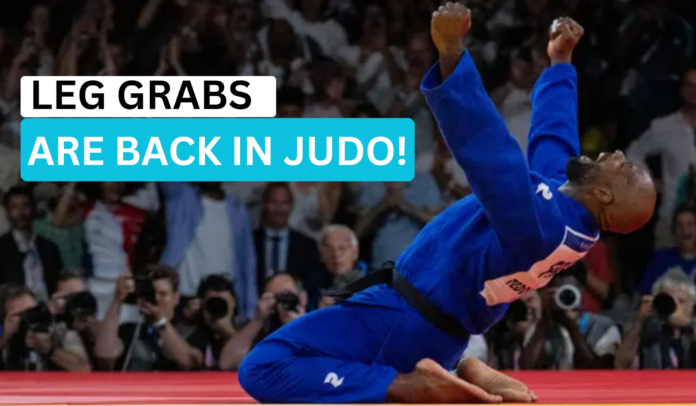
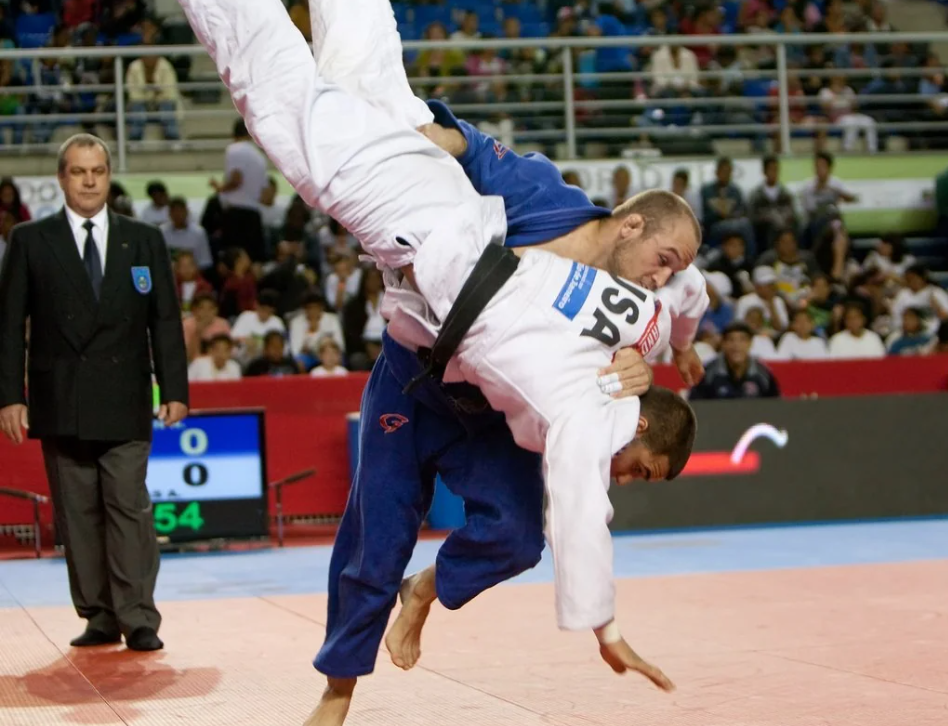
The latest information coming by way of the reputable L’ Esprit du Judo magazine is that Kodokan decided to reinstate Judo leg grabs as legal techniques once again. The changes are set to come into effect as early as April 2025, with the new ruleset premiering at the All Japan Judo Championships in Japan.

Whether the changes will remain limited to Judo matches under the All Japan Judo Federation (AJF) that governs Judo in Japan or the IJF (International Judo Federation) is going to jump on board and accept the change Judokas have been aching for is still not clear at the moment.

That said, the return of leg grabs, or Ashitori in Judo is not as straightforward as it seems, as lifting the judo leg grab ban comes with specific conditions and some lingering limitations.

The Judo Leg Grab Ban is Lifted from 2025

What is the Judo Leg Grab Ban?

The Judo leg grab ban is an aspect of sports Judo that has been pissing off grapplers for the better part of four decades, including me. Judo was the very first martial art that I started over 30 years ago, but once I discovered wrestling and BJJ, many of the Judo rules didn’t make any sense.

One such rule was the outlawing of leg grabs, which prohibited grabbing the opponent’s pants at any point. The goal of this restriction was to emphasize upper-body throws, only allowing leg-on-leg contact for sweeps.

While this Judo leg grab ban evolved throughout the years, the most important aspect was that it resulted in immediate disqualification, which took away a lot from the noble sport of Judo.

Why Did Judo Get Rid of Leg Grabs?

Initially, someone in the IOC (International Olympic Committee) decided that Judo and wrestling were too much alike and that people needed a clear distinction in order for both combat sports to feature in the Olympics. The main argument back then was that removing leg grabs reinforced the traditional upright posture that is symbolic of Judo.

Instead of mitigations of this rule, the years that followed brought even further restrictions, claiming that these helped force athletes to be more engaged and stall less, as leg grabs offered a way to force counterattacking play only and resulted in less attractive matches.

At the end of the day, removing leg grabs had nothing to do in reality with distinguishing Judo from wrestling, or the safety of competing athletes, and was simply geared towards aesthetics, rather than effectiveness.

When Did Judo Ban Leg Grabs?

The timeline of the Judo leg grabs ban dates back more than 40 years, and features a couple of important evolutions that increased the limitations:

  • 1980s – The initial ban started, for the purposes of encouraging action and making Judo distinct from wrestling. As if wearing the Gi was not distinctive enough.
  • 2010 Thw IJF decided that the ban on judo leg grabs was not precise enough, and took it further,  prohibiting athletes from grabbing the trousers of their opponents during standing exchanges.
  • 2013 – The year when the Judo leg grabs nonsense reached its pinnacle, with the IJF stating that any grip anywhere along the material of the trousers is illegal during any interaction of the Judokas.

From 2013, grappling athletes, including MMA fighters, BJJ athletes, and wrestlers were all adamant about supporting Judokas in asking for a change to a rule that never really made any sense, and is effectively maiming Judo athletes in the world of competitive grappling and combat sports.

Which Judo Leg Grab Techniques Are Back?

Now that the origins and evolution of the Judo leg grab ban are clear, let’s see what the future brings and what Judo with leg grabs is going to look like.

The AJF’s change to the rule of leg grabs refers to both attacking and defending athletes. In other words, Judokas can now reach for the legs directly while attacking and/or defending, which was illegal until October 2024.

This inevitably raised the question of which Judo leg grab techniques are now back as legal, and if you can do whatever you want to the legs. As much as we’d love to see Russian Judo moves introduced to modern Judo, there are two key conditions to this new rule change:

  1. There must be an upper body grip. When the Judo competitors are engaged in Kumikata, they can go for leg grabs. If neither of the athletes has a grip on the upper body, grabbing the legs is still a foul. For the sake of clarity, shooting for a double or single leg is still not allowed.
  2. Only one arm can grip a leg. Further narrowing the scope of the judo leg grab techniques at Judoka’s disposal, the rule change states that only one-arm grabs are allowed, meaning moves like the Morote Gari a.k.a. double leg takedown are still out of the question, even if the athletes are previously engaged in Kumikata.

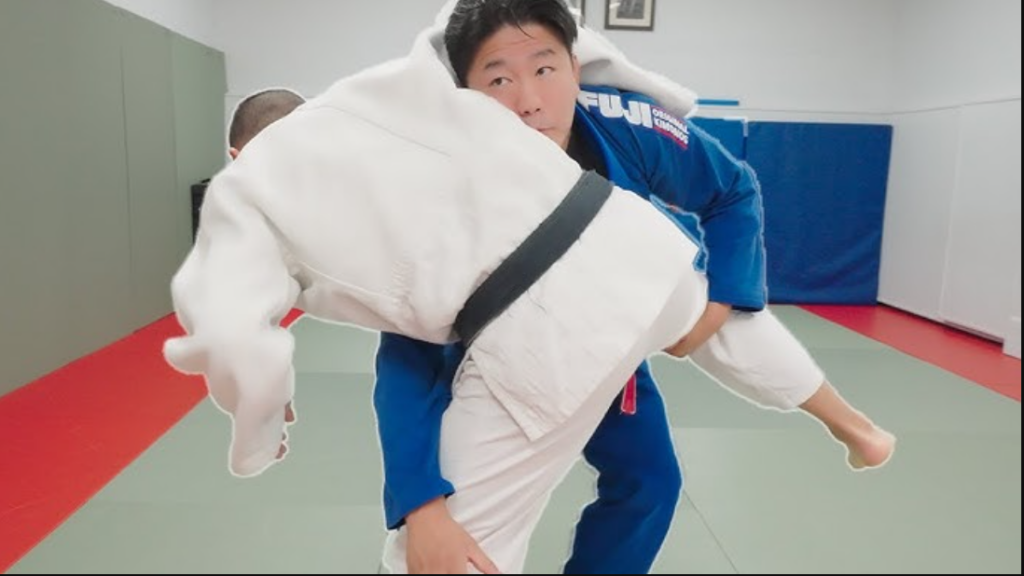
While still limiting, this does open the door for some Judo classics that we’ve not seen since 2013, such as Kata Guruma, Te Guruma, and various ankle picks that are very common in Russian and Mongolian Judo.

Is Judo Better Without Leg Grabs?Judo Leg Grabs are Back, But There Are Conditions

This remains to be seen, with lots of eyes on the upcoming All Japan Judo Championship in April 2025. However, there are a few talking points that offer both advantages and disadvantages of re-introducing leg grabs to Judo after such a long hiatus.

There is merit to the notion that Judo matches that allow direct leg grabs can turn into snooze-fest of stalling. Just take a look at the 2008 Olympics match between Naidan and Suzuki and you’ll understand exactly what I mean.

Along the same lines, the introduction of leg grabs will force Judokas into a starting posture that resembles the hunched one we see in BJJ and wrestling, which will make some of the big and most attractive throws almost impossible to set up at the highest levels.

That said, the new rules go a long way towards mitigating passive behavior by limiting shooting, effectively sticking to the Judo principles that we know – grip fighting from an upright position until engagement.

Another big positive is the return of some signature throws, trips, and traditional Judo combinations that we’ve not seen at the highest levels for over a decade. It will also provide much more entertaining matches when two Judokas with a significant height difference face off on the mats.

A final technical advantage of the new 2024 Judo leg grab rule is that defending moves such as the Osoto Gari are going to become much more versatile, opening a new dimension to counterattacking Judo and improving the effectiveness of outside and inside sweeps in the process.

IJF vs Japan?

As I conclude this article I’ll address the burning question: When, will the IJF  adopt the new ruleset and make it international? Or, perhaps the question to as is Whether the IJF is going to consider such action at all.

One thing is for certain – the 2025 All Japan Judo Championship is going to change Judo forever, whether the rules on Judo leg grabs remain limited to Japan only, or spread around the world. If the latter happens, we’ll see a revolution in sports Judo as people scramble to re-learn moves that have been missing from competitive Judo for more than 40 years.

At this point, there is still no official comment from the IJF on the lifting of the Judo leg grab ban by the AJF. Let’s wait and see what April 2025 brings.

All the Best Judo Instructionals and Courses

Japanese Judo Grip Fighting Secrets Satoshi Ishii DVD Review

Jay Rodriguez DVD Review: Jay Rods Judo Instructional

Judo Building Blocks – An Israel Hernandez DVD Review


Jeff Glover Deep Half Revolution DVD Bundle Review [2024]

Jeff Glover Deep Half Revolution DVD Bundle Review

Key Takeaways

  • A three-instructional bundle containing Gi and No-GI DVDs on the deep half.
  • Jeff covers a complete game plan, offering offense, defense, setups, entries, and follow-ups from the deep half gaurd.
  • There is a unique use of a whiteboard during demonstrations to help guide focus. 
  • BJJ World Expert Rating: 10 out of 10.

JEFF GLOVER DEEP HALF GUARD DVD BUNDLE:  AVAILABLE HERE:

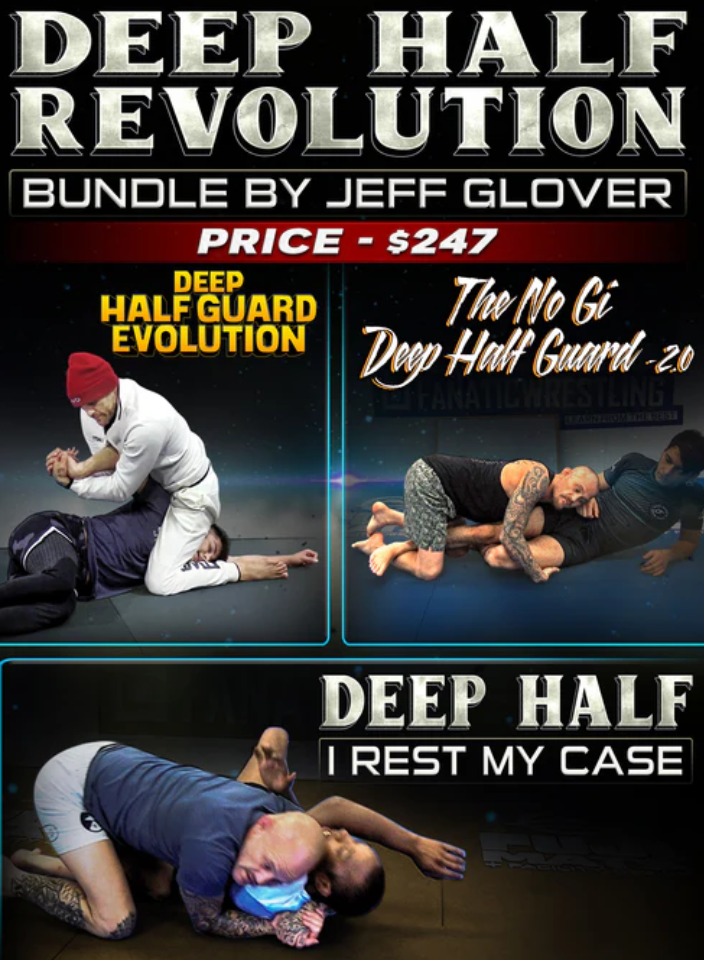
Jeff Glover Deep Half Revolution DVD Bundle Cover

Struggling to make sense of the deep half guard? I’ve been there, so I know what you’re going through, IN fact, it was Jeff Glover’s work that got me out of my deep half rut, so naturally, I’d recommend his instructionals for anyone trying to learn the intricacies of this effective guard position.

That said, which instructional is the best, to begin with? That’s now taken care of with the Jeff Glover Deep Half Revolution DVD Bundle that offers everything you’ll ever need to know about the position. All of Jeff’s best DVDs, featuring both Gi and No-Gi guidelines feature in this must-have BJJ bundle for any guard player.

Jeff Glover, the Man With No (Game) Plan

Jeff Glover built an entire BJJ legacy around his unique style, which he best describes as similar to what a monkey does. Not many people would enjoy such an association, but that’s exactly what gave Jeff his distinctive presence in the BJJ world.

Taking lots of pride in the fact that he never took BJJ matches seriously, Glover was always ready to sacrifice a victory for the sake of entertainment, aiming to avoid putting on boring matches. This worked out for him as he ended up winning lots of huge matches and tournaments while staying true to his monkey style of grappling.

Glover’s own Brazilian Jiu-Jitsu journey started without a plan as well, as he stumbled into neighbor Franjinha’s house as a 16-year-old, saw UFC tapes, and got hooked. He was lucky that Franjinha offered to train him, and ended up producing one of the most versatile world champions in the history of the sport.

While his style is a result of Jeff’s mentality and overall approach to BJJ, there are certain aspects you can pick up on, especially his effective guard style. The Jeff Glover Deep Half Revolution DVD Bundle delivers a great insight into how a master of the position sets up the deep half.

Full Jeff Glover Deep Half Revolution DVD Bundle Review

What can you expect to learn from the Jeff Glover Deep Half Revolution DVD Bundle? This collection has three different instructionals, each containing three volumes that target different aspects of the deep half guard, including both Gi and No-Gi material. Check out our full Jeff Glover DVD Bundle Review:

Deep Half Evolution DVD – DOWNLOAD HERE

Jeff Glover Deep Half Revolution DVD Bundle Review Deep Half Evolution DVD

Subject Matter: As we open our inspection of the Jeff Glover Deep Half Revolution DVD Bundle the first title is his take on the deep half guard with the Gi, focusing on an offensive-minded game.

Key Points Covered: Throughout this instructional, Jeff Glover covers a few crucial aspects of holding the deep half, and spends a lot of time deconstructing why and how the most effective attacks work. Given the position’s nature, he sticks to sweeps and back takes, but follows them up with brutally painful and unorthodox submission holds.

Glover also goes over the entries he likes to use, including ways of safely pulling the deep half guard from standing. He also ties in direct passes after the sweeps, which makes this DVD perfect for competitors.

Technical DVD specifications: This Gi BJJ DVD by Jeff Glover offers well-organized and simple-to-follow material, spread out over three different volumes. The total running time of the instructional is just under two hours.

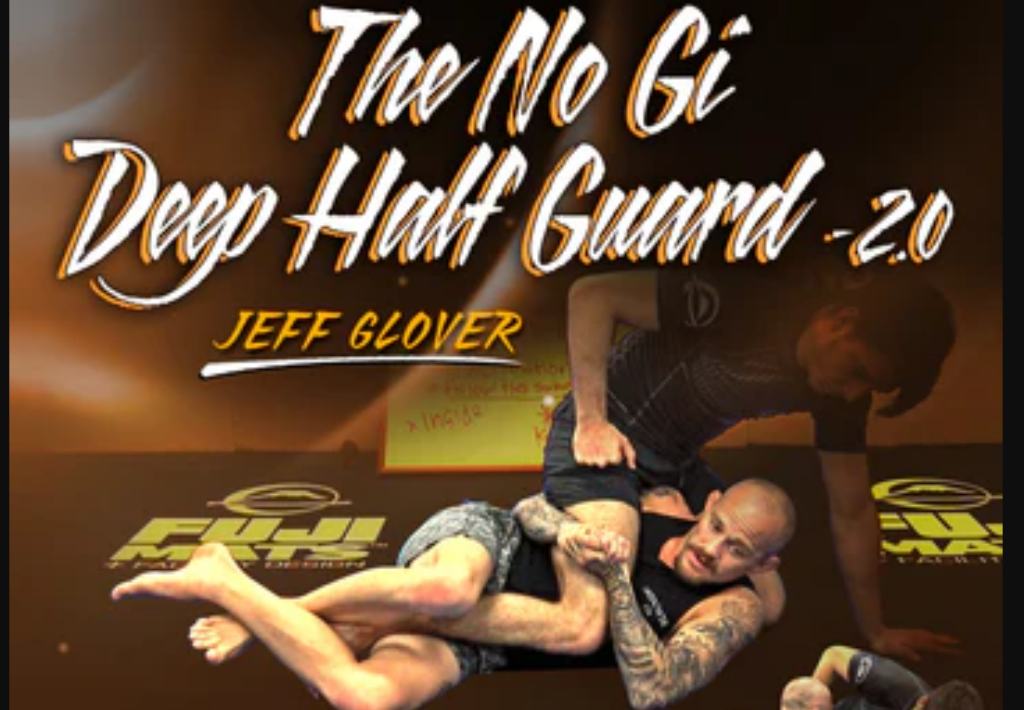
No-Gi Deep Half 2.0 DVD – GET IT HERE

Jeff Glover Deep Half Revolution DVD Bundle Review No-Gi Deep Half DVD

Subject Matter: The second DVD in this Jeff Glover DVD bundle switches the attire for the deep half position, exploring the essential No-Gi game that the human monkey likes to set up and play.

Key Points Covered: This No-Gi member of the Jeff Glover Deep Half Revolution DVD Bundle is actually Jeff’s second instructional on the subject, hence the 2.0 destination in the title. It offers an improved and polished take on Glvoer’s favorite No-Gi deep half guard moves, which include every aspect of the game.

He covers entries, setups, follow-ups as well as a very studious breakdown of how to tie the deep half to other positions, both offensively and defensively. A unique aspect of this DVD is that Jeff has a whiteboard behind him with the main points of each chapter written on it. This really helps to get a hang of what he’s doing during the demonstrations.

Technical DVD specifications: Another three-part instructional by Jeff Glover, this time without the Gi. The addition of the whiteboard makes it very unique and extremely helpful. The material in all three volumes amounts to about an hour and a half.

Deep Half – I Rest My Case DVD – FULL DOWNLOAD

Jeff Glover Deep Half Revolution DVD Bundle Review Dep Half Guard DVD

Subject Matter: The final part of this bundle is another No-Gi iteration of the deep half by Jeff, this time looking at more advanced, which in Glvoer’s terms means more unorthodox and crazy, techniques and tactics.

Key Points Covered: The focus in this one is on sweeping from the deep half guard without the use of lapels and Gi grips, and combining the position with other guards. The 50/50 and X-guard feature heavily as natural neighbors of the deep half guard but so do some unusual connections, like a combination with the Dela Riva.

A highly valuable addition in this deep half guard DVD by Jeff Glover are the many counters to common reactions he demonstrates. From the top person jumping over the head to their attempts at using underhooks, Jeff offers an effective answer to all. He wraps everything up with a section on how to pass the deep half.

Technical DVD specifications: This final part of the highly entertaining and informative Jeff Glover Deep Half Revolution DVD Bundle lasts a total of an hour and a half, and contains three different volumes. Jeff demonstrates everything without a Gi.

The Value of A ‘Lazy’ BJJ Guard Game

The deep half guard is seen by most people in the sport as an ‘old man’s’ guard, and often as a guard best suited for Gi BJJ. While the Gi helps in terms of grips and handles, the guard is anything but the last resort for older grapplers to keep rolling in Jiu-Jitsu.

It is baffling, really, how most people involved in BJJ take guards for granted. For example, people getting into a guard position expect to sweep and submit solely because they managed to get to the position. They rarely factor in that the top person will move, try to pass and counter, and end up thinking guards don’t work.

Guards work when you hold them, and the deep half is one of those guards that is easy to maintain without too much effort, which is the primary goal of any guard. Once you get the top person stuck, you can easily attack using their movement as they try to free up their body. You can see the value of such a low-energy requirement guard in a competitive setting.

This Jeff Glover Deep Half Revolution DVD Bundle offers nothing but the most effective aspects of playing the deep half. True, ti does offer some crazy moves that’ll probably work once, but overall, the information in it is more than capable of being your main guide to the deep half guard position in BJJ, in both Gi and No-Gi.

Jeff Glover Deep Half Revolution DVD Bundle Cover

FULL DOWNLOAD:  JEFF GLOVER DEEP HALF DVD BUNDLE 

Go Deep With Jeff!

If you have the option to train with Jeff in person, even if it is the occasional seminar, you probably don’t need this DVD bundle. For all those not lucky enough to have access to Glover, the Jeff Glover Deep Half Revolution DVD Bundle is an essential tool for developing a world-class half guard game. Even if you skip some of his other instructional, this one (along with the one on Darces) should feature in your collection.

Best BJJ Half Guard Instructionals – The Complete Guide

Full Review: Break Your Dummy DVD By Jeff Glover

Deep Half Guard in BJJ – Everything About

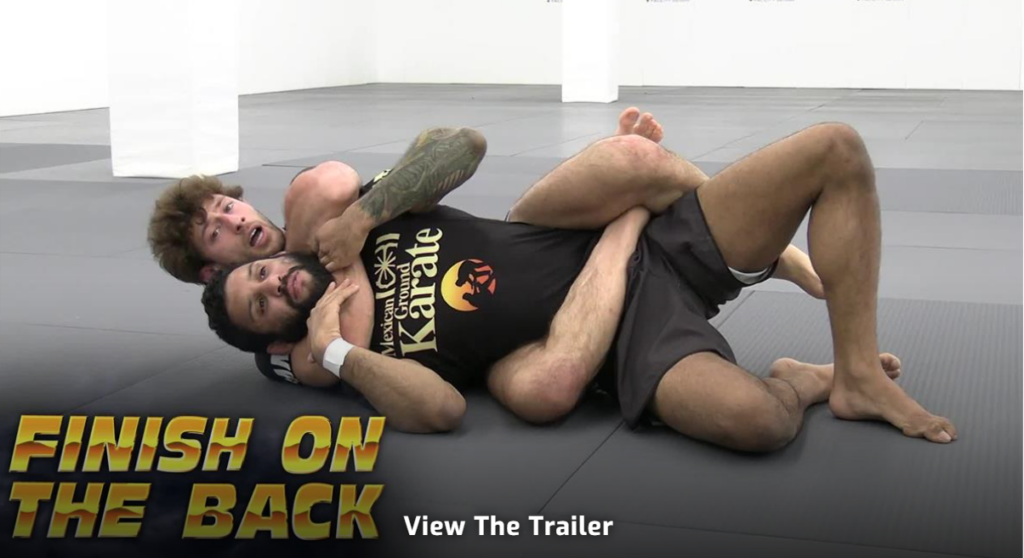
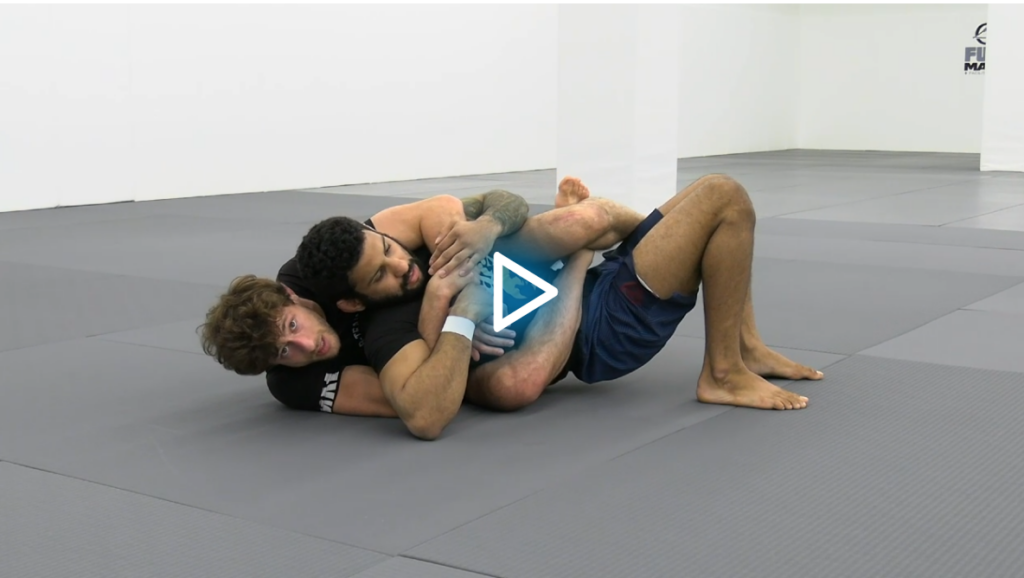
Finish on the Back Ethan Crelinsten DVD Review [2024]

Finish on the Back Ethan Crelinsten DVD Review

Key Takeaways

  • A No-Gi instructional covering a completely back attack system aimed at finishing various submissions. 
  • Features escape prevention, control points, rear naked choke, and auxiliary attack details. 
  • The DVD follows a specific pattern of progression making back attacks easy. 
  • BJJ World Expert Rating: 8 out of 10.

FINISH ON THE BACK ETHAN CRELINSTEN DVD GET HERE:

Finish on the Back Ethan Crelinsten DVD Preview
WATCH THE TRAILER HERE: Finish on the Back Ethan Crelinsten DVD

How good are you at finishing people from the back? Most of you are now probably counting rear naked strangles and bow and arrow chokes but that’s not what I mean. Finishing from the back includes a lot more than just choking with your arms, and if you’re not aware of this the Finish on the Back Ethan Crelinsten DVD is exactly what you need.

The Hardest Task From Back Control

What is the most difficult aspect of the back mount for you? Different people will probably give different answers, but the fact remains that nothing is more difficult than finishing someone from the back. Espceially with a choke.

Submissions become harder and harder to finish as you attempt them on people who are higher up the belt system, even when they are fully locked in. If you’ve ever tried to finish someone with a fully locked rear naked choke and failed, you know exactly what I mean. If you haven’t, then you’ve probably never grappled anyone who really knows BJJ.

What you want at the end of the day is to finish from the back, but that doesn’t have to be by way of chokes only. Spreading your attacks to include arm bars and different strangles, such as triangles, and even leg locks is a great way of ensuring the finish. You’ll either get one of the ‘support’ submissions or create enough space to fall back to the rear naked and get a strangle.

This is exactly the way that the Finish on the Back Ethan Crelinsten DVD is set up, offering an easy-to-follow system that you don’t have to spend six months figuring out.

B-Team Co-Founder Ethan Crelinsten 

If there is one person in the B-team who doesn’t get the attention he deserves, it has to be Ethan Crellinsten. While we are still waiting for him to win something of note, he has developed into one of the best coaches in the team, and perhaps BJJ. I personally know plenty of people who make it a point to go and train with Ethan every chance they get.

The John Danaher black belt, who spent lots of time training with Firas Zahabi as well is one of the best round grapplers in the game, although he has not had too much luck at the highest levels of competition. To be fair, Ethan has a couple of ADCC trial wins behind him, as well as the odd super fight victory, but has failed to deliver lately, Prehaprs he’ll be a late bloomer when it comes to competition.

As a coach, though, the 30-year-old Canadian has an exceptional track record, delivering information in a way that can make both Zahabi and Danher jealous. Seriously, he is that good, and if you haven’t seen him in class or seminar to date, check out his instructional, such as the Finish on the Back Ethan Crelinsten DVD is a great way of directly experiencing what I am talking about.

Finish on the Back Ethan Crelinsten DVD Review

Ethan offers over 4 hours of ultra-high-quality material on finishing submissions form back control. Ther are four different volumes in the Finish on the Back Ethan Crelinsten DVD, each focusing on specific subjects and following a progressive pattern, so the best way of learning from this DVD is to watch the parts in order.

Part 1 – Back Escapes & Retention

As this Finish on the Back Ethan Crelinsten DVD opens, it immediately becomes clear that this is not your run-of-the-mill BJJ DVD. Ethan does not begin by saying “You start with hooks” but rather spends the better time of an hour exploring back escapes.

This really sets the tone for what he delivers later, as you get the idea of what the opponent is trying to accomplish so that you can easily prevent them and eventually set up unstoppable finishing moves. Crelinsten starts with shoulder escapes, moving on to turning motions and ending with hook clearances and turtling.

Immediately after covering the escapes, he delivers the best ways to stay on the back following the same order – blocking shoulder escapes, dealing with opponents turning towards you, and solving their attempts to beat your hooks.

Part 2 – The Rear Naked Choke

As we get to part two, Ethan begins deconstructing the rear naked choke, using lots of similarities to Danaher’s way of doing it. he does, however, introduce some original aspects to it, such as creating more length for the choking arm and a few quick and surprising (for your opponent) ways of switching up choking sides.

Also featuring a lot in this portion of the Finish on the Back Ethan Crelinsten DVD are belly-down finishes, which have been very rarely explained in other instructionals. A few not-so-friendly alternative finishes also feature, such as mandible chokes and one-arm finishes.

Part 3 – Follow-Up Submissions

The third portion of the Finish on the Back Ethan Crelinsten DVD moves on to discover other submission options from the back when the rear naked choke does not work for you. Once again this progress is similar to Danaher’s but the details are where the differences lie.

Dubbing them Auxiliary systems, Ethan explains how to best combine triangle attacks from the back, both in the form of rear and reverse triangle chokes. He also goes over armbar combinations that fit into the triangle positioning, as well as some slick Americanas and alternative strangles.

Part 4 – Mixing It Up With Armlocks

The final part of the Finish on the Back Ethan Crelinsten DVD focuses almost exclusively on armlocks, mainly featuring the straight armbar and the Kimura lock. As far as I am concerned, there is no better position to set up armbars than the back mount. Ethan’s take is similar, with several armbar and crucifix combos offered in this part of the instructional.

The Kimura wraps up this Ethan Crelinsten DVD, offering trap-based combo attacks that offer even more armbar finishing options as well as some interesting strangle variations. In true B-team fashion, Ethan ends everything with a totally random story, but one that you definitely want to hear!

Improving Your Attacks Through Submission-Hunting

All the information that you get from the Finish on the Back Ethan Crelinsten DVD is not just going to help you become a better finisher from the back. The simple act of stringing submissions together turns you into a submission hunter, which is a trait you simply have to develop if you’re serious about BJJ.

Instead of waiting until you are the purple belt and above to figure it out, let me explain something now – the more you threaten with submissions, the better everything else you do is going to be. Think about it – how many people escape your side control when you just try to pin them? How about when you’re trying to do an Americana?

The point here is that you shouldn’t gauge the success of your game simply based on the move you’re performing at the moment. A rear naked choke might not work, but if it keeps you on the back, you’re most likely cruising to victory, Not to mention that it will definitely open up other avenues of attacks such as triangles and armlocks.

Finish on the Back Ethan Crelinsten DVD Free Sample
FREE DVD TECHNIQUE: Preventing Escapes Finish on the Back Ethan Crelinsten DVD

FULL DOWNLOAD: ETHAN CRELINSTEN FINISH ON THE BACK DVD

Nap Time! 

There’s not much left to say except that if you need help becoming a more efficient finisher from the back mount, then the Finish on the Back Ethan Crelinsten DVD is probably one of the best things you should consider. Granted, it is a No-Gi DVD, so if you’re after collar chokes you’re better off looking somewhere else, but for those without prejudice, it is probably the one resource to watch before you opt for Gordon’s or Danaher’s stuff.

The Complete MG Back Attack System DVD Review

The Best BJJ Chokes DVD and Digital Instructionals

Rolling Back Take vs Bully – Modern BJJ Backtake Perfectly Executed in a Street Fight


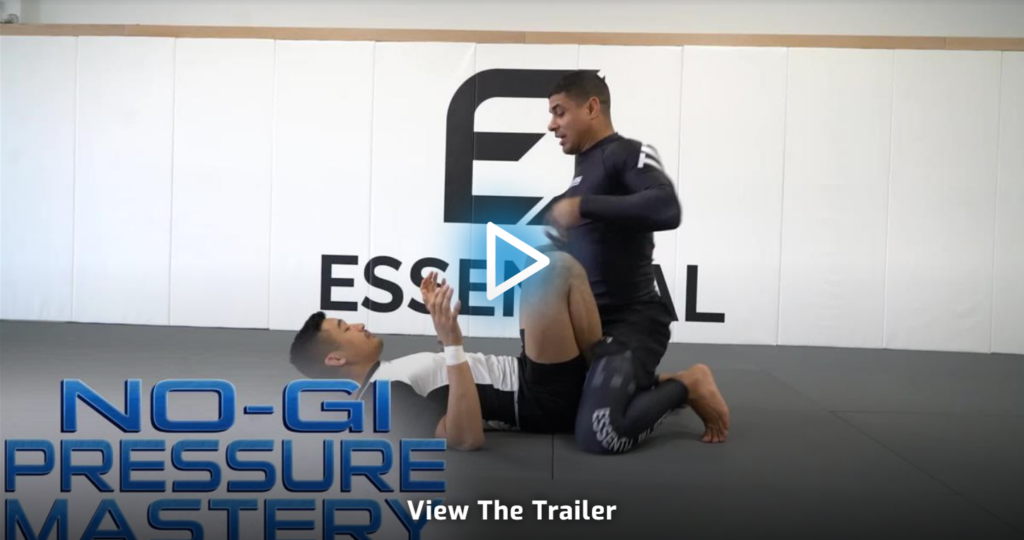
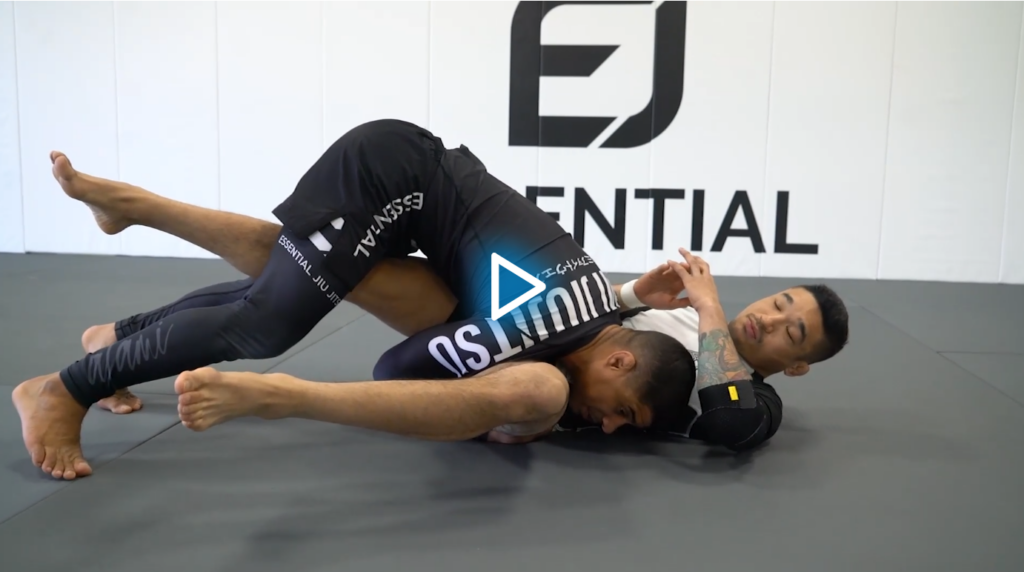
No-Gi Pressure Mastery JT Torres DVD Review [2024]

No-Gi Pressure Mastery JT Torres DVD Review

Key Takeaways

  • A No-Gi BJ DVD demonstrating how you can use pressure for control during passing. 
  • Features different types of pressure passing, shown against different guards. 
  • JT manages to teach the concept of heavy hips through practical examples, tying everything together at the end.
  • BJJ World Expert Rating: 7 out of 10.

NO-GI PRESSURE MASTERY JT TORRES DVD GET HERE:

No-Gi Pressure Mastery JT Torres DVD Preview
WATCH THE FULL TRAILER: No-Gi Pressure Mastery JT Torres DVD

Can you make a training partner tap simply because of your pressure from top positions? If you’ve never felt the satisfaction of a pressure-based tap, you definitely need to improve your pressure game. But how exactly do you learn one of the hardest things to master in BJJ quickly and easily?

While instructionals are not going to uncover all the secrets of pressure, the No-Gi Pressure Mastery JT Torres DVD is a great way to begin understanding the role pressure has in your top game. This DVD focuses mostly on passing while keeping the opponent’s hips heavy, which is the foundation of any pressure game you’re going to play.

Pressure Wins BJJ Matches! 

If you’ve ever felt the pressure of a lighter-weight BJJ black belt, you know how devastating and powerless it can feel to be on the receiving end. Now multiply that by a hundred and you might get an idea of how heavy JT Torres can feel from top positions.

Pressure in Jiu-Jitsu is one of these things that is extremely difficult for coaches to convey to students. It works mostly based on ‘feel’, and no amount of explaining is really able to teach people how to set it up. There are different approaches, though, with tasks delivered in terms of specific positions that will end up teaching you how to best utilize pressure to win matches.

The No-Gi Pressure Mastery JT Torres DVD provides such a learning opportunity. While demonstrating the techniques in it, JT covers exactly where pressure makes a difference and why most of his opponents have no way of dealing with his top game, regardless of the lack of grips that define No-Gi.

It is not just him, though. Gordon Ryan, Felipe Pena, Rafel Lovatao, and even the Ruotolo brothers all use pressure whenever they pin to ensure the bottom person has to work twice as hard, leading them into superior positioning and finishing opportunities.

JT ‘Spiderman” Torres 

Initially, I thought about listing all of JT Torres‘ accomplishments in BJJ here, to provide a clear picture of who the person behind the No-Gi Pressure Mastery JT Torres DVD is. Doing so, however, would turn this review into a list, as there are too many accomplishments to cover shortly.

Then I thought that if you don’t know who JT Torres is, you’re probably either very new to BJJ or have some strange resistance towards watching high-level matches. Outside of those reasons, I can’t really think of any other why people who grapple won’t know who JT Torres is.

The 35-year-old Atos team representative comes from New York and has spent his time training under various legends of the sport, from Rickson Gracie and Lloyd Irvin to Andre Galvao. Throughout his career, JT has won everything there is in both Gi and No-Gi, establishing himself as one of the most well-rounded athletes in the BJJ world.

Full No-Gi Pressure Mastery JT Torres DVD Review

The No-Gi Pressure Mastery JT Torres DVD lasts just under three hours, with the material needlessly spread over six volumes. The quality of the instructions is world-class, but the less than optimal organization takes away from the experience.

Part 1 – Outside Passing

The first part of this instructional is one of those short DVDs that I always find have no point in being volumes on their own. There are in fact, a  few of these in this instructional that could’ve fit into one, making a lot more sense.

While the organization of the instructional did not kick off well, the quality of the material in the No-Gi Pressure Mastery JT Torres DVD is undeniable from the very first minute. JT kicks off with an intro and follows up immediately with a detailed breakdown of outside passing by way of the Torreandpo pass. The only other chapter in this DVD is about leg drag passing, an Atos favorite.

Part 2 – Passing Under the Legs

The second part of the No-Gi Pressure Mastery JT Torres DVD really hits the spot, covering several key pressure passing options, all revolving around the concept of passing underneath the legs.

This volume is divided into two portions, one looking at the double under pass and the other at the over-under pass. In terms of the double under, JT offers a host of different pressure-based options to complete it, including back takes and very uncomfortable stacks.

For the over-under, JT focuses on anchor points for No-Gi, mostly breaking down key positional concepts that allow for pressure, such as shelfing, spinning, and how to best utilize the figure four leg trap.

Part 3 – The Headquarters

One of the most popular (and annoying, if you’re on the bottom) pressure positions that allow for all types of passing is Lovato’s headquarters which JT takes to a whole new level in this part of the No-Gi Pressure Mastery JT Torres DVD. The position leads to JT’s signature knee slices, which he launches from the headquarters, using it to completely pin the bottom player’s hips.

There are key details here on hunting for underhooks and forcing the three-quarter mount whenever possible, reinforced by the leg weave position. As the volume nears the end, Torres explains how he likes to smash the knee shield to ensure his knee slice goes through with no obstacles.

Part 4 – Butterfly Passing and Bodylock Pressure

Another exceedingly short part of the No-Gi Pressure Mastery JT Torres DVD contains three chapters only, the first of which is the most informative, as it goes over the details of floating passes against hte butterfly guards, using heavy hips principles.

The jump-switch pas also features, along with a glimpse of how you can use the body lock to reinforce your butterfly guard passing using hip pinning pressure.

Part 5 – Half Guard Top Pressure

Part five of the No-Gi JT Torres DVD on pressure gets back on track, offering invaluable options to deal with half guards by blocking the bottom person from doing anything through the sheer use of positional pressure.

JT essentially teaches how to break down the half guard with weight distribution, rather than technical passes. He uses a simple smash position to initiate passing, relying on double-trouble treats, such as a Kimura trap and chin strap control to open up his route past the legs.

Part 6 – Concepts and Game Design

The one short volume in the No-Gi Pressure Mastery JT Torres DVD that actually makes sense on its own is the very final part of this instructional. In it, JT offers his thoughts on how to conceptualize your entire approach to building a pressure-based top game, from passing to securing side control and eventually knee on belly and. or the mount.

The Role of Pressure in No-Gi

Rolling without the Gi is a slippery business, as you’re most likely well aware of. This is one of the key things to consider when you’re trying to hold someone in a position that gives you dominance.

In terms of guards, there’s really no way of keeping people under control as much as Gi Jiu-Jitsu offers, particularly when both grapplers are sweaty. From the top, however, there is still a chance to deliver crushing control, as long as you learn how to utilize gravity to assist you.

Pressure is the answer to all of your positional pinning issues from the top when you are rolling or competing without the Gi. As long as you can make the bottom person carry your weight, without dedicating your entire body to it, it won’t matter how slippery they are – they won’t be able to get out.

Keeping someone in place while having a limb or two at your disposal to set up further attacks, transitions or finishing moves is exactly the way the best in the world set up their No-Gi games. The most successful No-Gi grapplers in the world, such as JT, turn to a pressure-based game rather than a movement-based one.

The No-Gi Pressure Mastery JT Torres DVD is a great resource to help you figure out how to keep your opponent’s hips heavy on the mats while passing and pinning. It may be chaotic in terms of organization but is still very much worth the watch.

No-Gi Pressure Mastery JT Torres DVD free sample
FREE DVD SSAMPLE: Over Under Pass No-Gi Pressure Mastery JT Torres DVD

FULL DOWNLOAD: NO-GI PRESSURE MASTERY JT TORRES DVD

Put The Pressure On! 

It is time to crank the pressure to the maximum and focus on making everyone who decides to play guard against you feel as if they’re getting crushed by the world! The No-Gi Pressure Mastery JT Torres DVD will definitely help you get there, and what’s better it will also work for all you Gi-only nutters that refuse to let go of control and have a bit more fun in No-Gi Jiu-Jitsu.

A Blueprint For Smeshing Khabib Nurmagomedov DVD Review [2024]

Battle Tested Pressure Passing – Bernardo Faria DVD Review

BJJ Heavy Bag Drills For Movement And Top Pressure

BJJ Purple Belt Dojo Storms Jiu Jitsu’s Biggest Hater

BJJ Purple Belt Dojo Storms Jiu Jitsu's Biggest Hater

Do you remember the guy who called Jiu-Jitsu the biggest scam and “exposed” BJJ multiple times? If you don’t check out his YouTube channel.

In this video, a BJJ Purple Belt comes to his gym to fight him.