



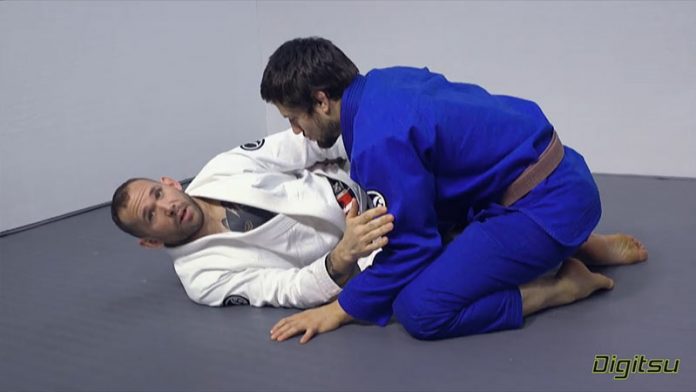
The half guard is a never-ending source of innovation in BJJ. A position born of necessity, when Roberto Gordo Correa suffered an injury to his leg. Unable to battle from the then customary full guard, he had to innovate. He ended up working form a position which kept his leg safe, yet allowed him to fend off guard passes. Fast forward a couple of decades and a half guard is still evolving tirelessly. There are countless variations today, which range from static to inverted ones. Each variation has its flaws and advantages. However, not all of them work equally well, especially at the highest levels of grappling. The latest in a long line of half guard instructions is the Paul Schreiner Half Guard DVD. Is this one really worth your time, effort and money? Read on and decide for yourself.
The half guard is not an overly difficult position to play. Actually, put someone there, and they’ll instinctively make the right decision or two, in most cases .this is due to the fact that the position does not require any specific athletic abilities. After all, a heavily injured Gordo developed it specifically because of that. The half guard offers every type of player a way to mold it into their game. If you’re all about defense, then you can easily re-guard or simply stay safe from the half guard. Point grapplers can use it to sweep in any desired direction without much effort. For submission hunters, it is a finishing paradise, offering a way into virtually any submission system. Each of these aspects features in the Paul Schreiner Half Guard DVD, making it a great resource for both a specialized and a well-rounded half guard game.
ON SALE:
Paul Schreiner DVD & Digital Instructional – Half Guard
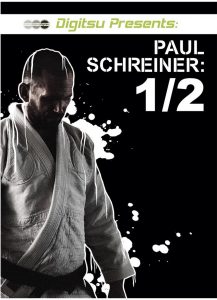
What’s Special About Schreiner’s Half Guard Instructional
The issue with the half guard, and subsequently, half guard DVD instructionals is variety. It is very easy to get lost in the sea of information available. First and foremost, of course, is the quality and effectiveness of a half guard instructional. Next, it is the style involved. Not every half guard fits everyone’s body type, needs or experience level. Some half guard variations may be too much for a grappler during a certain period. The same techniques can become their favorite a few years down the road. A good reason to consider the Paul Schreiner Half Guard DVD is that of high-level simplicity. It means that you can watch and use it at blue belt, and then revisit it as a brown belt and discover completely new details.
Paul Schreiner’s Pedigree
Is this Paul Schreiner guy and good at the half guard? I mean, he does have an instructional out and his name sounds vaguely familiar. While the first question can hold some merit if you’re new to the grappling world, the second statement makes no sense at all. Paul Schreiner is extremely well known in the BJJ community, both as a competitor and a coach.
Schreiner has been a black belt for more than a decade, earning his in 2007. He is not just any black belt, but one of Marcelo Garcia’s which is also a huge accomplishment. In terms of competitive pedigree, he is a multiple times US and World champion as well as ADCC trials finalist. The best quality of Paul? That’s easy, teaching! He is among the best in the sport at teaching others how the Gentle Artworks. He currently teaches BJJ at the Marcelo Garcia Academy in New York.
Paul’s pedigree as an instructor includes both high-level Jiu-Jitsu athletes as well as professional MMA fighters. Combined with his vast competitive experience, Paul knows when something really works, and he knows how to teach it to a broad audience. Moreover, he has his mentor, the legendary Marcelo, at his disposal whenever he is working on developing his systems. AS far as the Paul Schreiner Half Guard DVD goes, it is safe to assume it is one of these instructionals more than worth its price.
Paul Schreiner Half Guard DVD Review
This incredible DVD instructional is organized into two DVDs. Each disc covers a specific array of subjects that relate to each other. Overall, combining the techniques from both discs is simple and comes naturally, once you go through them all. This release is applicable to all levels of Jiu-Jitsu. There are no illegal moves, no techniques too difficult to execute, nor stuff that doesn’t work. The Paul Schreiner Half Guard DVD is a rich resource of battle-tested techniques that are essential for any grappler to at least be aware of.
Apart from the technical value of the instructional, you also get great quality too. Whereas bad production can ruin even the best digital instructional out there, this DVD has been spared that predicament. there are absolutely no digital faults in any aspect of this release. The camera work, especially the frequent crucial replays make comprehending the techniques in it a breeze.
DVD 1 – A Few Basic Concepts
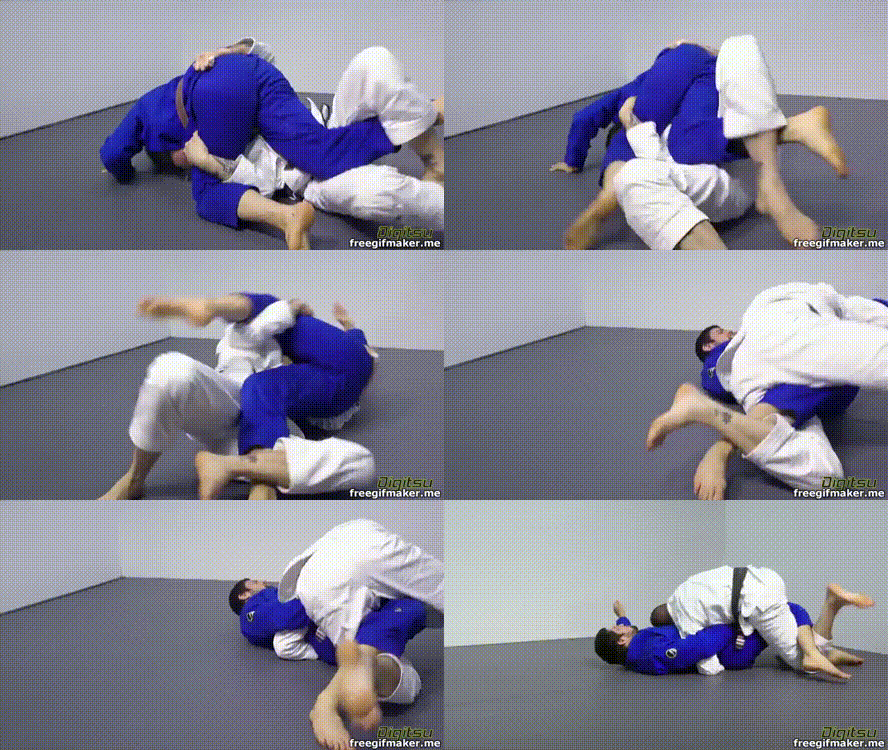
The first volume of this release features 21 total sections, each on a specific topic. Paul Schreiner ‘s methodical teaching style is apparent from the beginning when he lays out the basic concept s of half guard. there’s no point in playing any guard without first understanding base and structure. Paul addresses both in detail before exploring how you can use them to end up on top.
Sweeps are the order of the day in this volume. But before you sweep you need to know how to maneuver yourself into position. Paul addresses hip escape motions and distance management that are essential for disrupting base and structure to sweeping. After a few incredibly basic techniques like the bridge and twist sweep, Paul offers some more unusual options.
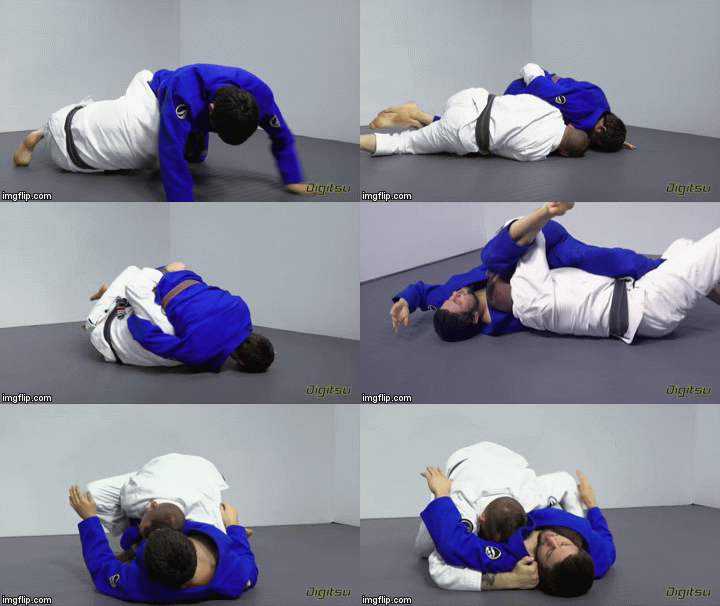
The basis for the sweeping system here is the hook sweep. However, sweeps are not the only moves on the menu. Paul offers submission finishes as well, in two main directions – after the sweep or from a failed sweep. There are some new sweeping and reversal concepts in there as well, which are a result of the relentless half guard evolution. The best part of this complete DVD, for me, are the strategies for dealing with the Whizzer. Simply incredible!
DVD 2 – Half Guard Madness
This volume is the reason that the Paul Schreiner Half Guard DVD suits grapplers of all levels. The beginning itself is an indication that you should stick to the first volume if you’re below the purple belt at the very least.
The first few of 21 more chapters are about the leg bundle sweeping system. Paul opens up options that range from a simple Upa sweep to Berimbolo entries. Following closely is the Jedi mind trick section which is going to be everyone’s favorite. How do you sweep someone without them even understanding what’s going on, let alone defend? Well, you Jedi mind trick them, of course. This concept can lead to various great positions, the like of leg drags, back control as well as arm and/or foot locks.
The Jedi mind trick focus carries on to the very end of the DVD, opening up options for dealing with standing opponents as well. Before Paul concludes the instructional, he talks about the reverse half guard as well. As for the conclusion itself, Paul finishes up in the best way possible – by connecting all of the techniques from the set into a comprehensive system.
Paul Schreiner Half Guard DVD Techniques List:
DISK 1:
- Introduction
- Manipulating Base
- Basic Structure
- Hook Sweep
- Hip Escape and Leverage
- Distance Management
- Bridge Sweep
- Twist Sweep
- Head Control and Underhook Principles
- Basic Knee Pick Reversal
- Single Leg
- Hook Sweep: Inverted Arm Lock
- Hook Sweep To Back Take
- Matheus Diniz Reversal
- Matheus Diniz Reversal To Underhook Recovery
- Head and Arm Greco Reversals
- High Clinch To Back
- Knee Cut Counter
- Addressing the Whizzer
- Addressing the Whizzer: Hook Sweep To Arm Lock
- Leg Bundle Twist Sweep
DISK 2:
- Leg Bundle UPA Sweep
- Leg Bundle Upa Berimbolo
- Leg Bundle Closed Guard Recovery
- Leg Bundle High Clinch Sweep
- Leg Bundle Gable Grip Reversal
- Jedi Mind Trick
- Jedi Mind Trick | Leg Drag
- Jedi Mind Trick | Back Take
- Jedi Mind Trick | Dave Camarillo Arm Lock
- Jedi Mind Trick | Back Take 2
- Jedi Mind Trick | Arm Push
- Jedi Mind Trick | Foot Lock Leg Drag
- Forcing The Jedi Mind Trick
- Jedi Mind Trick | Leg Bundle
- Jedi Mind Trick Vs Knee Cut
- Enter The 1/2 From Reverse DLR
- Jedi Mind Trick Vs Standing Opponent
- Reverse 1/2 | Back Take
- Reverse 1/2 | Elevator Sweep
- Total Game Connection
- Outro
ON SALE:
Paul Schreiner DVD & Digital Instructional – Half Guard

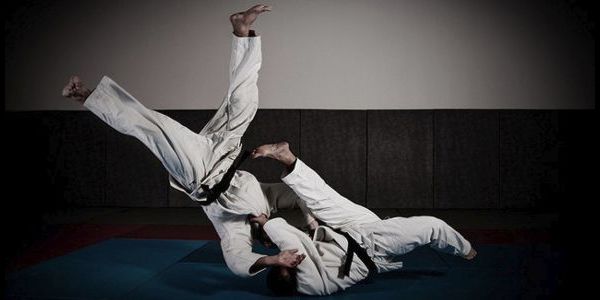
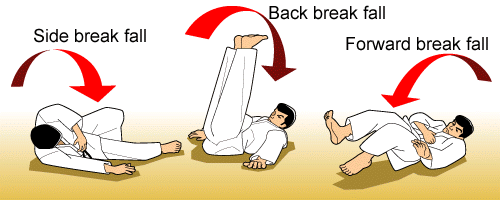 Next up is a really important benefit for Jiu-Jitsu. As you know by know, the neck takes a lot of abuse in BJJ and most grapplers end up with a neck injury or two in their career. Neck conditioning is a huge benefit form break falls. Most importantly you get to develop a strong neck specific for BJJ situations. As an added bonus, you get in neck work without having to do it on its own.
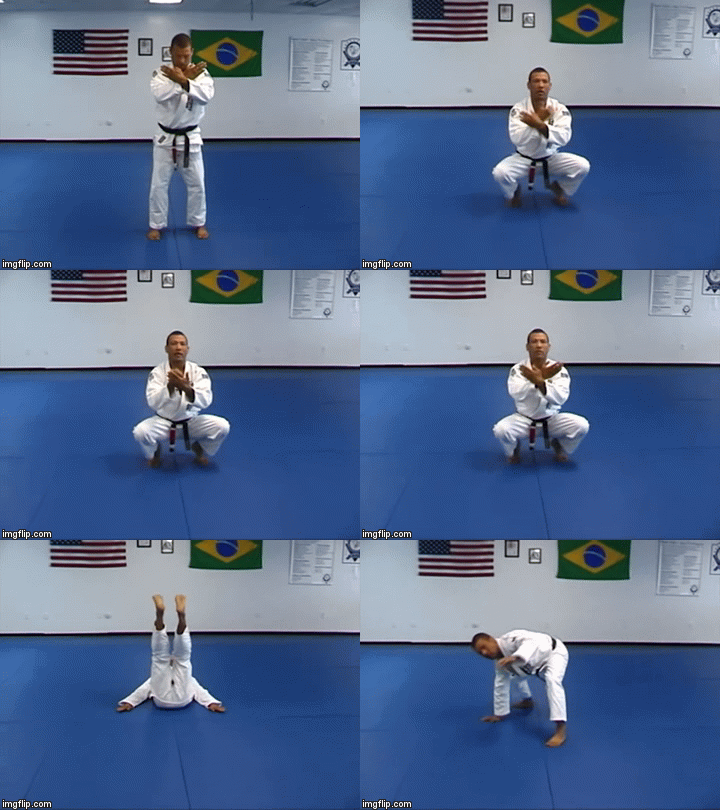 Let’s look at some basic tips about break falling. If you’re going for a backward break fall, you should start with your feet hip-wide apart. Bend the knees as much as possible, aiming to go deep into a squat. The deeper you squat, the easier the fall is going to be. From there on, you need to curl up in a ball. Fall backward, allowing the curvature of the spine to roll on the ground. You should always stop rolling before your neck touches the mats. There should be absolutely no contact between the neck and mats at any point during a break fall.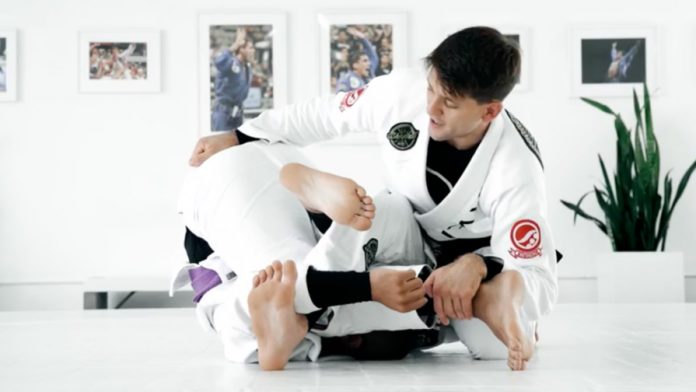
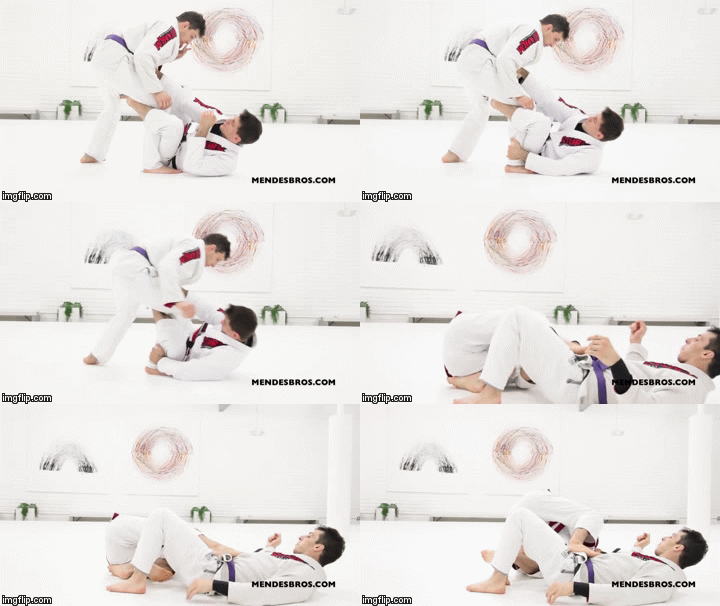
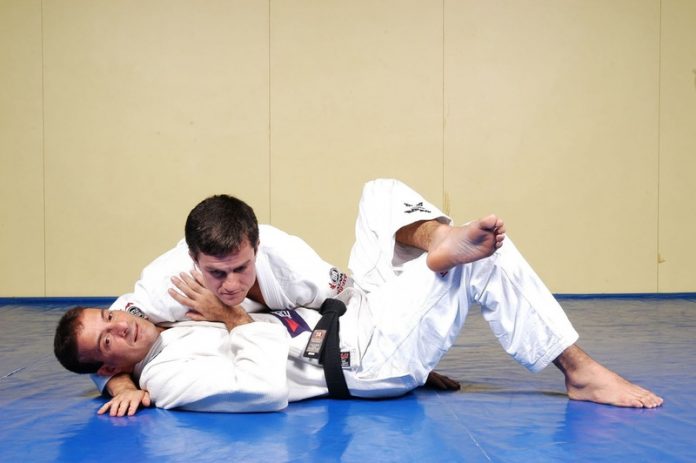
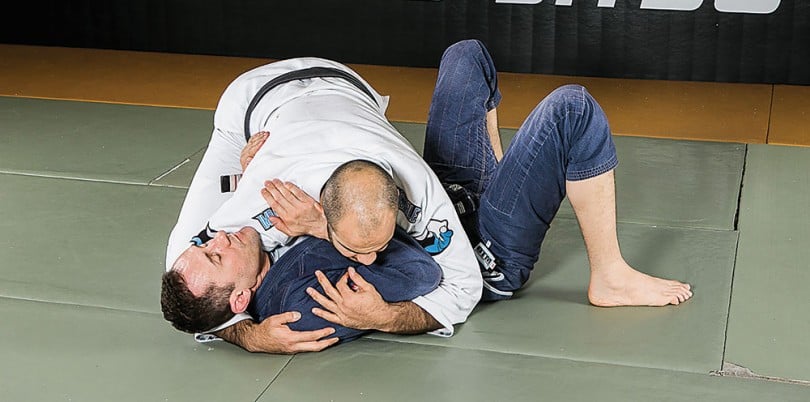 First order of business is head control. The dreaded cross-face is the ultimate weapon of choice here. That means one of your arms is going to go under the opponent’s head. Your shoulder is then going to drop onto their chin, blocking their movement. The hand of the arm can stay on the mats, or go into the opponent’s opposite side armpit for extra discomfort.
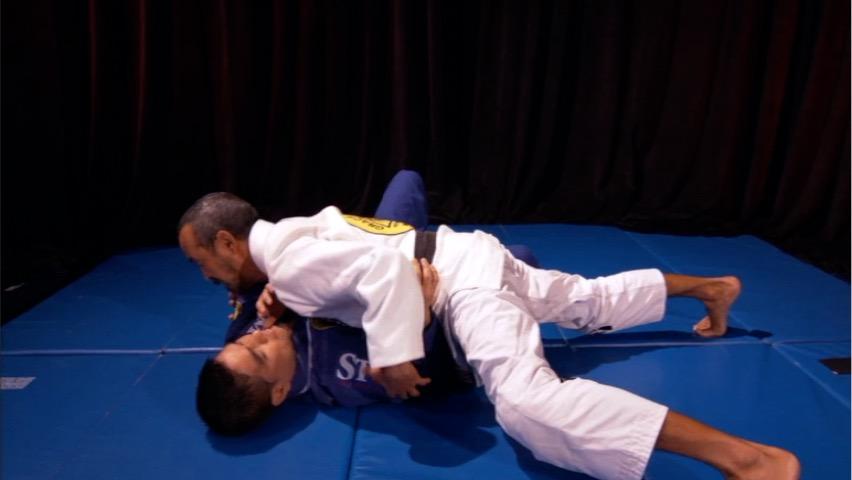 For the 100 kg position, you’re pretty much in the same starting position as with the classic, You still need the cross-face, of course. The main difference is in leg positioning. For the 100 kg side control, you want both your legs sprawled behind you. You also have to pay attention to where your chest is positioned. You have to keep your chest right in the middle of the opponent’s torso. Actually, being a bit more towards your side is even better. If you go too far over you’ll be light as s feather and easy to topple over.
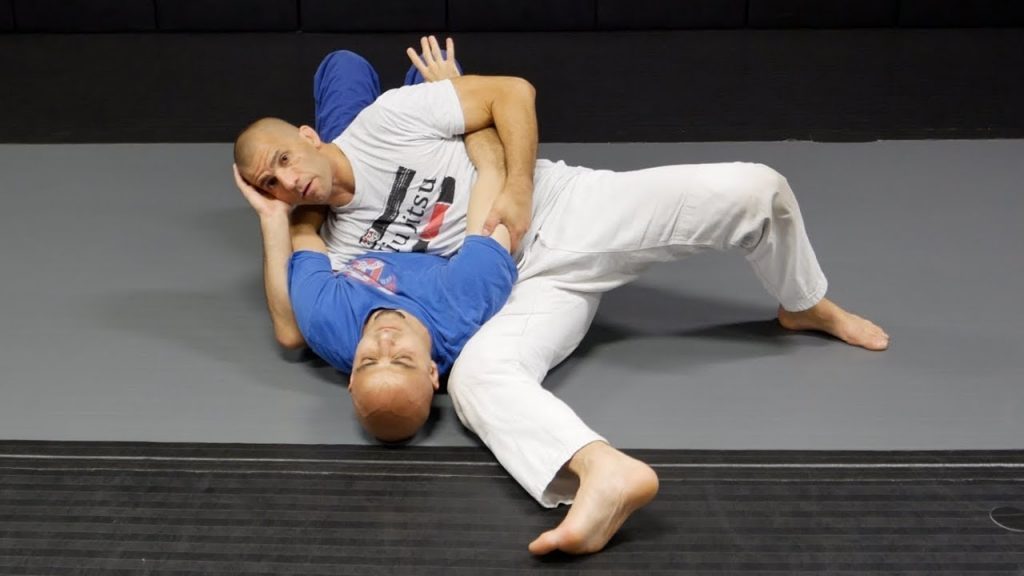 The Kesa Ggatame is a Judo classic, but in Jiu-Jitsu this position is only used sporadically. However, in terms of transitioning in between side control variations, the Kesa Gatame is the ultimate pit stop. Kesa Gatame Jiu-Jitsu basics are head control, trapping the near side arm and leg positioning. For this variation, you need to be on your hip/butt, legs pointing towards the opponent’s head. Furthermore, you need to have your legs spladeled and keep your head low next to the opponent’s head. It is dangerous to stay in this position long in BJJ, because an opponent might get your back if they know how.
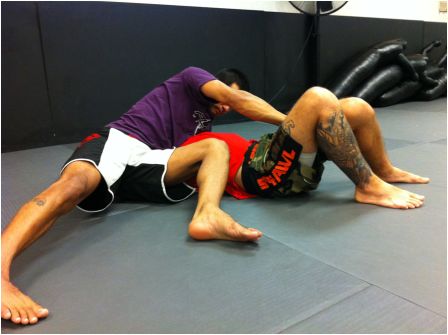 The reverse Kesa Gatame is a much more viable position for BJJ. As the name suggests, it is pretty much the same as Kesa Gatame, only done in reverse. That means that for this position. you’ll be facing the opponent’s legs. The position is also called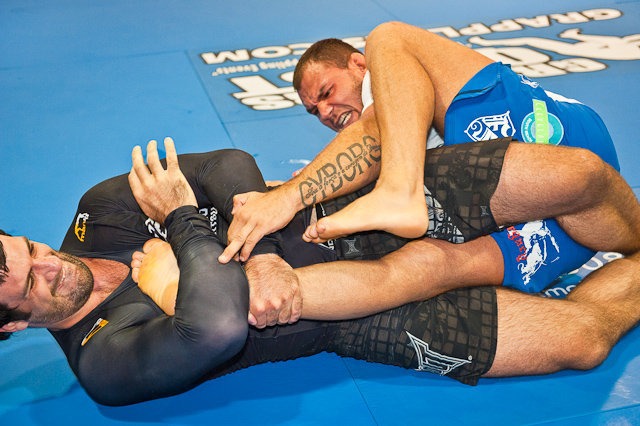
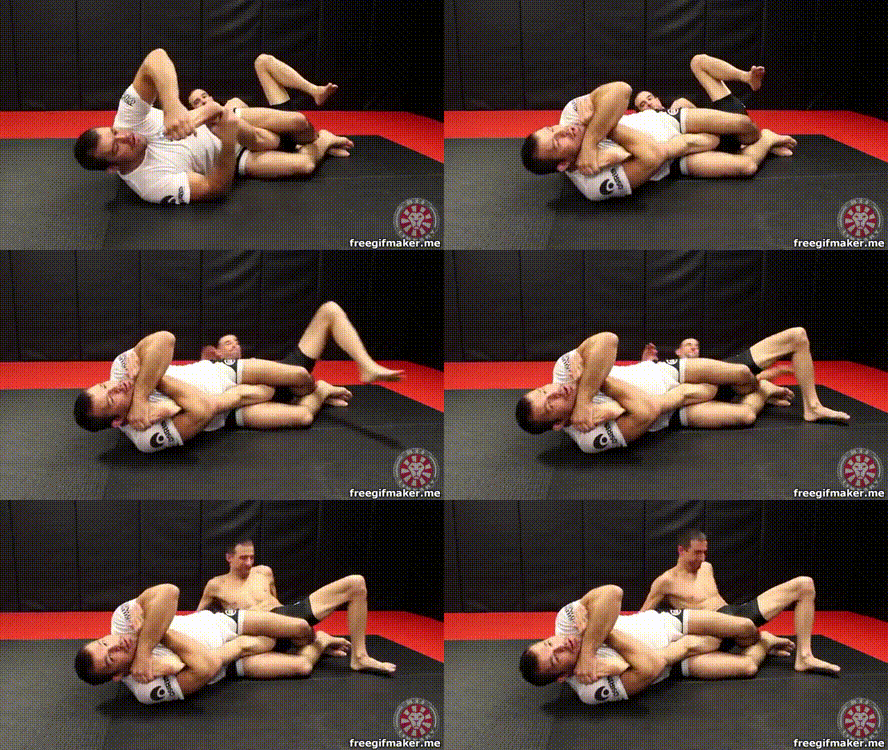
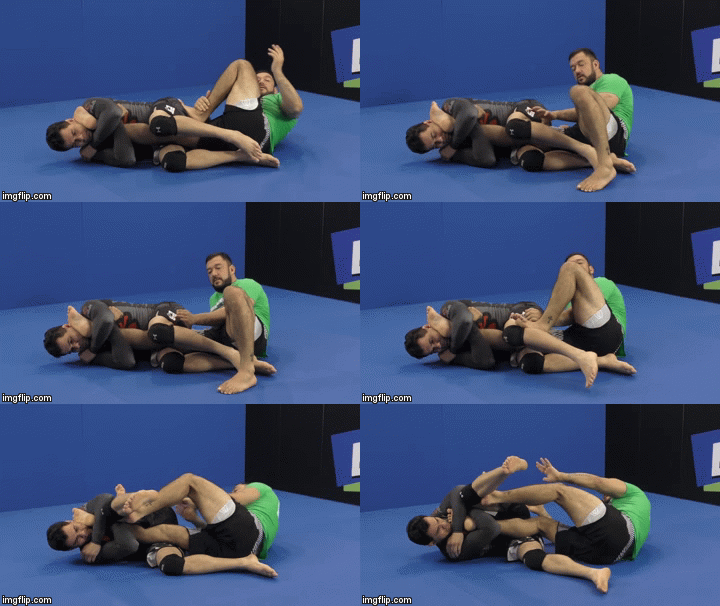
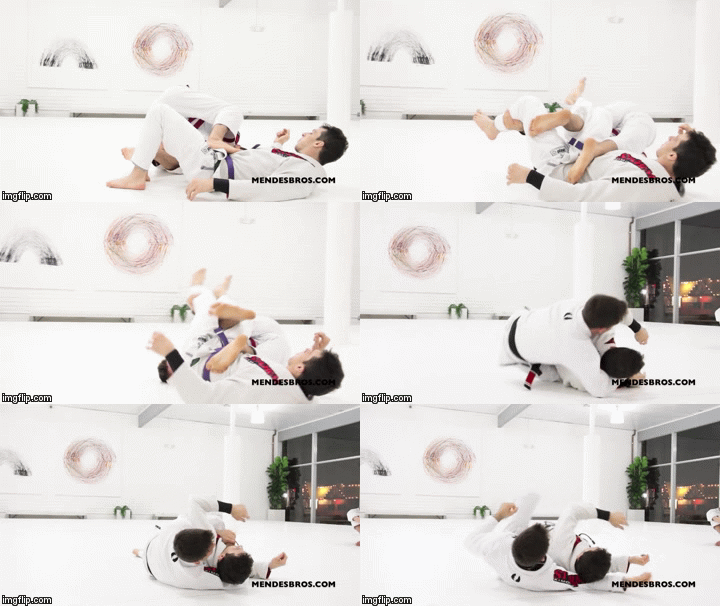
 Another solid option is preventing the opponent from extending their hips. For this, you’ll first have to triangle your legs, in order to have enough time to get your upper body into position. From there on, the goal is to place a seatbelt grip around your opponent. However, instead of keeping it in a traditional back control manner, you want it to be more like an arm triangle. When you have everything in place, simply lay to your side and open up your legs. There’s no knee bar for your opponent since the angle of your body, because of the seatbelt grip is now different. You’ll end up in a leg drag-like position and get out with ease, ending up on top.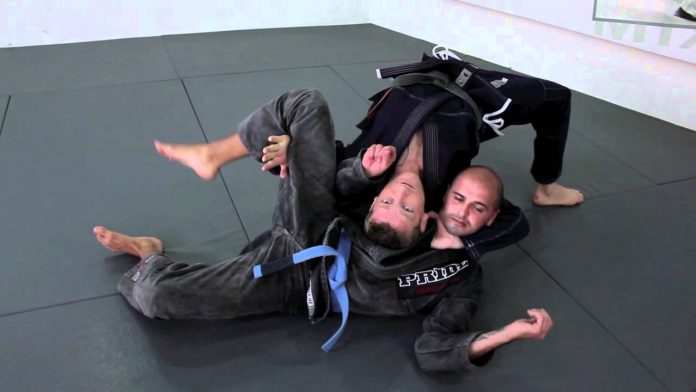
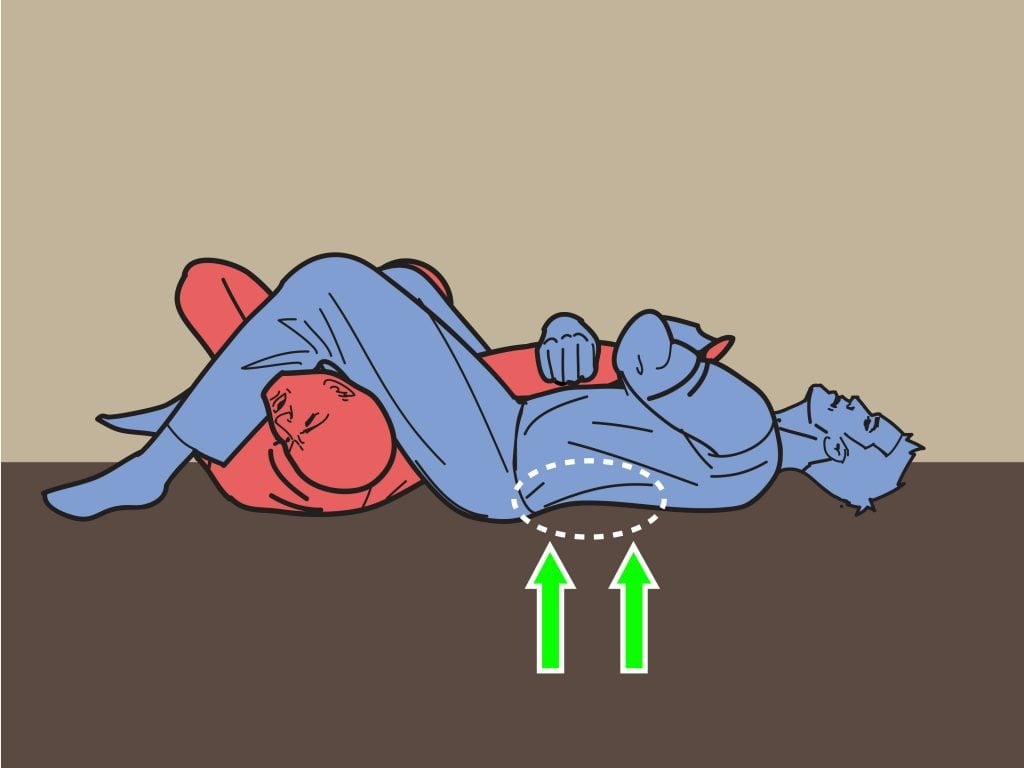 Jiu-Jitsu submissions will not work unless you have inch-perfect positioning. You’ll need to have everything in alignment if you truly want a submission to work. A thing to remember is that no detail is to mall here. How your head lies, where your fingers are pointing, shrugging the shoulder on the right side, are all as key to finishing a submission as they sound insignificant. So, after finishing mechanics, positioning is the second thing on your checklist.
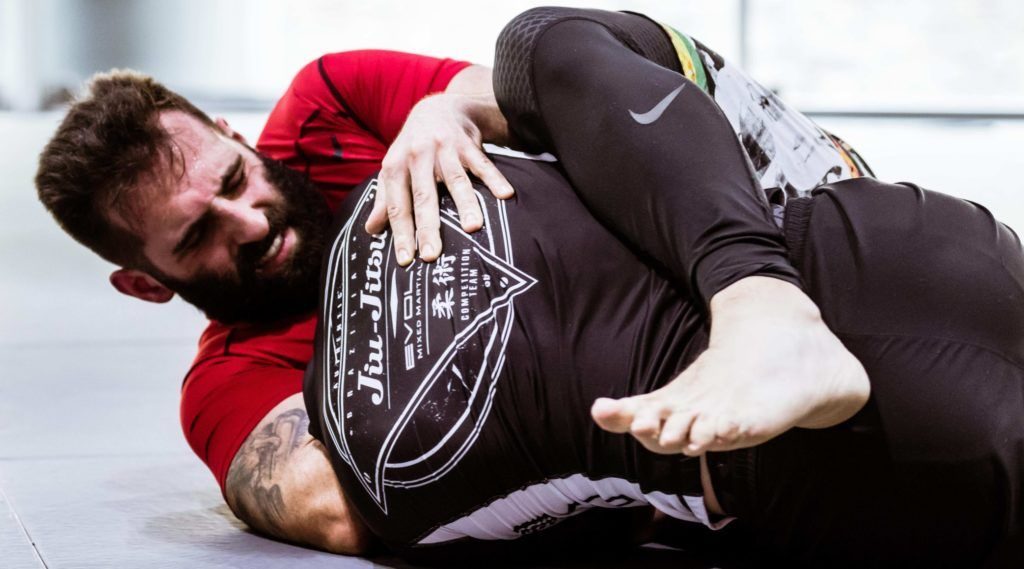 The main principle behind the 20-second rule is that when you have a fully locked guillotine, you do not let go for 20 seconds no matter what. And, by fully locked I mean you’re in perfect position, squeezing to get the tap. The thing with the Guillotine (and all BJJ chokes for that matter) is that they are slow submissions by trait. You can’t blitz someone with a choke like you can with a wristlock, for example. So, remain in position and keep yourself calm. As long as there’s no way out, proceed to count down from 20. Since chokes get progressively tighter with every breath your opponent manages to squeeze in, you’ll most likely get most taps in the 12-18 seconds range.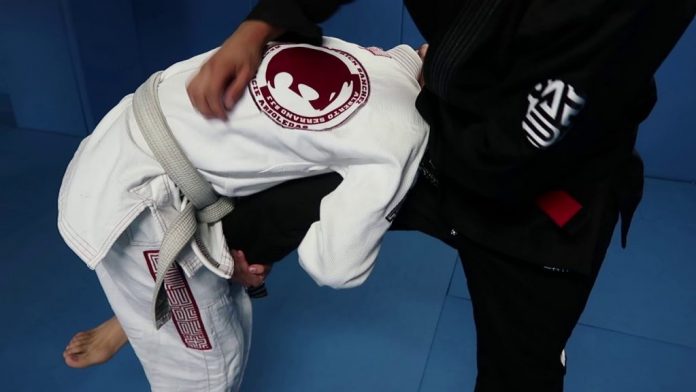
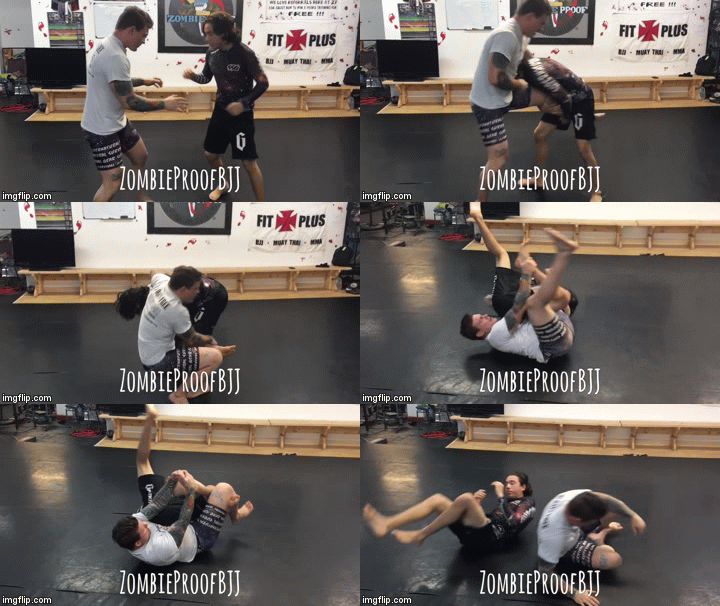
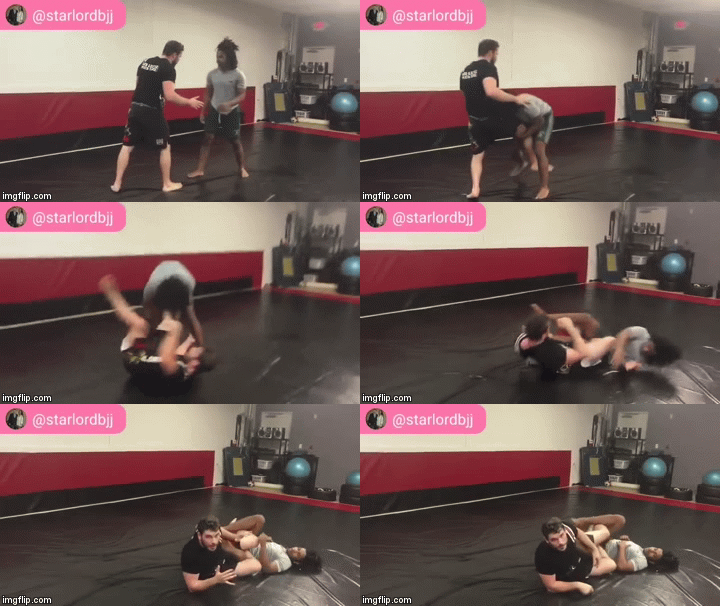
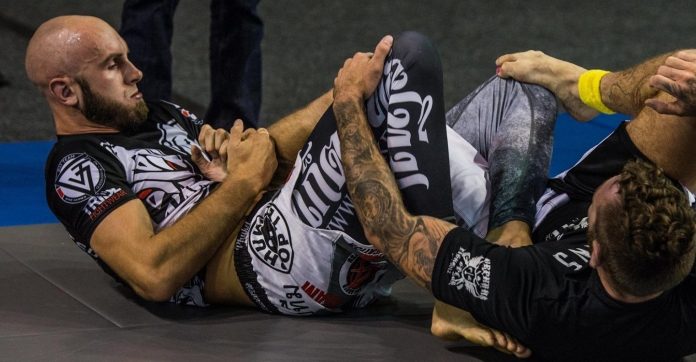
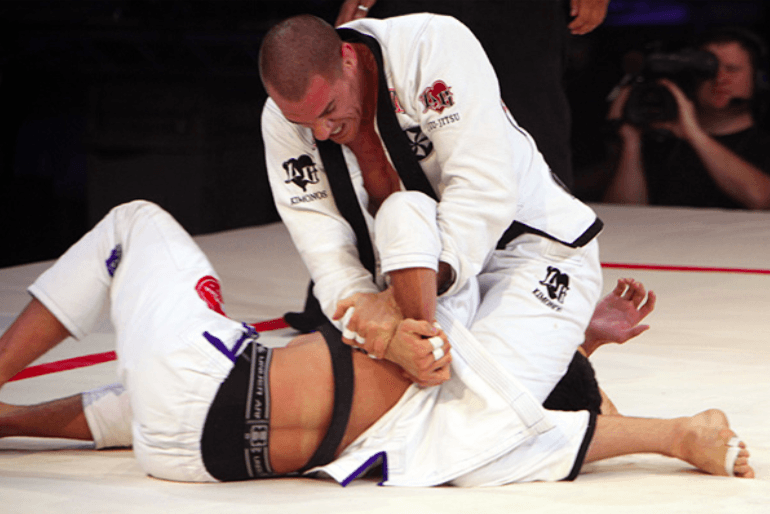 For a submission hunter, it is not about technical knowledge or strategy. Of course, this things matter, but it is the mindset that defines true submission hunters. It is not something you can learn in an instant. It is something that an article, a training partner or an instructor can only point you to. You’ll need to discover your own way of getting into the hunting zone. It is the hardest part of the puzzle, but there are certain pointers that can help you find your path.
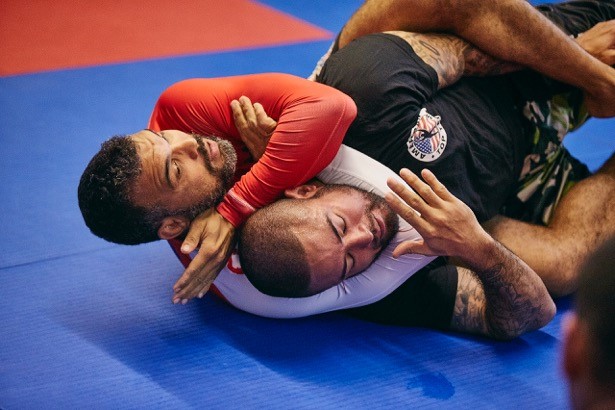 Creating whole systems of submissions that work together is the mark of a truly knowledgeable grappler. However, most people, especially those who lack experience, build their chains too short. The submission chain of a true submission hunter never really ends. This is an important thing to consider because it plays right into the hunting mindset. There’s absolutely no way for you to keep throwing different submission attempts without running out. What submission hunters do is they create a circle instead of a chain.