


I will never ever forget my first Judo training session, Nor the first few weeks of training, for that matter. A huge reason for that is just one single, painful and annoying position. My nightmares are due to the fact I was on the receiving end of it. Later on, of course, knowing how powerful it can be, I became quite proficient at it. So normally, when Brazilian Jiu-Jitsu entered the frame, I thought I had a secret weapon. It turns out the position doesn’t really do well unless you go for a few simple, yet crucial modification. In Judo, the position is called Kesa Gatame. the subject of today’s article, though, is the BJJ scarf hold.
There are plenty of old-school grappling techniques that somehow found their way into BJJ. Especially when BJJ was on the rise, before a unified rule set and all that, people were experimenting constantly. Since BJJ still had no clear outline, the Gracies took everything in, from Judo to catch wrestling, as long as it worked. For a while there, BJJ went into a slight stagnation period, in terms of its openness towards moves from other grappling martial arts. Lately, though, Jiu-Jitsu is back on the evolution fast track. A huge factor here is the will to experiment with moves and/or positions coming from other arts. Things that did not work as well before might be killer techinques in modern Jiu-Jitsu. Like the BJJ scarf hold, for example.
Getting someone in a scarf hold is as instinctive as it can get. Well, not exactly in a BJJ scarf hold pers say, but still. Even children when they get in a scrape often go for a sort of a headlock that ultimately ends up in what we know as the playground scarf hold. There’s something about controlling the head of another person that guides us instinctively to look for it even under distress. So why not use such a natural instinct to our advantage? Especially when we’re already in a sport that involves controlling the head, neck and every other body part of another resisting person. The scar hold is a very useful position to use in BJJ. While it has no practical merit whatsoever as a takedown move (despite success on the playground), it does offer control and submission options suitable for all levels.
The Scarf Hold AKA Kesa Gatame
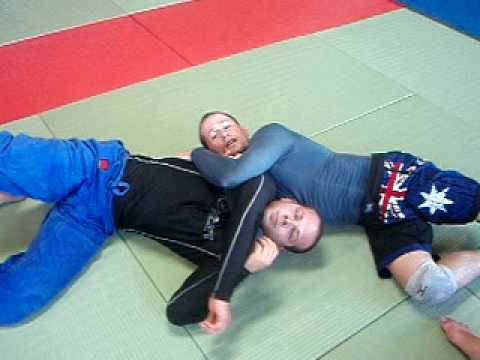
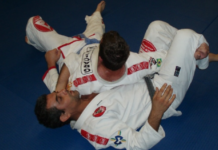
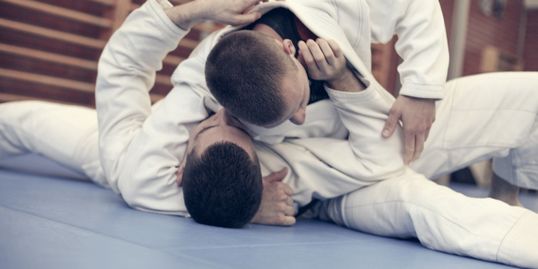
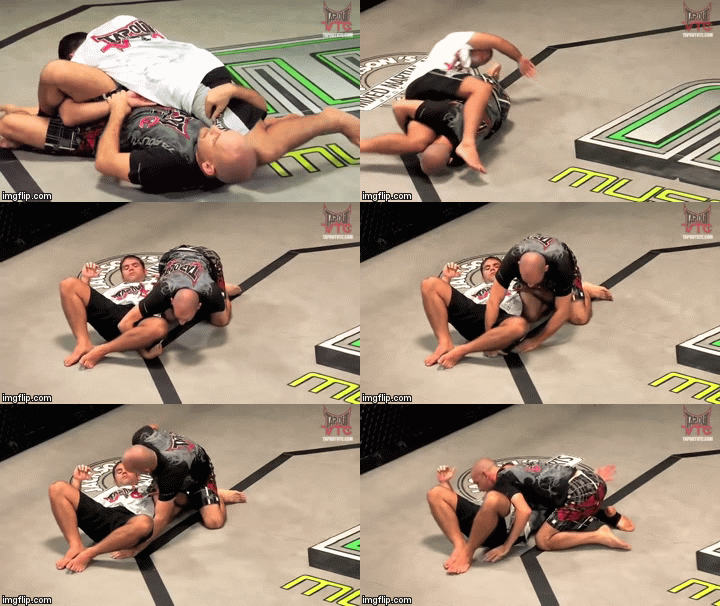
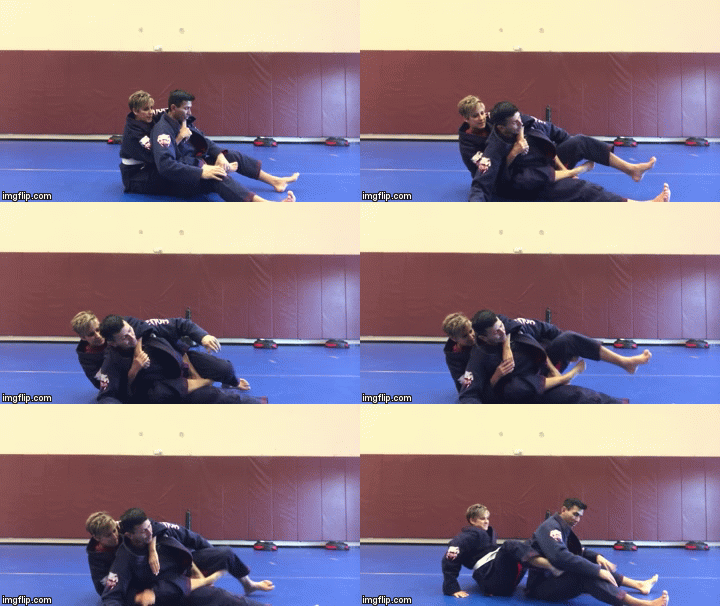
Let’s look at the basic Judo version of the BJJ scarf hold. The original Kesa Gatame position is, in essence, a side control variation. The goal is to use one arm to wrap the opponent’s head from the far side. The arm should fo as deep as possible around the neck, so that it comes out on the other side. The goal here is to have rotational control over the head, while also picking the head up. This bends the spine, making it almost impossible to move. As if this isn’t enough, pulling on the head of your opponent additionally bends the neck to the side, making the position extremely uncomfortable.
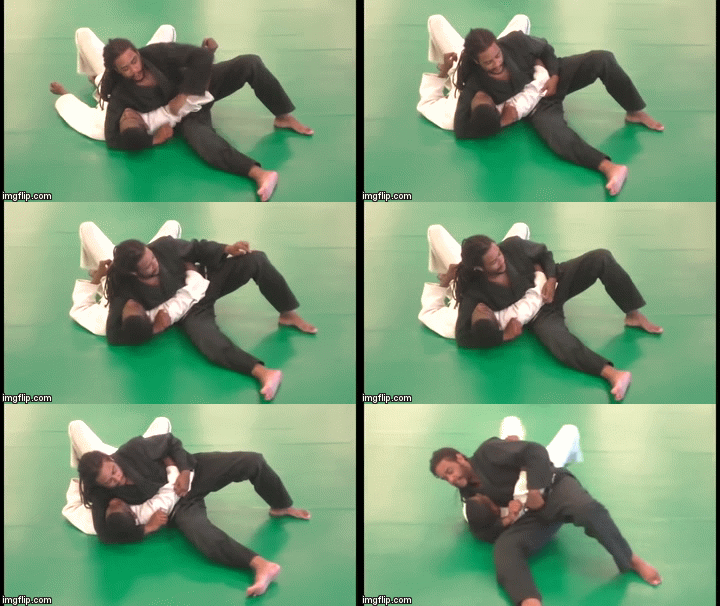 The goal of the other arm is to control the near arm of the opponent. This is a key thing to remember if you want any success with the BJJ scarf hold. In particular, you need to keep the opponent’s elbow off the ground at all times. A C-grip on the back of the triceps, along with a closed elbow is more than enough to keep their arm trapped for good.
Your body should be facing the opponent, your ribs on the side of their ribcage. the hips should be low on the mats, with the bottom leg extended forward and the other one back. The further out your legs are, the heavier you’ll be.
Finally, your head needs to be down low, right next to the opponent’s head. Aim to place your forehead on their near side shoulder, grinding the side of the face if need be.
Looking form ore information on the traiditonal Judo style Kesa Gatame? Check out the “The Judo Academy” DVD by Jimmy Pedro and Travis Stevens! Master it and nobody is going to escape your scarf hold ever again!
Controlling From the Scarf Hold
In terms of Judo, the Kesa game offers such complete control, that unless you know very specific escapes there’s no way out. This was exactly why I was so frustrated as a Judo beginner. The coach had me trying to escape Kesa Gatame fro close to a month before showing me a way out. The next couple of months were all about keeping the position and controlling an opponent.
The trouble with the Judo version is that in Judo, you can win by pinning an opponent for a short period of time. In BJJ, an opponent is going to find a way out eventually, or you’ll be penalized for stalling. Plus, there are a few more escapes than the standard Judo one. All this means that controlling the BJJ scarf hold is a dynamic effort, rather than a static one.
Since the scarf hold is a variation of side control, it doesn’t land you any points on its own but works perfectly to stabilize a pass, which brings 3 points. So keeping someone there is good for a while until you tire them out and make them uncomfortable. Ultimately, you’ll have to either transition or submit them. For control purposes, look to place the palm of the hand you have wrapped around the opponent’s head on the inner thigh of your bottom leg. This will torque the head even more and allow you to adjust your hips for transitioning without losing position.
Also, be wary of the positioning fo your legs. You’ll need to keep your back leg active and very low to the ground because a simple hook can open up a path to your back.
Easy Submissions
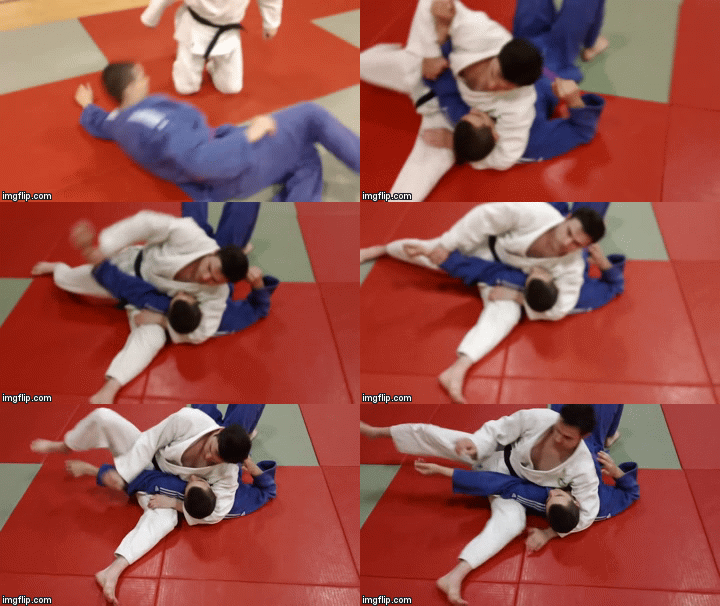 The first and easiest submission is one from Judo. The one thing you can attack without sacrificing any of the control you have is the trapped arm. Since you already have control of the elbow and a good grip, hitting an armbar, is extremely easy. Simply extend their arm, using your bottom leg as a fulcrum. To finish, you can put your foot and press down, or use your leg to hook and pull back for a brutal and fast finish.
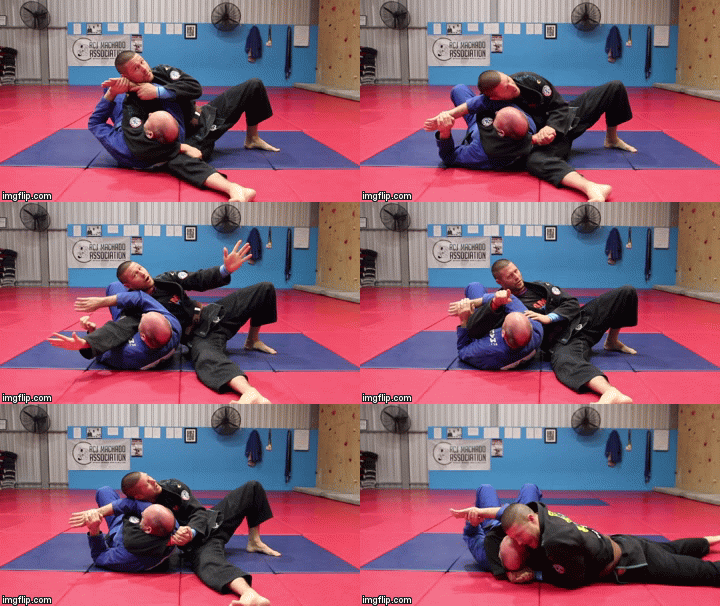 Another really easy thing to get from the BJJ scarf hold is an arm triangle, Once again, the position is nearly set, as you have the arm around the head. You also have great control over the opposite side arm, requiring just a slight setup. Often times opponents make it easier by pushing on your head. All you need to do is brush their arms past and drop your head down to lock the choke in. From there, you go belly down and finish your arm triangle.
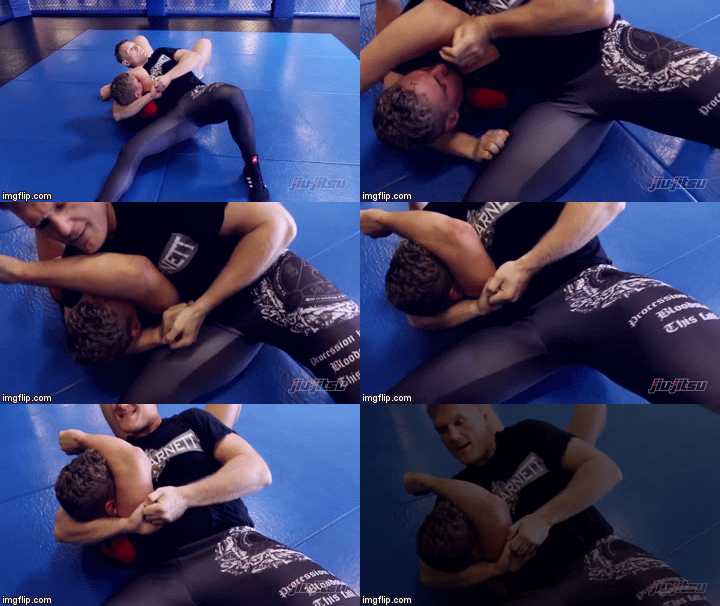 The final submission is a slightly unusual, yet brutally effective one. It is a catch wrestling move that Josh Barnett used to submit Dean Lister at Metamoris. The chest choke is similar to an arm triangle, up to a point, After you get their arm to their neck, instead of dropping down you push with your hips and lift their head even further. The goal is to use your ribs to put pressure on their chest while pulling via an S-grip with your arms.
https://bjj-world.com/difference-japanese-jiu-jitsu-bjj/
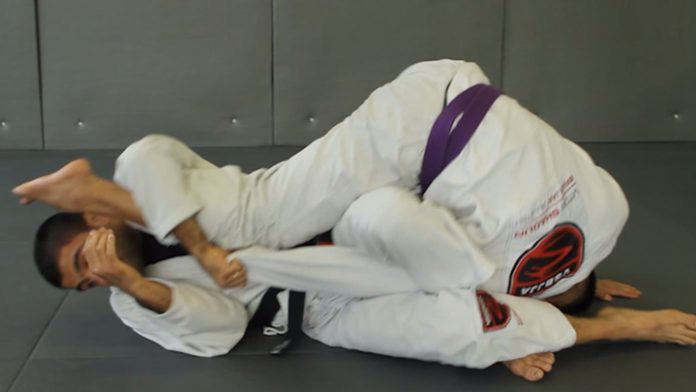
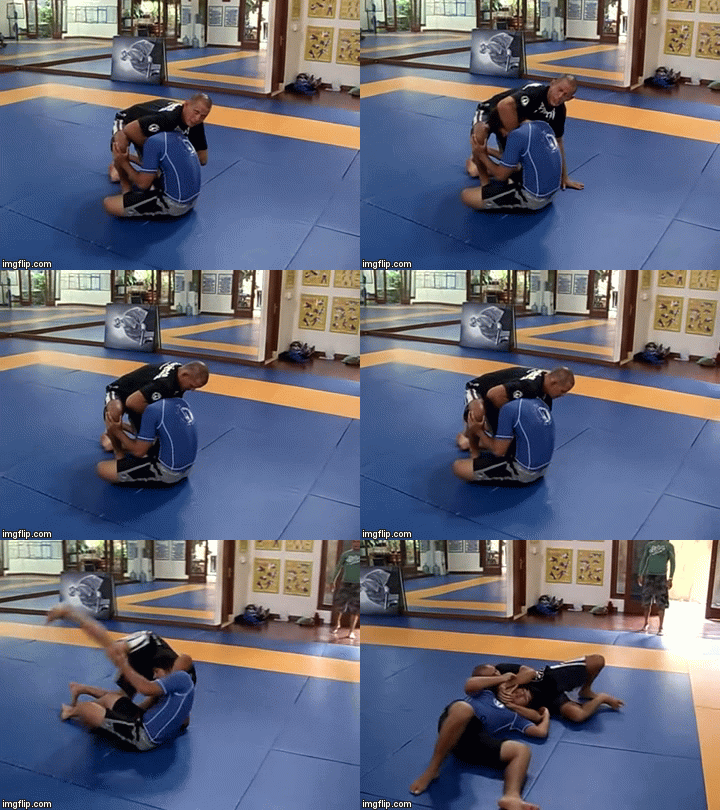
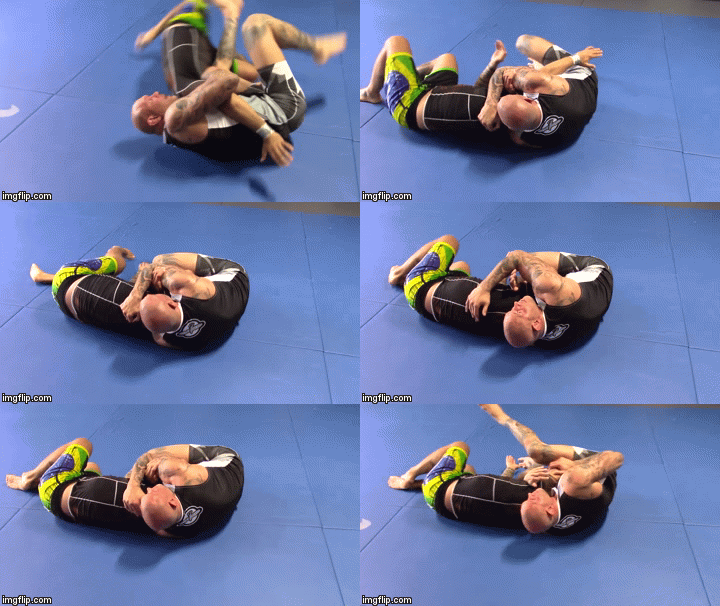
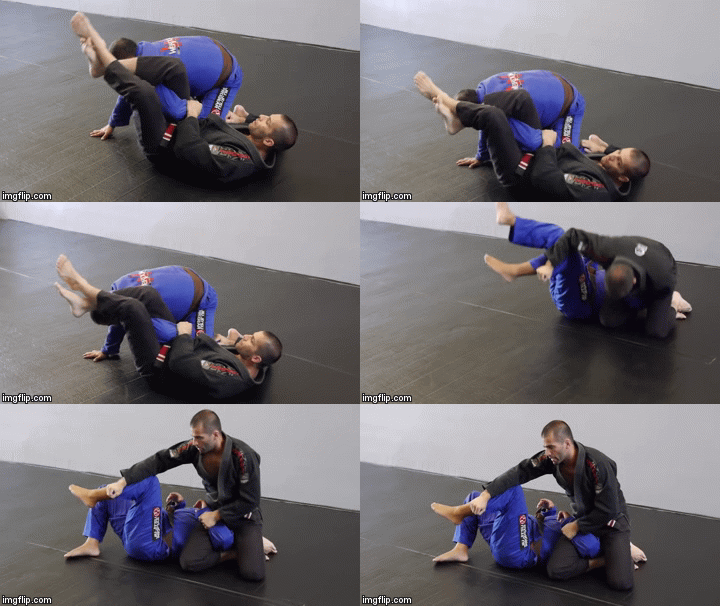
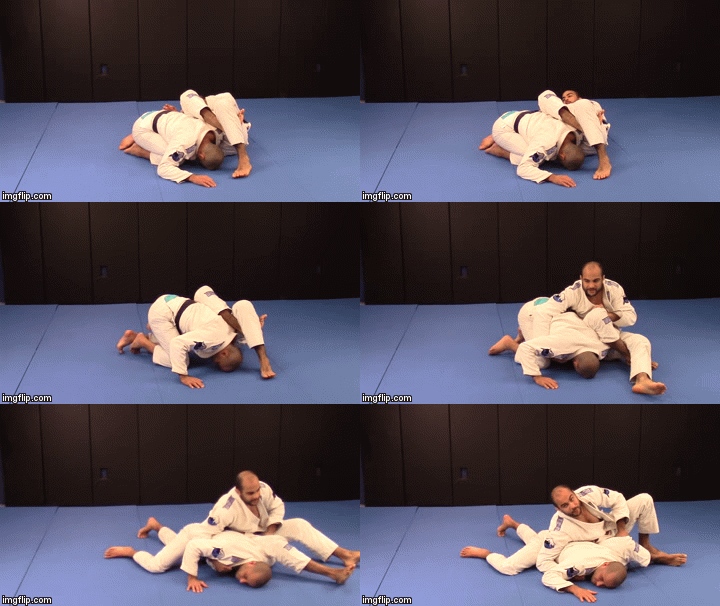 Starting from the closed guard, you need to have one of your partner’s arms on the ground in order to go for an Omoplata. You could force him to plant it there or pull it yourself. Once the arm is extended, you open your guard and use the leg you have under the same side armpit to hook their shoulder. In order to do this, you’ll have to significantly change the angle of your hips, so that they’re now facing to the same side as your opponent. Locking a triangle in place, while keeping their hand as close as possible to their body gives you immense control. From there, you either go straight for the finish or for an Omoplata sweep.
 In the first instance, you have an opponent roll forward as you extend your legs to finish the Omoplata. Sometimes, even despite your best efforts to control their hips, opponents will find ways to roll out. Never ever untangle your Omoplata just because an opponent rolls out. Instead, make sure you go for a sweep and stabilize the position on top. Simply follow your opponent’s movement until you end up on top. The finishing position is going to be next to your opponent, with your legs still around their arm, along with sleeve control. This is a great position to be in, plus it lands you two points.
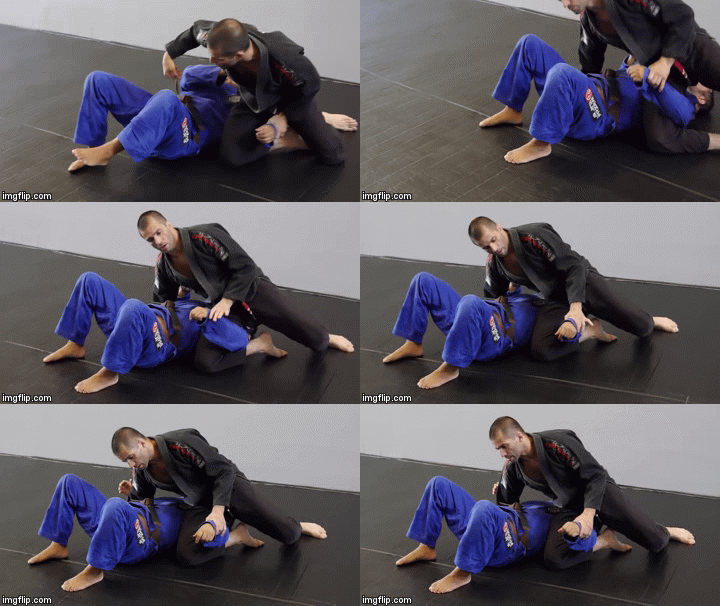
 From a more advanced perspective, you can use the Omoplata sweep when opponents intelligently defend Omoplata attacks. A knowledgeable opponent is either going to try to skip over you or try to open the shoulder lock up. In both instances, you yourself can turn to the Omoplata sweep to counter their defenses. Simply extend your legs while rolling forward with your body, so that your weight makes them roll over. Or, roll over behind you if the opponent is posturing up. Keep the shins of both legs on the mats as you get up, so that you keep the arm pinned and your opponent firmly in place.
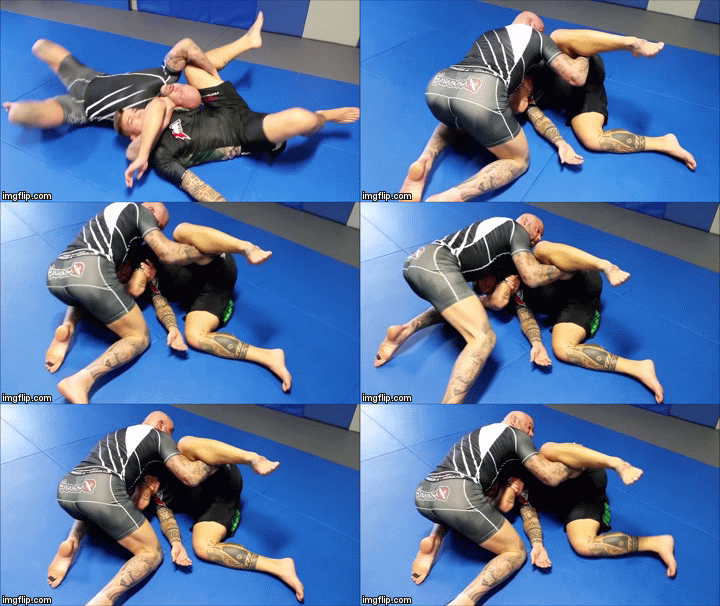
 The first and easiest option is a quick straight armlock. You already have everything in place, you just need to make a small adjustment. First, make sure you have the elbow of your opponent’s trapped arm between your legs. If that elbow slides out, go for side control. If you have the elbow, all it takes is to sit back, so that their arm is pinned between your hamstring and calf, and simply press down on their wrist for a straight armlock finish.
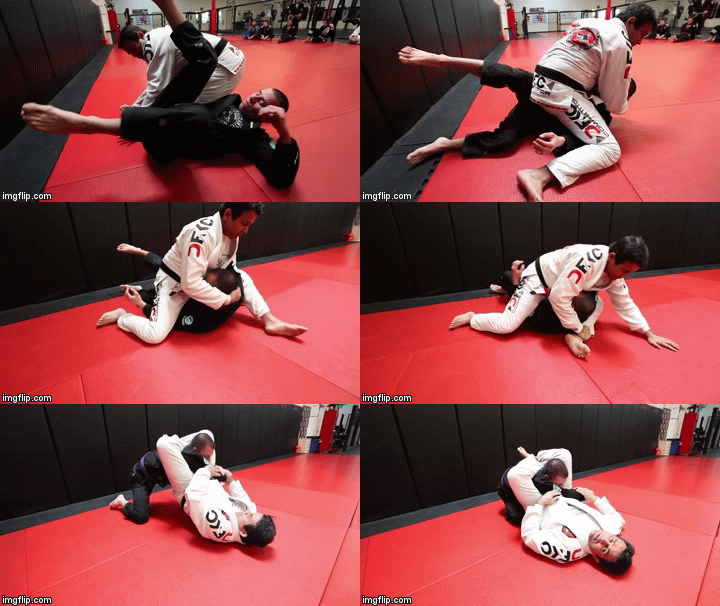 Another cool looking and really good options are submitting from the mount. From an Omoplata sweep, backstep your free leg over the opponent and turn to face them. You’ll end up straight into a mounted triangle position. From there you should triangle your legs and settle in for a finish. Or, if you can’t squeeze the triangle right away, you can roll to you back, looking it up in transition, Your opponent won’t get any sweep points if you go on your back since you were in the mount. PLus if the triangle fails you can go from another Omoplata from there.
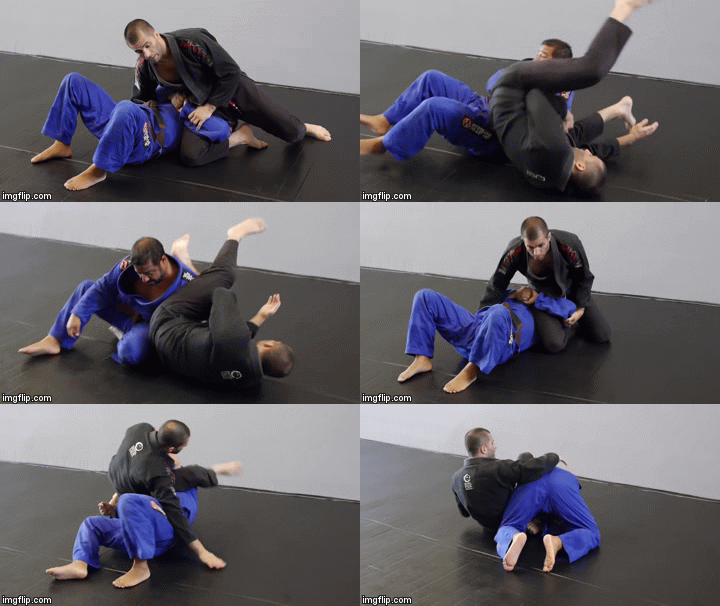 Finally, you can still finish with an Omoplata. Simply squeeze their elbow tight and roll over you near side shoulder. This time, though, make sure you control their hips better so that you can finish without them rolling out. Yeah, it is that easy, you only need to be aware it is there.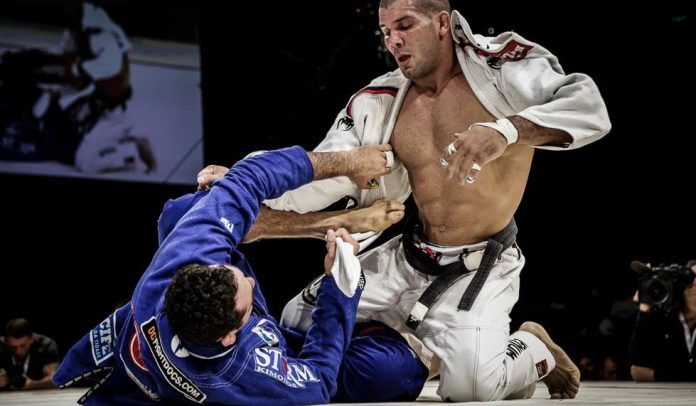
 Dealing with annoying traits is not at all easy. While some, mostly those that refer to habits can be remedied, others are so deeply ingrained in people’s characters that changing them is next to impossible. In most cases, an instructor can really help by talking to the person and offering solutions.
 Dear white belts, if you’re training less than 6 months, disregard this one. But keep it in mind, regardless. All you other people of various ranks and experience, loosen up! Training Jiu-Jitsu is different from competing in Jiu-Jitsu. Keep the intensity appropriate, and do not act like you’re fighting for a world title! SPazing is useless, annoying and completely out of place in grappling. And this includes both spazzing when you’re attacking and when you’re defending. Nobody likes an elbow to the face because you can’t handle someone passing your guard!

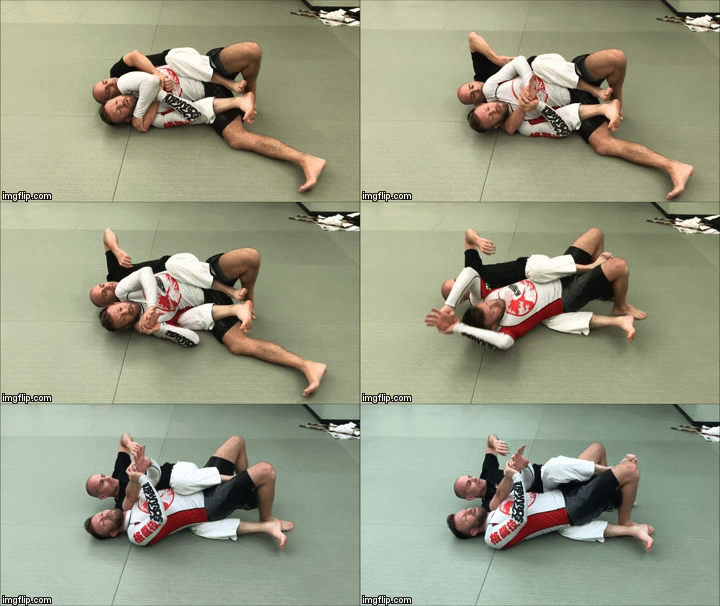
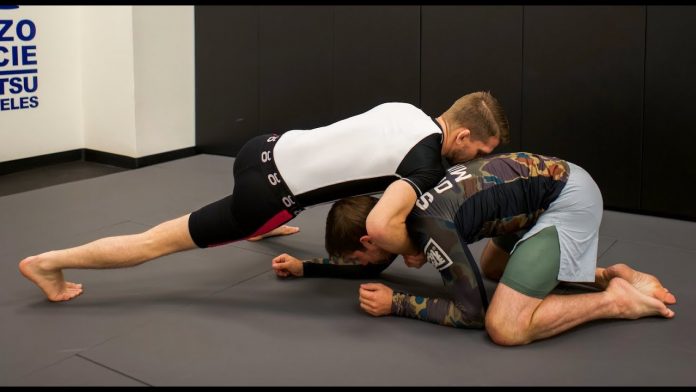
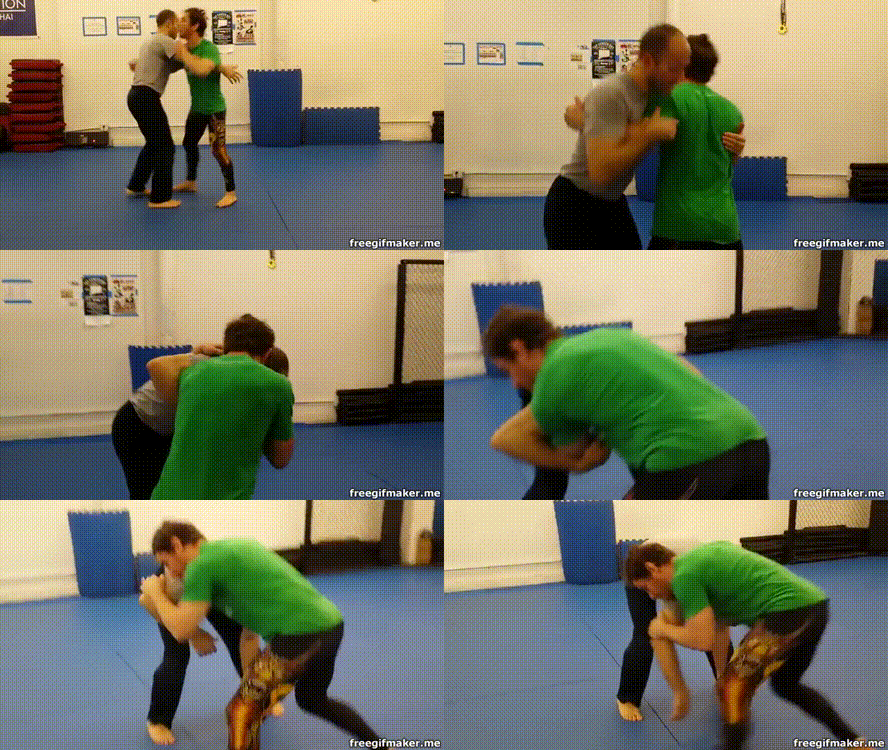 Next up is the over-under setup. This is a fairly technical one, that includes establishing grips first. For example, if you’re stuck in an endless pummeling exchange, you can actually use the pummel to get to the front headlock. Simply place the palm of your underhook arm up on their shoulder and use it as a hook. Step back and to the side with your opposite side leg to break your opponent’s posture. From there on simply go back to the front and slap on the grips.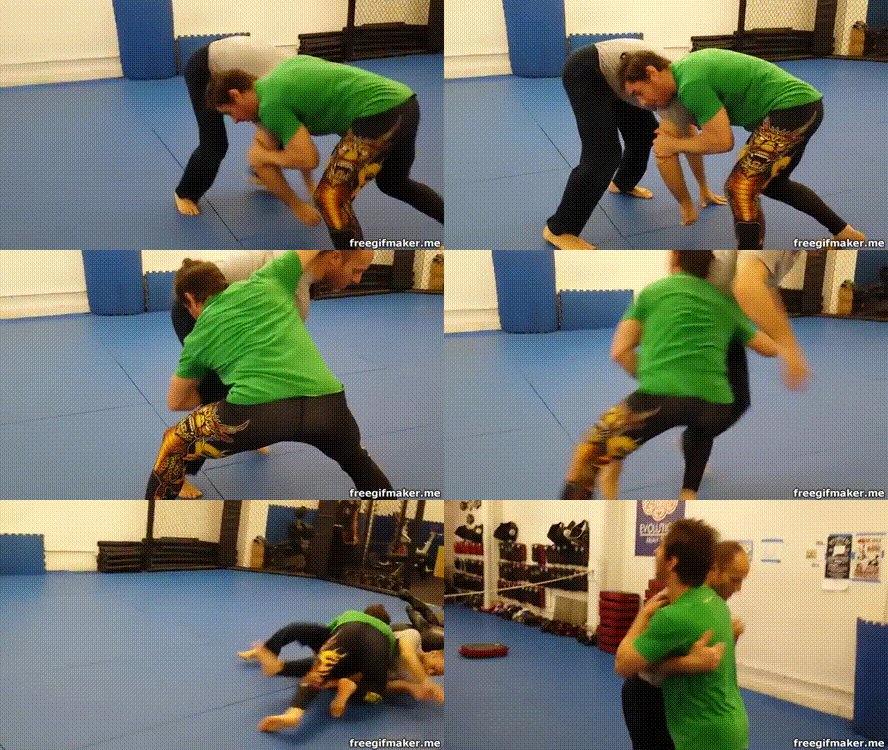
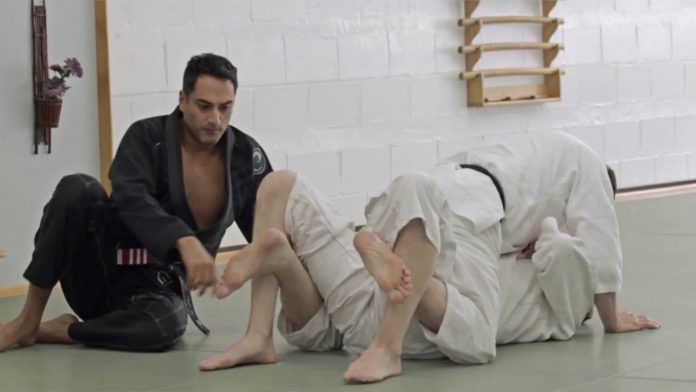
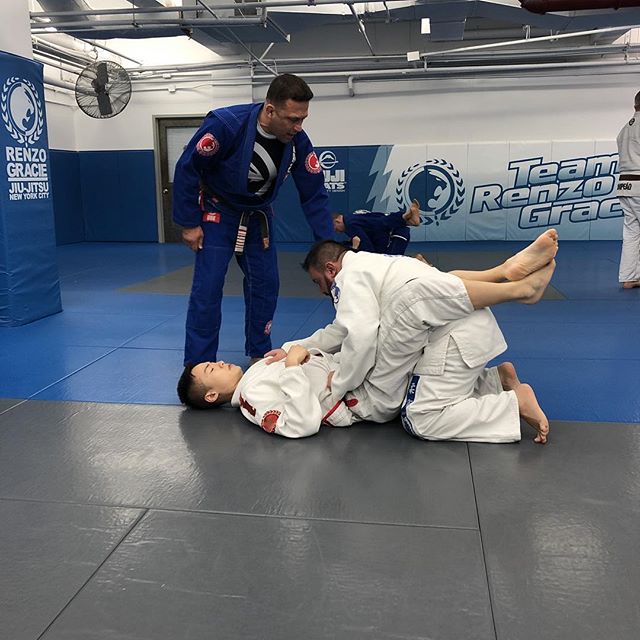 As far as the warm-up is concerned, you do not know how mobile, coordinated or agile your new students are. In order to make sure they can go through the warm-up successfully, go for things you know everyone can do. Squats, pushups, low impact jumps like jumping jacks and some abs are more than enough. Most people can execute them without too much difficulty, they’ll warm the students up an give them encouragement that hey can do whatever is asked of them. Also, remember to do everything along with them.
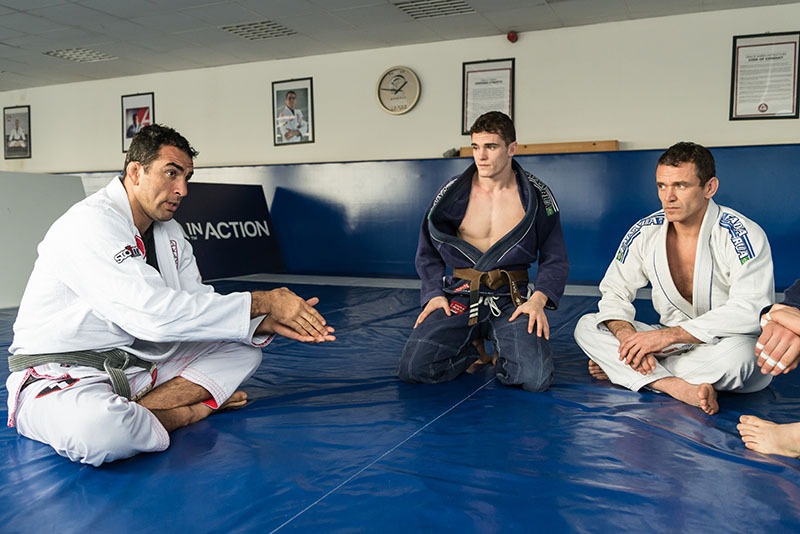 A very good time to hold an intro class is right before your beginner BJJ classes start. That way, you can invite new students to stay and see how training goes in the group they’ll be part of. That way, they get both the one-on-one experience for their first class as well as meet the people they’ll be training with.
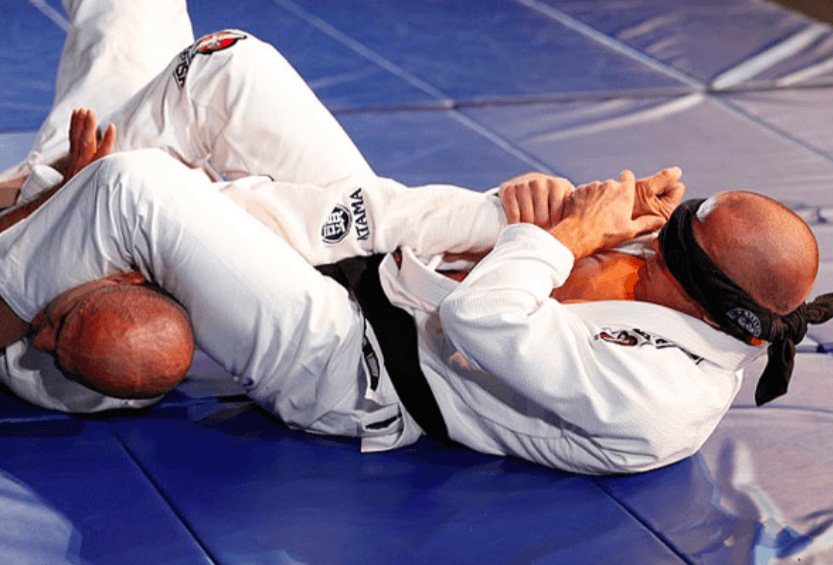 The approach we took was rolling very very slowly, starting with specific positions only. Furthermore, only one partner had a blindfold on, so that the other could watch out for other rolling couples. Starting with position sparring was the right decision. The moment you remove the sight from the equation, you tend to slow down extremely significantly. And this is exactly why rolling with closed eyes is so beneficial.
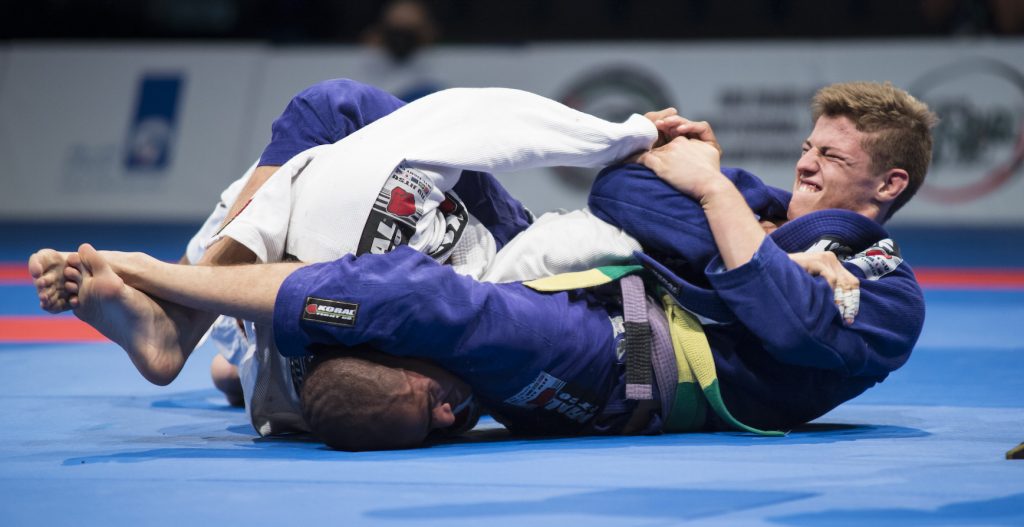 As you grow accustomed to rolling without looking, you can slowly start implementing it during regular rolls as well. Get the right partner, and make sure that they are using all their senses. Never do a blind roll with a person that also has their arms closed. ti is a recipe for disaster, as one of you should always control outside factors.
 When our bodies are fighting off bugs, they need all the rest we can afford. All the symptoms you’re having, from a runny nose to elevated body temperature and overall muscle fatigue are not due to the disease itself. It is how your body reacts in order to deal with the intruder and re-establish balance. Getting your body through intense physical exertion is the last thing it needs when trying to get rid of a virus. Going to BJJ is going to make your body use resources to feed your muscles instead of helping your immune system in its battle. So, whenever you have any kind of symptoms that indicate a cold or a disease, you’re too sick to train Jiu-Jitsu. Even if you think you’re feeling fine.
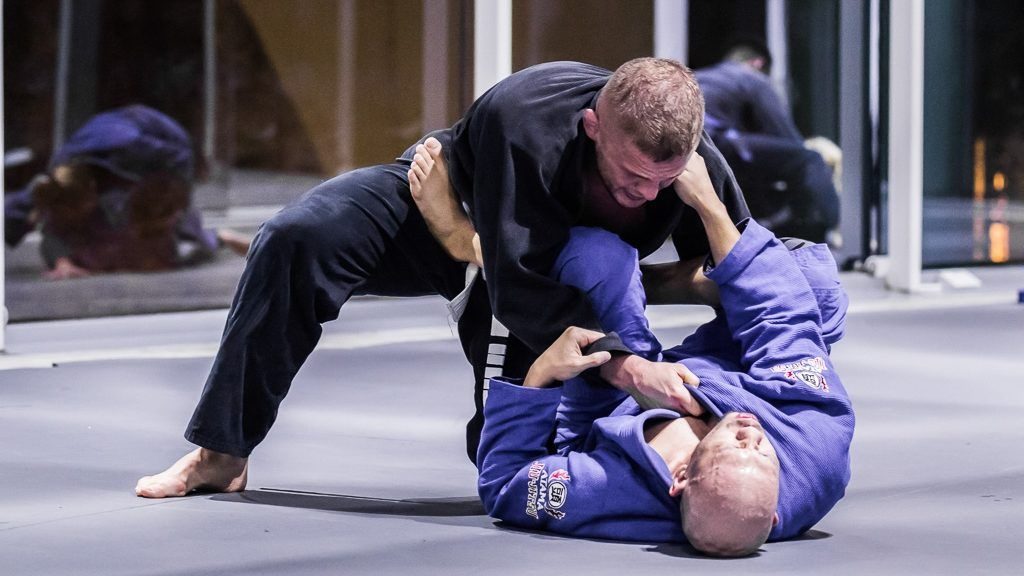 The best advice is to make sure you have absolutely no symptoms before you get back in training. But simply getting over the worst part of a cold doesn’t automatically make you ready for the mats again. When symptoms subside, your body is either rid or close to doing so, of the bug. However, just like after a match, your body is exhausted from the fight. It is going to need time to recover, during which the immune system is not up to par. Getting straight back to the gym straight away is going to stress your body further. This is going to pen you up to other diseases, or even worse, the same one.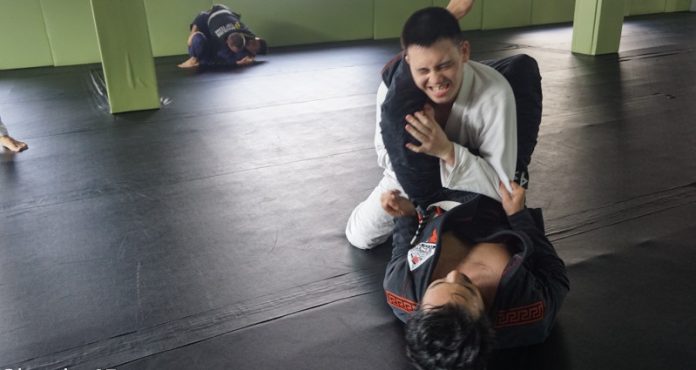
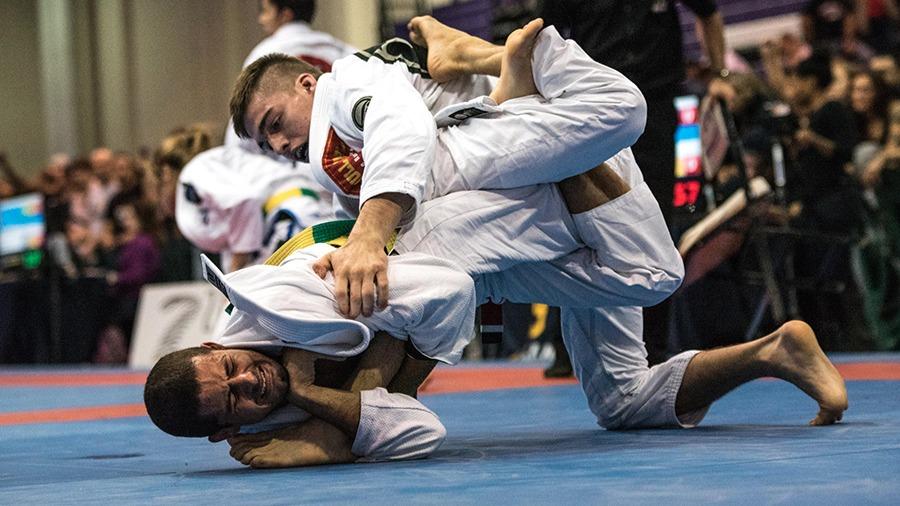 Rolling with a spaz goes something like this. After you slap and bum you’re going to have a hard time engaging. They’re going to be safely fending off grips without taking any initiative. Once you go for something, or they decide they see an opening, all hell breaks loose. The BJJ spaz is going to look to implement a certain move despite all odds. And, even though you’re defending, you’ll get smashed, hit, scratched, elbowed, and what not. Basically, the spazzer is going to use as much power as they can to force through moves that aren’t really working. They’ll be really tense, explosive, and uncharacteristically violent. Despite all this, spazzer really rarely has actual bad intentions.
 What happens when you put inexperience and insecurity together? You almost certainly get a BJJ spaz. Both of them usually come into play in one distinct situation – skipping class. IF a student shows up for class irregularly there’s no way they’ll become comfortable enough to roll correctly. Furthermore, seeing all their peers who are attending class regularly has an ego-bruising effect. This is all the more reason for people to “prove a point”. However, since they do not have the correct tools to do so, spazzing is the usual consequence.