






Do you compete in Jiu-Jitsu? Or perhaps, you’re planning to give it a try for the first time ever? In any case, you won’t come across a shortage of information on what to do to prepare or a tournament. In fact, you might even come across too much information on the subject. However, a tournament experience doesn’t just include things to do. There are also certain things that you shouldn’t do in BJJ competitions. This is a part of competition preparation that is rarely overseen in favor of gameplans, tactics, drilling, etc. That is all-important, but you won’t get a chance to use it if you get DQ-ed before you even get to have the first match.
BJJ tournaments are seemingly pretty straightforward affairs. You go there, weigh-in, step on the mats and you grapple. When it comes to the fundamental idea behind BJJ competitions, this is true. However, there are hundreds, if not thousands, little things that can take your tournament experience from being an awesome wone to being a nightmare. It is usually all about the small things that you should or shouldn’t do, but have not paid attention to. WE’ve talked plenty about what you should do. Now, let’s focus on what not to do in order to have a great time in any BJJ tournament.
Getting Ready For BJJ Competitions
Competition preparation can either be a fun process or a grueling one. And that does not relate to the amount of work you do. Of course, you need to put in as many hours as possible. However, you can choose your approach. You can get in it training like it is the Olympics and living your entire life around the fact that you’re competing. Or, you can literally keep it playful and just have fun when you’re preparing. It won’t make you any less successful once you step on the mats, it is just down to personal preference.
 The usual timeline of a competition prep goes something like this: first, you figure out which BJJ competitions you want to compete in. Then, you make travel, accommodation, etc arrangements with your coach and competition team. After you figure out your weight class and age category, you sign up and are ready to start the preparations. The approach to preparing for tournaments is different with everyone. Some like to listen to coaches, others like to make their own game plans, and there are even those that do not prepare too specifically.
Of course, preparations extend to things you do outside the gym as well. Nutrition, strength and conditioning training, recovery, etc. all play a huge role. Some people also like to analyze opponents, look at videos of matches, etc. There are even the few that decide to brush up on the rules and format of the tournament. However, rarely anyone thinks about the things they shouldn’t be doing. And those are exactly the things that might cost you a match, or the entire tournament.
Don’t Do These Things!
It is simple – don’t do anything that is against the rules. If you don’t like a certain rule set, compete in another tournament that has a different format. To that extent, most grapplers do go over stuff they can’t do form a technical standpoint, but only superficially. Moreover, what is important is not just knowing what is illegal, or how you should look and act once on the mats.
There are things that you’re better off avoiding in order to really maximize your chances of performing well in BJJ competitions. Not doing some of these mistakes that are quite common will provide you with a better overall tournament experience. Not doing others will directly affect your performance on the mats.
Skipping Warm-Ups
There’s really no good reason to skip warming up. Even if you’re late, you can squeeze in a warmup on the edge of the mats. People that skip over warmups in BJJ competitions actually mostly do so because they do the same in their Academies as well. Despite the fact that everyone knows they should warm-up before training, and especially before a competition, people think they can get off without it. The results can be anything from injuries, to a stiff performance and the inability to play your game. So, loosen up and get warm before competing. Why wouldn’t you want to be ready?
Act Like Your Life Depends On it
This is an approach that you can regulate with time. However, the sooner you start approaching BJJ competitions with this in mind, the better. When you’re in a match, you should be fighting, that’s beyond question. Ht question is, how hard should you be fighting? Unless you’re in the main event of ADCC, or a huge final, the answer is most likely “not a 100%”. The more you go ina match with all you got, the more you’re going to feel the consequences afterward. And, if you did well, you still have more matches, with progressively tougher opponents coming up.
When you get to grapple, do it smartly. Go hard, of course, but do not burn yourself out, especially in the very first match. The point is to use your technique and your cunning, not power through everything.
Skip Recovery Between Matches
This ties in with the previous point. IN between matches, make sure you can recover as fully as possible. And that doesn’t mean sitting in the warm-up area, panting. Get whatever recovery drink you usually drink, have someone massage your arms, stretch or pop out a foam roller. You choose what to do, but don’t just sit around waiting for your name to be called again. Active recovery will help freshen you up while keeping you loose and warm for the next match.
Take Rules For Granted
The rules of BJJ competitions vary greatly. It is not enough just to know what you need to be doing in a match. You should also know all the ways in which you and end up disqualified before you even get to have that first match. What can get you DQ-ed really fast? Wearing a Gi that is too short, too long, too old, or in a disallowed color is one. The same holds true for rashguards in No-Gi. Another is missing weight, even if it is by a few ounces. Also, being late when they call you up can promptly end in you getting kicked out of A competition.
Ditch The Plan
Remember all that preparation leading up to BJJ competitions? Well, people do tend to throw it all out of the window, particularly those who compete for the first time. And that is one bad idea. The gameplan is there for a reason. Usually, a coach has tailored it to you and is ready to help you execute it from the corner. You, dropping it all and going by feel means tall the work was done for nothing. Moreover, as experience shows, this rarely turns out to work in your favor as a competitor. So, stick to the gameplan!
Go Overboard With Weight Cutting
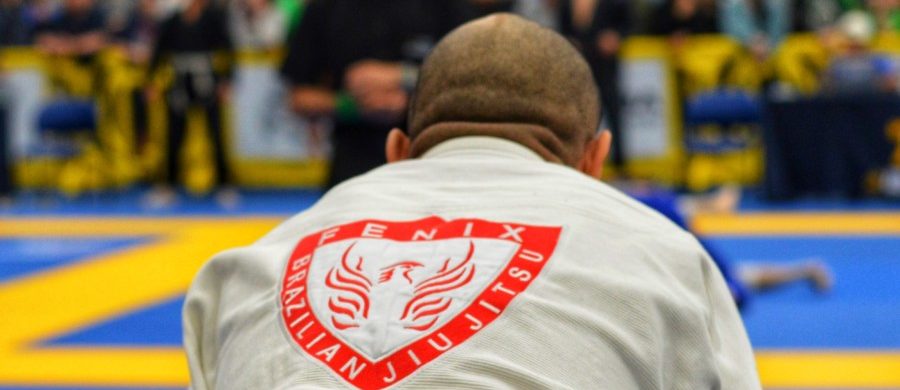 This one is absolutely huge. I’ve made this mistake and it has taught me a valuable lesson. If you’re really dead set on cutting weight, do it in a smart way. Do not cut more than 5-6 lbs. Even better, do not cut any. The way a weight cut, even one done right can strip you of energy is unlike anything else. There’s no point in trying to fight people when you can barely stand.
Illegal Moves
This one goes without saying, but still. Learn which moves are not legal. But do so in detail. There are many hidden little details that referees always seem to catch. Plus, get to know how all the rules work while you’re at it. Advantages, in particular, can be a very powerful tool, if you can understand how they work. In any case, avoiding anything illegal should be apart of your gameplan, so that’s another reason to read the rulebook before BJJ competitions.
Take Things Seriously
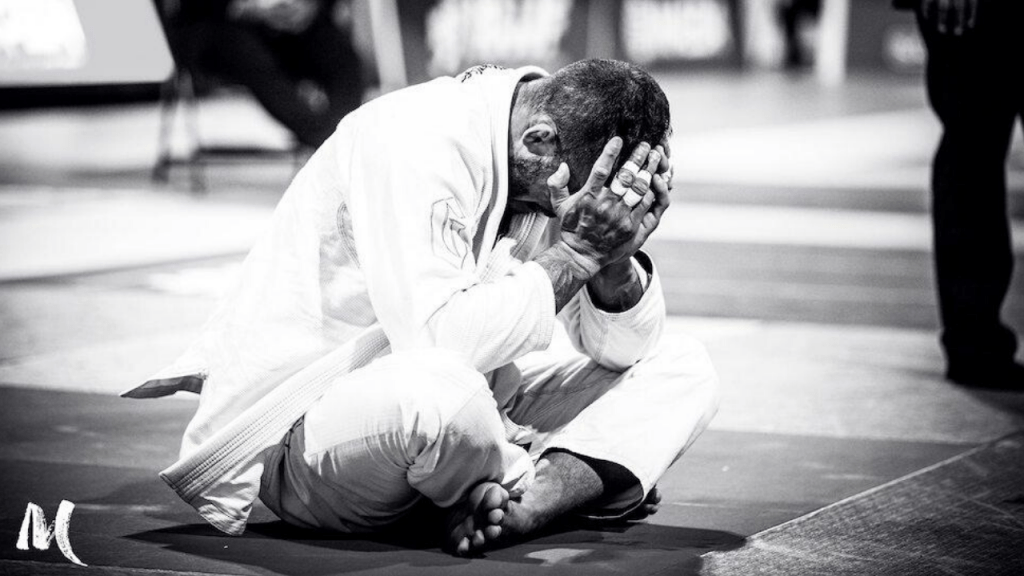
This final point is the most important one. It is also one that will take time. Everyone will do it at first. While competing is fun, you won’t feel like that the first few times. On the contrary, it’ll feel like chaos, and you’ll be worried about everything, from how your opponent looks, to which mat you’re competing on an how you’ll do. Well, stop overthinking. It is BJJ, it is not a life or death battle. Just go out there and have fun and don’t take winning, nor losing too seriously. You’re competing to become better in BJJ and understand the art. Manage expectations. Don’t put pressure on yourself. Most importantly, have fun!
Final Thoughts
What you don’t do in BJJ competitions will often end up being much more important than what you actually do. Not being aware of the pitfalls and common mistakes people make is shooting yourself in the foot. Give yourself every chance of making the most out of a tournament. Come prepared, but not just for a match, but for a battle with the competition format as well.
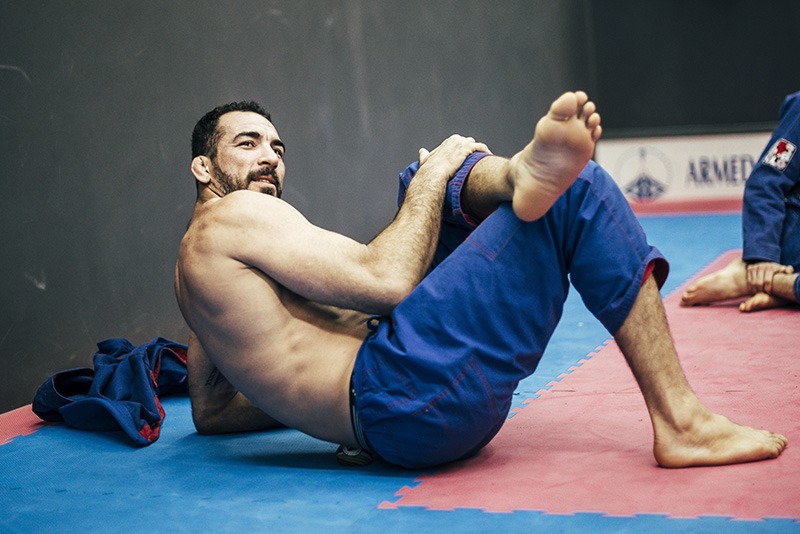 In terms of the physical side of things, the first thing to be sure of is that you’re returning injury-free. This one is non-negotiable. Go through all the physical therapy you need, but make sure you’re as near to 100% as possible. Brazilian Jiu-Jitsu training is hard and can be merciless on your body. Coming in unhealthy is a great way of making sure you’ll spend even more time on the sidelines.
 What I think is extremely important particularly for more experienced grapplers is to manage expectations. IF you area purple belt that loves submission hunting, and have been out of training for three or four months, you’ll catch a lot fewer submissions (if any) immediately upon your return. Expecting to go back and be the same is a great way to get frustrated at yourself and with BJJ. Instead, set realistic, small goals that you can achieve on training by training basis. This is the first thing you need to do before stepping back on the mats.
 In order to make sure you’re on the same page with the partners you choose, talk to them. It is simple, just let them know you’re out of rhythm, and you need to take things gradually. Find people that will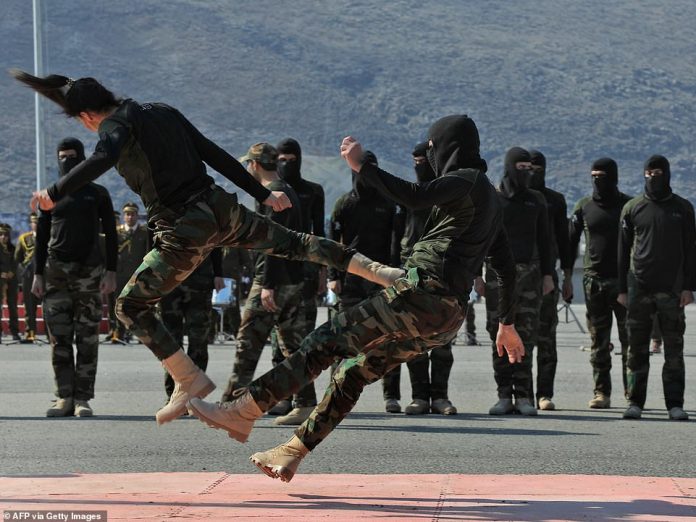
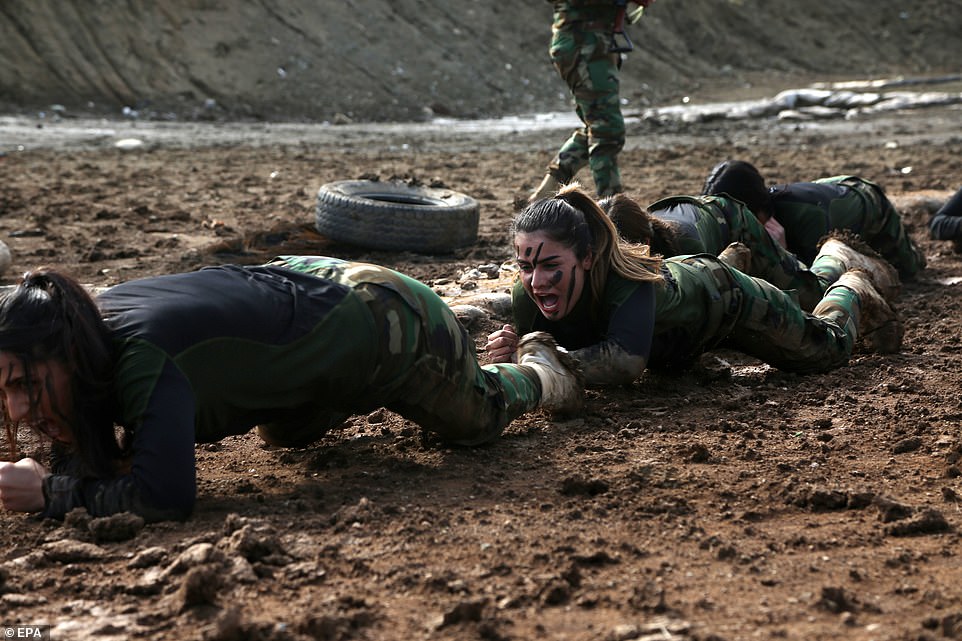 It seems redundant to have to talk about inequalities between sexes and similar subjects in today’s society. And I’m not jsut talking political correctenss here. Brazilian Jiu-Jitsu is the perfect example. You wouldn’t treat a feamle and male black belt differently in BJJ – they’ll both kick your butt, So, no need to value one more than the other, based purely on their sex. Given that we already have that appraoch in BJJ, why not extend it to every walk of life?
 They have been battling against ISIS for a long time now, and are a unit that the xtremists fear and try to avoid. They have several notalbe battles, where the all-women unit managed to stand their ground and conquer huge victories againsts ISIS extremists .
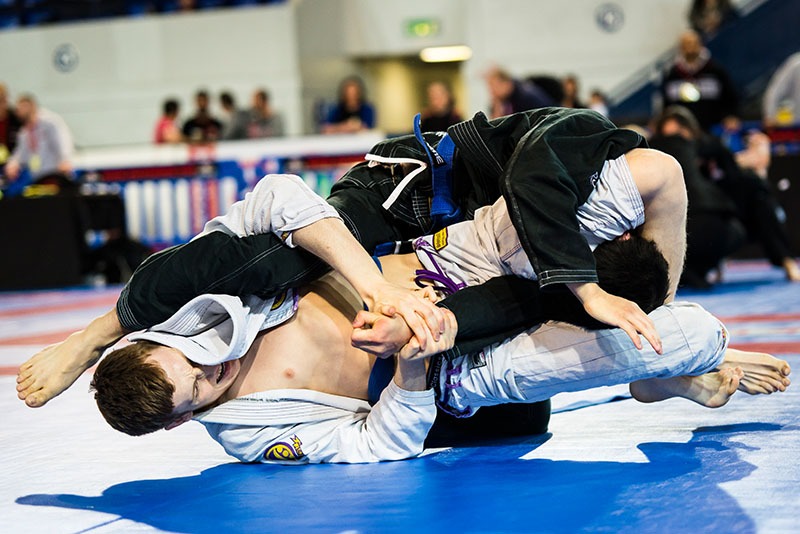 In terms of learning, the curve of Jiu-Jitsu is a strange one. Learning usually has a linear progression, when most things are in question. Brazilian Jiu-Jitsu, however, has a unique curve. It may start upwards, as most learning curves do, but it will certainly stall at a certain point and might even start going down before it gets backs up. This has to do with understating Jiu-Jitsu and the time you spent at each belt level. And that right there is the one most crucial thing you can do to master any Jiu-Jitsu position – spend time in it.
 The BJJ strategy here is as follows – you can learn in reverse. If holding mount is your problem, and you can’t figure it out no matter what you do or who you ask, start learning mount escapes. That way, you’ll see how the person on bottom thinks. Suddenly, your top position mount will become better in no time. The same holds true for aby Jiu-Jitsu position or move. And it works both ways.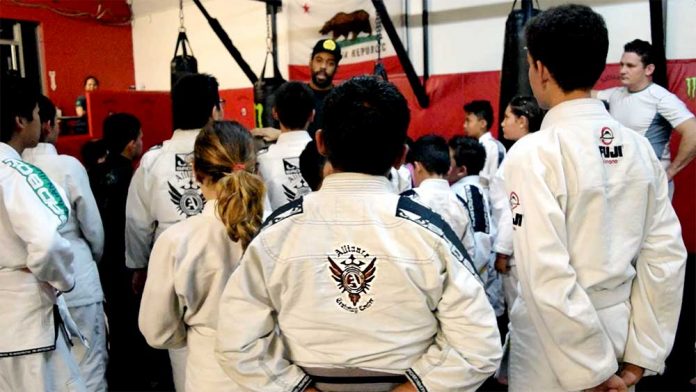
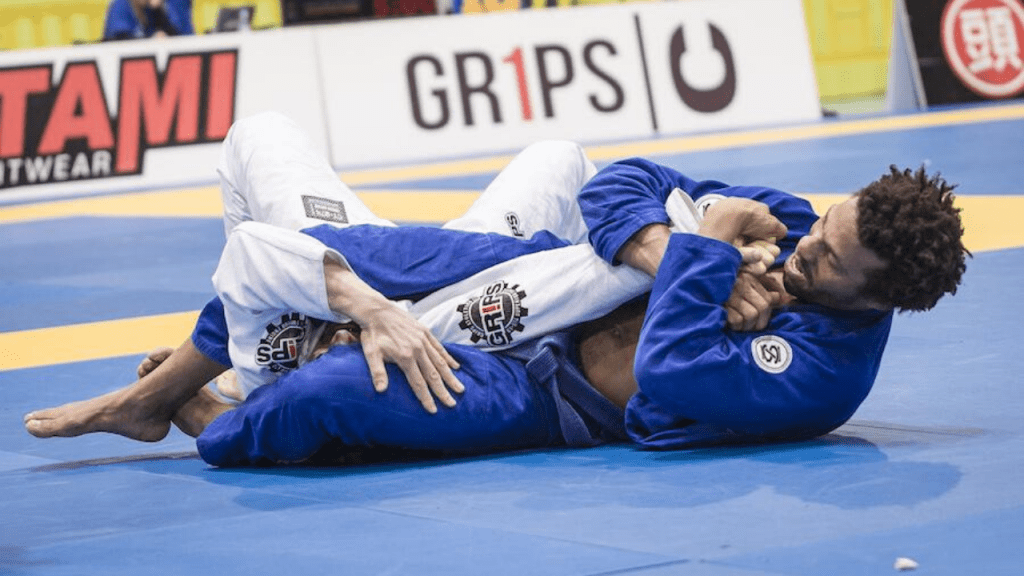
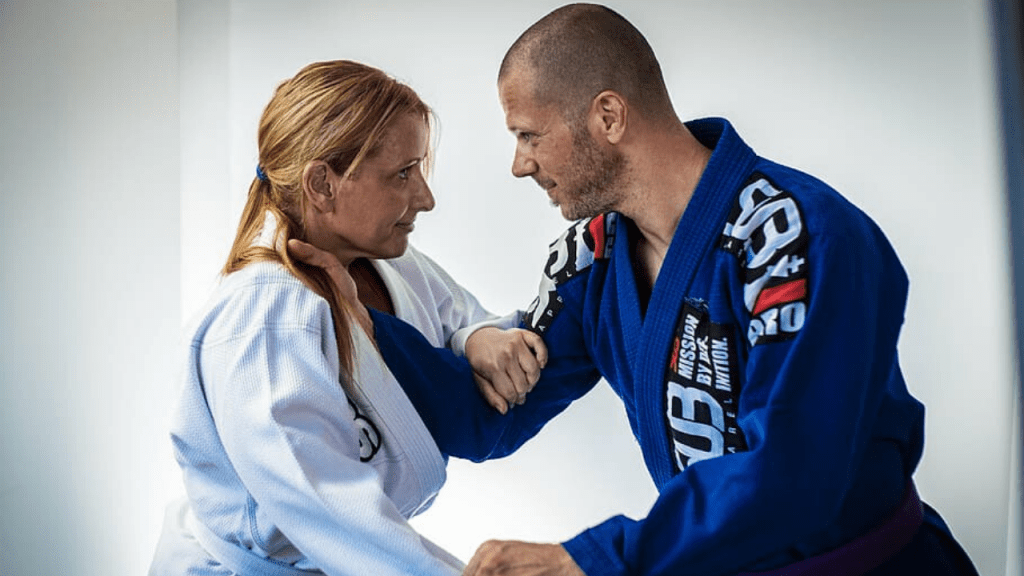 Another staple of BJJ talk that you’ll never stop hearing. You can’t grapple with someone if you don’t hold them. Grips are a way of
  Remember the all-out sparring I mentioned? Well, the BJJ talk for that is rolling, given that it is literally what people do.
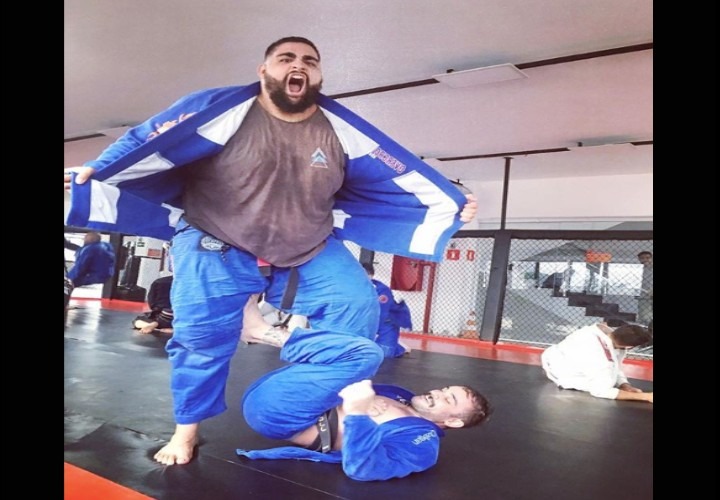 Figuring out lazy BJJ is a huge step in your Jiu-Jitsu progress. In other words, there’s no way around that, meaning you’ll stop getting the same conditioning benefits you did before. Does Jiu-JItsu get you in shape? Certainly. Does JIu-Jitsu keep you in shape throughout? Not really. Depending on how hard you train, you can stay or even improve your shape. But you’ll need to do it consciously because you have the option of moving without expending any energy whatsoever.
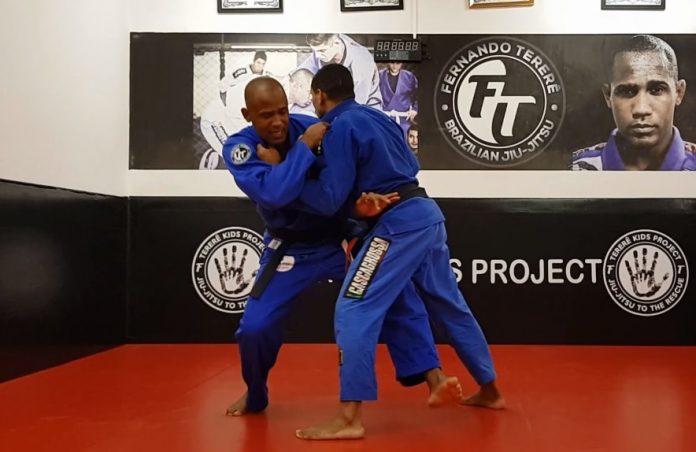
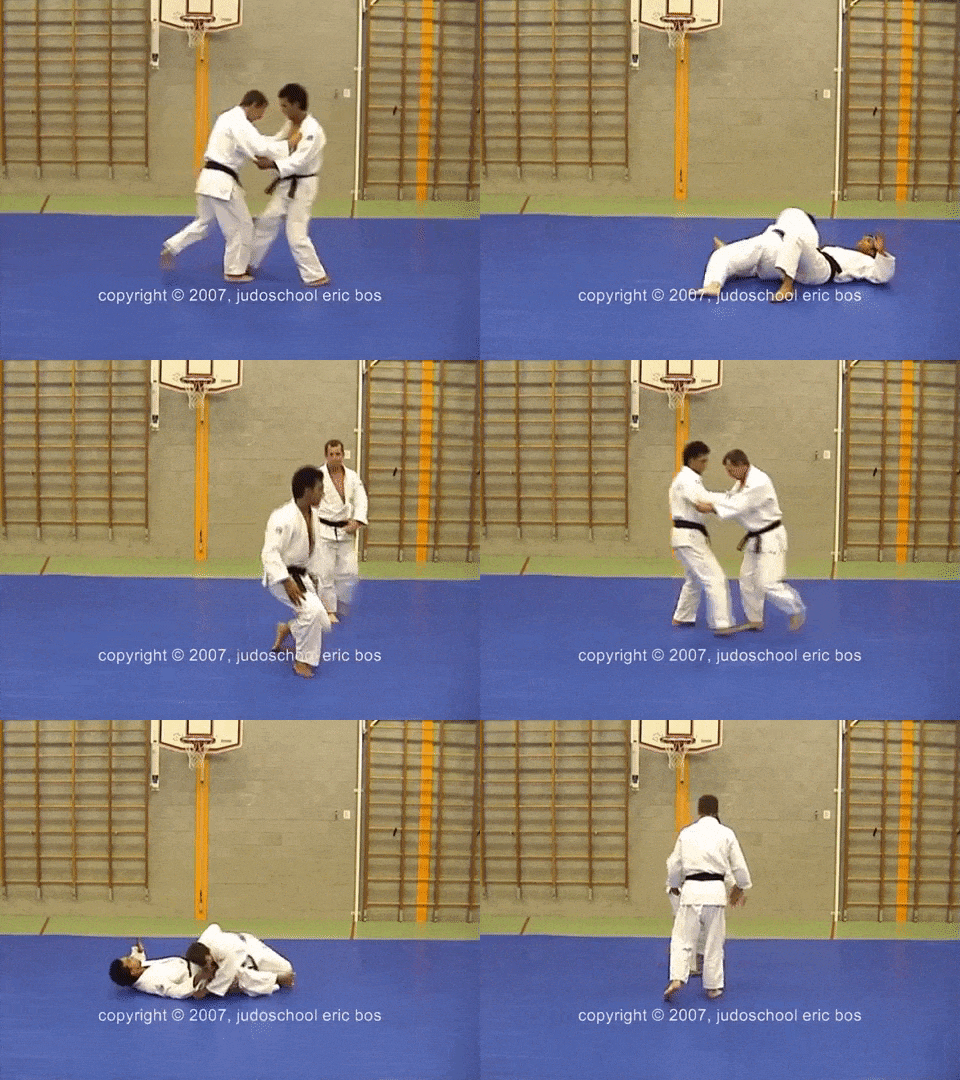 The Safada takedown has its roots in Judo, as previously mentioned. The original name of the move is Kouchi Makikomi. It is basically a Kouchi Gari, that is quite used nowadays to cause off-balance, but done with your entire leg. Basically it is an inner leg reap that is not hard to understand, form a technical standpoint. In Judo, it is one of the higher percentages throws that you can do.
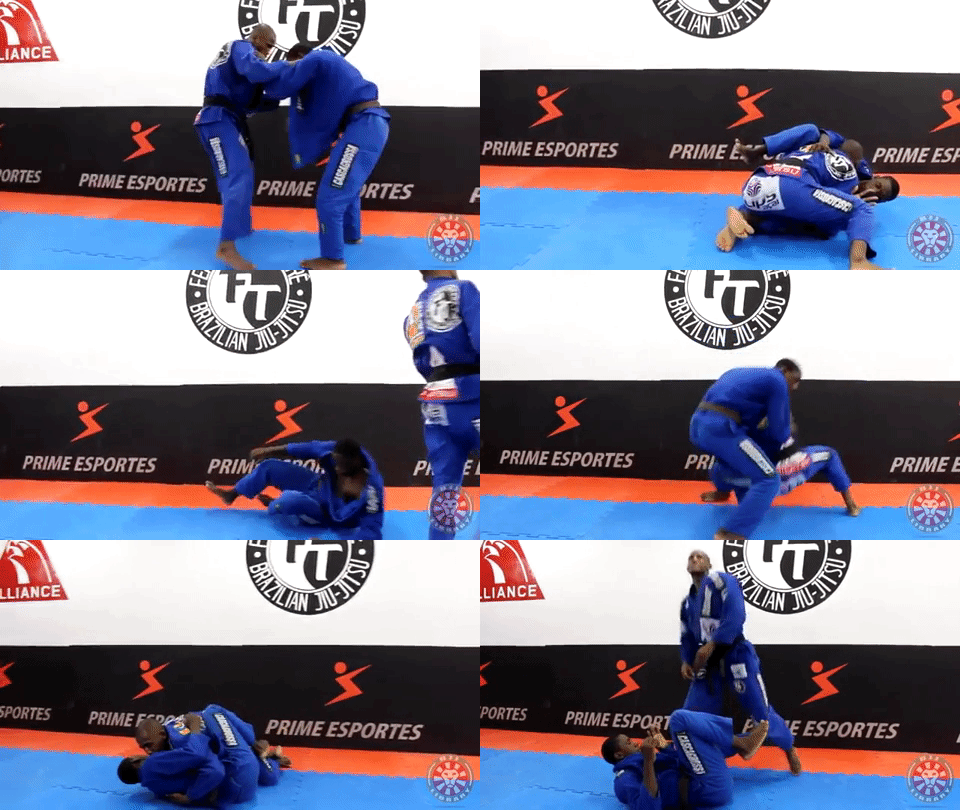 This grip change by Terere is what makes the Safada one of the best Jiu-Jitsu takedowns out there. Instead of going under the armpit and exposing your back once you fall, the hip frame ensures you retain a positive top position. Not only that, but it also makes the takedown extremely difficult to counter, because you have direct leverage over the leg, controlling both the ankle and hip joints.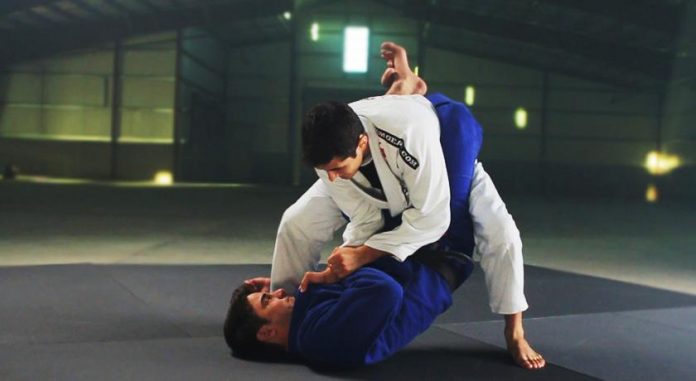
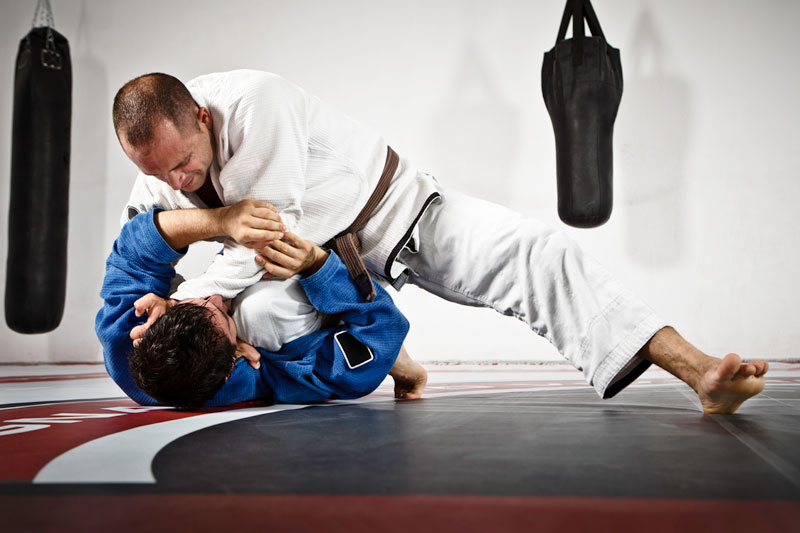 The real trick in position sparring is in setting it up correctly. It is very easy for people to start going outside the bounds of whatever the focus is of the specific training. That quickly morphs into full rolling, which defeats the purpose of doing position sparing in the first place. When setting position sparring up. Фirst up, BJJ position sparring has to have a clear goal for both training partners. Right after setting a goal up, you have to define what the people involved can’t do. These restrictions are actually the most important part, as they define the situation being practiced. Finally, position sparring will only make sense if you do it for at least 5-minute rounds or more.
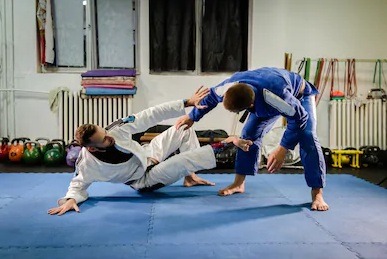 There are some things that you can’t really learn by doing other things. For example, if you train techniques like in regular class sessions you’ll learn plenty of details and can explore motion. Drills will let you get into the motion aspect of it even more. What most people usually do si they jump straight not rolling from there, looking to use the new moves. The trouble is, rolling is too chaotic to make sense of things and there’s not much time to think. That results in rarely even coming close to pulling off that new move.