Pressure Passing For BJJ: The Stack Guard Pass

Pressure Guard Pass

There are many ways you can pass the guard in BJJ. You could do it standing up, half kneeling or even kneeling. You may choose to take the aggressive approach with speed or go slowly and methodically applying pressure. All of these approaches have their merits in BJJ. However, most people tend to find they’re stele in one of them, only utilizing the others occasionally. This holds true for guard passing techniques as well. A good guard pass tends to remove space between you and your opponent before breaking the structure of their guard and passing the legs. One great way to do so is to fold your opponent in half. The best tool to do so is a pressure guard pass known as the stack pass.

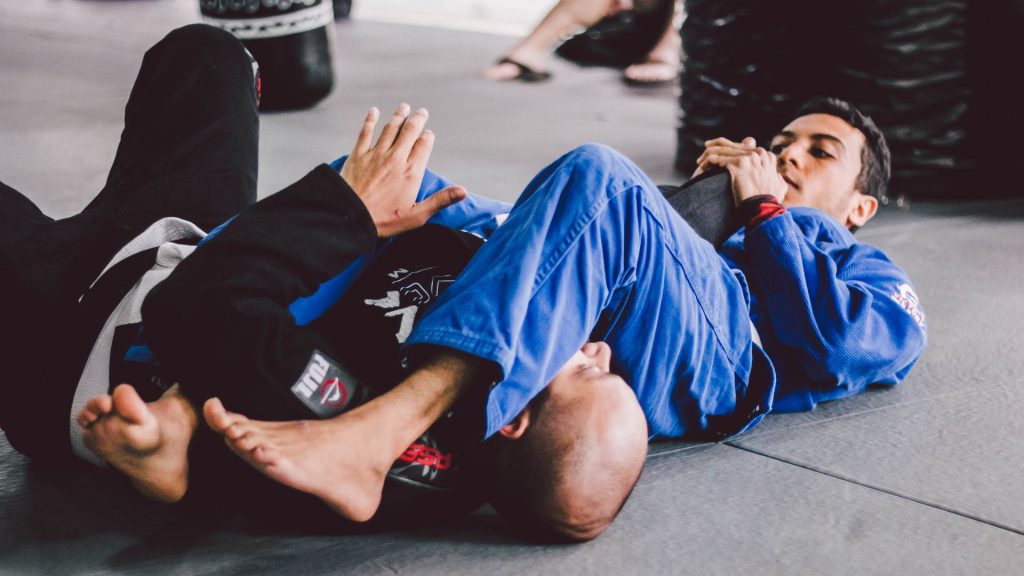
The stack guard pass is one of the staples of pressure passing in BJJ. This guard pass has been proven to work at every level of competition grappling martial arts have to offer. Pressure passing is arguably the most uncomfortable way to pass someone’s guard (for the bottom person, at least). The stack pass brings this to a whole different level, causing the opponent to bear both your and his weight. It is a surefire way of passing that has subtle nuances to it.

Tricks For Passing The DDreaded Worm Guard: https://bjj-world.com/worm-guard-pass/

Deconstructing The Stack Guard Pass

The sense of being able to control someone and make it uncomfortable is somewhat sadistic. It is, however, a feeling unlike anything else. The stack pass allows you to feel and do just that when performed correctly.This pass works well when you open the guard of an opponent. Standing passing, and/or knee slice pass is the best places to start from. That said, the stack guard pass is not limited to just these two starting positions. Once you get the knack for it, you’ll be able to transition into it against every guard variation.

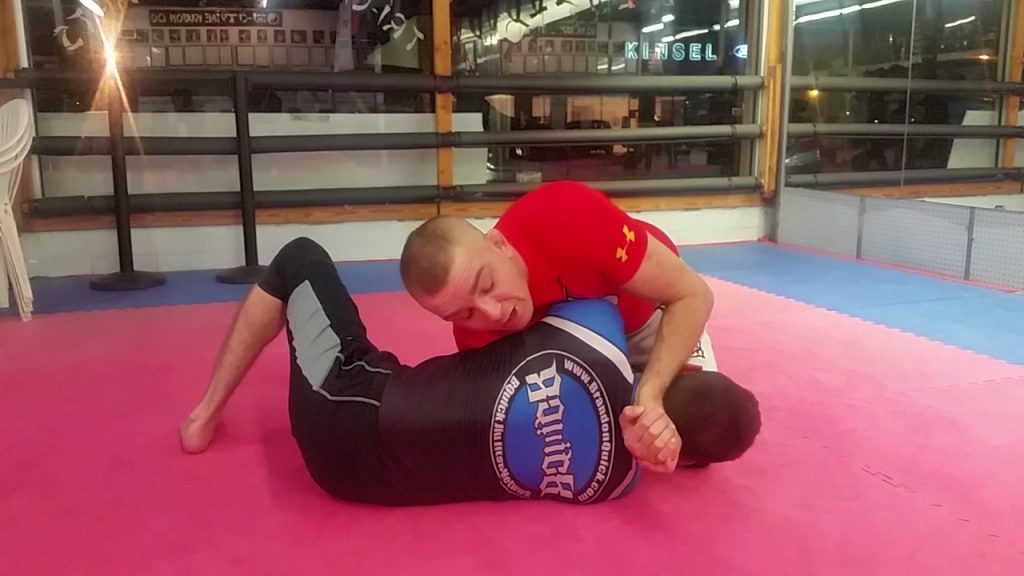
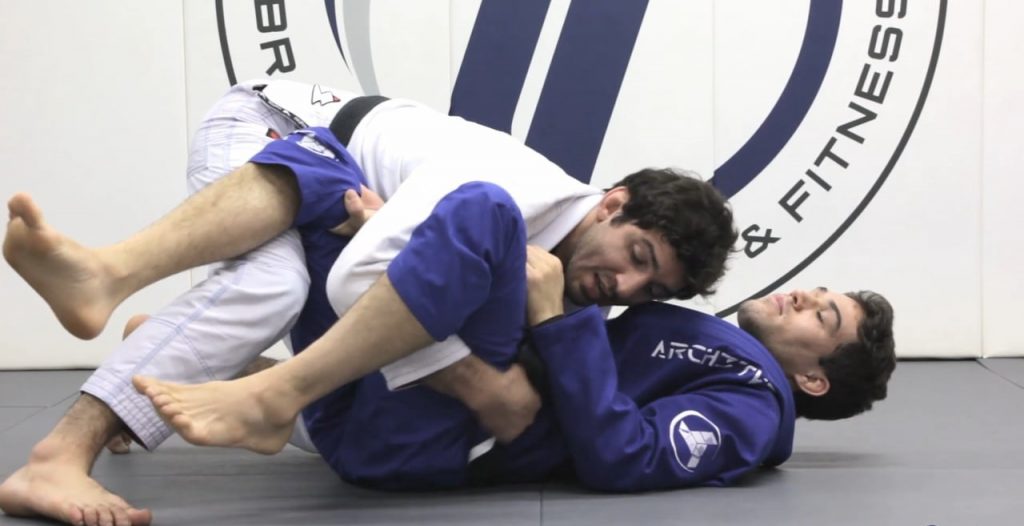
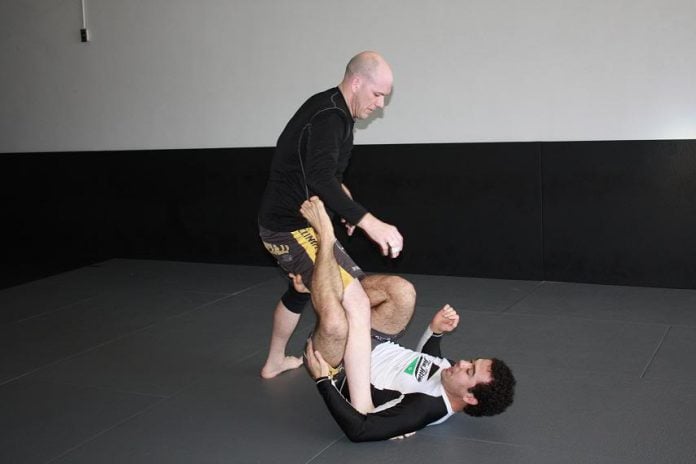
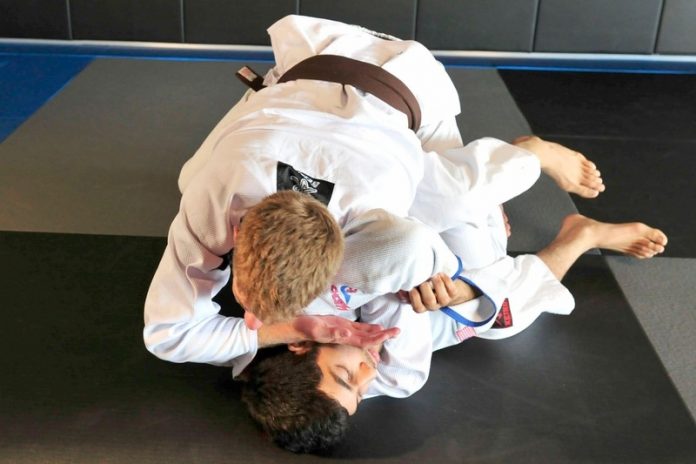
When your opponent is in open guard, place both hands under their legs at the same time. The goal is to place both legs on your shoulder. If you keep them on your arms, you’ll find it hard to control the legs, meaning you won’t be able to pass.  In order to get your opponent’s legs on your shoulders, you may have to get really low. This may even mean you get your chin down to the mats, for a short while. Your face may, in fact, have to be right at your opponent’s crotch.

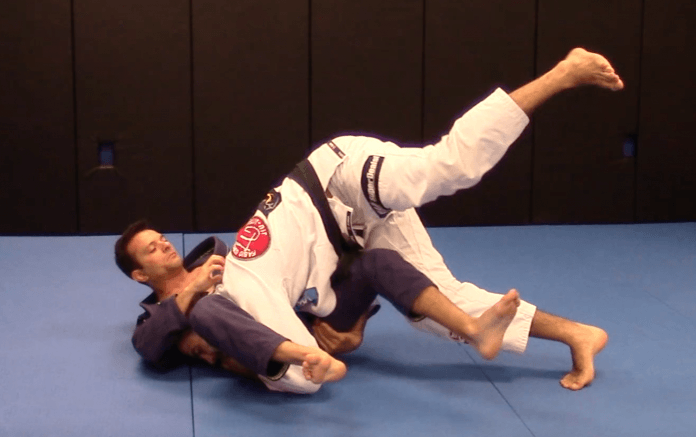
Next, make a gable grip with your hands around both of your opponent’s legs. Keep your elbows tight against your opponent. To create pressure you have to get on your toes, lift your knees off the ground, and drive your head forward.  When your opponent’s hips are off the ground, place your knees under their hips and sit back down on your feet.

Grip your opponent’s collar on one side (or shoulder in No-Gi) so that your forearm is across their throat. The other hand grips the belt or top of his pants and lifts up. Staying on your toes, thrust your hips and chest to complete the guard pass.

Variations Of The Stack Pass

If you look at stacking, the only “innovation” lately has been around what happens after you get the opponent on their shoulders. The “traditional” thing is pinning the arm with a knee and throwing the legs aside. New “moves” include leg dragging or spinning upside down to take the back. A lot of these moves look great and sometimes work. Ultimately, if you can get someone on their shoulders, lots of stuff can become high percentage.

Murilo Santana has modified “traditional” BJJ to turn the humble stack into a lethal weapon. His simple innovations change the whole complexion of stacking. First of all, Murilo starts on his feet. After walking in he keeps his head tucked in, either pinning the head or the hip of his opponent.

The immediate problem with the stack guard pass, getting someone on their shoulders, is dealt with. With all weight pressing down, the guard play is immediately working against gravity. Compare this to starting on your knees and trying to pull someone on to your knees or just up in general, where you are the one working against gravity.

This variation is something that can be successfully used against people who are known for being ridiculously flexible. When you’re unable to stack your opponent fully, a simple trick is to dip to the side and “burry” your head to the chest, bypassing the flexible legs problem.

What To Do After You Pass

One thing you can do is kip the pass and go directly to the back. These are advanced techniques and require significant drilling to master.  Back takes from the stack guard pass are a part of a much larger game and are not intended for everyone.

The stack pass is an uncomfortable position if you’re on the receiving end, which results with errors being made or positions being given in order to relieve some of the pressure. These reactions are exactly the ones that the passer looks for when setting up submissions off of the pass.

Going forward, these cool and very effective arm locks are always there for the taking. When your opponent is defending the stack pass they open up these submission opportunities for yourself.

Getting someone on their shoulders and trapping them there is the fundamental problem. This issue has to be addressed correctly when performing this pass. Actually, this needs to be the primary focus when learning the stack pass. Leave inventing flashy “finishes” for late, when you’ve actually passed. That way you’ll know exactly what you’re doing. Remember that simplicity is key to a successful Jiu-Jitsu game.

This is one of the reasons why stacking gets a bad reputation is when we see is a bigger/stronger passer bullying a defensive guard player.  Smaller grapplers should avoid getting caught on their shoulders during “balling up”. Apart from the submission threats off the stack pass, gruesome injuries are possible as well.

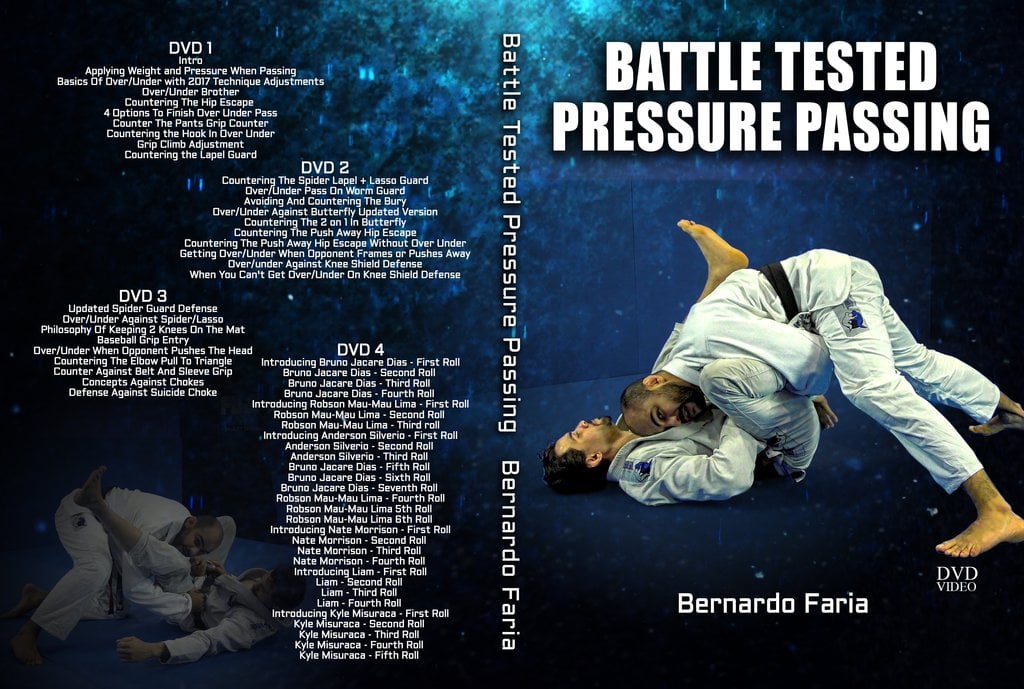
If you’re about pressure passing or you want to focus on that type of BJJ Gameplay you should consider learning from Bernardo Faria. Bernardo, 5x World Champion is the worlds most proven pressure passer. The good thing about Bernardo Faria’s DVD and Digital Instructionals is that you don’t have to be young, strong and flexible. All you have to know is the right technique and you will be able to apply it in any circumstances and against any opponent. Check out Bernardo Faria DVD Battle Tested Pressure Passing and the List Of Techniques. There are tons of techniques involved in this product and you can’t go wrong with it.

Faria DVD Battle Tested Pressure Passing

Danaher Shows Leg Lock Entry and his Wisdom, Gordon Ryan in The Gi

Danaher Shows Leg Lock Entry and his Wisdom, Gordon Ryan in The Gi

We caught up with the Danaher Death Squad in NYC ahead of Kasai Pro 2.

Gordon Ryan was training in the gi, Nicky Ryan training heel hooks for his match against Geo Martinez on April 14th and John Danaher was dropping wisdom as usual.

How John Danaher’s Leg Lock System Re-shaped Jiu-Jitsu

Understanding Coach John Danaher Philosophy of Jiu Jitsu

The Best Ways To Earn From BJJ And Turn Pleasure Into Profit

Do What You Love - How To Earn From BJJ

Brazilian Jiu-Jitsu is far more than just a sport for most people involved in it. It turns into a passion bordering obsession very fast. BJJ is not only addictive but its ever-evolving nature means it is going to keep even those with ADD interested for a long time. BJJ has the power to change lives, figuratively and literally. However, it is everything but a cheap sport to train in.

First of all, an academy needs students in order to keep working. That means paying for the class, which is granted more sports. Gis and rashguard are not cheap to come by either, and competition takes a good portion of an average salary, especially when you include travel. Most people train Jiu-Jitsu and have a job at the same time. But everyone has at least once thought about a way to earn from BJJ.

The cruel reality is that, even if you own a Jiu-Jitsu academy, you still might not earn from BJJ enough to make a living. Most academy owners also have other jobs as well. People involved in Brazilian Jiu-Jitsu come from all walks of life and most of them would give it up in an instant if they knew they could make a living through the Gentle Art. There are, however, certain options within the world of grappling martial arts that can provide satisfactory income. Not all are going to require that you wear a Gi for the better part of a day, though. BJJ is rapidly growing and spreading which opens up plentiful opportunities. Just keep an open mind and use everything at your disposal, and you might just make Jiu-Jitsu a profitable profession that you also enjoy. The dream job for any grappler!

Online Grappling Jobs

Along with the growth of grappling martial arts across the globe, their presence on the World Wide Web is also growing exponentially. So, all those who have a knack for writing along with rolling are in luck! There is a real demand for information out there and the Internet is the best platform to provide it. All it takes is the desire to write and at least some experience in grappling.

Blogging is a great way to get your thoughts on a subject to a worldwide audience. In terms of BJJ, bloggers often start by sharing their thoughts regarding daily training and competition experiences. Those that are more creative often get picked up by major sites that appreciate good writing, like BJJ-World.com.

The beauty of writing content about the art that you love doing means that you reach a wide community. Once people find something they enjoy reading, they tend to go back to it looking for new content. Your personal experiences do mean a lot to other people training, especially those that are just starting.  Furthermore, you could always start your own blog and slowly build up an audience. The better your reach, the more opportunities you’ll have to strike deals with supplement companies, apparel manufacturers etc. There are also ads that you could host which in turn, might raise revenue for you. You could make a decent wage, provided you work diligently and constantly. Remember that people are thirsty for BJJ information and if you slack they’ll move on to another source before you have the time to say “rear naked choke”!

Becoming A Professional Grappler

Most grapplers do end up competing at least a few times in their life. While many are content with just putting their skills to the test from time to time, some really embrace the competitor lifestyle. For those that really thrive under the lights, a professional BJJ career might not be such a far-fetched idea. And the prospect of earning some cash along the way won’t do you any harm either.

For starters, look to enter any and every cash prize competition at a local level. Building up a reputation and experience is more important than looking for huge prizes only. IN order to get to the “big money” tournaments you need the small stage momentum.   From there on you can look to truly earn from BJJ by making it to the top cash-prize tournaments of today.

For all Gi-only grapplers out there, the Abu Dhabi Pro offers quite a lot of money. Granted, unless you’re a black belt you won’t get a chance to compete for hundreds of thousands of dollar, but you’ll get more than decent amounts if you’re a lower belt as well. The Abu Dhabi Combat Championship offers $200,000 in total prize money. Winning your weight class brings you $10,000while an absolute victory will earn you $10,000 more.  Remember that this is only the case with the main ADCC event, which takes place every couple of years.

Of course, Eddie Bravo’s EBI submission only tournament is probably the best bet to earn from BJJ. Taking place multiple times during the year, competing grapplers get the chance to make between $25,000 and $50,000. The way to do it is by submitting everyone on the way through, which is no easy task.

Earn From BJJ Competition

Grappling-Specific Digital Art

Jiu-Jitsu websites are always looking to provide original content and stand out among the plethora of resources that cover grappling. Nothing captures the spirit of BJJ better than well-composed photographs of athletes engaged in a battle. The art of photography is one that can bring you an income in many sports, but none will offer the uniqueness that grappling does. High-quality BJJ photographs are sought after assets, seeing as they are few and far in between. If you’ve ever been at a BJJ tournament you know the unbelievable positions grapplers get into. Catching moments like that is one surefire way to earn from BJJ.

As a Jiu-Jitsu photographer, you could cover everything, from competitions to seminars and classes. It doesn’t take much to place your product on a BJJ related website or a photography one. Even better, you could go for both as a freelancer and roll, take photos and get paid at the same time. Your creativity is the only limit.

Another aspect of digital art is making videos. Digital publishing is easier than ever with YouTube, podcasts etc. In all honesty with today’s technology, it takes almost no technical skill to record decent audio or video. Publishing it take even less of an effort.  With social media platforms, it is very easy to promote yourself. You could even go a step further and ask a BJJ website to promote your stuff. That way you’ll be helping the community and receive help in return. As long as you publish relevant information that’s fresh and interesting, you can expect your audience base to grow. You could take any direction you want with your product. Technical videos, lifestyle videos, conditioning tips, even recipes are in high demand among grapplers. You just need to provide the camera.

Earn From BJJ By Teaching

Speaking of the dream job, nothing beats teaching. The reason people enjoy teaching BJJ so much is that they learn and polish everything they teach as well. Plus you get to spend even more time on the mats.

Seminars Earn From BJJ

In order to open an academy, you need to be patient and take things to step by step. First, you need to know how many students you could get at a certain location. If the location is profitable, you can look to buy or rent a space. Associating yourself with a strength and conditioning gym is a great way to both get space and exposure to a customer base. Since it goes both ways, plenty of strength gym owners are open to a relationship of this kind. Also, be sure to prepare a business plan and contact a few investors, preferably from the grappling community. Like Jiu-Jitsu, entrepreneurs is challenging and unpredictable so be ready to adapt and evolve.

Remember that you do not need to be a black belt in order to be a successfully BJJ teacher and academy owner. You can earn from BJJ as a brown, purple or even a blue belt instructor.

Once you’re well established as a teacher, you can broaden your range by teaching seminars. Teaching a seminar is a really fun and practical way to earn from BJJ. Whenever you land such an opportunity, look for travel expenses and make sure you agree on a fee beforehand. As you get more experienced and sought after, you can raise your fee.  Make an effort to help the community and associate yourself with apparel manufacturers and BJJ websites and photographers. That way the whole community is going to grow stronger, providing more financial opportunities for everyone involved.

Make Sure to avoid being a McDojo:

Top 10 Signs of a McDojo Gym

https://bjj-world.com/best-bjj-books/

Everyday Porrada, Nutella BJJ – What Does It All Mean?

Simple Side Control Escape Concepts You Must Know

Side Control Escape

Being stuck on the bottom in BJJ sucks! While being mounted or tortured from half guard can be uncomfortable, there’s one top position that is devastating! There’s a reason why one of the side control variations is named 100 kilos. An opponent that knows how to be heavy from side control can be a real nightmare to deal with. This is why having an effective side control escape approach is crucial for all BJ belt levels.

Despite getting you back in a more favorable position, side control escape has an even more important task. Its primary goal is to get you out of the line of pressure of your opponent. One such brutal example is the shoulder of justice, more commonly known as the cross-face. A good Jiu-Jitsu side control will primarily give you space to work before eventually leading you completely out of danger. This is where the conceptual approach comes in. Given that side control is a very dynamic position, going for techniques isn’t going to yield great results against experienced opponents. Understanding the idea behind side control escapes, on the other hand, is much more effective.

Side Control Escape – The Concepts

First and foremost, here are a few crucial points that every  Brazilian jiu-jitsu practitioner need to understand about escaping side control. In order to improve your side control escape rate, make sure you know what is important to address when you’re at the bottom.

To begin with, having someone on top is always going to restrict your breathing. So, before you look to escape, you need to make sure you can breathe. This will help calm your mind and allow you to think. Furthermore, it allows for a steady flow of oxygen to the muscles, preventing you from tiring out. When people get in bad spots, often they breathe very sporadically.

Focus on using the BJJ moves you’ve learned rather than just pushing and shoving blindly. It is a natural and understandable reflex to want to displace someone’s weight off you. Just make sure you do it the right way.

Moreover, make sure you dedicate a lot of time to drilling and position sparring. open mat is a great time to find a partner and start working on your side control escape plan. The single best way to improve your ability to escape bad positions is to spend more time on them.

With all this in mind, let’s look at the building blocks of the concept for escaping even the heaviest side control pressure.

Recovering Head Control

Your first battle during a side control escape is the fight for the head control. If your opponent manipulates your head, they can control your body. In General, before your opponent establishes side control, you’ll have the opportunity to prevent head control. It just depends on the pass that’s used.

When you understand how passes works, it’s easier to focus on the right details that will lead you to win the fight for head control during transitions. And if you never allow an opponent to control your head, you’ll never be caught in tight and heavy side control. The little details like being crushed under shoulder pressure, correct weight displacement through driving off the feet, and shifting their hips all allow your opponent to stay secure on top. However, it all starts (and ends) with control over your head. Even in the worst-case scenario, their control must focus firstly on your head and then on your hips. Knowing that your task easy – destabilize that control.

Read on to see how to establish correct frames against their shoulder, rendering their control of your head inert.  After your chin is free, you can maximize your ability to move towards a side control escape.

Building Protective Frames

The key concept about frames is that they need to be structurally sound. The idea behind framing is to create a structure that can easily bear the weight and pressure of your opponent. If you use muscular strength, you’ll inevitably tire out. When that happens, you won’t have the strength to look for escapes. Instead, focus on building frames that are mechanically strong so that they can help you breathe, and eventually, escape.

Essentially, you’re going to look to frame against two major areas of your opponent’s body. During side control transition, there’s an opportunity to block your opponent’s top arm. The best approach to do so is to create a frame against the bicep. The point of it is to prevent them from getting control of your head. Without that control, as we already saw, they can’t stop you from moving. You have to take advantage of it, immediately. Give your opponent no opportunity to figure out a way to get past your frames.

The second target area of your frames is your opponent’s hip. Without a hip frame, not only will it be harder to move, but it will also be easier for your opponent to take back any space you create. Losing the battle for space is the easiest way to get completely stuck in the position. Remember, first regain head control, then create frames before you look for the next step.

Creating Space

Remember all those boring bridges instructors make you do during warm-ups? Well, there’s a reason why the bridge is a fundamental move. As basic as it is, it is also what lots of people seem to forget in side control. They bump instead of bridging. Just lifting your hips for just moment won’t get you out. It’ll actually get you more stuck when your opponent inevitable lands back on you. When you bridge, you must bridge into your opponent and onto your side, ending up on one of your shoulders. And it must be done with a strong base, giving you stability and structure. That will allow you to easily move when at the highest point of the elevation. Why? Because you’ll have lots of space. And that’s exactly what you’re looking for. After that, it’s time to create some movement.

Make sure you do not just leave it at bridging. Connect the shrimp and the bridge together into a seamless motion that is going to get you out of side control in two stages. The bridge, in the first stage, is going to create the space to move. The shrimp, during the second stage, is going to use this space to get your body outside of the range of pressure.

Are you familiar with all the fundamental BJJ moves you need to know? Check them here: https://bjj-world.com/bjj-fundamentals-white-belt-know/

https://www.youtube.com/watch?v=OQVZYYPu5d4

Never Stop Moving

It is crucial to accept that when you concede side control, you’ll be involved in a dynamic battle when you look to escape. This means that you need to be prepared for your opponent’s moves and be able to adapt to his actions.

Once you improve at creating space on the bottom, your opponent is very likely going to look to adjust and adapt. The more experienced the opponent, the faster and more precise the adjustments will be. They’ll start transitioning to different positions and modify how they control you from the top.

Some of these top side control position variations add a different element to the mix. It is no longer going to be enough to just get head control and frames and launch your escape. You’ll now have to deal with the fact that both of your shoulders are firmly pinned to the mat. That gives your opponent another aspect of control – rotational control. This is a real game-changer since rotational control completely removes your ability to move.

You must again look to destabilize their position with movement. By movement, I mean any action that you can take without leaving an opening for them to attack. It’s not easy, but that’s the price you pay for letting things progress to this point. Again, you’ll need to start all over as before. Head control, frames and finally, space and movement. Just make sure you anticipate your opponent’s adjustments this time so that you’re not stuck in a loop in addition to side control.

You do not have to think only defensively from bottom side control. Here’s how to attack and surprise your opponent: https://bjj-world.com/staying-aggressive-bottom-side-control-can-done/

Tom DeBlass Half Guard Escapes

Arm Triangle Choke Encyclopedia For Grapplers

Arm Triangle Choke Encyclopedia

Everybody remembers their first. Submission, that is. After many, many taps the first submission I managed to pull off was a choke. Contrary to expectations (mine included) it was not a Rear Naked Choke or a Guillotine Choke. It wasn’t a triangle choke either. The first tap I ever got was due to an Arm Triangle Choke. The feeling that followed was amazing. It was as all those months of tapping out never happened. It didn’t matter that it was against a fellow white belt nor that it probably was full of flaws. I had my first submission and the Arm Triangle Choke went straight into the favorites category. Or at least I thought so. The next time I slapped one of those chokes on somebody was probably a couple of years later when I really decided to work on the Arm Triangle.

The Arm Triangle Choke is a really tight submission that works universally. Gi, No-Gi, MMA, catch wrestling, this submission is everywhere. It is tight, easy to get to, and easy to hold on to. As such it is usually taught at a fundamental level. However, people often tend to disregard it quickly and only come back to it when they advance. The Arm Triangle Choke is easy to combine in a system with guillotines and Brabo chokes, increasing its effectiveness for grappling. It’s a devastating move, one that isn’t easy but is also none too difficult to execute.

The Tightest Arm Triangle Choke

The Arm Triangle Choke is a Blood Choke submission that leaves your opponent strangled between their own shoulder and your arm. Similar to that of the traditional triangle choke, which is performed by the legs.

The choke can also be a side choke. From the side of your opponent, you can use your forearm along with your opponent’s own outstretched arm and shoulder. You will cut off both the air and blood flow to your opponent’s brain. To do this, you need to squeeze your forearm into your opponent’s neck in order to remove any space.

When done effectively, the choke will take just moments to take effect because of its ability to cut off the blood flow on both sides of the neck. With both arteries cut off, it only takes seconds until you get a tap or your opponent falls unconscious. For the most part, the Arm Triangle Choke is usually achieved while having top Side Control on your opponent. However, it is also achievable from the mount position, as well as the half guard position. Furthermore, it can be done from other positions but it takes a lot more effort and knowledge.

Finishing The Arm Triangle Choke

From the half guard, the choke is a little more difficult, because you need to pass the half guard to get into a better position. Ideally, you always want to secure your opponent’s head and arm. When passing the half guard, post your weight on your opponent and be as heavy as possible. The focus point of all that weight should be on top of their neck via your biceps and shoulder. This lands you in a prime position to gain the required leverage and angle to finish the submission.

From Top Side Control, the best way to finish the choke is to cut off the angle and walk your body up towards your opponent’s head. The angle that the choke creates will make it progressively tighter as you continue to walk your body up.

When you are in the mount with your palm down, you can also get the arm triangle very easily. Just slide your hand under your opponent’s head. The technique requires your opponent to drive their forearm into your neck to defend. As your opponent does this, ease the pressure briefly, and then push your arm through at the elbow.  Afterward, you’ll need to drop your head trapping the opponent’s arm against his neck. A very common mistake here is not dropping the head low enough. Your head should constantly be driving your opponent’s arm into their neck.

For the finish, grab your own biceps with the palm of the choking arm. A safe place to put your non-choking hand is the back of your head. Next windshield wiper your legs in order to dismount, and then sprawl out. Remember to keep driving forward on your toes to keep the weight focused on their neck. To complete the choke you just need to squeeze your arms.

Unorthodox Bottom Side Setups

In MMMA and self-defense scenarios the Arm Triangle attack from the bottom is useful as an easy way to counter elbows strikes. If you are able to slip to the side of an elbow,  you place yourself in a perfect position. Since their arm is already passed to the side, you just need to wrap your arm around the head.

Attacking from the full guard is a lot trickier than from the top. Eddie Bravo drills it a lot in the 10th Planet System as they stick to their concept of attacking from defensive and neutral positions.

When in your full guard you always want to break down the posture of your opponent. Doing so often puts you in the perfect position for the Arm Triangle Choke. From your full guard, you first need to pass your opponent’s arm to the side. Then you need to trap their upper arm between your head and your biceps.  Your right arm should be fully wrapped around your head and arm, primarily for control purposes.

Now, finishing from the guard is the most difficult part. If you can lock in the choke tightly, you can apply the pressure from your upper body. Open your guard up and place your foot on the side of the choke on the hip of your opponent. Push off, creating separation, and use a single butterfly hook to elevate your opponent. Then using your free leg, come over the top of their leg in a scissor motion. If done correctly, you should end up in half guard with the choke in all set to complete. As a bonus, you also get points for the sweep.

Learn the Secrets Of The Reverse Triangle Choke

Things To Look For When Choosing A BJJ School

BJJ School Choosing Checklist

During the last decade, BJJ has spread so far that it can be considered a global phenomenon. Today, there are schools in nearly every city in the world. Even more so, most places have more than one BJJ school to choose from. However, the rapid growth of the sport means that not every BJJ school offers the same level of services. Despite the fact that most BJJ schools are legit, there are some precautions you need to take when choosing one to train at. After all, you’re going to spend a lot of time there.

Given the addictive nature of the sport, it is rare that someone that gives BJJ a try, remains in it only recreationally, This doesn’t mean that all of the people go on to be competitors. It is just a testament to the fact that BJJ takes over most of the people and gains a significant value in their lives. Given so, it is easy to see why the choice of a proper school is crucial o one’s BJJ journey. If you take into account how much time a student spends on the mats in a week, only the choice of a significant other tops the importance of choosing the right BJJ school.

Who’s In Charge?

Arguably the most important aspect of a BJJ class is the instructor. Whoever is in charge of a BJJ school bears a huge responsibility. A BJJ instructor should first and foremost, be qualified to teach. In those terms, a black belt instructor is always the best choice. Going further into things, a black belt of good lineage and with decent experience is even better. A black belt with all of the above, plus an extensive competition record is probably the best.

The school’s affiliation is a big pointer to the quality of personnel associated with it. Certain organizations have strict rules as to who gets to be the lead instructor. While the specific crest affiliation doesn’t matter, the selection standards do. Again, go with the proven and make sure you’re becoming part of a renowned BJJ school. This way you’re most likely to end up with a legit instructor.

The instructor’s character and teaching style are traits that often have little to do with their knowledge and technical abilities. Sometimes, a person just isn’t clicking with you for one reason or another. There is no need to force yourself to work with someone unless you actually enjoy their company. Make sure you look at every aspect closely before you enroll.

BJJ School Philosophy

Another major aspect is the school’s philosophy or better-said orientation. as far as BJJ goes, schools can go into three main directions, although two of them are the most prevalent. A BJJ academy can be competition-oriented, self-defense oriented or focused on recreational classes (which is very rare).

Competition-oriented schools often have great athletes that have the accompanying mentality. These schools are based on hard work, lots of drilling and tough sparring rounds. If this is not your forte then you should maybe look for a different school, or maybe a different class group within the same academy. However, be wary that if competition is your goal than self-defense academies should definitely be off your list.

Self-defense academies, although often competitive, have a different aspect of JIu-Jitsu as their main focus. They’re great if you’re looking to learn a way to protect yourself, but probably not your best choice for competitive aspirations. The recreational athlete, though, might find a self-defense oriented BJJ school to be a good fit.

BJJ School

Schedule And Class Structure

Very often the school’s philosophy determines the class structure. This is also often in line with academy affiliation, so make sure you cover your basis.

The first point on your selection checklist should be the number of classes. Are there 3 or more classes per week? How about open mat sessions? Are there Gi only classes or No-Gi training is included as well? Does the time of day fit your requirements?

All of the above questions play a crucial role in the selection of a school to train at. It would be hard to sustain a schedule that doesn’t fit in with your daily duties, so make sure you have a checkmark next to every question stated above.

In terms of class structure, you should know that a usual BJJ class is made up of a warm-up, a learning part where new moves are demonstrated, a positional sparring part and a free sparring or rolling part. If a school has a well defined and neatly followed structure than you’re at the right spot.

Hygiene

You wouldn’t want to come back home after a week’s worth of classes with a transferable skin disease, would you? If not, then make sure the cleanliness practices of the school are up to your standard. Now, do not be a diva and presume that a BJJ school is a place of immaculate hygiene. After all, there are all sorts of people coming and going every day.

Good signs of a well organized and clean BJJ school are easy to spot. First, check out the changing rooms. Are they clean or dirty? Is there a foul smell about? Next, take a tour of the facilities. Clean toilets, available showers, and a suitable capacity should seal the deal. Furthermore, really make sure that mat hygiene is at the highest level possible. MOuld on the walls and dump mats are signs that you should run, and run fast. Clean mats and a cleaning schedule mean that you’ve walked in a top class BJJ school.

Although the school itself can have little impact on personal hygiene the manner in which it deals with infarctions speaks volumes. Namely, most schools have a code of conduct and an etiquette outlining rules of behavior. The rules should apply to everyone and be upheld rigorously.

 BJJ School Hygiene

Demographics

This aspect is closely related to the school’s philosophy.  Most BJJ schools tend to be family-friendly, meaning they have a diverse pool of people training. Even if they have professional fighters, they get their own classes apart from the people that are just looking for exercise. After all, there’s no need to go against young studs preparing for MMA fights if you’re in your 40es and just looking to have fun rolling.

Even if there are mixed groups, a good class structure can allow for successful training of different levels at the same time. Such a feat is possible only if there is more than one instructor present. A gym that has all levels training the same things together and pairs up pro competitors with recreational members should not be your first choice.

Legal Mumbo-Jumbo

To cap it off, make sure you’re aware of any legal aspects of your involvement with a BJJ school. Is there a contract that you need to sign? If so, do you understand every point of it? Do you accept all the terms? Make sure you’re clear what you’re signing so that you do not regret it afterward. Pro competition-oriented schools take things much more seriously than your everyday academy. That said, you need to know your goals and your expectations.

Fake BJJ Black Belt Jay Queiroz Teaching and Rolling in the Park! Is it Possible That This Guy is Still Teaching People?

Rener Gracie: We Got Jacked for Over $10,000 by Jiu Jitsu School in Canada

More Convicted Sexual Predators in Rickson Gracie JJGF Federation

5 Mount Escapes for BJJ That You Have to Know

5 Mount Escapes for BJJ That You Have to Know

Full mount in BJJ or any other grappling martial art is the ultimate position. The only worse is back mount. So, finding yourself mounted can be a very frustrating situation to deal with. And if you’re training MMA and punches are flying toward your head it’s getting much worse. Check out these five full mount escapes and make sure you learn them.

Everyone who is new to jiu-jitsu will be dealing with full mount a lot. It’s an unavoidable position once you get into BJJ. You will be taken down easily and mounted even easier. It’s not even that bad to be mounted at the start of your BJJ career, but the problem is you’re actually losing time being mounted. You’re just lying there not doing anything. And if you don’t know how to escape it’s such a waste of time. So, you have to learn full mount escapes as fast as possible. You have to learn mount escapes so you can progress faster and that’s the most important thing.

Once you learn and master mount escapes you will do yourself a huge favor. Anyone can screw up and get mounted. It can be due to your opponent’s luck or his skill but escaping from full mount can turn the table pretty fast.

Side Control Escape – The Biggest Mistake That Everyone Does

That being said, if you have good full mount escapes you can stop wasting time, survive and even get your opponent into the position he’s not comfortable in.

It’s not very common but it’s also not impossible that people escape from full mount and win a match after that. If you ever watched Garry Tonon he will even let you full mount him so he can go for your legs.

There are a lot of different ways you can get stuck underneath the full mount. In this video, you’ll be able to see some standard and non-standard ways on how to escape the mount. They’re all valuable and you have to make sure you know them all because there are different conditions in which you can find yourself.


This Is How Stretching For BJJ Should NOT Be Done!

Stretching For BJJ Common MIstakes

Grapplers around the world usually engage in stretching exercises after they workout. However, most grapplers never give stretching much thought. They look to stretch “by feel” or use stuff they’ve learned in primary school physical culture class. What BJJ people fail to comprehend is that Jiu-Jitsu put the body under very specific stress. As such, recovering from it should also be addressed in a specific manner. MIndless stretching is only going to lead to injuries that often become chronic. Stretching for BJJ is essential for bot ha a long grappling career and a versatile game. Doing it incorrectly, though, is only going to get you into trouble. So, let’s rectify some f the most common stretching mistakes.

To begin with, let’s get the most obvious out of the picture. Stop stretching during your warmup! It is a proven way to cause injury to yourself. Secondly, always make sure you stretch after you finish rolling or doing conditioning. And finally, focus on what is important when you do so. Stretching fro BJJ is as important as technical work. although full body stretching sessions area advisable (think yoga), it is not always possible to fit them into a busy schedule. So, the best thing to do after grappling is stretch those muscle groups that have gotten a real beating. Coincidentally, these are also the muscles every grappler should look to make as flexible as possible.

Increase You Flexibility With Yoga For Jiu-Jitsu: https://bjj-world.com/yoga-for-bjj-benefits/

Stretching For BJJ: Hamstrings

Nothing is more predictable than the sloppy bent-over standing hamstring stretch. People usually lift their foot up onto an elevated surface and round their spine. Then, they look to reach over and grab their toes. Most think they’re doing something healthy and productive. He really is that they’re only opening themselves up to several orthopedic problems, mainly In the lower back area.

A standing hamstring stretch brings about that “feel-good” effect which is why people think they’re doing something good for them.  This feeling is triggered by the muscle responding to the stretching motion it is going through. There’s nothing wrong with feeling good during a stretch, but not at the cost of an injury. When the stretch jeopardizes spinal integrity you’re stretching your way toward pain rather than away from it.

The ability to touch your toes depends on the functional length of the hamstrings, as well as a host of other factors. A major one is the ability to control and stabilize the position of the pelvis. Another important thing to consider is t controllable range of motion at the segments of the spine.

If you suck at the toe touch and have focused on your standing hamstring stretching after BJJ for months with no results, then drop it. Be smarter about the methods you’re using. Don’t worry, you can still get your stretch on, but change your methods. When it comes to stretching for BJJ, the best method is a supine 90-90 active hamstring stretch. This brings you the ability to stabilize both the spine and pelvis in a neutral position against the floor. It is a great way to engage the hamstrings without putting the rest of your body under unnecessary strain.

Hip Flexor Stretches For Grapplers

Chronic sitting turns the front side of our bodies into a functionally shortened mess.  In this mess, the hip is the region that suffers the most. Hip flexors, both the superficial and deep muscular layers are severely affected. Most grapplers are aware they sit too much during the day, and they know their hips are tight as a result. Since hips play an integral part in Jiu-Jitsu, being able to mobilize them is of immense importance. However, looking to stretch a muscle that has been getting progressively tighter for years is the recipe for a disaster. Although it sounds reasonable, stretching the hip flexors is not the way to make them more mobile for grappling.

The most usual position you see people getting into to stretch their flexor after rolling is the half-kneeling position. You know what’s good about this position? Nothing at all!  Forcing the hip into ultra- extension with your shin lodged up against a wall while your spine is smashing itself into hyperextension should not be the goal. Not only does this position hurt (and no that is not a good thing to feel) but it’s ineffective. A high degree of injuries often occurs as a result of this erroneous approach to stretching for BJJ.  Extending the maximal range of motion by the use of compensation from other tissues is dangerous when done repeatedly.

When you stretch, look to maintain a neutral position in the joints and spine. This way,m you’ll be able to isolate the tissues you’re working on. The half-kneeling position should make you achieve centered and neutralized joint positions at the shoulders, hips, and spine. So next time you do this stretch, pay attention at these tips:

Upper Body Stretching For BJJ

If you’ve never had your training partner grab your arms and drive them upward behind your body in a painful way, you can’t consider yourself an athlete. This is a stretch that you see at grappling competitions quite often.

There is a multitude of reasons why this stretch is one you need to skip. First, a manual stretch like this needs to be executed with the utmost caution. This is a passive stretch by nature and there is a complex direction of stress to a complicated joint. The fact that someone else who’s not a professional is doing it to you should be a scary notion. If you’re doing this to improve your shoulder mobility you’re only setting yourself up for serious injuries.

This stretch forces the shoulders into a position that poses huge potential problems. Before going about blindly stretching muscles you need to know what you’re looking for in a stretch. In BJJ, the pecs handle quite the workload every time we roll. As such, you need to understand both the primary and secondary actions of the pec so you can achieve an authentic stretch.

When stretching for BJJ, take your pecs to full stretch by combining a horizontal shoulder abduction, elevation, and external rotation. The problem with the partner pec stretch is the fact that the shoulders fall into internal rotation and extension. This creates some pretty nasty joint stress through the front side of the shoulder. As if your shoulders need more stress after Jiu-Jitsu training!

A simple solution for this is going for a more dynamic method. The dynamic oscillatory stretching of the pecs is a safe method that encompasses all relevant ranges of motion. Still, these are meant to be done with a specific setup, perfect execution, and loads of caution.

How To Develop Mat Awareness For Safe BJJ Rolling

BJJ Rolling Mat Awareness

It is undeniable that the most entertaining aspect of training BJJ is rolling. Most people that show up to class either slack through or try to avoid the warm-up. That is a given. While class is interesting and engaging to some, it is very rare for an instructor to have the utmost attention of everyone present. Even in competition, often times lots of the fun is taken away by anxiety and adrenaline. For everyone training BJJ rolling is the best time of class. This is why open mat is usually just another way to say let’s roll all day.

BJJ rolling, however, should not be taken for granted. Whenever we roll with someone it means that we both willingly put our bodies in as collateral. That means that we need to respect the fact that our partner has entrusted us with the most valuable material position one has. Going even further, in BJJ rolling is seldom done by just a pair of grapplers. That means that while in a roll, we’re surrounded by others doing the same. Everyone who has rolled knows how much concentration and focus a roll demands, which often leads to complete lack of spatial awareness. This is one of the top reasons why people end up with black eyes, twisted fingers or even serious injuries.

Developing Mat Awareness For Jiu-Jitsu

Being aware of our surroundings is a trait that slowly gets lost in modern times. The digital age has us looking at screens even as we walk, which means we have the attention span of a peanut. Now imagine how that translates to BJJ rolling when we’re engaged in the proverbial fight to the death. Mat awareness is crucial for every grappler to learn.

Having mat awareness means being able to recognize that you are in a physical proximity to other people or things. A highly developed mat awareness can protect you from the danger that unaware grapplers present. In an ideal Brazilian Jiu-Jitsu academy, pairs of grapplers would train in their own isolated areas.  Honestly, never running into other grappling pairs with errant feet and elbows sounds enticing. It is, however, virtually impossible. As most of us know from painful experience, grapplers rolling are like human billiard balls, rolling and smacking into each other and the walls.

Are You Aware Of All The Unwritten BJJ Rules: https://bjj-world.com/unwritten-bjj-rules/

As such, mat awareness during rolling needs to be addressed as the important subject that it is. Instructors need to make it a point to convey the message repeatedly and clearly until people start to take it in.  It is crucial to understand that this benefits everyone since a  safe rolling environment is one where you could experiment with new techniques without worrying.  It is encouraging to know that you won’t get a heel to your face if you attempt a rolling back take.

BJJ Rolling Awareness

Unwritten Rules Of BJJ Rolling Etiquette

By developing mat awareness, grapplers tend to create more than just a safe environment. Primarily, it leads to better adjustment when we infringe on someone else’s space. Across BJJ schools, training etiquette dictates that when two pairs of grapplers get too close, the higher-ranking pair stays put.  Conversely, the lower-ranking pair needs to move and make space. For example, a brown and purple belt occupying the same space as a couple of purple belts during BJJ rolling, means the two purple belts need to stop and move.

Next to consider is positional complexity. Imagine that two people rolling are deeply entwined in, let’s say, a leg-locking battle. There is imminent danger of another pair, which is in an open guard battle, bumping into them, The open guard is a much simpler position to restart than a 4/11 or truck position. Another situation that arguably merits advantages are scrambles. Scrambles are both extremely difficult to restart and it’s impossible to predict their outcome. The conflict here is what to do when two pairs are in the same or very similar position. If rank is equal who makes space for whom?

Contrary to the respectful behavior that marks the Gentle Art, there are those who refuse to. While this is unacceptable and stupid behavior due to many reasons, a major one is the potential for danger.  Ego can be a dangerous thing in grappling martial arts, and this is a clear example of how and why. Whenever you find yourself in a situation like this ask yourself what is on the line. The likely outcome of stubbornness is an injury to yourself or a partner. Across the scale is losing position or a submission attempt in a roll. For most this is a simple solution, provide that ego is not a factor.

The Experience Factor

When we train BJJ, our technical knowledge of the sport grows exponentially the more time we spend training. While training age has a huge impact on our game, the ability to recognize situations and adapt during a roll, it is not the case in terms of awareness.

To be honest, there seems to be a reverse correlation between the two. Experienced grapplers tend to be more careless during rolling opposed to less experienced ones. This is probably due to the rank factor, with older grapplers expecting others to move out of their way. While this is all fine, it doesn’t apply to the complex position situation. A black belt that is in closed guard should have the decency to move away from a purple belt that has a blue belt in a reverse triangle. It is just common sense an courtesy.

BJJ Rolling Etiquette

This solidifies the importance of competition experience for the well-rounded grappler. Competitors in the heat of battle must learn which stimuli to ignore and which to attend to. Competition experience largely aids grapplers to identify what areas need attention and how to focus on multiple important things at once.

All in all, mat awareness is an integral part of BJJ rolling and training in general. The challenge is in the delivery system. How do we make grapplers conscious of the potential dangers of disregarding the importance of awareness? Should it be taught independently of other Jiu-Jitsu aspects? Whatever the case, for the safety of everyone on the mat, awareness needs to be a regular subject of BJJ academy talks.

Mike Fowler Sexually Harassed a Female Student – He Explained Why

Mike Fowler Sexually Harassed a Female Student - He Explained Why

Mike Fowler was accused of sexual harassment of a female BJJ Student. She wrote about it on Reddit and she even put the pictures of a naked Mike Fowler.

Mike Fowler Accused for sexual Harrasing of a female student

Some BJJ sites announced this story now but this is actually a 3 years old thing. This happened back in 2015 and Mike Fowler gave a statement on his Facebook Profile a few hours ago.

There are articles being shared about my behavior. I won’t deny improper conduct back in 2015. No excuses. And those I was wrong too, I apologized. There are two sides to the story, but it doesn’t justify anything. I’m glad my actions were brought out because it made me take a look at myself. That wasn’t who I wanted to be. 
In 2013 I found out I wasn’t the father of my child and he was taken from me, never seen again. I had every thought of suicide to fighting in court to try and be in his life.
I didn’t have the funds to back this. So I left Hawaii with my mind a mess. I didn’t want my role in life so I tried not to be that. I just gave no cares in the world since I felt my own was taken from me. I was hurt. And hurt others in return. Again I have apologized and Attempted to move on by being a better person and staying a positive path. My actions during that time don’t defy me. And I never shied away from my mistakes. All I can do now is be better each day than who I was before.

More Convicted Sexual Predators in Rickson Gracie JJGF Federation

Gracie Black Belt: Rickson is a Fraud for Supporting Child Molester