Sport Jiu-Jitsu vs. The Gentle Martial Art Of BJJ

Sport Jiu-Jitsu vs. The Gentle Martial Art Of BJJ Cover

Georges St. Pierre once famously said that he is a martial artist and not just a fighter. That quote of his went as viral in the combat sports world as anything I’ve seen. People started posting it, saying it, even tattooing it on their bodies. But what exactly does it mean? Yes, it seems straight forward, but it was said in the context of MMA, first and foremost. What if you try to apply it to BJJ? Can you make the distinction between sport Jiu-Jitsu and the martial art of BJJ? As similar as they might sound they’re far from the same. Yet, interestingly enough, they require each other to make BJJ what it is today. Bear with me and it’ll start to make sense.

Brazilian Jiu-jitsu is the one physical activity out there that people of all ages and sexes can do at the same time. It is an everyday occurrence to have 60+-year-old white-collar folks and professional MMA fighters on the mat at the same time. They even train with one another. Not many other sports can claim the same. Or, martial arts, for that matter. But what is it that makes this marriage of  Sport Jiu-Jitsu and the Gentle Art work so well. Moreover, where does one end and the other begin?

What Is The Difference?

Sport Jiu-Jitsu vs. The Gentle Martial Art Of BJJFirst of all, it is really crucial that we pinpoint the difference between sport Jiu-Jitsu and the art of Brazilian Jiu-Jitsu. Let’s use some more general examples to figure out where BJJ stands, exactly. A good example of a martial art, old-school-style is Aikido, no offense to any lingering Aikidokas who are perhaps reading this. I chose Aikido because it has no competition, although it involves contact training. The premise of Aikido is that when an opponent does a certain specific thing to attack you, you react with a certain specific thing to defend/counter it. This is what defines martial arts as such – the “if this, then that”  approach.

Sports, on the other hand, are on the opposite side of the spectrum. A great example Is wrestling. Nobody ever called wrestling a martial art. Contrary to martial arts,, sports are geared towards results in a competition based environment. They tend to have far fewer techniques compared to martial arts, and all combat sports, in particular work off of the premise that a good defense is key to launch any kind of offense. In other words, sports embrace the chaos of athletic competition and are designed to give you the most chances of coming out on top. In the case of port Jiu-Jitsu, this is literal.

BJJ, as the unique blend of art and a sport that it is, lies somewhere in the middle of all this. This is exactly why people from all walks of life can train at the same time and still achieve personal goals. However, that also raises a dilemma -= which approach to BJJ fits you and your goals best? Because the fact of the matter is, both approaches deliver on very different results, although they head in the same direction of progress in grappling.

Sports Jiu-Jitsu

I’ll start off with what I consider to be the best definition of what sport JIu-JItsu is (all credits to Chris Haueter for this one). Sport JIu-JItsu is how effective you are in combining your technical knowledge and al your physical and athletic abilities in order to quickly achieve a very specific goal. IN a sport setting, that would be winning a match, or better said all of them, in a given tournament. In a self-defense scenario, it would be protecting your self and/or doing harm to the assailant, depending on a lot of things.

Looking at JIu-Jitsu as a sport is not easy. IF you truly want to be a BJJ athlete, you need to look at BJJ the way a boxer does at boxing or a wrestler as wrestling. Something both of these have in common is that they have to start in positions that keep them safe. Have you seen a boxer with their hands down? Ore a wrestler not protecting their hips with their arms? It is the same with MMA. A defensive posture, that acts as a platform for launching attacks, and is a place to fall back to if things don’t work out is the mia characteristic of combat sports. And there’s a good reason for this – in a sport setting, combat sports are essentially fights, and as such, they usually come with bodily harm, even if it is in the form of involuntary injuries.

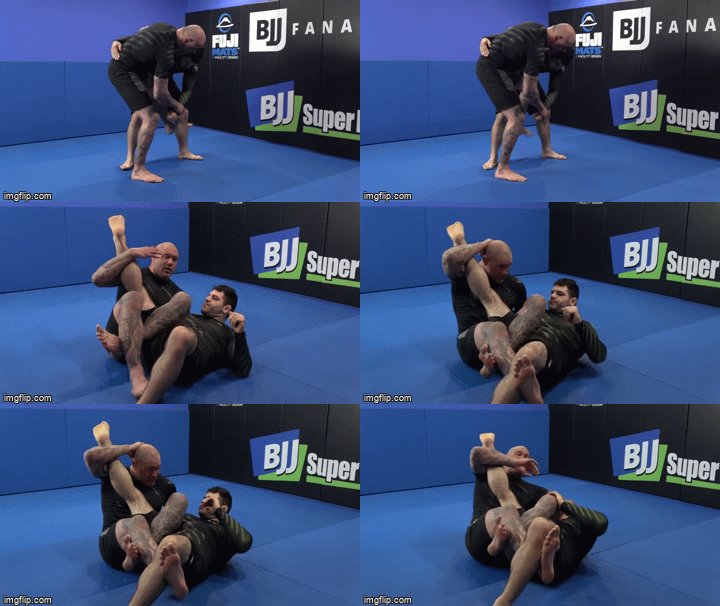
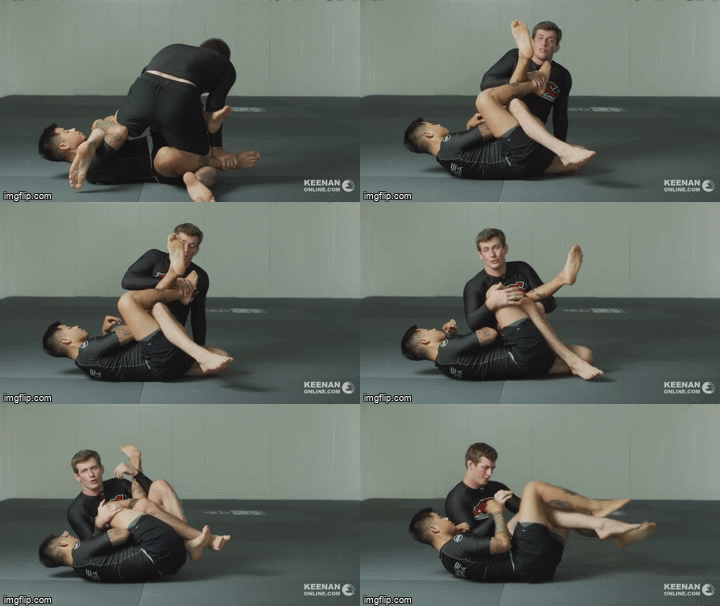
Sport Jiu-Jitsu vs. The Gentle Martial Art Of BJJ CoverIf sports Jiu-JItsu is what you’re after, then your training to be a fighter (in terms of GSP’s quote ). You have a goal – to win. You also want to win in the most efficient way possible. There’s no place for the “if I do this you do that”| approach. For sports, you need several techniques that work efficiently from a fundamental basic position that allows you to be safe. An example would be Keenan and his worm guard. when he goes there, he has a defensive setting that keeps him safe and allows him to launch a myriad of attacks. Even then, he doesn’t do every sweep or submission in the book – he only uses several things over and over again.

The Artsy Side Of Grappling

The art of JIu-Jitsu is where most recreational folks will find themselves. Luckily (I guess) compared to Aikido like arts, there’s no traditional philosophy that accompanies BJJ. There’s no need to be a master at Chi energy and/or Buddhism to consider yourself a martial artist in regard to BJJ. Looking to clearly define as we did with sport JIu-Jitsu, it would be something like this: The art of Brazilian JIu-Jitsu is the quest for controlling and then submitting an opponent 9in that order) while using as much knowledge, timing and tactics, and as little physical and/or athletic attribute as possible.

When it comes to training BJJ as an art, there’s no winning or losing, there’s no pressure like in sports, and there is endless material to work with. You simply as questions about everything that’s going on, try to find answers, and use them to figure out solutions. You then gather all these solutions in a giant deck-of-cards and hope to be able to get he one you need when a specific situation arises.

The beauty of the Jiu-Jitsu as a martial art is that it allows us to experiment and constantly evolve both the art and the sport. Without the art side of things. BJJ could never keep growing the way it does. Boxing hasn’t changed for the better part of a century, and neither has wrestling. As sports, they’re superior in their precisely designated area of operations. BJJ, on the other hand, both as a sport and art grows constantly because of the old-school martial its approach to things that is still a big part of the game.

Using what you learn in BJJ as a martial art will likely do you little good in the chaos of a sport setting or self-defense, but only if you train it on its own. Rolling is the bridge that connects the two,. allowing professional grapplers to safely train with recreational ones. Tha, and it is what allows people to train deep into their late years in a way that still makes sense.

All in All

You fight the way you train. If you train in sport Jiu-Jitsu, you’ll fight like an athlete. If you train the martial arts side of things, you’ll try and apply that in a fight, or a roll. The best part is that in BJJ, both of these opposites feed off each other to make the entire sport/art grow. From the martial arts aspect, you gather solutions for your problems. With sport Jiu-Jitsu, you get to test out all those solutions in realistic and chaotic circumstances. This is the perfect combination which is exactly why we shouldn’t look at it as art vs. sports thing, but rather as an art and a sports thing, combined.

Marcelo Garcia DVD Instructional: Complete Back Attack System Review

Marcelo Garcia DVD Instructional: Compete Back Attack System Review Cover

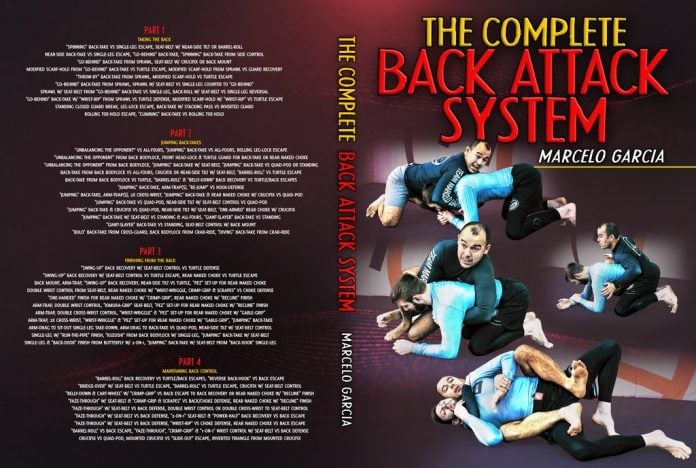
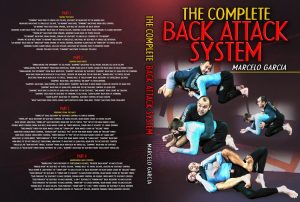
Regardless of which generation of grappler you are, you know the name Marcelo Garcia. It may e that old dude who was once scary if you’re new to BJJ, or an absolute legend and a permanent GOAT contender if you’ve been in BJJ for several years. That also means you know what that Marcelo, as unorthodox as his style might be, loves the fundamentals of Jiu-Jitsu. His game is seemingly simple, but actually really intricate and detailed. In other words, nobody but Marcelo could explain it, and luckily, lately, he has been doing just that. The latest Marcelo Garcia DVD Instructional to come out is the Complete Back Attacks System and we have the first review. As usual.

ON SALE HERE:
Marcelo Garcia – Back Attack System

Marcelo Garcia DVD Instructional: Compete Back Attack System Review Cover
Techniques List

Marcelo is known for having some controversial thoughts on training BJJ, but his results speak for themselves. Marcelo won the Pans, ADCC (4 times), and the Worlds (5 times). During those accolades, he amassed an impressive amount of submission finishes and ended up being branded s one of the most aggressive grapplers out there. His game was simple, centered around the butterfly and X guard, the guillotine choke and choking from the back. That and an impressive toolbox of wrestling moves to score takedowns. Now, his Complete Back Attack System Marcelo Garcia DVD Instructional sheds light on one more key aspect of his game.

How Did Marcelo Garcia Submit So Many Opponents?

Marcelo has a record of 56 submission wins out of a total of 86 won matches. That boils down to a whopping 65% submission rate, which is even more impressive considering he only fought ultra-high level opponents. Out of all those submissions, the most (17) came via a rear-naked choke. You can see where I am going with this.

One of Marcelo’s controversial claims is that certain moves in BJJ don’t’ universally work against everyone. Some examples of moves like that include the Kimura and foot locks. However, he does have the moves he believes are the highest percentage. Moreover, those are the moves that he has built his entire submission game on.

Marcelo Garcia DVD Instructional: Compete Back Attack System ReviewTo begin with, Marcelo loves his chokes. Whether he gets a rear-naked or guillotine choke, he does so much more often than finishing people with armlocks. His take is that it is the technical properties of the move that matter the most. He also famously downs’ do any conditioning, claiming that hard rolling is all you need to be in shape for Brazilian Jiu-Jitsu.

Marcelo’s rise and establishment as a complete grappler is exactly what made his so famous without getting seriously hurt. His game based on fundamentals slick back control front headlocks and the butterfly guard sounds awfully close to what other top coaches of today still preach as the best combination to play a competitive grappler. Marcelo was most definitely ached of his time, as you can notice from the Complete Back attacks System Marcelo Garcia DVD Instructional.

The Compete Back Attack System Marcelo Garcia DVD Instructional

Once again, we have a classic from Marcelo. A four parts Marcelo Garcia DVD instructional taking you step by step through his entire back system. However, Marcelo’s take on organizing things, and teaching them is different from others. People usually teach either move by move, or in a conceptual way that makes everything tie together. Marcelo likes sequences. Each chapter in the four volumes contains a sequence that has a start and an end. Most sequences have several moves, and the best thing is, they all tie together. That’s how his Complete Back Attack System comes alive.

This DVD is a must-have for everyone that likes the back mount. Actually it is a must-have for everyone in BJJ. There have been many takes on back attack systems lately, from both top coaches and competitors and everyone in between. Given that Marcelo is himself both a GOAT among the coaches as well as he is among the competitors, I’d wager his version of events is going to be a lot more practical than anything else available out there.

Volume 1

The DVD kicks off with an insane number of ways of taking the back. Marcelo wastes no time, as the very first chapter is spinning back take vs. a single leg escape. A second version from a single leg escape also follows this time ending in a spinning back take from side control on the near side, though.

As the volume progresses, Marcelo goes over back takes from a sprawl, top turtle position, scarf holds, and even as means of escaping and countering leg locks. The sequences all go in different directions, offering different ways of not just getting behind someone, but also retaining the back position.  To be honest, it is quite difficult to review Marcelo’s stuff without having to write everything step by step. However, that would turn this into a transcript rather than a review, so I’ll let you discover the rest yourself.

Volume 2

The second volume of the Compete Back Attack System Marcelo Garcia DVD Instructional focuses on yet more back takes. If you thought the first DVD had some crazy move in there, wait until you see this one – it is all about jumping back takes.

Marcelo Garcia DVD Instructional: Compete Back Attack System Review 1In that sense, there are about a dozen different chapters, which translates to a dozen sequences that work by themselves or tie perfectly together. For example, you have jumped back takes against opponents on all fours, unbalancing drills, body lock back takes, and even re-jump ways of getting to the back which are most definitely Marcelo Garcia trademark stuff.

One to keep an eye out for in this volume is the jumping back take against bigger grapplers, conveniently named “the giant killer”.

Volume 3

Volume three switches the subject a bit, going from back takes into finishes. As I said, this Marcelo Garcia DVD Instructional si simple, teaching you how to get to the back in detail, and then how to finish in detail. This portion starts with some basic recovery sequences to make sure you stay in back control.

The rear-naked choke is the star of the show in this volume of the Complete Back Attack System by Marcelo. The ways in which you get to it, though are quite unique. From the usual grip fighting sequences and arm traps to wrist-wiggling and “the pez set up” to finishing the choke with a Gable grip, it is all in here.

Volume 4

The final volume ties in perfectly with everything Marcelo shows before. This is the part where he teaches you how to maintain back mount indefinitely. Or, at least until you set up a rear-naked choke in one of the ways he showed earlier.

Stuff like barrel rolls (very useful), cartwheels, bridge-overs, etc., are just a few examples of how Marcelo likes to retain the back. To make things simple, he doesn’t like to statically keep his opponents in back control, but rather follow them as they move and try to escape. Out of all the Compete Back Attack System Marcelo Garcia DVD Instructional

Wrap Up

It is crazy that nobody was able to come even close to Marcelo’s game in all the years since he retired. As it is obvious from the Compete Back Attack System Marcelo Garcia DVD Instructional, and his previous ones, unless the man himself decides to share his systems, we’ll probably never be able to learn them on our own. Luckily, he holds no punches and I must confess that his back attacks instructional is the best of the bunch Marcelo has out so far. I certainly am looking forward to what comes next. I hope it is the X-guard. Fingers crossed.

ON SALE HERE:
Marcelo Garcia – Back Attack System

Marcelo Garcia DVD Instructional: Compete Back Attack System Review Cover
Techniques List

Marcus Almeida Buchecha DVD Review: “The Buchecha Armbar”

Marcus Almeida Buchecha DVD Review: “The Buchecha Armbar” Cover

en the world’s most decorated grappler has something to say, you listen. The grappler in question is, of course, Marcus Buchecha Almeida. What he has to share now are all his tips and trick on executing one of the most recognizable submissions in BJJ – the armbar. Buchecha is a known finisher who does tend to go for the classic moves. His “The Buchecha Arm Bar” instructional is the first time that Almeida shares so much information on one submission move and in such detail. Keep reading for a full in-depth Marcus Almeida Buchecha DVD review of his latest BJJ instructional.

ON SALE HERE:
Marcus Almeida Buchecha – The Buchecha Armbar

Marcus Almeida Buchecha DVD Review: “The Buchecha Armbar” Cover
Techniques List

Lately, there hasn’t been much to do but watch instructional. However, since we’re back up and running with classes (yeeey) it is now time to put what we learned to the test. That, and choosing a few instructional that we can watch, now that we don’t have all the time in the world to do so. My pick is most definitely “The Buchecha Arm Bar” instructional, at least in terms of submissions. As you’ll see from our Buchecha DVD review, this is one of those DVDs that you quickly become obsessed with.

The Highest Percentage Submission In BJJ

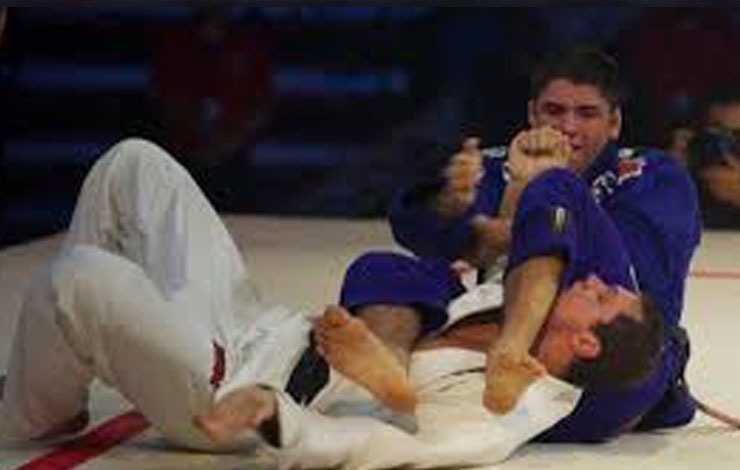
Do you know what the highest percentage submission in BJJ is? Of Crouse you do, you’ve already read our article on that subject. For those few who still haven’t done so, I’ll cut straight to the chase – it is the armbar. More specifically, the straight armbar. Done either form bottom or top position, no other move has resulted in more tap outs in grappling and BJJ than the armbar. No wonder the most decorated grappler ever is so keen on using this move. Lucky for us, he now decided to share his secrets and experience in arm barring people.

Marcus Almeida Buchecha DVD Review: The Buchecha Arm BarThe versatility of the armbar as a submission is beyond any doubt. A move that you can catch from just about any position, and one that happens to work the same on people of all belt levels. Not only that but the armbar’s mechanics area easy for people to understand and replicate, meaning it has a really small learning curve. Plus a solid armbar setup and a tight finish look beyond cool.

Buchecha’s take on the armbar is slightly different in certain aspects to what we’re used to., And that is exactly what I was after the first time I saw “The Buchecha Arm Bar” is available. After all, it is the details and experiences of one of the best in the world that really makes his armbar setups and tactics stand out. In fact, so many things made sense, that I had to stop writing the Buchecha DVD review several times as I went through it, and tried stuff out on my wife. Risky, I know, but this DVD is that good!

Buchecha DVD Review – What’s on Offer In “The Buchecha Arm Bar”?

Buchecha was quite on the DVD instructional front for a lot of years before coming back with a bang. So far he issued a DVD on his famous half guard system, as well as titles on the subjects of Gi takedowns and the folding pass. This last one was of particular interest and use to me personally. However, in the absence of a leg lock DVD (for now), I have to admit that “The Buchecha Arm Bar” instructional made me happier than all of his previous ones.

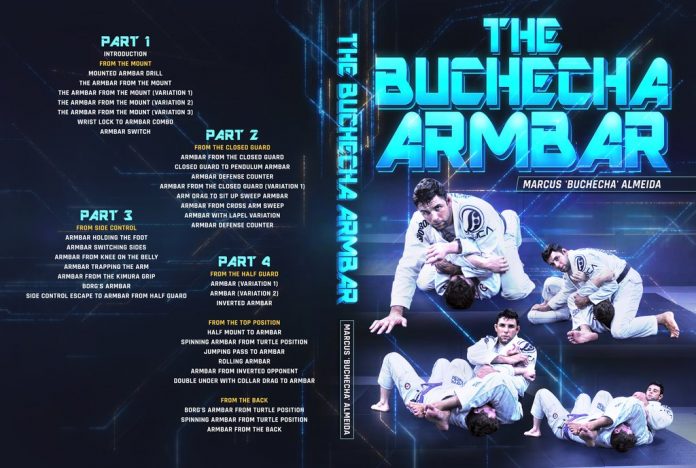
The instructional itself follows the by now standard pattern of 4 DVDs and a progressive organization and interpretation of the material. As you’ll see from the detailed Buchecha DVD review below, he decided to keep things simple. each part of the covers armbars from one of the best positions for hunting: mount, guard, and side control. Only the last volume contains several different positions (half guard, back, and top position) but that’s understandable given that the primary armbar positions are covered before.

Part 1 – Mounted Armbars

The mount is the quintessential position in Jiu-Jitsu for setting up an armbar submission. Buchecha kick “The Buchecha Arm Bar” off with drill that will help you figure out the motion of transitioning from a full mount to an armbar. In other words, the most crucial portion is taught first.

A full explanation of the armbar as a submission follows. Buchecha really shares some insights here that have never been put in a context like this. A few (three, to be precise) armbar variations follow, covering not only ways of getting to the spot, but also finishing and preventing the partner from escaping or defending. A very neat wristlock announces the end of this volume, but not before Buchecha explains how to switch armbars from mount like nobody before. If you’re a fan of that (like I am) you’ll have a field day with just this one chapter of the DVD.

Part 2 – Armbars From Closed Guard

The closed guard is a spot where people tend to hunt for armbars often. The problem is, they rarely manage to finish. Well, it is safe to say that this DVD will put a stop to that. Gone are the days when people could sneak out or power out of your closed guard armbar attacks.

Buchecha follows the same pattern as before, talking about the mechanics of the submission first. He then covers that pendulum armbar and a few counters to common defenses. This is the portion that will be particularly useful to people that are new to Jiu-Jitsu. During the Buchecha DVD review, I had to stop and take some serious notes in this part.

A few variations later, Buchecha moves to explore masking armbar setups with sweeps. The arm drag sit-up sweep, cross arm sweep, and several armbars with lapels round this volume up.

Part 3 – Side Control

Armbars from side control are cool, given that the setups usually look very impressive. They’re also a bit harder to set up compared to the guard or mount, given the dynamic nature of side control. However, Buchecha has the answers to everything lined up in “The Buchecha Arm Bar” instructional.

Marcus Almeida Buchecha DVD Review: “The Buchecha Armbar”The armbar that involves holding the foot, is one of the slickest ways to completely render an opponent defenseless that I have ever seen. Coming right after are details on switching sides from side control, which is seven more important than in the mount. Knee on belly armbars, Kimura grip armbars, and other stuff we’re used to also get third time under the sun here. However, so do some more unorthodox moves, like the trap armbar and the Borg armbar, for example.

Part 4 – More Armbars From Everywhere

Rounding off the instructional, and our Buchecha DVD review with it is the volume that contains information on getting armbars from any other position apart from the above three. The half guard offers several variations of an armbar, and Buchecha spends time explaining each.

When it comes to top position, expect a lot of movement with jumping passes and spinning armbars against the turtle. There’s even a way to armbar an inverted opponent, which is something that’ll come in really handy in the modern BJJ game.

Finally, it is back control and a few armbar setups from there that marks the end of this instructional. Once again, Borg’s armbar makes an appearance, followed by two more variations: the spinning and regular armbar setup from back control.

The Verdict

Buchecha spends a lot of time on setups in his “The Buchecha Arm Bar” instructional but does not skip over the mechanics of the move. In fact, he explains the mechanics much better and more precise than anyone else. Since this Buchecha DVD review, I’ve managed to use several of his concepts and techniques to get armbars on people that I usually can’t catch with that particular submission. This stuff works!

ON SALE HERE:
Marcus Almeida Buchecha – The Buchecha Armbar

Marcus Almeida Buchecha DVD Review: “The Buchecha Armbar” Cover
Techniques List

BJJ Scissor Sweep Attack And Defense Combinations

BJJ Scissor Sweep Attack Defense Cover

The very first thing I was ever shown in Brazilian Jiu-Jitsu was the scissor sweep. Of course, that was after I spent several minutes into a blue belt’s guard, trying to figure out what’s going on. When I ended up on the ground, it was one of those moments that make you wonder whether anything you’ve ever known is really true. The BJJ scissor sweep can have that effect. It is usually among the first sweeps anyone learns, and it does tend to work at all levels, but only if you have access to all the details. Moreover, it can be a nightmare to defend, which is where sneaky counters come in to play.

The point of a sweep in Jiu-Jitsu is really simple – get on top. It is the one most reliable thing you can do from the bottom, given how difficult it is to pull off a submission form bottom against a skilled opponent. The BJJ scissor sweep usually gets forgotten for a few years by most, somewhere between blue and brown belt level. When it resurfaces, though, people realize it is a great tool to have in your arsenal, particularly for the modern Jiu-Jitsu game. So, why not stick with it all throughout your BJJ journey and make it one of your most dangerous weapons?

The First Sweep You Learn

The BJJ scissor sweep is easy to understand for people (at least they think it is when they first see it) and it gets the job done quickly. There’s no moving the opponent, or using pendulums to try and gain momentum to end up on top.  With the BJJ scissor sweep, it is all about mechanics, pressure, and hip movement.

The reason people use this sweep is that it works, especially at lower belt levels. Considering that most people show two variations off the bat (sweeping or pushing with your bottom leg), people get two sweeps for the price of one, sort to speak. The problem is that hat sweep is so popular, that the moment you start moving your hips people easily recognize it. When they do, one of two things will happen, and they determine the success you’ll have. Those directions are either improving posture and blocking your sweep early on or failing to react all together.

The good thing about these reactions is that they’re predictable. This is exactly what makes the scissor sweep work at the highest levels of the sport. When you do the sweep correctly, you only leave a couple of options for your opponent. The thing is, one of these options doesn’t’ work well for you – when they posture up and dig in. This is when you need to have a few sneaky variations up your sleeve to make sure you get the outcome you want, regardless of the reaction. That is how black belts make it work and seem easy.

A BJJ Scissor Sweep Variation That Doesn’t Fail

How do you execute a BJJ scissor sweep? For the most basic version, you need a grip on the collar (cross grip) and a grip on the same side sleeve to begin with. The starting position is the closed guard, although you can attack with the sweep from open guards or even half guard in certain circumstances. Next up, you have to open the guard in order to turn your hips sideways, so that you’re facing the side you have the grips on. From there, you sneak a knee shield in, and place the bottom leg on the mats, right next to the opponent’s leg. Push on the opponent’s belly a bit and use your grips to pull them forward. The moment their head comes near yours, a scissoring motion with your legs is all it takes.

This moment of pulling the opponent forward is where the battle of the BJ scissor sweep takes place. If the opponent can dig in and shift all their weight back with a rigid posture, you can’t pull them. That means no sweep. Unless you know a variation.

BJJ Scissor Sweep AttackThe moment you feel an opponent digging in, it means they become much less mobile. This provides you with options for finishing the scissor sweep. A great and unexpected variation is to use the knee shield to rally push into their belly while crunching up. The grips and opponent’s base and posture will make scrunching upwards easy for you. The goal is to make a technical stand-up while keeping the knee on the belly at all times. This is the most crucial part of this BJJ scissor sweep variation – keeping pressure with the knee.

The position seems complicated but it works and is easy to get to. You can actually sweep in different directions from there, but the easiest route is grabbing the far side knee and pushing the opponent to their side so that they roll over their shin. There’s no way to prevent it since their posture is what gets them in trouble. If they collapse it, you actually get the back, which is much worse for them.

The Heel Hook That Beats The Scissor Sweep

What do you do if you’re on the receiving end of the BJJ Scissor sweep? Well, first of all, you need to understand what the real threat of a sweep is. It is not when your butt or back touch the mats. It is also not when an opponent stands up. What counts is when they achieve both of these that the sweep works. In other words, don’t fear going down on your back, or an opponent standing up. Usually, they can rarely achieve both.

BJJ Scissor Sweep CounterThat means that if you “let them” push you to the ground, you have a moment in time where you can act before they get up to actually finish the sweep. This is where leg locks come into play. From the get-go, you have a perfect finishing opportunity because of the placement of the knee shield leg across your chest/belly. This exposes a heel immediately, and all you need to do is get your hips to the ground. That’s where your opponent will help you with their sweep attempt.

The first key thing to remember is not letting them stand up, or they complete a sweep. So, focus on going into an Ashi Garami to control their hips. You can simply throw a leg over, or sneak one in and then throw a leg over their knee shield leg. Whatever the case, their heel should be on the top side of your body. I’d suggest finishing with an outside heel hook, but a toe hold is also an option/. As is going deep[er into the Ashi Garami game, towards the Game Over AKA Sambo Knot position.

Conclusion

The BJJ Scissor sweep is a very useful thing to have in your arsenal. It also has plenty of variations to allow you to switch things up and be unpredictable. But that only works up to a point. As the person sweeping, you need to have momentum, timing, and cunningness your side. Otherwise, you might just find yourself deep into a heel hook that you can’t escape.

Being Aggressive In BJJ: How Much Is Too Much?

Being Aggressive in BJJ

Are you aggressive in BJJ? If so, how do you know if you’re aggressive enough, or you’re well over the line of being a spaz? Being aggressive in BJJ can certainly be a trait, but it needs to be micromanaged at a very high level. If you are a competitor, you simply cannot do without the aggressiveness factor. Very often, the person that goes for it with more vigor ends up winning a match, especially when technical and tactical skills are evenly matched. That said, there are plenty of aspects to aggression and Jiu-Jitsu, and today we’ll explore a few different ones.

Your level of aggression in BJJ is something that changes over time, going back and forth. Sometimes, it’s training partners. Other times, it’s a bad day. In competition, you might end up surprised at how much you actually lack aggressiveness. In any case, there’s a place and a way to be aggressive in BJJ. That also means there are plenty of situations where you need to dial it down. Moreover, there are always going to be those that are more aggressive than you, and you’ll need to know how to deal with them. Finally, if you’re an aggressive person in everyday life, grappling might just be the best anger management therapy you can find.

How To Be More Aggressive In BJJ?

First of all, remember that you can always end up being too aggressive in BJJ, whether it is training or even a match. That said, in training, the line is easy to cross. The thing is, you need to know how and when to be aggressive in BJJ, as that ‘is also a piece of the puzzle we call Brazilian Jiu-Jitsu. Similarly to using strength and explosiveness along with technique and tactics, you need to also blend in aggression. After all, you are fighting, right?

One thing to completely forget is hesitation. If you stop hesitating and just go for whatever it is you’re thinking (or feeling) you should do, you’ll not just come off as more aggressive, but actually be aggressive. Three’s no time to overthink stuff, regardless of how chess-like some people like to portray BJJ. Simply go for things and you’ll notice that you actually start getting more of them to work.

That said, doing things just for the sake of doing them, without any context is when you earn the label of being the Academy’s spaz. So, do not hesitate, but don’t just go about doing things just so you don’t sit still. Being aggressive in BJJ means going for stuff but within the bounds of technique and tactics. Otherwise, you’ll be the one that suffers.

A great way to practice your BJJ aggression is during drills. This s when you can go all out, given that you’re training a very specific move under very specific circumstances with a willing partner. Just do your reps and after a while, that aggressiveness will get drilled into you and you’ll easily apply just the right amount when you need it.

Does BJJ Help With Aggression?

If you have a short fuse and you want to do something about it, BJJ is one of your best bets. I’m no psychologist, but those people that end up being constantly angry and aggressive usually have plenty of things that trigger them. In everyday life, such aggressive outbursts might (and usually do) go without responses in plenty of situations. In Jiu-Jitsu, though, this won’t go unchecked.

For starters, you’ll get humbled every training session, for the rest of your life. Grown and angry men and women quickly discover that mindless aggression won’t get them far in a sport where someone much smaller and calmer than you can beat you. But that’s far from the end of it.

You know that feeling after training of calmness and happiness? Well, that one is universal for us all. After going in several hard-fought battles, you don’t have much aggression left to argue with people while driving or for other mundane things.

Last but not least, for those people that still tend to be aggressive, training aggression in BJJ will teach them how to channel it correctly. Instead of mindlessly going into outbursts they’ll be much more precise and effective with it. Because, let’s face it, just like in BJJ, sometimes you do need a bit of aggression to solve things.

How To Deal With Overly Aggressive People BJJ?

This is another aspect of the game that has to do with training. Every gym has at least one spazzy person at any given time. Surprisingly enough, those tend to be purple belts a bit more than white belts, contrary to popular belief. There’s no rule though, as everyone, regardless of belt can act overly aggressive during rolls. The important thing to remember is that you shouldn’t take it personally, because it is usually just a phase.

are you Aggressive in BJJ?That said, the biggest thing you can do with someone whose overly aggressive in BJJ rolls is to say you’re not interested in rolling. You have the right to say that to anyone, without any worries for repercussions or the likes. Alternately, you could always try and talk to the person, explaining that their style is a bit too aggressive for you, and you’re not interested in that type of rolling at the moment.

There’s also another strategy that’s highly important to people that are injured. If your partner is overly aggressive and doesn’t really listen to you when you talk, just tap. And by tap, I mean tap a lot to everything that makes you uncomfortable. Did they get close to an armbar? Tap. Did they put lots of pressure on you in a wild way? Tap. Do they move in a way that makes you feel unsafe? Tap. They’ll e annoyed, but at least you’ll be safe, and there is a lesson in there for the partner who is too aggressive in BJJ as well. After all, it will pass, and they won’t stay like that forever.

In Summary

Be aggressive in BJJ, but be so with a purpose. Just doing stuff because you don’t want to stand still won’t really help you accomplish too much in Jiu-Jitsu. More times than not, it is about the reaction you don’t have, rather than the one you have. However, aggression is a very useful trait of human character, and you do need it in any type of combat sport. As long as you can control and unleash it with perfect timing, it is just another weapon in your arsenal.

Crazy And Unusual BJJ Kneebar Entries And Finishers

Crazy BJJ Kneebar Entries

I love kneebars! In fact, I think the only people who don’t are the ones who have never tried to do one. If you train BJJ long enough, though, you’ll eventually be exposed to the beautiful submission that is the BJJ kneebar. That said, my stance on training them is clear – the earlier you start, the better you’ll be with them when you “unlock” their use as a brown belt. So, invest in the leg, learn kneebars, and learn how you can get to the kneebar from different positions in as many unusual and unexpected ways as you can.

The kneebar is a very powerful submission. In fact, out of all the leg locks, I’d say it is the most powerful, bar heel hooks. It definitely provides you with the most control over an opponent, not to mention an entire limb. Plus, it is painful and there’s no denying it, no matter how tough an opponent is. As long as it is perfectly set up and executed, of course, Speaking of setups, the success of any submission depends as much on the entry as it does on the breaking mechanics itself. For that purpose, I’ll share some crazier BJJ kneebar entries below, in order to provide you with a bit of variety for your leg locks. You’re welcome.

BJJ Kneebar Mechanics

How does a BJJ kneebar work? Pretty much the same as a BJJ armbar, and you’ve surely done lots of those so far. The idea is that you place your body in front of a joint, using its entire structure to make that joint bend in a direction it is not intended to. The end result would be a catastrophic break of that joint. In this case, it is the knee.  Note that a cleanly executed kneebar is a very dangerous submission and can cripple someone for life. As such, it may be a perfect tool for a self-defense scenario, but in competition, and particularly in training, be careful with it.

Moreover, given the nature of the submission and entries into it, always watch out for your falling bodyweight and how it may affect the knee of the opponent/ training partner.

Overview

Under IBJJF rules, in order for you to do a BJJ kneebar, you need to be at east a brown belt. Even then, you have certain configurations you can use, as knee raps are not allowed at any level. That said, the kneebar will help you get a lot of taps, whether you’re grappling with or without a Gi.

Position-wise, you can get a kneebar from just about everywhere. That includes both top and bottom positions. Most often, people hunt kneebars for a top half guard position, or from the X-guard when on the bottom. However, there are plenty more setups than just these, as you’ll discover today.

Control

BJJ Kneebar MechanicsThe key aspect of a kneebar’s success is control. The position itself is a controlling one, so there’s no need to talk Ashi Garami here. For a kneebar, you need to have your hips as close as possible to the hips of an opponent. At the same time, you need to be facing the front of their leg. The hip position makes all the difference, just like with an armbar.

The knee should be positioned somewhere at chest level, but that obviously differs depending on both you and your opponent. Your arms need to go around the leg, controlling at knee level during tan entry into a BJJ kneebar. Even after you get into position, holding at this level will provide you with a lot of control over a limb, and therefore, the opponent. However, for a finish, you’ll need to extend the leg completely, which means transferring your grip down to the ankle of an opponent. A Rear Naked Choke grip, with the foot trapped on your shoulder, is the ultimate end position you’re aiming for.

The Submission

For a BJJ kneebar finish, you need to extend your hips into the thigh of an opponent while holding on to the ankle of the leg with your arms and head in order to cause the knee to bend, and ultimately break. The goal, of course, is to get a tap before this happens.

A few pointers when it comes to finishing. Pushing straight with your hips is a must, However, twisting your body upwards as you pull with the arms adds a whole new dimension of pain and pressure to the submission. Squeezing your knees together, and looking to extend them will also pile more pressure onto an already super-tight submission hold.

Sneaky And Crazy BJJ Kneebar Entries And Finishes        

Now that we revised the mechanics of the kneebar, let’s talk entries. Getting a kneebar does not have to be a methodical and slow thing. Kneebars are there for the taking with bold, explosive, and highly impressive moves as well. You can set a BJJ kneebar up by spinning, rolling, Granbying, setting traps, or even dancing around. Here are a few options I like to use to keep my opponents guessing how I’ll get to the kneebar they know is inevitably coming.

  • Bottom Half Kneebar

Crazy BJJ Kneebar Entries: Bottom HalfThe bottom half guard is a great spot for setting up a trap to get a kneebar.  The Z-guard is tailor-made for this. Use the bottom arm to catch the leg (anchor point) and slide the knee shield across so that the knee reaches the opposite side armpit. The other arm also goes with the palm to the armpit to allow the knee to sneak through. The knee shield creates enough space for you to reach for the foot in order to extend the leg for the kneebar.

The goal is to pull while rolling to your back. This will open up space for you to thread the inside in first, and secure it with the knee shield leg on top of it. Keep turning to the side and you end up in a perfect kneebar position.

  • Shin-On-Shin Kneebar

Crazy BJJ Kneebar Entries: Shin to Shin GuardThe shin-on-shin guard is also great for setting up surprise kneebars. You just have to be careful not to pull an opponent directly into a knee slice pass. Make sure your hooks are active at all times to prevent this. Otherwise, simply go to your back, pulling as if you would for an Ashi Garami (single leg- X) entry. Once you elevate the opponent as high as possible, angle them to the side of the leg you’re holding. This will cause them to put all weight on that leg, leaving the other open for attacks.

The entry is via half-Granbying into a position which is made possible by the all-important grip on the opponent’s toes (like for a toe hold) of the leg that you’ve forced them to place on the ground. Getting a BJJ kneebar from there is a breeze. In fact, the finish is with the ankle under the armpit, which is far more powerful than the regular version.

  • The Michael Jackson BJJ Kneebar Entry 

Crazy BJJ Kneebar Entries ;Michael Jackson KneebarAs cool as it sounds, this is a “dancing” way to enter into a BJJ kneebar. It works from the top, against a butterfly guard. The trick is to be the first one to grip. In fact, you want to go for the ankles and lift both legs as high as possible. This will get your opponent to their back, albeit only temporarily. The moment their leg is at about a 90-degree angle to the floor, you go for your entry.

What you do is simply step to one side, and throw a leg over, looking to land deep into a kneebar position from the top. This is the crucial moment of getting your hips high enough on their hip, so make sure you make it count. Inertia will take care of the rest, while you get a tap after dancing yourself into a kneebar.

  • Rolling Kneebar Setup

Crazy BJJ Kneebar Entries: Rolling KneebarThe rolling kneebar is a staple of Sambo and something we see more often in BJJ as well. You can hit it from plenty of standing positions, but having an overhook to begin with would be ideal. Think about going for an Uchi Mata, while holding the opposite side arm. The trick is that you won’t be looking to send the opponent flying, but rather roll under.

Your lead leg will act as an anchor, hooking behind the knee of the far side leg. This will allow you to jump your other leg behind the leg you’re attacking, forcing the opponent to roll over you and straight into one of the deepest BJJ kneebar positions available. Make sure to take care with this one, as it can really injure someone if you fall awkwardly on their leg.

  • The Dogbar 

Bernardo Faria made this variation of the kneebar famous. Not many others have had plenty of success with it, but that’s because nobody is looking at the finer details of the move. And Bernardo has them all laid out for all of us.

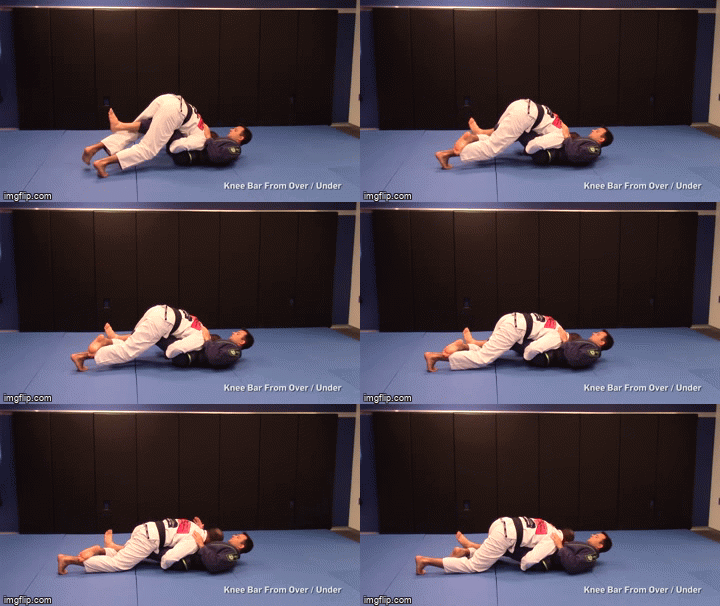
Crazy BJJ Kneebar Entries: DogbarWhat you need is an over-under pass to get into place. If you’re not a fan of the over-under pass, it doesn’t matter, as there will be no need to complete it. You just need it to enter the most unusual BJJ kneebar.  The goal is to trap the leg you’re controlling on the “over” side between your legs. The deeper your shoulders are in the hip crease of an opponent, the more leeway you have of getting the leg. What you’re aiming for is to do a triangle with your legs. This is what most people get wrong. The triangle should be really low, wedging behind the opponent’s ankle. The higher it is, the less pressure you’ll have for a kneebar.

For the finish, simply slide your legs back, trying to lay your body flat to the ground. This will get many taps, but if you need more, there’s still a lot of space to push the hips in and even pull a bit with the upper body.

  • Figure 8 Kneebar Finsih

Crazy BJJ Kneebar Entries: Figure 8 kneebarFinally, an interesting way to wrap up a BJJ kneebar from a position we all have come to love lately – the 4/11. While most people look for heel hooks from there. If you want to keep things legal, you can switch to a kneebar. The trick is going for a modified kneebar, in order to be highly effective with it.

The Figure 8 kneebar means that you’re using a triangle configuration of your legs but including the “double trouble leg” in it. What this accomplishes is no way for the opponent to escape, plus a much tighter finish than a regular kneebar from the 4/11.

In Conclusion

The BJJ kneebar is powerful but easy to defend if people see it coming. Once you’re deep enough, though, there’s almost no way out. That’s where smooth fast and unexpected entries come into play. The crazier the entry, the more probable you are to have success with it. Give some (or all) of the above a try and you’ll see what I mean.

Judo Throws For BJJ: Shoulder Throw Variations

Judo Throws For BJJ: Shoulder throws

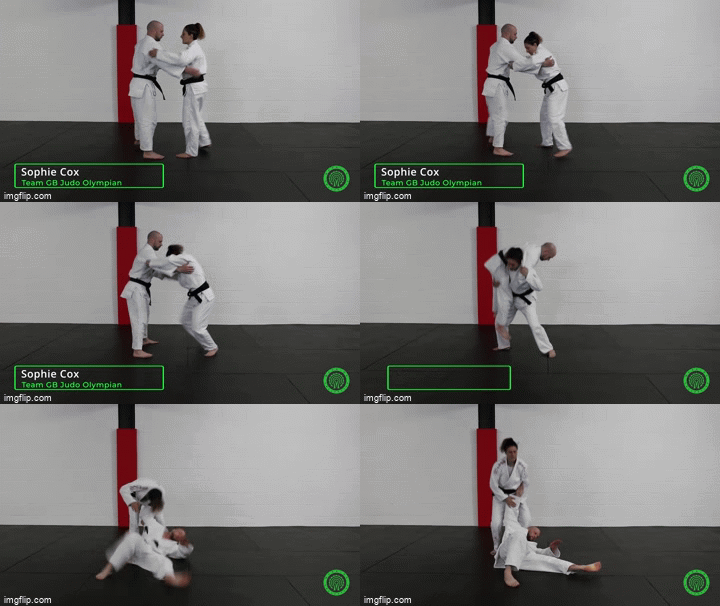
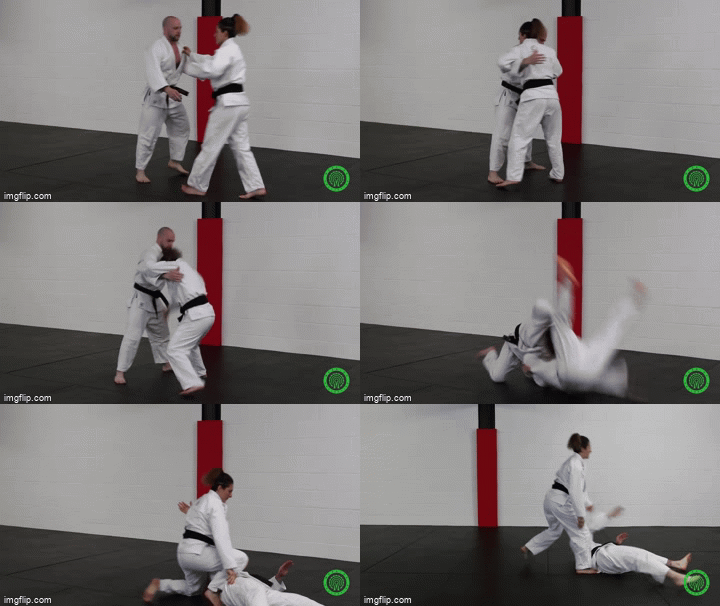
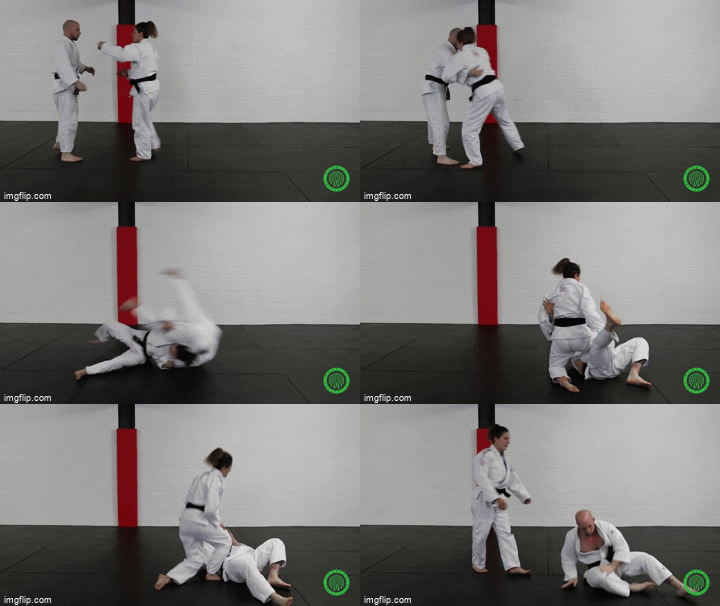
Judo throws for BJJ. A subject that has been beaten to death over and over again. it works and we should use it. Cool. But then again, when we take a look at the Judo throws for BJJ that we use, and we’re down to only a few moves. Foot sweeps lead the way, with the odd Uchi Mata and occasional Sumi Gaeshi sneaking in as well. Not really the best return from the art that’s not only the predecessor of BJJ but also has loads and load more techniques to offer. Like for example, shoulder throws. Hera re a few that can really help you get a match to the ground. Or a fight.

Judo is a really cool martial art to train in. Modern Judo is just a fraction of that art. Across the world, people usually focus on the modern version, or the sports Judo, if you will. This is understandable as Judo is not only a huge sport worldwide but also an Olympic one. The rules and regulations that plague it, though, put heavy restrictions o what people can use in competition, and in training. This means that even BJJ folks that cross-train in Judo or simply looking to improve their top game, mostly get access to this restrictive and not very rich game of Judo. This doesn’t have to be the case as there are plenty of Judo throws for BJJ that are perfectly legal to do in Jiu-Jitsu, despite being outlawed in Judo. My point is, Judo has a lot more to offer than we’re getting gat the moment.

Re-Discovering Judo throws For BJJ

What do you think of when you hear or read the phrase “Judo throws for BJJ”? Most will imagine GI grips, and someone performing an Uchi Mata, or perhaps even a hip throw on an opponent. As previously stated, most of the Judo throws we associate with BJ are not even throws by nature – they’re sweeps. This is far from ineffective, but it is also just a small fraction of what Judo has to offer.

For starters, we need to change our overall perception of Judo throws for BJJ. Why does Judo have to be the option for Gi Jiu-Jitsu, and we need to switch to wrestling when we go No-Gi? As proven many times in MMA and grappling, Judo throws for BJJ work just as well without a Gi. And you don’t have to be Ronda Rousey or Ffion Davies to pull them off. So, forget about grips, Judo stances, and all that jazz. Unless you’re into learning Judo as an art, which will take you a decade at least (regardless of belt color). If you want to introduce Judo throws for BJJ you need to look at what works for Jiu-Jitsu, rather than what Judoka’s do, or are allowed to.

IN that sense, there’s no real answer to the question ‘Why don’t we use shoulder or hip throws more in BJJ”? Apart from perhaps the Ippon Seio Nage which can open up back attacks (as both a Judoka and BJJ instructor I strongly disagree) other throws are not that “risky”. This is particularly true for shoulder throws. They might seem like too much work, but in general, they take less effort than sweeps, double legs, or battling for the front headlock. The Kata Guruma is a great example.

Why Shoulder Throws Are Perfect For BJJ               

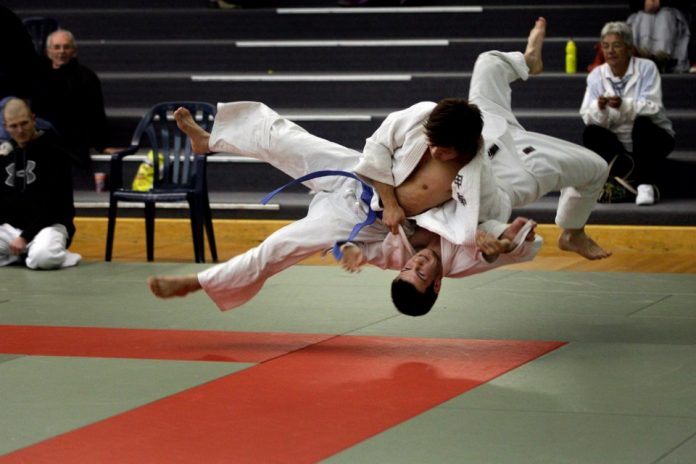
So, what are shoulder throws in Judo? Well, any throw where your opponent gets hauled over one or both your shoulders, is considered a shoulder throw. Now, I said “hauled” intentionally. You don’t have to be standing, with a san opponent over both your shoulders, like in WWE, making a dramatic pause before you slam them to the ground. The level has everything to do with it, but you don’t have to be standing to do it. Quite the contrary.

What we usually see is people trying to get the collar and sleeve grip and battle for Judo throws for BЈJ from there. No need. It is more than enough to control one shoulder completely and have a hold of the top half of your opponent.  Combine his with the correct angle and you have the perfect recipe for exciting just about and Judo throw, and especially shoulder throws.

The reason I love shoulder throws like the Kata Guruma is the surprise factor. You disappear from your opponent’s line of sight for a short while, but you then pop back up before they’re aware of what’s going on. This s level change at its best. Unlike double or single leg attempts, the movement is not linear, so instinctive reactions will only get the opponent in a worse spot.

Three Shoulder Throws To Learn

First up, the following shoulder Judo throws for BJJ all work in both Gi and No-Gi. Moreover, they work with the exact same grip, no adjustment needed. Basically, these are all variations the Kata Guruma, AKA the fireman carry. The work, however at different levels, offering you different options against different opponents. The perfect storm.

There are two huge things to remember before going for any shoulder throw. The first is posture. If your posture is broken, no shoulder throw will work for you. This is more than obvious, as you’re using your shoulders to actually transfer the weight of an opponent. So, you need strong, and somewhat rigid posture for all variations of this, and all shoulder throws in general.

One more thing to remember, which is pretty much universal for grappling martial arts, is to keep your elbows close. Not while you’re shooting to enter or adjusting, of course, but the moment you want to throw someone. You’ll need to keep your elbows tight to your body if you don’t want them to escape. Particularly with the variations of shoulder throws that are done from lower.

1. Standing Kata Guruma

Judo Throws For BJJ: Kata GurumaThe standing Kata Guruma is what we usually think of when someone mentions the name. In most cases, it seems like there are too many steps to set it up for BJJ. This does not have to true. Instead of that boring old and ineffective collar and sleeve 50/50 grip, go for an overhook. The further you can reach over and grab the triceps of an opponent. The better. If you can trap their palm underneath your armpit, even better. This is the starting position for all Judo throws for BJJ we’ll be looking at today.

After posture, your most important cue here is the angle. To get a Kata Guruma you need to step in, similarly to a penetration step. However, you need a strong posture to avoid guillotines and/or people spinning you around. What helps you get into position is the angle. You need to enter at a 90-degree angle compared to your opponent’s torso. DO that, and you’ll be in safe and in prime position for the throw.

The finish is easy. When you step in at the 90-degree angle, look for a sumo deadlift type of stance. This is the moment when you pull both elbows to your body, and you stand up. Now you’ve got your opponent where you want them. For a finish, don’t try to throw them over the opposite shoulder, but rather in front of you in a twisting style. The goal is to have their head in front of your foot, and their feet as far away from you as possible.

2. Drop Kata Guruma

If you’re fighting in the absolute and are a smaller grappler, the standing Kata Guruma might not be your best choice. That’s where you can go for the drop version of this shoulder throw. This is faster, requires less strength, and works against bigger opponents. It is also faster.

Judo Throws For BJJ: Drop Kata gurumaThe entry is pretty much the same – posture and angle remain unchanged, as does the initial grip (the overtook). If you drop too low (bad posture) you’ll give away your back or a front headlock. So keep the posture upright.  This time when you do the penetration step, you drop completely to the knees with both your legs. Your free arm once again has the task of grabbing s deep as possible behind the knee of the opponent’s leg.

Elbows together will ensure that the opponent can’t wiggle out. This is where you lift slightly off the ground (butt off heels) and finish in the same way as before .the difference with this is, since you’re lower, you get to go directly to knee on belly, while still controlling one arm with an overhook.

3. Lats Takedown

This is the fastest and sneakiest of the Judo throws for BJJ based on shoulder throws. It is also the one done from the lowest possible position. For this, you start off with the same grip, and the posture rule still applies. However, you want to change the angle slightly, because you do not need to turn to 90 degrees. Around 45 degrees will do the trick but you don’t have to be precise. What you need to aim for is to sit on the foot of the front leg of the opponent.

Judo Throws For BJJ: Lats takedownThe goal of the entry is to get your hips as close to the lead leg as possible. Simply sit down to a hurdle stretch position, trapping the foot and grabbing the leg, like in previous Kata Guruma variations. That’s it.

This one is by far my personal favorite. It is lightning quick (you just sit down) low risk (trapped foot plus the grips) and you end up in a great position too. For the throw itself, you just lie to your side and the opponent will fly over. Keep hold of both the leg and arm and you’ll spin right into knee on belly or an armbar pulled by the inertia of their fall.

All in All

Judo throws for BJJ are not just a couple of foot sweeps and an Uchi Mata attempt. You can go in many different directions, depending on the rule sets. Even fun stuff like scissor takedowns (Kani Basami) is a great option, rules permitting.  However, shoulder throws are legal, effective, you can learn them quickly and they work against anyone. Plus, not many people are doing them at different height levels, like the examples above. Why not master these for your takedown game?

Video Source

How the Concept Of The Mini BJJ Seminar Can Improve Your Academy

How To Set Up A Mini BJj Seminar

If you’re training Jiu-Jitsu for more than a year, you’ve surely been to at least one BJJ seminar. It doesn’t have to be a seminar that involves travel, it may just be something your Academy organizes as an annual thing. Whatever the case, seminars are fun, and everybody likes going to them. However, you don’t have to attend a “classic” BJJ seminar per se to get all the benefits. You could achieve all the benefits (and more) by having mini BJJ seminars take place in your academy. If you’re an academy owner, pay close attention.

One competition is worth one full year of training in terms of experience. Truer words have never been spoken about Brazilian Jiu-Jitsu. Then again, not everyone likes to compete or competes. In fact, the majority of people that taint Jiu-Jitsu do not compete actively. Luckily there are also other ways of speeding up progress and learning. A BJJ seminar might not bring you as much in terms of experience as a competition but it will definitely broaden your perspectives, give you access to in-depth knowledge in creating areas an allow you to roll and train with different people than you’re used to. I’d say that earn a solid seminar the right to claim it is equivalent to about 6 months of training.

Anatomy Of A BJJ Seminar

How does a typical BJJ seminar look like? Who knows? There’s no typical format of a BJJ seminar. However, there is a certain structure that most seminars tend to revolve around. First things first, if the person teaching the seminar is a Brazilian, you can bet they’ll be late for the start. It is a pet peeve of BJJ seminars that all particularly enjoy and it does seem to be the case over and over again.

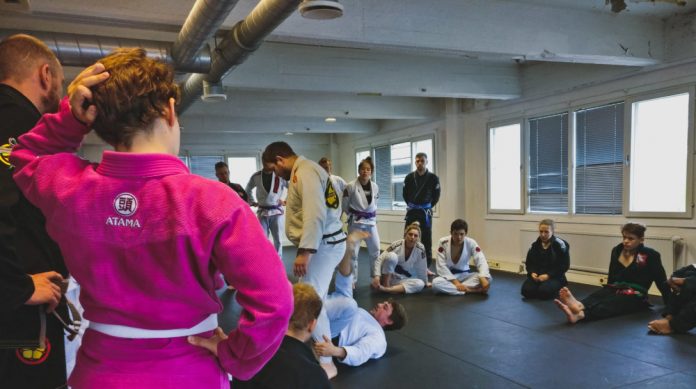
BJj SeminarWhen it comes to seminars, if you’re expecting a lot of rolling, you’re probably in the wrong place. A Jiu-Jitsu seminar will last in excess of several hours, and it will be so filled with information that your head will probably be buzzing at the end. This is exactly why seminars usually revolve around a specific topic. If a seminar went into a Q&A, with everyone asking different things, nobody would really learn something, Actually, the power of a BJJ seminar is in that you get to go deep into a very specific area of Jiu-Jitsu for hours, most often with an expert in that field or an overall superstar of Jiu-Jitsu.

Longer seminars tend to have blocks of learning and trying stuff out, with the odd round of two of light rolling dispersed in between is important to know that seminars are not just giant open mats to train competitively, but rather learning opportunities. If you’re at a Roger Gracie seminar, it is wiser to listen to him and try the stuff he’s demonstrating rather than trying to murder training partners with the moves you usually do.

Speaking of material, if a seminar is not recorded, it is wise to write stuff down as it takes place. Use whatever technique you want, writing, drawing, using shortcuts, but make sure to put stuff down. And not just the things that whoever is teaching says and does, but also any questions you might have after you try them out. Those notes will provide you with a ton of material to work for months at your own Academy. And that is another reason why seminars help speed up your Jiu-Jitsu progress so much.

The Concept of The Mini BJJ Seminar

The thing about Brazilian Jiu-Jitsu seminars is that they tend to be few (in certain areas of the world). Moreover, they’re usually not cheap, depending on who is teaching. If you factor in travel and accommodation it tends to add up in terms of cost, sometimes even more than a competition would. That’s where local seminars come into play. But not just regular type seminars but rather an interesting and underused concept. Have you ever heard of a mini BJJ seminar?

what is a Mini BJJ SeminarA mini-seminar is something you organize in your own gym. Moreover, it is something that doesn’t require a black belt, or a world champion in order to set up. It does, however, take an expert in a field of BJJ, regardless of their overall training experience. Luckily, given that everyone has their favorite moves and distinct styles, this is not too hard to come by. In fact, any purple belt will already have several favorites that they’ve spent years working on. Why not put knowledge like that to a good test?

Here’s’ how a min BJJ seminar works. You get someone in an academy, preferably other than the instructor’s that are usually teaching the classes. For example, let’s say you’ve got a purple belt who is an expert in guillotines. You give him the task of organizing all his knowledge in a seminar-style. The duration can be anywhere from a couple of hours to 5 hours or more. You then make the seminar open to everyone from the gym, for a very nominal fee. There’s a reason why there is a fee, and I’ll make it clear later on.

The trick with mini seminars like this is to organize them at the right frequency. One a month, or even a bi-monthly seminar is all it takes. People won’t get fed up with them, they’re more than affordable and people still get to learn specific subjects from experts (or experts in the making0 in a certain area. A win-win scenario for everyone involved.

What Are The Benefits?

A mini BJJ seminar benefits everyone involved in it. For starters, everyone that is attending will get to learn something new. And that includes the instructors that usually teach. As an instructor, this is a part of mini-seminars I particularly enjoy. For example, getting to learn the ins and outs of the worm guard from a student that has been practicing it relentlessly for the past there years opened my eyes to plenty of interesting opportunities. I can only imagine how much everyone else is learning from this setup.

Mini BJJ SeminarNext up it benefits the person doing the seminar. First of all, they get to sit down and plan a seminar. While not everyone is cut out for teaching, most people end up as instructors or coaches eventually. This is a great way to expose them to the whole teaching experience and help them get ready early on. Moreover, they get to experience the sweet feeling of earning at least a few bucks from the experience. In my academy, all the fees go to the person that held the seminar. It is a small token of appreciation, but people do receive it extremely positively and get motivated to train even more.

Finally, the entire academy benefits from having a BJJ seminar on a monthly basis. Apart from needing next to no logistics to pull one-off, and no traveling, it is great marketing for the academy. Organizing such in-house small seminars will quickly lift the Academy’s level to a whole new dimension. Plus, it tends to draw in other new members, whether they’re brand new to BJJ or people with experience that like what’s going on. As I said, a win-win scenario.

Conclusion

To be completely honest, you can’t expect a mini BJJ seminar to replace a full-blown seminar with the likes of John Danaher or Bernardo Faria. However, those types of seminars do happen rarely and require a lot of planning, especially if you’re the one organizing them. Mini seminar on the other hand costs nothing, you can fit them in any weekend when there’s not a class on the schedule and everyone gets to learn and enjoy a new experience. It’s what BJJ is all about anyway, right?

How Did The Best Grapplers Start BJJ Training?

How Did They Start BJJ ?

Starting Brazilian Jiu-Jitsu is a big step in everyone’s life, even though it may not seem like it at the moment. Most of the people that start get consumed by it and it becomes a full-on lifestyle. While some of us start BJJ in the most “expected” way possible, walking to a gym and asking to sing up, others have far more interesting stories of how they discovered the Gentle Art. On that subject, have you ever thought how some often world’s leading grapplers started training Jiu-Jitsu?

Not ever world-class grappler was born into Jiu-Jitsu. Actually, this applies to most of the folks outside the Gracie family. However, even though it may seem strange, BJJ is actually not a very big thing in Brazil. Looking back 20 years ago, it wasn’t the first thing kids think of when they consider starting a sport. Given that BJJ is still very young and still spreading around the world, there are some really interesting stories about how some of the best grapplers began training. There are some quite interesting stories on how to start BJJ among them.

How Did You Start BJJ?

Speaking of how people start BJJ, what’s your story? Do you consider yourself to be one of those that have an interesting and unusual one, or just the regular, I walked in and signed up. Of course, nothing is regular after that, but that is the story for most people nowadays.

For me personally, BJJ came about as a result of watching MMA. I was training kickboxing, KravMaga, and Judo at the time. IN the decades before, I trained in everything from Karate to Aikido. It took a while for BJJ to come over to Europe, and even more for a decent academy to show up. While there was a BJJ academy in my city, I never signed up, despite watching classes a few times. However, when a great coach and a solid Academy popped up, I was the first through the door. Literally, I was the first member of the Academy where I know to teach. The rest, as they say, is history.

Throughout the years, I’ve seen people come start BJJ under a number of different circumstances and fro a multitude of reasons. They all have their stories, albeit some are more interesting than others. I’ve had a powerlifter who came to the gym to give a friend a ride and became one of the best and most obsessed over the following months. I’ve also had girls coming to class following a friend of theirs that is so obsessed, they’re trying chokeholds on them while socializing. Those girls are now probably doing the same. I’ve also seen people come into “polish their ground game” for MMA and do a complete U-turn. There are a bunch of interesting stories there, but what we really want to know is how the best of the bests tarted training.

The Origin Stories Of Some Of The best Grapplers

Of course, we can’t cover all the origin stories in one article. I doubt we can even name the names of those that are the best in the world, or of all times, for that matter. However, what we can do is take a look at the people whose names you see daily on your social media feeds in regard to Brazilian Jiu-Jitsu. Some of them did start BJJ in a simple way, while others seem to have come by it complete by chance, before turning into the champions we’d all want to become one day. Here’s how it all started:

Gordon Ryan

How Did They Start BJJ - Gordon RyanConsidered by many to be the GOAT of Jiu-Jitsu, Ryan is a member of the generation that grew up with full access to MMA and BJJ but still started in an interesting fashion. When Ryan was a kid, he went to a daycare where the teacher was a huge UFC fan. That teacher taught the kids submission moves and had them compete with one another, in no time limits matches. Talk about a baptism by fire!

At 15, Ryan saw a sign for a Jiu-Jitsu gym while he was out shopping with his mom. He walked in, took a class, and it turned out, all that daycare prep came in good because he felt really at home. From there, he went on to train with Miguel Benitez, before eventually going to TomDeBlass and Tonon, and ultimately, John Danaher.

Caio Terra

The diminutive 12 times BJJ World Champion and overall one of the most entertaining characters in the sport started training. His story on discovering BJJ is a real Karate Kid type of story. Tiny as Terra is, was even smaller and frailer as a kid and was bullied a lot at school. His mom thought it would be a good idea for Caio to start BJJ in order to learn some self-defense. She even started training as well, given that Caio only thought about playing soccer at the time.

Up until he got a blue belt, Terra just went along because of his mother, not really giving an effort. However, after getting his blue belt and eventually doing great at his first competition (lost the finals to Bruno Malfacine) he changed his attitude and quickly turned into one of the best that the grappling world has ever seen.

Geo Martinez

One of the fastest black belts in Jiu-Jitsu (3 years) Geo is considered by many to be a prodigy for grappling. Granted, he has crazy athletic skills form breakdancing and a very unusual approach due to the way he thinks. In terms of his BJJ beginnings, Geo actually started BJJ because of breakdancing. He was offered free Jiu-Jitsu classes at 10th Planet Jiu-JItsu Vista in exchange for teaching Ryan Ford’s son breakdancing on the premises. Geo accepted and it didn’t take long for him to get hooked.

IN fact, it only took a few classes for Geo to start BJJ all-in. He began training with Sean Bollinger and managed to get a black belt in just three years, and from Eddie Bravo himself.

Rafael Lovato Jr.

Mr. American Jiu-Jitsu himself and one of the most likable grapplers/fighters in the combat sports world.RafelLovato Jr. HE made history by being the first American to win at the Brazilian Nationals in both his division and the absolute. His origin story is one of a family legacy of martial arts. Rafael’s father, a martial arts instructor, had his training since he was a child. It was JeetKune Do for Lovato at first, along with boxing.

LovatoJr discovered BJJ through his father, who himself was fascinated by the art. He started training with Carlos Machado, and young Rafel wasn’t far behind him. Soon, the son would surpass the father and become a fearsome BJJ and MMA competitor and world champion in both a well.

Miyao Brothers

The Miyao brothers were a synonym for Brazilian Jiu-Jitsu at one point in time. It is not that Paulo and Joao Miyao are not among the bet now, it is just that they are not the ones currently in focus. The Brazilian born twins became famous for literally living inside the gym, doing nothing but training, eating, and recovering. Just like the T-shirt says.

As impressive as their grappling careers are, their BJJ start was a pretty mundane one. Born in Brazil but with Japanese roots, the two were very dedicated to Judo early in their lives. Judo brought them to BJJ and they just swapped one for the other and kept going with the unrivaled work ethic that made them multiple-time world champions.

Bia Mesquita

Bia had a very early start in BJJ, starting at the young age of five. She followed in her brother’s footsteps and was the one that remained after a year had gone by. She was clearly born for it and started winning left and right. An athlete at heart, Bia also gave Judo a try when she was 9. She did exceptionally well there too but had to switch it for swimming because of injuries. Unsurprisingly, she won swimming medals as well.

Her rise to BJJ stardom began when she started training with Leticia Ribeiro.  A black belt since 2011, and a multiple-time world and ADCC champion, she is now looking to transition into MMA.

Jeff Glover

One of the two most extravagant and eccentric grapplers in the entire world of grappling martial arts. Jeff was born in 183 in L.A. As a very energetic and curious child, Glover got in trouble on a regular basis. Jiu-Jitsu fit his ADHD perfectly, offering him an outlet for all his energy and creativeness. He came across it purely by chance, when Paragon founder Ricardo “Franjinha” Miller moved into Glover’s neighborhood when Jeff was 16.

Jeff thought he;’d introduce himself to the new neighbor, and he literally walked into a Life of Jiu-JItsu form that point on. What a way to start BJJ!

Kurt Osiander

The second of the two most extravagant grapplers, keeping Jeff Glover company is the one and only Kurt Osiander. Now, If Jeff was a wild child, Kurt was wild throughout his life. He is one of those guys that discovered BJJ later in life. In Kurt’s case, it was when he was 26. His high-school friend Cesar Gracie just migrated back to the US from Brazil, this time around looking to open and establish a BJJ gym in the Bay Area. Kurt was intrigued and asked Cesar to demonstrate this new martial art on him. One rear-naked choke later Kurt was all into it.

Up to that point, Kurt was living a real Rock’n’Roll life, of wild partying and crazy stuff that would’ve probably landed him in jail, or worse. His decision to start BJJ changed his life forever.

Keenan Cornelius

One of the most prominent American grapplers, Hawaii-born Keenan Cornelius grew up aa martial artist. Similarly to Rafel Lovato Jr. his father was a martial arts instructor, holding a 6tgh degree black belt in Tae Kwon Do. Keenan dabbled in striking from as early as 4 years old, but it didn’t take. When his father opened a BJJ gym Kennan was 14, and he and his friends used to go and “train UFC” which was exploding at the moment. However, grappling hooked Cornelius more than striking did and he really got serious about it from the age of 15.

Craig Jones

The now-legendary Australian leg locking wizard certainly has an amusing story about starting BJJ. Namely, Jones was interested in competitive sports since a very early age. He began with football, and later basketball, but did not find satisfaction in ball-based sports, apparently. What seems to have worked for him were martial arts. Judo and Tae Kwon Do were his first choices, but they only served as a way for Craig to discover MMA.

Set on conquering the MMA world, Craig enlisted in a BJJ academy at 15. Jones quickly found a home on the mats, becoming one of Australia’s greatest competitors, and quickly progressing through the ranks. As a purple belt, he went to train in Lachlan Giles’ Absolute MMA in Melbourne and the rest is history. While his MMA dream is still more than possible, Craig currently enjoys being one of the very best grapplers in the world. Not many aspiring MMA fighters start BJJ first, but that decision sure seems to have worked out for Craig.

Ffion Davies

UK’s top female grappler at the moment, young Ffion still has a lot more to give to the world of BJJ. Yet another Judoka that found the transition to Jiu-Jitsu natural, Ffion was no stranger to competitive grappling when she picked up BJJ.
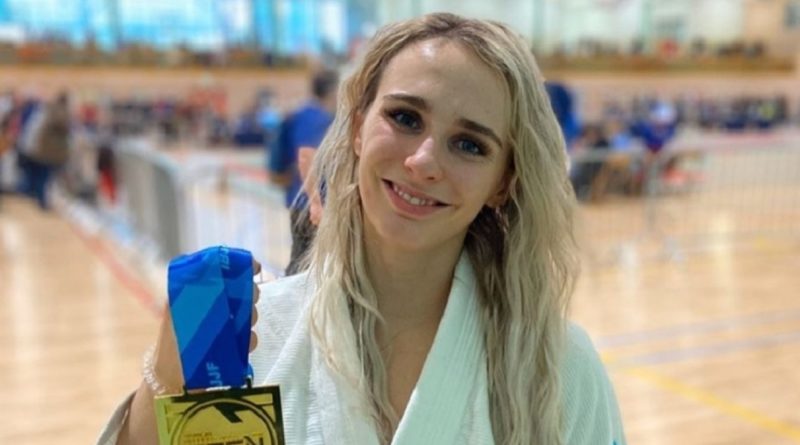
How Did They Start BJJ - Ffion DaviesBorn in Wales, Davies played rugby as a child, before deciding Judo was even a better close contact sport for her. Her parents both being Judokas probably had something to do with it. She did good in Judo, making the Wales National team, but decided to take a break. At age 17, she re-discovered her flair for grappling, which then led her to discover MMA, and eventually, trying her hand at BJJ. During that time she rally focused on No-Gi, looking to do something different from Judo. She fell in love with BJJ so much, that she moved to Cardiff to train in DarraghO’Conaill’s Academy and made a living by being a bouncer.

Marcelo Garcia

The man many considered the GOAT before Gordon Ryan’s current reign. Marcelo will always be one of the legends of the sport. Born in a small Brazilian town called Formiga, Marcelo was fascinated by martial arts movies like Karate Kid and Bruce Lee’s flicks from a very early age.

Movies brought Marcelo to Karate, which opened the door to Judo, which eventually, was the gateway to Jiu-Jitsu. In fact, Marcelo originally decided to start BJJ to improve his Judo. Marcelo quickly jumped on the BJJ bandwagon and ended up training up to 4 times a day. No wonder he is one of the best to ever step on the mats!

Bernardo Faria
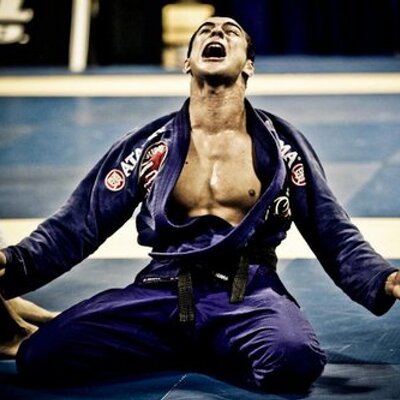
How Did They Start BJJ - Bernardo FariaThe man we all know, either from his competitive success, or all the DVDs he produces, Faria is certainly a household name in the sport. How did he start BJJ? Well, he was always playing fighting with his brothers and their friends, and always ended up losing. So, Faria followed one of his brother’s friends into a BJJ academy, in order to get himself some skills. And so he did. He was 14 at that time and after just a year of training, he knew that he found his passion and profession. Winning several world titles, among other accolades, proved he made the right decision.

Tom DeBlass

The most inspiring man in BJJ, Tom is one that wears his heart on his sleeve. Currently owning Ocean County BJJ in NJ, and preparing for an MMA comeback under the ONE banner, tom’s introduction to Jiu-Jitsu was through Tae Kwon Do, as with many others in America. He trained striking from age 5 until he was 13.

Curiously enough, he decided to switch gears and went into track and field just shy of receiving his black belt in Tae Kwon Do. He got injured at 18, though, which put a stop to his athletic career. However, this injury brought about a much better option for Tom, although he probably didn’t realize it at the time. It got him to start BJJ. Tom walked in Eric Colon’s BJJ academy, and soon after, made the switch to Ricardo Almeida’s earning a black belt in as little as 6 years of training.

Lucas Barbosa

Lucas Barbosa, AKA the Hulk has a strange start to BJJ. He is another example of a grappler who started off involved in plenty of different sports as a child. In the case of the Hulk, those were swimming, volleyball, and basketball. When it comes to martial arts, Judo, Kickboxing, and Taekwondo are all on his resume.

When Barbosa was 15, he went on a holiday to his godfather’s house. His godfather took him to a Diego Lopes Jiu-Jitsu class completely by chance. Little did he know that Lucas would embrace the Gentle Art and put in some breathtaking performances.

Michelle Nicolini

As a teenager, Michelle was very much into Capoeira, unlike the usual Taekwondo choice for most Brazilians.  This really helped her with her dexterity when she later switched focus to Jiu-Jitsu. She was 17 when she made the decision to start BJJ. She did so under Robert Drysdale and caught everyone’s eye when she fought 4 weight classes above her weight at the 2010 Worlds.

Eddie Bravo
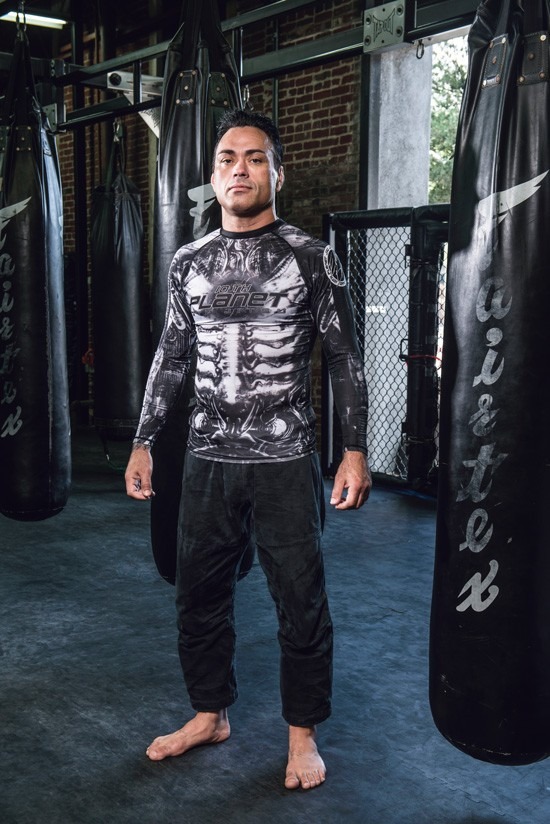
How Did They Start BJJ - Eddie BravoEddie is not just the man behind 10th Planet Jiu-Jitsu, but also the man responsible for a whole different style of BJJ. It was the UFC that prompted Eddie to give Jiu-Jitsu a try. Before that, he had moderate experience in wrestling during high school. He also trained in a variety of striking arts, like Karate, as most martial arts enthusiasts of his era did.

After the UFC opened his eyes to the effectiveness (or lack thereof) of the arts he was training in, he started grappling at Jean Jacques Machado’s. he paired it up with JeetKune Do, initially, trying to figure out a complete fighting system. However, Machado’s unique style quickly took to Bravo and he dedicated himself to grappling, ending up shaping the landscape of Jiu-Jitsu in the years to come.

Buchecha

One of the best heavyweight to ever step on the mats, Marcus “Buchecha” Almeida wanted to be a soccer player as a kid. However, as he says it, he wasn’t particularly amazing at it. He went on to dabble in another famous sport in Brazil – surfing, becoming quite good at it.

How didBuchecha start BJJ? Well, his father actually signed his sister up, in order to provide her with self-defense skills. Buchecha’s father ended up singing himself up and brought a 14-year-old Marcus with them. Out of them all, Marcus was the one that ended up falling in love with Jiu-Jitsu and achieving some amazing results at a very young age. He still has the most world titles (13) at the age of just 30.

Bianca Basilio

Out of everyone’s stories of athletic background, Bianca Basilio has the best possible athletic pedigree prior to her involvement in BJJ. Namely, she was a gymnast as a kid, developing some amazing skills in the process. After years of dedication to gymnastics, she stumbled upon BJJ when she moved to study in Itaquera, Brazil. She was 12 when she joined a kids’ Jiu-Jitsu class with her brother. She started competing immediately, and she hasn’t stopped since.

Garry Tonon

Tonon did not like martial arts. Let that sink in for a while. As a kid, he actually wanted to play football, but his mother wouldn’t let him. She had nothing against Garry starting wrestling, though, given that his cousins were already doing it. So, wrestling it was. A wrestling teammate of his pulled Tonon to start BJJ, describing it to Tonon as “wrestling where people try to choke each other”. After a few videos, Garry decided to try it, and he was hooked. He started training in an MMA gym, eventually moving to Tom DeBlass’ before finally ending up at Danaher’s Death Squad.

Wrapping Up

Some of how people start BJJ are mundane and “regular”, while others are funny and unexpected. It is highly amusing that some of the world’s greatest grapplers came to Brazilian Jiu-Jitsu completely by accident. Who knows how the grappling world would’ve looked like if Buchecha were a surfer, Tonon a football player, or Ffion Davies a rugby superstar? How about your story? How did you start BJJ?

How To Fix Your Armbar From Side Control

Fixing The Armbar From Side Control

What is your favorite side control submission? There are plenty to choose from, that’s beyond a doubt. However, statistically speaking, most people tend to go for chokes. Chokes are easier to set up without giving away too much space for the bottom person to move and escape. But why limit yourself to chokes? An armbar from side control can be a powerful weapon, particularly as there are two limbs to attack with it, compared to just the one neck. Let’s explore some options.

An armbar from side control is not an unusual attack. It is just an attack that people tend to skip, because of the high risk that you’ll lose both the submission and the position. In some cases, you might even end up being on the bottom. Those are all valid points, but the armbar from side control does have several setups that help you get rid of all the risk, and increase the submission percentage rate. All it takes is a bit of patience, which somehow, seems to be the one quality most BJJ athletes lack.

Fixing The Armbar From Side Control

Go near or go far? Go straight or go bent? These are just a couple of the questions people ponder when they contemplate whether or not they should go for that armbar from side control. Let’s tackle some of the main issues of hunting armbars from side control before we take a look at several setups.

First and foremost, you can’t go for armbars if you don’t have a side control variation that you know and understand. Holding people in side control is a dynamic effort, not a static pin. To that extent, you need to be comfortable shifting your weight in ways that pin opponents to the ground while you’re setting up your attacks. In this case, given that you need to get your hips behind the shoulder of an arm, you need to understand how to pin just the key parts of a person’s body that you need to be static while you’re maneuvering for an armbar from side control.

Armbar From Side Control SetupsFor the purpose f hitting an armbar from side control, you need to choose an arm first. Y can go on the near side, or the far side. A more common attack is the far side, as you can move between pinning each shoulder until you set up the perfect attack. That doesn’t mean near side armbars are not effective though. On the contrary, they’re even more unexpected the far side armbars.
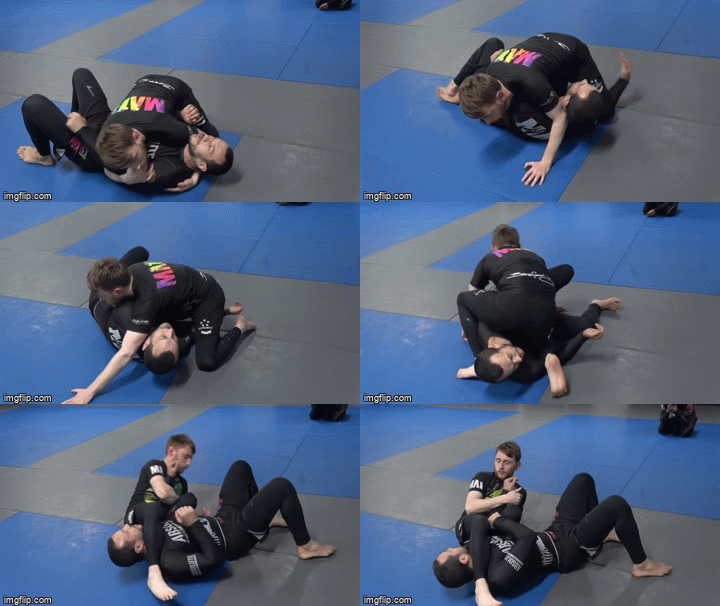
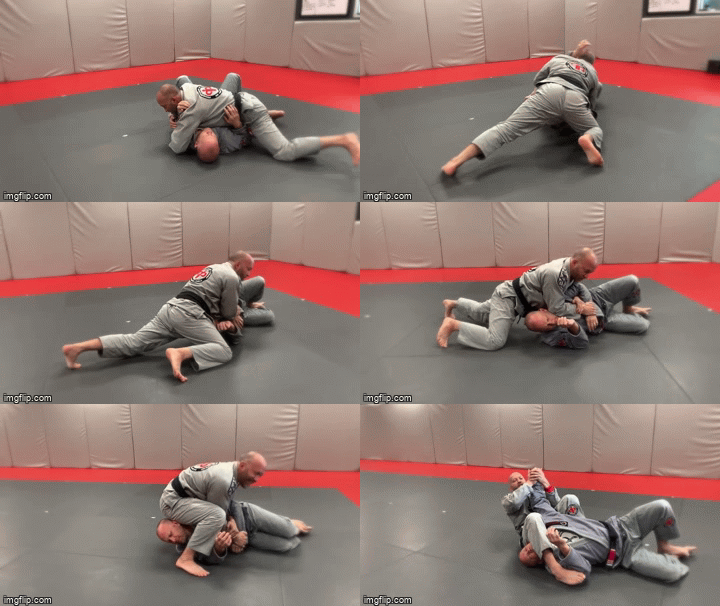
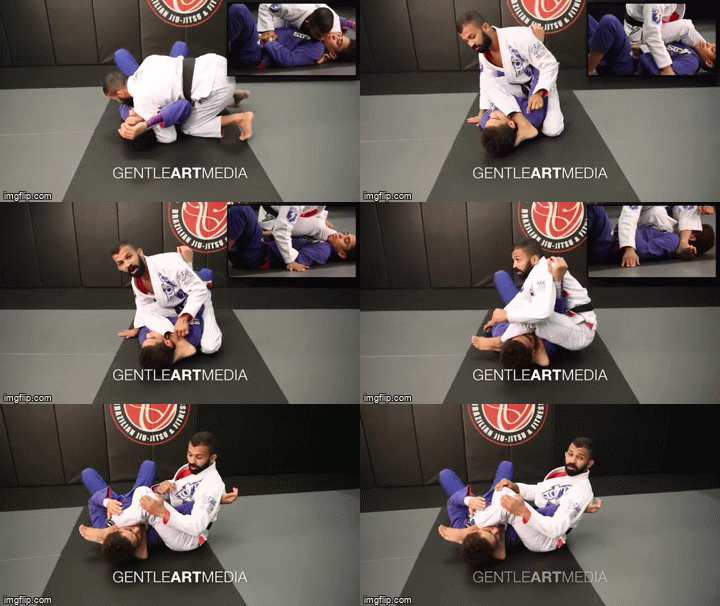
The rule of thumb for success is with a side control armbar setup is this – you need to have the shoulder you’re attacking off the ground. At the same time, having it pinned to your body will make all the difference in the world when it comes to retaining position and having success with the armlock.

1. Stepover Far Side Armbar

As I mentioned, the far side armbar from side control is a more common attack, due to the fact you can isolate it early on, and use the grips to maneuver your hips into position. Remember, with an armbar, it is all about how close your hips are to the opponent’s shoulder. All the other details fade in comparison to this.

Far Side Armbar From Side ControlA great setup is to control the far arm by hugging it with your hip side arm and trapping it with your head. The key here is not jumping around, but to remember that a side control pin has everything to do with the shoulders, and your goal is to get the hips behind the shoulder, not jump into a finished armbar. As you maneuver to the side, use your legs to windshield wiper the near side arm of the opponent. This will give you room to maneuver while giving you control over both shoulders. Remember to take your time, as doing more steps with your legs is better than looking to spin around in one motion.

Form a windshield wiper pin, lift the shoulder even further up and place the foot of your leg behind the opponent’s head. This is the leg that will eventually end up under the armpit. Only when you’re in place here (this is the step over) can you spin into position and still focus only on getting your hips as close as humanly possible to the opponent’s shoulder. Ending up in that position ensures you’ll get a tap with the armbar once you extend the arm.

2. Far Side Pop Up Armbar

This is a different take on the far side armbar from side control, one that involves more traditional maneuvering and a different grip configuration. By traditional maneuvering, I mean that you actually go through different side control variations while setting up this particular armbar.

Pop Up Far Side Armbar From Side ControlYou still want to begin with control of the far side arm, but this time, with your other arm, the one that’s closer to the opponent’s head. In fact, you want to get into north-south, while focusing on isolating the arm first. That means you’re retaining a pressure-style pin over both shoulders as you’re getting closer to the arm. From there, you switch the pin to a very dynamic one, by getting a Kimura grip (figure four) on the arm you’re attacking. This is a cheat code, as a Kimura grip from North-South gives you control over both shoulders.

The final entry into an armbar from side control is with a pop, where you both lift the shoulder-high off the ground and position your hips in the perfect post in one go. The Kimura grip gives you all the security you need to perform a jump or pop up without the risk of losing anything. The finish will come naturally from there.

3. A Slick Near Side Armbar

This is definitely a very sick way to set up an armbar from side control. It may be better suited for more experienced grapplers, but that doesn’t mean anyone can’t set it up. You just need to follow the pinning instructions correctly to get the submission.

Slick Near Side Armbar From Side ControlYou start off in a classic crossface side control position. The first order of business is to open up the near side elbow and tap it between your knee and elbow. You then open your body into a reverse Kesa Gatame type of position, taking the arm you’re controlling with you. In fact, what you want to do is threaten to go to mount (which you actually can if things don’t go your way). However, instead of going to the mount position, you’re looking to mount the arm of the opponent. To be more precise, you’re looking for an S-mount type of position, hooking your foot behind the neck.

Once again, the goal from there is to lean forward in order to get the hips as close and low as possible to the shoulder, while swinging your other leg over the head to get into a finishing position.

Wrap Up

Doing an armbar from side control doesn’t have to be risky. You can be meticulous about it, like in the stepover armbar. You can also be old school and move through different side control pins and grips, like in the pop-up version. Or you could go for the cool armbar from side control finish and look to attack the near side arm from a reverse Kesa Gatame. As long as you remember that it is all about the hips, you’ll do just fine.