



BJJ Guard Pass Basics: Getting Through The Layers Of Any Guard

BJJ guard pass basics: The Secrets revealed

I’ve said it before, and I’ll say it again – guard passing is probably the most difficult part of Brazilian Jiu-Jitsu. I guess one reason is that there are countless guard variations out there. Another is that everyone plays every guard a bit differently, meaning you’ll always face unknowns when you’re trying to pass the guard. That leads us to the question “is there a guard passing formula you can use on any and all guards in BJJ”? I’d like to think there is and it’s all about BJJ guard pass basics, actually, rather than flashy moves.

BJJ Guard passes basics. What exactly does that mean? Well, getting past any guard, of course. But how? The answer to every grappler’s enigma has to do with understanding why guards are effective rather than how. As usual, there are several different schools of thought out there. Each of them has merit, but they all seem to come up short when it counts the most – during rolling or a match. The best way to figure out guard passing is on your own, but asking the right questions. That’s what guard pass basics are all about.

Why Is The Guard Effective?

If you take a look at why a guard works, you ‘ll figure out I thas something to do with the legs. Hmmm. If you take a closer look you’ll notice it also has to do with the core. Also, there’s a sprinkle of framing in there somewhere. On their own, each of these three guard characteristics can cause passer problems. AL three working together though is what you get when someone knows why they’re playing guard, rather than how. That’s when you, as the guard passer, are in trouble.
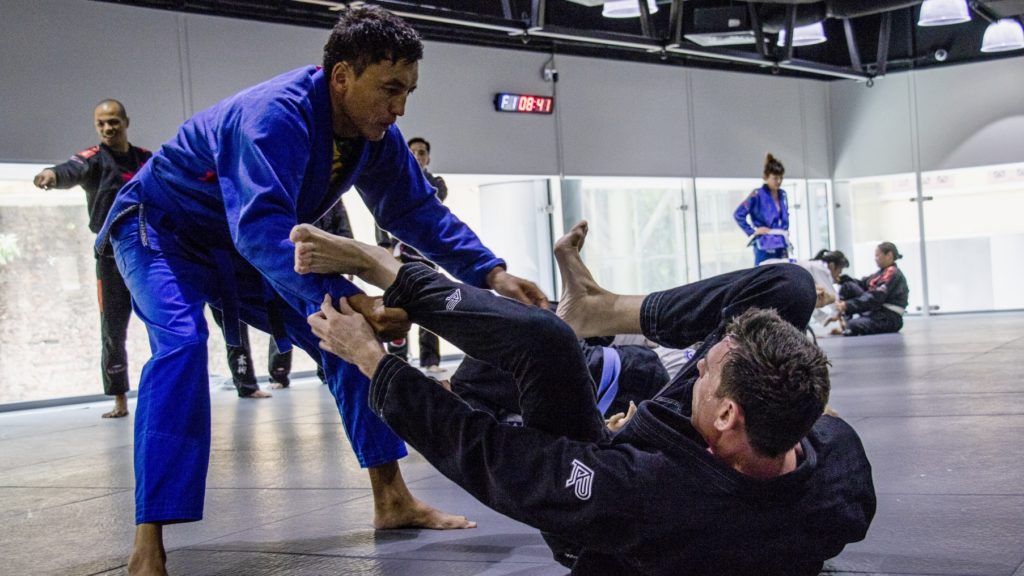
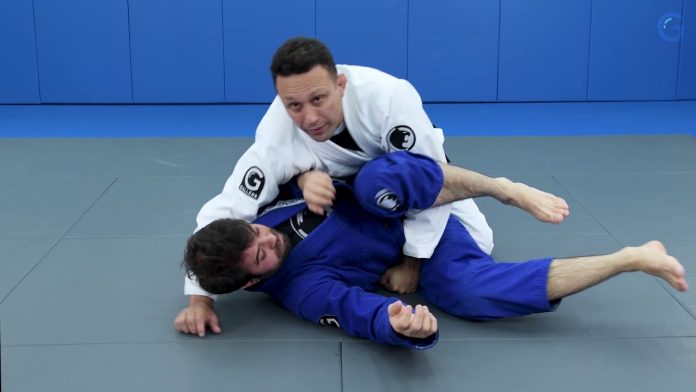
BJj guard Pass basics: Why Are guards dangerousIn terms of guard pass basics, let’s look at the guard as if it is build of layers. Layer one is the legs. they’re the peskiest layer of them all, wiggling everywhere, hooking, overlapping and causing all sorts of trouble. this first layer is what usually baits the guard passer into an exchange that rarely ends up with a pass and favors the bottom person. The legs are the main reason why you get stuck in submissions and sweeps when you try to pass a guard.

The second layer is a much more subtle one and one that not many people pay attention to. It is all about the core. It is the core that helps guar players achieve one very subtle layer of the guard – touch their elbows to their knees. This is precisely the space you want to be occupying when passing. So, if you look at the core as the source of why the opponent is able to block your passes, then you can solve your problem in many different ways.

Finally, there are the arms. They are the pesky little extremities that make frames, both long-range and short-range ones that annoy more than any other layer. Just when you think you’ve passed someone’s guar,d those frames come up, helping the guard player create space and recover one or both previous layers. with some BJJ guard pass basics, though, you’ll soon be able to deal with this nuisance.

Beating The Layers Of The Guard

Before I give you the formula I think will benefit you the most, let’s address some BJJ guard pass basics that are considered staples, and were brought to us by some of the best grapplers around. I’ll use two Ryans as an example, although there are way more concepts out there than just these.

The first Ryan is Ryan Hall. There’s really no need to introduce him as he is a grappling wizard that has battled the best in both BJJ and MMA. His take is that you pass guard in one of four main directions. You can go around the legs, through the legs, under the legs or over the legs. This approach is effective, simple and gives you a system to follow, However, it is an oversimplification of Ryan’s entire system, which includes studying the defensive guard and its layers in extreme detail, and extends far past just these four strategies. In other words, on their own, they won’t do you much good.

The other Ryan is Gordon Ryan. The GOAT in BJJ has an appraoch of his own. He likes to categorize guard passes in loose passes, tight passes and submission passes. As amazing as his system is, it is still based mostly on the how rather than the why of guards. that makes it perfect for advanced grapplers, but not as much for those looking for the BJJ guard pass basics.

Which brings us to the simplest philosophy of all – the reason why you can’t pass the guard is because a guard cannot be passed. Yup. All guards are designed as attacking positions that are also very easy to defend. Think of them as fortresses. And, to get into a fortress, you need to first make sure you’re not going to fall into one of its traps. Then you need to make it’s defensive layers ineffective before you break down the fortress and march right in. It is the same when passing a guard.

Guard Pass Basics: Be Lazy

The best BJJ guard pass basics advice I can give you is to be lazy when passing. Remember that you can’t pass the guards, just like you can’t enter a fortress. You can pass the legs, though, when you kill all other defenses, just like you can enter through a breached wall in a fortress. Dealing with al players that preceded passing, though, is best done by doing less, rather than jumping around and trying to force your way through.

Lazy guard passing means you’re trying to pass by answering the question of why guards work. First off, they work because of the first layer- the legs. So push your hips forward, bend your knees and stand in a staggered stance. Keep your posture up. That’s it. NO matter what they do with their legs, you’re completely safe from just about any guard.
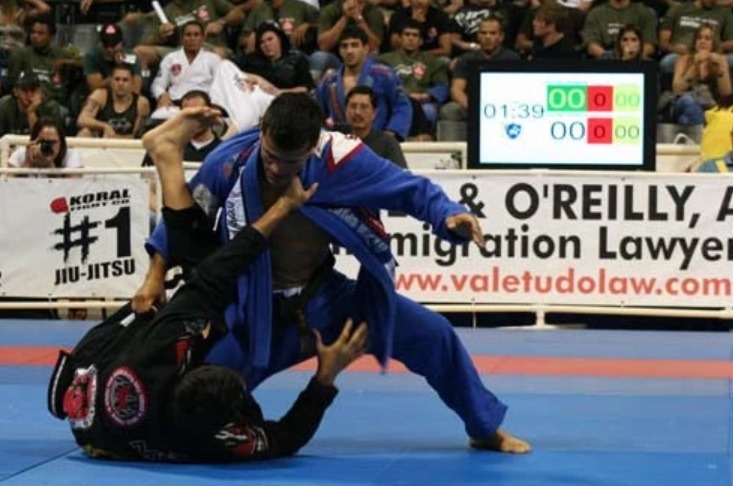
Bjj Guard Pass basicsNext up, is the core layer, or the pace between the knees and elbows. This is easy as well. Given that your hips are forward, they are a leading edge. And that edge can smuggle anywhere there is space, taking you’re the rest of the body forward as well. In other words, as an opponent tries to move to retain guard, they’ll actually draw you nearer to a pass. A useful hint here is to use your head – literally. PLace the hed anywhere on the opponent/s torso or under the chin, but try and keep your butt in a vertical line over it while doing so. Now you’re down to just the final layer.

In terms of the frames that keep you at bay, this is the most important time to stay lazy. You put your hips forward, and then you sneaked through to the inside space by simply going ass-up. Stay there. be loose and heavy. If you’re tight, you’re just helping the frames. If you are loose, you can actually allow your body to sneak past any frame into the small spaces any frame leaves behind. In other words, you’ll flow straight into side control or mount precisely because an opponent decides to put their elbows away from their body in order to build up frames.

Presto – you’re past the guard. Any guard. And all it took was hips forward, head down, and then just flow past anything that’s in your way, rather than battling with it. Oh and one final thing to remember – grips are not important as long as they don’t break your posture. that goes for both your grips and those an opponent might place on you. don’t fear their grips, but rather, let them lead you towards a pass.

Conclusion

Ther’es nothing BJJ basics can’t solve. Even guard passing. BJJ guard pass basics are simple when you ask the right questions. Next time you’re up against any guard, instead, fo looking how to pass, or how they’re stopping you, wonder why the guard works. THen become lazy, identify the layers, and flow right past them. Like magic.
Three Outside-The-Box Tips To Make Every BJJ Escape Work

The Unbeatable Three Step BJJ Escape Formula

Struggling with a BJJ escape or two? Do something different. Of course, one way to learn how to escape si to actually start attacking with the exact same moves/positions that are causing you headaches. That is a proven way of understanding how the attack works, so you can counter it, defend it and escape. However, if you want tips on figuring escapes out without having to learn every nuance of the attack (which takes a lot of time) then you need a different approach. Or three different ones, for that matter.

I was never really big learning BJJ escape techniques. Offense is the best defense, right? Well, that is all fine and dandy until such a time when you actually have to escape. And, as years went by and my athletic abilities weren’t up to par with some of the folks in the gym, I had to come up wit ha better strategy. Of course, that meant research of BJJ defenses and escapes. Fast forward a couple of years, countless articles, videos, tormenting people at seminars to tell me all they know, and I have a good grasp on escaping. By good I mean it works for me, and it works for people of different levels that I share it with. For now, it can ll be organized into three simple tips.

Watch The Inside Space

Oh yeah. I should’ve probably mentioned that the tips are actually conceptual ones that are universally applicable rather than specific technical ones. And the first one is something you’ve already heard of – watch your inside space.

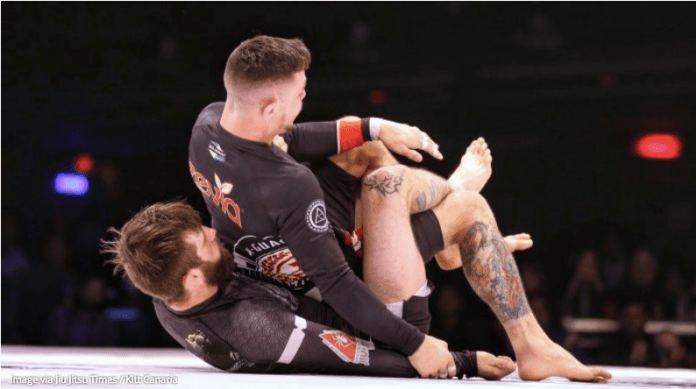
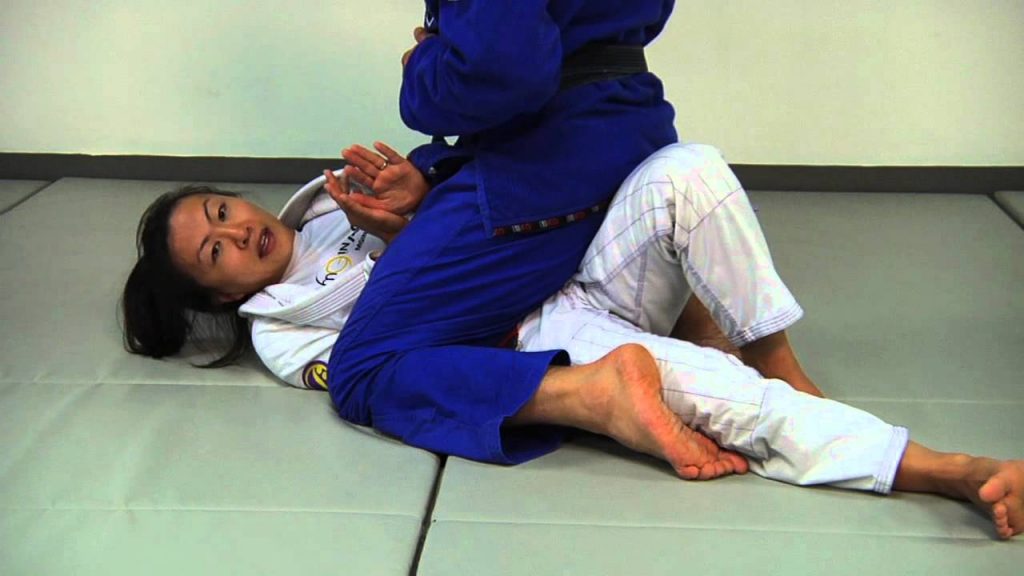
BJJ Escape - retain inside spaceInside space is the space in between your elbows and your knees. If there’s any part of your opponent in this space, you’re already playing defense with a disadvantage. Think about it this way – lay on your back and touch your knees to your elbows. Now imagine you’re playing guard. ALL you need to do is keep the position, really. If an opponent gets side control, knee on belly, even half guard, they managed to sneak into the inside space. If you manage to protect it, they’ll get nothing. You can use this concept to make any BJJ escape possible.
Moreover, it works against submissions. There’s no way to go into every submission one by one, so I’ll use just a couple of examples. For one, have someone try and choke you from the back, with no hooks in. It won’t happen, plain and simple. Now pay attention to where the hooks go – in the inside space. Deny an opponent inside space and they can’t do anything to submit you, even if they have everything set up deep. The same holds true fro arm and leg locks. As long as you protect the inside space, people won’t come even close to getting a submission. Of course, this is all very dynamic in nature, but the idea is simple – give them nothing (when it comes to inside space).

Go Early Or Go Late

This concept ties right in with the inside space tip. Most BJJ escape techniques we learn take place in the middle of a move. Let’s take a Kimura as an example. How do you get out of one? Most Kimura escapes focus on you getting out when an opponent has grips, but before they’re cranking to finish. Tha’s in the middle of a move, and that is when escapes actually don’t work. If you want effective BJJ escapes you need to think about escaping really, really early, or really, really late. Percentage-wise, that’s when your escapes are going to have the most success.

Now, early escapes require some additional work. You need to recognize attacks early on and prevent people from ever putting you at risk. In the Kimura example, this would mean never letting them connect the figure four grip. For that, you either need to be really good at Kimuras or, know a concept about protecting your inside space. Yeah, protecting the inside space is nothing more than an early BJJ escape system – and effective exactly because of it.

BJJ Escape - Defending SubmissionsLate escapes are the best to pull off and they work surprisingly good. In a Kimura fashion, that would mean escaping when an opponent thinks they have the finish all wrapped up. There’s an important part in mastering late escapes though – you’ll need to accept that you have to suffer and tap a lot of times in order to work things out. It will all be more than worth it at the end though. Working very early or very lat is going to provide you with a BJJ escape that nobody will be able to figure out.
The “Play Dead” BJJ Escape

One more piece of the BJJ escape puzzle is knowing when you need to play dead. One common thing BJJ people have, whether on the offense or defense, is that they are impatient. It takes a lot of dedication and targeted work to become patient in BJJ. However, it is a trait that is absolutely necessary to rah the higher levels of the game. We all want everything to work the moment we want to, whether it is an attack or a BJJ escape. In fact, when it comes to escapes, things are even worse. Nobody likes to be in a bad spot, and we try to get out as soon as possible.

But why?

Why do we have to get out immediately? After all the first three seconds of every point position in BJJ are the hardest to escape. You’ve already messed up and ended up in a bad spot. Why not chill for a minute or two? Now, that doesn’ mean allowing an opponent a clear path to finish the job. It just means you don’t have to fret around in a panic trying to force a scramble. Instead, let your opponent work. The truth is, you don’t have to react to everything people do in BJJ – just the most important things. And it is mesmerizing how many unproductive movements people do when they’re grappling.

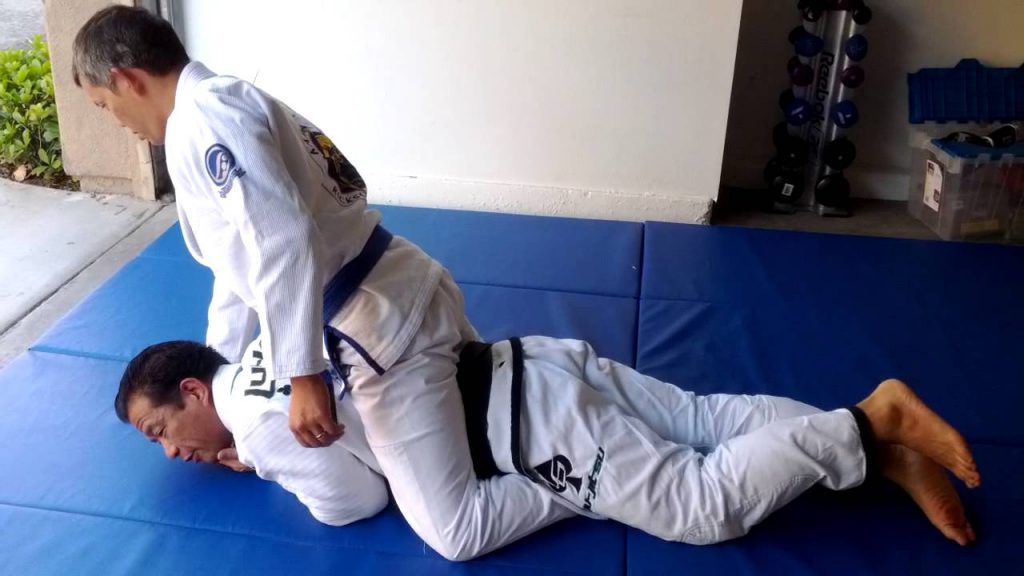
effective BJJ Escape - play dead“Playing dead” is simply a way to stay calm, and very very safe when you’re in a bad spot. Safety is your number one concern when an opponent has your back or is in the mount, for example. So, addressing the elephant in the room, you should not get submitted. But that doesn’t require you to get out of the position just yet. So there’s no need for excessive movement, if any. Simply take up a defensive posture, stay rigid and wait out the storm. The more an opponent moves, the more opportunities you’ll get to, say, retrieve inside space. From there on, you’re back to early escapes, or completely out and able to go on the attack.

Conclusion

These tips are just a sneak peek into some of the more innovative concepts of making a BJJ escape work. Thre are people out there that are wizards in making all of them work. Personally, I have miles to go before I’m nearly as effective as I want to be with them. However, they work, and they are easy for people of all levels to understand. After all, it is all BJJ escapes are all about prevention (inside space), defending (playing dead) and ultimately, escaping (early and late escapes). Have fun with it!

BJJ Archeology: How Old Grappling Videos Can Make You A World Class Grappler

The term BJJ archeology is one coined by Matt Thornton. Matt is one of the top BJJ coaches out there, and the man behind the world-famous SBG academy. His take on BJЈ archeology is to dig deep into the past of both Brazilian JIu-JItsu and other grappling martial arts to figure out answers to modern questions. While it may sound like looking back won’t help you deal with modern problems, the opposite is true. There are different ways of becoming a BJJ Indiana Jones, from old articles and books, to talking to some of the great grapplers of the past. However, nothing beats looking at old grappling videos. And, the older they are, the better.

I turned to BJJ archeology originally when trying to figure out leglocks. I had no idea what I was doing, I just knew I had to find a way to learn what the Danaher Death Squad guys were doing. Mind you, at this time, Danaher didn’t have anything in DVD format, and information was scarce. Some of the usually available leg lock DVDs didn’t’ really cut it. So I decided to do what Danaher did – explore everything there was about leg locks, trying to figure them out. Old grappling videos from Judo аnd Sambo that were not easy to find proved to have lots of answers to my questions. Later on, I decided to use the same method to clear up other aspects of BJJ. It hasn’t failed me so far.

What Is BJJ Archeology?

I really love the term BJJ Archeology. When you try it, you’ll understand why it really is similar to archeology. First up, digging up old stuff on a specific grappling subject is no easy thing. Yeah, the internet has lots of things, but not everything is easy to find. The digging you’ll be doing will be online as opposed to picking up a shovel, but it will be no less exhausting. And dealing with the findings will require the fine touch of an archeologist and his/her brush too.

When I say old grappling videos I mean old. Nothing newer than a VHS tape will do. Luckily, lots of the VHS stuff has been transferred to digital format. The quality is horrible, of course, but at least you can access it. Moreover, once you have an area of grappling you want to explore, like me with the leg locks, try and go as far back as possible. Ashi Garami is a Japanese term meaning leg entanglement, and it originates in Judo. That was a great pointer where to look. Digging up old, black and white Japanese videos on the subject was not easy, but it did end up helping me figure lots of things out.

The same happened when I realized that not all positions the DDS used were Judo based. I turned to Sambo to learn about the saddle, and once again, it was really old, although not black and white, Russian videos that shed more light on the subject.

Form there on BJJ archeology has become a huge tool, not just for me, but also for people in my academy. The trick here is going really deep and not brushing anything aside. So far, I’ve learned things about guillotine chokes, the front headlock, pinning, etc that I doubt anyone would’ve been able to teach me directly. Plus, you earn a brand new skill – learning how to dig deep into the internet to find the most forgotten grappling videos that can change your game.

How Can Old Grappling Videos Help Your Game

The biggest problem with old grappling videos is not digging them up, as hard as that can be. The biggest problem is figuring out how to learn from them. Try playing an old VHS recording, ripped to a CD, then transferred to a digital format on a modern HD screen. Not fun. Not to mention the sound quality, if you manage to get your hands on a video that is in a language you understand.

If you want to learn through BJJ archeology, though, you’ll need to lower your expectations. The older the videos, the worse the quality is going to be. Moreover, those grappling videos are not organized like modern BJJ DVDs. Thre’s no clear order of things, and sometimes you might only get a few minutes worth of useful material out of hours of tape. You’ll need to be patient and try to look at not just the details begin demonstrated, but the bigger picture. Look how they position themselves, look for tiny adjustments they make, look at how the Uke reacts to holds or positions. Those are all things that will help you figure out how to use the material you’re watching.

Also, be prepared to learn without sound. Most of the oldest videos come in Japanese or Portugues, in the case of BJJ. There’s also Russian as well, and even some greek videos if you go down the wrestling route. I had to get a VHS player to be able to watch some of the stuff that hasn’t been digitalized as well. That’s next level BJJ archeology, but it will provide you with answers to everything, even on how to pass stuff like the worm guard, or shut down Berimbolos. You just need to be creative.

Things Don’t Get Old, They Get Forgotten

The reason these really old moves work I because they’ve been forgotten. Brazilian JIu-JItsu is a fairly new martial art, and yet, it already has tons of things that have fallen behind as the art evolves. Leg locks, the closed guard, the grapefruit choke are just a few examples of things that are forgotten, but far from useless in modern grappling. Quite the contrary.

The same holds true for the moves that are older than BJJ itself. Digging up old grappling videos means you’ll see things that are not being done anymore. That doesn’t mean they are useless. Actually, these moves that are considered old, or in the case of Judo, illegal, are actually moves that are perfect for Jiu-Jitsu. AS Judo turned into a sport, many things fell behind, only taught in some schools as parts of belt exams. However, in the Judo of old, which stemmed directly from Japanese Ju-Jitsu, these moves were extremely effective. It is not too hard to figure out how to adopt some of these moves to your BJJ game and be able to surprise everyone.

A useful hint if you’re trying to improve your submission game is to do some BJJ archeology in the direction of catch wrestling. Don’t just look for old instructionals on catch wrestling, but try and see some of the oldest matches as well. The knowledge you can extract is immense, and you’ll soon start pulling off things like scissor chokes and hammer locks even on black belts. These moves might be forgotten, but they’re certainly not too old to work!

All In All

You can learn Brazilian Jiu-Jitsu literally anywhere. From watching a couple of pandas play around on National Geographics, to digging up ancient grappling videos of Japanese Ju-Jitsu demonstrations. BJJ archeology is a really fun way of unearthing things that can affect your game at all levels, from insignificantly to completely changing your grappling approach. In any case, you’ve got nothing to lose.

The Origin Story Of The Famous Gracie Garage

the Gracie garage origins story

If you’re training BJJ, you know all about the Gracie challenge fights that marked the early years f the sport. You also most likely know that it was Brazilian Jiu-Jitsu that gave birth to MMA and the UFC. However, the story of how it all started in the USA goes back to Rorion Gracie, Helio’s oldest son, and his famous Gracie garage. To this day, the Gracie garage concept is still out there, although the times are quite different than the early 80s. Here’s how the whole thing came to be.

The Gracie garage is a famous reference nowadays in grappling and MMA. It refers to a spot where people went to train Jiu-jitsu in California as early as 1979. The Gracie garage is also famous for the challenge matches that happened there, where Rorion kept the legacy of Helio and Carlos alive, challenging anyone to test out their skills against the art of Brazilian Jiu-Jitsu.

What Is The Gracie Garage?

In 1978 Rorion arrived in the USA for the second time. He did some earlier, trying to figure out if Jiu-jitsu would take a foothold in the states at a time when karate and Kung Fu were the norms for material arts. He spent a year traveling all over the US before ending up in Brazil. Later on, in 1978, he returned ready to execute his plan of opening up a Gracie Jiu-jitsu gym in the USA.

Rorion found it quite hard to get off the ground, though. At the time, nobody that had a martial arts academy would give him a space to rent. Moreover, people were not really keen to train grappling martial art at the height of Bruce Lee’s fame. So, Rorion had to discover not just where to start teaching BJJ, but also how to attract people to this new and very much weird-looking martial art.

Of course, Rorion managed to figure out a way. He did odd jobs here and there, mostly cleaning houses of people in the film industry, since he was based in California. That helped him meet people that would later prove integral to the future of Jiu-Jitsu. For the time being, though, he started offering free Jiu-Jitsu lessons to everyone and anyone. He held them in his garage. Rorion had rented a house that had a two-car garage that he had covered with mats. This was the original Gracie Garage and is the first actual BJJ gym in the USA.

Gracie Garage Stories

The way the Gracie garage operated at first was by Rorion recruiting people jsut by offering free lessons. Once he had a core group of students he started offering a free first class (private) and then, a free class to anyone that came back but brought a friend to try it out as well. The strategy, paired with the unusual nature of Jiu-Jitsu, ended up drawing students to the Gracie Garage, turning it into the first Gracie gym in California.

However, Rorion wanted more. He wanted to spread BJJ across the USA, and eventually the world, but didn’t want to wait. So he took a leaf out of Helio and Carlos’s book and decided to issue a challenge. While he didn’t do it in the newspaper, as his father and uncle did, he did make it clear that anyone was welcome at the garage to try and see if their martial art could beat BJJ. Of crouse, people, particularly those that were striking arts “experts” rushed in headfirst. Suffice to say, Rorion was ready for them, and he even let his students take care of newcomers. In fact, he wanted to demonstrate the power of Jiu-Jitsu and had his students just slap challengers even from positions where they could’ve done real damage with strikes.

The Story Of the Gracie garageThe Gracie gаrage challenges proved a success and set up Rorion for his next big step. This one would later prove to be lifechanging for both the Gracies and the entire world of martial arts. By then Rorion had plenty of contacts in the film industry. He even consulted on movies, like Lethal Weapon where he taught Mel Gibson how to do a triangle choke. Combining these contacts with his concept of challenges, he came up with the biggest Gracie challenge to that point – the first UFC.
Expanding Тhe Concept

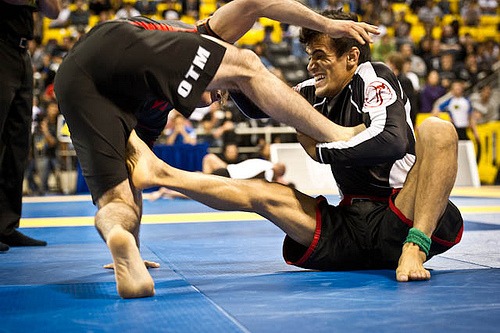
Suffice to say, the UFC caught on. Even before that, though, the Gracie garage became too small for all of Rorion’s students. He had about 130 people at one point, with 80 more on a waiting list. That merited the opening of a bigger academy, and he finally moved out of his garage and into the Gracie Jiu-Jitsu Torrence academy. At the time, his family had sent Rickson, Royce, and Royler to help Rorion in his effort to spread Jiu-Jitsu. they were not just a huge academy by then, but a force to be reckoned with, in terms of challenges.

As Jiu-Jitsu kept its meteoric spread around the world, the concept of the Gracie garage did not fade away. On the contrary, the Gracies actually kept it alive, although taking it in a slightly different direction than the original. Today, the Gracie garages exist, some under the Gracie academy umbrella, and others jsut bearing the name. However, you don’t see many Gracie challenges, or dojo storming nowadays.

The modern Gracie garage spots offer a space where you can learn the fundamentals of BJJ with like-minded people, completely free. Usually, modern Gracie Garages that are a part of the original Gracie academy, operate by using video material issued by the academy. In other words, a Gracie garage si a certified Gracie JIu-Jitsu center where you can train, mostly their fundamentals, based on video courses. Far cry fro mth original Gracie garage, but still a fun option if you’ve got nowhere else to train.

Wrapping Up

The Gracie garage story is an interesting one to know as part of the BJJ history. I guess a lot of the things that have happened in there will remain a mystery unless Rorion or Rickson decide to share them al with the rest of us one day. in any case, the Gracie garage, along with the Gracie challenges really propelled Jiu-Jitsu outside of Brazil and into the world. We can’t be anything but thankful for it, really.

No-Gi Competition Preparation: Why Your Gi Experience Doesn’t Matter

No-Gi Competition Perapration

So, you’ve decided to try something different and sign up for your first No-Gi competition. Regardless of whether you’re an experienced Gi competitor or haven’t competed for much, No-Gi is going to be different, to say the least. For a No-Gi tournament, everything you usually do for Gi Jiu-Jitsu will require adjustments. The Devi is in the details, after all, and details matter much more in No-Gi when everything gets slippery and fast. So, if you’re looking to venture into the No-Gi waters, make sure you know what you’re signing up for.

No-Gi competition is fun. In fact, No-Gi Jiu-Jitsu is fun! I get the fascination with the Gi, I have been training and teaching at a Gi-oriented club for my entire BJJ life. Still, shedding the gi and going for some No-Gi rolls is priceless. It opens u a whole new dimension of Jiu-Jitsu, one that is a part of it as much as gi BJJ. As usual, the key here is balance, as I really do think you need both to understand the gentle art. Moreover, if you’re getting ready to compete in either one of them, you really need to pay attention to specific competition preparation.

Making the Switch To No-Gi

Presuming you’ve been grappling with the Gi so far, you’ll need to switch things up if you’d like to give a No-Gi competition a try. Yeah, you could just wing it, and go straight in, not really doing any specific No-Gi preparation. It may even end up working for you. However, I’ve seen it time and time again with people that decide to go without specific preparation, and they really can’t perform to their full potential.

Ready For No-Gi competition ?Making the switch from Gi to No-Gi competition is not too difficult. First of all, you’ll need to know that you can’t really play your usual game. That is just as important, if not more, in terms of your standing game. The usual first grips you get, the way you set takedown up, and even how you pull guard differs massively in Gi and No-Gi. So, when you’re contemplating making the switch to No-Gi competition, make sure you factor in the fact that you’ll need to work a lot on your standing game, even if you like to pull guard.
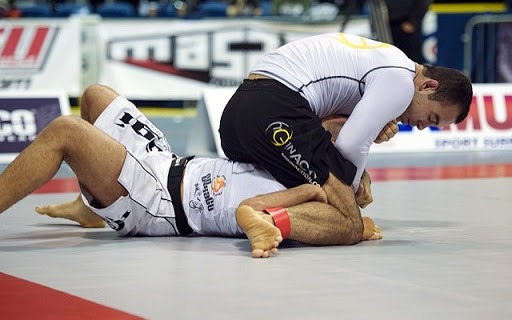
Moreover, three’s the pace. You just can’t ignore the pace of a No-Gi match, particularly a No-Gi scramble. You have to factor this in and be prepared. That means that whether you want it or not, you’ll need to put in “homework” in the form of cardio preparation.

Fail to look at these two major differences between Gi and No-Gi and you really shoot yourself in the foot. Again, I’ve seen it happen in tournaments, and I’ll probably see it happen a bunch more. Despite the moves you use in both being extremely similar, there are major differences between a Gi and No-Gi competition game. Take standing and gripping for granted, and go in with your usual Gi cardio prep and see what happens. Then, do everything right and notice the difference. Or just be smart about it and do it all properly from the get-go.

Things To Expect At A No-Gi Competition

First up, if you’re competing under IBJJF rules, except that you can’t compete in No-Gi if you’re a white belt. The UAEJJF will allow you to do so, though, so there is an alternative. That said, most of the IBJJF / UAEJJF events are not No-Gi specifics. Exceptions are the No-Gi Europeans, Worlds, and Pans, being really major tournaments. Apart from that, Gi and No-Gi tournaments usually take place in the same day. What you need to know is that No-Gi always comes first, so be prepared to fight early If you’re a blue belt in the adult divisions, it is pretty much guaranteed that you’ll be the first to grapple.

Similar to Gi tournaments, you’ll need the proper attire for a No-Gi competition. While we all love wearing crazy-looking rashguards with anything from weird animals to tropical fruits on them, that won’t fly in any of the IBJJF/UAJJF tournaments. What you need are black shorts, no spats, and a ranked rashguard. Moreover, the rashguard usually needs to be approved by the IBJJF, although you might just squeeze in there if the colors match. However, the folks controlling the attire are quite dedicated to their jobs, so save yourself some headaches and pack the appropriate approved attire.

As far as weighing in goes, No=Gi is a breeze. After all, you’ll be weighing in with a rashguard and shorts, as opposed to a Gi and belt. That said, the weight divisions do different a bit. There are still 9 of them, and they’re named the same. However, rooster weight starts at 122 lbs, instead of 127. From there on, every weight class is a few pounds “short” compared to what you might be used to. Make sure you factor this in before you sign up for your usual weight class – you might just need to go a division heavier.

Finally, rules-wise it is always prudent to read the rulebook before you compete. Most of the same rules that are there with the Gi, apply in a No-gi competition as well. There’s a bracelet for the leg of one competitor, instead of the yellow and green belt, but apart from that, just do what you’d do with the Gi.

Gameplan Nuances

As I said, and have on numerous occasions, the devil is in the details. Preparing for a No-Gi competition can go in one of their ways. The first is that you do not prepare at all, and you just hope your Gi experience carries over. We already saw how this could backfire massively. That leaves us with two legitimate options for preparing for No-Gi matches.

One legit option is to prepare by planning ahead and leaving yourself as much time as possible to get into a rhythm. I’d go for six months if you can. To be clear, that’s six months of No-gi only, competition-specific preparation. There are countless things you’ll need to organize and figure out in order to really develop a solid game plan.

No-Gi Competition: What to EpxectAnother option is the quick No-Gi competition preparation. When yo only have a short time you can only focus on the major things that make or break a No-Gi Jiu-Jitsu match. This will certainly prepare you, although you might end up falling back to some lingering old Gi habits that won’t be effective, particularly when things get rough. However, if you do plan it out well with your coach, and you have a good corner, you can most certainly get ready.
If push comes to shove, remember that it is all about the grips. If there’s nothing else you can work on in preparation for a No-gi competition, focus on gripping. Remember that if you can control the grip fight, you’ll be able to resist most things, and eventually, play your A-game. Oh, and footwork – look how opponents move when standing. That’ll give you an indication of whether they’ll shoot, try to get a front headlock, or pull guard.

Conclusion

Get down and dirty with your No-Gi competition preparation. That’s the only way to really be ready, and you know it. Don’t take No-Gi for granted, as it is quite harder to compete in than gi. Learn from someone who’s already made all the mistakes, and prepare accordingly. After all, you do want to win a match or two, right?

Closed Guard Movie: A Jiu-Jitsu Documentary About The History Of BJJ 

Closed Guard Movie: New Documentary About the History of BJJ

Well, I guess all we’re left with is movies, at least for the foreseeable future. As the COVID-19 outbreak brought made Jiu-Jitsu worldwide tap out (at least in this roll) we’re all stuck at home and grappling is simply not an option. While there are plenty of things we can do, it’s hard to replicate rolling. In fact, it is impossible. Luckily, there are ways to fill in the gap. Reading up on the history o BJJ is one. RO, better yet, watching a movie on the subject. We will have to wait a bit more for this one. The Closed Guard movie, however, is a documentary that will supposedly fill in all the gaps in the history of the sport.

The last year has been a huge one for Jiu-JItsu, both on the mats and on the movie canvas. BJJ grew to be a mainstream thing. It is not just celebrities training, but there are also plenty of people interested in making movies and TV series about it. Everyone, from Netflix to big-time Holywood directors are covering BJ as a subject in their projects. Well, this particular Closed Guard movie is a bit different. It is a documentary about the history of BJJ but done by one of the most recognizable names in the sport, Robert Drysdale. It is a movie made by a grappler, for grapples, intended to clear up the murky parts of history.

The Rich And Entertaining History Of BJJ

The thing with the history of BJJ is that there are not many “records’ about it available. We do have an understanding of how it all happened, but plenty of the details remain unclear. The final product is clear as day, and we’re all mad bout it, that’s more than apparent. However, if you come to think about it, we don’t really know much about how Brazilian Jiu-Jitsu came to be.

Closed Guard Movie: Documentary About the History of BJJWhat we know for sure is that the Gracie family did manage to come up with a crazy combination of martial arts that changed the world. The system they came up with was not meant to be a sport or martial art. At least not initially. They just created a self-defense system, one that was based on grappling martial arts and was undoubtedly effective. With a combination of luck, great marketing, and the unavoidable fact that Gracie Jiu-JItsu worked, they managed to create something out of nothing, literally. From the early days of Jiu-Jitsu in Brazil, though it’s crucial migration to the USA, and all the way to today’s global pandemic of BJJ (pun intended), we pretty much have a clear picture of how things came to be. But what happened before all that?
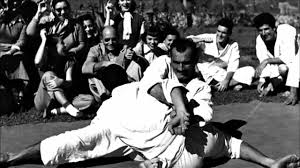
The parts of BJJ history that are not so clear are the ones leading up to its creation. We do know a man Mutsyo Maeda, a Judoka and NHB fighter ended up in Brazil. WE also know that Carlos and Helio Gracie’s dad was a circus owner. At the time, catch wrestling was pretty popular in circuses and carnivals, so that’s probably how Maeda met the Gracies. Form there on, though, how and what did Carlos Gracie learn exactly form Maeda? What about the alternative lineage that includes Luis Franca and Oswaldo Fadda as notables? Well, Robert Drysdale promises that his Closed Guard Movie is going to bring answers to all these questions.

The Closed Guard Movie: Origins Of Jiu-Jitsu In Brazil

So far, we know that the Closed Guard Movie is a Robert Drysdale project. We also know that it is funded by ACB JIu-Jitsu. they are an Eastern European grappling promotion that has grown to be one of the premier pro-grappling platforms of today. They have managed to put together some of the best Jiu-Jitsu event cards in modern times. Now, ACBJJ is clearly expanding to try and “decode” the history of BJJ in a time when events aren’t really an option.

The goal of the movie is to re-tell the story of the origins of Brazilian Jiu-Jitsu. The focus is on the period of time that ranges from the Japanese roots of BJJ up until the rise of the Gracie JIu-Jitsu. At the same time, there is focus on Vale-Tudo, or “the non-identical twin of Brazilian Jiu-JItsu” that it is referred to in the movie. Similarly to spurring the birth of MMA in the USA, early Jiu-Jitsu developed alongside Vale Tudo. it is the Brazilian version of MMA and it was certainly influenced a lot by Jiu-Jitsu

This movie does offer a different look at the history of BJJ. It is a trip from Japan, through Brazil all the way to the USA. It follows the birth, development and eventual rise of Brazilian Jiu-Jitsu. The Closed Guard Movie is a documentary organized as a historical survey. It contains lots of interviews, facts, and evidence other movies have not explored previously. This film is about to change everyone’s perception of the Gentle Art’s history, as far as the roots go. At least, that is what the movie, and Robert Drysdale claim.

What Makes This Movie Different?

So far, the Closed Guard Movie is in an editing phase.  As per the official movie social media account  “The film has no release date as of now since we are rewriting the introduction given our current state (apparently never-ending) of learning our roots. But we anticipate a premiere during the Masters’ Worlds in August 2020 (assuming the World is back on its feet by then). Who’s ready for some BJJ history?”

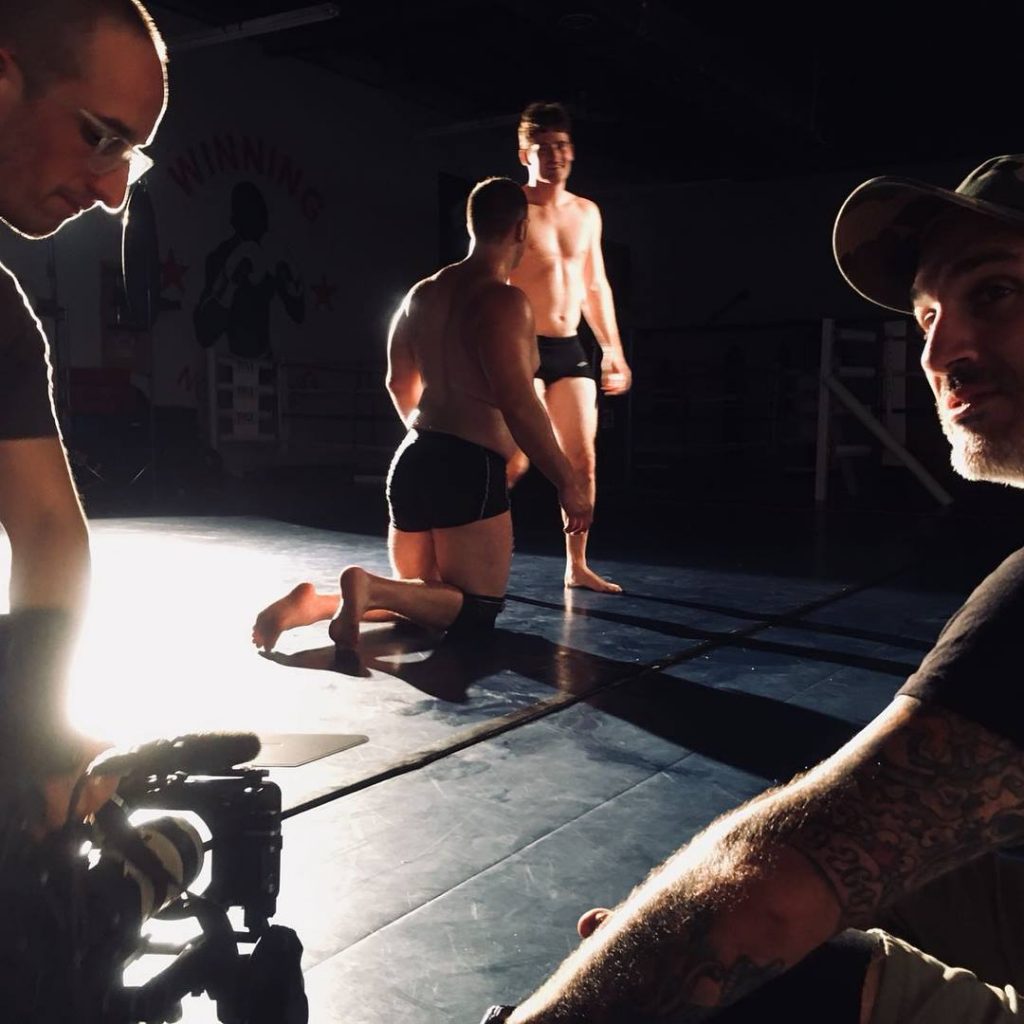
Closed Guard Movie: A Robert Drysdale Documentary About the History of BJJDrysdale is not a man who shies away from controversies and likes to speak his mind. Taking that attitude to a documentary about BJJ history all but guarantees it will be different than others. As far as the information goes, Robert has gone to great lengths for this movie. he tracked down and interviewed people that we don’t often consider when we’re talking about the history of BJJ. One thing I’m very curious about is the much talked alternative lineage also stemming from Maeda and the real story behind it.
This movie is certainly going to stir up the BJJ world. However, it is exactly what we need to try and pinpoint some of the more elusive aspects of Jiu-Jitsu’s history. As someone interested in BJJ History, I am certainly looking forward to discovering more facts and less fiction about how this whole craziness that is BJJ came to be.

Conclusion

The Closed Guard Movie is going to be an interesting documentary to watch. The subject of the history of BJJ is always an entertaining one, and it is riddled with incomplete information. Whether or not Drysdale will manage to clear things up, or make everything that much more complicated, remains to be seen. Until we have the chance to take a look at the finished product, though, make sure you take a look at the trailer of the movie HERE.

BJJ Evolution: What Each Generation Contributed To JIu-JItsu (So Far)

BJj Evolution Cover

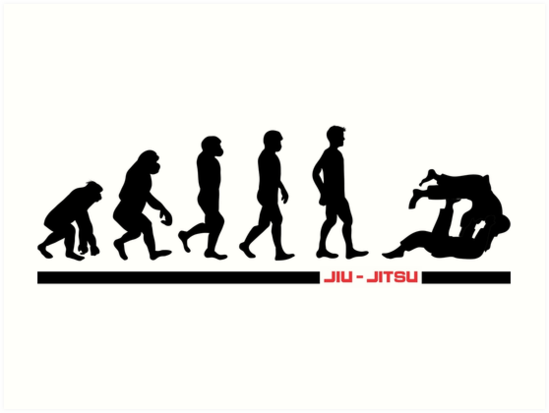
The one thing that sets BJJ apart from other martial arts is not the ability to fight off the back, or the thousands of funky techniques that nobody has thought of. It is the fact that Jiu-Jitsu keeps evolving constantly that really maks it special. Well, that and rolling, because, rolling is just too much fun, particularly now that we’re stuck at home with this Covid-19 virus thing. That said, we now have enough time to read up on Jiu-Jitsu history, so here’s a different bit of history to what you may be used to – the story of BJJ evolution. 

It may be hard to grasp at the moment, but you can contribute to the evolution of Brazilian Jiu-Jitsu regardless fo which belt level you are at. I’ve had white belts in the gym figure out submission grips and tiny passing details by accident. As small of a ripple as that might be in the ocean of Jiu-Jitsu, it is still significant. That’s precisely why I let every new student know from the very first moment that they can, and should contribute to the BJJ evolution. As far as higher belts go, innovation is what drives us forward, so share what you discover and make sure you keep a track of it.

The BJJ Evolution So Far: A Better Story Then Darwin’s

The way Brazilian Jiu-Jitsu came to be is a story that couldn’t be put together by a movie director. A Japanese star Judoka and fighter, trained by the founder of Judo himself and forged through plenty of catch wrestling and NHB matches across the world, ends up in Brazil. There a scrawny kid takes up his lessons, and eventually, teaches an even scrawnier brother of his what he learned. This brother then keeps modifying everything that has already been modified and adjusted an ends up with a system so effective, that the brothers issued an open challenge for anyone to come and test them out.

However, the best part is that it doesn’t stop there. The Gracies might be a difficult family to reckon with, and they certainly did some things questionably. However, oen of their best decisions is to allow and even encourage people to further develop Jiu-Jitsu. Imagine how boring it would’ve been if BJJ was still the same as when Helio And Carlos did it. Instead, we’re a part fo this crazy thing that keeps growing every day and encompasses our entire lives.

The BJJ evolution is not an easy thing to track, to be honest. It all depends on how we look at it. For the purposes of this article, I went really broadly, organizing things in periods. Consider each of these evolutionary periods of grappling to be akin to evolutionary periods of our species, for example. So we’re talking from neanderthal to modern human, and not about fine nuances like figuring out fire, or organizing into different social systems.

Gracie Jiu-Jitsu

BJJ-Evolution Old School Jiu-JitsuLet there be light. The organization of battlefield Ju-Jitsu into a more sports-like Judo by Jigoro Kano in Japan is our Big Bang of the BJJ evolution. So Gracie Jiu-Jitsu, the Helio Gracie version is the first step in our BJJ evolution. This was the practical Jiu-Jitsu, so to speak. Everything was about self-defense, there was no-nonsense, and the closed guard was the main position to play from, as nobody knew how to fight off the back.
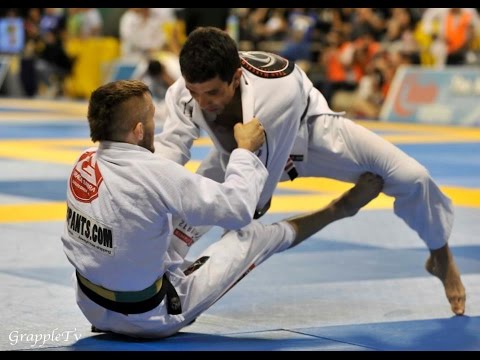
Of course, even then, Jiu-Jitsu was evolving, and other key positions we use today, from the half guard to back control were refined and developed during these early days. However, the mount and guard determined the top positions to head to, and lapel work was down to a minimum.

BJJ For MMA

After BJJ spread out of Brazil, and Rorion and the brilliant idea of taking Gracie challenge to a whole new level by creating the UFC, an entirely new subspecies of BJJ evolved – Mixed Martial Arts. It all happened because of BJJ though, and suddenly everyone wanted to know what this crazy new grappling style is. That brought about a new spur in BJ evolution – BJJ for MMA.

As people started training, BJJ got a lot more technical, as people tried to break everything down and understand things. At the same time, they attempted to mix it up with boxing and kickboxing, and even some wrestling. This is when the takedown game in Jiu-Jitsu developed even more, along with the strong positional game. Holding positions in a way that and you safe, but could open up strikes or submissions became the theme. Once again, a lot of work went into the closed guard and making it a fortress nobody can penetrate. However, the opposite happened – guard passing became a thing.

Speed And Spinning: The Rise Of Sports Jiu-Jitsu In The Gi

When Jiu-Jitsu unglued itself from MMA it went in the direction of becoming a sport. Starting out as a fighting system, then an art within the art of MMA, now BJJ emerged as its own sport. This is the period of Gi BJJ evolution and the emergence of some of the world’s greatest competitors. This is when the likes of Roger Gracie, Jacare Souza, and co. really put BJJ on the map of martial arts.

BJj EvolutionFollowing in their footsteps, a new generation of grapplers brought about a completely new form of BJJ. The Mendes brothers and the Miyaos started spinning like Ninja Turtle, creating the berimbolo and all the different guards and crazy stuffed that ended up being born from that. At the same time, people excelling at the top game, like Rodolfo Vieira, The Ribeiro brothers and Lovato started discovering crazy and exciting ways to pass guards, taking this whole craziness that is Jiu-Jitsu to a completely different level.
The No-Gi Submission Only

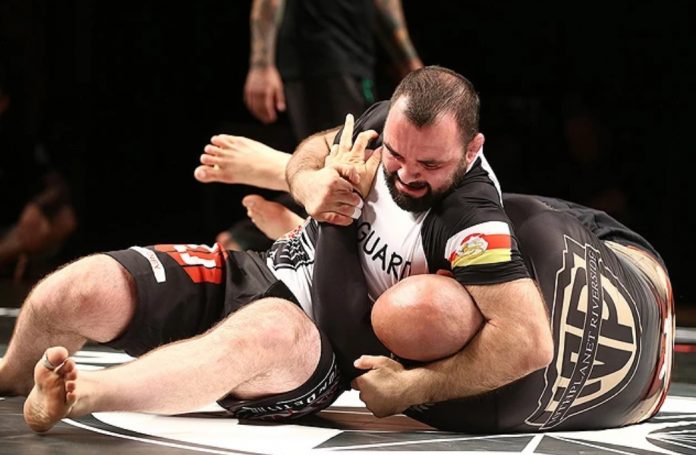
Given the rise of Gi Jiu-Jitsu, it was just a question of time when someone would dedicate more time to No-gi BJJ. To be fair, No-Gi BJJ came into focus when MMA first got to the shape it still has today. back then, following closely behind Gi sports Jiu-Jitsu was No-Gi, in the form of ADCC. This was, and still is the ultimate test of grappling, as close to an Olympic event that the sport has. Names like Marcelo Garcia, Dean Lister, and Andre Galvao took the spotlight.

Moreover, others took the No-Gi BJJ evolution into a completely new and exciting direction. Eddie Bravo is famous for having a world-wide empire under the 10th Planet Jiu-Jitsu banner that works exclusively without the Gi. His innovations in both technical terms and competition formats are what brought about yet another paradigm shift in Jiu-Jitsu: the rise of the submission-only No-Gi grappling scene and professional grappling.

Professional Grappling And A Glimpse Into Future Jiu-JItsu

Sub only events led to the emergence of a completely new breed of grapplers. Of course, John Danaher and his Death Squad spring into mind first. They took the leg lock game to a whole new level, showing the world that BJJ is far from its’ final shape, whatever that might be.

At the same time, professional grappling finally took off. Gordon Ryan might be on the top of the food chain, able to buy a million-dollar house after a few years of pro grappling. however, others that do it as a profession are not too worse off, and it is taking stride all across the world.

Finally, as far as the future of Jiu-Jitsu is concerned, I’d say things are going to et only more and more interesting. The conceptual understanding of BJJ is at an all-time high, meaning the craziness that stems from it is going to be a whole new level of crazy. Plus, with all the BJJ camps and cruises and stuff people have a worldwide platform of exchanging experiences.

Oh, and there are now BJJ DVD’s available to learn from. Like, lots and lots of BJJ DVDs.

Conclusion

The BJJ evolution is a fascinating thing to look into. I certainly hope that in future articles I’ll break down each of these most important periods into all the main things that marked them, and took our art forward. Until such a time, remember that everyone’s contribution is important and that you can change where eBJJ evolves next.

Roll Mostly With BJJ Blue Belts To Real Learn Jiu-Jitsu

Why You Need To Roll A Lot With BJJ Blue Belts

It doesn’t matter how many training partners you have, but rather, what belt they are. Okay, this is not really true, but belt color does matter a lot. In fact, the more training partners you have at a certain belt color, the faster and better you’ll learn Jiu-Jitsu. And not, that belt color is not black. Contrary to popular belief, getting killed constantly does not make you better. As it turns out, most often it makes the person doing the killing better. While suffering is not jsut important, but absolutely necessary, in order to learn Jiu-Jitsu, you need to actually test stuff out. That’s why BJJ blue belts are for.

First and foremost, this article is not intended to disrespect BJJ blue belts. And even if some feel like that after reading it, after getting their purple belt they will most certainly see things differently. That said, the blue belt is 100% the most important BJJ belt. It is by far the most desired one, as nobody likes to be a beginner. Yes, people do covet the blue belt much more than they do the black. However, the blue belt also holds a hidden role as well – it is the one belt that allows all the higher-ranked students to actually learn and understand Jiu-Jitsu. In other words, if you’re anything from purple above, spend a considerable amount of time rolling with blue belts. If you want to get better, of course.

BJJ Blue Belts Are Not Food – Or Are they?

As a blue belt, I took this statement personally, particularly when higher belts chewed me up and spit me out jsut so they could do it again. It wasn’t that I was suffering, that was (and still is) a welcome part of figuring Jiu-0Jitsu out. However, the statement was a bit annoying, at least to me. Until such a time, I got my purple belt.

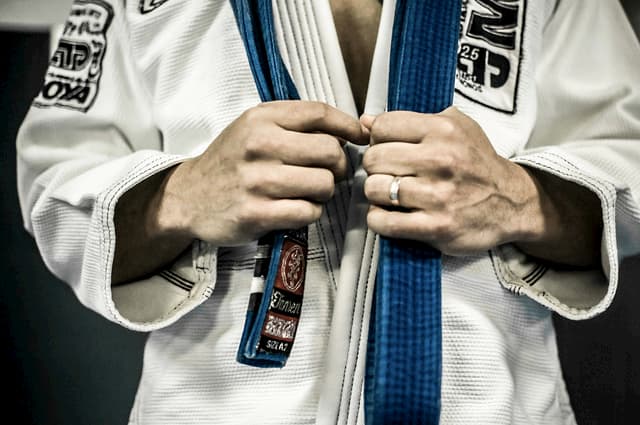
Roll With BJJ Blue BeltsQuite soon after promotion, I found my self referring to blue belts as food along with a great purple belt friend of mine. Suddenly, the joke didn’t seem so bad. However, it was only then that I realized it was nothing more than a joke. So yeah, purple belts deserve respect, as does anyone that steps on the mats. However, they also represent a crucial step in the hierarchy of learning BJJ. It is with blue belts that all higher belts get to develop their game, look to understand BJJ and grow as grapplers.
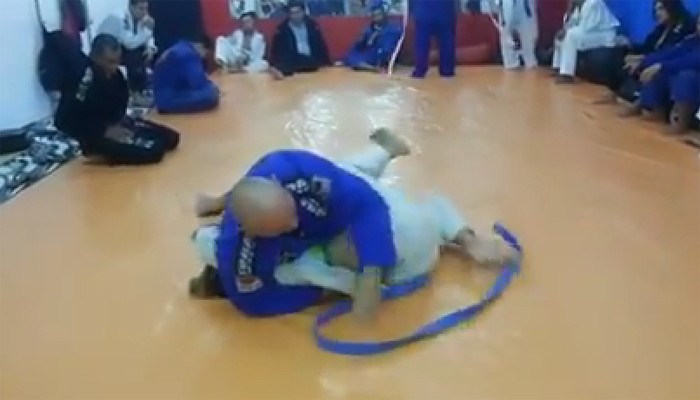
BJJ Blue belts are also more in numbers than any other belt out there. Currently, with BJJ spread all across the world, blue belts make up most of the people that train. That means you’re more likely to run into blue belt training partners anyway, particularly if you’re a purple belt or above. And that’s perfectly ok because you want most of your live rolling done exactly with them. In fact, you should spend at least 80% of your time rolling with BJJ blue belts.

Why Higher Ranked Students Should Roll With Blue Belts Often

There is a method behind this madness. If you think you’re just going to go about and “kill” BJJ blue belts because you’re a brown belt competitor, you’re mistaken. How many times has a blue belt given you the toughest roll of the night? The reason for that is that the learning curve is the biggest with BJJ blue belts. In the two years, people spend at blue belt, they go from being slightly more than a beginner to a purple belt. And, as the saying goes, a purple belt knows all the techniques a black belt does, all that’s lacking is experience. Things start making sense now, right?

What you get with BJJ blue belts is the chance to test out everything. People at blue belt know how to move in a Jiu-Jitsu specific way, but haven’t quite mastered the nuances. This makes them perfect for testing new things, getting to understand old things better, and learning how to combine everything. Blue belts are not white belts that will give up too, and they’re probably the most tenacious and hardheaded amongst the bunch. So, like it or not, you’ll have to learn patience and that is one of the most important lessons in BJJ.

Thre’s also another great aspect to rolling with blue belts – developing an offensive game. Blue belt is when everyone discovers defenses. Not so much escaping, as ways to defend and simply survive. That means rolling with blue belts, especially those that are more experienced will require you to figure ways out past solid defenses. And none of that busting through things nonsense will work. You need cunning, technique and tactics to catch a blue belt in a submission.

Rolling Strategies

This is the fun part. Rolling with blue belts might seem boring if you’re looking for a challenge like brown and black belts present. But you’ll actually learn more from the BJJ blue belts than you will from those that are on your level or higher. The key rolling strategy here is going for things that are not yet clear to you. If you’re only using your A game against blue belts, you won’t really discover progress. instead, try to go beyond your A-game and see where things lead. Blue belts will give you enough resistance to make you work, but also provide you enough space to think and decide on your next move. The perfect balance that no other blet offers.

BJj Blue Belts Are FoodBut there is more. It is not just the offense that has to work. it is defense as well. Here’s a radical idea – let blue belts get in positions like mount, back, submissions, etc. Make them work for it, of course, but let them attack. What better way to fine-tune every escape you might be working on, than with someone that can’t quite hold you las tight as your peers do? Of course, you’ll have to deal with the fact that you’ll tap out to blue belts. However, that’s something you need to be at peace with already.
Finally, think about going for something specific. Decide you’ll catch BJJ blue belts only with one choke, or armlock or leg locks. It is how I got to learn countless details on both heel hooks and the D’arce choke. And I keep on using all the blue belts I can get my hands on to test out new stuff and figure out why some of the stuff I do, works the way it does.

That said, this doesn’t mean you should only roll with blue belts. However, do try and make the bulk of your rolling rounds be with them. There is a lot to learn from blue belts and there are a lot of them out there, so don’t be shy!

Closing Arguments

Finally, a word of encouragement fro BJJ blue belts. One day, very soon, you’re going to get to the point where you yourself need blue blets in order to grow as a grappler. That day si much closer than you think. Until such a time, though, do your due diligence as a blue belt – keep your elbows close, be unsubmittable and roll with everyone that slaps and bumps with you. Remember that in a  short while, another blue belt will do the same for you. Let’s roll!

Borderline Insane Side Control Attacks For Adventurous Grapplers

BOrederline insane side control attacks

Side control is one of the most fun positions in BJJ. Well, not at first, and especially not if you’re the one the bottom, but it grows on you. The reason most people find side control to be difficult to maintain is the dynamic nature of the position. Unlike in wrestling, a pin won’t do you much good in Jiu-Jitsu. You can’t hold someone down indefinitely, and you’ll eventually lose the position. However, if you decide to play side control ina an open manner, you’ll suddenly find a lot more side control attacks that you might’ve thought were possible. In fact, some are completely out there, but then again, those are the most fun ones to pull off, aren’t they?

Side control attacks usually mean you’re going to the mount or back or finishing someone directly. In most cases, it is an arm lock or a choke that does the trick from top side control. But how many times have you lost everything when trying to transition against slick bottom players? Or, how many submissions have slipped through your finger because they were exactly what the person on bottom was expecting? As high percentage as some side control attacks might be, switching things up form time to time is also a good idea. Why

Slightly “Different” Side Control Attacks

Why not? Side control is a position that perfectly embodies the idea of Brazilian JIu-JItsu. You can be heavy but needs to stay active. You can submit, but can also end up submitted. You need to think ahead and plant traps because there are many escape options. In other words, you play every aspect of the BJJ game when you’re in side control, both physically and mentally. That, and you probably have more attacks available to you than from any other position.

When you come to think of it, side control [puts you in a unique position to have the opponent’s entire body on a platter. Like, literally. From most side control variations, apart from North_South, your positioning is normal in relation to your opponent, rather than parallel (like in mount, guard, half guard or back control). Moreover, you have inside control (the space in between the opponent’s armpits and hips). That translates to plenty of opportunities for doing pretty much whatever you like. Submission wise, you have chokes, armlocks and leg locks, and a whole variety of them as well. No other position offers so many attacking options.

Even more so, side control attacks don’t include only submissions. On the contrary, you can go and switch positions, trying to climb the ladder of BJJ hierarchy. Mount, knee on belly and back control are the usual endpoints from side control. However, you also have q2uite the few side control variations to play with. From the basic one to the 100 Kilo position, Scarf hold, Reverse Kesa Gatame, North-South… All of these translate to more and more side control attacks you can use.

  • Flat Mode

Side Control Attacks Flat modeLet’s start with eth e tightest North-South variation you’ll ever learn. It is an Eddie Bravo invention, and one of his best ones I might add. The usual issue with north-south is finding a way to control both the hips and shoulder of the bottom person without compromising your base. Well, leave it to Bravo to solve this puzzle. For the falt mode, you place one arm at the hip of your opponent. You then place your head on the opposite side, glued to the mats and their hip. The arm on the side of the head goes over the near side shoulder, again, as heavy as possible and glued to the mat. Finally, you use your hip to block their other shoulder, trapping the head in the process.

As long as you keep your body stiff in a push-up-like position, nobody is ever going to get out from there. The best thing is that you don’t have to do anything – literally.

  • Kesa Gatame Torture Series

Side Control Attacks Kesa gatame torture SeriesGoing on the offensive here, let’s talk about linking several interesting attacks together based on how an opponent reacts. Or better yet, make them react in a certain fashion. From the Kesa Gatame, you’ll often end up with the opponent’s arm over your shoulder. That’s an armlock right there. The key is, trapping them and making them uncomfortable. What you want to do is swing your top leg over their head. But don’t just leave it there, pul with it so that you completely break their posture. Now you can have your fun. An inverted armbar is right there for the taking.
If the opponents decide to push your leg off with their arm, they’ll just open up more side control attacks. As they push, go under their armpit, and proceed to catch a cross-face with the arm trapped in between you and the opponent. Crush them a bit from there before you head off to mount or the back.

  • Lapel Arm Trap Triangle Choke

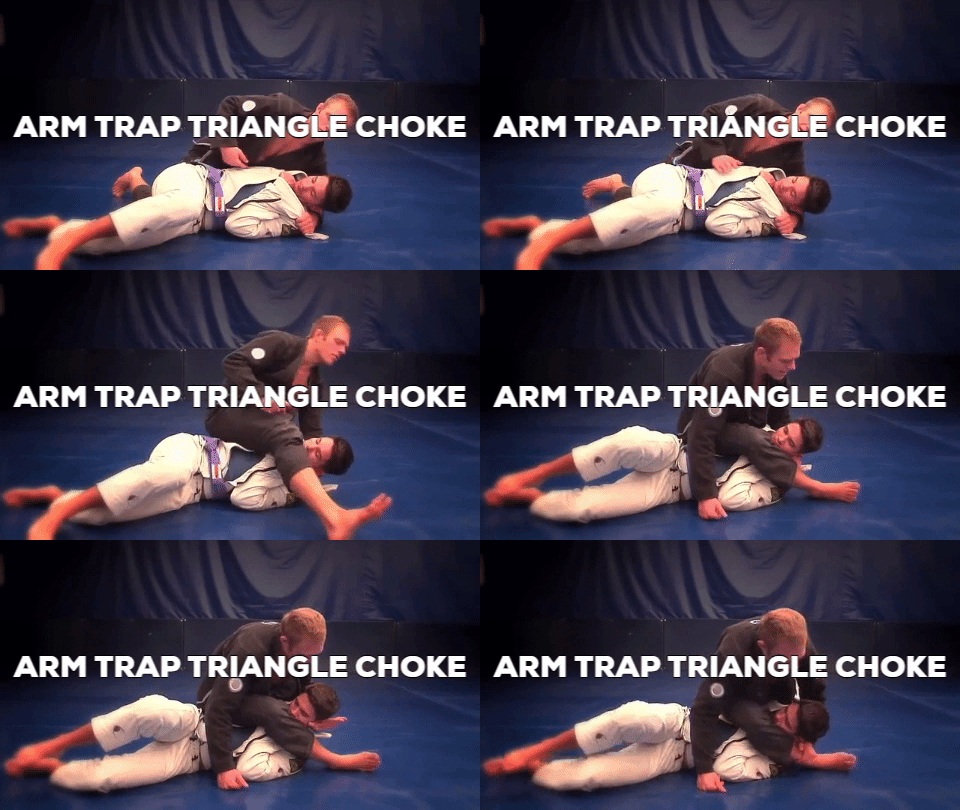
Side Control Attacks Arm Trap Triangle ChokeThis is one move you’ll instantly fall in love with. It will require the use of a Gi, but you might even figure it out in No-Gi if you’re creative enough. Whenever there’s a frame against your neck, that means you have an arm to trap. Loosening up the partner’s Gi on the far side, Wrap it around their arm, aiming to trap the wrist with the lapel. The goal is to control the end of the lapel with the arm under their head. Now, you have several side control attacks to choose from.
The best one, though, is an unexpected mounted triangle attack. First, you’ll need space, so it is imperative that you push the near side leg to the ground in order to wind their hips up. This allows you to swing a leg over and go straight deep into a triangle. The finish is extremely easy, and you still have armbar options left on the arm that’s not wrapped up.

  • Chest Compression Choke

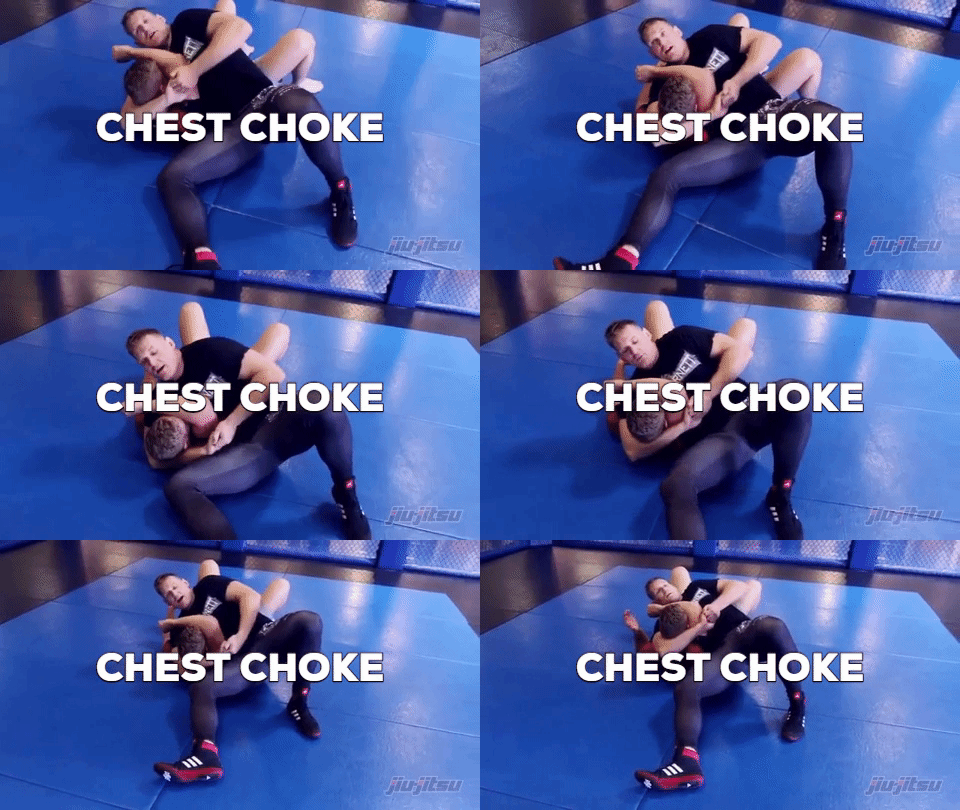
Side control attacks chest chokeIf you haven’t seen Dean Lister vs. Josh Barnett in Metamoris, you need to stop doing what you’re doing and watch that match. What you’ll witness is one of the best side control attacks ever pulled off in a high-level grappling match. Once again it is the scarf hold side control variation, albeit a bit modified.
From Kesa Gatame, the goal is to thread the arm that goes around the opponent’s head as far as possible. the crook of your elbow should end up on the back of their neck. You then gable grip your arms and project your weight forward by shifting your hips. The goal is to pull their chin towards their chest while compressing their ribs at the same time.

  • The Ninja Choke

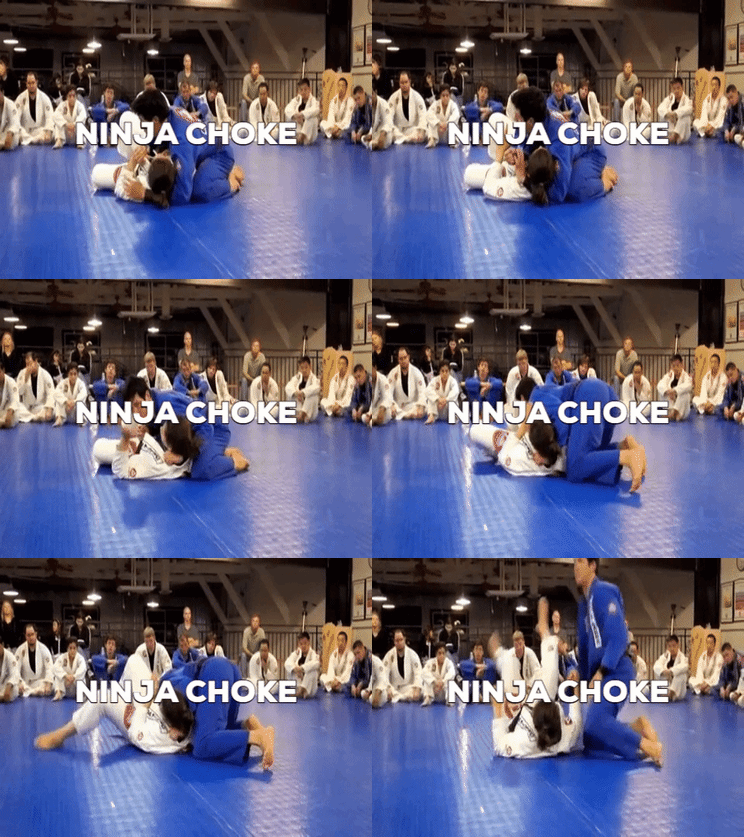
This one is a real breath stopper, both for the person on bottom and anyone watching you perform it. It is a lapel choke that comes out of nowhere and is so simple your opponents will hate themselves fro tapping out to it. all you need to do is loosen up your own lapel, on the side that is further from the opponent’s head. This is extremely easy to sneak through and people usually are none the wiser as to what is going on.

Side Control Attacks Ninja ChokeThe goal is to feed the nd of the lapel to the hand of the arm that’s under the head. And by feed, I mean really feed it deep. Elbow goes back and you simply place your head to the near side hip. The choke is unstoppable and people are going to double-tap with both arms like they’re playing drums.
  • Truck transition

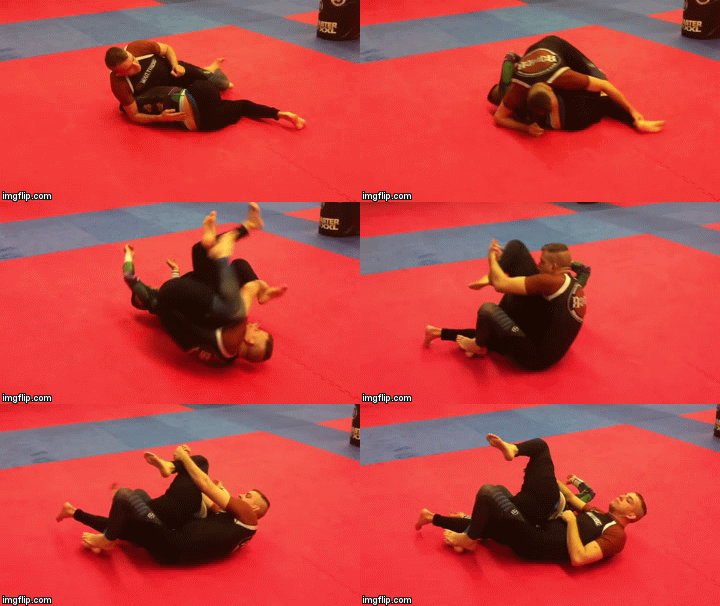
side control attacks truck I mentioned Kesa Gatame several times so far, so now let’s look at the Reverse Kesa Gatame a swell, AKA the twister side control. One more Eddie Bravo brainchild, the Twister version opens up crazy amounts of side control attacks. However, getting to the back via the Truck ahs to be the most attractive and unexpected one. Twister side control is basically Kesa Gatame, but with you facing the legs. For the Truck transition, you want to pull the far leg of the opponent to the ground (wind the hips up). You then use your bottom leg to hook that same leg you’re pulling, as deep towards the knee as possible.
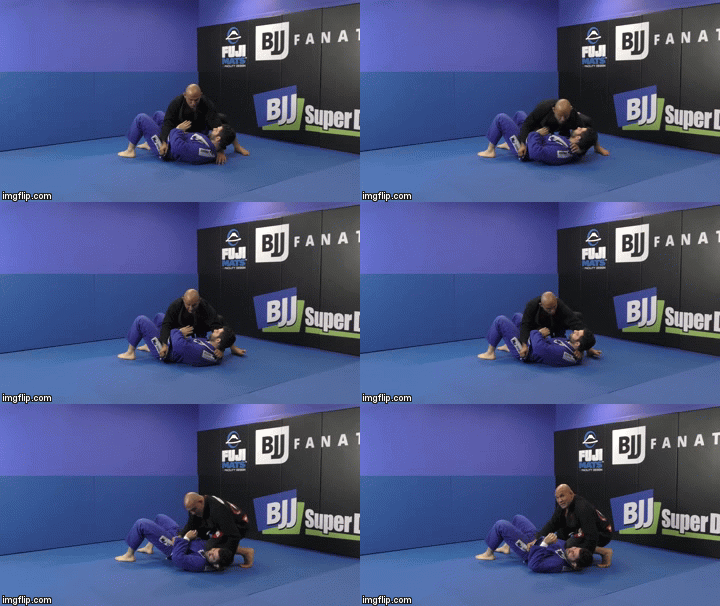
The roll, which is the attractive part, is actually easy. Place both your shoulders on the mats, on the opposite side of your opponent. Now either pull your legs towards your torso for the Truck or extend them fro Twister or back control.

  • Knee On Neck choke

The credit for this one goes to Roberto Cyborg Abreu. As a blue belt, I had an awesome time choking people left and right with this one. I’ve forgotten about it a bit, so this means that I’ll have to dust it off and have some fun with it once again. This is oen of those side control attacks that work perfectly in both Gi and no-gi.

Cyborg Knee On Neck ChokeFrom side control, any side control, just hold the opponent’s own collar with the arm that’s under their head. Pop up, either directly or from knee on belly, and place the point of your knee on their carotid. push with the knee, pull with the arms (your second one is holding the pants at knee level. In No-Gi, both your arms connect behind their neck with an S-grip, near side arm going under the armpit like for a paper cutter choke.
Summary

Side control attacks don’t have to be boring, nor predictable. On the contrary, spice things up by introducing unexpected moves and throwing caution to the wind. Who knows what else is going to open up fr you once you let loose from side control. It is all about how you move when in side control, not about how well you stay in place.

Anaerobic Training Intervals For Developing BJJ Stamina

Anaerobic Training Intervals For Graet BJJ Stamina

How do you go about developing your cardio for Jiu-Jitsu? Everyone has tehri own way, and of course, every “expert” out there has their own magic formula. However, what is it that actually works? Well, let’s try the BJJ formula. How many marathon runners do grat in Jiu-Jitsu, conditioning-wise? How about powerlifters? Then again, a gymnast, or even a solid CrossFitter, might surprise with their BJJ stamina. Som, we need to be looking for the answer to the BJJ cardio puzzle in the middle. In other words, we need to understand anaerobic training.

Anaerobic training is something you won’t want to do. Or better said, you’ll want to, but you won’t like it. It is hard it is grueling and it seems to last forever. However, you’ll definitely love the end result, when the times comes to demonstrate your BJJ stamina. Setting up anaerobic training is also not hard and you can even do it with BJJ specific movements in the confines of your own home. What you need, though, is to first understand how it works.

Energy Systems In A Nutshell

BJJ Stamina - Anaerobic Training IntervalsThe way we operate as human beings, energy-wise, is not hard to understand. I mean that in a broad sense, given that physiology is a quite complex branch of science that most people do not even have a working knowledge of. As a medical professional and a decade long grappler, I’ll try to put everything in perspective for everyone.

In essence, the way we get energy is through three main energy systems. These systems work by producing energy out of the compounds we get from food. In the process, they work by utilizing the help of oxygen in doing so, or in without it. In that sense, one of the systems is aerobic (uses oxygen) while the other two are anaerobic. They all have different pros and cons, and there are specific ways of training each.

This is probably the best time to note that you can’t actually do any activity without using all three systems to a certain extent. that means that training all of them is usually a great way of making sure you’ve got your bases covered. The catch is that you can’t train them at once, and you need quite large blocks of time to develop them all (at least a couple of months per system). That means, if you really want to improve your BJJ stamina fast, yo need to turn to anaerobic training. More specifically, you need to develop your anaerobic lactic training system.

Why You Should Focus On Anaerobic Training

All that said, there are reasons why you should be focusing mostly on your anaerobic lactic energy system. It is a system that uses lactate as a substrate for the production of energy in anaerobic conditions. In other words, it is the energy system that allows you to use sustained energy at a fairly high pace for periods of 2-5 minutes, depending on the pace and howe developed your system is. Sounds familiar?

Most BJJ exchanges, to be fair, do not last in excess of a minute or two. Afterward, you get to rest a bit and then you go again. At a higher level, these exchanges are even shorter but can be a lot more numerous. In any case, it is the anaerobic lactic system that drives us in BJJ, and the one that needs most of our attention when it comes to BJJ stamina.

From a practical standpoint, anaerobic training will help you just about anything that requires explosive strength that lasts more than a few seconds. All sweep exchanges, movement-based passes, scrambles, breaking through defenses he looking to finish a submission – they all utilize the anaerobic lactic system as their main one. Training this system more than the others will provide you with more than the necessary specific BJJ stamina to complement your technique. Now, al lthat’s left is lerning some more Jiu-Jitsu.

Developing Insane Amounts Of BJJ Stamina

Finally, it is time to explore some options for organizing anaerboic trainign for BJJ stamina. One thing you can always do is go for the “Marcelo Garcia“. As the little magician claims, he never did any strength and considtionign, but rather roleld with a pace like it was his last roll. WHiel this made him mentalyl tough, comfortable in rolling, etc, it also actually worked on his anaerobic lactic energy system.

Anaerobic training For BJJ Stamina The best way to work organize grappling specific anaerobic training is as interval training manner. The way to organize the intervals is in a 1:3 fashion. That means that for 1 secod you go all out, and then you keep a sustained lower pace fro 3 seconds. OF course, this is just to paint a picture. In reality, you won’t do anything less than 10 seconds, meaning you get 30 seconds of moderate pace to “rest”. the goa lsi to increase, and start counting in minutes rather than seconds. Although, to be honest, working in 1020 seocnd speed bathces andresting for 30-60 seconds is a muxch more realistic represantiton of how you’ll need to utilize anareobic energy while grappling. The goal is to be able to last about 30 minutes wihtout stopping.

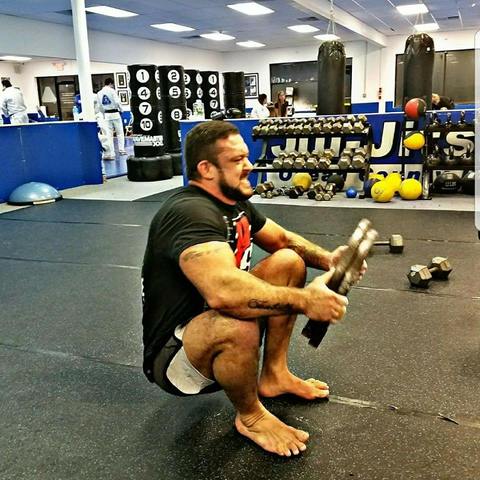
Exercises you can use here are different. You can go old-school and jsut go for intervals oan stationary bike, treadmill or eliptical. You can also try and work on complexes, using barbells, dubmbbells, kettleebells or your bodyweight. Or, you can throw in BJJ moves in there to make things intersting. Anything from werstlign sit otu s to doign triangle choke crunches will do the trick. Ther are no real rules to exercise selection, as logn as what you’re doign is done at a high pace and is not easy to perform.

Final thoughts

Aerobic training is not fun, even when you’re doing Marcelo Garcia style rolls. However, it is extremely important if you want to be a tough competitor in Jiu-Jitsu. All the talk about technique beting strength is fine, but without BJj stamina, you won’t get the chance to test either of them. So make sureyou can last longenough on the mats fro you techiqe to take over.