



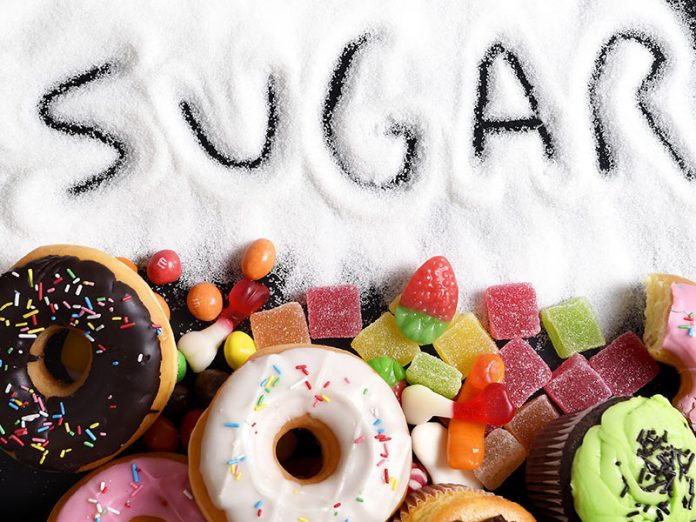
The nutritional plague of modern times is sugar. It spread to that extent, that even products we do not consider as sweet contain large amounts. Sugar cravings are not an uncommon thing nowadays. Trying to resist them usually results in just more sugar consumption once you inevitably give in. BJJ people that eat healthily, so sugar cravings can sometimes be so strong, that they completely take over.
One of the worst things people on a diet (like for a BJJ weight cut) face is battling sugar cravings. No matter how disciplined and consistent you might be in your food choices, sugar cravings can seriously derail your diet. Not only that, but they’ll also turn you into a sugar hound, destroying everything sweet in your path. So, is there any way to deal with this situation without giving in to temptations?
How to Get Rid of Sugar Cravings?
Just like with everything in BJJ, you need to understand the reason behind it all before you look for the solution. That said, the primary reason lies in sugar is highly addictive properties. In fact, sugar is as addictive as narcotics, if not more in certain circumstances. This is mostly due to the massive release of serotonin and other feel-good hormones that ingesting sugar causes. However, once sugar leaves your bloodstream, so does the feel-good effect. What follows is a lack of energy and the desire to consume even more sugar. It is a vicious circle that is extremely hard to break.
Today, we’re going to take a look at the best strategies to help you overcome sugar cravings for good. The following 4 strategies focus on helping you achieve a lifestyle that is not under the influence of sugar cravings. It is not a quick fix to stop sugar cravings, but a way of dealing with them for good. Implement these strategies in your life and make them habits. It is a proven way of breaking the hold sugar has on you.
1. Eat More Carbs
The first piece of advice might seem completely counter-intuitive but it is a legitimate one nonetheless. Cutting sugar from your diet is only going to make you crave it more. In fact, if you’re feeling low on energy and not satiated, the reason for this is probably a lack of carbs. Now, carbs do not mean sugar and vice versa. Yes, sugar is a carbohydrate but it is only one type of carbohydrate. Just about every diet out there advises you to cut carbs as much as possible in a quest to lose fat and become sugar-free. Well, it doesn’t work that way.
 Carbohydrates actually have a huge role to play in our bodies. They’re essential to our systems, and especially to our brains. There’s a reason why carbs are a macronutrient – we need them and living without them is hard. Cutting carbs is going to make your body crave them more. The result is going to be a desire for the densest source of carbs out there – processed sugar. Not at all what you were trying to achieve.
As far as daily intake goes, all it takes is a reasonable amount to keep your blood sugar stable. There’s no dose to fit all as blood sugar levels and insulin response is different in everyone. So find your sweet spot and stay within it. You’ll have better energy and your cravings are going to decrease. Some top choice carbs for grapplers include (but are not limited to) potatoes (all varieties), rice, quinoa, oats, veggies, and fruit.
2. Get Enough Protein
Protein is the most satiating macronutrient. This is exactly the property you need when you’re battling sugar cravings. Protein is really efficient at suppressing hunger and prolonging the feeling of satiety. High protein diets have the added benefit of increased thermogenesis which translates to better metabolism.
All of these properties plus the muscle-building effect make protein the number one macronutrient for athletes. Grapplers are no exception to this. Simply put, the higher your protein intake, the more muscle mass you’ll have, the better your metabolism si going to be. An efficient metabolism burns more calories so higher protein is going to keep you lean and prevent the feeling of hunger. With that, it’ll directly prevent sugar cravings from even appearing. As a general reference about 40% of your meals should be made up of protein.
3. Tracking Calories
Low caloric intake is another aspect of poor diet advice. Unfortunately, along with cutting carbs completely, it’s the most prevalent one out there. People think that by eating less in general they’ll lose weight. While this is true to a certain extent the body is going to try and achieve balance. That means going for calorically dense foods once again. Which means we’re back to sugar!
The trouble with calorie restriction is that it can develop a very serious condition known as hyperphagia. This is when your hunger control hormones do not shut your appetite off. It makes you feel hungry constantly and sugar cravings lead the way.
 The solution is simple. If you do not want to lose control, do not starve yourself. Instead, do a little math and find the best caloric intake for your age and daily activity. In the long term, you’ll lose weight and develop a healthy appetite for the right kinds of food. The rule of thumb here is to calculate the exact number of daily calories by multiplying your current weight (lbs) by a factor of 12-15. These last numbers are in accordance to the amount of daily physical activity you engage in
4. BJJ Vs. Sugar Cravings
The final part of the puzzle is training. This is another one of the aspects most diets get wrong. Namely, losing fats does require you to be active. However, no carbs, severely restricted calories, and double daily Crossfit sessions is a sure way to mess up your metabolism for good. Not to mention that you won’t be able to lose an ounce of fat.
If losing body fat is your main goal then consider how intensely you are training. Training BJJ can be as intense as anything, particularly when rolling. During training, our bodies release compounds known as endorphins along with hormones that aid in suppressing hunger. However, you need to match your intensity in your diet plan. Make sure you eat enough to support the level of exertion during training. If you roll like it’s the final of the Worlds every round You’ll need to adjust your caloric intake adequately. If you do, you are going to both lose fat, reduce feelings of hunger and banish sugar cravings for good.
Since training is also known for stimulating appetite, make sure you’re reaching for the correct fuel after BJJ. Do not even think about going for sugary sports drinks or bars. Instead, go from whole foods and make yourself a good meal. Once this becomes a habit you’ll actually become repulsed by sugar, let alone crave it!
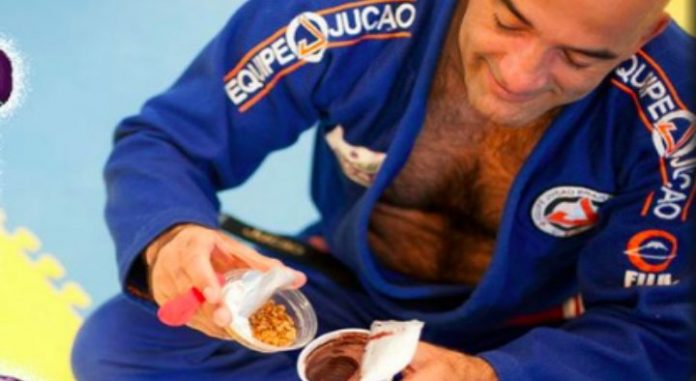
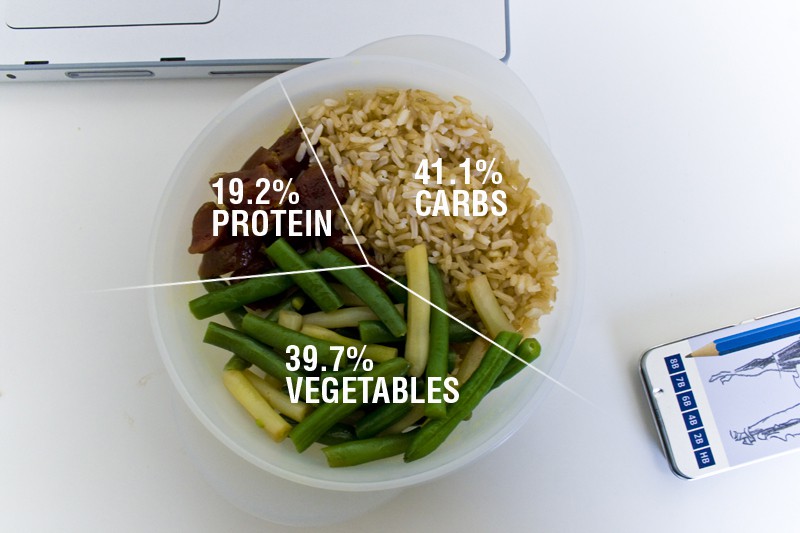 First and foremost, you need to understand macronutrients. In short, you need to consume protein, carbohydrates, and fats every day. While it is in our nature to be omnivorous, there’s no need to eat meat or animal products to be healthy. You still need to look for the balance of macronutrients though so pay attention! Daily caloric needs calculations are for bodybuilders so we’ll leave them be for now. For grapplers, it’s enough to find the sweet spot where you know you can maintain your weight. Do it approximately, but be ready for a few attempts before you really dial it in. From there it’s easy – add food to add weight and vice versa.
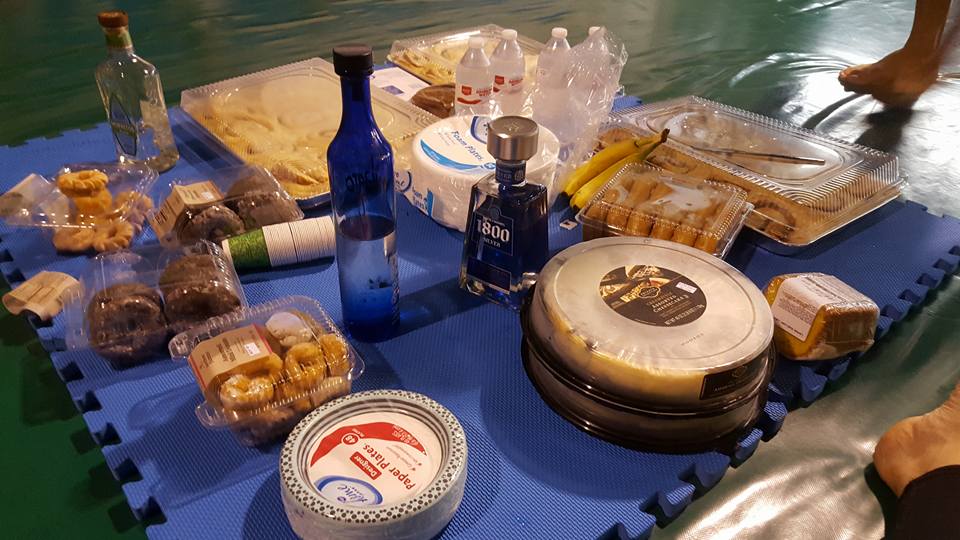 The essential components of a pre-training BJJ meal should be as follows. First, you’ll need some easily digestible protein. For meat-eaters, this translates to chicken or fish. For all you vegetarians/vegan grapplers out there, eggs/soy is the way to go before rolling. Next up are carbs. Carbohydrates are essential as workout fuel which makes selection slightly tricky. You need them to be easily digestible, with a good glycaemic index, and as slow-releasing as possible. How do you achieve this? take pineapple or a banana for example. You have plenty of carbs, lots of fiber (delaying resorption) and no digestive difficulties to process. It is easy when you know what you’re looking for.
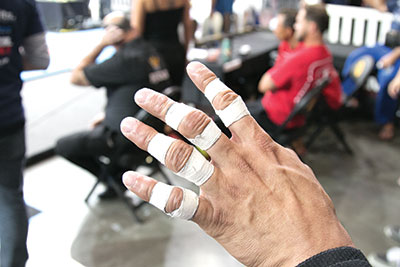 That toe you twisted a while ago is also giving you trouble you have problems placing weight from certain angles without feeling pain. But it’s just a toe, right, what’s the worst thing that can happen? Well, for starters it can swell up again. it can also cause really bad damage to other fingers or your ankle, due to overcompensation. Or, you could land horribly while trying to protect it and injure another body part.
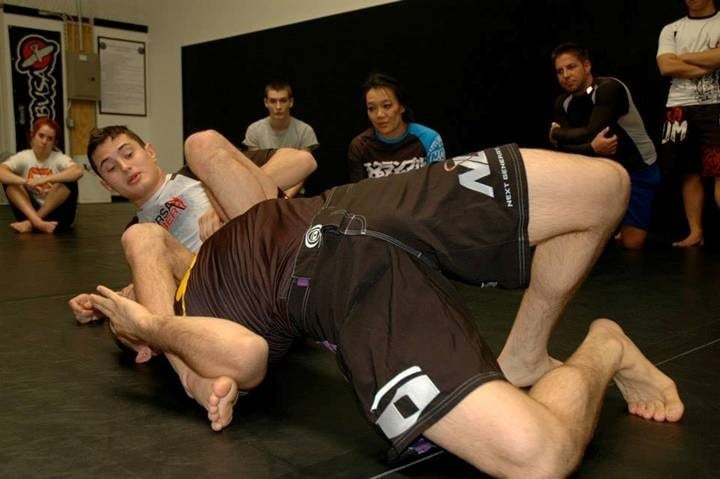 The first point on the BJJ injury prevention checklist is going to make most of you cringe. It’s the dreaded advice to rest. However, it is not a suggestion to stay out of the gym. That would mean you already have an injury to nurse, and we’re looking at prevention. By rest, we mean giving your body the adequate amount essential to rebuilding itself. Every training sessions cause stress to the body, and it needs time to deal with it. If you undersleep or are overstressed, keeping a high tempo during grappling is the opposite of smart. KNow when to take it easy and when to push. It is the best way to keep your body humming and injuries at bay. Also, look to just drill or do position sparring instead of full-blown rolling, whenever you feel off.
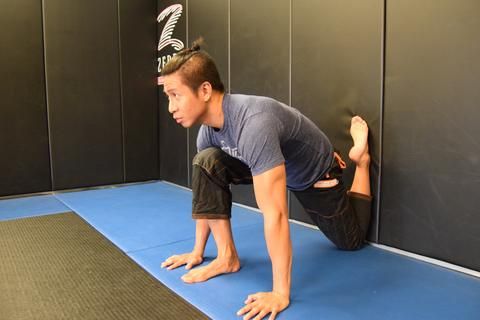 One of the best things to do both in the academy and at home is improved mobility. Nothing keeps injuries away like a well oiled musculoskeletal system. Do not say that you have no time for mobility. Doing the warm-ups diligently at the beginning of class is plenty and doesn’t require more time. Nor do 5-10 minutes of focused mobility or flexibility work at the end of class.
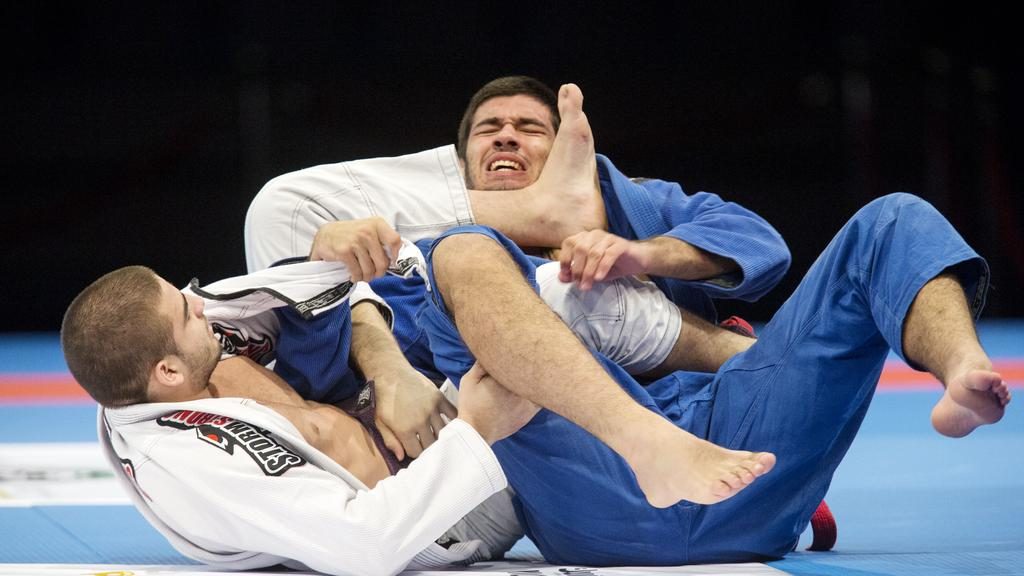 Furthermore, they’re going to strip your Jiu-jitsu game naked and give it a thorough examination. While rolling is not an easy feat by any means, the more you do it with the same people, the easier it gets. This is like going home from work – you know the best route and all the possible obstacles on it. You also know how to avoid them without even thinking. It’s the same with rolling with the same partners for years. Instead, a tournament is like driving a car in a new country, where you do not know the language route. All your orientation skills are going to be put to the test, despite you already knowing how to drive.
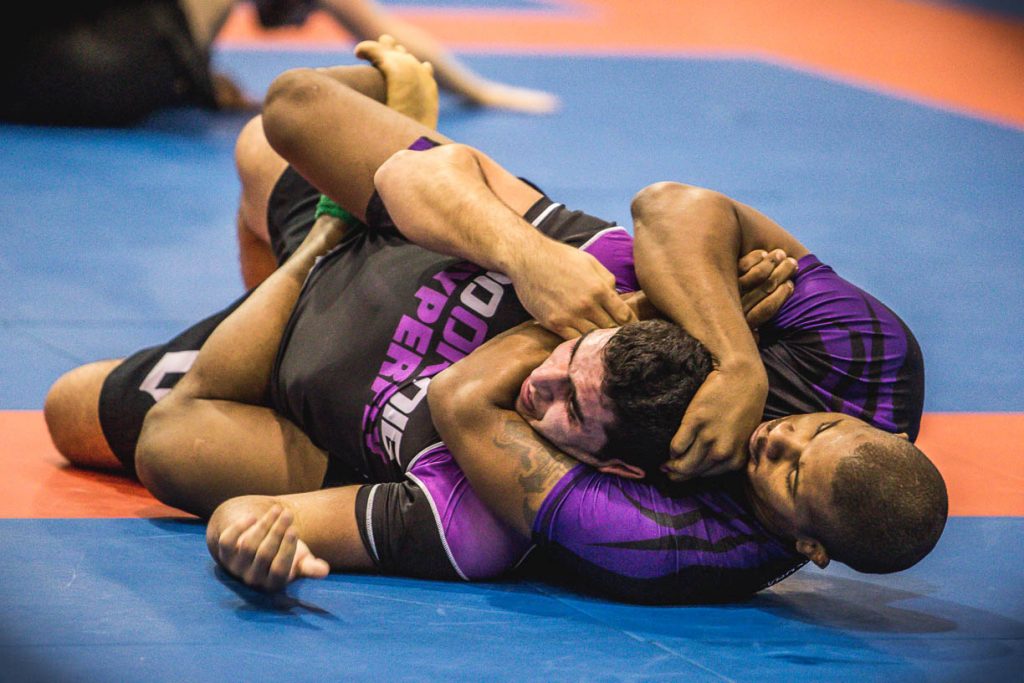 This brings us to the most important hack for Jiu-Jitsu tournaments – recovery. Once you win that first match, two things are going to happen. you’ll be on cloud nine and feeling like Thanos with all infinity stones and you’ll be exhausted like never before. The adrenaline dump is the hardest after the first match, so you need to recover for your next one. Rehydration is key. you need water (preferably with some salt in it) or some other type of electrolyte drink. Also, consider adding some BCAAs to the mix. next, make sure you calm your mind and body down. Breathe deep and look to lower your heart rate.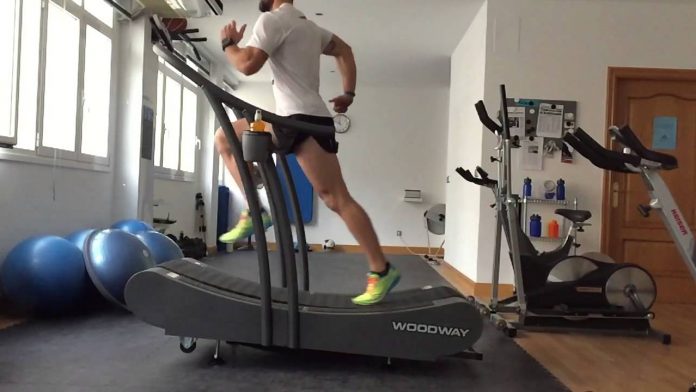
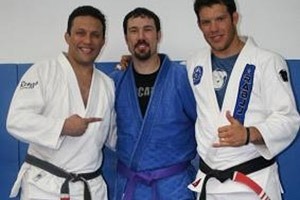 Rooney’s system, (and gym, and books) is appropriately named Training For Warriors. Today, Training for Warriors is a brand with over 200 affiliates worldwide. He has worked with teh who-is-who fo the MMA and BJJ world. This makes him the premier choice for anyone looking to increase specific BJJ conditioning.
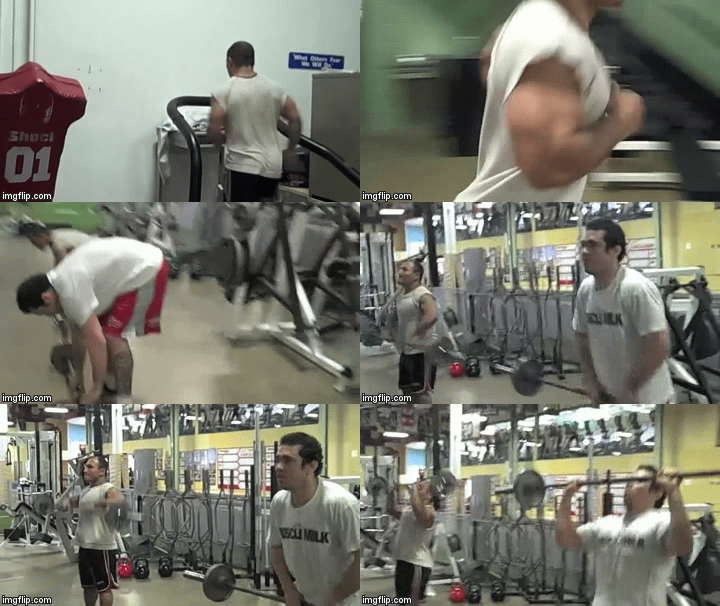 The basic outline of Hurricane training is simple. You need a treadmill, and, depending on category, equipment that you can easily find in any gym. What you basically do is jump on teh treadmill, print, and then jump straight off to perform certain exercises. After that, you jump back on, readjust the treadmill settings and go again. Then, you jump off and do a different set of exercises. It goes on for 3 sets before you switch exercises and running criteria.
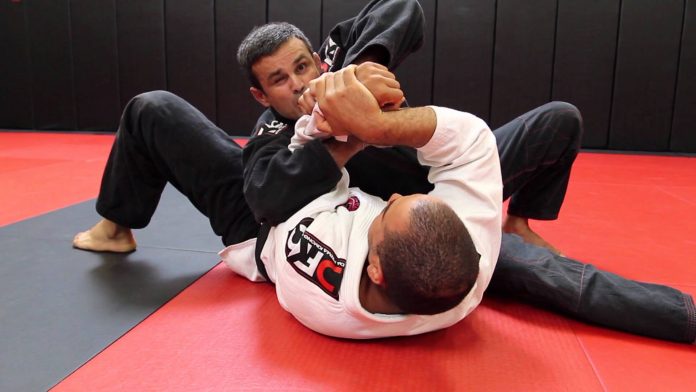
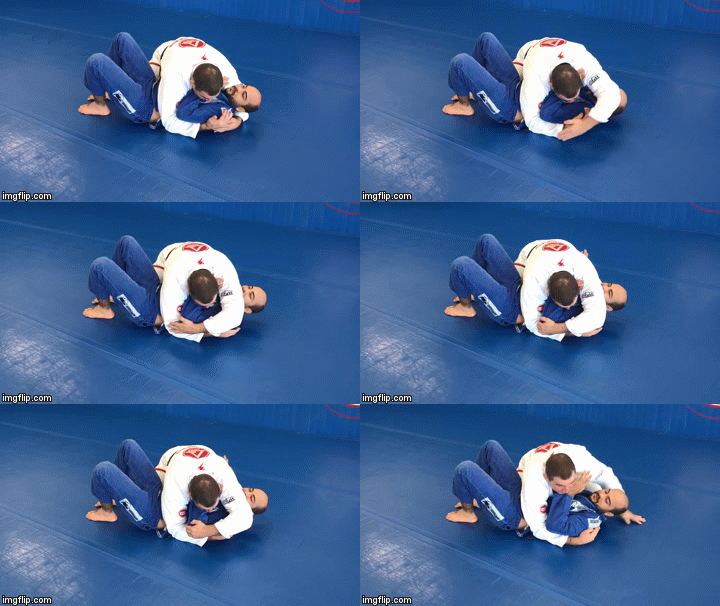
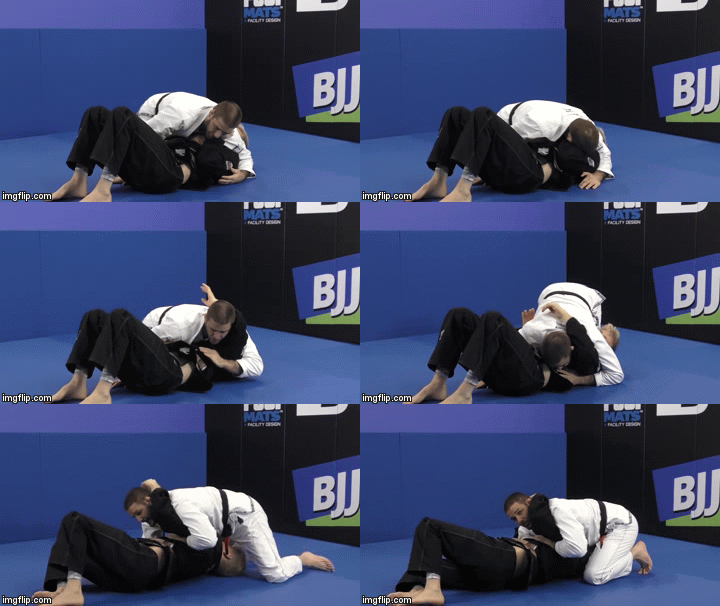
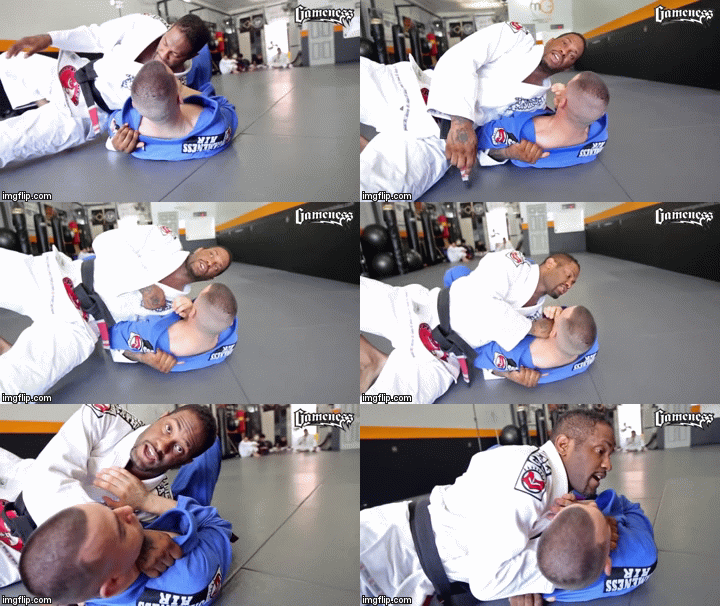
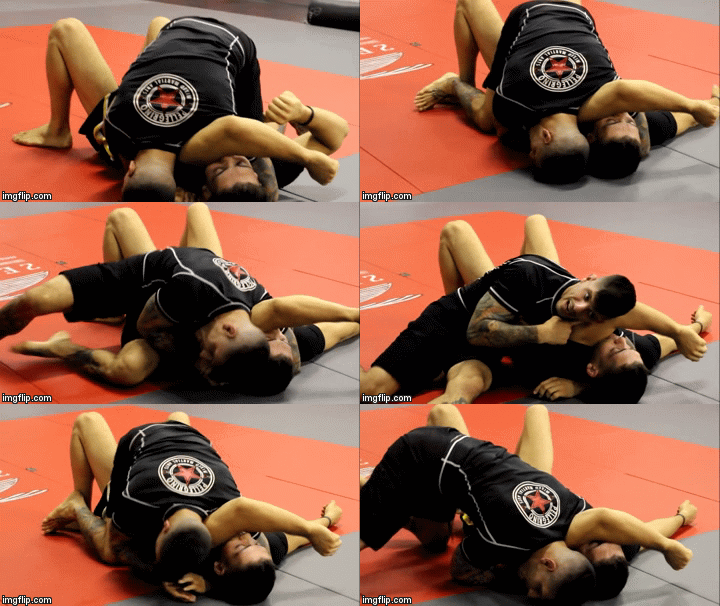
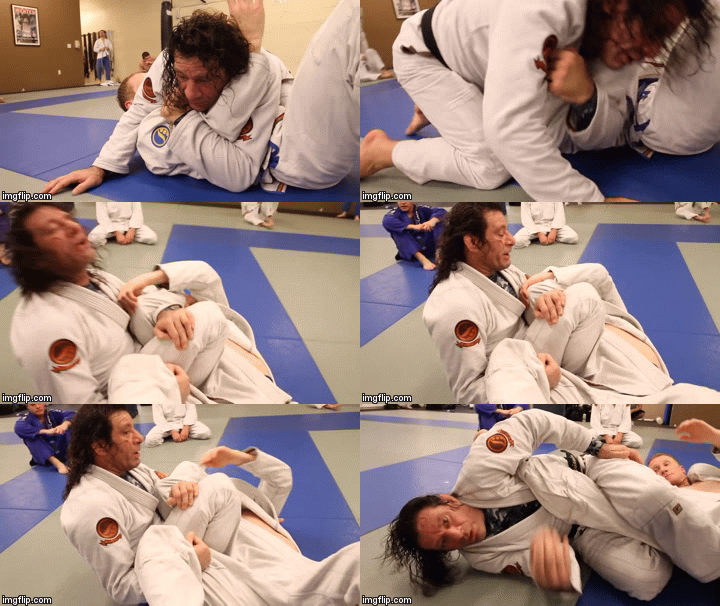
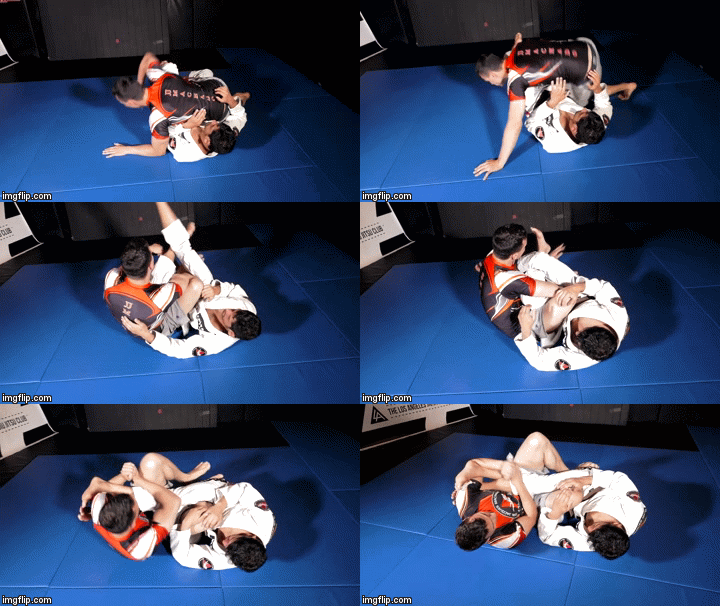
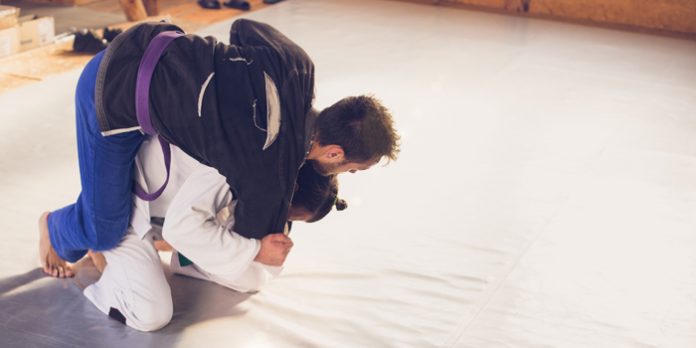
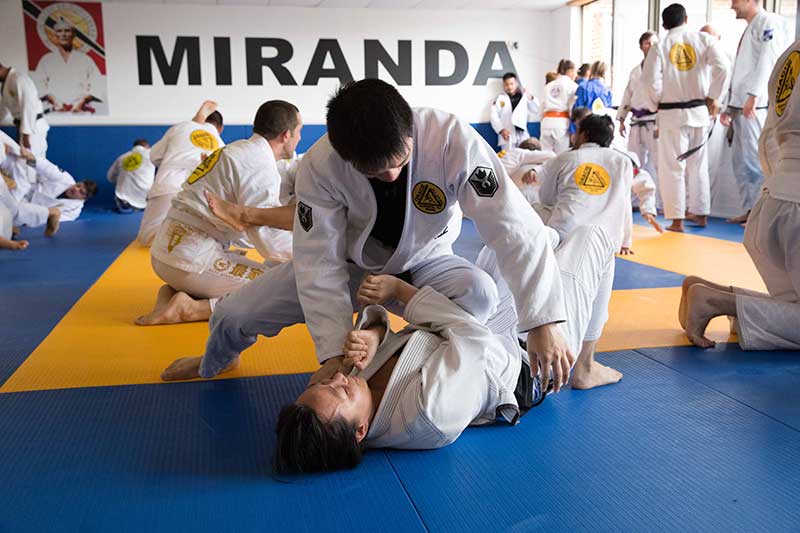 While some technical Jiu-Jitsu rules are universal, most are down to the academy you’re training at. By technical rules we mean the moves you can and cannot do, to begin with. For example, going for heel hooks while in a Gi class is usually unacceptable, unless stated otherwise. While you’re rolling with people who are trying to get ready for an IBJJF competition, it is completely counterproductive to use moves that they won’t encounter.
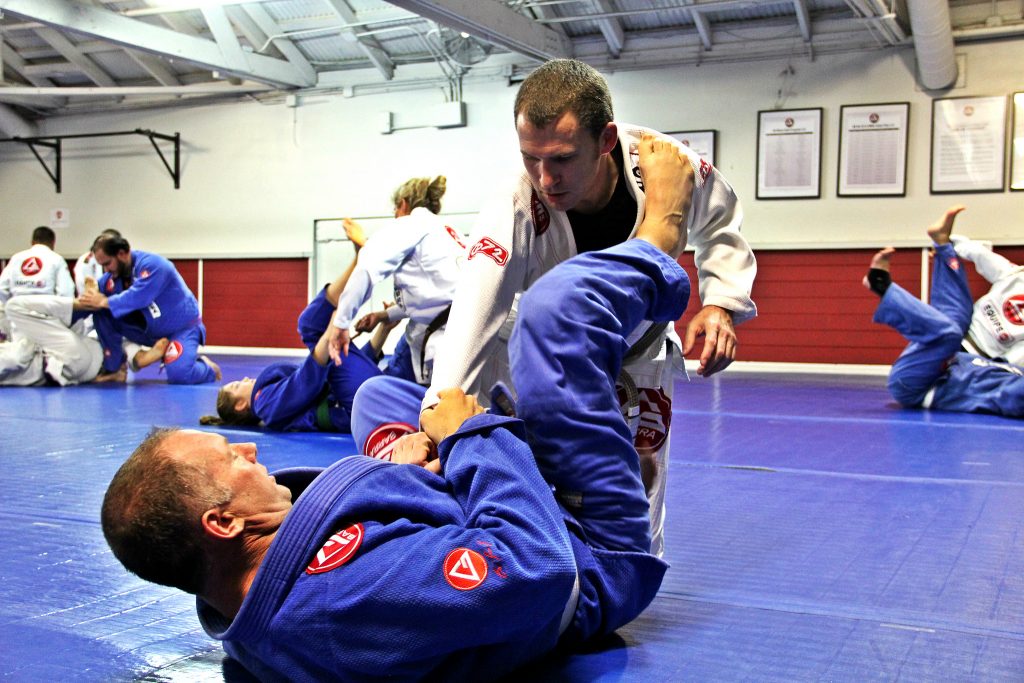 And, all you lower ranked students out there, once again, remember that spazzing ut is not going to get you anything, Apart from less training partners of course. While its understandable for completely new students, others should look to loosen up. Spazzing during every roll is going to get you exhausted and or hurt, and it’s going to do the same to your partner. Save all that enthusiasm for the competition mats.
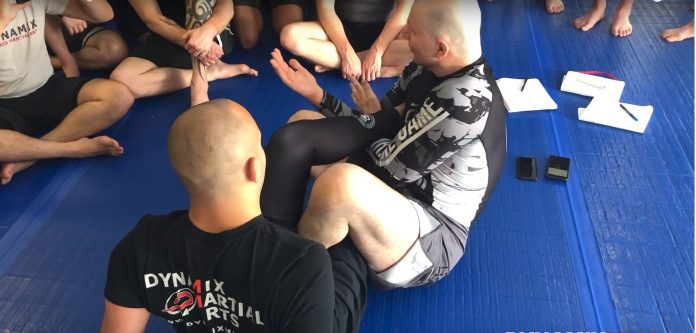
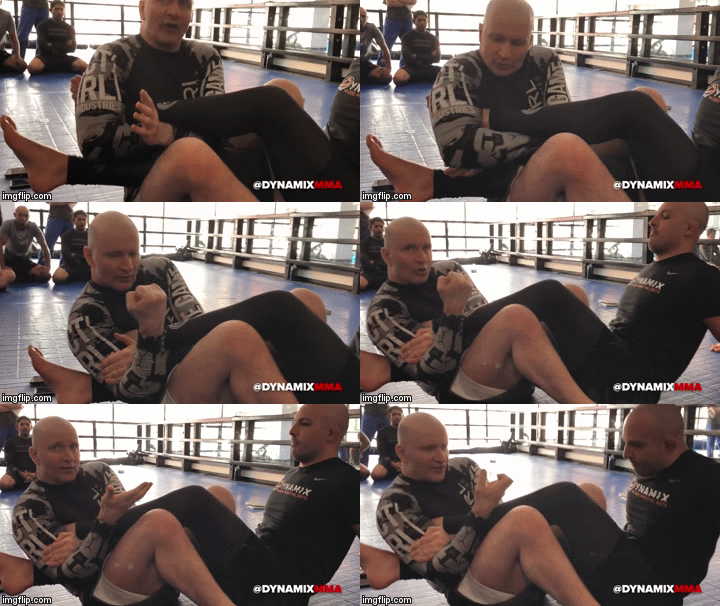
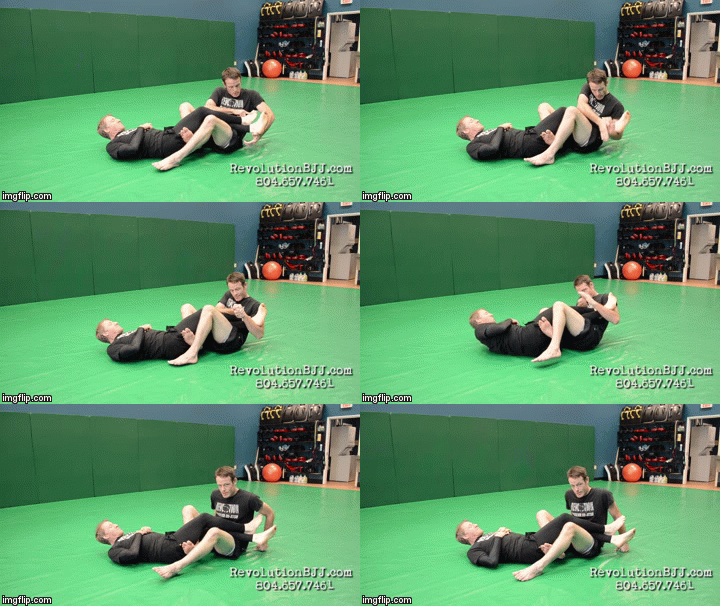


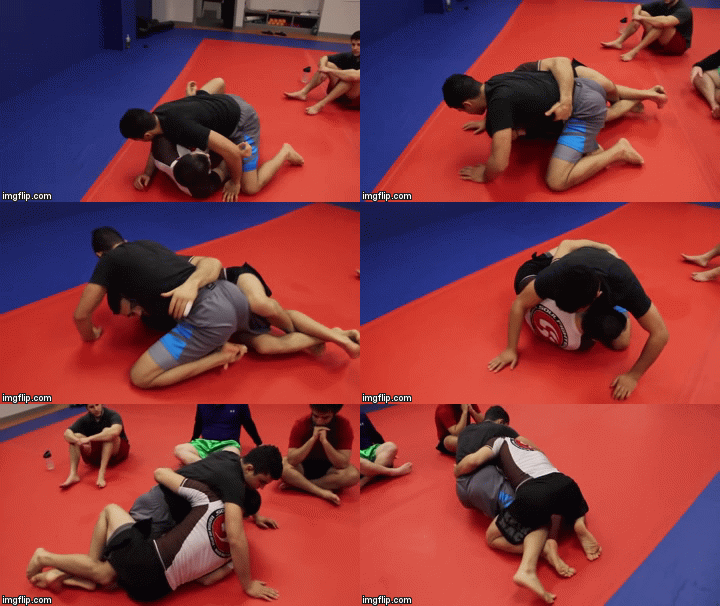 From the Lockdown half guard position, the toughest battle is that of underhooks. If you can get only one, then always go for an underhook on the side of the trapped leg. This will allow you to increase your control over that side of your opponent’s body. It will also provide you with the needed leverage to successfully get a sweep. However, sweeping is not as straightforward as getting the underhook. You’ll need to make sure your underhook is placed deep and that you’re lying on your side. Extend your legs to take away the opponent’s base and get to your knees. From there, open the Lockdown and grab the far side foot at the toes. One push and you end up in side control, or, with a little creativity, in the mount.