




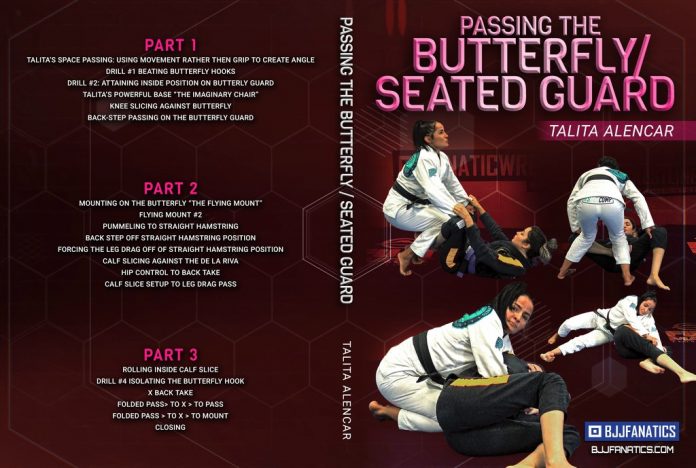
Talita Alencar is one of the best female grapplers out there, having won just about any world title out there. She is a featherweight that has exceptional technical knowledge of the game. Moreover, she has a very aggressive but precise grappling game, making her a force to be reckoned with in both Gi and No-Gi Jiu-Jitsu. As a competitor, she still has a lot to accomplish, but she also has plenty to share and teach the grappling world. Luckily, she decided to do just that in-between competing. She provides us an incredible Talita Alencar DVD titled “Passing Butterfly Guard”. And, for all those wondering it is a Gi instructional.
ON SALE HERE:
Talita Alencar – Passing Butterfly Guard
The butterfly guard is always going to come back as a riddle as new techniques and concepts emerge. In Jiu-Jitsu, if you’re trying to set something up from the bottom, you probably have a butterfly guard version of it too. That means the guard I notoriously hard to pass, and it gets harder with every new trend that emerges. Leg locks were the latest thing to really make the Butterfly guard a fortress. Still, top-level competitors do not shy away from figuring out even the most difficult positions and how to deal with them. The “Passing Butterfly Guard” Talita Alencar DVD is actually a very detailed one. It branches out into ways to shut down the seated guard and other related guards as well.
The Talita Alencar Story
Talita is one of the ladies of BJJ that looks like a friendly outgoing girl next door that can crush you in an instant. She is a real monster on the mats, and I mean that in the most positive way possible. She is a black belt under Theodoro Canal and comes from the much less known Oswaldo Fadda lineage. Her accomplishments so far, though, are nothing short of marvelous.
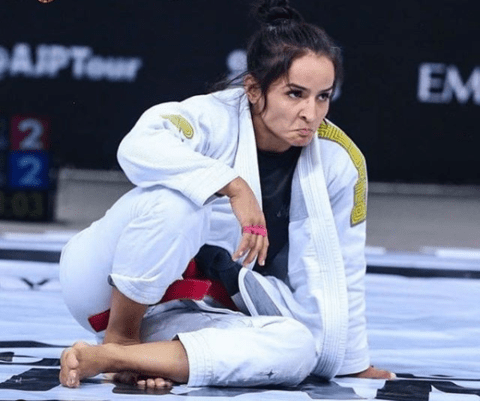 Alencar is a Gi and No-Gi World and European champion. She’s also a Pan Gi Champion and a Grand Slam winner. She represents Alliance and is also a big part of the submission only No-Gi scene as well. When it comes to her game, Talita is a very well rounded grappler, without holes in any particular aspect of her game. That, along with her signature pressure and aggression based style is the perfect combination for one of the best grapplers of our generation.
Originally from Brazil, Alencar started training in the Gracie Barra gym in Fortaleza. Moving to Rio meant she changed academies. She ended up in Theodoro Canal’s academy as a blue belt and stayed with him since. She got her black belt on the podium of the 2016 IBJJF World Championship. As a black belt, she has some very notable performances and wins against some of the top female grapplers in the world. This Talita Alencar DVD is I think a first for her, and certainly a first fo the wider BJJ community. However, the subject of passing butterfly guard is a highly sought after one, so I went into this review with very high hopes and expectations.
The Butterfly Guard Conundrum
The conundrum with the butterfly guard and all associated guards is not a hard one to spot – they’re tough to beat. Finding a way to solve it is what frustrates generations upon generations of grapplers. People that decide to really go deep and play the guard as their main bottom game position are almost impossible to beat. Just take Adam Wardzinski as an example. If he gets you in his butterfly guard, there’s not much you can do. Of course, he will never fare against Talita ina competitive fashion. Still, I certainly hope someone will use her concepts to trey and pass one fo the nastiest butterfly guards in the game.
The trouble with the butterfly and the seated guard is that you have to break your posture as a passer in order to establish grips and find a way through or around the opponent. The problem is that in doing so, you’re offering grips to your opponents. On top of that, they have multidirectional sweeping options as well. Plus, switching from butterfly to seated and back is very easy. This can get you caught up in a nasty loop, ending with you swept or submitted.
In this Talita Alencar DVD, the approach to passing the butterfly guard is somewhat different from what we usually see. That’s why it has hopes of actually working against high-level guard players. She has crazy concepts about the base as well as several flying options that will surprise everyone, particularly leg lockers. Even before I played “Passing Butterfly guard” for the first time I had a feeling I was going to love this particular BJJ DVD.
Passing Butterfly Guard: A Talita Alencar DVD
This might be a first-ever Talita Alencar DVD, but it certainly doesn’t feel that way. The material is highly organized, and Talita is amazing at explaining how things work. On that note, instead of just demonstrating moves, she also shares her way of thinking and approach as she does the demonstrations. That offers a different aspect of her game, allowing for a much better understanding of a subject as complicated as passing butterfly guard is.
The DVD instructional si divided int three parts, each containing sections that cover a different subject. Alencar offers some very innovative and insightful concepts in the opening one. The middle part is all about her innovative ways of confusing opponents and defeating common guards with uncommon submissions. The final portion foes int some pressure based passing options that open up back takes and mount straight away. Extremely high-level Jiu-Jitsu organized in the best possible way.
Part 1
Before I go into the content of each part of this Talita Alencar DVD, let me mention that you can expect drills to feature in every part of the instructional. Instead of bunching them up in one spot. Talita offers drill in regard to the positions and passing sequences she is teaching. A much better approach, if you ask me.
Straight off the bat, “Passing Butterfly Guard” begins with a very cool concept on crating angles by utilizing movement. In that sense, Talita prefers movement to grip fighting against people in the butterfly guard. This leads to a couple of amazing drills on beating the butterfly hooks and attaining safe inside position. This culminates in what I consider to be the best portion of the entire DVD – the “Imaginary chair” concept. This will help you develop an immovable base as nothing else will. Off of that, Talita offers a knee slice and back step options to demonstrate how exactly you can put her concepts to use.
Part 2
Obviously, Alencar was going for the spectacular her, starting part 2 with the flying mount. This is an unexpected and unorthodox move that has several variations an is basically a way to mount the butterfly guard initially, before ending in full mount without options for the bottom person to counter. You’ll have to see it to truly understand it.
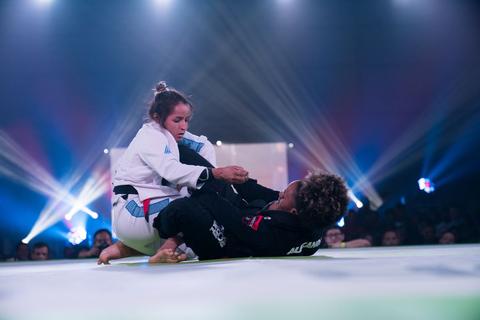 Talita also likes to use the popular pummeling method of passing as well. A few more backstepping options follow closely. She starts most of her passing sequences from the straight hamstring position. She likes to force different types of passes, from back steps to leg drags. A beyond cool chapter is the one on setting up a direct calf slicer against the De La Riva guard. It will lead to an eventual pass if you can’t get the tap for some reason. Speaking of calf slicers Talita ends with a few more of them, introducing a powerful new weapon against seated guards.
Part 3
The final part has one more calf slicer to offer before moving on to exploring different avenues of passing. The final drill fo this Talita Alencar DVD is here. it has to do with isolating the butterfly hook completely and rendering it useless. From there on, Alencar focuses on the X pass by getting there with a folding pass. That’s pure pressure right there that leads to either back control or the mount, depending on which variation you choose to use. A short closing wraps up “Passing Buttefly Guards” leaving us with a lot of stuff to think about and try to implement.
Closing Thoughts
This is one of those short and sweet BJJ instructionals that will completely change your game. Talita’s take on passing butterfly guard and all associated seated guards is innovative, battle-tested, easy to understand and appropriate for grapplers of all levels. This Talita Alencar DVD is something to really consider. Especially if you’re stuck in the butterfly guard of leg lockers and Berimbolo players. It is as close to a silver bullet as we can get.
ON SALE HERE:
Talita Alencar – Passing Butterfly Guard
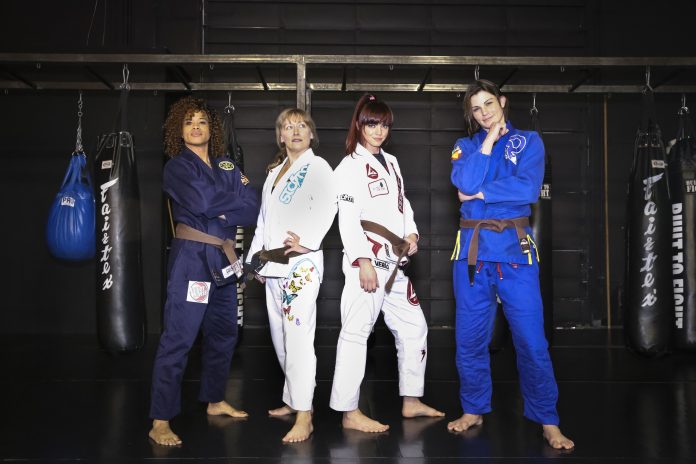
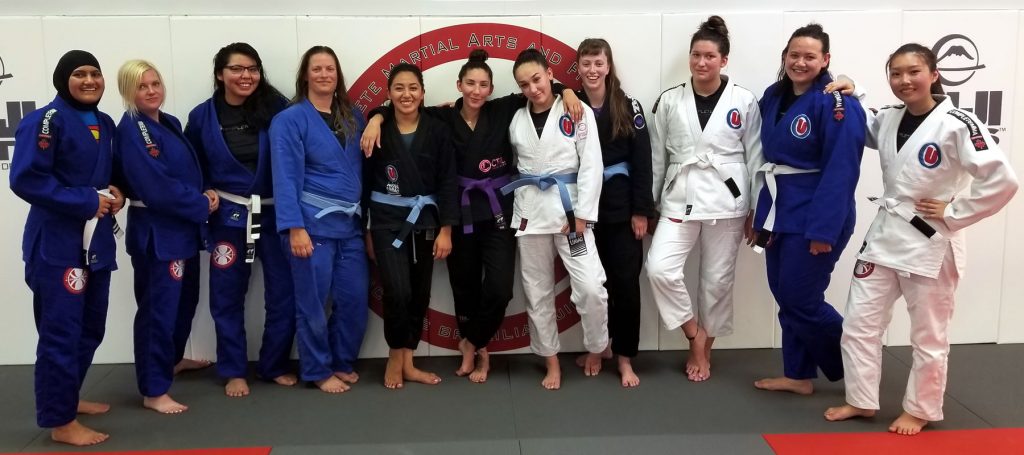 I’ve already talked about some of the issues that the finer half of Brazilian JIu-Jitsu and grappling martial arts faces. While the opportunities to train were always there, other aspects were not so forthcoming. In those terms, the female grapplers almost always ended up getting underpaid and underrepresented at major tournaments. That’s no way to treat ladies, especially those that can bet you up! Not to mention it goes the picture people try to paint of BЈJ as being progressive, open and beyond cool. Don’t get me wrong, it is, but it neede to work out a few kinks.
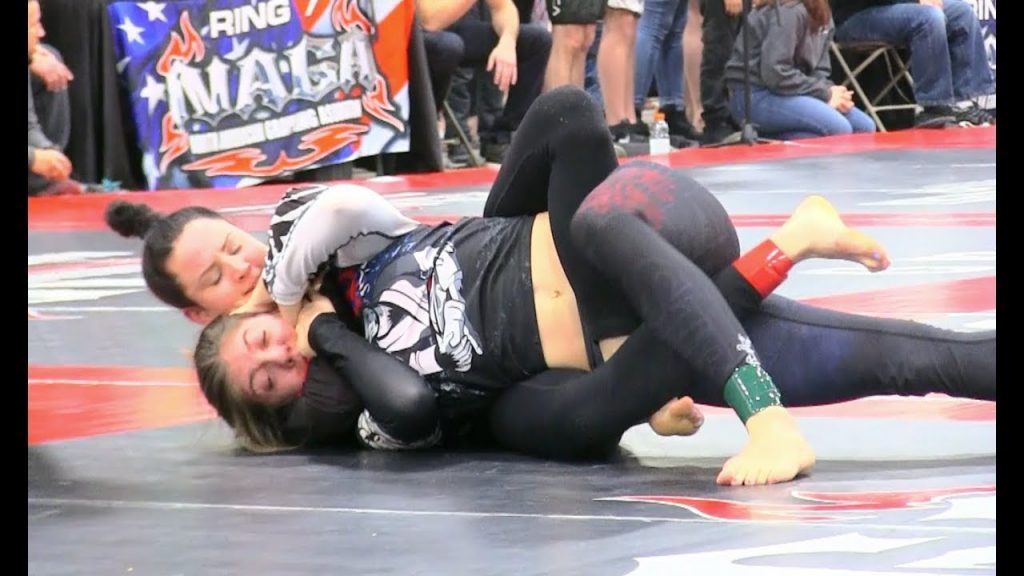 But that’s not the end-all-be-all of female-only grappling events. While more and more high-level ladies pop up as instructors at huge BJJ camps, there are also women-only camps in terms of both instructors and participants. That is a great step forward for grappling in general, and particularly for all grappling ladies.
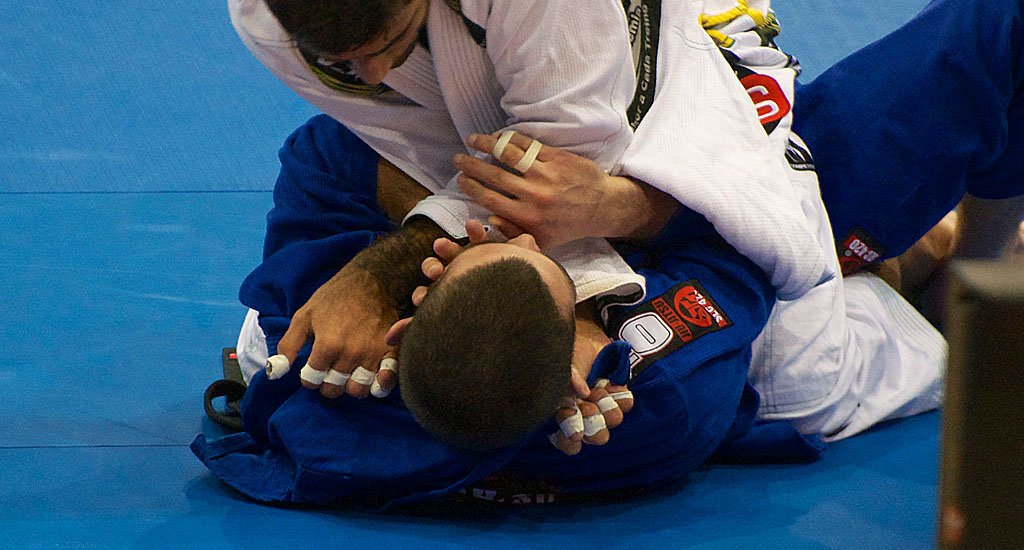 While there are plenty of collar chokes out there, still none beats the cross collar choke AKA the X-choke. This one is so very simple yet so very powerful. Roger Gracie once famously used it to beat all of his opponents on his quest to a World title. The choke is simple – get both arms inside the collars of an opponent. The key is crossing your arms while doing so, in order to be able to choke.
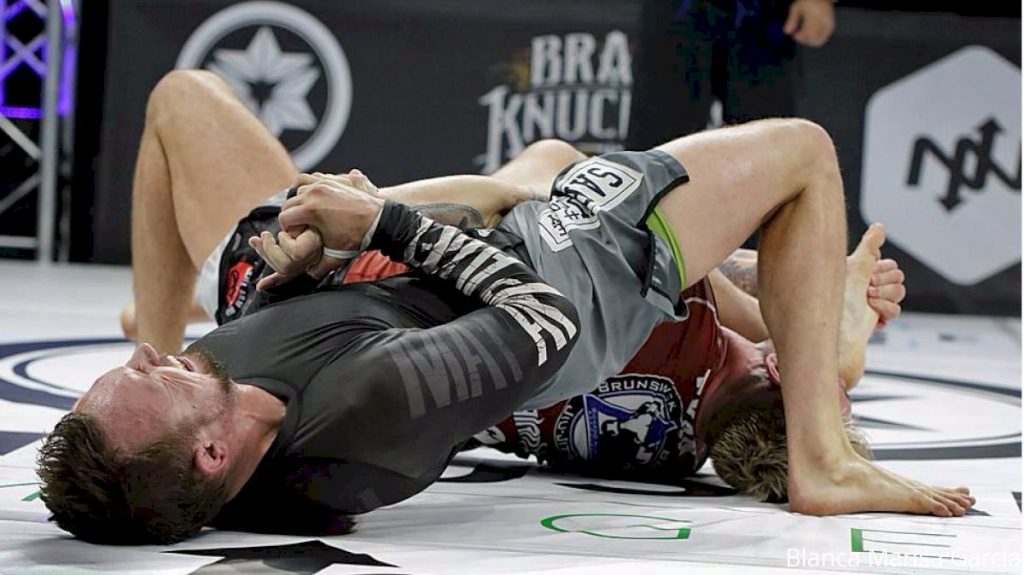 During an armbar, you’re not grappling with an opponent, but only with one of his limbs. That means your entire body is fighting his arm, which is inherently a weak body part. That’s the recipe for success right there. Moreover,
 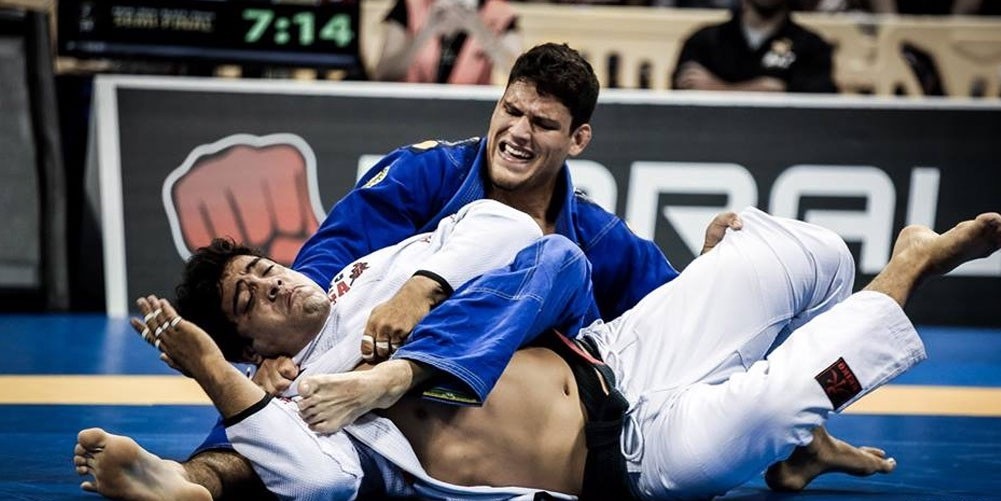 Once again, you have a full-body vs. a single body part situation. Somehow, this keeps repeating itself among grappling submissions that are proven to work in competition. This time, though, it is your body against the neck of an opponent. Moreover, the position has you twisting their spine which means they have no posture to offer any resistance. Plus, gripping the collar means your grip can be next to impossible to break.
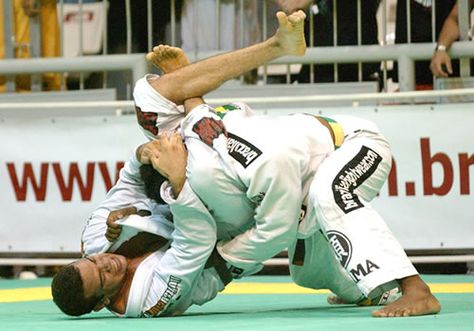 The reason the triangle is among the best grappling submissions of all times is that it uses the legs to choke. The positioning is such that getting out is a really difficult chore. While all that happens, you’ve got your strongest body part (your legs) in battle with the neck of an opponent. Whether it is mounted or from the guard, you also have gravity working for you. Just remember to
 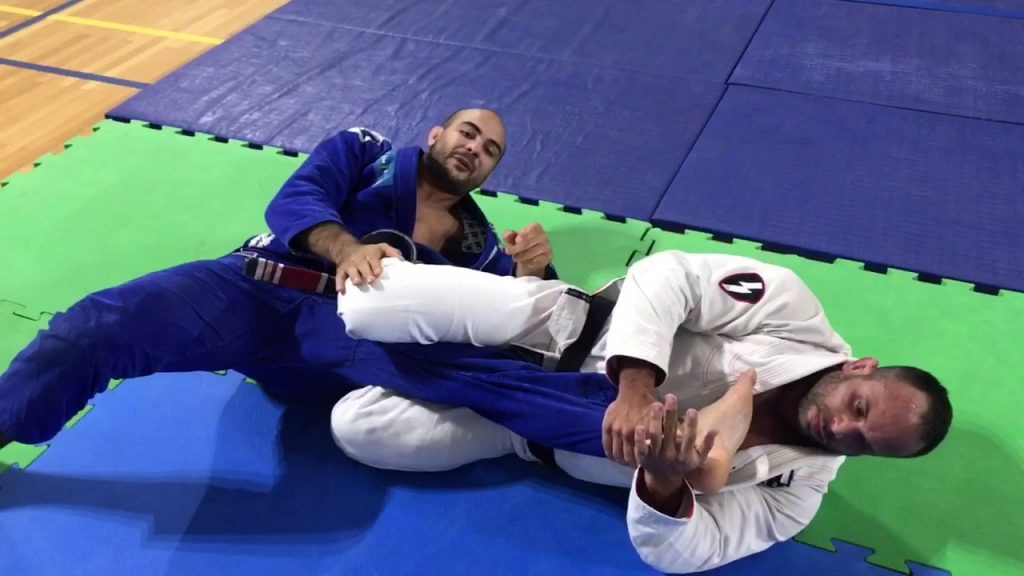 The kneebar, much like the armbar, has your entire body attacking a single joint on the body. However, the leg is much stronger than the arm, so your mechanics have to be spot on in order to make sure you get a tap. The most important thing is to stay aligned with the leg at the correct angle. Keeping the toes pointing towards you, along with the kneecap, are great ways to ensure you submit anyone with it.
 One move that’s already huge, and has the potential to become a real staple is the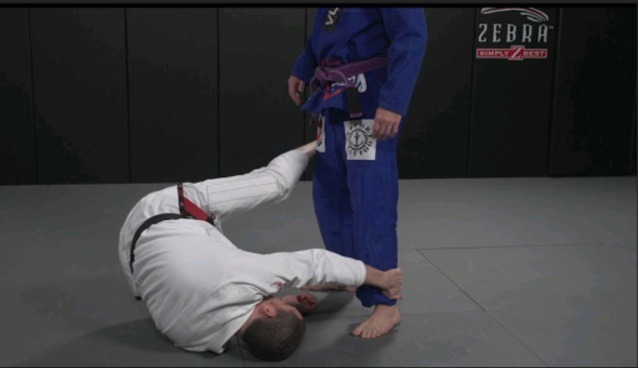
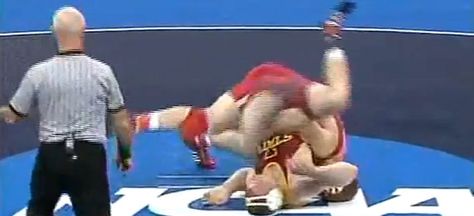 The Granby Roll, as I mentioned, is an old wrestling maneuver. In fact, in wrestling, it is categorized as a reversal, one popularized by coach Billy Martin Sr. from Granby High School in New York. You can see how the movement got its name. The roll itself is a cleaned-up version of the Peterson Roll which is a staple of defensive wrestling from as far back as the 1930s.
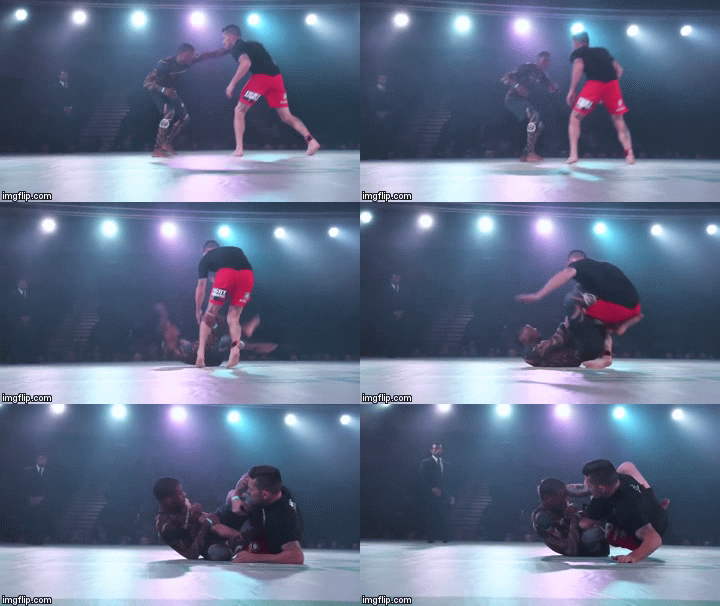 The most notable use of the Granby roll in modern Jiu-Jitsu, though, has to be

 That right there is the exact reason why black belts and high-level grapplers, in general, are so good at BJJ escapes – they hate getting tapped out. And still, they say to everyone they should tap more often. The reality with tapping out, plain and simple is that you’ll always hate doing it, but you will arrive at a point where you understand how crucial it is to your BJJ progress. And I’m not just talking about injury prevention or being able to train Jiu-Jitsu for as long as you can. That goes without saying.
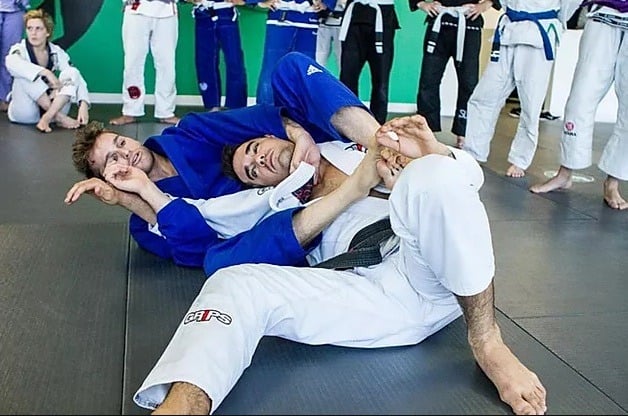 Finally, before I wrap this up I’ll let you know how tapping out will help you learn BJJ escapes universally, at all belt levels. It is a new concept for me as well, and the credit for this philosophy goes to a real escape master – Priit Mihkelson. His take on things is that you need to suffer in order to learn BJJ, and in particular, BJJ escapes that are highly successful.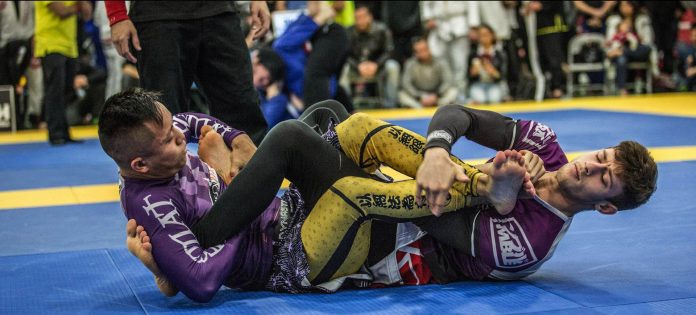
 Submission underground started off really strong and was among the first SUbmission only No-Gi grappling tournaments out there. It did have a period of a decline, before founding Chael SOnen decided to amend the rules. Introducing tag team grappling is certainly an original way to promote a sub-only grappling tournament. Suffice to say it worked, and now, we’re staring at a gigantic SUG card about to take place on February 23d in the Roseland Theater in Portland, Oregon.
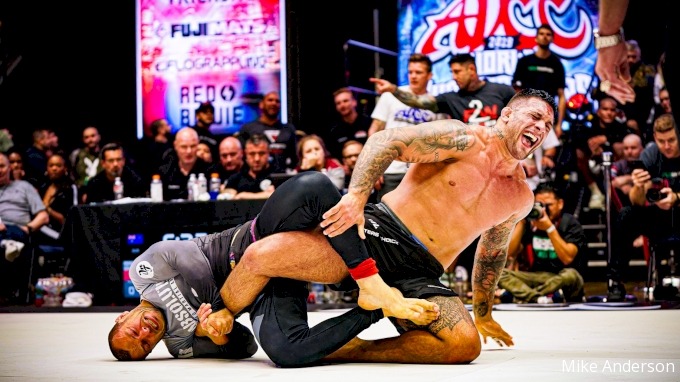 Yeah, this is one matchup everyone is going to watch. Lachlan had a stellar finish to 2019, first by disposing of an entire team single-handedly at
 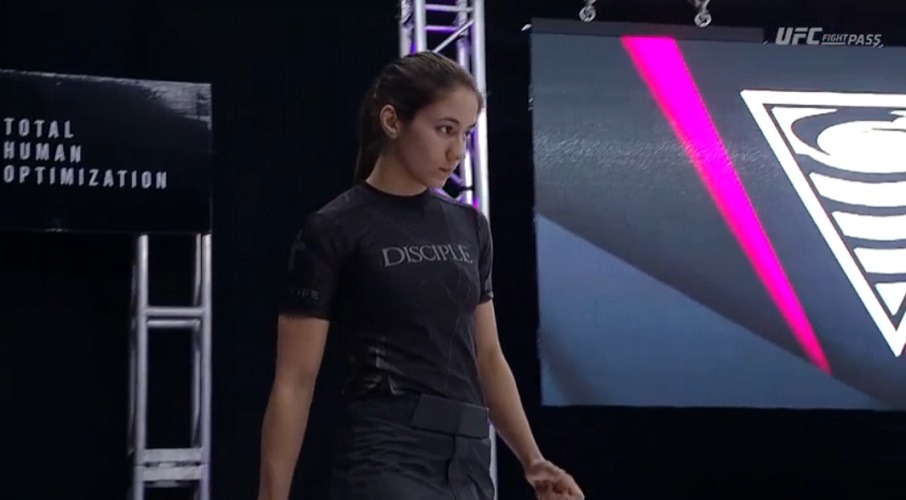 Let’s not forget the finer half of BJJ as well. If grappling tournaments made a huge leap in one area in 2019, it was in terms of providing chances for grappling women to shine. We expect more of the same, emphasis on more, in 2020 as well. Ffion Davies did a wonderful job beating just about anyone in 2019. Mayassa Bastos is yet another young competitor and fresh black belt that has had an amazing year. matching these two up, in either or both Gi and No-Gi is just a question of time. Why not hurry up and do it? Grappling promotions? Anyone?
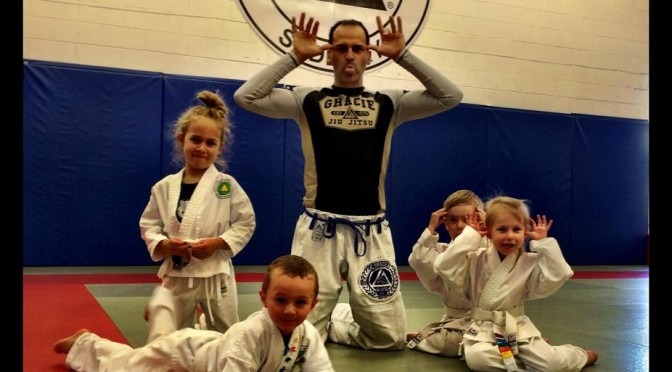 One great way of structuring a BJJ kids class is to find that elusive balance between making things seem new, while actually having the kids go through the same motions. That means you need to be fun but enforce discipline from the get-go. Even more importantly, you need to really hone in on your warm-ups, having kids do the key BJJ motions over and over again, but always with a twist that makes them curious above anything else. Speaking of which, this is the perfect time to introduce a game or two to get the ball rolling.
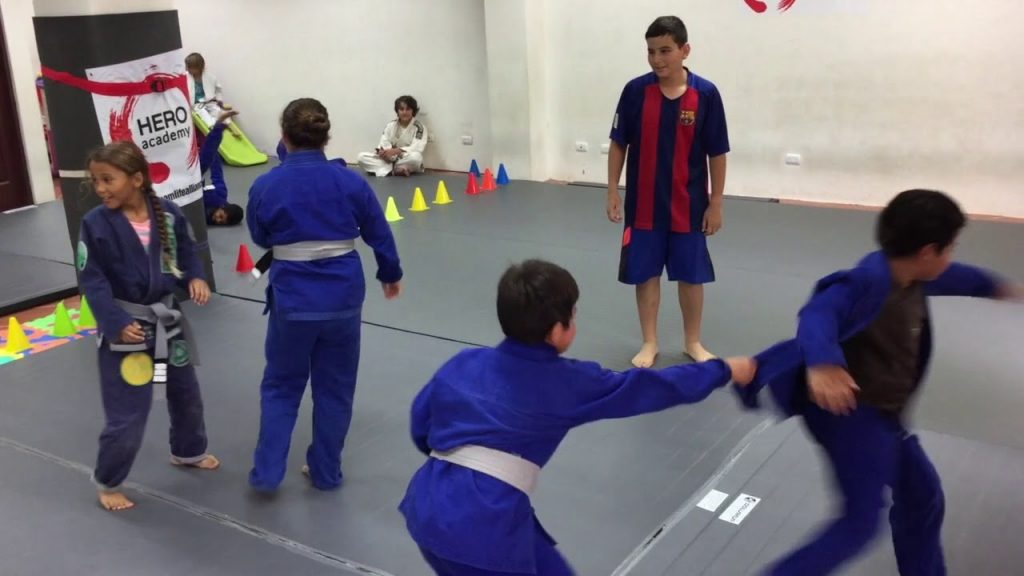 This is yet another one that can extend beyond kids Brazilian Jiu-JItsu classes. IN fact, most adults do it too, including MMA fighters. The idea is to have everyone pick a spot in the gym, and start running in place at a moderate pace. Once you shout “branch” everyone should do a sprawl, and get straight back up into running. Like evading a branch if you’re running through a forest. Shouting “hole” on the other hand is a cue for everyone to jump up, like jumping over a hole. Clearly, there’s lots of conditioning here, but also a reaction to verbal and visual cues. Feel free to mix cues up as you wish, particularly doing different things yourself while shouting. Whoever remains last is the winner. It can be done in teams as well, with the first team to be eliminated losing.
 Being a Jiu-Jitsu master extends far beyond having the largest possible collection of BJJ moves and the ability to submit everybody. It is the overall approach that can make someone a master of JIu-Jitsu, even before they reach the black belt. Yeah, that is possible. Some of ht key traits that demonstrate you have mastery of Jiu-Jitsu are being always humble, approachable, keeping an open mind and well-rounded. All of these and many more characteristics are needed in order of understanding Jiu-Jitsu enough so that you can master the lifestyle.
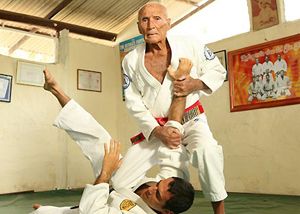 The easiest one of all versions of BJJ mastery. You won’t become one. Ever! Yeah, you might get belts, and you might even reach a highly coveted black belt with several stirpes. However, the BJJ belt progression is tailored in such a way, that unless you start BJJ at the age of 4 or 5, you’ll never reach the rank of Grandmaster. And yes, that rank exists. Even then, you might just end up being a Jiu-Jitsu master by title, after a lifetime of bending joints and strangling people.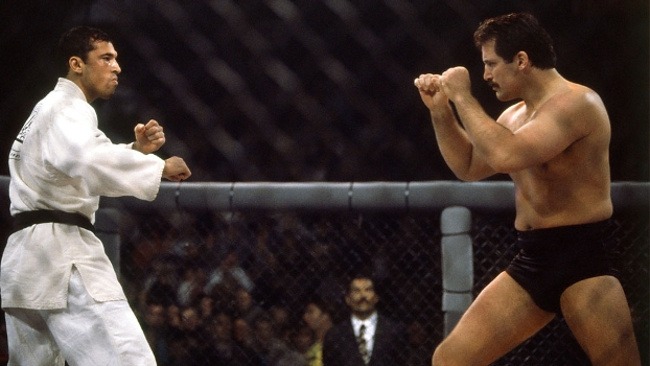
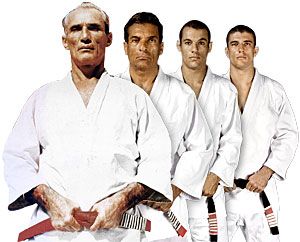 Gracie Jiu-Jitsu, or old school JIu-jitsu as it is called today is the original version of Brazilian Jiu-Jitsu. In essence, this root BJJ version is a self-defense system first, and a martial art second. When it was created, it was never actually seen as a sport. That philosophy is actually the biggest difference between modern and “old-school” Brazilian Jiu-Jitsu. Conversely, the philosophy defines all the other differences too, which are in essence, not of a technical nature.
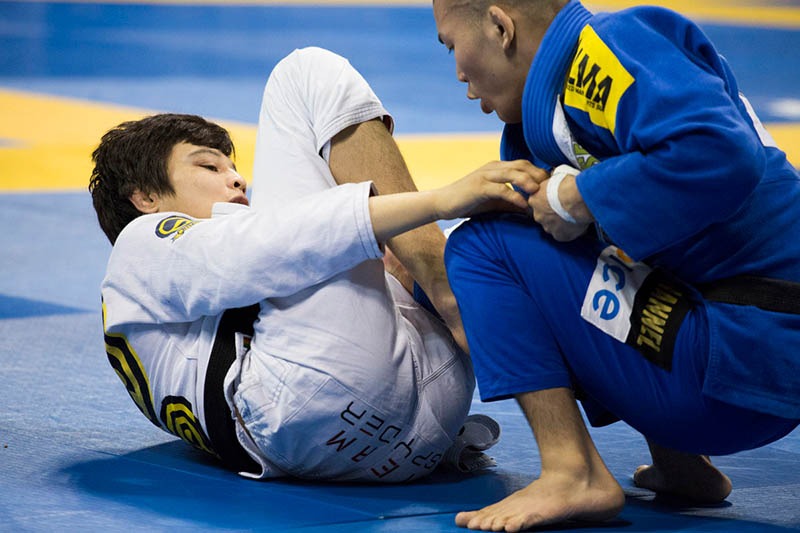 As a sport and martial art, modern BJJ is extremely fun to train. In fact, it is this type of BJJ we’re all addicted to. Placed in a situation of self-defense, it will still do the trick, albeit less effective than old-school Jiu-Jitsu. Most academies nowadays teach BJ jas a sport and only touch on the subject of self-defense. Plus, just about anyone involved nowadays looks to figure out something new, keeping modern BJJ in a constant state of flux and evolution. While Gracie Jiu-jitsu had a clear-cut goal – beat everyone, modern BJJ is still wide open for interpretation.