


The BJJ Dirty Dozen: Who Were The American Jiu-Jitsu Pioneers?

The BJJ Dirty Dozen - Pioneers of Jiu-JItsu

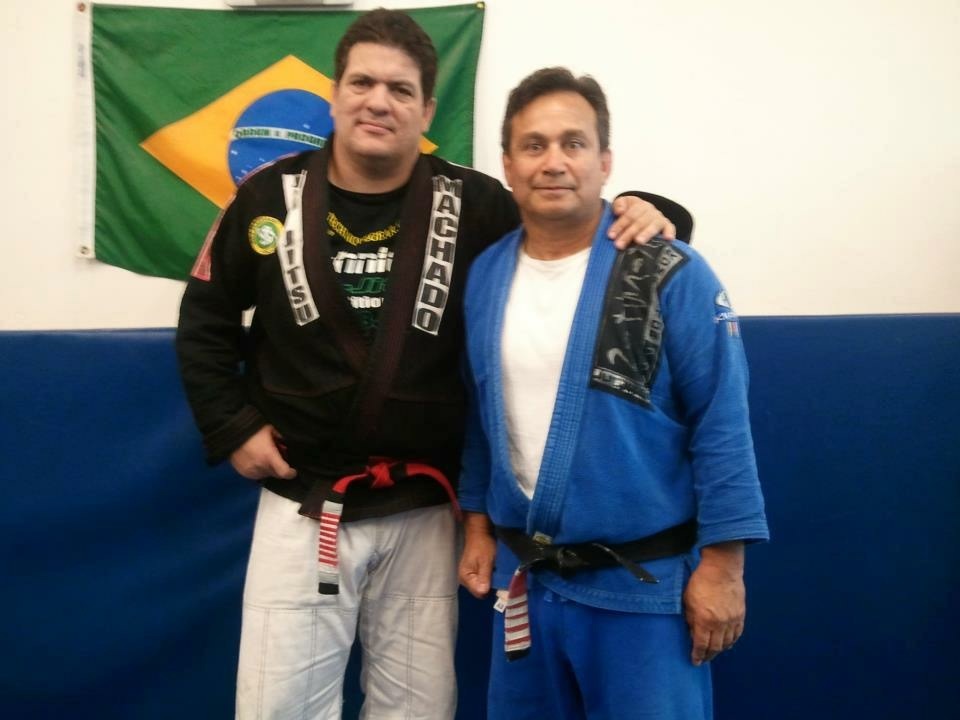
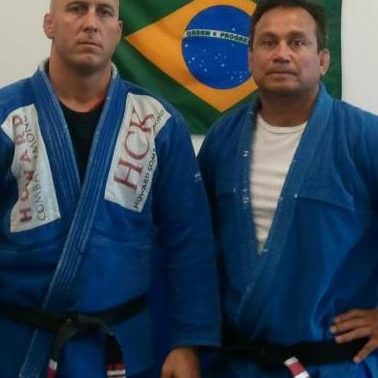
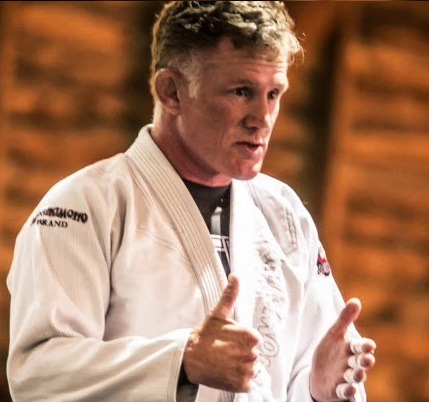
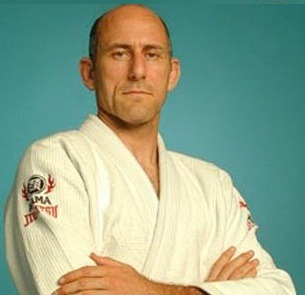
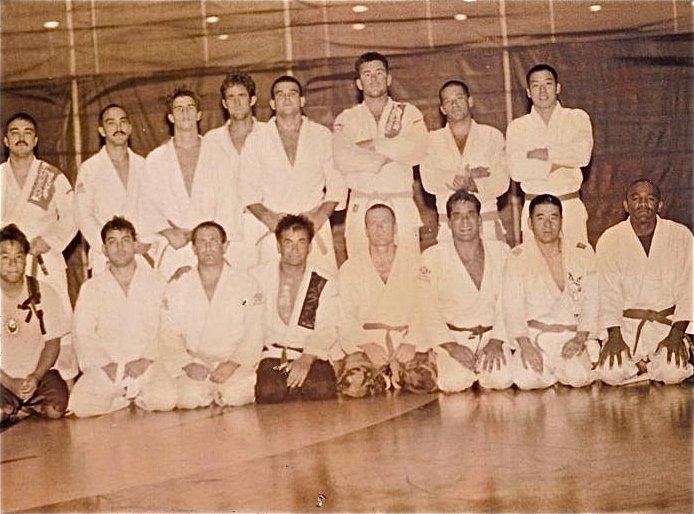
The Dirty Dozen. For most in their 20-s, this might be just an old movie, but just about everyone a bit (and more) older remember it as a classic. There’s no point in going into the movie here, it is enough to know the origin of the title. Why? Because in JIu-JItsu, we have a BJJ Dirty Dozen of our own. In fact, we have two – the male and female Dirty Dozen. Today’s focus is going to be on the masculine side of things, featuring the original black belt old-school tough guys of BJJ that were not of Brazilian origin.

The BJ JDirty Dozen is a list made up fo people that received their BJJ black belts. Were they the first ones to do so? No. I think it is safe to assume that if we’re looking at the very first BJJ black belts, most of them, (probably quite more than a dozen) are going to be Gracie family members. Nope, the Dirty Dozen is the perfect fit for the group of people that got their black belts but weren’t Gracies. In fact, they weren’t even Brazilian, to begin with. Let’s see who exactly made up the BJJ Dirty Dozen and where these people are today.

What’s The BJJ Dirty Dozen?

Back in the early days of Brazilian Jiu-Jitsu, before it became famous through the UFC, not many people outside of Brazil were aware of what it is. Still, there were people that picked up quite early on it, albeit even most of them did it in the early and mid-’90s. Still, these are considered to be the pioneers of JIu-JItsu in the western world, given that every champion and black belt before them was of Brazilian origins.

The reason we’re looking into them is that, first and foremost, the story of the BJJ Dirty Dozen is a cool one to know, Secondly, throughout the years there have been many versions of the list, given the sketchy records from the 90s. Still, nowadays, with JIu-Jitsu spread across the world, we can say with a high degree of certainty that we finally know who the real BJJ Dirty Dozen are. The best thing about them is that some of them are still at large, and are to this day, among the top BJJ coaches in the world.

A BJJ black belt is a huge achievement in any era, regardless of geographical origin. However, in those old-school days, where JIu-Jitsu was more Vale Tuda and less the sport we know today, getting one was like becoming a superhero. Plus, when you add to that the fact that all of the Dirty Dozen folks are legit black belts with complete lineage and all, things are even more impressive. Wait till you read all their stories, from living with the Gracies to taekwondo black belts that ended up beating Brazilian BJJ Champions.

The First 12 Non-Brazilian BJJ Black Belts.

Where do we start with the BJJ Dirty Dozen? I guess it is best if we start off at the beginning, with the very first known member of this infamous group of grappling assassins. Let’s begin our journey in time with Craig Kukuk.

  1. Craig Kukuk

Craig KukukCraig Kukuk was is the first native to get a black belt in Brazilian JIu-Jitsu. He completed this impressive feat in 1992, a year before the UFC exploded Jiu-Jitsu. He was also the first to open a BJJ academy in the USA, more precisely in New Jersey.  For such a BJJ dignitary, of sorts, he was never one to publicly present and advertise himself. He remains a bit of a mystery to this day, although he was, by all means, a highly accomplished grappler. He got his black belt from Royler Gracie, somewhere in 1991.

  1. David Kama

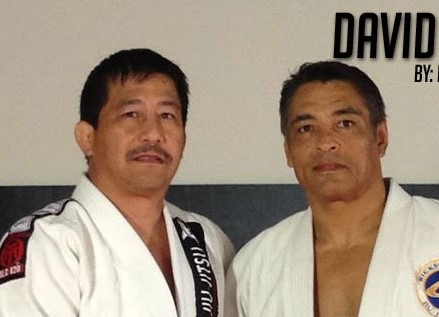
David KamaA Rickson Gracie black belt. If fact, not just one of Rickon’s black belts, but his very first American one. He received his black belt in 1995 after training for what was more than a decade. One of the earliest practitioners of the art of a non-Brazilian origin. Currently, he is active in California, teaching at Gracie Laguna Niguel.

  1. John Lewis

John Lewis BJJA former MMA champ, UFC veteran and a lifetime martial artist, Lewis just so happens to be one of the BJ JDirty Dozen as well. He is an Andre Pederneiras black belt and the man who coached people like Chuck Lidell, Tito Ortiz, Kevin Randleman and a host of other MMA legends. He also has victories over Rumina Sato and an epic draw against Carlson Gracie Jr. to boast with. His background is no less impressive with a Judo black belt from gene LeBell preceding his BJJ black belt.  He is one of those who went from blue to black belt, albeit from a highly legitimate coach.

  1. Ken Gabrielson

Ken GabrielsonKen Gabrielson is a Reylson Gracie black belt from way back in the day. The exact date of his promotion in unknown but it is somewhere in 1995, most likely. He was actually thought to be the second member of the BJJ Dirty Dozen to get his black belt in 1992, which turned out to be wrong. Little more is known about Ken at this time, including his whereabouts and whether he still trains or not.

  1. Rick Lucero

Rick LuceroLucero is a name that’s quite unfamiliar in BJJ circles, mostly due to his wrestling background. He is known, though to anyone in the Mohave Valley, Arizona vicinity where he runs Lucero Jiu-Jitsu. A 6th-degree black belt and Judo black belt, Rick is a real grappling machine that’s still going strong.

  1. Marc Baquerizo

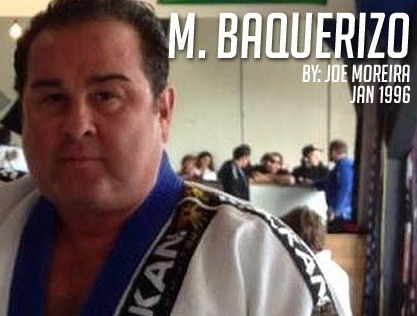
BJJ Dirty Dozen Marc BaquerizoJoe Moreira was the man that promoted both Rick Lucero and Marc Baquerizo to black belt, making them both a part of the BJJ Dirty Dozen. Marc has some crazy stories about his origins, training with Moreira who couldn’t speak a word of English in those early days. He also witnessed first hand some of the notorious Gracie Challenges, as well as brawled himself with Tank Abbott, among other things.

  1. James Boran

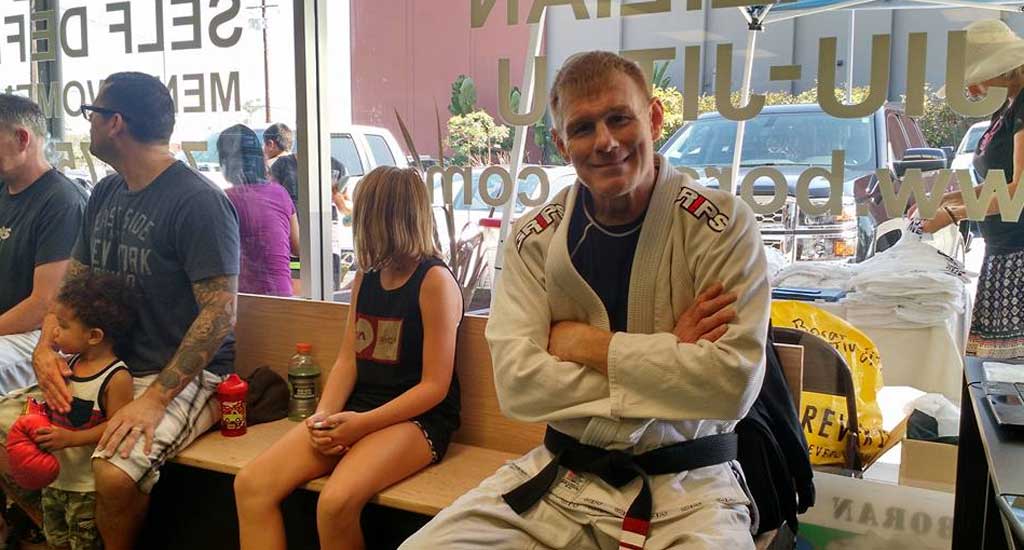
Jmes boran BJJ Dirty DozenBoran is the final in a trio of Moreira black belts that are a part of the BJJ Dirty Dozen. He is actually one of the rare people that have more than just a martial arts background. Apart from being a taekwondo black belt, he also used to be an Ivy League linebacker for Columbia University. He also has some early training with the Gracie family before switching to Moreira. He was promoted to black belt in 1996 in the same ceremony as Marc Baquerizo and Rick Lucero.

  1. Bob Bass

Bob Bass BJJ Dirty DozenBob Bass is the man that beat Marcos Feitosa, a Gracie Barra standout even back then in the 1995 Pans. He achieved this feat as a brown belt, clearly demonstrating he was the next member of the BJJ Dirty Dozen. He got his black belt from Rigan Machado and today holds a 5th degree. He currently teaches in his own school in Hermosa Beach, California.

  1. Rick Williams

BJJ Dirty DozenWilliams is yet another Rigan Machado blаck beлt that is a part of the BJJ Dirty Dozen. Rick Williams also comeс frоm a wrestling background that won the BJJ Pans in 1996 with ease. This feat was at brown belt, which was closely followed by his promotion to a black belt soon after. He went on to teach at the Machado South Bay academy with Bob Bass.

  1. Chris Haueter

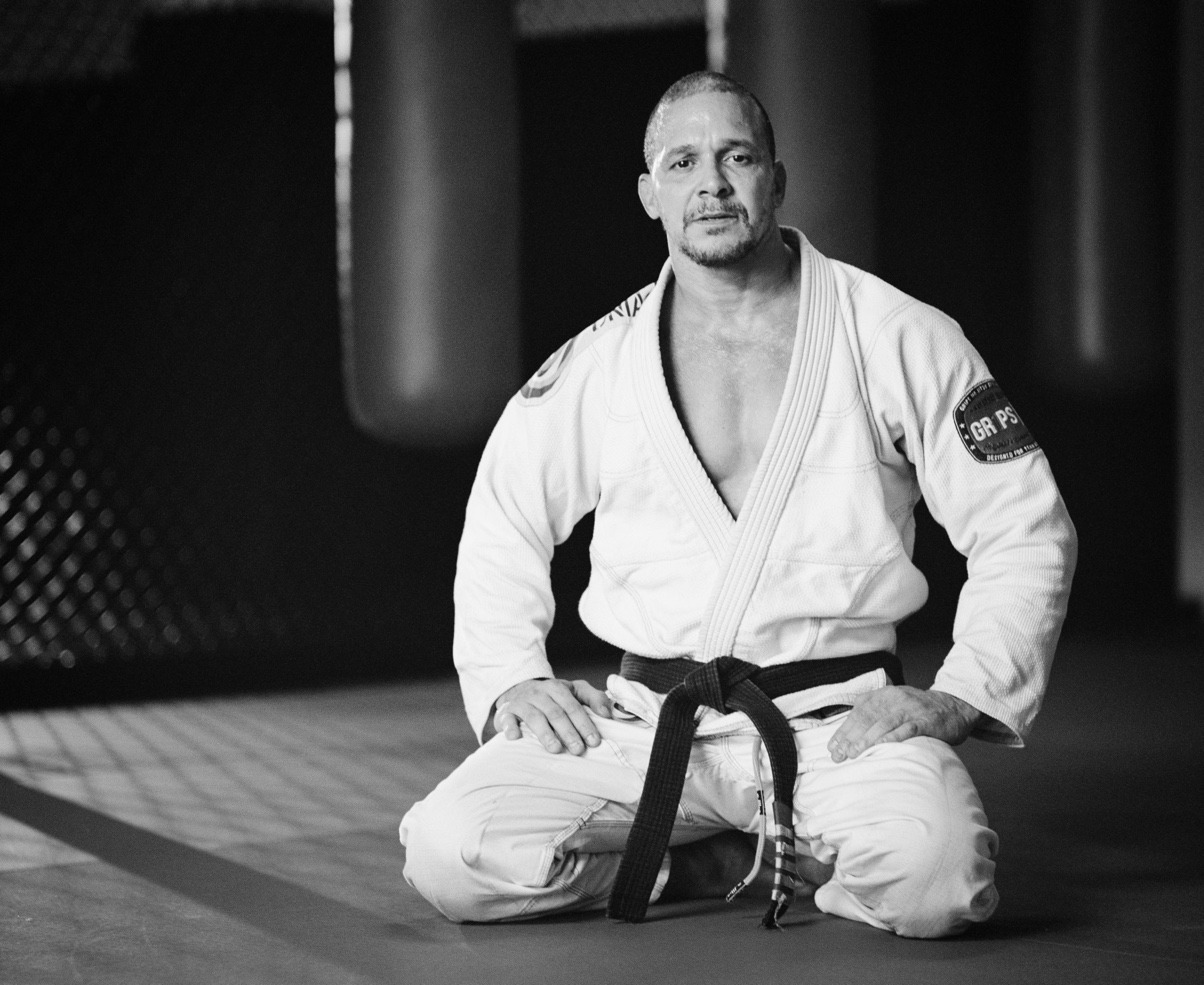
Chris haueter BJJ Dirty DozenBy far the most easily recognizable name on this list. Chris is not just a legend of the sport, an extremely active competitor in the early days, and a member of the BJJ Dirty Dozen, but also one of the most active coaches today! He still holds seminars, issues DVD instructional and is one of the rare coaches that can connect old school and modern Jiu-Jitsu. He ruled the competitions scene in the ’90s and early 2000s and has been a black belt under Rigan Machado since 1996. Also a World and Pans Champion.

  1. David Meyer

BJJ Dirty Dozen David MeyerThe final two names in the BJJ Dirty Dozen also happen to be Rigan Machado black belts. Meyer is one of them with the other, John Will, concluding the dirty dozen list. Mayer was a black belt in Japanese JIu-Jitsu when he started BJJ. As expected, he progressed really fast, competing a lot along the way. He is still somewhat active as a Masters competitor with his last World medal being silver in 2012.

  1. John Will

BJJ Dirty Dozen John WillWrapping up the BJJ Dirty Dozen is John Will, a man who wasn’t on this list for quite some time since it first came out. After some research, it turns out he beats previously placed number 12, Rick Minter, by a mere couple of months when it comes to his black belt promotion. As mentioned, another Rigan Machado black belt from 1998. The Australian is a pioneer for BJJ down under and is behind some great MMA names like George Sotiropoulos, Elvis Sinosic and Anthony Perosh.

Final Thoughts

Here’s a thought. Just imagine the craziness if al lof the above-mentioned members of the BJJ Dirty Dozen found themselves in the same room at the same time? That’s mind-blowing, but I sincerely doubt it ever even came close to happening. Still, the fact remains that these early grapplers, today seen as OGs, really paved the way fro Jiu-Jitsu to spread outside Brazil. What’s most impressive is that they did it when it was hardest, and most of them are still at it. That said, they were soon joined by the Female BJJ Dirty Dozen, so keep your eyes peeled for an upcoming article on that subject in the near future.
Setting Up The Perfect BJJ Curriculum

The Value Of A BJJ Curriculum

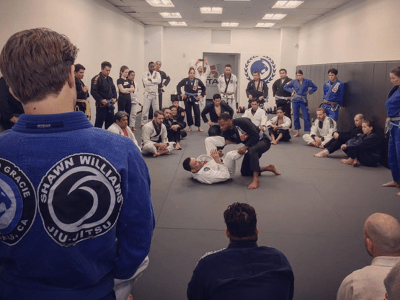
If you’re teaching BJJ, whether at your own academy or as an employee, you’ve most likely encountered a common problem. It has to do with planning classes. Have you ever ended up in a jam trying to figure out what to show a few hours before an actual class? We’ve all been there, and it’s okay from time to time. But imagine how easier your life would be if you had a BJJ curriculum that had everything neatly organized for you. And why wouldn’t you have one?

When it comes to putting together a BJJ curriculum, most people think it’ll be an easy job. Throw together some moves, perhaps cover some of them across multiple sessions/weeks and you’re all done. However, trying it in real life is not as simple. I’ve gone through a lot of trial and error, some from my experience, and some from others, while trying to figure out how to put together a BJ Jcurriculum that works. Here are my experiences.

Organizing BJJ Classes

When it comes to organizing BJJ classes, the one key thing you need to know is who are you going to teach it to? Of course, you can show everything to everyone, but certain stuff is not appropriate for certain levels. It is not that people can’t understand them, it is that they won’t for the simple reason of focusing more on the trivial things than those truly important. Which brings us to how you teach classes and how you organize them all together.

Basically, outside of having separate adult and kids classes, which is a given, you need to really understand how people learn, and which approach works best for every level. And no, there’s no one approach that work is universally for people of all levels, ages, and experience. To that extent, let’s start with a class structure before we take a look at any type of BJJ curriculum. In that sense, you need to make sure there’s something that’s going to be a constant in every class. Your best bet is figuring out a warm-up fun enough for people to do, and efficient enough to start class quickly.

BJJ CurriculumFrom there on, you need to know how you organize the technical aspects of training. Whether you teach both standing and ground techniques in every class, or separately in the different block is down to you. In any case, figure out a pattern so that you can organize everything in a neat curriculum. And last but not least, the one season which took me the longest to learn – you can’t teach everyone everything, despite really feeling like you have to. It’s tough, I know, but there has to be a filter, otherwise, nobody is going to be able to actually learn stuff.

How To Set Up A BJJ Curriculum

Speaking of a BJJ curriculum, it is not the same as setting up a school or work curriculum. Setting up a BJJ curriculum means dedicating time to different aspects at different times. You could go to class by class, or cover one subject for the duration of several weeks. You’ll see different approaches around the world, and they all have merits. However, what I found works best, is having weekly subjects.

What that means is that you pick a subject, for example, the closed guard, and you stick with it for an entire week. Of course, every next class should build on the previous, offering a full concept at the end of the week. Speaking of weekly subjects, make sure you schedule repeating stuff from previous classes in every next class during a subject week. That’s the perfect way of ensuring a BJJ curriculum is effective.

When it comes to adjusting the level, you have to understand that white belts and purple belts won’t look at the same move in the same way. Here, I don’t think belt rank should dictate groups. I like the ADCC approach better – beginners, intermediate and advanced. ideally, you would have each of those categories in a different class. However, since this is not always an option, consider splitting people into two groups after a collective warm-up, and teaching each group subjects appropriate for their level.

Figuring Out the Sweet Spot

I’ve had plenty of unsuccessful experiences when it comes to implementing a BJJ curriculum. One thing I did wrong, was trying to fit the same model of a curriculum to different groups. That’ won’t work instead, a key moment is making sure the curriculum first the level fo the group. By that, I mean more movement and technical work with beginners, more conceptual work and drills with intermediate/advanced people. And from time to time, maybe extend the subject matter to two weeks but never beyond, as it turns people off.

Developing A BJJ CurriculumIn terms of teaching folks, remember that there are three general types of learners. You have those that learn by watching (visual learners) which is why you need to demonstrate moves from multiple angles. Then, there are the auditory learners, meaning those that listen to what you say. Conversely, you need to give clear instructions as you demonstrate. Finally, you’ve got people that learn by touch or kinesthetic types. That’s why you need to pay attention to everyone as people try moves and correct them by placing their limbs/bodies in the correct places.
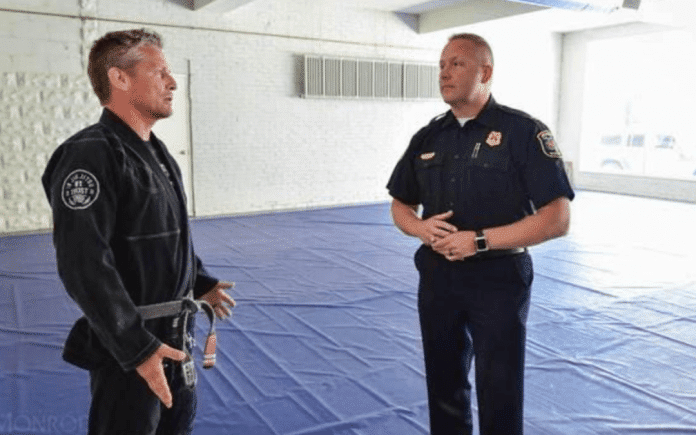
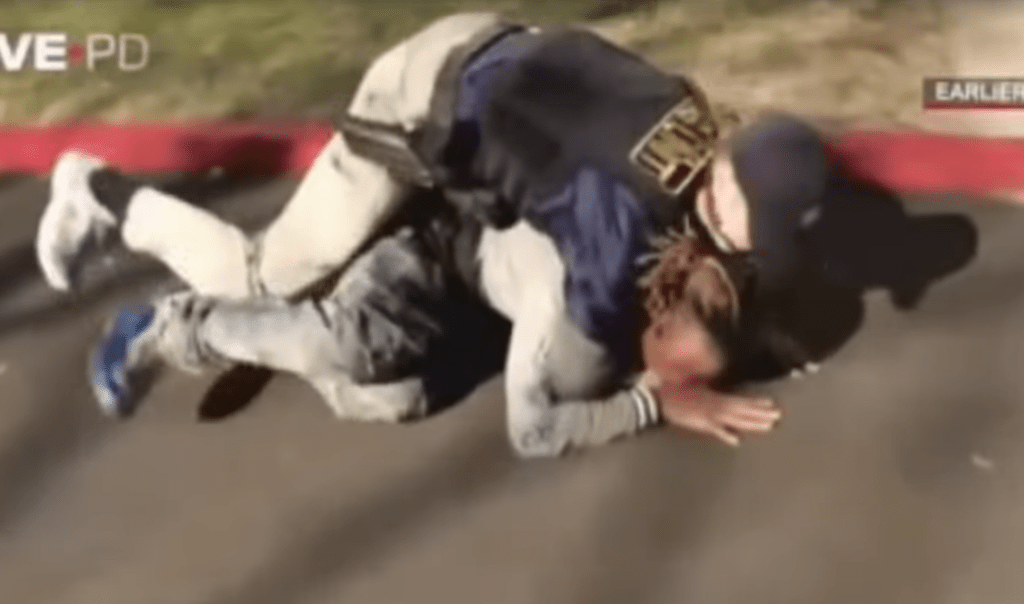
All in all, a BJJ curriculum has to be really diverse. The real pain is fitting in standing techniques and ground ones. I’ve found that doing a takedown or throw, before proceeding to two or three ground techniques is a great formula, but feel free no call me ou on that one. Whatever you do, make sure you plan everything out, and work in cycles. that means that you shouldn’t build a yearly curriculum, but rather one that’s around 4-6 months long. You can repeat t twice, or figure out what to demonstrate in the following cycle.

Conclusion

Working with a BJJ curriculum might seem a bit restrictive to people, but it is quite the opposite. Knowing the subject matter means people know what to expect when they come to train. Moreover, they get to work on different things every week, while at the same time training things that are easy to connect to one another. In other words, a really thought-out curriculum is very important if you want your cases to be actually effective at teaching people Jiu-Jitsu.

Related Articles:

BJJ Blue Belt requirements and curriculum
BJJ Purple Belt requirements and curriculum
BJJ Brown Belt requirements and curriculum
BJJ Black Belt requirements and curriculum

Why BJJ For Police Officers Should Be Mandatory

BJJ For Police Officers Should be Mandatory

This is a subject that’s been pretty much beaten to death. Do police officers and other law enforcement members need to learn Jiu-Jitsu? So far, just about every martial art has made the claim that it is the perfect one of r self-defense. henceforth, most martial arts have staked the claim they’re the one thing law enforcement officers can’t be without. When it comes to BJJ for police officers, though, there’s plenty of evidence out there to suggest both that they need it, and that it can save their lives.

What’s the best self-defense martial art? There’s none. Most things will help you defend yourself, granted, some to a better degree than others. Do you know what’s common for them all though? You’ll get hit, scratched, and otherwise injured in the process. That’s guaranteed.  The big question is whether or not you want to get into a fistfight with someone, or try and control the situation and resolve it on your own terms? That’s where Jiu-jitsu comes in, particularly in the case of BJJ for police officers.

The Evidence From Across The World

Brazilian Jiu-Jitsu is a fairly new martial art. However, as such, it has proved to be effective. After all, this breakthrough came as a result of Royce Gracie beating people of different martial arts backgrounds in the early UFCs. There are no denying BJJ works, particularly in one-on-one situations. That said, BJJ for police officers is something that sounds like a no-brainer, but still, there’s no real action to help law enforcement members learn an art that can save their lives, and the lives of those they’re protecting.

BJj For Police OfficersLet’s start in Japan. There, they have a special system called Taiho Jutsu which translates to the “arrest technique”. It is a blend of Judo, Kendo, and Jiu-Jitsu, and it is mandatory for every police officer in Japan. The methodology is based on grappling as it provides officers with greater control over suspects.
Another great example is Krav Maga and the Israeli police force. In a country that’s constantly on the brink of conflict, military service is mandatory for both male and female citizens. While they all learn krav maga in the military, those that decide to join the police actually have to learn it at a much higher level. So far it has proven to be a lifesaver, and this approach is very logical and obvious.

Finally, it doesn’t have to be an indigenous martial art so those police officers can successfully defend themselves. In Ecuador, police forces have been turning to Russian Systema to help them do their job safely and effectively.

Whichever way you look at it, the evidence shows that martial arts can help law enforcement, particularly grappling-based martial arts. So why not throw in BJJ for police officers in the US into the mix? It can only help!

BJJ For Police Officers – A No Brainer

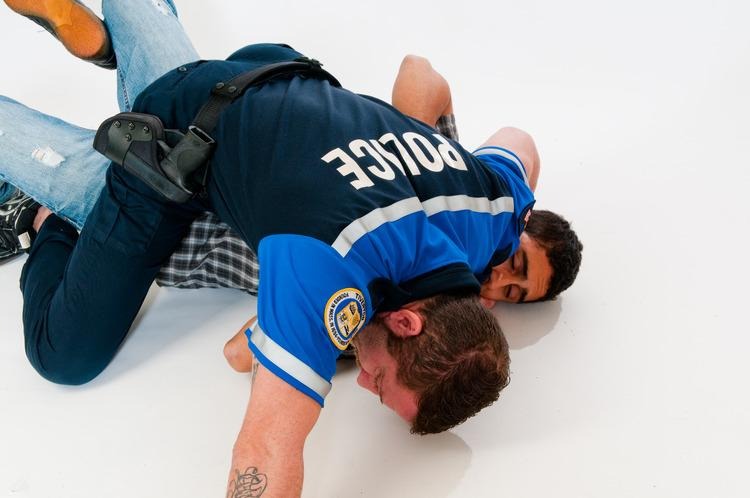
Why should police officers train Brazilian Jiu-Jitsu? There are countless answers to this one, but I’ll stick with the most important ones for now. First of all, BJJ is a grappling martial art that’s all about control. Even among other grappling arts, there’s an incredible amount of focus in BJJ. Moreover, it takes place on the ground, where most violent altercations end up anyways. When it comes to arresting people, 100% of the cases end up on the ground. Clearly, knowing how to control a resisting person on the ground is a huge thing for police officers.

Next up, BJJ for police officers opens up opportunities to calm situations down. You don’t have to rear-naked choke everyone if you’re working in law enforcement. Sometimes people just need a reminder they’re not as tough as they think. Controlling someone from the mount, for example, can make even aggressive people feel like little kids. OFten times., that’ll be more than enough for a peaceful resolution and an arrest with no resistance. The alternative is fighting it out while looking for common arrest techniques that are not really universally effective.

Technically speaking, there are two huge aspects of Jiu-Jitsu that are essential for police officers. The first is takedowns and throws, which is something a police officer can’t do without. Regrettably, there’s plenty of evidence and many examples of police officers badly needing training in that department. Training Jiu-Jitsu can easily provide. The second one is submissions. In creating situations, putting someone to sleep from an awkward position or angel can literally save lives. Particularly of the alternative is to tase or injure someone with a firearm. Once again, logical.

What’s The Catch?

So, even in the light of overwhelming evidence, why is not BJJ for Police officers mandatory? The answer is a surprising and somewhat dumb one, but true nonetheless. There’s a loop of sorts that prevents law enforcement members from training regularly The fact that it is not mandatory, means they can come up with reasons not to train. There’s an endless loop there, one that can be solved very easily – make JIu-Jitsu mandatory for law enforcement.

Training BJJ For Police OfficersSince so far, police officers don’t have to train anything outside their combative system  (which is not efficient). That means they can always use the excuse that their shift work or family obligations prevent them from joining a BJJ gym. To that extent, all extracurricular training is usually shunned, apart from perhaps lifting weights. This, of course, is very understandable, given that time is a huge factor. Another one is cost, given that Jiu-Jitsu classes at an academy do cost money.
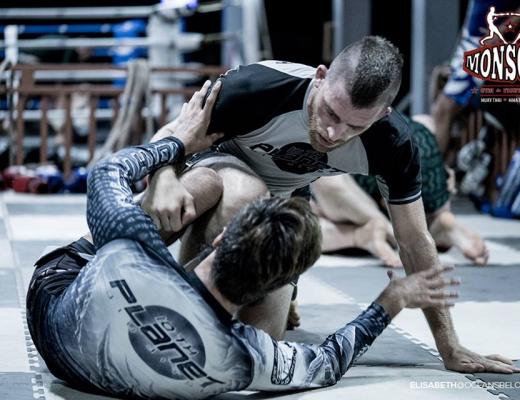
However, there’ another treason why BJJ for police officers is not an everyday occurrence. Namely, plenty of officers have no idea what BJJ is, nor how it can help them be safer. This lack of information, along with the “I haven’t needed it so far, why start now” approach are the most common excuses law enforcement officers make. And you can see how easy the solution to all these conundrums is – make BJJ mandatory. The moment that happens, the lop will be broken.  

Closing Arguments

The goal in Jiu-Jitsu is to find the most efficient way of controlling a resisting opponent. With law enforcement, the goal is the same – stay safe and be ultra-effective when it comes to executing your duties. The unpredictable nature of the job, though, means you need to have reactions rather than conscious actions when push comes to shove. BJJ for police officers, as a mandatory part of their training, ensure our officers can protect themselves, their colleagues, and the public in a way that’s bot he effective, and can be as harmless or harmful to suspect as the officers deem necessary.

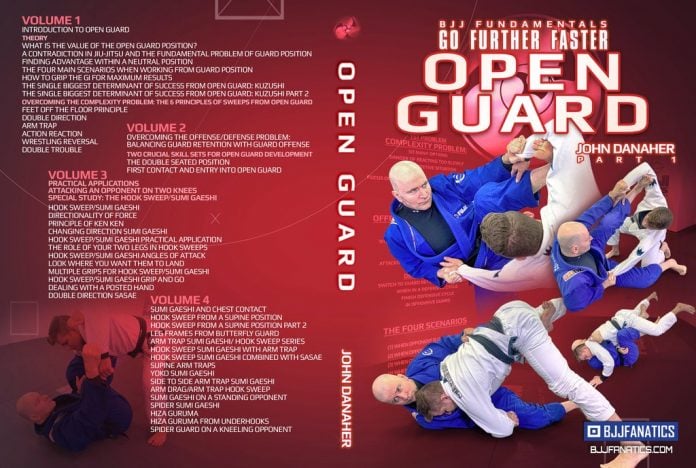
Danaher Open Guard BJJ Fundamentals DVD Review

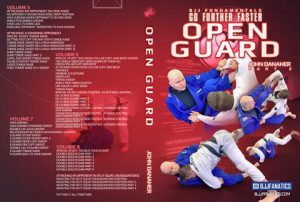
Danaher Open Guard BJJ Fundamentals DVD Review Cover

I guess the time is right now for open guards to get their time under the sun. Or the spotlight. Whatever the case, all the innovations in the are of open guards that were brewing in the blue basement of Renzo’s NYC academy for god knows how long, are finally available for us to marvel at them. In other words, the Danaher Open Guard instructional is here. It is a Gi one, and the fifth part of the Go Further Faster collection. This is one BJJ fundamentals DVD that most of us were looking forward to.

ON SALE HERE:
John Danaher – Open Guard BJJ Fundamentals

Danaher Open Guard BJJ Fundamentals DVD Review
Techniques List

To be honest, I’m still making my way through the Danaher No-Gi collection in a very studious and dedicated manner. That means the Go Further Faster Gi instructional collection will have to wait. For now. However, I’ve seen every minute of each and every one of them, and I can’t wait to get to really go deep. Danaher doesn’t seem to think we need time to get through all his stuff, as proven by his lates BJJ Fundamentals DVD. Given that everyone plays an open guard, or two, the Danaher Open Guard DVD is my bet to come in second only behind his leg locking one, in terms of general demand. Time will tell.

Really Going Further Faster

As I said, I’m still doing the No-Gi Danaher stuff, meaning I’m still entering the system. However, guys in the Academy that are all about the Gi, are actually going further faster, really, really faster, in fact, using John’s instructionals. We already know the man is brilliant and is one of the best Jiu-Jitsu coaches of today. Or perhaps even all times. That said, I think the Danaher Open Guard DVD is the one people were actually waiting for. Make no mistake, everything else is pure gold, it’s just that open guards are seductive and people love to play them. Now, world-class coaching and innovative concepts are readily available. Of course, we’re excited!

Other titles in the BJJ Fundamentals DVD collection Danaher is putting together focus mainly on guards when I come to think about it. All apart from one, which is the very first instructional, go over a subject of the guard. So far we saw huge 8-part sets analyzing the half guard, closed guard, and guard retention. There’s also that original Go Further Faster title about pi escapes and turtle defense. I wonder if we’ll see a passing DVD in this collection before John wraps it up.

This lates Danaher Open Guard instructional follows the same pattern as previous one,s coming in at about 10 hours of running time. While it is dubbed Open guard, John actually covers a multitude of different open guards in it. Some of the most popular ones make an appearance, as do some hybrids of Danaher’s own making. I personally loved the DVD and I can’t wait to see what kind of impact it will have on the BJJ world.

BJJ Open Guard(s)

Who doesn’t want to play guard? You get to lay down on the ground and sweep and submit people at will. Well, that’s the ultimate goal anyway. In reality, things are never that easy. Yes, open guards are plenty, and they are usually highly attacking positions, but they’re not unbeatable. On the contrary, the battle between powerful passers and slick guard players is a legendary one in the realm of Brazilian Jiu-Jitsu. So far, it’s pretty much a tie, but this John Danaher Open Guards BJJ Fundamentals DVD is about to change things in favor of the bottom players.

Out of all the crazy open guards, you’ll see out there, you’ll see exactly zero in this instructional John Danaher is known for his immaculate attention to detail and his desire for nothing but sheer effectiveness. So the guards that feature in this instructional are truly fundamental but efficient to an extreme. And, as usual, they blend in perfectly with the rest of Danaher’s take on Jiu-Jitsu and all his other systems, Gi and No-Gi. 

A Review Of The Danaher Open Guard BJJ Fundamentals DVD

What do we get with the Danaher Open Guard DVD? AS always lots of the same in terms of the structure and organization, with a few sprinkles of innovation. There are no two Danaher instructionals that are completely the same. Once again there’s a wealth of material and it is organized in a really specific and progressive manner. If you’re looking to jump straight into volume number five and do techniques, you’ll be disappointed. It is not how Danaher’s DVDs work. IF you go through it all chapter by chapter though, you’ll understand his philosophy on the open guard. And that is where this BJJ Fundamentals DVD really shines.

In terms of the order, it all starts with an all too familiar introductory DVD, before Danaher explores his favorite common problems and basic skills that position faces. Part three goes into how to apply the knowledge of the previous two volumes in a practical manner. Halfway through, it’s all about hook guards, and launching people in the air, featuring both sweeps and takedowns from guard positions. The fifth volume covers open guards against kneeling and standing opponents. Part six is the special case study DVD, with the case in question being the collar and sleeve guard. The penultimate volume goes into leg attacks, meaning the X guard is the main culprit. Finally, it all ends with a Danaher special: the double Kouchi Gari.

1. Open Guard Basics

It is a Danaher Open guard DVD. Expect him to talk, and talk a lot, particularly in the first volume. That way, you’ll be better psyched to listen to hi without expecting to see guard details this early on. Give that this is a BJJ Fundamentals DVD too, there’s even more theory in there, but it is anything but boring. On the contrary, it is groundbreaking.

First and foremost, John goes over the theory of open guards and why they are valuable. A hugely important aspect of playing guard are grips, and Danaher covers everything you need to know right in this volume. There’s also information on Kuzushi or the art of off-balancing your opponent after you get your grips on.  Several more key principles like action-reaction, arm traps, and double trouble also feature her2.

2. Guard Skills And Common Problems

Part two is where Danaher goes over his famous checklist of common problems and integral skills. So far, there has been a volume like this in all previous instructionals Gi and No-Gi. Her,e the issue part is about dealing with the offense/defense problem. That means having a guard that you can stay in and attack from at the same time. This balance between retention and attacks is a very delicate one and there’s no one that explains it better than Danaher.

In terms of skills, there are two according to Danaher, and he really goes deep into explaining them. He also covers the double-seated position as well as making the first contact with an opponent when in guard. There’ a small chapter at the very end on entering the open guard, something he goes deeper into later on.

3. Full Kneeling Opponents

As leg locks became a common weapon, people started reverting back to an old way of passing – staying on both knees. This limits mobility a lot, but it does take away from leg lock attacks and even sweeps. Plus it makes playing most open guards hard. I guess Danaher decided to put an end to this as well, which is exactly what he does in this volume. This is the one where Danaher solves the double kneeling position.

Of course, the guard in question is the butterfly guard, Something we all expected to see in a Danaher Open guard BJJ Fundamentals DVD. There’s som crazy stuff in here, like the principle of ken ken, and the Danaher philosophy of establishing and holding hooks. There’s also a lot of info in there on angles, as well as key Sumi Gasehi details to send people flying. AS usual, John also solves a few common problems of the position along the way.

4. Sumi Gaeshi

Right before hitting the halfway mark, the focus is on what to do when you inevitably end up supine. The old theory that you want to be seated in the butterfly guard still holds, but Danaher has options even if you’re in a supine position. Hook Sweeps do work from there, thanks to a simple formula I’ve never seen before. Moreover, this entire volume is all about the Sumi Gaeshi which is not necessarily just a throw/sweep. It is also a great way to achieve elevation, which can lead into Ashi Garami or other open guards. There are crazy setups of the Sumi Gaeshi, including one form the spider guard.

Wrapping this volume up ire a few chapters that offer a different takedown – Hiza Guruma. Foot sweeping people with a Judo move while in the butterfly guard is a thing that only Danaehr can come up with. It works, though, like a charm.

5. Half-Kneeling / Standing Opponents

For those braver folks that dare venture into standing/half kneeling positions, there’s an entire part of the Danaher Open guard instructional filled with options. Once again, it is all about hooks, mostly form the butterfly position. There are different options though when an opponent is half kneeling, with Hiza Guruma, ankle picks and Ashi Garamis the attacking methods of choice.

AS an opponent stand up completely, the game changes yet again. This time, it is about a different overhead throw variation – the Tomoe Nage. Ther’s a lot of Judo stuff in what is a BJJ Fundamentals DVD. Unexpected, but efficient. The guard mechanism also changes here, with the focus shifting towards the De La iva guard as a launching pad for tomoe Nages of all shapes and sizes.

6. Collar Cuff And Biceps Guard

What most people know as the collar and sleeve guard, is the Collar Cuff and Biceps guard in Danaher’s nomenclature. He does like to be precise, and that’s exactly what you get here – precise information on when, how and why you should grip. The entire volume is a case study of the guard, with everything from mechanics, to sweeps and a huge bunch of submissions featuring everything, from triangles to Omoplatas and armbars.

Half of the volume is dedicated to the De la Riva guard, albeit in a very different way than others play it. First up, the mechanics of the position are a bit unusual but extremely efficient. Moreover, there’s a lot of emphasis on transitioning from outside to inside hooks, in order to obtain Ashi Garamis, and eventually, leg lock finishes.

7. X-Guards

This is where this Danaher Open Guard DVD really came through for me. In it, Danaher goes over Ashi Garami positions as guards, which is as innovative as anything that has come out of the blue basement. Form there, he goes on to connect the Ashi Garami guards to the X guard, offering a way back as well. Obviously.

In terms of the X guard, you won’t find a better BJJ Fundamentals DVD than this. First up, the sweeps and grips are completely different from anything you know. If you’re doing leg locks already, you’ll be able to navigate your way through this X guard a bit easier. That said, options start with sweeps and fo on to Tomoe Nages and other throws before doing a full circle back to Ashi Garami.

8. Double Kouchi Gari

It seems strange but there it is. The Double Kouchi Gari guard by John Danaher. This final volume does a great job of explaining exactly what it is, how it works and how you can sweep and submit from there. Oh and throw, of course, as ti seems Danaher really loves doing throws and takedowns form open guards.

There’s more though. In this final DVD, more than half of the chapters address how to negate the dreaded headquarters position. It is a spot developed and named by Lovato Jr. and is the staple of many guard passers, particularly pressure passers. Well, finally, there’s a solution. In fact, there are 5 of them, along with a great way of putting them all together. And not just them, but all fo the material Danaher shares with us in this BJJ Fundamentals DVD.

Closing Thoughts

With a Danaher DVD, you know what you’re getting. There’s not much to say about the Danaher open guard except that it did shed light on an aspect of guard play others haven’t touched on before. As expected, I guess. As a BJJ Fundamentals DVD, this is one that everyone can use, from white all the way to red belt. It is that good, easy to follow and precise. Even though John talks s a lot, this is by far, the easiest John Danaher instructional to follow and put to use.

ON SALE HERE:
John Danaher – Open Guard BJJ Fundamentals

Danaher Open Guard BJJ Fundamentals DVD Review
Techniques List

Train Every Jiu-Jitsu Move On Both Sides- Yes Or No?

Jiu-Train every Jitsu Move on both sides

Whenever I’m in class, walking around looking at how people are executing something I’ve just demonstrated, I often notice something quite interesting. Regardless of how you set up technical practice, people usually choose one of two ways to train. They either focus on repeating a Jiu-Jitsu move on one side or alternate sides. This is actually very indicative of character, and certain people tend to choose a certain type of training. As I said before, there’s no right or wrong in BJJ, just easy, hard and dumb. So, in terms of training moves on both sides, is it a smart thing to do?

There’s no denying that there are certain techniques out there that we should all know how to execute bilaterally. In fact, most martial arts make it a point to have people be as good on one side, s they are on the other. But is it really necessary? What if you had a  completely different game on your left than on your right? Yes, it is possible to have a different Jiu-Jitsu move for every occasion and still be able to execute them with a high degree of success. It is all about how you approach training, and what your goals in Brazilian Jiu-Jitsu are.

Traditional Martial Arts Vs. BJJ

I come from a traditional martial arts background (Judo and Karate) where rules play a huge role in training. In all, honesty rules are important, as they help maintain the necessary level of discipline for a successful and effective class. Yet, most martial arts still try and enforce rules that have been there since the inception of those arts. According to my opinion, this is not a very practical, or efficient way to train.

Jiu-Jitsu Move on both sidesFirst of all, I do respect where martial arts come from. They have their roots and pay tribute to them, and that’s perfectly okay. However, living in Russia today, and Japan during the Samurai days, for example, are so different they could be like being on separate planets. SO how can you try and practice a martial art by following every possible ancient Japanese (or whatever origin) rule in a modern world? Certain principles and rules are timeless, I’ll give you that. But having to do things in a very tight frame does not help martial arts evolve and expand. In that sense, a lot of the traditional martial arts area still stuck in ancient times, while the world around them evolves. You can see my point.
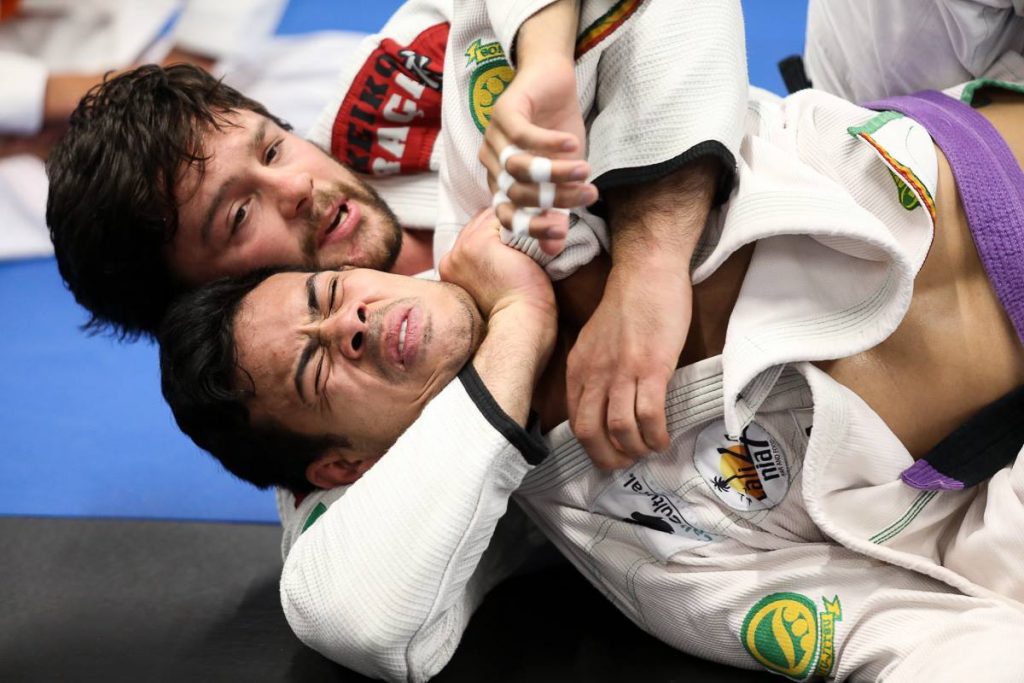
In Brazilian Jiu-Jitsu, the approach to things is very different. There are still rules, and there are principles, of course, otherwise, it would be chaos. There’s also respect towards both the Japanese and Brazilian roots of the culture. However, when it comes to learning a Jiu-Jitsu move, there’s no one way set in stone for everyone to execute it. There are no two people alike, so why would there be universal ways of doing a martial arts technique? General mechanical principles are, of course, universal, but the small little nuances people figure out for themselves make them great at actually pulling the moves off live. The same goes for training a Jiu-Jitsu move on both sides – they’re different, so why should you force them to be the same?

Can We Really Learn A Jiu-Jitsu Move Equally On Both Sides?

A better question would be could we learn every Jiu-Jitsu move out there? I’d wager that you can’t. Well, if you try to learn every Jiu-Jitsu move you like doing on both sides, the number of moves just doubled! Can you train this way? Absolutely. But is it really effective in terms of progress? Even if you look at it from a competitor’s point of view, building a gameplan should be about more than just the ability to replicate a Jiu-Jitsu move both left and right.

Let’s look at writing as a great example. Most people in the world are either right or left hand dominant. Try writing with the arm that you don’t usually use for that task and see what happens. It’s not that you can’t, you just have to learn it all over again, and it will be more difficult than with your naturally dominant hand. Now think about what you can the arm that’s not dominant instead. You’ll see that you’re probably better at holding a fork, or balance or something with it. Whatever it is, it will not be writing. You get the point.

Thre’s no need to do anything in BJJ. Obey the mechanics and general principles, but modify everything to fit you. IF you want to do stuff ambidextrously than go ahead. However, at least try doing something else on the other side for a while, just as an experiment. The same holds true the other way around. If all you’re doing is trying different stuff, spend a month trying to do every Jiu-Jitsu move on both sides. That way, when you say you don’t like doing one or the other, you’ll at least know why you don’t like it.

The Case For Variety

Train a Jiu-Jitsu Move on both sidesI think the best way to advertise the need for variety in BJJ is with practical examples. Until a short while ago, people thought they only had one way of choking form the back – by having the choking arm on the bottom. Conversely, most of us trained both sies to be able to get submissions .then, Danaher came along, bringing about the concept of regardless of where your arm is. Now, the back mount is more versatile and dangerous than ever, simply because there are different attacks on different sides. No need to transition in order to get a submission.
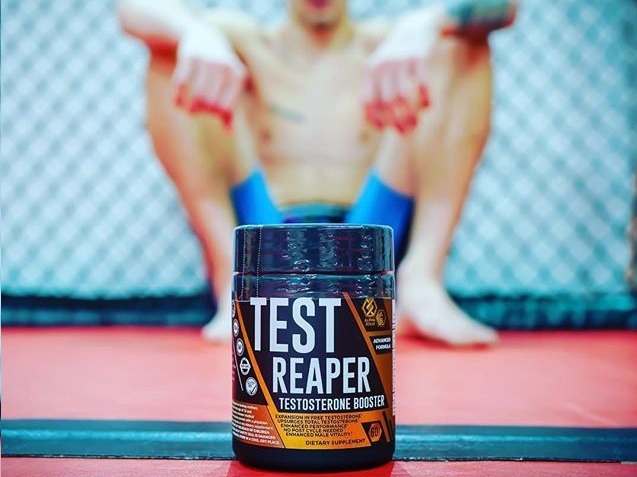
Another example I really love using is passing the legs. Guard players tend to have impressive recovery skills and impeccable timing. That means you’ll often have to change passes, and/or side in the middle of passing. A great example is a knee slice. Once that fails, because an opponent prevents the knee from slicing through, why not go for a staple pass on the other side instead? And if that fails, you’ll have a single underhook pass on the other side. Better than trying to just knee slice your way through on both sides, wouldn’t you agree?

The final example is that of blending sweeps and submissions. Let’s use the X guard as an example. Any sweep attempt will have your opponent scrambling for balance. The thing is, in the X guard, they can actually find balance quite easily. However, they’ll have to move their legs, meaning they’ll open up leg lock attacks on the opposite side more often than not. And the best part is that it works vice versa too, with leg locks leading to opposite side sweeps or leg locks of a different kind.

In Summary

BJJ should be fun. If it’s not fun, then why would you do it? That said, exploring and innovating is a surefire way of having fun while you’re rolling. I get that competitors like to drill stuff over and over again until they’re perfect, but why not be perfect at variety rather than just mirroring attacks? There’s a case to be made for both, but doing different stuff is simply more fun!

Jiu-Jitsu Athletes And Low Testosterone 

Low Testosterone and Jiu-Jitsu Athletes

Thinking about looking into TRT just because you’re a 30-year-old grappler training BJJ a few time s a week? Let’s clear something up – most people that think they need to take testosterone actually do not need it. Moreover, almost all of those taking over the counter low testosterone booster supplements are getting nothing in return. The situation with testosterone in BJJ is much like anything else in the sport – you need to understand what’s going on, in order to know what you need to do. And the truth is that most JIu-Jitsu athletes have absolutely no need for any sorts of hormone replacement therapy.  

How about giving this a thought – BJJ is all the testosterone replacement therapy you need. Train more, spend more time with other Jiu-Jitsu athletes and you’ll soon learn that it’s not about the latest new supplement. Nor should you jump immediately on the TRT wagon and get a prescription just because Joe Rogan does it. That said, low testosterone levels do happen, and some people need therapy. That’s why it is called therapy. That said, even they can try alternative things first, before going for the “kitchen sink” option.  

Low Testosterone Among Athletes  

Low Testosterone supplementation for Jiu-Jitsu AthletesLet’s talk about testosterone a little. As most people know, testosterone is a hormone that allows males to exhibit their secondary sexual characteristics. In other words, it makes men look and act like men. So why not get more of it, then? Because more does not necessarily mean better. 

First of all, the fears are somewhat justified. There’s a real decline in the strength and testosterone levels of men in America, as per multiple studies over the years. However, that doesn’t mean there’s nothing to be done about it. This wasn’t the case just a century ago, so it is not hard to conclude that the modern lifestyle is the most common culprit here. Men being less physically active and progressively more fat is more than enough to cause lower testosterone levels.  

When it comes to Jiu-Jitsu athletes, though, people often overreact due to the fact they now have a major physical activity in their lives. SO, if you have the average e testosterone levels a man has today, and you take up BJJ, you’ll feel like you have low testosterone and need to react., Supplement companies are extremely grateful when people do this, and rever to the over-the-counter stuff that’s about as potent as rhino horn is for bedroom activities. Keep things real – testosterone is at an all-time low, but that doesn’t mean you have less than optimal to function. On the contrary, all you need is to correct a few variables and you’ll bloom into the best version of yourself, on and off the mats.  

Supplementing Vs. Nutrition 

Need more protein? Reach for a supplement. How about a better gas tank? Get creatine, three’s no need to do running. BCAA, other amino acids, casein, pre-workout supplements, fat burners…. There’s something for anything you can think of, and then some. The truth about supplements is that very few have actual effects (certain protein powderscreatine, vitamins, and fish oil) whereas all others are just junk that can’t even pass for placebo. And “natural” testosterone boosters derived from “secret and endangered Amazonian plants” and stuff have a special place in hell.  

When it comes to supplements, the best thing you can do is to actually clear up your nutrition first. Yeah, exactly what you didn’t want to hear. It doesn’t talk much, though, and you’ll soon find out that it is not only more effective, but cheaper to boost your T this way. Food-wise, you need two major changes. First, include more high-quality fat in your diet, seeing as testosterone is a steroid hormone, meaning it’s derived from the fat you eat. Secondly, improve your food choices. Eat more meat, stock up on veggies, and lean-to love nuts and avocados. Oh, and think about giving fish and, oysters and the likes ago.  

Worry not supplement lovers, there’s still a pot for supplements. But only if you use them to do their intended use – supplement, instead of replace. In this department, there’s no need to look further than a good high-quality vitamin and mineral supplement and some fish oil. Most people lack at least a few vitamins and minerals nowadays, and the same goes for fatty acids. So stock up on these rather than the flashy stuff in supplement stores.  

Do Jiu-Jitsu Athletes Really Need TRT?   

BJJ is all about having fun. If your energy levels are low, you’re less likely to have fun. Improving your hormones is going to do wonders for your grappling if you do it right. And by right, I mean you need small steps to achieve great changes. Not the other way around. Most Jiu-Jitsu athletes won’t need to get actual Testosterone Replacement therapy from a physician to improve their levels. Instead, micromanaging your lifestyle will bring about far more positive benefits.  

Do Jiu-Jitsu Atheltes need low testosterone therapyIt all starts with nutrition, as we saw earlier. However, you can do more on a daily basis to improve low testosterone levels, or what you perceive as lowStress is huge. The more stress you have, the higher your cortisol, which translates to a lower testosterone level in your bloodstream. Doing more BJJ is a great way to reduce stress. Speaking of training, don’t be shy to do some work outside the academy too. Lifting weights is always a good idea. Bored with it? No problem, do something fun – try Gymnastics, or a Ginastica Natural class or anything else that’ll get your body moving.  

Finally, a huge thing everyone, and I really mean everyone overlooks, is recovery. Whether you’re a professional grappler or your average joe training recreationally, you need more R&R. Sleep more, try to meditate, give Yoga a try, buy a foam roller… At least now, you have endless resources just one click away. Oh, and get out in nature and see the sun, just do it with the body parts intended to bathe in sunlight.  

Conclusion 

Why do Jiu-JItsu athletes think thy have low testosterone? A common complaint is “I feel like I don’t have enough strength”. That’s cool, but the solution is easy – focus on technique. If you think you have no strength what should he 110 lbs female purple belt over there say? And she’ll still kick you’re a$$. Finally, if you’re a professional, feel free to consult a physician. Just remember that you might not really need what they have to prescribe (sell).  

Middle Mount BJJ Position: The Forgotten Mount

Middle Mount BJJ

In the past six months or so, I’ve spent a lot of time working on my mount position. What I learned along the way was that we all take the mount for granted. At least until such a time that someone just slips out effortlessly. Moreover, I discovered a mount BJJ position I never knew distinctly before. AS it happens we ll spend a lot of time in this mount variation, albeit mostly in an incorrect way. And that’s why it doesn’t’ work, and we look to move to more submission originated mount positions. However, all fo that is pretty much impossible if you do not have an understanding o the middle mount. That I going to be our focus today.

Before we go on, yes there is such a thing as the middle mount BJJ position. In fact, it is the mount variation you’ve been trying to play since day one. In that sense, the middle mount is something we don’t pay a lot of attention to. Well, we should, as it not just connects both the low and high mount but also opens up versatile attacks. In fact, getting the back form the mount can happen in two instances with a high percentage of success – when using a Gift Wrap, or from the middle mount. Not to mention extremely cool attacking options as you’ll see later on.

The Three Types of Mount

Before we focus on the middle mount BJJ position, let’s talk a bit about all mount variation. Or, rather, the three that are worth talking about and that work at every level of the sport. Starting at the bottom.we have the low mount position. That’s when your hips are under the belt of the opponent, as the main reference point. Stuff like grapevine and skydiving are common ways of controlling someone from there. Attacking options include Ezekiel choke and lapel chokes, and bent arm locks (mostly Americanas). Easy to maintain.

On the other end of the spectrum is the high mount. In this variation, your butt is as high up the chest as possible. In other words, you’re attempting to sit on your opponent’s chest. Often time,s you do this at an angle, like for example, the S-Mount.  This is a position that requires a lot of time to get the knack for., It may be hard to stay there, but once you get it, the pressure is immense. Moreover, attacks are ample, ranging from armbars, to cross collar chokes and everything in between.

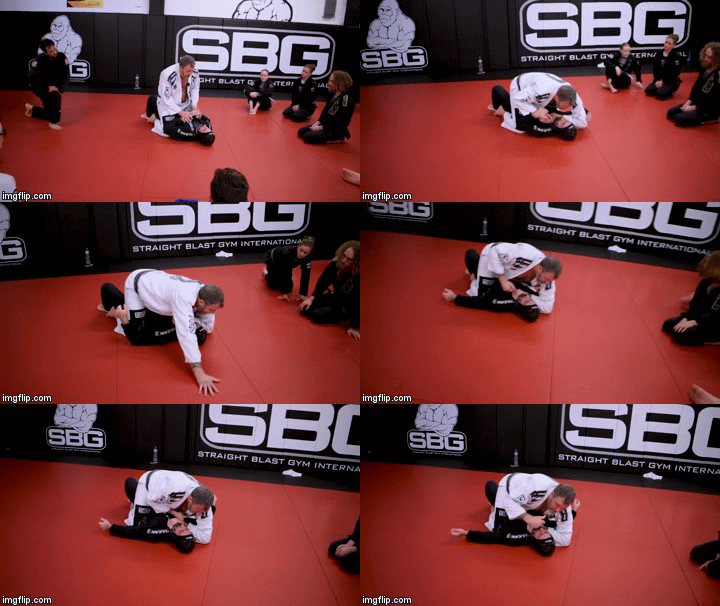
Middle Mount BJJ Position AttacksFinally, the middle mount BJJ position. As the name suggests this one is bang in the middle between the two. This is often seen as an entry point to the mount, and a transitional spot between the high and low mount. However, the middle mount offers much more than that, if you know where to look. It is the missing piece of the puzzle that’ll make your overall mount more dangerous, as well as amplify your low and high mount.
The Mount Nobody Talks About

The middle mount is not too difficult to understand but it does require a bit of finesse. Getting there is usually done from the low mount, given that once you arrive in a high munt variation, you tend to stay there and finish. From the low mount, you can get there on your own, by sliding the hips marginally forward, to reach blet level or just above it. The other option is letting your opponent get you there while they’re trying to escape your low mount.

The first thing to consider in the middle mount is knee position. Regardless if you arrive form the low mount or directly form side control/knee on belly/ guard pass, you need to have your feet and your knees to the ground. First up, this is going to bring you mount points. IF both knees and feet are not on the ground, you won’t get anything. Next up, this builds a base to keep you safe and able to attack. IN that sense, you need the back of your feet firmly placed on the ground, and your knees pinched to the ribs of your opponent. That way, you’ll feel any movement they do extremely early.

Still just staying in a position like this with bad posture is only going to get you thrown off. In fact, this is where most people get the middle mount BJJ position wrong. IN this mount you need to have an upright posture, much like in closed guard. That said, there’s a neat little trick here – tuck your hips forward. This will both give your spine a curve and distribute your weight so that you become extremely heavy and tough to budge., Now, you can start having fun from the middle mount.

Attacking From The Middle Mount BJJ Position 

The first key tip for the middle mount BJJ position is staying there. Two things are going to happen. One, your opponent will try to frame your hips and slither out. That’s extremely hard as your posture allows you to lift their arms and thus, destroy the frame. The second option, which is more viable is to try and bridge you off. This might work if you’re trying to stay too tight to your opponent. Instead, your reaction should be the simplest one of all – allow them to bridge. What you need to do is simply lift your hips up, while keeping your knees and feet planted on the ground. This will only result in a positive outcome for you.

One thing that’s extremely easy in this situation is thinking about getting the back. Lifting your hips will allow your opponent to turn underneath you. Whether you go for the gift wrap or choose to go for the back immediately is down to you. Simply lifting up will open up back attacks better than any other way you have of getting them from the mount.

Choke from Middle Mount BJJBut that’s not the best part, there’s a neat little choke that only works form the middle mount that you simply have to know. It is a lapel choke that’s unusual and people never see it coming. You start off with a reverse grip, meaning thumb in and four fingers out on the lapel. The position is like a for a paper cutter, with your elbow to the ground on the opposite side. You won’t choke anyone there directly. However, the middle mount gives you the security to place your second grip on the other lapel, four fingers in. Pull that second lapel for one of the tightest lapel chokes in BJJ!

Final thoughts

The middle mount is often taken for granted because it is considered to be the beginner’s version of the mount. Given how effective it is, and how many unusual attacks it offers, it’s a shame not to use it at the higher levels. Have some fun with it and use it to connect your other mount attacks for an unstoppable top game.

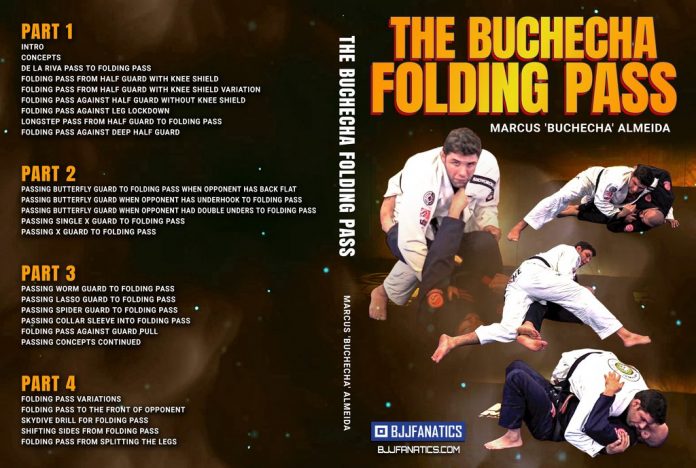
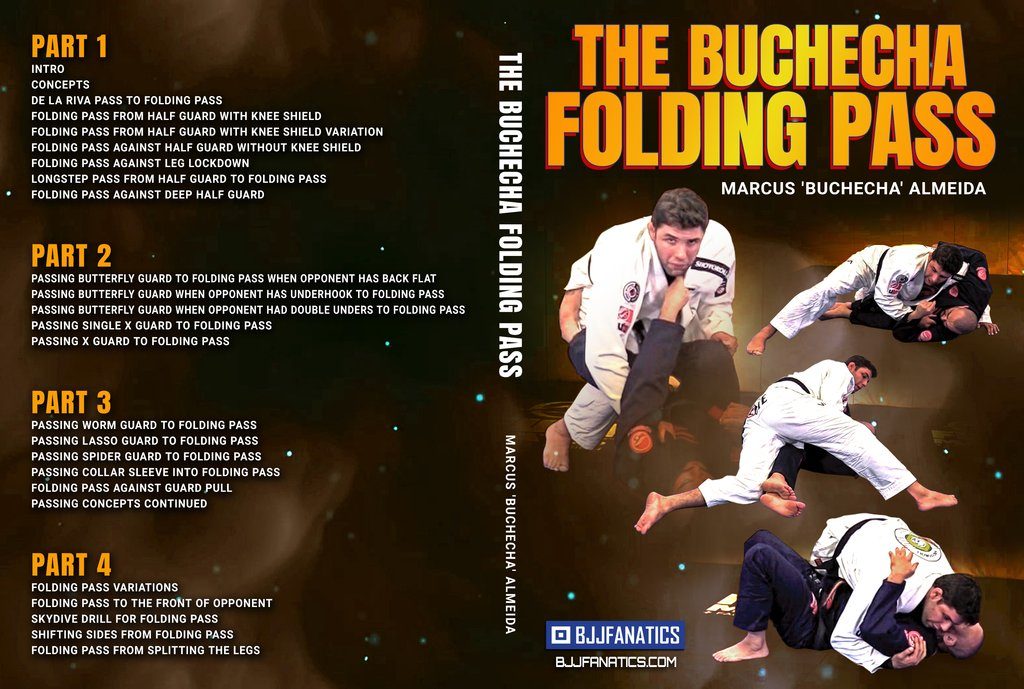
The Buchecha Folding Pass DVD Review

Buchecha Folding Pass DVD Cover

Buchecha is at it again! After a long period of inactivity (close to a decade) Marcus ‘Buichecha” Almeida is back again in the business of BJJ DVD Instructionals. initially, a couple of months ago, he produced a half guard DVD that we reviewed on this site. It was amazing, as expected. After all, the half guard Is Buchecha’s signature position. However, now he is back with yet another DVD set, and this time, he is showing stuff that we haven’t seen him teach a lot before. It is now time to explore some top game strategies with the brand new Buchecha Folding Pass DVD instructional. And, as usual, we have the very first review!

ON SALE HERE:
Marcus Almeida “Buchecha” – The Buchecha Folding Pass

Buchecha Folding Pass DVD Cover
Techniques List

I’ve never really looked up to heavyweights much ween I was going through the ranks of Brazilian Jiu-Jitsu. As a featherweight, their game seemed distant and not really practical for my needs. However, when Buchecha came on the scene, guns blazing, and started taking legends out, I was intrigued. So I started looking into him and his one instructional at the time. It turned out that Buchecha is one of those ultra heavyweights that do not really move or grapple like heavyweights. Rather he is ultra-technical, extremely tactical and knows what works, and when.

As such, his initial instructional was a game-changer for me. Suffice to say, his previous new instructional, an updated version of his original one, was also immense. So, how could I not jump when I heard that the Buhcecha Folding Pass DVD was in the making? Luckily, I didn’t have to wait too long, and this is what I found inside it.

The (ex)GOAT Marcus “Buchecha” Almeida

Buchecha has always been the good guy of Jiu-Jitsu, even though he took out some legendary people. His memories match against Roger is the stuff of legends. If there are ever BJJ bards going around singing hero songs, half of their stuff will certainly be about Buchecha. Still relatively young, BUchecha had a quiet period but is now booming back onto the big scene of grappling. However, the landscape has changed. And he is now no longer the top predator of the bunch. At least at the moment.

To be honest, Buchecha did have a fairly successful ADCC. He lost in the semi-finals of the +99kg division to eventual champion Kaynan Duarte. They then made it to the finals of the absolute and lost by the smallest of margin to double champion and BJJ prodigy, Gordon Ryan. In fact, it is young Ryan who has now taken over the mantle of GOAT, one held by Buchecha for quite the time.

There’s a clear reason why many people still consider Buhcehca to be the GOAT. In comparison, Ryan has won just a fraction of the things BUchecha has. However, he is of a different time and a different breed and has experience and titles in different championships. Still, a record of two ADCC heavyweight titles, 13 IBJJF world titles (6 times double gold in division an absolute), four NO-Gi world titles, double god at the 2012 Pans, as well as gold in the IBJJF Grand Prix and several UAEJJF Abu Dhabi Pro titles is always going to be hard to beat. By anyone.

There’s also the fact that he hasn’t really dabbled too much in submission-only tournaments, and we’d love to see him do it. I guess he has a lot to do in the future., but for now I’m more than content with the new Buchecha Folding Pass DVD.

An Underestimated Top Game

When I think of Marcu “Buchecha” Almeida I immediately think of half guard and toe holds. He has done wonders from the bottom and has taken some great prizes thanks to his toe hold game. Oh,m and add to that his crazy double leg takedown. You know the one when you see him run through h an opponent across the length of the mats. However, I never really associate BUchecah with much of a top game. Probably because not many people can play guard against him effectively.

Well, suffice to say, he does have a top game and it is an impressive and extremely well-rounded one. His choice of passing, unsurprisingly for a heavyweight, is the folding pass. It is one of the passes I really love doing, particularly since I blew my knee out and knee slices went into history. Speaking of the folding pass, there are merely a handful of instructions on the subject. However, not one comes close to the Buchecha Folding Pass DVD, both in terms of length, and quality of information inside.

The Buchecha Folding Pass DVD Instructional

In technical terms, this I just another perfect Brazilian JIu-Jitsu instructional. As is the norm these days, I got four volumes, all organized according to BUchecha’s directions. The material is available in both DVD and digital, so this time, I opted for the second. You get an expres download, no hitches whatsoever, and the video quality is exemplary. Moreover, you get to learn from Marcus Almeida and learn stuff that not too many people know how to d correctly.

IN terms of specific content, the Buchecha Folding Pass DVD starts off with basic concepts and a half guard folding tactics in the very first volume. What follows is a masterclass on fold passing the butterfly guard, before BUchecha turns to famous lapel and collar guards and offers ways to destroy them. Finally, it is all about the technical aspects of the folding pass, form drills, and variations to match tactics. In other words, perfect organization, more than enough material to last you for months, and an unbeatable passing game.

Folding The Half Guard

Buchecha Folding Pass DVD ReviewAs the instructional opens, Marcus coves a few basic concepts that make the folding pass work. The pass is simple, and tailor-made for competitors as ti is indeed a shortcut to get to mount or back. The best part is that you keep gathering points along the way. IN terms of actually passing, Buhcecha starts with a de La Riva Pass, before moving on to the half guard.
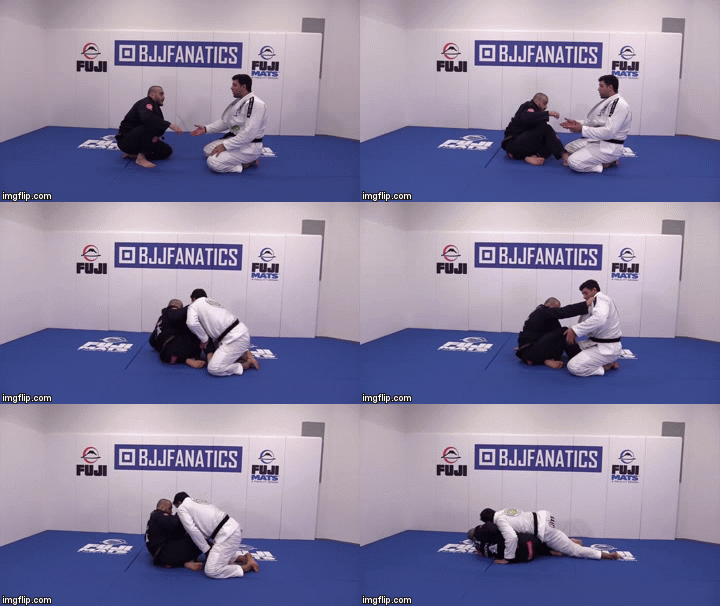
The one major problem with the half guard is that there are too many variations to count. That usually means there’s no universal pass to cover them all. Well, there is, and it is in the Buchecha Folding pass DVD. Almeida found a way to use the same pass against all half guard variations. Inside you’ll find routes past the knee shield, lockdown, deep half, underhook half, butterfly half… you name it. And they all work on the same principle, meaning all you need to learn is just that one folding pass.

Butterfly Guard Destruction

This is probably one of the two volumes in this instructional you’ll be revisiting extremely often. When it comes to the modern game, particularly in No-Gi, the butterfly guard is the norm. In fact, it is the closed guard of the new generation. Conversely, passing it has become a major task for, everyone. The folding pass works perfectly, but you have to know how to set it up first.

BUchecha has things organized depending on the positioning of your opponent. If the opponent is on their back, you use one variation. IF they have one, or both underhooks, you also use the folding system but adjust accordingly to both situations. Also, you get to learn how to stop opponents from transitioning into common follow-ups, like X guard variations. And, even if they do, you can still fold – Buchecah demonstrates how.

Fold Passing Modern Guards

The second part of this Buchecha Folding Pass DVD that you’ll be going back to regularly is this one. In the Gi, lapel guards are running rampant and causing all sorts of trouble. Once again, BUhcecha comes to the rescue offering a simple formula to shut the mall down.

Buchecha Folding Pass DVDFirst up for review si the worm guard. I guess Keenan is out of a job now, given that BUchecah solved not only his best worm guard but all possible follow-ups and variations. Keeping the worm guard company are the lasso, spider, and collar, and sleeve guard. Wrapping up volume three is a cool way to fold when someone pulls guards as well as several more passing concepts to put things into a practical perspective.
The Inner Workings Of The Folding Pass

Usually, people start off with the way a pass works before they head off to specific scenarios. In the Buchecha Folding Pass DVD, things are backward. And it is the perfect formula. In this last portion of the DVD, Buchecah goes into variations of the folding pass, as well as situations in which you can use it even though it seems like it is not applicable. IN fact, that’s’ why drills are for, and BUchecha has several lined up in this volume. My personal favorite out of the entire set is also in this portion – how to shift sides once you start fold passing.

Closing Thoughts

BUchecha is, and will always remain one of the very best grapplers ever. I really love seeing him compete and I wish we’d see more of him on a more regular basis. However, I also do enjoy his instructionals, and this latest Buchecha Folding pass DVD is his best one yet. I’d love to see one on his takedown methodology as well, and even a dedicated toe hold DVD. Still, until they either compete or issue another DVD, I’m all set to experiment with the folding pass.

ON SALE HERE:
Marcus Almeida “Buchecha” – The Buchecha Folding Pass

Buchecha Folding Pass DVD Cover
Techniques List

Review: Introduction To BJJ DVD by Bernardo Faria

Introduction to BJJ DVD by Bernardo Faria

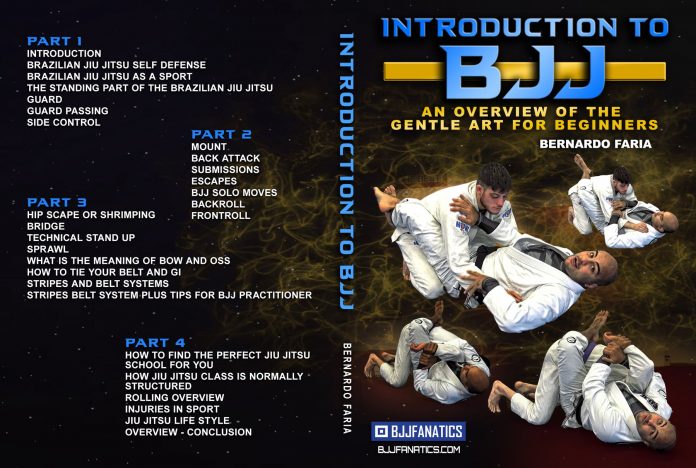
One of the hardest things in Jiu-Jisu is to introduce someone to the sport in the right way. There are just so many moving parts and variables, that people get completely lost. Luckily, there’s that addictive side of the sport, so people tend to push through the toughest periods. Still, having something that you can use, particularly outside of the gym, to help people get a proper introduction to Brazilian Jiu-Jitsu would be ideal. Luckily, such a thing is now available, in the form of Bernardo Faria’s “Introduction To BJJ DVD”. In yet another masterful instructional, Faria tackles one of the hardest subjects in Jiu-Jitsu. Read on to see if he is successful at it.

ON SALE HERE:
Bernardo Faria – Introduction to BJJ

Introduction to BJJ by Bernardo Faria
Techniques List

Bernardo Faria is the man that changed the BJJ landscape just as much, if not more than Danaher and Gordon Ryan. He did not go deep into digging up lost techniques and turning them into powerful weapons. Instead, he focused on issuing instructionals in which he teaches his own, world – level game. It seems that at one point he decided he couldn’t fil enough of them, so he started focusing pon getting everyone to film. So, all the access to BJJ DVD instructionals we have today is down to Faria only. At the same time, he is relentless in issuing new ones himself. His latest one, the “Introduction to BJ DVD” is a real treat!

The Perfect Introduction to BJJ

Imagine how easy it is when you can actually recommend people to get a DVD that’ll explain everything that JIu-Jitsu is about! It is not that instructors can’t or won’t do it, it is just that outside of the mats, beginners can focus on learning from a world champion while not having to worry about what is going on around them. Something like this is exactly what the BJJ world has been lacking, and I’m surprised nobody saw the need for a DVD like this one earlier. Still, better late than never, and of course, all the gratitude goes to Bernardo Faria.

Getting to know what Jiu-Jitsu is about is hard, given the rich and complicated history and even richer and more complicated present of the sport. Jiu-JItsu encompasses a lot, from self-defense toa sport where people can train both recreationally, compete as amateurs or even be full-blown professionals. Moreover, Jiu-Jitsu works in just about every plane of motion, bringing together standing techniques with those that are the real mark of the art – ground fighting

In terms of ground fighting, BJJ is so vast nobody can hope to ever master it completely. That’s part of the challenge and the fun of it. Bernardo does a great job of reducing the clutter as much as possible to paint a picture that’s very easy to understand for complete beginners of the sport. IN fac,t even some older students will find the “Introduction to BJJ DVD” useful and highly informative. Faria doesn’t just stop at history and techniques but also covers creatin aspects of Brazilian Jiu-Jitsu training that are often a source of confusion for those involved. Particularly beginners.

Bernardo Faria: Introduction To BJJ DVD Review

Once again, Faria delivers the perfect Brazilian Jiu-JItsu instructional. He does not step away from his favorite format of spreading the material over four volumes. In fact, most people that issue instructional are following in his footsteps, bringing us more content than ever before. This time around, though, the instructional is a bit different in terms of content. The “Introduction To BJJ DVD’ covers very unique subjects in a highly original manner.

Opening up is an entire first volume of introductory lessons to the very essence of Brazilian Jiu-Jitsu. Here, Bernardo covers what Jiu-Jitsu is, and the differences between sports and self-defense BJJ. There’s also an introduction to the standing aspects of Jiu-Jitsu. Part two goes on to attacks and defenses, before looking at the essential movements and some key advice in part three. The final portion goes into the BJJ lifestyle, offering integral information on the most common questions BJJ beginners ask.

Part 1 – The Bare Essentials

Kicking the “Introduction T BJJ DVD” off is, well, an introduction. Here, Faria talks about what he is about to talk about and demonstrate in this one-of-a-kind BJJ instructional. Right after that mandatory introductory part, he starts talking about BJJ in terms of elf-defense. He goes into the roots of the sport, the Vale Tudo Days and even covers the state of self-defense BJJ nowadays. Right after, he paints the perfect picture for the sport of BJJ covering everything. Form competition information, to training essentials and everything that’s going on, nothing escapes Faria.

About halfway through, Bernardo’s attention shifts to the opening parts of any Jiu-Jitsu exchange – the standing moves and techniques. He goes over the concepts of standing battles in BJJ as well as covering the basics of the guard position from top and bottom as an introduction to the next volume.

Part 2 – Basic Attacks And Escapes

art two keeps going with the ins and outs of Jiu-Jitsu from a positional standpoint. Here, he covers all the basic attacks to begin with – mount, back and submission attacks form those key Jiu-Jitsu positions. Moreover, there’s a huge section on here on escapes. However, instead of sharing escape patterns, Faria talks about how to start thinking about escapes. It is the perfect way to understand what the point of escapes is and build on that later on.

Keeping true to his style of organizing instructionals, once again Faria starts the introduction to the next part in the final few chapters of this volume. The Subjects here are basic BJJ solo movements and, as expected he starts with back and front rolls.

Part 3 – Essential Movement Patterns

Needless to say, the “Introduction to BJJ DVD” keeps going from where the last one left off. Solo drills, that are actually essential BJJ movements, make up the bulk of this volume. Faria explains both the technical aspects of doing sprawls, bridges, hip escapes, and technical stand up. Moreover, he covers the idea behind all of them, and how they will be with you every step of the way on your JIu-JItsu journey.

Announcing the final portion of this DVD is a portion of some key BJЈ аdvice for beginners. Examples include what some basic things mean, like bowing and saying “Oss”. Wrapping up is an awesome portion of tying your belt and setting up your Gi.

Part 4 – The BJJ Lifestyle

Introduction to BJJ DVD ReviewThis is by far the most interesting part of the “Introduction To BJJ DVD” by Bernardo Faria. It focuses on the everyday aspects of Jiu-Jitsu we take for granted. However, if you take a look back at your own beginning, you’ll remember that most of this stuff confused you too. A lot. The final portion covers advice on finding the Bst JIu-Jitsu school for you, based on Bernardo’s experience and criteria. Moreover, he examines the stripes and belt system in detail, covering every possible frequently asked question.
Wrapping up is information on BJJ classes, essential tips on beginning rolling, injuries and the overall Jiu-Jitsu lifestyle. An unusual and really needed BJJ DVD instructional.

In Summary

Bernardo Faria has always impressed me with his DVD instructionals. However, the “Introduction to BJJ DVD” surpasses all of the previous ones. It is different, in that it does not contain technical information, particularly not info intended for high-level competitors. It is a goldmine though, for coaches, and that’s where my focus lies at the moment. So this is not just an instructional for beginners, but also for anyone who coaches beginners, both kids, and adults.

ON SALE HERE:
Bernardo Faria – Introduction to BJJ

Introduction to BJJ by Bernardo Faria
Techniques List

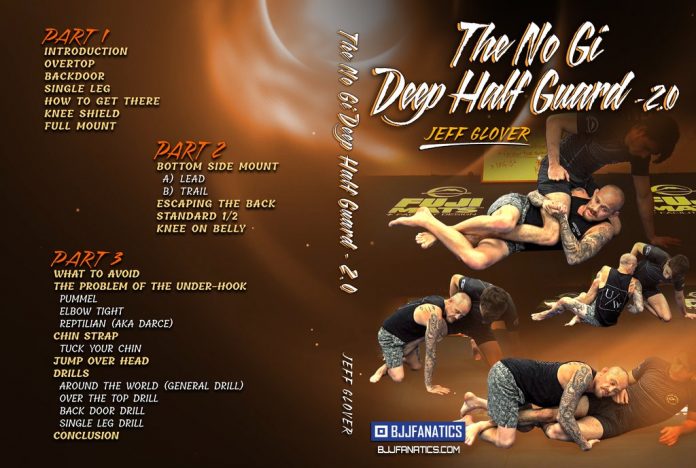
Jeff Glover DVD Review: The No-Gi Deep Half Guard 2.0

Jeff Glover DVD Review: The No-Gi Deep Half Guard 2.0

Well, well, this one is long overdue. By chance, it is also the first DVD review I’m doing in 2020. It is only fitting that it is a Jeff Glover DVD, and not just any DVD. It is an instructional on the No-Gi Deep Half Guard 2.0, something that’s as much a trademark of Glover as are his D’arce chokes and his donkey guard. As a black belt, Jeff is right up there with the best of them. As a competitor, he is one of the most entertaining to watch. Finally, as a coach, he is simply irreplaceable, both in terms of knowledge and the entertainment factor. One of my all-time favorites, and soon to be yours too.

ON SALE HERE:
Jeff Glover – The No-Gi Deep Half Guard 2.0

Jeff Glover DVD Review: The No-Gi Deep Half Guard 2.0
Techniques List

The one thing that might not happen In the near future is us seeing Jeff Glover use all the stuff he is demonstrating in the No-Gi Deep Half Guard 2.0 DVD in competition. At the inaugural High Rollerz tournament, Glover went out in a blaze (pun intended). Announcing his retirement. I’m kind of torn between the opportunities his retirement might mean for the rest of us and seeing him compete. By opportunities, I mean a surge of Jeff Glover DVD instructionals that would be awesome, seeing as there’s a real shortage of those. Yeah, there are a few older titles, one even on the same subject – the deep half. However, Jeff is one of those guys that evolve day by day, and he comes up with really crazy stuff. So, I expected to run into some nuttiness in this DVD, to say the least.

The Jeff Glover BJJ Philosophy

If there’s one thing Jeff Glover is not, that would be boring. Conversely, you can expect any Jeff Glover DVD to be much of the same. I first fell in love with his teaching style via the “Darcpedia” instructional. The title is pretty self-explanatory, it is a D’arce choke DVD. It changed my game forever, and I decided to look into who this entertaining Glover character really is.

Glover has been a black belt for the better part of 15 years now. That’s a pedigree on is own. He got his black belt from Ricardo Miller, of the Rolls Gracie lineage. In terms of titles, Jeff has a No-Gi world title to his name (2007) as well as being a runner up in the first-ever EBI and an ADCC bronze medalist. He is known for competing in pretty much every submission-only invitational tournament out there and pulling off some really unique stuff n most of them. Although a part of the Paragon academy, he very famously spent some time going around the USA training with everyone, something which is documented in a series dubbed “Glover’s travels”. That’s a great way of earning great experiences.

Glover is also a huge innovator, with the Donkey guard being his most notably extravagant position. However, despite creating that nuttiness, he also has huge contributions to other aspects of JIu-JItsu. He is one of the original deep half guard masters, for example. In fact, I think there’s nobody better when it comes to the No-Gi deep half guard. On the same subject,t there aren’t that many deep half guard No-Gi instructionals out there anyway. Certainly not by world champions of Glover’s caliber. So, sit down, buckle up and enjoy the ride. Ti’s going to be a crazy one, I can promise you that.

The No-GI Deep Half Guard

Just a touch on the NO-Gi deep half guard before we head off to analyze this brand new Jeff Glover DVD. As a position, the half guard is a highly versatile one, fitting grapplers of all ages, builds, and sexes. Still, there’s one variety of half guard, that’s simply more effective than the others. That is the deep half guard. How do we measure its effectiveness? Easy. What matters is how easy you get there. How long you can remain in it and be safe without any exertion whatsoever and how many high-percentage attacks you have available. The deep half guard ticks all boxes, and then some.

If you’re looking for a position to play for life, the deep half guard is the perfect fit. The thing is, it is commonly seen as a Gi guard. Well, it is not. In No-Gi, the deep half guard has tons to offer, and most of it is really surprising to opponents. Throw in the Jeff Glover factor as well and what we get is a real trick or treat system from the deep half guard.

Jeff Glover DVD Review: The No-Gi Deep Half Guard 2.0

This Jeff Glover DVD is divided into three distinct parts. The three-part format is as close to “usual” as you can get with a Jeff Glover DVD. Every other aspect of the No-Gi Deep Half Guard 2.0 instructional is deep into Glover territory – innovative and ultra-effective. The quality of the DVD itself is as usual, flawless. Sound, camera work, length, and content quality are all exceptional. Speaking of content, Jeff has his stuff divided into a few different categories.

The first volume starts by introducing you to Jeff’s deep half guard, and all his ways of getting there. The second portion goes into some more unorthodox ways of entering the deep half guard, divided into very original and interesting chapters. Part three is the longest, outlining common problems, and all the best attacks form the position you can think of, and just as many you’ve never even thought possible.

DVD 1

How exactly does this Jeff Glover DVD work? Of course, it starts with an introduction. The real challenge is actually getting to the good stuff Jeff says, among all the humor he employs. It is a great and fun way to learn things, and they tend to stick with you. It does so for me, at least.

Apart from really putting the NO-Gi Deep Half Guard into perspective like nobody else, Glover shares lots of entries in this first volume. He covers the overtop and backdoor first, as well as talking about the single leg. While most people end there, this s just the beginning for Glover., The deep half is available from everywhere, whether you’re on the bottom in another guard, or in a bad spot. In terms of the guard, he shares an awesome knee shield entry that’s completely out of the blue. From there on, it’s all about escaping bad spots to the safety of the deep half guard.

DVD 2

While the second volume of this instructional is where most escapes to the deep half guard are, this portion actually starts in the previous volume. The entry into the deep half form bottom mount concludes the first part, announcing what we can expect in the second one at the same time. Other topics include getting out of side control, the back and even knee on belly. IN fact, the bottom side control escape is really unique, and Jeff goes into extreme detail on it. He also covers two versions of it, depending on whether you’re in the lead or training.

A “standard” half guard entry, that’s anything but standard, concludes this second position of the No-Gi Deep Half Guard 2.0 Jeff Glover DVD.

DVD 3

Jeff Glover DVD: The No-Gi Deep Half Guard 2.0The third and final portion is almost as long as the two previous volumes put together./ Jeff Glover at his best, once again. This is a volume that covers a few different subjects, ranging from common problems to going into attacks an even some never-before-seen drills. ON the first of those subjects, common problems, Jeff really breaks down the “issues” of holding the deep half guard without a Gi. The underhook is the main problem, of course, and Glover offers several different solutions. Because why just have one answer? He is a master of explaining what you should avoid doing in the deep half, and what you should be wary of. Another example is the chin strap, which is quite a big deal if you’re not careful.

The second portion of the last part is all about drilling. Glover goes into a general drill called around the world that really made me start feeling comfortable in the deep half guard. Following suit are a few more specific drills, like the over the top, back door and single-leg ones. They cover moves previously shown in this DVD, offering a great and fun way to really get these moves down. A short conclusion hints the Glover is not done with DVD’s and we can expect other stuff from him as well.

Wrap Up

There’s no way you can hate on a Jeff Glover DVD. Regardless of the subject, you’ll learn something new and exciting. Moreover, when he is talking about one of his specialty position, you need to do anything you can to jump to the top of the queue. I know I did when I heard there’s a Jeff Glover No-Gi Deep Half Guard 2.0 DVD out and about. I’ve tried several things and they work perfectly, What more important though is that this instructional answers fundamental questions about the position, and how you can play it without a Gi at the highest levels of the sport.

ON SALE HERE:
Jeff Glover – The No-Gi Deep Half Guard 2.0

Jeff Glover DVD Review: The No-Gi Deep Half Guard 2.0
Techniques List