


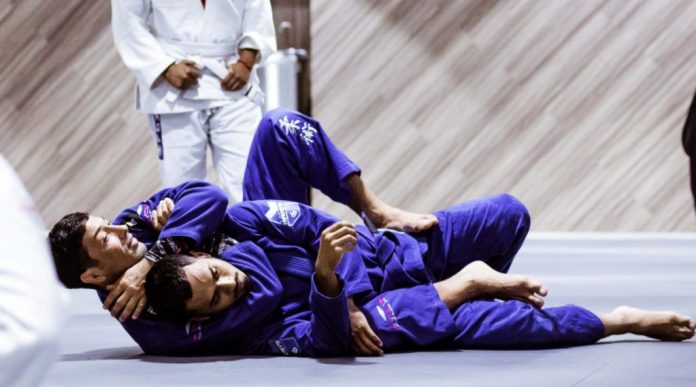
You always remember your first…submission! The one I managed to get was a really hard-fought one and actually features later on in this article. That said, BJJ does offer more submission options than any other grappling martial art out there. That also means that you might end up being extremely confused when you first start training BJJ. It is not that all submissions won’t work for you. Some submissions are simply better for BJJ beginners than others, and it is a smart idea to focus on those first.
Submission hunting is not an easy job, regardless of your Jiu-jitsu level. Still, BJJ beginners really do have it tough. They’d love to sink in a submission, any submission, on anyone in the gym. However, at the same time, they have to try and survive submission attacks and all the positional pressure of more experienced training partners. However, all is fair in BJJ, and there’s no rule that says beginners should only suffer. Still, catching both peers and higher belts in a submission as a beginner is much easier when you use the right submissions for your level.
A Submission Game For BJJ Beginners
As much as BJJ beginners would love to hit flying Gogoplatas, they’ll have to wait their turn. To be honest, there’s really no great time for hunting flying submissions, regardless of belt, but they are out there. For the JIu-jitsu newbies, though, simpler stuff will yield far more results than all the things they look up on YouTube. And that right there is the hardest thing of all – working on things that are great for your level, and not the things that you’d like to do because they’re attractive.
Submission hold that have a high percentage of success in BJJ, share several common traits. The most important one is that they are simple in nature, and require just basic biomechanics in order to get to them. IN other words, the less you have to work for a submission, the easier it is going to be to get it. And BJJ beginners already have enough complicated things in their lives trying to remember the names of BJJ moves, new movement patterns like shrimping and all the positions they’re learning in class.
A BJJ submission game for beginners should only include simple and easy submissions that are easy to set up from specific positions. That means that as a beginner, you should be looking to submit directly, Ifa submission fails, you should either get back to the position or try and get another position. This is not the time to try and link submissions together in a chain and look for fancy transitions.
Actually, when I come to think of it the same submissions that are a perfect fit for BJJ beginners are the highest percentage of submissions overall. So, if they work at the black belt level, why not learn them as early as white?
Choosing The Best Submissions For White Belts
As I discovered, there’s no real system of criteria when it comes to choosing the best submissions for BJJ beginners. Everyone has an opinion on what the best options are, according to their approach. However, certain submissions do feature over and over against in everyone’s list. So, we came up with our own way of deciding which submissions are best for beginners, and more importantly why.
There are three basic criteria that a submissions should fulfill in order to be easy enough for BJJ beginner to learn fast, and efficient enough to work against more experienced training partners. First up is the complexity of the move, or in other words, the mechanics and positioning. Secondly, we have the percentage rate of a move. However, we rate moves according to how well they work across all belts, not just among BJJ beginners. Finally, there’s the difficulty level when it comes to learning a move, for which we use a scale of 1-5. Just as an example, a flying Gogoplata would score 12 on this scale.
Armbar From Mount
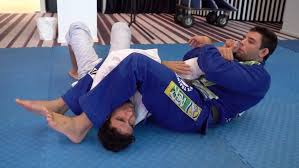 How It Works: The armbar is one of the oldest submissions that makes an appearance in all grappling martial arts. The goal is to place your hips behind your opponent’s elbow, while having their arm outstretched. This places pressure on the elbow joint when you push with the hips. From mount, there is a short transition that gets you in the armbar, but it is not hard at all for BJJ beginners to master quickly.
Percentage Rate: The mounted armbar is actually a much higher percentage finish than the armbar from guard. One look at any BJJ tournament will show you far more finishes from mounted armbars as opposed to guard attacks. In fact, most armbars that start in guard, eventually end up in the same finishing position as a mounted armbar.
Difficulty Level: The submission itself is very simple and extremely effective. However, given that there’s a transition between the mount and the final finishing position, I’d rate the armbar as a 3.
The Rear Naked Choke
 How It Works: Тhe Rear Naked Choke is the most popular submission move in all of the martial arts. What you’ll soon discover in BJJ is that it is not as easy as it seems, but not too hard either. Done from the back, this choke works by grabbing around the neck with one arm and reinforcing it with your other via a figure four grip.
Percentage Rate: The percentage rate of the Rear Naked Choke is through the roof. Whether it is BJJ, MMA, or even self-defense, being behind someone with a fully locked Rear Naked Choke will only end up in one way – tap or a nap. Arguably the highest percentage submission in JIu-Jitsu, Certain collar choke variations from the back might be more powerful but still do not gear anywhere near the percentage rate of the Rear Naked Choke.
Difficulty Level: 2 at best, and only because people often take a bit of time to get the figure four arm placement right. Apart from that, back control is easy to explain, and the choke is easy to set up. Perfect for BJJ beginners.
Kimura
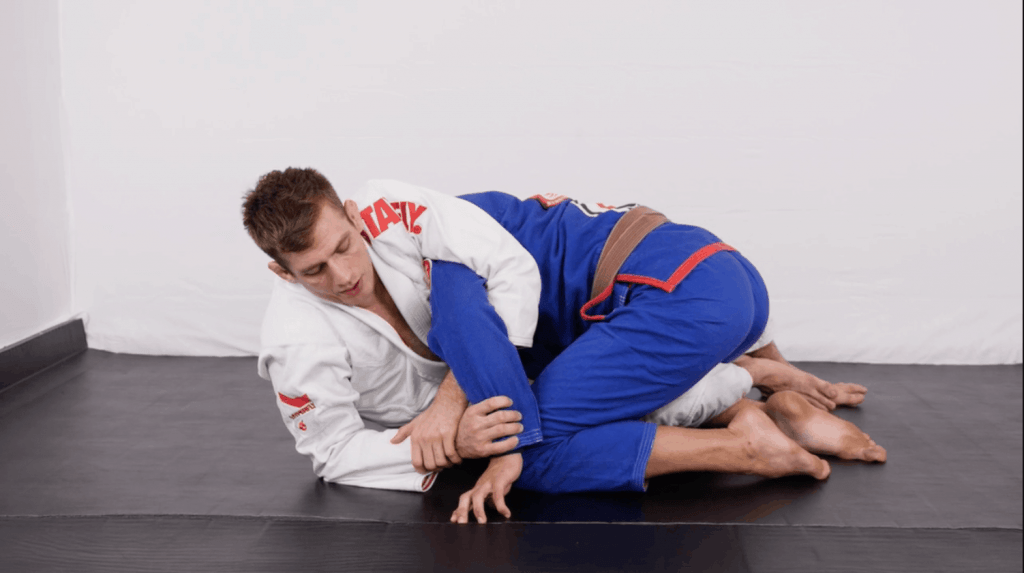 How It Works: The Kimura is another submission that targets the arm. In contrast to the armbar, though, this is a bent arm lock. That means the arm is bent at an angle that should be 90 degrees or less. A figure four configuration of the arms similar to that of the Rear Naked Choke is what makes this submission very formidable. The best part is that you can get it from virtually any BJJ position. My recommendation would be the closed guard for beginners and white belts in general.
Percentage Rate: The Kimura’s percentage level depends on the position you’re doing it from The closed guard offers the best finishing rate for Kimuras. Moreover setting up the submission is extremely easy and can work both as an attack and a counter.
Difficulty Level: Similar to the Rear Naked Choke, the figure four configurations mean it gets a 2. A good thing is that the Kimura and Rear Naked Choke work with a similar grip, cutting down learning time by half.
Guillotine Choke
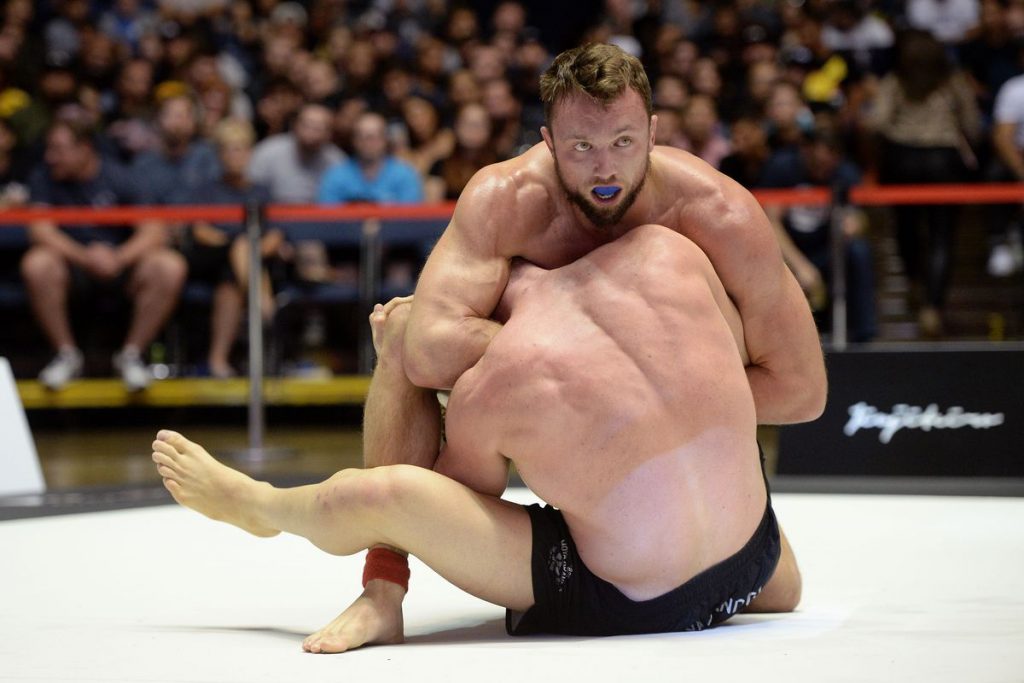 How It Works: The guillotine is a choke that comes instinctively to people. In order to work, though, you’ll have to get the right grip, and even understand angles a bit. However, there are so many grips that BJJ beginners can actually choose which suits them the best. Available from the guard and mount in most cases, the preferred starting point for learning Guillotines would be the closed guard. The way it works is you grab an opponent’s neck with one arm, by placing their head in your armpit. You then connect your arms and you squeeze.
Percentage Rate: The guillotine is one of the most used chokes in BJJ and MMA. It works perfectly with and without a Gi, driving its percentage rate through the roof. Getting out of a really tight guillotine is really difficult, making this submission even better.
Difficulty Level: 3, given the grip variations and angle and pressure adjustments. This move takes perhaps the most time to master, compared to the rest in our list. It is more than worth the effort, though!
Arm Triangle
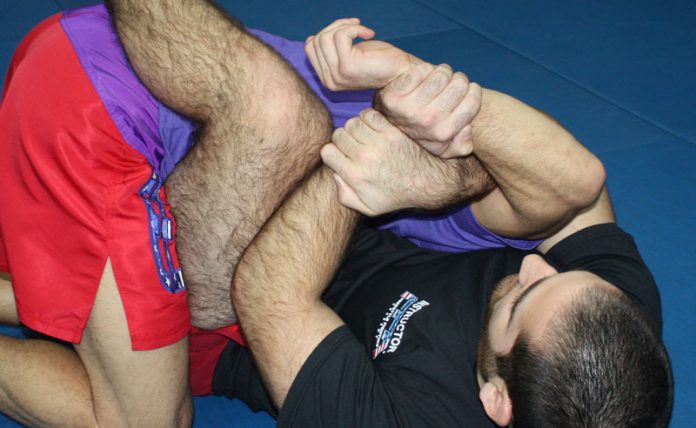
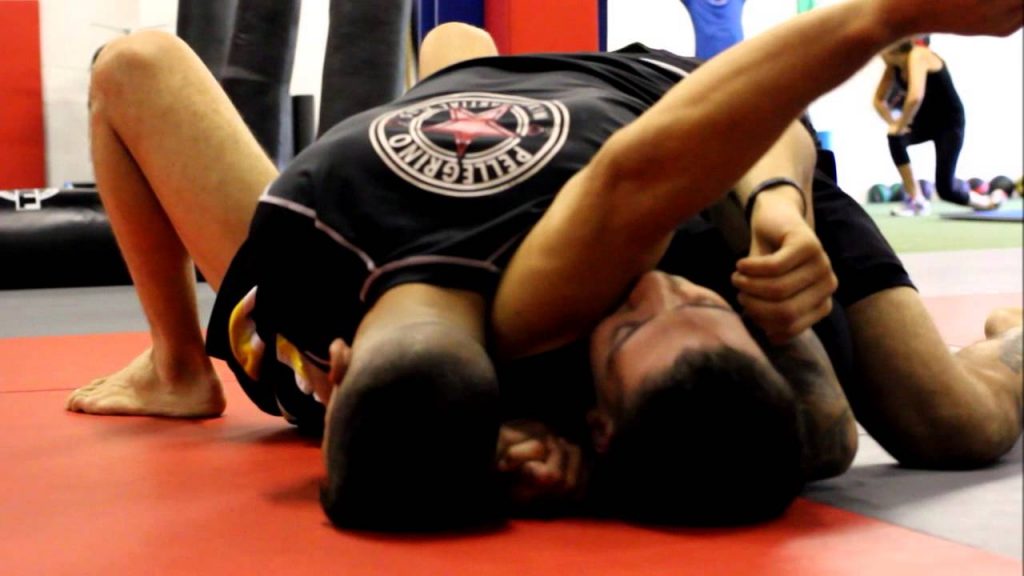 How It Works: This is actually the first submission I managed to get as a white belt. The move is really easy, With an opponent laying on the ground facing up, your goal is to hug their head, while lying next to them, facing down. In order for the move to work though, you’ll need to include the opponent’s near sidearm in the “hug”. Clamping your hands together will result in one of the tightest chokeholds in BJJ.
Percentage Rate: High percentage rate, particularly in No-Gi. It works well in the Gi as well, but the collar can get in the way of setting it up. Half guard is a good spot to hunt for the arm triangle, but so is the mount. However, remember that in order to finish it, you have to be falt on the ground next to your opponent, and not on them.
Difficulty Level: 1. The arm positioning is easy, the body positioning is easy and the power of the choke is huge. You can get extremely good at this submission with just in a very short time.
Cross Collar Choke From Guard
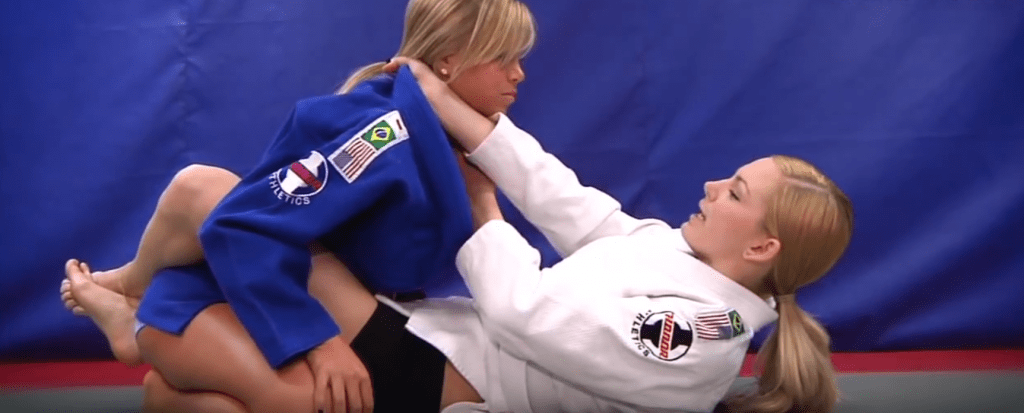 How It Works: A move that most people learn quite early. It is a staple submission of BJJ and works great from both the guard and mount. However, for BJJ beginners, the guard is the more stable and reliable position to set this choke up from. All you need to do is get both your arms in the opponent’s collars by making an “X” with your forearms. A simple pull will get you instant taps.
Percentage Rate: Iн terms of percentage, this is a Gi-only choke, for obvious reasons. That lowers the rate of finishing a bit when we include Gi and NO-gi. However, in Gi BJJ, this one is proven to work even against elite-level black belts, once you get the hang of it.
Difficulty Level: 1. The positioning of the arms is extremely easy, and you need no special movement in the guard to set up. The choking motion requires absolutely no strength, and there’s no reliable way of defending it. That makes it, arguably, the easiest choke you’ll learn as a BJJ beginner.
Closing Arguments
BJJ beginners do have lots of submissions at their disposal. Learning any and all submissions is far from a bad thing to do if you’re just starting out. Just make sure you dedicate time to one, or even better, all of the moves that are best suited for your level. Once you have a solid arsenal you can dabble with any other submission you like.
DVD and DIGITAL Instructionals Related to the Best Submissions For BJJ Beginners :
1. Arm Bars: Enter The System by John Danaher
2. Kimura: Enter The System by John Danaher
3. MASTERING THE GUILLOTINE BY JOSEPH CAPIZZI
4. MASTERING THE GUILLOTINE VOL 2 BY JOSEPH CAPIZZI
5. Understanding Collar Chokes by Travis Stevens
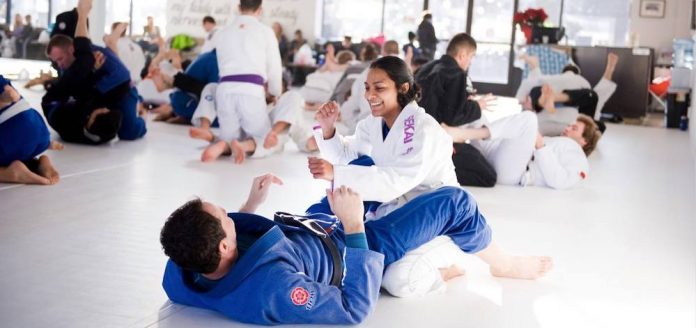
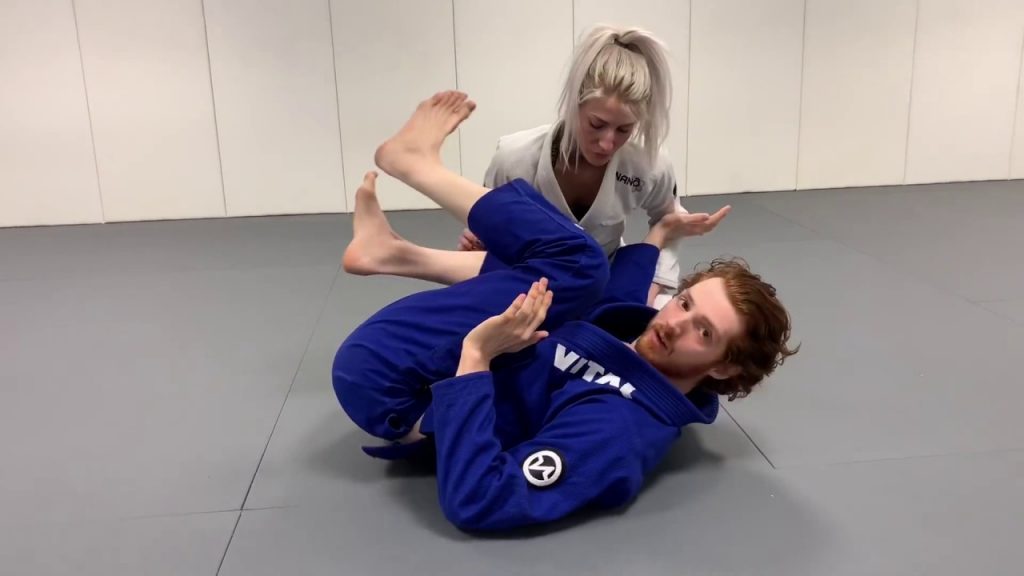 As obvious as this may sound, you need to spend more time on the mats if you’re looking to learn BJJ fast. How much time is enough is a highly individual thing, as you’ll see later on. The rule of thumb, though, is that the more time you spend in the Academy, the faster you’ll become better at Jiu-Jitsu. A great starting point for most people is at least 4 times per week. However it is not just about to begin on the mats, but what you do when you’re on them.
 The polar opposite I have to mention here is overdoing the conditioning. Running marathons, lifting like a strongman or doing hard CrossFit sessions will definitely interfere with your Jiu-Jitsu progress. Make sure you know what is your priority. If it is BJJ, use conditioning to supplement it, not substitute it.
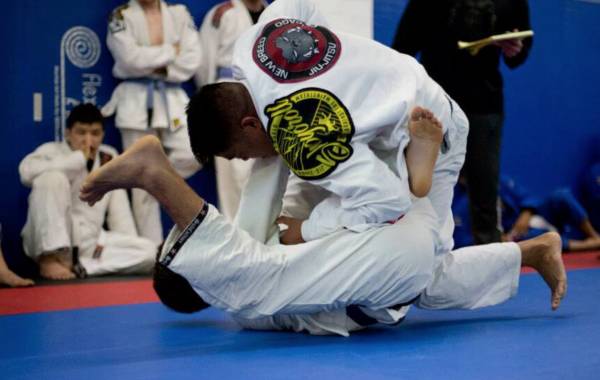 I guess this one is the toughest thing to do, or not do. When you start training, Jiu-Jitsu will be extremely uncomfortable. It is a period that subsides, but never really disappears, However, as you learn, you start to build your own game, and you figure out what suits you. That means you develop go-to moves and you can get most people with them. This can be a problem if you decide to do nothing but those moves in order to satisfy the need of ending up with more taps in a roll, or whatever.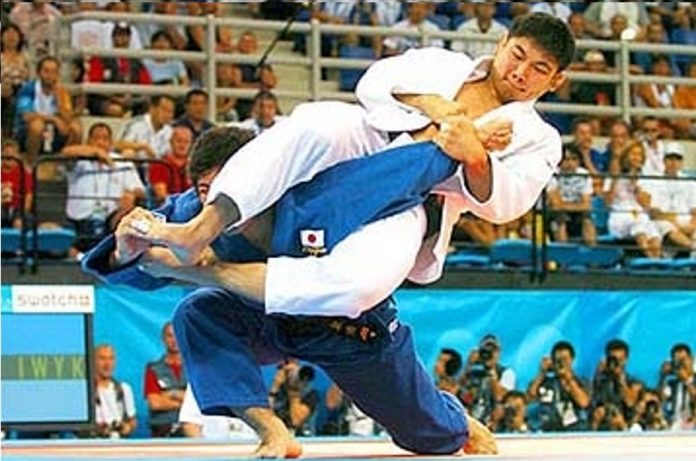
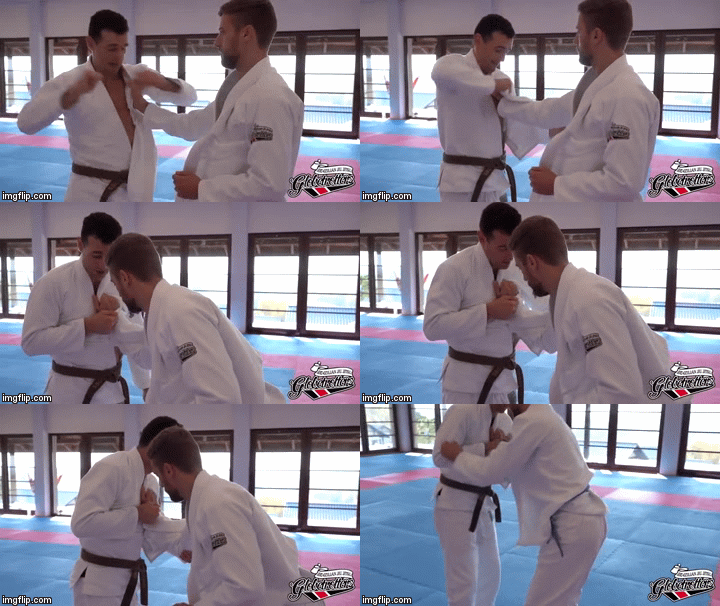 The rule of thumb here is that the stronger your opponent holds a grip, the more efficient your wristlock is going to be. There are many ways to hit standing wristlocks, but my personal favorite is using the collar. Loosen up your own collar by grabbing right below the opponent’s grip. Then, feed the collar around their wrist to your other hand, waiting on top of the opponent’s grip. Get your elbows close and squeeze everything together and you have the arm trapped. Now, the opponent can’t let go of the grip even if they want to.
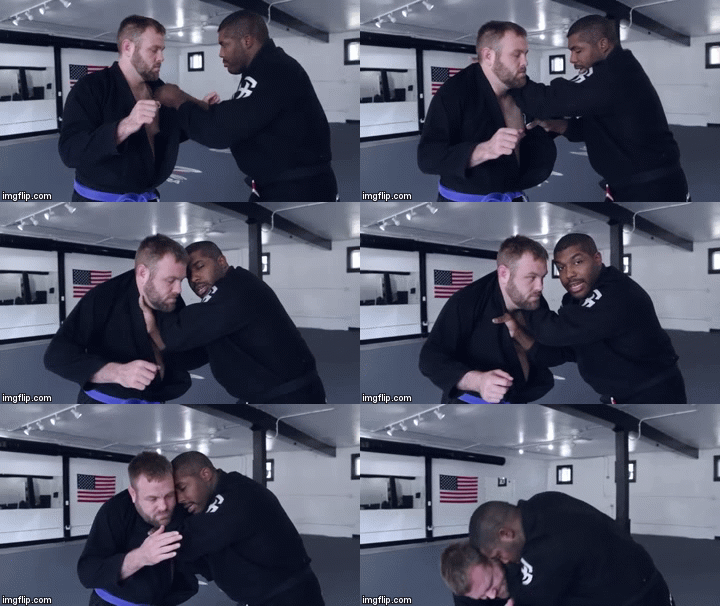 With the Gi, a collar choke is always a good idea. That’s true for when you have a top position, bottom position and even when you’re standing. And yes, the basic cross collar choke does work standing. The key is getting in a very, very deep cross grip and making sure your other arm is free of the opponent’s grips. With standing Gi chokes, it is all about the angle, so you won’t be standing squared up with your opponent. Instead, you want to circle to the side of the cross grip and sneak your other arm under the gripping arm. The choke works from the side and is kind of a hybrid between the cross collar choke and baseball bat choke. To finish, you want to pull on the collars and push your elbow into the side of the neck.
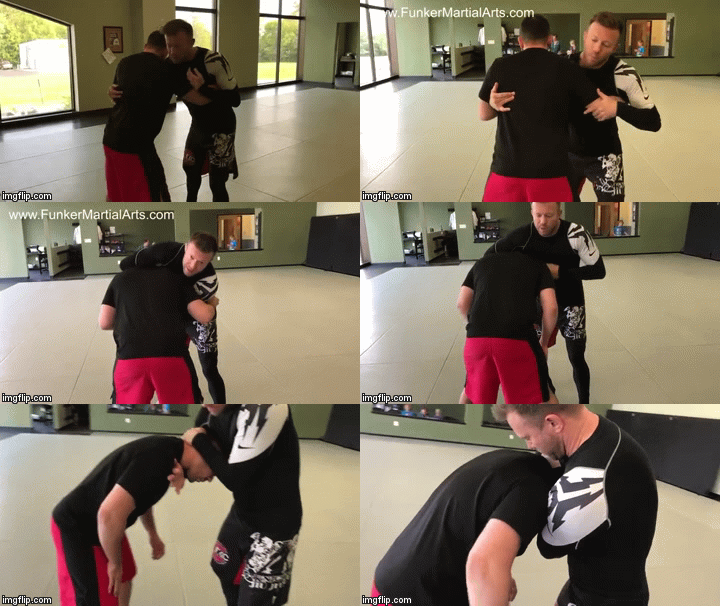 In both Gi and No-Gi, you also have the option of hitting a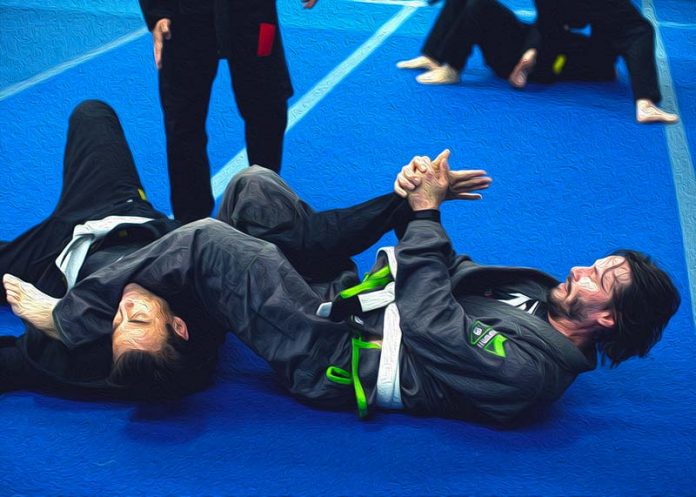
 Probably the most famous person alongside Keanu Reeves that is constantly advertising BJJ for all the good reasons. The pop star has been really vocal about training and is often sharing photos and clips of her training with the gi. She is a very legitimate blue belt and is training up to five days a week when her schedule allows it. Demi started training with Orlando Sanchez and she got her blue belt from him. She is also a frequent visitor to Renzo’s blue basement in New York. Sanchez has also stated that she is training every opportunity she gets when she’s on the road, at different academies. Lovato also trains with Gracia Barra
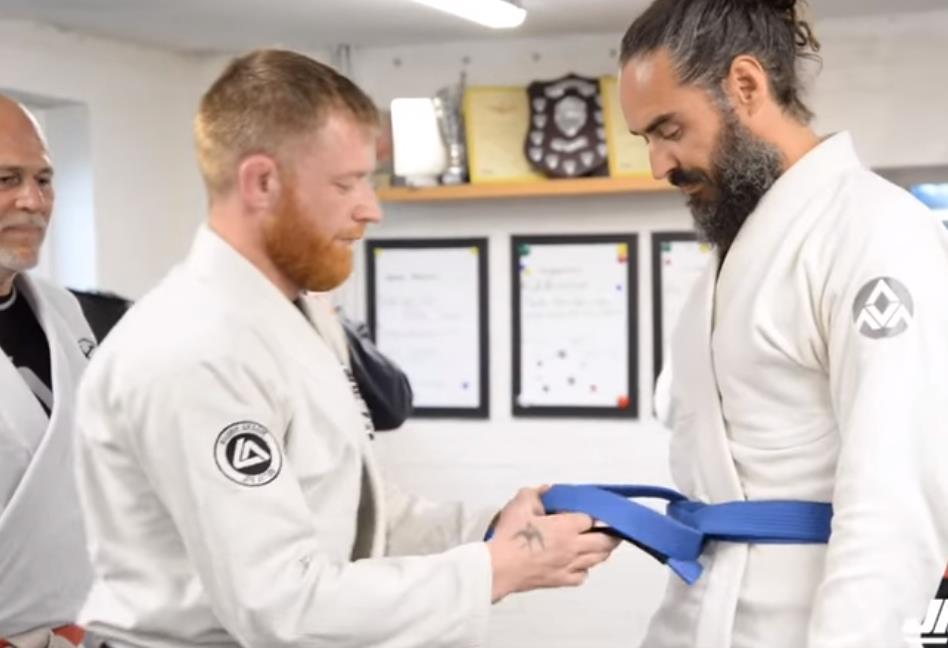 Apart from Joe Rogan, Russel Brand has to be the loudest comedian when it comes to recommending Jiu-Jitsu to everyone. Brand is one fo those celebrities who train BJJ not just for the physical aspect of it. He finds really deep psychological meaning in training, and in particular, rolling. That and he has a highly addictive personality, which, as we know, is all you need to get hooked to the Gentle Art. Russel is also training under the Roger Gracie Academy umbrella, with his instructor being Kec Capel. Brand currently holds the rank of blue belt in Jiu-Jitsu.
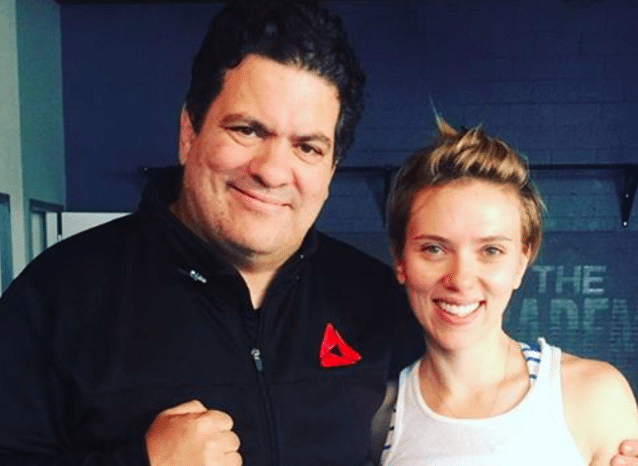 Turning again to the finer half, Ultra popular actress Scarlett Johansen is also among the celebrities who train BJJ. Given the demands of her role in The Avengers, and subsequently her own movie about the Black Widow, training Jiu-Jitsu is the obvious thing to do. Just like most other Holywood celebrities, her “base of operations” for grappling is the Beverly Hills Machado academy, with Rigan as her main coach.
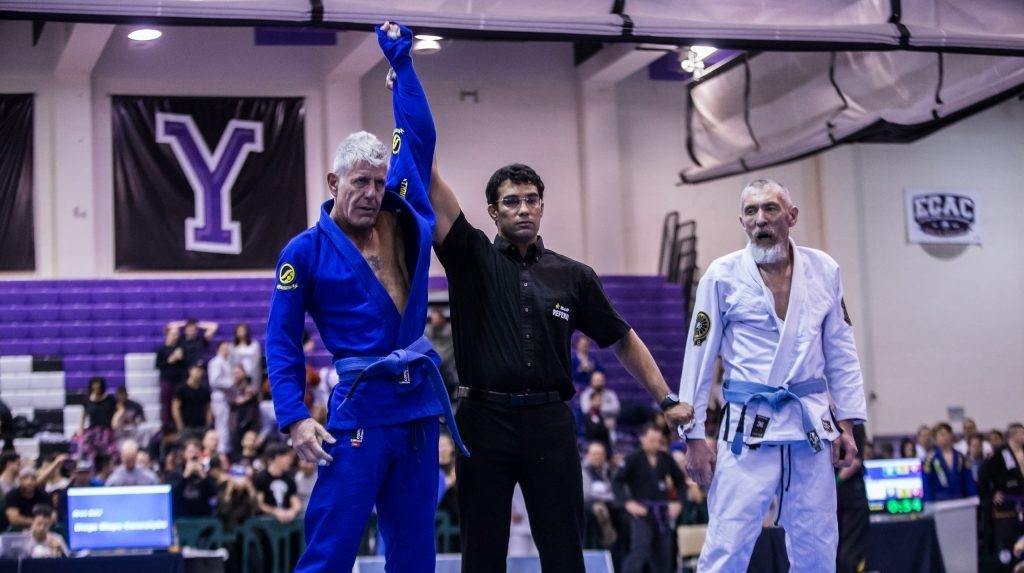 Before we end the list of favorite locations for celebrities to train Jiu-Jitsu, let’s look at where celebrities that are no longer with us preferred to train as well. Anthony Bourdain was a huge ambassador of Brazilian JIu-JItsu and used every possible moment he had to train. He even competed as a blu belt, winning gold at a tournament. He did not take training lightly, making Renzo’s NYC academy his base academy, and we all know the killers that train there under Renzo and John Danaher. Bourdain was known to train in regular classes and roll with anyone.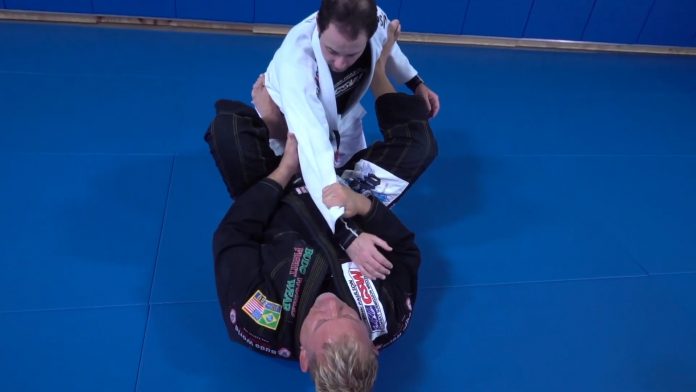
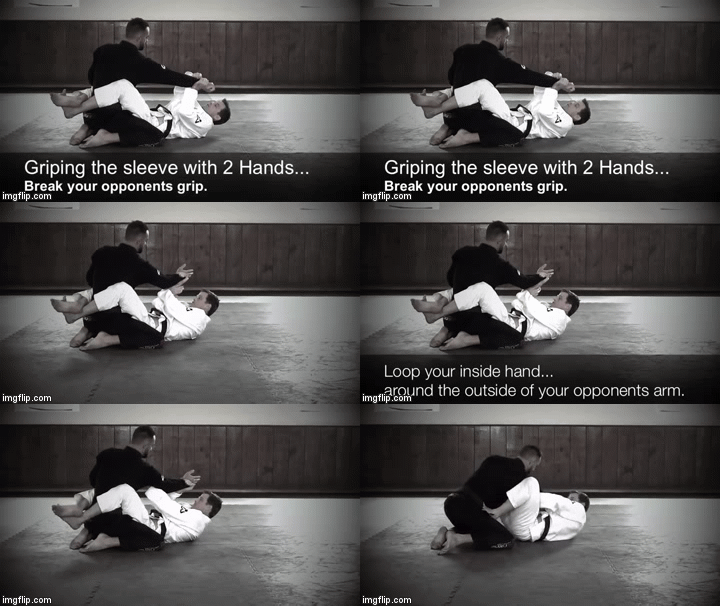 Grips make or break the guard, as is the case with any BJJ open guard. In the stretch guard, you want a very simple combination of grips – one on the collar, one on the sleeve. However, they have to very specific grips in order to help you set up the guard perfectly. Namely, the grip on the sleeve has to be a cross grip. The one on the collar can go on both sides, although same a side collar grip is the most used one. You could also use a two-on-one grip, placing your free arm on the triceps of the arm you’re already controlling with a cross grip.
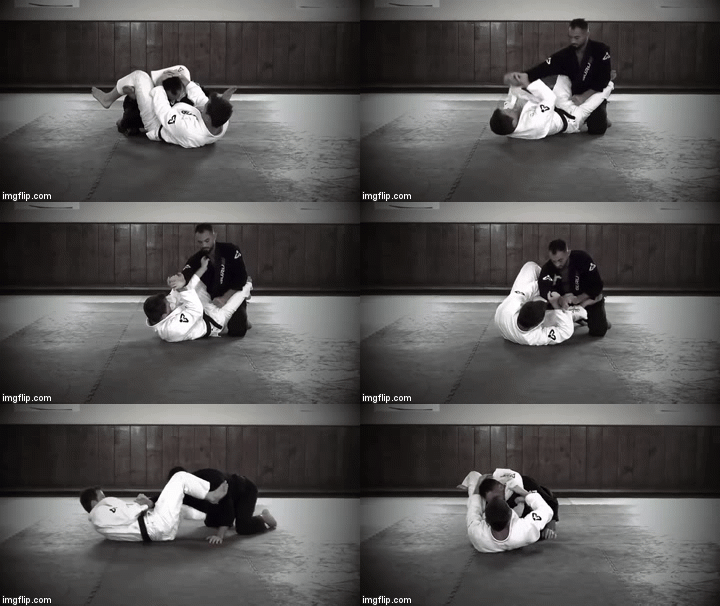 As you will undoubtedly notice yourself, the easiest thing to pull off from the basic stretch guard is the triangle. The reason why one of your feet iso n the shoulder is to make submission attacks very easy. The moment you stretch someone with the leg on the hip and the grips, their center of gravity gets pushed back .that places them in the perfect position for a triangle, You can actually do not have to do anything at all, apart from swing the leg that is on the shoulder over. From there on, proceed to any triangle variation that you like to do.
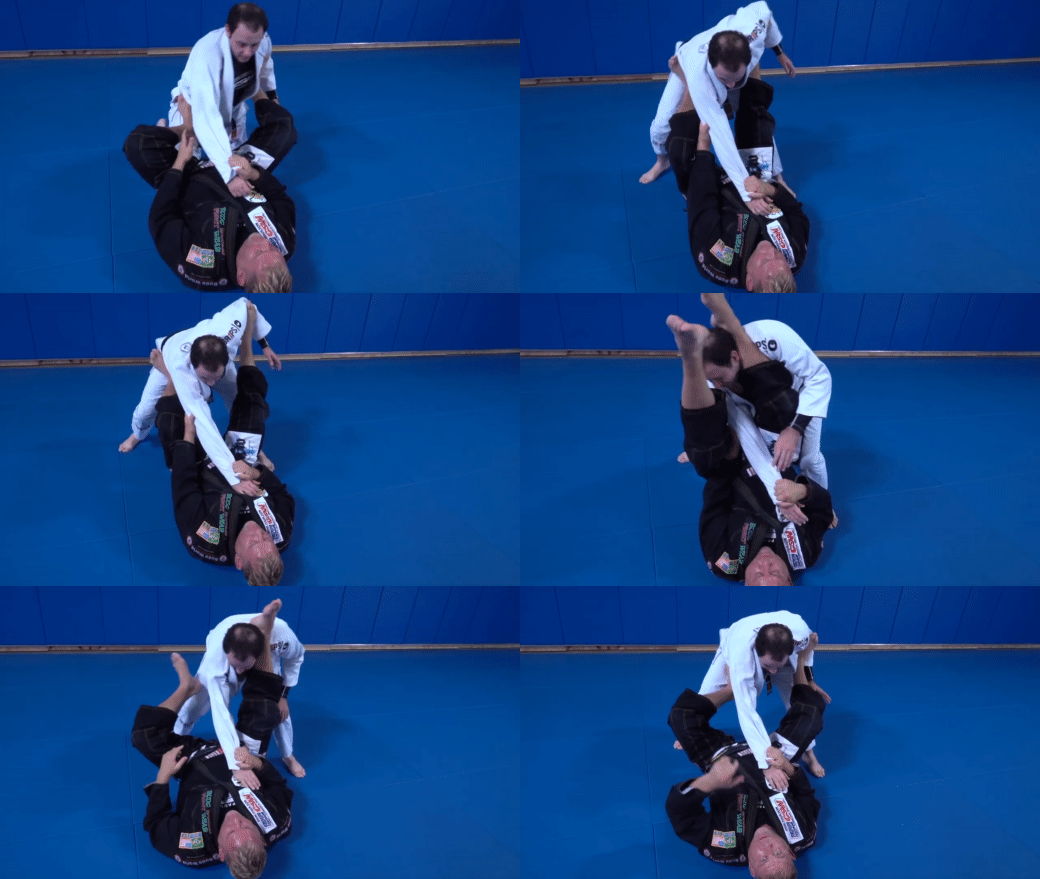 A great follow up to the triangle from this BJJ open guard is the armbar. While you can hunt for it as a first choice attack, it works even better when you follow u pa triangle with it. Often times, opponents will try to move to the side the moment they feel your leg on their shoulder going over for a triangle. There’s no triangle now because of the opponent’s super posture, but an armbar is right there. The more stretched the arm is, the tighter it will be. Since the leg is already on their neck, use it to off-balance your opponent and swing the other leg around. A word of caution here, the armbar comes on very quickly, so be careful when rolling.
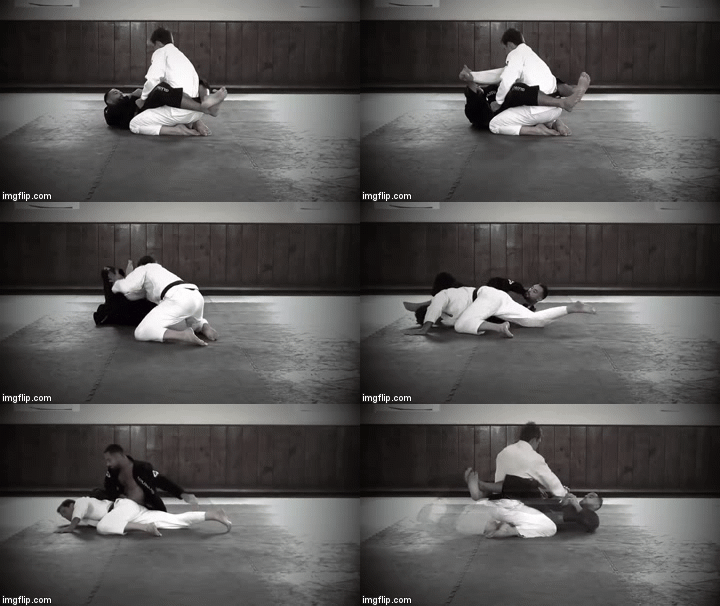 Another classic move you can hit is the
 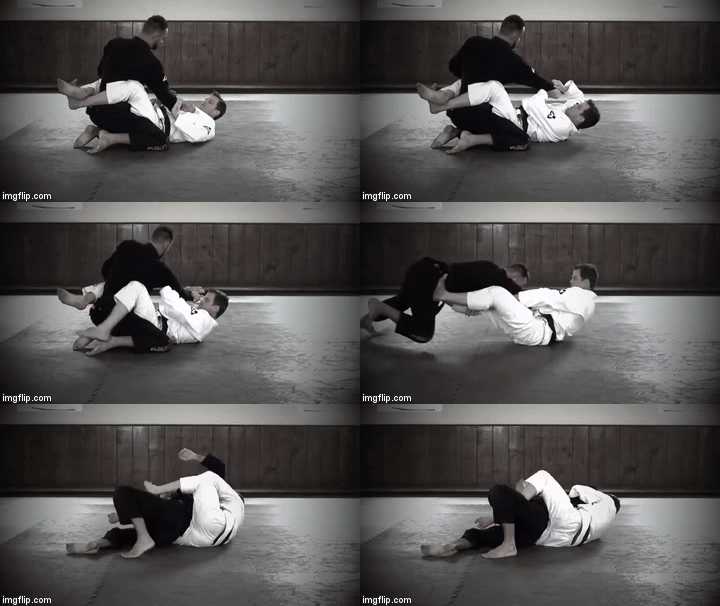 Last but not least you can get the back. If/when the opponent pins the leg that should be on their shoulder down, simply pull them towards you and do a hip escape., That’ll land you in an arm drag-style back take.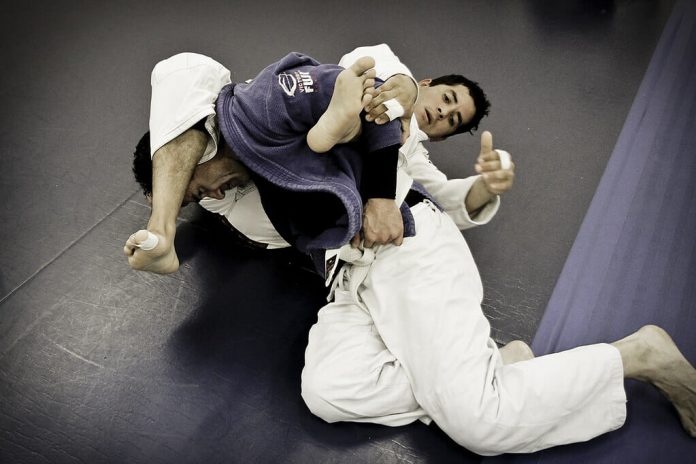
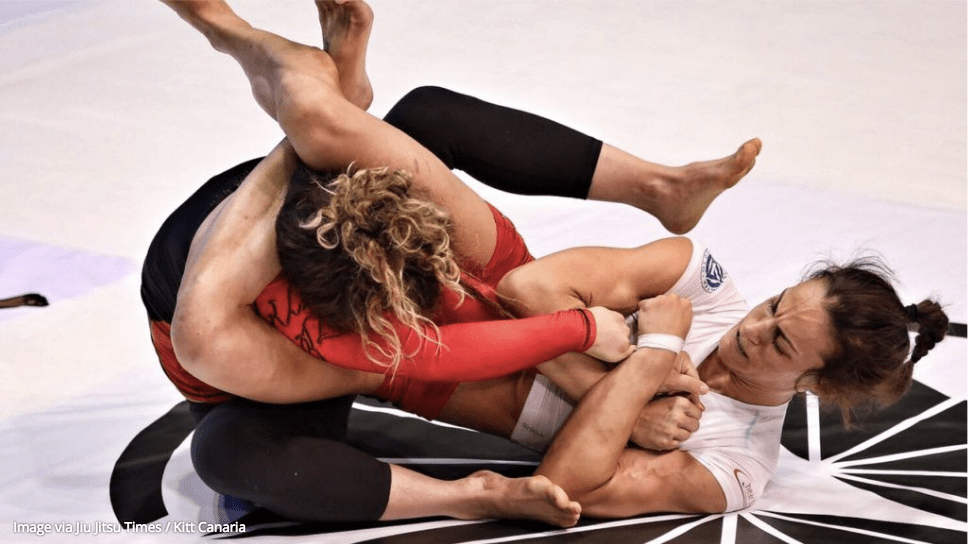 If you want to truly become a submission hunter, you’ll have to adopt a different policy to that of traditional Jiu-Jitsu. That aid, you’ll need to take the mantra of “position before submission” with a grain or two of salt. It has merit and truth to it, but it is not a rule of thumb that applies to every grappling situation. Quite the contrary. Holding Jiu-Jitsu positions in order to pin an opponent is a great way to control someone, However, it is a horrible way of actually setting up submissions. Do not get me wrong, this will work in most situations, particularly at the lower levels of BJJ, However, when it comes to tapping out high profile girls and guys, you’ll need a different type of grappling submission hunting skills.
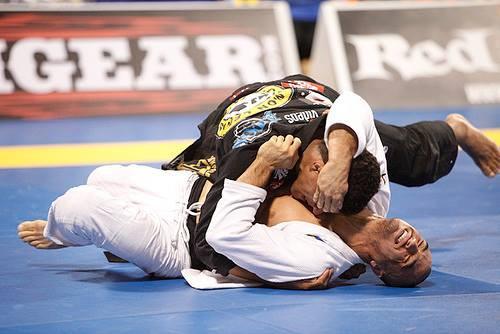 The progression in BJJ usually has something like this: you start off by holding Jiu-Jitsu positions for dear life, once you somehow manage to get to a good one. Then, you’re probably going to wonder how submissions work, and why you’re not getting any. So, the transition to grappling submission hunting happens. Finally, you’ll inevitably go back to trying to figure out how holding Jiu-Jitsu positions really work. This is down to the fact that at a higher level, it becomes harder and harder to pull off submissions, even if you’re the best submission hunter in your academy.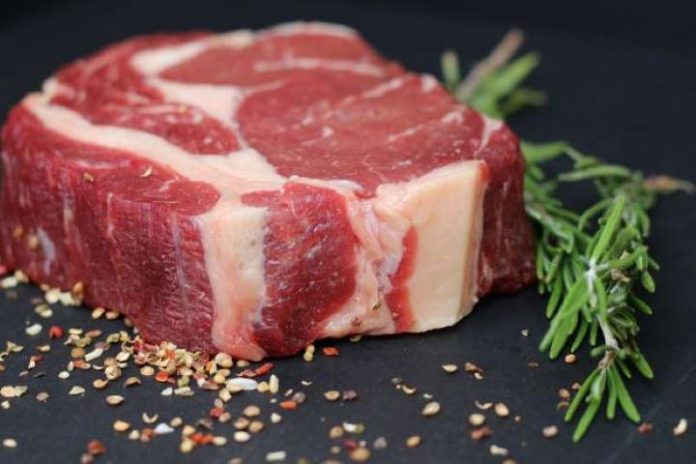
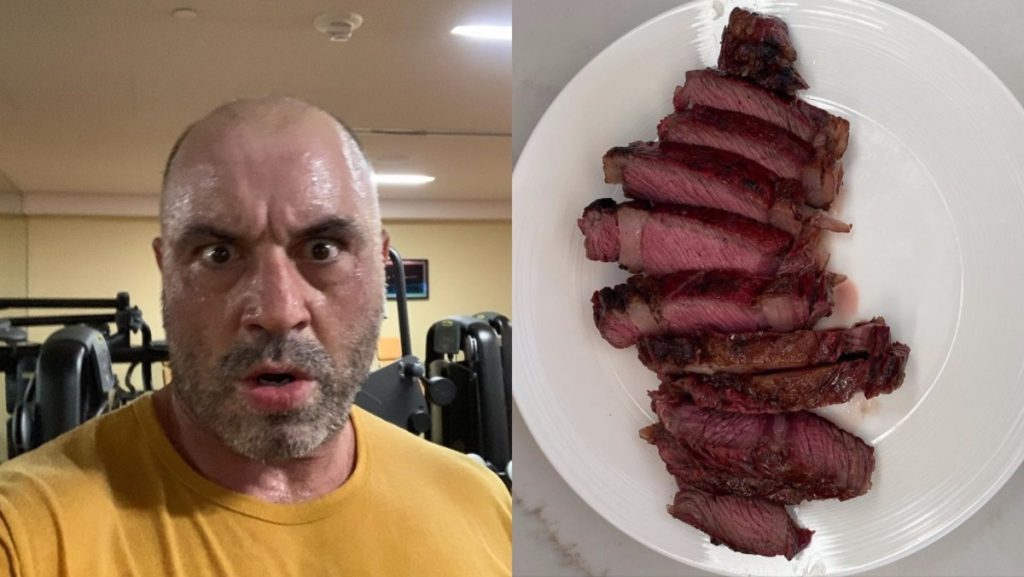
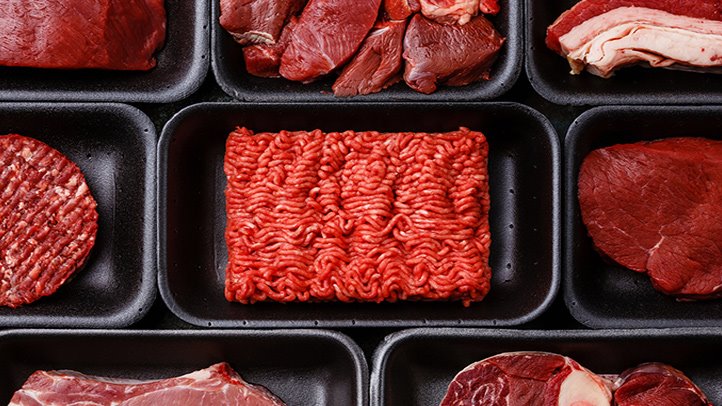 The carnivore diet is not really based on science, but more on the belief that humans are by evolution, designed to be carnivores. We all know that humans as a species are omnivores. Still, that’s not a reason not to explore this dieting approach further. That said, there are doctors, like orthopedic specialist Shawn Baker that recommend the diet. Of course, this diet being brand new and all, there’s a lot of research that needs to happen in order to get some real evidence as to whether it can help athletes achieve their two primary goals. Those are being healthy and achieving specific athletic performance goals. There are several carnivore diet studies taking place now. However, we’ll most likely have t wait quite a lot longer for genuine results.
 That said, if you’re looking to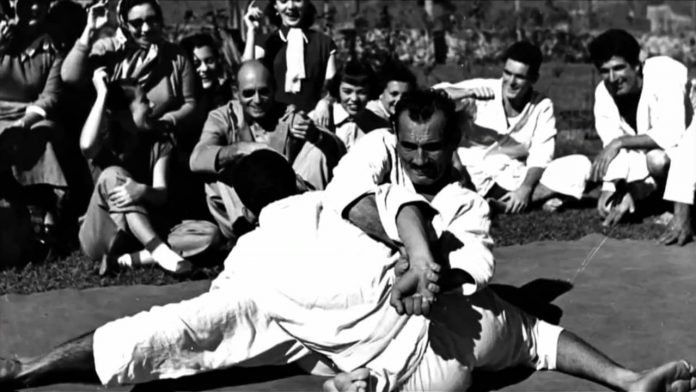
 The story of Jiu-Jitsu, in just a few sentences, is as follows. A Japanese Judoka, who spent a lot of time traveling the world and engaging in catch wrestling and NHB matches need up in Brazil. There, he thaught his trade to a bunch of students, one of whom was
 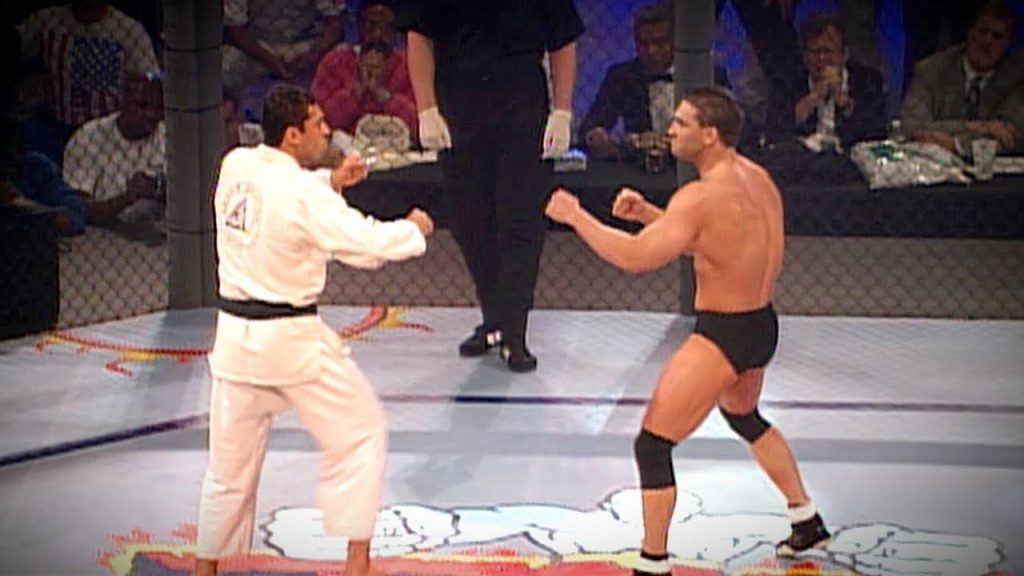 In the process, the American edition of Gracie Challenge matches ended up giving birth to something else – modern MMA. Through the formation of the UFC as the biggest Gracie Challenge stage up to date, the Gracies managed to take their challenges to the TV screens, with the UFC being televised. Of course, the organization had a period of difficulties due to the no rules format. However, that later changed, giving birth to MMA in the process. And we can’t really imagine the world of combat sports and martial arts without MMA today, can we?