



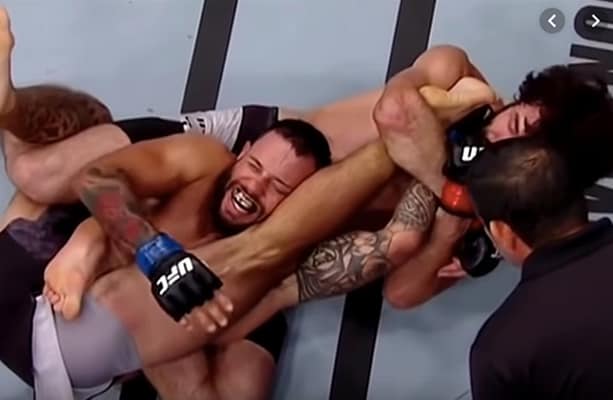
Have you ever heard of the Suloev stretch? Yeah, that’s what I thought. This is one of those moves that very few people know, and even fewer can actually pull off. The trick is not in how complicated the move is – quite the contrary. The only reason why this move and others like it are not taking the grappling world by storm is that they’re not really well known. In that sense, this is the perfect moment to pick up a few pointers on the Suloev stretch and start using it regularly in your rolls and matches.
Whenever BJJ people read “stretch” as part of any move, they tend to look away. It is a fact that Brazilian Jiu-Jitsu grapplers can be elitist in their behavior. Unless certain moves fit all the BJJ requirements Jiu-Jiteros often look shun moves that are actually highly effective. After all, just look at catch wrestling and all it has to offer BJJ. The Suloev Stretch is one of those moves that sound like something out of the WWE. It is, however, a highly legitimate submission hold that doubles as both a joint lock and a muscle stretch/tear submission. It is as evil and painful as it sounds and there’s actually no real secret to setting it up. So, why aren’t we using it more? But, then again, there are other good moves from WWE applicable to BJJ that we’re not used to doing like Dragon Sleeper Hold. Maybe we should consider using some of them more seriously.
What is the Suloev Stretch?
The Suloev Stretch submissions are basically a kneebar submission, but one done from the back. Yes, it ties in two of the best things in Brazilian Jiu-Jitsu: back control and leg locks. Even Danaher himself would be proud of this one. However, the creator behind the Suloev stretch is not the well known BJJ mastermind, but a Russian fighter by the name of Amar Suloev. The late mixed martial artist fought for UFC, Pride, Cage Rage, and M-1 Global. During his time on the mats, he had some impressive victories amassing a 24-7 record. 8 of his victories came in via submissions, with one of them being the Suloev Stretch.
Suloev had a background in kickboxing and Greco Roman wrestling. He came up with the Suloev Stretch submissions during an MMA match with Paul Cathoon under the “2 Hot 2 Handle” banner in 2002.
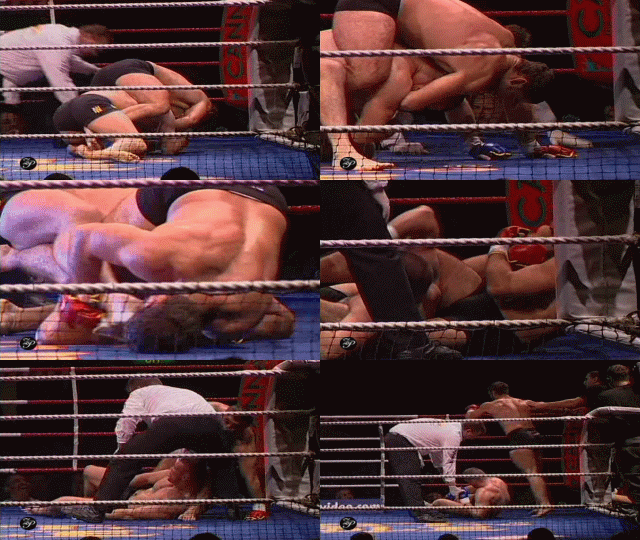 What he did was a counter to the quad-pod escape, which is common in wrestling. Trying to stop his opponent from escaping, Suloev, with two hooks in for back control, decided to grab his opponent’s leg while on the top of the turtle. He then proceeded to pull on the leg, finishing via a leg lock that hit both the knee joint and the hamstring muscle. Whether this was Suloev’s original intention, or he just went improvising on the go, there’s no denying the move was successful.
Suloev himself did not manage to pull it off again in his rich career, which saw him note wins over the likes of Dean Lister, Murilo Bustamante, Hun Kim, and others. However, others have used the submissions, mostly in MMA matches, with great success on every occasion.
How Does it Work?
Let’s break down the mechanics of the Suloev Stretch. In order for the move to work, you first have to establish back control. That said, a word of caution – the tension on the hamstring can come on really quick. Make sure you’re very careful with this one during rolling. That said, once on the back, opponents usually open up the opportunity for the Suloev stretch by turtling up, and trying to shake you off their back. Given that this is a solid percentage escape, it is something you’ll come across often. That makes the Suloev Stretch the perfect answer.
The first point of business you have is staying on the back. When an opponent is tripoding, there’s no risk of foot locks for your self. That means you can cross your ankles freely around their waist. An even tighter and better option is slapping on a full-body triangle to make sure you do not slide off. For the submission itself, you’ll have to pick one leg of the opponent. That can be an easy choice – go for the leg that is straight, and/or closer to you. The goal is to reach for the heel, as far down as possible, and use both your arms to get it.
The goal is to extend the leg, and doing so will require you to roll over. Once you’re on your back, your opponent will be stuck, with their leg fully extended by your pressure on their heel. The position leaves a lot of space to pull with your entire body, which might end up tearing the hamstring muscle. Just to add insult to injury, you could also turn this into a kneebar. Simply place the knee on the opponent’s shoulder, thus getting leverage for a joint lock.
The Suloev Stretch For BJJ – Applications And Ideas
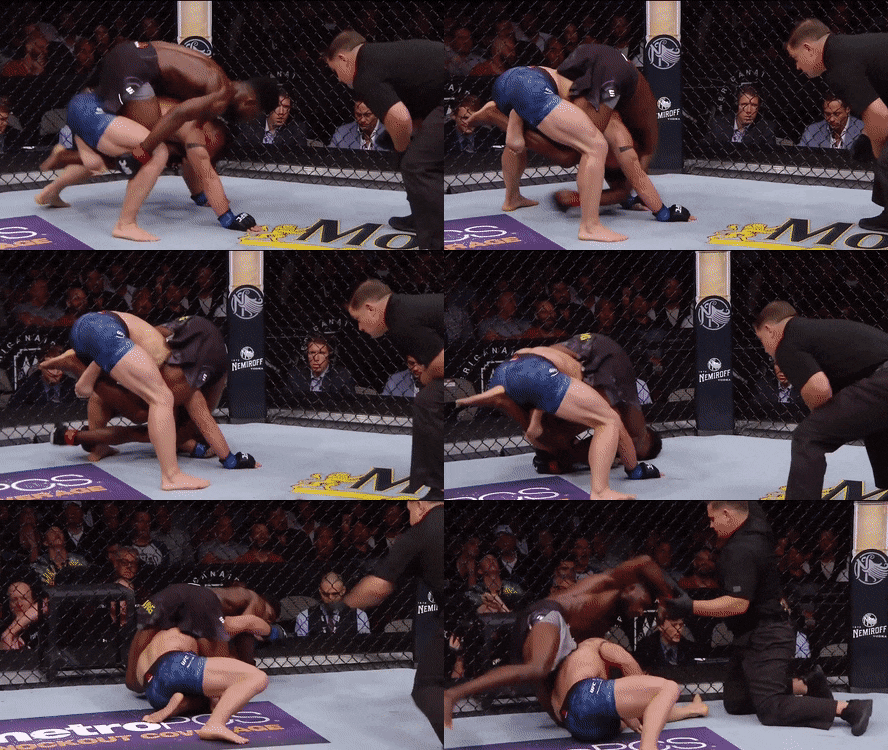 So far, we’ve seen plenty of instances of the Suloev stretch in MMA, including the UFC. Kenny Robertson was the first man to pull the move off ina UFC fight. He submitted Brock Jardine way back at UFC 157. Needless to say, the move brought him the Submission Of the Night bonus at that event. More Suloev Stretch submissions followed, though, with both Aljimain Sterling and Zabit Magmoedshapirov using the move to great success inside the octagon. In fact, Roberton was using the move a lot even before his time inside the octagon. He used it often during his wrestling career, even tearing a few hamstrings (inadvertently) along the way.
Where does this leave this move in regard to its use in Brazilian Jiu-Jitsu? Well, the fact that this is a leg lock, even though a muscle slicer of a sort, from the back, makes it a very interesting and potentially useful weapon. What is even better is that in Jiu-Jitsu, you don’t have to set it up from back control, Given how much time is spent in turtle in the modern game you can go directly for it. There can be plenty of ways to sneak just one hook in and attack a turtled up opponent with the Suloev Stretch. Not to mention all the potential stand-up uses of the move. A great example is having a rear body lock in when on the feet.
One thing to keep in mind is that this move is nowhere on the map of legal/illegal moves. Certainly, under some rule sets, it will be seen as illegal, so make sure you follow the rules of competition when doing it. Other than that, you can feel free to experiment with it, and even try a lapel version of the move. Be sure to let us know how you do it if you can pull one-off, though.
Closing Thoughts
Submissions like the Suloev Stretch are a great way of introducing some old catch-wrestling style attacks to the modern game of Jiu-Jitsu. In fact, digging up stuff like this is often the key to solving some of the modern-day Jiu-Jitsu puzzles we often struggle with. For me personally, the move is a great way to help me secure back control when an opponent is trying to weasel out, Moreover, it offers a great way to actually transition into full-blown Ashi Garami Leglcoks off of back control, if that is the direction you’re looking for. Plenty of opportunities and a lot of experimentation still left with this one!
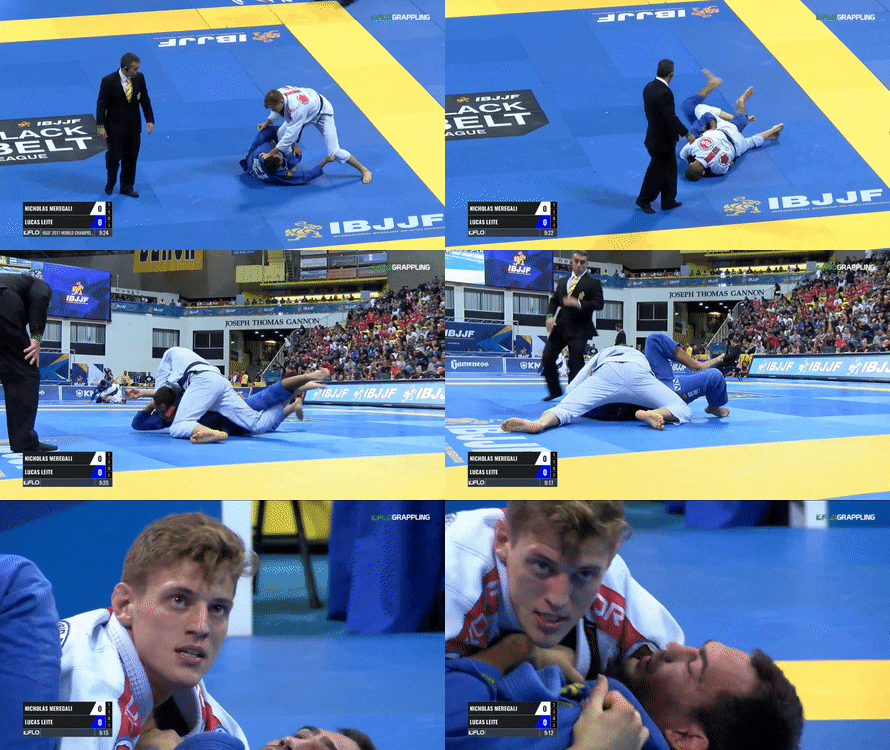 In No-Gi, one of the best things you can do to improve the rate of virtually and pass is attacked a Guillotine choke. IN the Gi, however, this may prove to be more difficult, due to the cloth that is in the way. This is where you need to improvise a bit. The Gi version of the Guillotine choke is the loop choke, and it may even be a better version altogether. The lapel grip is there anyways, especially when you are passing open BJJ guards. Why not use it to make your passes better and maybe get a choke in the process? Every time the opponent moves their head forward, like in a butterfly, shin to shin or X 0Guard, simply open your elbow and go for a loop choke. You’ll get a lot more BJ Jgaurd passes and quite a few taps in the process.
 A real classic when it comes to making things with submissions is, of course, the Kimura. The Kimura Trap is a great way of getting the back while keeping our opponent under a constant threat of a submission. Well, you take that same principle and transfer it to guard passing. Slap on the Kimura grip from virtually anywhere, and you’re all but set. Whether you roll or put your opponent under pressure, you’re either going to pass without much effort or get in the perfect position to submit.
 But what about all those articles, books, and the odd DVD promising to teach your BJJ in just months? Let me ask you this – have any of the 3-9 week diet and exercise plans you’ve found online actually worked in delivering what it promises? Of course not. With BJJ, the situation is entirely different though. It is definitely possible to learn Brazilian Jiu-Jitsu in a short time span and even get a black belt in a few years. However, it won’t happen by following a blueprint, because there is no such blueprint. If you want to see what the common thing for everyone that has gotten to black belt fast is, one thing keeps popping up over and over again. That is attendance.
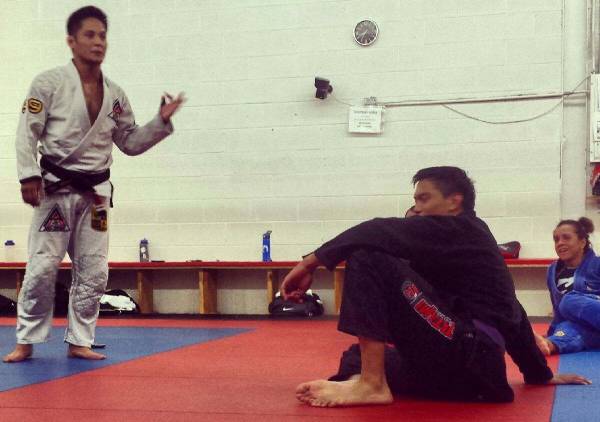 Here’s an idea, one that helps me bus through plateaus quite often – watch. Come to training, do whatever is in the curriculum so that you thick the show-up box, and do something meaningful while you’re there box. But then, when the time comes to roll, refrain yourself from jumping in. Instead, sit down, look at the people rolling, and catch notes. You’ll be surprised at how much insight you’ll be able to gain into Jiu-Jitsu as a whole, not to mention speed up your own learning process. A few sessions of “
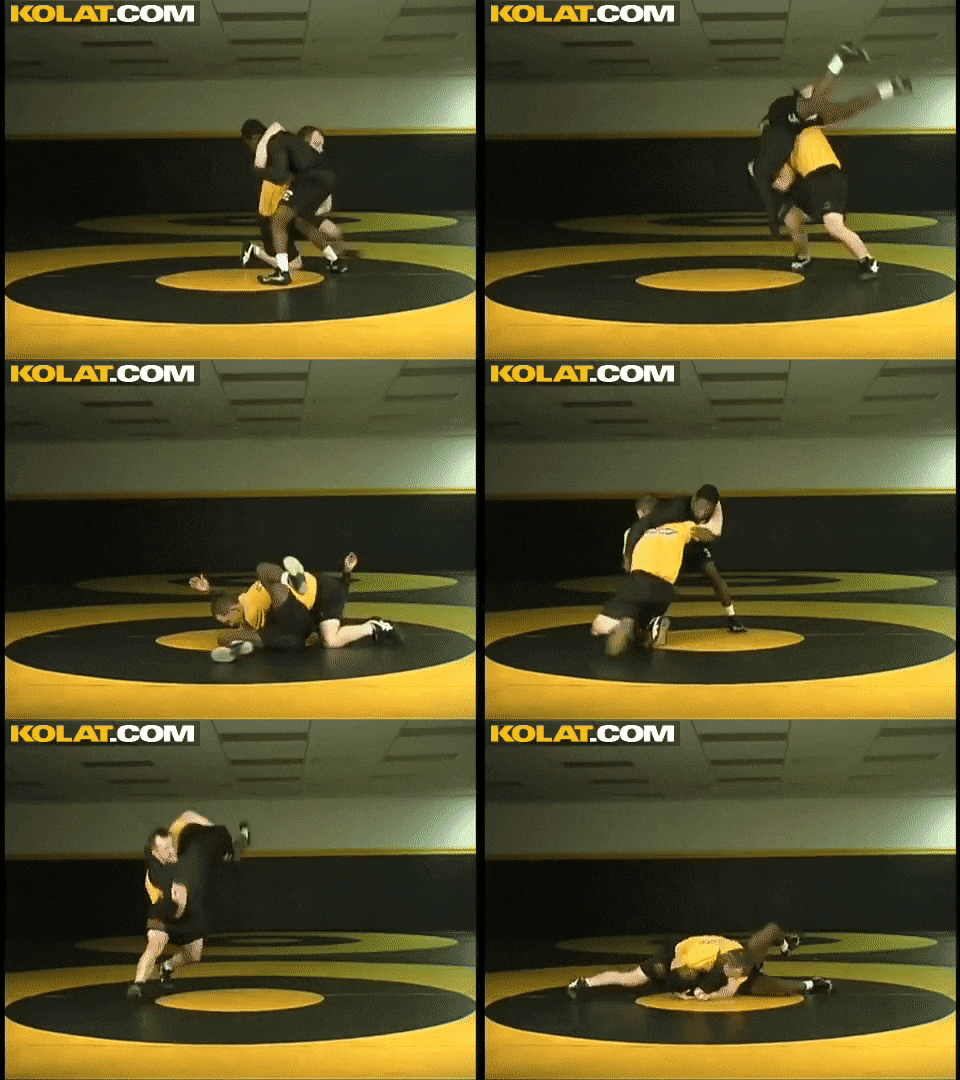 The Duck Under is a real wrestling classic, one that kids learn as they start wrestling training. It is also takedowns that work perfectly at all levels of wrestling, and for that matter, Brazilian Jiu-Jitsu. It allows smaller people to get a takedown without actually shooting for the legs. Since it works from a clinch, it is a close distance takedown. IN essence, you set up your arms like going for a high crotch but turn outward instead, ducking under the arm. Turning back towards the opponent begins you in total control to finish the takedown.
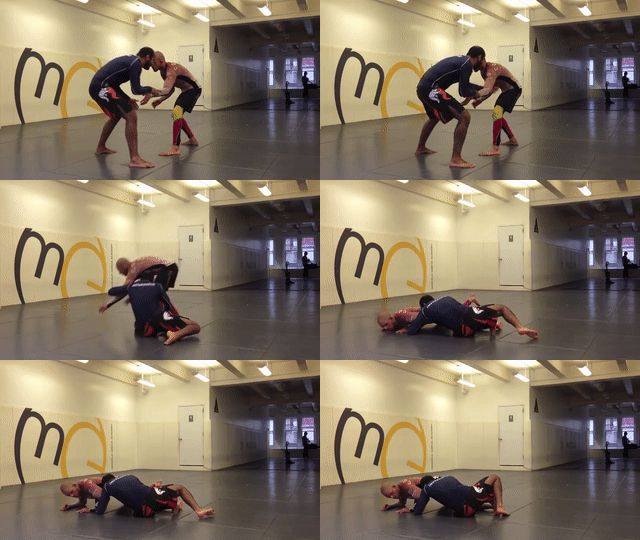 Working form a middle distance, when you’re grip fighting, but not yet in the clinch, going behind is your best bet. The arm drag and or Russian tie work perfectly here, although I’d say the Arm drag is a better option for BJJ. Things o remember is that you need two arms on one, as well as that you need to pull on the shoulder and not the elbow. You’ll get some neat takedowns this way, or, at the very least, full back control.
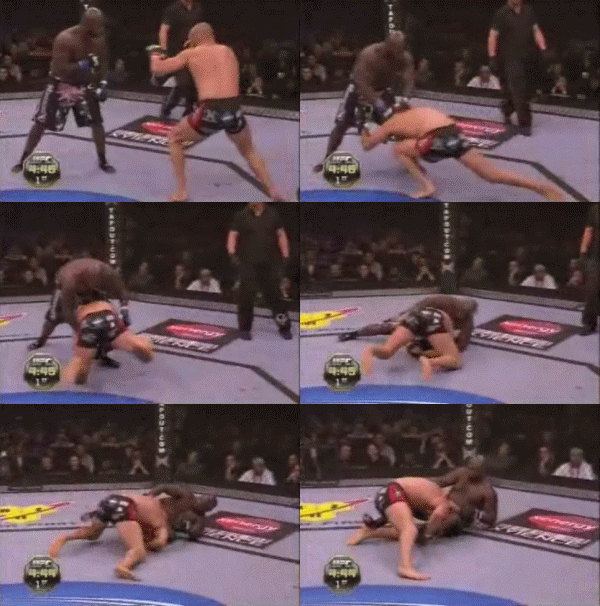 Last but not least, one of the best BJJ takedowns in general – the single leg. This one works from the furthest distance but is somewhat of a modification. In fact, it is a low single-leg takedown. How low? The lower you can get, the better. And, when you’re on the smaller side, you also have to look for the outside angle before you set it up. Remember that it is all about driving with your shoulders once you’ve got that leg up from the mats.
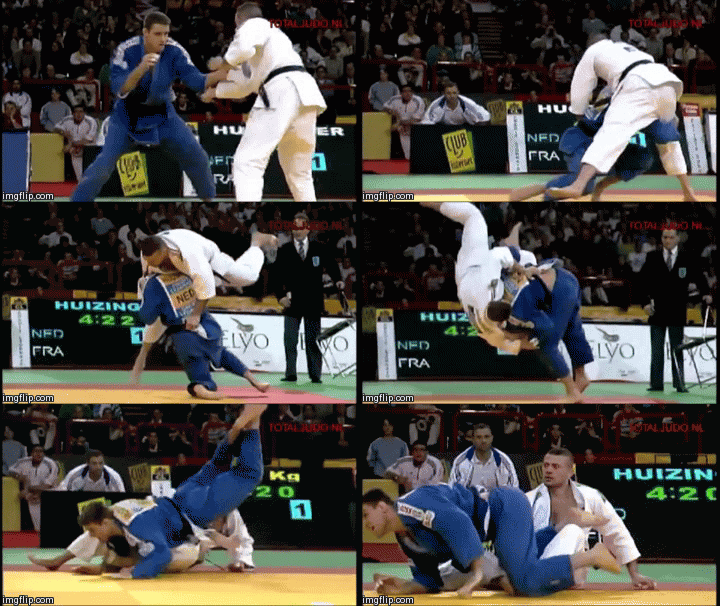 One thing you’ll notice in Judo is the tendency to either stay away and foot sweep or go down underneath ana opponent. At least in the case of a smaller grappler. A great example is the Kata Guruma AKA Fireman’s Carry. This is a great move to hit, particularly as you can make it with a high crotch attack. Moreover, you need a sleeve grip to get it, and oftentimes, the opponent will provide one for you anyhow. Once you get to a high crotch grip you go to your knees, Placing the opponent over both your shoulders. That’s the moment of truth and the point of no return for them.
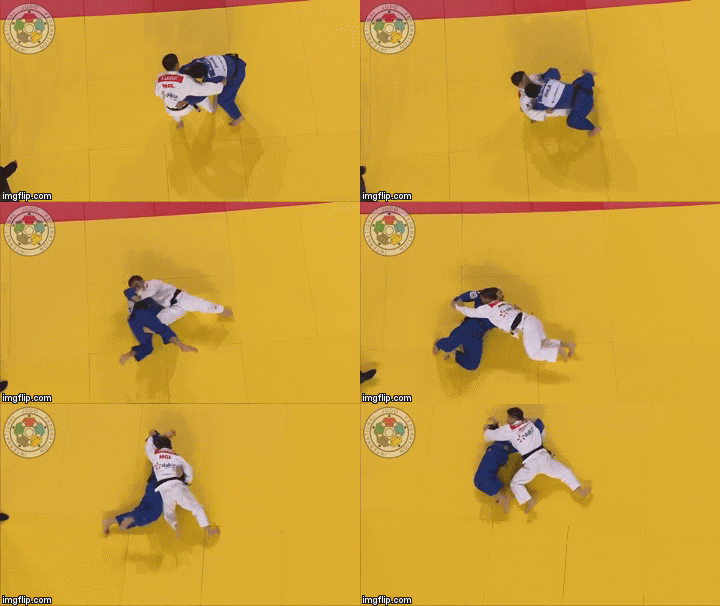 Another real favorite of mine when it comes to the best BJJ takedowns for small people is the
 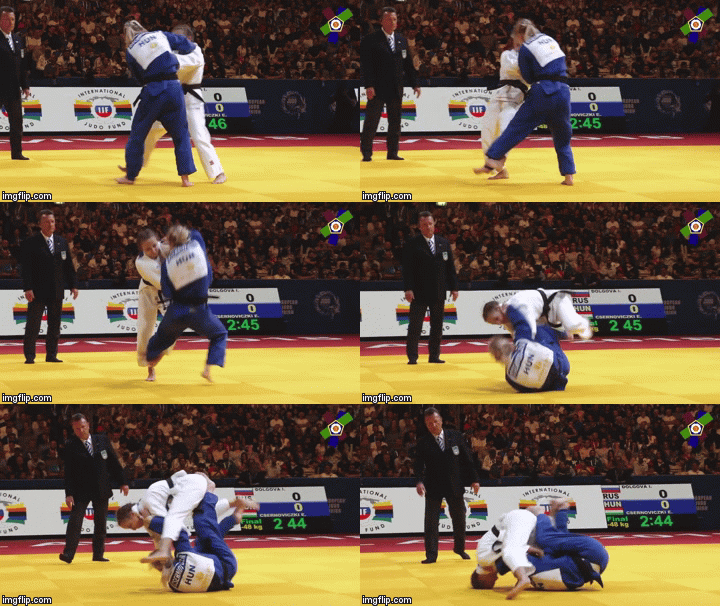 Finally, if you want to work off a distance, forget about hip throws. Those are designed for the taller grapplers and you’ll be hard-pressed to execute one if you’re the smaller person. Instead, opt to sweep the feet from under your opponents. Any of the Judo footsweeps or Ashi Waz will do, but one to focus on is the Kouchi Gari or inner trip. It works like a charm.
 Whether or not we have aspirations to see Brazilian Jiu-Jitsu as an Olympic sport is not really important. After all, the sport if specific and there will always be people that won’t enjoy watching it. Still, there;’s the issue of BJJ doping. And I think that we all need to decide on whether or not it is an issue or not, to begin with.
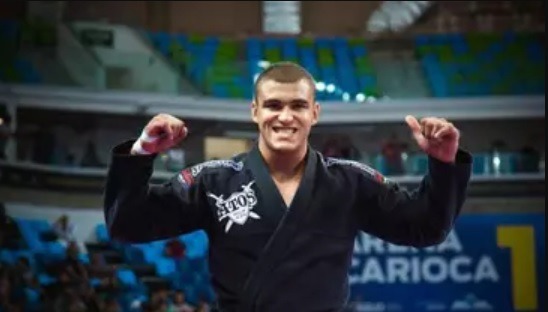
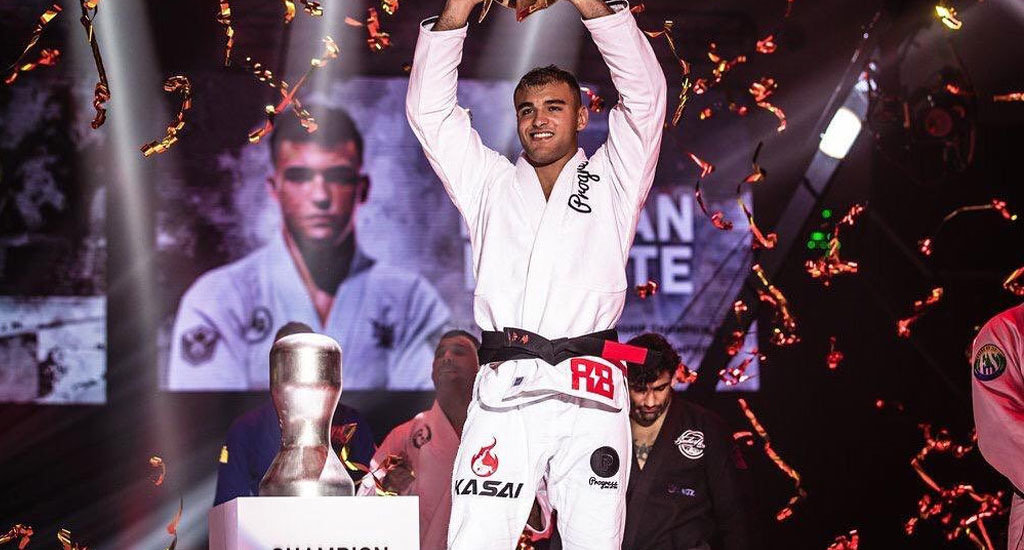 According to Kaynan Duarte, he is innocent and he points to cross-contamination as the reason his test results are positive for ostarine. However, he accepts USADA’s decision and will accept the punishment as well. So far, that means a year’s suspension, as well as relishing the world title to his finals opponent, Leandro lo. However, none of his other titles will be in jeopardy, and he will be free to compete under any other grappling banner out there, apart from the IBJJF for the duration of the year. Hardly a loss for Duarte, apart from maybe the world title. NOt a big win for those looking to do something about BJJ doping, is it?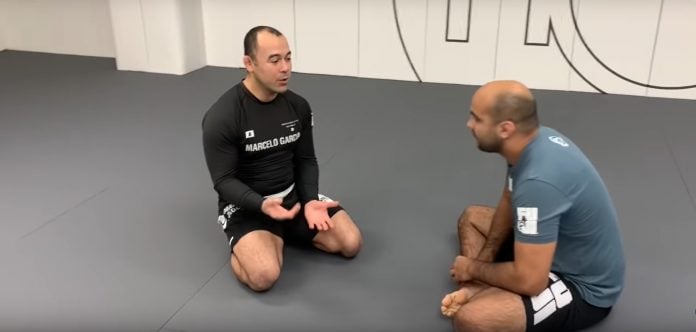
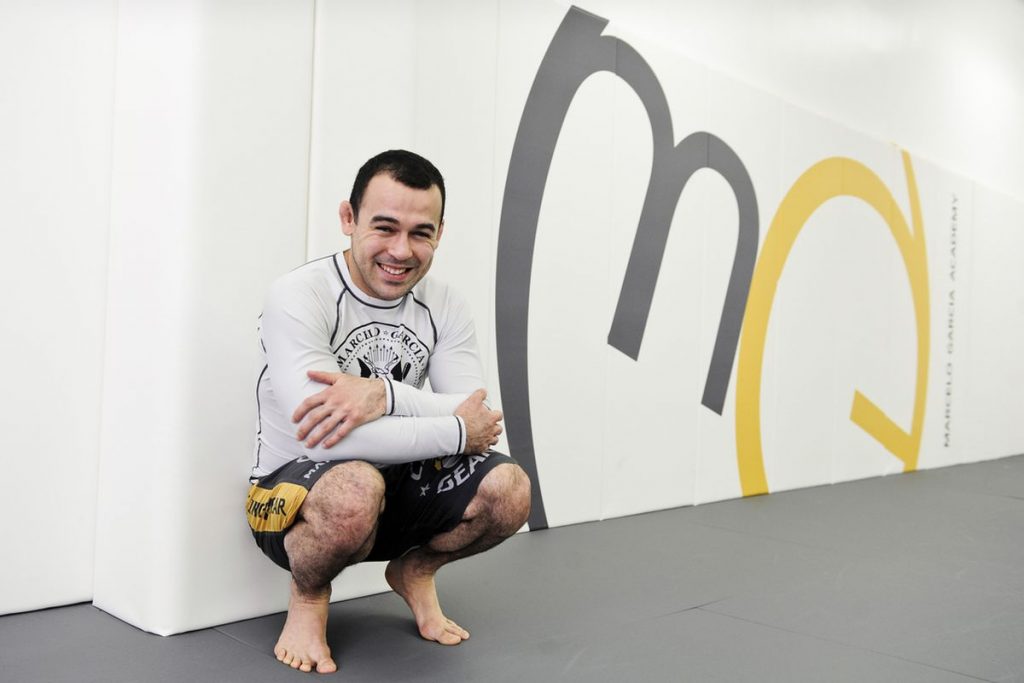 Still, when we come to look at things logically, I guess Marcelo’s legacy and the fact they spend much more time competing than Ryan is probably working in his favor here. If we take a look at their accomplishments, Marcelo is a clear victor. Both retied at one Pan Ams title, but Marcelo has 5 World titles and 4 ADCC titles to boast, not including his 3 Brazilian nationals titles. Ryan still has a lot of competing to do to come anywhere close to that. Granted, he has had a lot of success at super fights and submission only tournaments, but those weren’t around in Marcelo’s day. That would be a treat for sure, seeing Marcelo Garcia compete in submission only.
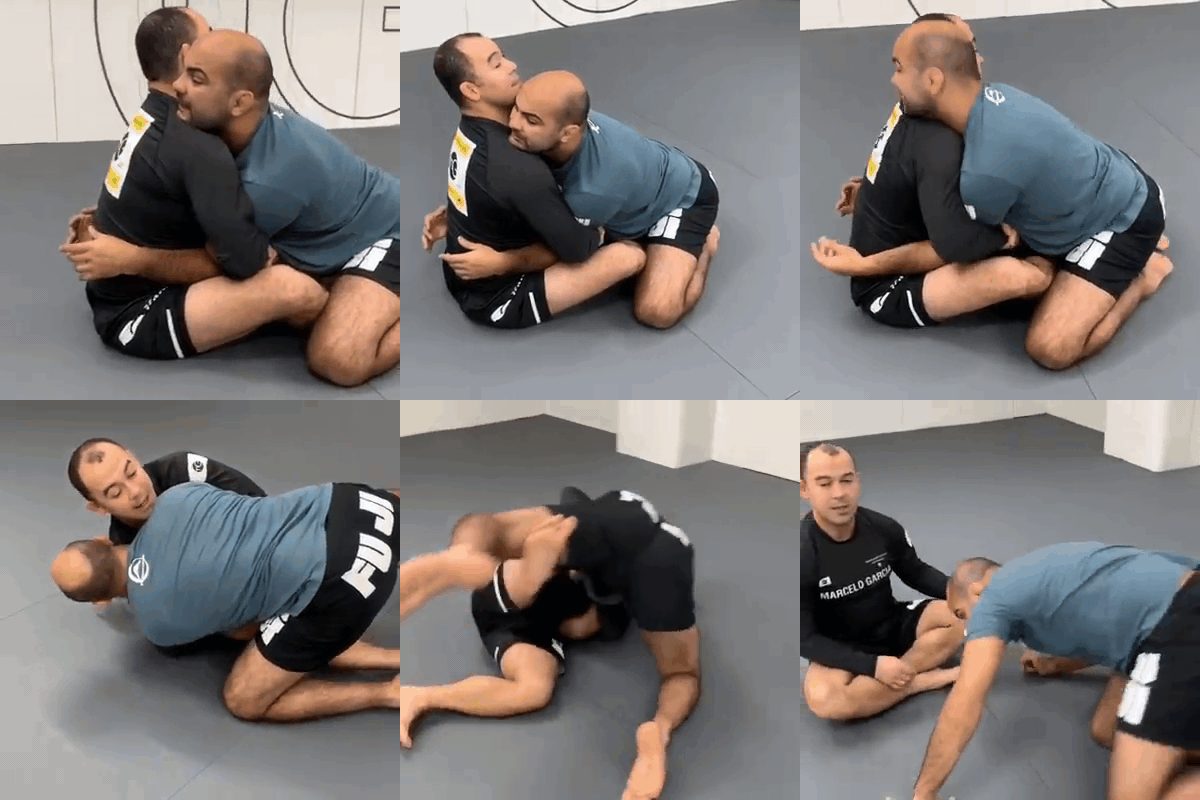 What can we expect from the brand new Marcelo Garcia DVD on the subject of the Butterfly Guard? Well, Garcia is a goldmine of knowledge on the subject. And he is a hell of a teacher. he can talk on the subject for days, if not more. However, given how modern DVDs are set up, I’m going to take a wild guess and say that we’ll probably get another 8 volume subject instead of the standard 4 volume ones. And, Knowing how through Marcelo is, there will be a lot of butterfly guard basics that are going to be explained like never before. One huge thing as well is using the butterfly guard against different opponents, and particularly larger ones. Nobody is better than Marcelo at giant-killing with the butterfly guard.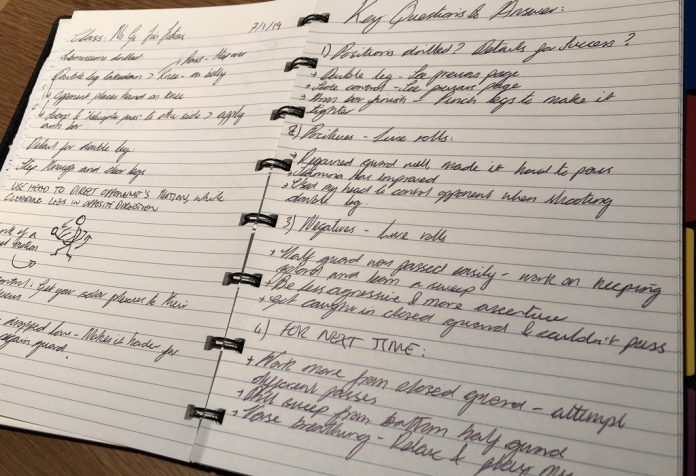
 Using the above analogy, you would write most things down while learning a language, right. Then why not use a BJJ notebook to do the same for Brazilian Jiu-Jitsu? BJJ nomenclature is one of the most diverse and difficult ones in martial arts. The art is endless, evolves constantly and everyone has naming rights on moves they come up with. On top of the already mixed list of moves and techniques with Japanese, Portuguese and English names, this can really get your head spinning.
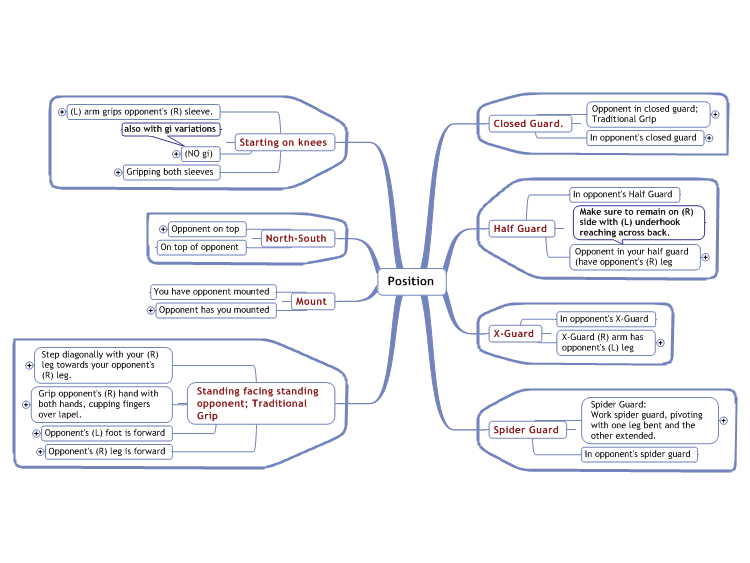 A word here on using an actual BJJ notebook as opposed to electronic ones. There’s something about writing on paper that makes things stick in your mind much more than when you write them on a keyboard. Yeah, you might lose a notebook, or your dog may eat it, but it is way more convenient compared to electronics, trust me. Once your ally put stuff in there, you’ll end up with just chaos if you’re only based on apps and tablets.
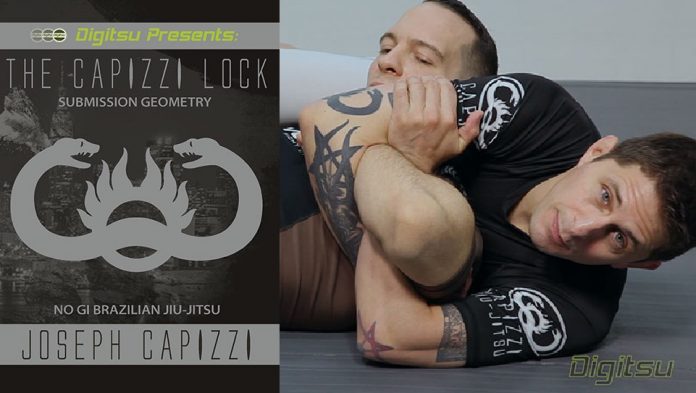

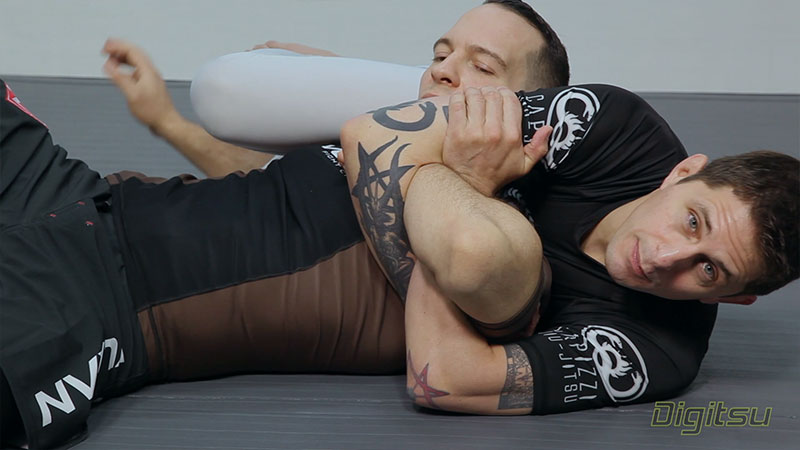 However, the more you use something in BJJ, the more people understand it. That means that people can avoid, or at least prolong the submission long enough to look for a way out. The Kimura trap is particularly effective because it offers a direct arm lock and plenty of great positional transition. Still, Joseph Capizzi, a Renzo Gracie black belt found it necessary to actually throw in another submission to the mix – the Capizzi Lock. It works directly off the Kimura, particularly the Kimura trap and will make a difference to anyone’s game.
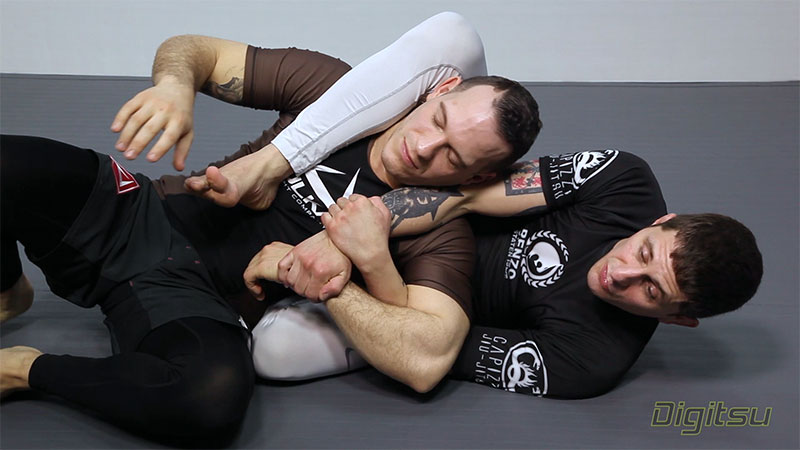 Okay, so all this talk about the Capizzi lock and I haven’t mentioned once what it actually is. Well, the whole point of getting the Capizzi Lock DVD is to learn all there is about it. However, I’ll do my best to give an overview of the submissions, followed by an in-depth Joseph Capizzi DVD review. The Capizzi lock is basically a forearm lock, that is extremely easy to set up from a Kimura. To be more precise, the north-south Kimura is the main spot for it, although you can hit it from multiple other positions. The idea is that you use leverage, a specific position of your arms and your bodyweight to finish. After all, Capizzi is small guy himself but pulls this one off on grapplers of all sizes.
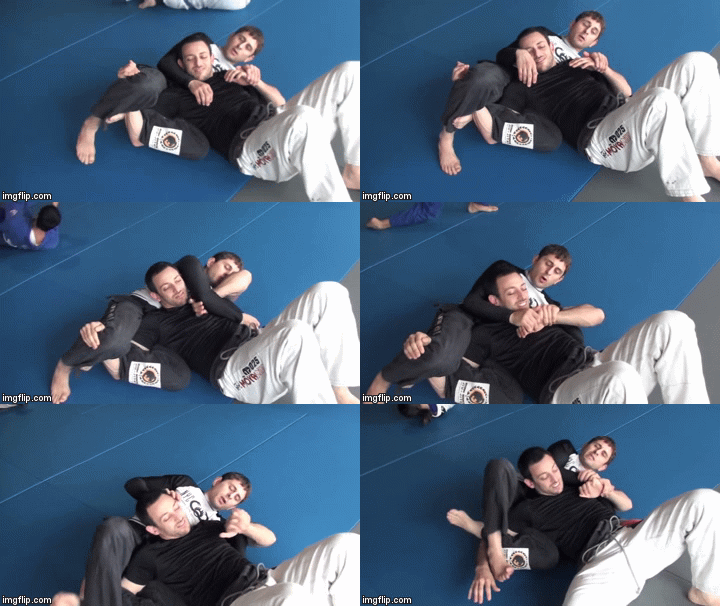 The crucifix position is one of the most difficult BJJ positions in existence. When you first try it you think that you’ll get everyone with eas. However, once you hit it in rolling you’ll discover that both control and particularly submissions from there are not that easy. Capizzi’s take on it is slightly different, and most of it is down to the threat of the Capizzi Lock. This opens up a great variety of additional crucifix attacks, like triangles, Omoplata,s wristlocks, etc. Furthermore,e he covers how you can use pressure to really accentuate your submission game from the top. Actually, in one of his chapters, he explains the A-B-C system of top pressure control better than anyone else I’ve seen.