

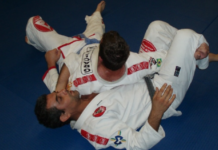
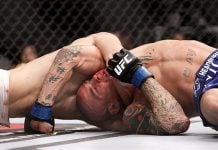


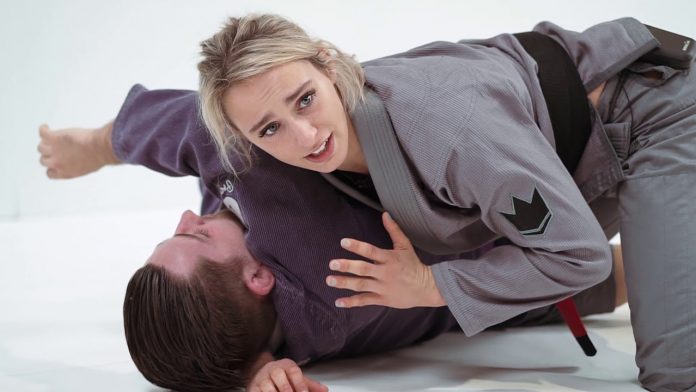
Systematization Of Head And Arm Choke Options. In BJJ the Head and Arm Choke is not just one choke. It refers to a principle, which then gives birth to a vast array of different techniques. In fact, there are so many Head and Arm choke variations across grappling martial arts that it is best if we put them into different categories. However, for all of them to work, they have to adhere to the main principle, which, as the name suggests, would be including the opponent’s head and arm in a structure in order to achieve a strangle-induced submission.
BJJ is endless when it comes to different ways of executing grappling goals. It is a great thing to have so many moves and techniques available when you‘re rolling. However, it also brings about the “paradox of choice”, where you end up never truly mastering or completely understanding something, because of the sheer number of available options. This changes throughout the years, but for those that have still some way to go, the best way of bringing a bit more order to chaos is thinking of categories of moves that share the same principle. Head and arm choke options and variations are a great example.
History Of The Kata Gatame Position
Where exactly do the concept of a Head and Arm Choke come from? Who knows, really. Grappling has been around ever since people first came about. That means that pinpointing its precise origin is impossible. However, it is possible to pinpoint when it was first recorded, initially as a move, and later on as a principle behind a myriad of choke techniques.
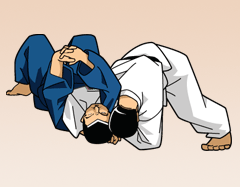 The oldest records of the head and arm choke come in the form of the Kata Gatame in Judo. In essence, it is the Arm Triangle choke we know today. Kata Gatame is one of the seven mats holds of Judo and translates as “shoulder hold”. Initially, it was a way to improve someone’s pinning from a side position. While the Kesa Gatame is the most utilized one in Judo, the Kata Gatame was also a big part of the original Kodokan Judo. Along the way, it turned out that there is a submission in there too, which is probably how the first head and arm choke taps came about.
Other arts, like catch wrestling, have also included forms of the arm triangle choke since the early beginnings. However whether it was a Judo influence that prompted it, or they came about it on their own is a mystery. The fact of the matter is, there were not many head and arm choke options until BJJ came along. That is when the entire landscape of the Kata Gatame changed.
Head And Arm Choke Mechanics
The way the head and arm choke works is fairly simple. However, missing out on several minor details often makes people struggle a lot more than they need to in order to finish the submission. For the sake of explanation, I will focus on the Arm-Triangle choke done from side control to try and pinpoint how you can use mechanics to ensure you get more taps while getting tired a lot less.
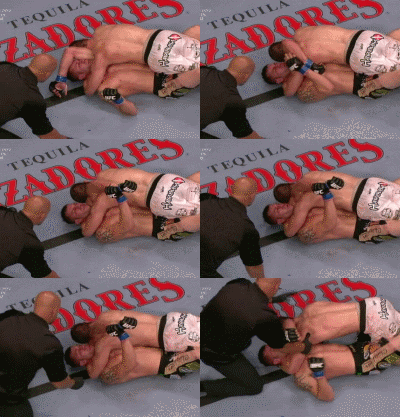 The basic notion behind every successful strangle in Jiu-JItsu, or any grappling martial art for that matter is to put pressure on the carotid arteries of the neck. We use different parts of our bodies, or even clothing (the Gi) to achieve this goal in Jiu-Jitsu. In the case of a head and arm choke, though, we need to actually only use one part of our bodies to put direct pressure on a carotid artery. The pressure on the second carotid is via the opponent’s own shoulder. This is an aspect plenty of people don’t focus on, which results in more strength requirements to finish.
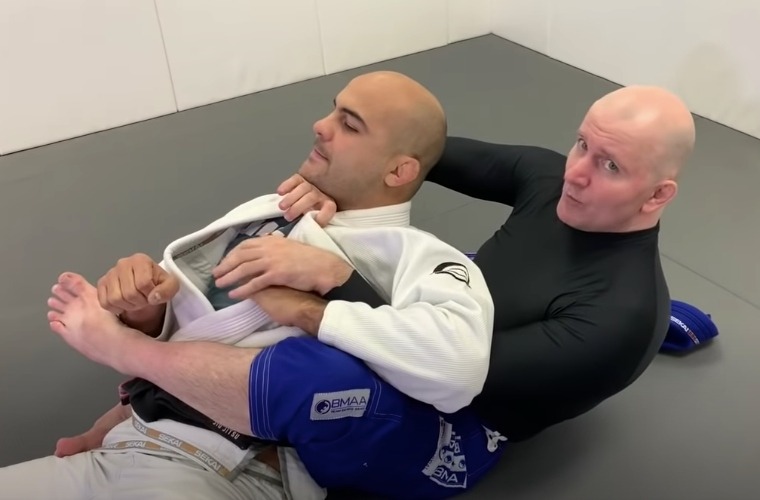
For the Arm Triangle choke, in particular, you have the biceps of your arm on one side, and the shoulder of an opponent on the other. Squeezing should be out of the question unless you absolutely have to. If you have to squeeze, you might end up only burning out your arms. So, instead of thinking about squeezing with your arms and shrugging your shoulder, focus on actually forcing the near side shoulder towards the opponent’s neck. Pushing with the collar bone is a great way of achieving this without any neck pain or muscle involvement. Moreover, for the finish, you just need to project weight into the neck and forward, and you should aim to finish without having to clasp your arms together.
Categories of Kata Gatame Strangles
The head and arm choke get its name from the structures it involves in the actual strangulation. As we saw, having the arm in the loop means you have a shoulder that you can push into the neck. This is the underlining principle that makes all head and arm choke variations work. That said, the positioning of your body, the limbs you use to achieve the strangle and a few other factors help determine which category of a head and arm choke a certain submission falls under.
Arm Triangle(s)
Kicking things off is the Arm Triangle choke or the Kata Gatame. The position for the choke is what makes it so powerful – side control. Actually, it is not even side control, but rather a position in which you’re parallel (almost) to the opponent’s body. However, while they’re on their back, you are facing the ground, with one of your arms going around their head, including the near side arm in the loop.
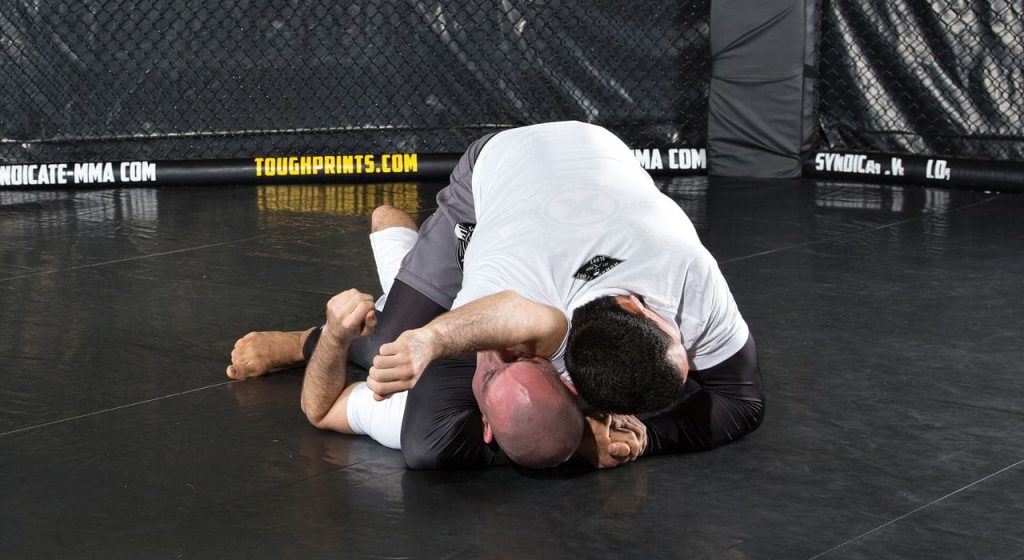 The Arm Triangle choke has a lot of nuances, and there are a few different ways of finishing. Position–wise, finishing from the side position is the best. There is an option for finishing from the mount, but the pressure is far from the same. Half guard is tough to set it up from, but if you already have it sunk in, going into half guard will actually make the choke tighter.
Front Chokes
Probably the most used versions of the head and arm choke in BJJ are the front chokes. This category includes the D’arce and Anaconda chokes, as well as the lesser-known, but just as effective Mizzou choke. We won’t factor in the guillotine choke here, because despite having an arm inside, it doesn’t really fall under the head and arm choke category due to finishing mechanics.
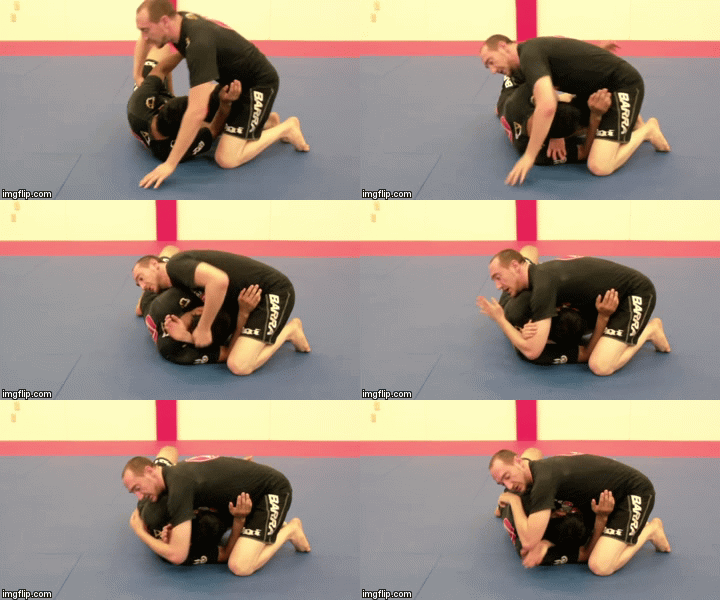 For the front chokes, you look to have a “loop” similar to the arm triangle, just done from the front, rather than the side of an opponent. For the D’arce choke, you go under an armpit with one arm, before threading your palm out on the opposite side of the neck. The Anaconda choke is the same, just has the arm going from the neck towards the armpit. In both cases, a Rear Naked Choke type of grip is what secures the choke in place. Finally, the Mizzou works like an Anaconda in terms of arm direction but doesn’t involve the Rear Naked Choke grip. Instead, it uses a grip with the same arm and the weight of the torso for a brutal finish.
Neckties
This I probably my favorite head and arm choke variation. In fact, this is a “Chank” or a combination of a choke and a crank. The technique of neckties is actually that of a clean choke, but it just so happens that on occasion (which is not that rare) they turn into cranks or combinations of both. Still, they’re very effective and legitimate submissions.
The difference between a necktie and the front head and arm chokes is that your arms are placed a lot more shallow on the neck. For neckties, you’re using your forearm(s) to place direct pressure on one artery, and the mandatory shoulder to compress the second one.
There are too many neckties (all of which you can find here) to look into this article. We’ll use the Peruvian and Japanese neckties as examples, though. The Peruvian is done from a front headlock against a turtled-up opponent. An S-grip or Gable grip will do the trick, as long as you include the arm of the opponent on one side. You then swing a leg over the head, and the other over the back, while sitting down.
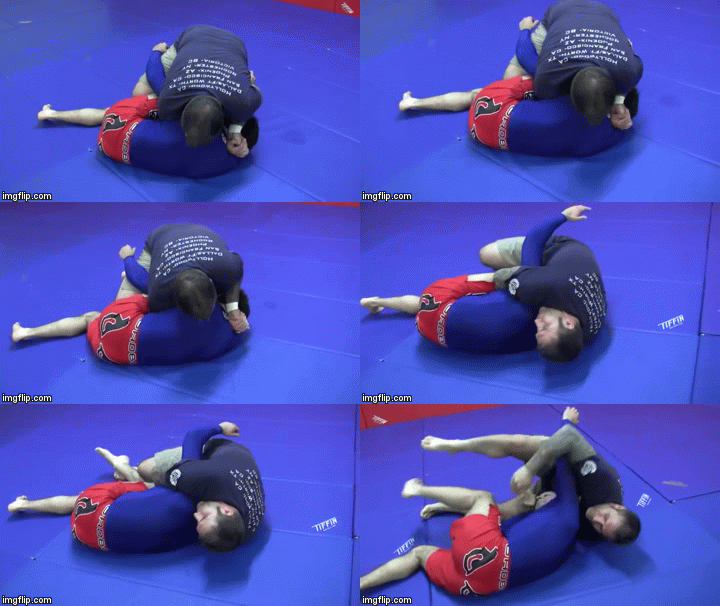 The Japanese necktie works more like a D’arce choke. If you can’t get the arm deep enough for a D’arce from side control or half guard, simply go for a palm to palm or an S-grip. The aim is to place your belly behind the opponent’s head while having at least one of their legs trapped with yours. The finish is immediate and very painful.
Arm-in Ezekiel
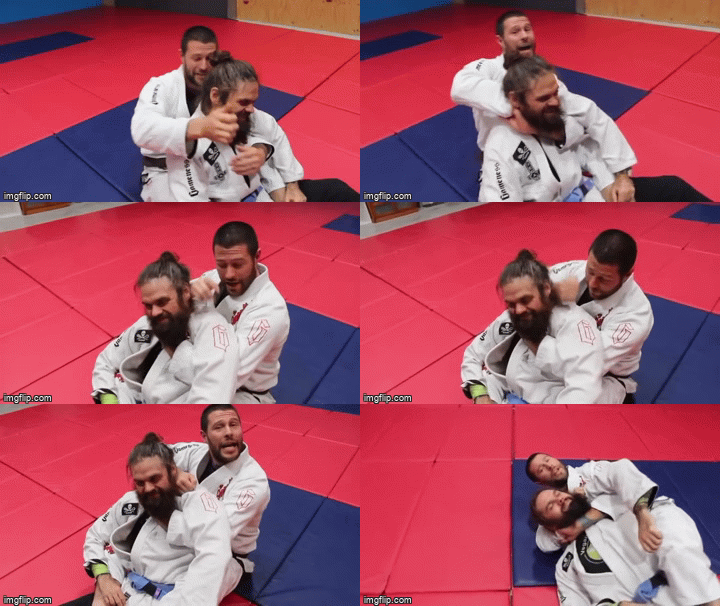 The arm in Ezekiel Choke is an unusual choke, that is done from the back, with the help of a Gi, (works in No-Gi As well, just not as good) and is a Head and Arm choke. The idea is to use the seatbelt position from back control, which is what you should be after anytime you’re behind an opponent anyway. The seatbelt is actually a Head and Arm position, there’s just no direct choking option available. For the Arm-in Ezekiel Choke, your aim is to get the underhook arm all the way up to the opposite side shoulder. Once you’re there, you can grip the inside of your own sleeve on the other side and place the second arm behind the neck. This makes for an ultra-tight, head, and arm, Ezekiel-style strangle finish.
Final Words
Today’s focus was on using the upper body (arms and torso) to secure different head and arm choke variations from multiple positions. However, there’s another category of chokes that also involves the same head and arm principle – triangle chokes with the legs. The front, side, reverse, rear, and inverted triangle choke all involve the use of the head and arm choke principle to achieve a tap. Just food for thought as you go about trying to catch people in the “loop of hell”.
DVD and DIGITAL Instructionals Related to Head and Arm Chokes :
JAMES CLINGERMAN – PERUVIAN DOZEN 2.0
Darces From Everywhere by Kade & Tye Ruotolo
The Japanese Necktie and Unorthodox Front Chokes by Keith Krikorian
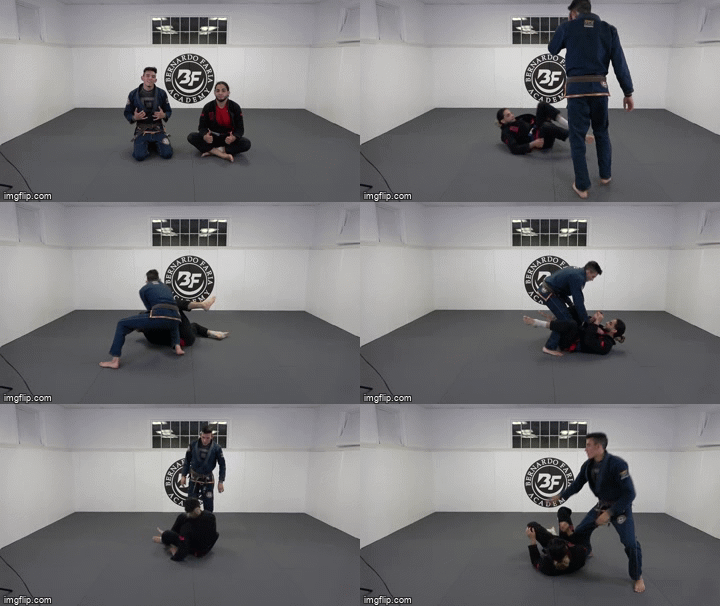
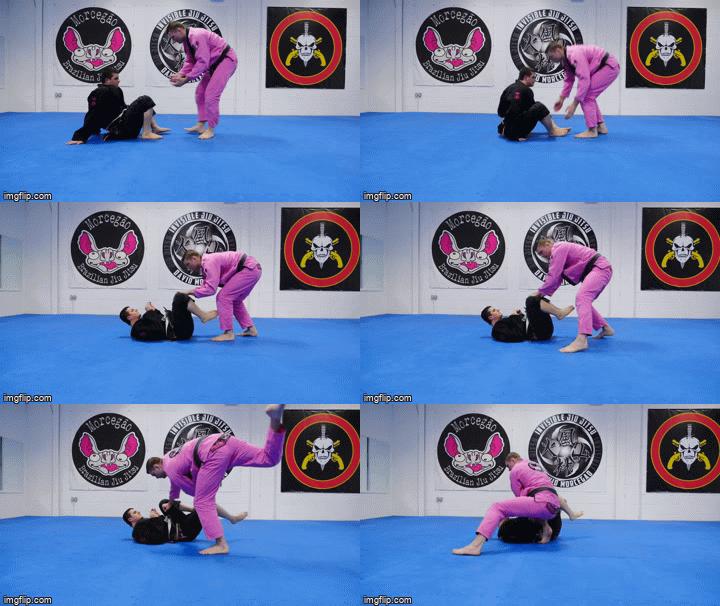
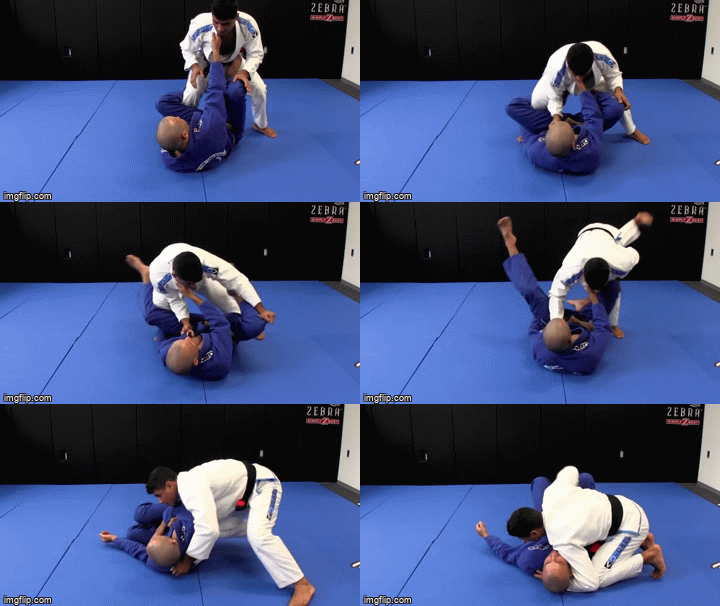
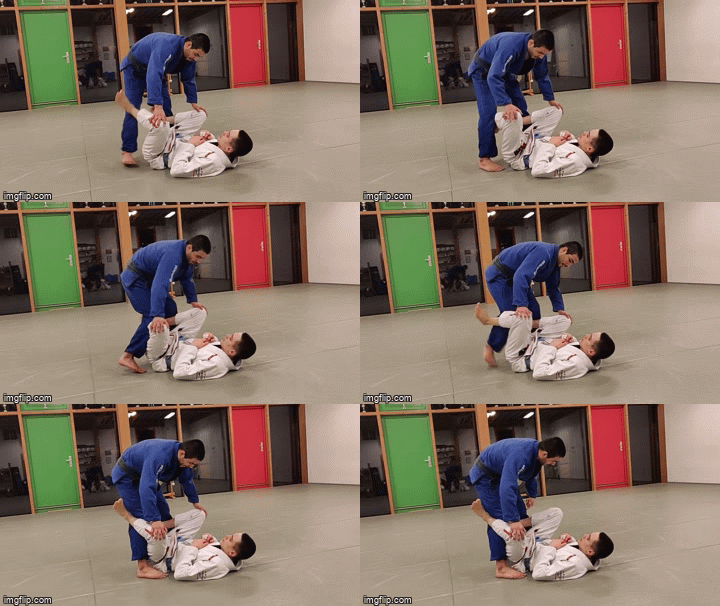
 The next drill in the sequence is the kick out. This is arguably the toughest one to master, so start easy – place your toes on the ground after you kick out if you can’t leave the leg in the air. From there, step to the hips, aiming to place the foot as close to the butt as possible, even underneath, if you can. Not letting go of the grips, you then go back to the split stance position and repeat, repeat, repeat.

 The simpler, the better.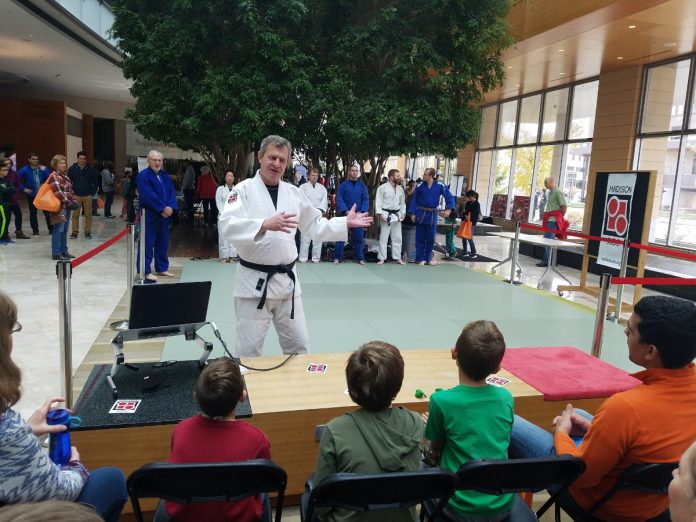
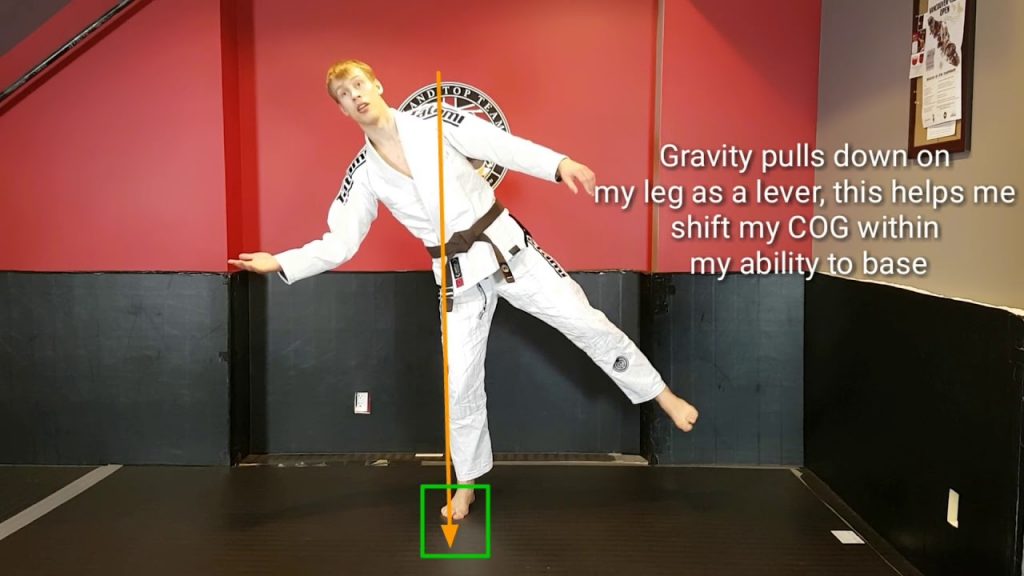 If you take a look at the scientific side of Jiu-Jitsu you’ll notice that there are all kinds of scientific braches you can apply to the sport. Form the obvious physics things (inertia, gravity, levers, etc.) through biological things like anatomical structures and their weaknesses, all the way to psychological mind games. Whatever it is you take for example has a lot of science behind why it works. An armbar, for example, is clearly effective because you push the elbow in a direction it doesn’t naturally bend in. However, understanding the concept of and fulcrum will help you further figure out why an armbar works. A look into human anatomy and biomechanics will only give you more ways of setting up, holding, and finishing the lock compared to just doing it based on the steps you use to train it in class.
 All bodies are pulled towards the Earth. That is gravity in a nutshell. What happens in Jiu-Jitsu is that we can use this concept to improve how much we control our opponents. The fact that our bodies tend to be drawn to the Earth is also known as falling down. How can we use this in terms of BJJ science? Simple. We already saw how inertia influences takedowns and sweeps. Gravity clearly plays a huge role in where people will end up once the inertia is in play. More importantly, though, it plays a role in controlling top positions.
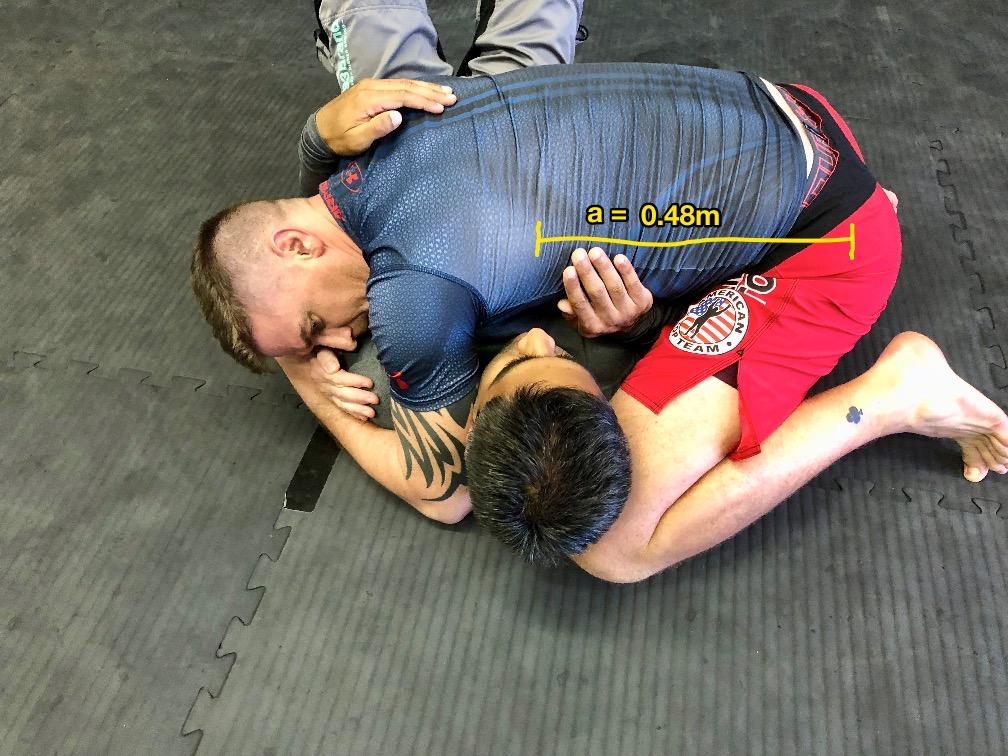 The theory of relativity states that time passes at different speeds relative to the person observing it. Let’s not go deeper than that in trying to decipher what exactly Einstein meant. In BJJ, this could go in one of two directions. When you’re the one being mauled, particularly on the ground, a victim of your partner and gravity tighter, minutes seem like hours. Everyone who has ever grappled knows the feeling. Conversely, when you’re flying around dominating everyone a 10-minute match can start feeling like it only lasted 15 seconds. I guess time really flies when you’re having fun!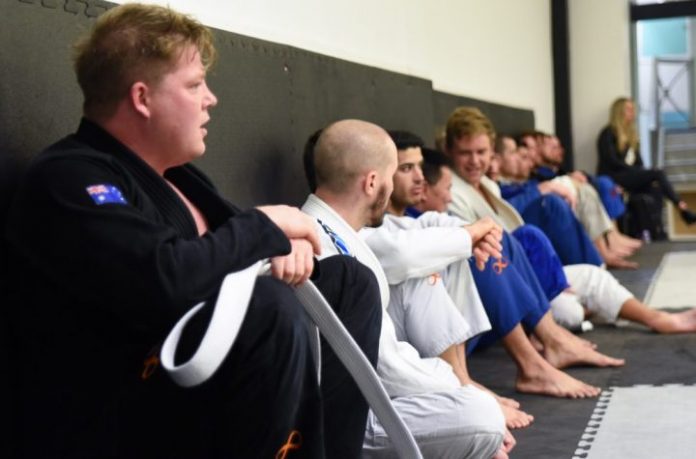
 White belts might not realize, but they’re actually in one of the best periods of BJJ. They do get annoyed at not having the vaguest idea of what is going on, but don’t’ realize that they’ll miss those days. Well ok, maybe not the smashing part, but that doesn’t go away anyway. The point here is that beginners should enjoy the experience because they’ll never be white belts again.
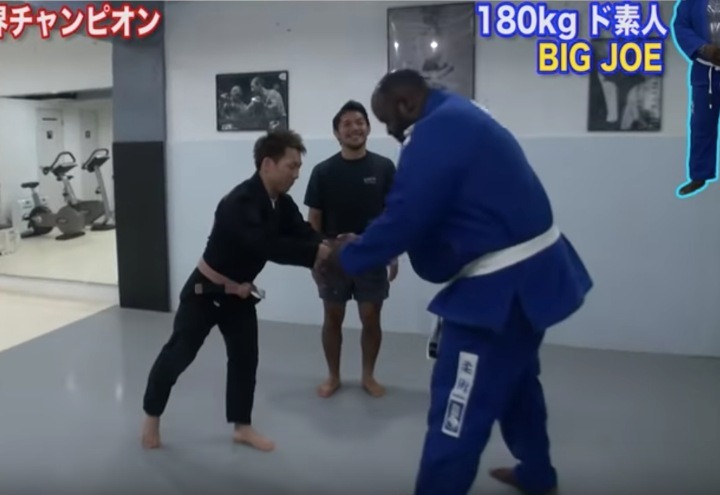 Speaking of a rude awakening, the phase of “I Know BJJ” is followed by the “Oh S*#t” phase, when you realize you actually know nothing and are barely aware of how to move efficiently for grappling. This is the time when rolling is a big part of your time spent on the mats, and you start realizing that even of the whit bets can play around with you as you’ve never trained a minute in your life. And that’s before the higher belts get a hold of you., especially blue belt competitors or purple belt enforcers, and you start realizing you’re nothing more than that ant that somehow crawled all the way up to the top of the nest to peek at the world outside, which is filled with giants.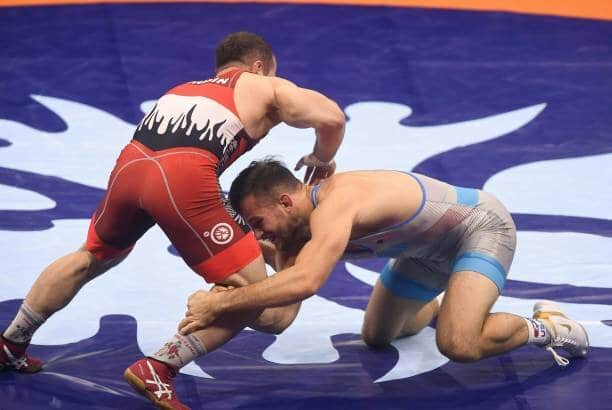
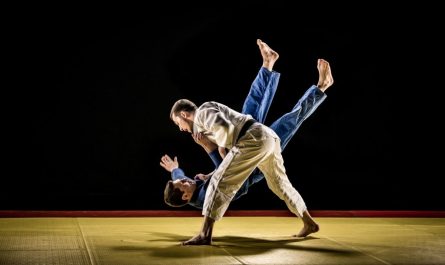 First of all, we try too many things. Curriculums have white belts learning double legs, single legs, Uchi Matas, Sumi Gashei variations, and even rolling Sambo stuff. What’s the point>? First of all, the sheer number of takedowns simply means people will know they exist, but will not be able to execute one against a resisting opponent. And, if we can’t do them against resisting opponents we might as well training full time against grappling dummies.
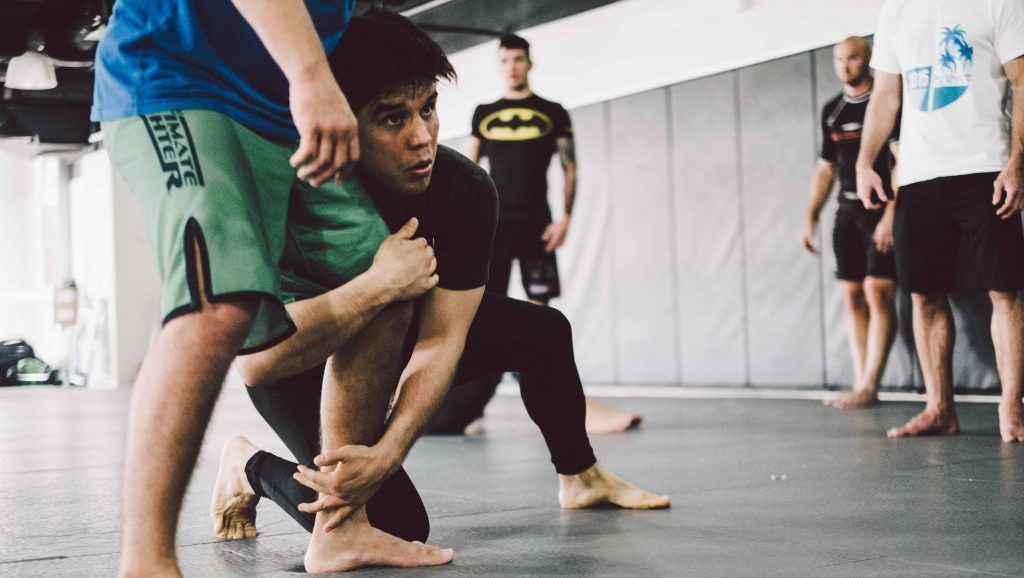 Solving grips means you’ll be using a collar tie variation, whether double, with an underhook or a writ grip. Solving proximity means you’ll be entering via the highest percentage entries that gain you the best angle for multiple takedowns. In wrestling, for BJJ those would be the duck under, armdrag, and Russian tie. The goal is to end up to the side of an opponent, given that they’ll be gripping you back, and you have to add the Gi into the equation.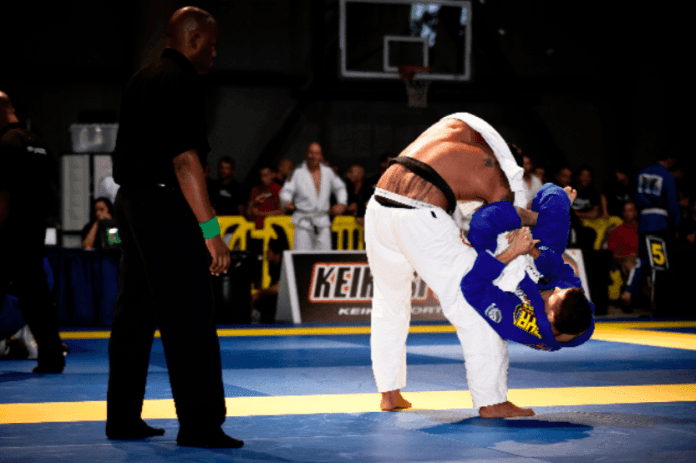
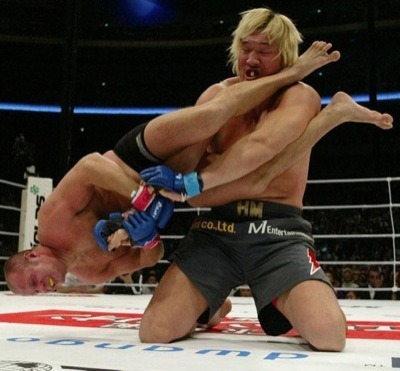 As a smaller grappler (around 150 lbs.) in an Academy that at a moment in time had nothing but bigger guys (and I mean bigger), I’ve had to rely on technique for most of my initial years in Jiu-Jitsu. Even then, I knew something was not right with the motion of the smaller person being able to use the technique to beat bigger ones. It was clear, for example, that no matter how good I was technical, I’d never achieved anything against the huge blue belt who was clearly stronger and more experienced than me. That was acceptable. However, working against people that just showed up in the gym when I was close to, and eventually, a blue belt, got me to try and re-evaluate things.
 Can technique help you overcome strength? If you’re up against brute force, in most cases, yes. Why do I say most cases? Well, grappling a 250 lbs athlete is never going to work out for you, regardless of strength and/ / or technique. If you’re’ both at a similar level of Jiu-jitsu (I hate the term technically equal, because no two people are), the stronger person will win. Actually, even if they have no idea what BJJ or leverage is, they’ll once again most likely win if you just try to apply a technique. Even if you combine strength correctly to execute that technique, you’ll probably hit a brick wall. Pun intended.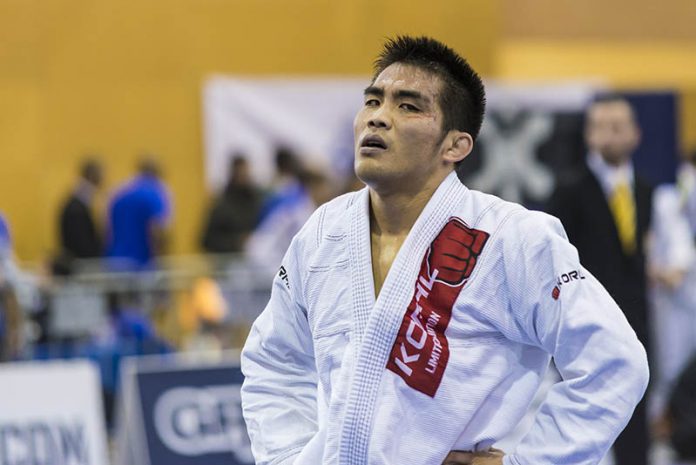
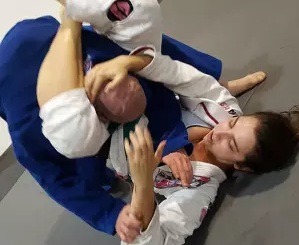 I already mentioned that all BJJ belt levels are marred by frustrations. I’ll go into each and every belt separately, trying to map out the most common sources of frustration in Jiu-Jitsu. Speaking of belt levels, one that is common for all, and everyone, regardless of what they say feels at a certain point, is the frustration of going to the next belt. We’ve all been there, hoping to get that next belt and getting slightly (or completely) frustrated when it turns out it is not our time. If you haven’t felt this yet, you will. It will pass, and it won’t happen at every belt, but let’s be completely honest, we’re all impatient to get to the next level, and would accept a promotion at any point.
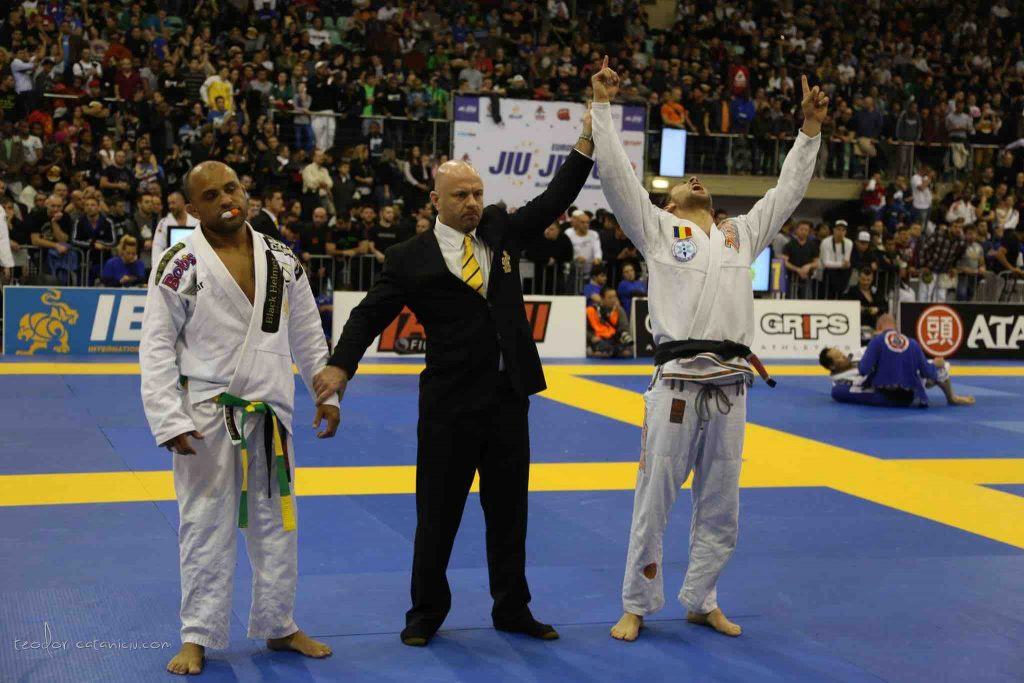 Just when you think that you’ve reached the top of the BJJ belt levels, and BJJ frustrations will play no more role in your grappling adventures, you’ll figure out that you’re probably more annoyed than ever before. What annoys
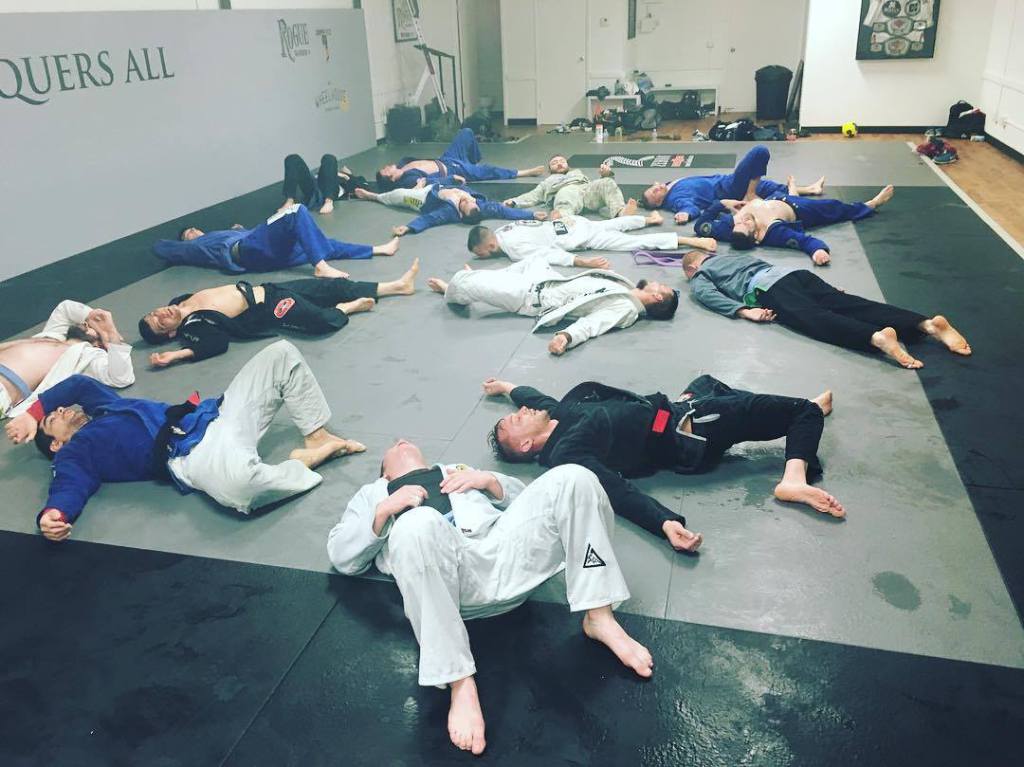 Furthermore, BJJ in itself is not cardio training. Jiu-Jitsu requires a bunch of different athletic abilities that have to work together under the most unorthodox circumstances. As such, BJJ will not help you improve your cardio. It will help you be better at BJJ, but only at a certain pace and in creating situations. For example, rolling a lot with your teammates will make you efficient at rolling with them in particular. Moreover, rolling with white, blue, purple, brown, and black belts, even within your own academy will be different. And that’s before we even mention rolling with people whose games you don’t know, or tournaments.
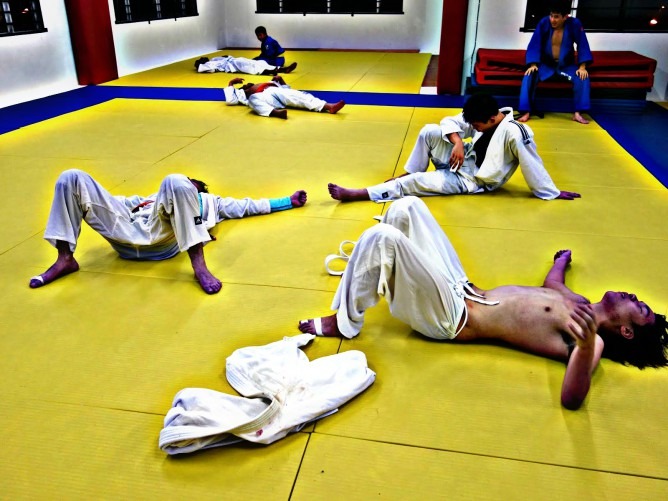 The second step is factoring it into your game. It is just like strength, or flexibility. If you have them as athletic abilities, you know you can rely on them. Moreover, if you know someone is stronger, or way more flexible than you, you can factor that into the roll, so that when they call upon those abilities, you’re not caught by surprise. Ad here’s the catch – if you get tired, so can the other person. When you’re factoring in fatigue in a roll or match, the goal is to focus on not getting as tired as your opponent or figuring a way to make them tired more than you are.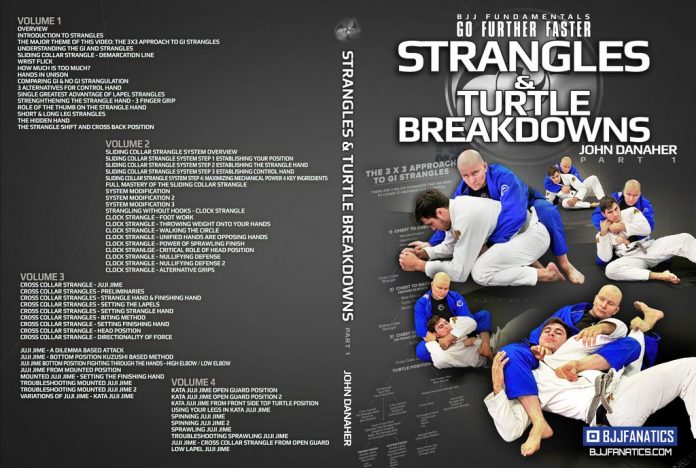
 The Juji Jime is the Japanese term for the cross collar strangle. It is a very fundamental move that we know from examples as Roger Gracie works at the highest levels of the sport. The third volume of this Danaher BJJ DVD demonstrates how to set the strangle up using the same 4 steps as in the sliding collar strangle.