



BJJ Gym Rules: The Things You Have To Know

BJJ Gym Rules Cover

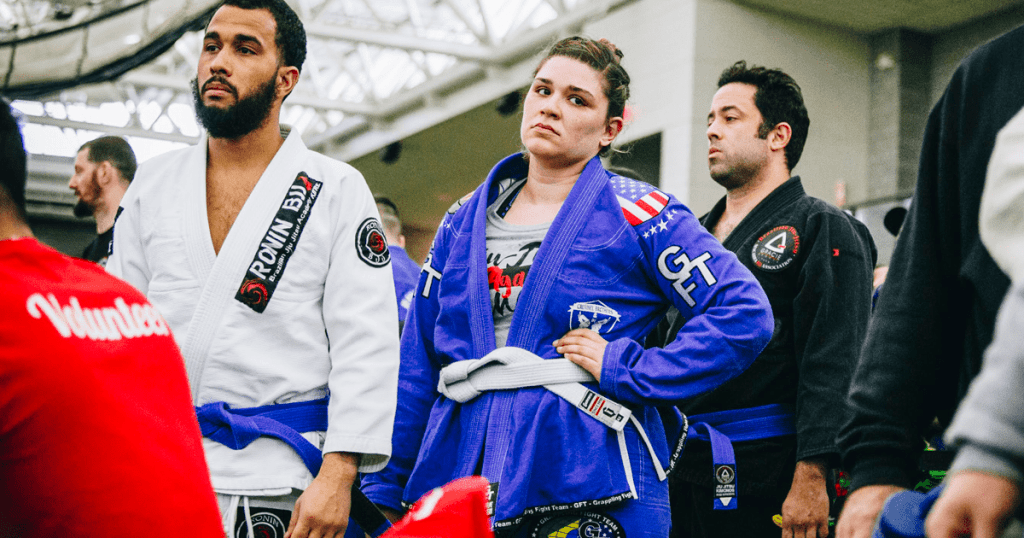
Feeling happy in the academy you train at is not just deepened on how the academy fits you. You also need to fit the Academy, or, better said, fit into the academy. Sometimes it’ll take a bit of work to get there, but in the end, it is all worth it. BJJ should be trained in a positive environment of fun and respect, and that can’t happen unless everyone is on board. That old saying that everyone matters in a BJJ gym is more than true. But it has a lot more to do with just making you feel good – it has to do with making everyone feel like they belong.

Although Brazilian Jiu-Jitsu is seen as an individual sport it is actually an aspect of the sport that’s highly debatable. The fact of the matter is you will be alone against your opponent in the battle on the mats. However, you still have your team cheering you, your coach in your corner, etc. Not only that but all the preparations, everything that happens in between fighters, etc has to do with a lot more people than just you. As such, the bond between people in a BJJ gym is something that shouldn’t’ be taken lightly. Students need to be aware of it, and instructors need to let them know what it is that matters.

BJJ Gym Rules That Make All The Difference
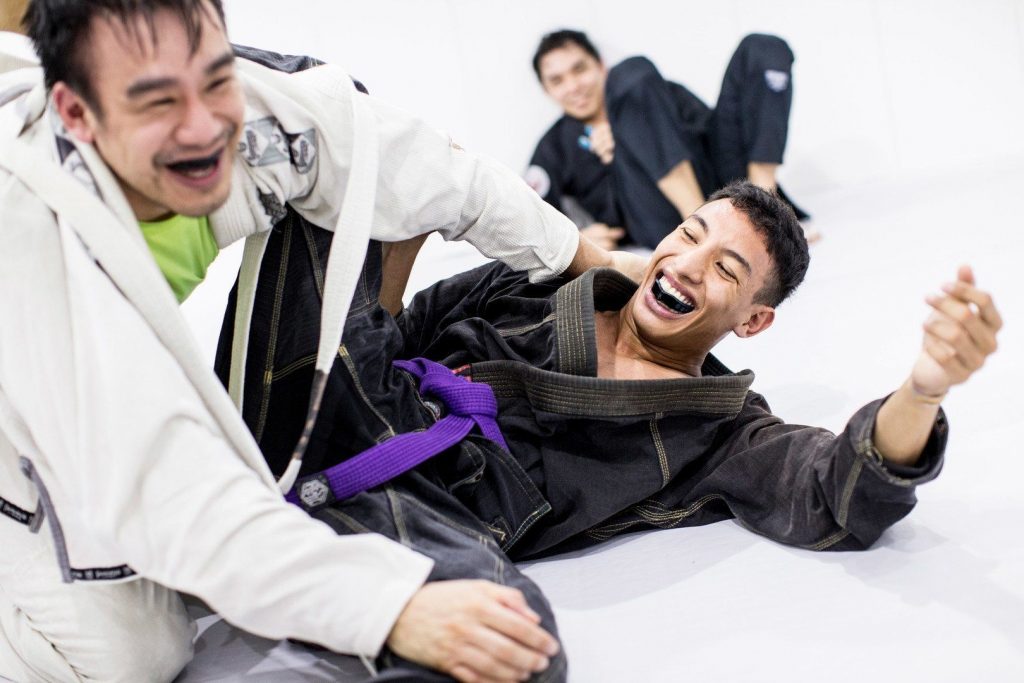
BJJ Gym Rules FunIf you expect BJJ gym rules to be written on the wall with someone constantly checking if you’re following them all – well, then you should probably leave. That’s not what a BJJ Gym should be about. However, certain academies do have codes of behavior, and yes, they’re sometimes put on the walls for people to see. It is all with a good purpose and pretty much necessary. However, it is those BJJ gym rules that fall under the behavior and etiquette categories that are hard to display in a poster format. And still, they end up being the most important ones.

Things are actually pretty simple. You have the right toe BJJ gym that fits your goals, needs, and character. Some gyms just won’t be a good fit for you. BUT you also have to remember that you too need to fit in an Academy, You can’t expect to be treated like a princess on the mats. Out there, everyone is equal in terms of getting and giving respect and acting in a way that ensures safe and fun training. To that extent, the unwritten stuff is much more impotent in how you integrate into a gym, than the “bow to the empty gym” and say “Oss” a million times type of things.

Use Your Head

It has never been more important than how to use common sense in BJJ. With the Covid-19 pandemic still at large, training a combat sport seems like the one thing you shouldn’t do. And yet, there’s no way to live without it, is there? That said, a great example of common sense would be staying home if you feel, sick, think you’re not well, or have had contact with someone that has, or is suspected of having the virus.

This is just one example of how you can use common sense to abide by BJJ gym rules. Everything else, from not walking on the mats with shoes, to being respectful to others, coming in clean, with washed gear, etc falls under this category. Most of these things will not be written, as they are considered to be something everyone is capable of doing. So, be responsible!

Integrate

BJJ Gym Rules etiquetteEvery Academy has a different vibe to it. Some are set up as competitor dens, others are more oriented towards folks who want to train recreationally, and most, are a combination of both. Moreover, you have all the varieties in how people approach teaching, whereat is a Gi or No-GI BJJ gym, etc, etc. Unless there’s something major going on that’s a deal-breaker for you, or you’ve had the misfortune of walking into a McDojo. Apart from that, you’ll need to figure out how the gym works, and do your best to integrate into their modus operandi.

Pay attention to how people interact, how much belt ranks mean, some rolling tendencies and gentlemen agreements between members, etc. Do whatever is the norm, or if you’re unsure, ask about it. Just don’t go about trying to do your own thing, as that won’t help you truly feel the atmosphere of the gym, and might drive you out of a BJJ gym where you might thrive if you just give it a chance.

Have A Purpose

This is another one of those that should go without saying, but then again, most unwritten BJJ gym rules are like that. When you walk into a BJJ gym, your goal might be to become a world-class competitor. That’s beyond cool, and you should pick a gym that fits your needs, and be clear about your goals with your instructors. However, after a few years, those goals might change. Once again, you’ll need to find a way to not just switch your attention, but also communicate with training partners, instructors, etc., what your reason for being on the mats is. This makes it a lot easier for everyone in the BJJ gym to respect your goals and act accordingly when they roll with you.

Follow The Academy’s Code

Of course, as long as you’ve picked an academy that’s a good fit for you, you’ll need to make a sacrifice or two. It may be the playlist that blares from the speaker during rolling, or it may have something to do with the code of conduct your BJJ gym has in place. As long as you enjoy the atmosphere, instructions, progress, etc, following a couple of things that you might not completely agree with, but are important to the academy, is a “sacrifice” worth making?

How To Act Around Instructors

I guess this is one of the BJJ gym things that most people never really figure out. People in Jiu-Jitsu spend so much time training, that very soon, instructors become friends with students, and communication is easy from thereon. The one thing to remember is that instructors, especially in BJJ are not some mythical creatures that you need permission to look at, let alone talk to. They’re happy to communicate and help out with everything and are usually laid back and chill. However, there also has to be a healthy dose of respect, regardless if you’ve just met them, or you’ve been friends for years.
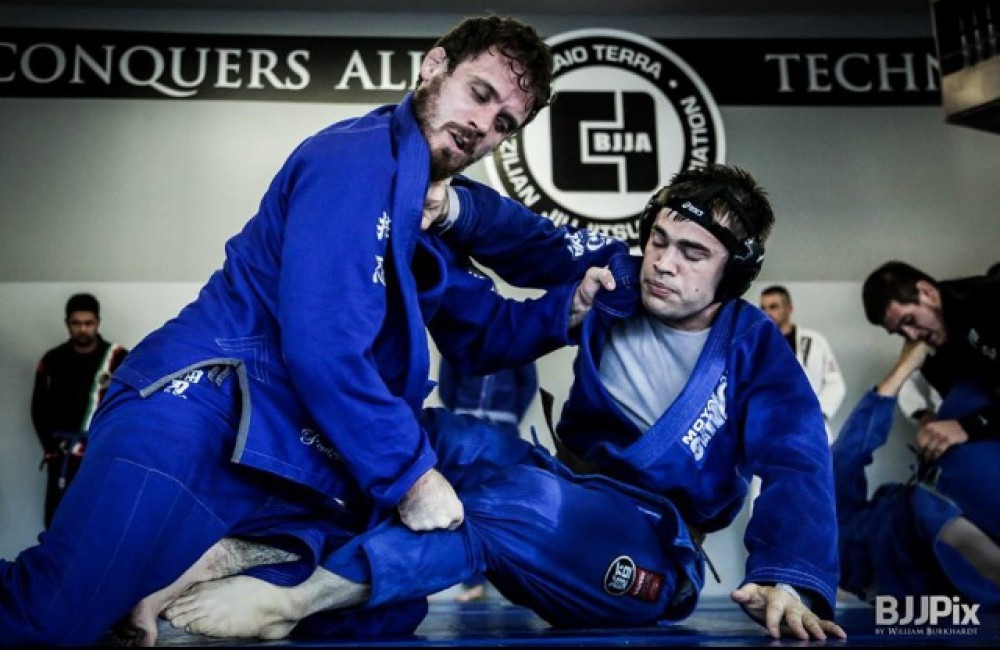
BJJ Gym Rules To FollowOver the years, I’ve had people come up to me and dares me in any fashion imaginable, and that makes me laugh. Some even ask what kind of a title they should address me with. In my BJJ gym calling me or any of the other instructors by name is more than suitable. Once again, respect at a level that common sense implies is also more than enough, towards both instructors and fellow students.

In Summary

Every BJJ gym has a different take on things, and that’s what makes visiting different ones so fun. However, when it comes to choosing your “resident” academy, you should be comfortable there first. After you make the best choice for you, though, you’ll need to figure out how to integrate into the academy, follow their code, how to interact with instructors and students, and the likes. These are the key thing s you can do to fit into a BJJ gym and call it your home away from home for many years to come.

Academy Kings: Best Practices To Grow Your BJJ Academy Business
Credited Jiu-Jitsu Class In College? Yes, Please!

What if you feel you’re not Ready For Your Blue Belt

Overthinking BJJ – Why So Serious? 

Overthinking BJJ - Have more fun

How seriously do you take Brazilian Jiu-Jitsu? If you identify with those memes that suggest you go home and cry in agony, thinking about what you did wrong, you might be overthinking BJJ at da too much. Overthinking anything is usually not a good idea, so why would you approach something that needs a fun experience in such a manner? I get it that as a sport, BJJ is competitive and even rolls are actually mock fights that we win or lose. However, it is also a lifelong thing, and taking it too seriously might cut your enjoyment, and even your entire BJJ journey short.  

Brazilian Jiu-Jitsu is crazy, chaotic, and just a tad bit masochistic. After all, going into training every day knowing people will crush you, squeeze you, try and break joints, choke you out and break you mentally, does take a special kind of person. At least in the beginning, because after a short while, you’ll also start to do some “torturing” of your own. However, the moment things start working out for you, you will have to face the trap of overthinking BJJ.  

Keeping It Playful 

The Gracies have that famous saying that you need to keep things playful. It sounds great when you’re doing whatever you want to someone in a roll, but it is not quite as pleasurable when someone is doing things to you. What the Gracies meant by keeping things playful was that you need to have the same attitude regretless of what position you’re in. And yes, that includes competitions as well. 

Overthinking BJJ - Why So Serious?The keep it playful approach is something that most people figure out fairly late in BJJ. Usually, it takes reaching purple, or even brown belt to loosen up and stop overthinking BJJ. There are, of course, those rare ones that don’t really bother with it from the get-go. Guess what? All those stories you hear about people getting black belts in record amounts of time, have to do with them not taking BJJ seriously at all, as opposed to stressing over it. Okay, there’s a fair amount of talent and hard work involved as well, but approach really does make up for a large portion of their success.  
Overthinking BJJ is the exact opposite of playing around. It is a sport where you will get crushed, you will be unable to control or submit someone with your favorite stuff and you will get submitted, swept, or passed by lower belts. Focusing too much on that, and dwelling on things you consider you did wrong is a great way of sucking all the fun out of the spot. That notwithstanding, you need to improve and not make the same mistakes, but if you’re too serious about not giving something away, or executing a technique on everyone, the only thing that is certain is that you will fail. And not being playful about it just means that you’ll hate yourself and perhaps even others for it. Why?  

The Paradox Of Choice 

There’s something in psychology that is called “the Paradox Of Choice”While it has to do with consumerism and the abundance of choice in daily life leading to a feeling of less happiness and satisfaction, it is also applicable in BJJ. People simply get “paralyzed” by trying to account for all the choices and possibilities they have when grappling. That leads to them overthinking BJJ moves, exchanges, or entire rolls, and actually coming out worse out of it. The bottom line here is that there is no way you can factor in everything that will happen in a BJJ roll. In fact, you can’t even consider every aspect of a single BJJ technique.  

Thinking about everything that might happen in a roll, or for that matter, even things that didn’t happen will leave you paralyzed, unhappy, and dissatisfied. Just like the Paradox Of Choice states. Brazilian Jiu-Jitsu is not something that is designed to be mastered. EverAnd no, you won’t even master just one aspect of it. Even if you consider yourself to be an armbar aficionado, you’ll never truly master the submission, because it keeps evolving. Trying to figure out an end game that will solve all armbar issues is a great example of overthinking BJJ and sucking the joy out of grappling.  

Instead, you should just learn to embrace chaos. Choices will always be there, but the thing to remember is that there are also bad choices. And bad choices end up with consequences, just like with good ones. One thing to remember about bad choices in BJJ is that they won’t really affect you in any meaningful way. Another one ithat you actually learn more from them than you do from good ones. But you won’t learn by fussing over why you tapped, or why someone didn’t tap to your armbar. Instead, you’ll learn when you take it all as a game, with a smile on your face and never think about it twice, but rather slap and bump immediately and go have fun again.  

“Be Like Water”  

Bruce Lee really said it best: Don’t get set into one form, adapt it and build your own, and let it grow, be like water. Empty your mind, be formless, shapeless — like water. Now you put water in a cup, it becomes the cup; You put water into a bottle it becomes the bottle; You put it in a teapot it becomes the teapot. Now water can flow or it can crash. Be water, my friend”.  

Overthinking BJJThis is not just technical advice. It has to do with mindset. Whenever you overthink BJJ, think of water turning to ice. It may penetrate through certain things but it will inevitably stop before others. On the other hand, not taking things too seriously means you’ll be able to think outside the box and figure out creative solutions to your issues. The fact of the matter is that in Jiu-Jitsu, you’ll always run into blocks, riddles, and things that seem unsolvable. Get too serious about them, and you’ll likely never solve them. Have fun with them, and enjoy not having the answer and a simple and effective solution will present itself.   
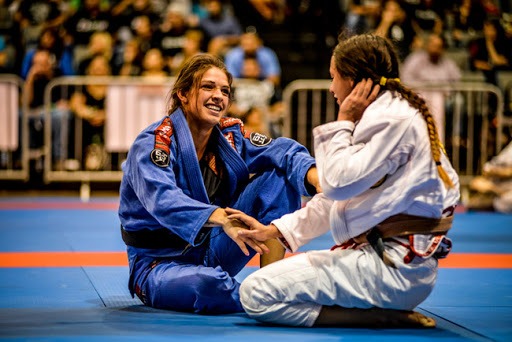
BJJ is meant to be fun, and that’s a point I try really hard to build into everyone that comes to my Academy. Be loose, have fun, don’t get injured, and don’t hold grudges. You’ll get beaten, and you’ll beat people. It is the nature of the sport – there’s no undefeated grappler in the history of BJJ or grappling martial arts in general. Plus, Jiu-Jitsu is not a life or death type of thing, whether it is training or competition. Don’t take it too seriously, or seriously and all and you’ll actually enjoy it way more!  

In Conclusion 

see a lot of people overthinking BJJ. They fuss over techniques, ask overly complicated questions about stuff I’m showing, and tend to skip over the simpler aspects and the bigger picture. In those terms, the bigger picture in BJJ is to have fun. The simpler aspects are the reasons why every technique or concept or whatever it is you’re using actually works or doesn’t. Limit your questions to why, reduce the Paradox Of Choice, keep things playful and you’ll stop overthinking BJJ and taking it too seriously.

Rolling In BJJ: How to Improve Your Sparring

How To Get Good At BJJ: Don’t Do These 8 Things!

Helio Gracie – The Best Advice from Grandmaster

In BJJ, You Either Win Or You Learn – What A Load Of… 

Dumb - You Either Win Or You Learn in BJJ

What is the point of training Brazilian Jiu-Jitsu if you’re not going to win? I mean, seriously? What kind of satisfaction is it when you submit someone, but that doesn’t mean that the other person lost? There’s such completely unreasonable logic in BJJ, that is thrown around in the form of the phrase: There’s no losing in Jiu-Jitsu – you either win or you learn”. My question is, how can you win if the other person doesn’t lose? 

There’s a tendency in Jiu-Jitsu to try and make excuses for anything that doesn’t go your way. Oh, you caught me in a submission, but if my arm didn’t hurt that would never happen. Or something along the lines of “That pass would never work, but I’m not training guard transition at the moment”. There are hundreds of examples of such excuses, hidden behind Jiu-Jitsu quotes, memes, and other creative ways of explaining why you tapped. However, there’s nothing that makes the hair on the back of my neck stand up more than “You either win or you learn – you can’t lose”. Just shut up!

When Quotes Turn To Excuses 

Nobody likes to lose, that’s beyond clear. Human psychology is such that we strive towards being the best in everything. This is what gives birth to the competitive spirit we all have to a certain extent. It also makes losing one of the least desirable things we can face in life, regardless of which area it is in. However, given that loss, in one way or another, is a fact of life, we need to be grown-ups about it and figure out how to cope. 

You Either Win Or You Learn - Dumb ExcuseSo, when we go to Jiu-Jitsu and start rolling, or go to a tournament and always have the “you either win or learn” quote as a crutch to lean on, we’re doing everyone a disservice. First of all, we’re not being honest with ourselves, we’re diminishing the impact of our training partners and even opponents, and we degrade the sport as a whole. After all, you don’t watch Gordon Ryan in high-profile matches to see whether he wins or learns, do you? The same goes for watching MMA or other combat sports.
Quotes like “you either win or you learn” really do nothing to help us in Jiu-Jitsu. It only helps us cope with the fact that we came up short. So what there’s no way to progress in BJJ without losing, suffering, and hitting walls of disappointment and frustration. Jiu-Jitsu goes far beyond just a physical exchange of moves and will change your entire mindset and re-program you into a problem-solving machine if you let it. Using excuses like the above is a great way of postponing such development indefinitely.

“There’s No Losing in Jiu-Jitsu – You Either Win Or You Learn” 

Let’s go deeper into this dreadful crutch that people now start to use even before their first-ever class. I’ve had people come into an intro class and use this BJJ quote straight off the bat. I hate to admit it but I did enjoy the look of surprise and shock on their faces when I unceremoniously disprove it and throw it into the bin. How come you’re expecting to train a martial art or combat sport, and plan on never losing in the process? 

In a world of excessive and completely unfounded political correctness, I am making a stand claiming that people are weak, and become weaker by the minute. What is so horrible about losing? Or, is it that you’ve been raised on participation trophies as a child, and now have to face the cruel reality of someone choking you out as you feel powerless? Welcome to the real world! That’s the point! And yeah, if you’re claiming that you either win or you learn in BJJ, I am calling you weak!

You Either Win Or You Learn - The Ultimate ExcuseIndoctrinating kids with such a notion is something I’m not even going to touch upon. However, you can’t expect responsible adults if they haven’t been taught to deal with defeat early on even if it is only through video games. Just man (or women) up and face the fact that you will either win a match, or a roll, or an exchange in position sparring, or you’ll lose it. There’s no middle ground, no draws, and certainly no way of winning without the risk of losing. It just makes everything meaningless.
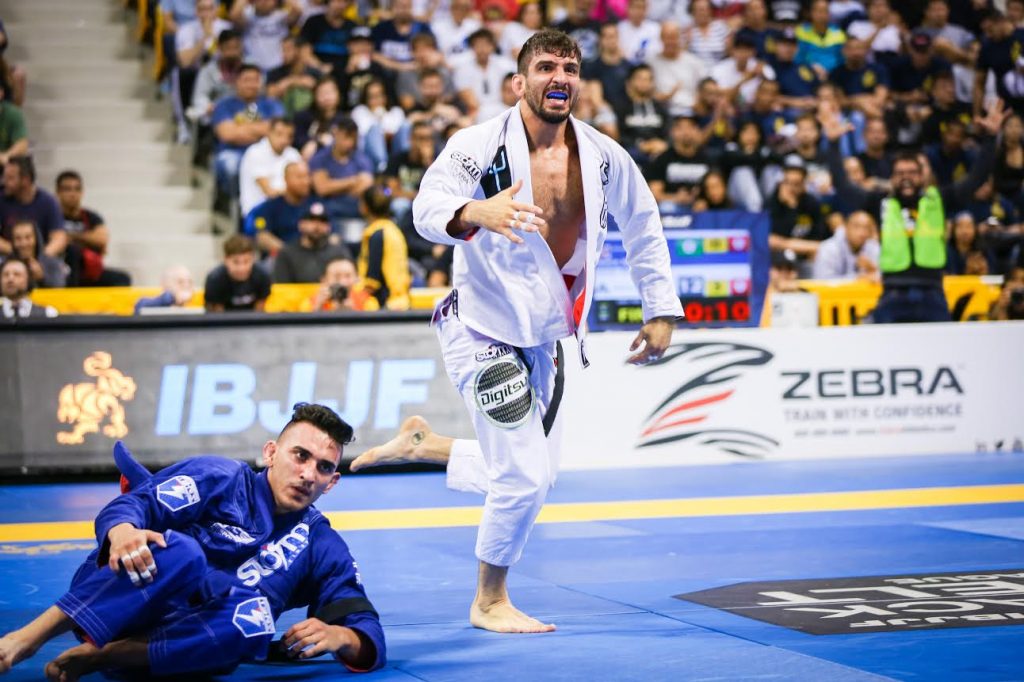
Lose More 

I’ve already talked about the need for losing in Jiu-Jitsu before. So have many others. It is something you have to come to terms with. There’s no way to learn Jiu-Jitsu without losing, and then losing some more. This, alone renders the “you either win or you learn” approach completely redundant. If you can’t lose in Brazilian Jiu-Jitsu, you can’t learn some of the most valuable lessons that no amount of group or private classes will teach you. 

You Either Win Or You Learn in BJJ - NOTIt is simple – if you want to understand BJJ you’ll have to lose. In fact, at a certain point, you’ll need to start rolling with the intention of losing. that won’t mean giving stuff away but rolling in a manner that will allow a technically sound opponent to beat you, even if they’re a lower rank than you. Actually, losing to lower ranks is absolutely crucial if you want to have fun, and actually, learn what BJJ is all about.


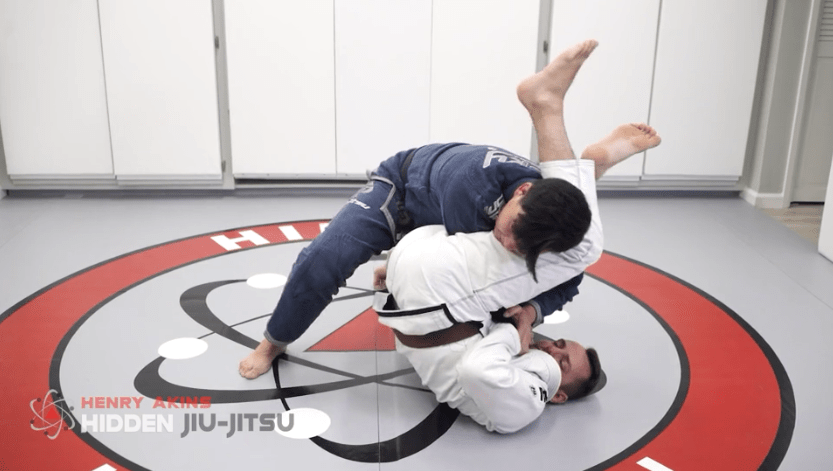
In terms of a tournament, one competition experience equals a year of training in the gym. Now imagine if you go out there and beat everyone. You’ll feel like you’re on top of the world. On the other hand, going out there and losing your first match will teach you invaluable things. But that will only happen if you accept that you lost, and try and figure out why. If you say you didn’t lose but learned a lesson, you’re learning nothing. The most important part of the puzzle here is that absolutely nobody cares if you won or lost, including your mum.

Final Thoughts 

Let’s try and bring at least some order to the chaos that is BJJ excuses. People just have too many options to try and get around the fact that they lost. Why? What can be so debilitating about tapping out, or losing on points, or even a referee’s decision, that you need to justify it with things like “you either win or you learn, bro”? Just take the loss, embrace it, enjoy it, and come back stronger.

The Different Types Of Ego In Jiu-Jitsu (And How To Recognize Them)  

4 Steps To Get Rid Of Sugar Cravings For Good

Firas Zahabi Explains Why He Does NOT Roll With Women

Henry Akins DVD Review: Ultimate Armlock Escapes

Henry Akins DVD Review: Ultimate Armlock Escapes

How many grapplers do you know that are not form the original BJJ days and have a knack for the old-school Jiu-Jitsu? Moreover, how many do you know that are able to perfectly “marry” old school BJJ with modern Jiu-Jitsu principles? I personally don’t know of that many. One in particular jumps to mind in this context, and that’s Henry Akins. The man really has a unique blend of JIu-jitsu, which I guess has a lot to do with learning directly from Rickson Gracie. The “Ultimate Armlock Escapes” Henry Akins DVD is a glaring example of what I mean when I say he is a modern master of the old school Jiu-Jitsu.

ON SALE HERE:
Henry Akins – Ultimate Armlock Escapes

Henry Akins DVD Review: Ultimate Armlock Escapes
Techniques List

Escapes are the next big thing. I’ve said it before, and I’ll keep saying it. We have an oversaturation of fancy guards that are based on attacks, and so many different submissions it’s becoming impossible to follow. It is just natural that escapes will be next because the balance has to be restored in grappling. The thing with escapes is they’re much more difficult than attacks and require a completely different mindset. One of the great innovators in the field is Henry Akins, a black belt you should already be familiar with. If you’re not, the “Ultimate Armlock Escapes” henry Akins DVD is the perfect opportunity.

Invisible Jiu-Jitsu Decoded

You’ve probably heard the term “invisible Jiu-Jitsu before.” It is something that’s often thrown around BJJ gyms and online, but not many people can really get to the gist of it. It is something that Rickson talks about a lot, but Rickson is not one to tell many things or go too much in-depth. He is really old-school in that manner and likes to keep some key points to himself. Completely understandable. Some of his black belts, though, have seen fit to go deeper into explaining this concept, if nothing else, just o tickle our imagination even more.

Henry Akins DVD Ultimate Armlock EscapesInvisible Jiu-Jitsu is about body positioning more than it is about techniques, concepts, or principles. In invisible Jiu-Jitsu, using your body as one unit to achieve offensive or defensive goals is what makes you feel unmovable or inhumanly heavy, depending on the position. It is what makes belt belts feel like brick houses, and apparently gives them psychic abilities in predicting your next move. All of it comes down to body shape and positioning, mostly without much visible movement. Henry Akins is a wizard on that subject, and “Ultimate Armlock Escapes” follows these principles rather than just a bunch of escape techniques. If you have to start somewhere with a Henry Akins DVD, start with this one.
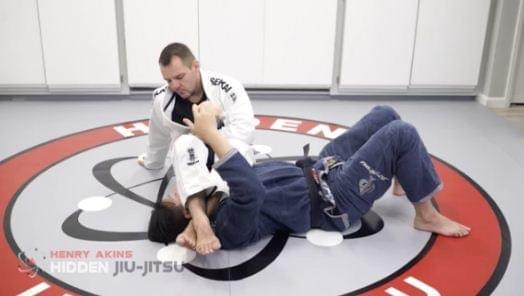
Henry Akins

Akins is an American grappler, born in Oklahoma. Through Taekwondo, he discovered wrestling, and ultimately ended up seeing Rickson fight in a Vale Tudo match and moved to California in a quest to train with the Gracie family. This was somewhere in the 1990s. He managed to track down Rickson (although not easily) and started training with him. It suffices to say that spending around 70 hours per week in the academy quickly launched Henry through the ranks, and made him an integral part of Rickson’s academy, along with Luis Heredia.

Rickson Gracie promoted Henry Akins to black belt in 2004, making Henry only the third American to get a black belt from Rickson. Since then Akins has been the head instructor in several of Rickson’s gyms, lately settling for Dynamix Martial Arts, an MMA academy in California. He has a strong online presence but this is Ultimate Armlock Escapes is one of the rare Henry Akins DVD instructionals available in the modern 4-volume format.

Ultimate Armlock Escapes Henry Akins DVD Review

Apart from this being a Henry Akins DVD, which is not very common nowadays, the rest is pretty much the same as with all modern BJJ DVDs. There are four volumes, each focusing on different aspects of the subject of Ultimate Armlock Escapes. It has to be noted that Akins is one of the best teachers of Jiu-Jitsu I’ve ever learned from, and he does not leave a stone unturned when explaining a specific subject. Conversely, his instructional has crucial and ample information on defending all types of armlocks – bent and straight, form top and bottom, and every other combination imaginable.

I. Escaping Kimuras And Americanas

Opening the “Ultimate Armlock Escapes” Henry Akins DVD are bent armlocks, and in particular, the Americana. The highest percentage Americana finishes are from top positions, namely the mount side control, and top half guard. That’s exactly what Akins focuses on, using the invisible Jiu-Jitsu principles. The way he sets up Americana defense is in layers – primary defense, secondary defense, and late options to get you out of really tight spots, like for example, bridging or escaping towards the back of an opponent.

Past the halfway point of this volume, Kimuras make an appearance as well, representing the most used variation of a bent armlock in BJJ. Akins goes over several Kimura defenses you already know, like grabbing the pants and your other arm, mainly against top side control setups. However, he explains them through invisible Jiu-Jitsu principles, providing a whole new perspective on things.

II. Even More Kimura Escapes

The second volume of this set is where all the Kimura escape magic actually happens. In short, Henry goes over every possible Kimura attack scenario and offers slick and intuitive ways out that will confuse even seasoned black belts. North-South Kimuras make for a large portion in the opening chapters of this volume, before a look at bottom Kimuras, starting with the half guard. Despite everything making more sense than ever, and everything working perfectly live, I have to point out he portion on defending closed guard Kimuras, because is completely unorthodox, yet incredibly functional and easy to incorporate.

III. Dealing With the Straight Armbar

The straight armbar is statistically the most used submission of all times in Brazilian Jiu-Jitsu. That means you have a great chance of being caught in one in every roll and/or match you do. “Ultimate Armlock Escapes” will take care of all your armbar worries. The third volume of this Henry Akins DVD focuses on dealing with the armbar from the guard, before switching towards top position armbars.

Review: Henry Akins DVD Ultimate Armlock EscapesIn terms of the closed guard, things like the stack defense posture defense and pushing with the knees that you’ve probably used are still your best options. It is not what you do, it is how you do it and why it works. The answer to both these questions is once again invisible Jiu-Jitsu.
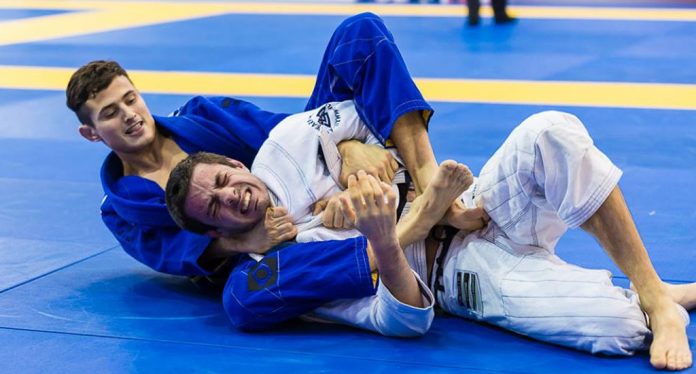
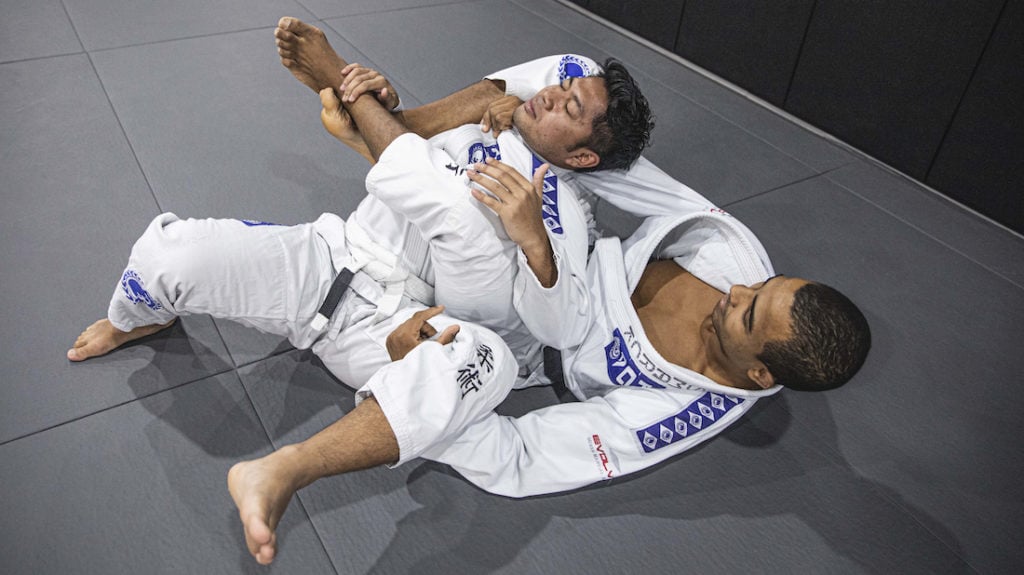
I have to point out the belly down armlock escape which is something I personally have been missing from my game. The details on the hitchhiker are also out of this world, and every other chapter that goes to the end just piles more and more escape options that pretty much render straight armbars useless if you spend enough time drilling them.

IV. Advanced Armlock Escapes

Still on the subject of the straight armlock (bar the very final chapter that addresses the Omoplata), Henry goes into some more advanced, and some a bi t obscure ways of wiggling out of armbars. Escaping from the guard shoulder swallow, messing around with using your legs as frames, and even sitting up are invisible Jiu-Jitsu options that probably nobody outside of  Rickson’s style of BJJ has ever considered. Expect a lot of talk about wedges, body shape, core involvement, and bridging in this volume.

In Summary

“Ultimate Armlock Escapes” is an instructional that will change how you approach Jiu-Jitsu. I have to praise Henry for focusing on escapes in such detail, rather than offering more arm locking submission options. There’s definitely a lot to explore in the realm of defense and escapes and this Henry Akins DVD is a great place to start. Moreover, it focuses on moves you’re more than likely to encounter every time you slap and bump with someone.

Still, on the subject of the straight armlock (bar the very final chapter that addresses the Omoplata), Henry goes into some more advanced, and some a bit obscure ways of wiggling out of armbars. Escaping from the guard shoulder swallow, messing around with using your legs as frames, and even sitting up are invisible Jiu-Jitsu options that probably nobody outside of  Rickson’s style of BJJ has ever considered. Expect a lot of talk about wedges, body shape, core involvement, and bridging in this volume.

In Summary

“Ultimate Armlock Escapes” is an instructional that will change how you approach Jiu-Jitsu. I have to praise Henry for focusing on escapes in such detail, rather than offering more arm locking submission options. There’s definitely a lot to explore in the realm of defense and escapes and this Henry Akins DVD is a great place to start. Moreover, it focuses on moves you’re more than likely to encounter every time you slap and bump with someone.

ON SALE HERE:
Henry Akins – Ultimate Armlock Escapes

Henry Akins DVD Review: Ultimate Armlock Escapes
Techniques List

Different Ways In Which You Can Finish A Jiu-Jitsu Choke

For Ways To Finish Every Jiu-Jitsu Choke

What is your favorite way to finish a Jiu-Jitsu choke? Usually, the answers I get to this question have to do with techniques. People like to set up different chokes and they focus on how they wrap their arms, legs, or combination of both around an opponent’s neck. However, on a more fundamental level, the answer is quite different. It is not as much about what you use to finish a Jiu-Jitsu choke, but rather the methodology that allows you to get the result you’re after – the tap. In other words, it is the “why” behind the chokes, rather than the “how”.

There are different ways to finish a Jiu-Jitsu choke. That doesn’t just mean different techniques. There are different ways of finishing the same BJJ choke (for example a Guillotine choke) if you focus on different aspects of attacking the neck. In that sense, it is the finish that matters, rather than the intricate details of a certain technique. So, how do you go about getting that all-important tap with any choke you use? Let’s explore four different aspects of every choke in BJJ that should provide you with a deeper understanding of choke submissions.

The Fundamentals Of A Jiu-Jitsu Choke

Modern BJJ folks will l have probably thought by now that I misused “choke” in this article. Nowadays, after Danaher’s instructionals, it is all about strangled. However, that’s not always the case and strangles are just a piece of the choking puzzle. So, my use of the word “choke” here is very intentional and is precise, as you’ll find out later on.

The fundamentals of any Brazilian Jiu-Jitsu choke are simple – grab the neck and apply pressure to specific points that might, or might not be located on the neck. Moreover, in grabbing the neck, you can use your arms, legs a combination of both, and/or introduce lapels and collars to the mix. That provides a lot of opportunities which is why BJJ is full of different choking options from every possible position. That said, not all chokes work the same, and most people have their favorite. I was one for Darce chokes for most of my BJJ journey until la while ago when I decided to look deeper into what chokes are. That’s when I started enjoying all chokes, thanks to understanding the fundamental mechanics of how they work.

What you’re looking for with every choke is applying pressure to the neck, while keeping the person in a position that will allow you to steadily increase the pressure until you get a tap or they lose consciousness. The principle behind it every choke is simple – plug the hole. No matter what configuration of limbs or clothes you’re using, you need to make the hole in which the neck is located as small as possible. As long as you can decrease the diameter of the hole, you’ll get a finish, one way or another. In fact, there are four different ways in which you can make people tap form chokes in grappling.

Four Different Finishing Mechanics Of All BJJ Chokes

Every Ju-Jitsu choke has the potential of getting you a tap. However, not every Jiu-Jitsu choke has the potential of putting someone to sleep. This is a very important distinction that everyone needs to make. If you want to make your chokes work better, understanding different ways of finishing is going to be immense.

What are the four main ways of finishing every choke? One is, of course, the much talked about and sought after strangle, aka a blood choke. The second is an air choke, something we often revert to when blood choking doesn’t work for one reason or another. Two more options that people usually do not consider include a chest compression, which is a choke that does not directly affect the neck, and a neck crank. As it says in the title, we’re looking at ways in which you can finish a Jiu-Jitsu choke, which does not limit us to strangling someone.

  1. Blood Chokes (Strangles)

Jiu-Jitsu Choke: blood strangleBlood chokes are the choke finishes we’re all after. They are the ones that put people to sleep and represent the most sufficient way of getting a tap. In terms of mechanics, they have to do with closing the arteries on both sides of the neck. That said, there’s something you absolutely have to know about carotid arteries and BJJ strangles. There’s no way you can completely compress both arteries, plain and simple. The most you can do is put enough pressure on them so that they constrict and slow down blood flow. If you know this, then you will also understand that strangles work slowly. In fact, there’s something I like to call the 20-second rule.
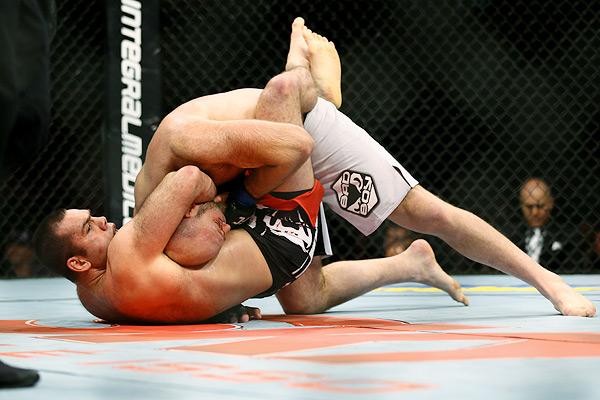
When you get a strangle, for example, a Rear Naked Choke, you need to plug the hole using choke mechanics, and then stay like that for 20 seconds. If there’s no tap or nap by the end, tighten up and do another 20-count. What happens during this time is that the blood flow to the brain gets reduced because of pressure on the arteries. The brain will take time to register that there’s less blood flowing, and conversely less oxygen arriving. Once the oxygen falls below a certain threshold (which does not happen instantly) the brain will go into “safe mode” which does include loss of consciousness.

  1. Air Chokes

Jiu-Jitsu Choke: Air chokeAir chokes are what we mean when we say chokes, in a literal sense. They work when there’s pressure on the airway, whether it is at the throat level, or below, directly on the trachea. The goal with an air Jiu-Jitsu choke is to cut off airflow to the lungs. That is a painful affair that has more to do with pain receptors in the neck around the trachea/throat, rather than truly stopping air from reaching the lungs. They work by causing panic and a feeling of claustrophobia on top of the pain, and usually eau7lst in quick taps. An old-school finish of an arm in a Guillotine choke is the perfect example.
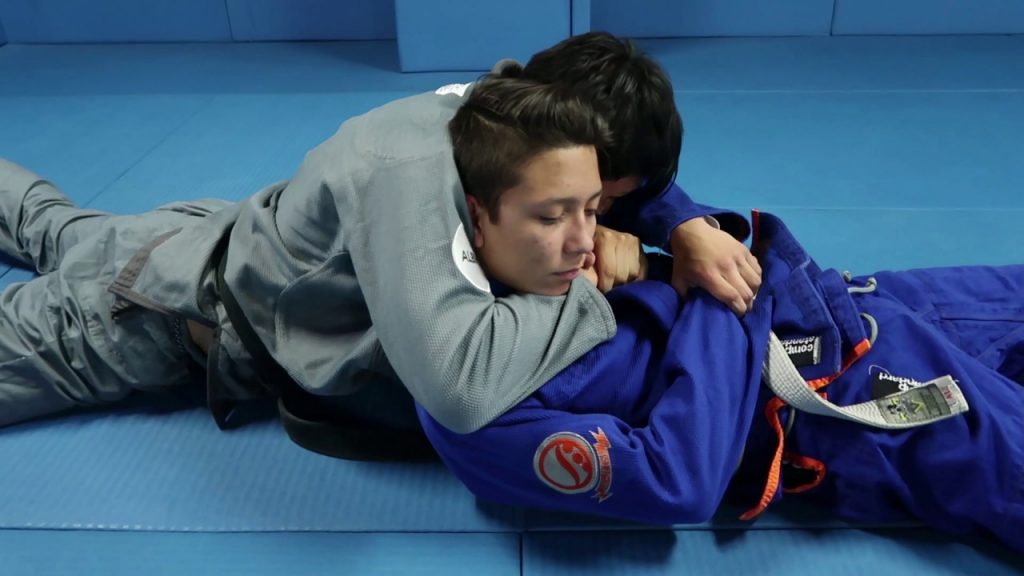
People won’t go to sleep with this one, or at least not as efficiently and as often as with strangles. Moreover, being on the receiving end of a particularly brutal air choke means you’ll have trouble speaking and swallowing for days to come.

  1. Chest Compressions

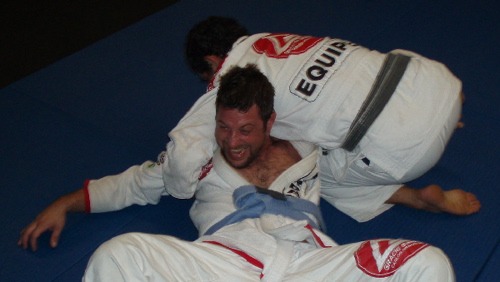
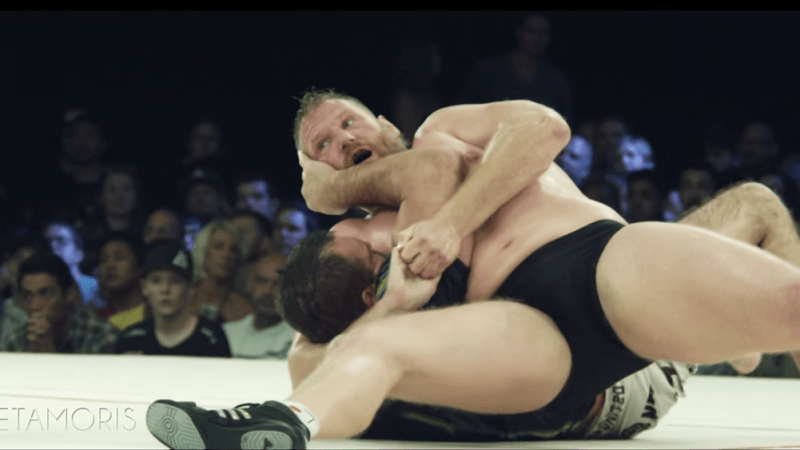
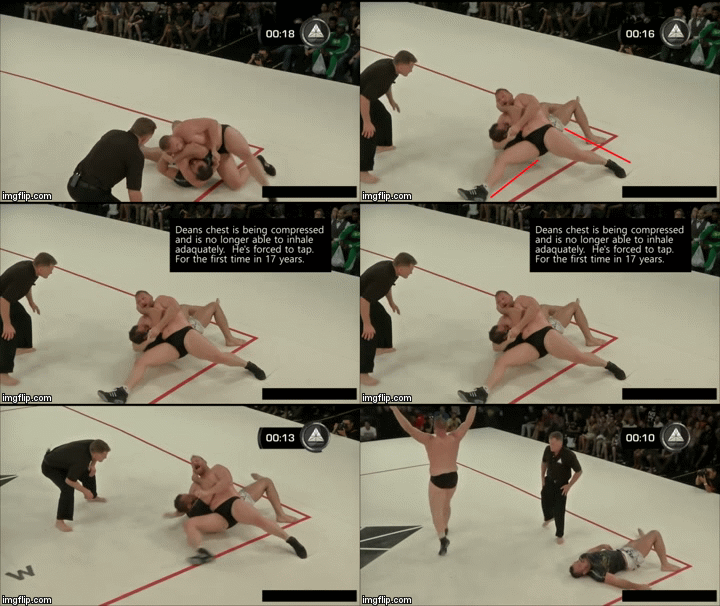
Although they appear unassuming, chest compressions are one of my favorite ways of finishing a Jiu-Jitsu choke. Ever since Josh Barnett tapped out Dean Lister with a chest choke in that crazy Metamoris match, I’ve spent a lot of time researching chest compressions. They really work, and you can actually use them to finish any Jiu-Jitsu choke you get a hold of.

Jiu-Jitsu Choke chest compressionThe mechanics behind compressions are in placing so much pressure on the chest and /or directly the diaphragm, that they can’t expand properly during inhales. That just means that after every exhale, there’s less space for the lungs to receive air during the inhale, which does mean loss of oxygen in the blood and similar effects to blood/air chokes. In terms of claustrophobia, these types of chokes rank 11 on a scale of 1-10. As brutal and catch-wrestler as they might sound, though, chest compressions are legit ways of finishing chokes.
  1. Neck Cranks

BJJ Crucifix Position AttacksFinally, you have the dreaded neck crank. Why dreaded? Well, neck cranks were outlawed along with heel hooks and other “dangerous” techniques, and have remained demonized to this day. And yet, they’re a legitimate finish that can be trained safely. Regardless of politics and russets, though, the fact remains that every time you have a choke, you can also finish with a neck crank. From Rear Naked Chokes, through guillotines to Darce chokes and neckties, there’s an element of neck cranking everywhere and it is a reliable and effective way of finishing a Jiu-Jitsu choke when blood and air chokes and chest compressions are not an option.
Putting It All Together                                                      

How do you use this information to make your BJJ chokes more effective? Just like with everything else in BJJ, there’s no way to get a choke and only finish it by using one o the above methodologies. Every choke has two or more involved in finishing, even though usually one is predominant. So, first and foremost, forget about getting the perfect choke or strangle or compression. There’s no such thing.

Every choke you set up, even if it is the most carefully set up Rear Naked Strangle, will have components of air choking, chest compression, and/or cranking in it. The reason chokes work is because of the interplay you get from all four ways of finishing. After all, the end goal is effectiveness, isn’t it? The way you can use this information is by always trying to focus on one or more of the “alternatives” when your’ trying to finish a choke in a certain manner.

Choke to Neck CrankFor example, if you’re working on a Rear Naked Choke and you can’t get what you’re looking for, there are ways of introducing more of a crank or chest compression into the mix in order to either get a tap because of that or make space to go for the originally intended blood choke finish. A similar thing is a guillotine, where air choking is often an alternative to blood chokes, and chess t compressions play a huge and crucial role in every Guillotine attempt.
Wrapping Up

The world of BJJ chokes is a fun one to explore. Knowing that there’s more than one way to finish a Jiu-Jitsu choke and that they all work together will provide you with a different way of looking at chokes. From there on, you can experiment as much as you want. If you could figure out how to finish your favorite choke(s) with each of the four ways above, you’ll be able to tap out everyone that makes the mistake of allowing you to get a hold of their neck.


Different Triangle Chokes For Different Folkes

Crazy BJJ Submissions – Foot Chokes And Armlocks

BJJ Break Falls: Why You Need To Train Them More

BJJ Hair: How To Deal With And Care For Long Hair In Grappling

BJJ Hair Issues And How To Fix them

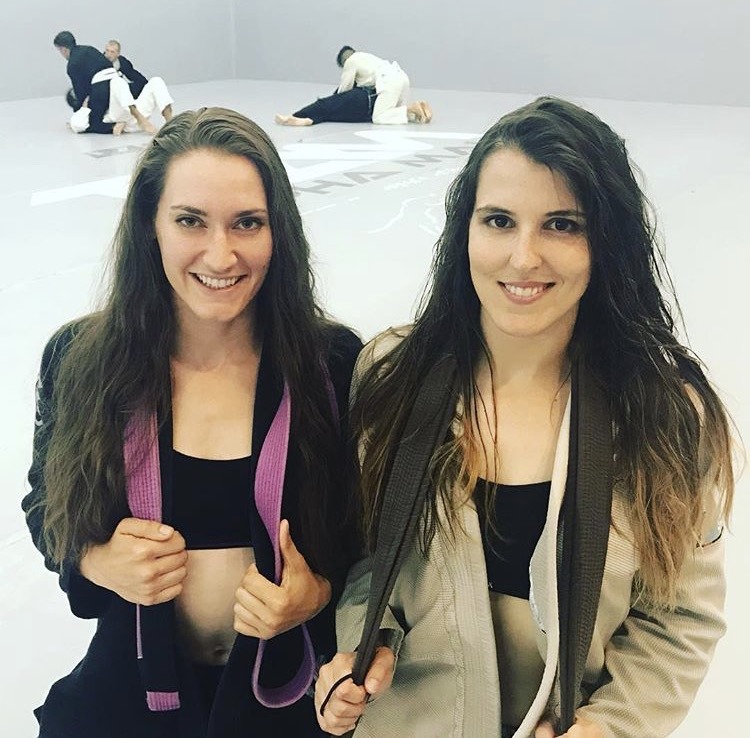
Not everyone will be able to relate to this article. Those that will, however, will find it useful at the very least. If you’ve never rolled, or even trained technique with long hair, you have no idea how much of a struggle it can be. It is not just about being a nuisance, three’s also the issue of damaged hair, which is almost a given in grappling. That said, there are ways to deal with your BJJ hair, and the good news is, you won’t be bound to just one hairstyle.

BJJ hair is a messy thing. So far, the women and men I have met who have long hair all share the same issue – dealing with it while grappling. Some, in all honesty, claim to have never had trouble with it and seem to be able to ignore it. For the majority, though, it can be really annoying, getting loose, getting in the way of vision and, in the way of, well, everything. It does depend on the length of hair and the type of hair you have, but some universal principles still apply to everyone that has long hair.

The BJJ Hair Conundrum

So what’s the deal with all this BJJ hair trouble? Unless you grow your hair out, you’ll never find out. However, for some people, having long hair is simply a must, and with BJJ held in the same high regard, there has to be a middle ground where the two can function together.

BJJ Hair: Dealing With Common IssuesSome of the issues people with long hair face in Brazilian Jiu-Jitsu include that hair getting everywhere. First of all, it gets in the eyes which not only makes grappling difficult, but it may even end up causing infections in sensitive people. Then, there’s the hair getting caught all the time with unintentional grips, forearms under knees, or other body parts. It is painful, uncomfortable, and definitely does affect the rhythm of the roll, given that whoever is caught won’t be abet to focus on anything else.
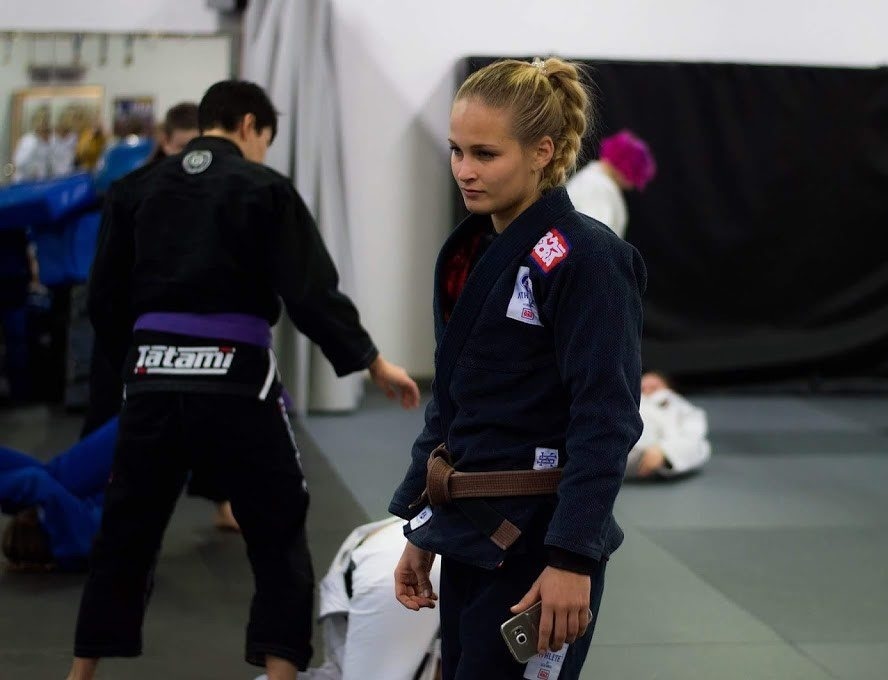
Speaking of BJJ hair issues, hair pulling is another one you’ve probably faced if you have long hair. People will end up pulling on your hair, in most cases unintentionally, and it is going to keep annoying you. On the same subject, no ponytail has proven strong enough to keep your hair in place during grappling training. They keep falling apart, and sometimes, end up slapping people in the fact, which, when sweaty is not really an experience many look forward to. Not to mention “shedding” hairpins all over the mats.

The good news is, that all these BJJ hair issues are not difficult to deal with, as long as you figure out a hairstyle that will allow you to train, and stick to a few proven ways of keeping your hair healthy in the meantime.

Tried And tested Hairstyles For Training And Competition

First, let’s take a look at how we can approach dealing with hair. In those terms, hair length is the deciding factor. If your hair is too short to put up, then you should just make peace with the fact it will be everywhere. Until such a time s you cut it short, or it grows long enough to put up and pin, you’ll have to deal with BJJ hair.

First up, when it comes to getting your hair up, really do try and tie it as high as possible. Ponytails tied lower become uncomfortable when you spend time playing off your back, which is inevitable in Jiu-Jitsu. Moreover, having a ponytail/bun tied higher leaves enough room for people to sneak arms through, instead of getting tangled and pulling/pinning your hair every time they attempt it. While we’re talking about simple ways to tie your hair, make sure you’re not using anything that has metal in it, given that it may injure your training partners.

Hairstyles that are useful for both training and competing usually involve braids and tighter hairstyles than just having a ponytail up. In most cases, they involve braids, and starting from braiding your ponytail in a single braid, to cornrows, they are practical and do solve most BJJ issues. In terms of simplicity, doing pigtails which you then braid is an option easy to pull off by yourself and helps keep your hair secure. French-style braids on both sides are usually a hairstyle of choice for a competition, but may not be easy to pull off for every class.

These are just several ideas you can use to ease your BJJ hair troubles when it comes to dealing with long hair. If you have other options that you find useful, we’d be glad to hear them!

Taking Care Of Long Hair In BJJ

Apart from keeping your hair in pace (up to a certain point), keeping your hair healthy is another thing you need to consider. Most people with long hair usually do have their maintenance routines anyway, but BJJ does introduce a different kind of problem to the mix. Depending on your hair, there are several key pointers to focus on:

Keeping your hair clean is the most obvious and redundant piece of advice, but still… keep your hair clean by showering after every training session. You get to remove debris, massage the scalp, and provide moisture for your hair, and a bunch of other things that are crucial for dealing with BJJ hair.

BJJ Hair IssuesIn terms of shampoo, if you have long hair, you probably already have your favorite, but going natural is always a good idea when your hair is going to withstand the abuse of Jiu-Jitsu. A conditioner of choice will also come in more than handy. In that sense, if you’re unsure, or have specific hair, talk to your hairdresser to get recommendations.
When it comes to using hair tools, like blow dryers, flat irons, and the likes, you should also be picky. With the blow drier, it is more of a case of not burning your hair rather than anything else. Flat irons though, come in very close contact and you should opt for a better quality one if you use it regularly.

Also, do think about investing in a hair care kit and a few supplements. You can go with coconut oil for the most natural version, or mess around with different hair serums. You could even go as far as turning towards your nutrition to improve hair health, but I do think that is a bit over the top.

In Summary

BJJ hair issues will never be completely solved. In a sport where pressure and grinding can deform ears, it is foolish to think you can figure out a hairstyle so secure that everything will stay in place. During rolling/competing. However, you can look out for your hair, and you can optimize your experience by using hairstyles that have been proven to alleviate long hair problems. Or, you could be radical and cut your hair short, but somehow, I doubt you consider that an option if you’re reading this article.

In the Zone: 6 Ways To Relax When You Do Jiu-Jitsu

How To Get Good At BJJ: Don’t Do These 8 Things!

BJJ And Grappling Training On Hard Surfaces With No Mats

Low Percentage Grappling Moves Worth Exploring

Using Low Percentage Grappling Moves

We always talk about high percentage BJJ submissions and grappling moves. But what happens with low percentage moves? After all, a low percentage does not mean that they don’t work. It just means they work less than other moves, but that, once again, is a highly individual thing. Despite there being submissions and other moves that work universally for everyone, some moves in Jiu-Jitsu are very dependent on individual characteristics and will work better for people of certain predispositions. As such, low percentage moves might not be so low percentage after all, if you know how and when to use them.

One thing to consider with low percentage  grappling moves is that they are unexpected. In an art where deception is the key to success, using moves that people are not used to is a huge advantage. Certainly, they might not work, but then again, you face the same risk with higher percentage ones as well. That said, there’ another tradeoff – people have no idea how to defend lower percentage moves as much as they do higher ones.

High vs. Low Percentage Grappling Moves

Low Percentage Grappling MovesBefore we go on, let’ stake a look at what high and low percentage grappling moves are. The highest percentage BJJ submission is the armbar. It is so widespread, and so reliable that if you’re training BJJ, even just for a week, you’ve either been caught in one or learned a variation of one. Another one of those moves that are high percentage is the rear-naked choke, and heel hooks come in as the highest percentage representative of leg locks.
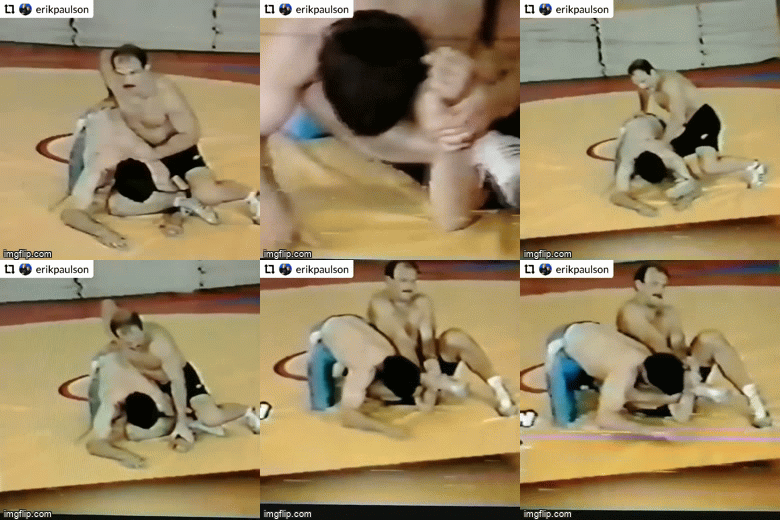
On the other end of the spectrum, you have “flash” submissions that are usually considered low percentage moves. Short chokes, the leg scissor choke, certain variations of leg locks, muscle slicers, the buggy choke, and the likes find their way on this list. Even the Twister, as key as it is to the 10th Planet System, is statistically, a low percentage submission. These are usually grappling moves that don’t include an overly complex positioning, if any at all, and work fast and in a painful manner. Think of them as catch-wrestling-like submissions.

In fact, positioning is what draws the line between low and high percentage moves, at least in the realm of submissions. Remember when leg locks were considered low percentage moves? Well, without the Ashi Garami system of control and hierarchy, they were, given that the idea was to catch them quickly and painfully, which wasn’t the epitome of efficiency. BJJ is notorious for overly complex positional

Looking Towards The Low Percentage Stuff

When you’re trying to incorporate low percentage grappling moves into your game you need to be aware of several facts. For one, there’s a reason these moves are lower percentage – they’ll surprise folks from time to time, but pulling them off on a higher belt is not going to be easy. At least not if you’re going about it in a straightforward fashion.

The idea is to increase the percentage of low percentage moves so that you can rely upon them more. In that sense, you have to think about things multidimensional. You can’t just hope the move will work straight off the bat, every time you try it. Instead, think about what you can accomplish with the move, apart from the designated outcome. For example, if you’re’ doing a submission, what would be something you gain access to as the opponent defends it? Given the nature of lower percentage moves opponents will defend them, meaning you need to use their action to gain an upper hand, whether it is positional or with another submission, perhaps even a higher percentage one.

Increasing the percentages is also an option if you try to introduce the positional play to grappling moves that usually work as one-offs.  Just look at what Danaher did to leg locks, by organizing them into the Ashi Garami system. The same can be done with most, if not all, other submissions and moves, leaving you with a very big area of things to use n BJJ. The best part is, people will have no idea what hit them.

A Few Practical Examples

What are some of the lower percentage moves you can turn to? Well, to be honest, there are many, but I know several that have actually worked for me throughout the years. Certainly, they’ll require adjustments to fit the modern game, and your individual game, but they’re certainly great options. Moreover, they’ll help catch people by surprise, creating way more openings for your “usual” grappling game.

Chest Choke

Catch Wrestling SubmissionThis chest compression is what Josh Barnett used to tap out Dean Lister with in Metamoris. Since then, we’ve rarely seen it in competing, if at all. The submission works when you are in a scarf hold position (Kesa Gatame) and you hug the opponent’s head with both arms gripping behind the head. The goal is to pull the head, as you project the bottom leg forward, putting immense pressure on the chest. The tap comes as a result of a chest compression that does not allow the lungs to fill with air.

Muscle Slicers (Some)

Sambo Submissions For BJJ Forearm slicerI wouldn’t necessarily call muscle slicers low percentage grappling moves, but the fact that some work less than others. Going for a calf slicer from the truck is definitely a high percentage option. However, hunting FOR a calf slicer with your arms (from an X guard, for example) or going for the Vaporizer, are not particularly high percentage options but they do earn taps and lots of them! The same can be said about some variations of biceps slicers, and or forearm slicers.
Foot Choke

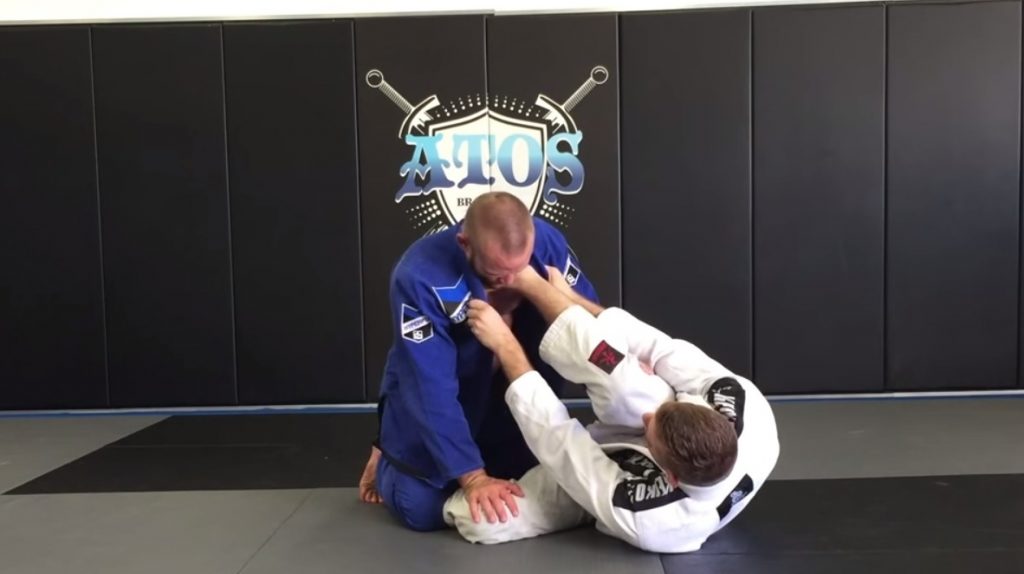
Using Low Percentage Grappling MovesThe foot choke, popularized by Keenan Cornelius is a nasty way of finishing someone when you have the full guard or an open guard. The mechanics are simple – place the outer edge of the side of your feet on the opponent’s throat. Using both arms, hold both sides of the Gi collar, and extend your leg into their throat, as you pull with both arms. It is a nasty choke that’s not among the best grappling moves in BJJ, but it will help you finish, or at the very least, earn the top position.
Choke From Bottom Mount

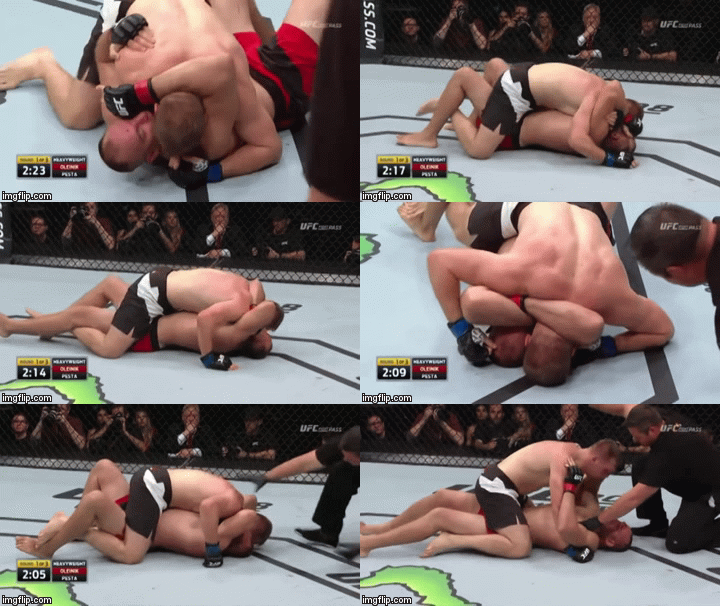
Choking someone from the bottom of the mount might not be the first thing on your mind when you find yourself mounted. That is understandable, In fact, there aren’t that many options, You could go for a clinch form bottom mount, Priit Mihkelson style, but that does not give you a submission. Instead, you could opt for an Ezekiel choke, Gi, or NO-Gi. Aleksei Oleinik, a UFC fighter, has pulled it off inside the octagon several times with deadly accuracy, so I guess it is not as low percentage or as impossible as most people think.
Chicken Wings

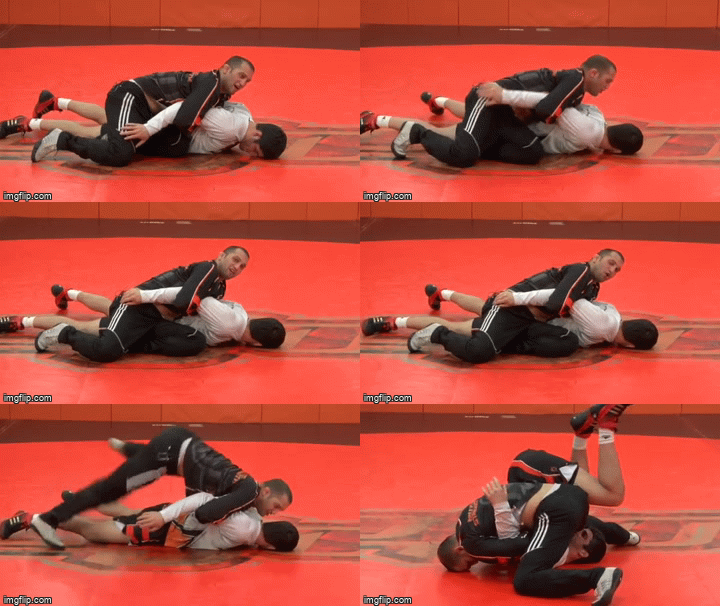
BJJ Chicken Wing: Double Wrestling Chicken WingsChicken wings are basically wrestling submissions that work similarly to Kimuras. They’re the stuff you see cops “pull off” in moves, bending an arm behind the back and applying pressure to the shoulder. As such, these grappling moves might be a lower percentage in terms of taps, and that’s true. However, in terms of control, especially keeping someone in side control and preventing them from going to turtle, they’re irreplaceable and have a huge role to play in modern BJJ.

Suloev Stretch

Suloev Stretch SUbmission MMAThe Suloev stretch is actually a move I’ve discussed here some time ago. It is basically a hamstring stretch that looks like you’re doing a kneebar while being on someone’s back. It is not at all easy to get, which is exactly why it is considered to be a low percentage and not many people try it. However, it does work, and if you can set it up, which, with enough training shouldn’t be a challenge, you’ll be able to submit plenty of people, regardless of belt level.

All In All

Low percentage grappling moves are still effective moves to use in Jiu-Jitsu. Sure, you can, and actually should go about modifying them, but that’s not the only way they’ll work. Apart from achieving their intended goal, they might also open up a lot of other opportunities for you, without you having to exert yourself and spend effort breaking through an opponent’s defenses. There are plenty of creative ways to use low percentage moves, so they should definitely be a part of your grappling toolbox.

Forbidden And Dangerous Moves: A Look At The Slam In BJJ

Cheap And Dirty Ways To Win A Brazilian Jiu-Jitsu Match

Enjoy Your BJJ Journey By Knowing Your Grappling Rights

Know Your Rights To Enjoy Your BJJ Journey

Brazilian Jiu-Jitsu is a crazy sport that will take over your life. It doesn’t matter if that was your goal when you started your BJJ journey; it is something that will almost certainly happen, particularly if you get to the blue/purple belt level. Plenty of things will happen along the way, and most of them are fun and will change your life. However, there read some aspects of Jiu-Jitsu that we rarely consider, and as such, are huge for everyone involved, and in particular, beginners. Namely, do you have any idea what your BJJ rights are?

Grappling rights are not something we talk about a lot. As such, they’re not really written anywhere and official but are things that are common sense and that everyone should be aware of. After all, there’s no point in embarking on a BJJ journey if you’re not going to enjoy it and get the most out of it. Knowing what you’re in for is one thing, but knowing certain things about how you should be treated is another. To that extent, let’s look at several things that everyone in Jiu-Jitsu should know they’re entitled to.

The BJJ Journey Is A Lifelong One

There’s nothing quite like Brazilian Jiu-Jitsu. You come to a gym to give it a try, usually after watching UFC or hearing some of your BJJ nerd friends talk about it and nothing but it all day long. The thing is, you’ll quickly morph into a BJJ nerd of your own if you let Jiu-Jitsu enter your life. The BJJ journey is quite a fun one, but it is not easy,. I guess that is what makes it attractive to us all. Well, that and rolling, of course.

Know Your Rights To Enjoy Your BJJ Journey 4One thing to be aware of is that singing up for Jiu-Jitsu is going to change your life., Moreover if you really get into it, which a lot of the people that sign updo, it is going to turn into something you’ll be doing for the rest of your life. That’s a major claim, but after a decade in the sport, I can claim it to be true, given the evidence I’ve seen on the subject. Speaking of something you’ll be doing for a lifetime, it wouldn’t be near as fun if you didn’t feel awesome when doing it, right?
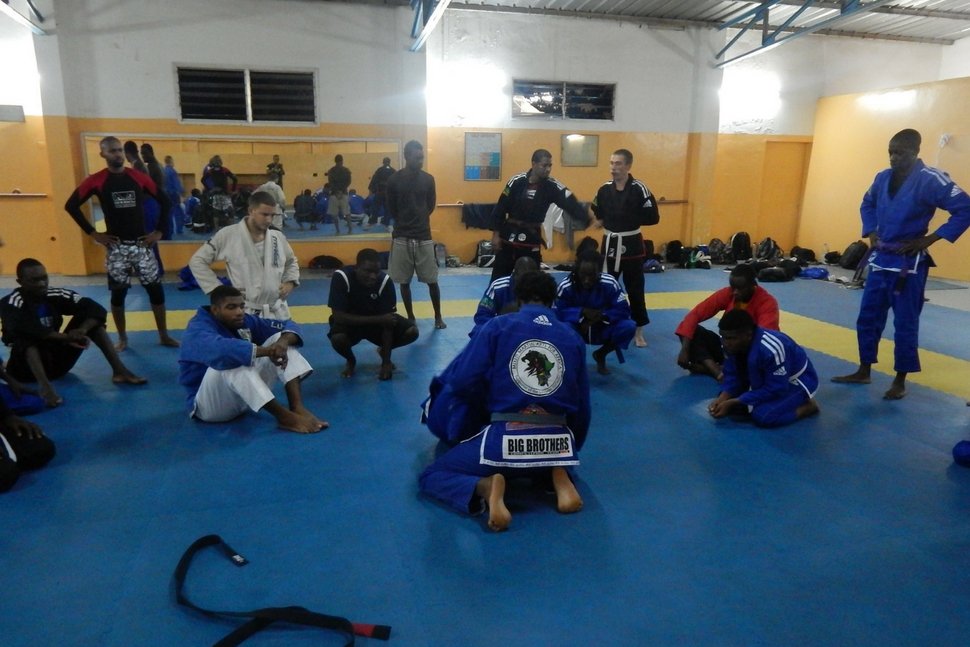
It is difficult enough to enjoy Jiu-Jitsu with all the chaos, discomfort, and pain that comes with training and/or competing. If at the same time you need to worry about other things, like an unsafe training environment, instructors that are not a good fit, lack of respect and hygiene, etc., it is doubtful that you’ll stay on your BJJ journey for long. This is not just to let people know that they have certain basic grappling rights, but also to keep coaches and academy owners on their toes. Providing the correct training environment will not only bring more people into BJJ, but it will also provide them with an environment they enjoy.

  • The Right Academy

One of the things you are entitled to is being in an academy that works for you. None of that loyalty and Creonte stuff means anything if you’re not at a place you enjoy. As I said, your BJJ journey is a lifelong one, and spending it in an environment not fit for you simply makes no sense. Despite what people might want to say, you can switch academies as many times as you want until you find the right one for you. Moreover, it doesn’t’ have to happen immediately, and changing academies as a higher belt is also not just an option, but something you should consider if it makes sense to you.

  • Safety

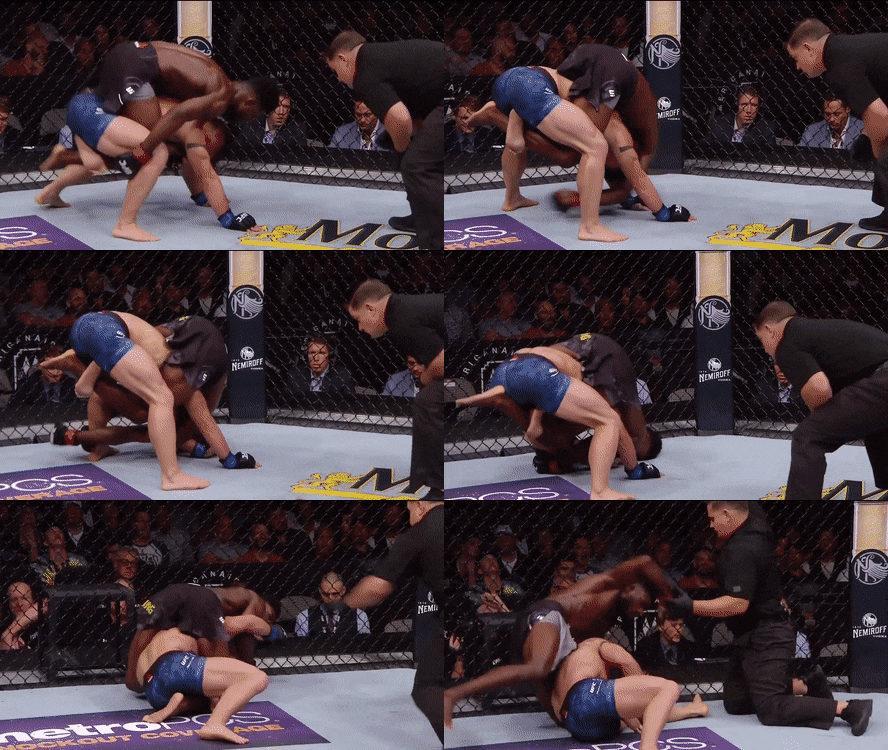
There’s really nothing I can say about safety that hasn’t been said already. Training a martial art in which people art trying to force limbs to bend in directions they’re not meant to, and try and choke people unconscious, safety is more important than in Christian Grey’s pleasure room. That said, there are different aspects of safety in a BJJ academy.

Know Your Rights To Enjoy Your BJJ Journey 3Apart from the obvious training safety concerns, there’s also the way instructors conduct, as well as students. People training Jiu-Jitsu should be safe from prejudice, sexual harassment, or discrimination of any kind. Safety extends to much more than having instructors that follow everything that’s going on and training partners that are not out to “kill you”. In fact, every aspect of feeling safe should be in compliance with your requirement, or you should simply refer to point number one and figure out an academy fit for your BJJ journey.
  • Instructor Requirements

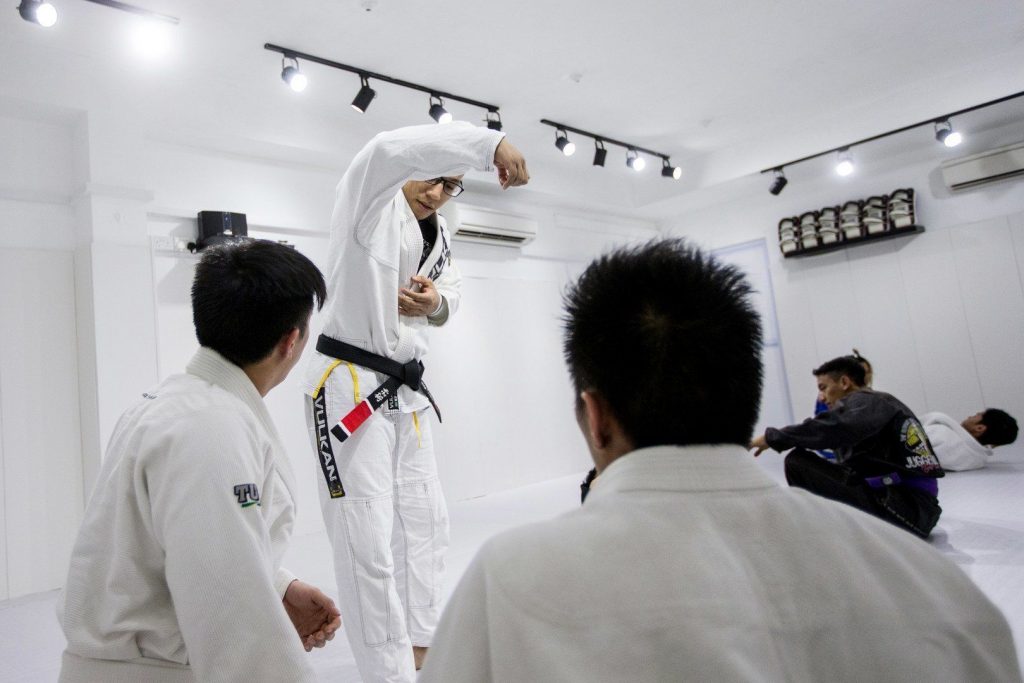
Instructors usually go hand in hand with academies as they set the “vibe” of a certain BJJ gym. That said, BJ Instructors usually have an approach that is aimed at making people feel safe and comfortable while also being able to teach them actual Jiu-Jitsu. If your instructor does not fit this description, you might need to look for another one. Seriously, instructors and coaches can make or break an athlete, whether they’re training recreationally or with hopes of becoming world champions. If you don’t find an instructor that fits you, you should keep looking, just like with figuring out the right BJJ Academy. And you have every right to demand to be in a class with different instructors or switch gyms completely if things are not to your liking.

  • The Factor Of Respect

In most Jiu-Jitsu gyms you’ll visit on your BJJ journey, respect is something held in very high regard. It is simple – you have the right to be respected by your training partners, instructors, staff, etc. There’s no need to expect you’ll be treated like a princess – if that’s the case, you’re in the wrong sport. However, people do need to respect your boundaries, your world views, and whatever else makes you, you. Furthermore, belt level has nothing to do with respecting someone, and despite the hierarchy of BJJ, a black and white belt commands the same amount of respect.

  • Hygiene 101

In terms of hygiene, there’s nothing that will cut a person’s BJJ journey short as fast as bad gym hygiene. It doesn’t even have to do with infections the like of staph and ringworm as much as it does with the impression of how clean or unclean an academy is. In a contact sport where you’ll be in the closest possible proximity with people, there’s no point in trading if the academy’s and training partners’ hygiene levels are not up to your requirements. As far as grappling rights go, this is one of the first things you need to consider.

  • Set Your Own Goals

Know Your Rights To Enjoy Your BJJ Journey 2Another thing you might run into as a BJJ beginner is goals. Most academies really do offer “Jiu-Jitsu for everyone” and will accommodate your training goals, whether they’re competitive or recreational. However, nobody has the right to make you compete, or stop you from competing, depending on what your goals are. You can go on your BJJ journey and earn a black belt without ever stepping foot in a competition. The same is true for wanting to compete. Nobody can hold you back (unless it has to do with your technical and/or mental preparedness for a tournament) and you need to be aware of this. Although this might fall under the right to find an academy that suits you, it does deserve a special mention as one of your most important grappling rights.
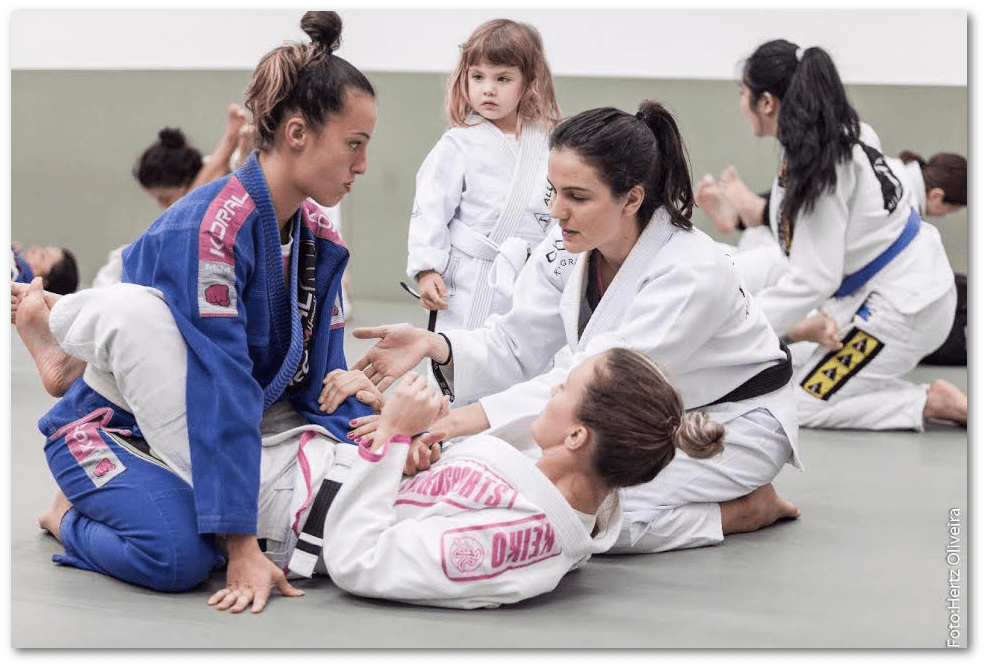
  • Have Fun

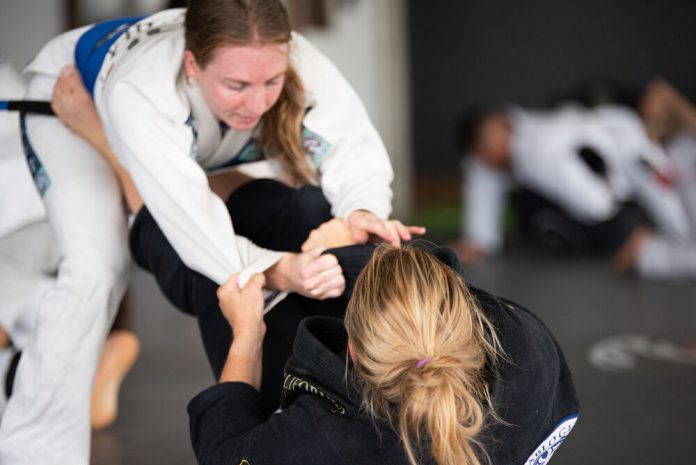
I guess you won’t really partake in a BJJ journey, whether it is for a lifetime or for a few months unless you’re having fun. Discipline is a big thing in martial arts and there has to be structure and hierarchy when it comes to classes. However, things should also be fun, especially in a sport like BJJ, where individuality should be encouraged. If you’re not having fun training, you have every right to consider different options, or perhaps even cutting your BJJ journey short. Despite the great sounding “Jiu-Jitsu is for everyone” slogan, the fact of the matter is that grappling is not a good fit for everybody.

Final Thoughts

Knowing your rights is a big part of today’s modern society. There are, of course, those social justice warriors that just take political correctness and everything else way too far. We haven’t been spared from instances like that in Jiu-Jitsu as well. However, the fact remains that certain grappling rights are the same for everyone and nobody can deny them to you. Simply put, make sure you are treated with basic decency and respect on your BJJ journey, and you’ll truly enjoy living the BJJ lifestyle and reaping all the benefits it brings about.

How the Concept Of The Mini BJJ Seminar Can Improve Your Academy

Stop Chasing BJJ Belts And Focus On What’s Important

Testing For A BJJ Black Belt Promotion: Yes Or No?

Women’s Only BJJ Class – Yes or No?

Does your Academy Have a Women's Only BJJ Class

Do you have a women’s only BJJ class in your academy? This is a subject I’ve been really researching lately, given that the number of grappling ladies has increased in my academy, and I’d like to provide them with the best possible BJJ learning experience. To that extent, the subject of having a women’s only BJJ class is not a question of whether you should have it, but whether it should be the only option for a group of ladies to train Jiu-Jitsu?

As far as I am concerned, I have to say that I believe women and men should train Jiu-jitsu together. However, this I not always an option, and sometimes a women’s only BJJ class is a necessity. Come to think of it, I do believe that women should have at least one class per week where they can only train among themselves, but should also participate in classes with men. There’s a logic behind this that I’ll try to explain in this article.

A Case For Women’s Only BJJ Class

Women's Only BJJ Class - YEs Or NoWhen is a women’s only BJJ class a good idea? There are plenty of reasons to have one (or more) in your academy’s schedule. No matter how much we try to be professional about it, mixing men and women won’t always be seen as just sports by everyone involved. I’m not talking about unwanted advances and the likes, but the fact that people are training with someone from the opposite sex means they approach rolls differently. Women, at least those that I’ve spoken to about the subject, hate being treated like their children just because men are stronger. In that sense, a women’s only BJJ class brings about a training atmosphere of equality, in terms of how training partners look at each other.

Another reason to have such a class is competition. Ladies training for tournaments will have a more realistic expectation if they can train with women only, regardless if it is their size or bigger/smaller. Training with men has its benefits as I’ll share later, but a women’s only BJJ class will provide benefits mixed classes can’t.

Another reason to implement women’s only classes is religion. Depending on where you’re at in the world, mixed classes might not be an option. Sometimes, people won’t train just because their religion doesn’t allow them, despite wanting to. A women’s only BJJ class solves this, for both ladies and men that have certain religious views.

Finally, there’s the question of beginners. When girls begin training, getting thrown into the craziness of a BJJ class with both men and women, from technical training to rolling can be scary. Having dedicated women’s only BJJ classes means you can provide a more comfortable environment for beginners, and does help attract more women to the sport.

A Case For Mixed BJJ Classes

Despite all of the above, there’s something that we need to take into account – women themselves don’t like to train exclusively with other women. It is a notion shared by every woman I’ve talked to on the subject, and I have done my fair amount of research,. White to black belt, all the grappling ladies claim that they do like to take part in a women’s only BJJ class, but not exclusively. Namely, women think training with men helps them progress and improve, and I wholeheartedly agree.

Women's Only BJJ ClassTraining with men means a lot more than just training with people who are stronger. It also means training with a lot of different belts, as BJJ is still a more male-dominated sport. It also provides an opportunity to test out skills against different body types and try and figure out technical ways of dealing with stronger opponents. Plus, there’s the academy togetherness that will only work if people know each other. That said, just like with any class, I believe there should be groups according to belt level, and that beginner cases should have really limited rolls, especially when there are both men and women on the mats.
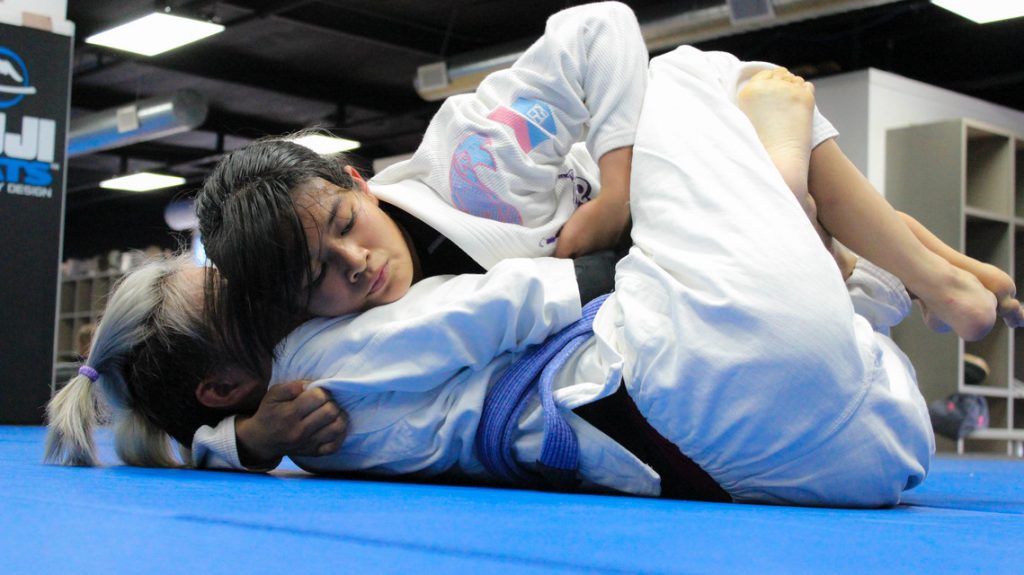
An open mat is a perfect opportunity to let people of all groups and both sexes mingle and have fun rolling. For the ladies, it is imperative to train with men, as it will improve their game, but only in cases where they’re not being speared, or getting completely killed. Three’s a middle ground that men need to find when rolling with women, but that’s only possible if they can roll and train regularly with female training partners.

The Best Of Both Worlds

What’s the solution to the question of a women’s only BJJ class? Figuring out how to balance one, or a few per week, so that ladies have access both to an exclusively female class, and mixed classes. The benefits are there for both men and women in mixed classes, as long as everything I set up correctly and coaches keep an eye out for the beginners.

Women's Only BJJ Class In AcademyOne option that I’m considering for my academy is to organize a women’s only BJJ class at least once per week, but one that is going to be led by a female instructor as well. On top of it all, allowing the ladies to have an additional open women-only mat seems like a good idea, especially for the competitors. Moreover, it will allow culturally different members to join the gym and advance without religious or philosophical reasons preventing them from enjoying the Gentle Art. It is an experiment that I certainly hope will work, and I’ll most definitely write an update after giving this system a try.
All In All

A women’s only BJJ class is a must, really, for any academy. However, it doesn’t have to be black and white, in the sense that women should only go to the female-exclusive classes, and not other classes or open mats. On the contrary, there’s a definite need for a dedicated women’s class, but it can’t be the only way ladies train. Both men and women need mixed classes to truly be able to learn how the artworks, both for sports and self-defense reasons.

Training Diaries: Marks Of A Great Jiu-Jitsu Partner

Why Every Academy Needs Intro BJJ Classes

Fallon Fox, Transgender MMA Fighter Who Broke The Skull of Her Opponent

BJJ Knee On Belly: How To Make People S*#t Themselves

BJJ Knee On Belly Variations

The BJJ knee on belly position is one of those spots that most grapplers try and stay out of at all costs. It is painful to be in, causes you to give up things in order to avoid that pain, and is overall one of the most difficult things to endure in BJJ. Unless you’re on the giving side of it all. There are people in the sport that are extremely efficient at causing mayhem from the knee on belly position. In that sense, there are a few different ways of holding the position, in terms of what you want to accomplish from it.

To be honest, I might go as far as saying that knee on belly is the most difficult position to master in Brazilian Jiu-Jitsu. It is one of those positions that require balance and subtle shifts in weight and occasional bracing that no coach can teach you. If you’re on a quest to become a menace with the BJJ knee on belly, then don’t expect to learn it like you would an armbar or a guard pass. Instead, gather all the knowledge you can but focus on spending lots of time trying to figure out your sweet spot” Only when you have the delicate balance of this position down, you can think about expanding towards attacks or unbearable pressure.

The BJJ Knee On Belly Position

The BJJ Knee on belly position is a checkpoint between side control and mount. It is a position that will bring you two points in a competition if you can stay there for longer than three seconds. It is also a position that allows you to do significant damage to an opponent, in terms of landing strikes while being safe yourself. In sports BJJ, it is one of the staple positions we use to transition in between other dominant top pins while keeping an opponent under pressure.

In fact, there are three main uses of the BJJ knee on belly position, and two ways of setting it up and working with it. The eon thing all three have in common is control. Despite the position seeming unstable, it offers a great amount of control and plenty of attacking options. The first one is transitioning into other positions, which range between switching sides to stay in the knee belly and getting mount or back, depending on which side the opponents start to turn. A second option is exerting inhumane pressure on their torso, causing a chest compression that might lead them to s#*t themselves. Finally, the third option which is always present is going for a direct submission attack from the BJJ knee on belly.

There are plenty of nuances when it comes to holding knee on belly, but a couple of things that I’d like to point out as hugely important are head position and grips. In terms of head position, regardless of the knee on belly variation, you’re using (more on them later) your head needs to be aligned with the near side shoulder of the opponent. This really makes all the difference in the world when it comes to stability and maintaining the position. Also in terms of maintenance, try not to grip anything. Any grips you go for will only allow your opponent to move you around more easily. Instead, look to maintain a good posture and only use your arms to post shortly, and let go as soon as possible.

Knee On Belly Transitions

BJJ Knee On Belly ControlOne of the main uses of the BJJ knee on belly position is to hold someone in place while you set up transitions to other dominant pins. For example, you might be looking to go into the mount. Staying in the knee on belly will not only get you points but it will also tire out an opponent before you head to the next dominant top position. One thing to always keep open when you’re using knee on belly to transition is switching side to side. If things are not exactly working out in terms of going to mount, go to the other side, re-establish knee on belly, and create a better opportunity to go to mount or take the back.
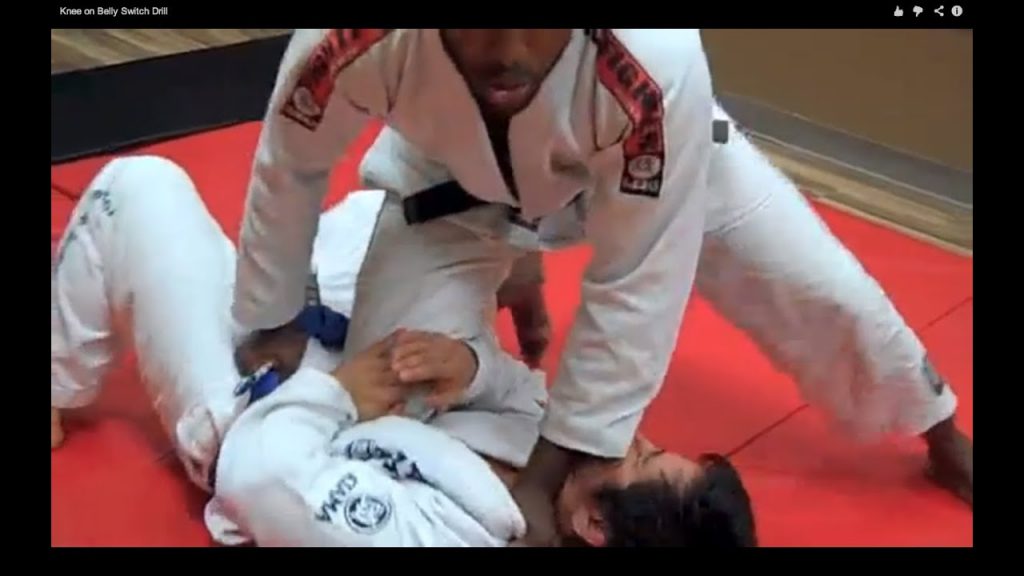
Setting up the BJJ knee on belly control for transitioning is based on several mechanical details. First of all, you need to have your shin running across the lower part of the belly, just above the belt. Next, you want your foot to be off the ground, meaning you need to be looking to hook your foot on the hip and have the knee point straight to the other hip. Your butt also makes all the difference here, as it needs to be on your heel to offer you the best balance and movement opportunities when you decide to transition. The other aspects (no grips and head alignment) stay the same. As for the far leg that serves as a post and power source, that’s something that everyone has to work out for themselves.

The BJJ Knee On Belly From Hell

If you want to cause people all kinds of trouble in terms of pressure and discomfort, instead of looking to go through the pins of Jiu-Jitsu, then you’ll need to make a few BJJ knee on belly adjustments. Mainly they have to do with the placement of the knee and the positioning of your hips, but head alignment, grips, and the far leg stay the same as before.

BJJ Knee On Belly PressureNamely, if you want to cause people massive amounts of pain, your knee needs to point to the middle of their chest instead of going across their belly. The goal here is to point the knee towards the sternum and place it right below the bone. The goal is to pressure the diaphragm so that breathing becomes labored and difficult,. In other words, it is a form of chest compression. Here’s the key difference compared to the previous variation – you need to lift your butt up. After placing the knee below the sternum, you need to lift your butt off the heel. How high? As far as possible while keeping the knee in place. This will put a lot more pressure on the diaphragm and cause even more pain.

But, there’s more. The final nail in the BJJ knee on belly coffin is lifting your heel towards your butt. That is the part that will make people exert all kinds of painful sounds and even get you a tap or two.

Conclusion

In both cases of the BJJ knee on belly position (holding for transitions or looking to exert maximum pressure) you can easily go into submissions based on the opponent’s reactions. Armbars, leg locks, chokes, and everything else you can think of becomes readily available. In fact, people will literally give submissions away just to escape the discomfort of the position which is exactly why you need to have it in your grappling arsenal.

Top And Bottom Baseball Choke Setups For Jiu-Jitsu

Crazy And Unusual BJJ Kneebar Entries And Finishers

“Truck The World” Geo Martinez BJJ Instructional Review