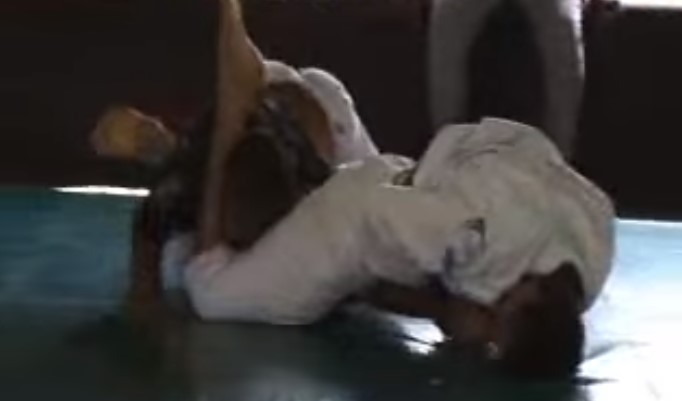



Mastering the subtle art of weight distribution means you’re either a prolific wrestler or well on your way to your BJJ black belt. Knowing how to put pressure on your opponent is a sign of advanced BJJ knowledge. The best way to keep the pressure on while not exerting yourself is through proper weight distribution. This means being able to stay loose yet keep your opponent completely pinned to the ground.
When it comes to the levels of the game, you know a grappler is advanced when they start to focus more on pressure and less on specific moves. That said, the pressure is also a complex subject in BJJ and is not at all straightforward. There are types of pressure as well as specific timing. All this is governed by correct weight distribution in response to the bottom person’s reactions.
Here, we’re going to cover the basic types of pressure that depend on proper weight distribution. We’re also going to go through the most common questions on the subject. You’re also going to learn how weight distribution can be an attack on its own, and work together with submissions.
The Definition Of Pressure In BJJ
When you think of pressure in terms of BJJ you most likely think of the same thing as most people. You picture someone being crushed under the weight of the top grappler. This is correct in certain cases and this type of pressure is an important one. However, it is not the only type of pressure. In terms of weight distribution, there are a few more aspects to consider for a complete pressure game.
Usually, bigger grapplers find it easier to put pressure on their opponents and training partners. That doesn’t necessarily mean that they’re employing proper weight distribution. By adopting the basic weight distribution principles, they can increase their pressure multiple times. Smaller grapplers, on the other hand, are forced to learn pressure the hard way. They’ll often take longer but are going to get the hang of weight distribution for BJJ much better.
When we’re talking about pressure in Brazilian Jiu-Jitsu, we can talk about three main types of pressure. Weight distribution pressure is the first and arguably most important type of pressure. This is also the most technical one. The second way of pressuring an opponent is through the pain. This is the catch-wrestling style of pressure and it has it’s used in BJJ as well. Finally, there’s panic-induced pressure.
The Secrets Of Weight Distribution For BJJ
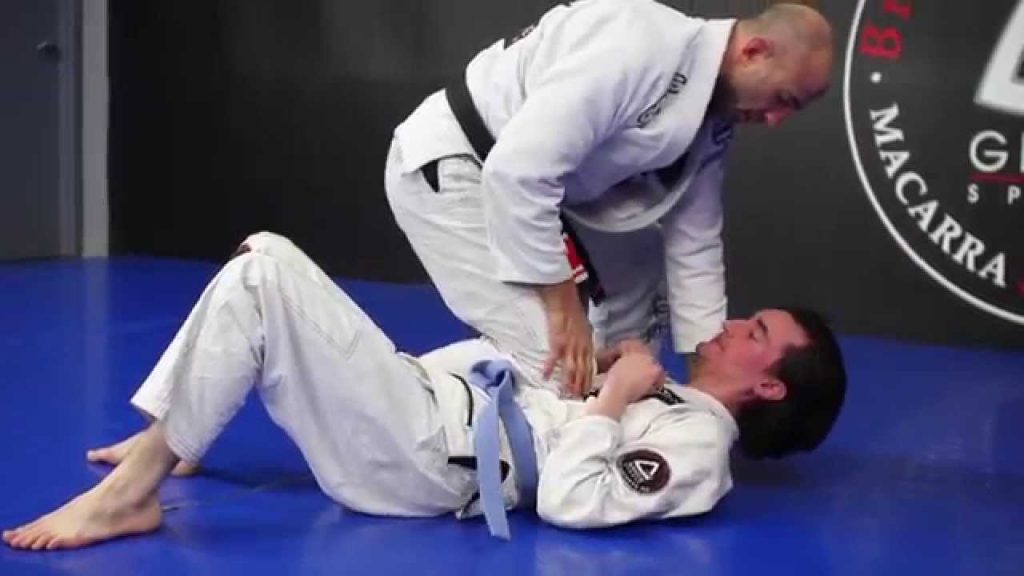 Weight distribution is arguably one of the most important concepts in Brazilian Jiu-Jitsu. Flashy moves and rapid transitions are not going to cut it during your whole career. Being as heavy as possible means you can stay comfortable and take your time attacking while the opponent struggles. This is the black beltway of doing things and should be the goal of everyone involved in Jiu-Jitsu.
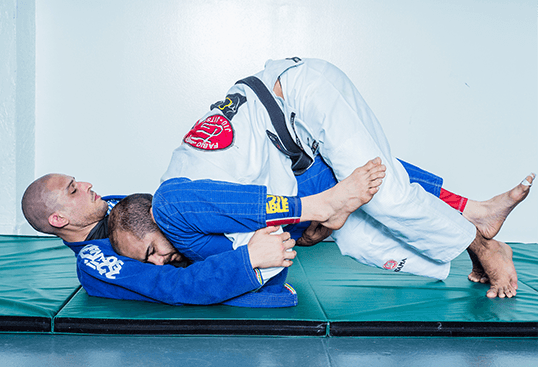
Distributing your body weight correctly is going to force your opponents to tire out quicker, and result in frustration on their side. However, in terms of weight distribution, you must know that it is not one dimensional. Namely, even from the bottom you can exert pressure and distribute your weight in a correct manner for BJJ. One example is using your legs on the back of an opponent from a closed guard armbar position.
Furthermore, weight distribution involves fine movements that many people seem to overlook. One thing that hugely affects your weight distribution is the movement of the hips. You can rotate them, drop them down or lift them up. All of this movement can significantly change how your weight is distributed in relation to your opponent.
One last thing to consider in terms of weight distribution is angles. In particular, it is the way you angle your weight. Understanding that there are angles that make you heavier is crucial for playing a tight pressure game.
In order to maximize pressure, you need to make sure your opponent can’t move. To accomplish this you must also reduce your movement as much as possible. The point is to let gravity take over so that your opponent has to bear all your weight.
Pressure Through Pain
This kind of pressure is a signature of Catch wrestling. The point is to cause as much pain as discomfort through weight distribution as possible. This, in turn, opens up attacking avenues for you.
The basic idea is to make your opponent wince in pain. This translates to causing quick responses due to immense pain. The goal is to open up space when an opponent is being highly defensive. And it works like a charm.
Shoulder pressure is just one example of weight distribution that causes unbearable pain. From side control, the crossface has the task of putting the jaw under painful pressure in order to cause the opponent to move. It is as basic as it gets. Another example is knee on belly, the ultimate torture position in BJJ. The point of the knee on the sternum provides a sharp ending to your pressure. Correct weight distribution means all of your weight is focused on the top of your knee, causing all kinds of pain in your opponent.
Inducing Feelings Of Panic
Remember that feeling of panic and claustrophobia you had when you started BJJ? Well, you can replicate that feeling even against high-level grapplers if you know how to distribute your weight. Whenever you restrict an opponent’s possibility of breathing panic is soon going to follow. When you can’t breathe, you can’t think straight and you’ll be unable to defend.
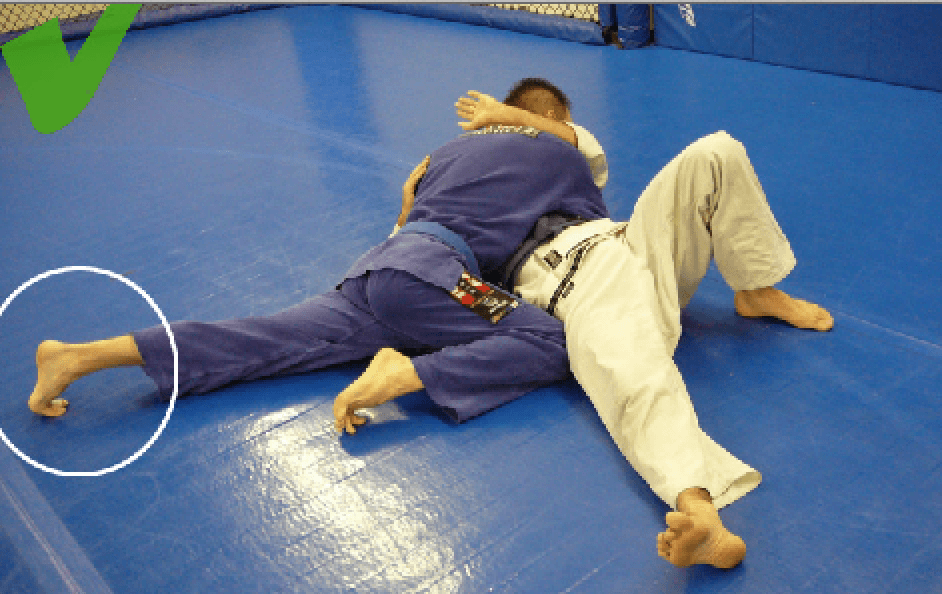 Restricting breathing isn’t the only way of inducing panic due to weight distribution related pressure. Positioning yourself so that you completely take away an opponent’s escaping ability is also a good method. When an opponent knows they can’t escape and you show them you’re in control by keeping them there effortlessly, they’re going to panic. It is as simple as that. Submission attempts from a position of dominant control (think S-mount armbar) can also cause panic in an opponent.
Every time you put pressure on an opponent and induce panic in addition to it, you’re going to break an opponent’s will. This is a submission on its own as a tap is soon going to follow. However, remember that you need to understand the fine nuances of weight distribution in order to make yourself as heavy as possible. It’s not about exerting yourself, but about relaxing. Think about it!
The Power Of Cross Face Pressure
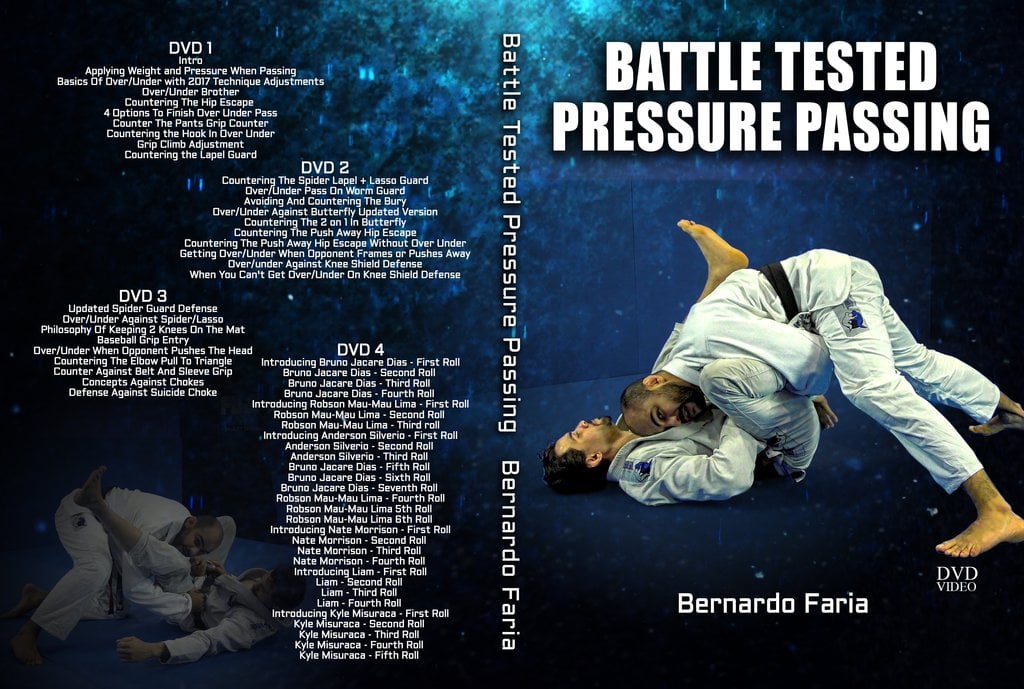
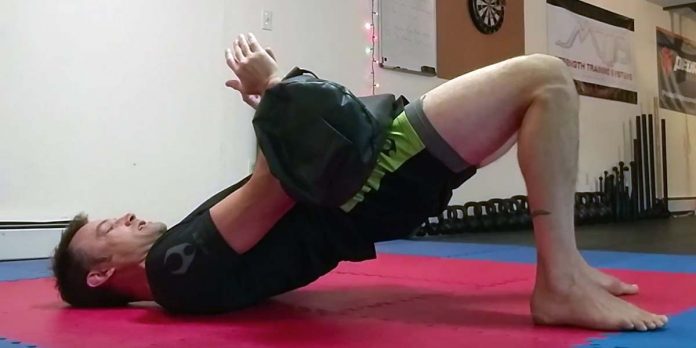
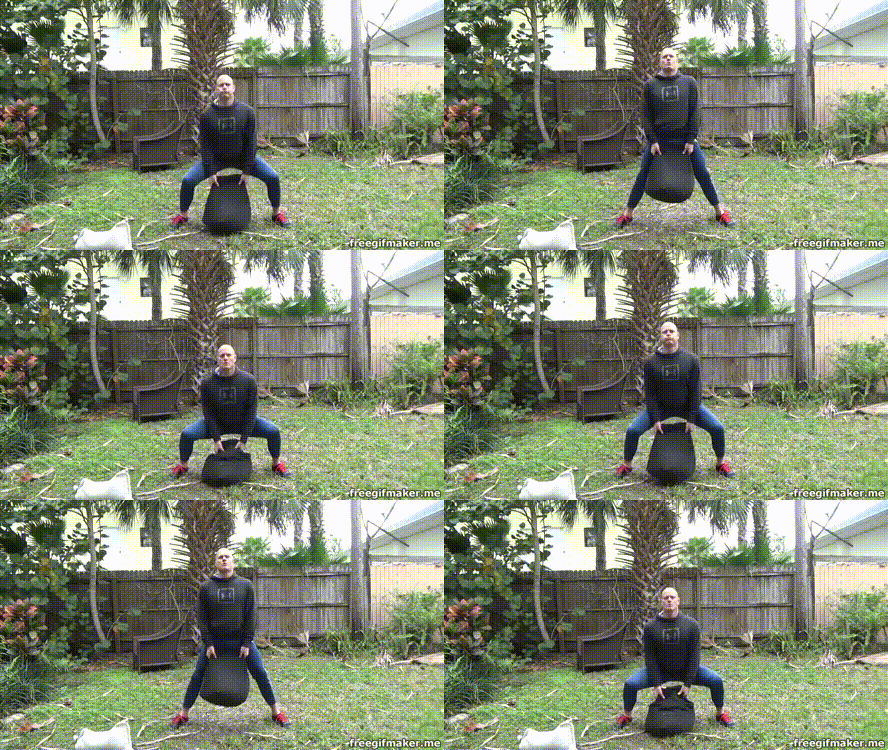
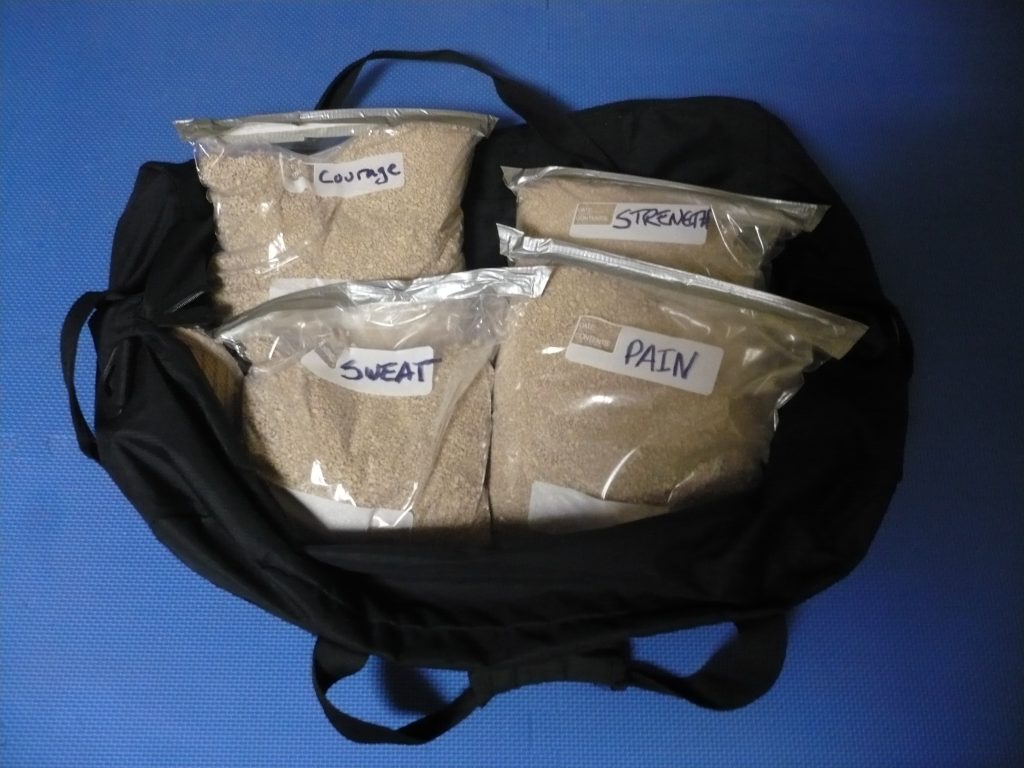 For grapplers, grip fighting is the first method of engagement during a fight. If there’s one thing that remains constant throughout a BJJ match it is the placement of grips. This requires you to possess a certain amount of grip strength. Actually, the more grip strength you have, the better for you. People usually tend to use different grip strength machines from commercial gyms. While they can help, they can never replicate the demands of BJJ. Sandbag conditioning exercises can.
  The core is the crucial part of our bodies in terms of maximal athletic performance. It is the connection of all parts of our bodies. It is also the generator of power and explosiveness along with being the main stabilizer of the body. There are very few conditioning approaches that can ensure your core is ready for the demands of Brazilian Jiu-Jitsu. To make things clear, countless sit-ups are not the answer.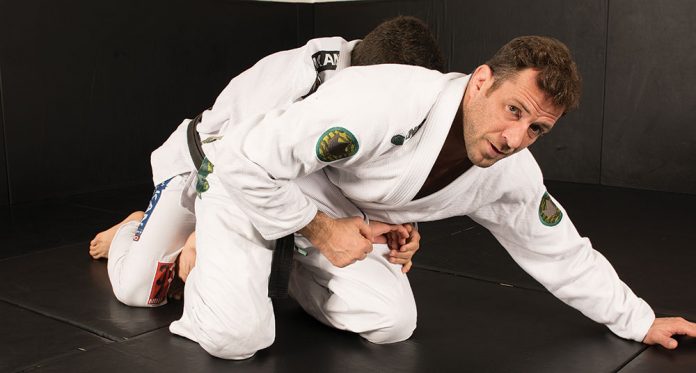
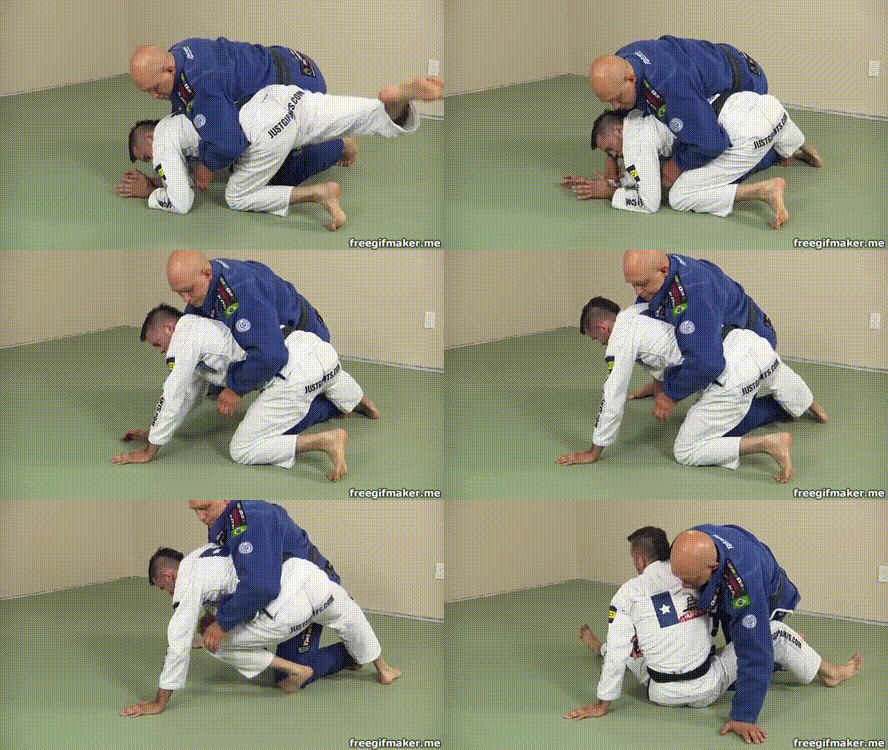
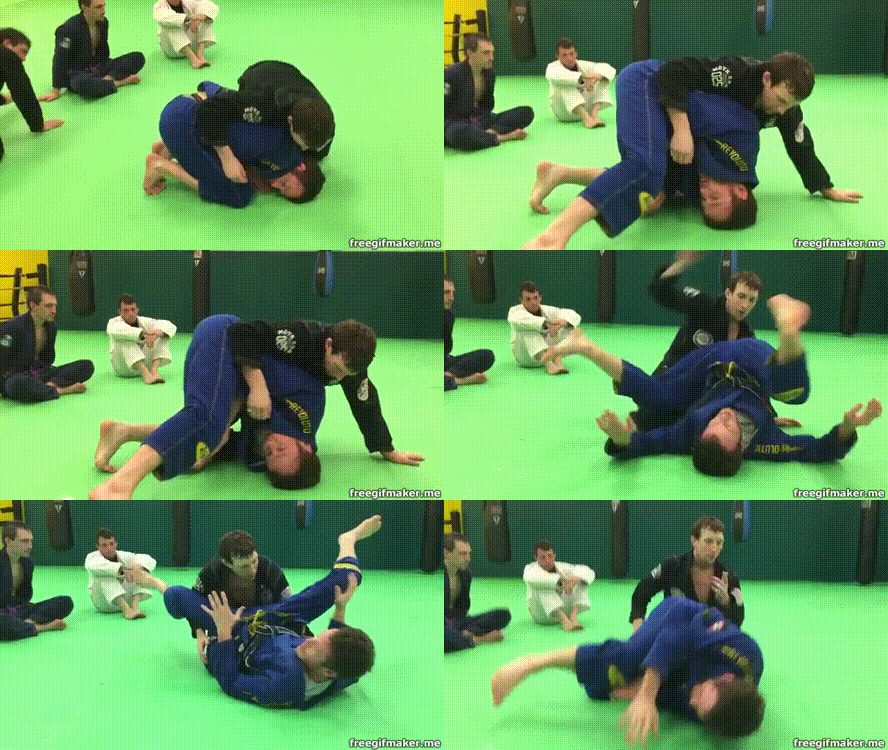 A bit more advanced version of abandoning the turtle guard is turning away. This move is a great option, you just need to do it on your terms in order to work. If the opponent causes you to turn they’ll either get side control or your back, depending on the direction. If you’re the one initiating the movement though, you’ll he able to re-guard easily. First, focus on keeping your outside elbow close to your thigh. Next, open up your hips and get into a Granby roll. This is not only going to get you out, but it is going to completely turn the tales. You’ll end up on the top with a clear path to back control.
 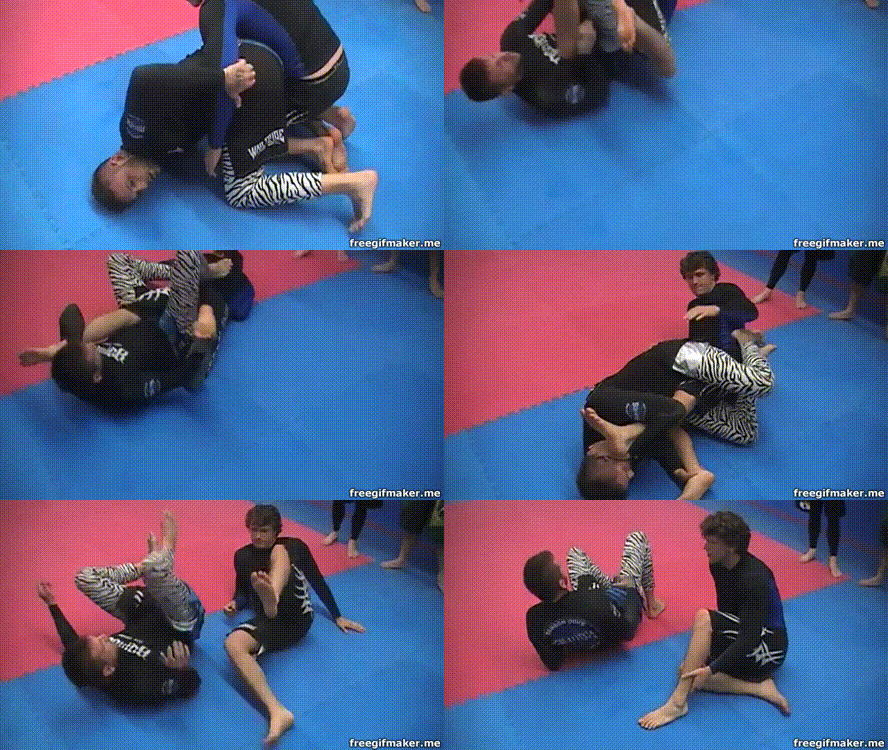 Your attacks start off with your near side leg once again. This time though, instead of just kicking back you’re going to hook the opponent’s near side leg. If you have the option to use your inside arm for the same thing, go for it. It’ll provide you with much better control over the opponent. Once everything is in place, Just roll over your outside shoulder, holding on tight to the leg. What you’re essentially doing is a Víctor roll from the knees, which means you end up with a tight kneebar when the roll ends. An easy submission!
 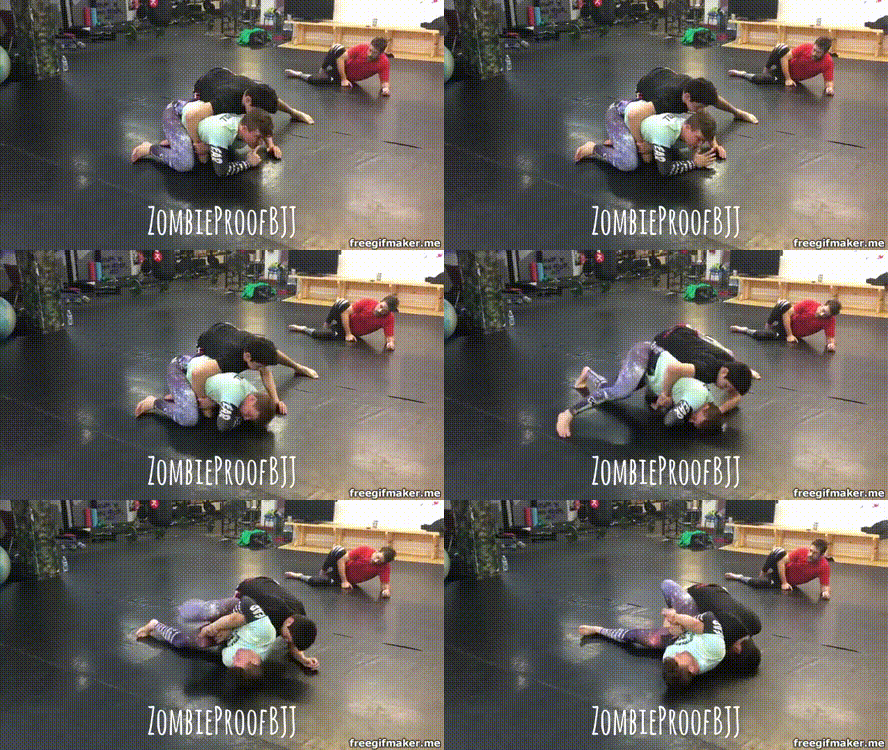 Furthermore, you can get a cool Kimura straight off the rolling escape. As you enter the Granby roll, make sure you control the opponent’s outside arm with your outside arm. Halfway through the Granby, Sneak in your other hand and lock a figure four grip on the opponent’s arm. Once you have the grip just keep turning and you’ll end up in top side control. The finish is easy from there, just like a regular Kimura.
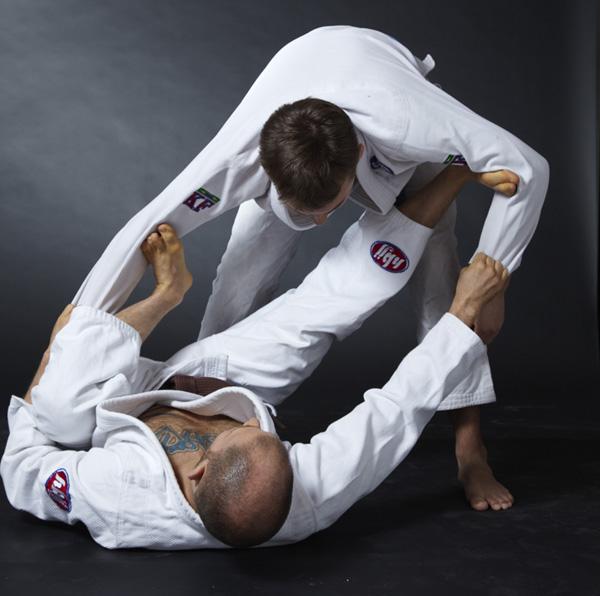 Double Sleeve Grips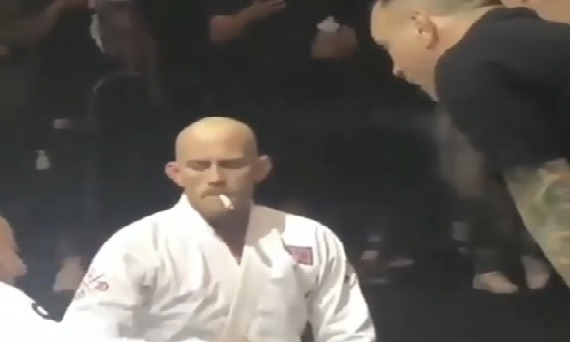
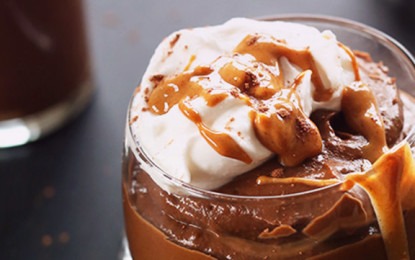
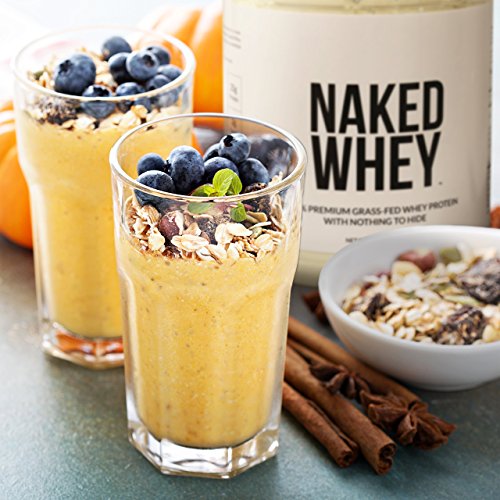 Let’s start with what most people perceive as the main ingredient of a post-workout shake – protein. There are countless protein sources out there, all containing one or more of several types of protein supplements. Not all of these supplements are ideal for your post-workout shake though. There are many variations in protein supplements, including vegan and gluten-free varieties. However, the most common protein supplements are derivatives of dairy in one form or another. Out of those, whey protein I by far the most famous one. There’s a good reason for it, since it is easily and rapidly absorbed in our bodies. Out of all the whey protein variations, going for an isolate is always a good choice.
 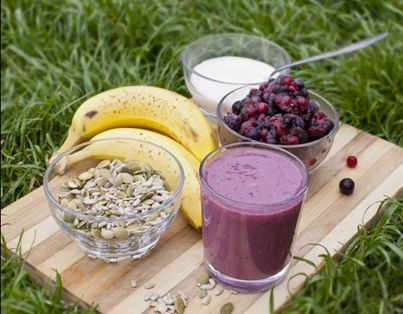 Carbohydrates: As mentioned, choose a high-glycemic fruit. Nothing beats the banana here as it packs a lot of potassium as an added bonus. Expert tip: freeze the banana and you’ll get an ice cream-like shake.
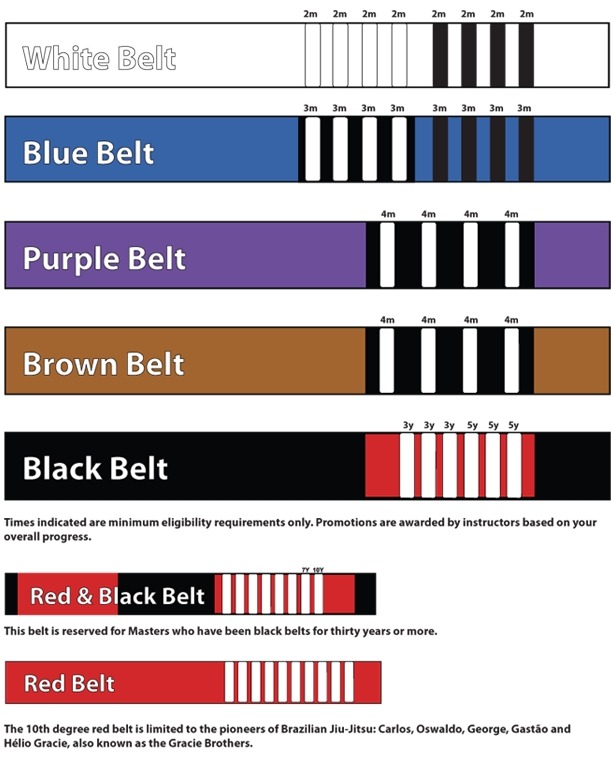 Originally, the belt system used today was invented by Dr. Jigoro Kano, who also founded Judo. He needed a system of grading that was apparently so that he could mark the level of his students. It didn’t take long for other martial arts to adopt this system and it soon became the norm. Before this belt system though, people either wore a white or a black belt. Their rank within art was marked with a scroll. The original role of belts was to keep the kimono in place. In loose terms, the belt has no other role than holding the pants up. Nonetheless, the belt system is part of the mainstream of martial arts today. The BJJ belt system, although slightly different than other arts is also based on this ancient ranking system.
 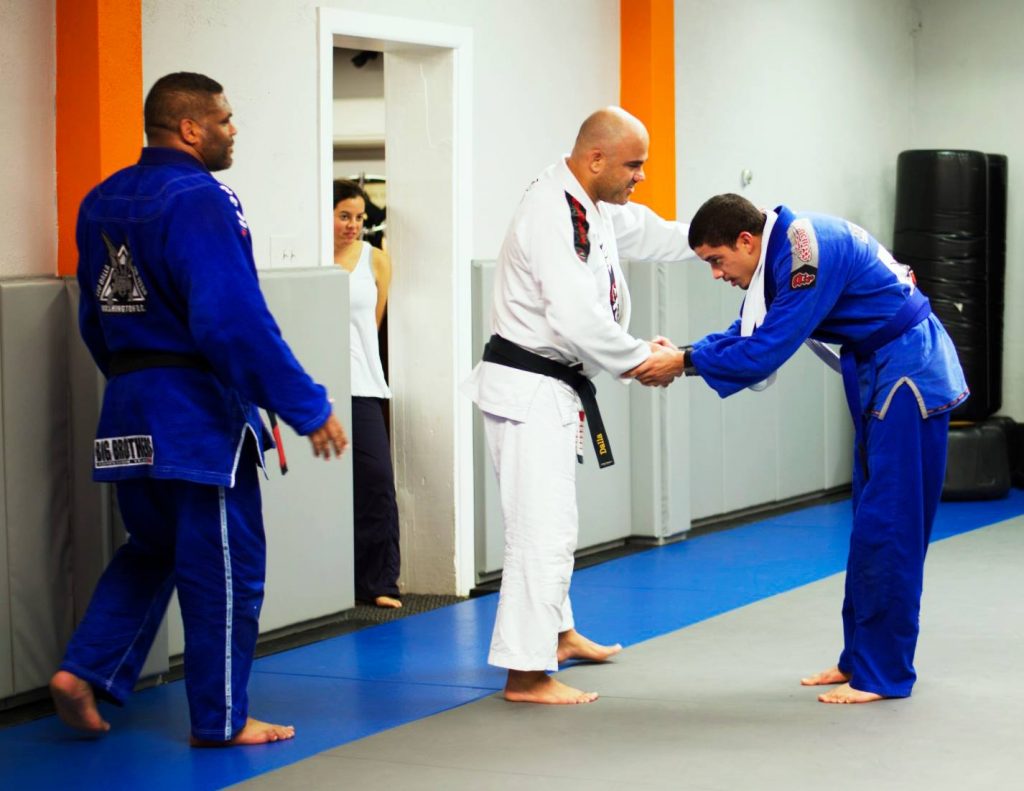 The promotion itself in BJJ is unlike any other martial art. The knowledge you gain about your body, the confidence you gain from the art, the friends you make. Those are some of the goals that you should aspire to achieve as a grappler. Furthermore, there’s teaching. You should always give back to the art, meaning that becoming a better teacher should be a massive goal for anyone above the purple belt. For some, there’s also the competitive aspect of the sport where it doesn’t matter which belt you are. There are teenagers out there with blue and purple belts who have beaten top-level black belts for many years. Your knowledge and abilities are not ingrained in your BJJ belt.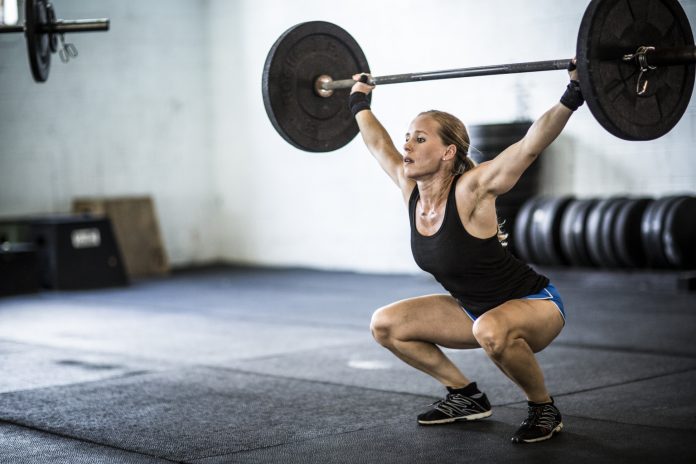
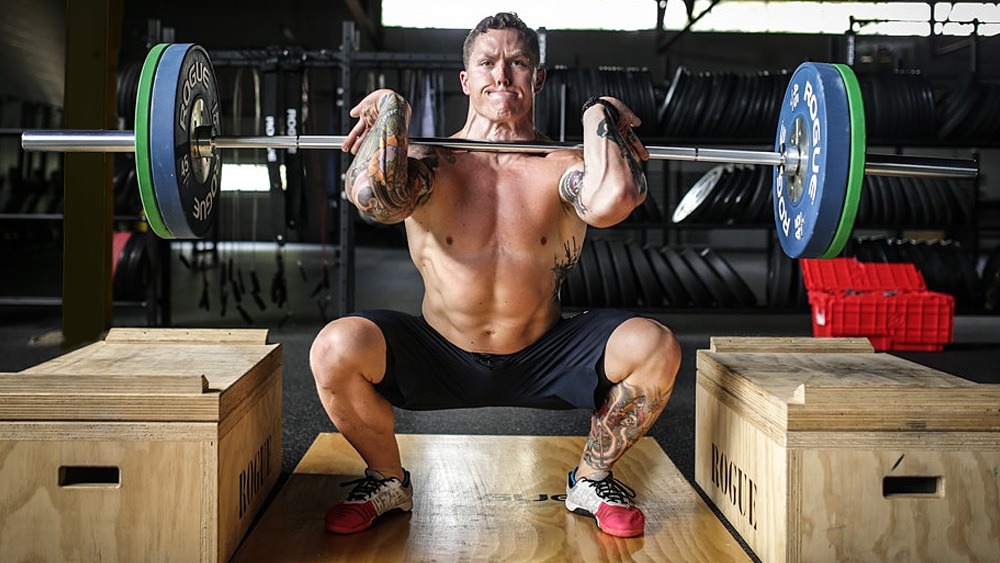 For grappling, developing power and speed can be game changers. Going for that blitz takedown or exploding from the bottom are movements that grapplers do multiple times in a training session or even in one match. It is true that BJJ is more of a power endurance sport than a pure power one. However, there is a place and use for Olympic lifts in BJJ strength training.
 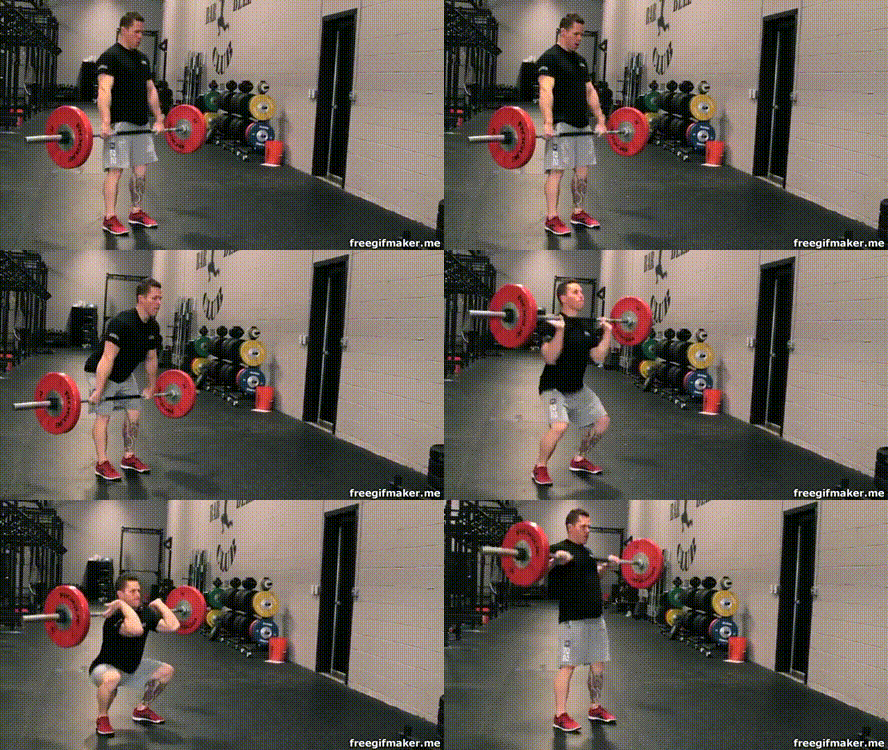 Hang Clean - This is the best clean variation to help you become a more powerful grappler. The hang position means you’re going to put emphasis on the second pull. This translates to working exclusively on the most explosive part of the lift. From a safety standpoint, you remove the first pull (from the floor) minimizing potential injuries. As you get better with your technique you can look to transition into full cleans or look to start the hang clean from a lower position.
 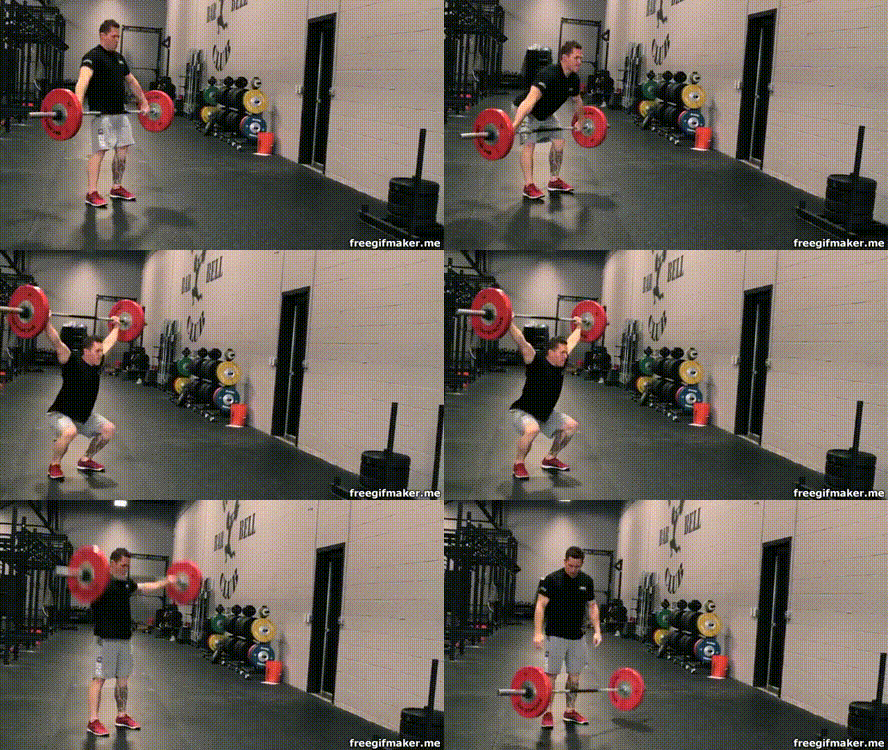 Hang Snatch – The snatch is probably the most technical Olympic lift of the bunch. The snatch requires solid shoulder mobility and stability as well as adequate wrist strength. These are important limiting factors. Once again, the hang position is the best starting point. The basic pattern is that you’re lifting the weight straight from a hang position up over your head. You have to learn the transition precisely, as well as the landing position before you go heavy.
 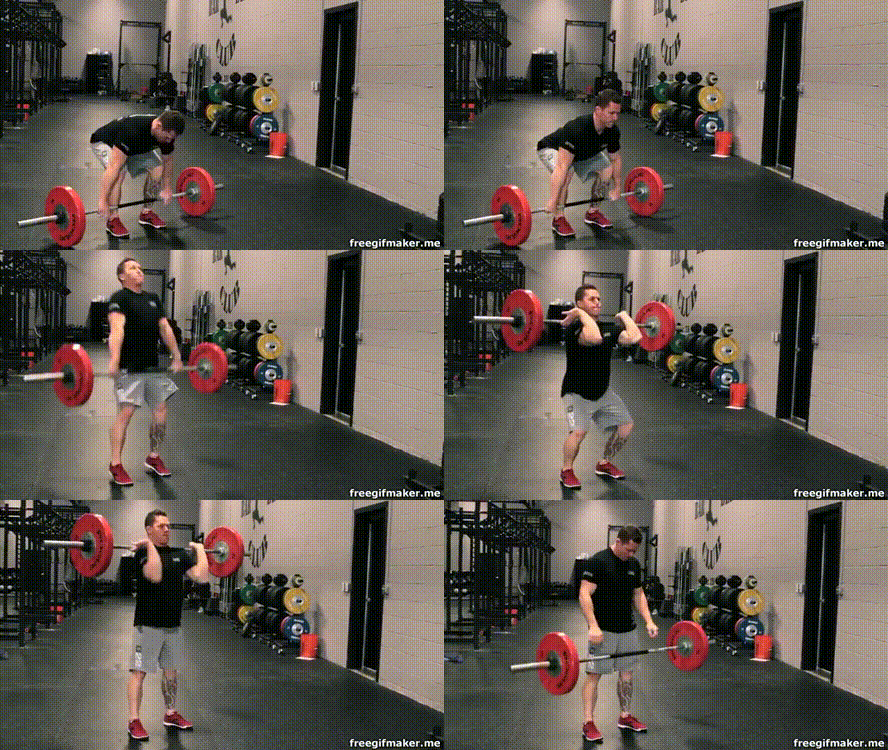 Power Clean – The power clean is the toughest variation of an Olympic lift to consider for BJJ. In this variation, you’ll be pulling the weight off the floor. However, you’re going to skip going deep into a front squat and instead go straight into the catch position after the transition. If you can do only one Olympic lift to get better at grappling, this one should be on top of your list.
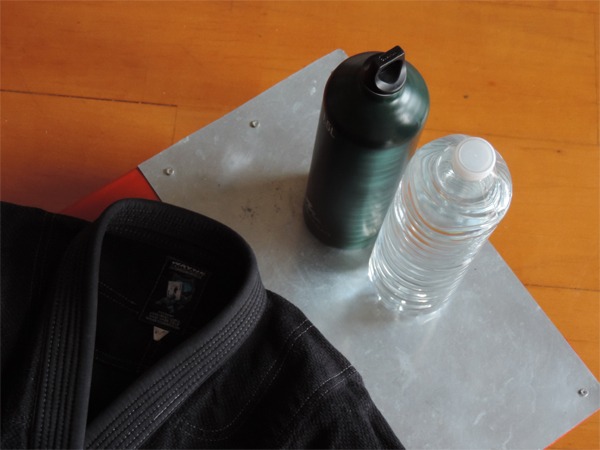 Water is vital for life and is an essential nutrient for our health. Out of our total body weight, about 60% is water. In addition, there’s not a system in our bodies that doesn’t require water to function. The lack of fluids inevitably leads to dehydration. Dehydration is a serious condition that marks the lack of sufficient fluids for the functioning of our bodies. Dehydration is not a straightforward thing, as our bodies have coping mechanisms. That means that dehydration occurs in segments ranging from mild to life-threatening. However, even mild dehydration of 1 to 2 % loss of your body weight can drain you of energy.
 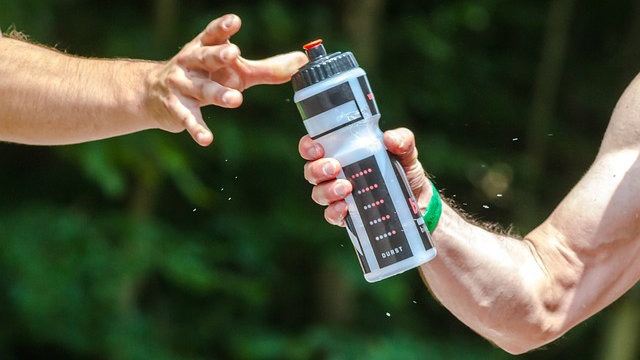 Avoiding dehydration is not complex, but it does require some attention. If you think you’re drinking enough water throughout the day, you’re probably wrong. To avoid dehydration, it is important to drink plenty of fluid both before and after training. Most importantly, you need to make sure you’re ingesting liquids during training as well. Our bodies are only able to absorb about 27 oz of water per hour. The catch 22 is that you can lose up to 60 oz during the same amount of time. This means that you actually have to hyper-hydrate before class. The best way to do this is throughout the day because rolling with a full bladder is also a nuisance. A good piece of advice is to drink 12 – 20 oz of fluid about an hour prior to class. While in class try to drink at least 20 oz of water/hour.