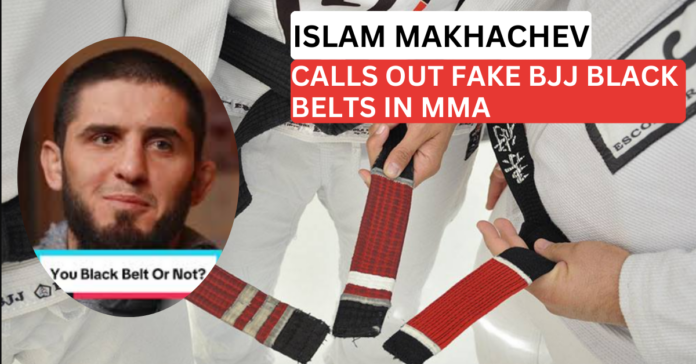
In a bold statement that has sent ripples through the martial arts community, UFC Lightweight Champion Islam Makhachev has questioned the integrity of BJJ black belts awarded to MMA fighters. Makhachev’s critique has reignited the debate about the standards and significance of the real BJJ black belts in modern combat sports.
Islam Makhachev, a prodigy of Dagestan and a student of the legendary Khabib Nurmagomedov, is renowned for his formidable grappling skills.
With a foundation in combat sambo, Makhachev’s transition to MMA has been marked by dominant performances and a keen understanding of ground fighting.
However, his recent comments have raised eyebrows and sparked discussions among fans and fighters alike.
Makhachev Questions BJJ Integrity: “You Have to Compete to Earn It!”
In an interview, Makhachev questioned the standards of awarding BJJ black belts to MMA fighters, suggesting that they are given too easily.
“You have to compete in Jiu-Jitsu,” Makhachev stated, emphasizing that a black belt should signify mastery and competitive success in the art of Brazilian Jiu-Jitsu, not just proficiency in an MMA context.
“You have to spend like hours, hours… Like five, six years to be black belt. They have to go some competition, World Championship. Instead like do something special to be black belt, to deserve this.”
Makhachev’s comments came after his victory over Charles Oliveira, a renowned BJJ black belt, where Makhachev’s grappling prowess was on full display. He further pointed out that some fighters receive black belts without ever having competed in Jiu-Jitsu tournaments, which he believes undermines the belt’s true value.
“But now, it’s a big deal to give some fighters a black belt. No, it’s not. It shouldn’t work like this, you know. I think people agree with me. If you’re a UFC champion, you cannot be a black belt in one day. No, it’s not working like that.”
“We Cancel, Brother”: Makhachev Mocks Dustin Poirier’s BJJ Black Belt
In a lighter, albeit pointed moment, Makhachev humorously referenced Dustin Poirier’s black belt status, saying, “We have to cancel, brother, many black belt because they make the Jiu-Jitsu look bad” during a media interaction.
This moment, widely shared on social media, highlighted Makhachev’s skepticism about the legitimacy of some BJJ black belts awarded to high-profile MMA fighters.
“Black belt, who give him [Poirier]?We have to check that now“- said Makhachev. “Because a lot of guys have black belt but I don’t know.”
He then questioned Poirier’s avoidance of initiating grappling with Oliveira: “Why are you scared to go with him on the ground? You’re a black belt.”
Despite his criticisms, Makhachev has been vocal in his admiration for fighters who have earned their real BJJ black belts through rigorous competition. He lauded fellow UFC champion Demetrious ‘Mighty Mouse’ Johnson saying “You are the real black belt. Of course. 100%.”
Makhachev’s comments have sparked diverse reactions within the martial arts community. Some support his call for stricter standards, arguing that the BJJ black belt should remain a symbol of elite skill and dedication.
Others believe that the evolving nature of MMA warrants a more flexible approach to awarding belts, recognizing the unique challenges faced by fighters who train across multiple disciplines.
The Great Fake BJJ Black Belts Debate
As the conversation around BJJ black belts in MMA continues, Makhachev’s voice adds a compelling perspective to the ongoing debate. Whether his call for stricter criteria will lead to changes within the martial arts community remains to be seen. Fake BJJ black belts have been a problem in the community, albeit from a different perspective.
For now, fans and fighters alike are left to ponder the true meaning of a BJJ black belt and its place in the ever-evolving world of combat sports.
What are your thoughts on Islam Makhachev’s critique of BJJ black belt standards?
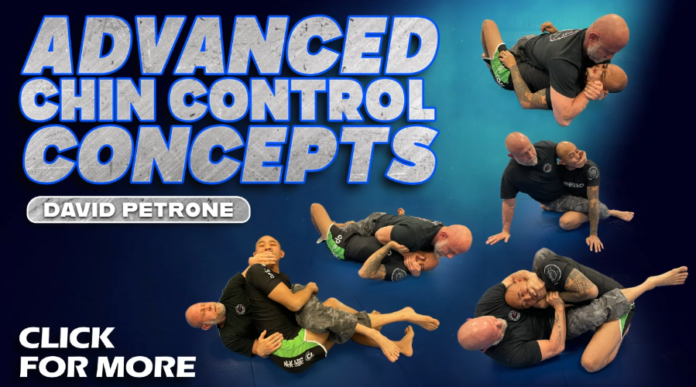
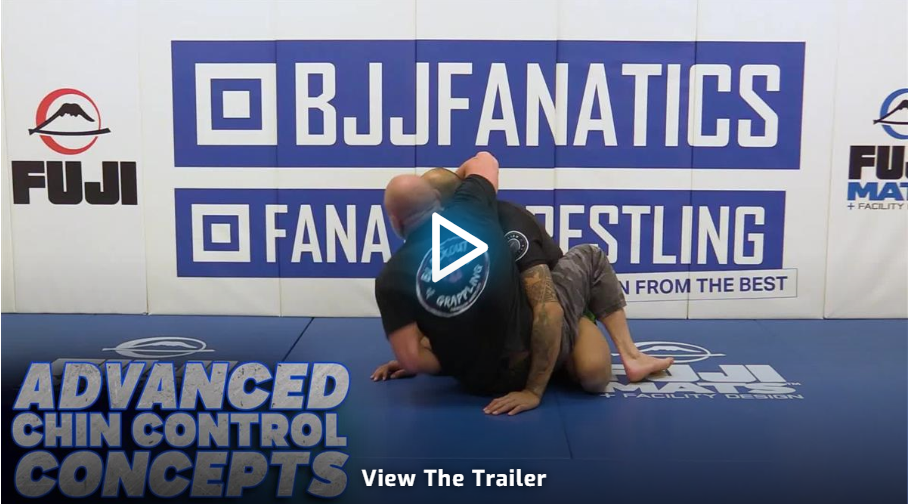
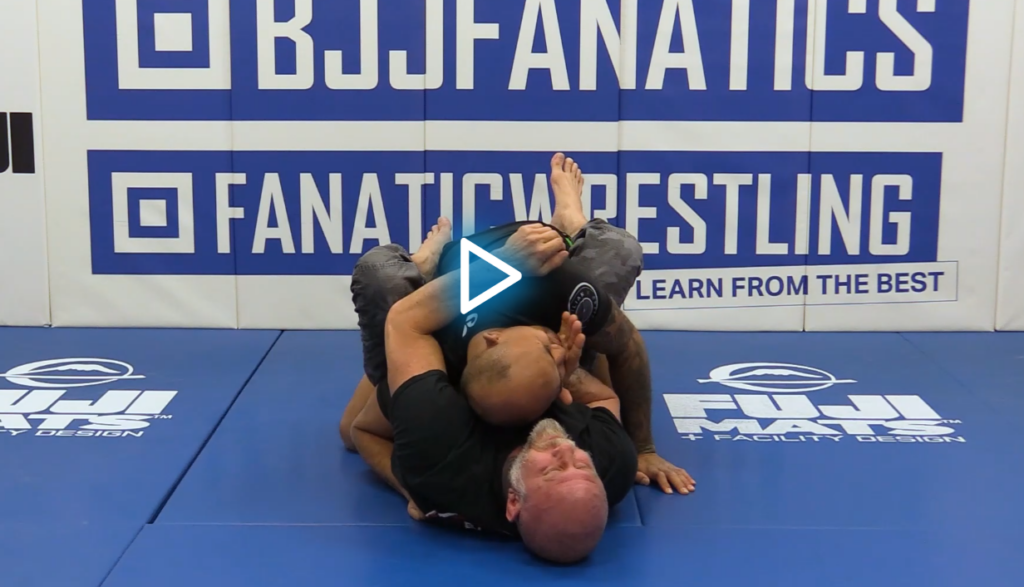
Finally, an instructional that delivers one of the most fundamental concepts in grappling – head control. While I disagree that this is an advanced aspect of grappling and think everyone should be made aware of it from day one, I am a huge fan of everything that the Advanced Chin Control Concepts David Petrone DVD delivers.
Chin control is sadly limited to a couple of key positions in BJJ, most of which we take for granted and use only opportunistically, or as a means to a different end-range goal. However, there is a lot more behind the concept of controlling the chin, and this instructional hits the spot perfectly in delivering all the essentials to master this grappling ‘hack’.
Chin Control From Everywhere
How often do you focus on the chin of the opponent while you’re grappling? I’m not talking about ground and pounding them, but rather using the chin to emphasize your control.
For most people, the answer is going to include either chin-strap-based guillotine-type control or cross facing, mostly from mount. Or both, for those who really like to manipulate the chin while grappling.
When you come to think of it, though, there are a lot more applications of chin control all across grappling, from standing to bottom and top positions on the ground. The chin plays a pivotal role in sweeping, passing, pinning, getting to upper body submissions, finishing said submissions and, very notably, escaping bad spots.
The more you understand how to utilize the opponent’s chin to make your attacks easier and block their defenses, the easier it will be to impose your grappling game. I found the Advanced Chin Control Concepts David Petrone DVD game-changing in this regard, and can’t recommend it enough.
BlackOut Grappling Leader David Petrone
Mr. David Petrone is one of the people with the most grappling experience in the world. Certified in wrestling, catch wrestling, and holding a black belt degree in BJJ, there are a few living people out there who might claim to have more accumulated submission grappling knowledge than Petrone.
Petrone has been grappling for over 40 years, focusing on submissions more than anything. His research has led him to uncover plenty of key grappling concepts that extend past just submission holds, earning him the title of one of the most innovative minds in modern grappling.
Currently heading the BlackOut Grappling team out of Las Vegas, Petrone is all about teaching. His competition resume, however, includes a couple of Pans No-Gi titles and a world title, along with plenty of medals in different tournaments that were available when he was actively competing.
He has already proven to be a fantastic coach, particularly through the grappling success of his son Vincent, who is also a coach and competitor, David is tireless at sharing his knowledge. The Advanced Chin Control Concepts David Petrone DVD is his 8th instructional, and as far as I am concerned, his most valuable to date.
Advanced Chin Control Concepts David Petrone DVD Review
The Advanced Chin Control Concepts David Petrone DVD has everything organized in two parts, the first of which addresses bottom applications of chin control, and the second covers top position uses. The length of the material is about an hour.
Part 1 – Chin Control from Guard
The one aspect you might not be considering in terms of chin control is using it from guard past the classic chin strap/guillotine grip. I know I didn’t, at least not consciously, before seeing this opening volume of the Advanced Chin Control Concepts David Petrone DVD.
Head control is something we’re after all the time, but as it turns out, it’s the chin we need. Petrone makes a great point by explaining how most of the head control methods we use, Gi and No-Gi end up affecting the chin of the opponent.
Using practical examples to better capture his point, Petrone takes us through several staple BJJ moves in this part, starting with the flower sweep, and extending into triangles and armbars. Throughout the demonstrations, the focus is on chin control and how it makes all the moves possible.
Part 2 – Top Position Chin Dominance
Top positions provide a real playground for chin control, especially for those who like to utilize catch wrestling in their BJJ game. He kicks the second part of the David Petrone Chin Control DVD with a pressure tap submission based on chin control, before moving on to explore other methods of torturing your opponents.
There’s lots of wrestling in this portion, with stockades and cradles used as practical examples of the power of chin control. Petrone also takes a look at the top half guard, offering submission passing using the chin control, before wrapping up with a slick side control reversal option.
Controlling the Head
You’ve probably heard the old ‘where the head goes, the body will follow’. That concept I true, and it is the foundation of plenty of pins that work really well in BJJ, such as mount and side control.
However, there is a fallacy in the way we present the concept. I find people get lost when they need to figure out how to direct the body by using the head. My version of it is simpler – the body will go where the face is looking. That makes it a bit easier to figure out, as now you have just one side of the head to consider.
That brings us to the points of control that can help you force the face, and consequently, the body, into a specific direction. The top of the head and the chin are the two best points to leverage the neck portion of the spine, causing the head to turn and remain directed in a specific direction.
Out of the two, the chin is the more difficult one to figure out, but the one that provides a larger chunk of the control, as it is the most mobile part of the head, and conveniently located on the face. All of these concepts and more feature in the Advanced Chin Control Concepts David Petrone DVD.
Time to start focusing on the chin and all the ways you can control it to gain an advantage. The Advanced Chin Control Concepts David Petrone DVD offers plenty of ideas, covering both top and bottom positions, attacks, and escapes. However, you can extend your research to include Gi applications and the standing uses of this foundational grappling concept, which most people don’t take seriously.
Not many people in BJJ think of hip throws as a legitimate threat during standing exchanges. Just this notion is more than enough to get you interested in mastering these moves, and catching most people by surprise as you send them flying through the air.
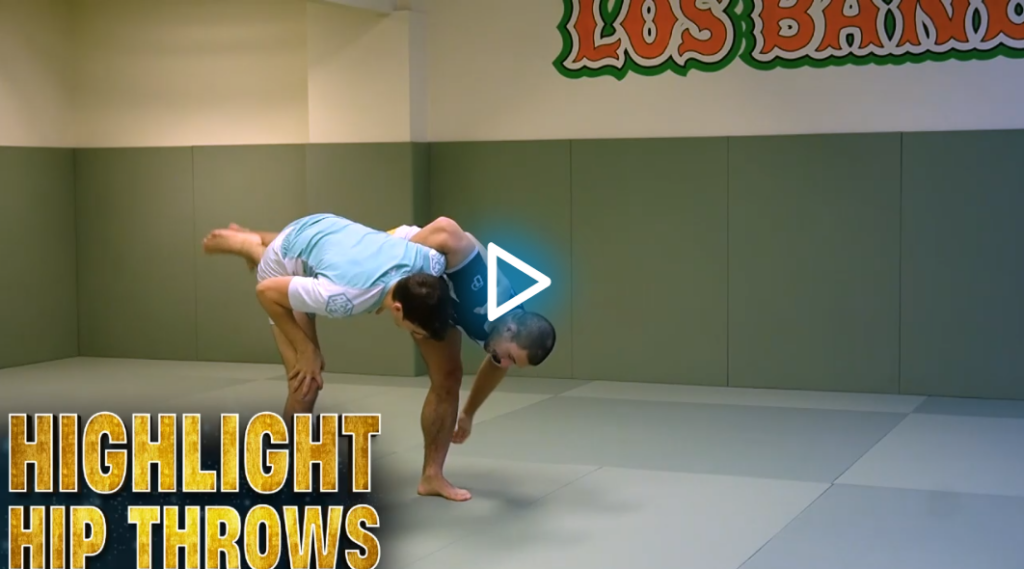
The one issue you’ll inevitably run into is the time it takes to make hip throws work and integrate them into your BJJ game. Looking to shorten this timeline, I’d recommend two things. First, focus on hip throws in No-Gi, rather than Gi Jiu-Jitsu. Secondly, pick up the Highlight Hip Throws Christian Ozbek DVD. It will help more than signing up for Judo classes.
Do Hip Throws Work in BJJ?
The jury is still out on this one, even though I have a Judo background and 15 years of experience in BJJ. In fact, if I had to decide right now, I’d say that hip throws in Brazilian Jiu-Jitsu are a lot more reliable and realistic in No-Gi than in Gi, despite the apparent Gi connection to Judo.
Even in Judo, hip throws are a sketchy part of the game, If you ask me. They tend to be high-risk moves that don’t offer a big reward, especially in BJJ where inertia-based reversals often end up leaving you stuck at the bottom.
Moreover, there is the constant threat of back attacks when you initiate most hip throws, and my personal counter, foot sweeps that an opponent who understands balance can use to take you down 9 times out of 10. That leaves hip throws in somewhat of a precarious position if you want to use them as your primary method of takedowns.
Of course, masking them with other threats changes the situation completely, but that leads to the next issue I have with hip throws – the learning curve. Learning and Uchi Mata, for example, require years of dedicated practice, and masking it with other moves just prologes that time frame. Not quite the best fit for impatient BJJ practitioners.
Plenty of instructional have covered hip throws so far, but not many deliver anything actionable in my opinion. The Highlight Hip Throws Christian Ozbek DVD gets an edge, first because it covers the No-Gi application of hip throws, and secondly, because Ozbek is an expert in both grappling arts.
UK Judo Champ Christian Ozbek
If you want to learn Judo for the purposes of BJJ, then seek out someone who is an expert at both. Not many people like that are out there though, as getting a black belt in both these competitive grappling martial arts is an exceptional feat. Christian Ozbek is one of those select few.
Ozbek has a stellar Judo career, with 13 years of experience in the sport to date, and we’re talking about a 26-year-old grappler here! He also has just under a decade of BJJ under his belt, which he turned to as a means of escaping the ever-changing competitive Judo rules. Not sure how that worked out for him given BJJ’s struggles with rule sets, but he did stick around.
these days, the Progress Jiu-Jitsu sponsored athlete is based out of London where he teaches at the London Shootfighters/Submission Grappling Club, competing at every chance he gets. He is also active in the digital realm, with his latest instructional, Highlight Hip Throws Christian Ozbek DVD looking into a very interesting subject for BJJ athletes.
Highlight Hip Throws Christian Ozbek DVD Review
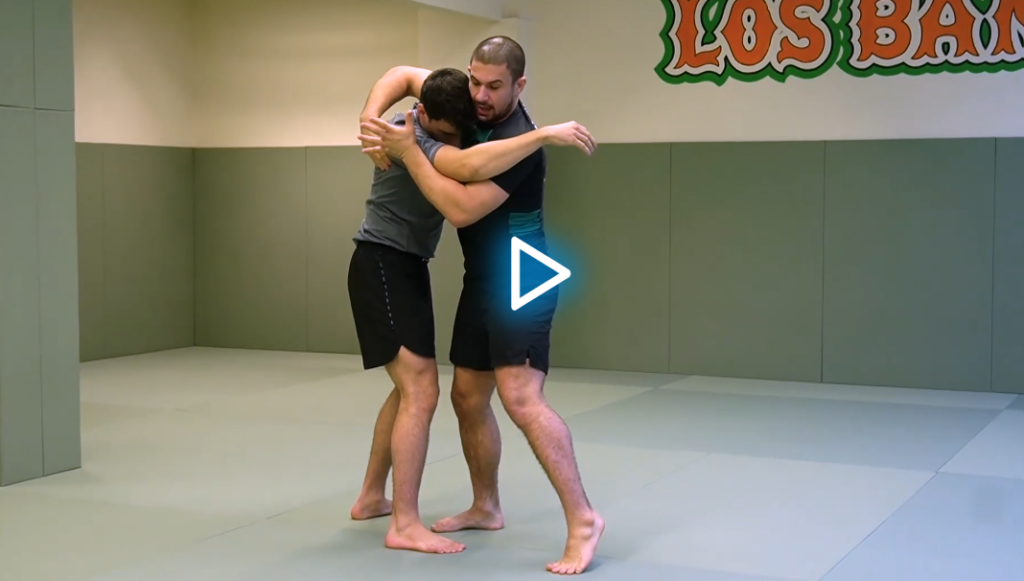
The Highlight Hip Throws Christian Ozbek DVD is a No-Gi insturctional perfectly merging Judo and BJJ in over two hours of material. It contains four volumes, each looking into a different throw, starting with basics and moving toward more advanced moves and setups as he presents the material.
Part 1 – The O Goshi
The first volume of the Highlight Hip Throws Christian Ozbek DVD kicks off with Judo basics, going over one of the very first things you’ll learn in a Judo gym in regard to hip throws.
After covering some basic mechanics that are the foundation of any hip throw, Ozbek goes on to break down the O Goshi throw in a way that makes it super easy to understand and pick up. His take on making the move BJJ-specific is using baits and twitches to set it up, offering a mixed system of setups from the start.
He builds on those setups by hiding the O goshi hip throw behind other takedown threats, such as the Sasae and Kosoto Gari. As a whole, this first volume offers a great system covering the easiest Judo hip throw that is also the most difficult to master. Once it clicks, though, you can build on it with plenty of fun moves, like the ones that follow.
Part 2 – Headlocks & Hip Throws
For me, the second part of the Highlight Hip Throws Christian Ozbek DVD was the most interesting, but that’s because I have a Judo background and happen to love headlocks from standing positions. Blending the two is a great way to dominate the standing exchanges in BJJ, especially when you use hip throws to follow up on headlock escapes, and vice versa.
Ozbek does an exceptional job of demonstrating how the floating hip throw works, and how you can use this ‘shortened’ version of an O goshi in a Jiu-Jitsu setting. The pinch headlock is Christian’s method of choice, with variable arm controls offering different throw setups.
Part 3 – Uchi Mata Masterclass
Dubbed the most difficult throw in Judo by some (I tend to agree) the Uchi Mata gets a dedicated volume in the Christian Ozbek Hip Throws DVD. The longest part of this DVD series contains a masterclass on the Uchi Mata that covers everything, from the origin and basic mechanics to creating submission openings using this staple Judo throw.
Ozbek starts by covering balance, using hopping drills to present the foundational goals of the throw. He also talks about using the Uchi Mata as a counter-throw, providing those with a defensive standing style a reliable hip throw option.
Towards the end of this part, Ozbek starts connecting the Uchi Mata to BJJ-specific moves, from the obvious connection to the single leg takedown, to uncovering the hidden relationship between the Uchi Mata and the triangle choke.
Part 4 – Harai Details
Another staple move that looks a lot easier to execute than it is is the Harai, which is the last aspect of hip throws you’ll learn about from the Highlight Hip Throws Christian Ozbek DVD.
Once again, Christian starts by covering the basic mechanics of the move, as well as some Judo-inspired setups, albeit without the Gi, before moving on to combine what he has already taught with the Harai. Uchi Mata and pinch headlock setups are only a couple of examples.
This final part of the instructional also contains lots of wrestling-based controls and entries, with duck unders, passbys, and snap downs creating openings for hip throw attacks that lead to successful Harai Goshi finishes. If I had to pick a favorite, the ankle pick setup would be my immediate choice.
It’s All About the Clinch
Nothing is going to work in the standing portions of BJJ as much as clinching, which is why I find sports like Judo and Greco-Roman wrestling to be superior to freestyle wrestling and Sambo. To put it simply, clinching offers a way out if you fail with your initial attacks by allowing you to pull guard at any point.
Having this safety net allows you to make braver decisions in terms of taking risks when looking to take the match to the mats, which provides you with more options than you’d have if you played it safe. My personal preference was chain wrestling from body locks, but I can’t leave out the potential for Judo hip throws from underhooks, headlocks, and arm drags.
At the end of the day, clinching instead of shooting or looking for Judo-style entries is a much smarter, albeit more demanding approach to developing a highly effective standing game. While you’ll struggle with getting the clinic initially, the time you put into mastering this is a very smart investment. Especially since you can cut it down using instructionals such as the Highlight Hip Throws Christian Ozbek DVD.
Getting a highlight reel of hip throws for your Instagram is going to take time, but once you manage, you’ll not only have a really cool video to post, but also a heap of experience in creating hip throwing opportunities, and more importantly, taking them. The Highlight Hip Throws Christian Ozbek DVD is a great guide to help you achieve exactly this in the shortest amount of time possible!
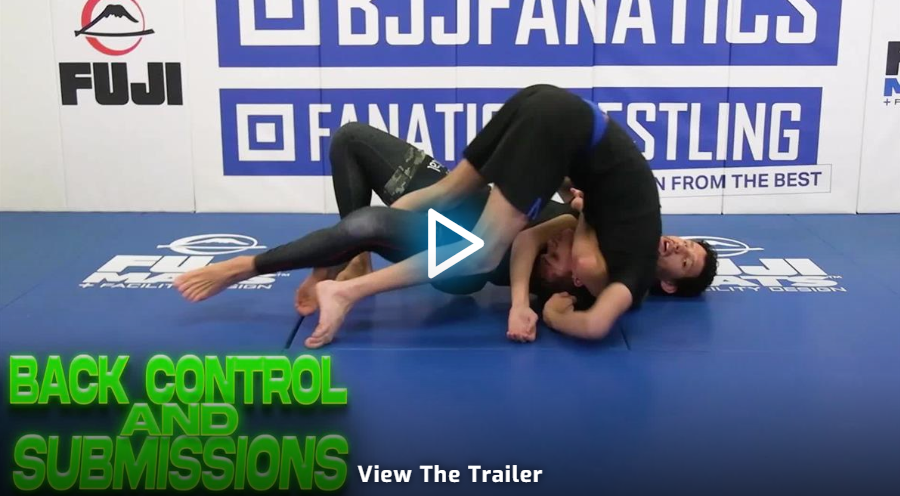
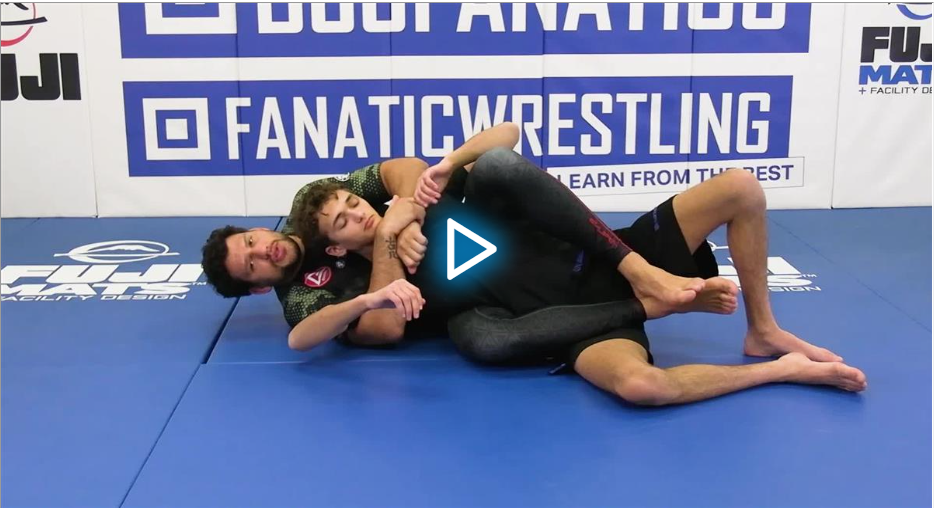
How far are you willing to go for a submission when you’re controlling the back? Would you give up hooks for a choke? How about giving up on the seatbelt entirely to finish an armlock? If the answer is that you don’t feel comfortable doing it, you’re in desperate need of a guide such as the Back Control and Submission Felipe Pena DVD.
Even if you’re not afraid to mess around with the different types of back control out there, and you prefer submissions over collecting and keeping points, you’ll find this Felipe Pena instructional very useful. With a strong focus on submitting form positions that you use to retain back control when people escape, it offers more in terms of efficiency than all of Gordon Ryan’s back controls DVDs put together.
Finishing From the Back
You might be an expert at taking the back in BJJ, and that is certainly a smart tactical approach, which may even win you plenty of fights. However, when it comes form finishing form the position, I find that nobody is as good as they think they are. Except for maybe a few giants of back control, such as Marcelo, Gordon, and Felipe Pena.
Getting to a submission form back control is not an easy task, and finishing a submission you managed to open up is even less of a straightforward thing. As dominant as the back position is, it is also highly predictable – people controlling it don’t want to sacrifice control, so that means they can only threaten with certain moves that the defender can focus on blocking.
So how do the top guys manage to finish from the back so frequently and reliably? The answer lies in threatening with much more than just rear naked chokes and armbars and utilizing every possible back control variation at their disposal. If you take a careful look at the Back Control and Submission Felipe Pena DVD, you’ll understand exactly what I mean.
Felipe “The Sloth” Pena
Even though Gordon Ryan is doing a good job of painting himself as a trash-talking bad boy, the real villain in his story is Gracie Barra’s, Felipe Pena. The Brazilian is the only man to convincingly beat Gordon twice, finishing him once with a choke, and once dominating by a big points margin.
The 33-year-old grappler has been training BJJ for 20 years, starting his journey in the same academy he still represents – Gracie Barra Belo Horizonte. Pena got his black belt from Marcelo Azevedo in 2012 at a promotion that also featured Draculino.
Since then, Pena has conquered the ADCC twice, the IBJJF worlds three times (two Gi and one No-Gi title) the Europeans, AHP grand slam, and Brazilian Nationals. He also had a world title stripped after USADA found him positive for PEDs, which resulted in a year-long suspension.
Although he made his name mostly as a Gi grappler, Pena is just as versatile in No-Gi, as proven by his ADCC conquests. He is one of the rare back position specialists these days, so picking up his Back Control and Submission Felipe Pena DVD is a smart move for anyone looking to improve No-Gi back control.
Detailed Back Control and Submission Felipe Pena DVD Review
The four-part Back Control and Submission Felipe Pena DVD offers a very useful gameplan for finishing from different variations of back control, specifically tailored for No-Gi Jiu-Jitsu. Felipe Pena offers just over two hours of super valuable material in this instructional.
Part 1 – Controlling the Back
The progression of the material in this Back Control and Submission Felipe Pena DVD is one of the things I enjoyed the most while watching it. Pena is going to teach you everything you need to stay on the back and finish, but you need to go through the material in the order it is presented.
Initially, Felipe talks a lot about how to control the back position and not lose any of the angles that are mandatory for submission finishes. What you’ll learn from this part is to be patient and how to establish more and more control by gauging the opponent’s reactions and capitalizing on them.
Part 2 – Staying on the Back
Part two is where the magic happens. This is where Pena starts talking about keeping back control when people manage to disrupt your optimal positioning, which is also known as back retention.
The second volume of the Back Control and Submission Felipe Pena DVD explores counters to common escape such as the arm over escape, hook stripping, and turtling. Pena sticks to submissions as his counters, not afraid to leave the back position if it means a tap – his Guillotine setup against a turtle is the best example.
There is a lot of emphasis on diagonal control throughout the DVD, with Pena not shying away from the Twister as one of the most logical follow-ups to many back escapes. Even when he doesn’t finish the Twister, Felipe uses it to set up subs like Kimuras or get back to choking from the back.
Part 3 – Alternative Back Control Options
Speaking of using the Twister and alternatives to the classic back control, Pena has a whole host of follow-ups we rarely see in modern BJJ. The third part of the Back Control Felipe Pena DVD explores innovative controls such as Half Nelsons, North-South seatbelt control, and plenty of crucifix options.
On the subject of the crucifix, Felipe offers a mini-system you can use on its own, featuring swift Kimuras and triangles. Pena also shares a submission I haven’t seen in quite a while in the form of a biceps slicer inspired by Robinsho Moura.
Part 4 – Submission Finishes
The final part of the Back Control and Submission Felipe Pena DVD is all about submissions, ranging from grip fighting and setup to end-range mechanics. All the retention principles re-appear, making submissions like the RNC from the side possible.
On top of that, you have an arsenal of super tight subs to pick from, including more Twister finishes, brutally fast wrist locks, armbars, and Felipe’s own take on the Straight Jacket system, complete with strangling finishes.
Back Control Past Seatbelt & Hooks
If you keep thinking about back control simply in terms of hooks and seatbelt, you won’t manage to get very far with it. I understand the draw of the 4 points (or more) from getting to the position, but you don’t always have to hunt for the points. Even better, why not get them and then open up your back control game to include lots of different positions, and thereby, many more submissions than the classic?
Things like the crucifix, hip lock back control, the twister, and even the Truck are all very valid examples of different types of back control that yield plenty of submission threats, even though they won’t earn you any points.
Sometimes (or, better said, most of the time) moving into these positions is the only option you have apart from losing back control altogether. People can defend in many different effective ways in modern Jiu-Jitsu, so instructional that take that into account, such as the Back Control and Submission Felipe Pena DVD offer a huge edge to your back-attacking game, no matter what belt you hold.
Instead of trying to claw desperately onto the back, even if that means that you’re exhausted and on the defense when your opponent gets out, be smart about being a constant submission threat by diversifying the controls. Use the Back Control and Submission Felipe Pena DVD to develop a system of back control that will help you dominate in both Gi and No-Gi, under any ruleset out there.
There is something about the crucifix position that makes it so much better to use than the traditional hooks and seatbelt back control. I feel that spreading someone’s arms from behind, rendering them powerless to resist, pretty much sums up what BJJ is all about – control.
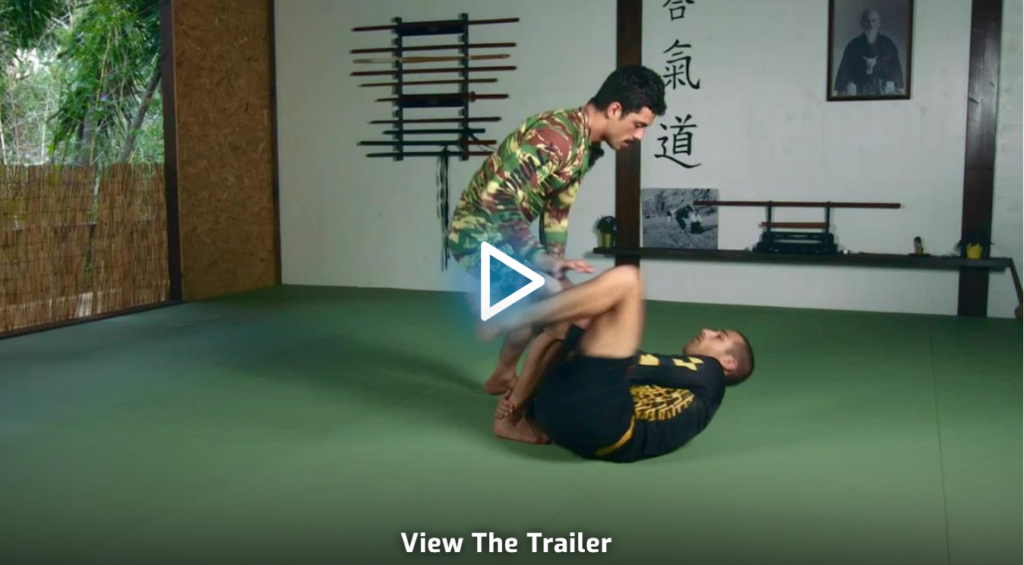
There are pros and cons to playing the crucifix position, but then again, the same is true for every position we use in Jiu-Jitsu. The Mastering The Crucifix Alexandre Pereira DVD is one of the rare DVDs covering this position in modern days, and probably the only one that actually contains useful information. As a crucifix player, I highly recommend it!
The Ultimate Back Control
I’ve never been a big fan of the traditional back control a.k.a. back mount in BJJ. While obviously advantageous and dangerous, it never clicked for me and I always found it boring, even when I spent time specializing in the straight jacket system.
That said, I found out that you don’t have to be traditional about back attacks, as long as you don’t mind sacrificing hooks (and potentially, points) for a much better control position that offers much more direct submission threats.
For me, there are three back control positions I tend to gravitate to – the crucifix, the Truck, and the rear triangle. The first two are essentially the same thing, just done at different levels of the body. They also happen to be my absolute favorite method of dealing with people, especially since I am a smaller framed grappler.
Sacrificing the potential of points (which you don’t have to do) is a very acceptable thing for me, given the amount of control I get from the crucifix, and the host of different energies that can get me there, without the predictable and often impossible requirement of getting hooks in. The Mastering The Crucifix Alexandre Pereira DVD offers plenty of useful insights into how it all works.
Judo & BJJ Black Belt Alexandre Pereira
Alexandre ‘Alex’ Pereira is a grappler who holds black belts in both Brazilian Jiu-Jitsu and Judo. Currently the head coach and founder of Carlson Gracie KJiu-JItsu Peniche in Portugal, Alex has spent the last decade spreading the sport that changed his life across Europe.
During his life-long grappling career, Pereira spent time training with the who-is-how of Jiu-Jitsu, including legends such as Eddie Bravo, Andre Galvao, Rafa and Gui Mendes, Erik Paulson, and Marcos Flexa. You see how the style of someone who has learned from so many different specialists translates to extreme grappling competency on the mats.
Competition-wise, Pereira has not spent too much time competing at the black belt, although he has some outstanding results during his colored belt days. Instead, he is focused on teaching, both at his academy and a bunch of camps around the world. His Mastering The Crucifix Alexandre Pereira DVD offers a glimpse of his unique Jiu-Jitsu game and teaching style.
Mastering The Crucifix Alexandre Pereira DVD Review
The three-part instructional called ‘Mastering The Crucifix Alexandre Pereira DVD’ contains about two hours of quality material on the crucifix position. It covers setups, control, submissions, and different uses, with Alex taking the time to demonstrate things in Gi or No-gi, depending on the context and best practices.
Part 1 – The Role of the Kimura Grip
I love playing the crucifix position, but I have not found any viable instructional that has any meaningful contribution to my crucifix game so far. For the most part, anything past Marcelo’s original system is a variation of his work, just watered down and made pretty useless.
Alex Pereira has the potential to change that with this Mastering The Crucifix Alexandre Pereira DVD. He did change my mind by first, offering a different perspective to the crucifixion control through the prism of the Kimura grip and Kimura trap system.
The first part of his instructional emphasizes the power of the Kimura grip configuration and its key role in holding and finishing from the Crucifix position. While ideal, I liked that Alex recognizes that this position is not always available so he also offers a position zero concept of control that eventually leads to the Kimura, but begins with initial shoulder grips.
This part also features Alex’s notes on critical concepts on using your legs to get the most out of the Crucifix, as well as transitions from control to direct submission finishes.
Part 2 – Entering the Crucifix
Once control is covered, the focus of the Alexandre Pereira Crucifix DVD shifts towards entries. Alex begins with the turtle, the quintessential position for setting up crucifixes.
Pereira recognizes the value of the modern turtle defense system and how difficult it can be to set up direct crucifix entries from there, which I really appreciated, and has follow-ups and dilemma threats to solve it. He likes to use guard setups to conquer top control via the crucifix, combining different angles of threats against turtled opponents.
Innovative and highly useful top position entries from side control, knee on belly, and the back mount also feature in this part of the DVD. Depending on the concepts he shares, Alex switches between Gi and No-Gi throughout the instructional.
Part 3 – Standing & Bottom Crucifix Attacks
Standing crucifix entries tend to be a double-edged sword – if you mess up the control, you end up conceding a takedown and perhaps even a pin. However, for those willing to take the risks, there’s a masterclass on countering the single leg and some Judo throws using crucifixes in the final part of the Mastering The Crucifix Alexandre Pereira DVD.
To me, the second portion of this value was particularly useful, as it addresses the counter-attacking uses of the crucifix, from bad spots such as bottom mount or side control. Alex has some invaluable ideas to share that will make your escapes, and your guard game much more dangerous by integrating the crucifix and the threats it brings.
Trap Systems in BJJ
If you want to be a good grappler, and by good I mean efficient, regardless of your size, you need to consider becoming a trapper. And no, this isn’t just a tactic that small grapplers can use – one of the first people to open my eyes to it was Cyborg Abreu, and he is a really big guy.
There are plenty of instances of traps in Jiu-Jitsu, with the Kimura trap being arguably, the most popular and widespread one. The idea behind it is that you can use the Kimura grip to transition between different positions without ever losing control. It turns the Kimura into a lot more than just a submission hold and can allow you to build an entire game around it, even if you are new to the sport.
Other examples of trap systems also exist, such as the guillotine, the inside Ashi Garami, the triangle, leg rides, etc. All of these can help you master plenty of Jiu-Jitsu positions faster by having a common denominator to look for in each, or, even better, to hold on to.
In terms of the back mount, the crucifix position is one of the positions available through the Kimura trap system, that allows you to capitalize on the versatility of this grip configuration by staying behind your opponent. This aspect is covered in detail in the Mastering The Crucifix Alexandre Pereira DVD.
The next time you find yourself struggling with retaining the back, just give up on the hips! Instead, go for the crucifix and force your opponent into believing that there is, in fact, a better way of controlling and attacking from the back. The Mastering The Crucifix Alexandre Pereira DVD is a great starting point to get you on your way to making the Crucfux position your specialty.
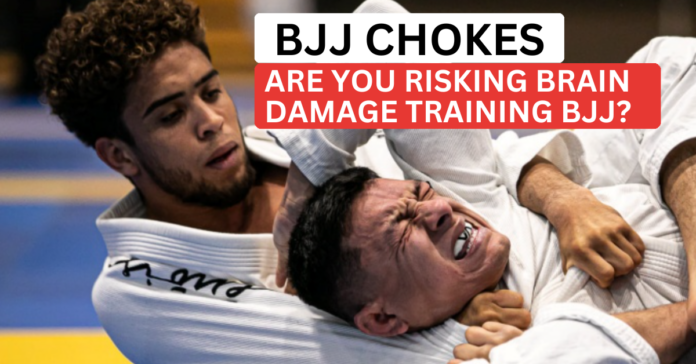
Brazilian Jiu-Jitsu is a combat sport known for its strategic grappling techniques and effective submissions. Among these techniques, chokes play a pivotal role, often becoming the deciding factor in a match.
While mastering chokes is essential for any BJJ practitioner, it is equally important to understand the potential risks associated with their use. One of the most concerning risks is brain damage from BJJ chokes, a topic that has garnered increasing attention within the BJJ community.
An Overview of BJJ Chokes
In Brazilian Jiu-Jitsu, chokes are fundamental techniques used to control and submit opponents. These chokes are categorized mainly into two types: blood chokes and air chokes.
Blood Chokes vs. Air Chokes
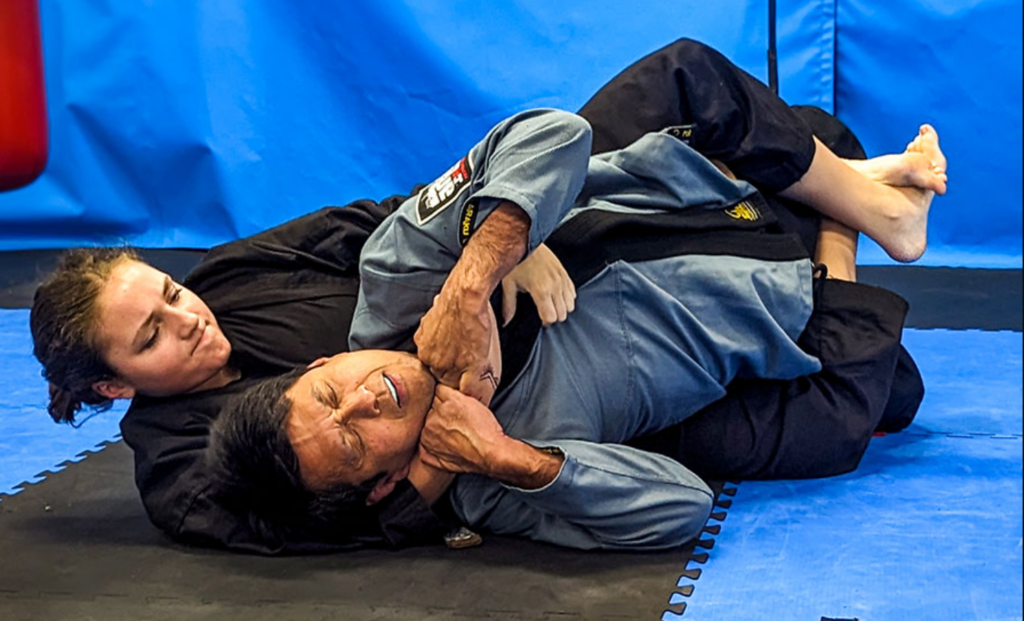
Blood chokes, also known as vascular chokes, compress the carotid arteries, reducing blood flow to the brain. This often results in a quick and effective submission. Common examples of blood chokes in BJJ are the rear-naked choke and the triangle choke.
Air chokes, on the other hand, obstruct the airways, making it difficult for the opponent to breathe. While effective, air chokes are less commonly used due to the increased risk of injury. The Guillotine is one of the most common examples, as is the Ezekiel choke.
How BJJ Chokes Affect the Brain
Understanding how chokes impact the brain is key to recognizing the potential risks involved. When performing a blood choke, the practitioner applies pressure to the carotid arteries located on either side of the neck. This pressure reduces the amount of blood and oxygen reaching the brain, leading to a temporary loss of consciousness if held for too long.
Short-term vs. Long-term Effects
In the short term, the effects of chokes are generally reversible. Once the pressure is released, blood flow and oxygen supply to the brain resume, and consciousness is typically restored within seconds.
However, if the choke is held for an extended period, it can lead to more severe consequences. Long-term exposure to repeated chokes can potentially result in brain damage.
This damage can manifest in various ways, such as cognitive impairment, memory loss, and other neurological issues. It’s essential for practitioners to be aware of these risks and take appropriate precautions.
Symptoms of Brain Damage
Repeated exposure to chokes, especially when performed incorrectly or with excessive force, can increase the risk of chronic brain damage. This can manifest as cognitive decline, memory loss, and other neurological problems:
Persistent headaches
Dizziness or balance issues
Memory problems or confusion
Changes in behavior or mood
Difficulty concentrating
Recognizing the warning signs of brain damage is crucial for timely intervention
Scientific Research on Brain Damage from BJJ Chokes
A thorough understanding of the risks associated with BJJ chokes requires examining scientific research and expert opinions. Let’s explore what studies and medical professionals have to say about the impact of these techniques on brain health.
Summary of Key Studies
Several studies have been conducted to assess the effects of chokes on the brain. Research indicates that while short-term effects are generally reversible, prolonged or repeated exposure can pose significant risks.
For example, a study published in the journal “Brain Injury” found that repeated chokes can lead to cumulative brain damage by way of anoxia, potentially resulting in cognitive impairment and other neurological issues.
Real-life Case Studies and Reported Incidents
There have been reported incidents where practitioners have experienced severe consequences from chokes.
For instance, three is the example of a Russian BJj practitioner who suffered a stroke and has been trying to figure out how to live after the fact. Luckily he is alive, but such cases highlight the need for increased awareness and caution among BJJ practitioners:
Precautionary Measures in BJJ Training
Ensuring the safety of practitioners during BJJ training is paramount, especially when it comes to techniques involving chokes. By taking appropriate precautions, we can minimize the risk of brain damage while maintaining the effectiveness of training sessions
Tips for Practitioners to Minimize Risk
Tap Early and Often: Practitioners should not hesitate to tap out when they feel uncomfortable or at risk. Tapping early can prevent serious injuries and ensure a safe training experience.
Avoid Excessive Pressure: Applying too much pressure during a choke can increase the risk of brain damage. Practitioners should aim to use the minimum amount of force necessary to achieve a submission.
Communicate with Training Partners: Open communication with training partners can help prevent accidents. Practitioners should inform their partners if they feel uncomfortable or need to adjust the technique.
Stay Informed: Keeping up to date with the latest safety guidelines and research on BJJ chokes can help practitioners make informed decisions about their training.
Role of Coaches and Instructors
Coaches and instructors are not only responsible for teaching techniques but also for creating a safe training environment. They should regularly monitor students’ progress, provide feedback, and intervene when necessary to prevent accidents.
In the event of an injury caused by a BJJ choke, determining liability can be complex. Both practitioners and instructors have a responsibility to ensure that techniques are applied safely. Instructors must provide adequate training and supervision, while practitioners must follow safety guidelines and communicate openly with their training partners.
BJJ academies should have clear policies and procedures in place to handle injuries and disputes. This can include waivers, insurance coverage, and a defined protocol for reporting and addressing injuries.
Wrapping Up
Understanding the risks and precautions associated with BJJ chokes is crucial for maintaining a safe and effective training environment. While chokes are a fundamental part of Brazilian Jiu-Jitsu, their potential impact on brain health cannot be overlooked.
By recognizing how chokes affect the brain, reviewing scientific research, and implementing precautionary measures, practitioners can minimize the risk of brain damage. Long-term safety considerations, including regular health monitoring and preventive measures in BJJ academies, are essential for protecting practitioners from the cumulative effects of repeated chokes.
Ultimately, the goal is to balance the benefits and risks of BJJ chokes, promoting a culture of safety and awareness. By staying informed, practicing proper techniques, and prioritizing safety, practitioners can continue to enjoy the many benefits of Brazilian Jiu-Jitsu while minimizing potential harm.
While finishing actual leg locks from Ashi Garami positions that opponents can’t untangle should remain your priority when you’re looking to be the next big thing in leg locks, you can’t oversee entries. You’ll always struggle with finishing, but if you can’t get into position in the first place, it won’t really matter.
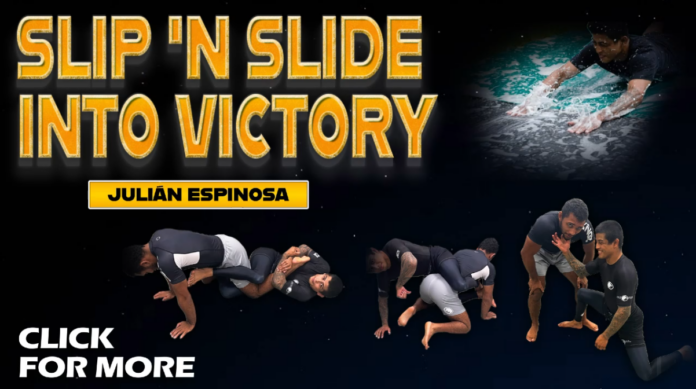
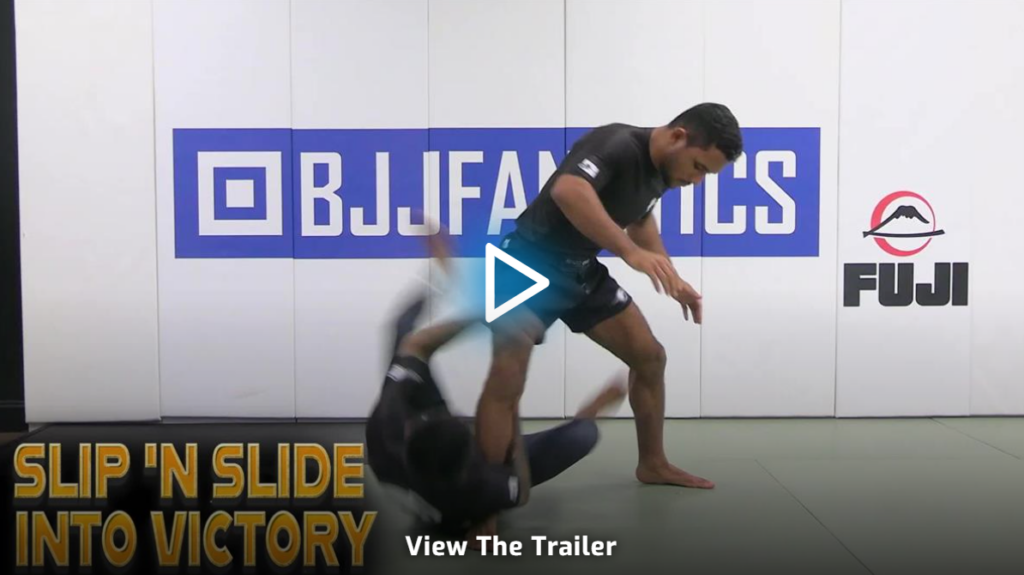
The Slip N Slide Into Victory Julián Espinosa DVD is a short and precise instructional that looks into one very specific method of entering Ashi Garami entanglements. Sliding is highly effective, easy to use, and doesn’t require any particular athletic abilities – perfect for the lazy BJJ hobbyist looking to introduce some leg locks to their bi-weekly physical activity.
Sliding Leg Lock Entries
Ever since we saw Ryan Hall scare the living daylight out of professional UFC fighters by spinning into heel hooks, the BJJ world has been curious about learning them, and wary of falling victim to such attractive leg lock entries.
Danaher managed to put a method to the madness, sharing a foolproof way of practicing Imanari Rolls and similar entries such as the Jackie Chen. That made them more accessible to everyone, taking focus away from a whole set of entries that are arguably the most useful Ashi Garami gateways for guard players – sliding entries.
While you can spin and invert into leg locks with a great degree of success, or bait your opponent to step over by gifting you an Ashi entry, the most reliable method remains sliding under their center of gravity and relying on good old Kuzishi to get an Ashi, or complete a sweep.
This aspect of leg lock entries tends to get lost in the visual appeal of spinning and inverting entries, which is part of the reason why some really useful leg locking attacks end up labeled as one-off moves. The Slip N Slide Into Victory Julián Espinosa DVD sheds some light on how you can use sliding for both ‘boring’ and attractive leg lock entries.
Costan Rican BJJ Black Belt Julián Espinosa
Arturo Wesson black belt Julian Espinosa has one of the most exciting styles of BJJ in the world. Before I discuss him or his Slip N Slide Julián Espinosa DVD any further, let me tell you that you won’t be able to emulate him unless you have a strong gymnastics background.
That, however, doesn’t mean you can’t learn a lot from the young grappling champion. Aged 24, and already the holder of the European Champion title in No-Gi, IBJJF JJ CON No-Gi Champion, and plenty of super-fight victories, there is a lot that we’ll be seeing from Julian in the near future.
Espinosa started grappling fairly young, discovering Jiu-Jitsu when he was 9 years old. He went through all the kids’ belts, followed by the adult belts, training with Juan Barrantes and Javier Valenciano. He moved to Wesson’s Renzo Gracie Costa Rica academy as a brown belt, earning his black belt in 2022 at a ceremony led by Rolles Gracie.
Slip N Slide Into Victory Julián Espinosa DVD Review
I actually liked that the Slip N Slide Julián Espinosa DVD is a single-volume DVD. Espinosa did a solid job organizing the material, and in the hour of information he had to share on the subject, he really does address every important bit of sliding leg lock entries.
Plus, I found it easier to move through the material when searching specific aspects with everything available in just one volume. This No-Gi instructional is very specific, and if you’re expecting plenty of leg lock details from it you’ll need to manage your expectations.
Julian manages to stick to the subject of leg lock entries without going into huge tangents (apart from the odd backflip here and there). He opens with a short intro, using it it segway into the underlying concept of concentric circles, and how they help guide sliding leg lock entries.
Plenty of underhook attachments feature early in this Julián Espinosa Leg Lock DVD, allowing Espinosa to get into the backside 50/50 position (mostly) and expose the heel.
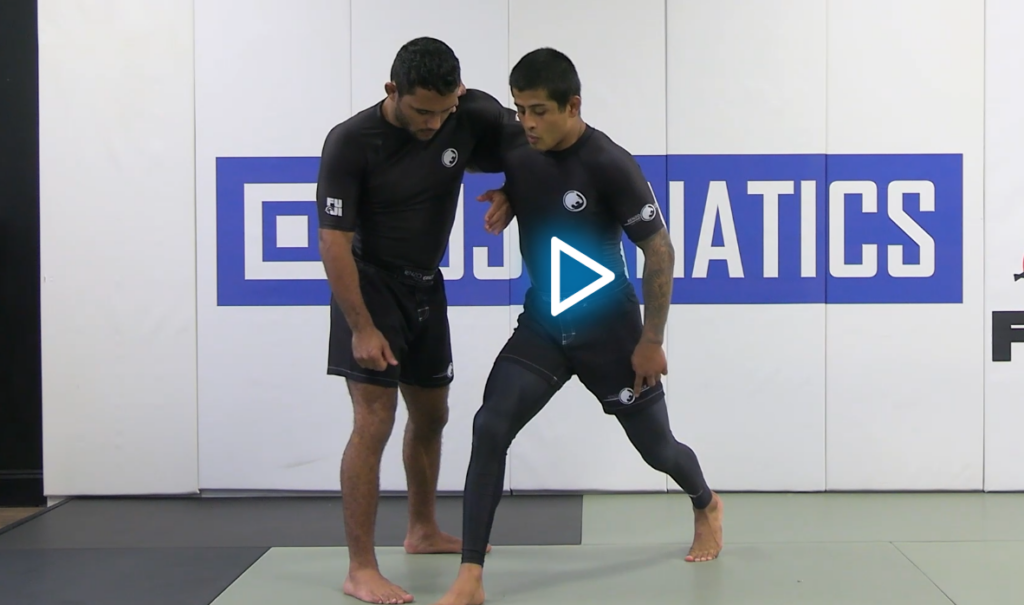
Espinosa offers plenty of standing entries into leg locks using sliding methods, relying on clinching to create opportunities. The usual culprits such as arm drags and collar ties also feature, with a more athletic version of some of Danaher’s entries available from there.
I found the follow-ups to failed leg locks useful, as they help present further options than simply looking for the Ashi once you decide to slide under an opponent. That said, some setups, such as the Twister seem exceedingly far-fetched to ever work against a resisting opponent.
Hitting a 50/50 entry from a rear body lock position, on the other hand, is something I’ve been using for a while, and I did appreciate the details Espinosa shares as he concludes this BJJ DVD.
Sliding Past Leg Locks
What exactly does sliding offer apart from Ashi Garami? I know that all your leg lock specialists out there have no real interest in that, but since I was once one of you, let me tell you that the time will come when you wonder if there is anything in BJJ past leg locks.
The answer is ‘Yes’ there is plenty, and you can still use your favorite bag of leg lock tricks to do the rest of Jiu-Jitsu. Sliding is one great example of an entry method for leg locks that can improve your overall guard game, from retention to attacks.
By sliding into position without hunting from leg locks, you’ll begin recognizing other attacks, such as sweeps, or even upper body submissions, while retaining the option to revert back to Ashi if you want to.
The material provided in the Slip N Slide Into Victory Julián Espinosa DVD also provides different guard pulling and back taking methods from standing, which all share sliding entries as a common precursor.
Time to go for the attractive, but without sacrificing position and the health of your neck and upper back. Pick up the Slip N Slide Into Victory Julián Espinosa DVD and start exploring how reliable leg lock entries can improve your entire guard game while constantly providing the threat of Ashi Garami to your opponents.
No-Gi guards are one of the most consistent sources of headaches in Jiu-Jitsu, regardless of how experienced of a grappler you are. As more and more trap-based guards spring into daily use, passers face more and more challenges in beating the legs of people lying or sitting on the ground in front of them.
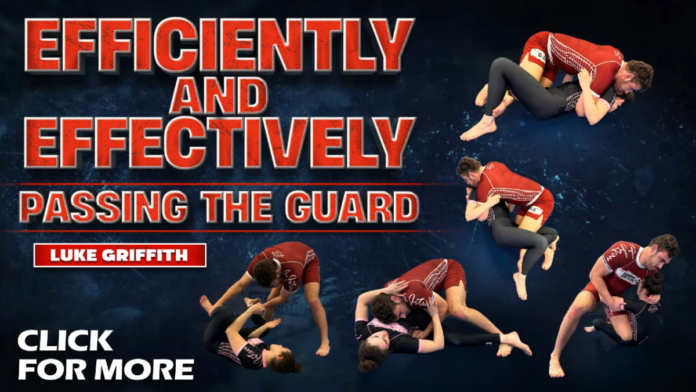
While not promising to offer a silver bullet for this conundrum, the Passing The Guard Luke Griffith DVD does offer a very succinct way of approaching these challenges. it provides several different perspectives to passing No-Gi guard, and offers effective ways to combine them, increasing your chances of achieving pins and finally catching that pesky guard player in a sub.
Competition-Tested Passing
Guard passing is one of the most tricky aspects of Brazilian Jiu-Jitsu, and that’s particularly true in No-Gi. The one thing I’ve found is that people figure out ways that work for them, and they go on to use them in competitions, but when the time comes to teach others how to do the same, they fail.
That had me a bit worried when I saw that the Luke Griffith Passing DVD contains his competition-tested methods of dealing with guards. I wasn’t completely off the mark, to be honest, as some of the moves in this DVD are definitely not going to work for a wide variety of people.
However, for the most part, Luke manged to offer options, mainly by providing more than one general method of passing, and including more than one direction of passing. He also uses a fairly loose categorization of guards into seated, supine, and half-guard which is better than using a hundred different guard names and actually helps simplify his system so that anyone can use it.
Grappling Prodigy Luke Griffith
Luke Griffith is an unmissable character in the high-level competitive BJJ circuit. The South African prodigy has been killing it at the biggest stages of the sport, already winning two different EADCC Trials and the pro GrappleFest heavyweight title.
Considering that Luke is still a brown belt, which was awarded to him by John Danaher, there’s literally no limit to what the 24-year-old grappler can do. Let’s not forget that he is already a World, Pans, and European No-Gi champion, comfortably beating black belts since he was a purple belt.
Like most of the people training in Austin under the New Wave Team led by Danaher and Ryan, Luke is also an exceptionally good teacher. A lifetime on the mats means Luke has more experience than most of the team members anyway, which makes his instructionals, such as the Passing The Guard Luke Griffith DVD very valuable for anyone looking to improve specific aspects of their No-Gi BJJ game.
Detailed Passing The Guard Luke Griffith DVD Review
The four-volume Passing The Guard Luke Griffith DVD contains lots of material, spread over almost three hours. Using his sister Hannah as a Uke, Luke does a great job of delivering on the title of this DVD, which emphasizes efficient and effective guard passing strategies.
Part 1 – Approaching Supine Guards
There is a lot of Danaher-type categorization of the moves and concepts in this Passing The Guard Luke Griffith DVD, which is understandable given the New Wave connection. I found it smart that Luke decided to present his own passing systems using the base already set up by John and Gordon in terms of concepts.
The first part of his DVD addresses supine guards in No-Gi, with two recognizable modalities used by Griffith – loos and tight passing. First up he goes over a bunch of loose passes, prioritizing motion by using high steps, crossovers, X-passing, and a bunch of Torreando variations.
He follows up with his take on tight passes, mostly in the form of stacking (which makes sense against supine guards) and sitting on people using cutbacks. Up until this point, nothing much we haven’t seen, although Luke has interesting details to offer.
The best part in volume #1 comes when Griffith teaches us how to combine loose and tight passing, through the concept of camping (I really loved that one!) and feinting. The DVD concludes with drills to help you practice live.
Part 2 – Loose Passing vs. Seated Guards
The second part of the Passing The Guard Luke Griffith DVD goes over seated guards, but only from the aspect of loose passing. Since the threats are different against the much more mobile seated guard player, Luek shifts his attention to knee-cut passing for the most part.
Sticking to the route that takes him in between the legs, Griffith sheds light on how you can use different entries, from the traditional knee cut setup to collar-elbow or shin-shoulder pins to execute it against high-level opponents.
Feints and misdirections once again play a huge part in the success of these passes, and Luke spares no details explaining them.
Part 3 – Tight Seated Guard Passing
Part three of this already stellar Luke Griffith Passing DVD goes on to offer ways of beating seated guards, this time using pressure instead of motion. the tight passing Griffith teaches in this volume is something New Wave has built their passing success on – the body lock pass.
Using a body lock grip configuration, Luke guides you through the basics of passing the legs using different methods, such as windshield wipers, split passes, and long steps. There’s a neat chapter on forcing the body lock in there, which will help you solve lots of grip conundrums when setting the position up.
Part 4 – Beating Half Guard
After taking care of supine and seated open guards, Luke dedicates the last portion of the Passing The Guard Luke Griffith DVD to solving the half guard from a passer’s perspective.
Luke sticks to using underhooks as his anchors during his half guard passing exploits, shifting between single and double underhooks to set up effective ways of freeing up his trapped leg. Near and far side underhook iterations also feature, as well as ways of turning single into double underhook controls.
You Can’t Use Only One Pass
There are plenty of instances in JiuiJitsu where I advocate for the use of one or two moves/techniques/concepts to achieve a major goal. Passing is not one of them. If there is one aspect of grappling where you need diversity, it is passing guards.
It doesn’t have as much to do with all the different guards as it has to do with the threats that the bottom person can throw at you, including submissions on your upper and/or lower body, sweeps, and back takes.
Since the guard acts as a trap, going in one directionally pretty much guarantees you’ll end up tangled in the spider’s web of attacks butt scooters like to use. So, for you to pull off effective passing, you’ll need to mix up your passing methods, passing ranges, and passing directions constantly if you want to throw a wrench in any No-Gi guard.
That is exactly what you’ll get from the Passing The Guard Luke Griffith DVD – a very simple, yet complete program of proven guard passing methods, along with the ways in which you can use them interchangeably, and the drills to help you perfect them.
If you want to pass guard like Luke Griffith, you’ll need to figure out how to get to Austin and spend considerable time training with him. If you want to understand what he does and get useful hints and tips you can apply to his game, though, you’ve got everything you need in the Passing The Guard Luke Griffith DVD. It will still take time, especially since loose and tight passing require lots of attention each to master, but you’ll certainly emerge a better guard passer on the other end of it.
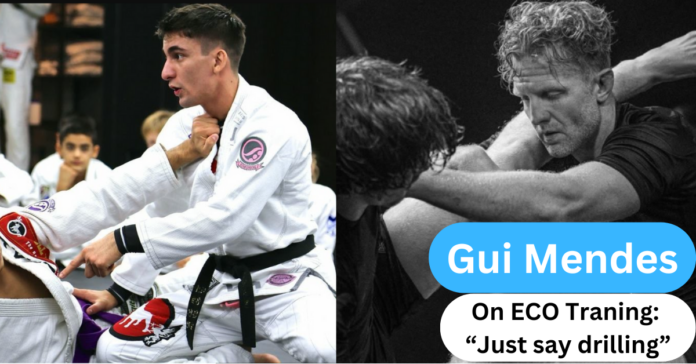
In a recent turn of events, BJJ legend Gui Mendes has sparked a lively debate within the BJJ community with his sharp response to the so-called “ecological training movement.” Gui Mendes’ critique of the ecological movement underscores the ongoing debate about the best path to mastery in Jiu-Jitsu.
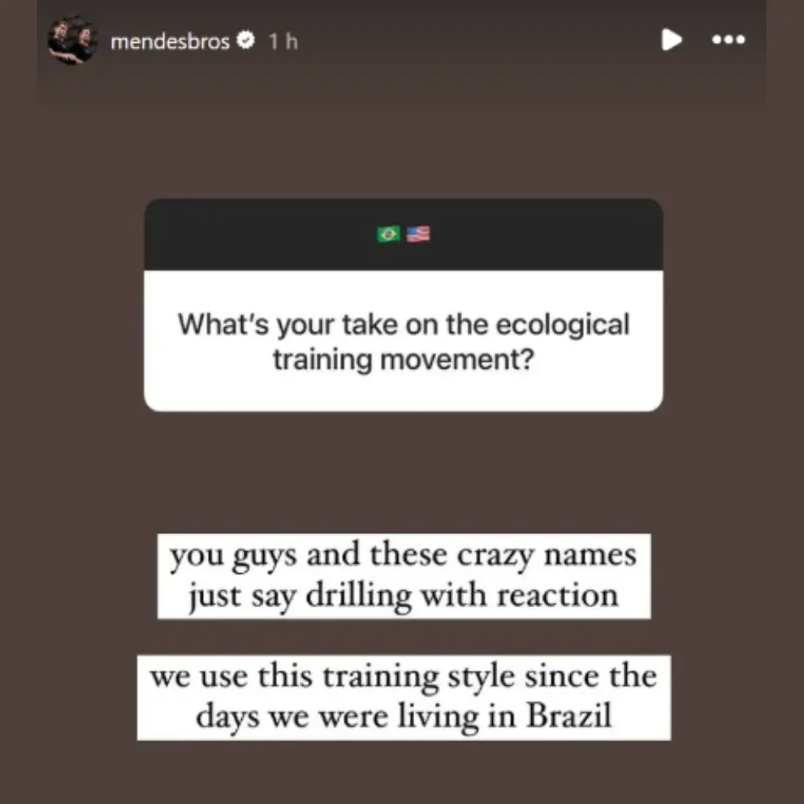
BJJ Legend Gui Mendes Calls Out the Ecological Training Movement
Known for his practical insights and sharp wit, Mendes didn’t hold back when asked about the approach, dismissing it with characteristic candor:
“You guys and these crazy names. Just say drilling with reaction. We use this training style since the days we were living in Brazil.”
The term “ecological training” has been gaining traction among BJJ practitioners who advocate for a more holistic and environmentally conscious approach to training. However, Mendes, a highly respected figure in the sport, believes that the concept is overcomplicated and unnecessary.
“It’s just training with a purpose, reacting to your partner, and drilling techniques,” Mendes explained. “Why do we need these fancy names?”
While ECO BJJ training brings a fresh perspective and aims to foster creativity and adaptability, traditional BJJ training prioritizes discipline, consistency, and a systematic approach to learning.
ECO BJJ Training vs. Traditional BJJ Training: A Clash of Philosophies
As the BJJ world grapples with new training methodologies, the contrast between ECO BJJ training and traditional BJJ training has become a focal point of discussion.
Proponents of ECO BJJ emphasize a holistic approach that integrates environmental consciousness, dynamic reaction-based drills, and a more fluid, adaptive style of training.
This method encourages practitioners to engage with their surroundings and partners in a way that mimics real-life scenarios, aiming for a more natural and intuitive development of skills.
On the other hand, traditional BJJ training remains rooted in time-tested techniques and structured drilling. This approach focuses on repetition, technical precision, and the gradual build-up of muscle memory through consistent practice.
Traditionalists argue that this method provides a solid foundation, ensuring that practitioners develop a comprehensive understanding of fundamental techniques before progressing to more advanced concepts.
Mendes’ comments have ignited a firestorm of reactions on social media, with some practitioners agreeing with his straightforward perspective, while others defend the ecological approach as a valuable addition to modern training methods.
The debate has highlighted the diversity of opinions within the BJJ community and the ongoing evolution of training philosophies. As the discussion continues, Mendes remains unapologetic about his stance, urging practitioners to focus on the fundamentals and practicality of their training.
“At the end of the day, it’s about getting better on the mat,” Mendes said. “Keep it simple, train hard, and let the results speak for themselves.”
Is ECO BJJ Training the Future or Just a Fad?
As the Brazilian Jiu-Jitsu community continues to evolve, the debate over the ecological training movement showcases the diversity of thought within the sport. Gui Mendes’ candid dismissal of the approach highlights a preference for simplicity and practicality, urging practitioners to focus on fundamentals rather than getting caught up in trends.
While the ecological training method has its proponents who advocate for a holistic and environment-conscious approach, its long-term impact on the sport remains uncertain. Whether ECO BJJ training will become a lasting fixture or fade into obscurity depends largely on its ability to produce tangible results and resonate with the broader community.
One thing is clear: the discourse around training methods will continue to shape the future of BJJ, pushing practitioners to constantly reassess and refine their approaches on the mat. Only time will tell if ECO BJJ is here to stay or just a fleeting fad.
Stay tuned for more updates and exclusive insights as we continue to explore the stories and personalities that shape the world of combat sports. Until next time, keep rolling and stay true to the art.
The mount can be a really daunting place to be in Brazilian Jiu-Jitsu. I know because I love controlling and torturing people from it. Unlike back mount, you get to see their struggling faces lose hope from the mount, which makes it that much better.
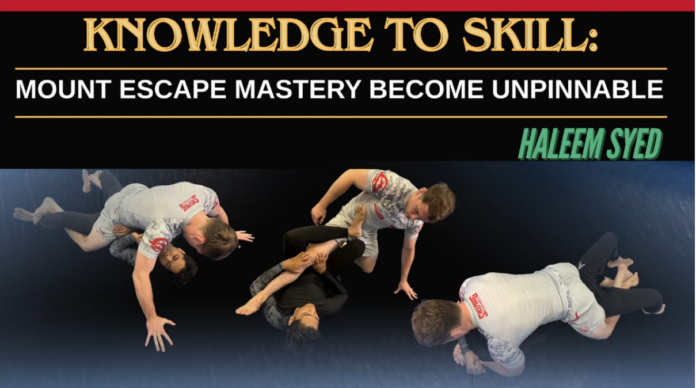
If you’re one of the people stuck in the mount, let me tell you, you’re not getting out with a bridge-and-roll, or the knee-elbow escape. At least not in the way you think they work. You need to rethink your complete mount escape approach and to do that, you need to see and hear the lessons provided in the Mount Escape Mastery Haleem Syed DVD.
Making Sense of BJJ Escapes
Getting out of a bad spot in BJJ requires a lot more than people think. Simply learning escape moves step-by-step is a great way of only ending up stuck even deeper, and repairing that you can’t defend anything. I know because it happened to me when I only had access to multi-step instruction.
As ti turns out the first thing you’ll need to train if you want to become unpinnable, unsubmittable, and all that jazz, is your mind. You’ll need to accept there is no quick way out, and that you’ll need to be cunning and patient if you want to get out.
Let me put it this way – you’ll need to address your defense first from any bad spot, mitigating the dangers and preventing your opponent from capitalizing more. Only when you have dangers under control, you can start thinking about turning the top person’s frustrations into mistakes and using them to get out. This is pretty much the blueprint running through the Mount Escape Mastery Haleem Syed DVD.
Haleem Syed’s Practical Grappling
Who do you learn BJJ from? Someone who has been around training with the Gracies in their backyard, but who is not skilled at transferring all their amassed knowledge and experience, or a younger grappler who is also an expert at teaching? With methods such as Ecological Dynamics and the Constraints Lead Approach, BJJ coaches are also learning how to be teachers.
Haleem Syed is a representative of this second batch of ‘thinker’ coaches who like to apply methodology to teaching grappling, rather than just demonstrate stuff. A black belt in BJJ and Judo under the legendary Jimmy Pedro, there is little about grappling that eludes Haleem’s combat-trained mind.
The IBJJF World Champion in Jiu-Jitsu and US National Champion in Judo has plenty of grappling knowledge to share, but without any of the mumbo-jumbo usually seen from old-school coaches.
Instead, Haleem clears up grappling, allowing you to see goals rather than problems. His Mount Escape Mastery Haleem Syed DVD is the perfect example of how new school grappling experts are redefining how we learn Brazilian Jiu-Jitsu.
Mount Escape Mastery Haleem Syed DVD Review
The Mount Escape Mastery Haleem Syed DVD is one of the best BJJ DVDs I’ve seen in a while, and definitely in the top five escape instructionals ever. Over five immaculately organized volumes, Haleem delivers nearly three hours of top-quality concepts and materials on dealing with one of the toughest pins in BJJ.
Part 1 – ‘Standard’ Mount Escapes
The Mount Escape Mastery Haleem Syed DVD doesn’t just feature different single-themed volumes but also has plenty of subject matter division and organization within each part. The first volume contains a short overview of the material ahead, along with Haleem’s philosophy of reducing clutter and focusing on one proven way to get out of mount rather than a bunch of half-functional ones.
Using Bruce Lee’s famous methodology of becoming an expert at one thing, he shares his system of training that has helped him and his students excel so far. In that regard, he covers drills and progressive resistance concepts that will help you understand the standard problems of the bottom mount and how to begin solving them.
Solution-wise, he shows you how to navigate the key issues of this particular pin by helping you realize common pitfalls that prevent you from escaping and drag you deeper into the top person’s game. He also outlines common sticking points for beginners.
Finally, a portion of this volume addresses the escape mindset, which is the most essential part of playing defense in BJJ.
Part 2 – Fundamental Mechanics of Mount Escapes
This second part of the Mount Escape Haleem Syed DVD contains the mechanics of shoulder walks and bridging, focusing a lot more on what not to do. This way, you end up with a set of motions that are certain to help you achieve an escape, rather than get you stuck deeper in the position.
Towards the end, Syed offers context by connecting his escape pattern to direct Ashi Garami counter attacks using the butterfly guard. He wraps up with live drills that help you put all the techniques and concepts into practice.
Part 3 – Lower Body Battles
Haleem divides the mount using the body’s natural division into upper and lower. By exploiting the endpoints of the movement range either of them has, he helps you understand how to get out of the mount using any given technical escape, such as an Upa or Knee-Elbow escape.
In this part, Haleem talks about four different leg configurations the top player has at their disposal, and how to beat them all. Crossed feet and grapevines get particular attention as two of the most difficult configurations to escape, with live drills shared by Haleem to help you understand and master the technical explanations after he addresses each.
The technical mount position also appears towards the end, offering a different perspective on the dangers and weak points by focusing on what the top person is doing with their legs.
Part 4 – Upper Body Fighting
Virtually the same as the previous part of the Mount Escape Mastery Haleem Syed DVD, only addressing the upper-body battles you need to win, such as arm exposure and teh dreaded cross-face.
The underhook also gets lots of attention here, with Syed covering both the single and double underhook positions and all the problems they present. He also addresses common combinations such as cross-face underhooks, head and arm pins, and the threat of Ezekiel and Fist Chokes.
Each of the subjects covered in this part of the DVD also features a live drill section to help reinforce the key points of the technical directions while dealing with the uncertainty of live sparring.
Part 5 – KIlling Transitions
The most practical pieces of advice appear in the final portion of the Mount Escape Mastery Haleem Syed DVD where Syed breaks down a concept many struggle with – the timing of escapes.
Focusing on the stuff that seems sneaky when you manage to pull it off, Haleem talks about how hidden moves you do, such as ankle traps can help set the tone of your escape by blocking transitions from happenings you start to make your way out.
Syed connects offensive cycles to escapes once again. He reinforces certain concepts already covered, such as shoulder walks and bridges, adding in shrimping to the mix. The goal with this last one is to capitalize on any movement the top person does to make sure your proven escape patterns get you out, or even better, out and directly into offense.
Less is More
When you’re looking for a way out of a pin, or even a submission, the rule of thumb is that you should move as little as possible to ensure you don’t make things worse. One incredibly useful piece of advice I’ve been following for years is to not move unless I have a clear idea of where that movement will bring me and the opponent.
Haleem does a great job of reinforcing this concept throughout the Mount Escape Mastery Haleem Syed DVD. I completely agree with his take on escapes and that you should focus on one escape which you can apply to many different situations, rather than learning different escapes for every problem the top person presents.
When you’re escaping you should be patient and not panic first, then think about how you can move the least, while making the top person lose the most amount of control as a result. A few small movements such as this and you’re out!
If there is one investment that you can make in your Jiu-Jitsu this year that will pay off until the day you decide to hang your belt, it is grabbing the Mount Escape Mastery Haleem Syed DVD.
It won’t just help you figure out how to deal with the mount and frustrate many bigger and more experienced opponents. It will also help you figure out BJJ escapes in general and how to make them work under the extreme conditions of live grappling.