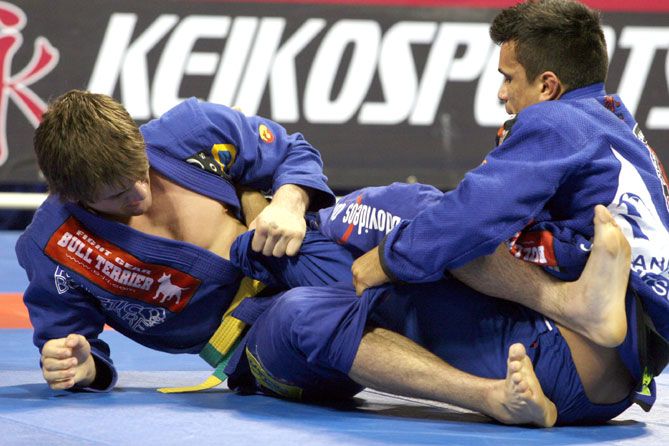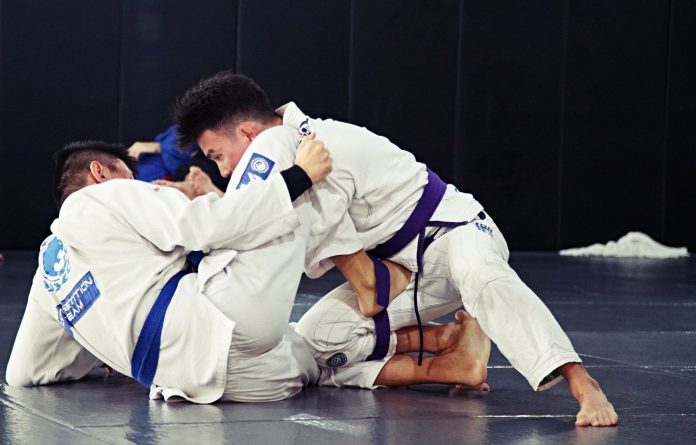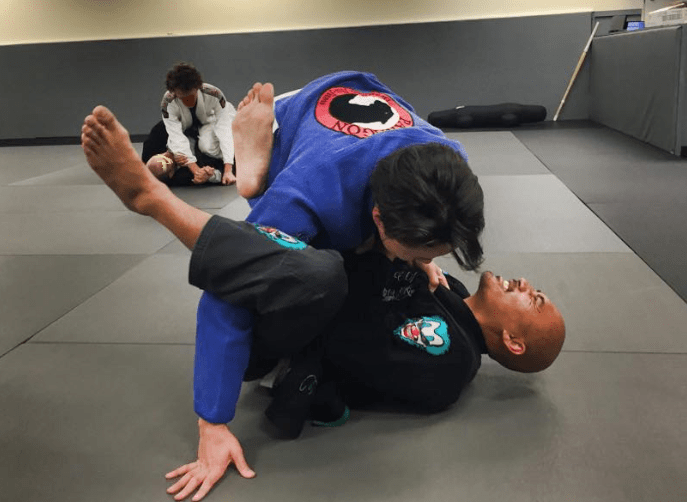



Top 10 Signs of a McDojo Gym

McDojo Gym

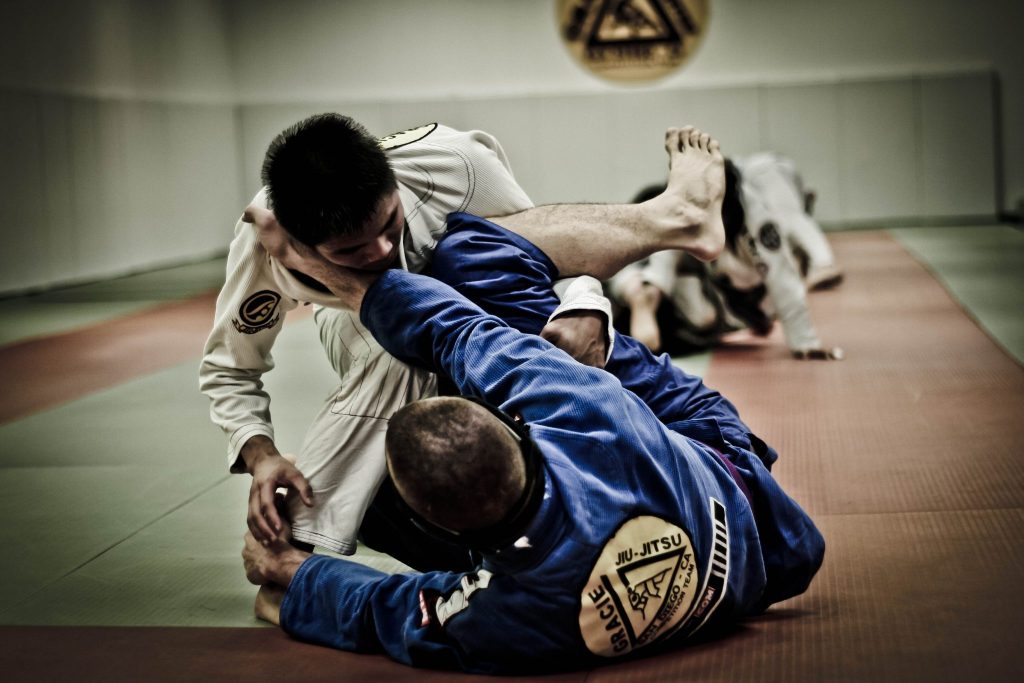
Do you like the BJJ gym you’re currently training at? Have you ever trained at a different place, in your city or while traveling? If so, did you notice obvious differences between the philosophies of other academies and yours? In the modern world of BJJ, where the art has reached the furthest corners of the Earth, it is not uncommon to witness people with dishonest intentions. While the BJJ world revolves around respect, some people are just in it for the business. Just like with big corporations, when business is the aim, the road to success is paved with exploited people. Just like in the corporate world, the BJJ community has not been spared from the McDojo Gym influence.

The McDojo name is actually a very fitting one for such establishments within BJJ. These gyms operate in a different manner than your regular Jiu-Jitsu academy. Some of them are so well versed, that they might appear completely legitimate if you do not know what to look for. So, make sure you look for the warning signs in order to stay away from the McDojo gym net.

What Is A McDojo Gym

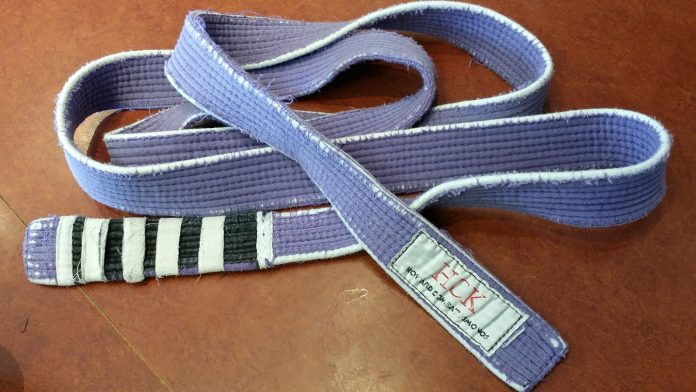
Let’s clear up the term “McDojo Gym” before we continue. A school is marked as a McDojo when there’s no apparent quality to the services they offer. Despite the lack of quality, the prices of such an establishment are ridiculously high. In a McDojo gym, the instructors are geared towards business, rather than actual teaching. The most common appearance, in a BJJ context, are belts flying around without any consideration to the real level of knowledge.

The mentality of McDojo gym owners is one of business and exploitation. They use the interest people have in BJJ along with their lack of in-depth knowledge to lure them into a world of false promises. Do not get me wrong, they do have regular classes and even curriculums. However, what they teach and how they teach it has nothing to do with BJJ. In many instances, these gyms are run by people who are fake black belts, which is another big issue in the community.

McDojo gym owners are taking the well-established way of Karate and Taekwondo gyms from the ’90s. As soon as these martial arts got popular, McDojo gyms started popping out left and right, They watered down the quality of practitioners, as well as lowering the value of the real schools. By doing so, they diminish the value of the art itself and turn it into a profit based industry rather than keeping the spirit of the art alive. They prey on the popularity of the sport to sell as much merchandise and enroll the largest number of students possible at any cost.

The Warning Signs

So, how do you know if you’re a part of a McDojo gym? Don’t worry, despite the best efforts of McDojo gym owners, there are certain signs they can’t escape from. They might be very skilled at hiding them, but if you know what you’re looking for, you’ll be able to recognize them. So, check this top ten list of warning signs, and make sure you’re out of the door if your current gym has any of them.

1. Suspicious Lineage

Do you know the exact lineage of the instructor in the gym? Lineages are a big thing in BJJ and most people are very proud of them. Schools that are associated with bigger organizations usually have them clearly displayed in the gym. Even schools that have no larger association need to have a legit instructor. It is very easy to check the lineage in BJJ, so make sure you know who awarded your instructor their rank.

If your instructor is evasive in his answers and does not offer clear information in regard to their lineage, you might be in a McDojo gym.

2. The Instructor Doesn’t Roll

If your instructor does not roll with students, while not being injured, you might be a victim of a McDojo gym owner. Now, BJJ is very hard on the body so instructors might be nursing an injury or two. Instructors do get to be picky about who they roll with, but they do not have the luxury of not rolling. Not in BJJ, anyway.

3. A Cult-like Atmosphere

Does the gym, you’re training at, have a cult vibe to it? If the instructor/owner requires a cult-like mentality in terms of loyalty from his student than run away. Run away fast. There’s a big difference between loyal students and blindly loyal followers. Make sure you’re part of the former unless intentionally you’re looking to be a part of a McDojo.

4. Price Range And Contracts

Are you required to sign a long-term contract full of binding points that do not make much sense? If so be wary of the McDojo effect. That said, some legit schools do require students to sign contracts, but they’re very simple and not at all restrictive.

Another big indicator is the price range. Are the prices crazy inflated and changing all the time? Does everything associated with you being part of a certain gym have a price? Unreasonable pricing is a monumental sign of a McDojo gym.

5. Promotion Philosophy

How many students have received belt promotions in years time? Are there people that get multiple belts in a year? If this is the case, then there’s probably no real quality to the pool of people associated with a gym. If belts can be bought without regard to the time required for attaining the sufficient degree of knowledge, then you’re not in a legitimate academy. Furthermore, if getting a stripe has a price, make sure you switch schools ASAP.

6. Q&A Inconsistencies

When students ask the instructor questions, the answers should be knowledgeable and precise. Moreover, they should be similar in context every time someone else asks the same thing. Answers that make no sense should raise suspicion instantly. In the same manner, answers that differ drastically on the same subject are an even better indicator. Still not sure? If the instructor avoids Q&A and provides vague answers, you can be sure. It’s a McDojo.

7. Mandatory Merchandise

Does your gym require you to acquire branded merchandise only? I’m not only talking about a certain GI brand here or academy patches. If you have to wear certain shorts, rashguards, and/or t-shirts every time you train, you’re being exploited. Having to use the instructor’s brand of a mouthpiece, buy belts from their shop only etc. is irrefutable evidence of a McDojo.

McDojo Gym

8. False Claims

This one is always entertaining. It ties closely to the point we made under #2. An instructor that doesn’t roll, yet boast of an impressive win record is not to be trusted. Even more, if this impressive record cannot be corroborated, stay away.

9. Extra-Curricular Favors

An instructor shouldn’t enforce students to do favors for free outside of the gym. Being friends with an instructor is different, and is a common situation in legitimate BJJ schools. However, if you have to help your instructor move or work on their house during weekends, you’re, again, being exploited. Especially if you’re being blackmailed with gym-related restrictions in order to comply.

10. Self-Defense “Expertise”

Finally, does your instructor claim to be a self-defense expert? Are they an expert in multiple martial arts in addition to being a fearsome grappler? Legit people with these abilities are extremely rare and quite old. If a young guy who even avoids rolling starts preaching about self-defense experience, leave immediately. Having false confidence and moves that don’t work might get you grievously injured, or worse. Find a legit school if you’re looking to stay safe. A McDojo is proficient at only one thing – taking your money.

Top Reasons and Warnings That Your BJJ Coach or Instructor “Sucks”

Fake BJJ Purple Belt and Cop Exposed at McGuin Jiu Jitsu Academy

Jocko Willink about REAL Martial Arts vs FAKE Martial Arts


Rickson Gracie Seminar in Tokyo 2018

Rickson Gracie Seminar in Tokyo 2018

Rickson Gracie usually doesn’t allow to film his seminars, but it seems like he did an exception in Tokyo. Rickson Gracie seminar happened on February 12, 2018,  at Komazawa Olympic park gymnasium in Tokyo.

This is a very interesting Rickson Gracie Seminar in Tokyo where Rickson is showing some fundamentals of Jiu-Jitsu together with ground offense and defense. It’s heavily based on self-defense Jiu-jitsu and definitely worth knowing.

How To Get Flexible For Brazilian Jiu-Jitsu

How To Get Flexible

How to get flexible fast for BJJ is probably the question of all BJJ practitioners. Jiu-Jitsu is a martial art for anyone. From pro-athletes to desk workers, from kids to grapplers over 40, everyone has a place in BJJ. However, the nature of the sport is such, that it does require certain athletic abilities, and being flexible is very important for BJJ. Getting flexible for BJJ is not really a problem. It just requires some time and dedication to improve your flexibility to the point to have an unpassable guard and many other benefits.

The good news is that you do not have to possess any of them before you sing up for class. BJJ will develop every athletic ability you need to progress in the art. It will build strength by teaching you how to manipulate resisting objects. Your conditioning capacities are going to increase thanks to imposed demand. And you’re going to figure out how to get flexible in positions you never thought you could achieve.

Today’s focus is going to be on this last point. How to get flexible for Brazilian Jiu-Jitsu is not rocket science. Actually, BJJ is going to take care of the basics just by training. Certain areas of the body get more attention in flexibility terms when rolling around with people. Now, unless you’re unusually stiff, you’ll get a decent level of hip and shoulders flexibility just by training regularly. And, even if you’re stiff and/or coming back from injuries, there’s a way to improve flexibility.

Learning How To Get Flexible

First, all you stiff and brittle people out there, you have nothing to worry about – flexibility can be trained. Despite many people thinking it has lots to do with genetics, it is a quality that can be trained. Actually, the genetics part is more in regard to freakish flexibility than the lack of one. As long as you have no contortionism aspirations, you’ll do just fine.

Stretching is the first thing that comes to mind when people think about flexibility. Yes, stretching helps, but not all kinds of stretching, all the time. Stretching doesn’t just help muscles get longer and looser. Properly executed, it results in an increased range of motion, stronger tendons, and better-articulating joints. Flexibility is the product of a healthy muscular-skeletal system, and stretching is one way to get there.

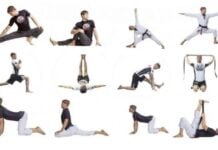
“Do Yoga!” This is the most common solution to the “how to get flexible” conundrum. Yes, Yoga can help you get more flexible. No, Yoga is neither the only nor the ultimate way to do so. Yoga is a complete system in its own and dedicated to both BJJ and Yoga is a very time-consuming task. So, when looking to utilize Yoga in order to gain more flexibility for grappling, you have to be selective. Certain styles of Yoga are way more beneficial to Jiu-Jitsu than others. Furthermore, you might want to look only into certain poses and sequences that relate to your specific area of improvement.

How To Get Flexible

Mobility work is another part of the puzzle. Although it can be placed into the stretching category, mobility extends further than that. It encompasses different modalities, like soft-tissue work and myofascial release. Yes, those funny looking foam roller and Lacrosse balls can help you become more flexible.

Stretching

To begin with, the best way to get the most out of stretching is to build a routine. The routine has to be geared towards an aspect you’re looking to improve. If it’s an issue specific to you then work on it. If it’s just basic BJJ flexibility you’re looking for, read on. The next step is to build the habit of performing your routine on a daily basis.

In order to dispel the myth of one-dimensional stretching, let’s begin with dynamic stretching. By definition, dynamic stretching uses momentum to take joints to the maximal range of motion (ROM). Whenever we perform movements with added speed and direction, our ROM increases. The maximal ROM for a static stretch is considerably shorter than that of a dynamic one. If you’re looking to fit dynamic stretching into a routine, try and do it at the beginning of one. A good warm-up should always have dynamic stretching elements in it.

Static stretching is what we all think of when we refer to stretches. It means holding a certain static position, that takes a body part to maximal ROM, for a set amount of time. It is slow, and constant, which makes it very safe. The slow and continuous manner of execution results in the relaxation of the muscles. This makes it perfect for a post-training cooldown. It also makes it horrible as a warm-up option. Static stretching actually inhibits your nervous system. Not a thing you’re actually looking to do before BJJ right? So all those flexibility gains you think you’re achieving while statically stretching prior to training? Well, the truth is, you’re not. You’ll only achieve an injury.

Hips Flexibility Exercises

Now, let’s get to the meat and potatoes of how to get flexible for BJJ. The one area specific to BJJ in terms of flexibility must be the hips. All that guard work, not even mentioning inverted guards, requires very high hip flexibility. The needs range from low requirements for the closed guard to probably the highest for rubber guard. Know your limits and start off slow, at the level most appropriate for you.

Let’s take things off with some dynamic stretches. We’ve all done the butterfly stretch, Well most of us have probably done it wrong. Whenever you’re doing butterfly stretches think dynamic instead of static.

Dynamic stretching takes the hips into an extended ROM, allowing for adaptations that will result in increased flexibility, mobility, and stability of the joint. Check out this cool routine:

Stretching the hips for increased flexibility includes static stretching to a huge extent. The hip flexor stretch is the king here. It’ll elongate and relax your muscle, adding the benefits of recovery. Nothing better than some Yoga in order to do it to perfection.

Is this stretch too simple for you? No problem, if you’re ready to reach the next level of hip flexibility, give this Yoga class a try. It is hip-specific and is going to take you into rubber guard territory in no time.

Taking Your Shoulders Beyond The Limit

The next aspect of flexibility for grappling has to be the shoulder girdle. Although not as highly trainable in the realm of flexibility as the hips, improvements can be made. The shoulder is a complex joint with multiple directions of movement. The complexity of the joint can result in decreased ROM in some or all of these areas. BJJ takes a heavy toll on the shoulders, so keeping them healthy and mobile is essential.

That said, let’s see how to get flexible shoulders for BJJ. First and foremost, mobility training takes priority. The best way to ensure your shoulders ROM is as optimal as possible is by doing dislocators. Useful hint- go for a band instead of a bar or stick.

Now that you have the basic ROM down, it’s time to focus on certain aspects of the shoulder and making them better. Here’s are a couple of great selections of static shoulder stretches to help you get to that next level. You can use them as given routines or combine them to fit your own needs.

https://www.youtube.com/watch?time_continue=248&v=rrsRTU95sj4

The Best Yoga and Stretching Instructional:

If you’re really looking for the complete Yoga and stretching program there is an instructional from Sebastian Brosche called Yoga for Rocks designed especially for people training Brazilian Jiu-Jitsu, but also for those who are willing to get their flexibility on another level. It’s on SALE right now:

Yoga For BJJ Sebastian Brosche ANd the latest Yoga For Rocks DVD
Free Videos


Related Articles:

BJJ Mobility Drills for Hips
Use Gymnastics to Become Freakishly Strong For BJJ
Sciatica Stretch Variations To Fix BJJ Lower Back Pain
Is Your BJJ Style Adapted To Your Body Type?

A Quick Survival Guide For The First Year Of Jiu-Jitsu

first year of Jiu-Jitsu Guide

Remember that first year of Jiu-Jitsu? It was hard, wasn’t it? Of course, it was you got smashed, destroyed and utterly humbled. As it should be. We all went through the same process, no exceptions. What makes the whole first year of JIu-Jitsu ordeal easier for a white belt is a good guide. Those that had one probably got through the first 12 months way easier than those flying blind.

Although the blue belt is the hallmark of people quitting the Gentle Art, white belt isn’t far behind. Having a roadmap of reasonable expectations can really make a difference. Yes, the instructors are there to guide new students through it. But wouldn’t it be great to be completely prepared for the struggles of a BJJ newbie from the start? I know I would’ve appreciated a guide outlining what I should expect. hence, I present to you the ultimate guide for getting through the first year of Brazilian Jiu-Jitsu:

Basic BJJ Class structure

BJJ classes are structured in a very precise manner, and there’s the reason behind it all. regardless of level, all classes follow the same structure. It consists of four main parts, that can vary slightly from school to school.

All Jiu-Jitsu classes begin with a warm-up. Now, this is by far the most despised part of a BJJ class, but that doesn’t make it less important than technique training, for example. Warm-ups in BJJ differ greatly, but they’re all aimed towards specific preparation for grappling training. Or, at least, they should be.

The second part of a Jiu-Jitsu class is the technical part. This is where the majority of class time is spent. The instructor/s usually demonstrate/s a technique with a thorough explanation before students get to practice it. The practice is done in pairs where people trade places to give the moves a try. Instructors are available to answer questions during this part of a class.

After going through the technique/s of the day, the same techniques are then practiced, this time in a more realistic scenario. Drilling or position sparring are the methods of choice here. The point is to attempt to practice the practiced move against a moderately resisting opponent.

Finally, the pièce de résistance, live sparring or rolling, as it is known in BJJ. This becomes the most favorite part of new students very fast and remains so through their BJJ journey. However, people in their first year of Jiu-Jitsu need to know how to survive this part of training without injuries or ego-bruising in order to progress. This is where our guide comes in very handy.

first year of Jiu-Jitsu, BJJ class

Getting The Most Out Of The Warm-up

The first and most important point of a warm-up is to get the body prepared for physical activities. The more specific the activity, the more specific a warm-up should be. Seeing how JIu-Jitsu is a highly specific physical activity, warm-ups are geared towards loosening the body up for doing just that. First and foremost, new students should pay close attention to warm-ups in order to learn the basic movement patterns of the art. Secondly, warm-ups are going to prevent injuries that might keep someone out of the gym and eventually the sport. Finally, it will get you into shape for grappling. Thumbling, bridging, and crawling require a certain degree of coordination and conditioning.

From a conditioning standpoint, be prepared for soreness. Warm-ups might not end up being that difficult for you, but an entire class will. No matter how much you bench or how many marathons you’ve run, you’ll gas out. The first few months of BJJ are marked with DOMS (Delayed Onset Muscle Soreness) that can keep you off the mats. Warm-ups make sure your body is ready for training even while waking up sore all over. Once you warm up properly you’ll be ready for every part of a class, regardless of soreness level.

Technical Tips For Your First Year Of Jiu-Jitsu

First and foremost be ready to be completely overwhelmed by the techniques. And, by overwhelming, I mean in every possible way. From a sheer number of techniques to variations, you see from higher belts to the names of moves that make no sense. however, there is hope, Do not worry, there’s a system to the madness. Actually, there are two.

To begin with, new students are enrolled in the fundamentals program. It is a curriculum that introduces students to BJJ and the most common positions and moves associated with it. Secondly, you have our guide, that goes beyond the fundamental curriculum offering you even more insight into what you’re doing.

Let’s look at the nomenclature. During your first year of Jiu-Jitsu, you will hear a lot of things that make no sense. From normal stuff like “side control” to obscure terms like “reverse De La Spider Guard”, you’ll hear it all. In order to remember what every term means, make sure you remember one thing first – repetition is key. As long as you show up to class, you’ll hear, see and do the same stuff over and over again. It’s the best way to learn. Also, stick to the Fundamentals. They teach you a select number of crucial techniques that are important to remember.

One great way of ensuring technical progress in your training is taking notes. That doesn’t mean you should get a notebook and write during a demonstration of techniques. After class, or even better, at home should do the trick. Built system of your own, that will allow you to remember and connect all that you’ve learned.

On a final note, just make sure you return to class, Do not skip classes and your technical progress is going to be fast and continuous.

Rolling Survival Guidelines

“Check your ego at the door” You’ll find this sentiment associated with BJJ very often. In case you do not know how to do it, don’t worry. Your ego is going to get checked at the door regardless. You just need to know how to cope with it. Getting beat in rolling is no big deal. Actually, it doesn’t mean anything at all. Embrace the grind and learn from every little thing you do wrong. During your first year of Jiu-Jitsu, almost everything will go wrong. It’s ok. It’s even expected of you. Everyone went through the same process before they got a different colored belt. Stay humble and you’ll soon be humbling others.

first year of Jiu-Jitsu

One major component of rolling is the close proximity of people. In BJJ, there’s an inherent battel fro space in almost every position. This means that people are going to insist on being up close and personal to you. For the untrained beginner, this can often lead to feelings of claustrophobia and even panic. If this is the case with you there’s only one thing you need to remember in order to overcome it. Breathe! Focus on finding the tiniest of spaces and getting air through it. Forget about muscling your way out of a position, just breathe and it’ll relax you. From there. it’s way easier to see a way out.

Finally, from a more technical perspective, please do not go and attempt YouTube techniques in rolling during your maiden year. You’ll just suffer because of it. The only certain way to succeed is through the fundamentals. Stick to what you’re shown in the technical part of a class and you’ll do just fine. And. once again, tap often and tap early. That’s the only way forward in BJJ.

Shortcuts and Directions For The Fastest Progress in Jiu Jitsu

9 Jiu-Jitsu Things Non-Grappling Folks Need To Understand About Us

10 Obvious Reasons Why You’re still a White Belt


REVIEW: Yuri Simoes DVD – High Efficiency No-Gi Top Game

Yuri Simoes DVD High Efficiency no gi Jiu Jitsu: Top Game Review

Let me introduce myself. I’m David Almar, Gracie Barra, Brown Belt. I come from a heavily Gi-based academy. In all honesty, I haven’t even dabbled in No-Gi training until blue belt. This led to my game being very Gi oriented. Don’t get me wrong, I love working in the Gi and will never stop. No-Gi, on the other hand, seems to be a new calling of mine. But the gaps I have in a certain area of the game are horrendous. So, in my pursuit to plug them all I came across a fairly new DVD release. It’s a very specifically structured instructional by one of the best in the game. I present to you “High-Efficiency No-Gi: Top Game”,  a Yuri Simoes DVD.

ON SALE -50%:
Yuri Simoes High Efficiency No GI Top game

Yuri Simoes DVD High Efficiency no gi Jiu Jitsu: Top Game
Techniques List

As the name itself suggests, the DVD is focused solely on the top game. Because of my Gi-heavy background, this is one area of No-Gi that’s been very difficult for me. Without the grips I’m used to, passing the guard is a real nightmare. Especially the closed guard of well-versed opponents. So, getting this Yuri Simoes DVD was a real easy decision for me. What I ended up is everything I looked for. Plus some unexpected bonuses.

A Bit On Yuri

In case you didn’t know, Yuri Simoes is one of the top grappling competitors out there. He is a Ricardo Vieira black belt. He’s a top competitor in both Gi and No-Gi, with the latter the preferred focus of the Brazilian.

Originally, Simoes started training with Mauricio Behring, who inspired young Simoes to become a competitor. After his death, Yuri aligned himself with Ricardo Vieira, eventually getting a black belt from him. In 2010 he traded Checkmat for Atos to train with his brother, but only for a short while. He became a member of Caio Tera’s Asociation in 2013 and his still waving their flag.

Yuri’s black belt came after an amazing 2011 when he won the Mundials, the No-Gi Worlds, and the European. He also won the ADCC in 2015 and has competed on the to No-Gi sub only stage at Eddie Bravo’s Invitational.

Yuri Simoes DVD Review

As you can see, Yuri Simoes knows his BJJ. More importantly, he knows his No-Gi BJJ. He is a very highly technical grappler, who regards technique over athletic abilities. It is one of the aspects that convinced me to get his material. Now, I had no idea what I was getting, since I haven’t seen one of his releases previously. In all honesty, I’m not sure he has one. Regardless, this Yuri Simoes DVD is more than enough for me.

Yuri is a very articulate person that can rely on information precisely and thoroughly. As far as I’m concerned, his instructions cover everything. The most stunning part of the DVD is its simplicity. Youri doesn’t get tangled in tangents or ridiculously complex moves. He keeps everything short and sweet, just the way I like it. His understanding of body mechanics is impressive, to say the least. he understands the opponents’ reactions so good that every little detail he stated in his material, I got to experience first hand on the mats. And boy, does it work!

Let’s look at what you will find in this awesome Yuri Simoes DVD, spread across 4 discs. You’ll be able to learn the following subjects in great detail:

Top Game Concepts

What I really like about this DVD is the focus on concepts. Yuri doesn’t just throw a bunch of techniques that do not relate to each other. He offers a system of top game moves that ensure a final result.

In the first couple of discs, Yuri’s materials almost all about passing the guard. And not just about a couple of passes that have nothing to do with each other. His concept-based approach to rendering the closed guard ineffective is mind-blowing. It’s a completely different approach than the Gi one, but a highly successful one. I find it very useful and managed to pull it off in rolling a few times.

Another really helpful concept is one of breaking frames. Frames can be a very annoying structure for passers, as I’ve discovered much to my displeasure. Yuri’s strategy for dealing with them is perfect – simple and effective. And his stuff on putting pressure on turtled up opponents is unbelievable. Nobody is going to be able to stall you from the turtle position any longer!

Anybody of any age, height, weight, and skill level, can benefit from this Yuri Simoes DVD. there are not athletic prerequisites required. You can be the world’s most inflexible person and still do all his stuff with ease.

Passing All Guard

Talk about variety! Youri’s instructional is going to give you the upper hand on all kinds of guards. I already mentioned his groundbreaking concepts of closed guard passing. Well, his No-Gi open guard passes are not far behind! He demonstrates how to easily pass them all, from butterfly guard to Reverse De La Riva.

But he doesn’t stop there. The second DVD is all about dealing with the half guard. And by deal I mean smashing it, breaking it apart, going under it and all in all, dominating it. Also, you won’t have to worry about those pesky deep half guard players anymore as well. There’s a really easy and effective past them on the second DVD.

Capping off the passing sequences are the inverted guard passes. This is what I liked the most about this release. The inverted guard is a huge one for No-Gi players and a really popular way of fighting from the bottom. Well, it’s time to put a stop to that and Yuri is the man to help you do it. Believe me, you will love it!

A Few Submissions Here And There

Now, I didn’t expect much submissions in a volume on top game. I thought it would be pass-oriented, with some top positional tips included. e, it’s not like Yuri ha gone submission-heavy, but the DVD did surpass my expectations. Again the way he connects his passing game to submissions is what I really found useful.

For example, he has three finishing options, straight of an over-under pass! Since I already favor those in my Gi game, this one really clicked with me. And, have no worries you have a variety of subs to choose from in regard to other positions. A very cool armbar-kimura combination, a top triangle option from side control and some guillotine wisdom to top it all off. All in all, just the right amount of subs.

Unstoppable Takedown Game

Here’s the bonus part. In all honesty, I didn’t really check all the subjects of the instructional when I went for it. I expected a lot of passing, and I sure got my money’s worth. What I didn’t look for, but still enjoyed seeing were the takedowns. Now, Yuri is known for his high-level takedown game, and he spared no details!

He first introduces takedowns at the end of the third DVD, with the high crotch single leg. Nothing new here, but lots of crucial details that I didn’t previously know. DVD 4 is all about takedowns, from double-leg to Uchi Matas. Yuri covers both takedowns and throws, along with some great counters! Talk about a complete top game! You get to learn how to take the fight down, pass and submit. It doesn’t get more BJJ specific than that, does it? Go get your copy of this awesome top game Yuri Simoes DVD. I more than highly recommend it!

ON SALE -50%:
Yuri Simoes High Efficiency No GI Top game

Yuri Simoes DVD High Efficiency no gi Jiu Jitsu: Top Game
Techniques List

REVIEW: Submission Escapes by Tom DeBlass DVD

Yuri Simoes Collar Drag vs Travis Stevens – Breakdown

Craig Jones – Down Under Leg Attacks

The Future of Jiu Jitsu: Technology and Modern BJJ

The Future of Jiu Jitsu: Technology and Modern BJJ
Dean Lister, ADCC 2013

The art of Jiu-Jitsu has existed throughout the world for hundreds of years. With its roots in feudal Japan, jiu-jitsu (“jujitsu”, then) was used on the battlefield for close combat, in situations where weapons were ineffective. Centuries later Japanese Jiu-Jitsu was introduced to the Gracie family in Brazil, around the year 1914, by Esai Maeda ( also known as Conde Koma).

Helio Gracie took the traditional Japanese Jiu-Jitsu techniques taught by Koma and modified them to be more effective against larger, stronger opponents–as Helio himself was typically not the largest or strongest person in the gym.

The Gracies began challenging other martial artists throughout Brazil–and eventually, the world–to prove the effectiveness of the newly-fledged Gracie Brazilian Jiu-Jitsu. They accumulated countless victories over other fighters through their Vale Tudo (“anything goes”) matches. Helio fought dozens of times, including legendary matches with Yukio Kato, Wladek Zbyszko, and Masahiko Kimura. Despite being outweighed by nearly 36 kilos by Kimura–not to mention that Kimura was one of the most dangerous Judoka alive–Gracie held his own for 13 minutes, and had his arm broken (hence the origin of the “Kimura” arm lock) yet didn’t tap out… his brother Carlos Gracie had to throw in the towel. Even though Gracie lost the match, he proved to the world that Brazilian Jiu-Jitsu was a force to be reckoned with in the realm of combat sports. It has skyrocketed in popularity ever since.

Masahiko Kimura and Helio Gracie

We could go into the importance of each key grappler throughout the last hundred years or so (Gracie, Garcia, Bravo, Lister, etc), but the trend has always remained the same: constant evolution and honing/diversifying techniques, but with a relatively limited range of focus, due to geographic location and lineage. Compare traditional Japanese Jiu-Jitsu to Brazilian Jiu-Jitsu, and they are quite different… compare traditional BJJ to modern no-gi jiu-jitsu, and the differences are even more pronounced. This occurred because the world was so large, and unifying “styles” of jiu-jitsu worldwide was nearly impossible at the time. Then, at the end of the 20th century… the Internet hit the world. Suddenly all forms of artistic medium became readily available–music, films, photos, literature, memes and… MARTIAL ARTS. Jiu-jitsu would never be the same again.

I have been fortunate enough to train jiu-jitsu in the U.S., Japan, South Korea, and Argentina over the last few years, and it simply amazes me how all of these countries have their own definitive style of jiu-jitsu; different training methods, different drills, different philosophies regarding how they train jiu-jitsu! The Gracie Jitsu Jitsu gym in Ushuaia, Argentina was certainly much different than the 10th Planet gym I train at in Woodbury, Minnesota. It’s overwhelming to consider how many different forms and styles there are worldwide of BJJ alone–let alone every martial art in existence.

After training in jiu-jitsu and eventually becoming addicted to the sport–as I’m sure we all have–I inevitably fell down my first serious Internet Jiu Jitsu Wormhole. I decided to filter the politics and memes and adorable kittens that I looked at daily on my social media feed and replace it all with jiu-jitsu, wrestling, MMA, boxing, et cetera. Video tutorials, articles, theory, competitions, fights… I learned that there is a virtually infinite amount of knowledge out there on the art that we are obsessed with. I discovered that jiu-jitsu is evolving right now, as we speak. I heard guys at our 10th Planet gym in Woodbury talking about the Danaher Death Squad… then in Tokyo, Japan I heard the same names: Garry Tonon, Gordon Ryan, Eddie Cummings, and so on. This led me to the major realization that because of the Internet, and due to the dedication of grapplers worldwide, our sport is now interconnected in ways that we couldn’t imagine just a few short decades ago.

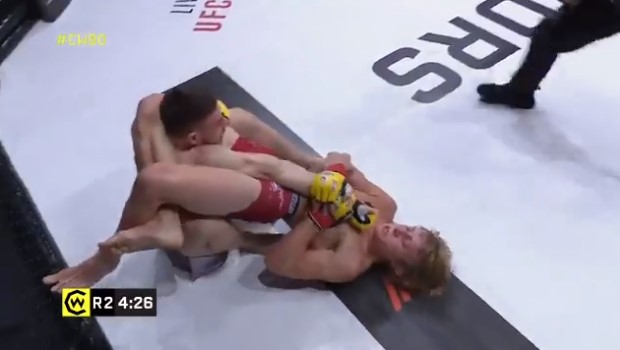
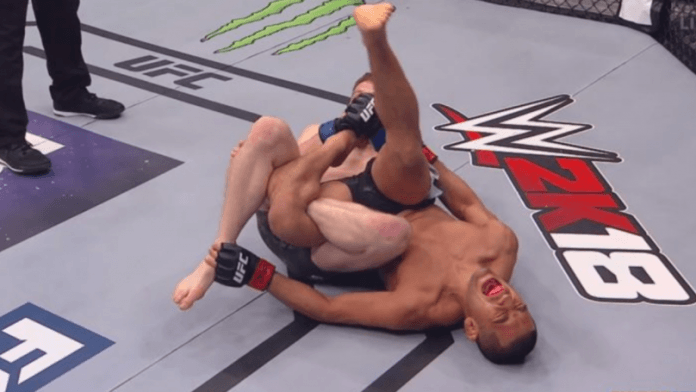
The age of newspaper and telegram is long behind us; now when there’s an international competition, every dedicated jiu-jitsu player on the planet knows about it. Through ADCC, Metamoris, EBI, F2W, the UFC, and countless others, we get to see the world’s best fighters, fighting other elite fighters. When Craig Jones came out of Australia and started doing heel-hooks from Z Guard on high-ranked opponents, grapplers worldwide started looking up Z-Guard techniques and trying to throw them into their game.

Even if you don’t have time to train as often as you’d like, you can use the wealth of online knowledge to still evolve your game–or at least, your understanding of jiu-jitsu. You can learn different setups for armbars or a good defense for the straight ankle lock, and to apply it next time you roll. This was completely not possible even a few decades ago! Back then, You would have to just be fortunate enough to train with highly-skilled instructors, constantly running the risk of dedicating your time to a “3rd-degree black belt,” in a martial art form some weird guy with a mullet just made up. Now you might still end up training with that Mullet-Sifu, but at least you can make an educated decision about whether you continue to train there.

Trying to watch that last heel hook tutorial while your real-world obligations pile up...
Trying to watch that last heel hook tutorial while your real-world obligations pile up…

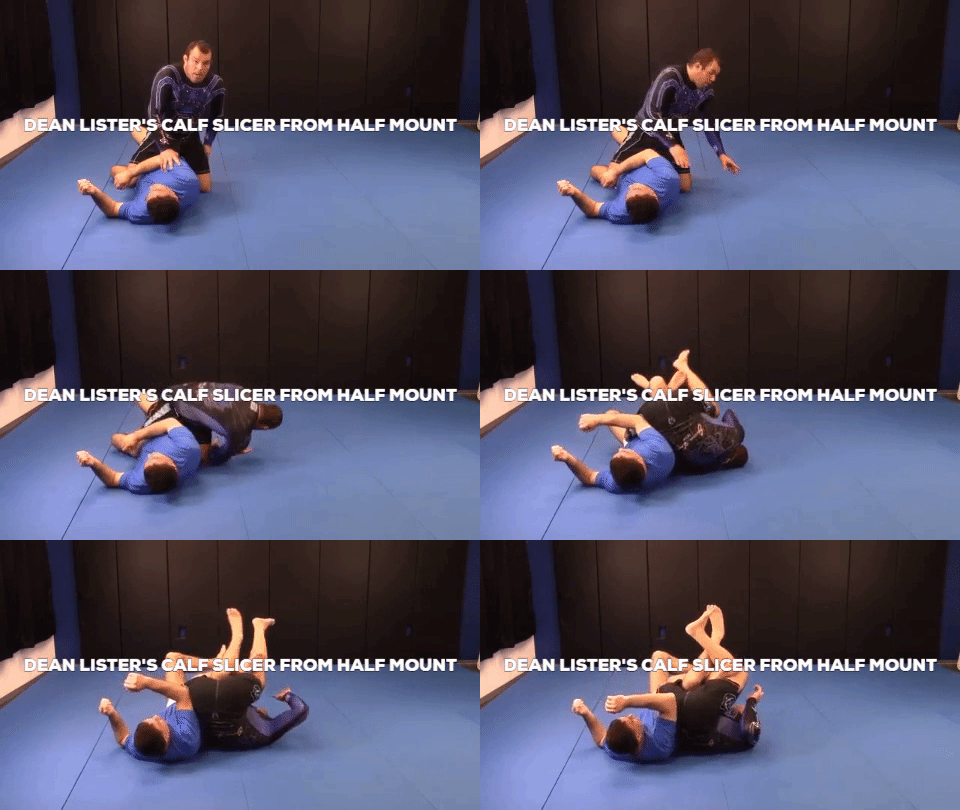
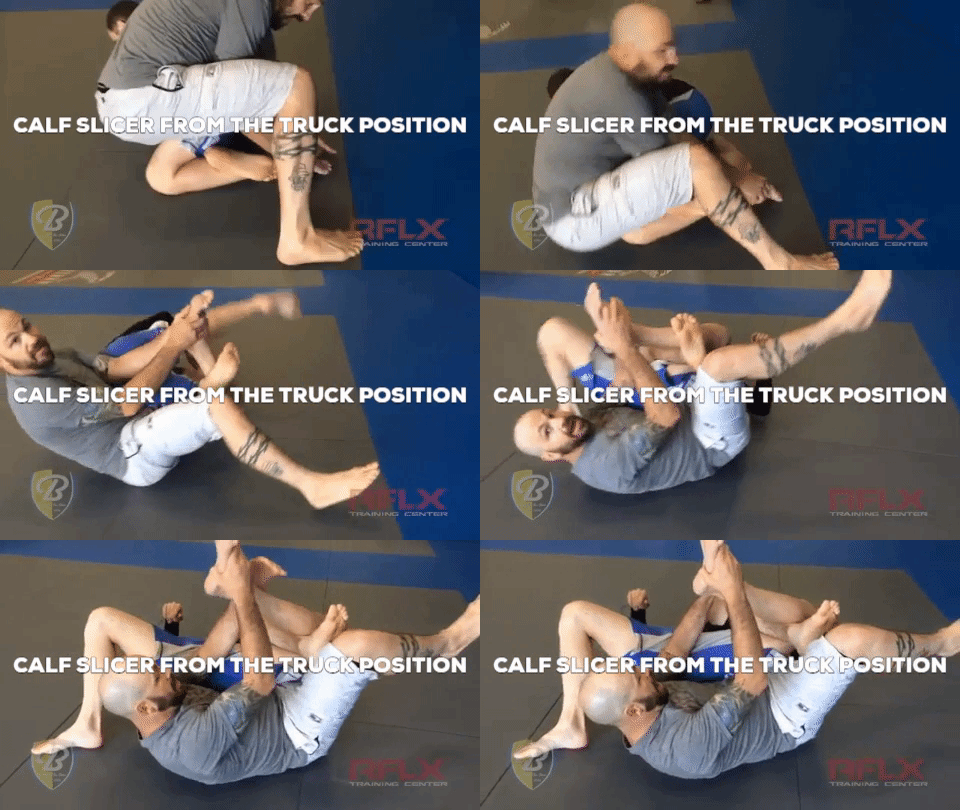
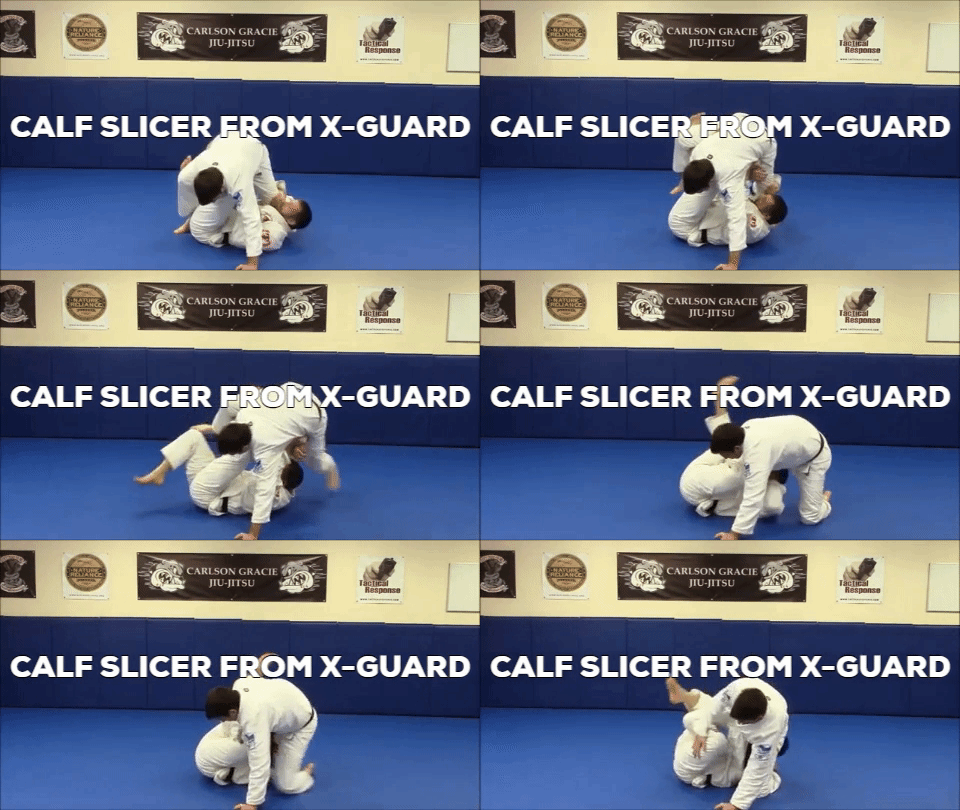
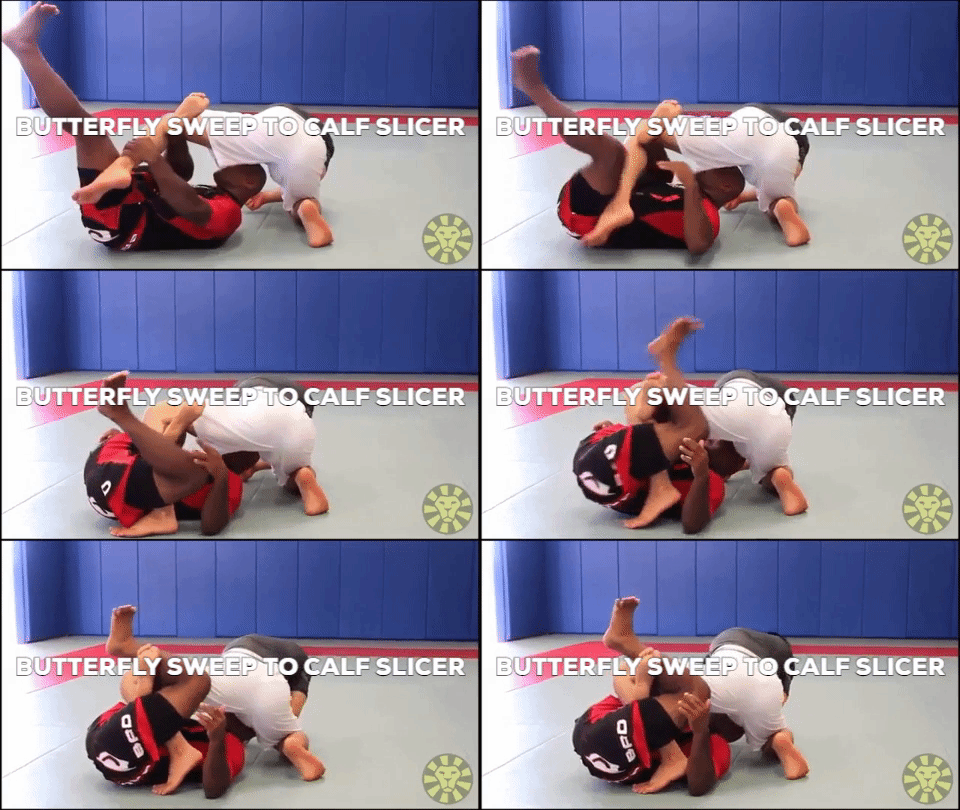
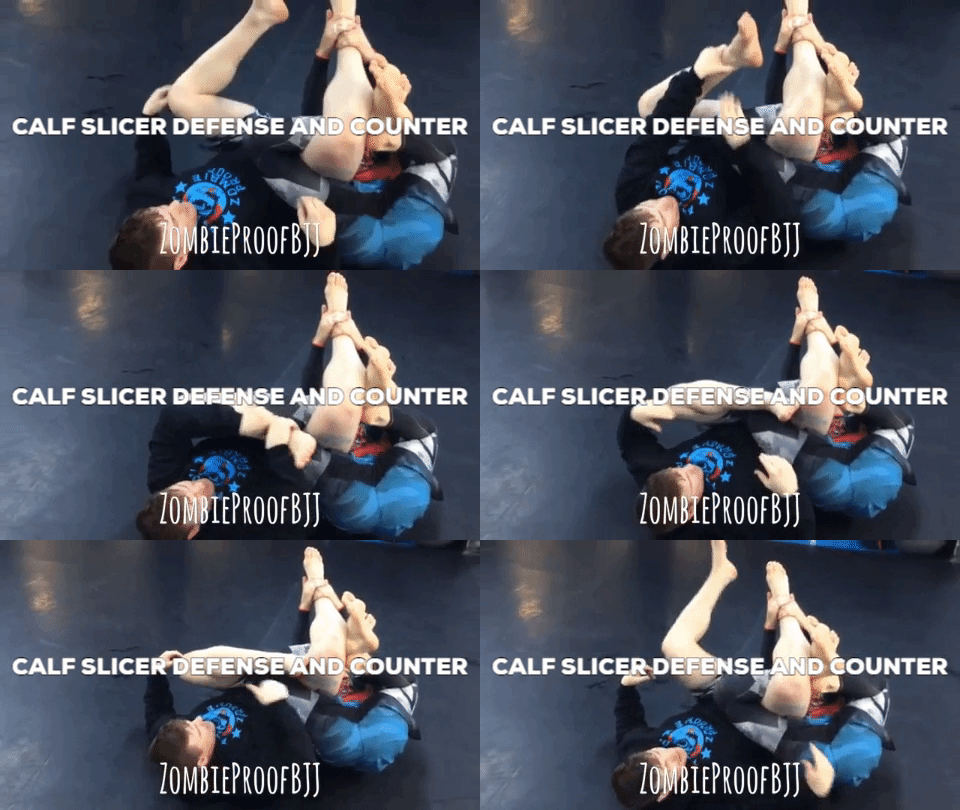
Martial arts have evolved so rapidly over the centuries, but now we are looking towards a future of combat sports that is simply unfathomable. It is truly amazing to watch such a beautiful sport evolve in front of us–but it’s even more amazing to watch that calf-slicer tutorial 30 times at two in the morning… then go hit it in your next roll. Here’s to the past, and to the future… now go train!

Guest Post Written By:
Matthias Joyce, blue belt Valhalla Combat Sports – Fridley, MN Next Level Combat – Woodbury, MN

The Difference Between Japanese (traditional) Jiu-Jitsu And BJJ

Helio Vs. Carlos Gracie – Gracie Jiu-Jitsu History And Politics

MMA History – Gene Lebell VS Milo Savage, 1963 – First Televised MMA Fight ever!

Unwritten BJJ Rules: Commonly Accepted Mat Behavior Guidelines

Unwritten BJJ Rules

Brazilian Jiu-Jitsu is a sport with many rules. Some of them are there to make the sport better. Some are remnants of a different tie and many consider them aimless in modern BJJ. There are rules that refer to competition environments, and there are rules that dictate conduct on the mats. Among the many BJJ rules, there are some that haven’t been put in writing. These, so-called unwritten BJJ rules are arguably the most important ones.

Unwritten rules are there in any sport and BJJ is no different. The point of having these rules is that they are not official, yet they are crucial to the sport. Having people disregard them often results in the heaviest punishment of all – loss of respect. In an art based on respect as much as BJJ, losing the respect of the community is a big deal indeed. So, following the unwritten rules is actually way more important than following the official rules. Not that they should be ignored – quite the opposite.

What Happens On The Mats…

There is an old saying that goes like this: What happens on the mats, stays on the mats. It is, I think, of wrestling origin. As open to interpretation as this saying might be, it is very true. It is also applicable to every BJJ school around the world. As far as unwritten BJJ rules go, this one is right at the top.

The saying relates directly to the point of respect we discussed earlier. Namely, people that come on the mats to train are there to learn and have fun before anything else. Despite the respectful conduct that is associated with BJJ, grappling is first and foremost a combat sport. This means that people engage in combat, as controlled as it is, and tempers tend to flare up. Despite most people not taking rolling seriously, there are certain kinds of people, or simply, certain situations that “get out of control”. It might be during a particularly hard pre-competition rolling session, or after a significantly bad day out of the gym. Whatever the reason, fusee is sometimes short and leads to unwanted words being exchanged on the mats.

BJJ Rules

Rule #1

Two points are very important to remember and they both fall under the unwritten BJJ rules category. First, whatever happens, shouldn’t be taken personally. Secondly, as long as there’s no clear intention of causing serious bodily harm, all can be forgiven. As such, it is important to remember that this heated behavior during sparring matches should never extend outside of the gym. The relations between friends and teammates should never reflect mat business outside of the gym.

Rule #2

This brings us to another possible version of understanding the aforementioned saying. To clarify, this one concerns rolling itself and, more precisely, what happens during rolls. It is actually very simple: rolling is training and there should be no bragging about what happens during rolls.No need to boast to your friends how you got that higher belt in a submission. There’s also no need to advertise your grappling success in the training room on social media. These are training partners, not opponents you’re rolling with. You need your training partners in order to evolve and advance. Bragging about what you did in training is one certain way of alienating people and losing valuable training partners. And for what?

Breaking Unwritten BJJ Rules

Sadly the Jiu-Jitsu community is not without examples of unwritten BJJ rules being broken. And not just by anyone, but highest-level athletes that should serve as an example.

In a much-anticipated event at Polaris 3, two of the top grapplers in the world, Jake Shields, and AJ Agazarm squared off. Now, seeing as this is a competition scenario, the aforementioned rule does not apply. However, with the modern trend of trash-talking, peoples tempers tend to be short and explosive. Such was the case with Shield and Argazam, with their bout being marked by slaps and vile behavior.

The reason behind this unsportsmanlike behavior actually stems from AJ breaking the “what happens on the mats…” rule. Namely, during the build-up to the fight, he took to social media, disclosing information about training sessions he used to have with Shields. He outlined in no uncertain terms that he “used to own Shields in the practice room”. AJ went even further, saying that shields had good wrestling, but not the submission skills to match it. As such, he said he easily bested the UFC veteran whenever they trained together.

If AJ’s point was to get into Shield’s head, he did it in the most disrespectful manner possible. The result was as disrespectful as can be expected, with Shields “Stockton slapping” AJ and refusing to shake hands. Not something we like to see in the respect-reigned world of BJJ.

Beyond The Realm Of Jiu-Jitsu

The Polaris 3 incident is, sadly, not the only one of its kind. in the period leading up to UFC 170, Daniel Cormier was set to fight relatively unknown Patrick Cummins. The latter was at one time a training partner of Cormier’s in the art of wrestling.

Cummins broke a major unwritten rule when he disclosed what allegedly happened. Both athletes are Olympic-level wrestlers that were preparing for the world’s greatest sports event. According to Cummings, he dominated current light-heavyweight champion Cormier so much, that he made him cry. What actually happened is known to but a few, however, Cummins’ action landed him no laudits. He lost his fight against DC in the octagon. He also failed to mention that DC was the one that ended up at the Olympics.

Unwritten BJJ Rules

All in all, the mats are a special place for most of us. While competitors are highly focused athletes, with clear goals, the majority of people training BJJ do not fit in that category. People just look to come on the mats, roll, learn and get their minds off things. Actually, some people look for an escape from the drama on the mats, not more of it. So, let’s all respect the unwritten BJJ rules to a T and elevate the art instead of smearing it with hate.

20 Rules of Life That Will Change You Written By Japanese Samurai 400 Years Ago

BJJ Mental Attitude For Each Belt Level

Do not Disrespect Women When Rolling With Them

WARNING: Martial Arts Instructor Beats Up His Students

WARNING: Martial Arts Instructor Beats Up His Students

This is probably the worst beating of students ever recorded. It’s pretty weird how come this guy has so many students. This instructor name is Satoru Sayama! Satoru is a Japanese professional Wrestler and Mixed Martial Arts promoter.

Stick hits to heads, head punches, body punches, kicks… This guy uses everything he has to beat up his students.  As this is pure bullying of young guys what would you do if this is your instructor? Or what would you do if you ever find yourself in a situation like this?

If John Danaher Asks You To Do Something You will do it Correct or He Will Strike You!

Tom DeBlass’ Explanation on John Danaher’s Hitting of Student During Class

Tom DeBlass’ Explanation on John Danaher’s Hitting of Student During Class

Tom DeBlass' Explanation on John Danaher's Hitting of Student During Class

Day ago Tom DeBlass wrote on his Facebook Profile how John Danaher hit the student after he wasn’t doing something the way he should. You can read that article HERE.

And after BJJ Community reacted very negative on John Danaher’s behavior, Tom DeBlass offered an explanation on what he said and what that really means. Check out the explanation from Tom Deblass and tell us is the behavior of John Danaher justified at all?

If John Danaher Asks You To Do Something You will do it Correct or He Will Strike You!

If John Danaher Asks You To Do Something You will do it Correct or He Will Strike You!

If John Danaher Asks You To Do Something You will do it Correct or He Will Strike You!

If you think that you’re having a hard time in your academy with your instructor you should check this story from Tom DeBlass.

Tom DeBlass explained what’s going on when John Danaher is teaching you. He brings the real story of a guy who got stricken on his back by three vicious strikes to his back.

“Prepare for an amazing story..
Everytime training with the Danaher, you truly don’t know what to expect. Often times during a private lesson an argument will break out always ending with John winning with a plethora of vicious verbal attacks. It’s simple, however, if you execute the technique he is asking you to do, he is happy. If you don’t execute, he is very very disgusted. Yesterday David was asked to go in turtle position as John was demonstrating. For some reason, David hunched his back. After the 2nd time, John tried to correct him and David didn’t listen, John rained down three furious vicious double forearm strikes to David’s back. (David then listened) This ranks among the top 3 moments in my life, I was so damn happy. Next time you message me about having a tough training day ask yourself if you can last 5 minutes in our world”

We can’t say that Grappling martial arts are full of behavior like this. Maybe some traditional grappling Martial arts like Japanese Jiu Jitsu where students are taught that their instructors are some kind of masterminds. But in modern time it’s pretty unacceptable that an instructor put his hand on you. Especially not if you’re doing something wrong in the class you pay for.

Although we can’t say if Tom DeBlass overstated this a bit more than it really is so so we’ll wait for his explanation. We’re sure it will come very soon!

What’s your opinion on this? Would you tolerate this kind of behavior?

https://www.facebook.com/photo.php?fbid=10159935152460627&set=a.10150693394045627.704197.654680626&type=3&theater

Craig Jones – Down Under Leg Attacks

How John Danaher’s Leg Lock System Re-shaped Jiu-Jitsu