



Eating healthy is a big part of Brazilian Jiu-Jitsu. However, for people with modern lifestyles, this can often be a very difficult thing to accomplish. If you really want to make sure you do your best to eat healthy, learning how to meal prep is your best option. Allocating time out of your week for meal prep might turn out to be the best decision you’re going to make. There are certain strategies to make meal prep an enjoyable and easy task as opposed to a chore you’re dreading. Here’s how:
Want to be healthy and full of energy for BJJ? Then focus time and effort on your nutrition habits. You don’t have to buy the latest Dolce Diet book, nor hire an expert nutritionist. Just a little common sense and a few new habits and you’ll be in the best shape of your life in no time! No worries about time constraints either – we’re all busy. The basic idea is that with a couple of hours a week you can be ready to eat healthily and train hard. The road to sustainable nutrition is in meal prep.
 Time is generally the biggest enemy of grapples. Professional grapplers have in excess of three training sessions per day. Recreational grapplers tend to have full-time jobs. Both categories also have families and other responsibilities apart from BJJ. Eating healthy in a sustainable way is a real struggle for everyone. Well, it doesn’t have to be so. All you need is the correct meal prep strategy and you’ll be all set. No need to spend hours cooking each day, or go for junk food because it is convenient. Let’s see how weekly meal prep can help you get better in Jiu-Jitsu.
Weight Maintenance And Cutting
So how can you benefit from doing meal prep for the entire week? Well, for starters, you’re going to save time. Furthermore, you’re going to have healthy meals at your disposal. Finally, you’ll be able to both maintain or cut weight more easily.
If you’re dead set on cooking healthy meals for yourself throughout the week, you’ll need time. Breakfast is not a hard task, but imagine cooking lunch and dinner every day as well. That is difficult even if you’re doing nothing but staying at home between training. Meal prep, on the other hand, requires you to dedicate 2-3 hours during the weekend and you’re set for the week.
The temptation to go for junk food or even a restaurant meal is common for grapplers. Very often, these temptations actually get the better of us. With efficient meal prep, you’ll soon find that these temptations completely go away. Having a pre-prepared meal with you can ensure that you won’t binge on empty calories.
In Jiu-Jitsu terms, the habit of doing a meal prep offers control. Just link when you roll, you need to be able to control your diet. Competitors, in particular, have to learn how to control their diet more than anyone. In a weight-class sport, such as BJJ, being just a pound overweight means you get DQed immediately. , Hitting that competition weight is not an easy task to do. Doing a meal prep is going to allow you to gradually reduce calories which means you can skip a hard weight cut. Furthermore, you can control the type of nutrients you’re ingesting.
A Simple Weekly Meal Prep Guide For Grapples
So, how do you develop the habit of doing meal prep? It’s quite easy, actually. Let’s take Sunday as our meal prep day, as it is one that is usually available to everyone. That said, you do not need the whole day. What you actually need is about an hour to do the shopping and approximately a couple more to cook the meals.
First, make sure you’re efficient when shopping. Have a list and stick to it as much as possible. Go and get all the groceries, come straight home, unbag them and turn on the stove. Make sure you know how many people you’\re cooking for. Don’t let food go to waste, so if you’re only cooking for yourself, don’t go overboard. The idea is that you’ll have everything ready to either eat right away or after a short reheat.
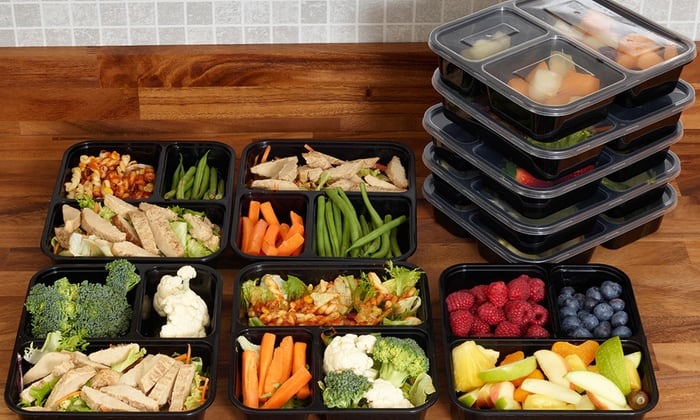 Next, you’ll need to organize your meals. Eating the same meal over and over again is boring. You won’t even last a couple of weeks if all you eat is rice and chicken. Instead, break your meals up. A good starting point is an alternating system of three main meal types. This way, your meal prep will last you six days. To make things clear, you’ll cook three types of meals and make enough of each for two days. In reality, the ingredients might be the same, but meal flavors and combinations are going to be different. After all, you need to enjoy food, otherwise, you’d just boil some chicken. Yuck!
Remember to buy stuff that you can in bulk. It’s cheaper and you can keep using them every week.
How To Avoid Boring Meals
Now that you know how to meal prep, let’s discuss the meals themselves. To prevent your meals from becoming boring you’ll need to introduce some variety. Be as creative as you like in that sense. Remember to keep bulk ingredients neutral (like rice or potatoes) and just introduce flavors and texture later.
For example, let’s say you have a batch of brown rice. Eating brown rice for a week is not a pleasant experience. Here’s how to make things interesting. For the first meal, go for an Asian twist. Throw in fried eggs, some chili, garlic, and cilantro in there. An avocado or some broccoli is also a perfect fit. Of course, add in the meat of choice.
Next, liven up your rice in an Indian fashion. Throw in some curry, cumin, and/or turmeric in some olive oil and add in the rice. You can even put some saffron in boiling water and add it in as well. Combine it with some steamed/stir-fried vegetables and some shrimp and you’re off.
Go for the classic to finish. Keep the rice plain but add in a different kind of meat. Let’s say you’ve got a good steak ready as part of your meal prep. While you reheat the steak and rice, you can whip up a quick mushroom sauce in about 5 minutes. Perfect!
You might’ve understood by now that you also need to bulk cook meat and veggies as well. Make sure you have at least two types of meat and a few different steamed, fried or simply chopped veggies. In terms of storage, let everything cool down, divide into Tupperware containers and place them in your fridge. Nothing to it.
Related Articles:
George Lockhart Nutrition and Weight System
The 5 Best BJJ Supplements
Foods TO Help WIth Fat Loss
Performance Nutrition For Grapplers
How to Eat Healthy for BJJ under $50 a week
The Paleo Diet For A Sustainable BJJ Lifestyle

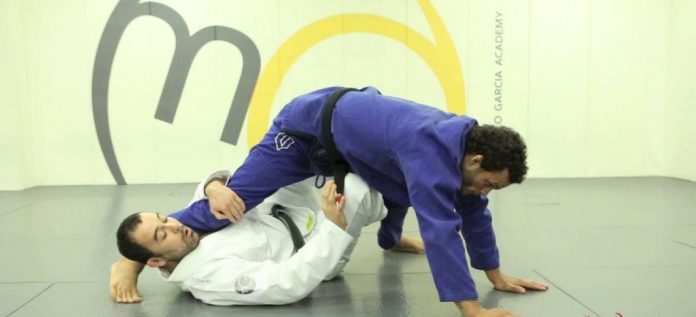
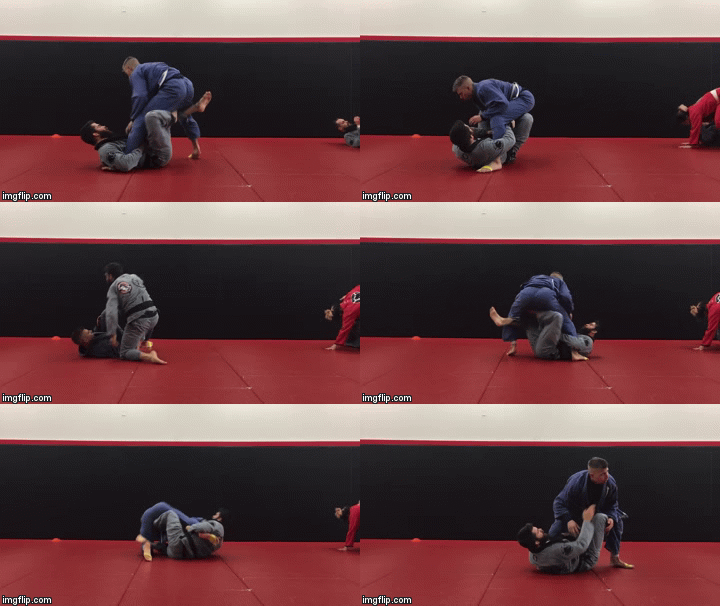 The basic idea of sweeping is to make your opponent base with one limb only, while the other is not touching the ground. From there, you choose the direction of sweeping based on the opponent’s reactions. From the X-guard, the X structure of your feet allows you to easily lift the opponent’s hip. That means that the far leg is going to be the one that goes off the ground in most cases. All you need to do is extend your legs. This is going to allow you to sweep to both sides, as well as over your head.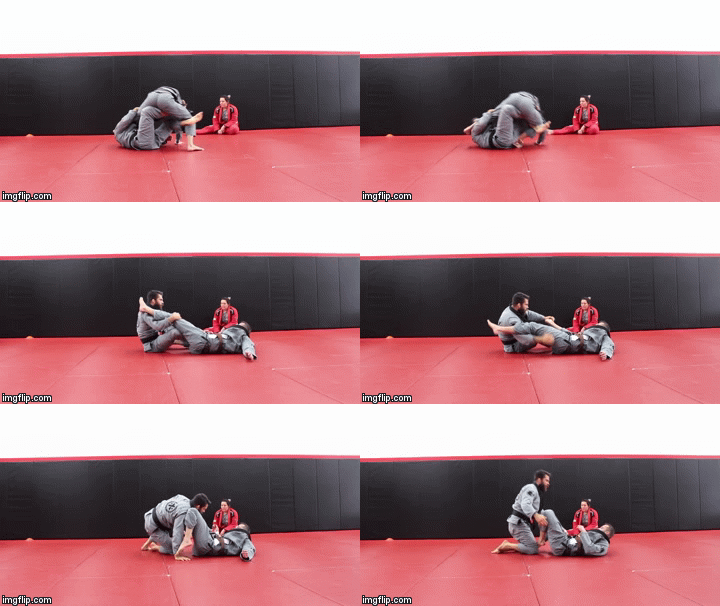
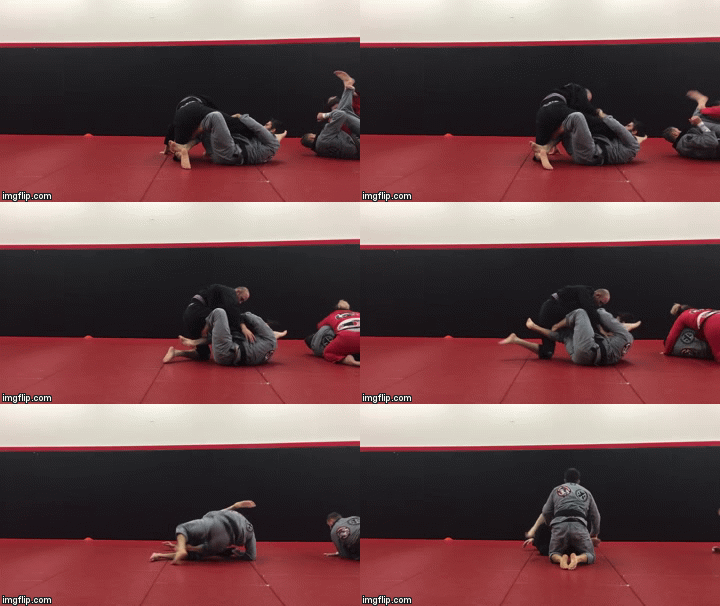 Also available is a sweep that focuses on lifting the other leg. First, you’ll need to extend the opponent’s hip with your legs, just like with the first sweep. Next, perform a technical standup, while keeping tight control of the leg that’s on your shoulder. Your opponent is going to have no choice but to fall down, with you in prime position for passing or a leg lock.
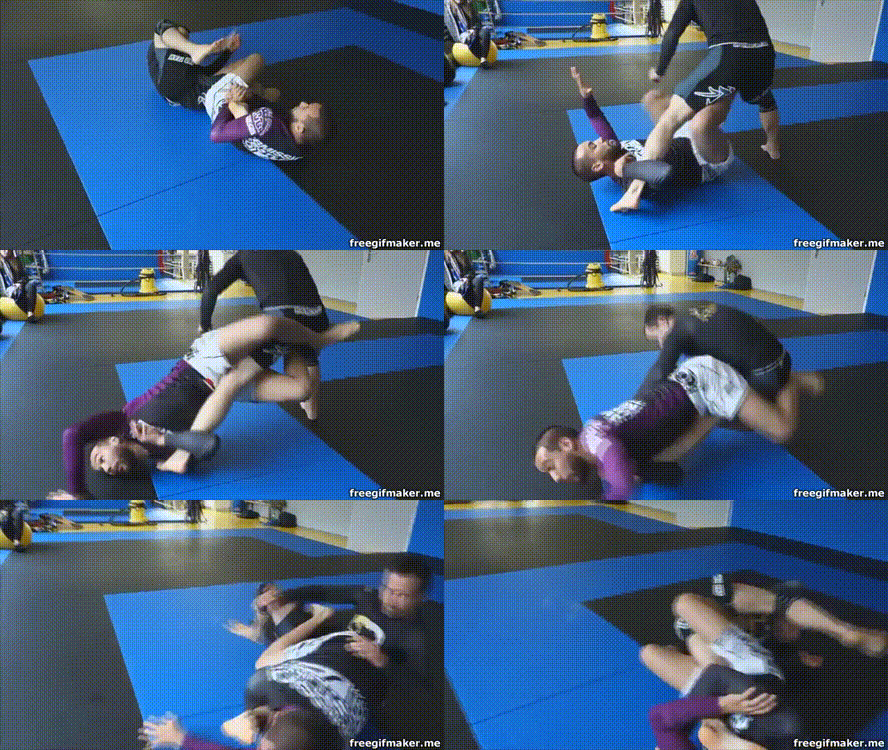 In terms of leg locks, you have virtually every lower body submission you can think of. For example, the kneebar is very easy to get. All you need to do is get the front hook off your opponent’s butt and swing it across the other leg. From there a simple shoulder roll is going to land you deep into a kneebar. You can finish there, or transition to a more dominant leg locking position, like the Inside Senkaku.
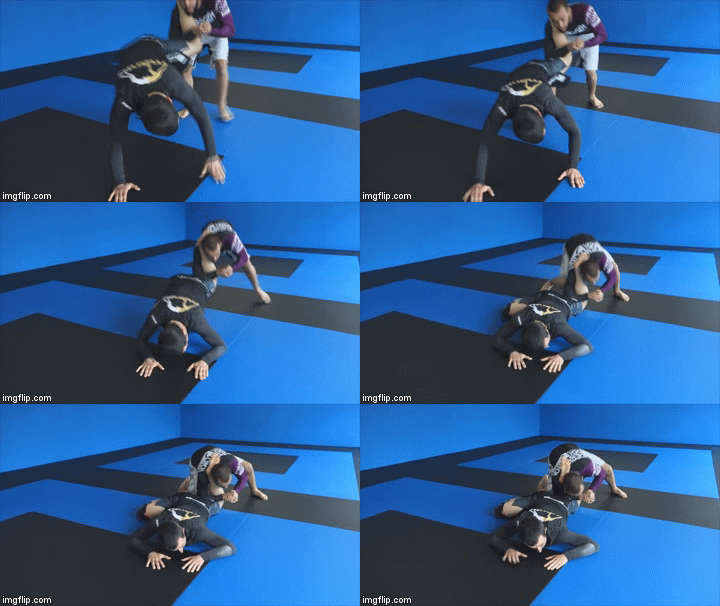 Off the technical stand-up sweep we covered earlier, you can hit a nasty calf slicer. When you go for the sweep, oftentimes your opponent is going to choose to turn in an attempt to run away. When they do this, just pull them down towards you, placing your forearm deep behind their knee. You’re then going to use your shoulder and your whole body to push their foot towards their butt.
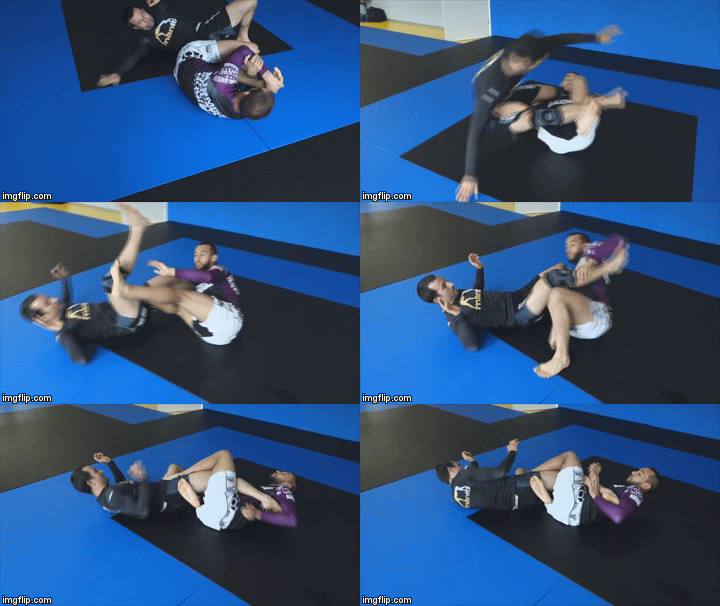 Also, you can always attack off a completed sweep. Instead of going up and passing, use the position that opens up. Both your feet are already among the opponent’s legs. All you need to do is enter into Ashi Garami and hit a heel hook or ankle lock.
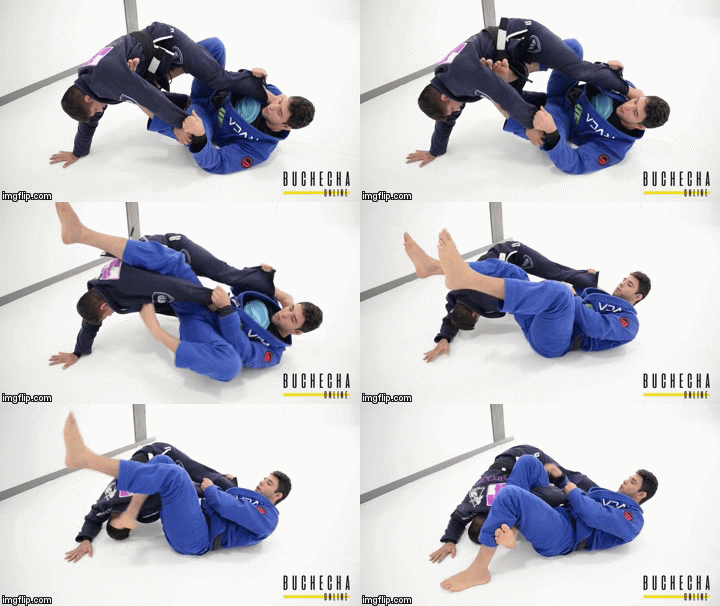 In order to get an upper-body submission from the X guard, You’ll need to off-balance your opponent once again. For an Omoplata, you’ll need to control the opponent’s arm via a sleeve grip and keep it as close to you as possible. Then, release the hip control and thread both legs on either side of the opponent’s trapped arm. The Omoplata is right there for the taking.
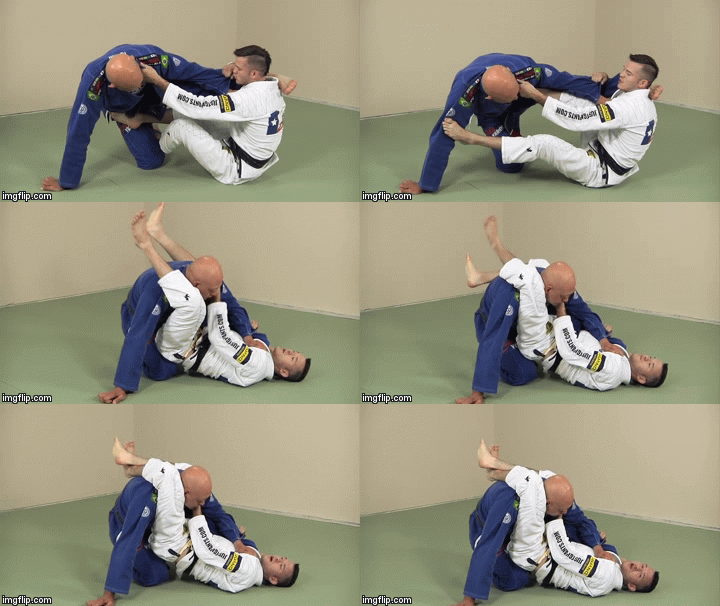 A triangle, on the other hand, is more direct. That said, it is not your usual triangle attack, to be honest. The same position of the arm is essential, i.e. a grip on the sleeve. This breaks the opponent’s posture enough for you to control their head and sneak one arm over their shoulder. Next, sneak your other leg all the way through, catching the opponent’s leg in the triangle along with their arm and neck. It is a leg in a triangle choke that nobody can defend!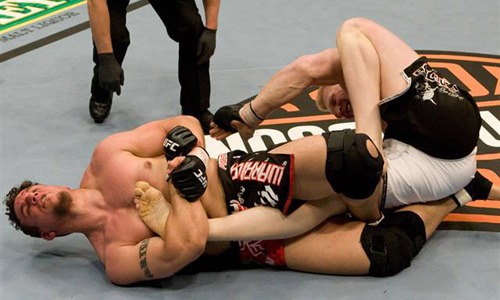
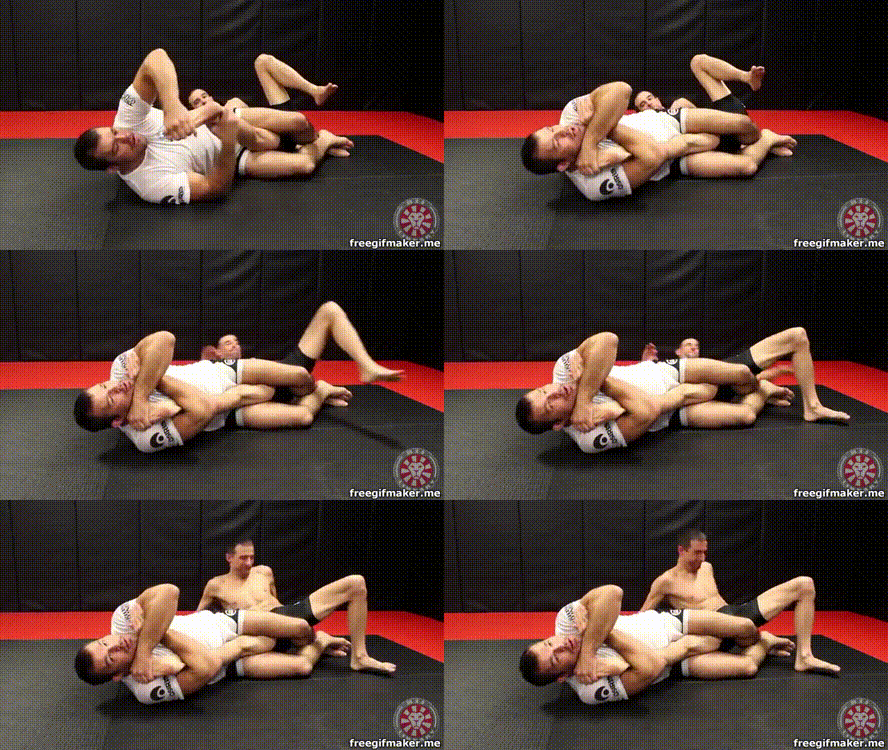 As with all other leg locks, the kneebar starts with correct body positioning. In other words, you need to obtain control over your opponent, before thinking about finishing. Ideally, you should have your body bent at 90 degrees in the knees and hips, respectively. This is the position that allows you to exert the maximal amount of power to finish the submission. It sets you up perfectly for a hip extension with a backward lean movement. To make more sense of the position, it is the same as with a basic BJJ bridge, only you’re on your side instead of your back.
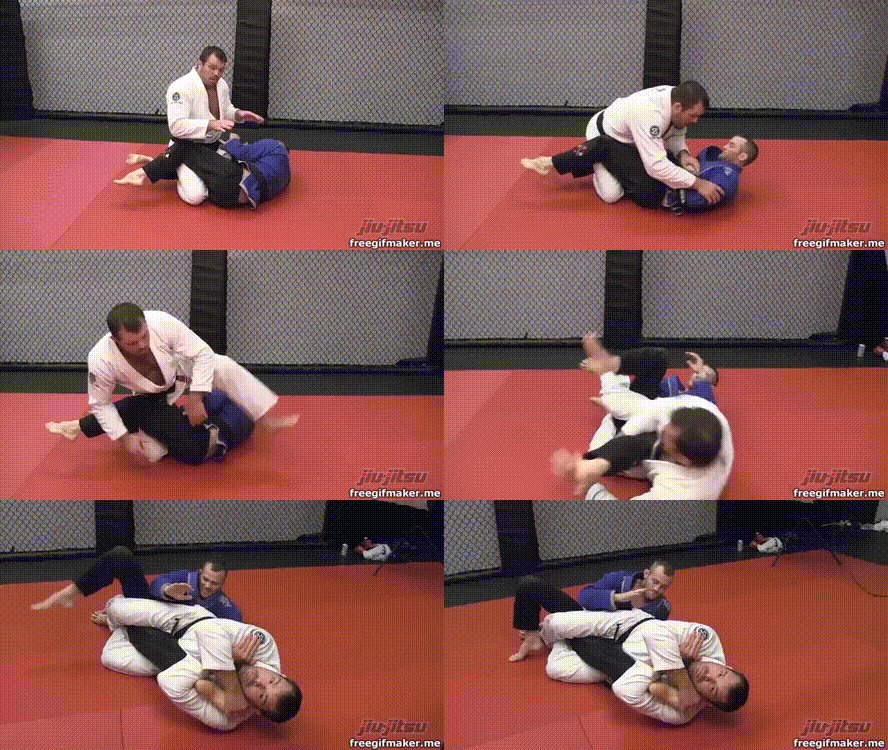 From the half guard, top or bottom, you just need to know which leg you’re attacking. For a kneebar, it is always the opposite side leg of the one that you have in the guard. From the top, all it takes is a little step over with your free leg and a semi-spin. An opponent looking to sweep or underhook is only going to make this easier.
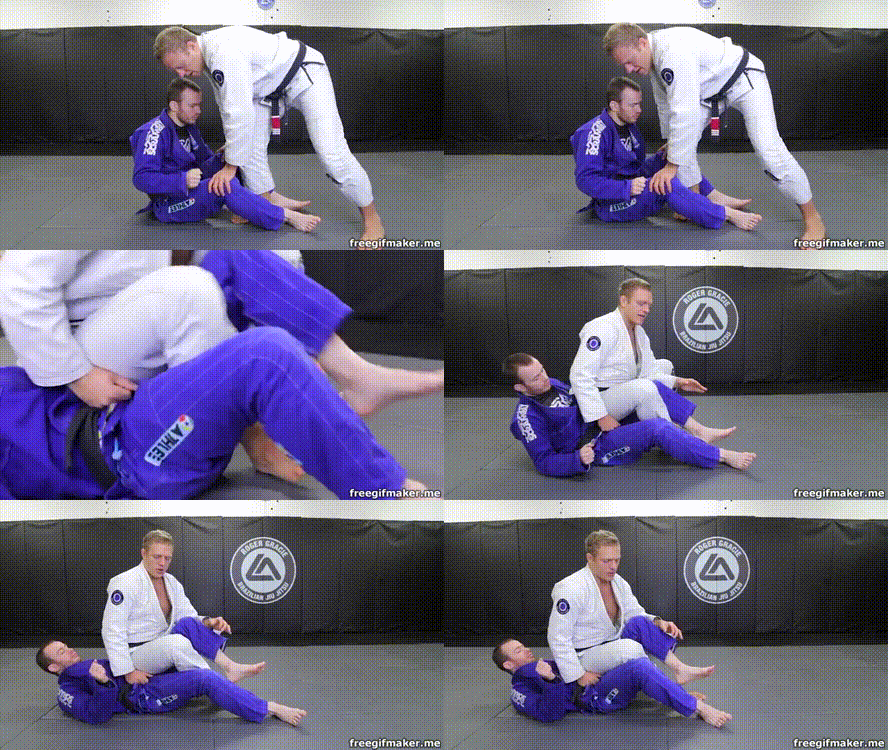 Whenever you’re up against an open guard you can go for the kneebar. It works best against open guard variations which include one leg on the outside. The De La Riva is a great example of this. Just like with the kneebar from the top half guard, you need a spin. Here, the spin is a little bigger, which means you’ll really need to drill it order to hit the kneebar efficiently.
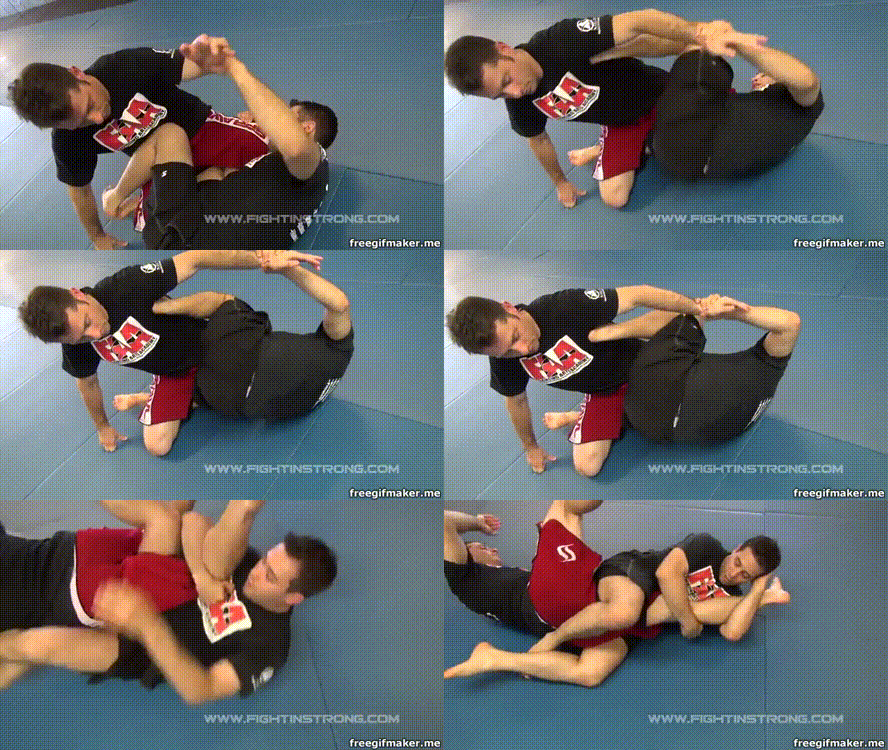 This attack is extremely direct. In the worst case scenario, you’ll end up wit ha sweep. That means you cans still hit a kneebar but from the top. Whenever in the bottom of half guard, you once again need to attack the free leg. The idea is to take your knee shield leg over to the other side of your opponent. You’ll need to thread it past their hips. next, you need to invert in order to get the opponent’s weight over you. From there you’re already in position. You can either spin under or to your side and you’ll get teh tap!
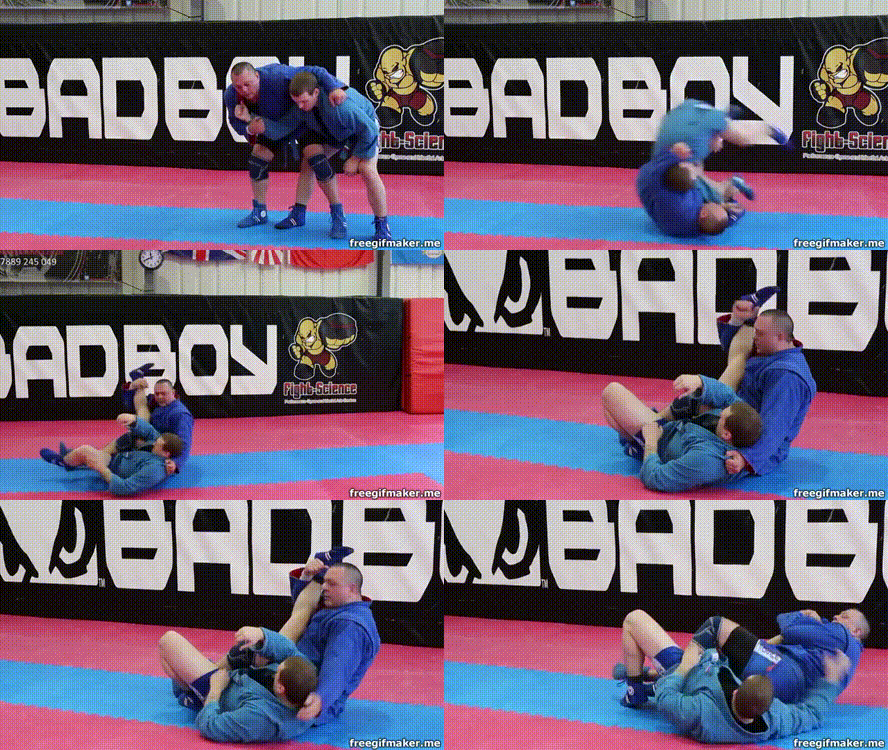 This one is the most popular kneebar setup in Sambo. The Victor roll is a great option to get both a takedown and a submission right away. You’ll need to be at the correct angle, so it works best off failed judo throw attempts. It is also very effective when an opponent slides behind you on the feet. As long as their arms are around your waist, you can hit the Victor roll kneebar immediately. It works at the highest levels of competition and is especially useful in No-Gi.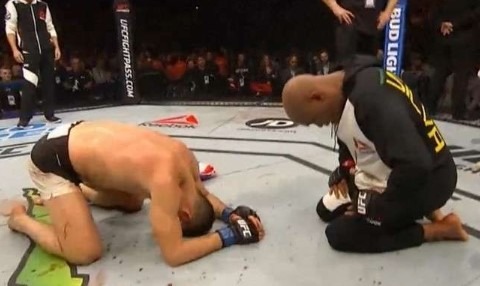
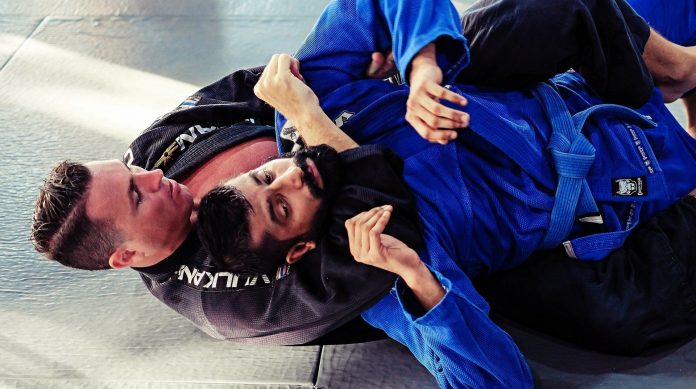
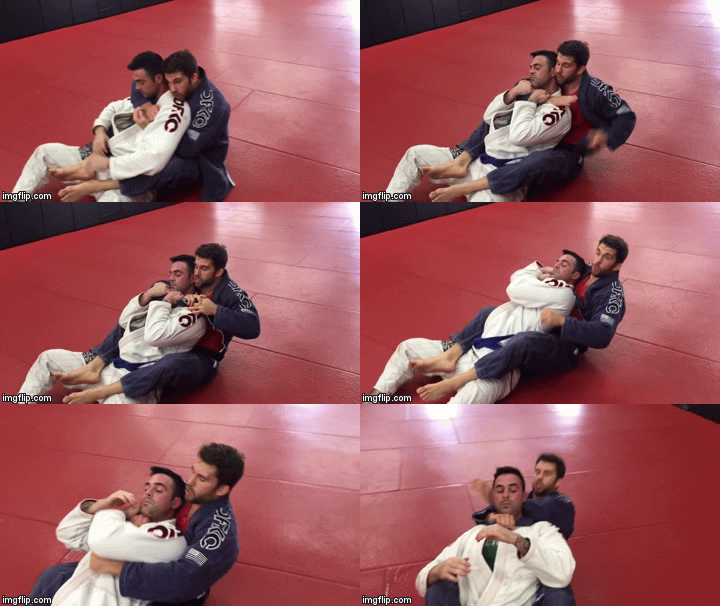 The problem with this back attacks is that people rarely think about linking them together. Provided you have a good grip fighting strategy it is always advisable to go for the RNC. The idea is that even if you can’t get deep enough, you’re still going to be able to grab a collar. the thing is that while you were digging for the RNC you’ve already reached more than enough depth for a very tight collar choke. Of course, you can always abandon the collar choke in favor of an RNC as well. You could even try to hit an RNC on the opposite side of a collar choke attempt.
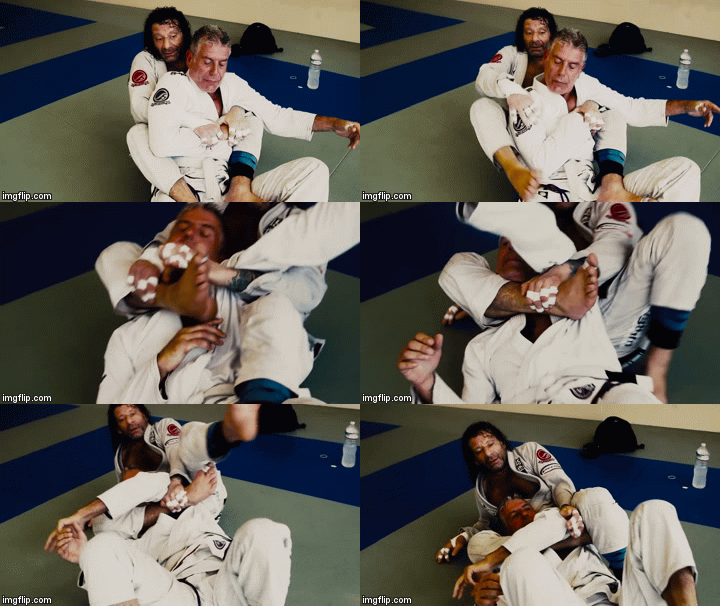 Whenever you are controlling your opponent’s back, you can think about triangle chokes in addition to your basic chokes. Setting it up is easy, especially when an opponent is trying to escape. The basic escape is for the opponent to bridge up until their head touches the mat. This is going to allow you to place both your feet on one side of their hip. For the triangle to work, this has to be the side of the seatbelt control that is over the neck. Once that’s done, simply raise your foot on that side toward the opponent chest, and grab it with your opposite arm. Lock on the triangle and you’re all set.
 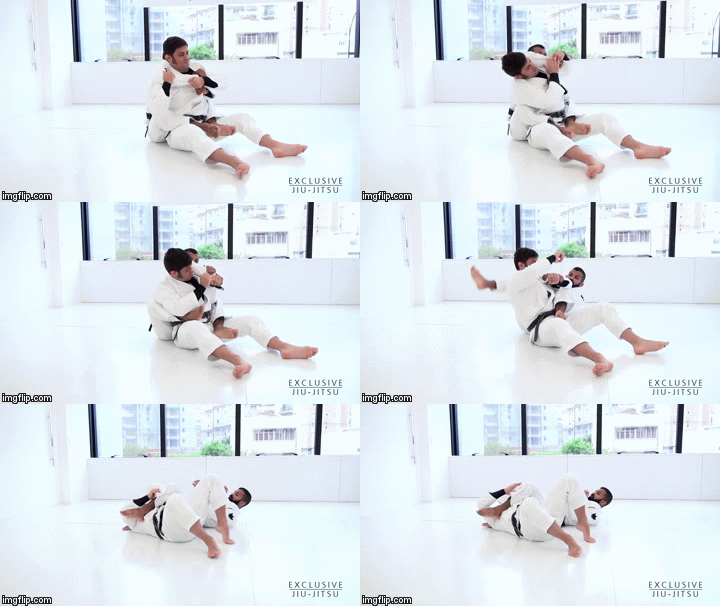 Now, finishing with a kimura from here is highly unlikely. Going for an armbar, however, is a tried and tested tactic. From the Kimura grip position you have, all it takes is to swing one leg over the opponent’s head and you’re in an armbar position. What’s even better is that you can, again, return to fullback control from the armbar position if you need to.
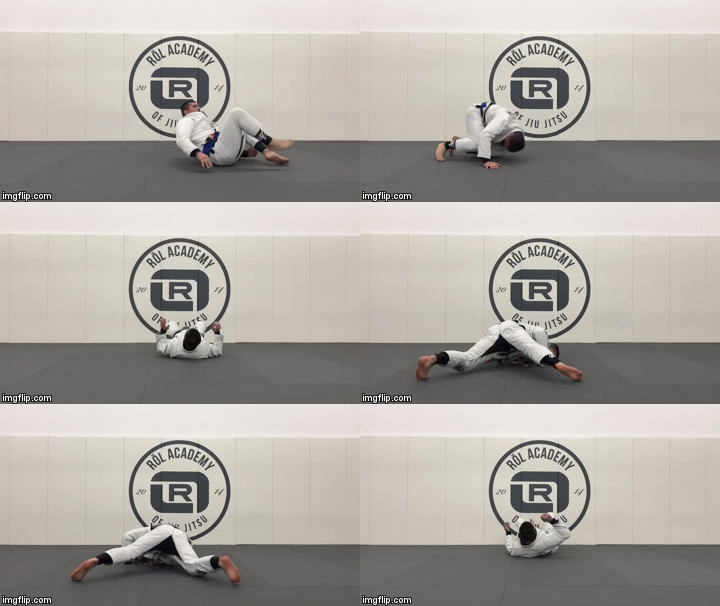 The top option to warm up for Jiu-Jitsu is performing specific drills. To be more precise, specific movement drills. There’s no rocket science here and these could be a warm-up on their own or follow a more traditional sequence. What you need to remember is to be careful not to go into more demanding moves from the start. Start with easy moves, like shrimping and bridging. Make sure to go for enough reps as well, so that you’re both loose and warmed up as you progress with the moves.
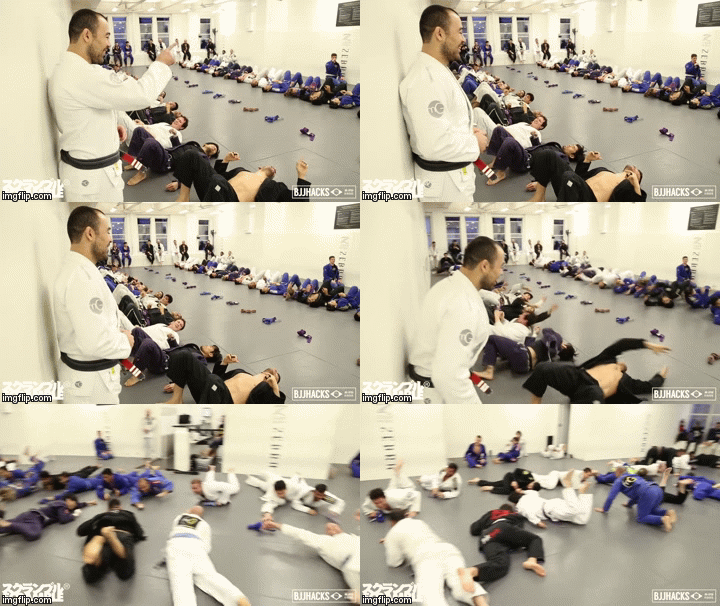 In kid’s classes, this is the preferred way to warm up. Going for games that include BJJ specific movements is not a bad idea for an adult class warm-up routine as well. The advantage of games is that they include the whole class at once, making them both fast and effective. Furthermore, a good selection of games means you’ll be ready for the demands of grappling.
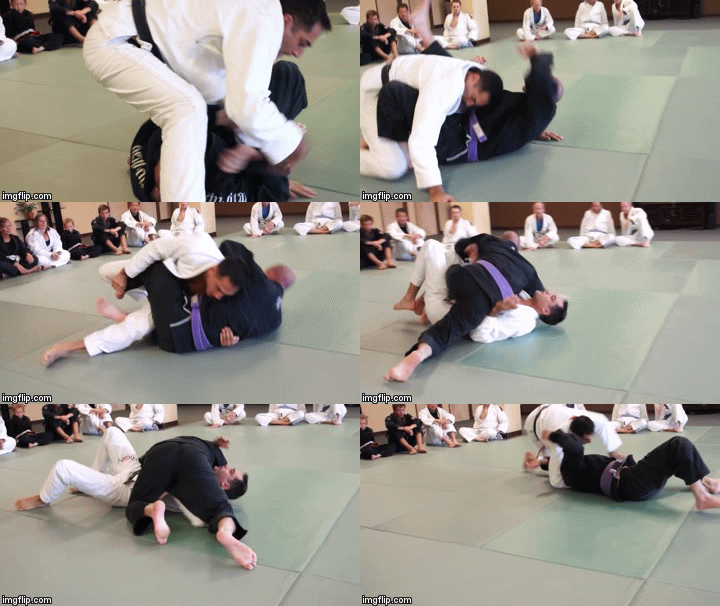 There’s no way that we can exclude flow rolling as a legitimate way to warm up for BJJ. After all, it is as specific as a BJJ warm-up can get. The trouble is that very few people actually know how to “roll light”. As far as advanced BJJ warm-ups go, flow rolling is at the very top. People below the purple belt shouldn’t even think about it. Furthermore, it is not advisable for competitors, unless they’re really good at flowing to warm up like this. Competitors are battle-minded and always looking for an advantage that goes against the nature of flow rolling.
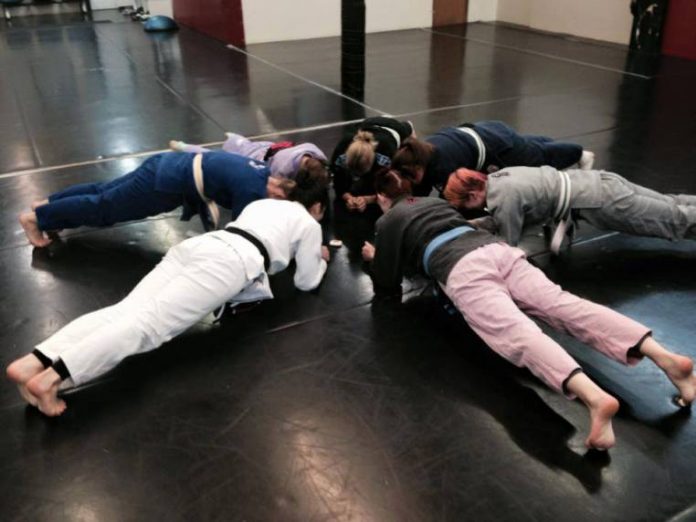
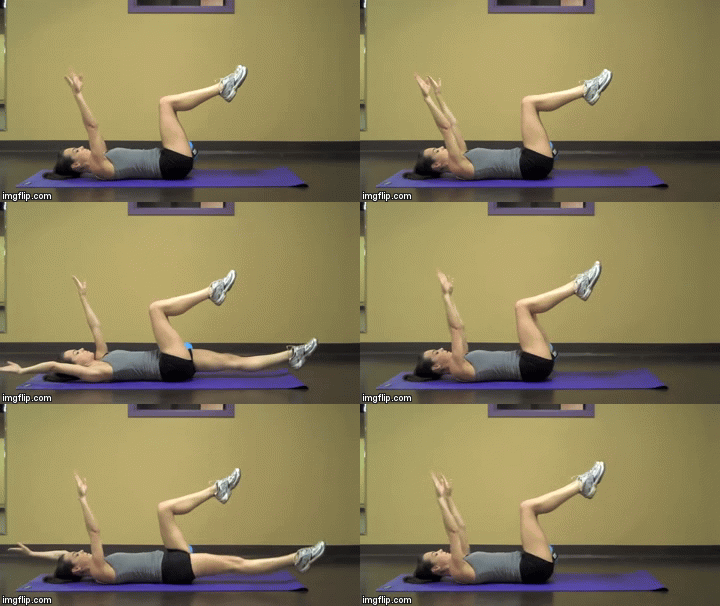 These hit the transverse abdominis while keeping your spine neutral. The basic version is simple, but once you master it you can add external resistance. Bands are the best fir to make this exercise harder.
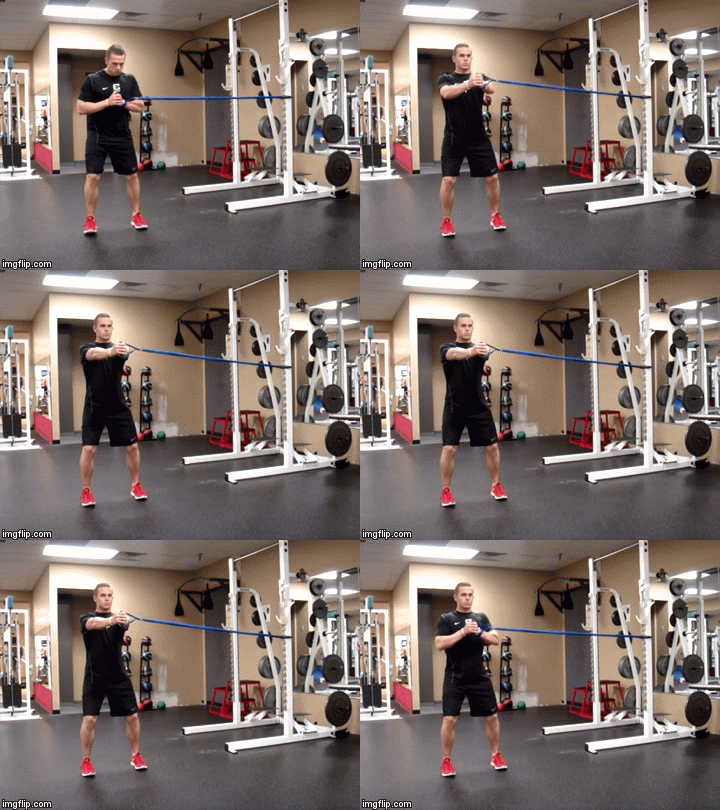 Anti-rotation exercises are as important as they are underestimated. When performing planks, grapplers usually gain some benefits of this type of movement but it is not enough. Here’ a great exercise to include in your BJJ core workout
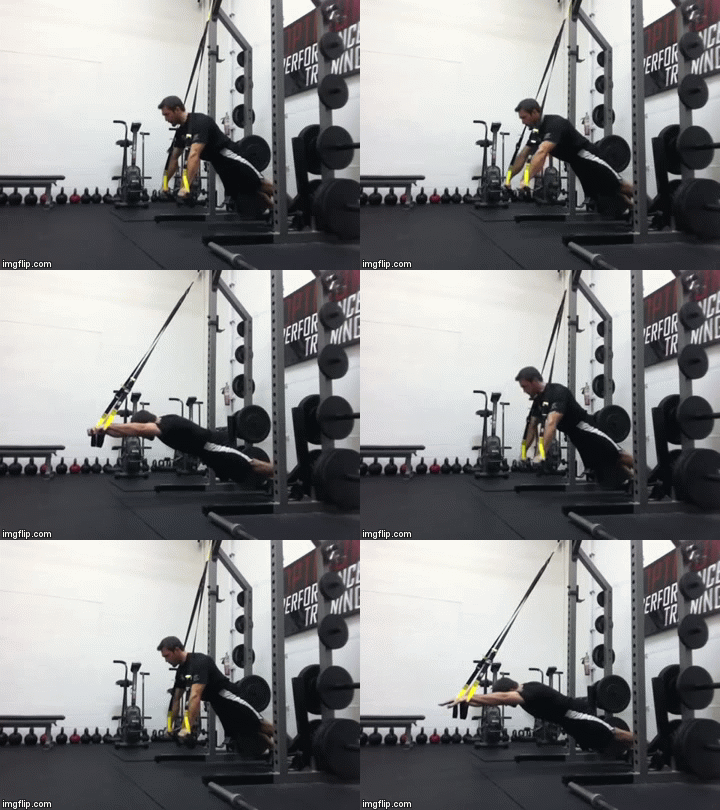 This exercise focuses on lumbar extension as the main motion pattern. Fallouts are arguably the most challenging anti-extension exercises out there. If you decide to stand on one leg only while performing them there’s the added bonus of anti-rotation as well.
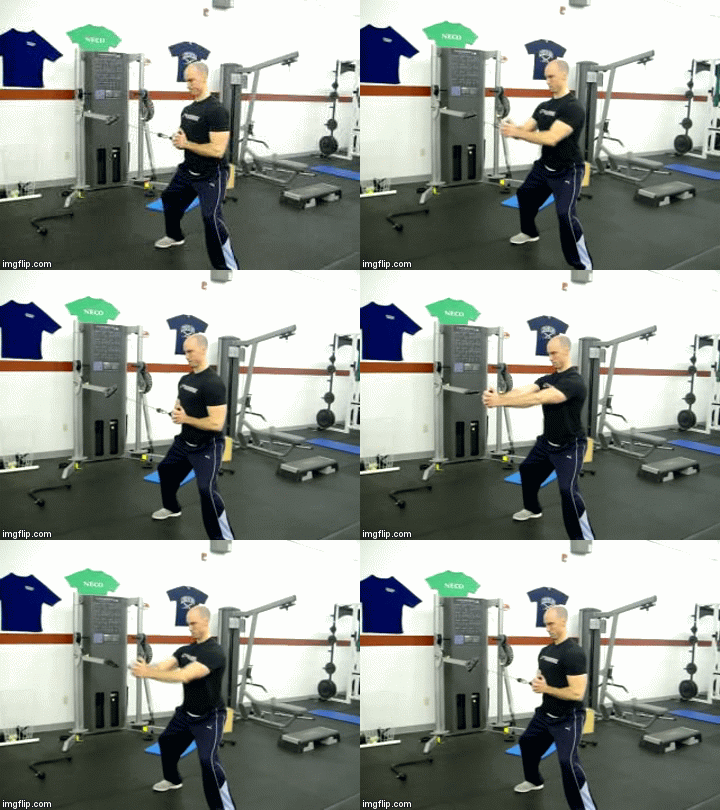 This is probably the most popular anti-rotation exercise that includes moving your arms. Maintain a neutral spine and a firm core. At the same time, the goal is to move your arms and legs. You can see why this is a crucial exercise with a great carry-over to Jiu-Jitsu.
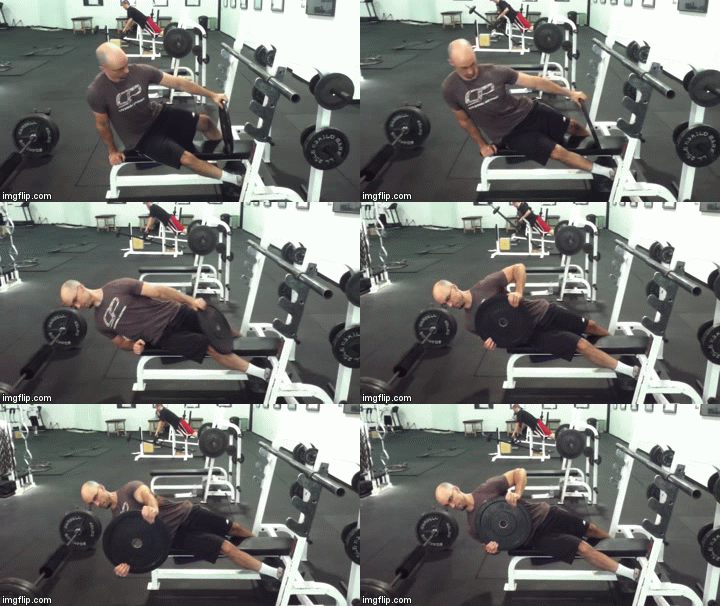 This one requires a partner to anchor you down. Apart from this, it is by far the ultimate anti-lateral flexion exercise out there. Go with just your bodyweight on these at first. Be aware that weighted versions require a lot of time and repetition.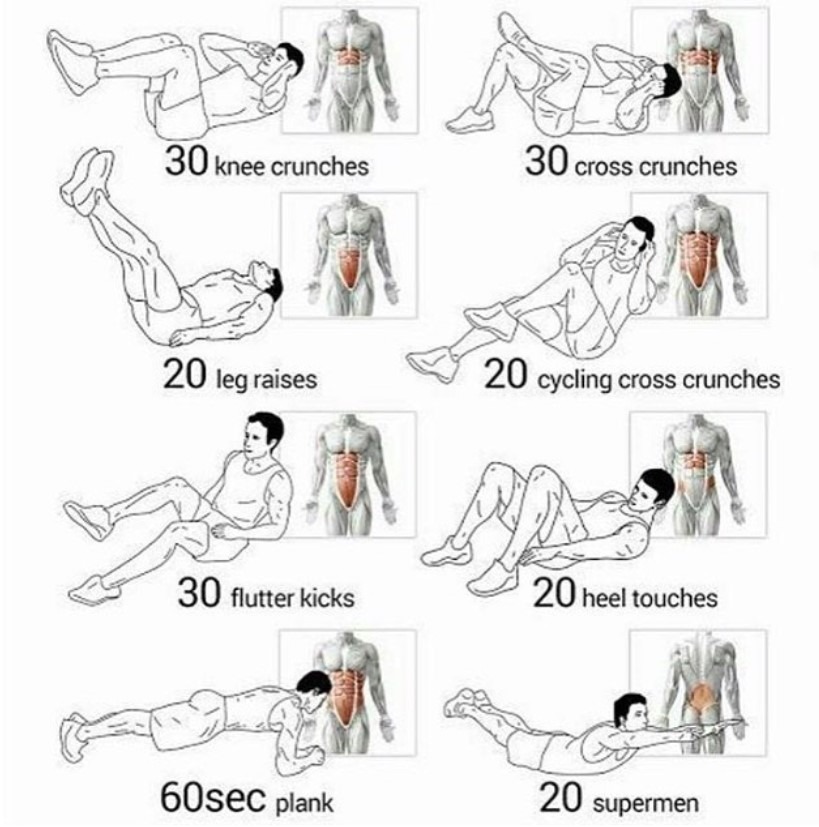
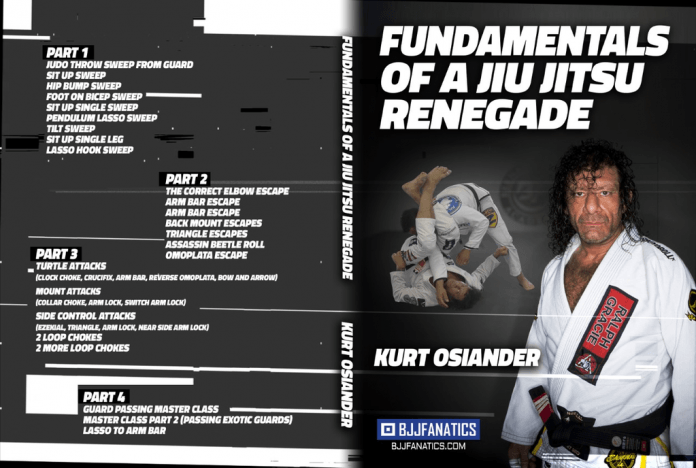
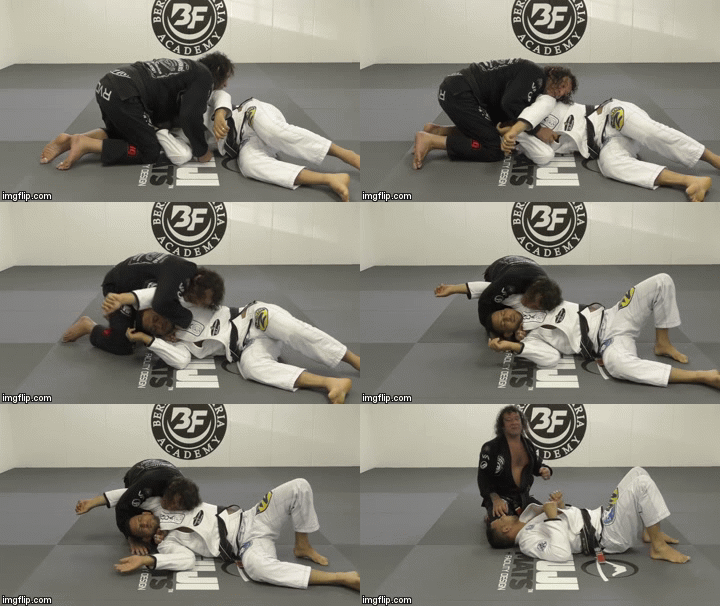 Finally, it’s loop choking time from side control. Not only loop chokes, but there are triangle choke, Ezekiel, and armlocks as well. However, the main focus is on the loop choke. Not only one though, but four of them, organized perfectly into a system of side control attacks that’s going to catch everyone by surprise.
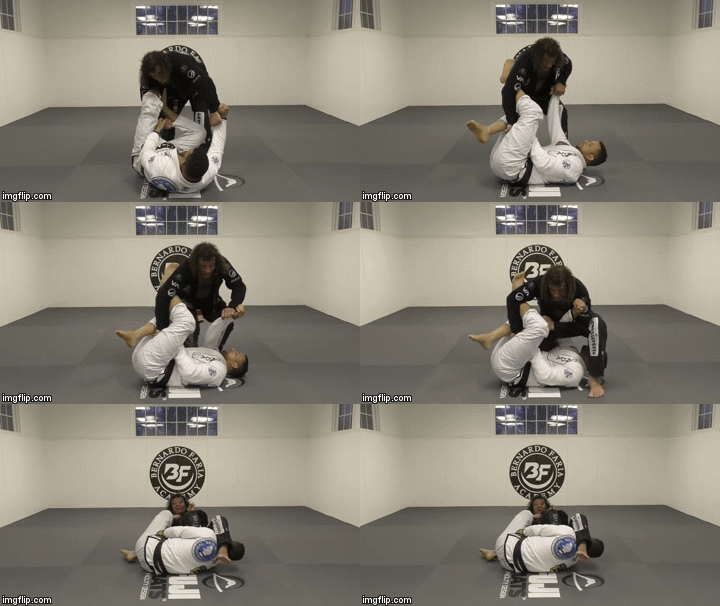 The DVD has just three distinct chapters, only one of which is a technique one. The other two are simply masterclasses on how to pressure the hell out of your opponent when passing. Kurt obviously deemed it necessary to do two masterclasses on the subject instead of one. Furthermore, the second one is all about passing more exotic guards with ease, Osiander style!