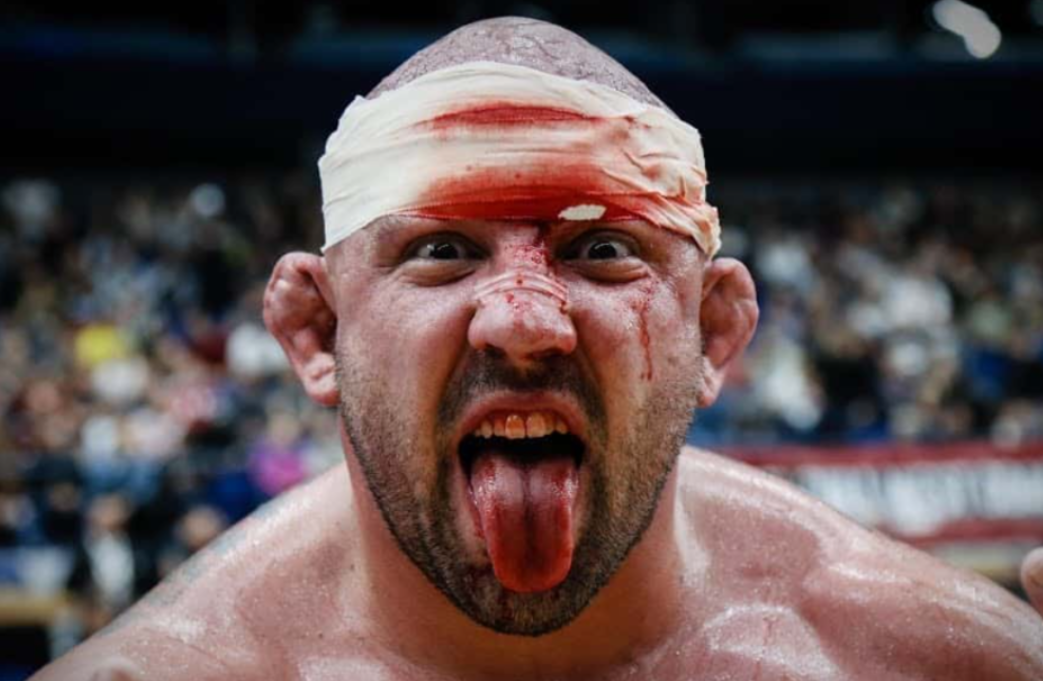
Jiu-Jitsu for Weight Loss: Can You Burn Calories Doing BJJ?

Jiu-Jitsu for Weight Loss: Can You Burn Calories Doing BJJ?

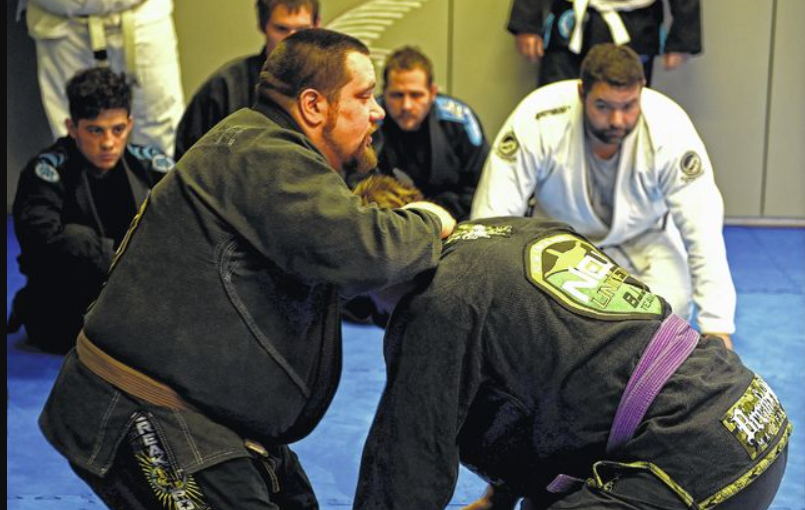
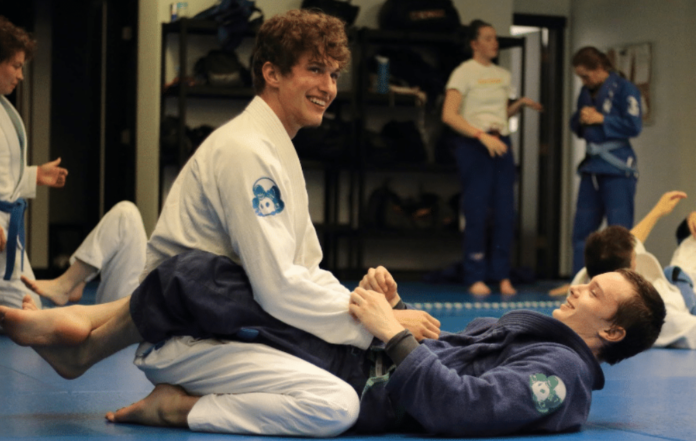
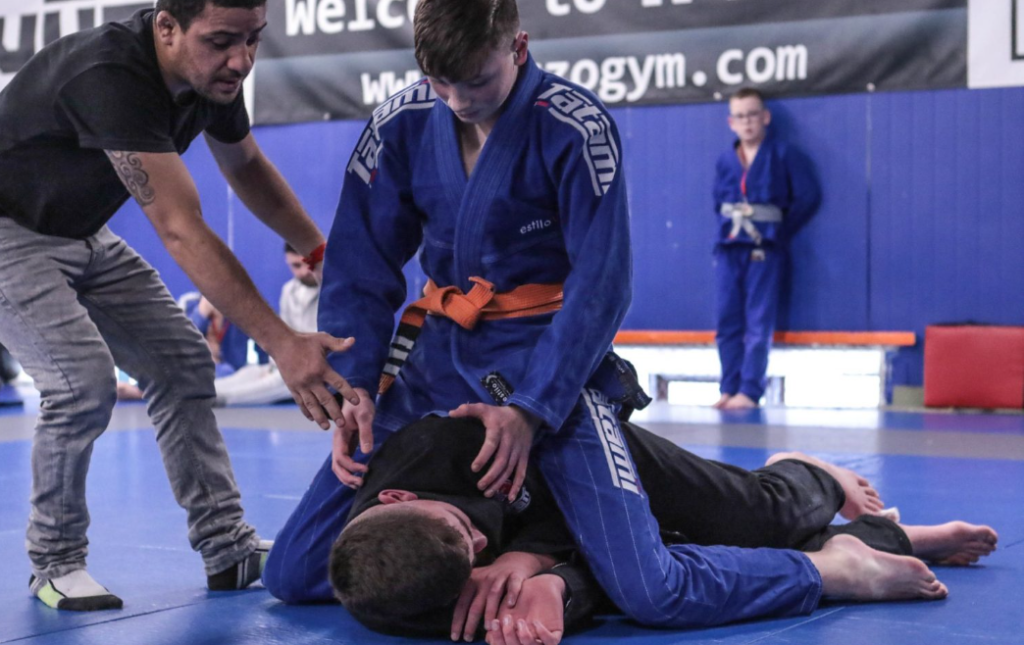
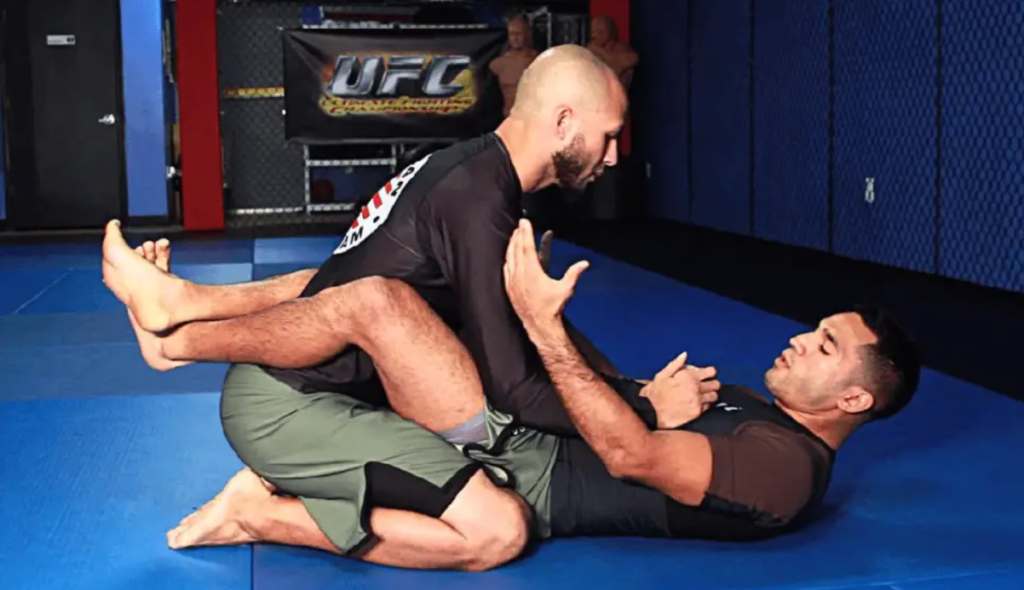
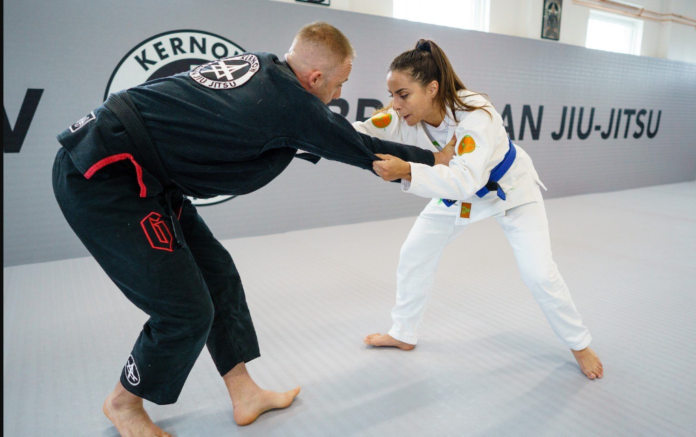
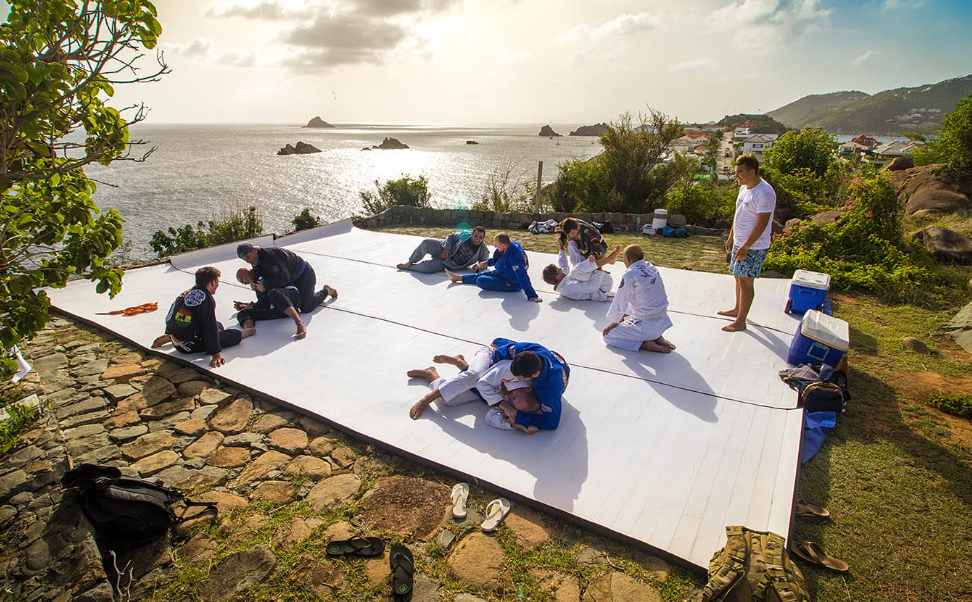
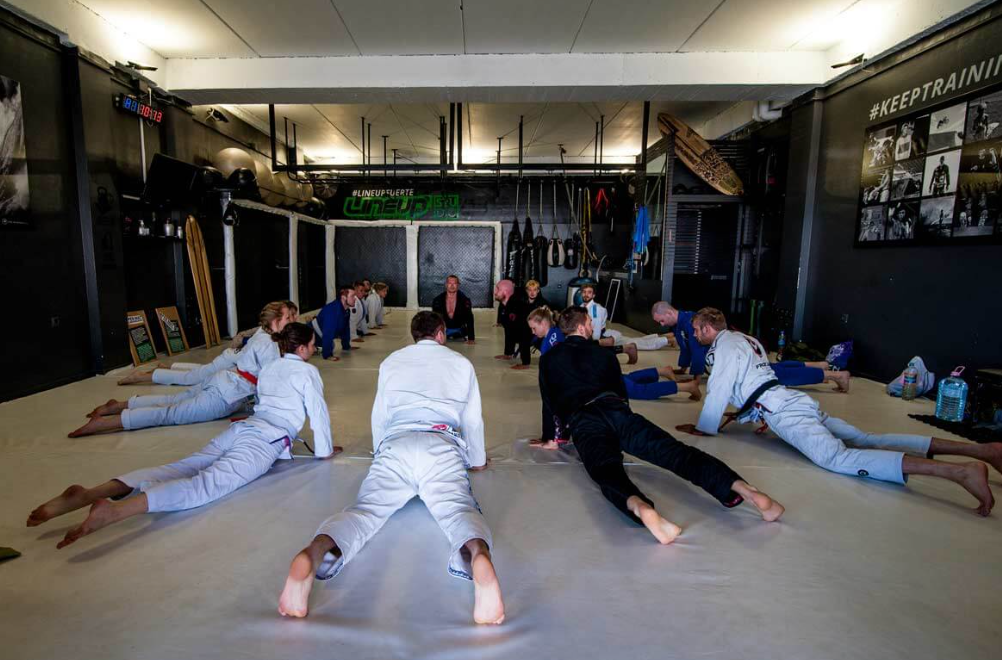
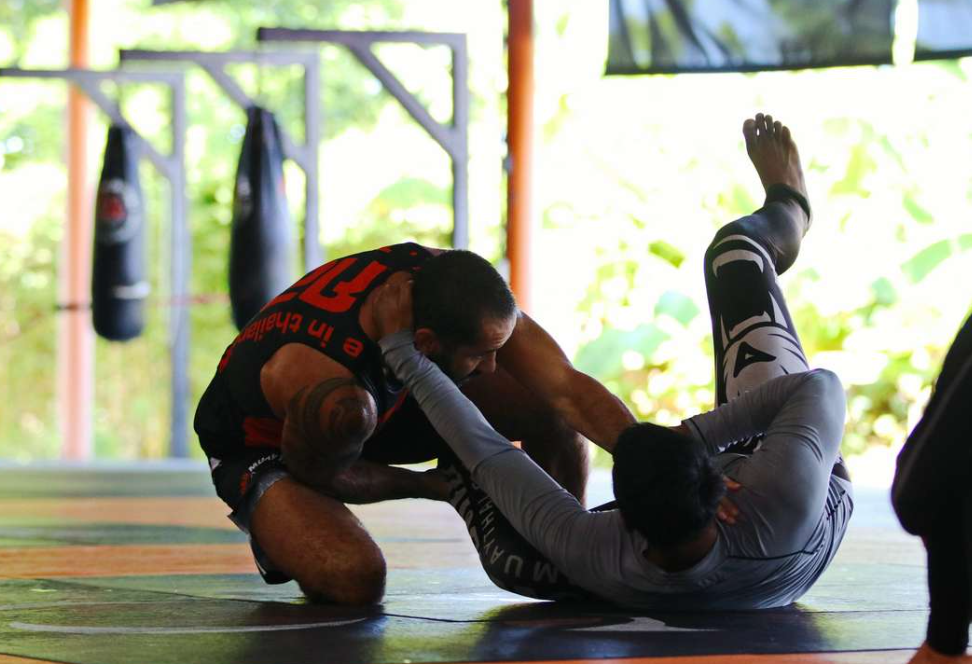
Have you wondered whether you can use Jiu-JItsu for weight loss and how many calories you can actually burn while grappling? Brazilian Jiu-Jitsu is a martial art that focuses on grappling and ground fighting. BJJ is not only a fun sport and great self-defense skill but also a fantastic way to exercise that can help you burn calories and lose fat.

In this article, we will explore how Jiu-Jitsu can help you achieve your weight loss goals and improve your physical and mental well-being. We will also compare weight loss and fat loss, and explain why they are different concepts. Finally, we will discuss weight loss vs weight cutting in BJJ, and why you should be careful about the latter.

How Brazilian Jiu-Jitsu Helps You Burn Calories

Jiu-Jitsu is perfect for weight loss on account that it is a high-intensity activity that engages the entire body in every training session and requires the use of all three metabolic energy systems. When you train Brazilian Jiu-Jitsu, you are constantly moving, pushing, pulling, twisting, lifting, and resisting your opponent’s force. This requires a lot of strength, stamina, endurance, and coordination. As a result, you burn a lot of calories during your training session.

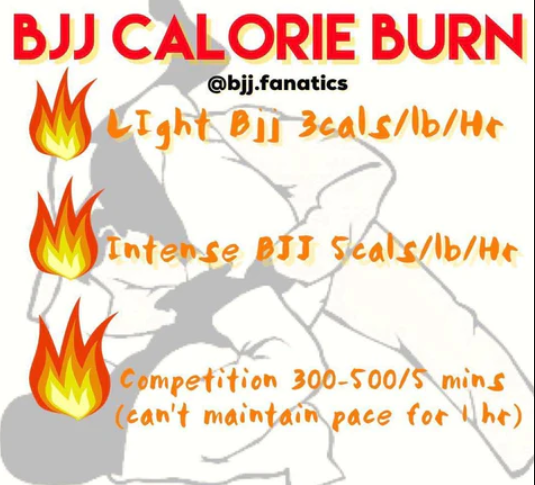
How many calories does jiu-Jitsu burn? It all depends on different things like your weight, the intensity of your training, your skill level, and the duration of your session.

However, according to some estimates, an average person can burn anywhere from 500 to 1000 calories per hour of jiu-jitsu training. That’s significantly more than jogging or basketball!

Of course, these numbers are only rough estimates and may vary depending on your individual circumstances.

Still, they give you an idea of how effective grappling martial arts like Jiu-Jitsu can be for burning calories and losing weight. To get a more accurate estimate of how many calories you burn during BJJ training, you can use a calorie calculator or a fitness tracker.

Caloreis burned during Jiu-Jitsu

How Jiu-Jitsu Can Help You Lose Fat

Burning calories is not the only way that Jiu-Jitsu can help you lose weight. Training BJJ can also help you lose fat by increasing your muscle mass and improving your metabolism, and hormonal balance.

Muscle mass: Jiu-jitsu is a great way to build lean muscle mass throughout your body. Having more muscle helps you burn more calories by increasing your basal metabolic rate (BMR), even when you’re not doing anything.

Metabolism: BJJ can also boost your metabolism by creating an afterburn effect or excess post-exercise oxygen consumption (EPOC). This means that after a high-intensity workout like Jiu-Jitsu, your body continues to burn calories at a higher rate for several hours or even days. The reason behind this is that your body requires an increased supply of oxygen to recuperate from physical activity and reestablish its typical physiological processes.

Hormonal balance: BJJ effectively addresses hormonal balance by reducing stress hormones like cortisol and increasing growth hormones like testosterone and human growth hormone (HGH). Cortisol is a hormone that promotes fat storage and muscle breakdown when it is elevated for too long. Testosterone and HGH are hormones that promote muscle growth and fat burning when they are optimal.

How Much Fat Can BJJ Training Help You Lose?

Well, that also depends on several factors, such as your calorie intake, body fat percentage and training frequency. However, according to some estimates, an average person can lose about 1-2 pounds of fat per week after they start training Jiu-Jitsu 3-4 times a week and focus on eating a healthy diet.

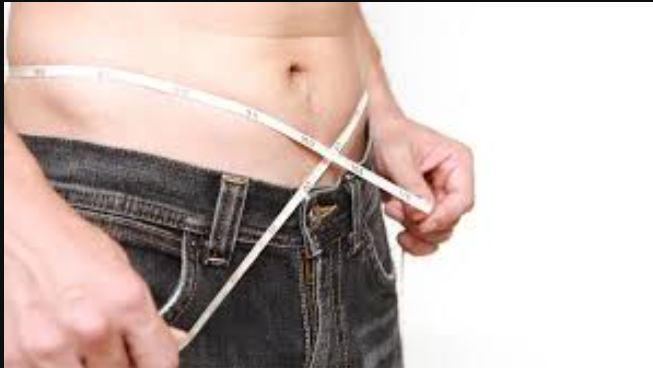
Of course, these numbers are only rough estimates and may vary depending on your individual circumstances. However, they give you an idea of how effective BJJ for weight loss can be when it comes to stripping off and improving your body composition. To get a more accurate estimate of how much fat you lose with Jiu-Jitsu training, you can use a body fat scale or caliper, or a tape measure.

JIu-JItsu for weight loss

Weight Loss vs Fat Loss: What’s the Difference?

Let’s get one thing straight. Losing weight and losing fat are different things.

Weight loss means reducing the overall weight of your body, which includes muscles, water, bones, and fat.

Fat loss means reducing the amount of body fat relative to your overall weight, as represented by your body fat mass-to-total body mass ratio.

Why does this matter? Because weight loss is not always a good indicator of health or fitness, as it can also include muscle loss, water loss, or bone loss.

Muscle loss can reduce your strength, performance, and metabolism. Furthermore, water loss can cause dehydration, fatigue, and electrolyte imbalance. If your bones become weaker, you have a higher chance of developing osteoporosis, breaking bones, and getting hurt.

Fat loss, on the other hand, is helpful rather than harmful. First, it improves your health, fitness, and appearance. Next, it helps reduce your risk of chronic diseases, enhances your performance, and makes you appear leaner and stronger.

Therefore, when you train Jiu-Jitsu for weight loss, you should focus more on losing fat than losing weight. Jiu-Jitsu burns calories that will result mostly in fat loss, but only if you pair it with a proper weight loss program in terms of a diet that has you at a strategic caloric deficit while you’re actively training grappling.

Brazilianb Jiu-Jitsu fat loss

Weight Loss vs Weight Cutting in Jiu-Jitsu

Another thing we need to clarify is the difference between weight loss and weight cutting in jiu-jitsu.

Weight loss refers to the long-term process of reducing your body fat percentage through exercise and nutrition.

Weight cutting refers to the short-term process of reducing your body weight through dehydration and calorie restriction before a competition.

Why do some Jiu-Jitsu practitioners cut weight before competitions? Because most competitions have weight classes, some practitioners believe that cutting weight can give them an advantage over their opponents by allowing them to compete in a lower weight class where they may be stronger or faster than their opponents.

What are the pros and cons of cutting weight for Jiu-Jitsu competitions? Cutting weight can have some benefits, such as:

  • Making it easier to qualify for a lower-weight class;
  • Giving you a psychological edge over your opponent;
  • Making you feel lighter and more agile.

However, cutting weight can also have some drawbacks, such as:

  • Reducing your strength and endurance;
  • Increasing your risk of injury and illness;
  • Affecting your mood and mental state;
  • Causing dehydration and electrolyte imbalance;
  • Compromising your recovery and performance.

How do weight loss and weight cutting compare in terms of their effects on health, performance, and body composition?

Weight loss can improve your health, performance, and body composition by reducing your body fat percentage, increasing your muscle mass, metabolism, and hormonal balance. It also plays an important role in enhancing your fitness, strength, flexibility, coordination, self-confidence, discipline, and stress management, all important qualities for a Jiu-Jitero.

Weight cutting can impair your health, performance, and body composition by reducing your muscle mass, metabolism, and hormonal balance, and compromising your fitness, strength, flexibility, coordination, self-confidence, discipline, and stress management.

Therefore, weight loss is generally better than weight cutting for improving your health, performance, and body composition in jiu-jitsu. In any case, you should also consult a professional before attempting to cut weight, as they can advise you on how to do it safely and effectively.

Losing Weight with grappling

How to Use Jiu-Jitsu for Consistent Weight Loss

If you want to achieve serious calorie burning as a grappler, you need to set up both your training and your nutrition to support that goal. Here’s the “magic formula”:

You need to eat fewer calories than you burn in a given day in order to shove your metabolism towards fat-burning and inevitable weight loss. The trick is not to restrict calories too much or your body is going to resist the urge to increase metabolism.

You don’t have to follow complicated formulas to calculate your daily calorie needs. Just start by giving up on eating unhealthy foods and focus on eating three meals a day. the measurements are two fist-sized servings of protein, a palm-sized portion of carbs, and a thumb-sized position of fats per meal.

After a couple of weeks of eating like this, reduce the amount of carbs slightly to keep burning fat.

Eating like this won’t affect your athletic performance which means you can get all the workouts that you need at any average BJJ gym. One way you can use a regular BJJ class for sustainable weight loss is to use rolling as your main cardio workout.

Regardless of what belt you are in, focus on rolling hard and going fast, without paying too much attention to strategy or tactics. You’ll still have fun pulling off your favorite BJJ techniques but you’ll have to do it at a higher pace, which will get you better conditioned, improve your Jiu-Jitsu game and help you achieve substantial weight loss over time.

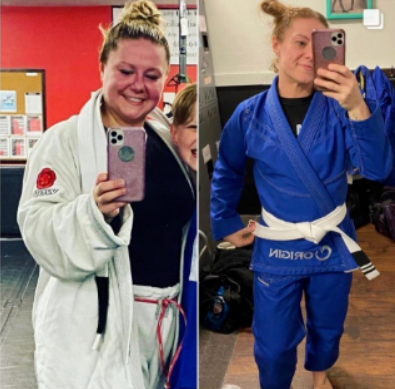
Maintaining a caloric deficit while avoiding fad diets and training purposefully is all you need to use Jiu-Jitsu for weight loss. BJJ is an extremely effective martial art for getting people into shape, regardless of their natural tendency towards athleticism.

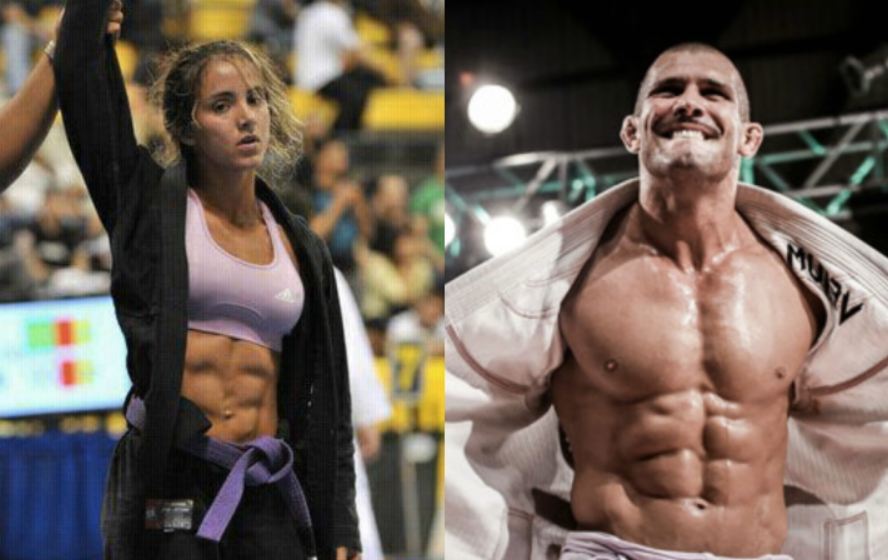
BJJ practitioners that have been training for longer than 2 years are usually athletic, carry little body fat, and have great conditioning (and mostly no problem in staying away from junk food).

Conclusion

In conclusion, Jiu-Jitsu is an excellent weight loss plan to help you improve your health without the boredom of running on treadmills or starving yourself.

Jiu-jitsu can help you burn up to 1000 calories per hour and increase your muscle mass, metabolism, and hormonal balance.

Jiu-jitsu can also help you reduce stress and anxiety, which are known to cause weight gain. Jiu-jitsu can also teach you discipline and self-confidence, which can help you adopt a healthy lifestyle and avoid unhealthy habits.

You should also be careful about cutting weight for BJJ competitions, as it can have negative effects on your health and performance. You should consult a professional before attempting to cut weight for jiu-jitsu competitions, as they can advise you on how to do it safely and effectively.

Read more articles on the topic:

The Fighter Diet: What BJJ/MMA Fighters Eat to Lose Weight Quickly (and Safely)

The Best Fat Loss Conditioning Exercises For Jiu-Jitsu

Top Foods To Help With Fat Loss For BJJ

Big Muscles In BJJ: Can You Get Jacked From BJJ?

The Only 3 Positions in BJJ You Will Ever Need To Dominate

The Only 3 Positions in BJJ You Will Ever Need To Dominate

Brazilian Jiu-Jitsu is a martial art that focuses on grappling and ground fighting. It is based on the principle that a smaller and weaker person can defeat a larger and stronger opponent by using leverage, technique, cunning, and submissions.

But how do you get to a position where you can apply those submissions? And how do you prevent your opponent from doing the same to you?

That’s where the positions in BJJ come in.

The positions in BJJ are the building blocks of the art, as they allow you to control your opponent, attack or defend yourself, and escape from danger. Knowing the basic positions in BJJ and how to transition between them is essential for improving your skills and performance on the mat.

In this article, we will cover the basic BJJ positions, such as the guard position, the full mount position, the side control position, and the back control position. We will also explain which are the only ones you need, and how to focus on perfecting them both as a beginner and intermediate Jiu-Jitsu practitioner.

You actually need a lot less than you think you do to be successful at all levels in the sport of Brazilian Jiu-Jitsu.

By the end of this article, you will have a solid understanding of the positional hierarchy in Jiu-Jitsu and how to use only three positions in BJJ to gain an advantage over anyone, rather than having to deal with many positions and variations and end up confused.

Let’s get started!

Controlling positions in BJJ

The Guard(s)

The guard refers to all those positions in BJJ where you are on your back and you have your legs in between you and your opponent. It is one of the most common and versatile basic Jiu-Jitsu positions, as it allows you to attack with sweeps, submissions, and transitions while preventing your opponent from passing your legs and gaining a dominant top position.

There are many variations of the guard, but at the end of the day there are only two that matter :

  • Closed guards: the full guard, where you lock your ankles behind your opponent’s back and the half guard position where you lock your legs around an opponent’s thigh, being the most obvious ones, and
  • Open guard: tens, if not hundreds of positional variations where you don’t lock your ankles but use your feet to control your opponent’s hips, knees, ankles, or upper body. Examples include the butterfly guard, the spider guard, the De La Riva guard, X Guard, and many more.

Each type of guard has its own characteristics, advantages, and disadvantages. The closed guards offer better control and make it a lot more difficult for the top person to break out. Open guards are more offensive but offer a lot less positional stability.

Closed Guard Tactics for Brazilian Jiu-Jitsu White and Blue Belts

Focus on the closed guard. Your A game should be keeping people in the closed guard without fatiguing, and aiming to get a submission, sweep, or the back from there. Gi or No-Gi, versus peers, more advanced or less experienced training partners, you should develop a killer closed guard at this level that is impervious to any guard pass.

Since nothing in Jiu-Jitsu works perfectly all the time, your plan B should be the half guard. And yes, closed half-guard variations like the Z-guard and lockdown should be your go-to.

The goal is to use plan B to get back to plan A (full guard) or launch an offensive barrage directly.

BJJ guard positions

Closed Guard Tactics for Brazilian Jiu-Jitsu Purple and Brown Belts

While experimenting with the guard is usually what purple belts do, the advice here is to stick to closed variations.

By all means, have your fun with crazy inverted guards, Matrixes, lasso guard, and other lapel bondage. However, the foundation of your guard game needs to be closed-guard variations. Full guard, Williams guard, high guard, rubber guard, Octopus guard and every other crazy variation that falls under closed guard positions in BJJ should be plan A.

Plan B, similar to beginners, should include half guard. In this instance, however, you can mess around with other variations as well. For example, you can include half-closed guards like the butterfly half guard, or the fishnet half guard.

Also, keep in mind that you can use closed-guard tactics from positions many people associate with open guards, like the 50/50, Reverse De la Riva (the RDLR lockdown), and others to prevent guard passing.

At black belt, you should already have a very solid understanding of closed guards and can have fun with open variations enjoying the safety of your A (and B) game.

To have a good guard, you need to be active and dynamic. You should constantly adjust your angle, grip fighting, and distance to create openings for attacks or transitions. You should also use your legs as hooks, levers, and frames to control your opponent’s movement and balance.

Some of the very best in the sport, like Roger Gracie, Braulio Estima, Gordon Ryan, etc all have incredible closed guards. It is all you need from the bottom.

The Mount

The mount is a grappling position where you are on top of your opponent’s chest or abdomen, with your knees on either side of their hips. It is one of the most dominant positions in Jiu-Jitsu, as it gives you a lot of leverage and power to attack with submissions (or strikes in MMA(mixed martial arts) while limiting your opponent’s ability to escape or defend.

There are several variations of mount positions in BJJ, such as:

  • Low mount: where you keep your hips low and hug your opponent’s body
  • High mount: where you slide your knees up and isolate your opponent’s arms
  • The S-mount: where you turn one knee up and sit on your opponent’s chest
  • Technical mount: where you follow your opponent’s movement and switch sides or take their back

Each type of mount has its own benefits and drawbacks. For example, the S-mount offers incredible attacking options but lacks stability and mobility that are essential to remaining on top, which in some cases, might be a lot more important than submitting someone.

The low mount, on the other hand, is extremely good for maintaining stability and pressure, but it reduces your range of motion and attack options. The technical mount is optimal for following your opponent’s movement and transitioning to take their back.

Mount Tactics for Brazilian Jiu-Jitsu White and Blue Belts

When it comes to fundamental positions in BJJ, you will end up on the receiving end of the mount, or on the controlling end everytime you roll and in most cases during competition matches.

As a beginner, the low mount should be your only priority. Keep your hips at the belt level of your opponent, pin their arms above their head, and practice how to be heavy and keep people on the bottom, while making their lives miserable. You can’t do enough reps of mount control regardless of your belt and experience level.

The goal as a beginner is to stay in the mount, rather than rush to submissions. Plan B is to transition to the back and figure out how to loop these two positions together so that you never lose control.

The Jiu-Jitsu mount positions

Mount Tactics for Brazilian Jiu-Jitsu Purple and Brown Belts

This is where mount positions in BJJ get confusing for people. You can control someone from the mount, but you lose it all when you try to go for a submission. Or, you can submit someone from mount, but only if you set that submission up immediately, as opposed to spending some time on top of your opponent.

As an intermediate/advanced grappler, you can shift between different mount positions in BJJ, keeping in mind that you can only practice submissions once you master the transition, and more importantly, the controlling mechanics of all mount variations, from low mount to the Monkey mount.

Similar to guards, black belts can take their mount in any direction they desire, provided they have a good foundation with the basic Jiu-Jitsu mount variations.

To have a good mount, you need to learn to be heavy and stay tight. You should use your hips and legs to create pressure and friction on your opponent’s chest and hips. Also, make sure to use your arms, head, and upper body to control the opponent’s head and shoulders.

Finally, you should always be ready to adjust your position according to your opponent’s reaction or resistance.

Roger Gracie, Gordon Ryan, and Buchecha are great examples of people with terrifying mounts.

The Back Control (Back Mount)

The back control is an extremely powerful position where you are behind your opponent, with both hooks (legs) inside their thighs and both arms around the opponent’s torso. It is arguably the most advantageous position in Jiu-Jitsu, as it gives you full access to attack the opponent’s neck with chokes or their arms with different joint locks while making it very hard for them to escape or defend.

There are different types of back control depending on how you control the hips and shoulders. The seatbelt and Straight Jacket are the most popular ones for upper body control.

The body triangle, straight hooks, and post rear mount are the best lower body controlling options from the back mount position.

The back mount offers immense control and some of the highest percentage finishing techniques, like the rear naked choke and the bow and arrow choke.

Back Control Tactics for Brazilian Jiu-Jitsu White and Blue Belts

Stay in back control. Try not to rely too much on the body triangle, but rather experiment with straight hooks and the post rear mount position (both hooks on one side). The Straight jacket is the absolute best of the back mount positions in BJJ for the upper body, but going old-school with the seatbelt grip is also going to be useful.

Your goal is to remain on the opponent’s back, like the most annoying backpack in the world, and prevent them from turning their chest towards yours. Once again, refrain from submissions for as long as you can, focusing on keeping people from figuring a way out of your back mount.

The plan B is to transition to the mount, as we already discussed in the previous section.

Positions in BJJ back control

Back Control Tactics for Brazilian Jiu-Jitsu Purple and Brown Belts

As a more advanced grappler, you can focus on playing around with different back mount positions in BJJ, and start focusing on only controlling the hips or shoulders. An example of hip control is the truck position, while upper body examples include the crucifix and/or rear triangle position.

Threatening with more than one avenue of attack is going to open up more finishing options, allowing you to finish a higher percentage of your submission attempts. Focus on grip variations like the Gift Wrap that allow you to control both the mount and the back mount without having to adjust too much.

As a black belt understanding control and how to diffuse your submissions, you can mess around with cool entries to the back mount like Berimbolos or twister rolls.

To have good back control, you need to be tight and patient. Use your hooks and hips to keep your opponent close and prevent them from turning into you or shaking you off. You should also use your arms and head to control your posture and eventually expose their neck for chokes.

Finally, you should always be patient and opportunistic, and wait for them to make a mistake or give up an opening.

You; ‘ll notice that the same names appear as examples of people with some of the best back mount games in BJJ history: Gordon Ryan, Roger Gracie, and Marcelo Garcia, to mention but a few.

What About Side Control?

Side control is a position where you are on top of your opponent’s side, with one arm under their head and the other arm under their far arm. It is another one of the common top positions in BJJ, as it allows you to control your opponent’s upper body and attack with submissions from different angles.

Sid control, however, is not as nearly a dominant position in the same manner as the mount, back mount, and closed guard are. It is more of a neutral position since the bottom person has lots of options too.

The main reason we are not including side control among the advantageous positions you need in BJJ is that it is too dynamic and leaves the hips of the person in bottom position fairly free to either move, or stay passive, but in a powerful defensive position that will make all attacks obsolete. This makes it a less dominant position compared to mount and back.

There are many variations of side control (Kesa Gatame scarf hold, Twister side control, North-South, etc) and they all require you to have a detailed expert understanding of weight distribution, body positioning, timing, etc, which are black belt traits.

To have good side control, you need to be mobile and adaptive, constantly switching between different types of side control to confuse your opponent and create opportunities for attacks or transitions. You should also use your weight and shoulder pressure to pin down your opponent and prevent them from creating space or frames.

As a white or blue belt, this is too much to try and figure out, especially when you need to consider that you have the mount, back mount, and guard to learn as well.

As a more advanced grappler, you should focus on submitting people from the aforementioned trio of positions and shift effortlessly between the three of them. Landing in side control or knee on belly briefly is going to happen, but there is no need to try and focus on such a highly variable control position that offers inferior control to the three positions in BJJ that give you the most bang for your buck: closed guard(s) mount and back mount.

side control position in Jiu-Jitsu

Conclusion

In this article, we have covered the only three positions in BJJ that you’ll ever need to be successful in the grappling arts: the closed guard(s), the mount, and back control. We have also explained how to transition between them and what are the advantages and disadvantages of each strong position.

Most importantly we gave you a blueprint about what to focus on at different belt levels in terms of the best controlling positions in BJJ.

Learning as much as you can about these positions in BJJ is essential for improving your skills and performance on the mat. Practice them regularly with different partners and scenarios to develop your muscle memory and creativity.

Remember that the positions in BJJ are not static or fixed, but dynamic and fluid. You should always adapt to the situation and use the best position for each moment.

If you want to learn more about positional control in your Jiu-Jitsu journey and how to improve your game, check out our other articles on:

Best Lightweight BJJ Gi and Jiu-Jitsu Gi in 2024 – Reviews

Interesting BJJ Warm Ups To Get You Ready For Class

Roger Gracie Shares His BJJ Competition Mindset Secret

Unlocking the Prestige: Everything About The Coral Belt BJJ Rank

Unlocking the Prestige: Everything About The Coral Belt BJJ Rank

If you are a Brazilian Jiu-Jitsu practitioner, you probably know that the adult belt system is more than just a way to indicate your skill level. It is also a reflection of your dedication, passion, and journey in the art. And among the various belt ranks in Jiu-JItsu, there is one that stands out as the rarest and revered: the coral belt BJJ rank.

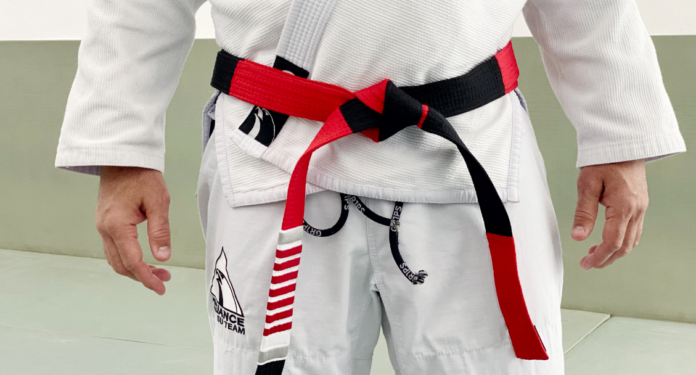
The red and white belt is a prestigious rank that only a few elite practitioners can achieve. It represents a high level of mastery, wisdom, and honor in BJJ. It is also a symbol of one’s contributions and legacy in the art.

But what exactly is a coral belt? How many coral belts are there in BJJ? W are the requirements and criteria to attain this rank? Who are some of the prominent and influential coral belts in BJJ history? And what does it mean and entail to be a coral belt?

These are some of the questions that many BJJ, MMA, and grappling athletes may have about this elusive and coveted rank that exceeds the white, blue, purple, brown belt and even Jiu-Jitsu black belt ranks we are used to. In this article, we will provide valuable information and insights to help you understand and appreciate the essence of coral belt BJJ.

Demystifying The Coral belt BJJ Rank

Understanding the Coral Belt in Brazilian Jiu-Jitsu

The coral belt is a rank in the BJJ ranking system that is depicted by a red and white coral belt. It is also known as the seventh-degree coral belt or the master’s belt. It is one of the highest ranks in BJJ, surpassed only by the red-and-black belt (8th-degree) and the red belt (ninth- and tenth-degree).

The origin of the coral belt can be traced back to the founders of BJJ: Carlos Gracie Sr. and Helio Gracie. They adopted the belt system from Judo, but modified it to suit their own style and philosophy. They also added new colors and degrees to distinguish themselves from other martial arts.

The coral belt was initially reserved for the Gracie family members who had reached a certain age and experience in BJJ. Later, it was extended to other practitioners who had made significant contributions to the art and had earned the respect and recognition of their peers.

The coral belt is not just a rank that indicates technical proficiency or competitive success. It is also a symbol of one’s dedication, passion, and commitment to BJJ. It reflects one’s lifelong pursuit of learning, teaching Jiu-Jitsu, and spreading the martial art of BJJ.

BJJ Coral belt

The Rarity of Coral Belts: Unveiling the Numbers

One of the reasons why the coral belt is so prestigious and coveted is that it is extremely rare and exclusive. There are only a handful of active coral belts in existence, and they are among the most respected and influential figures in Brazilian Jiu-Jitsu.

It is hard to estimate the exact number of coral belts in BJJ, as there is no official or centralized registry or database for them. However, based on various sources and reports, we can make some educated guesses.

According to BJJ Heroes, there were about 50 active coral belts in 2016. However, some of them have since passed away or been promoted to higher ranks. As of 2021, there are likely less than 40 active coral belts in BJJ.

To put this number into perspective, consider that there are thousands of active black belt holders in BJJ worldwide. According to IBJJF, there were over 10,000 registered black belts in 2019, a number which has significantly risen in the past 3 years.

This means that coral belts make up less than 0.1% of all black belts in BJJ. They are truly rare gems in the art.

Red and black belt in Brazilian Jiu-Jitsu

BJJ Coral Belt Requirements and the Path to Jiu-Jitsu Coral Belt Attainment

So how does one achieve a coral belt in Brazilian Jiu-Jitsu? What are the BJJ coral belt requirements and criteria?

When you are a white belt, blue belt, and even purple belt, this rank might seem unachievable. To be honest, even some BJJ black belts feel they will never get to a white and red or black and red coral belt.

The answer about coral belt requirements is not simple or straightforward, as there are different factors and variables involved. However, we can identify some general guidelines and prerequisites that apply to most cases.

First of all, practitioners must be black belts for at least 31 years before being eligible for coral belt promotions. This means that one must have started training BJJ at a very young age (usually before 20) and have maintained a consistent practice throughout their life.

Secondly, one must have extensive teaching experience and have produced high-level students who have excelled in BJJ. This means that one must have dedicated themselves to sharing their knowledge and skills with others and have contributed to the growth and development of the art.

Thirdly, one must have made significant contributions to BJJ beyond teaching or competing. This means that one must have been involved in promoting, organizing, innovating, or researching aspects of BJJ that have benefited the community at large.

Fourthly, one must have earned the respect and recognition of their peers and seniors in BJJ. A coral belt level means that one must have demonstrated ethical conduct, integrity, humility, and leadership qualities that have inspired others.

Of course, these are not absolute or definitive rules for attaining a coral belt. There may be variations or exceptions depending on different lineages or organizations. For example, some may require more or less time as a black belt before being eligible for a coral belt promotion. Some may also consider other factors such as lineage history, personal relationships, or political affiliations.

Ultimately, achieving a coral belt is not something that can be planned or expected. It is something that can only be bestowed by one’s instructor or mentor after decades of dedication, passion, and commitment to BJJ.

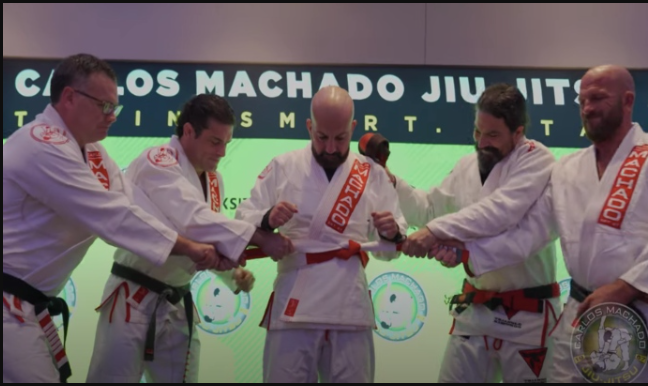
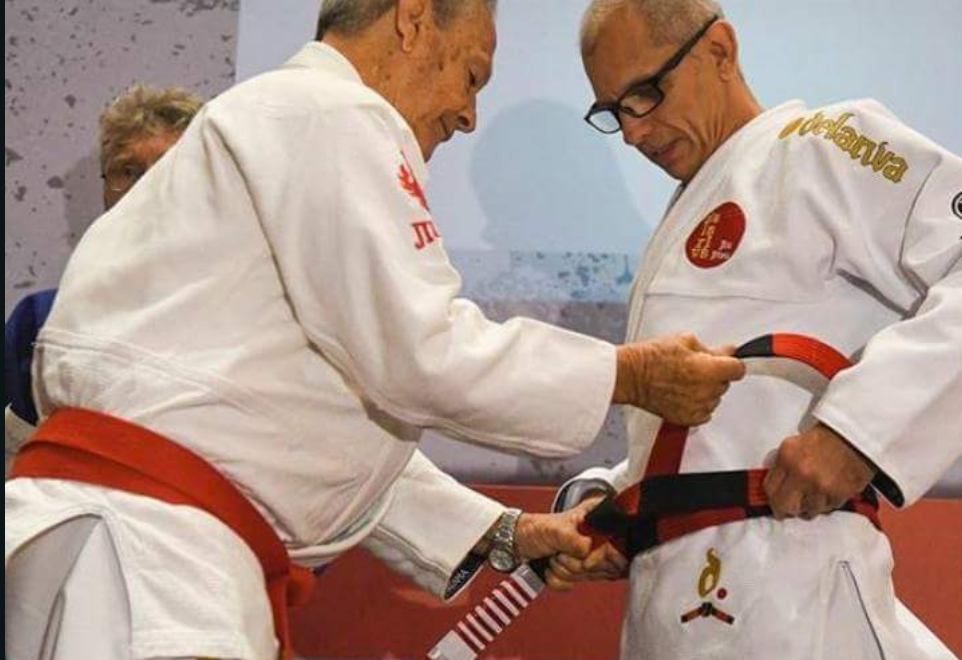
Carlos Machado belt promotion

Prominent Figures and Influential Coral Belts in BJJ History

Throughout the history of BJJ, there have been distinguished practitioners who have reached the rank of coral belt. However, some of them stand out as more prominent and influential than others due to their accomplishments, impact on BJJ, and current belt ranks.

Here is a list of BJJ coral belt holders who have made significant contributions to the Gentle Art:

  • Carlos Gracie Jr.: The son of Carlos Gracie Sr., he is considered one of the most important figures in modern BJJ. He founded Gracie Barra Academy (one of the largest teams in BJJ), IBJJF (the main governing body for sport BJJ), Gracie Magazine (the leading publication for BJJ news), among other ventures.
  • Pedro Sauer: One of the most respected instructors in BJJ, he is a student of Helio Gracie and Rickson Gracie. He has taught thousands of students worldwide through his association (Pedro Sauer Brazilian Jiu-Jitsu Association) and his academy (Pedro Sauer Academy).
  • Royce Gracie: The son of Helio Gracie, he was the first champion of UFC. He shocked the world with his victories over much larger opponents using his BJJ skills. He popularized BJJ globally and inspired generations of MMA fighters.
  • Jean Jacques Machado: One of the most decorated competitors and instructors in BJJ, he is a cousin of the Gracie family and a student of Carlos Gracie Jr. He won multiple world titles and ADCC titles and produced many champions such as Eddie Bravo, Joe Rogan, John Danaher, and Chuck Norris. He also founded Jean Jacques Machado Brazilian Jiu-Jitsu Association and Academy.
  • Fabio Santos: One of the pioneers of BJJ in America, he is a student of Rolls Gracie and Rickson Gracie. He competed in the first UFC event and won several tournaments in Brazil and abroad. He also founded Fabio Santos Brazilian Jiu-Jitsu Academy and Association and trained many students such as Dean Lister, Saulo Ribeiro, and Xande Ribeiro.
  • Mauricio Gomes: One of the most influential instructors in Europe, he is a student of Rolls Gracie and Rickson Gracie. He was one of the famous “Famous Five” who received their black belts from Rolls. He also founded Mauricio Gomes Brazilian Jiu-Jitsu Academy and Association and trained many students such as Roger Gracie, Braulio Estima, and Kyra Gracie.
  • Francisco Mansor: One of the oldest living coral BJJ belts, he is a student of Helio Gracie. He has over 60 years of experience in BJJ and has taught thousands of students worldwide. He also founded Kioto Brazilian Jiu-Jitsu Academy and Association and trained many students such as Renzo Gracie, Rodrigo Medeiros, and Ricardo Almeida.
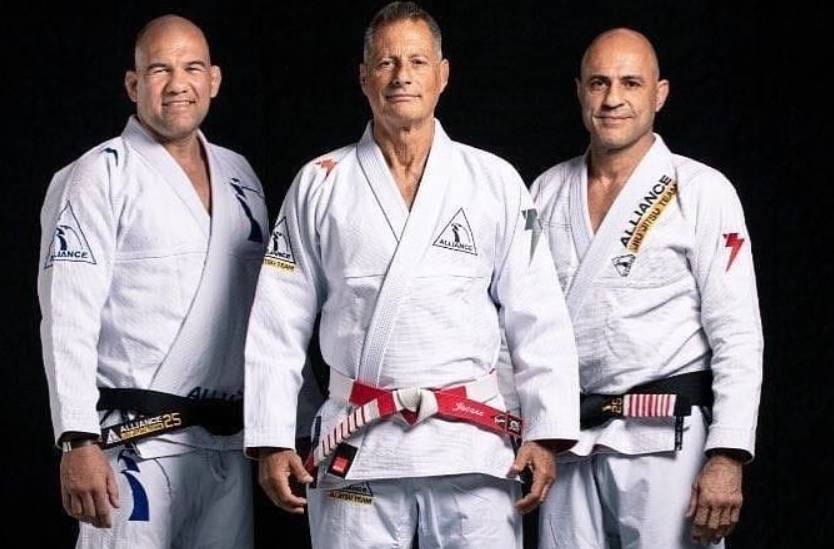
  • Romero “Jacare” Cavalcanti: One of the most successful coaches in BJJ history, he is a student of Osvaldo Alves and Rolls Gracie. He founded the Alliance Jiu-Jitsu Team (one of the most dominant teams in BJJ) and has produced many champions such as Fabio Gurgel, Marcelo Garcia, Lucas Lepri, Cobrinha, and Gabi Garcia. He also founded Romero Cavalcanti Brazilian Jiu-Jitsu Academy and Association.
  • Renzo Gracie: the latest of the Gracie family to receive the honor of the coral belt BJJ rank. Renzo was promoted a few months ago by Rickson Gracie. He is the man behind the Renzo Gracie New York Academy, a.k.a. the blue basement, which has produced some of the best competitors and instructors in the sport, the like of John Danaher, Matt Serra, Ggordon Ryan, Gary Tonon, etc.

These are just some examples of prominent coral belts who have shaped BJJ history. There are many more who deserve recognition for their achievements and contributions.

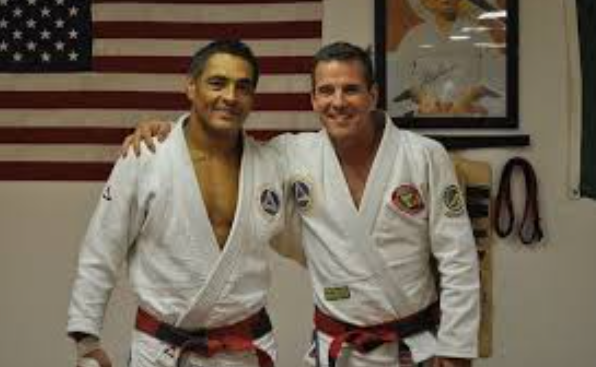
Rickson Gracie Coral Belt

Unveiling the Meaning and Value of the Coral Belt in Jiu-Jitsu

As we have seen so far, achieving a coral belt in BJJ is not an easy feat. It requires years of suffering at the colored belts ranks, decades of hard work, dedication, passion, and commitment to BJJ. It also requires a high level of technical expertise, teaching experience, ethical conduct, and peer recognition.

But what does it mean and entail to be a coral belt? What are the responsibilities and expectations that come with this belt rank?

The coral belt is not just a symbol of mastery, wisdom, and honor in BJJ. It is also a symbol of one’s legacy and impact on the art. Coral belts are the guardians and custodians of BJJ. They are the ones who preserve, transmit, and evolve the art for future generations.

As such, coral belts have a duty to uphold the core values and principles of BJJ. They must demonstrate respect, humility, integrity, and loyalty to their instructors, peers, students, and the BJJ community. They must also maintain a high standard of excellence and professionalism in their teaching and practice.

Moreover, coral belts have a role to inspire and motivate practitioners at all levels. They must share their knowledge, skills, and wisdom with others. They must also encourage, support, and guide their students and peers in their journey. They must also promote and spread BJJ to new audiences and regions.

Being a coral belt is not just a privilege or an achievement. It is also a challenge and a commitment. It is a lifelong pursuit of learning, teaching, and growing in BJJ.

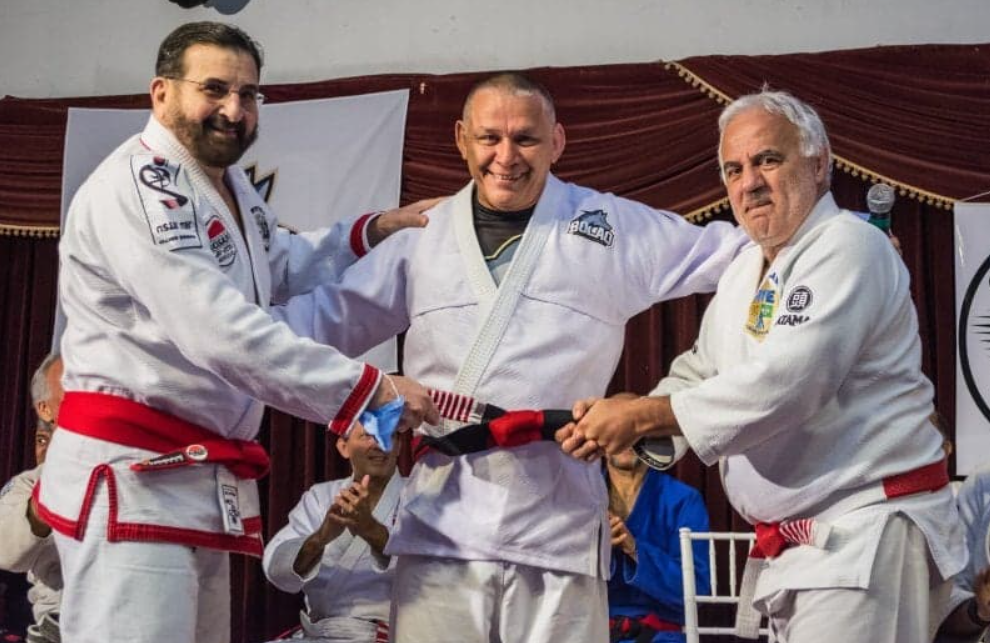
BJJ belt promotion 8th Degree

Conclusion: Black Belt is Not the End

In this article, we have provided a comprehensive guide to coral belt BJJ rank. We have explained what a coral belt is, how many coral belts are there in BJJ, what are the requirements and criteria to attain this rank, who are some of the prominent and influential BJJ coral belts in BJJ history, and what does it mean and entail to be a coral belt.

We hope that this article has helped you understand and appreciate the essence of the coral belt BJJ rank. We hope that it has also sparked your curiosity and interest in this rare and revered rank.

If you are a BJJ practitioner going through the BJJ belt rankings and yearning to learn more about coral belt BJJ, we encourage you to engage with the BJJ community, share this article with your friends and peers, and continue your pursuit of growth and excellence in BJJ.

And who knows? Maybe one day, you will become one of the few elite practitioners who can wear the prestigious coral belt with pride and honor.

The Fighter Diet: What BJJ/MMA Fighters Eat to Lose Weight Quickly (and Safely)

The Fighter Diet: What BJJ/MMA Fighters Eat to Lose Weight Quickly and Safely

If you fight in MMA or BJJ, you understand how crucial it is to be the right weight for your match. You understand how hard and tense it can be to lose weight right before checking your weight. You want to become thinner without hurting your body, strength, or muscle. The fighter diet is there to help.

The Fighter diet is a healthy eating plan that includes foods like meat, eggs, yogurt, and vegetables. It has fewer calories and more protein and fiber. This program helps you lose weight quickly without losing your muscles. It also makes your body work better and reduces swelling. It can also boost how well you move and exercise.

After reading this article, you will know how to use our Fighter diet to lose weight fast and without any harm for your upcoming fight. You will learn how to keep your weight the same after the fight and start eating a healthy and balanced diet.

Okay, let’s begin!

What is A Fighter Diet?

A Fighter diet is a healthy eating plan that has foods with low calories, lots of protein, and fiber. It has lean meats, eggs, low-fat dairy, and vegetables that are not starchy. This approach is about eating less calories than you use up. If you eat less than your body needs, your body will use its fat stores for energy.

You can lose weight without losing muscles.

A Fighter diet also helps you enhance your satiety, which means feeling full and satisfied after eating. Consuming foods that have lots of protein and fiber can help you digest food slower and make sure your blood sugar stays stable for maximal performance and recovery results. This prevents hunger pangs and cravings that can sabotage your weight loss efforts.

Eating like a fighter before a fight also supports your recovery from weight training and sparring. When you eat good quality protein, your body gets the building blocks it needs to make new proteins. These building blocks are called essential amino acids. Protein synthesis is the process of repairing and building new muscle tissue.

Moreover, this type of diet reduces inflammation in your body by avoiding foods that can trigger it. Inflammation is when your body’s defense system responds to injury or infection.
Long-term inflammation can make your joints, muscles, and organs hurt, get bigger, turn red, and feel warm.

It can also impair your performance, recovery, and health.

The Fighter diet is different from other popular meal plans and diets such as keto, paleo, or intermittent fasting in several ways.

  • The Keto diet is a way of eating that has very few carbohydrates, a lot of fat, and some protein. It makes your body go into a state called ketosis. Ketosis happens when your body uses fat to make energy instead of carbs. This is called “keto” and it can help you lose weight, control your hunger, and make your brain work better. But, it can also lead to problems like stinky breath, trouble going to the bathroom, headaches, feeling worn out, and not getting enough important nutrients.
  • The Paleo diet is a way of eating like our ancient ancestors who lived a really long time ago. The Paleo diet is made up of foods you can hunt or catch, like meat and fish, and foods you can pick, like fruits, veggies, nuts, and seeds. The Paleo diet doesn’t allow foods that are made or grown with processing, like grains, beans, milk, sugar, and salt. It may help you lose weight, feel better after eating, and reduce swelling in your body. However, it can also be expensive, time-consuming, and difficult to follow due to its strict rules. It can also lack some important nutrients such as calcium, vitamin D, and fiber.
  • Intermittent fasting is a pattern of eating that alternates between periods of fasting (not eating) and feeding (eating). There are different types of intermittent fasting such as:
    • 16/8 (fasting for 16 hours and eating for 8 hours),
    • 5:2 (eating normally for 5 days and restricting calories to 500-600 for 2 days), or
    • alternate-day fasting (fasting every other day).

    Intermittent fasting can help you lose weight, improve metabolism, and enhance cellular health. It can also interfere with your social life, work schedule, and training routine due to its irregular eating patterns.

As you can see, the Fighter diet has some advantages over other diet plans in terms of simplicity, flexibility, and effectiveness. It is not a fad diet that promises quick results but compromises your health. It is a sensible diet that helps you achieve your weight loss goals while supporting your performance and recovery.
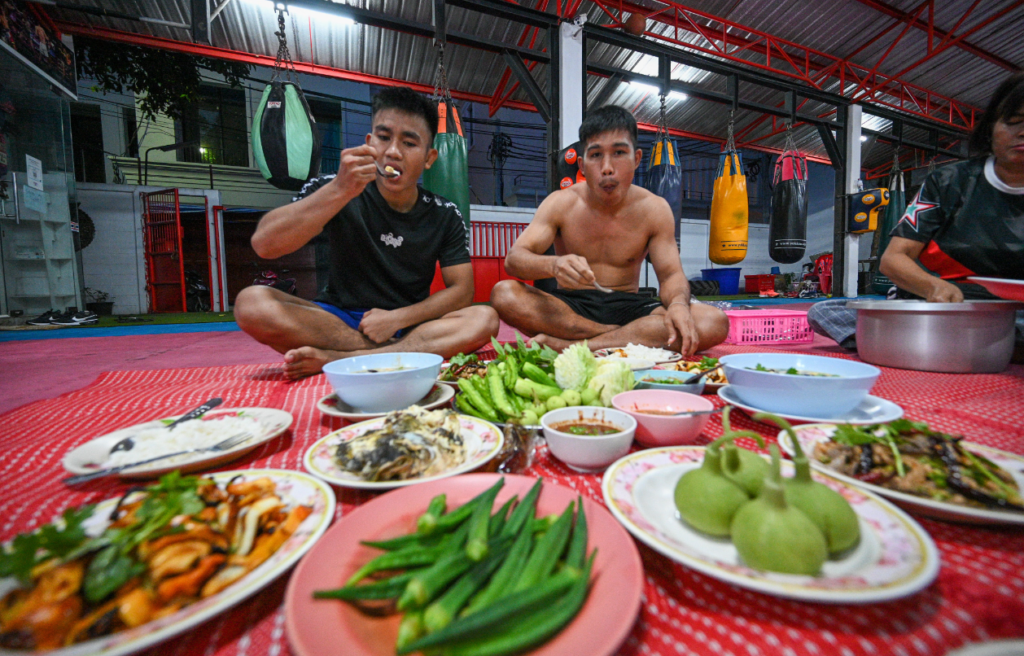
Combat athletes eating at the gym

What are the Best Foods for The Fighter Diet?

The best foods for a fighter diet support weight loss without sacrificing muscle mass and keep you full and satisfied for longer periods of time. They also aid in recovery from training and fighting.

Some examples of these foods include:

  • Chicken breast: A lean source of protein with about 26 grams per 100-gram serving. It also contains B vitamins, iron, zinc, and selenium essential for energy production, immune function, and muscle repair.
  • Turkey: Another lean protein source with about 29 grams per 100-gram serving.
  • Salmon:  A great source of protein with about 22 grams per 100-gram serving. This food has lots of omega-3 fats that can make your brain, heart, and joints healthier and reduce swelling in your body.
  • Tuna: High in protein and omega-3 fatty acids with about 25 grams per 100-gram serving. However, be careful not to consume too much tuna as it can contain high levels of mercury.
  • Eggs: One of the most complete sources of protein available providing all nine essential amino acids. They also contain choline which supports brain health and memory. Eggs also contain an abundance if healthy fats.
  • Greek yogurt: A dairy product high in protein and low in fat with about 10 grams of protein per 100-gram serving. It also contains calcium, potassium, phosphorus, and probiotics that support bone health, muscle function, and digestive health.
  • Spinach: A leafy green vegetable high in fiber and low in calories with about 3 grams of fiber per 100-gram serving.
  • Broccoli:  Broccoli is a healthy vegetable that is low in calories and has a lot of fiber. It has around 2.6 grams of fiber in a serving that weighs 100 grams. This thing has sulforaphane in it, which can help fight cancer, reduce swelling, and remove harmful things from your body.
  • Cucumber: A refreshing vegetable high in water and low in calories with about 95% water per 100-gram serving. It also contains vitamins C and K, potassium, and silica that support skin health, hydration, and blood pressure.
  • Red pepper: A colorful vegetable high in vitamin C and low in calories with about 127 mg of vitamin C per 100-gram serving. It also contains capsaicin which can boost metabolism, reduce appetite, and relieve pain.
  • Asparagus: A spring vegetable high in protein and low in carbohydrates with about 2.2 grams of protein per 100-gram serving. It also contains asparagine which can help flush excess water and salt from your body.
  • Zucchini: A summer squash high in water and low in calories with about 94% water per 100-gram serving.
  • Extra virgin olive oil: Your go-to for salads and cooking.

Other foods with similar nutritional profiles that are good for a fighter diet include lean beef, whey protein, green tea, almonds, and oatmeal.
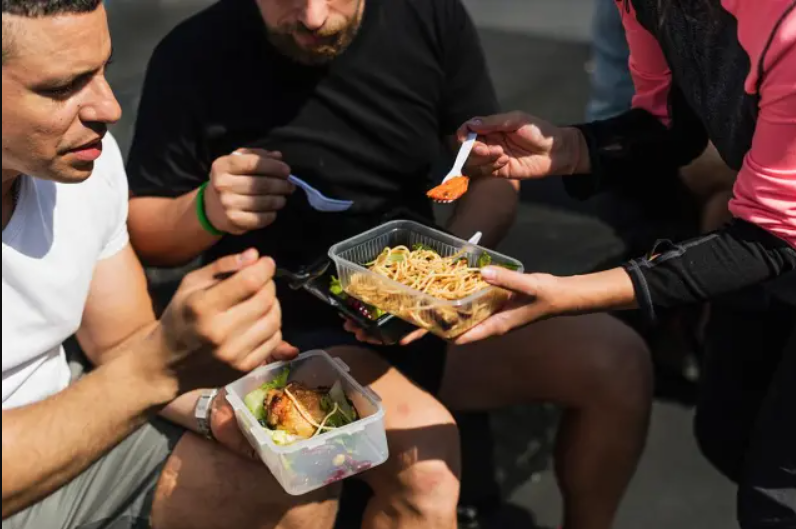
Good food for a fighter diet

What are the Worst Foods for A Fighter?

Foods that are bad for fighters have a lot of calories, fat, carbs, sugar, salt, preservatives, and other things added to them. These foods can cause weight gain instead of loss and leave you feeling hungry and unsatisfied shortly after eating. They can also impair recovery from training and sparring.

Some examples of these foods include:

  • Processed meats:  Some meats like bacon, sausage, ham, salami, and hot dogs have a lot of calories, fat, salt, and harmful chemicals.
    These things can make you more likely to be very overweight, have problems with your heart, have a stroke, or develop cancer.
  • Cheese (some types): Most commercial products are high in calories, fat, saturated fat, and cholesterol. It may cause bloating, gas, and constipation due to its lactose content.
  • Butter:  Quite high in calories, fat, saturated fat, and cholesterol. It can block blood vessels and make blood pressure and cholesterol levels go up. It may also cause weight gain due to its high-calorie density.
  • Cream: A dairy product high in calories, fat, saturated fat, and cholesterol with similar effects as butter. It may also cause digestive issues due to its lactose content.
  • Pasta: A boiled product high in carbohydrates, calories, gluten, and starch. It can have similar effects as bread and may cause water retention due to its starch content.
  • Corn: A grain high in carbohydrates, calories, starch, and glycemic index. It can have similar effects as potatoes and may cause allergic reactions due to its zein content.
  • Beans: A legume high in carbohydrates, calories, starch, and lectins. It can have similar effects as corn and may cause digestive issues due to its lectin content.
  • Sweets:  Candies, chocolates, cakes, pies, cookies, and ice creams have a lot of unhealthy stuff like calories, sugar, and fat added to them. Candy can make sugar levels, insulin levels, and fat storage go up. They may also cause dental problems due to their sugar content.
  • Pastries: Some breakfast foods like croissants, muffins, donuts, and bagels have lots of calories, carbs, fat, and gluten. They can have similar effects as sweets and may cause bloating due to their yeast content.
  • Alcohol: Beer, wine, spirits, cocktails, and the like have a lot of calories, carbs, and alcohol in them. They can impair liver function, dehydrate your body, and lower testosterone levels. Drinking lots of alcohol is a bad thing anyway without having to fight a trained opponent.

Results and Risks of The Fighter Diet

Following a Fighter diet correctly and consistently for two weeks can result in a loss of about 10-15 pounds of body weight. Most of this weight will come from water weight and body fat while preserving muscle mass and strength. Performance improvements such as increased speed, endurance, agility, and power may also be noticed along with increased energy levels and focus.

However, there are potential risks associated with a fighter diet, starting with dehydration.

Dehydration

This can occur due to excessive sweating during training or fighting or restricting water intake too much or too fast.

Taking diuretics or laxatives or drinking alcohol can also contribute to dehydration. Symptoms may include:

  • Thirst
  • Dry mouth
  • Headache
  • Dizziness
  • Weakness
  • Fatigue
  • Confusion

Dehydration can occur due to several factors such as sweating excessively during training or fighting, restricting water intake too much or too fast, taking diuretics or laxatives, or drinking alcohol.

To prevent dehydration, you should drink plenty of water throughout the day and especially before and after training or fighting. You should also monitor your urine color and volume. If your urine is dark yellow or brown, or if you urinate less than usual, you may be dehydrated. If your urine is clear or pale yellow, and if you urinate frequently, you may be well hydrated.

Electrolyte Imbalance

Electrolyte imbalance happens when the levels of important minerals in your blood like sodium, potassium, calcium, magnesium, and chloride are either too high or too low.These minerals help your body control things like your nerves, muscles, fluid levels, blood pressure, and heartbeat.

Electrolyte imbalance can occur due to several factors such as sweating excessively during training or fighting, restricting water intake too much or too fast, taking diuretics or laxatives, or drinking alcohol.

To prevent electrolyte imbalance, you should drink plenty of water throughout the day and especially before and after training or fighting. Aim to eat foods rich in electrolytes like bananas, oranges, potatoes, tomatoes, spinach, yogurt, cheese, nuts, seeds, and salt.

Muscle Loss

Muscle loss is a condition where your body breaks down its own muscle tissue for energy. This can cause symptoms such as weakness, fatigue, soreness, and reduced performance.

Muscle loss can occur due to several factors such as creating a large calorie deficit, consuming insufficient protein, overtraining, or under-recovering.

To prevent muscle loss, you should create a moderate calorie deficit, consume enough protein, train appropriately, and recover properly. You should also supplement with whey protein, BCAAs, or creatine to support muscle synthesis, maintenance, and repair.

Metabolic Slowdown

This means that your body burns fewer calories at rest and during activity. This can cause symptoms such as weight loss plateau, hunger, cravings, and reduced performance.

It can occur due to several factors such as creating a large calorie deficit, consuming insufficient protein, overtraining, or under-recovering.

To prevent metabolic slowdown, you should create a moderate calorie deficit, consume enough protein, train appropriately, and recover properly. You should also cycle your calories, carbohydrates, or fat intake to keep your metabolism guessing and stimulated.

Hormonal Disruption

Hormonal disruption is a condition where your body’s production or regulation of hormones such as testosterone, estrogen, cortisol, insulin, and leptin is altered. These hormones regulate your mood, appetite, energy, reproduction, and metabolism.

it might occur due to several factors such as creating a large calorie deficit, consuming insufficient protein, overtraining, or under-recovering.

To prevent hormonal disruption, you should create a moderate calorie deficit, consume enough protein, train appropriately, and recover properly. You should also manage your stress levels, sleep well, and avoid exposure to toxins.

Rebound Weight Gain

Rebound weight gain is a condition where you regain the weight that you lost after ending your diet. This can happen due to several factors such as returning to your old eating habits overeating under-exercising or experiencing metabolic slowdown hormonal disruption or water retention

To prevent rebound weight gain you should transition gradually from a fighter diet to a more balanced and sustainable diet You should also monitor your weight and body composition regularly adjust your calorie intake and activity level according to your goals and progress rehydrate and refuel properly after workouts and maintain healthy eating habits

These are some of the potential risks of a fighter diet that you should be aware of and take precautions against. The Fighter diet is not meant to be followed for longer than two weeks or without medical supervision. It is also not suitable for everyone especially those who have medical conditions or special needs. If you have any doubts or concerns about the diet you should consult your doctor before starting it.
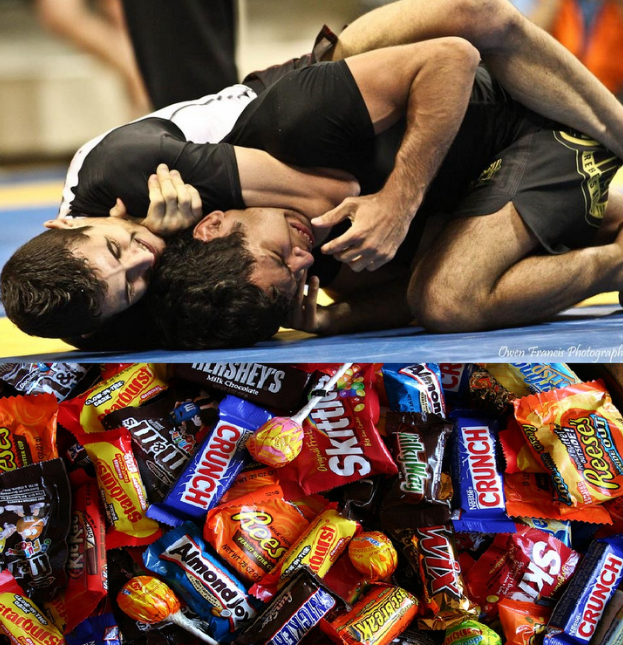
How to Cut Weight for a Fight with the Fighter Diet?

Cutting weight for a fight is a common practice among MMA fighters and boxers who compete in different weight classes. It means losing a lot of weight quickly, usually a day or two before weighing in.

The reason for weight cut is to have an advantage over the opponent in a fight. This is achieved by fighting in a lower weight category than your actual weight.

However, weight cutting is not easy or safe. It can harm your health, make you perform poorly, and disrupt your recovery process. Using this strategy can go wrong if you don’t do it correctly or if your opponent is better at it.

There are two main methods of cutting weight for a fight: water and carbohydrate manipulation. Both methods involve strategically adjusting your water and carbohydrate intake to manipulate your body weight.

Water Weight Manipulation

Water manipulation is essentially controlled dehydration. It is a method of cutting weight that involves reducing water intake and increasing water output to lose water weight. This can be achieved by:

  • Restricting water intake
  • Sweating through exercise or sauna use
  • Taking diuretics such as caffeine, alcohol, or pills

While dehydration can help lose up to 10% of body weight in a short period of time, it can also have negative effects. These include impaired performance and recovery and potential health risks such as kidney failure, heart failure, stroke, or death.

To minimize the risks of dehydration, it is important to follow safe practices and guidelines.

  • Dehydrate gradually: You should start reducing your water intake gradually several days before the weigh-in rather than abruptly on the day before or on the day of the weigh-in.
  • Dehydrate moderately: You should aim to lose no more than 5% of your body weight through dehydration rather than 10% or more.
  • Rehydrate properly: You should drink plenty of water and electrolytes after the weigh-in and before the fight to restore your hydration status and performance level.

You should also avoid drinking too much water too fast as this can cause water intoxication or hyponatremia.

Carbohydrate Manipulation

Carbohydrate manipulation is a method of cutting weight that involves manipulating your carbohydrate intake to manipulate your muscle glycogen stores and water retention. Glycogen is the stored form of carbohydrate in your muscles and liver.

There are different ways of carbohydrate manipulation such as:

  • Carb depletion: This involves reducing your carbohydrate intake to less than 50 grams per day for several days before the weigh-in. This way, you deplete your glycogen stores and lose water weight along with it.
  • Carb loading: This involves increasing your carbohydrate intake to more than 300 grams per day for several days before the weigh-in. This way, you replenish your glycogen stores and gain water weight along with it.
  • Carb cycling: This involves alternating between low-carb and high-carb days for several days before the weigh-in. This way, you manipulate your glycogen stores and water retention without depleting or overloading them.

Changing the way you eat carbohydrates can make you lose 5% of your body weight quickly. although carbohydrate loading can be good, it can also be bad for you.

  • Impaired performance: It might make you feel bloated, have gas, and cause problems with your digestion. This can affect your ability to move around comfortably and quickly.
    It can also affect how your body manages sugar and insulin, which can impact how energetic and happy you feel.
  • Impaired recovery: Carbohydrate manipulation can lead to inflammation, oxidative stress, and immune suppression that can affect your muscle repair, glycogen replenishment, and electrolyte balance.
  • Impaired health: Eating too many carbohydrates can cause health problems like trouble with insulin, diabetes, or a fatty liver over time.

These are some of the methods of cutting weight for a fight that you should be aware of and take precautions against. Cutting weight for a fight is not meant to be done frequently or without medical supervision.
Fight Week Diet Goals

Fight week diet is a special diet that you follow during the last week before your fight. It is different from your regular fighter diet because it has some specific goals and strategies that are designed to help you make weight and optimize your performance on fight day.

The main goals of fight week diet are:

  • To lose any remaining excess body weight that you need to drop to make your weight class.
  • To maintain or increase your muscle mass and strength.
  • To prevent or minimize dehydration and electrolyte imbalance.
  • To avoid or reduce inflammation and oxidative stress.
  • To enhance your energy levels and mood.

The main strategies of fight week diet are:

  • To manipulate your water and carbohydrate intake to manipulate your body weight.
  • To consume high-quality, lean protein, fiber-rich vegetables, and moderate amounts of fat.
  • To add important nutrients like vitamins, minerals, antioxidants, and electrolytes to your diet.

There are different methods of manipulating your water and carbohydrate intake to manipulate your body weight such as:

  • Dehydration: This involves reducing your water intake and increasing your water output through sweating or taking diuretics. This can help you lose water weight quickly but it can also impair your performance, recovery, and health.
  • Carbohydrate loading: This involves increasing your carbohydrate intake to replenish your glycogen stores and gain water weight along with it. This can help you increase your energy levels and performance but it can also cause bloating, gas, nd digestive issues.
  • Carb cycling: This involves alternating between low-carb and high-carb days to manipulate your glycogen stores and water retention without depleting or overloading them. This can help you balance your energy levels and performance without causing too much discomfort or risk.

The Best Supplements for MMA and BJJ Fighters Cutting Weight

MMA and BJJ are two of the most demanding combat sports that require high levels of stamina, strength, power, endurance, and skill. Fighters often need to cut weight before a fight to make a certain weight class, which can be challenging and stressful for the body and mind. That’s why supplements can be very helpful for MMA and BJJ fighters who want to optimize their performance, recovery, and health.

Here are some of the best supplements for MMA and BJJ fighters cutting weight:

Pre-workout

A pre-workout supplement can give you a boost of energy, focus, and motivation before a training session or a fight. Some of the ingredients usually found in a pre-workout supplement are caffeine, beta-alanine, citrulline malate, creatine, and BCAAs.

Protein

Protein is the building block for muscle growth, repair, and recovery. It also helps you maintain your lean muscle mass while cutting weight, which can prevent muscle loss and metabolic slowdown. Protein can also keep you full and satisfied, which can help you control your appetite and cravings. Some of the best sources are protein powders like whey, casein, egg, soy, pea, and hemp. A protein shake is usually the best way to implement supplemental protein into your Fighter diet.

Omega-3

Omega-3 fats are good for your brain, heart, joints, skin, and immune system. They can also reduce inflammation, which can help you recover faster from training and injuries. Omega-3 fatty acids can also improve your mood and cognitive function, which can help you cope with stress and anxiety before a fight. Top sources include fish oil, krill oil, flaxseed oil, chia seeds, coconut oil, and walnuts.

Fat Burner

A fat burner supplement can help you burn more calories and fat while cutting weight. It can also suppress your appetite, boost your metabolism, and increase your energy levels. Some of the ingredients to look for in a fat burner supplement are green tea extract, caffeine, capsaicin, forskolin, and L-carnitine.

These are some of the best supplements for MMA and BJJ fighters cutting weight. They can help you achieve your weight goals while enhancing your performance, recovery, and health. However, remember that supplements are not magic pills that can replace a balanced diet, a proper training program, and a healthy lifestyle.

Sample Fighter Diet 2 week Meal Plan Recipes and Macros

How to Use The Fighter Diet to Lose Weight (Sample Menu)

To follow a fighter diet successfully, you need to have a clear plan that outlines what to eat, when to eat, how much to eat, and how to prepare your food.

Here is a sample 2-week meal plan for a fighter diet that you can use as a guide:

Day Breakfast Lunch Snack Dinner Calories Protein Carbohydrates Fat
Monday Oatmeal with Banana and Almonds Turkey and Cheese Wrap with Baby Carrots Apple with Peanut Butter Baked Salmon with Asparagus and Quinoa 1500 kcal 150 g (40%) 150 g (40%) 33 g (20%)
Tuesday Veggie Omelette Grilled Chicken Salad with Balsamic Vinaigrette Greek Yogurt with Berries Beef and Broccoli Stir-Fry with Brown Rice 1600 kcal 160 g (40%) 160 g (40%) 36 g (20%)
Wednesday Protein Smoothie (1 scoop protein powder, 1 banana, 1 cup almond milk) Tuna Salad Lettuce Wraps with Baby Carrots String Cheese with Grapes Turkey Meatballs with Zucchini Noodles 1400 kcal 140 g (40%) 140 g (40%) 31 g (20%)
Thursday Cottage Cheese with Pineapple Turkey and Cheese Roll-Ups with Bell Peppers Hard-Boiled Egg Grilled Chicken with Sweet Potato and Broccoli 1700 kcal 170 g (40%) 170 g (40%) 39 g (20%)
Friday Avocado Toast with Tomato and Egg Chicken and Vegetable Stir-Fry with Brown Rice Protein Bar Baked Cod with Green Beans and Quinoa 1500 kcal 150 g (40%) 150 g (40%) 33 g (20%)
Saturday Greek Yogurt Parfait with Granola and Strawberries Chicken and Avocado Sandwich with Baby Carrots Protein Bar Shrimp and Vegetable Stir-Fry with Brown Rice 1600 kcal 160 g (40%) 160 g (40%) 36 g (20%)
Sunday Egg Muffins with Orange Roast Beef Salad with Sunflower Seeds and Ranch Dressing Cheese and Crackers Roasted Chicken and Vegetables with Brussels Sprouts, Carrots, and Potatoes 1700 kcal 170 g (40%) 170 g (40%) 39 g (20%)


By following this healthy meal plan for a week, you’ll get a balanced diet with all the essential nutrients your body needs.

As you can see, the meals in this plan provide you with enough calories, protein, carbs, and fat to fuel your training, recovery, and weight loss.

It also includes a variety of healthy foods that are rich in vitamins, minerals, antioxidants, and phytochemicals that support your health, immunity, and well-being.

You can adjust the portion sizes, food choices, or meal timings according to your preferences, schedule, or goals. However, try to stick to the general principles of a fighter diet as much as possible.

Conclusion

The Fighter diet is a two-week diet plan that can help you lose 10-15 pounds of body weight in order to make weight for a fight. It involves eating high-quality, lean protein, fiber-rich vegetables, and moderate amounts of fat while restricting water and carbohydrate intake.

A Fighter diet can improve your performance by increasing your strength, speed, power, and reach over your opponent. It can also make you feel more energetic, focused, and confident.

However, the Fighter diet is not without risks. It can impair your performance by reducing your endurance, agility, and coordination. It can also impair your recovery by affecting your muscle repair, glycogen replenishment, and electrolyte balance.

To minimize the risks of a Fighter diet, you should dehydrate and carbohydrate load gradually and moderately. You should also rehydrate and refuel properly after the weigh-in and before the fight.

You should also consult your doctor before starting a Fighter diet if you have any medical conditions or special needs.

The Fighter diet is not meant to be followed for longer than two weeks or without medical supervision. It is also not suitable for everyone especially those who are not competing in a fight. It is a temporary way to lose weight that will spare as much muscle as possible. It is not a lifestyle or a sustainable way to eat.

I wish you all the best in your weight loss journey and your fight!

The Story of Jean Jacques Machado: The BJJ Pioneer Behind No-Gi Jiu-Jitsu

The Story of Jean Jacques Machado: The BJJ Pioneer Behind No-Gi Jiu-Jitsu

If you are a fan of Brazilian Jiu-Jitsu, you have probably heard of Jean Jacques Machado. He is one of the pioneers and champions of this martial art and one of the five Machado brothers who are world-renowned for their BJJ skills. But do you know his life story, his philosophy of BJJ, his teaching methods, and his influence on the martial arts community? In this article, we will explore all these aspects and more, and show you why Jean Jacques Machado is a true legend of BJJ and one of the people that changed Gentle Art forever.

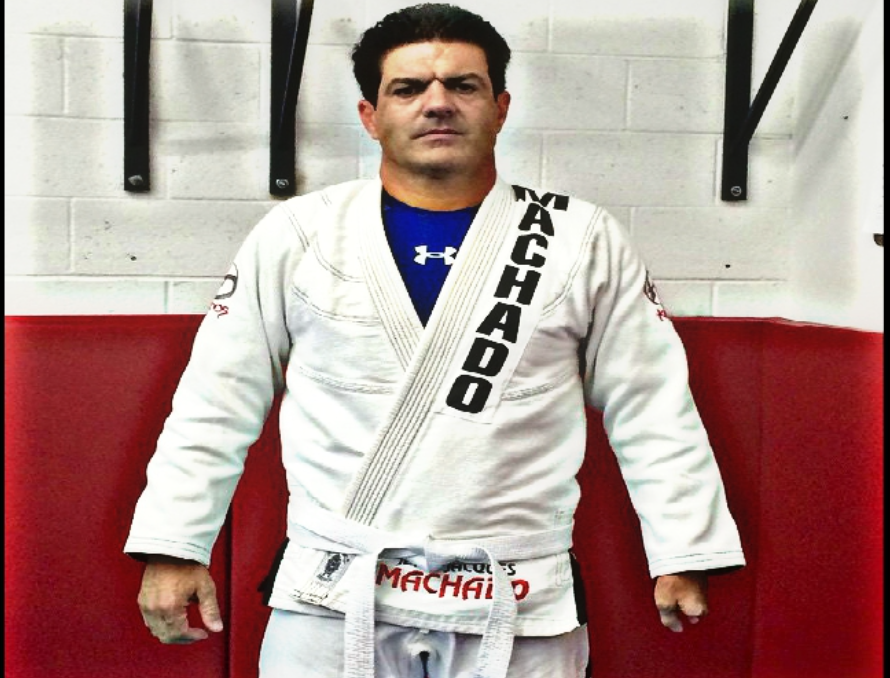
Legendary Jean Jacques Machado BJJ portraint

Introduction

Jean Jacques Machado was born on February 12, 1968 in Rio de Janeiro, Brazil. He is the nephew of Carlos Gracie Sr., the co-founder, and grandmaster of BJJ, and learned the martial art from an early age from his uncle and his cousins Rickson Gracie and Rolls Gracie. He also has four brothers who are all BJJ coral belts (black and red belts): Carlos, Roger, Rigan, and John.

Machado was born with a congenital disorder called amniotic band syndrome, which affected his left hand, leaving him with only a thumb and a little finger. Despite this handicap, he developed a unique style of gripping and using leverage and technique over strength. He dominated the competitive arena of BJJ in Brazil from 1982 to 1992, capturing every major title and competition award in his weight division.

In 1992, he moved to the USA with his brothers to continue competing and teaching BJJ. He gained worldwide recognition in 1999 with his performance at the Abu Dhabi Combat Club (ADCC) World Submission Wrestling Championships, where he won his weight division and was the runner-up in the absolute division.

He also received his 7th-degree coral belt in 2011 from Rickson Gracie in recognition of his 25 years as a black belt instructor, competitor, and champion.

Machado is married to Jaqueline Machado since 1988 and they have two daughters: Jullie and Camilla. He currently lives in Woodland Hills, California, where he runs his own academy: Jean Jacques Machado Brazilian Jiu-Jitsu Academy.

The purpose of this article is to explore Machado’s life story, his philosophy of BJJ, his teaching methods, and his influence on the martial arts community. We will also share some of his professional titles, achievements, and contributions to BJJ.

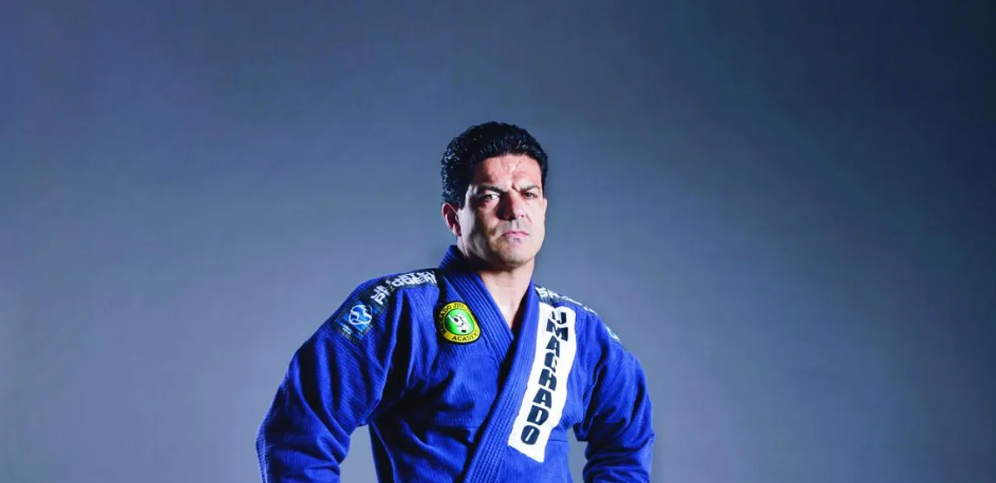
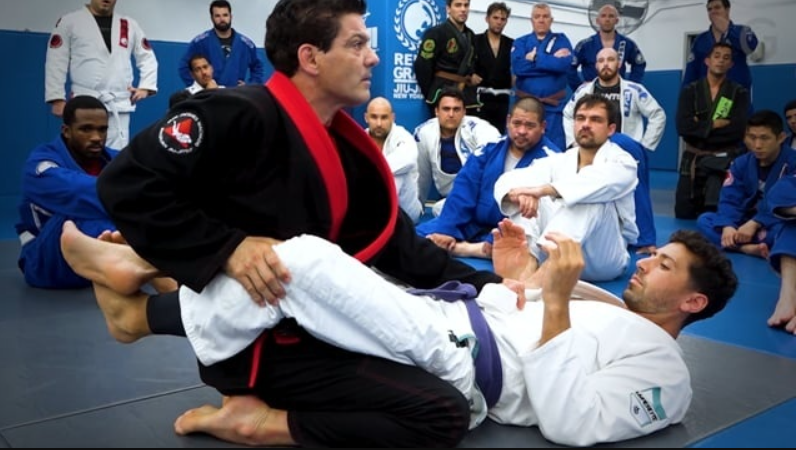
Seminar JJM coral belt

Machado’s Early Life and Training

Machado started learning BJJ at an early age from his uncle Carlos Gracie, and his cousins Rickson Gracie and Rolls Gracie, who were both legendary BJJ practitioners and champions.

The congenital disorder he was born with (amniotic band syndrome), which affected his left hand made it more difficult for him to practice Jiu-Jitsu. Due to the condition, he was born with only a thumb and a little finger on his left hand.

Obviously, this made it difficult for him to grip his opponents’ gi or clothes. At the time, there was no such thing as No-Gi BJJ, and everyone wore and grabbed a hold of the Gi.

However, he did not let this handicap hinder his passion for BJJ. He adapted his style to use leverage and technique over strength. He also developed a unique way of gripping with his left hand, essentially coming up with the overhook and undertook controls that are today staples of No-Gi grappling.

As a competitor, Jean Jacques dominated the Brazilian Jiu-Jitsu scene in Brazil from 1982 to 1992. He won 11 consecutive state and national championships in Brazil in his weight division (cruiserweight). He also competed in other grappling styles such as sport sambo and mixed martial arts (MMA).

He fought some highly rated and recognizable opponents like Fabio Gurgel and Renzo Gracie on more than one occasion during his competitive career.

Gracie Jiu-Jitsu White belt Machado

Jean Jacques Machado’s Move to the USA and International Success

In 1992, Machado moved to the USA with his brothers Carlos, Roger, Rigan, and John to continue competing and teaching BJJ. They opened their first martial arts school in Los Angeles, California. They also became friends with Chuck Norris, who eventually invited them to teach BJJ at a location that was convenient for him to visit, which is today’s Machado’s Beverly Hills, California Academy.

Machado gained worldwide recognition in 1999 with his performance at the ADCC World Submission Wrestling Championships. This is one of the most prestigious grappling tournaments in the world that attracts competitors from various styles such as BJJ, wrestling, judo, sambo, etc.

Machado won his weight division (77 kg) by defeating Matt Serra in the quarterfinals, Marc Laimon in the semifinals, and Ricardo Almeida in the final.

He also entered the absolute division (open weight) where he defeated Egan Inoue in the quarterfinals but lost to Mark Kerr in the semifinals. He finished as the runner-up in the absolute division.

Here are more details on his awe-inspiring ADCC 1999 performance:

  • Matt Serra: Machado defeated Serra by points (4-0) in the quarterfinals;.
  • Marc Laimon: Machado defeated Laimon by submission (armbar) in the semifinals;
  • Ricardo Almeida: Machado defeated Almeida by points (4-0) in the final;
  • Egan Inoue: Machado defeated Inoue by submission (armbar) in the quarterfinals of the absolute division;
  • Mark Kerr: Machado lost to Kerr by points (0-2) in the absolute semifinals;

Jean Jacques also received the Most Technical Fighter Match Award at the ADCC World Submission Wrestling Championships that year, for his display of skill and technique.

His grappling record is 17 wins (11 by submission) and 7 losses (0 by submission).

In 2011, Machado received his 7th-degree coral belt (red/black belt) from Rickson Gracie at a private ceremony held at Rickson’s academy in West Los Angeles. This prestigious promotion recognizes Machado’s 25 years as a black belt instructor, competitor, and champion.

Machado’s Philosophy and Teaching Style

Machado views BJJ as a way of life, a tool for self-improvement, and a means of self-expression. He believes that Brazilian Jiu-Jitsu can help anyone achieve their goals, overcome their challenges, and discover their potential.

In Jiu-Jitsu training, Machado emphasizes the importance of fundamentals, concepts, principles, and details. He teaches that mastering these elements is essential for developing a solid foundation and understanding of BJJ.

Given his disability (which can hardly be called that after his competitive successes) JJM is keen on adapting his teaching style to each student’s needs, goals, personality, and learning style. He tailors his instruction to suit each student’s level of experience, skill, fitness, age, and preference.

I have two arms, two legs and one-and-a-half hands (laughs).” Machado famously said.

Machado encourages creativity, experimentation, and innovation in BJJ practice. He inspires his students to explore different techniques, strategies, and solutions to various situations and challenges on the mat.

Jean Jacques was also instrumental in helping his older brother Rigan Machado develop a unique style for training celebrities at his Beverly Hills Academy:

“I created a new jiu-jitsu system for people who can’t get hurt. It’s technical training. They learn jiu-jitsu and technically train, but it’s all safe.” said Rigan Machado in an interview with Jiu-Jitsu magazine.

I created a type of jiu-jitsu for the Beverly Hills clientele. Competition, sparring… these guys can’t do that. I can’t even take a 1% chance of them getting hurt. Some guys have to sign disclosure agreements; others like Ashton Kutcher and Mickey Rourke come in regularly, while Usher comes in once and a while and Vin Diesel when he’s in town.”

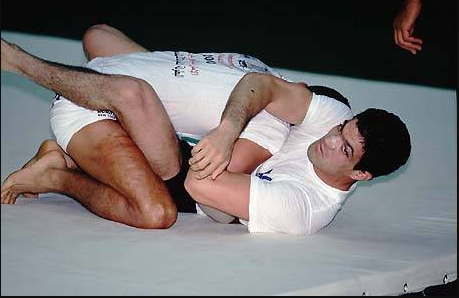
Jean Jacques Machado Competing No-Gi

Machado’s Influence On BJJ and His Incredible Legacy

Machado has influenced many prominent figures in the martial arts community, such as black belts Eddie Bravo, Dan Inosanto, Joe Rogan, Chuck Norris, Richard Norton, Chris D’Elia, Todd White, Mark Mireles, etc.

JJM has produced numerous types of instructional media for Jiu-Jitsu and grappling, such as videos, DVDs, books, and online training programs.

He has authored four best-selling books on BJJ:

  • “The Grappler’s Handbook Vol. 1”,
  • “The Grappler’s Handbook Vol. 2 Tactics for Defense”,
  • “Championship Grappling Techniques”, and
  • “Brazilian Jiu-Jitsu Black Belt Techniques”.

He has also launched the very first online training program for BJJ back in 2006, which is now known as JJM3.0 Advanced Online Training.

Machado has founded or co-founded several organizations and events related to BJJ, such as:

  • RCJ Machado Brazilian Jiu-Jitsu Association,
  • World Grappling Games Federation,
  • UFAF Brazilian Jiu-Jitsu Division, etc.

He has also organized and participated in many tournaments and seminars around the world to promote and share his knowledge and passion for Brazilian Jiu-Jitsu.

Machado has appeared in several major motion pictures and television shows featuring BJJ or martial arts, such as Force of the Spirit, Redbelt, Insider Training, etc. He has also performed stunts and choreographed fight scenes for some of these productions after Rorion Gracie paved the way for submission grappling on the big screen.

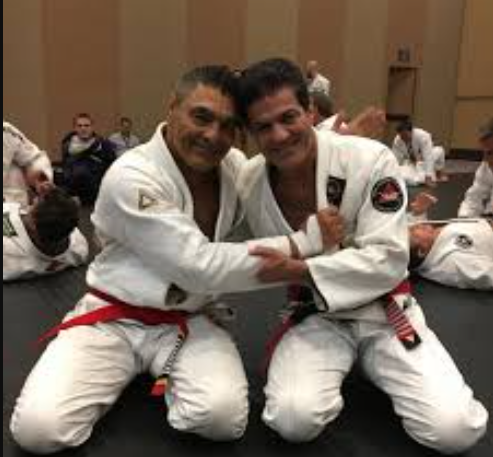
Jean Jacques Machado and Rickson Gracie

Jean Jacques Machado FAQs

A few more interesting things people usually ask in regard to Jean Jacques Machado are:

Is Carlos Machado related to the Gracies?

Yes, Carlos Machado is related to the Gracies through his aunt Layr, who was married to Carlos Gracie Sr. He is a cousin to Carlos Gracie Junior. and his siblings and an affinal cousin to the rest of the second generation of Gracie martial artists.

Who gave Jean Machado his black belt?

Jean Machado received his black belt from his cousin Carlos Gracie Jr.

How did Jean Jacques Machado lose his hand?

Jean Jacques Machado did not lose his hand, but he was born with a congenital disorder called amniotic band syndrome, which affected his left hand, leaving him with only a thumb and a little finger.

How many Machado brothers are there?

There are five Machado brothers: Carlos, Roger, Rigan, Jean Jacques, and John. They are all BJJ coral belts and instructors.

Where does Joe Rogan train BJJ?

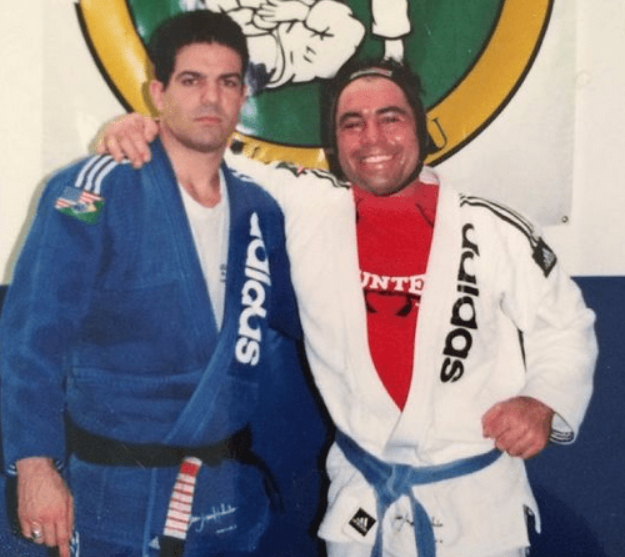
Joe Rogan trained BJJ predominantly at Eddie Bravo’s 10th PLanet HQ in LA. Rogan also spent a lot of time at Jean Jacques Machado Brazilian Jiu-Jitsu Academy in Woodland Hills, given that Machado is Eddie Bravo’s coach. Rogan is a black belt in Gi BJJ under Jean Jacques.

Joe Rogan BJJ blue blet from JJM

Conclusion

In this article, we have explored Jean Jacques Machado’s life story, the philosophy of BJJ, teaching methods, and influence on the martial arts community. We have also shared some of his professional titles, achievements, and contributions to BJJ.

Jean Jacques Machado is a true legend of BJJ. He is one of the pioneers and champions of this martial art, and one of the five Machado brothers who are world-renowned for their BJJ skills. He has overcome his handicap of having only two fingers on his left hand by developing a unique style of gripping and using leverage and technique over strength. He has dominated the competitive arena of BJJ in Brazil and internationally, winning numerous titles and awards. He has also received his 7th-degree coral belt from Rickson Gracie in recognition of his 25 years as a black belt instructor, competitor, and champion.

Machado has influenced many prominent figures in the martial arts community, such as Eddie Bravo, Dan Inosanto, Joe Rogan, Chuck Norris, etc., and produced numerous types of instructionals for BJJ, as well as a comprehensive online training program.

Get a Grip: The Best BJJ Finger Tape, How To Use It & Why

BJJ Finger Tape

Talk about a sport taking a physical toll! We’re quite used to baseball players having shoulder problems. Bad knees in soccer players are no big headline. But what is an injury most specific to BJJ? Let me make this a little bit clearer. What is an injury most specific to Gi BJJ? Yeah, the whole body gets a beating and you might be hard-pressed to find an answer if you’ve been enjoying the Gentle Art (pun intended) in the Gi longer than 3 years. However, the moment you try and type back an answer you’ll get on – the fingers. Gi player’s fingers are so destroyed they literally have to be held together by BJJ finger tape.

As every Gi player (and Judoka, for that matter) can testify, grappling after a few years is impossible without the heavy use of BJJ finger tape. Whether it is used on a certain finger, joints, a few fingers or all of them you’ll see it everywhere. It is so prevalent that people sometimes mistake it for a fashion statement. However, arthritis is a real problem in the BJJ world and tape sure provides a way to deal with it. At least in the short term.

What Happens To The Fingers?

People that train exclusively (or just often) in Jiu-Jitsu Gi, base their game around gripping the material very much. Sleeve grips, pant grips, lapel grips, belt grips, you name it. Every part of the Gi is fair game and people use it to the maximum to get an advantage. Gi manufacturers even try to make sturdier Gis make gripping them harder. This results in peoples’ fingers cracking and snapping all over. Before long, you’re taping your fingers together just to be able to train.

The repeated trauma of constant pressure on the joint, as well as frequent minor dislocations, is a great recipe for arthritis. The joints primarily swell up, with inflammation being the body’s preferred answer to the inflicted trauma. Inflammation is caused by the constant tugging and pulling that puts enormous strain on the finger joints. This constant inflammation and trauma result in the reduction of cartilage in the joints, which is the definition of arthritis.

Arthritis, or osteoarthritis, is a degenerative joint disease, in the case of BJJ caused by constant, gradual wear-and-tear. The condition may include the formation of bone spurs, bony enlargements, and profuse ligament and tendon damage. The end result – pain. And by pain, I mean constant pain that’s greatly exacerbated by gripping again and again with sore fingers. This is where BJJ finger tape comes in.

What is BJJ Finger Taping?

BJJ finger taping is the practice of wrapping your fingers with tape to protect them from injury and discomfort during training and competition. It involves wrapping the tape tightly around your fingers, leaving the knuckles and joints exposed for flexibility.

There are several types of finger tape available for Brazilian Jiu-Jitsu practitioners, and each type of tape has its own unique features and benefits, so it’s essential to find the one that works best for you.

Proper BJJ finger taping is crucial for BJJ practitioners to prevent finger injuries and preserve joint health. It’s also an effective way to enhance your grip and support during training and competition.

With the right technique and products, you can enjoy a long and injury-free career in this exciting and challenging sport.

Why Tape Your Fingers for BJJ?

Firstly, finger injuries are common in BJJ, and they can be excruciatingly painful. Finger taping provides added support to your fingers, making them more resistant to injuries such as sprains, dislocations, and fractures. Taping can also help prevent cuts and bruises on your fingers, which can result from gripping your opponent’s gi or skin.

Secondly, BJJ finger taping can reduce inflammation and soreness. The constant pressure and gripping in BJJ can cause inflammation in the joints, which can lead to soreness and pain. Taping your fingers can help to stabilize the joints, reducing the risk of inflammation and pain.

Thirdly, taping your fingers can help to preserve joint health. Over time, the constant pressure and gripping in BJJ can lead to joint damage and arthritis. Proper finger taping can help to keep your joints stable and healthy, reducing the risk of chronic conditions.

Lastly, proper BJJ finger taping can help prolong your Brazilian Jiu-Jitsu career. By reducing the risk of finger injuries and preserving joint health, you can continue to train and compete at a high level for longer. Playing positions like spider guard becomes a lot easier when your fingers are nice and secure. In fact, BJJ finger tape is now an essential part of grapplers’ Jiu-Jitsu gear.

Best Finger Tape On The Market

Finger tapping for BJJ starts with one very important step – choosing the best tape available to you. You’d be surprised how much pain you can spare yourself if you start using BJJ finger tape as soon as you notice the first signs of arthritis. So let’s take a look at a few solid tape products available on the market:


#1 EVOLV Magic Finger

Evolv Magic Finger Tape

This tape is a bit on the thicker side, but as you’ll see later on, this might be just what you’re looking for. It is 3/4” wide and very strong, thanks to the thickness. A great aspect of this tape is that it stretches quite a bit. This is mostly due to the material. The Magic Finger tape is an innovative combination of Latex and Rubber, offering unique properties. The tape has an impressively tight seal, even in very sweaty conditions. It’s simple in terms of design and colors, but the top class in terms of providing the service it is intended for. Available in bright green.


#2 Johnson And Johnson Coach Sports Tape

Johnson And Johnson Coach Sports Tape

This is one of the thickest tapes available, standing at 1 and 1/2” wide. Very useful for wrapping larger areas, such as toes, or for the buddy-system. A great caveat of this tape is its price – it is the cheapest on this list. It holds really well and also provides an additional gripping surface. On a slightly negative note, it’s is short and does not last long when used constantly. However, this is often solved by the length of the tape which comes at a staggering 40 yards.

The material of the Johnson And Johnson BJJ finger tape is rubber, making it perfect for grapplers. It is going to keep your joints stable while also providing enough flexibility for efficient gripping. The fabric is breathable and does not retain moisture. Comes in white color and is made in the US. One pack of the tape contains four BJJ finger tape rolls.


#3 TapTape Fission  BJJ Finger Tape

TapTape Fission Finger Tape

A 15-yard roll with a 0.3-inch width is always a good starting point in the search for the optimal BJJ finger tape. It has a high thread count and will last for a long time. It’s not too thick, which makes it great for wrapping the joints of the smaller fingers. It performs admirably under the harsh conditions of sparring, holding impressively. It’s made of “low slipping” material which gives it its tight holding properties. The secret behind TapTape’s success is the high thread count of the tape. This makes it next to impossible to tear it once you put it in place. It also means unraveling is not an option. It is very easy to apply and even easier to remove, which is often not the case with sturdy finger tapes.


#4 Power Train Finger Tape

Power Train Finger Tape

This is as minimalist BJJ finger tape as they get. Personally, I find this to be a huge benefit. It comes in very simple packaging and only in the color black. No wonder it is one of the favorites of grapplers worldwide. It’s a non-elastic tape providing maximum compression and great tension. It’s sturdier than the others on this list making it the best choice for immobilization of joints. It provides great value for the price since it comes with two rolls of tape in the package.

The material is 100% cotton, which is great for those with sensitivity to Latex. The adhesive is extra strong and also has water-resistant properties. The tape also provides enhanced breathability, even when completely covered in sweat. It has very little elasticity as it is meant to provide massive support of the joints instead. Maximum compression is guaranteed.


#5 Armadillo Skin Finger Tape

Armadillo Skin Finger Tape

The “Armadillo Skin” BJJ  Finger Tape is an ultra-strong tape for grappling, made entirely of cotton. The tape has dimensions of 0.3 in x 15 yds per roll, with a total of 6 rolls included in one pack. This tape has one of the best prices for such a “bulk” buy. The Armadillo has the incredible property of being easy to tear with your fingers as you’re setting it up, but able to stay snug when you tape it around your finger joints. The adhesive is very high-grade, allowing maximal support while not leaving any residue after you take it off. Completely latex-free, available in white. 


#6 Athletic Tape Elite Sports

Athletic Tape Elite Sports

1st Elite is a brand that has athletes covered in all possible areas. In terms of finger tape, they offer a very high-quality product. Once again, it is a 100% cotton product, entirely Latex-free. Their new and improved adhesive is made of Zinc Oxide, making it extremely friendly to your skin. Even people with sensitive skin and certain skin conditions can freely use this tape without any adverse effects.

The non-porous tape is remarkable when it comes to staying put. The adhesive is very strong, yet is easily removable once you’re done. The dimensions are 1.5′ x 10-yard rolls, and one pack has an amazing 32 rolls! A bit wider than most, but it does give you the option to cut according to needs, or tapes up larger body parts, like feet, ankles, and wrists. The tape comes with guaranteed satisfaction. This includes a 100% money back or replacement warranty.


#7 Power Splint Finger Tape

Power Splint Finger Tape

With the Power splint tape, you get a pack of three tapes, each 1/3 inch wide. This one is perfect for grapplers because it is thin and incredibly strong. Plus, one roll is 44 yards long, make Power Splint the longest BJJ finger tape available! It is really easy to tear and put on, as well as discard after use. Still,  it is one of the tightest fitting finger tapes ever, and no amount of Gi rolling or competing is ever going to affect it. The full range of motion is guaranteed.


#8 Gold BJJ Jiu Jitsu Tape

Gold BJJ Jiu Jitsu Tape

The Gold BJJ Finger tape is a strong grappling tape sized 1/2″ x 30′. It is perfect for finger protection in any kind of grappling martial art. The tape is available in three different packs, each containing a different number of rolls. Namely, you can get 3,6 or 12 rolls per package.

The tape’s adhesive is strong and intended to stay put specifically during grappling. Each roll is 10 yards long, meaning that you can get a lot of tapes, depending on the package option you choose. Original technology means that the tape won’t budge under any circumstances, including moisture. The thickness of this tape is also a great caveat as it allows you to tape different joints, as opposed to only your fingers. perfect for tapping toes. 


#9. DEATHGRIP BJJ Finger Tape

DEATHGRIP Finger Tape, BJJ finger taping
DEATHGRIP Finger Tape

The final member of our list of the Best BJJ Finger tape is the Deathgrip Grappling tape made by TapTape. This one is specifically designed for Brazilian Jiu-Jitsu. Dimensions are 3.9 x 3.9 inches and there are 5 rolls per package. The package and the tape are ultra-simple, working exceptionally well rather than looking good. The Tape comes in black color. Once again, it is sweat resistant, an extra-strong adhesive that’s sensitive skin-friendly. Completely Latex-free (100% cotton) with a very high thread count. The tape is made in the US.


How To Use BJJ Finger Tape

Now that tape selection is out of the way, let’s look at the methods that’ll keep your fingers from falling apart. We already covered using the best tape available in order to avoid bad support or unwinding of the wraps. The next rule of thumb is to use a lot. Do not be afraid to commit to taping your fingers tight. In those terms, layers are more important than single strips. The reason is simple. BJJ finger tape seals better against itself than the skin of the fingers. And lastly, do not overtighten the tape. If you restrict circulation you’ll only make things worse, so provide support without cutting blood flow off.

1. X-Taping

For me, X-taping is the method of choice. It provides me with great support while allowing the fingers as much mobility as possible. It is very durable and much tighter than single joint BJJ finger taping. The X pattern allows the wrapping to support itself along with the fingers.

The X-taping pattern requires long pieces of tape, which is what must be considered when choosing a tape. The wrap starts on the side of a knuckle and after a couple of circles around it goes on to the other side crossing over the palm side of the joint. After a few more circles it goes back forming the X.

2. Тhe Buddy System

Buddy taping is the best method to support really bad finger joints. It can be used with both single joint control, or X-taping as the base. In simple terms, the buddy system means you tape two of your fingers to one another. This provides extra support, much like a sling does for a broken bone.

Despite being the preferred method for competitors, this is the safest method to use for rolling as well. The small finger is a great example of a disaster waiting to happen. It gets caught inside a sleeve or pants so often that it can get really painful really fast. As such, buddy BJJ finger taping can keep it as safe as possible. Kurt will show you the way how:

3. Restrictive Taping

This method is great to tightly immobilize fingers. It’s intended to allow injured fingers to heal, rather than provide both support and mobility for chronically hurt ones. The problem with immobilizing only one finger or toe is that it makes it easier to get caught in a Gi. The best advice is to stay off the mats until the pain subsides and then use x-taping and/or the buddy system.

If you’re intent on training with a fresh injury, though, your best bet is to use restrictive BJJ finger taping and enforce it with the buddy system.

4. Taping The Thumb

The thumb presents a real challenge when it comes to tape. As such, in the events of a thumb injury, the above approach of staying away from the mats is by far your best option. It is extremely easy to re-injury the thumb by getting it caught up in the Gi. If your thumb is no longer in pain and you can train with it, then be ready to use a lot of tape. Also, make time for taping is as it is not easy.

Here’s a great video showing you how to do it:

Tips for Using BJJ Finger Tape

Properly taping your fingers for Jiu-Jitsu is essential for getting the most out of your BJJ training and competition. Here are some tips and tricks for using athletic tapes effectively:

  • Store your tape properly: Store your tape in a cool, dry place to prevent it from becoming too sticky or losing its adhesive properties.
  • Replace your tape regularly: Replace your tape regularly to ensure that it’s providing optimal support and grip. Tapes can lose their adhesive properties or become worn out with use, making them less effective.
  • Apply tape properly: Apply tape in a way that provides optimal support and grip. Make sure to wrap the tape tightly around your finger, leaving the knuckles and joints exposed for flexibility.
  • Remove tape safely: Remove tape carefully to avoid causing skin irritation or discomfort. Use a tape cutter to cut the tape off cleanly without pulling at your skin. Wash off the sticky residue as soon as possible.
  • Consider other products: Consider using other products in conjunction with finger tape to enhance your grip and support. Finger braces, hand wraps and grip enhancers can provide additional support and grip for your fingers.

BJJ Fingers: How to Prevent and Treat Common Injuries and Conditions

If you practice combat sports, (or even other sports, such as rock climbing) you know how important your fingers are for gripping, grappling and defending. You also know how painful and frustrating it can be when you get an injured finger. In this section, we will explain some of the common injuries and conditions that affect BJJ fingers, and how to prevent and treat them effectively.

Common Jiu-Jitsu Finger Injuries and Conditions

Some of the most common BJJ finger injuries and conditions are:

  • Sprains and strains: These are injuries to the ligaments and tendons that connect the bones and muscles of the fingers. They can occur when you twist, bend or pull your fingers too hard or too fast, or when you get caught in a submission or a grip. Sprains and strains can cause swelling, bruising, stiffness and pain in the affected finger.
  • Fractures and dislocations: These are injuries to the bones and joints of the fingers. They can occur when you hit, crush or bend your fingers with a lot of force, or when you fall on your hand or wrist. Fractures and dislocations can cause severe pain, deformity, numbness and loss of function in the affected finger.
  • Arthritis: This is a condition that causes inflammation and degeneration of the cartilage and bone of the finger joints. It can occur as a result of chronic wear and tear, overuse, injury or infection. Arthritis can cause pain, stiffness, swelling and reduced range of motion in the affected finger.

How to Prevent BJJ Finger Injuries and Conditions

The best way to prevent bjj finger injuries and conditions is to take care of your fingers before, during and after training. Here are some preventive measures and best practices to follow:

  • Warm up properly: Before you start training, make sure to warm up your fingers with some gentle stretches and movements. This will increase blood flow, lubricate the joints and prepare the muscles for action.
  • Stretch regularly: After you finish training, make sure to stretch your fingers again with some gentle twists and bends. This will release tension, improve flexibility and prevent stiffness.
  • Strengthen your fingers: You can also do some exercises to improve finger strength by working on your muscles and tendons. For example, you can squeeze a stress ball, do finger push-ups or use a hand gripper. This will increase endurance, stability and power in your fingers.
  • Use protective BJJ gear: One of the most effective ways to prevent BJJ finger injuries and conditions is to use protective gear such as BJJ finger taping. Taping fingers BJJ can help support, stabilize, and protect your fingers from damage. You can use different types of tape for Jiu-Jitsu depending on your preference and needs. For example, you can use armadillo skin finger tape for extra durability and comfort, or gold BJJ tape for extra flexibility and a strong grip.

In Conclusion

Finger taping is an essential aspect of BJJ training that can make a significant difference in your performance and longevity in the sport. Whether you’re a seasoned athlete or just starting out, taking proper care of your fingers should be a top priority. By using high-quality finger tape and following the tips and techniques outlined in this article, you can prevent injury, maintain joint health, and improve your grip strength and technique.

With so many different BJJ finger taping options available on the market, it can be overwhelming to choose the right one for your needs. However, by considering factors such as adhesive strength, flexibility, and sweat resistance, you can find the perfect finger tape that works for you.

Ultimately, the benefits of BJJ finger taping far outweigh the minor inconvenience of applying and removing the tape. By taking the time to properly tape your fingers and care for your hands, you’ll be able to enjoy BJJ training for years to come. Remember to always listen to your body and consult a medical professional if you experience any pain or discomfort during training.

9 Jiu-Jitsu Things Non-Grappling Folks Need To Understand About Us

Why Wearing A BJJ Rashguard Under The Gi in BJJ Is Important

Cool, Funny, Ridicolous and Cheap BJJ Gis for Everyone’s Pocket

Learn From The Best: George Lockhart Nutrition & Weight Management System For Combat Athletes (DVD/EBook)

George Lockhart Nutrition And Weight Management System

If you’re looking for the perfect Nutrition, and weight management system, the George Lockhart Nutrition System is the way to go. When nutrition for combat sports is the subject there’s an endless pool of information available. It is very easy to get completely lost in the sea of fad diets and nutrition plans and end up in worse shape than you started. To be honest, there are only a few names worthwhile in terms of nutrition for grapplers. Mike Dolce and Johne Berardi have proven their methods work, but there’s one name that is simply on top of the list. George Lockhart is a top-class nutritionist that has arguably, the most simple and effective approach to nutrition for Jiu-Jitsu in the world.

George Lockhart Nutrition And Weight Management System
Click For More Info

George Lockhart is the nutritionist of many MMA and athletic standouts and boasts a perfect record. None of the athletes he works with have ever missed weight. Lockhart has a no-nonsense approach to nutrition that does wonders for fighters from all weight divisions. Now, he has issued a DVD set that outlines his nutritional strategies in detail. However, with George Lockhart, you get more than meets the eye! he includes a very informative E-book along with the DVD set! No punches were pulled with this one! it is simply a must-have to end your struggles with cutting weight for MMA or grappling competition!

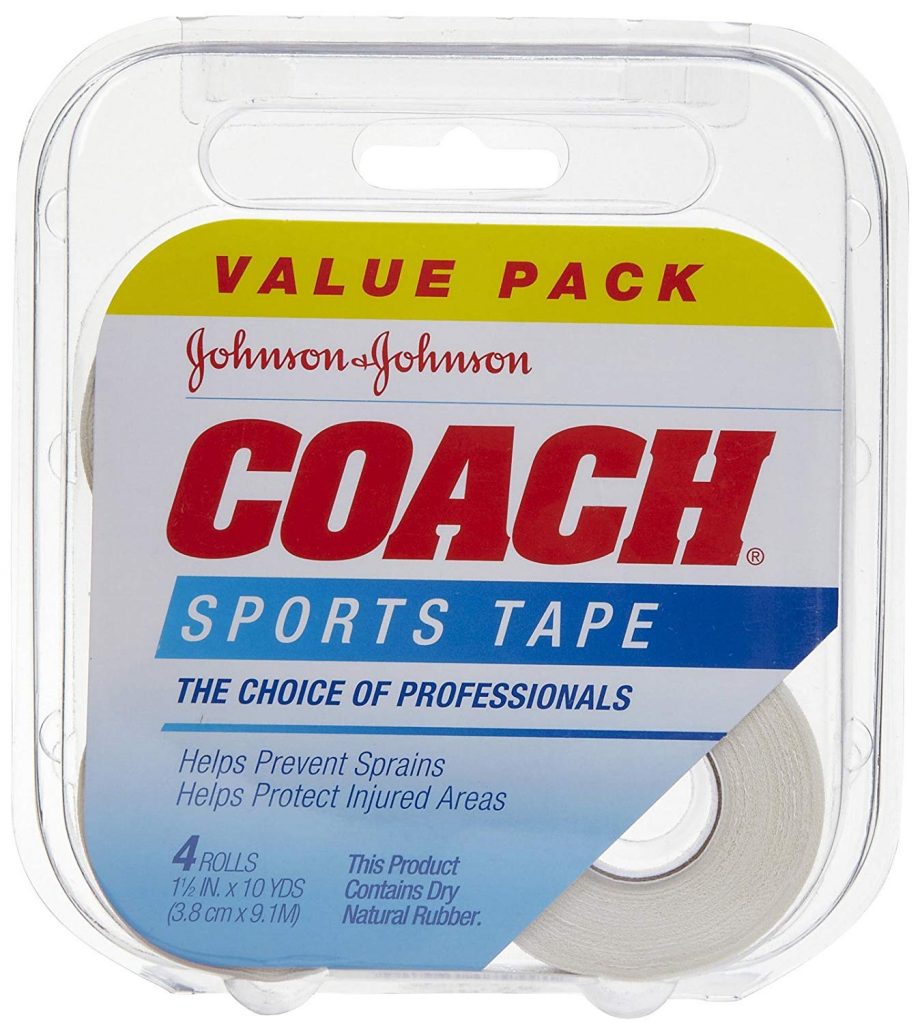
Who is George Lockhart?

George Lockhart is a former United States Marine turned nutritionist and weight management expert. He is the co-founder of Lockhart and Leith, a nutrition and weight management company that provides customized nutrition plans for combat athletes. Lockhart has worked with some of the world’s top fighters, including Conor McGregor, Daniel Cormier, and Frankie Edgar.

As a nutritionist, Lockhart has a reputation as one of the top three dietitians for combat athletes in the Mixed Martial Arts, Brazilian Jiu-Jitsu, and wrestling communities.

In terms of qualifications, I really think George Lockhart easily tops the list of possible candidates. After all, not everyone gets to be a nutrition specialist for the Marine Corps. If that’s not enough as a fact then you should know that he has a Navy achievement medal for his nutrition curriculum devised for the Marines. If it is good enough for the USMC it is good enough for everyone.

George Lockhart Nutritionist Qualifications

Very often, with nutritionists, we tend to look for proof of their education and qualifications for the task at hand. So far, there is no world-class college for sports nutritionists, although that doesn’t mean that sufficient qualifications do exist. They include a science-based approach and experience in the field.

In terms of qualifications, I really think George Lockhart tops the list of possible candidates. After all, not everyone gets to be a nutrition specialist for the Marines. If that’s not enough as a fact then you should know that he has a Navy achievement medal for his nutrition curriculum devised for the Marines. If it is good enough for the USMC it is good enough for everyone.

Moreover, George Lockhart is highly experienced in the field of nutrition. Growing up as an obese kid, he started learning about dieting and physical training at a very early age. Since he’s also a martial artist and professional fighter himself, he understands the needs of athletes even better. His qualities are science-based methodology and decades of experience. A clear testament to the success of his methodology is the stability of UFC starts he’s had under his tutelage. So far, they’re more than 100, 11 of which are or were world champions.

His athletes never have trouble reaching their desired weight. Not only that, but their performances in the cage are at the highest level possible. Lockhart takes all the stress of weight cutting out of the equation so that fighters can focus on their technique and tactical gameplan.

Conor McGregor Cutting Weight

The Importance of Proper Nutrition For Combat Athletes

Nutrition is one of the building blocks of a healthy body. Without proper nutrition, your body can’t function at its best. For combat athletes, proper nutrition is especially important as it can impact your performance in the gym and in the ring. Here are some key reasons why nutrition is so important for combat athletes:

  • Performance: Proper nutrition provides your body with the fuel it needs to perform at its best.
  • Weight Management: Nutrition and weight management go hand in hand. By fueling your body properly, you can maintain a healthy weight and avoid unnecessary weight cuts.
  • Recovery: Post-workout nutrition is key to helping your body recover and repair itself after a tough training session.
  • Health: Proper nutrition can help combat athletes maintain good health, both in and out of the gym

The Nutrition Genius Of George Lockhart

George Lockhart is a very active man with a very active lifestyle. Not only that, but he is the nutrition specialist for the cream of the crop in the UFC. Lockhart is the man that gets Conor McGregor, Jon Jones, Brian Stan, Cris Cyborg, and plenty of others on weight for their astonishing performances in the octagon. Tristar gym owner Firas Zahabi is also a big fan and proponent of Geroge Lockhart’s nutritional approach.

Lockhart spent 10 years working as a combat conditioning specialist for the US Marines. He was tasked with figuring out the optimal nutrition strategies to keep the fighting forces going. Given the strict weight and performance standards of the USMC, this is no easy task to accomplish.

Getting the correct amount of nutrients to someone with limited time and supplies became a specialty of Lockhart. So, it is no surprise that he took his expertise to another group of people desperately in need of sound nutritional advice – fighters.

George Lockhart Nutrition And Weight Management System: An Overview

Nutrition is a crucial aspect of any athlete’s training regimen, but it is especially important for combat athletes who rely on strength, agility, and endurance to perform at their best. George Lockhart’s philosophy on nutrition is to focus on creating nutrition plans that are tailored to each athlete’s specific needs. He believes that proper nutrition is the foundation for building a successful career in combat sports.

Lockhart’s nutrition plans emphasize a balanced diet that includes plenty of proteins, carbohydrates, and fats. Carbohydrates are the main source of fuel for an athlete’s muscles, while proteins are the building blocks for muscle growth and repair. Fats provide essential vitamins and omega-3 fatty acids that are crucial for a healthy body.

George Lockhart’s Approach to Nutrition

The main thing to know about Lockhart’s dieting principles is that he likes to use science to build them. Furthermore, he is a big advocate of tracking everything on a daily basis and making adjustments as you go. It is a foolproof methodology that gives results – as all of his fighters can confirm.

George Lockhart takes a customized approach to nutrition, tailoring each athlete’s nutrition plan to their specific needs and goals. I’ve been a fan of Lockhart for a while now, ever since I saw him in an interview with Firas Zahabi. His principles are easy to follow, keep you satiated, healthy, and full of energy.

Some of the key principles of Lockhart’s approach include:

  • Micronutrient Timing: Lockhart likes to time his fighters’ carbs around their workouts to help replenish glycogen stores and provide energy pre and post-workout.
  • Cheat Meals: Lockhart allows his fighters to indulge in cheat meals occasionally to help keep them on track and prevent burnout.
  • Including good fats: Healthy fats are important components of a combat athlete’s diet, helping to build and repair muscles and provide sustained energy.
  • Supplements: Lockhart is a big believer in the strategic use of supplements (like the inevitable protein shake) to help fighters meet their nutritional needs.

Tyson Fury and Lockhart

An Introduction To The George Lockhart Nutrition System

First and foremost, the Gorge Lockhart Nutrition System DVD in this bundle is the key feature that’ll help you make sense of the book. Otherwise, you’ll just have a book of diet plans and delicious recipes to choose from. Which, when I come to think about it, is really not that bad.

So before taking us on a nutritional trip, George Lockhart explains what the crucial elements of any successful diet plan are. Whether you’re looking to:

  • Drop fat,
  • Cut weight for a competition, or
  • Just get in shape

it all starts at the same point. While most people are aware that goal setting is the first step to success, many are clueless about how to do it. Lockhart explains the importance of goals and how to set achievable ones so that you keep having progress.

Next, you get to learn about the building blocks of any diet out there. Whether you’re eating a clean or a using processed foods, your food is made up of three main building blocks:

  1. Protein,
  2. Carbohydrates, and
  3. Fats

They are the main macronutrients in any diet. George Lockhart gives attention to each of the themes separately, outlining what they are and why they’re important.

Contrary to popular beliefs and fad diets, you need all three of them for a healthy and balanced diet. George outlines how much different people need in different circumstances.

Hydration, Supplements, And Meal Timing

Do you know what the Harris-Benedict formula is? Well neither did I but it turns out it is nothing complicated. Or rather, it is, but Lockhart manages to explain the meat and potatoes of it.

Essentially, it is a formula that helps determine our basic metabolic rate and figure out how much we need in terms of nutrition. While you might be able to find calculators set in accordance with it, they’re missing a key portion.

What Lockhart adds to the table is hydration levels and how to fit them into the formula. It’s truly invaluable information that no other nutrition guru or trainer has ever prioritized until now.

Another great benefit of acquiring the Geroge Lockhart Nutrition System, DVD, and E-book combo is that you’ll save money on a continuum.

It is not just that the price is very reasonable, but Lockhart also outlines the very few supplements that actually work, saving you lots of money every month.

It only takes a few supplements to get the maximum benefit for any Jiu-Jitsu or MMA athlete out there. It is going to save you a lot of money on useless supplements and you’ll get a better result than ever!

He suggests using a high-quality protein powder that contains essential amino acids within 15 minutes after a workout.

A hugely important part of the system is nutrition timing. What to eat before and after a workout is crucial for a good workout and a positive recovery.

Proper nutrition after a workout is just as important as nutrition before and during a workout.

Lockhart recommends that fighters consume a meal within 30 minutes after a workout to replenish glycogen stores and begin the recovery process. This meal should include carbohydrates and proteins in a ratio of 3:1.

George Lockhart

George Lockhart Weight Cutting Secrets

Weight cuts are a common part of combat sports with weight classes, but they can be dangerous if not done properly. George Lockhart is an expert in weight cutting and has helped numerous problematic fighters safely survive weigh ins for their competitions.

Lockhart recommends that fighters begin their weight cuts at least six weeks before their fight to give them enough time to safely lose weight without sacrificing their health or performance. He believes that a healthy weight cut should focus on losing fat while maintaining muscle mass and glycogen stores.

His athletes never have trouble reaching their desired weight. Not only that, but their performances in the cage are at the highest level possible. Lockhart takes all the stress of weight cutting out of the equation so that fighters can focus on their technique and tactical gameplan.

George uses a combination of diet, exercise, and hydration to help fighters safely cut weight. He emphasizes the importance of proper hydration during weight cuts, as dehydration can have serious health consequences.

His system is one that every athlete other than ultra heavyweights is going to swear by. Everything you need to know about cutting weight for martial arts is in there.

You’ll learn how to supercharge your endocrine system to help you burn fat efficiently and constantly.

You’ll be able to drop up to 20 pounds or more in an effortless fashion.

And here’s the cherry on top: The addition of the George Lockhart diet E-book means that you get a detailed nutrition plan along with delicious recipes on over 100 pages. The system is tailored to take you to your best shape in just 30 days!

What you’ll learn after those 30 days is that you can cut weight and drop fat successfully while not starving yourself. You’ll also learn healthy habits and a cookbook with recipes for a lifetime.

Whichever way look at it, you’re going to benefit from acquiring this amazing George Lockhart release. It is the one DVD bundle that the martial arts world has been waiting for!

George Lockhart Nutrition And Weight Management System
Click For More Info

George Lockhart Recipes And Meals

As far as recipes go, the E-book that’s part of the “George Lockhart Nutrition And Weight Management System” bundle is jam-packed with lots of those. However, let’s see a preview of what you can expect to find inside.

A great recipe comes in the form of a post-workout meal. For it, you’ll need fast-acting carbs – a lot of them. His top choice of post-workout snacks is dried fruits – cranberries, raisins, dates, figs, and the like.

Since carbs are far more important after training than protein is, pairing them with a good protein source like Greek yogurt is going to give you all the nutrients you need.

A good breakfast that Lockhart likes to use with his athletes is a fruit and kefir bowl. For it, you’ll need 2.5 fl. oz low-fat, plain kefir, a medium banana, 1/2 tbsp peanut butter, and 1.5 oz of oatmeal. Mix everything up and enjoy a great start to your training day.

For a lot more recipes and great information on supplement protocols, make sure you pick up his “Nutrition And Weight Management System” bundle!

George Lockhart Diet Tips

If you want to follow George Lockhart’s nutrition system for combat athletes, you might be wondering how to deal with some common challenges such as cheat meals and sugar cravings. In this section, we will share some of George Lockhart’s diet tips on how to handle these situations without compromising your goals.

Sugar Cravings

One of the most important tricks I learned was dealing with sugar cravings (more on this later). His method not only works but over time gets rid of my sweet tooth for good.

  • Drink water: Sometimes sugar cravings are actually thirst signals in disguise. Drinking water can help you stay hydrated and flush out toxins from your body. Water can also fill up your stomach and reduce your appetite.
  • Add cinnamon: Cinnamon is a spice that has many health benefits such as lowering blood sugar levels, improving insulin sensitivity, reducing inflammation, and fighting infections. You can add cinnamon to your water, tea, coffee, oatmeal, yogurt, smoothies, etc.
  • Bonus tip: Honey takes care of any sweet tooth you might still have after drinking cinnamon water.

Cheat Meals

Now imagine that you’re allowed to eat Twizzlers after workouts (which you are). Sounds too good to be true, doesn’t it?

George Lockhart has a different perspective on cheat meals. He believes that cheat meals are not necessary or beneficial for most people. He argues that cheat meals can disrupt your hormonal balance, cause inflammation, increase your appetite, and slow down your progress.

Instead of cheat meals, George Lockhart recommends having “flexible meals”. Flexible meals are meals that still follow the principles of his nutrition system (type, timing, portion size, and hormonal response), but allow you to have more variety and enjoyment in your food choices.

For example, instead of having a pizza or a burger as a cheat meal, you could have a chicken salad with avocado dressing and some sweet potato fries as a flexible meal. This way, you still get to eat foods that are high in protein, fiber, healthy fats, and complex carbs, but also satisfy your taste buds.

Flexible meals can be incorporated into your nutrition plan once or twice a week, depending on your goal and preference.

image

Conclusion

George Lockhart is a highly respected nutritionist in the world of combat sports. His approach to nutrition and weight management emphasizes the importance of creating personalized nutrition plans that focus on proper nutrition, safe weight cutting, and post-workout nutrition. By following Lockhart’s advice, combat athletes can optimize their performance and achieve their goals in the sport.

Related Articles:

George Lockhart Diet Tips For Grapplers And MMA Fighters
Conor McGregor’s Nutritionist George Lockhart on Joe Rogan Podcast
The Conor McGregor Camp – Kavanagh, Lockhart, And Portal
A George Lockhart Meal Plan For Brazilian Jiu-Jitsu

Where to Train for Competition: The Best BJJ & MMA Fight Camps

Where to Train for Competition: The Best BJJ & MMA Fight Camps

Are you searching for the top fight camps to get ready for your upcoming martial arts competition? Look no further. We’ve compiled a list of the top BJJ and MMA fight camps that cater specifically to fighters like you. These camps are great for everyone – whether you’re experienced or just getting started. You’ll get good training, and coaching, and make friends who are working towards similar goals.

A BJJ fight camp is a short-term intensive training program designed to help you improve your ground fighting skills, conditioning, strategy, and mindset for a specific competition. It usually involves training multiple times a day with high-level instructors and sparring partners, focusing on the ruleset, weight class, and game plan that suit your goals.

You should understand what happens at a BJJ training camp and how to use the things you learned in your usual training and competitions.

Brazilian Jiu-JItsu Camp Outdoor

How to Choose the Right BJJ Fight Camp for You

To pick the best BJJ camp for you, start by learning about the different kinds of camps.mThere are three main types of BJJ fight camps: general camps, specific camps, and personalized camps.

General Camps

General camps accept anyone who wants to improve their skills with excellent teachers and practice partners. They usually have a large number of attendees from different backgrounds, levels, and goals. The classes teach everything you need to know about BJJ, including techniques with and without a Gi, drilling, sparring, and fitness training.

They have other things you can do like yoga, meditation, and opportunities to go to see interesting sights.

These camps are good for people who want to practice with others from different places and have a fun and unique time. They are also great for those who want to improve their overall BJJ skills without focusing on a specific competition or ruleset. However, they may not be suitable for those who have very specific goals or preferences or who need more individual attention or feedback.

Specific Camps

Specific camps are tailored to a particular competition or ruleset. They usually have a smaller number of attendees who share the same goal or interest. They get ready for a special competition or style like ADCC, IBJJF, EBI, and more. They offer specialized classes covering the ruleset, strategy, techniques, etc. relevant to that event or format.

If you want to roll with people who share your goal or interest, specialist camps can be your top choice. BJJ classes there are great for those who want to improve their BJJ skills and stay fit. However, some people might not like them as they are quite limiting as a result of training for a specific ruleset.

Personalized Camps

Personalized camps are customized to your individual needs and preferences. They usually have a very small number of attendees or even just one person. They offer personalized coaching and feedback from an instructor or coach who designs your training program according to your goals, level, budget, schedule etc. They also offer other services such as nutrition advice, weight management, recovery sessions, etc.

What to Look for In A Fight Camp

There are different types of BJJ training camps. You should choose the one that you like and suits you best.
Here are some things to consider:

  • Location: where do you want to train? Do you prefer a local or an international destination? Do you want to train in a city or in nature? Do you want to explore the culture and attractions of the place?
  • Cost: How much can you afford to spend? Do you want to save money or splurge? Do you want to include accommodation, meals, transportation, etc. in your package?
  • Duration: Would you rather do a program that is short but intense or one that lasts a long time but progresses slowly? Do you want to practice before, while doing, or after your tournament?
  • Instructors: Who do you want to learn from? Do you prefer a famous name or an unknown talent? Do you want to train with one instructor or multiple instructors? Are you looking to train with someone who has similar style, game, or body type as yours?
  • Training Partners: Who do you want to train with? Do you like being with lots of people or just a few? Do you prefer exercising with people who have varying levels of experience and different goals than you? Would you like to practice with individuals who encourage you, motivate you, or do both?
  • Facilities: What kind of facilities do you want to train in? Are you after a modern BJJ gym or a more traditional academy? Do you want access to other amenities such as sauna, pool, massage, etc.?

Once you have evaluated each factor based on your needs and preferences, you can narrow down your options and choose the best BJJ fight camp for you. To help you with that process, we have compiled some examples of popular and reputable BJJ fight camps around the world. These are not ranked in any particular order and they may not cover all types of BJJ fight camps available. They are just meant to give you an idea of what’s out there and what they offer.

Popular and Reputable BJJ Fight Camps Around The World:

  • Gracie Academy in Rio de Janeiro, Brazil: The original and most prestigious BJJ school in the world, founded by Carlos Gracie and run by his descendants. You can train with members of the Gracie family and learn from their vast experience and knowledge.
  • Renzo Gracie Academy in New York City, USA: Renzo Gracie leads a successful BJJ school with many champions and legends. The school is well-known all over the world. You can train with some of the best BJJ fighters and coaches in the world in the famous “blue basement”.
  • New Wave Jiu-Jitsu in Austin, Texas, USA: One of the newest and most exciting BJJ teams in the world, formed by John Danaher and Gordon Ryan after the breakup of the Danaher Death Squad. You can train with John Danaher himself and learn from his unique system and techniques, Training with the team’s superstars Gordon Ryan, Gary Tonon, Giancarlo Bodoni, Helena Crever, and others is to be expected. Undoubtedly, you’ll be pushed to your limits.
  • Atos HQ in San Diego, USA: Perhaps the most dominant and innovative Jiu-Jitsu gyms in the world, headed by Andre Galvao and featuring many top-level competitors and instructors. You can train with some of the most talented and creative grapplers in the world, such as Lucas Barbosa, the Ruotolos, Andre, etc.
  • Unity Jiu-Jitsu in New York is famous for its advanced and creative way of training BJJ. Their New York location is home to a team of world-class coaches, including Murilo Santana and Marcos Tinoco. The facility also offers strength and conditioning workouts and nutrition counseling.
  • The 10th Planet Jiu-Jitsu in San Diego, California is famous for using different and innovative moves and methods in grappling. Their San Diego location is home to a team of experienced coaches and a highly competitive training environment.
  • The Marcelo Garcia Academy is a school in New York City run by Marcelo Garcia, who is one of the best grapplers ever and is very good at teaching. You can train with Marcelo Garcia himself and learn from his amazing technique and philosophy. You can also train with some of his students who are also very skilled and successful grapplers, such as Matheus Diniz, Jonathan Satava, Gianni Grippo, etc.
  • B-Team Jiu-Jitsu in Austin, Texas, USA: Another brand new BJJ team, also a result of the breakdown of the feared Danaher Death Squad. Athletes such as Nicky Ryan, Craig Jones, Ethan Crelinsten, and Nick Rodriguez are the coaches and founders. You can train with some of the most talented and creative grapplers in the world, who specialize in leg locks, back attacks, and submission-only rulesets.
  • BJJ Globetrotters in various locations around the world: A network of BJJ camps that offer training and travel opportunities in many exotic and unique destinations. You can practice with lots of different teachers and friends from all over the world, and learn different techniques and ideas from them. You may also make new friends and get to know new people. You can also explore the culture and attractions of the places you visit, such as Iceland, Italy, the Caribbean Islands, Poland, Maine, Esonia, etc.
  • Hidden Jiu Jitsu Camps in Las Vegas, Costa Rica, Thailand: A series of grappling camps taught by Henry Akins, a black belt under Rickson Gracie and the founder of the Hidden Jiu Jitsu system. You can train with Henry and some of his students who are also very experienced and knowledgeable grapplers.
  • Grappler’s Retreat in Mendocino, North California, USA: A fight camp that combines training with nature exploration and relaxation in a beautiful setting. You can learn from great teachers and practice with other people who also want to help you get better. The atmosphere is nice and everyone encourages each other. The place also has a pretty and calm environment with fun things to do like hiking, kayaking, and camping readily available.
  • Origin Jiu-Jitsu Immersion Camp in Mount Vernon, Maine, USA: Train with high-level instructors as well as access to Origin’s factory where they make their own gis and gear. You can train with some of the best BJJ instructors in the world, such as Bernardo Faria, Travis Stevens, Pete Roberts, etc., as well as visit Origin’s factory where they make their own gis and gear using American materials and craftsmanship.

These are just some examples of popular and reputable BJJ fight camps around the world. There are many more out there that may suit your needs and preferences better.

How to Choose the Right MMA or Wrestling Training Camp for You

If you like other sports besides BJJ, like MMA or wrestling, you should think about going to a special camp to get ready for your big competitions.

An MMA or wrestling fight camp is similar to a BJJ fight camp in many ways. This is a quick but focused training that helps you get better at things like your abilities, fitness, plans, and mindset for a particular contest.
Picking the best place to train for MMA or wrestling is similar to picking the best place to train for BJJ. You should understand the different kinds of MMA or wrestling training camps, think about what you want, and pick the one that suits you the most.

Here are some examples of some of the most popular MMA and wrestling fight camps you can join around the world:

MMA Fight Camps

The American Kickboxing Academy (AKA) is a famous place in San Jose, California, where many fighters go to train with top coaches like Javier Mendez and Bob Cook. It’s like a dream come true for them.

You can learn from famous fighters and coaches like Daniel Cormier, Cain Velasquez, Luke Rockhold, and others if you train in MMA.

  • American Top Team (ATT) in Coconut Creek, Florida, USA: One of the most decorated and respected MMA teams in the world, founded by Dan Lambert and Ricardo Liborio. Their training camps are known for being really hard, which makes sense because they have a lot of really good fighters and coaches like Amanda Nunes, Jorge Masvidal, Dustin Poirier, Tyron Woodley, and more.
  • Jackson Wink MMA Academy in Albuquerque, New Mexico, USA: The most innovative and successful MMA camp in the world, led by Greg Jackson and Mike Winkeljohn. MMA fighters like Jon Jones, Holly Holm, Michelle Waterson, and others call this place home. The two coaches, Greg Jackson and Mike Winklejohn are also a part of the immense draw of this combat sport heaven.

MMA fight camps: trianing for a fight

Wrestling Fight Camps

  • Pennsylvania Regional Training Center (PRTC) in Philadelphia, Pennsylvania, USA has of the best wrestling programs in the country, supported by Penn University and Drexel University. You can train with some of the best wrestlers and coaches in the country, such as Mark Hall, Ben Honis, Richie Lewis, Dave McFadden, Jordan Burroughs, Zach Rey, Brian Snyder, etc.
  • Ohio Regional Training Center (ORTC) in Columbus, Ohio, USA: Olympic-level wrestlers like Kyle Snyder, Nathan Tomasello, Myles Martin, Kollin Moore, Tom Ryan, Lou Rosselli, will ensure you suffer as you get better at wrestling if you opt for this gym.
  • Sunkist Wrestling Club in Tempe, Arizona, USA: One of the oldest and most successful wrestling clubs in the country, founded by Art Martori, filled with professional athletes.

These are just some examples of fight camps that can help you learn MMA and wrestling. While you can learn at any MMA gym or wrestling program, these will help you become the best, whether you are an amateur or a professional.

Wrestling camp competition preparation

What to Expect From Brazilian Jiu-Jitsu/MMA Training Camps

If you pick a fight camp, you should know what to anticipate from it. A BJJ fight camp is not a typical training session or a regular vacation. It is a short-term intensive training program that requires a lot of hard work, dedication, and focus:

Structure and Schedule

A typical BJJ fight camp lasts for one or two weeks before a major competition. MMA camps last 6-8 weeks. This means that people usually train two or three times a day for about two or three hours each time. The sessions may include warm-ups, drills, techniques, sparring, conditioning, etc. depending on the type and goal of the camp.

The schedule may vary depending on the location, instructors, and attendees of the camp. Some camps may have a fixed schedule that everyone follows. Others may have a flexible schedule that allows you to choose your own classes and activities. Some camps may also offer other activities besides training such as yoga, meditation, sightseeing, etc.

The structure and schedule of fight camps are designed to help you improve your skills, conditioning, strategy, and mindset for a specific competition. These are made to help you be at your best when you need to be and not train too much or too little.

Benefits and Challenges

Training at a BJJ fight camp can offer many benefits for your performance and development as a competitor. There are some good things about it:

  • You can learn from the best people who do BJJ and teach it. They have lots of experience and know-how from competing at the top level.
  • You’ll expose yourself to different styles and techniques that may challenge your game or complement your game.
  • Camps will challenge you physically and mentally by putting you through intense training sessions with high-level sparring partners.
  • You can immerse yourself in a supportive and motivating atmosphere where everyone shares the same goal or interest.
  • Traveling to a new place and meeting new people can be fun and enjoyable.

However, training at fight camps can also pose many challenges for you, like the following examples:

  • You may have to deal with injuries or illnesses that may affect your training or performance.
  • You will definitely have to face pressure or stress that may affect your mental state or confidence
  • If you have an upcoming tournament or MMA fight, weight management issues (if you cut weight) may occur that also affect your health or even your performance.
  • Sometimes there are problems with getting people or things from one place to another, finding a place to stay, and figuring out proper nutrition.

BJJ fight camps: specific competition preparation

Conclusion

In conclusion, a BJJ fight camp is a short-term intensive training program designed to help you improve your skills, conditioning, strategy, and mindset for a specific competition. You can get better at your sport and become a stronger competitor by practicing with the best fighters and coaches, trying out new styles and techniques, pushing yourself to your limits, being around supportive and motivating people, and having fun.

OSS Meaning: Discover Its Origin, Usage, And Purport In Martial Arts

OSS Meaning - Origin, Usage, And Purport

OSS Meaning: Discover Its Origin, Usage, And Purport In Martial Arts

Have you ever wondered what does Oss mean? “Oss” or “Osu” or even “Osss” is one of the phrases most often associated with Brazilian Jiu-Jitsu and other martial arts with Japanese roots. BJJ is a lot less ceremonial than Eastern martial arts Oss remains a big staple, despite the fact that many BJJ practitioners don’t know the original Oss meaning. You’re going to hear the word “Oss” when you enter a BJJ academy almost everywhere in the world. It’s almost as certain as the fact that you’re going to tap during class.

So, why not understand what you’re saying or being told? Let’s begin.

How Do You Pronounce OSS?

In most cases, pronunciation depends on your gym and your head coach and the way he uses it. You can say short “OSS” (oh-ss) or long “OSSSS” (oh-sssss).

Also, in some gyms, people use “OSU: which pronounces slightly differently, as strong and short (oh-su).

Oss use in Braizlian Jiu-Jitsu

Theories For The Origins of OSS

Some researches show that the word “Oss” first appeared at the Imperial Japanese Navy Officers Academy in the early 20th century. They would use it as a greeting between themselves, as a means of paying respect.

The usage of the word “Oss” in most modern BJJ dojos around the planet is a clear reminant of BJJ’s Japanese roots. As most of you know, Brazilian Jiu-Jitsu developed in Brazil as the evolution of Mitsuyo Maeda’s Judo and Catch-Wrestling expertise.

Since it all began with the Japanese martial arts, it is logical why some Japanese formalities or “reiho” found fertile ground in Brazil. One of them is “Oss”.

Here are the main theories related to Word OSS and its origin. and true meaning.

The “Onegai Shimasu” Theory

Today, in every Japanese martial art gym or dojo in the world, when the teacher or sensei, bows to the kamiza (a shrine usually containing a Grandmaster’s photo) and then bows to the students, the students reply: “ONEGAI SHIMASU!”

At the end of the lesson, while they bow to the teacher, the students reply “DOMO ARIGATO ONEGAI SHIMASU!” The phrase “Onegai Shimasu” at the begging of the lessons demonstrates the students’ will to participate and learn. Bluntly, it translates as: „Please let’s do it“.

The other, longer version, which also contains the words “Domo Arigato” (translating as “thank you very much”) could also be interpreted as „Thank you very much for your teaching“. A fitting way to end class.

So, the root meaning of “Oss” in Japanese martial arts is a demonstration of gratitude for the knowledge shared by the instructor.

Meaning of oss, BJj

Because we Westerners tend to shorten the expressions, especially those we are not familiar with, in time, the expression „Onegai Shimasu“ slowly abbreviated into “Oss”, commonly used today to convey the same meaning as the longer term in a polite way.

The “Good Morning” OSS Theory

This theory suggests that “Oss”/”Osu” could’ve come from Japanese Linguistic Professor Mizutani Osamu’s test. Every morning, the language expert would greet random people by saying the traditional Japanese good morning phrase “ohayo gozaimasu”. While doing so, he would note every response he would receive.

While most people would respond to the greeting the same, some of them would use the shortened version “Osu” to reply. It was probably their way to shorten the greeting because “Osu” wasn’t officially noted anywhere at the time.

What’s even more interesting is that most masculine men would shorten the return greeting. So, if you take into consideration that usually muscular people train in combat sports, this theory makes sense. Somewhat.

All in all, according to this theory, the real “Oss” meaning is actually a short way of saying good morning.

The Kyokushin Theory Of OSS

In Kyokushin Karate dojos, the term “Osu” is a very usual term, but comes from the loner phrase of “osu no seishin”.

It’s actually a combination of two different Kanjis. The verb, “Osu” means “to push”, and Shinobi means “to suffer” or “to endure”. When those two verbs are put together they create a term that has a lot of interpretations.

If you google that sentence, you’ll get many different things that could actually represent the “Oss” meaning.

Here are some examples of what the meaning of “Oss” according to this theory:

  • “The Importance of Effort”
  • “Combat Spirit”
  • “Not Showing is Suffering”
  • “Advance with a steady and positive attitude”
  • “The Power of Will”
  • “Overcome the obstacles by going through them”

The “Oshi Shinobu” Theory

When some people in Japan would look to verbally express “Chi Energy” they would say “Oshi Shinobu”. In the book, “Book of five rings” or “Go rin no sho”, written by Miyamoto Musashi the famous katana-wielding warrior wrote that Samurais would use “Oss”/”Osu” or other similar phrases to muster their inner strength on three occasions:

  1. Before the fight,
  2. In the middle of the fight, and
  3. After the fight.

According to this theory, the meaning of “Oss” is actually a war cry used on the battlefield to raise the combat spirit.

Meaning Of Oss

What’s The Modern OSS Meaning?

The meaning of “Oss” is a diverse one today. When looking to answer the question “what does Oss mean?“, the answer is that the phrase has less of a courteous and more of a social meaning and application.

Namely, the word Oss is the go-to phrase used for greeting or an acknowledgment of understanding demonstrated techniques. It can also be shared as a compliment for a particularly impressive competition, rolling performance or to celebrate victory. For example, you could hear an entire arena muttering “Oss” in admiration of Berimbolos when they first appeared.

Although not as distinct as in Japanese culture, respect remains a huge part of Jiu-Jitsu. Some schools, like Gracie Barra, have kept more of the traditional elements than others. In a GB academy, people bow before entering the dojo, often accompanied by “Oss”. This is meant as a token of respect towards Carlos Gracie Jr, the founder. Like Eddie Bravo’s 10th Planet, other schools do barely any bowing, but “Oss” is still muttered daily as a token of respect.

So, in general, the word “Oss” demonstrates mutual respect between two sides. No matter the philosophy of an academy, the meaning of “Oss” usually expresses respectful behavior on the mats.

Meaning Of OSS In Brazilian Jiu-Jitsu

Just like in other martial arts related to Japan there are several main meanings for “Oss” in BJJ today. To sum it up, today, “Oss” means one or all of the following:

  • Greeting
  • Response
  • Respect
  • Compliment
  • Encouragement

Greeting: Many practitioners in many Jiu-Jitsu gyms greet each other with Oss. Most of the time it’s used seriously, but lately, some people greet each other with “Oss” in a fun and more playful manner.

Response: If you want to say you understood something, or you acknowledged something saying “Oss” is a good way to do so.

Respect: If you want to show respect to your instructor or your teammates, bowing and saying “Oss” is probably the best way. You can wave them goodbye with “Oss” or greet them when you see them.

Also, if your instructor demands the use of “Oss” at the beginning and at the end of class, you should embrace it as a sign of respect.

Compliment: Loud and deep pronunciation of “Oss” is used when someone pulls some good technique. You can usually hear it in tournaments, but in gyms too.

Encouragement: Encouraging your teammates or just trying to tell them they did something well is always a good gesture. Using “Oss”, in that case, is a good way to encourage them, just like saying “good job”!

Oss meaning BJJ

Who Introduced OSS To Brazilian Jiu-Jitsu Practitioners?

Grandmaster Carlson Gracie brought “Oss” to BJJ simply because he was taught to use it by Mitsuyo Maeda, who himself used it very often.

Carlson’s stuck with the term “Oss” with the goal of carrying over Japanese standards of conduct and ethics into Jiu-Jitsu.

Other modern versions of Japanese-born martial arts like Judo, Karate, Ju-Jitsu, etc, also use the term heavily, as a means of paying respect to the Japanese roots and culture.

What Does OSS Mean In MMA?

At the beginning of MMA itself, the word “Oss” was widely used, mostly in gyms among sparring partners.

The fighters themselves would come from different sports and cultures, so they wanted to represent their sport and their gym in the best possible way by paying respect through greeting people with the respectful “Oss”.

One of the most popular fighters in the world, George St-Pierre would greet everyone with “Oss” every time he would step into the octagon. He would also wear a Japanese Gi and a rising star stirnband representing the culture of Japan.

In modern times, the word “Oss” has been more or less eradicated from MMA, as all focus is now on performance, and, regrettably, sh#t talking.

GSP MMA walkout attire, Japanese Gi, headband

Examples Of OSS Used In Martial Arts Gyms

Most of the time you’ll hear “Oss” in different situations. Although, it’s used in normal conversations too between two practitioners of the same martial art.

Below is the list of situations/conversations when “Oss” is used in gyms:

Class Intro And Outro As A Greeting: When the class is starting students line up with their professor in front of them. After a short speech from the professor, he bows and greets everyone with “Oss” and the students reply in kind.

The same bow and greeting with “Oss” usually happens after the class is done.

Acknowledgment and Understanding: Once the instructor shows the technique he will usually ask if everyone understood the technique. If everyone understood the technique it’s not unusual to hear “Oss” as a response.

In this case, the “Oss” meaning is shown as acknowledgment and understanding of instructions.

Partner Drills and Sparrings: You can say “Oss” in rolls/sparrings or when drilling when you want to praise your partner. Instead of saying “nicely done”, “you performed great” or “good technique” you can simply use the term “Oss”.

Just like at the start and the end of class, you can use “Oss” at the start or at the end of a roll.

Internet communication: I’ve noticed that many people in BJJ finish online conversations by saying OSS. So in this case the OSS meaning would be “goodbye”.

When To Use OSS And When To Not

Just like with everything there are do’s and don’ts when using “Oss”. Here are two main things to remember in case you’re used to using “Oss”:

  • Only use Oss with people who train in BJJ or in some other Japanese Martial Art: there’s a low chance that anyone outside of the gym is going to understand what you’re trying to say when you say “Oss” to them. So, if you want to avoid weird looks use the phrase just in conversations connected with Jiu-Jitsu.
  • Try to avoid using the term too often. There is such a thing as overusing the phrase to a point where it loses it’s meaning. Check your timing and context when reaching for “Oss” in your vocabulary.

How To Use OSS Jn Japan

In the case you find yourself in Japan, using “Oss” is reserved only for special occasions. So, definitely avoid saying “Oss” to a Japanese person unless that person is:

  • Younger than you,
  • Lower in rank, or
  • They demand you to say it

In Japan, the term “Oss” is a mark of assertiveness and masculinity, so in the case of the wrong usage of the phrase, things could get messy.

Interestingly enough, you should try to avoid “Oss” completely if you are female in Japan.

Drilling and rolling in BJJ

The State Of The Phrase OSS Today

As mentioned above, BJJ academies are in general considerably more laid back than traditional Japanese schools. While you can get away with “Oss-ing” your way everywhere around a BJJ gym without it being a big deal, you should take more care in the East.

The meaning of “Oss” is a multi-purposeful one, ranging from “hi” to “excuse me” to “let’s roll”. So, next time someone asks “What does Oss mean?”, or “What’s the “Oss” meaning, know that there’s more than one correct answer.

And no, it is not always appropriate to use it because you can misinterpret “Oss” meaning and look weird or even land you in trouble.

20 Rules of Life That Will Change You Written By Japanese Samurai 400 Years Ago

https://bjj-world.com/loyalty-disloyalty-creontes-traitors-brazilian-jiu-jitsu/

Guy Accused for Sexism in BJJ Class and “brushed” by his Instructor


Cauliflower Ear in BJJ: How to Avoid, Drain and Heal It

Cauliflower Ears Jiu-Jitsu

If you train BJJ, MMA, or wrestling, you may have noticed that some of your fellow athletes have funny-looking ears. They may look lumpy, swollen, or deformed, like a cauliflower. This condition is called cauliflower ear, and it is caused by repeated trauma to the ear cartilage. Whereas a few individuals may wear it as a badge of honor, others may discover it unattractive, excruciating, or indeed hurtful to their hearing.

So, what can you do to prevent cauliflower ears in BJJ? How can you treat it? And how can you heal it if you want to restore your normal ear shape? In this article, we will answer these questions and provide you with some useful tips on how to avoid, drain and heal cauliflower ear in BJJ.

What Is Cauliflower Ear And What Causes It?

Cauliflower ear is a deformity of the outer ear that occurs when the ear cartilage is damaged by blunt trauma. The trauma causes bleeding under the skin, which forms a pocket of blood called a hematoma. This hematoma separates the overlying skin from the cartilage and prevents blood flow and nutrients from the blood vessels from reaching the cartilage.

As a result, the cartilage dies and shrinks, and scar tissue forms around it. This gives the ear a lumpy and wrinkled cauliflower-like appearance.

Acute cauliflower ear can happen to anyone who suffers a blow to the ear, such as boxers, rugby players, or martial artists. However, it is especially common in grapplers who train in Brazilian Jiu-Jitsu, mixed martial arts, or wrestling.

This is because grapplers often experience friction and pressure on their ears during headlocks, chokes, escapes, or takedowns. The Gi material can also rub and scrape the ears and cause damage, blocking off the blood supply in the ear.

Some people are more prone to developing cauliflower ear injuries than others, depending on their genetics, specific risk factors, and the severity of blunt-force trauma.

cauliflower ear

How To Prevent Cauliflower Ears in Brazilian Jiu-Jitsu

The best way to prevent cauliflower ear in BJJ is to avoid trauma to the ear as much as possible. While it may sound simple, once you’re engulfed in a grappling exchange, this can become quite hard if you do not have a system of things to watch out for in place.

Here are a few of those:

  • Adjust your rolling style. Try not to use too much pressure or force with your head when passing guard, controlling positions, or escaping chokes. Avoid getting your head stuck in tight spots where your ears can get folded or twisted. This is the most common way cauliflower ear occurs in grapplers. Tap early if you feel your ear is in danger of getting injured.
  • Wear protective head gear. One of the most effective ways to prevent cauliflower ears is to wear a comfortable and durable ear guard that covers your ears and protects them from impact and friction. Choose protective headgear that fits well and does not interfere with your hearing or vision.
  • Keep your ears clean and dry. Another way of preventing cauliflower ear is to avoid ear infections that can worsen the condition. Wash your ears with soap and water after every training session and dry them thoroughly. Strictly avoid wearing earrings or piercings that can irritate or injure your ears.

https://bjj-world.com/best-bjj-headgear-review/

How To Drain Cauliflower Ears In BJJ

If you notice any signs of cauliflower ear, such as swelling, bruising, pain, or loss of shape in your ear, you should act quickly before the blood clots and hardens. The sooner you treat it, the better your chances of preventing permanent deformity.

Here are some steps on treating acute cauliflower ear in BJJ:

  • Seek professional help. The initial treatment is draining the ear. The safest and most effective way to drain the cauliflower ear is to go to a doctor or a nurse who can perform the procedure with sterile tools, local anesthetic, and proper technique. It is not recommended that you attempt to drain it yourself especially risking the use of unsterile tools such as needles or syringes that can cause infection or further damage.
  • Follow the aftercare instructions. After draining the blood from your ear, you will need to apply pressure dressing, ice packs, and antibiotics as prescribed by your doctor. You will also need to keep the area clean and avoid further trauma until it heals completely.

How To Recover From Cauliflower Ear

If you have already developed cauliflower ear and want to restore your normal ear shape and function, you may need to consider surgery. However, surgery is not always necessary or recommended for everyone.

Here are some factors to consider before deciding on surgery:

  • Rest your ears. Before opting for surgery, you should give your ears some time to heal naturally. Take a break from training until your ears are fully healed and no longer swollen or tender. Do not expose them to friction, heat, or moisture that can delay healing or cause infection.
  • Monitor your ears. Check your ears regularly for signs of infection, inflammation, or recurrence of hematoma. If you notice any problems, consult your doctor immediately and follow their advice.
  • Consider surgery. If you are unhappy with the appearance of your ears after they have healed naturally, you can opt for cosmetic surgery to restore the shape and function of an ear lobe or two. However, be aware of the risks, costs, and recovery time involved in corrective surgery.You will need to find a qualified plastic surgeon who has experience with cauliflower ear correction. You will also need to undergo anesthesia, incisions, stitches, bandages, drains, painkillers and antibiotics.
  • Avoid any contact sports or activities that could injure your ears again for several weeks or months. You may also experience some swelling, bruising, numbness, or itching in your ears after surgery. Cauliflower ear severe symptoms might require repetitive surgeries and up to a year for results to become visible after the procedure(s).

How To Drain Cauliflower Ear At Home Step-By-Step

If you are tempted to drain cauliflower ear at home, you should re-think your decision. if you’re dead set on doing it yourself, at least make sure you know the correct steps and have at your disposal a cauliflower draining kit with the essential instruments.

5 Things You Need To Drain Your Cauliflower Ears

Before attempting to drain a cauliflower ear at home, you will need the following:

  1. Sterile needles: You will need a sterile needle to puncture the ear and drain the fluid. It is important to use a new, sterile needle every time to prevent infection.
  2. Alcohol or iodine solution: Before draining the fluid, you should clean the ear with an alcohol or iodine solution to reduce the risk of infection.
  3. Gloves: It is essential to wear gloves while draining cauliflower ear to prevent the spread of infection.
  4. Gauze or cotton balls: To stop the bleeding after draining the fluid, you will need gauze or cotton balls.
  5. Pain relief: Draining cauliflower ear can be painful, so it is advisable to have pain relief medication on hand.

Steps To Draining Cauliflower Ear At Home

If you notice signs of cauliflower ear in the early stages, such as pain, swelling, and redness, it is important to start treatment immediately.

Here are the steps to follow:

  1. Clean the ear: First, clean the affected area with an alcohol or iodine solution.
  2. Apply ice: Apply ice to the affected area for 10-15 minutes to reduce swelling.
  3. Drain the fluid: Using a sterile needle, puncture the ear and drain the fluid. Gently press on the ear to encourage the fluid to drain.
  4. Apply pressure: After draining the fluid, apply pressure with gauze or cotton balls to stop the bleeding.
  5. Monitor the ear: Keep a close eye on the ear to ensure it does not become infected. If you notice any signs of infection, such as fever or increased redness, consult a medical professional.

Safety Tips When Draining Cauliflower Ear On Your Own

When draining cauliflower ear, it is important to be gentle and patient. Avoid using excessive force or trying to extract too much fluid at once. Instead, take your time and use small, controlled movements.

It is also important to avoid inserting the needle too deeply or at the wrong angle. Make sure that you are using a sharp needle to minimize discomfort and ensure that the procedure is as quick and painless as possible. If you experience any resistance, it may be an indication that the needle is not in the right place, and you should stop immediately.

After draining the cauliflower ear, it is important to properly care for the wound to prevent infection. Clean the area thoroughly with soap and water and apply an antiseptic ointment. Use a sterile dressing to cover the wound and change it regularly.

If you feel any pain, swelling, or redness, get help from a doctor right away. It could mean you have an infection and need medical treatment.

Cauliflower Ear Draining FAQs

When To See A Doctor About Cauliflower Ear Draining?

It’s recommended to see a doctor as soon as possible if you suspect you have cauliflower ear. If the ear is swollen, painful, or red, it could be a sign of an infection, and a doctor can determine the best course of action. If you’re considering draining your cauliflower ear, it’s best to consult with a medical professional before attempting to do so on your own.

Should I Drain My Cauliflower Ear?

It’s important to consult with a medical professional before attempting to drain it on your own. They will be able to assess the extent of the injury and determine if draining is necessary. Improper draining can lead to further complications, so it’s essential to have a doctor or trained medical professional perform the procedure.

Do Cauliflower Ears Go Away?

Cauliflower ears do not go away on their own. Once the injury has occurred, the cartilage in the ear becomes deformed and can only be corrected through medical intervention. It’s important to treat cauliflower ears promptly to prevent permanent damage and disfigurement of the outer portion of the ear.

What Fluid Comes Out of Cauliflower Ear?

When a cauliflower ear is drained, the fluid that is released is typically a mixture of blood, pus, and other bodily fluids. The fluid can have a foul odor and is often accompanied by pain and swelling.

When Is It Too Late To Drain Cauliflower Ear?

It is always possible to remedy a cauliflower ear regardless of the time that has elapsed, but it is crucial to take prompt action in order to avoid irreversible harm. The longer the fluid accumulates, the more damage it can do to the ear cartilage, making it more difficult to correct the deformity.

What Happens If You Don’t Drain Your Cauliflower Ear?

If left untreated, cauliflower ears can lead to permanent disfigurement and affect your hearing to the level of serious hearing loss. The pressure from the fluid buildup can also cause pain and discomfort. Sometimes, the tissue in your ear can get hurt really bad and you might need surgery to fix it. It’s essential to treat cauliflower ear as soon as possible to prevent further complications.

 Conclusion

Cauliflower ear is a common condition among BJJ practitioners that can affect their appearance, self-esteem, and hearing. However, it is not inevitable or irreversible. By following some simple tips on how to prevent, drain and heal cauliflower ears in BJJ, you can enjoy your sport without worrying about your ears.

If you’re worried about cauliflower ear, talk to a doctor or plastic surgeon to figure out what to do. Remember that protective gear goes a long way if you have a predisposition to developing the condition. Also, early treatment is crucial to prevent permanent deformity and complications. Lately, there are some scientists claiming they can fix cauliflower ears with simple injections. So let’s see what the future will bring. Till then keep your ears safe.

Russell Brand Drained his Cauliflower Ear

https://bjj-world.com/the-end-of-cauliflower-ears-revolutionary-injection-fixes-deformed-ears/