


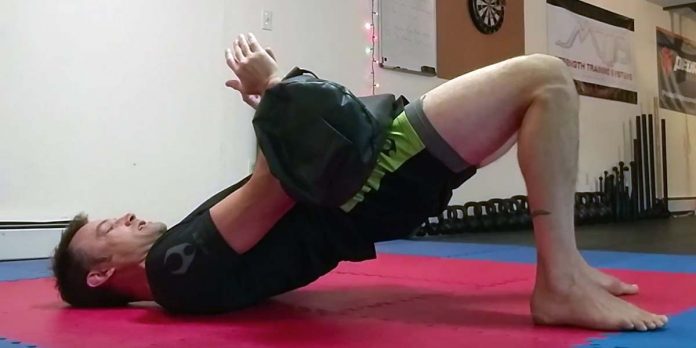
Benefits of Sandbag Conditioning For Jiu-Jitsu

Sandbag conditioning for BJJ

Out of the odd object you can use to improve your BJJ conditioning, there’ one that hits a very specific spot for grapplers. Sandbag conditioning is a fun way of getting your homework done with a very grappling-specific tool. There are countless benefits of sandbag conditioning for grapplers. At the same time, a sandbag is extremely easy to buy or make and doesn’t require any space.

The sandbag is a very unusual tool for conditioning. Do not expect to find it in your commercial gym. Actually, even the hardcore gyms that house sandbags are pretty hard to find. This is surprising as sandbag conditioning is a perfect way to improve performance for any kind of sport. When it comes to grappling martial arts, the sandbag is arguably the best conditioning tool you can use. It is going to make your heart and lungs work like crazy while increasing your strength as well. Furthermore, it is going to do wonders for your gripping strengths, especially if you’re a Gi competitor.  

When we’re talking about sandbag conditioning for grappling, go old school. Modern designs like the Bulgarian bag are good, but nothing beats the DIY sandbag. That said, you don’t actually have to make it yourself. There are commercial options out there that’ll provide you with everything you need. Regardless, you can always get a duffle bag and some sand and make your own. That way you can control the weight and even make a few different sized ones. You can also choose the best material to truly challenge your grips.  Give sandbag conditioning a try and you’ll be surprised at the results.  

Sandbag Conditioning For Jiu-Jitsu

When it comes to grappling, we’ve made it clear why the sandbag is on top of the conditioning tools pile. However, once you have a sandbag, what should you do with it? After all, most people know what to do with a barbell or dumbbells. They also know what monkey bars are for, and to some extent tools like kettlebells.  
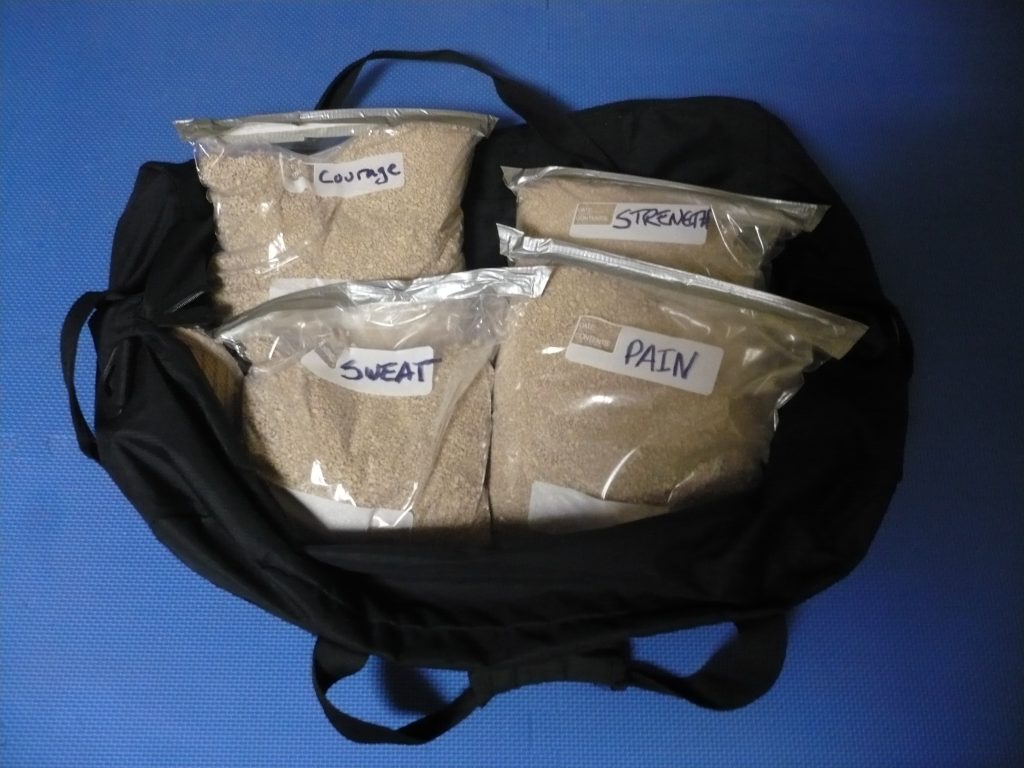
For grapplers, grip fighting is the first method of engagement during a fight. If there’s one thing that remains constant throughout a BJJ match it is the placement of grips. This requires you to possess a certain amount of grip strength. Actually, the more grip strength you have, the better for you. People usually tend to use different grip strength machines from commercial gyms. While they can help, they can never replicate the demands of BJJ. Sandbag conditioning exercises can.   

Expect to truly be challenged the moment you go through your first sandbag conditioning workout. It is going to be as tough a workout as you’ve ever done! However, sandbag conditioning is arguably the number one thing to do in order to improve grappling performance. If you’re in a hurry and really need to get in shape fast, that nothing can beat sandbag training! These are the main benefits of sandbag conditioning for grapplers:   

Developing Unbelievable Grip Strength 

Developing the grips strength of freestyle climbers is the crucial benefit of sandbag conditioning for grappling. First and foremost, sandbag training is going to help you get those Popeye forearms. Not necessarily in size, though, but certainly in strength! This is crucial for people training BJJ. Our forearms get a beating deign every training session. On top of that, forearm strength is essential for finishing chokes, especially in No-Gi. With slow chokes like the Guillotine, forearm strength is crucial to holding on long enough for the tap. 

In terms of general grip fighting, you need grip strength to both hold on to grips and break the opponent’s grips. Whatever the case, lacking in grip strength is going to make you less efficient. Sandbag conditioning mimics the movements in BJJ as close as possible, allowing you to condition your grips to specific situations.  

Building A Huge Gas Tank 

The next huge benefit of sandbag conditioning is just that – conditioning. Throwing around an oddly shaped object that moves in unpredictable ways is a surefire way of getting you into shape. In fact, this is so much alike BJJ that training with a sandbag can equate to rolling.  

When you are in a BJJ match or a tough roll, running out of gas can cost you a fight. Once you’re tired there’s nothing else you can think of and fighting is not going to be your focus. None of the other conditioning methods out there can even get close to the effects of sandbag conditioning.  Being in better grappling shape means you can last longer in a match and focus on what’s truly important – winning.   

Improve Functional Strength 

The functional strength terms get thrown around so much nowadays that it is very easy to get confused. If you listen to the fitness marketing machinery, everything you do is highly functional for your sport. In reality, things are very different, though. Namely, functional fitness is mostly a scam. There are only so many things you can do out of an actual sport that benefits that sport. For grapplers, sandbag conditioning is the one sure thing that can actually help functionality.  

Let me make it clear. A 50 lbs dumbbell and a 50 lbs sandbag can feel very different in weight. Despite weighing exactly the same, the balance of both these tools is very different. In turn, the effects of manipulating them are going to be different. As such the sandbag is going to feel like it weighs at least double than its actual weight 

IN terms of BJJ functionality, it is like training with a grappling dummy and a training partner. Your partner is not going to stay stationary and is constantly going to look to shift their weight. Sandbag conditioning can replicate this really close, making it truly functional.  

Increased Core Strength 
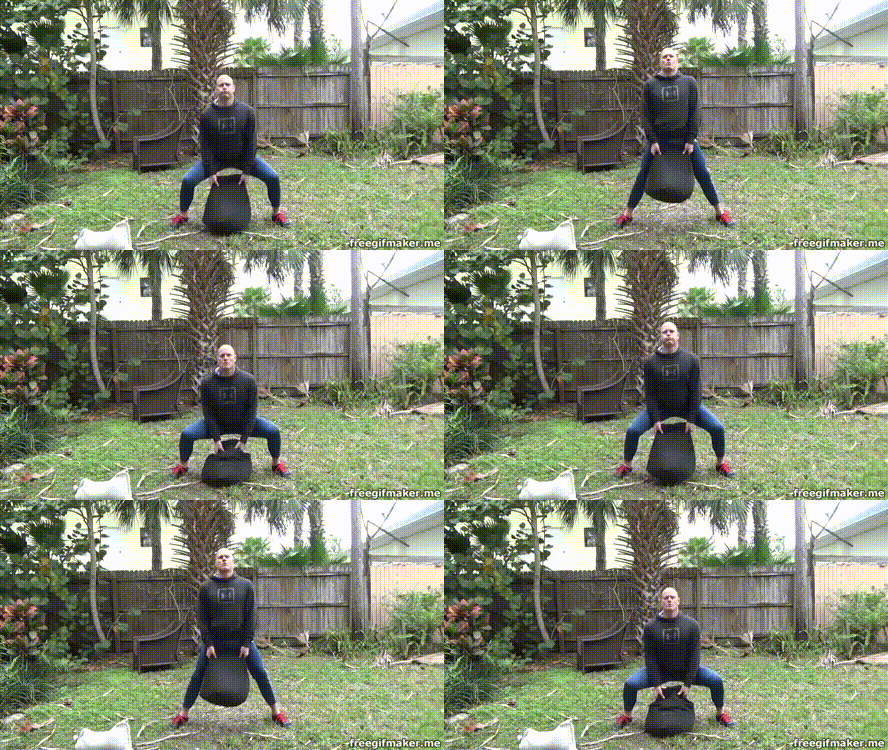
Sandbag ConditioningThe core is the crucial part of our bodies in terms of maximal athletic performance. It is the connection of all parts of our bodies. It is also the generator of power and explosiveness along with being the main stabilizer of the body. There are very few conditioning approaches that can ensure your core is ready for the demands of Brazilian Jiu-Jitsu.  To make things clear, countless sit-ups are not the answer.  

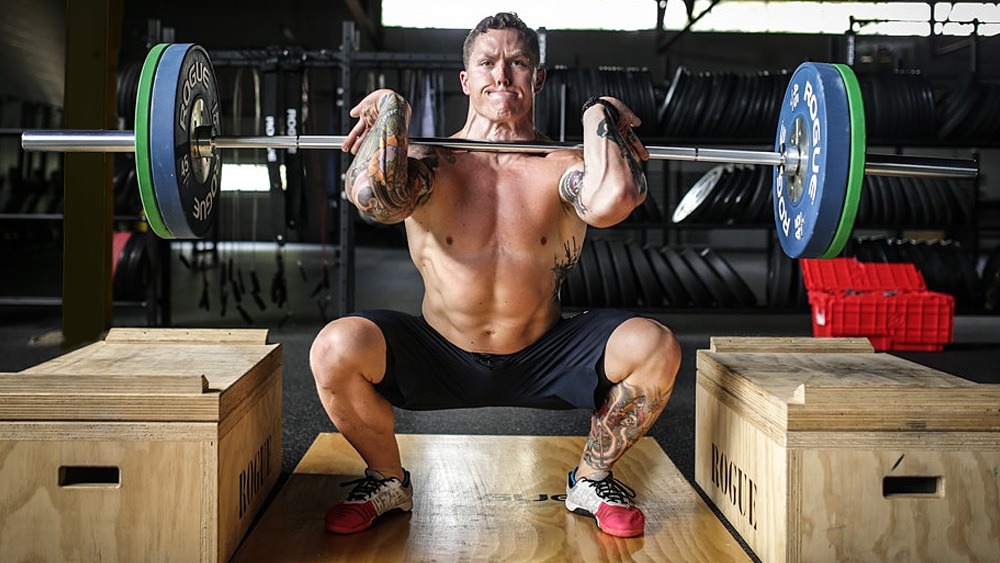
Training with a sandbag ensures that you develop both linear and rotational power in the core. Even more importantly, it develops functional core stability. Try carrying a sandbag in a rack position. Your forearms are going to burn and your core is going to get the mother of all workouts.  

Full Body Engagement 

Finally, sandbag conditioning ensures that your entire body works. Training with a sandbag is very much like BJJ. Your body is going to have to adopt in split seconds to deal with the demands of the workout. The more you try to control the bag, the more it is going to defy you. You can see how this relates to BJJ. In turn, there’s not a muscle in your body that is going to be spared when you engage in sandbag conditioning.  It is simply, the best conditioning tool for grapplers.  

Related Articles:

The Strength and Conditioning For BJJ Competitors
BodyWeight Exercises Based on Jiu-Jitsu Movement
Roger Gracie’s Pre Competition Training Routine
Should You Use or Avoid Olympic Lifts For BJJ?
Plyometric Training For Explosive BJJ Strength
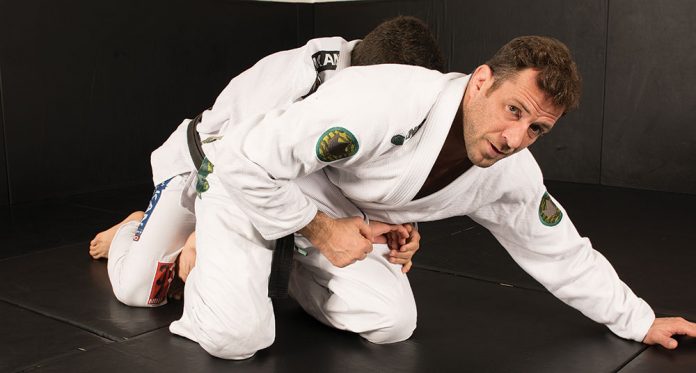
Turtle up! A Quick Guide To The Forgotten Turtle Guard

Turtle Guard Guide

BJJ turtle position is a very interesting one in terms of Brazilian Jiu-Jitsu. It is a position adopted from Judo where it is the mother of all defensive positions. However, given the nature and sports rules of BJJ, the turtle can be much more than that. In fact, the turtle guard is a very useful attacking option to surprise your opponents from an unexpected position. In BJJ, Turtle position is no longer called a GUARD because of rules and point system change but you can do good use of it.

Have you ever heard of the BJJ turtle guard? Actually have you ever even thought about attacking from the turtle-like form a guard position? Well, as far as Jiu-Jitsu goes, you can most certainly do so. Not only can you attack, but you can easily transition to other positions as well. The turtle guard offers rolling transitions and blitz counterattacks that are going to surprise even seasoned opponents. From efficient leg locks to nasty sneaky wrist locks, there are plenty of options you can use to turn the tables from the turtle guard. All it takes is an open mind.  

The main trouble with the turtle position is also its main strength. Namely, the turtle is a to a defensive position where your opponent can’t do absolutely anything to you. However, neither can you. The trouble is that people perceive the turtle position solely as a defensive stop. If you think about it is equal to being in closed guard and just staying there without attempting to do anything. You wouldn’t do that from the closed guard, so why do it from the turtle guard? Instead, think about what that position offers. BJJ turtle guard an open up attacks that are otherwise unavailable for you. Let’s look at how it works and how it can help you turn the tables on everyone! 

Turtle Up!

The turtle position is one readily available during a guard pass. Once your guard defense fails, unless you want to be stuck inside control you’ll most likely attempt to turn. Turning to your belly is a dumb thing to do, so the turtle is the preferred option for grapplers. However, the question is what to do next? In most cases, the ball stays in your opponent’s court as they go about opening up your defenses. Sure, attacking the turtle can be a real pain, but eventually, something is going to work. So perhaps, you were better off fighting from bottom side control anyway. Let’s reconsider that.  

In BJJ, turtle position can be a powerful guard-like position if you allow it. Once you get over your fear of giving away positions, you’ll discover the escape options the turtle guard offers. Namely, instead of just acting as a rock, you’ll see that guard recovery is a breeze if you know which direction to move to. On top of that, you can even look to go for sweeps, transition into takedowns or hit submissions straight away! The crucial piece of the puzzle here is your mindset. Of course, you’re going to need technical knowledge to execute anything with success, but first, you have to be willing to go for it. Do not see the turtle guard as a place to defend for dear life. Instead, look at it as the ultimate surprise attack position.  

Of course, you need to be able to defend before you attack. This does not present a challenge as it comes instinctively to people. However, once you’re able to mount an unbreakable defense, what next? BJJ is about being smart and tricking your opponent, not about running down the clock.  

Rolling Guard Recovery

Turtle Guard Guide
Stephan Kesting and Brandon Mullins

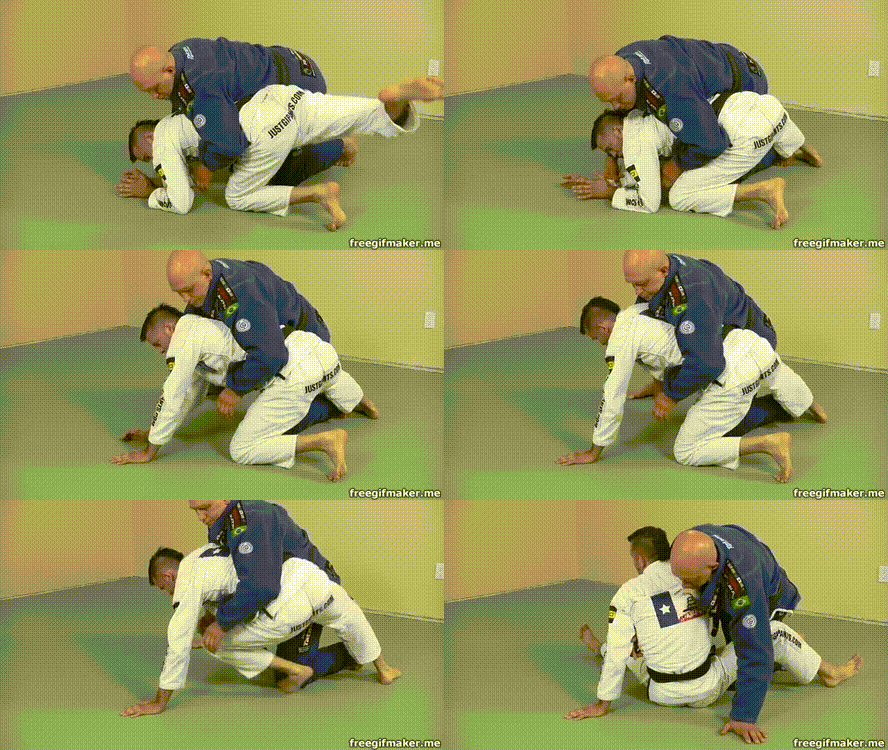
The basic path to safety from BJJ turtle guard is nothing fancy. All you need to do to get back to a safe position that has more options available is to recover full guard. The first step to achieving this is through kicking your nearside leg back. Once your leg is out, place it behind the opponent. Next look to post your opposite sidearm in order to build a base. All it takes now is to block the near side leg of the opponent with your inside arm. Simply pick your hips up and sit through right into the closed guard. It is a basic as it gets and just as effective.  

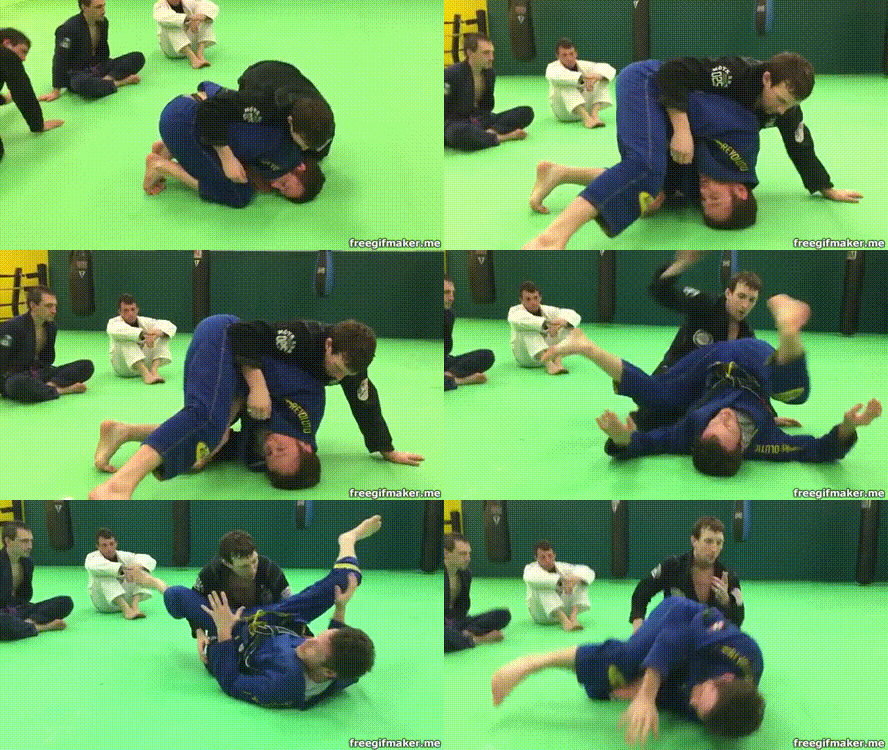
Turtle Guard Guide A bit more advanced version of abandoning the turtle guard is turning away. This move is a great option, you just need to do it on your terms in order to work. If the opponent causes you to turn they’ll either get side control or your back, depending on the direction. If you’re the one initiating the movement though, you’ll he able to re-guard easily. First, focus on keeping your outside elbow close to your thigh. Next, open up your hips and get into a Granby roll. This is not only going to get you out, but it is going to completely turn the tales. You’ll end up on the top with a clear path to back control.  
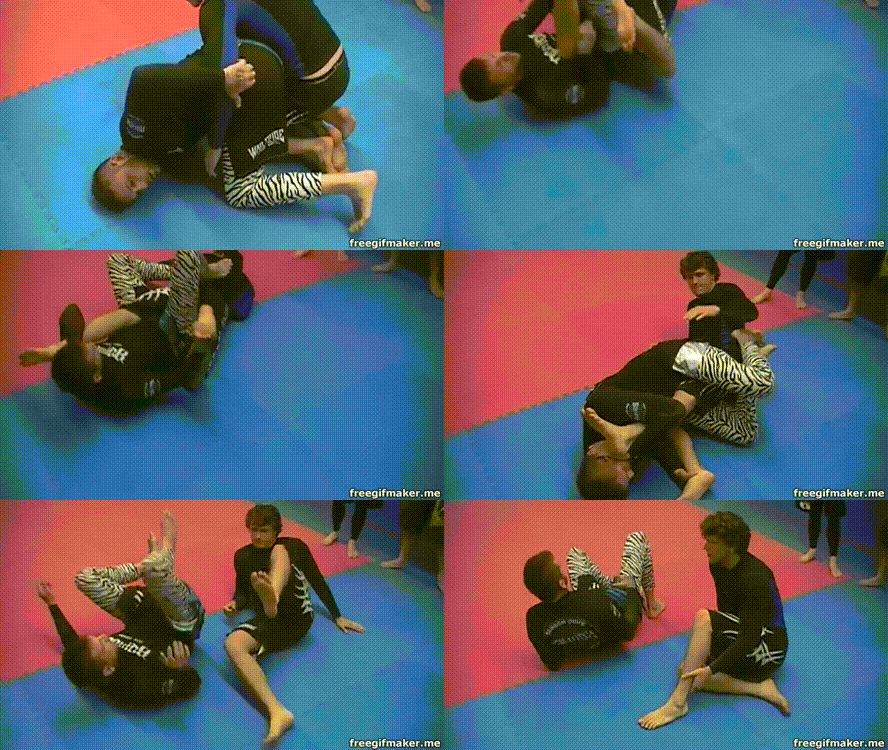
When you’re doing the rolling escape from the turtle guard, the point of reference is to get to a double underhook guard- kind of position. once there, you should use your hips to drop the weight down ending up in guard. An alternative is to go for a triangle choke and finishing right then and there.  

An Attacking Turtle Guard Game 

Remember that you need to use your solid defense in order to mount a decisive offense. In the hierarchy of understanding the BJJ turtle guard, attacks are going to have to wait. Make sure your chin is tucked in nicely and your arms and legs are tight. The basic principle of the turtle guard is to leave no space. If there’s space, there’s an opportunity for your opponent to break your structure.  Once space is removed you can think about working. The first direction to go to escapes. Once you master the art of escaping and reversal, you can start thinking about throwing in some counterattacks.  

Turtle Guard Guide Your attacks start off with your near side leg once again. This time though, instead of just kicking back you’re going to hook the opponent’s near side leg. If you have the option to use your inside arm for the same thing, go for it. It’ll provide you with much better control over the opponent. Once everything is in place, Just roll over your outside shoulder, holding on tight to the leg. What you’re essentially doing is a Víctor roll from the knees, which means you end up with a tight kneebar when the roll ends. An easy submission!  
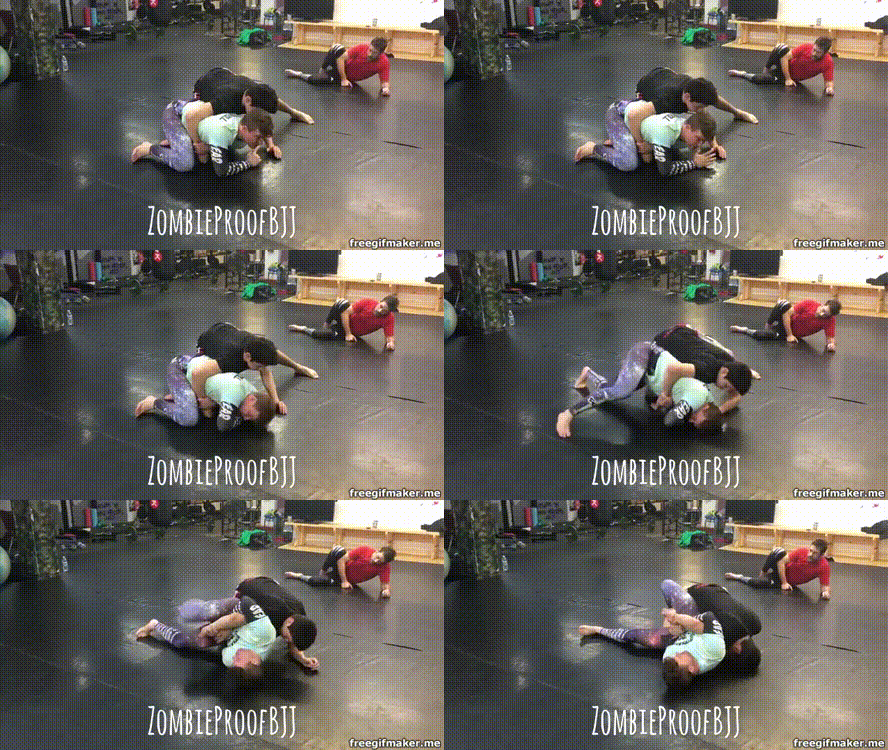
Turtle Guard Guide Furthermore, you can get a cool Kimura straight off the rolling escape. As you enter the Granby roll, make sure you control the opponent’s outside arm with your outside arm. Halfway through the Granby, Sneak in your other hand and lock a figure four grip on the opponent’s arm. Once you have the grip just keep turning and you’ll end up in top side control. The finish is easy from there, just like a regular Kimura.

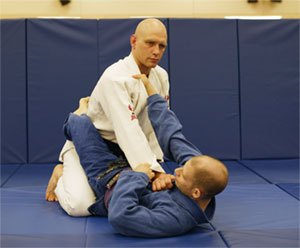
Mike Palladino DVD Killer Turtle Attacks

Related:

A Half Guard Sweep That Does Not Fail
Destroy Your Opponents With These Banana Split Submission Tips
The Complete Sneaky BJJ Rat Guard System
A Complete Submission-Based Back Attacks System
Grip Fighting Strategies From Back Control

Advanced Grip Fighting Tactics From The Guard

Grip Fighting

What is the first thing you and an opponent engage in when a match starts? Grip fighting. Every BJJ match, every BJJ roll, even every technique in class begins with holding your opponent. there’s no grappling unless you put your hands on your opponent. So, why do people underestimate this crucial aspect of Jiu-Jitsu?

Thinking about things logically, grip fighting should rank right at the top of fundamental techniques and strategies. Whether it is grip breaking or grip placement and holding, everyone should know how grips work. Add to that the different dimensions of Gi and No-Gi and you have quite a large subject to cover. However, in BJJ most people tend to brush off grip fighting and take it for granted.

Big mistake! When you grapple with someone, you have to get a hold of them. And in most cases, they won’t make it easy. So you need to know how to grip fight.  

As you can see grip fighting is not a small part of BJJ. Actually, there are so many different grip fighting strategies from different positions that we’ll have to choose just one of them for our subject today. Since we already covered Grip fighting from the back, today is time to go over some fundamental. let’s look at how you should place your grips when you’re on your back in BJJ. 

Black Belt Tips On Grip Fighting From The Back: https://bjj-world.com/grip-fighting-from-back-control/

Basic Principles Of Grip Fighting For BJJ 

In essence, there are two main principles of grip fighting from guard positions. One refers to the area of control you need to focus on. the second is all about making your opponent’s proffered gripping spots unavailable.  

1. Control The Inside Space: The most powerful position of our arms is when they’re near our bodies.  Pushing and pulling motions are much stronger when your arms are tight to your torso. Furthermore, it is much harder for your opponent to manipulate your limbs as well. Whether it is Gi or No-Gi you need to keep your arms close and engage in grip fighting from there. Controlling the inside space is the most basic principle of grip fighting you need to know.  

Let’s say you’re controlling your opponent’s sleeves with outside grips from the closed guard. They can move their arms with ease and use them to attack. At this point you don’t have an effective grip, you just have an attachment. Now grip behind the elbows or on the biceps. Now you have inside control and your opponent is going to have a much tougher time doing anything. First, they need to break your grips which will give you time to attack.  

2. Deny The Opponent’s Grips: As obvious as this principle might seem, it is one that people very often ignore. However, this is even more important than the previous one. Look at it this way: no grips means no game. If you have grips and our opponent doesn’t than you’re the one who can attack at will. Now, in the world of BJJ things are never that black and white. So when you grip fight, you need to deny the opponent until you get your inside control grips.  

Closed Guard Grip Strategies 

When you imitate your grips the goal is to get solid control while preventing your opponent from establishing grips. This is the ideal scenario you need to look for in any match. Now, let’s get into which grips you want from the guard. The grips you have detriment which attacks are going to work best.  

Grip Fighting Closed Guard
Stephan Kesting

Collar And Sleeve Grip: We The collar grip is one of BJJ’s most basic ones. With this grip there’s but one rule – the deeper, the better. For example, you want your left hand deep inside the right lapel of your opponent’s Gi. Then, you’re going to look for the opponent’s left side sleeve with your right hand. Four fingers inside the sleeve, and  the thumb to lock everything in place.  

What you get from this is control over the opponent’s limbs, which translates into posture control. As you know, posture is one of the most important BJJ principles. Controlling posture means you inhibit the opponent’s movement. That means you’re now attacking a stationary target which is much easier to accomplish.  

Cross Sleeve Grips: These grips can offer you massive control over your opponent. Cross gripping is going to provide you with much more posture control and even help you take away the opponent’s base.

If you can grab your opponent’s right sleeve with your right hand, you gain rotational control. This might result in a very easy back take or sweep. What this grip offers you is the opportunity of a double attack – either get the back or perform a pendulum sweep. Your options are not limited to these two attacks though. Throw in a collar grip as well and you can attack with every closed guard submission there is.

Gripping From Open Guard

The open guard is a whole different animal to the closed guard. When in open guard the opponent’s hips are much more mobile. This changes the grip fighting game significantly.  

One thing you need to remember is not to rely solely on your grips in the open guard. Using your legs for distance is absolutely essential. That aside, there are two main gripping sequences to help you dominate from the open guard.  

Sleeve And Pants Grips: Having a sleeve grip (or wrist grip in No-Gi) from the open guard means you’re halfway through a sweep. If you add in a pants grip to the mix you now have both the base and posture of your opponent. The grip is either on the heel, or the bottom edge of the pants. Controlling their leg and an arm means you can choose how to attack and they can’t do anything.  

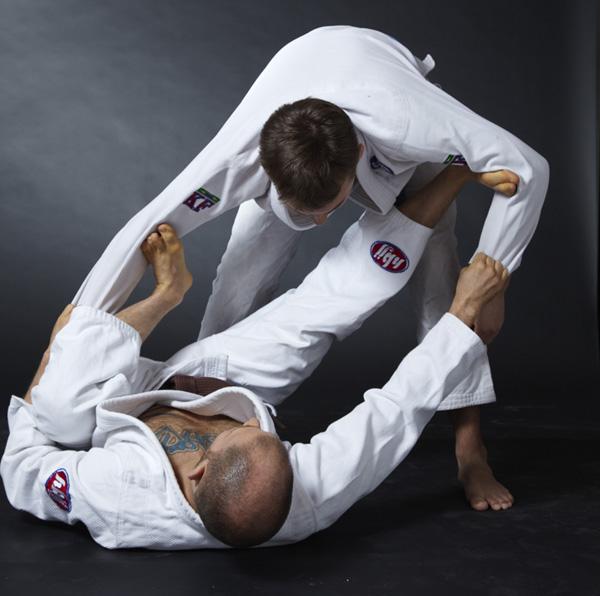
Grip Fighting Open guardDouble Sleeve Grips: These are the signature grips of Spider guard and other long distance guards. In reality, this grip is efficient far more in Gi than No-Gi. Many of the highest level competitors go straight for the double sleeve grips from their back. The idea is to control both arms of your opponent via the sleeves, which means you control their torso.  Furthermore, there’s no way for your opponent to get grips on you, so you have both grip fighting principles covered.  Even more important, there’s no way for them to use an arm to post which makes sweeping really easy.  The double sleeve grips are among your best grip options from most open guards. When you have the sleeves, all you need is a bit of work with your legs and you can sweep or slap on a submission with ease.  

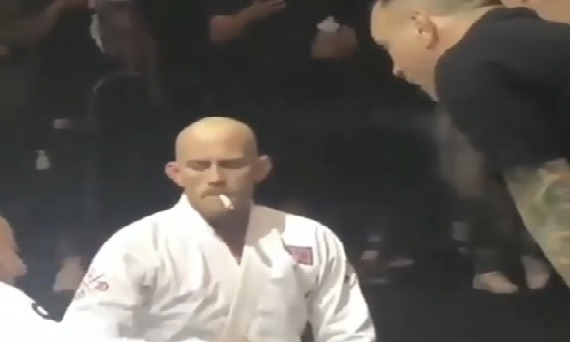
Jeff Glover Smoking Weed Between Rounds High Rollerz BJJ

Jeff Glover Smoking Weed Between Rounds in BJJ match

Jeff Glover is smoking weed with his opponent while Eddie Bravo as a referee is watching them on HIGH ROLLERZ BJJ event. What we have to ask ourselves is if weed is really good for the sport? Is weed upgrading your BJJ performance? Are you doing better while you’re high? Is weed good for promotion of BJJ or it’s just wrong?

First of all, this is a Weed Only tournament and the prize is a lot of weed. The name of the tournament is HIGH ROLLERZ BJJ. So, according to that, it’s not weird that guys are smoking weed. It’s actually OK according to the name of tournament and purpose of it and it’s also legal in California.

BUT, there’s a huge BUT if we’re going to connect tournaments like this with Brazilian Jiu-Jitsu and if we’re going to look at this as a promotion of BJJ.

OK, let’s just think a bit more about this video of Jeff Glover smoking weed. Just imagine that this is happening in some other sport? How about Wrestling, or MMA, Judo etc… Imagine some NCAA or UFC organized tournament with weed smoking? Well, you can’t because it’s impossible to even imagine something like that happening. Someone who would try doing something close to smoking weed in front of the crowd and cameras would be banned from sport and competition forever.

I think there’s no sport in the world that promotes smoking weed more than Brazilian Jiu-Jitsu. Guys promoting it goes that far saying that when you’re on weed you’re performing much better. While there’s no medical evidence or any other evidence that it’s true neither it makes sense people just keep saying it.

There’s a huge list of people promoting weed as a part of our sport it and the effect of it will be that kids will start smoking weed thinking that they’ll do better. They’ll start experimenting, they’ll start smoking before classes, after classes, in the middle of classes and soon they’ll smoke weed whenever they can.

I know many of you will say that weed is ok but let’s put that to a side if it’s good or bad. I’m not a doctor and most of you aren’t so we’ll leave that to them, but what about laws in countries? Smoking weed is forbidden in most of the countries in the world. Do we really want our kids to get in problems with the law because they started training BJJ and their idols are promoting weed and smoking weed between rounds as we can see in a video below?

We have to ask ourselves is smoking weed something that we want to be a promotion of our sport? Is weed something that will bring more kids and talents to BJJ? Is smoking weed something that will keep kids training and be winning medals? Will newspapers glorify our beloved sport because practitioners are regularly smoking weed? Is there anything good that smoking weed can bring to any sport?

Do you really think that most of the parents would let their kids’ train Brazilian Jiu-Jitsu when they know that their kids’ coach is smoking weed in front of them?

Don’t get me wrong here as I have nothing against people smoking weed. It’s their life and their choice! And yes there are some medical benefits from marijuana. But there are a time and place for that and sport definitely isn’t the place for promotion of weed no matter how good you think weed actually is. Even if it’s super great for your body and mind smoking weed can get you into many problems and one of them is problems with the law and other consequences.

The last thing we need is that weed promotes us. It’s much better for promotion to promote a healthy lifestyle and everything that goes with it.

So, all of you promoting weed as a part and culture of our sport just stop. You’re not doing anything good to BJJ and you’re just deflecting people and young guns from getting into it. It’s WRONG!

David Bista!

Kron Gracie Smoking Weed and Talking about Balance Between Smoking Weed and Training

Eddie Bravo about Smoking Weed, Mushrooms, Life after death, Aliens, Pedophiles, Chester Bennington, Illuminates…

The Ultimate 6 Ingredient Post-Workout Shake For BJJ

Post Workout Shake For BJJ

There’s a ritual to combat sports these, days, and in particular, grappling martial arts. BJJ has such a high demand on our bodies that it requires the correct fuel to keep us going. So it is a common sight to see grapplers reach for a post-workout shake before they even leave the academy. A post-workout shake is a good idea in general, as long as you know what it should contain. Let’s deconstruct the perfect post-workout shake for grapplers.  

There are plenty of reasons why people go for a post-workout shake after rolling. First and foremost it helps replenish liquids. Furthermore, it can help with a weight cut, maintenance or even weight gain. For some, it is all about recovery, while for others it is about replacing a meal during a hectic schedule. Whatever the reason, the post-workout shake is part of a ritual that most people training BJJ adhere to.  

Furthermore, there are also plenty of ways to make a post-workout shake. Actually, there are countless ways. Depending on your preferences diet and taste-wise, your shakes can vary greatly. From high protein and high carb shakes all the way to all-natural passion fruit shakes, you’ll find all kinds of them in the bags of BJJ practitioners. Which one is the best? That is mainly down to personal preferences and goals, but there is a rule of thumb to follow here.  

Why You Need A Post Workout Shake  

There are many purposes for drinking a post-workout shake, but three, in general, are the norm. The first is due to the care carbohydrates content that helps restock your glycogen stores. Next, an easily digestible protein makes sure that you rebuild all the muscle fibers damaged in training. Finally, branched-chain amino promotes the faster recovery of those same muscle fibers.   

Throwing in a well-balanced post-workout shake after rolling ensures you get the maximum benefit of all its ingredients. The fast-digesting protein in your post-workout shake ensures that you have a maximal absorption of much-needed amino acids. The need for these building blocks of the muscles is huge after a hard rolling session. Delivering the required amount allows muscles to heal and recover much faster. Regardless of your goals, this is a positive effect on your body.  

Why is post-workout the best time to consume a shake? Isn’t it more logical to drink it prior to training so that it helps you during maximal exertion? The main reason why the post-workout period is optimal for ingestion of crucial nutrients is training itself. Training is a stressor on the body, causing very specific reactions. During the stress of training itself, especially when grappling the body has plenty of other worries. One would be to get through the experience unharmed. Only after all external stimuli of rolling are gone can the body focus on recovering. This is when the insulin spikes and the body’s rebuilding mechanisms kick in. This is also the time when you need to provide your body with adequate fuel.  

Top Ingredients For Your Post BJJ Shake  

A good diet paired with the perfect post-workout shake is a perfect combination to help you reach your desired weight class with ease. Not only is it going to help you strip fat off, but it’ll help you retain, or even add some muscle.  

Post Workout Shake For BJJLet’s start with what most people perceive as the main ingredient of a post-workout shake – protein. There are countless protein sources out there, all containing one or more of several types of protein supplements. Not all of these supplements are ideal for your post-workout shake though. There are many variations in protein supplements, including vegan and gluten-free varieties. However, the most common protein supplements are derivatives of dairy in one form or another. Out of those, whey protein I by far the most famous one. There’s a good reason for it, since it is easily and rapidly absorbed in our bodies. Out of all the whey protein variations, going for an isolate is always a good choice.  
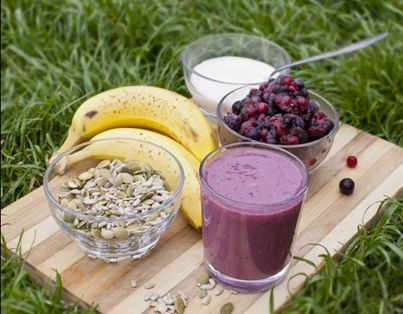
The trouble with vegan-based proteins is the lack of some essential amino acids, most notably leucine.  They can still be useful but not to the extent diary-based protein is.   

In terms of carbs, digestibility is number one. To that extent, nothing beats high-glycemic fruits and/or honey. Bananas are usually the fruit of choice although you could also go with some of the other sweet fruits like melons or grapes.  

To wrap things up from a macronutrient perspective are fats. Good fats are essential for many aspects of post-workout recovery. They aid in digestibility and help the absorption of other nutrients. Peanut butter is a particularly good choice as it is a favorite of most people out there.  

The 6 Ingredient Post Workout Shake  

So, let’s get straight down to business. What should you use in your post-workout shake to make sure you recover from BJJ? Well, first of all, go for the ingredients you actually like. If you do not particularly enjoy something in our suggestions, replace it with a nutritionally similar product. However, do not go replacing a banana with milk though as you’ll lose the balance of the shake. If you change things up, make sure you do like-for-like swaps.  

This shake of ours is quite universal in taste. More importantly, it provides all the benefits we discussed above. It is also made up of ingredients that are easy to find and are not expensive.  Furthermore, you could use it as a meal replacement, post-workout shake, or even breakfast.  

  1. Base: Use apple juice to both get an intense flavor and good hydration.  In addition, you also get a carbohydrate boost. If you’re not a big fan of it you can go with milk, or just with plain water.  
  2. Protein Source: Whey protein isolate of any brand out there is a perfect fit. Choose the flavor you enjoy the most, but also one that’s going to fit in with the rest of the ingredients. Also, do not add more than one scoop as there are no nutritional benefits to it. One scoop is plenty and it is as much as the body can absorb anyway.  
  3. Fats The best bet is going for unsalted, natural peanut butter. A spoonful or two is plenty. If you like more of an Omega-3 fatty acid kick, go for flax oil instead.  
  4. Post Workout Shake For BJJCarbohydrates: As mentioned, choose a high-glycemic fruit. Nothing beats the banana here as it packs a lot of  potassium as an added bonus. Expert tip: freeze the banana and you’ll get an ice cream-like shake.  
  5. Antioxidants: A handful or two of berries. Cherry and blueberry are universally enjoyed flavors but go for whatever you like most. The antioxidants are going to boost the already powerful recovery effects of your post-workout shake.  
  6. The Final Touch: Add some Spirulina. It is stacked with insane amounts of iron, calcium, vitamins A, B-1, B-2, B-3, B-6, B-9, B-12, C, D, E, potassium, magnesium, sodium, zinc, protein, and chlorophyll. Plus you’ll sneak some more protein into your shake.

Related:

Weight and NUTRITION guide by GEORGE LOCKHART – McGregors Personal Nutrition Coach
An Easy Nutrition Plan For Optimal Grappling Performance
The Paleo Diet For A Sustainable BJJ Lifestyle
How All Grapplers Can Benefit From The Gracie Diet

Stop Chasing BJJ Belts And Focus On What’s Important

BJJ Belts Knowledge

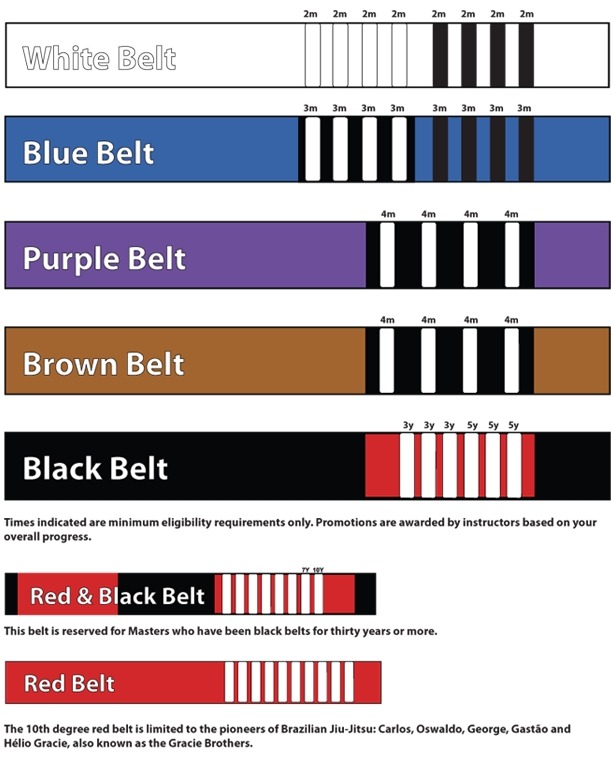
You start BJJ and the moment you line up for your first class all you want is to be on the other end of the line. Once you manage to become a purple/brown belt and get to the top of the line, your desires change. Now you want to stand opposite, where the instructors are and you want a black belt. Once you’re there, though, you’ll understand that a BJJ belt doesn’t really matter much. Even more so, you’ll want to be at the beginning of the line once again.

Of course, all of us want to get that coveted black belt. The beginners are often much more grounded and are going to be satisfied with a blue belt. or any colored BJJ belt for that matter.  The trouble with BJJ belts, though, is that they fade. The stitching gets loose, the color fades and all you’re left with is a white belt once again. On the other hand, your knowledge and experience take a completely different direction. This is the stuff that’s not going to fade. Yes, you’ll lose the edge if you stop training, but you won’t lose your knowledge and understanding of Jiu-Jitsu. You also won’t lose the family you met while you were hunting all those different colored  BJJ belts.  

What is the reason you started Brazilian Jiu-Jitsu in the first place? Perhaps it was self-defense advice you were searching for. Or maybe you just wanted to stay in shape differently.  There’s always the option that a friend got you interested and you had to try this cool new thing out. In truth, all these are legitimate reasons. Regardless of the reasons, your goals during your BJJ journey are going to change at least a few times. From going through the BJJ belts to discovering the things that matter.  

You won’t get much for free in today’s world just because you’re a multi-Dan black belt. Of course, your accomplishment is worthy of praise, but if you’ve gotten that far just because of that you’ve completely missed the point of Jiu-Jitsu. The BJJ belt system is there to guide you toward your real goals, not to be a goal in itself.   

BJJ Belts System 

BJJ makes use of the basic belt system that most martial artists use today. This system was formed around 1885 making it about 130 years old. This makes it a part of modern martial arts, seeing as some of the arts date back more than 2.000 years. The BJJ belt system is even a smaller drop in the ocean of fighting styles.  

BJJ Blet systemOriginally, the belt system used today was invented by Dr. Jigoro Kano, who also founded Judo. He needed a system of grading that was apparently so that he could mark the level of his students.  It didn’t take long for other martial arts to adopt this system and it soon became the norm.  Before this belt system though, people either wore a white or a black belt. Their rank within art was marked with a scroll. The original role of belts was to keep the kimono in place. In loose terms, the belt has no other role than holding the pants up. Nonetheless, the belt system is part of the mainstream of martial arts today. The BJJ belt system, although slightly different than other arts is also based on this ancient ranking system.  
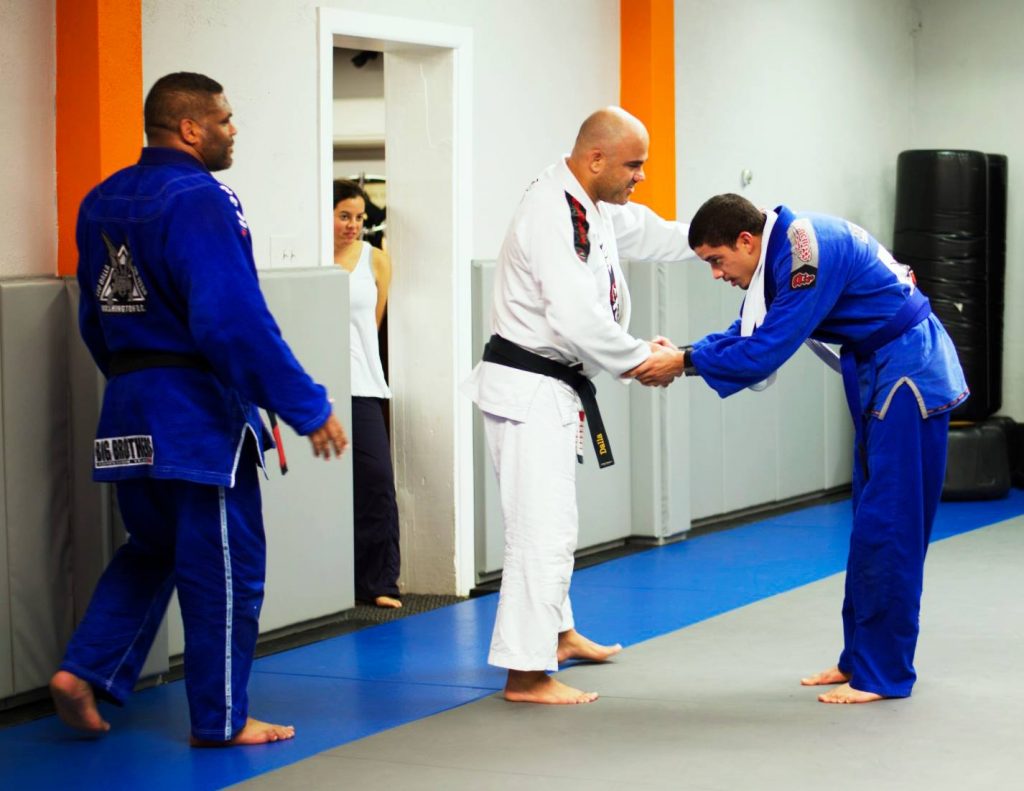
So, what was the point of practicing martial arts before belts came to the forefront? Mostly it was for the same reasons people walk into a BJJ academy nowadays.  Self-defense, building the warrior spirit, even preserving cultural heritage. Some did it as an extension of family duty, not much different from what the Gracies did years later.  

Focus On What Truly Matters 

Thinking only about the next promotion is very normal during the first few years of BJJ. Especially until you get out of the white belt zone. Ideally, you shouldn’t worry at all about BJJ belts. However, in practice, it is acceptable to have the blue and even purple belt as the sole goal of your BJJ journey. Chasing BJJ belts after that though is a sign that you’re probably in the wrong martial art.  

BJJ Belt PromotionThe promotion itself in BJJ is unlike any other martial art. The knowledge you gain about your body, the confidence you gain from the art, the friends you make. Those are some of the goals that you should aspire to achieve as a grappler. Furthermore, there’s teaching. You should always give back to the art, meaning that becoming a better teacher should be a massive goal for anyone above the purple belt. For some, there’s also the competitive aspect of the sport where it doesn’t matter which belt you are. There are teenagers out there with blue and purple belts who have beaten top-level black belts for many years. Your knowledge and abilities are not ingrained in your BJJ belt.  
It is perfectly fine to work hard to achieve your black belt. Just remember that there are other BJJ belts even past the black and you’ll be in it for a lifetime. Even then, you won’t be able to discover it ends. Learn the art. Become a better human being. Become a teacher. Compete and travel the world.  Grow together along with your Jiu-Jitsu family and learn to have a correct attitude both on and off the mats.  

Should You Wash Your BJJ Belt?

Should You Use or Avoid Olympic Lifts For BJJ?

Olympic Lifts For BJJ Power

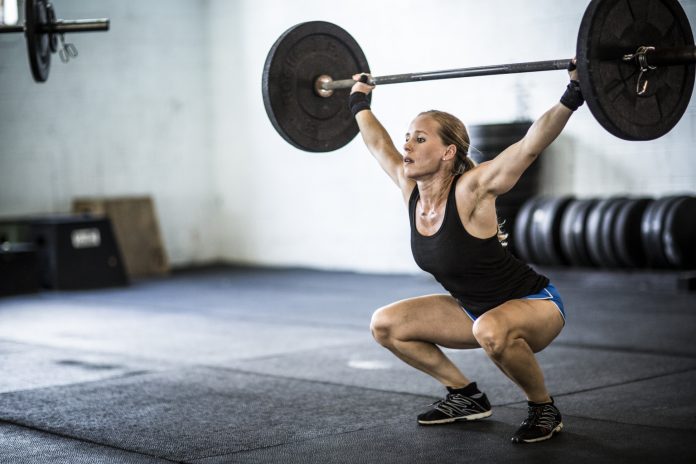
Are you a fan of weightlifting for BJJ? If so, which weightlifting methodology do you prefer to use? If you truly want to build functional strength along with explosiveness and a gas tank to match, consider giving Olympic lifts a try. Just remember that programming is key. Olympic lifts demand a lot from both your muscular and nervous systems. So, training like an Olympic weightlifter is not going to help you much. However, using certain Olympic lifts can benefit you immensely if you do not overdo them.

Olympic lifts are not something that is unknown among the fitness community. To be honest, a couple of decades ago you would’ve been hard-pressed to find someone doing barbell snatches at a commercial gym. However, with the rise of Crossfit and kettlebell training, Olympic lifts came to the public’s attention. Suddenly, wherever you look you have people doing cleans, jerks, and snatches. However, just like with every trend, most people are going about it all wrong. Olympic weightlifting is a sport in its own. For Christ’s sake, it is an Olympic discipline! Thinking you can do a whole sport in addition to your sport is like thinking you can do BJJ to get ready for rock climbing. The effect is going to be utter exhaustion that’ll lead to you falling off a cliff.  

That said, Olympic lifts are irreplaceable for developing real-world strength and brutal explosiveness. All it takes is understanding how they work, which ones you should use and how to program them. After all, the point of using Olympic lifts for grappling conditioning is to improve as a grappler. If you want to be an Olympic lifter go right ahead, but give grappling a rest. If Brazilian Jiu-Jitsu is your sport, on the other hand, then make sure you use Olympic lifting correctly so that you get the most out of it.  

Olympic Lifts For Grappling – The Pros 

The positive effects of training Olympic lifts for grapplers are easy to describe. Actually, all it takes is a couple of words: strength and power. Olympic lifts are perfect for building fast, explosive functional strength. Training like an Olympic lifter means doing low reps of a high weight with maximal engagement. This is the correct way to end up with increased power and a healthier body.  

Olympic Lifts For BJJFor grappling, developing power and speed can be game changers. Going for that blitz takedown or exploding from the bottom are movements that grapplers do multiple times in a training session or even in one match. It is true that BJJ is more of a power endurance sport than a pure power one. However, there is a place and use for Olympic lifts in BJJ strength training.  
The execution of the lifts themselves is also very beneficial to Jiu-Jitsu athletes.  Olympic lifts require laser focus, full body cohesion, hand-eye coordination and a high level of technique and skill. Sounds familiar?  Doing Olympic lifts to get better at grappling actually goes a lot further than just developing power. Another huge benefit of doing these lifts is the ability to absorb force. Catching the weight after transitioning it from one point to another is very useful fro BJJ. Withstanding the force of an opponent is not an easy feat to do and Olympic lifts can teach you how to tackle it.  

Olympic Lifts For Grappling – The Cons 

So then, are there any cons to using Olympic lifts? Form what we’ve seen so far, there are only multiple very important benefits to it! Not so fast.  There are a few big issues that arise here. The first and very important one is learning curve. It takes a long time to master Olympic lifts, especially if you want to move heavy weight. When you spend most of your time on the mats, you’re unlikely to have much left to spend learning lifts. This makes them impractical for grapplers looking to get fit in a hurry. On the other hand, lifting sub-optimal amounts of weight is not going to have the desired effect. However, lifting heavy weight with poor form is certain to end in an injury.  

Kettlebells Link: https://bjj-world.com/kettlebells-for-bjj/

On a different note, if you have stability and mobility issues in certain areas you’re going to struggle with Olympic lifts. For example, tight shoulders and/or a stiff thoracic spine means you’re going to have difficulties working with barbells. Wrist or ankle problems can also be a limiting factor. If this is the case you’re going to require even more time. First, you’re going to have to regain mobility. Only then can you think about going for the lifts themselves.  

The Best Olympic Lifts For BJJ 

Now you know all the strengths and weaknesses of Olympic lifts as a grappling conditioning training tool. Let’s now look at which lifts are actually useful for grapplers and have the best bang for your buck. The checklist here is to find lifts that require a minimal amount of time to learn, minimize injury while developing all positive effects associated with them.  

Programming of Olympic lifts is easy – do not do them more than twice a week. In terms of details go for no more than 5 reps and no more than 5 total sets per lift. Make sure you rest at least two or 3 minutes between sets, in order to recover completely. That said, the following lifts are the top choices for anyone looking to become stronger for BJJ:  

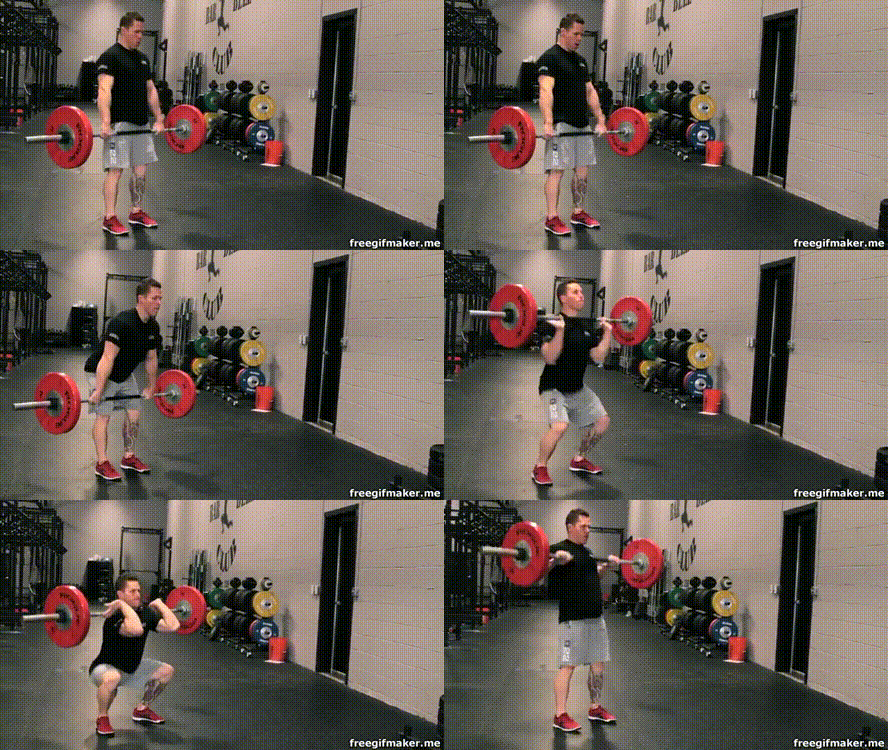
Olympic Lifts For BJJ Power CleanHang Clean - This is the best clean variation to help you become a more powerful grappler. The hang position means you’re going to put emphasis on the second pull. This translates to working exclusively on the most explosive part of the lift. From a safety standpoint, you remove the first pull (from the floor) minimizing potential injuries.  As you get better with your technique you can look to transition into full cleans or look to start the hang clean from a lower position.  
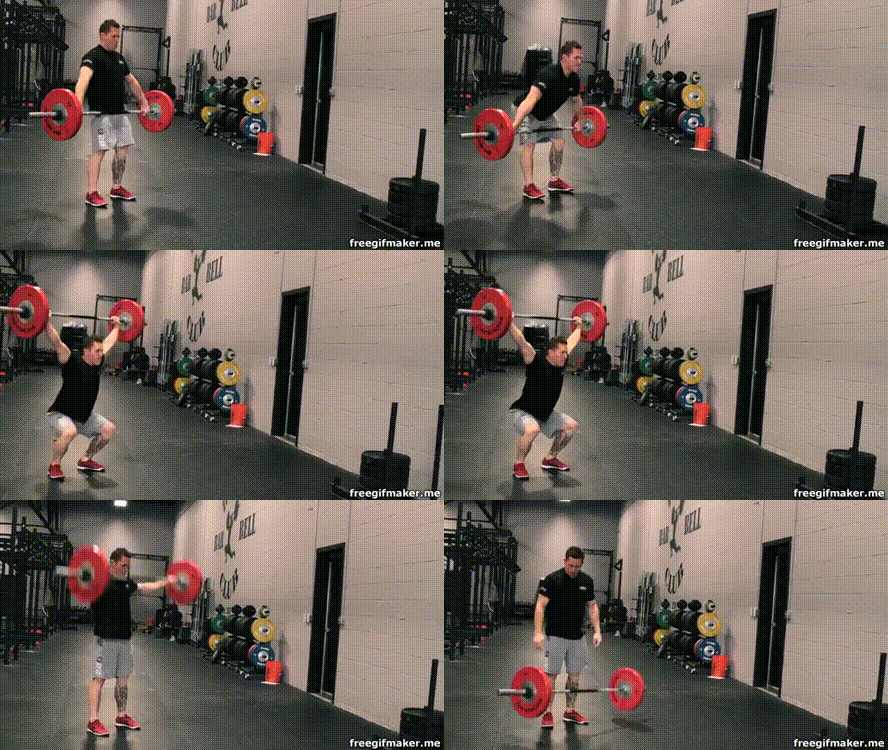
Olympic Lifts For BJJ SnatchHang Snatch – The snatch is probably the most technical Olympic lift of the bunch. The snatch requires solid shoulder mobility and stability as well as adequate wrist strength. These are important limiting factors. Once again, the hang position is the best starting point. The basic pattern is that you’re lifting the weight straight from a hang position up over your head. You have to learn the transition precisely, as well as the landing position before you go heavy.  
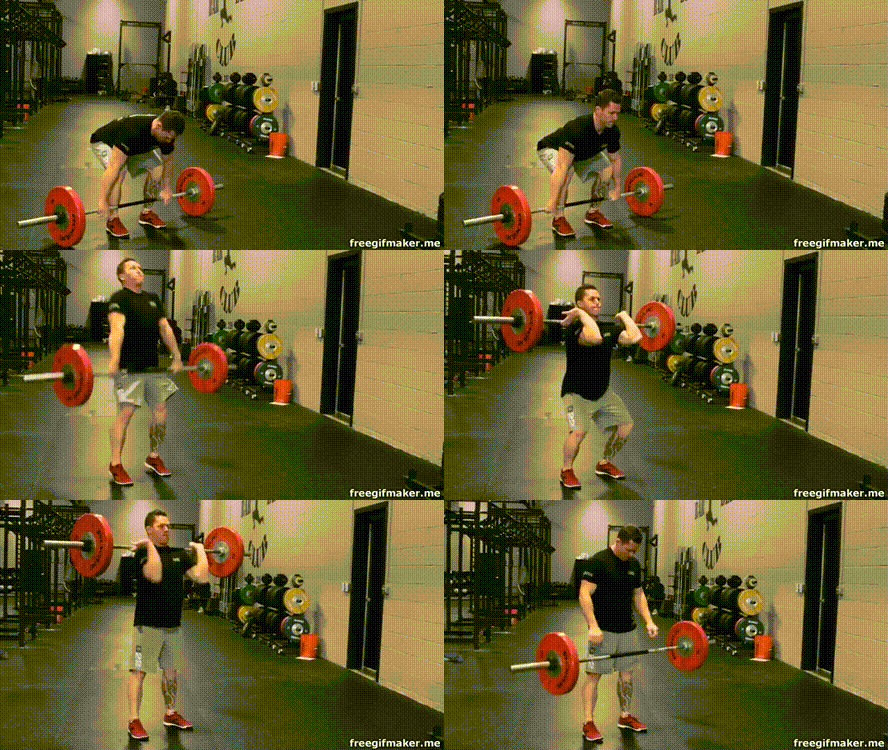
Olympic Lifts For BJJ Power Power CleanPower Clean – The power clean is the toughest variation of an Olympic lift to consider for BJJ. In this variation, you’ll be pulling the weight off the floor. However, you’re going to skip going deep into a front squat and instead go straight into the catch position after the transition. If you can do only one Olympic lift to get better at grappling, this one should be on top of your list.  
 

Grappling Mistakes: How Dehydration Makes You Weaker

Dehydrration

We often take being dehydrated for granted. Chugging down a bottle of water after training is not going to help you if you’re truly dehydrated. Even worse for grapplers, repetitive extreme dehydration can cause some serious health issues. We all know that severe dehydration is among the most common weight-cutting methods out there. Be aware of the dangers and learn how to stay hydrated for optimal grappling results.

Think of the body as a very sophisticated engine. As with all engines, our bodies have an intricate cooling system. Every time we push our bodies to their limits, the result is the production of heat. Grappling is a great example of it. When we roll or fight the byproduct of the muscles working hard is heat. This heat must somehow be removed from our bodies. The first choice of our biddies is to release heat by evaporation. This means sweating. However, this has an added side effect. Sweating does offer relief from the buildup of heat, but it does it in the form of evaporation. This means water loss, which is essentially dehydration.  

In addition, the environment we’re in plays a huge role in both our cooling systems and possible dehydration. BJJ gyms are usually humid and hot places, even in the coldest of conditions. This is to be expected of a room full of people rolling around attempting to choke each other. Humid environments like this prevent evaporation due to saturation. This results in sweat dripping from our bodies The problem is that this doesn’t have an optimal cooling effect, which causes our bodies to sweat even more. This just exacerbates the dehydration that slowly but surely sets in. Now add in training with the Gi. This makes things even worse, raining in the Gi can make the problem even worse and you can get severely dehydrated in just one training session.  

Understanding Dehydration  

Dehydration dangersWater is vital for life and is an essential nutrient for our health. Out of our total body weight, about  60% is water. In addition, there’s not a system in our bodies that doesn’t require water to function. The lack of fluids inevitably leads to dehydration. Dehydration is a serious condition that marks the lack of sufficient fluids for the functioning of our bodies. Dehydration is not a straightforward thing, as our bodies have coping mechanisms. That means that dehydration occurs in segments ranging from mild to life-threatening. However, even mild dehydration of 1 to 2 % loss of your body weight can drain you of energy.  
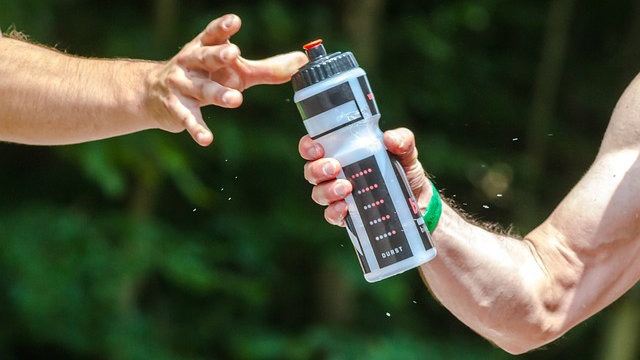
Losing a few percent of water is categorized as minor dehydration. Don’t be fooled by the word minor, as this is still a serious condition. For a 180 lb man, this translates to about 34 oz of water. This amount can be lost in as little as half an hour of hard rolling. Recognizing the symptoms is also very important as they mirror those of fatigue due to insufficient conditioning. The symptoms of minor dehydration include thirst, cottonmouth, fatigue, weakness, and head rushes. 

Severe dehydration is when you lose as little as 5% of your body’s water volume. This means approximately 86oz of water on average, for a 180lb man. How long does it take to reach this level of dehydration? Well, a little over an hour of heavy grappling is going to easily get you over the 5 % mark. And this is if you’ve been properly hydrated prior to training. The main effects of severe dehydration are increased heart rate, decreased sweating, extreme fatigue, cramping, increased body temperature, nausea, headaches, and tingling in the limbs. 

Dehydration Among Grapplers 

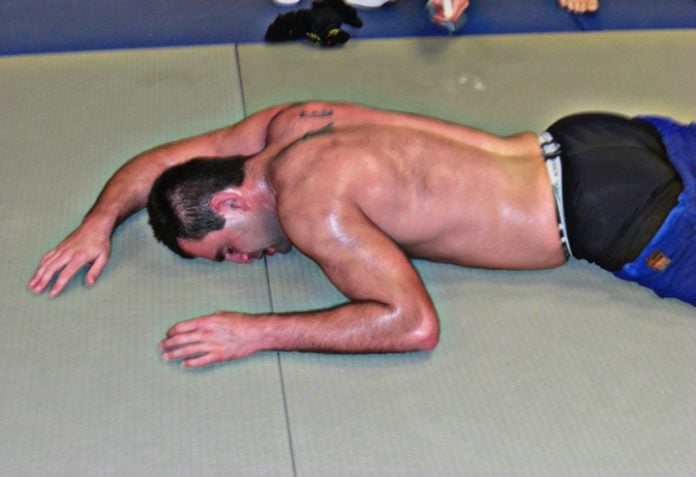
So, what happens when you’re grappling with mild to severe dehydration? Well apart from the symptoms we already covered, your BJJ performance is going to suffer as well. Being thirsty means that this is going to be on your mind no matter how much you try to suppress it. This takes attention away from the rolling itself. this makes you distracted and makes it very hard to make the right choices. This, in turn, leads to you exerting even more which makes things much worse.  The rule of thumb is that if you’re thirsty, you make sure you have a drink. If you feel symptoms of severe dehydration, stop grappling, have water, and take a rest. Then have some more water before returning or calling it a day. Your BJJ game is not going to get better by pushing through dehydration. 

Actually, if you manage to reach up to 10% loss of water volume you’re in real trouble. Symptoms are no joke and they include vomiting, muscle spasms, racing pulse, shriveled skin, dim vision, and confusion. If you manage to get yourself to this point you need to get to a doctor ASAP. In this case, re-hydrating via drinking is not going to be sufficient and you’ll need an IV to compensate for the water loss. Do not joke around with dehydration of this magnitude because you risk permanent damage to your body which in turn means no more Jiu-Jitsu for life.  

 How To Avoid Dehydration When Grappling 

Grappling DehydrationAvoiding dehydration is not complex, but it does require some attention. If you think you’re drinking enough water throughout the day, you’re probably wrong. To avoid dehydration, it is important to drink plenty of fluid both before and after training. Most importantly, you need to make sure you’re ingesting liquids during training as well. Our bodies are only able to absorb about 27 oz of water per hour. The catch 22 is that you can lose up to 60 oz during the same amount of time. This means that you actually have to hyper-hydrate before class. The best way to do this is throughout the day because rolling with a full bladder is also a nuisance. A good piece of advice is to drink 12 – 20 oz of fluid about an hour prior to class. While in class try to drink at least 20 oz of water/hour.  
In terms of the best liquid to re-hydrate, nothing beats water. That said, there are some other options out there. Apart from plain water, different sports drink areas are also a good choice. An advantage of sports drinks is that they usually contain additional salts. This really helps beat dehydration by replacing electrolytes lost through sweating. For your average BJJ class, sticking to plain water is more than adequate to keep you hydrated. As a note, remember to avoid drinks that contain in excess of 10% sugar because they absorb slowly.  

Additional ways to keep yourself hydrated include eating foods high in water and drinking lots of fluids during the day. In terms of water-rich foods,  top choices are oranges, cucumbers, grapes, apples, pears, etc.  Do not rely on thirst as an indicator for hydration. On the contrary, if you’re feeling thirsty you’re already dehydrated to some extent. Instead, stay hydrated all day.

George Lockhart (McGregors Personal Coach) Nutrition and Weight System
Weight Cut Gone Wrong Due To Dehydration
Performance Nutrition for Grapplers
Gracie Diet and the Benefits

Tae Kwon Do Black belt vs Rener Gracie BJJ Black belt in a No Rules Fight

Tae Kwon Do Black belt vs Rener Gracie BJJ Black belt in a No Rules Fight

Even though the year is 2006 and the UFC was created over 13 years ago, to show the world that Brazilian jiu-jitsu is the best martial art for self-defense. Although, there are still some non-believers thinking that the best Jiu-Jitsu fighters couldn’t match with the best fighters from other striking martial arts. That’s what Rener Gracie proved in this BJJ vs Tae Kwon Do Video. He showed the best Jiu-jitsu against someone training in striking martial art.

On Friday, September 8, 2006, a taekwondo black belt came in to see if Brazilian Jiu-Jitsu is good enough for his wife to learn. He stated that he wanted to fight a Gracie to find out whether or not the art was any good.

Rener stepped up to the plate and helped the taekwondo practitioner realize why. He helped him realize how being in a lot of Jiu-Jitsu fight while training BJJ (Brazilian Jiu-Jitsu) can drastically improve your chances of winning against anyone training in striking martial arts schools.

As we all know Rener is the grandson of legendary Helio Gracie and he was thought directly from Helio for years. Helio Gracie Jiu-Jitsu is also based on strikes, strikes defense and getting the chance to apply Gracie Jiu-Jitsu techniques on any kind of martial artists training in other martial art or even grappling martial art.

Helio Gracie Jiu-jitsu could also be described as Gracie MMA as his original point of self-defense includes a lot of grappling and striking techniques as we could see in his Gracie Challenge fight videos. So it’s not a coincidence that someone like Rener Gracie who was taught by Helio Gracie is pretty much able to defend against anyone training in other martial arts schools and arts.

If you were watching TUF, the Ultimate Fighter Reality Show you could notice that Jiu-Jitsu works awesome on low-level guys from mix martial arts gyms taking mixed martial arts classes.

And why is that so? It’s because Jiu-Jitsu is very strong against people training in mixed martial arts gyms which don’t teach enough of the groundwork like Jiu-Jitsu classes are. And once you find yourself on the ground practically all of your striking classes are thrown away by a fact that you can’t strike or attack the way you’re used to and it all comes down to a fact who have better Jiu-Jitsu or groundwork.

Check out Other Interesting BJJ Challenge Fights!

Rener Gracie on Street Fighting against Multiple Attackers With Brazilian Jiu-Jitsu
Rener Gracie Challenged by 270 LBS Football Player
Guy Walked Into a 10th Planet BJJ Gym and Challenged Black Belt to a fight
Black Belt Pedro Sauer Vs 250 lbs Bodybuilder Mr.Utah
Female BJJ Black Belt Destroys Much Larger Male Challenger 257 lbs
Street Fighter Dojo Storms BJJ Gym to Challenge Jiu-Jitsu Instructor to a Boxing Match
Renzo Gracie Challenged by “Unchokeable” Man in His Gym
BJJ vs Karate – Karate guy Accepted a Challenge

The Benefits Of Using A Sauna For BJJ Recovery

Sauna For BJJ recovery

Recovery is a major aspect of the Brazilian Jiu-JItsu lifestyle. regardless if you’re a professional grappler or a nine-to-five grappling nerd, you need a recovery routine. The goal is to get your body back to basics so you can push it to the limit on your next training session. There are a bunch of recovery methods out there for grapplers that are helpful. From yoga to foam rolling to using a sauna for BJJ, there’s much you can do. Here. we’re going to focus on the benefits of going in a sauna for BJJ recovery.

Have you ever been in a Sauna? the feeling is crazy the first time you step in that hot little room. First, you’re going to get freaked out at how hot it is. later, you’re going to start having a good time. However, just when you think you got the hang of it you’ll have to burst out of there afraid that you might melt. Just like with BJJ it gets better. All it takes is putting in the reps. The more you use a sauna the more accustomed you’re going to get to it. IN terms of using a sauna for BJJ, there are plenty of benefits, if you can handle the adjustment period.

Joe Rogan is one of the biggest proponents of using so-called heat therapy to accelerate recovery. Using a steam room or a sauna for BJJ recovery is nothing new and nothing complicated. If you want to know the science behind it, check out Dr. Rhonda Patrick and you’ll get more science than you can handle. If you’d like to take our word that a sauna for BJJ recovery is a good idea, then read on. You’re going to learn about the benefits of using a sauna for BJJ athletes. You’re also going to get a sample beginners routine that you can start utilizing right now. Give it a try and next time you need to recover, you might find the sauna experience more pleasant than foam rolling.

Benefits Of Using A Sauna For BJJ 

First of all, let’s make it clear. This article is about using the sauna for BJJ recovery, not for cutting weight. Cutting weight by dehydrating yourself is never ever a good idea. Especially when you’re trying to force sweat every last drop in a sauna. This is exactly the reason why lots of grapplers are skeptical about the benefits of sauna for BJJ. Traumatic weight cutting experiences aside, the sauna can be a very positive experience. If not, why would they be all over hotels and gyms worldwide?

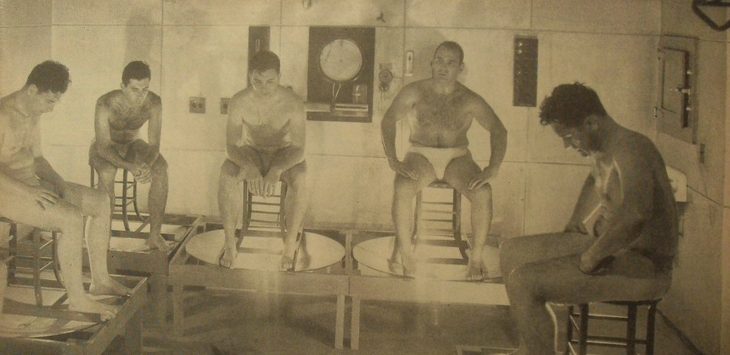
Sauna for BJJHeat therapy is nothing new in the world of recovery. To be fair, it is among the oldest recovery methods known to man. Today, most saunas are in the style of old Finnish saunas. However, there are a host of other modalities, from Japanese Onsen style saunas to Roman and Turkish Baths. Despite subtle differences all of them have one thing in common – they use heat therapy to make you feel better.
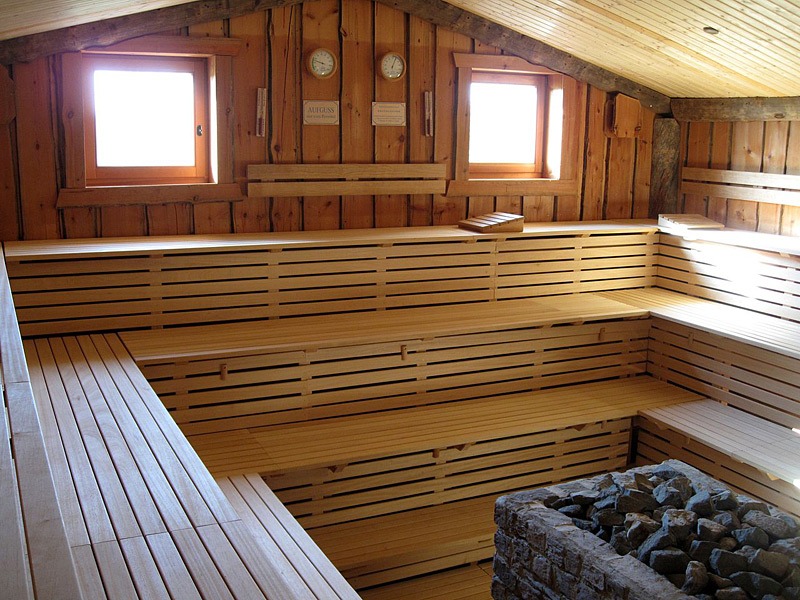
The most important thing to remember is not to overdo saunas. heat therapy has a stimulating effect on the sympathetic nervous system. Consequently, it is very important to cool yourself down in between sauna rotations.

Why should grapplers use the sauna? Well, for starters, some of the greatest warrior cultures of the world are famous for their use of saunas. That aside there are clear benefits to using a sauna for BJJ athletes.

Some of the top benefits of saunas include lower cortisol levels, accelerated muscle recovery, and a significant fat loss effect. Going further, submerging yourself in 42°C promotes lighting fast recovery of your entire body. From a health and longevity aspect, saunas also boost immunity and help your body balance metabolism and battle stress. actually, stress relief is one of the top benefits of getting into a sauna.

Simple Sauna For BJJ Recovery Routine

IfF you still need convincing, then rest assured that the following routine works at the highest level of combat sports. It is a routine that renowned conditioning coach Joel Jamieson uses with UFC champ Mighty Mouse.

That said, feel free to skip the steam room section if you’re uncomfortable with it or have no access. However, for the maximal recovery benefit, it is always good to mix up your hit sources. furthermore, steam helps improve your breathing and also promotes recovery, albeit a bit differently than dry heat saunas

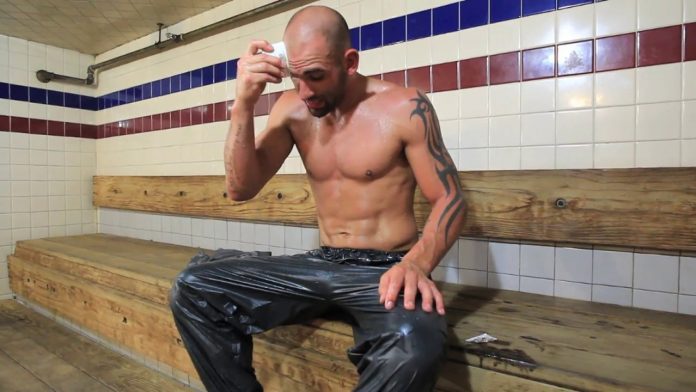
Sart by entering the sauna room and find a comfortable spot. Try to stay in until you break a sweat. Focus on breathing calmly if it is your first time. next, go straight under a shower and put lukewarm water on. This is the cooldown part. It is advisable to stay in the shower until you’re feeling fresh again.

Sauna For BJJ That was the warm-up. For the routine itself, next time you enter the sauna, aim to stay inside for 5-10 minutes. get under the shower again and freshen up for a minute at least. Now, you’re going to add a new segment – resting. Sit at room temperature for 5-10 minutes. Then, get back into the sauna and for an additional 10-15 minutes. At this point, you can choose to go into a steam room instead of the sauna. If you do, stay for less than 10 minutes and cool off in a shower again. After another rest get back in one last time for 10 minutes. After leaving the sauna this time, stay under a warm shower for a few minutes. You’re done.

Stay at the facility and relax for 10-15 minutes before you leave. As you get used to staying in a sauna you’ll be able to extend your time and boost recovery even more.

You Might Also Be Interested in:

The Best BJJ Soap Bars To Stay Free Of Ringworm
Train The Right Way For Recovery With These Useful Tools
Interesting BJJ Warm-Ups To Get You Ready For Class
The Correct Way To Keep Training With A BJJ Injury
The Best Recovery Tools For Grapplers