What do you prefer watching, an ADCC final or an IBJJF Gi Worlds final? I know what I’ll choose any day of the week. The reason why NO-Gi is a bit more popular, and entertaining to watch than Gi Jiu-Jitsu is two-fold. The pace of the matches is a lot faster because gripping and attaching is much harder. But the pace is not the only thing. In No-Gi, submission hunting is much more of a goal, since it both solves the grip attachment problem and provides a quick way to finish. There’s no point in stalling when anything can happen in those explosive, slippery scrambles. To that extent, submission grappling submissions work differently than Gi submissions for the most part. In fact, there are some that are downright cruel and unusual and we’ll be looking into them today.
Submission grappling, whether you call I BJJ, catch wrestling, or whatever, is fun. In fact, today, I guess Brazilian JIu-Jitsu is the root name of our sport, but you can call it whatever you want. My preference is just JIu-Jitsu, although Gi or No-GI it all boils down to submission grappling. Let’s face it, people rarely roll with the intention of “out advantaging” someone and would take a submission over points in a real match at any time. To that extent, the toolbox that we usually use in Jiu-Jitsu is quite small. Even people that opt for crazier submission options usually stay within the bounds of that family of submissions. Why not widen your perspective and include all the unusual moves that actually work and have been pulled off in real matches or fights?
Why Unusual Submissions Work
Catching a submission brings about a very special kind of feeling. Particularly in BJJ, when you finally get that very first one it is as big of a hook for the sport as any. I know I got addicted to grappling the moment I sunk in that first submission and got the tap. I was a white belt, training in the Gi and somehow, got a hold of an outside heel hook. Later on, I discovered they were not allowed at the academy I trained at. However, it was a tap, a legit one for me at the time, and a huge reason why I fell in love with JIu-Jitsu. And it was a real breath of fresh air, after tapping for months to higher belts without ever having a chance myself. The story is similar for most people in JIu-JItsu or any kind of submission grappling sport.
The reason why submissions work so well is simple – mechanics. You get yourself leverage and you’ll be able to break any joint, upper, or lower limb. In terms of chokes, it’s all down to the pressure you can apply which is once again, superior mechanics at play. So, how come some submissions are more successful than others? The reason is positioning. For some moves like the rear-naked choke or certain heel hooks, when the position is tight there’s nothing you can do to get out of the submission, even when you know it is coming. For others, though, like guillotines or armbars, for example, you can sneak out along the way, because you know what comes next and you have time and space to react.
With unusual submissions, the X factor is positioning. Of course, they need to have the mechanics to work in the first place. However, the positioning, entry, and often times angle and limbs involved in the choke are very unorthodox and surprising. That’s what catches people off guard, and makes these moves so effective.
Rare Submission Grappling Moves To Add to Your Arsenal
So why aren’t’ we using them more? Well, there are again two reasons behind this. One has to do with rules and restrictions and the other, with the moves themselves. The first is pretty self-explanatory. In terms of the movest themselves, they’re far from easy to get to and often require an advanced level of understanding of grappling. But when you do get the hang of them, boy do they work!
To be honest, there’s no way to explain every crazy move that you may pull of in BJJ or MMA. Sometimes it is down to body type, gameplan, and lots of luck. Other positions are great but require a bit more effort to really understand, meaning you‘ll need to spend months training them. Then, there are the things you can quickly understand, and then start putting to practice in rolling, until you can finally rely on them in a match. Even then, the strategy is not to use them as go-to moves, but rather as ou secret weapon, one that’s always available should you need it. After all, submission grappling is all about deception at its core.
The Twister
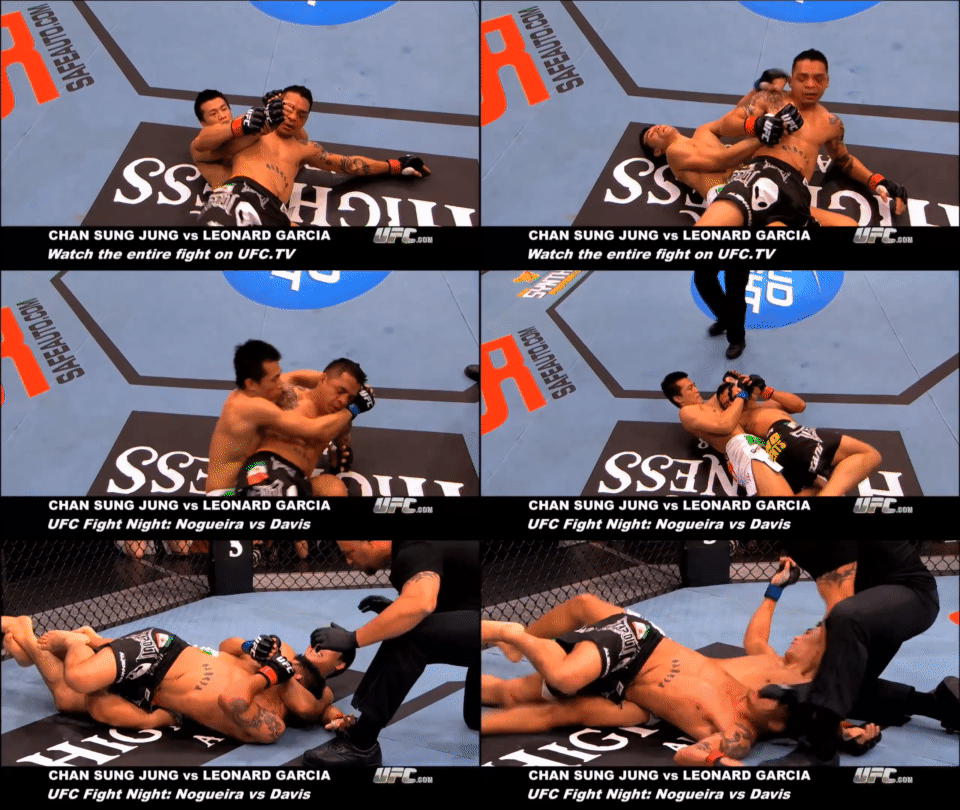 Since it is a really popular one to talk bout, after last weekend’s UFC DC, I’ll start with the Twister. I know that for 10th Planet JIu-JItsu folks this is neither unusual nor new, but bear with me. In competition, people are not really pulling off that many twisters. And that’s a shame since Eddie Bravo has every aspect broken down to a science. That said, Bryce Mitchell just pulled off the second-ever Twister in the UFC last weekend. When you take a look, this wrestling pin is actually one of the top submission grappling finishes ever.
In No-Gi competition, like EBI the Twister is not that rare. Granted, there are a lot more heel hooks and armbars, but you see the Twister working at the highest levels of the sport. The move is fairly easy to access. All you need is one hook from the back and you’ll easily enter into a position. The first battle s is usually to get the arm of your opponent behind your head. The second one is to actually get the grip for the submission. Still, both of these have so many different finishing options and counters to defenses, that the move is a very high percentage. Get to know this one!
Boston Crab
The Boston crab is a submission that’s usually seen in the WWE. As such, most people think it is nothing more than putting on a show. Granted, it does seem that way, but after it worked in an MMA fight, people started rethinking their approach. Including me.
 The move is, in essence, a spinal lock from a weird position that seems like it is never going to work. Well, Jonno Mears didn’t get that memo and pulled it off in an actual MMA fight. The video, of course, went viral, and people started wondering whether it would work. The answer is, yes, it will, and particularly in BJJ.
The Boston crab, or a variation of it, is actually an old Judo move that Jigoro Kano liked to use a lot. He did it on one leg in the form of a leg lock, but the move is legitimate. Getting there can be tricky but not hard, particularly in passing and open guards. From there on, you just sit on your opponent, facing backward, grab both ankles underneath your armpits and pull for a full Boston crab spinal lock. Or just go for the leg on one side, Kano-style.
Mir Lock
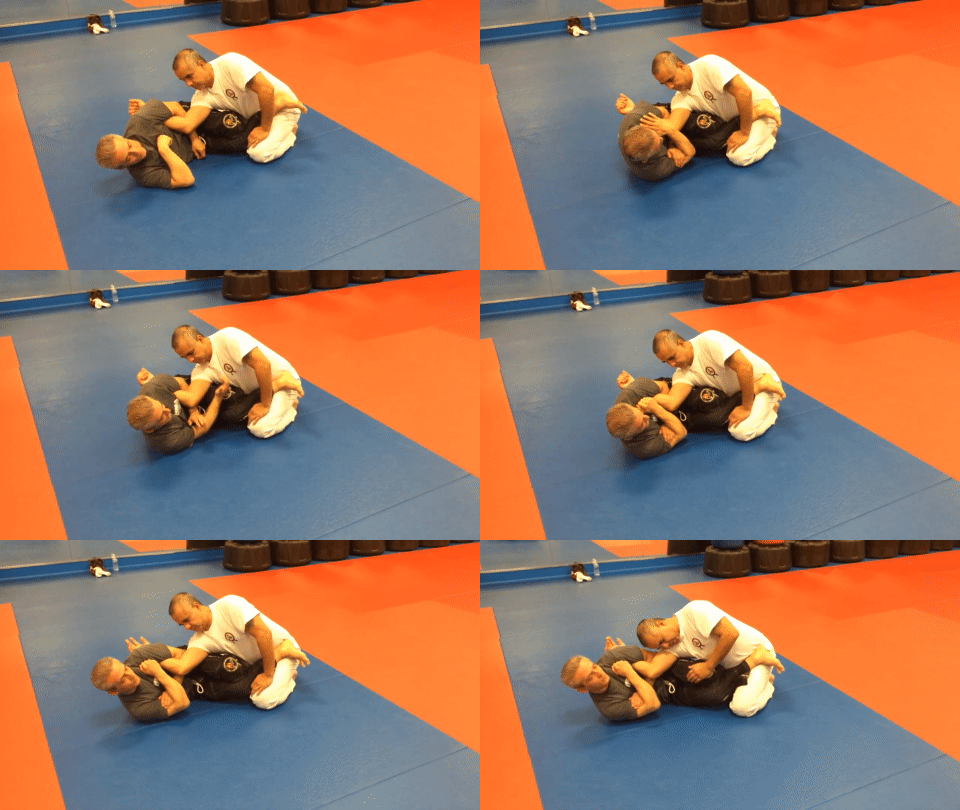 The Mir Lock is named after UFC legend Frank Mir who is a notorious arm breaker. That said, you know an armlock is coming your way when you read the name of the move. Once again, this is amove tailor-made for submission grappling. It comes on fast, it is impossible to defend and requires little time to learn. IN essence, the Mir lock is a bent arm lock done from the closed guard. It works as an Americana hybrid, of sorts. All you need to set up this wicked submission is getting and overhook from the closed guard.
The positioning of your arms needs to be perfect, but that’s an easy thing to figure out. For the finish, think about bringing the elbow of the trapped arm to the middle of your body, while keeping the wrist on the side. Grip your own thigh with the arm that’s threaded through and lay back for a quick and very painful tap. Works gi and No-Gi!
Squirrel Lock
As far as wacky unexpected submissions go, this is my go-to. It is an invention by a Roger Gracie black belt named Oliver Geddes. In fact, he has pulled it off in competition against black belts several times now. The move is the perfect way to catch everyone off guard as it works from the bottom of side control / north-south.
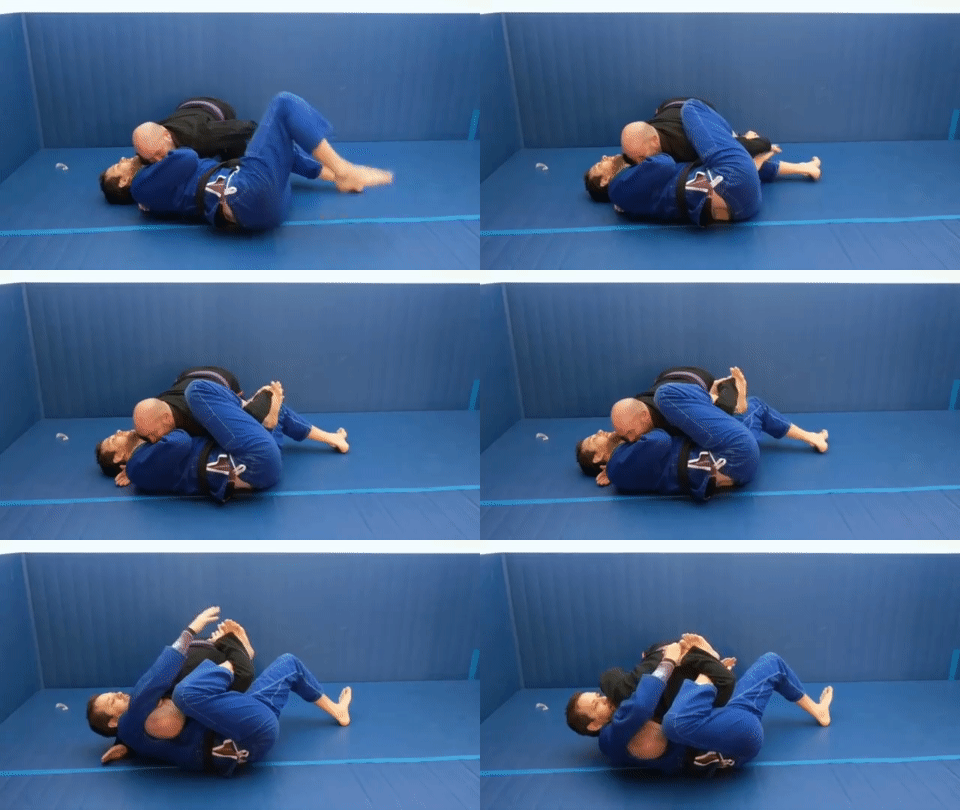 Frоm the bottom yoу basically do a kimura with your leгs on the arm of an unsuspecting opponent. As far as submission grappling deception goes, this is att eh very top. In essence, the idea is to thread one leg over the upper arm, just like for a Kimura and then entangle the opponent so that you either get a tap there or roll the opponent over and still get тхе tap, this time from the top.
Gogoplata
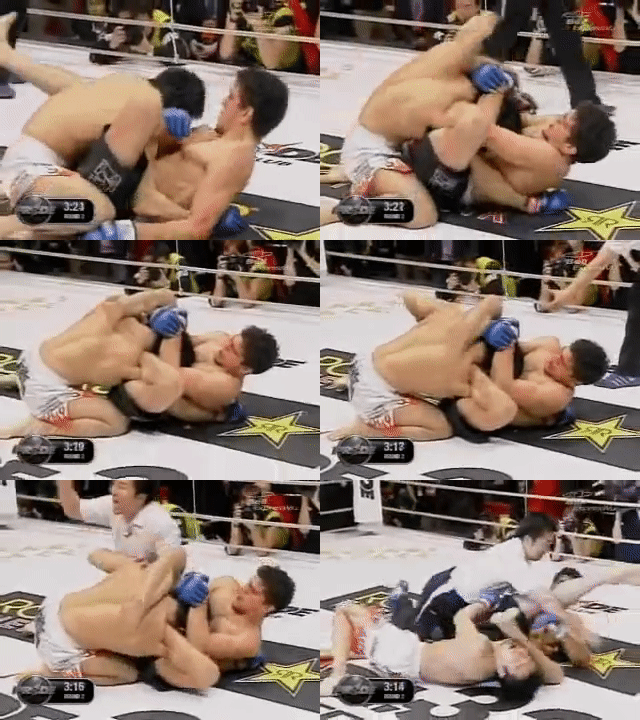 A classic mystery submission. This one is yet another one closely related to 10th planter Jiu-Jitsu and their system. It is basically a way to do a blood choke on an opponent with your foot. How exactly? Imagine you have an Omoplata. When an opponent turn s into you, for whatever reason, you place your foot right on their neck. The V shape of your ankle joint makes it fit perfectly for a choke .he finishing detail si grabbing your own toes and pulling. The best part about it – it works from both the guard and from the top mount. SO far, plenty of people have pulled it off, although the most memorable has to be Nick Diaz against Takanori Gomi in PRIDE. Works for me as well, particularly the mounted version that’s very easy and reliable if you understand the Monkey Mount.
Asylum choke
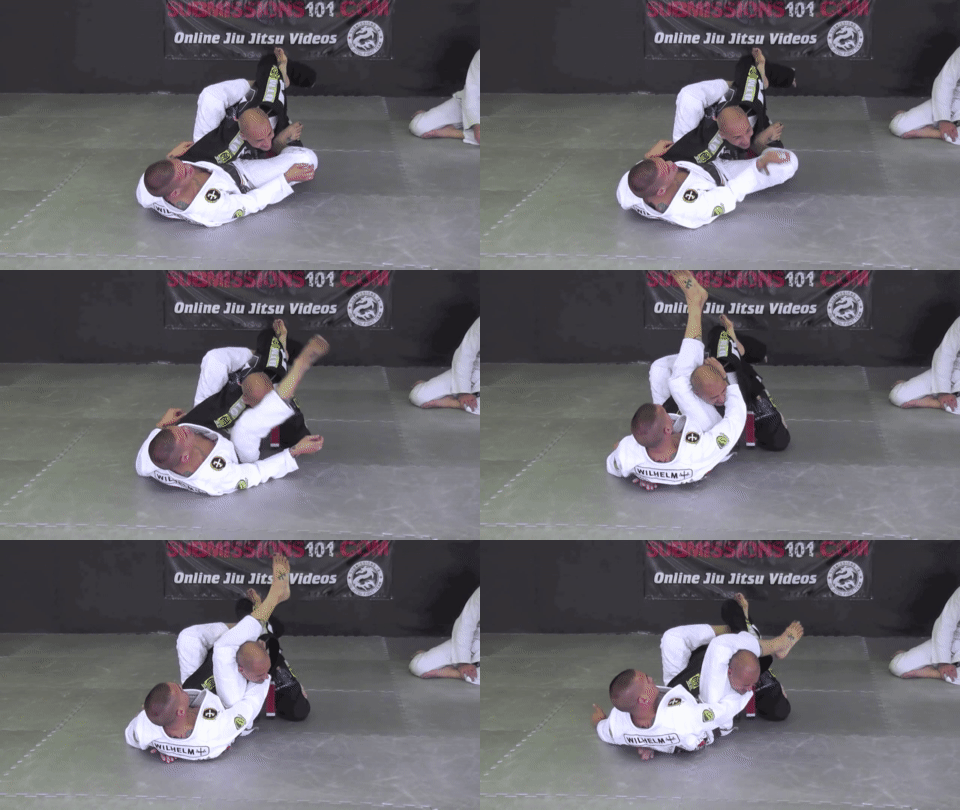 You’re going deep into the web of submission grappling with this one. Even the name sound s menacing. It is a Gi choke, one that’ too scary to take all the way to the end. Bare with me and you’ll see exactly why. This is basically a collar choke, but one that’s ultra-tight. You could go for it from an OMoplata gain, but a way better setup is guard retention. From an Omoplata, your goal is hooking the far side arm with the same leg you have under the original Omoplata arm. Then, you swing your other leg over the head so that it is at the back of the opponent’s neck.
From there. Grip the collar, and use the leg behind the head to push down. You’ll get a tap immediately. The scary thing is when you realize there’s a lot more space to push with your leg. A real decapitation waiting to happen.
Marcelo Garcia Back Crucifix Choke
By far, the craziest one of the bunch. I discovered this choke when I was doing the research for this particular article. In that sense, I’ve hadn’t had a lot of time to give it a shot, but whenever I try it, people are close to bursting in tears. It is that effective.
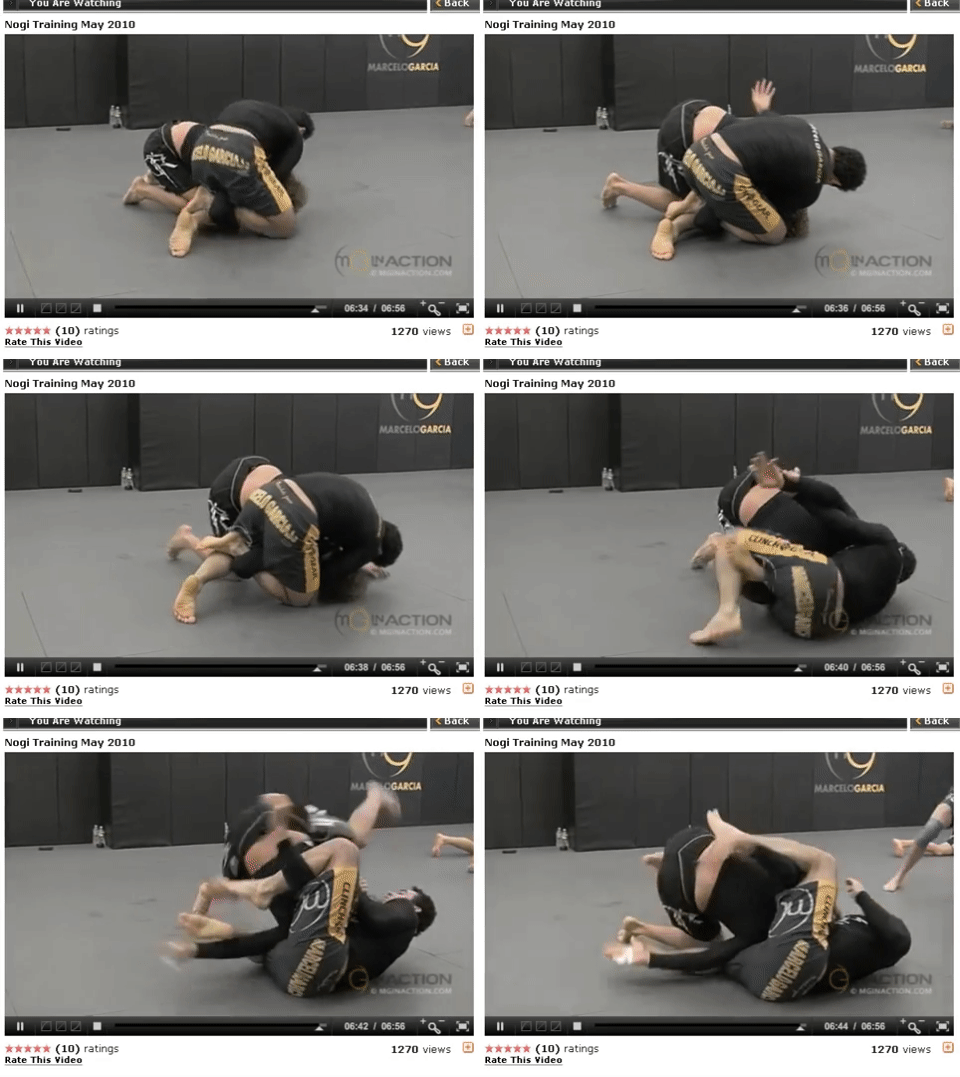 Marcelo Garcia is behind this one, so you know it has merit to it. In fact, the first time I saw it was when he pulled it off against Ben Askren during rolling. Wrap your head around that. Speaking of wrapping, Marcelo uses the turtle to go into a crucifix setup. However, instead of heading the usual crucifix way, he instead hooks both arms with his legs while the opponent is still in the turtle. From there, any choke is easy as your opponent has literally no way of moving in any possible direction. Plus, you can have a lot of fun with neck cranks or even possible armlocks.
The Pace Choke
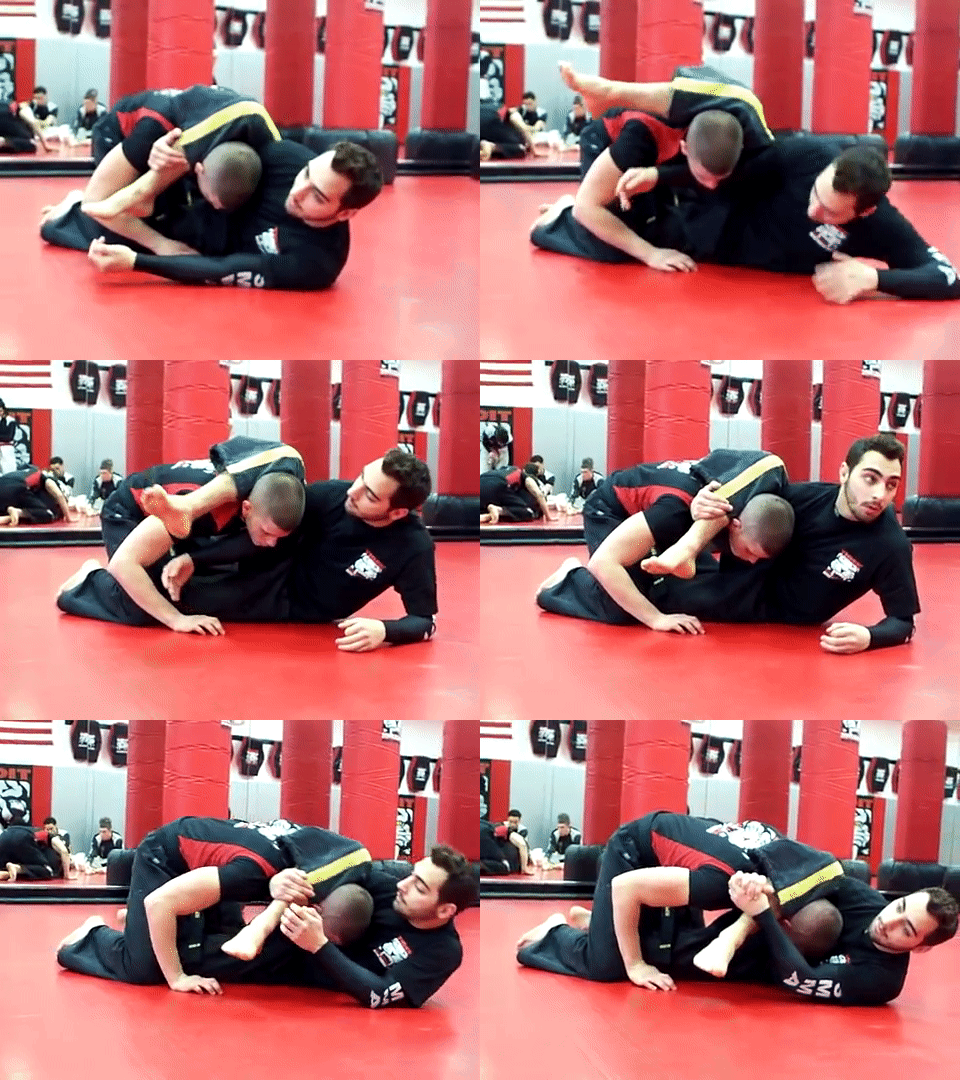 Out of all the crazy submission grappling finishes, we’re looking at today, this one is by far the most complicated one. However, when and if you get it it will pay off with the nastiest tap you’ve ever gotten in grappling! UFC fighter Nick Pace is behind this one, hence the name., he even managed to pull it off against Will Campuzano in the octagon. The move starts off as a triangle choke but quickly morphs into something crazy and totally unexpected. Instead of locking the triangle, Pace likes to use his arm under the neck, to secure the top leg. His other leg remains free. One gable grip later and you’ll have a quick tap and a very confused looking training partner/opponent.
Scissor Choke
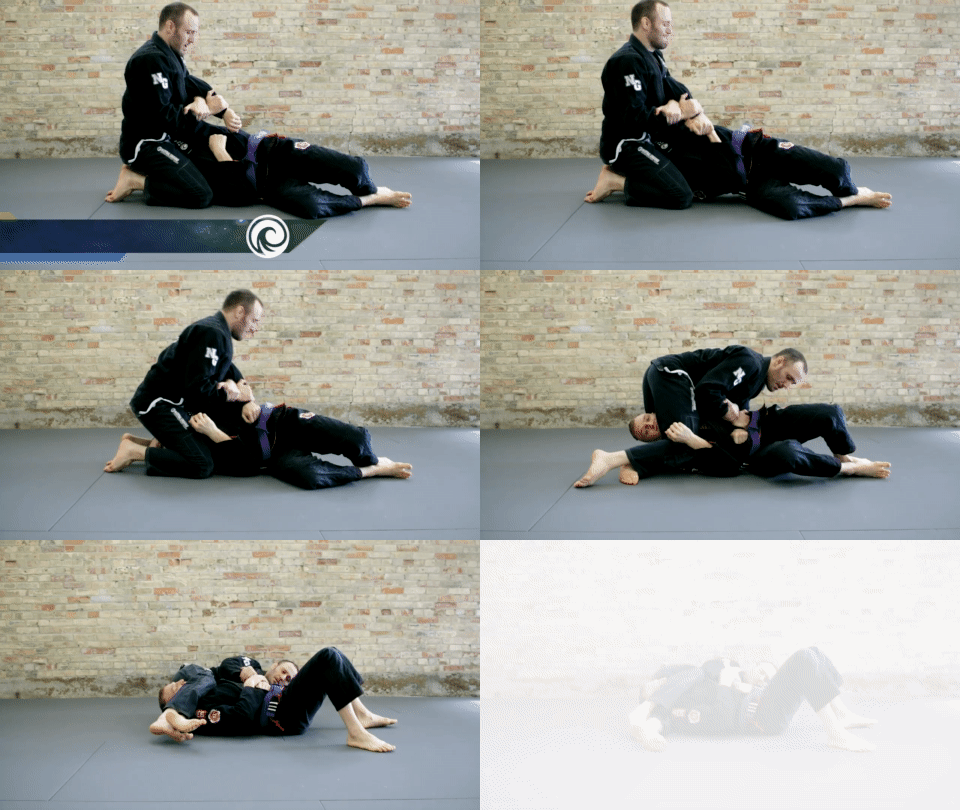 Another catch wrestling classic and yet personal another favorite of mine. Whenever you’re having trouble breaking a defensive Kimura grip from north-south, this is the go-to move. And people fall for it all the time. Although this looks like another pro-wrestling move that’s just for show, I can attest that it works. All you need to do is place one leg over the opponent’s head, which, most likely, you already have from the north-south. Next, you fall to the side of the kimura, trading the other leg behind the opponent’s head. As long as the back of the knee of your top leg is on their Adam’s apple, you’ll geta tap. Simply squeeze the legs and they’ll go to sleep, or release the grip and give you the Kimura. Or both. Perfect for those ultra-strong guys that grip their own belts/Gis during Kimura attacks.
Dragon Sleeper Hold
Certain moves that we can see in WWE and pro-wrestling are supposed to be nothing more but choreography to entertain the masses. But it’s not the case with the Dragon Sleeper Hold that we can see a lot in WWE.
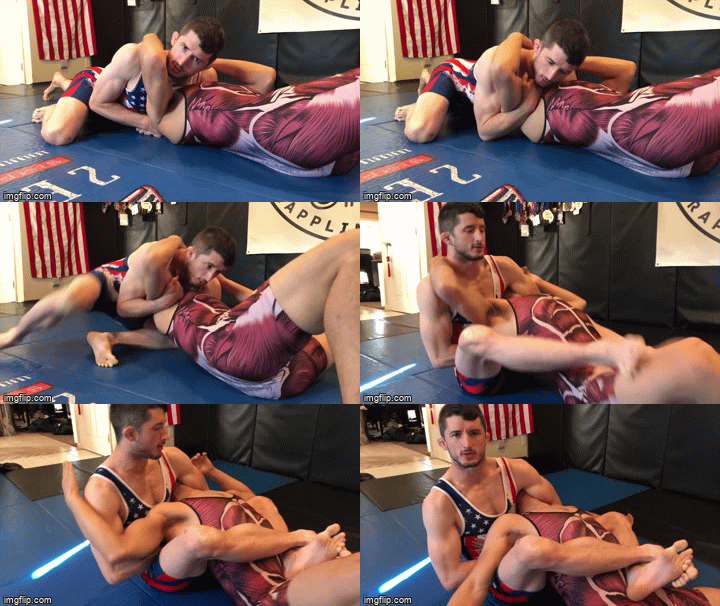 The first step in Dragon sleeper hold is to sit down, while you’re still holding your opponent’s neck. Then you transition to the back of your opponent. Once you’ve established both hooks you’ll go for the tap unless your opponent already tapped from discomfort. When you’re about to finish the choke you have to imagine that you’re in closed guard and you’re want to do a guillotine choke. Remember no to snap backward too fast.
Final Thoughts
All in all, if you’re grappling, you’re doing submission grappling. Outside of high school / collegiate wrestling, submissions are apart of any type of grappling martial art .in fact, in every art, they’re the best way to finish a match early and decisively. Broadening your horizons with some uncommon moves that will surprise everyone you roll with is a great way to both add to your toolbox, and increase your threat level while you hunt for other, more conventional subs. Try ‘em out!




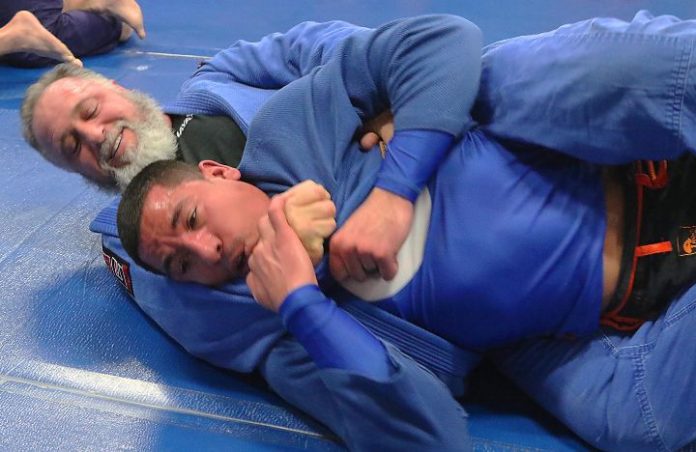
 Let’s start with the first approach. You have a BJJ new guy, brand new, walking into the gym for their first training. Whatever happens in class happens, and then you put the speakers on and it is time to roll. You grab them off the bat and start molesting them as hard as possible. In other words, they won’t see the light of day for the duration of the roll, regardless of positions or situations. In most cases, these types of rolls last only about halfway through the regular roll time. The reason is simple –people gass out, and sometimes, they’re even too afraid to go on. But that’s not how everyone feels.
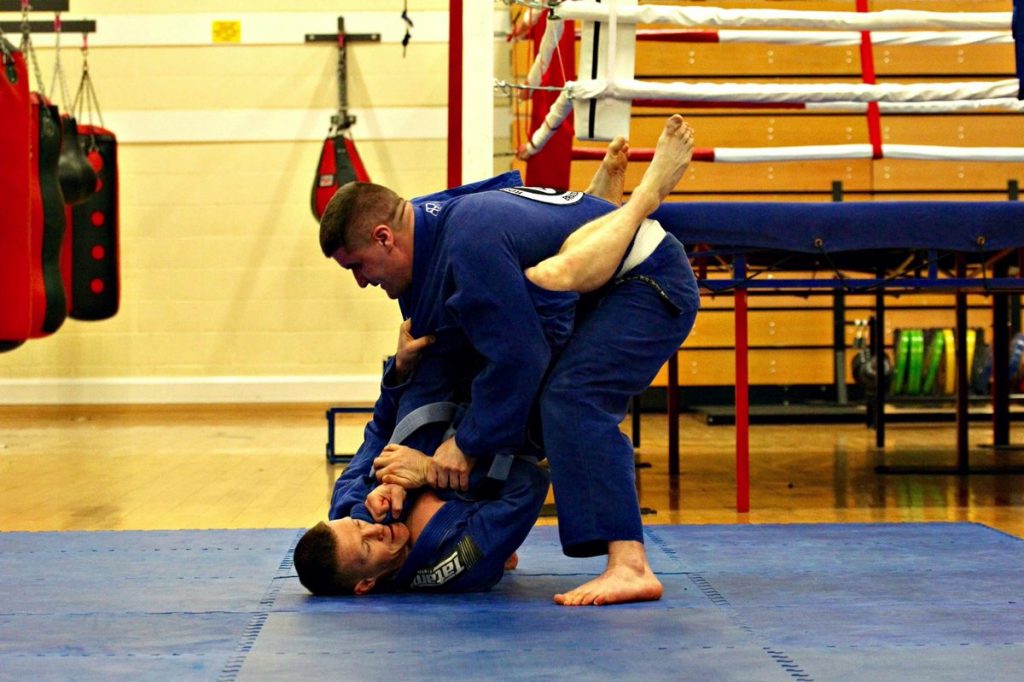 In that sense, rolling light is a very useful tool for learning, as we already know. However, there are certain caveats into allowing people to do everything when you roll. Namely, people might end up thinking they can pull off more stuff than they really can. When you raise the intensity, or they try to roll with someone else, they’ll suddenly see that they find themselves in a confusing situation.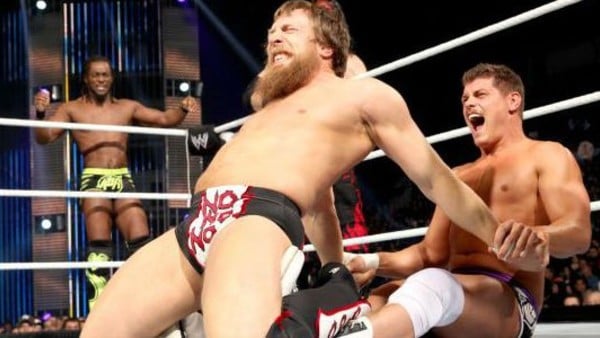
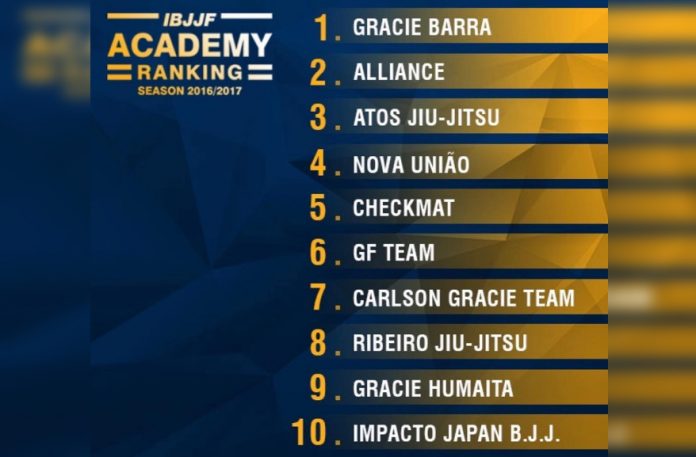
 In the IBJJF rankings, the rank is decided by calculating points. It this point system that’s pretty hard to figure out, and hence all the confusion arises. Moreover, there are lots of categories, ranging between world rankings, by athletes, by competitions, etc. For our purposes, looking at world rankings is the best way to try and figure things out. First things first though, let’s see how the points work.
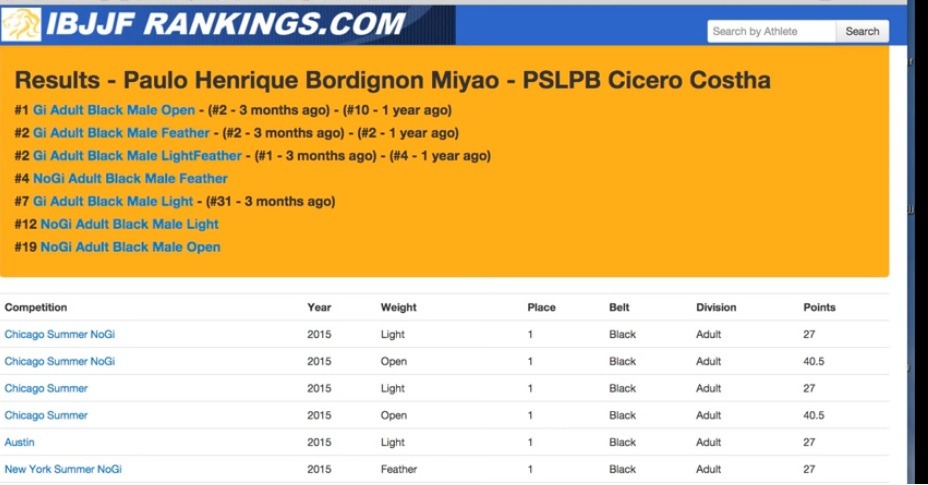 Finally, the ideals scenario would be to unite people based on all their accomplishments. I know the IBJFJ rankings are for IBJJF tournaments, but most competitors do a lot more tournaments. An integrated point system that counts everything, from IBJJF to ADCC and even pro invitation tournaments is a great way to really help us build a sustainable ranking for years to come. Another huge factor is whether someone is still active in the competition scene as well, and should be introduced as a criterion.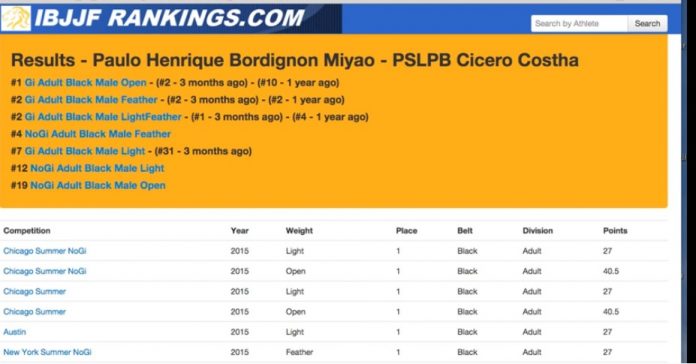
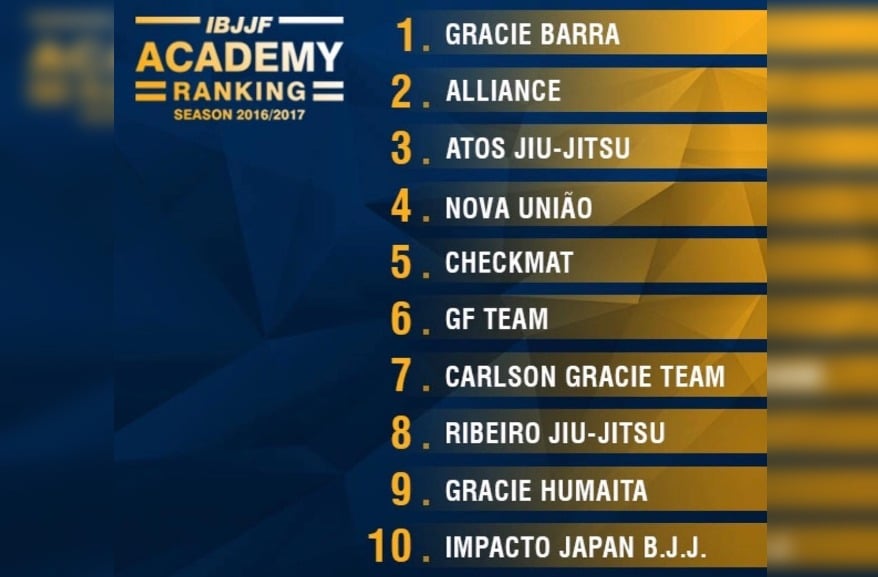 The criteria according to which the IBJJF calculates points are the following: the weight of the tournament (championship), the weight of the season and standing value. In terms of weight of the tournaments is different for different ones. The larger the tournament, like Worlds, Pans, Europeans, etc rank higher, meaning you get more points from these tournaments. In simple terms, whatever you win at the Worlds, points-wise multiplies by 7.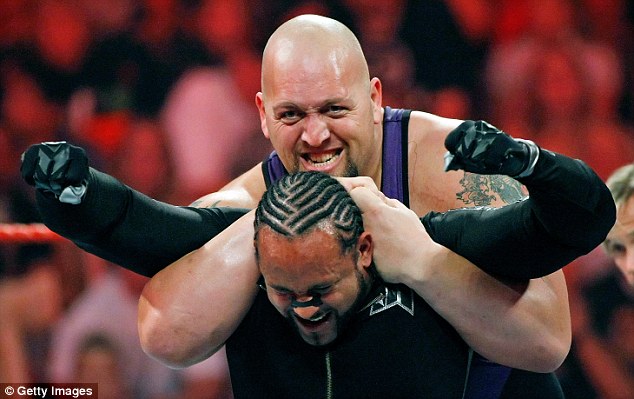
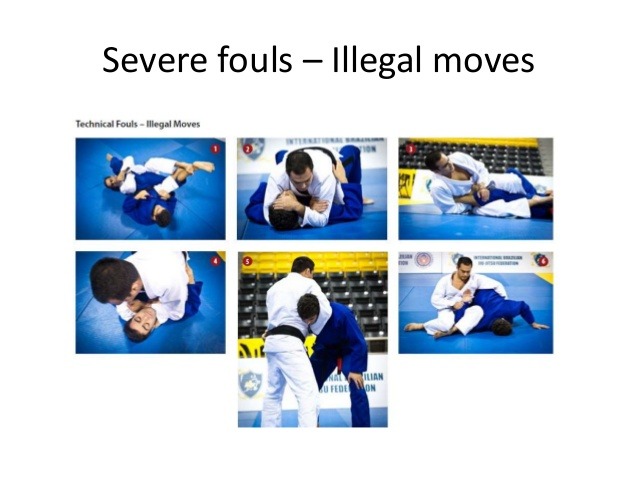 In terms of Brazilian JIu-Jitsu, illegal BJJ moves are those that you can’t do in competition. Or, better said, you can do them if getting disqualified is your main goal. That said, there’s not a unified list of illegal BJ Jmoves which is where things get murky. For most, the IBJJF / UAEJJF rulebook is the law. In there, most moves are legal or illegal according to the belt and/or age level. When it comes to the kids and juveniles, the more restrictions, the better. That’s something nobody has a problem with.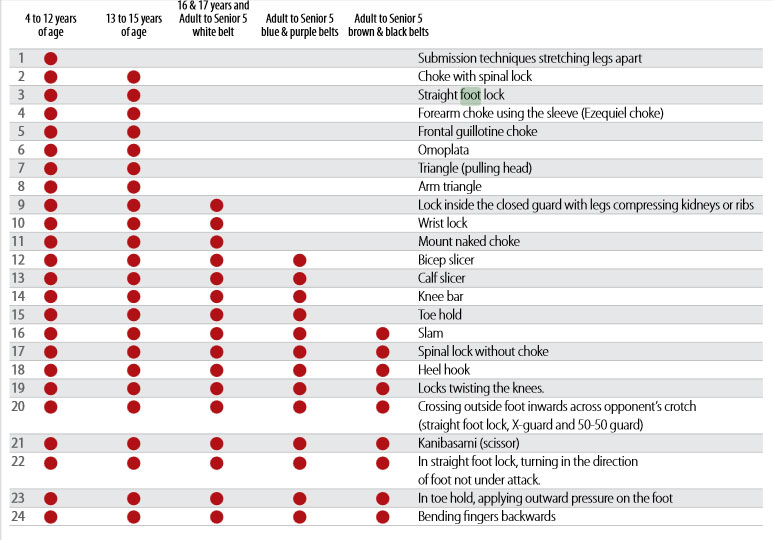
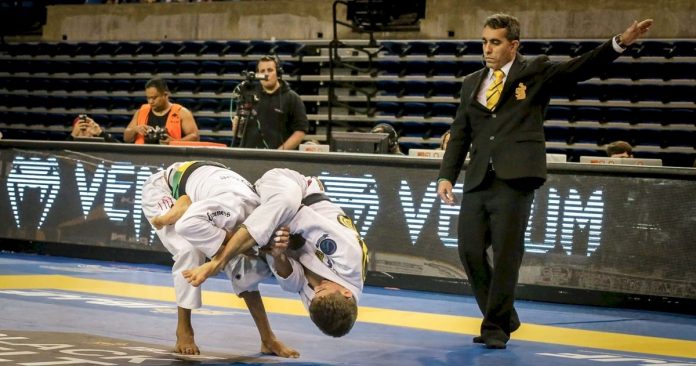
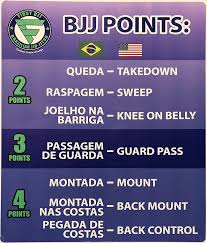 Advantages, on the other hand, are much more loosely defined. In rulebooks, they’re defined as actions that almost led to something significant, like a submission, pass or a sweep for example. However, despite attempts to really clarify and systematize them, they’re still pretty much down to the judgment of referees. Still, they prove hugely important as many world titles have been won by way of a single advantage.
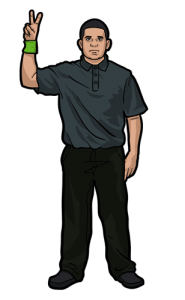 In the ADCC, you also get two points for sweeping or taking someone down. There’s a catch, though. Once you sweep or take someone down if you end up inside their closed or half guard, you’ll get two points. If you end up outside the guard, you actually get double the points. The knee on belly position features again as a two-pointer, with pretty much the same rules. What’s different here is that you also get two BJJ points for the mount position.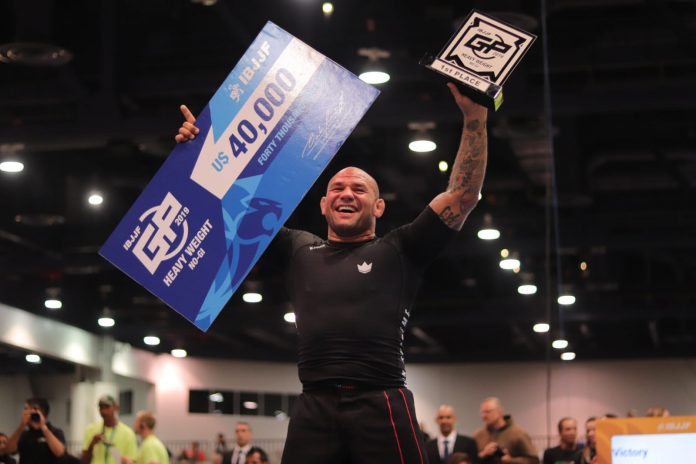
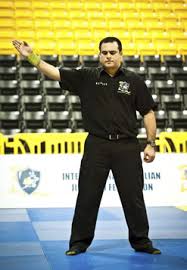 First up let’s talk about my new favorite way to have fun at any IBJJF competition – advantages. I used to hate those pesky advantages, as they seemingly come out of nowhere to help people win. I couldn’t really make much sense of them until I had to learn the rules in order to referee matches. That’s when I got a Eureka moment. Suddenly I understood what that most black belt competitors already know and take for granted. Knowing how they work and gaming the system to get them is the mark of someone’s that’s a seasoned competitor.
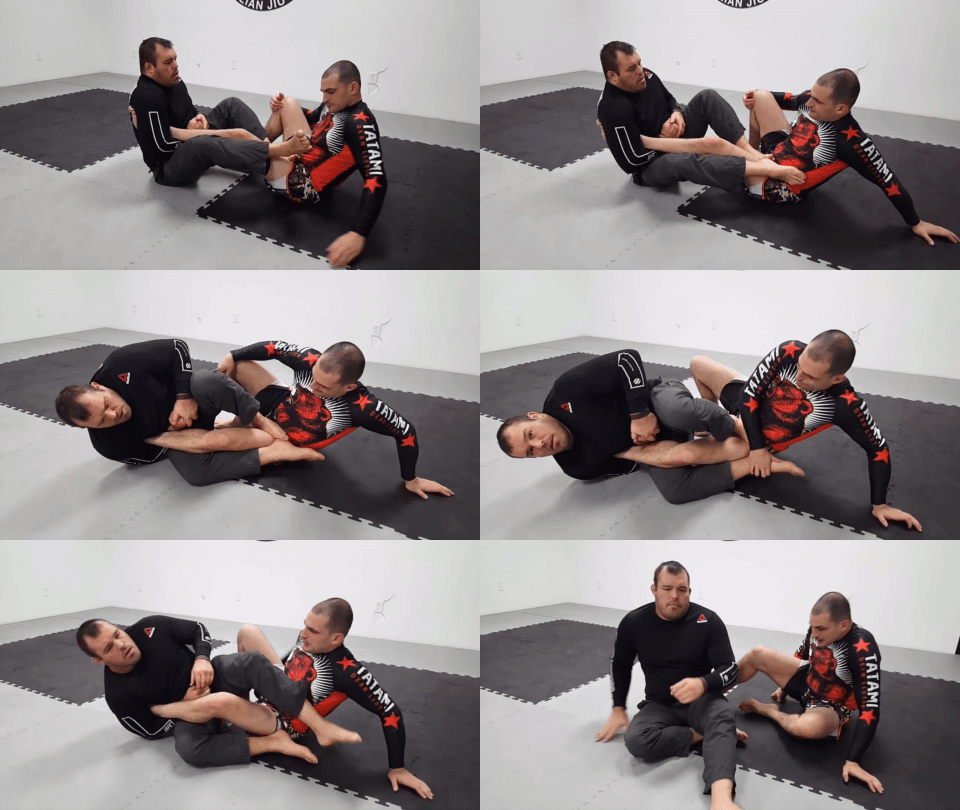 However, when it comes to submitting, it’s not about putting pressure on the Achilles. It is not about pressure at all. It is about rolling the ankle so that you get a twisting submission rather than a straight one. More painful, more efficient and hard to defend., Best of all, it is a completely legal way of doing a toe hold/heel hook hybrid under your armpit, without anyone being the wiser.
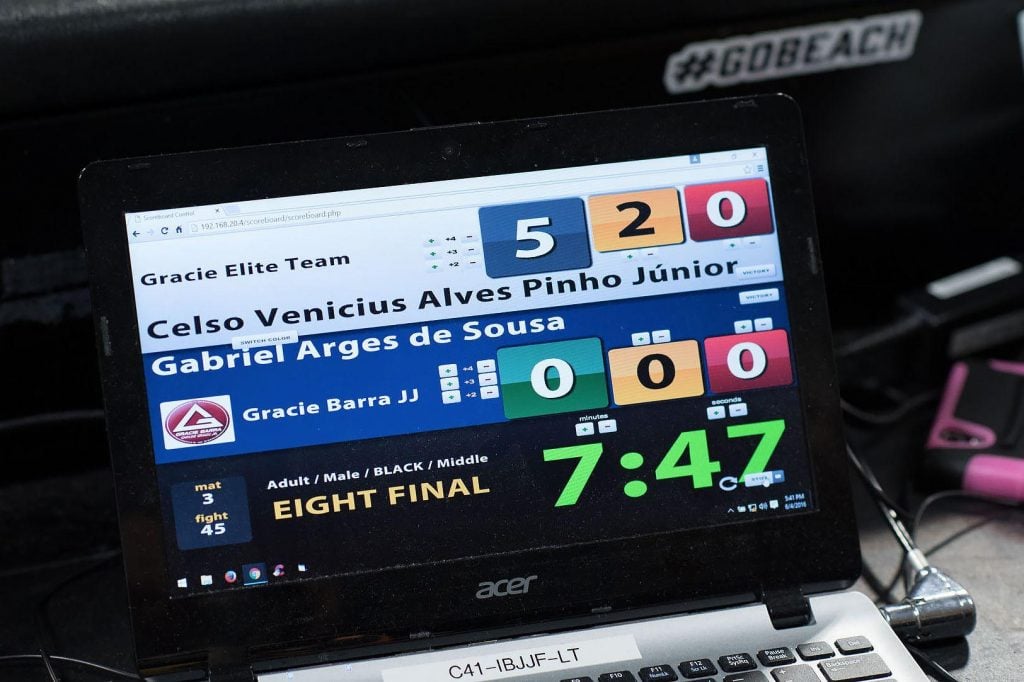 All you need to do is pass the half guard but forget about side control and all that jazz. Instead, head to the mount. A pass gets you three points, while mount gets you an additional four. That’s seven easy points with just one motion. BU that’s not the best part. You’ll never get a penalty for stalling form mount, as it is a position that’s on the top of the proverbial mountain. So, you can stay there as longa s you want. What you can do is let eth opponent get you back into the half guard at any point in time. The trick is to remain in the half guard for at least three seconds, preferably more. That’s when the referee considers the position as a guard, which means you can pass it again.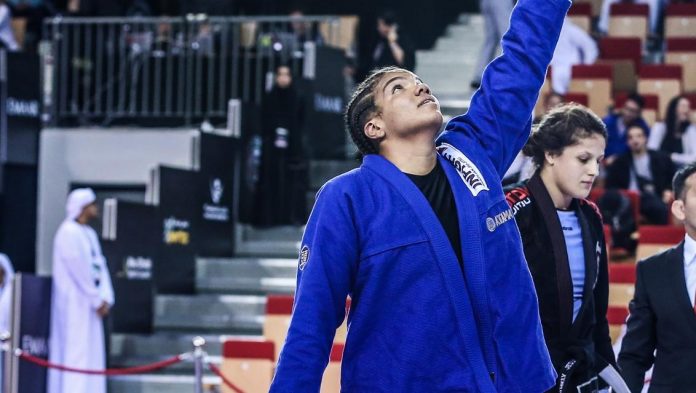
 The world of professional sports is a really crazy one and people often misjudge the requirements of such a life. Don’t get me wrong, anyone can give it a shot, but the reality is,m not anyone can make it. So being mindful whether you’re a recreational grappler, an amateur or a full-blown Professional BJJ athlete is key to managing your expectations. My point here is that in most sports, it is not the top 1 % that really makes it. It is the top 0,1 % that we get to know, talk about and admire. Regardless if it is Brazilian Jiu-Jitsu, soccer, football, baseball, MMA or whatever. How many people do you think train JIu-Jitsu in the world? How come only a handful keep reappearing in all the top professional events around the world?
 Writing this article doesn’t have a goal of telling anyone they can’t become a professional BJJ athlete. On the contrary. My goal here is to let you know how things stand, and where you are at in the natural order of things. Knowing whether you are a recreational, amateur or a pro is going to allow you to think about getting to the next step and so one and so forth.
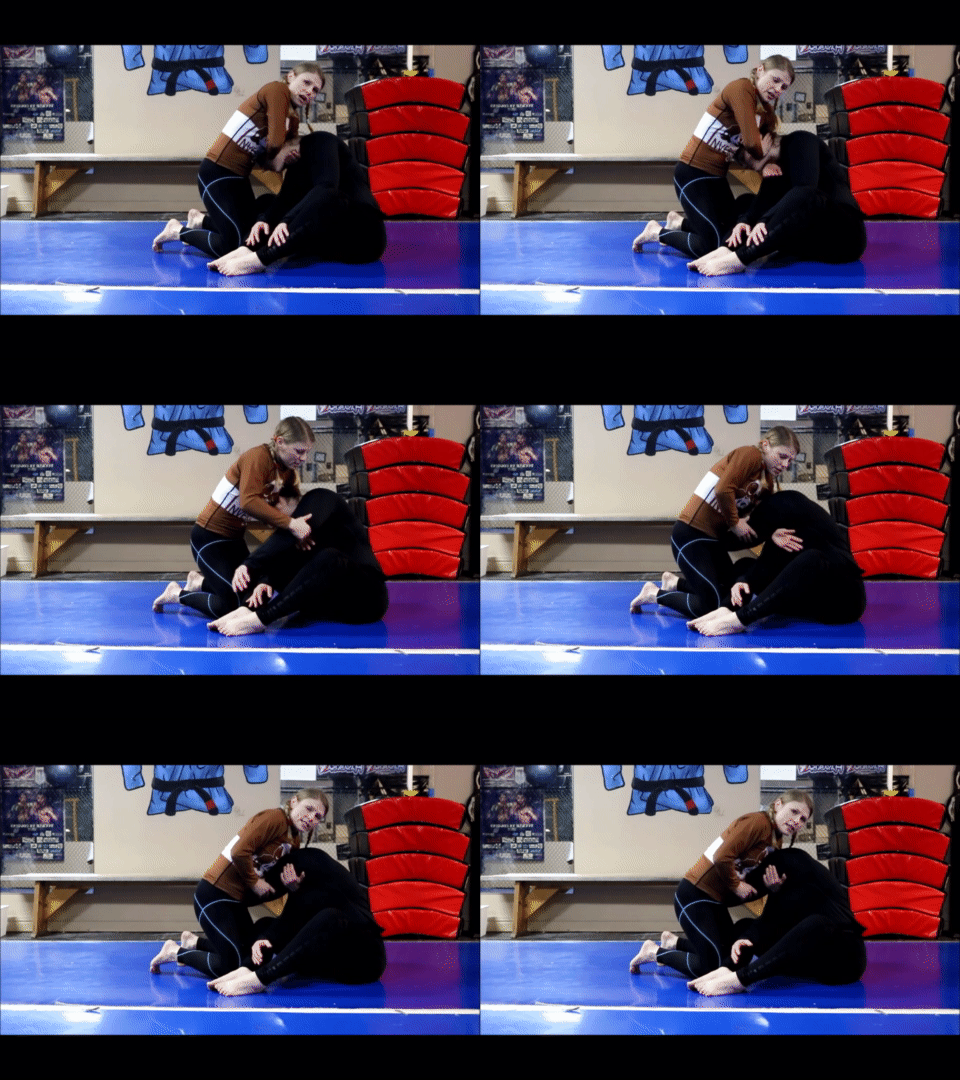 This is the hard part when it comes to executing this choke. The easy part is actually choking someone out. All you need is to place your chest on the elbow of the trapped arm. IN certain situations, given people’s build, you’ll get a choke even there. However, for the real Mizzou, you want to grab the near side leg with your free arm. The final piece of the puzzle is pushing that leg all the way to the other sid,e like for an end-of-class stretch. It is an instant choke that puts people to sleep before they can react.
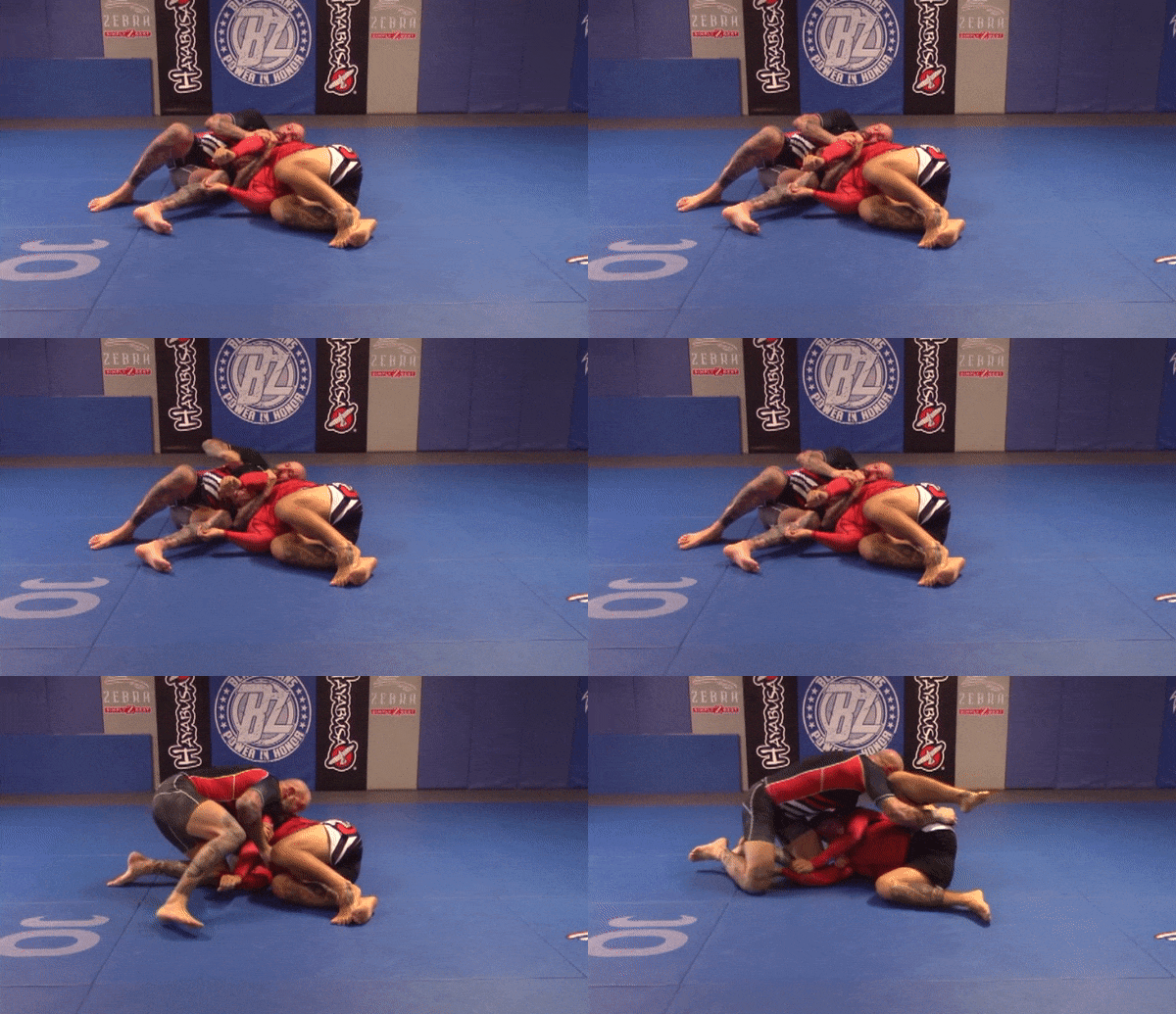 Dirty for wrestling but tailor-made for Brazilian Jiu-Jitsu. After all, innovative ways of putting people to sleep is what we do anyway, right? That said, this wrestling submission works like a charm however you go about setting it up. The “original” setup I saw, thanks to Neil Melanson was from the top half guard, after going for a guillotine. OF course, if a guillotine doesn’t work rolling out to switch o D’arce and Anaconda chokes and neckties is the next logical step. Well, that’s the perfect moment for setting up the Mizzou choke as well. Whenever you find yourself in an
 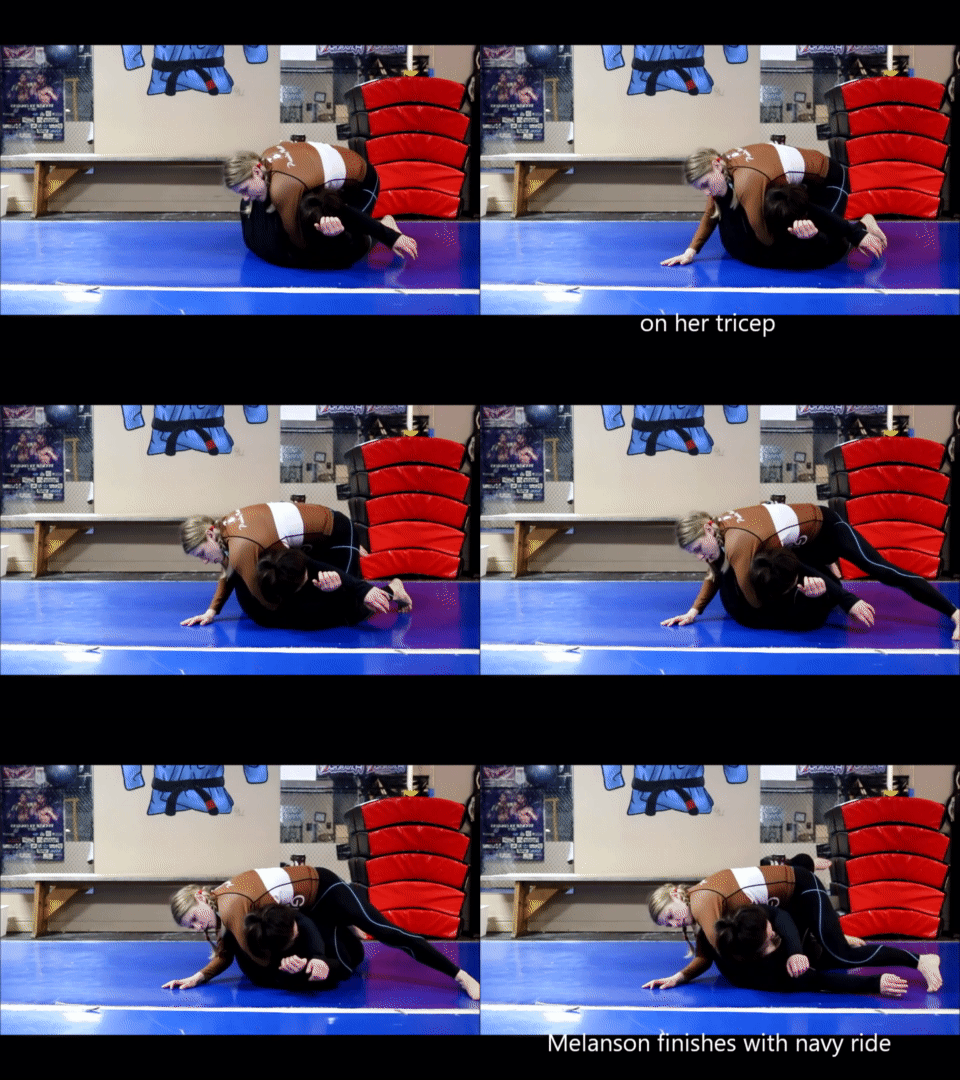 Another great use is to get the Anaconda choke. The one key reason why Anacondas often fail is the range of motion of the arm you need for the choke. The Mizzou choke is a great way to trap and secure the arm and switch back to an actual deep Anaconda from there that’s extremely hard to defend. The best part about it is that you can loop this unexpected wrestling submission and the Anaconda as much as you want until you get a tap.
 There’s no real order to the best MMA gyms on this list, as all of them offer top-of-the-line
  Kings MMA is a California-based gym run by Rafael Cordeiro. They have two main gyms, one in Huntington Beach, and the other in West Holywood. They offer regular BJJ classes on top of BJJ for MMA ones. Apart from Cordeiro himself, who has several “best coach of the year” awards, esteemed black belt Ricardo Testai is in charge of grappling training. Visiting Jiu-Jitsu practitioners can look forward to training in the Gi, in No-Gi, in competition classes, or simply roll. As a bonus there’s also BJJ for kids included. Notables that train and have trained there are Wanderlei Silva, Mauricio Rua, Anderson Silva, Fabricio Werdum, and many others.
 As you might suspect, this is one of the top grappling dens of MMA. Even among the best MMA gyms, when it comes to grappling, Alpha Male clearly stands out. Their headquarters are in Sacramento, and this gym is famous for having the best (and most) lighter-weight fighters in the world. There have been many changes in the BJJ coaching staff with founder Uriah Faber always switching things up in any department. However, high-quality grappling is guaranteed, although mostly in No-Gi. Still, what you get is the chance to actually train and roll with folks like Faber, Chad Mendes, Cody Garbrandt, and others. Marcelo Clemente black belt Fabio “Pateta” Fredo is the head BJJ coach (world No-Gi Champion). Still, other black belts, like UFC fighters Chris Holdsworth and Dustin Akbari also jump in regularly to coach.
 Wherever you read the words SBG, you can rest assured you’re in for an awesome grappling experience.
  Duke Roufus is definitely a household name when it comes to MMA coaches. Operating out of Milwaukee, Wisconsin, he runs a very tight ship. Although himself a prolific striker, he is one of the very best overall MMA coaches. In terms of grappling, Roufusport offers regular BJJ classes dubbed “Carlson Gracie Jiu-Jitsu”. That’s pretty much self-explanatory. Namely, the have Daniel Wanderley, a black belt under Gutenberg Melo of the Carlson Gracie lineage heading the JIu-JItsu classes. On top of Gi and No-Gi Jiu-Jitsu classes, Roufusport also offers submission wrestling and grappling, for those Jiu-Jitsu practitioners looking for variety. Plus, you might run into Anthony Pettis or a number of other UFC fighters there.
  When it comes to the best MMA gyms in the world, one of the absolute favorites of everyone is Jackson – Winkeljohn’s in Albuquerque, New Mexico. The gym, as you know, houses the who-is-who of top MMA fighters in the world as well as the most UC champions. Grappling-wise, they have an entire Gracie Barra team training out of the gym. The people in charge are Roberto Alencar and Rafael “Barata” Freitas which says it all really. There are also regular Gi classes in the curriculum. In addition to that, coach Jackosn himself teaches grappling classes on a regular basis.
 Finally, we’ll conclude with Black House MMA, but it is not the end all be all. There are plenty of other MMA gyms out there perfect for JIu-Jitsu practitioners. The ones on our list, though are proven to be among the best MMA gyms in the entire world in addition to offering world-class BJJ and grappling classes. Brothers Antonio Rodrigo and Antonio Rogerio Nogueira are in charge, which is all the proof you need of the level of Jiu-Jitsu there. The who is who of Brazilian MMA fighters have trained in Balck House at one point or another. In charge of Jiu-Jitsu are, of course, the Nogueira brothers in the Rio facility as well as Kevin Casey in the California facilities.