Man Gets Humiliated by a Female BJJ Fighter [VIDEO]

A BJJ practitioner finishes a person with a Rear Naked Choke (RNC) submission.

Recently, an intriguing video featuring an untrained individual daringly challenging an accomplished BJJ practitioner. This incident sheds light on the tendency of inexperienced individuals to underestimate the technical expertise and skill required in grappling. Despite a considerable weight disadvantage and the practitioner being a woman, she fearlessly wagers that she can take down or submit the man within a minute.

In this video, you can notice their levels of skill differ by a mile. Knowing that he is well above her weight class while also being physically stronger, the man tries to grab her, possibly to force his way to victory. However, as previously menitioned, the woman’s skillset is far beyond the man’s.

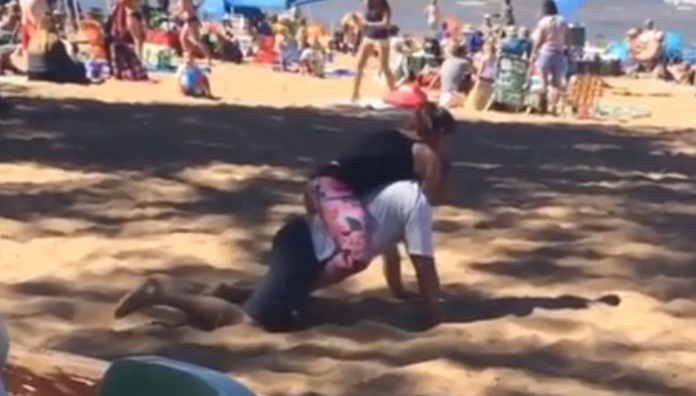
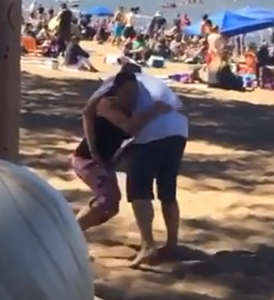
They entered the clinch, but the girl managed to break free and reach a dominant position.

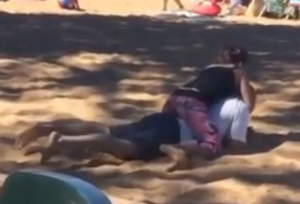
They get into a clinch position and the man tries to get a hold of her. She evades and slides around his grip giving her a dominant position. She proceeds to trip him onto the ground and successfully takes his back, which was a big mistake on his hand. The man leaves his neck unprotected which enables the woman to easily set up a choke. She then gets the rear naked choke, and it is unclear what happens next since the video ends there.

A BJJ practitioner finishes a person with a Rear Naked Choke (RNC) submission.

The video itself is less than 25 seconds long. This means that the woman fulfilled her promise of beating him in less than a minute. In this fight she was the winner, leaving the man most definitely humiliated.

It is fascinating to witness her winning this unfair matchup. This encounter serves as an example of how in Mixed Martial Arts and Brazilian Jiu-Jitsu physical strength and size while being a great advantage, does not guarantee victory on its own. Bear in mind that the female individual showcased in the footage possesses exceptional combat expertise. It is imperative not to imitate the deeds depicted in this video.

ADCC Celebrates 25th Anniversary

ADCC Celebrates 25th Anniversary

Abu Dhabi Combat Club, widely known as ADCC, recently commemorated its 25th anniversary, marking a significant milestone in the realm of submission grappling and mixed martial arts. Established in 1998 by Sheikh Tahnoon Bin Zayed Al Nahyan, the ADCC has evolved into one of the most prestigious global grappling competitions, attracting top athletes from around the world.

A defending characteristic of the ADCC is it’s Trials, where triumph grants participants a coveted spot in the ADCC World Championship held biennially. These Trials take place across four regions: European Trials, North and South America and Asia and Oceania Trials.

Best moments from ADCC :

  1. Gordon Ryan vs. Felipe Pena – ADCC 2017: The match between Gordon Ryan and Felipe Pena in the final of the +99 category at the ADCC 2017 World Championship was incredibly thrilling. The clash between two top fighters, who showcased incredible technique and fighting spirit, is remembered as one of the most intense and exciting moments in ADCC history.
  2. André Galvão’s Dominance – ADCC 2011: André Galvão, a Brazilian Jiu Jitsu black belt and ADCC veteran, displayed an outstanding performance at the ADCC 2011 World Championship. Galvão competed in the -88 kg division and showcased his technical prowess and relentless determination, securing multiple submission victories route to winning the gold medal. His dominant run cemented his status as one of the greatest grapplers of his generation.
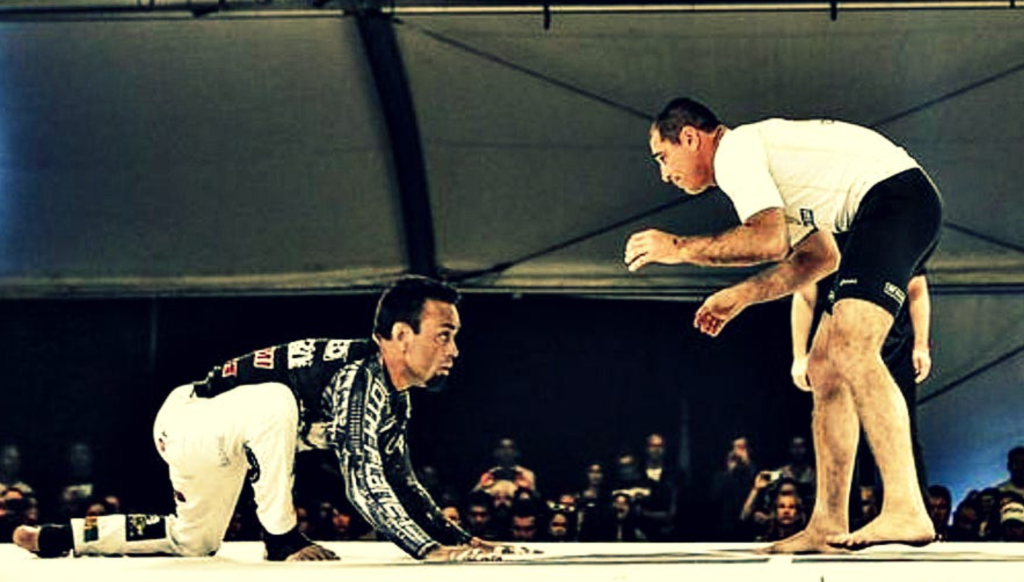
  3. Royler Gracie vs. Eddie Bravo – ADCC 2003: One of the most iconic moments in ADCC history was the showdown between Royler Gracie, a highly decorated Brazilian Jiu Jitsu black belt, and Eddie Bravo, a talented and innovative grappler. In a surprising turn of events, Eddie Bravo managed to submit Royler Gracie with a rare submission called the “twister”. This unexpected victory showcased Eddie Bravo’s skills and revolutionized the grappling world, inspiring new techniques.


View this post on Instagram


A post shared by ADCC (@adcc_official)

Man Puts Bully To Sleep On The Street Using BJJ! [PHOTO/VIDEO]

Choke in the street

A man that apparently trained BJJ for over a decade in 10th Planet Vegas choked out a bully on the street. The incident serves as a powerful reminder of the importance of self defense and the potential risks associated with physical confrontations.

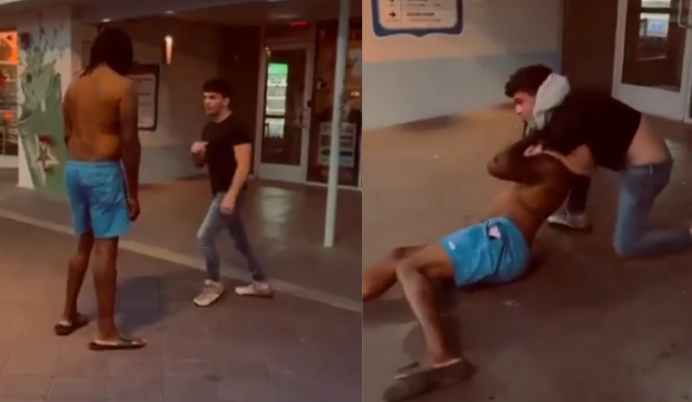
The confrontation began when the bully (wearing blue trunks), threw a right hook at the BJJ practitioner who adeptly sidestepped the attack. Seizing the opportunity, the practitioner swiftly executed a single leg takedown, gained a dominant position. As the bully attempted to rise, he left his neck exposed, providing an opening for the BJJ practitioner.

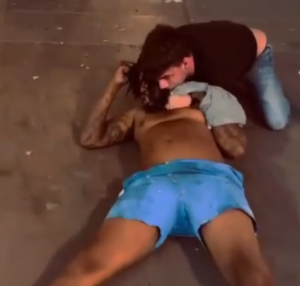
With control, the practitioner applied a Rear Naked Choke (RNC), an effective submission hold commonly used in BJJ. It is worth mentioning that the practitioner’s awareness of potential risks played a crucial role. Using hooks to gain further control over the opponent would have prevented escapes and deterred dirty tactics such as eye pokes or access to concealed weapons.

After a few seconds on the ground the bully got choked out and was left unconscious on the ground. This was very professional since the fighter could have obviously gone for  an armbar or something more devastating which would have left the bully heavily injured. In comparison to a lot of other street fights in this one the man was very gentle and considerate.

However, it’s essential to recognize the fortunate absence of weapons during this encounter. Regardless of one’s martial arts expertise, engaging with an armed individual presents an extremely dangerous situation, and the likelihood of a positive outcome diminishes significantly. In any situation involving aggression or confrontation, personal safety should always be the top priority.

Avoid street fights, even if confident. Create distance, seek help from bystanders, and call police immediately to report your location for safety.

Video and photos are below:

A man in blue trunks initiating an attack with a right hook, while the BJJ practitioner successfully blocks the strike. BJJ practitioner applies the Rear Naked Choke (RNC) on the aggressor.


Capoeira Moves for BJJ: How to Add Some Brazilian Flair to Your Grappling Game

Capoeira moves for bjj

Are you looking for some new ways to spice up your BJJ game? Do you want to learn some moves that will challenge your mobility, flexibility, coordination, balance, creativity, and fitness? If so, you might want to check out capoeira, a martial art and a culture that originated in Brazil.

Capoeira is a unique blend of fighting, dancing, music, and acrobatics. It was developed by African slaves in Brazil as a way of resisting oppression. Capoeira is played in a circle called a roda, where two capoeiristas (practitioners of capoeira) exchange movements of attack and defense in a rhythmic dialogue.

Capoeira can offer many benefits for BJJ practitioners, as it can improve your physical and mental skills. It can help you develop your rhythm, timing, footwork, distance management, and unpredictability. It can also teach you awareness, agility, reflexes, and counterattacks. Moreover, capoeira can inspire you to be more creative and expressive in your grappling game.

In this article, we will introduce some basic capoeira moves that can be adapted and applied to BJJ situations. These moves are ginga, esquiva, rasteira, vingativa, and au. We will explain what they are, why they are important, how they can be used in Jiu-Jitsu, and how to practice them. By the end of this article, you will have some new tools to add some Brazilian flair to your grappling game.
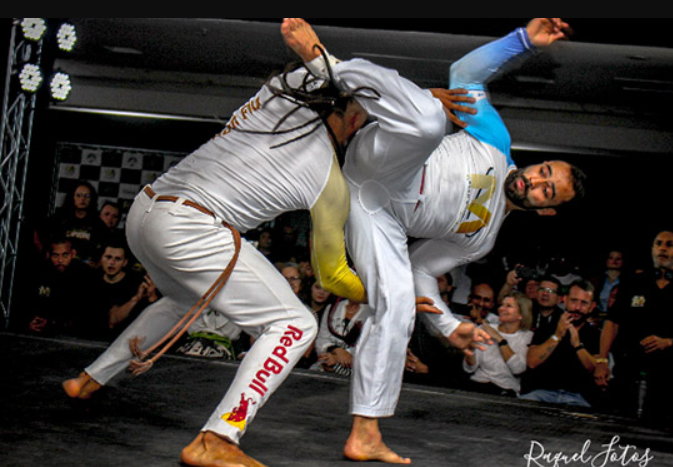
Capoeira moves for BJJ

What is Capoeira?

Before we dive into the capoeira moves for BJJ, let’s first understand what capoeira is and where it comes from.

Capoeira is a Brazilian art form that combines martial arts, dance, acrobatics, music and spirituality. It developed in the 16th century by enslaved Africans from various cultures, mainly from West and Central Africa. It was a way of expressing their identity and resistance in the face of oppression.

Capoeira is performed in the capoeira circle called a roda, where two capoeiristas (practitioners of capoeira) exchange movements of attack and defense in a rhythmic dialogue. The movements are accompanied by music played by a small ensemble of instruments, such as the berimbau (a musical bow), the atabaque (a drum), the pandeiro (a tambourine), and the agogô (a bell). The music also includes call-and-response songs that convey the history, philosophy, and ethics of capoeira.

Capoeira is not only a physical activity, but also a cultural and spiritual one. It teaches values such as respect, solidarity, harmony, and freedom. It also fosters a sense of community and belonging among its practitioners and capoeira mestres.

Capoeira has evolved over time and has different styles and schools. Some of the most popular ones are:

  • Capoeira Angola: the oldest and most traditional style of capoeira, characterized by slow and low movements, close contact, and emphasis on strategy and malicia (deception).
  • Capoeira Regional: a more modern and dynamic style of capoeira, characterized by fast and high movements, acrobatics, and emphasis on technique and speed.
  • Capoeira Contemporânea: a hybrid style of capoeira that incorporates elements from both Angola and Regional styles, as well as other martial arts and influences.

Capoeira is a beautiful and unique art form that can enrich your life in many ways. It can improve your physical and mental health, your social skills, your creativity, and your self-esteem. It can also introduce you to a rich and diverse culture that has a lot to offer to the world.
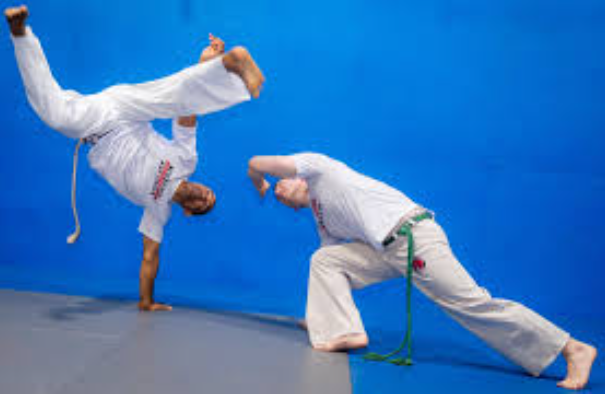
Capoeira moves acrobatics

The Relationship Between BJJ and Capoeira

BJJ and capoeira are both Brazilian martial arts that share some common roots and influences. Both of them were developed in Brazil with a focus of allowing a physically smaller person to fight off bigger and more prepared attackers. Both of them also incorporate elements of other martial arts, such as judo, wrestling, boxing, and karate.

However, BJJ and capoeira also have many differences in their philosophy, style, and purpose.

Brazilian Jiu-Jitsu is a sport that focuses on ground fighting and self-defense. BJJ aims to subdue the opponent by using leverage, technique, and strategy. It is based on realism, efficiency, and competition.

Capoeira is a martial art that combines fighting, dancing, music, and acrobatics. Capoeira aims to express oneself through movement and creativity. Capoeira is based on rhythm, fluidity, and playfulness.

Despite their differences, BJJ and capoeira can also complement each other in many ways. BJJ can benefit from capoeira’s mobility, flexibility, coordination, balance, creativity, and fitness. Capoeira can benefit from BJJ’s awareness, agility, reflexes, counterattacks, and submissions.

Many practitioners of BJJ and capoeira have cross-trained in both arts and have found them to be mutually enriching. Some examples of famous BJJ and capoeira practitioners are:

  • Rubens “Cobrinha” Charles: a multiple-time world champion in BJJ who also practices capoeira
  • Guilherme Santos: a black belt in BJJ who also teaches capoeira for BJJ
  • John Machado: a coral belt in BJJ who also incorporates capoeira into his teaching
  • Marcio Santos: a black belt in BJJ who also trains capoeira with John Machado
  • Anderson Silva: a former UFC champion who has a black belt in BJJ and also practices capoeira
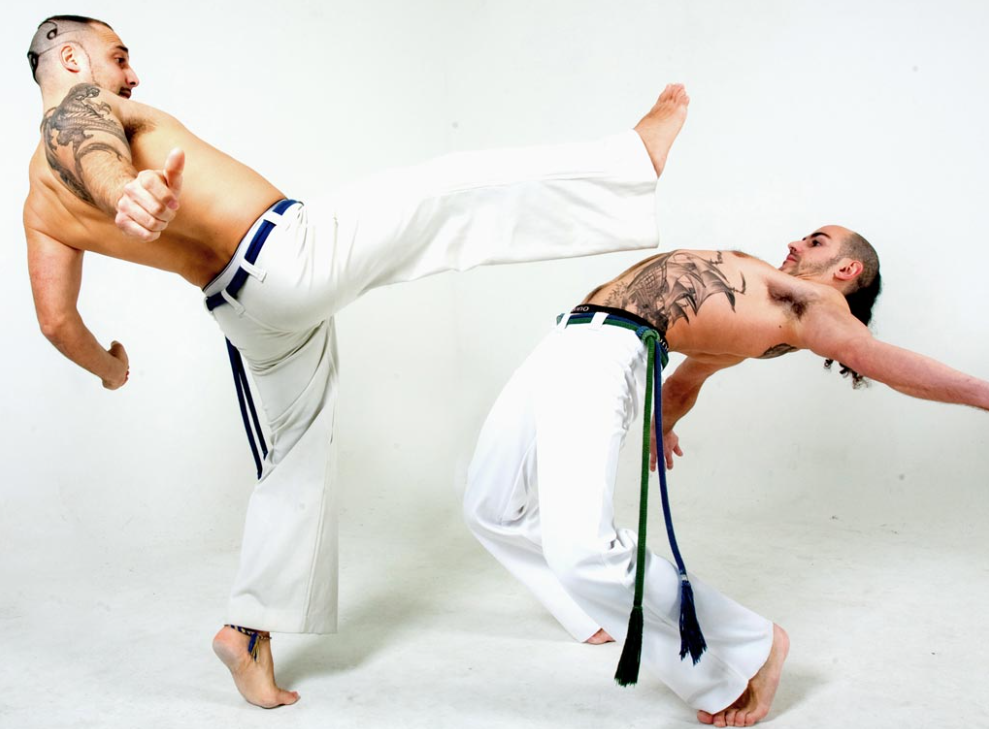
Brazilian Martial arts

Useful Capoeira Moves for BJJ

If you are a BJJ practitioner who wants to spice up your grappling game with some new and exciting moves, you might want to learn some capoeira moves. Capoeira can offer many benefits for BJJ practitioners, such as mobility, flexibility, coordination, balance, creativity, and overall physical fitness.

Ginga: The Fundamental Movement of Capoeira

The first and one of the most fundamental Capoeira movements that is usually practiced by the beginner capoeirista is the ginga. Ginga means swing or sway in Portuguese. It is a moving base that allows the practitioners to strike and evade.

Ginga is performed by stepping back with one leg and raising the forearm on the same side to protect your face. Lean forward slightly. This is the base position.

From the base position, step laterally with the back leg. Here, you should be squatting slightly with your feet slightly more than shoulder width apart.

This is the parallel position. If you step back with the opposite leg and switch your arms, you’ll be in the base position on the opposite side.

At its most basic, the ginga is the movement between these two positions.

Ginga is important because it develops rhythm, timing, footwork, distance management, and unpredictability. Ginga helps you to adapt to your opponent’s movements and create openings for attacks or defensive movements. Ginga also helps you to express yourself and communicate with your opponent through your body language.

Ginga can be used in BJJ to set up takedowns, sweeps, transitions, and escapes. For example, you can use ginga to feint a kick or a punch and then shoot for a double leg takedown. You can also use ginga to switch sides or to evade your opponent’s attacks.

To practice ginga, start slowly and smoothly. Keep your arms up and your knees bent. Vary your speed and direction. Try to sync your movements with music or with your partner’s other movements.

Esquiva: The Art of Dodging

Esquiva means dodge in Portuguese. It is a dodge that avoids an attack by moving the body away from the line of force.

Esquiva is performed by squatting down and leaning your chest into your knee. Cover your face with your hand and forearm. Keep your elbow parallel to the ground. This is the esquiva lateral (side dodge).

You can also perform esquiva baixa (low dodge) by taking a small step back with your back leg from the base position and squatting down with your weight on the front leg.

Optionally, place the hand not covering you face onto the floor. Another option is esquiva atras (back dodge) by twisting 90 degrees towards your raised hand from the base position and squatting as if into a chair. Extend the arm to parry any incoming attacks and gauge distance.

Esquiva is important for both capoeira and BJJ because it teaches awareness, agility, reflexes , and counterattacks. Esquiva helps you to avoid getting caught by your opponent’s attacks. Esquiva also helps you to create opportunities to counter attack while in motion or escape.

To practice esquiva, practice different types of esquivas (lateral, baixa, atras). Use your hands to cover your face and parry incoming attacks. Use your eyes to follow your opponent’s movements. Try to anticipate and react quickly to your opponent’s attacks.

Rasteira: A Sneaky Leg Sweep

Rasteira means sweep in Portuguese. It is a leg sweep that trips the opponent by hooking their ankle or calf with your foot.

Rasteira is performed by lowering your upper body and extending your arm for balance and protection. Swing your leg with momentum and control. Aim for your opponent’s ankle or calf with your instep or heel.

It is a quick and effective way to take down your opponent or disrupt their balance. Rasteira can surprise your opponent with its angle and trajectory. Rasteira can also set up other attacks or transitions.

Rasteira can be used in BJJ to sweep your opponent from standing, half kneeling or kneeling positions.

For example, you can use rasteira to hook your opponent’s front leg when they are in a ginga position and then take them down. You can also use rasteira to hook your opponent’s leg when they are in your guard and then sweep them over.

To practice rasteira, use your hips and core to generate power and leverage. Keep your balance and posture throughout the sweep. Snap your leg back after the sweep.

Vingativa: A Cunning Reversal

Vingativa means revenge in Portuguese. It is a reversal that involves grabbing the opponent’s leg or arm and twisting their body to the opposite direction.

Vingativa is performed by using your legs and arms to secure the opponent’s limb and control their movement. Use your hips and shoulders to rotate your body and create momentum. Use your weight and leverage to flip your opponent over.

Vingativa is a clever way to escape from a bad position or a submission attempt. It can catch your opponent off guard with its speed and force. This motion can also lead to a dominant position with lots of body control.

Vingativa can be used in BJJ to escape from side control or mount position. For example, you can use vingativa to grab your opponent’s arm when they are in side control and then twist them over to reverse the position.

You can also use vingativa to grab your opponent’s leg when they are in mount and then roll them over to get on top.

To practice vingativa, use your legs and arms to secure the opponent’s limb and control their movement. Use your hips and shoulders to rotate your body and create momentum. Use your weight and leverage to flip your opponent over.

Au: A Dynamic Cartwheel

Au means cartwheel in Portuguese. It is a cartwheel that involves placing one or both hands on the ground and rotating the body sideways.

Au is performed by placing one hand on the ground and lifting one leg over it. Then place the other hand on the ground and lift the other leg over it. Return to the starting position or continue the movement in the same direction.

Au is a fundamental movement that improves mobility, flexibility, coordination, balance, and strength. Au helps you move around the roda or the mat with ease and grace. Itu also helps you express yourself and have fun.

Au can be used in grappling to transition from one side of the body, to attack your opponent with a submission or a sweep while in motion, or confuse or deceive your opponent with a feint or a fake.

To practice au, start with a basic au and progress to more advanced variations. Keep your legs straight and your toes pointed. Use your core and your arms to support your body weight. Look at your target before and after the au.

Conclusion

In this article, we have introduced some basic capoeira moves that can be adapted and applied to BJJ situations. These moves are ginga, esquiva, rasteira, vingativa, and au. We have explained what they are, why they are important, how they can be used in BJJ, and how to practice them.

Capoeira is a martial art and a culture that can benefit BJJ practitioners in many ways. Playing capoeira can improve your physical and mental skills, such as mobility, flexibility, coordination, balance, creativity, and endurance.

Vale Tudo History And The Controversies Surrounding It

How to Escape a Triangle Choke: Two Effective Approaches

How to Escape a Triangle Choke: Two Effective Appraoches

If you practice any grappling art, such as Brazilian Jiu-Jitsu, Judo, Mixed Martial Arts, or Submission Wrestling, you have probably encountered the triangle choke. The triangle choke is one of the most common and effective submissions in grappling, and it can be applied from various positions, such as the guard, the mount position, the side control, or even standing up.

However, being caught in a triangle choke does not mean that you have to give up or tap out. Learning how to escape a triangle choke is an essential skill for any grappler who wants to improve their defense, confidence, and survival skills.

In this article, we will show you how to escape a triangle choke using two approaches: the “traditional one” and a slightly unorthodox one that is bound to become your favorite triangled defense/guard pass combo.

By the end of this article, you will have a complete guide on how to escape a triangle choke from any situation.

BJj triangle choke escapes

Traditional Steps to Defend Triangle Chokes

The triangle choke has been around since the inception of BJJ, and people have developed effective ways of blocking, disrupting, or flat-out escaping it. The “traditional” principle-based approach works against all kinds of variations like the front triangle and side triangle setup, for example.

The answer to the question of how to escape a triangle choke does not have to stop at the traditional approach, though In fact, you don’t even have to see the triangle as something to escape, but rather as an opportunity for you to counterattack the bottom person, with something like a guard pass, for example.

But, before we go into advanced strategies like that, let’s see what the bread and butter methods of escaping a triangle choke are:

Stage 1: Prevent the Triangle Position

The first stage of escaping a triangle choke is prevention. This means that you want to avoid getting into a situation where your opponent can lock their legs around your neck and one arm in the first place.

This is easier said than done because there are many ways that your opponent can set up a triangle choke from different positions. Some of the common ways that your opponent can set up a triangle choke:

  • closed guard,
  • open guards,
  • top and bottom side control,
  • top mount,
  • back control, and
  • standing.

The versatility of triangle choke setups makes them efficient because they’re unpredictable and available. However, there are also some general tips that you can follow to prevent a triangle choke from happening:

  1. Maintain good posture: Keeping your head up and your back straight will make it harder for your opponent to pull your head down or push your arm across your body. It will also make it easier for you to see what they are doing and react accordingly.
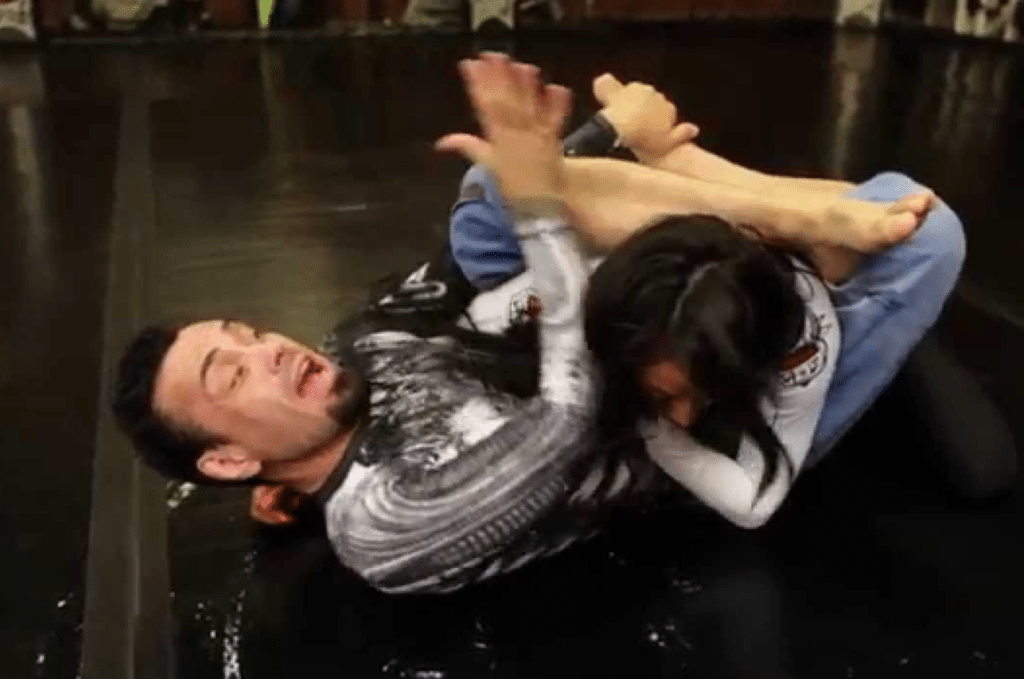
  2. Keep your elbows close to your body: Keeping your elbows close to your body will prevent your opponent from isolating one of your arms and creating space for their legs. It will also protect your arms from other attacks, such as armbars or kimuras.
  3. Control your opponent’s hips and legs: Controlling your opponent’s hips and legs will limit their mobility and ability to create angles and space for their legs. You can use your hands, arms, knees, or feet to control their hips and legs, depending on the position. You can also use your body weight to pin them down and restrict their movement options.
  4. Be aware of your opponent’s movements: Being aware of your opponent’s movements will help you anticipate their attacks and defend accordingly. Stay alert not just to the obvious things but also to the placement of limbs key to triangle chokes. For example, if you avoid placing an arm in between the opponent’s legs, you do not have to worry about how to escape a triangle choke.

By following these tips, you will be able to prevent a triangle choke from happening in most cases. Still, sometimes your opponent will be faster, stronger, or more skilled than you, and they may manage to lock their legs around your neck and one arm.

Triangle escape

In that case, you need to move on to the next stage of escaping a triangle choke: regaining posture.

Stage 2: Posture is Everything!

The second stage of escaping a triangle choke is posture. This means that you want to regain your posture as soon as possible before your opponent can tighten the choke.

If your opponent manages to lock their legs around your neck and one arm, they have already achieved a strong choking position. However, this does not mean that they have finished the choke yet.

There are still some factors that they need to adjust in order to complete the choke, such as:

  • Pulling your head: Pulling your head down will increase the pressure on your neck and make it harder for you to breathe.
  • Pushing your arm across your body: Pushing your arm across your body will cut off the blood flow to your brain with your own shoulder.
  • Angling their hips out: Angling their hips out will tighten the triangle by reducing the space between their legs.

If your opponent manages to do all these things, they have achieved a full triangle choke, and you are in big trouble. You may only have a few seconds before you pass out or tap out. Therefore, you need to act fast and regain your posture before you can tighten the choke.

There are some common ways that your opponent can break your posture, such as:

  • Pulling your torso down with their legs.
  • Pulling your head down with their arms.
  • Pushing your arm across your body with their legs/arms.

If your opponent manages to break your posture in any of these ways, you need to regain your posture as soon as possible.

This is how to escape a triangle choke in the mid-stage by focusing on your posture:

  1. Use smart frames: Framing off your opponent’s hips (or sometimes chest) will create some space between you and them and allow you to lift your head up. You can use your hands, arms, elbows, or forearms to create a frame against their hips or chest, depending on the position.
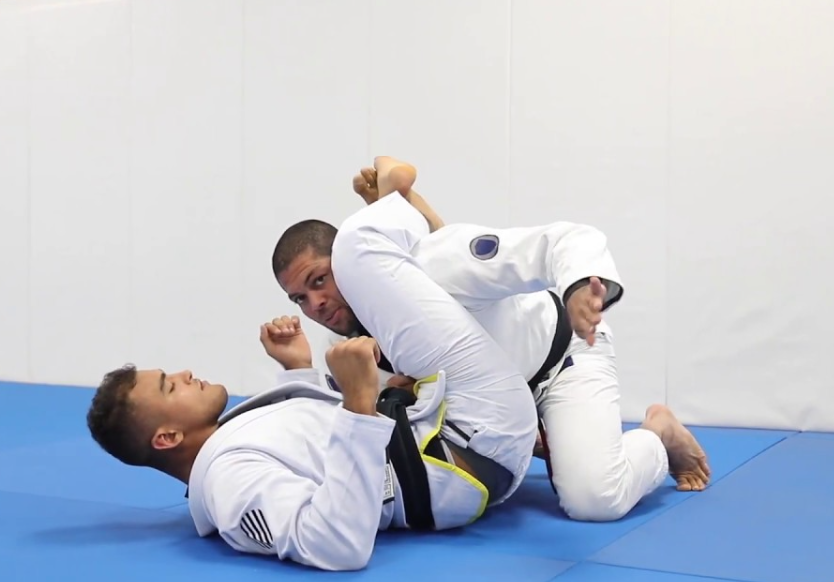
  2. Pushing their knee down: Pushing their knee down will open up their legs and reduce the pressure on your neck. This is (or was) known as the Roger Gracie defense. You can use your hand or arm to push their knee down, depending on the position, or use your head or shoulder.
  3. Stacking them up: Stacking will compress the opponent’s chest and make it harder for them to breathe. It will also make it harder for them to angle their hips out or pull your head down. You can use your body weight and momentum to stack them up by driving forward with your legs and shoulders.

Even if you do all of the above perfectly, some people will still manage to have a tight triangle choke sinched in. When you are in this particular predicament, you need to move on to the next (final) stage of defending a triangle choke: a very, very late escape.

Stage 3: Late Triangle Escapes

The third stage of escaping a triangle choke is late escape (a.k.a. a Hail Mary). This means that you want to use some specific techniques to escape the triangle choke before you pass out or tap out.

The finishing mechanics of a traingle choke are specific and if you are wondering how to escape a traingle choke that is fully locked in, you’ll need to reverse engineer the finishing mechanics in order to prevent the pressure from forcing you to submit:

  • Squeezing the legs together: Squeezing their legs together will increase the pressure on your neck and make it harder for you to breathe. It will also prevent you from creating any space between their legs.
  • Pulling the head down: Pulling your head down will increase the pressure on your neck and make it harder for you to breathe. It will also prevent you from lifting your head up and regaining your posture.
  • Lifting the hips: Lifting their hips up will tighten the triangle by reducing the space between their legs. It will also align their legs with your carotid arteries and increase the effectiveness of the choke.

If your opponent manages to do all these things, they have finished the choke, and you are likely to pass out or tap out in seconds. Therefore, you need to act fast and use some specific techniques to escape the triangle choke before they can finish the choke.

Some specific techniques that you can use to escape a triangle choke include:

  • Elbow down: The elbow down escape is a great go-to as soon as you realize your posture has been compromised. For starters, your opponent will have a much easier time choking you if your arm is across your body, thus cutting off your carotid artery with your own shoulder. If the elbow of your trapped arm is pointed out and downward, you will be considerably harder to choke.As soon as your opponent locks in the triangle, even if they have a figure four configuration with their legs, open your elbow out and bring your chest forward. Be sure to protect your arm (the arm that’s inside the triangle), as this is likely to be a secondary attack for your opponent. Slowly walk your shoulders and feet in the direction of your opponent’s ankles until they come open.Remember: even if the ankles don’t open up, you’re still surviving, likely for far longer than you otherwise might!
  • Knee pin: The knee pin escape is a good option if you are caught in a super deep triangle, and not only does your opponent have the figure four with their legs, but they’ve also managed to get your arm across your body so that your own shoulder is completing the choke across your carotid artery.In this situation, you need to create some space between their legs and relieve some pressure on your neck. To do this, you can use your free arm to grab their knee and pin it to the ground. This will prevent them from squeezing their legs together or lifting their hips up.Then, you can use your head or shoulder to push their other leg down and create more space. Once there is enough space, you can slide your trapped arm out or your other arm back into the guard.
  • Shoulder walk: The shoulder walk escape is a simple but effective way to escape a triangle choke by using your legs and shoulders to create distance and open up their legs.To do this, you need to place both of your hands on their hips and push them away from you. Then, you need to walk your shoulders back and away from them as well. This will create some space between you and them and make it harder for them to tighten the triangle.Once their legs come loose, you can slide your trapped arm out or your other arm back into the guard.
  • Leg over: The leg over escape is a risky but rewarding way to escape a triangle choke by using your leg to break their grip and pass their guard.To do this, you need to lift your free leg over their head and hook it under their chin. Then, you need to pull the opponents head back with your leg and push their leg up with your arm. This will break their grip and open up their legs.Then, you can slide your trapped arm out and pass their guard to side control or mount.

These are some of the specific techniques that you can use to escape a triangle choke from different positions. They will work for different triangles universally, like an inverted triangle or rear triangle choke. Still, how to escape a triangle choke is an art, and you don’t have to stop at the escape.

How to Escape a Triangle Choke Using Wim Deputter’s King’s Gambit

Wim Deputter is a Brazilian Jiu-Jitsu black belt from Belgium who has competed more than 600 times in BJJ, grappling, and MMA. He is also a renowned instructor who has produced many instructional videos and courses on various aspects of grappling.

Wim Deputter uses the “King’s Gambit” approach to defend the triangle choke and takes it further to pass the guard with it. A gambit is a chess move where you sacrifice a piece in order to gain tactical, positional, or other advantage. In other words, Deputter deliberately gives up his arm or his posture in order to create an opening for his escape or his pass when his opponent goes for a triangle.

Wim Deputter’s gambit triangle defense is based on three main principles:

  1. Pushing the knee down with both hands: This technique is similar to the knee pin escape, but instead of using one hand to pin the knee down, Wim Deputter uses both hands to push the knee down with force.This creates a lot of space between his opponent’s legs and relieves a lot of pressure on his neck. It also exposes his opponent’s back or side for him to pass.
  2. Grabbing both ankles and lifting them up: This technique is similar to the shoulder walk escape, but instead of using his hands on his opponent’s hips, Wim Deputter uses his hands to grab both of his opponent’s ankles and lift them up.By doing this he creates a lot of space between him and his opponent and makes it harder for them to tighten the triangle. It also exposes their legs or hips for him to pass.
  3. Grabbing one ankle and driving forward: For this, Deputter uses his hand to grab one of his opponent’s ankles and drive forward. This breaks his opponent’s leg grip and opens up their legs. It also exposes their back or side for him to pass.

These are some of the gambit defense techniques that Wim Deputter uses to defend the triangle choke and use it to pass the guard. They are risky but rewarding, and they require a lot of practice and timing to execute.

Conclusion

In this article, we have shown you how to escape a triangle choke in the traditional way, using the three-stage method: prevention, posture, and escape.

We have also shown you some of the common mistakes to avoid when defending a triangle choke, and some of the best tips and techniques to escape a triangle choke from different positions.

Finally, we introduced you to some of the triangle defense concepts from Wim Deputter, more precisely, his gambit approach to defend the triangle choke and use it to pass the guard.

Learning how to escape a triangle choke is an essential skill for any grappler who wants to improve their defense, confidence, and survival skills. However, learning how to escape a triangle choke is not enough. You also need to practice these techniques regularly with a partner and seek feedback from your coach or instructor. Only then will you be able to master these techniques and apply them in real situations.

Brazilian Jiu-Jitsu Symbols And The Triangle Meaning

Amazing Flying Triangle At UFC Vegas 17 by BJJ Black Belt Jimmy Flick

Different Triangle Chokes For Different Folkes


How to Master the Russian Tie for Brazilian Jiu-Jitsu

How to Master the Russian Tie for Brazilian Jiu-Jitsu

If you are looking for a powerful and versatile grip that can help you dominate your opponent on the feet and set up various takedowns and submissions, you need to learn the Russian tie.

The Russian tie is a position that every BJJ practitioner should master, as it can give you an edge over your competitors in both Gi and No-Gi grappling. In this article, we will explain what the Russian tie is, how to set it up and execute it in different scenarios, and some common mistakes to avoid.

What is the Russian Tie?

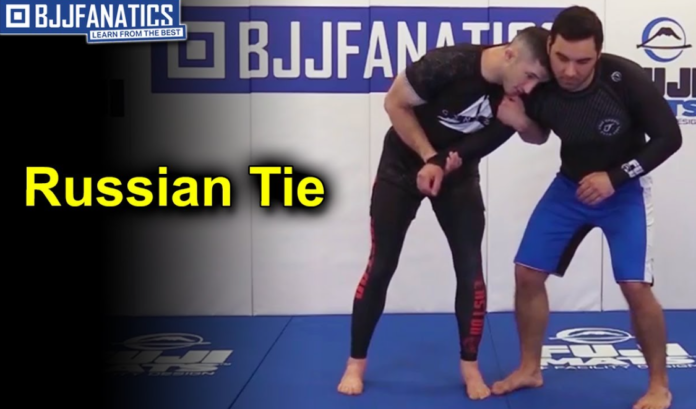
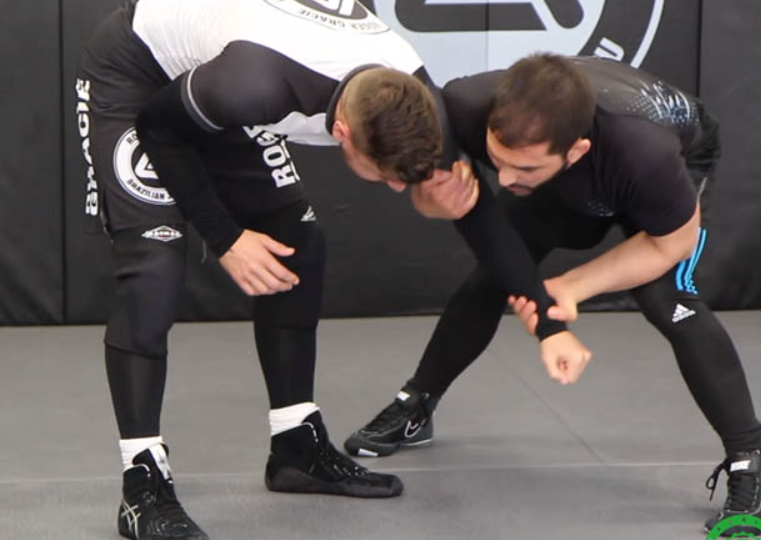
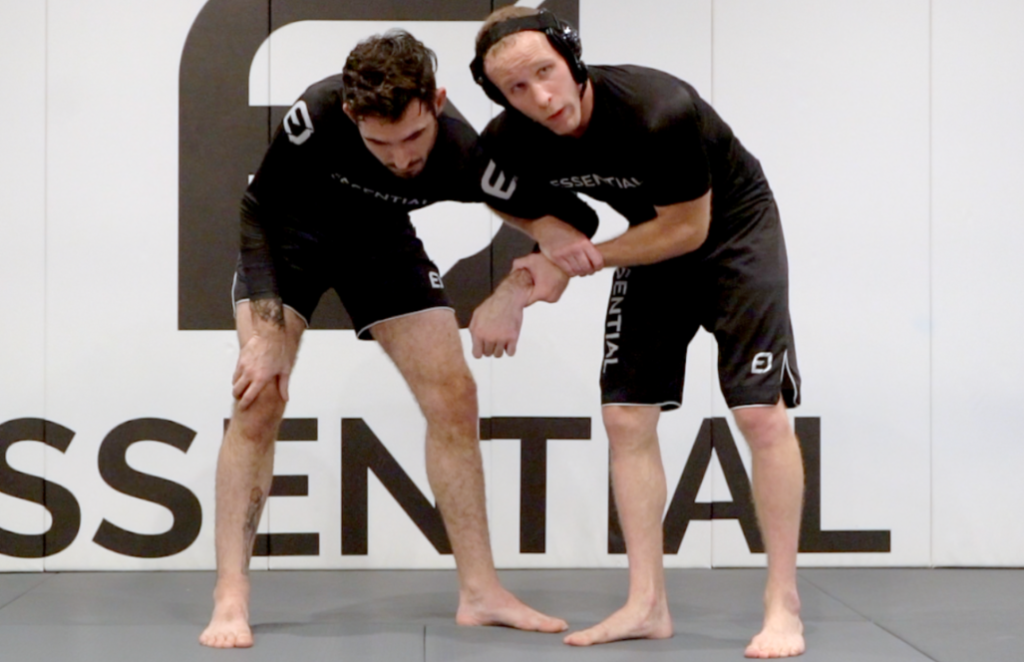
The Russian tie, also known as the Russian 2-on-1, is a control position where you grab your opponent’s wrist with one hand and their shoulder or elbow with the other hand. By doing this, you isolate their arm and prevent them from attacking you with it. You also create leverage and angles to manipulate their balance and posture, opening up opportunities for takedowns and submissions.

The Russian tie can be used in both Gi and No-Gi grappling, but the grips and details may vary slightly depending on the scenario. In No-Gi, you typically stand side-by-side with your opponent, facing in the same direction. You grab their wrist with your near hand and reach over their shoulder with your far hand. You then twist your body and pull their arm across your chest, securing the Russian tie position by lifting their wrist and dropping your shoulder on top of theirs.

In Gi Jiu-Jitsu, you usually stand in front of your opponent and establish a cross grip on their sleeve. Your right hand goes to their right wrist/sleeve, and your left hand goes over their shoulder and grabs the back of their collar. You then pull their arm across your body and tuck your elbow close to your torso, while using the collar grip to control their head.

Russian tie Position

How to Use the Russian Tie for Takedowns

Once you have established the Russian tie, you have several options for taking your opponent down. Some of the most common and effective takedowns from the Russian tie are:

  • Russian Tie Throw(s)

This is a spectacular and explosive takedown that involves rolling under your opponent with your head between their legs. You use the momentum of the roll to flip them over your body and land in side control.

To perform this takedown, you need to lower your level and place your head in front of their lead leg. You then dive under them while keeping a tight grip on their arm via a slightly modified Russian tie. Namely, you want to establish a Kimura grip (figure four grip) so that you stay attached and in complete control as you roll under.

  • Russian Tie Trip

This is a simple and quick takedown that involves pulling your opponent’s arm across your body to get them off balance.

You then step behind their leg and trip them down or take their back.

To perform this takedown, you need to pull their arm across your chest while stepping to the side with your near leg. You then put all your weight behind the Russian tie control, pressing your chest to the triceps. As the opponents try to posture up, you use their momentum to trip them, either by hooking the near leg with your leg, or tripping them by placing your instep behind their back leg.

  • Russian Tie Single Leg Takedown

This is a classic wrestling takedown that involves grabbing your opponent’s leg and driving them down. You can set single leg takedowns from the Russian tie by creating an optimal angle and clearing their arm.

To perform this takedown, you need to step to the side with your near leg while pulling their arm across your body. You then release their wrist (or sleeve) and grab their near side leg behind the knee with your near hand. You then drive forward while lifting their leg and pushing them down with your other grip or finish with any variation of the single leg that you prefer.

How to Use the Russian Tie for Submissions

The Russian tie can also be used to set up various submissions. BJJ might be the king of ground fighting martial arts, but you still need moes like the Russian Tie to get to the ground. That said, you can follow up on your 2-on-1 efforts with some very effective submissions from the like:

  • D’arce Choke

The D’arce choke involves wrapping your arm around your opponent’s neck and shoulder from a front headlock position and locking it with your other arm behind the opponent’s neck. You then squeeze and twist to finish the choke.

To get the D’arce off you need to transition from the Russian tie to a front headlock position if you haven’t landed in top side control after finishing a throw or takedown.

From the front headlock, you’ll need to switch the arm controlling their wrist to a collar tie to ensure you tilt them to their side (most often by utilizing a Nelson variation). Once the opponent is on their side, with their top arm trapped by your weight, you can slide the arm controlling the upper arm across their neck to get the D’arce position.

  • Kimura

This is a variation of the kimura lock that involves twisting your opponent’s arm behind their back and applying pressure on their shoulder. You can perform this submission on the feet or on the ground.

To finish the Kimura, you need to transition from the Russian tie to a figure four grip by switching the hand you’re using to hold their wrist. Trapping their upper arm gives you more than enough time to achieve this. after you have the grip, you can finish the Kimura any way you want.

  • Armbar

This is a variation of the armbar that involves trapping your opponent’s arm between your legs and extending it to hyperextend their elbow.

The transition from the Russian tie to an armbar position needs to be fast as you; ‘re moving your weight away from the opponent in order to get to an armbar position. Think of Mighty Mouse’s legendary suplex armbar in the UFc – that’s the kind of transitioning speed ou need to pull this one off.

Common Mistakes to Avoid

The Russian tie is a powerful and versatile position, but it also requires some skill and attention to detail. Here are some common mistakes to avoid when using the Russian tie for the purposes of BJJ:

  • Not controlling the posture: The head is the key to controlling your opponent’s posture and balance. If you let them lift their head up, they can escape or counter your attacks. While you’re not gripping the head directly, you’re still affecting posture via the shoulder of the arm you’re controlling with the 2-on-1. Remember to keep their posture broken (folded) at all times.
  • Missing angles: The Russian tie works best when you create angles and move around your opponent. If you stay in front of them, they can defend or attack more easily. You need to use your footwork and body movement to create angles and openings for your attacks.
  • Not being aggressive: The Russian tie is a position that requires aggression and pressure. If you are passive or hesitant, you will lose the advantage and give your opponent time to recover or counter. You need to be aggressive and decisive with your attacks, using speed and explosiveness to catch them off guard.

Russian tie throw

Conclusion

The Russian tie is a position that every Brazilian Jiu-Jitsu practitioner should learn and master. It can help you control your opponent, set up takedowns and submissions, and dominate the stand-up game. Whether you practice BJJ in Gi or No-Gi, or any grappling martial arts for that matter, the Russian tie can give you an edge over your competitors. Try it out and see for yourself how effective it is.

Also, make sure to check out this previous article we have on single leg takedowns:

How to Make the Single Leg Takedown Work For BJJ, MMA and Wrestling Athletes

Russian Tie Throw – A Gi Variation For Brazilian Jiu-Jitsu

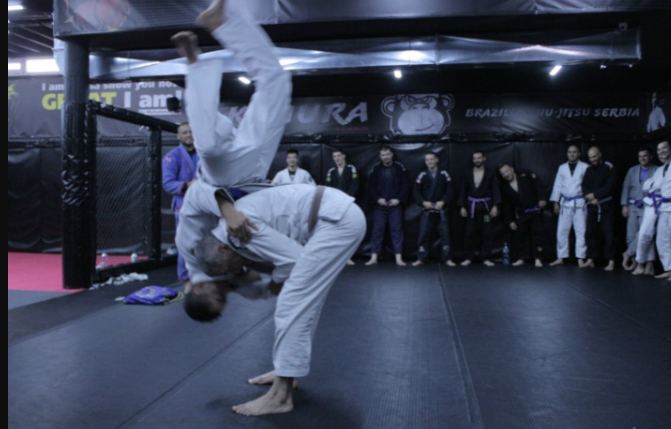
How to Hip Toss Like a Pro: A Step-by-Step Guide For Grapplers

How to Hip Toss Like a Pro: A Step-by-Step Guide For Grapplers

Do you want to learn how to throw your opponent in style? What do BJJ, MMA, and wrestling have in common? They all use hip toss variations to take down their opponents, especially as high-effective follow-ups to failed takedowns and throws.

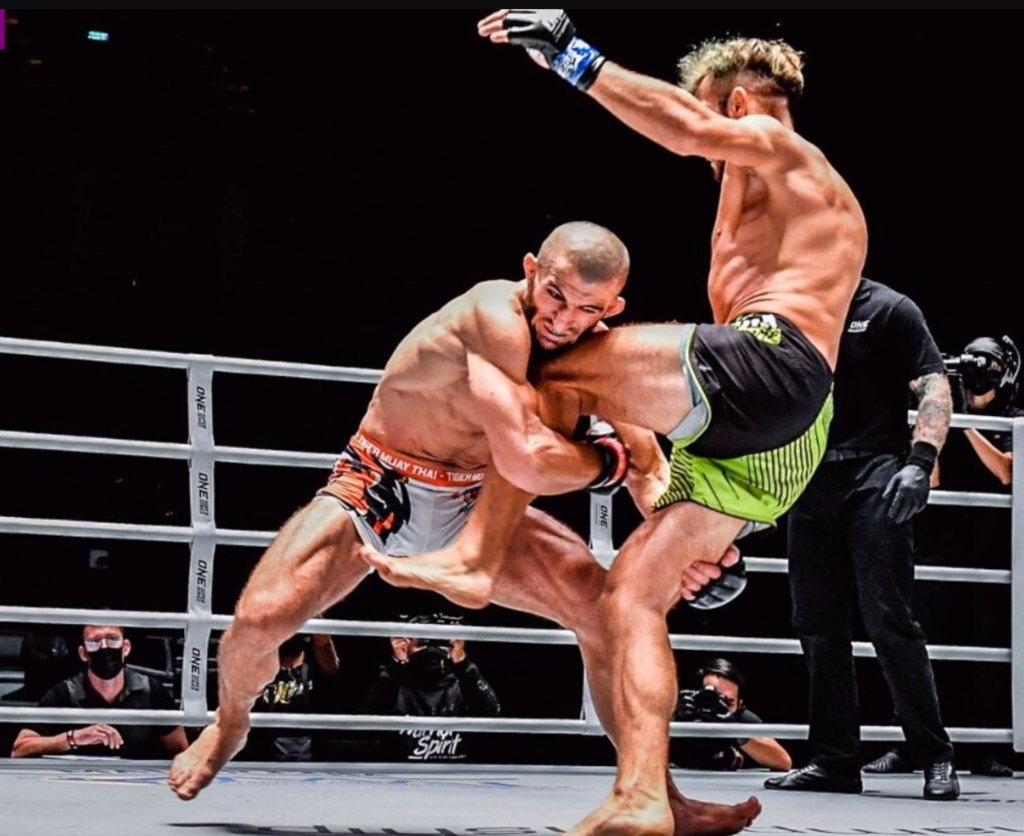
A hip toss is a versatile set of moves based on the premise of loading an opponent onto one’s hip and then taking them down by a variety of different maneuvers. Hip tosses can improve your balance, timing, leverage, and control, as well as give you an advantage in positioning and scoring.

In this article, you will learn the basic principles, the common variations, and the tips and tricks for executing and finishing hip tosses.


Basic Principles of Hip Tosses

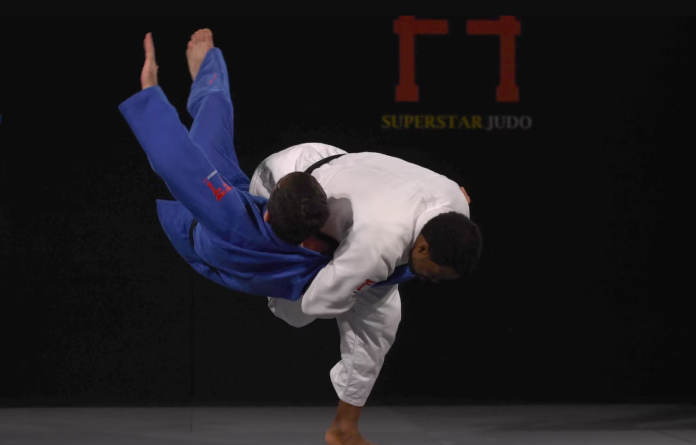
The main principle behind the setup of a hip toss is to make the opponent’s hips go back while they are leaning forwards. This allows you to plant your hips underneath your opponent and pull them into the hip toss while pulling them up and over your body onto the mat.

To do this, you need to break their balance (kuzushi) by pulling, pushing, or feinting with your arms and body.

The footwork of a hip toss involves planting your feet just slightly in front of the opponent’s hips. At first, the footwork takes some practice to get used to because you end up crossing your feet.

Crossing your feet puts you out of position in wrestling so when you plant your feet in the correct position, you need to execute the throw right away. You can also use a back step or a pivot to create more momentum and angle for the throw.

The arm position for a hip toss depends on the type of grip you have on your opponent. Most people use an underhook to do the hip toss, but it’s possible to perform a hip toss with an overhook too.

The other arm typically has wrist control but bicep or inside control works too. You’ll get more leverage with the inside control since you’re grabbing closer to their center of gravity. You can also use different grips such as lapel, collar, or sleeve if you are wearing a Gi.

The key to using your hips as a fulcrum for a hip toss is to make sure they are lower than your opponent’s hips and aligned with their center of gravity. It should feel as if your opponent is falling up and over you.

You can also use a subtle trick of pulling your opponent up from the mat so that they are light on their toes. This makes it much easier to execute the hip toss than if your opponent’s feet are still heavily planted on the ground.

Wrestling headlock toss

Exploring Common Hip Toss Variations

There are many variations of hip tosses that are used in different martial arts, such as judo, wrestling, and BJJ. They differ from each other in terms of grip, angle, direction, and setups.

Judo Hip Tosses

Judo has 10 official hip tosses (koshi-waza) that are classified according to their direction, grip, and leg action. Some examples are:

  • O Goshi: a large hip throw that involves putting one hand behind the opponent’s back and lifting them over your hip. This is often the first throw taught to beginners as it is simple and effective.
  • Uki Goshi: a floating hip throw that involves sliding your hip under the opponent’s waist and tilting them over your hip. This is a variation of o goshi that requires less lifting and more timing.
  • Harai Goshi: a sweeping hip throw that involves sweeping one leg across the opponent’s legs and throwing them over your hip. This is a powerful throw that can be used when the opponent tries to escape o goshi by jumping forward.
  • Hane Goshi: a spring hip throw that involves lifting one leg between the opponent’s legs and throwing them over your hip. This is a dynamic throw that can be used when the opponent tries to resist harai goshi by blocking your leg.
  • Utsuri Goshi: a changing hip throw that involves switching your hips with the opponent’s hips and throwing them over your shoulder. This is a counter throw that can be used when the opponent tries to lift you up for their own hip toss.

Hip Toss Wrestling Variations

Wrestling has several variations of hip tosses that are based on different grips, head positions, and entries:

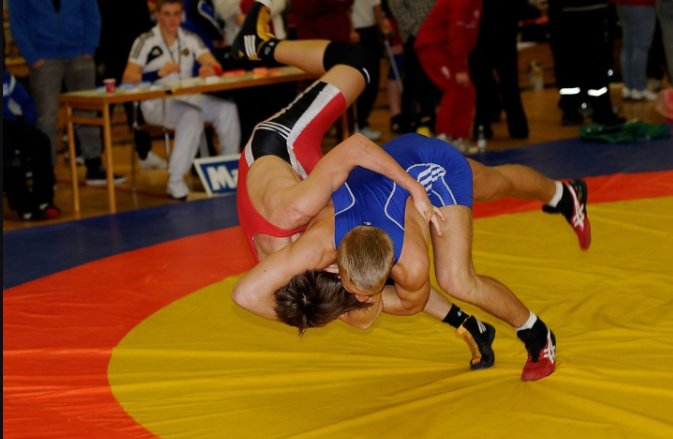
  • Headlock toss a move that involves locking your arm around the opponent’s head and throwing them over your hip. This is a simple and effective throw that can be used from various clinch positions.

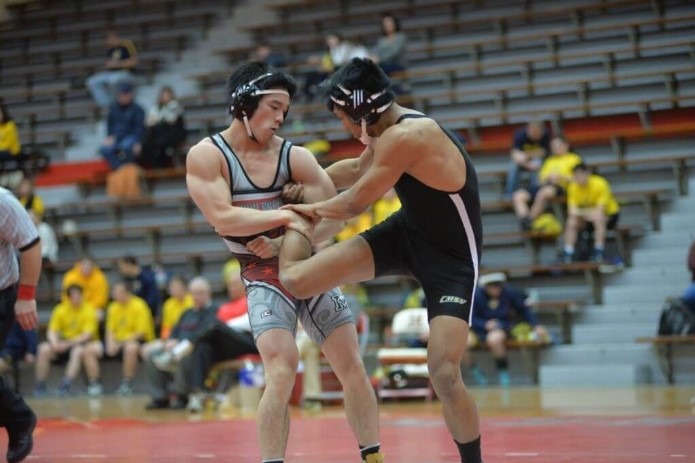
  • Arm Drag Reverse Hip Toss: a move that involves grabbing the opponent’s arm and flipping them over your hip by planting one of your legs in between theirs. This is a quick and sneaky throw that can be used when the opponent reaches for your collar or neck.

  • Single Leg to Hip Toss: Olympic gold medalist wrestler Henry Cejudo has a really slick hip toss wrestling variation that is perfect for grapplers of all levels.He sets it up with an inside tie and looks to shoot for a single leg takedown. If the shot fails, the backup option is a very effective hip throw. You then step in just like for a Judo hip throw with an over-under control over his shoulders.

Best Possible Hip Toss Variation for BJJ and Grappling

BJJ has adapted some of the wrestling hip tosses for its No-Gi grappling context, Judo throws for Gi situations, as well as developed some of its own variations based on different scenarios and positions.

How do you choose the best possible variation of hip toss for Brazilian Jiu-Jitsu and grappling? It depends on factors such as your body type, your opponent’s stance, your grip options, your level of skill, and your preferred position after landing.

Here are some general guidelines:

  • If you are taller than your opponent, you can use variations that involve lifting them up with your hips, such as o goshi.
  • If you are shorter than your opponent, focus on variations that involve sweeping their legs with yours, such as harai goshi or hane goshi.
  • If you have strong grips or are wearing a Gi, you can use variations that involve pulling their sleeves or lapels, such as sode tsurikomi goshi or harai goshi.
  • If you have weaker grips or are not wearing a Gi, you can use variations that involve underhooks or overhooks, such as the headlock, arm drag, and single leg setups from wrestling.

BJJ Hip throw variation

Conclusion

Hip tosses are powerful and versatile takedowns that can be used in BJJ, MMA, and wrestling. They are based on the principle of using your hips as a fulcrum to throw your opponent over your body. You can execute them from different grips, angles, and directions depending on the situation and your preference. They can also be combined with other techniques such as feints, fakes, shots, or combinations to set them up more effectively.

The Best BJJ Gi Throws and Takedowns DVDs

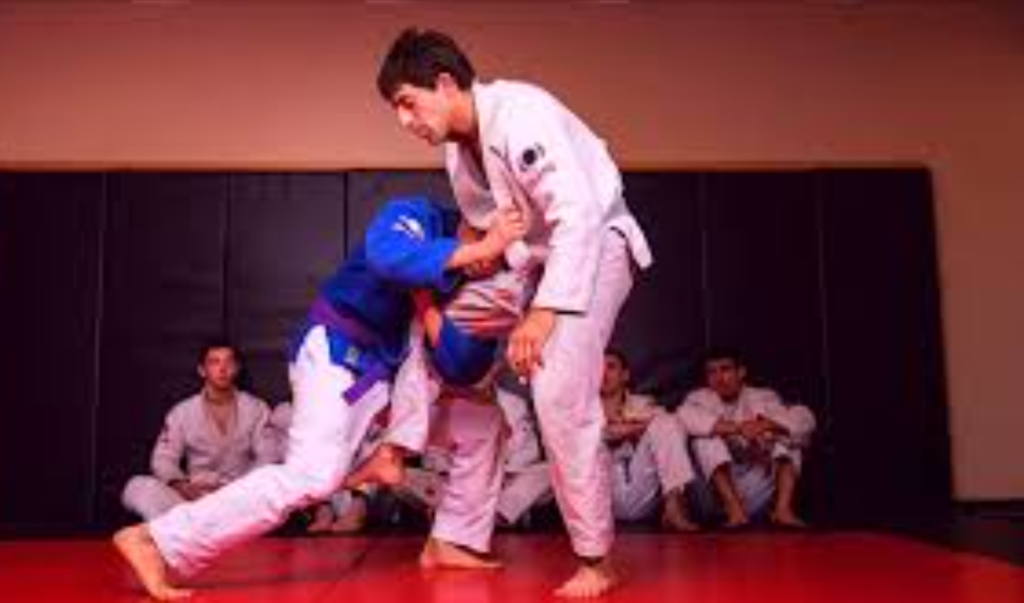
Judo Throws For BJJ: Shoulder Throw Variations

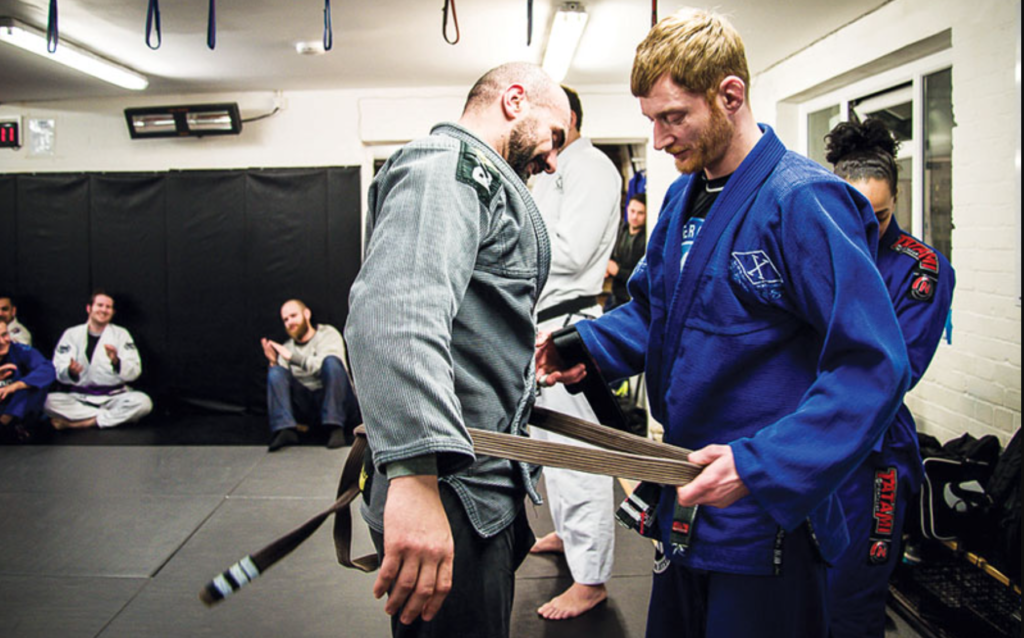
The Thrilling Brown Belt Jiu-Jitsu Journey and Its Rewards

The Thrilling Brown Belt Jiu-Jitsu Journey and Its Rewards

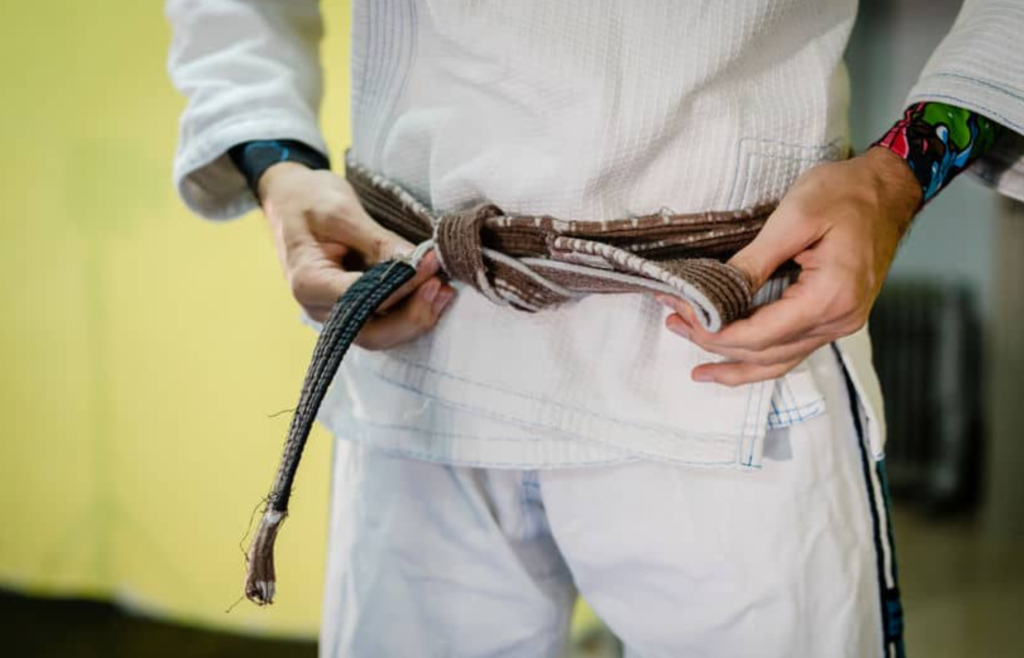
As a dedicated Jiu-Jitsu enthusiast, the aspiration of achieving a black belt rank likely resides in your mind. However, you must first face the demanding and fulfilling brown belt Jiu-Jitsu level, a pivotal point of your path, before reaching your destination.

The brown belt denotes the ultimate stage of proficiency, expertise, and commitment in the Brazilian Jiu-Jitsu hierarchical structure and is the last of the colored belts.
The belt known for its challenging nature in BJJ is widely acknowledged to be the one that readies practitioners for their ascent to the coveted black belt.

That said, what are some of the requirements, expectations, and responsibilities of this rank? How can you make the most of your time as a brown belt and enjoy the journey? And how can you prepare yourself for the final step to the black belt?

Brown belt BJJ rank

Understanding the Brown Belt in Jiu-Jitsu

Before we dive into the details of how to become a brown belt and what to do as one, let’s first define what this rank means and how it fits into the jiu-jitsu belt system.

What is the Brown Belt Jiu-Jitsu rank?

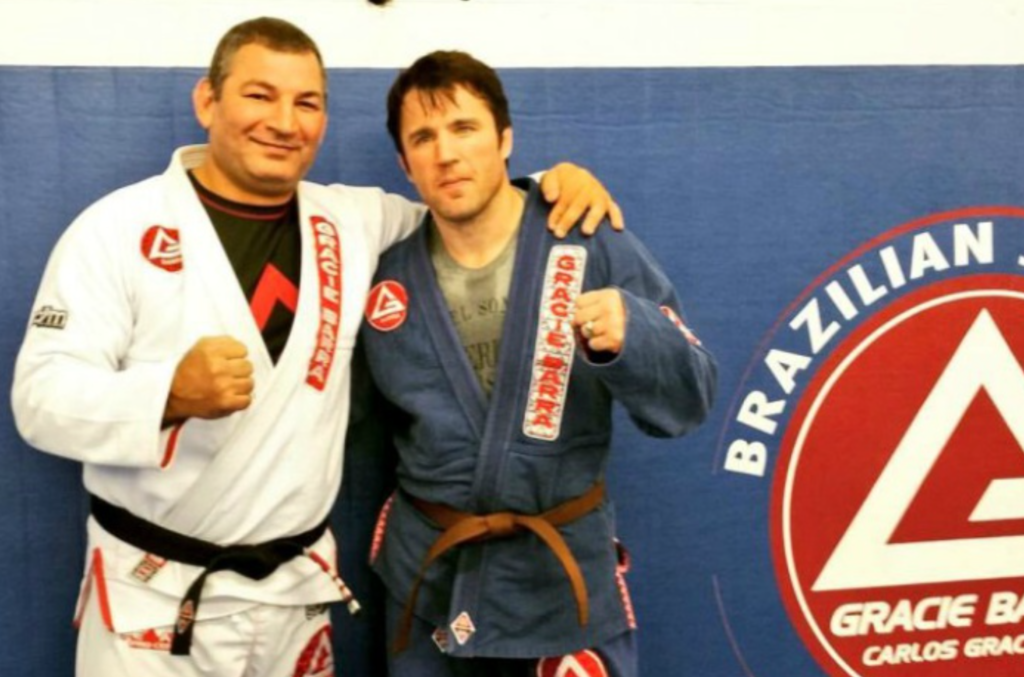
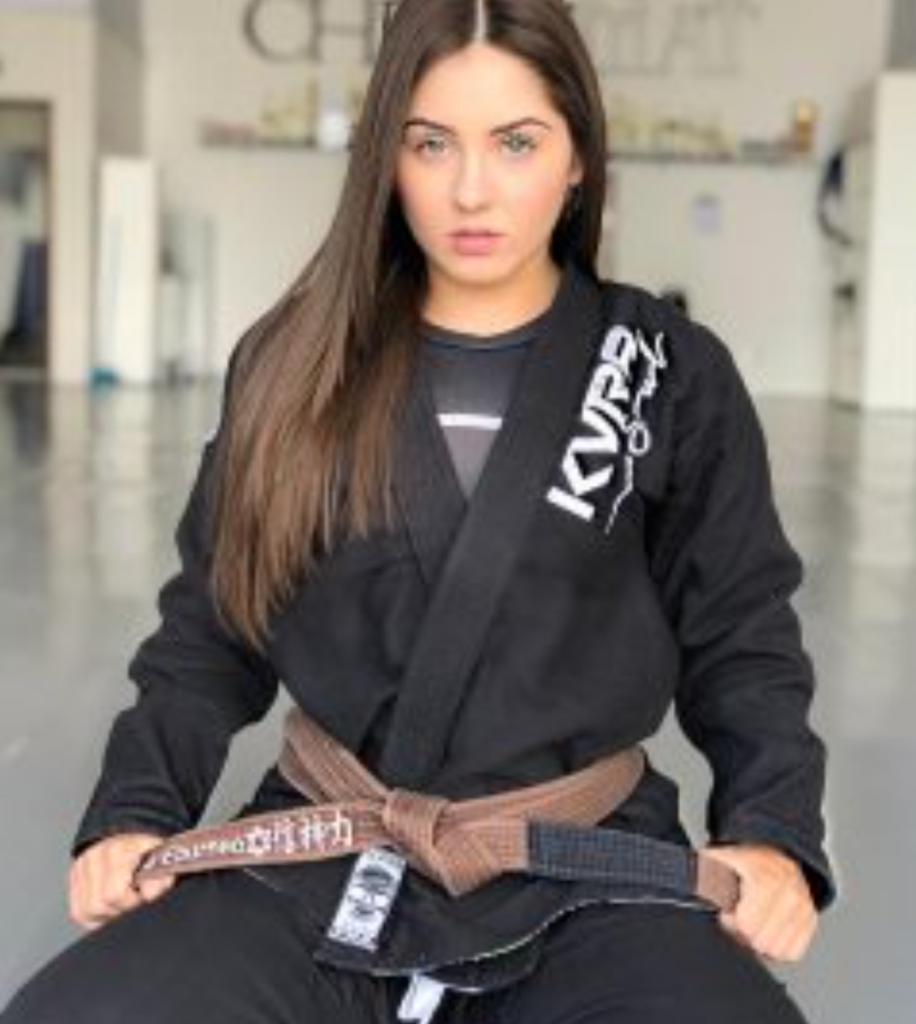
A brown belt in Jiu-Jitsu is the fourth level in the ranking system, representing a significant achievement. It is acquired after the white, blue, and purple belts and before the black belt in the hierarchy of belts.

A brown belt signifies that you have mastered the fundamentals of Jiu-Jitsu and have developed a solid and diverse game. You are able to execute techniques with precision, efficiency, and creativity, and able to adapt to different situations and opponents, imposing your game plan along the way.

The brown belt Jiu-Jitsu rank also implies that you have a deep understanding of the underlying concepts and principles of grappling. At this point, you are able to explain and teach techniques to lower belts and can analyze and improve your own performance. You also possess an understanding of both your strong suits and areas for improvement and have a well-defined idea of your objectives.

Being a brown belt also reflects that you have a strong commitment and passion for Jiu-Jitsu. You have trained consistently for several years, overcoming challenges, injuries, and plateaus.

How Does the Brown Belt Rank in the Jiu-Jitsu Belt System?

The brown belt is the last of the colored belts in the BJJ belt system, which consists of five main belts: white, blue, purple, brown, and black. Each belt has a different meaning and requirements, depending on the age and experience of the practitioner.

  • White belt is the beginner level, where you learn the basics of jiu-jitsu and develop a foundation for your game.
  • Blue belt is the intermediate level, where you expand your repertoire of techniques and start to develop your own style.
  • Purple belt represents the advanced level, where you refine your skills and deepen your understanding of jiu-jitsu.
  • Brown belt is the expert level, where you polish your game and prepare yourself for the black belt.
  • Black belt means you’ve achieved the master’s level, where you demonstrate a high degree of proficiency and knowledge in Jiu-Jitsu.

The black belt also has different degrees, from 1st to 9th, which indicate the seniority and recognition of the practitioner.

The jiu-jitsu belt hierarchy also includes exclusive belts like the coral belt (red-and-white) and grandmaster belt (red) that are awarded to highly respected black belts for their exceptional dedication and valuable contributions to Brazilian Jiu-Jitsu.

Brown Belt Jiu-Jitsu Rank Journey

The Journey to the Brown Belt Jiu-Jitsu Rank

Now that we have a clear understanding of what a brown belt is and how it ranks in the jiu-jitsu belt system, let’s explore how one can achieve this rank and what it entails.

How Long Does It Take to Get a Brown Belt in Jiu-Jitsu?

While there is no definitive answer to this question, there is a selection of different factors that can influence the time it takes to get a BJJ brown belt. Some of these factors include:

  • The frequency and intensity of your training.
  • The quality and quantity of your instruction.
  • The level and diversity of your training partners.
  • Whether or not you’re competing and the difficulty of the tournaments.
  • The personal and professional obligations you have outside of Jiu-Jitsu.
  • The physical and mental challenges you face along the way.
  • The individual criteria and expectations of your instructor.

However, based on some general estimates and averages, one can expect to spend at least 6-8 years of consistent training to reach the brown belt level. This means training at least 3 times a week for about 2 hours per session.

Of course, this is just a rough approximation, as some people may take longer or shorter than that, depending on their circumstances and abilities. Some exceptional cases may even achieve the brown belt in less than 5 years, such as Gordon Ryan, who got his brown belt in 4 years and 8 months.

Challenges and Obstacles Brown Belts Face

The journey to the brown belt Jiu-Jitsu rank is not a smooth or easy one. You will likely encounter some difficulties and setbacks along the way, which may test your resolve and commitment. Some of these challenges and obstacles may include:

  • Injuries: Jiu-Jitsu is a physical sport that involves a lot of contact, pressure, and movement. As such, it carries a risk of injury, especially if you train hard or compete frequently
  • Plateaus: Grappling requires constant adaptation and improvement. At certain intervals, you’re likely to encounter periods of stagnation, during which you perceive yourself as not making any advancement or acquiring fresh knowledge.
  • Frustration: Jiu-jitsu is a competitive and challenging martial art that exposes your weaknesses and mistakes. It is understandable and expected to feel frustrated, especially if you face opponents who are better or stronger than you, or if you fail to achieve your goals or expectations.
  • Boredom: BJJ is rarely seen as a repetitive activity, but do anything for longer than 5 years and you’ll find something to be bored with, whether it is drills or warm-ups.
  • Pressure: Jiu-jitsu is a demanding and rewarding sport that requires a lot of dedication and passion. Pressure is something you place on yourself, especially if you have high standards and expectations of yourself.

How Can You Overcome These Challenges and Obstacles?

Some resources and strategies that can help you overcome these challenges and obstacles, and make the most of your time as a brown belt include:

  • Recovery: BJJ is a taxing activity that demands a lot of your body and mind. Ensuring your health and wellness demands a focus on essentials such as adequate rest, proper nourishment, hydration, regular stretching, and similar self-care measures.
  • Variety: Spicing up your training and keeping it fun and interesting is always a good idea. Trying out new techniques, attending different classes, visiting other gyms, training with different partners, competing in different events, and cross-training in other grappling martial arts are grat ways to break your routine.
  • Feedback: Jiu-Jitsu is a collaborative environment involving much communication and interaction. Seek and receive feedback and guidance as much as possible. Ask questions, listen to advice, watch videos, read books, and learn from anyone who can help you improve.
  • Mindset: Try to cultivate a positive and constructive mindset, by setting realistic and achievable goals, celebrating your achievements, embracing your challenges, and enjoying the process.

JIu-JItsu brown belt

Skills and Mindset of a Brown Belt

Now that we have explored how to get to the brown belt Jiu-Jitsu rank and what to do as one, let’s examine what skills and mindset you should have as a brown belt, and how to develop them.

Physical Skills of a Brown Belt

A brown belt Jiu-Jitsu practitioner should have a high level of physical skills, which include:

  • Technical knowledge: A brown belt should be able to execute techniques with precision, efficiency, and creativity. They should have a solid foundation of fundamentals, but also be able to adapt and improvise according to the situation. At this stage, having a broad range of jiu-jitsu skills including takedowns, guard passing, sweeps, submissions, escapes, transitions, and more, is a highly justifiable expectation.
  • Timing: As a brown belt you should be able to apply techniques with the right timing and precision. That means knowing when to initiate, maintain, or abandon a technique.
  • Control: Controlling the opponent with pressure, leverage, and positioning are all brown belt Jiu-Jitsu traits. Control, however, extends beyond just pinning the other person. Brown belts need to be able to control themselves with balance, posture, and breathing. They should also be able to set the pace and direction of a match or roll and impose their game plan.

Mental Skills of a Brown Belt

A person holding a brown belt in Jiu-Jitsu should possess specific mental abilities, including a profound comprehension of the fundamental concepts and principles of Brazilian Jiu-Jitsu. They should be able to explain and teach the biomechanics of different grappling techniques to lower belts and to analyze and improve their own performance.

  • Confidence: Grapplers who have reached a brown belt are expected to believe in themselves and their game plan, and trust their instincts and decisions.
  • Humility: Humility in attitude and behavior is an important characteristic of brown belts. They have to respect themselves and others, regardless of rank or skill level, be humble enough to admit their mistakes and limitations and to seek feedback and guidance from others.
  • Resilience: Coping with stress, pressure, injuries, and the like is normal when you’re an expert in grappling. Expect to overcome lots of challenges and setbacks as a BJJ brown belt.

Competing brown belts BJJ

The Meaning and Significance of the Brown Belt Jiu-Jitsu Rank

Having achieved the brown belt rank in Jiu-Jitsu, you possess not only a particular set of abilities and perspectives, but also a degree of acknowledgment and deference. The brown belt has a meaning and significance that goes beyond the technical and tactical aspects of BJJ, and that reflects your personal growth and character development.

What Does the Brown Belt Symbolize?

The brown belt symbolizes different things in Jiu-Jitsu, depending on the perspective and interpretation of the practitioner. However, some common themes that emerge are:

  • Maturity: You have a clear sense of who you are and what you want in grappling. You have developed a mature attitude towards your training, your goals, your challenges, and your achievements.
  • Excellence: Achieveing a high standard of performance and quality in your Jiu-Jitsu game, as well as in your attitude and behavior, showing professionalism, integrity, and ethics.
  • Dedication: Dedication to your team and your instructor, and all the time and effort put into achieving the brown belt Jiu-Jitsu rank does not go unnoticed.
  • Passion: The brown belt symbolizes passion, which means you have a strong love and enthusiasm for Jiu-Jitsu, which you also share with others, inspiring them and teaching them.

These themes are not exclusive to the brown belt level, as lower belts may also embody some of them to a certain degree. However, a brown belt should have fully embraced these characteristics and should be able to express them consistently and confidently.

What Is the Responsibility and Role of a Brown Belt in Jiu-Jitsu?

Having the rank of brown belt comes with a responsibility and role that goes beyond the technical and tactical aspects of jiu-jitsu, and that reflects your contribution and influence in the Jiu-Jitsu community.

As a brown belt, you have a responsibility and role to:

  1. Be a role model: As a brown belt, you are a role model for lower belts, who look up to you and admire you. You should set an example of excellence and professionalism in your training and your behavior.
  2. Be a mentor: Apart from being a role model you’ll directly mentor lower belts, who seek your guidance and advice. Make sure to help them learn and improve their Jiu-Jitsu skills and mindset. and encourage them to overcome their challenges and achieve their goals.
  3. Be a leader: A leader for your team, for your students, the right hand of your black belt instructors, always ready to jump in.
  4. Stay a student: Remember that even though you are a brown belt Jiu-Jitsu pracitioner, you are still a student who has more to learn and improve. Keep an open mind and a curious attitude toward new techniques and concepts.

Brown to black belt promotion BJJ

Preparing for the Black Belt

The black belt represents a high degree of mastery and knowledge in BJJ, as well as a lifetime commitment and passion for the art.

However, the black belt is not just a matter of time or rank. It is also a matter of skill and mindset. The distinction between a brown belt and a black belt extends beyond their belt color and can be felt quite strongly.

As a brown belt, you should prepare yourself for the black belt by bridging the gap between the two belts.

Aim to refine your strengths, address your weaknesses, expand your repertoire, and develop your own style. Keep training hard, competing regularly, learning constantly, and sharing generously.

Conclusion

The brown belt level is a highly demanding and fulfilling phase of your Jiu-Jitsu expedition. It is a stage where you have mastered the fundamentals of Jiu-Jitsu, and have developed a solid and diverse game. It is also a stage where you have a deep understanding of the concepts and principles of jiu-jitsu, and have developed a confident and humble mindset.

Watch BJJ Brown Belt Ashton Kutcher Sparring With Craig Jones

BJJ Brown Belt Requirements And Curriculum

Best BJJ Belts For 2024 – Reviews and Guide

2 Worst Belts For BJJ Imposter Syndrome (And Dealing With It)

Why BJJ Belt Promotions Don’t Matter… Except For Black Belt

The Threat Is Real: Megadeath’s Dave Mustaine Gets Brown Belt

How to Make the Single Leg Takedown Work For BJJ, MMA and Wrestling Athletes

How to Make the Single Leg Takedown Work For You

Do you want to learn one of the most effective and versatile takedowns in grappling? Whether you are a Brazilian Jiu-Jitsu, mixed martial arts, or wrestling athlete, mastering the single leg takedown will improve your game and confidence on the mat. In this article, you will learn the benefits of the single leg takedown, the different variations and setups, the common mistakes and counters, and some drills and tips to improve your single leg takedown game.

The Power Of Single Leg Takedowns

One of the most effective and commonly used takedowns in any grappling sport (that allows it) is the single leg takedown. This is mainly because there are many different variations and technical nuances of the single leg takedown. If you’re trying to learn the single leg takedown but you’re not sure where to start, let me break it down for you and show you how you might approach learning the single leg.

The single leg takedown is a technique that involves grabbing one of your opponent’s legs, usually with both hands and using your position to force them to the ground. It is useful against tall and heavy opponents, as well as opponents who have a strong sprawl or guard. For over a decade, it has been the first choice for grapplers and combat athletes who like to compete.

Here are some of the advantages of using the single leg takedown over other takedowns:

  • It is easier to execute than a double leg takedown, since you only need to isolate one leg.
  • It offers more finishing options and transitions, such as switching to a double leg, a high crotch, a trip, or a sweep.
  • It works well in both Gi and No-Gi grappling, as well as in an MMA fight with strikes.
  • It can be applied from various distances and angles, depending on your opponent’s stance and reaction.

Takedown

Variations and Setups of the Single Leg Takedown

There are different types of single leg takedowns that you can use depending on your preference and situation. The main single leg variation categories are high single, low single, and mid-level single. For each type, we will explain how to perform single leg takedown effective variations step by step.

For future reference, virtually nobody in wrestling says “mid-level singles”. They’ll typically just refer to the three main types as high singles, single legs, and low singles.

High Single

The high single is the most common and basic form of single leg takedown . It is very easy to teach to beginners and involves grabbing your opponent around their knee.

High singles are easiest to learn since you don’t need to get into the complexities of the penetration step (which is where most beginners make their mistakes).

This variation is great if your opponent stands up in a very high stance or if you don’t want to drop to your knees with a single leg (due to a knee injury, for example).

To perform a high single leg takedown, you need to do the following steps:

  1. Step towards your opponent’s leg.
  2. Put your forehead to their chest, and grab the back of their knee with your arms.
  3. Lift your opponent’s leg and squeeze it between your thighs.
  4. Push your body down to force your opponent to bend their knee.


Mid-Level Single

The mid-level single is a hybrid between a high single and a low single. It involves grabbing your opponent’s shin or calf instead of their knees or ankles. It has more power than a low single but more speed than a high single. It is the best single leg takedown variation for Brazilian Jiu-Jitsu in particular..

To perform a mid-level single leg takedown, you need to do the following steps:

  1. Go for a collar tie on your opponent’s neck with your dominant hand.
  2. Use your collar tie to snap the opponent’s head down and create an opening for your attack.
  3. Step inside with your foot that’s on the same side as your collar tie.
  4. Shoot for their shin or calf with your other arm.

Low Single

The low single is another variation of single leg takedown that involves grabbing your opponent’s ankle or foot. It is more difficult to perform than a high single but it has more precision and less risk of getting sprawled on.

Low singles are generally the favorite for fast and technical wrestlers since the attack focuses on precision and leverage (though there are exceptions to every rule). Setups are somewhat limited because you’ll tend to shoot a low single from a slightly farther distance.

Done wrong, a failed low single also puts you in a bad position where you’re extended and your opponent can put their weight on top of you like a sprawl, so there is more room for error than the other two variations. The plus side is that with the additional technical mastery, it’s also potentially the least energy-consuming of the single legs, which is why it tends to be the energy-efficient attack of choice for quick and technical wrestlers that can pull it off.

To perform a low single leg takedown, you need to do the following steps:

  1. Establish an underhook on your opponent’s arm that’s opposite to the leg you want to attack.
  2. Use your underhook to pull your opponent towards you and lower their level.
  3. Step outside with your foot that’s on the same side as your underhook.
  4. Shoot for their ankle or foot with your other arm.

Common Mistakes and Counters of the Single Leg Takedown

As with all takedown techniques, there are some common mistakes that people make when attempting or defending the single leg takedown. Here are some along with ways how to correct them:

Mistakes When Attacking

  • Looking down at your opponent’s leg instead of keeping your head up and facing their chest. This makes you vulnerable to guillotine chokes, headlocks, or sprawls.
  • Shooting too far away from your opponent or too close to them. This makes you lose balance or power in your attack.
  • Not changing levels before shooting for their leg. This makes you telegraph your attack and gives them time to react.
  • Not driving forward after grabbing their leg. This makes you lose momentum and control in your position.

Mistakes When Defending

  • Not sprawling when your opponent shoots for your leg. This makes you lose leverage and stability in your defense.
  • Not using a whizzer when your opponent grabs your leg. A whizzer is an overhook on your opponent’s arm that’s holding your leg. It helps you push their head down and away from you while freeing yourself from their grip.
  • Not using underhooks when your opponent lifts your leg. Underhooks are hooks under your opponent’s arms that help you control their upper body while preventing them from finishing their takedown.
  • Not using hooks when your opponent tries to trip or sweep you. Hooks are hooks behind or inside your opponent’s legs that help you balance yourself while disrupting their movement.

There are also some effective ways to counter or escape the single leg takedown if you find yourself in trouble. Some of them are:

  1. Using a guillotine choke when they shoot for your lead leg
  2. Using a kimura lock when they grab your rear leg
  3. Using a knee strike when they lift your leg
  4. Using a hip toss when they push you down
  5. Using a sprawl when they try to switch sides
  6. Using a sit out when they try to spin behind you

For each counter or escape, you need to act quickly and decisively before they secure their position.

Drills and Tips to Improve Your Single Leg Takedown Game

Practice makes perfect, especially when it comes to grappling techniques like the single leg takedown. Here are some training exercises or drills that can help you practice and improve your skills:

Double-Leg Drill

The double-leg drill is a simple drill that involves shooting for a double-leg takedown on your partner but instead of finishing it, you switch to a single-leg takedown on either side. This drill will help you develop speed, timing, accuracy, and transitions for your single-leg takedowns.

To perform this drill, you need to do the following steps:

  1. Start in front of your partner in a standing position with enough distance between you.
  2. Shoot for a double-leg takedown by changing levels and driving forward with both arms around their legs.
  3. As soon as you reach their legs but before they sprawl or defend themselves switch one arm from one leg to another while keeping hold of one leg with another arm.
  4. Finish the single-leg takedown by lifting their leg up or tripping them down depending on which variation you choose.
  5. Repeat this drill on both sides alternating between high singles low singles mid-level singles etc.

Shadow Wrestling Drill

The shadow wrestling drill is another simple drill that involves practicing different types of single leg takedowns without a partner. This drill will help you improve your footwork, balance, coordination, and muscle memory for your single-leg takedowns.

To perform this drill, you need to do the following steps:

  1. Start in a standing position with a good wrestling stance (feet apart).
  2. Imagine an imaginary opponent in front of you and visualize how you would set up and execute a single leg takedown on them.
  3. Perform the single leg takedown as if you were doing it on a real opponent but without touching the ground or losing your balance.
  4. Repeat this drill with different types of single leg takedowns and from different angles and distances.

Partner Resistance Drill (Scrimmage)

The partner resistance drill is a more advanced drill that involves practicing single leg takedowns with a partner who offers different levels of resistance. This drill will help you test your skills, adapt to different situations, and overcome challenges for your single-leg takedowns.

To perform this drill, you need to do the following steps:

  1. Start in front of your partner in a standing position with enough distance between you.
  2. Agree on a level of resistance that your partner will offer when you try to take them down. For example, they can offer no resistance, light resistance, moderate resistance, or full resistance.
  3. Shoot for a single leg takedown on your partner using any variation or setup that you want.
  4. Try to finish the single leg takedown by taking them down or transitioning to another position.
  5. Repeat this drill with different types of single leg throws and different levels of resistance.


Single Leg Takedown Mastery Tips:

In addition to these drills, here are some general tips or advice that can help you master the single leg takedown technique:

  • Always keep your head up and facing your opponent’s chest when shooting for their leg. This will help you avoid getting choked or sprawled on.
  • Use feints or fakes to make your opponent react and create openings for your attack. For example, you can fake a jab to their face or a double leg takedown before going for their leg.
  • Mix up your levels and angles when shooting for their leg. For example, you can shoot high or low, inside or outside, straight or diagonal depending on your opponent’s stance and reaction.
  • Don’t be afraid to switch sides or change directions if you encounter resistance or sprawls. For example, you can switch from a high single to a low single or from an inside single to an outside single if your opponent defends well.
  • Practice with different partners who have different styles and sizes. This will help you learn how to deal with various opponents and scenarios.

How Do I Work on my Single Leg?

Choose your leg attack variation, learn the key finishing positions in that variation, and then master the setups. This sequence is unorthodox but there is a reason for the madness.

At the beginner levels, you can get a lot of mileage out of a mediocre setup but your inability to finish will put you in all kinds of trouble. You may also develop bad positional habits down the road if you’re used to getting extended as well.

Of course, I don’t mean have zero knowledge of how to set up an attack. Learn the basics there, but sharpen them after you feel confident in your finishes. Wrestlers tend to hesitate for their attacks due to their inability to finish their takedowns, so we want to mitigate this as much as possible by focusing on finishes first.

The single leg takedown is one of the most popular takedowns in wrestling. When you are controlling one of your opponent’s legs, your ability to score a takedown is far greater than your opponent’s ability to score a takedown. You can also personalize a single leg based on your body type, which makes it even more favorable. There seems to be endless variations and nuances of single leg takedowns.

Single Leg takedown BJJ

Conclusion

The single-leg takedown is one of the most effective and versatile techniques in grappling that can give you an edge over your opponents. Whether you are a BJJ, MMA, or a wrestler, mastering this technique will improve your game and confidence on the mat. So what are you waiting for? Try out these tips and drills today and let us know how they work for you!

Written By:
Che Chengsupanimit
is a former collegiate wrestler, member of Thailand’s national freestyle wrestling team, and current combat sports enthusiast. He writes about how to improve your takedowns and achieve higher performance both physically and mentally. You can learn more about Che and his work
at his blog. (link: https://chayoot.blog/hello/)

How to Make the Single Leg Takedown Work For You

DVD and DIGITAL Instructionals Related to Single Leg Takedowns :

  1. Finishing The Single Leg Takedown: The Art of Chain Wrestling by Cain Velasquez

  2. The Single Leg Takedown by Jimmy Sheptock

  3. The Head Inside Single Leg Takedown by Tyler Caldwell

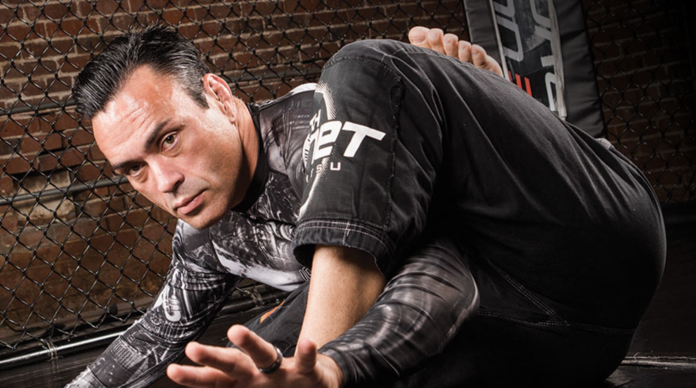
Eddie Bravo: The Man Who Revolutionized Jiu-Jitsu

Eddie Bravo: The man who revolutionized Jiu-jitsu

When you mix Brazilian jiu-jitsu, rock music, humor, and conspiracies, what is the end result?

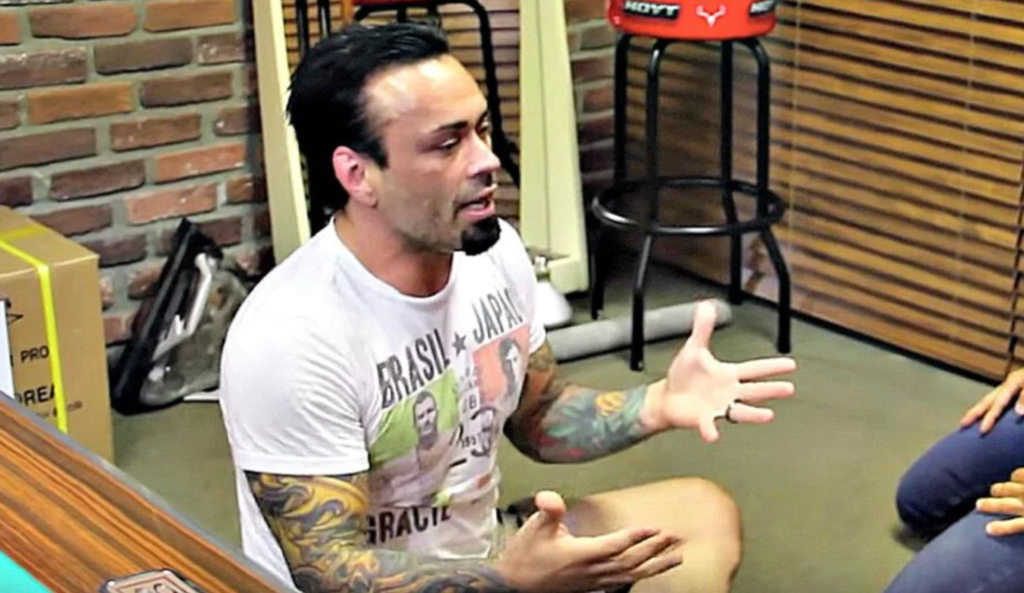
Eddie Bravo is a highly influential and controversial figure within the martial arts community. Founder of 10th Planet Jiu-Jitsu and the EBI grappling competition, he is an accomplished American instructor in martial arts, an extremely technical fighter, a comedian, a podcaster, and a musician.

His claim to fame stems from his remarkable triumph against the legendary Royler Gracie at the ADCC Championship in 2003, wherein he skillfully deployed his unique rubber guard technique to overpower the iconic Brazilian Jiu-Jitsu titan.

Eddie Bravo’s identity as a martial artist and the origins of his unique jiu-jitsu technique have yet to be explored. What impact has he had on MMA and grappling in general? And why is he so controversial among his fans and critics?

Eddie Bravo

Background

Eddie Bravo was born Edgar Cano in Santa Ana, California in 1970. He later changed his surname to Bravo, the name of his stepfather. Both of his biological parents are Mexican.

Growing up, Bravo took to music and started to play the drums and guitar. He formed several bands with aspirations of becoming a famous musician. He also developed an interest in athletics, playing football and joining his high school’s wrestling team.

In 1991, Bravo moved to Hollywood, where he looked to succeed in the music industry. He formed a band called Blackened Kill Symphony and got a gym membership to stay in shape. However, he only visited the gym twice and soon became interested in martial arts.

Introduction to Brazilian Jiu-Jitsu

After watching Royce Gracie win the first UFC event in 1993, Bravo was amazed by the effectiveness of the martial art of Brazilian Jiu-Jitsu. He started taking karate classes and then joined a Jeet Kune Do academy, where he learned various aspects of striking and grappling.

In 1996, he began training in Brazilian Jiu-Jitsu under Jean Jacques Machado, one of the legendary Machado brothers who are cousins of the Gracie family. He quit Jeet Kune Do in 1998 to focus solely on jiu-jitsu.

He received his blue belt and started developing his own techniques, such as the twister, a spinal lock that he adapted from an old wrestling position.

Around 1999, Bravo earned his purple belt and began working on his variation of the open guard, which he later called the rubber guard. His idea was to control the opponent’s posture and prevent strikes from the bottom position, which he thought was more functional in mixed martial arts or No-Gi situations.

In 2003, Bravo entered the ADCC Championship, the most prestigious submission grappling tournament in the world, as a brown belt after winning the ADCC North American trials. He faced Gustavo Dantas in the first round and submitted him with a rear naked choke in what was considered an upset.

He then faced Royler Gracie in the quarter-finals, a four-time world champion and three-time ADCC champion.

Bravo traded comfortably top positions with Gracie throughout the match before deploying his advanced rubber guard and catching him in a triangle choke. The submission shocked the No-Gi world and made Bravo an instant star.

He then lost to Leo Vieira in the semi-finals, who was the eventual tournament champion. Eddie Bravo’s competitive work earned him his black belt from Jean Jacques Machado shortly after the event.

What Is The 10th Planet Jiu-Jitsu Style?

Eddie Bravo’s style of Jiu-Jitsu is different from the traditional Brazilian Jiu-Jitsu in many ways. Bravo decided to develop his own system of No-Gi Jiu-Jitsu, which focuses on positions and submissions that are more effective in MMA or No-Gi situations and not reliant on Gi grips.

Being the creative genius he is, he also coined his own terminology for his fighting style as well as created notable techniques, such as the rubber guard, the twister, the lockdown, the electric chair, and many more.

Rubber Guard

The rubber guard is a way of controlling the opponent’s posture and preventing strikes from the bottom position. It involves using the legs and arms to trap the opponent’s head and arm, while creating angles and openings for attacks.

Rubber guard mastering is no easy task, as it has many moving parts and unique transitions, such as: mission control, the zombie, the new york, the chill dog, the invisible collar, the crackhead control, the jiu claw, the gogo clinch, the gogo plata, the omoplata, and others.

Eddie Bravo Rubber Guard

Twister

The twister is a spinal lock that can cause severe pain and damage to the neck and spine. It involves isolating the opponent’s head and arm from one side while hooking the opponent’s leg from the other side.

You can set the Twister up from various positions, such as the back mount, the side control, the half guard, the Twister side control (reverse Kesa Gatame), and others.

Lockdown Half Guard

The lockdown is a way of trapping the opponent’s leg and creating leverage for sweeps and submissions. It involves crossing one leg over the other and hooking the opponent’s leg with both feet. The lockdown can be used from various positions, such as the half guard, the butterfly guard, and others.

The electric chair is a sweep that can also transition into a groin stretch submission. It involves using the lockdown to elevate the opponent’s hips and then sliding under them to grab their far leg. The electric chair can be used to sweep the opponent to either side or to submit them by stretching their groin.

Metamoris Royler vs. Bravo 2 lockdown half guard

Eddie Bravo’s style of Jiu-Jitsu has some benefits and drawbacks. Some benefits are that it allows for more creativity, flexibility, and unpredictability in grappling compared to more traditional methods. It also gives an advantage to smaller and weaker practitioners who can use leverage and angles to overcome stronger opponents.

The drawbacks of his creative positions are that they can be difficult to learn and master, especially for beginners. It can also be risky to use against skilled opponents who can counter or escape from the unconventional positions.

Impact

Eddie Bravo’s style of BJJ has influenced MMA, grappling, and combat sports in general in many ways.

He has provided effective training and guidance to numerous MMA fighters, including but not limited to his black belts Alan Belcher, Matt Horwich, Vinny Magalhaes, Tony Ferguson, and Ben Saunders, who have all found success utilizing his techniques during MMA bouts.

In 2003, Bravo founded 10th Planet Jiu-Jitsu, a worldwide collaborative system of institutions and partners that educate his unique style of Jiu-Jitsu for a No-Gi situation. Eddie has produced many high-level grapplers who have competed and won in prestigious tournaments, such as Geo Martinez, Richie Martinez, Nathan Orchard, Grace Gundrum, and others.

Eddie Bravo Invitational

He also created the Eddie Bravo Invitational (EBI) in 2014, a submission-only grappling competition that features some of the best competitors in the grappling world and uses a unique ruleset that encourages action and finishes. The EBI has become one of the most popular and respected events in the grappling scene, attracting fans and competitors alike.

Later in 2017, Bravo announced the transformation of the EBI into a combat Jiu-Jitsu promotion, moving it away from the format of submission grappling competitions.

EBI

Controversies

Eddie Bravo is not without controversies and criticisms, both inside and outside the martial arts community. He has faced backlash from the BJJ traditionalists, who accuse him of disrespecting the art and its origins by changing the techniques and the names. He has had various conflicts and disputes with well-known names in the field of Jiu-Jitsu like Renzo Gracie, Royler Gracie, and a quite few other individuals, mostly from the Gracie clan.

His personal life is also amusing, to say the least. Bravo holds several contentious perspectives and beliefs encompassing different subjects including conspiracies, governance, faith, and wellness.

Bravo fervently advocates for a range of conspiracy theories, such as the belief that the earth has a flat surface, the moon landing was staged, and that 9/11 was orchestrated from within the country.

He holds a critical view towards conventional media, governmental institutions, and organized religion. He advocates for alternative medicine, cannabis legalization, veganism, and other lifestyle choices.

Bravo’s bold statements have caused controversy and debate among his fans and critics. He has been involved in heated discussions and debates with his friend and podcast host Joe Rogan, who often challenges his claims and arguments.

Many attack Bravo for his conspiracy theories and political views but he has also received praise and support from others who share his views or respect his freedom of expression.

Conspiracy theories with 10th Planet Jiu-Jitsu founder Eddie Bravo

The Legacy Of Eddie Bravo

He has inspired countless practitioners to follow their own path and explore their own creativity in grappling. He has also challenged the status quo and pushed the boundaries of what is possible in jiu-jitsu.

He has contributed to the evolution and innovation of jiu-jitsu techniques, especially for the No-Gi world and MMA. He has developed a system that is unique, effective, and adaptable to different scenarios and opponents.

He has also shared his knowledge and wisdom with his students and followers through his books, videos, podcasts, seminars, and online platforms.

Bravo’s efforts have created a global community of loyal fans and supporters who share his passion and vision for jiu-jitsu. He has also built an empire of schools and affiliates that teach his 10th Planet Jiu-Jitsu system around the world.

He has also changed the BJJ world forever by introducing his unique ruleset at the EBI, which many argue is the best in competitive grappling.

He has also influenced the culture and lifestyle of Jiu-Jitsu practitioners. He has combined his love for music, comedy, and conspiracy theories with his love for Jiu-Jitsu. He has also advocated for causes that he believes in, such as cannabis legalization, veganism, and alternative medicine.

Master Eddie Bravo is a pioneer who has revolutionized Jiu-Jitsu with his own style of No-Gi grappling. He is a leader who has created a movement and a community of 10th Planet Jiu-Jitsu.

Conclusion

Eddie Bravo is a martial arts pioneer who has changed Jiu-Jitsu history with his own style of No-Gi grappling. He has achieved remarkable feats in his career, such as submitting Royler Gracie at the ADCC Championship, founding 10th Planet Jiu-Jitsu and the EBI, as well as training and coaching many MMA fighters and grapplers.

He is also a controversial figure who has stirred up debates and controversies with his views and opinions on various topics.

Let’s wrap up with a selection of his best quotes about Jiu-Jitsu:

15 Eddie Bravo Quotes To Make Your Day

The Best Rubber Guard DVD And Digital Instructionals