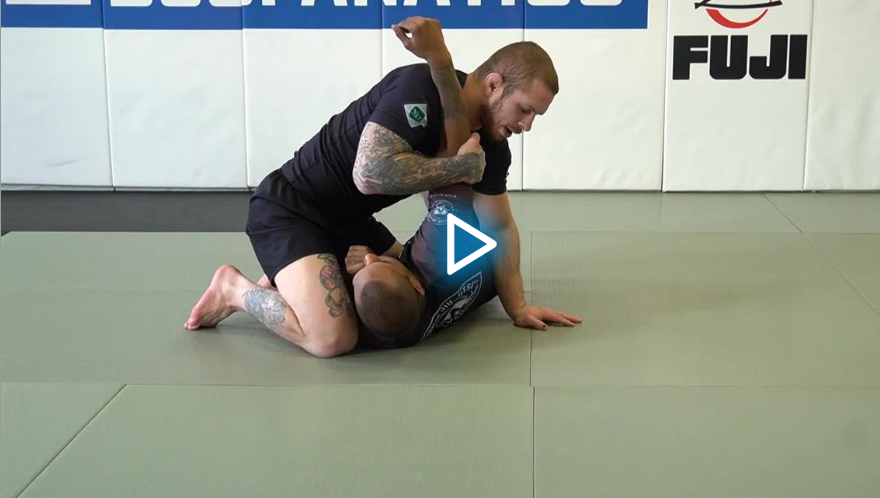




“It’s Terrifying” Joe Rogan Names The Move That Has Ended The Most Careers

"It’s Terrifying" Joe Rogan Names The Move That Has Ended The Most Careers
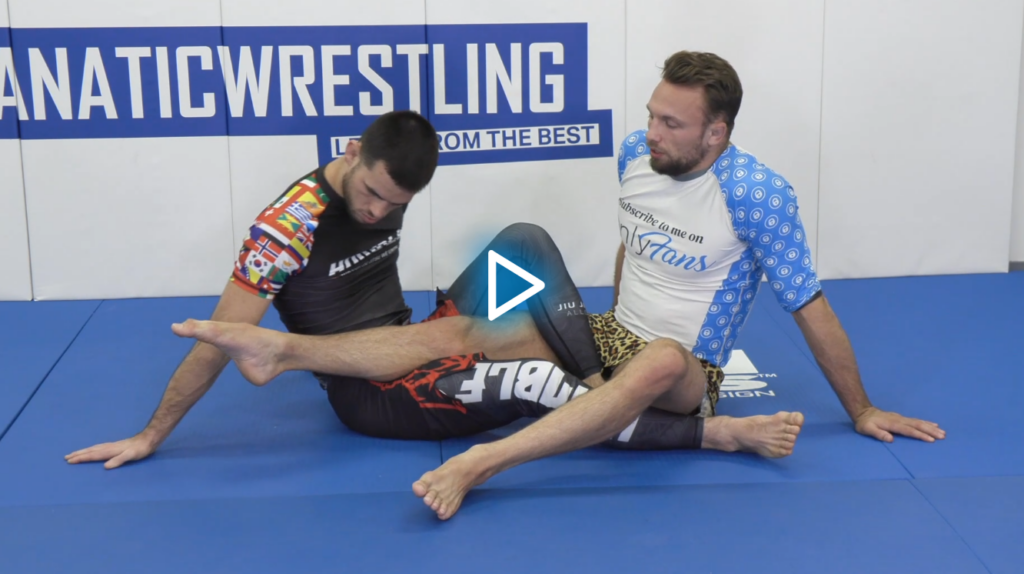
  • Celebrated for its technical precision and feared for its potential to cause catastrophic injury, the heel hook now finds itself at the center of heated debate.
  • UFC commentator and BJJ black belt Joe Rogan names one move as the ultimate career-ender: while he respects the move for its ingenuity, he deems the heel hook the most dangerous technique in the sport.

“A Heel Hook is so Terrible”

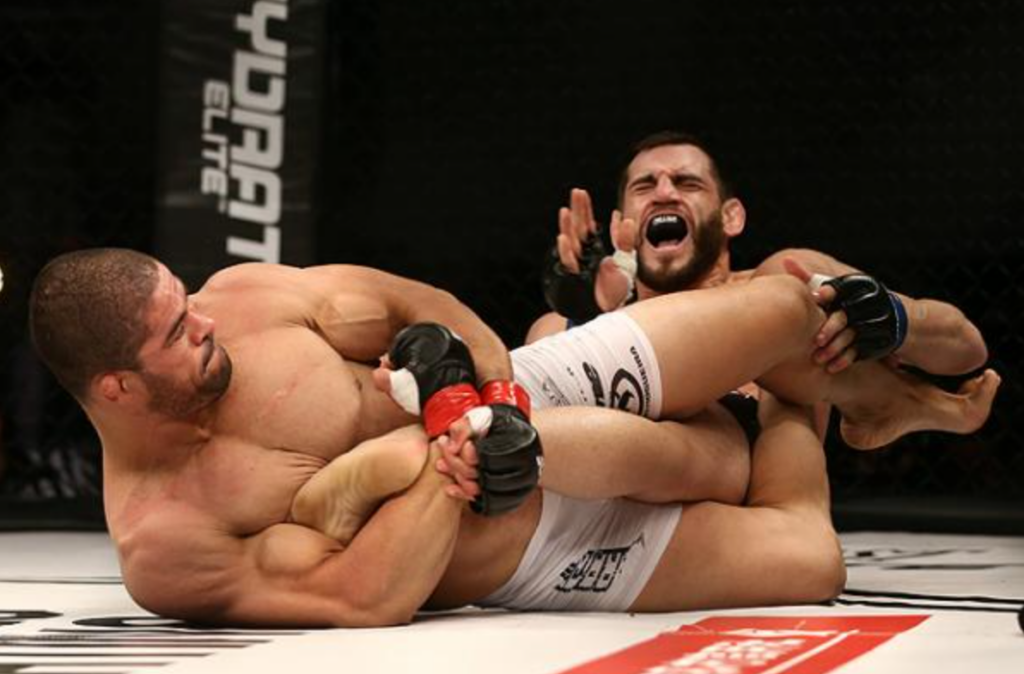
The heel hook has long existed as a testament to the powerful nature of leg lock submission holds in grappling. Rooted in the fundamentals of leverage and movement, it offers grapplers an effective route to quickly subdue an opponent by targeting the knee joint.

Joe Rogan, known for his unfiltered commentary and extensive background as a BJJ practitioner, has not shied away from discussing the risks inherent in the heel hook.

“A heel hook is so terrible,” Rogan asserted on his podcast.“It’s literally twisting your knee apart, and it’s terrifying.”

His perspective is informed by years of training and competition, making his opinion a compelling part of the broader dialogue on fighter safety and technique regulation. Everyone’s favorite podcast host recently talked about heel hooks a lot:

________________________________________________________________________

“Your knee has a lot of strength going forward and backward but almost none going side to side. So they isolate the top of it, wrap your heel into the crook of their elbow, and then they wrench it apart.”

– Joe Rogan, JRE #2290

________________________________________________________________________

As a seasoned martial artist with a BJJ black belt under his belt, Joe Rogan understands the nuances behind each grappling move. Unlike many critics who simply decry the heel hook as inherently dangerous, Rogan’s stance is more nuanced. He does not hate the heel hook—instead, he appreciates its technical merits while cautioning against its misuse.

Rogan’s position underscores a critical point: the danger lies not in the move itself but in its execution.

_______________________________________________________________________

There’s a guy named Rousimar Palhares, who’s one of the scariest motherf—-ers to ever fight,” Joe Rogan names teh boogeyman. “He was a leg lock specialist. And what he would do is rip your knees apart. And he wouldn’t let go if you tapped and he got kicked out of the UFC for it. Cause he did it to so many people.”

________________________________________________________________________

This insight is particularly relevant when considering examples from past BJJ and MMA matches. Instances have repeatedly shown that when a fighter fails to release a heel hook or applies it with unbridled ferocity, the consequences can be devastating.
Joe Rogan Names The Move That Has Ended The Most Careers

The Heel Hook: History, Technique, and Real Risks

The evolution of the heel hook is intertwined with the development of modern Brazilian Jiu-Jitsu. Historically, it emerged as grapplers sought an efficient method to control and submit an opponent by exploiting the mechanics of the knee joint.

Over time, the move evolved from an experimental maneuver in early training sessions to a refined technique celebrated for its effectiveness in high-stakes matches.

Yet, with this evolution came a growing awareness of its potential hazards. The very elements that make the heel hook so effective—its leverage and the vulnerable nature of the knee joint—aslo make it one of the most dangerous BJJ moves.

Medical experts and longtime practitioners alike have lamented how an overzealous application of the move can lead to torn ligaments, dislocated joints, and in some cases, irreversible damage.

________________________________________________________________________

“Ripping knees apart, where they’re not going to be repaired… I would imagine if there’s any technique that’s ruined an athlete’s career, the heel hook would probably be number one,”

– Joe Rogan, JRE #2292

________________________________________________________________________

This tension between technical brilliance and dangerous impact has led to extensive discussions across the MMA and BJJ communities. While some argue that the move should be embraced as part of the sport’s rich heritage, others, including Joe Rogan, contend that its risks demand a more careful, regulated approach.

“I Don’t Want to Look”

In labeling the heel hook as the most dangerous move in Brazilian Jiu-Jitsu, Joe Rogan has re-ignited a vital debate—a conversation that straddles the line between tradition and modernity. As a BJJ black belt who respects the art and understands the field’s demands, Rogan’s perspective is both cautionary and constructive. He champions the heel hook’s technical beauty while urging the community to recognize and address its perils.

One of his podcast guests, comedian Michael Kosta, with whom he discussed heel hooks, particularly the savage displays of Rousimar Palhares, exclaimed in terror “I don’t know, I don’t know, I don’t want to look”.

The discussions unfolding in gyms, in competition arenas, and across media platforms reveal that heel hooks are still considered ‘boogeyman’ submissions in some circles, even though the IBJJF allowed them in competitions.   In the end, the heel hook remains a double-edged sword—a move that embodies the very essence of BJJ’s allure and danger.

Heel Hook Finish In A Street Fight (VIDEO)

Analyzing Every Second Of The Craig Jones Heel Hook That Broke Vinny Magalhaes’ Leg

Eoghan O’Flanagan: Downright Sloppy Outside Heel Hooks DVD Review
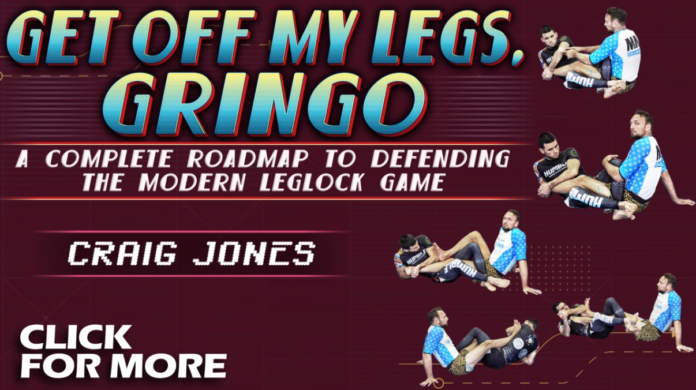
Get Off My Legs Gringo Craig Jones DVD Review [2025]

Get Off My Legs Gringo Craig Jones DVD Review

Key Takeaways

  • A No-Gi DVD on teaching you how to kill any Ashi Garmi and disrupt leg lock breaking mechanics.
  • Contains early, mid and late-stage defenses to inside and outside Ashi Garmi. 
  • Goes deep into the techniques and mindset for defending and escaping late-stage heel hooks. 
  • BJJ World Expert Rating: 8 out of 10. 

GET OFF MY LEGS GRINGO CRAIG JONES GET HERE:

Get Off My Legs Gringo Craig Jones DVD Preview
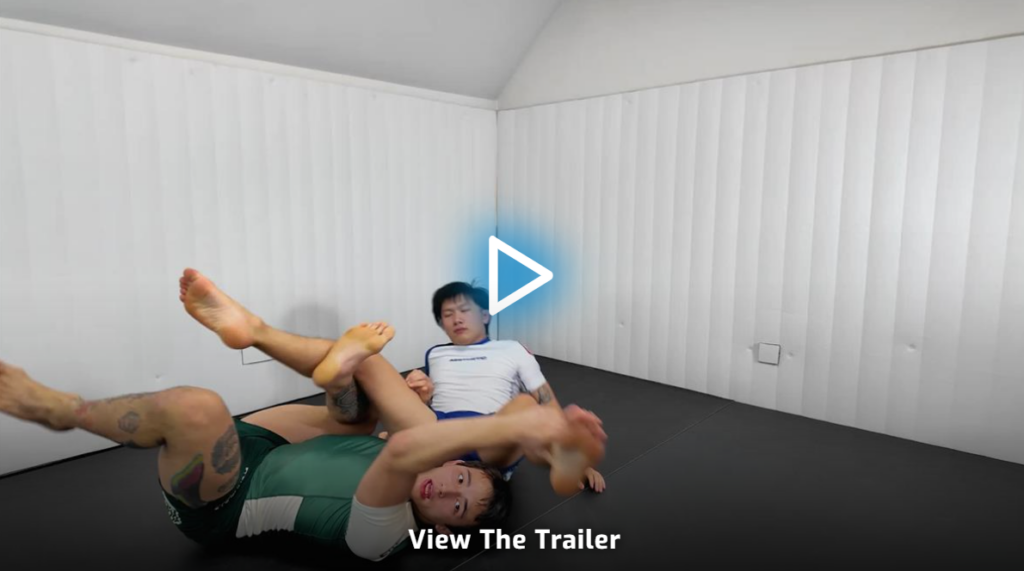
SEE TRAILER: Get Off My Legs Gringo Craig Jones DVD

Time to shed a different light on leg lock defense. Luckily, this is one that will work, as it is delivered by one of the best leg lockers of modern times, Craig Jones. It also features one of his crazy systems that throw a wrench into big chunks of BJJ, so much so, that you can even claim leg locks don’t work after getting through this instructional.

The Get Off My Legs Gringo Craig Jones DVD offers everything you’ll need to figure out how to stay calm in Ashi Garami positions and how not to panic when people try to finish heel hooks, toe holds, and ankle locks on you. It works because it is simple, and it’s simple because it only addresses key points of leg locks. Read on!

‘Mexican’ Leg Lock Defense 

I don’t know if there’s anything really Mexican about anything that Craig Jones does, but since he took the term to define his ‘ground karate’ we’re gonna stick with it. Since the approach Craig offers to defend leg locks has little to do with what people commonly teach, it’s safe to say that this Get Off My Legs Gringo Craig Jones DVD is a classically unorthodox Craig Jones DVD.

Understanding leg lock defense rests in understanding two key aspects of it – you need to deal with the braking threat and you need to deal with the Ashi Garami. If one of these is lacking, then you can figure out a defense yourself.

But when you’re up against a seasoned leg locker, you’ll need both, and there’s no particular order to them, so you’ll have to develop an understanding. Craig’s approach helps you get this understanding by addressing both these aspects, covering early, mid, and late-stage solutions to whatever threat you are facing.

As expected, the DVD has some crazy stuff, most of which is probably there just because Craig likes to troll. I remember that Jeff Glover’s Darce DVD was so filled with this stuff that only half of it was useful. Craig shows more restaing with his trolling content though, so this one is definitely going to be a useful DVD for you.

Craig Jones’ Best Work 

Mr Troll is back with another instructional, and this time offers defense tips instead of attacks. While uncommon for Craig, I must admit that I was a lot more excited about this DVD than all his leg-lock-attacking ones put together.

As far as I am concerned, Craig Jones’s defensive-oriented BJJ DVDs so far have been his best work. Granted, he is a submission machine, and he was particularly nasty with leg locks when he was actually competing actively. And that’s exactly why he’s so good at defense – because he knows what people are looking for.

As we brace for another edition of CJI, this time in a team format that now includes a Gordon Ryan-free New Wave team as well, we get to enjoy some of Craig’s handy work. The Get Off My Legs Gringo Craig Jones DVD will add to your BJJ, even if you’re one of the “leg locks don’t work” bunch.

Get Off My Legs Gringo Craig Jones DVD Review

The Get Off My Legs Gringo Craig Jones DVD contains 6 volumes, each with a considerable amount of material. With a total running time of almost 6 hours, this is one of the most comprehensive No-Gi leg lock defense instructionals out there:

Part 1 – Calm Down Mate

First up, Craig outlines the most important thing about leg lock defense, and it’s not what you think. He just asks everyone who’s stuck in a leg lock to ‘calm down’, and I couldn’t agree more.

The first hour of the Craig Jones Off My Legs DVD is all about basic leg lock defense concepts that start with tapping out – intelligently dubbed ‘the fear of the Rousimar’ by Craig when you let someone finish you slowly to see how far you can take it. Then it’s time to get to some actual defending.

Focus on the hips provides both security in terms of injury risks and a solid base to build on for defense. Jones covers different ways of moving your hips to free up the pressure on your leg. He also covers the basic positioning aspects, such as inside and outside, and what the knee line concept is.

A bit of hand fighting appears towards the end, along with the very useful principle of height, one which I had never thought of using in terms of leg-lock defense before.

Part 2 – Heel Hook Escapes

When most people in BJJ think of leg lock escapes they think of escaping heel hooks. Well, there has not been a better method to deal with them since Eddie Cummings pioneered the heel slip, which Craig shows in great detail here.

As the second part of the Get Off My Legs Gringo Craig Jones DVD unfolds, Craig also goes over the double trouble principle and what to do when both your legs are tangled by an experienced leg locker. Outside slips, using height to help your case, and a bit of last-ditch hand fighting also feature in this volume.

Part 3 – Deep Cross Ashi Defense 

If you want to figure out how to defend a fully locked leg lock format deep Cross Ashi Garami, then this is the volume for you. Craig takes a look at the most dangerous Ashi positions here, offering ways to render attacks from them useless until you can create an opening to get out.

In part 3 of the Get Off My Legs Gringo Craig Jones DVD, you get an overview of how to take effectiveness away from the double trouble, and ultimately defeat it altogether. He also offers some Cummings trap countering details, extending into inverted cross-Ashi positions.

Toward the end, Craig treats us with a very cool misdirection-based defense that is probably the star of this entire instructional. There is also some counter-back takes in this part, which are better left unwatched.

Part 4 – Dealing With Shallow Ashi

You get a bit more breathing space in part four of the Get Off My Legs Gringo Craig Jones DVD, as Craig lokes into some earlier stage defense against the Cross Ashi, although we’re not at prevention level yet.

The opening portions address common entries that are difficult to counter because the attacker is already almost into the cross ashi. These include the popular back steps and Kani Basami (leg scissors) Ashi setups.

Almost three-quarters of this volume focuses solely on the 50/50, as shallower cross-Ashi, basically countering Lachlan Giles’ giant-killing leg lock system. There is information here on just about everything, from how to cross your feet, to hand fighting and ‘the lesser of two evils’.

Part 5 – Defending Outside Attacks

This is essentially the part of the Off My Legs Craig Jones DVD where Craig covers all other Ashi positions except for the Cross Ashi. he dedicates about 10 minutes to each of the Straight Ashi,  Split Squat Ashi, Seated Ashi, and even Standing Ashi versions. He wraps it all up with details on dealing with knee reapers.

Part 6 – Leg Lock Prevention

Another part of the Get Off My Legs Gringo Craig Jones DVD that makes this instructional a must-have in everyone’s library. Here, Craig addresses how to stop leg lockers from getting into threatening positions in the first place.

he talks a lot about kneeling and standing and categorizes entries into outside and inside to make it easier to understand. It works, as you know have less specific Ashi positions to think about.

Common misconceptions also feature, as do details on beating common launch-pads such as the butterfly, half, closed, and reverse X guard. The chapter I found most useful myself was the one on submission chains, and how to think about them in terms of principles.

Leg Locks Don’t Work

Yeah they do, I am just messing with you. But they’re only as good as the other person’s defense is bad. So, don’t be that person and make the most out of the Get Off My Legs Gringo Craig Jones DVD.

I always point people toward mastering a submission they’re asking me how to defend first. That is a proven formula that works great, arming you against whatever it is you want to defend, but it does take a very long time. The problem I’ve found with shortcuts such as using defense-specific instructionals is the test shortcuts tend to fail when it matters the most – on the mats.

With leg locks though, you might get away with the right instructional and the right mindset. You have the best DVD lined up already, and the mindset to accompany it is not to try and defend or get out of any leg lock you get caught in, but rather make that leg lock not work. If there was ever a quick way to stop tapping on leg locks it has to be this.

Get Off My Legs Gringo Craig Jones Free DVD Sample
WATCH A FREE SAMPLE: Get Off My Legs Gringo Craig Jones

DOWNLOAD HERE: GET OFF MY LEGS GRINGO CRAIG JONES DVD

Get Off! 

Next time you see someone reaching for your legs, don’t go into panic mode trying to get your leg free. Instead, use the stuff in the Get Off My Legs Gringo Craig Jones DVD to force the other person off your leg! It’s a much better feeling when they are forced to let go because their Ashi and/or braking mechanics just don’t work!

A Proven Wrong Way To Do Leg Lock BJJ Escapes

Position And Submission Escapes Craig Funk DVD Review [2025]

Leg Lock Strategies: Navigating Entanglements Jack Stapleton DVD Review [2024]

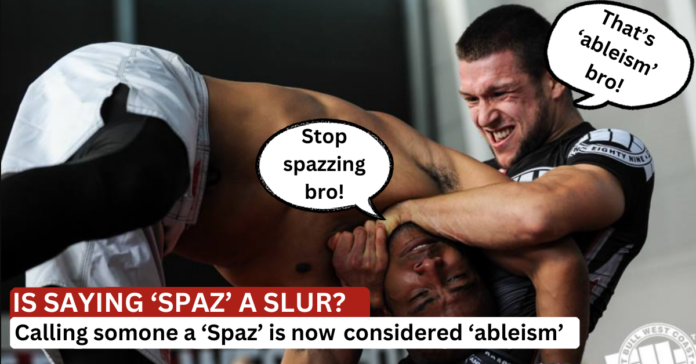
Spaz No More? Woke Culture Claiming Common BJJ Term Is ‘Ableist’ Language

BJJ Spaz No More? Woke Culture Claiming Common Term Is 'Ableist' Language
  • A common term historically used in many BJJ gyms is now being declared as an ableist slur—a development that connects issues of language, inclusion, and the rapidly evolving landscape of “woke” culture.
  • “Spaz” is used in a unique and non-derogatory way on the mat—a term steeped in tradition rather than insult. The debate continues. 

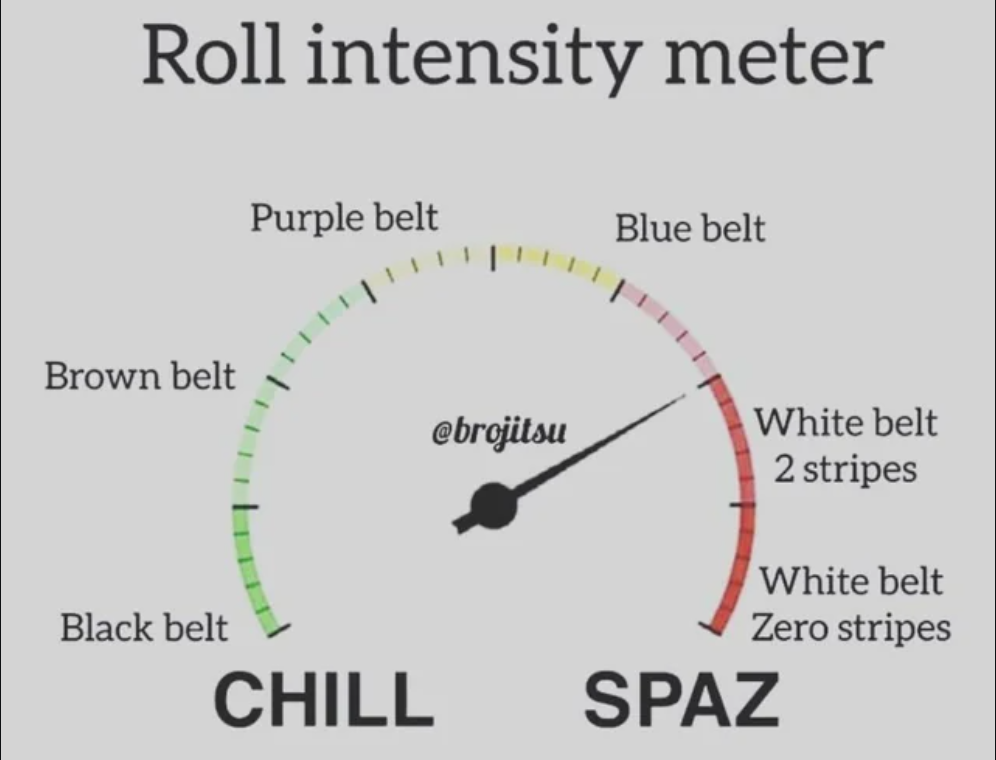
For decades, the word “spaz” has been casually dropped in gym banter and training sessions, often describing a burst of unpredictable or overly enthusiastic movement during a match.

In this context, the term isn’t intended to belittle or demean anyone with disabilities; instead, it has evolved into a playful descriptor among practitioners who understand its roots in the sport’s history.

Many grapplers point out that, in contrast to its more contentious usage in everyday language, the term operates differently in the specialized setting of martial arts. When someone “Spazes” on the mat, it typically refers to a moment of unexpected agility or a sudden loss of control—never as an insult aimed at any individual’s identity or abilities.

What’s The Deal with Saying ‘Spaz’? 

Recent articles—even those found on reputable sports and culture websites—have sparked controversy by declaring “spaz” an ‘ableist’ slur. Critics argue that the word is loaded with historical baggage and that its casual usage, even in sports, could perpetuate negative stereotypes about neurological or physical disabilities.

Some folks have even linked these concerns to broader trends in what is often referred to as “woke culture.” Despite these critiques, the majority of the Brazilian Jiu-Jitsu community counters that the term’s longstanding usage demonstrates an internal understanding of its intent, which is pure banter.

In BJJ gym settings across the globe, the expression is rarely, if ever, used with malice. Rather, it has become a part of the sport’s colorful lexicon—a way for teammates to describe a momentary lapse in technique or an unorthodox burst of energy during fierce grappling exchanges.

________________________________________________________________________

On the mat, ‘spaz’ is simply a way to describe someone getting a little wild with their movements during a match. It’s not an insult—it’s part of our everyday language and has never been used to demean anyone.

________________________________________________________________________

Such sentiments echo widely among practitioners who claim that the word is embedded in the culture of BJJ as a term of camaraderie and mutual teasing, not as a weapon of verbal abuse.

Is "Spaz" now a derogatory term?

Balancing Tradition With Evolving Social Sensitivities

Language is inherently fluid, and words can take on new meanings as they transition between different communities. In Brazilian Jiu-Jitsu lingua, “spaz” has been repurposed from its general connotations into a term with a very specific, in-group meaning.

To many BJJ practitioners, its usage reflects the dynamic and sometimes unpredictable nature of grappling arts—an evolution shaped by decades of training and shared experiences.

On the other hand, outside of this context, “spaz” may trigger associations with ableism due to its historical use in other social settings.

________________________________________________________________________

“So @Beyonce used the word ‘spaz’ in her new song ‘Heated’. Feels like a slap in the face to me, the disabled community and the progress we tried to make with Lizzo.”

– disability advocate Hannah Diviney via Twitter.

_______________________________________________________________________

Critics suggest that regardless of intent, the word could contribute to a broader culture of insensitivity. They argue that even if it’s later reclaimed or neutralized within BJJ, its potential for harm in uncontrolled settings remains a concern.

Yet, many within the BJJ community argue that imposing a universal standard on this specialized language risks losing the rich, contextual meaning that has made the term so integral to the sport.

For them, understanding context is key—as with many forms of slang, the usage within a close-knit community can differ significantly from general public perception.

The controversy over “spaz” fits into a larger dialogue seen across various domains—from sports to pop culture—about reexamining language in light of modern social values. However, many BJJ gyms have resisted such calls, emphasizing that meaningful change must respect both tradition and intent.

No More Calling People 'Spaz' In BJJ?

Looking Forward: Is All the Fun Gone?  

The controversy over the word “spaz” is mostly laughed off in the Brazilian Jiu-Jitsu community although people outside of it seem to be getting really rattled by this form of ‘ableism’. For many on the mat, the term is a harmless, time-honored expression of spontaneity, never intended to inflict harm or perpetuate ableist connotations.

In the end, the word “spaz” in BJJ is more than just a label; it’s a reflection of a culture built on mutual respect, camaraderie, and an unyielding passion for the art of grappling. Only time will tell how this conversation evolves in the broader landscape of sports and society.

The Way Of The BJJ Spaz – Why Do Some People Roll Wild

How To Be Calm In BJJ Matches Like Gordon Ryan

7 Ways Of Passing Guard That Shouldn’t Work…But Do

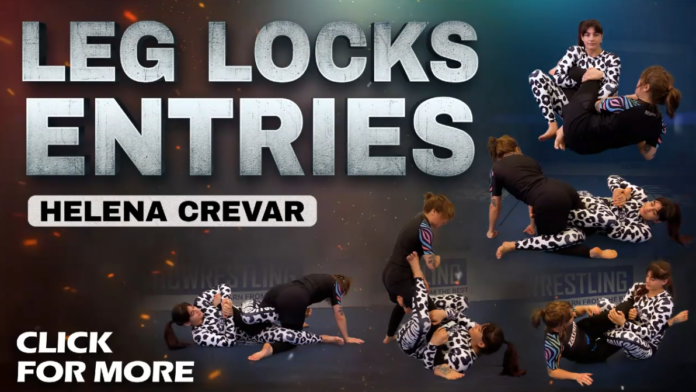
Leg Lock Entries Helena Crevar DVD Review [2025]

Leg Lock Entries Helena Crevar DVD Review

Key Takeaways

  • A No-Gi DVD on Ashi Garami entries by the best female up-and-coming grappler in the world. 
  • Goes over strategies to get Ashi against kneeling and standing opponents, and expose legs from top positions. 
  • Covers innovative ways to escape back, mount, and side control straight into leg locks. 
  • BJJ World Expert Rating: 9 out of 10. 

LEG LOCKS ENTRIES HELENA CREVAR GET HERE:

Leg Lock Entries Helena Crevar DVD Preview
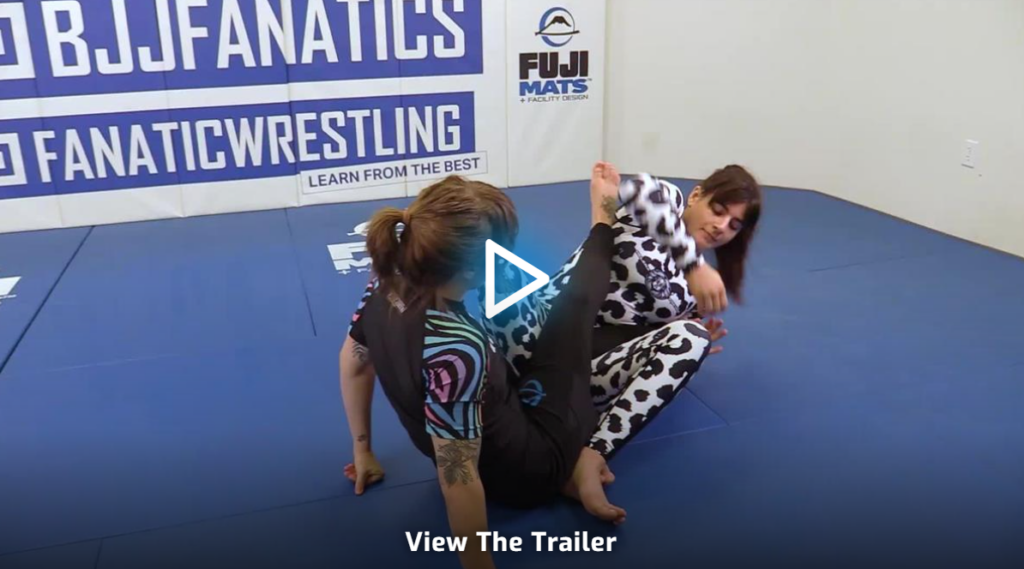
CHECK OUT THE TRAILER: Leg Lock Entries Helena Crevar DVD

Get the Ashi, hold the Ashi, and finish the leg lock. Simple, right? Yeah, I’ve you’ve never tried it before. Those who know leg locks, understand that getting to a clean Ashi Garami position is the most difficult part of the process.

If you take a look at the instructions, you’ll see that most of the content has to do with entries rather than finishes. Well, the Leg Lock Entries Helena Crevar DVD is 100% focused on entries, covering every possible scenario you can encounter in BJJ and offering more than one solution for each. Not one that you want to miss, since the instructor is the girl who just pulled off THAT crazy calf slicer finish at UFC FPI 10.

Getting the Bite

What’s your end goal when you’re trying to get to an Ashi Garami position? If you say a leg lock, you need to read the question again, this time carefully. If you said anything that is related to hip control, you’re on the right track.

The one thing that will make or break your leg-locking efforts is how well you can hold an Ashi Garami position for an extended period of time. The one thing that makes it possible to stay in an Ashi is to have your opponent sitting on the mats with their butt, a.k.a. at least one of their hips on the ground.

A hip on the mats and grips that keep their leg straight all but ensures you can control for long enough to start digging for a heel or an ankle. Since this is made possible by using your legs to get a ‘bite’ on the opponent’s hips, the goal of every entry into Ashi Garami is to get a bite on the opponent’s hips. It is essentially what every chapter of the Leg Lock Entries Helena Crevar DVD is about.

Leg Locker in the Spotlight: Helena Crevar

Yeah, it’s Helena with leg locks. Yeah, she is training with Danaher and Ryan, we all know that hence nobody is surprised that she’s pulling highlight reel leglocks on people twice her age and with years more experience than her.

There’s little about the biggest up-and-comer in women’s Jiu-Jitsu that people don’t know. Promoted to brown belt just a few months ago, New Wave’s Helena Crevar has been literally reaping submissions this past couple of years. The teenager (18) is on a streak of 6 wins, half of which she decided via submission.

Totaling a record of 23-2 since she turned pro in 2023, and boasting 15 submission wins over much more experienced opponents, Helena has been showcasing an affinity toward leg locks that are guaranteed to make Danaher salivate in training. Her Leg Lock Entries Helena Crevar DVD clearly shows that she will be the next big thing in leg locks if she is not already.

Leg Lock Entries Helena Crevar DVD DVD Review

What you get in the Leg Lock Entries Helena Crevar DVD is almost three hours of high-quality material focused on nothing but ways into Ashi Garami, spread over five different volumes:

Part 1 – Kneeling Opponent

We wouldn’t expect anything less than perfection from Danaher’s only female protege, and that is exactly what we get in the Helena Crevar Leg Lock Entries DVD. The instructionals begin with an overview of butterfly attacks, as Helena’s focus is on kneeling opponents.

She sticks to the outside Ashi at first, entering via the straight Ashi, but quickly diversifies her options to include 50/50, and cross Ashi options. Most of the attacks are elevation-based, creating the all-important Kuzishi and Crvar easily captures the key points behind all her entries, making her actions very clear.

Part 2 – Half Kneeling Opponent

The second portion of the teenage prodigy’s instructional is all about getting legs exposed against people who are half kneeling, or split-squatting, as she calls it in the Leg Lock Entries Helena Crevar DVD.

The Shin-to-shin features as the main road to Ashi Garami here, which is somewhat expected. Straight and cross-Ashi options emerge in a series of classic entries, propped up with a few extra details. A bit more value comes in the chapters addressing the RDLR guard as the main entry point, ending up with interesting backside 50/50 options.

Part 3 – Standing Opponent

The bane of all leg lockers is the standing opponent that just won’t fall. Well, I doubt that anyone will have much trouble with that after going through this portion of the Helena Crevar Leg Locks DVD. I’d even say she explained it better than anyone on the New Wave team has before.

The Shin-to-shin is called upon again, offering the anchor required to look for Kuzushi and subsequent Ashi openings. The Reverse shin-to-sin also features a lot, offering almost a mirror version of entries, mostly into the 50/50. As Crevar goes over yet another new (looks cool, though) X-guard entry into Cross Ashi, the bottom entries in this instructional come to an end.

Part 4 – Top Position

Even guard passers like leg locks these days, so Helean makes sure they’re not left craving in the fourth volume of the Leg Lock Entries Helena Crevar DVD. In all honesty, I enjoyed this one the most.

Leg drags, knee shield counters, knee cut passing and split squat pressure all feature, providing more options to diversify your guard passing with leg locks, than you’ll ever truly need. The cross Ashi is the destination of choice here, and the one move you simply can’t miss is the half guard roll entry.

Part 5 – Counter Leg Locking

Part five of the Leg Lock Entries Helena Crevar DVD sees her provide instructions on an aspect of leg locking that is becoming increasingly popular these days – defense. Not leg lock defense, but rather defending by escaping straight into Ashi and creating finishing options from tough spots.

This might be a subject for an entire instructional, but in the short span of this volume, Helena provides ideas on escaping back into cross Ashi, turning any mount into a straight Ashi Garami, and getting the backside 50/50 with ease when you’re in bottom side control. She even throws in an updated take on a classic – a closed guard opening to Ashi.

Improving Sweeps and Passing with Leg Locks

If you can get to a leg lock, go for the finish. If you can’t finish, look at what you have just by clawing your way into a legit Ashi. For the most part, you already have a route to the back, past the guard, or a three-quarters swept opponent in front of you.

I’ve been using the Ashi Garami positions as guards for a while, and I’ve seen grat results from it. However, what I discovered is that you can actually achieve more in terms of sweeping, passing, and back takes if you connect these threats with leg lock entries, rather than fully achieved leg locking positions.

What you’ll gain is free access to sweeps or back exposure from the bottom, as off-balancing is inevitable when you’re trying to get to an Ashi. You’ll also find passes to be easier to deal with since you’re already past the knee line.  Moreover, thinking about bailing on leg lock entries for passes or sweeps also keeps you safe from any leg lock entry counters people usually use.

The Leg Lock Entries Helena Crevar DVD takes care of the entries problem for you, and if you use it you’ll probably end up in Ashi a lot more than other positions. But while you’re getting the hang of her tactics and techniques, keep an open mind so that you can recognize when to bail and capitalize for doing so.

Leg Lock Entries Helena Crevar Free DVD Sample
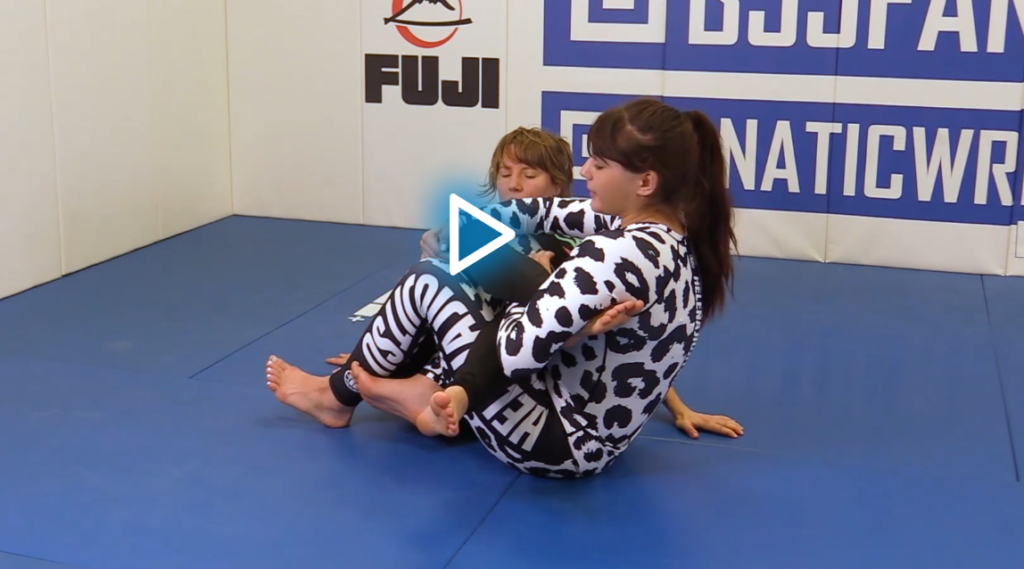
SEE A FREE SAMPLE: Leg Lock Entries Helena Crevar DVD

DOWNLOAD HERE: LEG LOCKS ENTRIES HELENA CREVAR DVD

Into the Legs!

Leg locks are optional in BJJ, but mastering entries to leg-locking positions is not! If you truly want to become a world-class grappler, particularly in No-Gi, the Leg Lock Entries Helena Crevar DVD is one of the essential sources of information you have at your disposal. Even if you stick to sweeps and passes, you’ll get a lot of useful ideas out of this DVD.

Helena Crevar DVD Review – Best Submissions From Top Position

Helena Crevar, 15-year-old BJJ prodigy

SIDELINED: John Danaher Undergoes Surgery, Three More Procedures Await

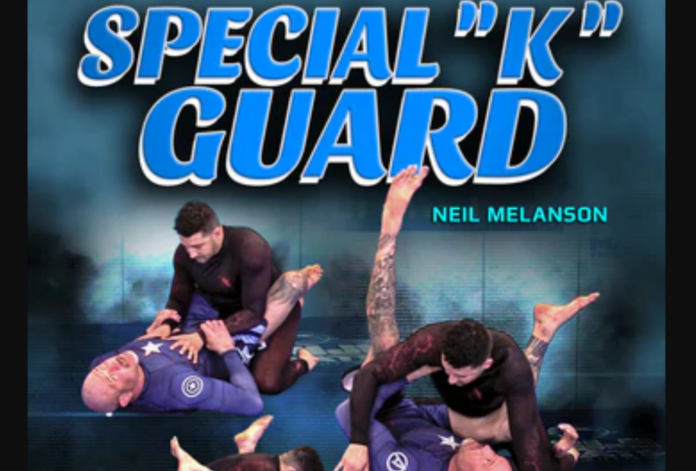
Special K Guard Neil Melanson DVD Review [2025]

Special K Guard Neil Melanson DVD Review

Key Takeaways

  • A No-Gi grappling DVD offering a different take on the K guard position. 
  • Neil offers plenty of leg and armlocks, as well as more triangles than you thought possible.  
  • Features positional details, setups, connections, submission combos and transitions. 
  • BJJ World Expert Rating: 9 out of 10. 

SPECIAL K GUARD NEIL MELANSON DVD GET HERE:

Special K Guard Neil Melanson DVD Preview
FULL TRAILER: Special K Guard Neil Melanson DVD

I never thought that any ‘letter’ guard would take over the X guard in terms of efficiency and versatility, but that’s just me being biased. The reality is that the K guard has beaten the X and the Z (I’m not even going to mention any of the lesser-known ‘letter’ guards) to become one of the most effective No-Gi open guard positions in the history of grappling.

IF you want to know more about it, you can go and pick up one of the tens of instructionals folks have on the subject. But then you’ll be just one of the bunch of people feeling lost about it. For those smart enough to know whom to look to for some effective innovation, the Special K Guard Neil Melanson DVD is a no-brainer. Read on to find out why.

Why Aren’t You Playing K Guard?

Seriously, what’s up with you? Why wouldn’t you use one of the best open guard positions in BJJ when it is clear that it works at all the highest levels? I am still amazed that I see so many people shun the K guard as being just another leg-locking gimmick.

While it is a great launching pad for many Ashi Garami-based attacks, the K guard is a lot more than just another leg-locking position. It is, after all, a ‘guard’, and not a ‘Garami’. That means that it offers stability by allowing the guard player to prevent passing, trap the top person where they want them, and launch versatile attacks that end up with a sweep, back take, or finish.

One area where the K gaurd really excels, especially in terms of open guards is its structure. Everything is reinforcing everything else in the position, meaning there is no one weak spot that the top person can exploit. Pair that up with the crazy attacks from the Neil Melanson K Guard DVD and you just discovered your best guard going forward!

Neil Melanson’s Special Grappling Formula

When you understand grappling as much as Neil Melanson does, you can get away with everything, even tweaking stuff in grappling that people say shouldn’t be tweaked. Most people wouldn’t dare, but Neil has always had an “I don’t care” attitude in his quest for the most functional grappling techniques and patterns possible.

Given that he has spent a lifetime grappling, was the main grappling coach of Randy Couture when the ‘Natural’ was on top of the UFC heavyweight division, and has produced the most mind-boggling, yet practical DVDs out of any grappler out there, when he speaks, we listen.

Neil doesn’t have a a BJJ black belt, but knows (and can do) more than most black belts you know, possibly even combined. He is that good at figuring out what matters and finding the most direct, and often most painful way of achieving it. And that includes working off your back like in the Special K Guard Neil Melanson DVD.

Special K Guard Neil Melanson DVD Review

The Special K Guard Neil Melanson DVD is a long one, containing about 5 hours of super useful and detailed K Guard material. It is spread over four volumes, all of it No-Gi, and delivered with long chapters and meticulous order, both signature aspects of any Neil Melanson DVD:

Part 1 – Unexpected K-Guard Attacks 

First of all, the K guard you’ll see Neil play and teach in this instructional is slightly different from what you’re probably thinking when you think K guard. That’s fine, as Neil was one of the first people to mess around with the position, and I find his version more ‘user-friendly’ than that of Lachlan or Craig Jones.

In the opening volume of the Special K Guard Neil Melanson DVD, Neil goes over crazy stuff to do from the guard before talking about the guard structure itself. Strange, but fun, and filled with stuff like arm triangles from the bottom Peterson rolls directly from the K guard.

A few things you might be more familiar with, at least as concepts, are kneebars, heel hooks, and armbars, all given a new perspective by Melanson. Oh, and let’s not forget the lazy Susan, a mind-blowing move to finish a mind-blowing volume.

Part 2 – Basic K Guard Positioning

While you might be tempted to only stick to the stuff in the first volume of the Special K Guard Neil Melanson DVD, if you want to find out why it all works, you’ll have to watch some more.

Part two takes care of the ‘why’, introducing the K guard as a position. Here, Neil goes through key aspects such as posture, grips, drills, body positioning, etc in extreme detail that we’ve grown accustomed to seeing in his instructionals. Seriously, one of his chapters lasts more than 30 minutes, tying everything into the smallest detail!

Concluding this hour-and-a-half-long volume is a discussion on off-balancing and a pendulum example to help put context to the theory.

Part 3 – K Guard Submission Combos

The Neil Melanson K Guard DVD has over two and a half hours of material before we even get to the halfway point. You understand now why Neil’s stuff falls under the must-watch category for grapplers.

In a very originally thought out and presented fourth volume, Melanson goes over the different submissions available from the K guard, explaining the relation and connections each of them has with the guard, and how to use it to your advantage.

The submissions featured in this portion are triangles (Neil’s favorite), armbar, and Kimura. He presents each in several different scenarios, moving from bottom to top while looking to finish and showing how you can connect them between themselves if required.

Part 4 – More Finishes & Transitions

With a Neil Melanson DVD, there’s never a shortage of submissions, and the Special K Guard Neil Melanson DVD is no exception. In the final part of the instructional, Melanson keeps on track with submission combinations, mostly offering more triangles from different positions, bound by elbow-snapping armbars.

Rounding off limb breaks with the K Bar, Melanson moves towards transitioning as the instructional runs its course. presenting back takes and roll outs as alternatives to directly finishing your opponent. What an instructional!

BJJ Guard Versatility 

How many different things can you do from the guard? Not that I am not asking you how many different guards you have played, but rather how many things you can do to get a better position over your opponent.

Guard versatility means having plenty of attacking options both when you are in the guard position you prefer, and when you’re being forced into a guard situation you don’t necessarily like. At the end of the day, you need to have either sweeps, submissions, and/or back takes/wrestle-ups ready from as many different guards as possible.

But wait, there has to be a better way to go about it than just collecting guards. There is. Instead of trying to learn different moves from different guards, try figuring out the most effective guards, as proven in competition, and find out how to connect them to each other.

That’s how you develop a world-class guard game that will work in Gi and No-Gi. I’ll even start for you by suggesting a great resource for leaving one of those super-effective guards: the Special K Guard Neil Melanson DVD.

Special K Guard Neil Melanson Free DVD Sample
WATCH A FREE TECHNIQUE: Special K Guard Neil Melanson DVD

DOWNLOAD HERE: SPECIAL K GUARD NEIL MELANSON DVD

The Special Ingredient!

The special ingredient you won’t get in your run-of-the-mill BJJ gym, or your standard Brazilian Jiu-Jitsu instructional is the practical grappling intelligence that Neil Melanson brings to his DVDs. The good news is that you don’t need to have that same intelligence (don’t get offended).

All you need is his guidance, which, for the K Guard comes in the form of the Special K Guard Neil Melanson DVD. Pick it up and learn why exactly Neil calls it ‘special’.

Building Your K Guard System: Essential Tips for BJJ Competitors

Neil Melanson DVD Bundle Review: Filthy Brutal No Good Attacks [2024]

Neil Melanson DVD Bundle Review: Filthy Brutal No Good Attacks [2024]

Arm Bar It All Shawn Melanson DVD Review [2025]

Arm Bar It All Shawn Melanson DVD Review

Key Takeaways

  • A No-Gi BJJ DVD covering every straight armbar variation you’ll ever need. 
  • Features top, bottom, and standing setups as well as submission combos centered around armbars.  
  • Offers incredible details on standard, reverse, and shotgun finishing mechanics and grip positioning. 
  • BJJ World Expert Rating: 7.5 out of 10. 

ARMBAR IT ALL SHAWN MELANSON DVD GET HERE:

Arm Bar It All Shawn Melanson DVD preview
FULL TRAILER: Arm Bar It All Shawn Melanson DVD

This instructional is an interesting one. It goes past the usual armbar setups and the needless repetition of things we’ve already seen. Instead, the Arm Bar It All Shawn Melanson DVD offers a direct guide on getting different kinds of straight armbars from all possible positions in grappling.

Even for those who don’t really like doing armbars, such as me, this instructional holds important information. I like triangles a lot more, but what I figured out through the years is that a triangle is a lot easier to get and finish when you’re using the arm as your anchor and one-way street to the choke. A lot more instances such as this one are presented in the DVD.

The Highest Percentage Submission

Statistics say that the armbars are the highest percentage submissions in Brazilian Jiu-Jitsu. This is easy to understand, given that most people training are white to blue belt, and the armbar is one of the things that is both familiar to everyone and easy to make sense of.

So why not add them to your arsenal? Specialising in something is great, but if you know there is a super-high percentage chance of finishing something, and you’re not doing it, that’s like intentionally playing a game on the hardest setting when you still don’t even understand the commands.

The moral here is that you need to start using armbars more. Don’t worry, they won’t all work, but that, also, is a good thing for your Jiu-Jitsu. The higher the percentage a move is, the more people are aware of it. It’s also why the Arm Bar It All Shawn Melanson DVD goes over so many different armbar variations.

Submission Maestro Shawn Melanson

You know who Shawn is. There is a great chance that you’re among his thousands of followers waiting for his next video to drop. He is a lot more active on Instagram than he is issuing long-form BJJ instructional, but I have a feeling that’s going to change if the Shawn Melanson Armbars DVD is any indication.

Shawn is a very active competitor, with his latest gold medal coming in the NAGA Rhode Island championship just a few weeks ago, in March 2025. With a record of 18 submission wins out of 30 and a bunch of gold medals and super fight victories, the black belt certainly can back up what he demonstrates in his videos.

The 31-year-old American No-Gi prospect is also active in MMA, with a 3-1 record. Fighting out of New Hampshire, I expect we’ll be seeing a lot more from him on the mats, on his popular social media channels, and in full-length instructionals.

Arm Bar It All Shawn Melanson DVD Review

The Arm Bar It All Shawn Melanson DVD is a four-part instructional that lasts for a total of an hour and a half, offering interesting details, and importantly, variations on finishing straight armbars in No-Gi:

Part 1 – Mounted Armbars

In the opening portion of the Arm Bar It All Shawn Melanson DVD, mounted armbars are up first. Unusual, as most people tend to go from guard or show finishing mechanics. Not Shawn. He knows what works and does not waste any time demonstrating it.

Right out of the gate, he talks about the S-mount dilemmas when you’re looking to finish an armbar. The solutions extend past just the traditional armbar finish, with triangle chokes, shotgun armbars, and a bunch of other straight armbar variations. They all work together to create an impossible scenario to defend against.

Part 2 – Side Control Armbars 

The shotgun armbar that appeared at the end of the first volume sets the tone for what we get to see in this part. Melanson looks into the, according to me, most difficult spot for securing armbars as he takes us through far and near side setups from the top.

Spinning armbars, of course, feature in this part of the Shawn Melanson Arm Bar DVD, as do near-side quick finishes, such as the sliding armbar. I enjoyed the Rau Dag armbar, a setup I haven’t used before, and I also liked the solution Shawn has for the hitchhiker escape, which extends past just side control armbar setups.

Part 3 – Guard Armbars

The most difficult of the bunch. Setting up an armbar from guard is extremely hard, although the Arm Bar It All Shawn Melanson DVD does offer great pointers to help you figure it out faster.

Some of those key pointers include setups from the closed guard, using the 2-on-1 grip, and how to involve your legs in the finish. Shawn also provides great finishing details, as well as yet another shotgun armbar finish. The reverse armlock from headquarters is one I’ve been using for years, and it’s definitely well worth pursuing.

Part 4 – Flying Armbars

I stick by my earlier statement that guard armbars are the most difficult ones to get. A close second in difficulty is the flying setup that, understandably, happens mostly from standing.

Bringing the Arm Bar It All Shawn Melanson DVD to an end in style, Melanson’s focus in the final stretch is on safe flying armbar setups against both a standing and a seated opponent. He offers a very useful and instinctive traingle follow-up and wraps everything up with a couple more armbar variations.

Everyone Knows Armbars

Even those folks who walk in from the streets, juiced to the gills on TRT, and who claim to ‘see red’ know an armbar when they see one. So, you can bet that anyone training BJJ, no matter how long, is also going to know what an armbar is, even if they’re not quite clear which variation you’re using to finish.

That means people will try to get away from you or stop your armbar somehow. And that is something you want. It would be naive to hope to finish an armbar every time you go for one – even Shawn can’t boast of such a perfect record.

What you get, though, when you go for a legitimately tight armbar attack, is a reaction. And those reactions are exactly why people develop entire systems around armbar threats. triangles, Omoplatas, Kimuras, Guillotines, and back takes. The list goes on and on for stuff you can do when you have your opponent occupied with protecting their elbow.

The Arm Bar It All Shawn Melanson DVD shows a lot of armbar variations from top, bottom, and standing positions. All of them will have greater value for you as opportunity creators, rather than finishes, at least until you really specialize in one or several of them. And that is a good thing!

Arm Bar It All Shawn Melanson Free DVD Sample
WATCH A FREE DVD SAMPLE: Arm Bar It All Shawn Melanson

DOWNLOAD HERE: ARMBAR IT ALL SHAWN MELANSON DVD

Pop Them Elbows! 

Time to introduce a bit of urgency to your game. Use the information in the Arm Bar It All Shawn Melanson DVD to make people react more by attacking their elbows from a bunch of unexpected positions. The shotgun armbars from this DVD alone are enough to make people scared of placing their palms on your body. Add in the classic finishes and submission combos, and you can pretty much do whatever you want. Or an armbar.

Cop vs Thief: White Belt Cop Armbar Attempt Gets Countered by Woman

Learn How to Do the Mica Galvao Armbar (VIDEO)

How To Do The Craig Jones Armbar (2nd Fastest ADCC Sub)

BJJ Champion Felipe Costa Loses No-Gi Worlds Title After Failed Doping Test

BJJ Champion Felipe Costa Loses No-Gi Worlds Title After Failed Doping Test
  • In the latest steroid-related controversy to hit the BJJ world, renowned athlete Cessio Felipe Costa has been stripped of his IBJJF No-Gi World Championship title after testing positive for performance-enhancing drugs (PEDs).
  • The incident highlights growing concerns over doping in competitive grappling, igniting conversations around integrity and fairness within the sport.

________________________________________________________________________

“Cassio Felipe Sousa Costa, of Austin, Texas, an athlete in the sport of Brazilian Jiu-Jitsu, has accepted a one-year period of ineligibility for an anti-doping rule violation after testing positive for a prohibited substance\
-USADA report

________________________________________________________________________

USADA Confirms Felipe Costa was Positive for Anabolic Agents

The United States Anti-Doping Agency (USADA) confirmed that Costa tested positive for the prohibited substance clomiphene following his participation in the International Brazilian Jiu-Jitsu Federation (IBJJF) No-Gi World Championships. The championship took place in December, and Costa initially claimed victory, receiving widespread acclaim for his technical prowess on the mats.

According to the official USADA report, BJJ champion Felipe Costa tested positive for anabolic agents, a category of substances known for increasing muscle mass, strength, and performance. These substances are strictly prohibited under the World Anti-Doping Agency (WADA) guidelines due to their potential to significantly enhance athletic performance, thereby creating an unfair advantage.

Costa, a black belt under Xande Ribeiro widely respected within the Brazilian Jiu-Jitsu community for his technical skill and competition success, faces not only the revocation of his title but also a lengthy suspension. As per USADA regulations, he has accepted a one-year suspension period, rendering him ineligible for competition until he completes the sanction period.

Cassio Felipe Costa, No-Gi World Champion stripped of title by USADA and IBJJF

PEDs Running Rampant in Brazilian Jiu-Jitsu

The implications of Costa’s positive drug test extend beyond personal repercussions, raising questions about the prevalence and regulation of doping within the Brazilian Jiu-Jitsu competition scene. Brazilian Jiu-Jitsu has a history of PED abuse, that is on the rise, and threatening to scupper the sport’s increased popularity among pro combat sports.

The IBJJF, in collaboration with USADA, has ramped up drug-testing measures over recent years. This increased vigilance demonstrates a strong commitment to maintaining fairness, athlete safety, and the overall integrity of the sport.

However, Costa’s case illustrates that even highly respected and experienced competitors can succumb to the temptation of performance-enhancing substances, underscoring the need for continued education and testing.

Reaction within the Brazilian Jiu-Jitsu community has been mixed. Many athletes and fans expressed disappointment, feeling betrayed by Costa, who previously had been admired for his clean technique and dedication to BJJ’s values of honor and respect.

Others have used this incident as an opportunity to advocate for the use of PEDs to be allowed, even though this way of evening the playing field is far from ideal. With pro grappling picked up lately by the UFC, which has millions pouring into it, and given their strict PED rules, this way of liberal thinking about PEDs is surely coming to an end.

Pro Grapplers Shooting Themselves in the Foot? 

Felipe Costa, for his part, has publicly acknowledged the test results and accepted responsibility, according to official statements. He emphasized regret and disappointment over his choices, expressing a desire to educate younger athletes about the dangers and consequences of doping.

Despite the setback, some supporters remain hopeful that Costa will use this experience as motivation to return to the sport stronger and wiser. This controversy comes at a pivotal moment for Brazilian Jiu-Jitsu, a sport experiencing rapid global growth and increased exposure.

Looking ahead, the IBJJF and organizations such as USADA and WADA face the ongoing challenge of balancing comprehensive doping prevention with education and athlete support. The athletes need to get on board, though, or suffer consequences along the lines of lifetime bans, or huge financial punishments.

Is Stripping Titles Enough? 

Ultimately, this incident underlines a critical truth in sports: victories earned through unfair advantages diminish the true spirit of competition. Brazilian Jiu-Jitsu, rooted deeply in tradition and respect, must remain vigilant against doping to preserve its core values and ensure a fair competitive environment for all athletes.

For now, Felipe Costa’s fall from grace provides a sobering lesson to the entire Jiu-Jitsu community, reinforcing that the path to greatness must always align with honesty, respect, and fairness. However, the path forward in regard to PEDs in BJJ is definitely not clear, nor is it going to be an easy one to walk, especially for natural grapplers.

Marcelo Garcia: The Unfiltered Truth About PEDs in Jiu-Jitsu and Gordon Ryan’s Legacy

Joe Rogan Weighs In: Gordon Ryan PED Physique and BJJ Testing Loopholes

BREAKING News: 5 BJJ Stars Banned By USADA For Steroid Use

BREAKING: 21-Year-Old Aussie MMA Fighter Dies After Debut from Deadly Muscle Breakdown

BREAKING: 21-Year-Old Aussie MMA Fighter Dies After Debut from Deadly Muscle Breakdown
  • A promising young talent in the world of mixed martial arts has been lost.
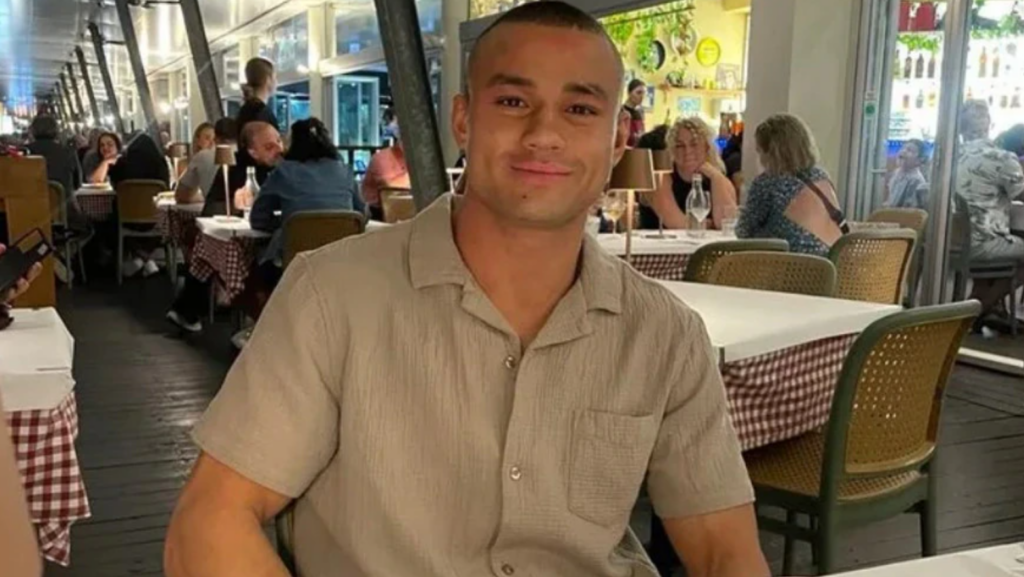
  • Jake Sendler, a 21-year-old Melbourne-based fighter and personal trainer, has died from a severe muscle condition known as rhabdomyolysis following his professional debut bout.
  • His sudden passing has raised urgent questions about the risks associated with rhabdomyolysis and extreme training regimes.

________________________________________________________________________

‘While preparing for an upcoming fight, Jake unknowingly pushed through worsening symptoms [of rhabdomyolysis].”

________________________________________________________________________

Young Aussie MMA Fighter Dies After Debut From Rhabdomyolysis

Jake Sendler, known for his relentless work ethic in the gym and his determination to succeed in competitive MMA, had been pushing his physical limits with a grueling training schedule. In the final days leading up to his debut fight—a match that many believed would mark the launch of a distinguished career—Sendler was reportedly engaged in exceptionally taxing workouts.

Shortly after competing in his debut bout, Sendler began exhibiting signs of distress. Medical complications quickly escalated, and despite immediate efforts to stabilize his condition, his health deteriorated rapidly.

According to the newly launched GoFundMe: ‘Immediately afterward, his condition rapidly deteriorated, leading to emergency hospitalisation and multi-organ failure—the most severe case of rhabdo his doctors had ever encountered.”

Health professionals later confirmed that the strain from his high-intensity gym routines, coupled with the extreme demands of his first professional fight, likely contributed to a fatal cascade of medical issues.

________________________________________________________________________

“He told people he trained with on the Friday before the fight, approximately 48 hours before stepping into the ring, that he still had five to six kilos to drop”

________________________________________________________________________

Jake Sendler, Aussie MMA fighter dies after debut bout

Understanding Rhabdomyolysis: A Hidden Danger for Fighters

Rhabdomyolysis—often referred to as “rhabdo”—is a potentially life-threatening condition characterized by the rapid breakdown of muscle tissue. When muscles disintegrate, they release harmful substances into the bloodstream, including myoglobin, potassium, creatine kinase, phosphate, and urate.

These components, which are normally safely contained within muscle cells, can overwhelm the kidneys when present in large quantities, leading to kidney damage or even kidney failure. In addition to impairing kidney function, the condition can also compromise the heart and other vital organs.

For Jake Sendler, rhabdomyolysis played a critical role in the chain of events leading to his tragic demise. Despite being accustomed to intense workouts, Jake did not initially recognize the severity of his condition.

When he noticed that his urine had taken on a tea-like color—a sign that his muscles were breaking down—he increased his fluid intake, attributing the symptom to dehydration rather than an indication of deeper trouble. Unfortunately, by that point, the toxic by-products from his overexerted muscles had already begun to burden his kidneys, setting off a cascade of complications that contributed to his deteriorating health.

While severe muscle breakdown is rare, fighters and other athletes engaging in prolonged, extreme physical exertion are at heightened risk. Overtraining, traumatic injuries, adverse reactions to certain medications, or underlying health issues can all precipitate rhabdomyolysis.

Recognizing early symptoms—such as intense muscle pain, persistent weakness, stiffness, and a sudden change in urine color—is essential for preventing irreversible damage. This condition serves as a stark reminder that even the most dedicated athletes must balance peak performance with proper recovery and vigilant health monitoring to safeguard their well-being.

________________________________________________________________________

“When we got into the ICU, the doctor said when they opened him up again (in another emergency surgery) there was just too much tissue that had died and there was so much damage, there was nothing more they could do.”

– Sharone Sendler, Jake’s mother
________________________________________________________________________

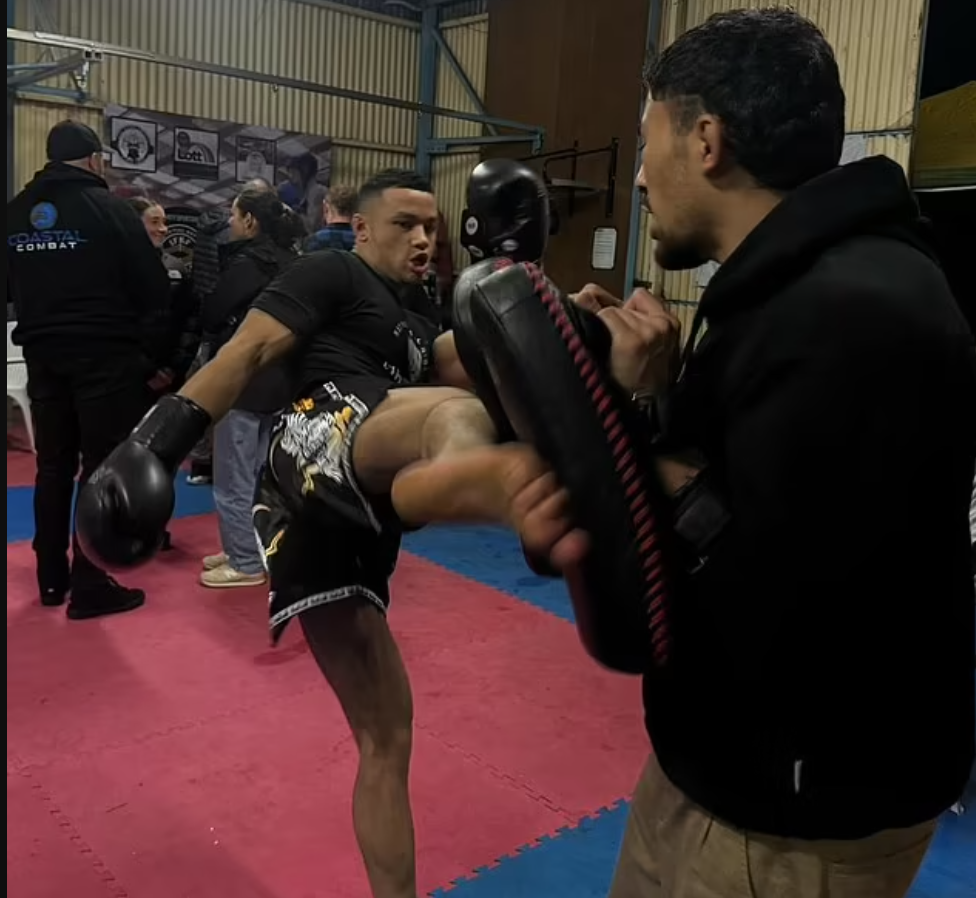
jake Sendler, Aussie MMA Fighter Training

The Legacy of a Young Fighter

Jake Sendler was more than just an MMA competitor—he was a personal trainer who inspired many with his dedication to fitness and martial arts. His journey into professional fighting had been marked by tireless effort and an unwavering commitment to his craft.

Locals admired his ability to juggle his dual roles inside the gym—both as a mentor and as a fighter pursuing his own dreams. In his relatively short career, Sendler had already built a reputation as a fighter who never shied away from a challenge. H

is transition from a respected personal trainer to a professional athlete was seen as the beginning of what many hoped would be an illustrious career in MMA. Instead, his untimely death has become a sobering reminder of the fine line between ambition and harm in the world of extreme sports.

A Wake-Up Call for Combat Athlete Safety

The premature passing of such a talented fighter has prompted many in the sports community to re-evaluate training methods and the pressures placed on young athletes. As discussions gain momentum, there is a growing consensus on the need for comprehensive health assessments before undertaking intense physical challenges. Better safety measures and more rigorous monitoring protocols may help to prevent future tragedies.

Jake Sendler’s legacy, though tragically cut short, now serves as an impetus for change. His story is a clarion call advocating for more caution, balanced training practices, and improved medical support to protect athletes from the hidden dangers of overexertion.

A Young Boxer Died at a Charity Event

Cowboy Cerrone Remembers Crazy Near-Death ATV Experience

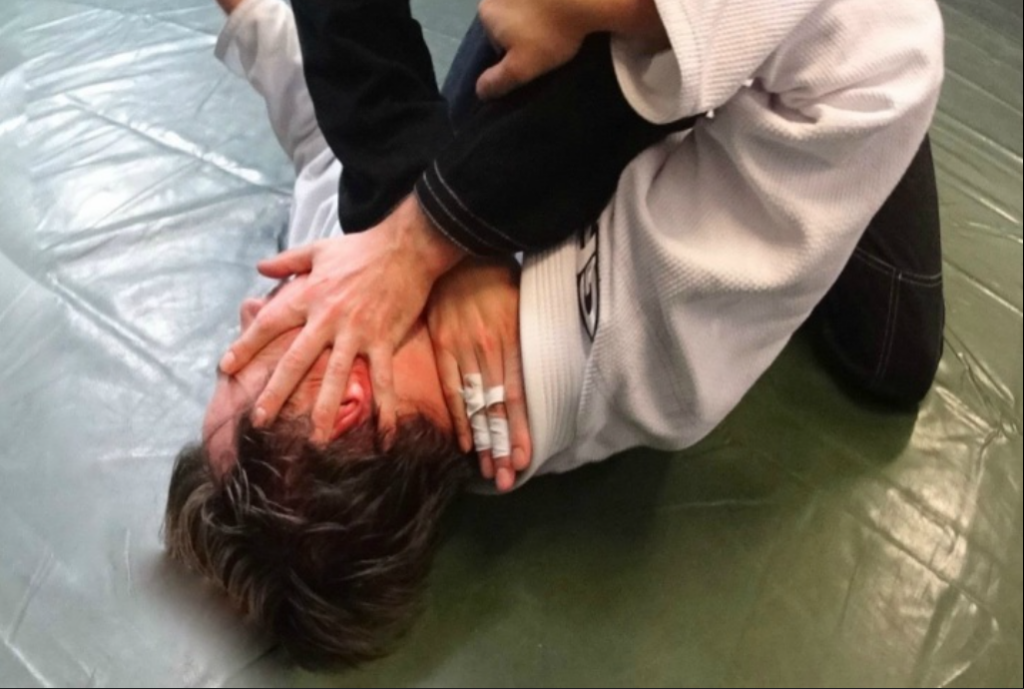
Brain Damage from BJJ Chokes: Is There Real Danger?

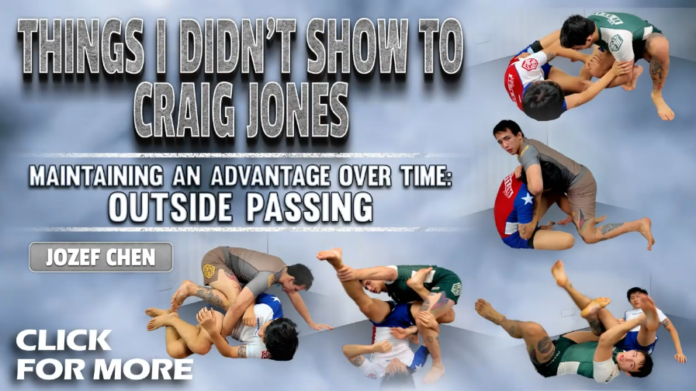
Advantage Over Time Outside Passing Jozef Chen DVD Review [2025]

Advantage Over Time Outside Passing Jozef Chen DVD Review

Key Takeaways

  • A No-Gi BJJ instructional focusing on passing to the outside using tripod passing. 
  • Features essential positioning, movement, pinning and preventing guard attacks from different angles. 
  • Contains specific rounds at the end of every volume, designed to help organize live practice. 
  • BJJ World Expert Rating: 8.5 out of 10. 

OUTSIDE PASSING JOZEF CHEN DVD GET HERE:

Advantage Over Time Outside Passing Jozef Chen DVD Preview
SEE FULL DVD TRAILER HERE: Advantage Over Time Outside Passing Jozef Chen

How well can you pass using tripods? Are you as good as Jozef Chen, or as creative and adaptable as Craig Jones? If the answer is neither, you’re at least honest with yourself, and you know you need assistance.

Who better to offer it than one of the two people mentioned above? The Advantage Over Time Outside Passing Jozef Chen DVD is arguably Jozef Chen’s best work so far in the realm of BJJ instructionals. It is his first as a black belt, but the belt has nothing to do with it – Jozef has just grown into his next form, and the best thing is that he is not being selfish with his knowledge along the way. So make the most out of it!

‘Things I Didn’t Show To Craig Jones’

The banter between B-team members is a thing of beauty. Most gyms have their own ‘locker room banter’ an there is no successful gym or competition team without one. That said, there might just be a subtle sting behind Jozef’s naming of the Outside Passing Jozef Chen DVD, in light of his friend, mentor, and ultimate BJJ troll, Craig Jones.

Jozef Chen is the grappler that popularized what we refer to as tripod passing now, which is just head-down-butt-up passing, with a bit of a modern twist to it. It is beyond a doubt that it works, and people have been jumping on board since they figured out what Jozef was doing in his matches.

In fact, it appears to work so well that Craig issued his own instructional on the subject, inspired by his student’s innovation. So, whether it is building on the banter-based image of the B-team, or truly trying to ensure his systems stay his own, CHen’s latest passing instructional now claims to exclusively contain ‘Things I Didn’t Show To Craig Jones’. Go figure.

Superstar on the Rise – Jozef Chen

Josef Chen is certainly carving a path of legacy in the BJJ world. On top of his immense technical ability, Josef is also an interesting character who doesn’t bank too much on the trash-talking aspects of BJJ. His competitive performances are very impressive, and will only get better as he breaks that fresh new black belt in.

So far, Jozef Chen has beaten huge names such as Oliver Taza, Tommy Langaker, Andy Varela, and Mateusz Szczecinski before he became a black belt. Granted, he has a few losses here and there to superstars such as PJ Barch and Tye Ruotolo, but I doubt they’ll remain unrevenged for long.

Outside of the competitive circuit, the B-Team representative has his own brand of passing, and his standing system that he is relentlessly working on. As part of Chen’s tripod system, which got assimilated by Craig Jones for being so good, the young black belt now provides even more material in the Outside Passing Jozef Chen DVD. Apparently, Craig doesn’t know this stuff.

Advantage Over Time Outside Passing Jozef Chen DVD Review

The five-part Outside Passing Jozef Chen DVD is a No-Gi instructional (does the B-team have any Gi instructional at all?) that contains jsut over two hours of impeccably put together and organized material on methodical guard passing:

Part 1 – Seated to Supine

The first part of the Advantage Over Time Outside Passing Jozef Chen DVD offers a skill, not many people think about a lot, which is how to make the guard player less mobile. The answer is fairly simple and you probably know it already, but Chen makes sure you’ll never forget it.

The entirety of the first 20-minute-long volume is dedicated to getting people who are on seated guard to lie down. Seems easy when written, but Jozef explains where it gets tricky, offering direct and indirect means to help you achieve your goal.

Among the direct ones, he demonstrates how to push, step, and shove strategically, so that you achieve a supine position. Indirectly, he goes over body positioning and mentions angles for the first time, using the inside step to capture his point.

Part 2 – Outisde Angles 

Angles are exactly what’s central in the second part of Jozef’s instructional, as he immediately goes over some specific motions to land optimal angles. Chen manages to explain feinting in regard to outside passing, a concept I always thought was very difficult for a coach to convey.

He also talks about alternating tensing up and loosening your muscles as you move either (or both) yourself and your opponent) eventually practically explaining angles in a way nobody has ever approached them before.

As this portion of the Outside Passing Jozef Chen DVD comes to an end, Chen offers specific grip instructions and round ideas to help you make the most out of the material in your own gym.

Part 3 – Keeping the Flank

The key aspect of Chen’s entire outside passing system is staying around your opponent. something I first heard about from Ryan Hall, even though that was in a submission-hunting context. Still, it is a skill that is not easy to figure out, and this part of the Jozef Chen Outside Passing DVD dedicates a lot of attention to helping you develop it.

Jozef literally goes joint by joint when portraying how to optimally position yourself relative to the opponent and what ‘landmarks’ of connection you’re looking for on their body to help keep yourself on their flank. These include foot traps, knee drops, hip switching, etc. involving applications on both the near and the far leg.

A set of upper body connection instructions provides even more context to Chen’s flanking concepts, most of them featuring his preferred collar tie grip.

Part 4 – Finishing Passes

Wrapping up actual passing with pins appears first in the fourth part of the Outside Passing Jozef Chen DVD, which is very Danaher-esque. Jokes aside, I do think Chen picked the optimal way to present his material, leading to a complete understanding of why and how his outside passes work.

The tripod position is the foundation for most of his passing, which he presents here through weight distribution, the leading edge concept, and a very useful idea on how and when to change directions. The portion on dealing with frames is what I believe everyone will find useful, along with his methods of breaking down reactive posts by the guard player.

More specific rounds at the end will make even hardcore Eco guys happy about the content, and those who prefer a cerebral approach get treated with Jozef’s 4D thinking concept.

Part 5 – Troubleshooting 

As we get to the final part of the Jozef Chen Outside Passing DVD, it is time for the B-team standout to provide some troubleshooting tips and tricks. First up, dealing with the far leg getting in between which he does by lassoing. Exactly how, you’ll learn in the DVD.

Other common reactions that get people stuck include the K guard, RDLR, and half guard, all positions that can stall a passer and crate many attacking opportunities for the bottom person. Jozef bases his tactics on campaigning in the guards while making them useless until all the other aspects already covered above start to appear, leading to a pass. He ends with more specific rounds.

Maintaining an Advantage Over Time

The concept of never losing an advantage in BJJ is as old as Gracie Jiu-Jitsu. it was Rickson, I think, who preached that you should never revert back to a position of lower score once you conquer something. It wasn’t put like that, but hopefully, you get what I am trying to say.

While not getting out of the mount and going back into side control is an example of a one-way ticket to messing up, there is a point to be found here, just at a much more precise level. It has more to do with advantages, and not the ones ‘scored’ by the IBJJF than it does with clear, high-scoring positions.

These advantages are the small things, such as getting over one knee when you’re passing an open guard. You haven’t passed yet, but you did get closer to it, and giving that up is just going to put you further from your goal. Another example is getting a crossface or double underhooks from the top half guard.

The Outside Passing Jozef Chen DVD offers a much more in-depth analysis of this concept, as Chen bases his entire system around ‘camping’ as you aim to flank your opponent at all times. It is a very interesting and useful resource to figure out passing.

Advantage Over Time Outside Passing Jozef Chen Free DVD Sample
WATCH A FREE SNIPPER: Advantage Over Time Outside Passing Jozef Chen DVD

DOWNLOAD HERE: OUTSIDE PASSING JOZEF CHEN DVD

Timeless Tactics 

Terms like ‘modern’ and ‘old school’ often get thrown around when we’re looking at BJJ techniques. Very often we refer to something as ‘timeless’ or ‘evergreen’ but I think that the Advantage Over Time Outside Passing Jozef Chen DVD is one of those rare instructionals that are the timeless outliers.

It provides a movement-based system that will stay true as long as guard and passing are a part of BJJ. In other words, you need it, and it will make you a better guard passer.

Tripod Passing Jozef Chen DVD Review: Beating Inside Position

Jozef Chen DVD Review: Engaging Without Regrets

How Does Jozef Chen Train Jiu Jitsu? Jozef’s Beginnings, Training Concepts & Philosophies

Solange van Doorn – Victoria’s Secret Model Who Dominates On The BJJ Mats

Solange van Doorn - Victoria’s Secret Model Who Dominates On The BJJ Mats

The transition from high-fashion runways to the gritty mats of Brazilian Jiu-Jitsu might seem improbable, yet Solange van Doorn embodies this remarkable transformation. Once gracing catwalks for Victoria’s Secret, Calvin Klein, and SKIMS, Van Doorn now equally shines on the grappling circuit, breaking stereotypes and redefining strength and beauty.

Beyond the Runway: Solange van Doorn’s Passion for Brazilian Jiu-Jitsu

The Solange van Doorn BJJ story began with the model looking into martial arts primarily as a fitness pursuit, but it soon became something deeper. According to Van Doorn, training in Brazilian Jiu-Jitsu provided her with not just physical benefits but profound mental resilience and empowerment.

Her discipline quickly became evident as she earned her blue belt, regularly competing and winning at notable BJJ tournaments, an impressive achievement in a highly demanding and competitive sport.

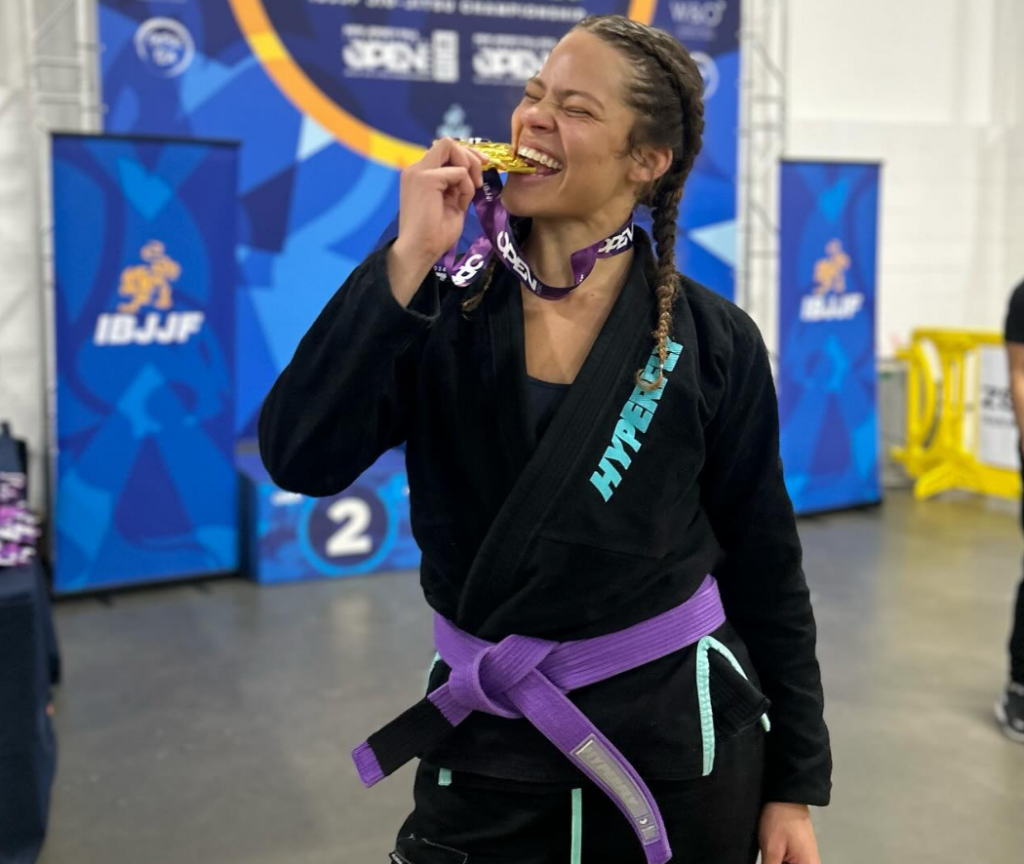
Not too long ago, the freshly promoted purple belt competed at the IBJJF NJ open, winning double gold in the weight class and the absolute, a stunning accomplishment for any grappler, including pros.

________________________________________________________________________

“🥇 Heavy weight & 🥇 Absolute today at the @ibjjf NJ open 🙂 in my new favorite color 💜”

– Solange van Doorn via Instagram

________________________________________________________________________

One of the most striking aspects of Van Doorn’s journey is her openness about challenging societal norms, particularly in an industry known for rigid beauty standards. Transitioning from the runway to the mat wasn’t just a change in physical settings—it was a powerful statement about the multiplicity of identity.

She publicly advocates for authenticity, embracing her natural hair and appearance, and inspiring others to challenge traditional notions of beauty. She is certainly taking a route not many models have chosen, and seems to be turning into a true grappling ambassador among her peers.

Solange van Doorn Victoria’s Secret Model Becomes BJJ Champion

Balancing a Dual Lifestyle

Recently, Van Doorn reflected on her dual careers, sharing insights into her unique experience balancing two vastly different worlds. She explained that the skills learned from each discipline complement each other: the grace and discipline of modeling seamlessly integrated with the technical precision and mental toughness required in Jiu-Jitsu.

Her story has resonated with many within and beyond the martial arts community, inspiring people to pursue their passions fearlessly. Van Doorn’s success underscores that high-level competition in Brazilian Jiu-Jitsu can coexist alongside careers that may traditionally seem incompatible.

Moreover, her visibility in both spheres has drawn attention to the benefits of grappling sports, especially among women. Through her journey, she has highlighted Brazilian Jiu-Jitsu as not only an empowering physical practice but a tool for personal growth and mental health, encouraging countless individuals, especially women and young girls, to step onto the mats.


View this post on Instagram


A post shared by Solange ✨🌸 (@solangevandoorn)

Remember the Name

Van Doorn’s background as a successful international fashion model, represented by elite agencies such as IMG Models, saw her featured prominently in campaigns and editorials across top fashion magazines. Yet, her decision to step onto the mats, and embrace BJJ, marked a dramatic shift—one rarely seen within the modeling industry.

As Solange van Doorn continues to train and develop as a BJJ competitor, her dual career thrives, earning her respect in the world of fashion as well as the grappling community. Her influence is becoming increasingly significant, bridging gaps between seemingly disparate worlds and creating new narratives about what it means to be strong, beautiful, and empowered.


View this post on Instagram


A post shared by Solange ✨🌸 (@solangevandoorn)


View this post on Instagram


A post shared by Solange ✨🌸 (@solangevandoorn)


View this post on Instagram


A post shared by Solange ✨🌸 (@solangevandoorn)


View this post on Instagram


A post shared by Solange ✨🌸 (@solangevandoorn)


View this post on Instagram


A post shared by Solange ✨🌸 (@solangevandoorn)

Supermodel Gisele Bündchen Is Dating Her Jiu-Jitsu Instructor

Irina Shayk is Obsessed With Jiu-Jitsu

Where Do Celebrities Who Train BJJ Go For Training?