


Competition Tips To Prepare For BJJ Tournaments

BJJ Tournaments

Most martial arts have one big thing in common – they’re very focused on competition. With the exception of Aikido and a few more, martial arts are highly competitive sports that require extensive preparations. Grappling martial arts are arguably second in difficulty only to MMA in terms of competition. As such, there are plenty of aspects to prepare for, when you’\re looking to go on a competitive run. BJJ tournaments are usually denser during one part of the year, meaning you’ll have plenty of competition opportunities in a small period of time. Correct preparation is going to make all the difference

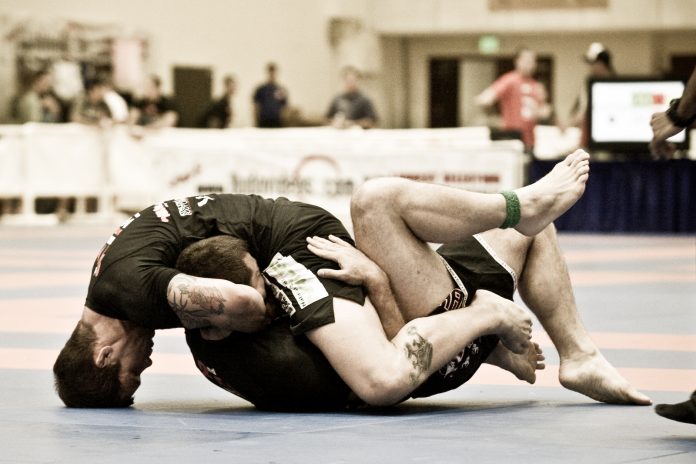
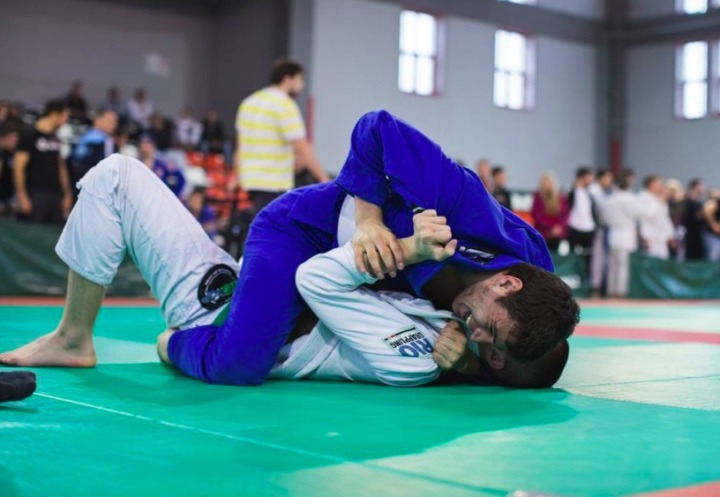
BJJ tournaments are notoriously difficult competition affairs. First of all, unlike striking martial arts, or even other grappling arts, you spend most of the match in constant engagement with an opponent. From the moment grip-fighting begins on the feet, you’re most likely going to stay in contact with the opponent to the very end. Add to that the fact that a Jiu-Jitsu match takes place in more than one plane of motion and you have an exhausting challenge ahead of you. No wonder correct physical and mental preparation is key to winning in Brazilian Jiu-Jitsu!

Facing your first tournament? Here’s a comprehensive checklist of essentials: https://bjj-world.com/the-white-belt-checklist-tournament/

Selecting BJJ Tournaments To Compete In

Before you start signing up for all the BJJ tournaments you come across, make sure you know what you’re getting in to. To begin with, be realistic about your travel opportunities and expenses. BJJ tournaments are no cheap endeavor, depending on who is organizing them and where. Even if you are a semi-professional or professional grappler, make sure your expenses do not exceed your income. Registration for your garden variety IBJJF tournament is about 80-120 USD depending on the size of the event. Add to that travel and accommodation expenses and you can see where your limit is.

Next, consider your competitive experience. What belt level are you and how much have you been competing? Is it the first tournament of the season or you’ve already had a few to get you going? And of course, make sure you know the level of competition that awaits you. Competing at the Worlds or Pan Ams in the adult purple belt divisions is not the same as competing at the master 2 purple belt division in a local tournament. Even if you do not have a large number of opponents (which is unlikely), you’re going to get top-level opposition at big events.

The tournament format is another major factor in preparation. Your game plan should include every technique available at a certain tournament. For example, if you’re at an ADCC format tournament, make sure you’re ready for heel hooks. IBJJF-wise, know the technical limitations in your respective age and belt level.

Finally, most BJJ tournaments close registration about a week before the tournament. Make sure you sign up early so that you don’t end up in the stands.

BJJ Tournaments Training

How To Get In Peak Physical Shape

In order to be physically ready for a Jiu-Jitsu tournament, you have to have a good training schedule. BJJ is on top of the list, so get in as many Jiu-Jitsu classes and open mat sessions as possible. Furthermore, roll with different levels of opposition and always look to execute your game plan. As competition time nears, you can focus more on rolling with a select group of tough opponents. Always look to implement your game plan and make sure you put in your fair share of drills!

On a strength and conditioning note, consider off-the-mats-training as your homework. Unless you’re a certified coach yourself, try to get a professional to write a routine just for you. Do not think you’ll get Andre Galvao results just by following his conditioning routine. The further you are from a grappling tournament, the more you can focus on strength training. Bodyweight, powerlifting, kettlebells, whatever suits you the best. As you near your tournament, as a general rule, focus more towards conditioning. It takes longer to build strength than a gas tank, so plan accordingly. If you have a few tournaments in a short time frame, make sure you just maintain physical attributes. And remember to lay off the intensive stuff at least a week prior to the competition!

Brazilian Jiu-Jitsu being a weight-classes sport, you can go one of two ways. Eat what you want and compete at your natural weight, or work towards a specific weight class. Most grapplers look to cut a few pounds in order to fit into smaller weight classes.  Weight cutting is a science in itself and needs to be taken seriously, given the potential health risks. Again, look for professional advice.

This is how to plan a workout and drop a few pounds: https://bjj-world.com/jiu-jitsu-workout-program-to-lose-fat/

BJJ Tournaments

Winning The Mental Battle

The mental side of things is as important as the physical in competitive terms. This is even more pronounced in BJJ, the game of human chess. Nerves are a very normal and expected occurrence for every competitor, regardless of experience. Everyone has them, the trick is knowing how to deal with them. For one, make sure you manage your expectations. If you’re an experienced competitor, grappling regularly than you have every right to set the bar as high as possible. The novice competitor should aim to get used to the environment of BJJ tournaments at first. Those in between, need to know what is too much. Safety is the primary concern so know the risks and leave your ego at home.

A very important trait grapplers need once they gain a certain amount of experience is the ability to analyze opponents. The more you compete, the more you’re going to know your opponents. The brackets that come out before a tournament offer a great opportunity to see who you’re starting against and who might come your way later on. Use this information to research your against is going to allow you to modify your game plan accordingly.

A great tool to help you relax and be ready for tournaments is visualization. Leading up to a tournament, spend a few minutes every day visualizing yourself in BJJ tournaments. However, focus on every aspect of a match instead of only daydreaming about the podium. Picture yourself in every possible bad position, so when you get caught in one it won’t be anything new or surprising to you. This technique has helped me a lot in my competition preparation.

Day Of Tournament Checklist

When the D-day comes, be certain that you have everything you need with you. Being 100% prepared means you won’t be in panicking at unforeseen situations and losing your focus. First, have all your gear ready. Know the Gi (or No-Gi) requirements for the tournament you’re competing in. Always try to bring an extra Gi or shorts, just in case. have your ID handy at all times and stay focused and loose.

Arrive early in the arena in order to get a feel for the space. Once you get there, go for a weight check. If you’re more of a Gi BJJ tournaments competitor, weigh-in with the Gi. Be ready to have a pound or two extra, depending on your weight cut. If that’s the case, run, jump rope or get a light sweat on to drop them in time.

Even if you’re on weight, you’ll need to get active and mobile. Competition warmups are tricky, as they need to be intense enough to get you going, but not tire you out. You’ll need to take nerves into account once again, and do not overdo it. Just make sure you’re not stiff and cold when they call your name.

Oh, and one more thing. Listen to your corner! THy see the fight from a much more different perspective than you and can give you great directions. Do not allow stubbornness to lead to defeat, just because you “know everything”. You don’t. So listen to your coaches and enjoy the rewards!

With good competition preparation, you can even be dominant in other grappling martial arts: https://bjj-world.com/bjj-black-belt-without-wrestling-background-wins-wrestling-tournament/

What Are The Dirty BJJ Moves You Need To Avoid

Dirty BJJ Moves Eye Gouge

As with any sport, grappling martial arts have their fair share of moves that are considered to be “below the belt” Engaging in martial arts training and competitions imply a contract of respectful behavior. However, in reality, this is not always the case. There are certain individuals who do not shy away from questionable tactics during competition. While utilizing dirty BJJ moves in a match is far from acceptable, going for them during rolling is simply unacceptable.

“Dirty” grapples have no place in the world of Jiu-Jitsu. When we roll we’re all looking to learn, not compete. Yes, BJJ is competitive by nature, but then again, it is a martial art. What we do not condone is using cheap moves to ‘win” a roll or two against training partners. Do not be the person that others avoid because you can’t deal with the demands of BJJ sparring. If not, maybe it’s time to look for a new sport…

The Issue Of “Dirty” Grappling

A “dirty” grappler isn’t necessarily one who does not take care of personal hygiene or respect gym rules. Yes, this is a part of “the package” but not always. In terms of unacceptable personal hygiene, untrimmed nails definitely fit the category. Especially when the one sprouting them is aware of it and uses them to inflict pain or injury. Talk about dirty BJJ moves! Getting scratched accidentally is bad enough, but it gets a whole new meaning when it is intentional and repetitive.

In truth, the person that openly resorts to dirty BJJ moves is quickly going to become a pariah in their own gym. Unfortunately, every gym has one or had at a certain point. Fortunately, they do not persist for long. Once such a person is identified, they get a talking to which, usually, has one of three outcomes. First, the person accepts their mistake(s) and start to change their unsportsmanlike behavior. A second option is that they ignore their warning and get cured in the BJJ way – getting completely dominated without even a shot at pulling off some of their favorite dirty moves. The third is direct expulsion from the school, in the case of an ignored warning. However you see it, it won’t end well.

The issue with dirty grappling is that is can have consequences for other people in the gym. While nail scratches are usually no big deal, other cheap moves might seriously injure training partners. This means that people that regularly resort to dirty grappling should be quickly dealt with. So, let’s make sure we can recognize all the markings of a dirty grappler and get rid of them instantly!

What Are Dirty BJJ Moves?

Some academies have a printed list of academy rules on the wall. Generally,  most of them are related to school etiquette (bow before stepping on the mat) and/or basic hygiene (like no shoes in the mat area!). However, there are also lesser-known and unspoken rules of conduct the mat. Some of these are especially in regard to the “dirty” grappling moves, that are at least equally important.

Unwritten BJJ Rules: Commonly Accepted Mat Behavior Guidelines

1. Finger Grabbin During Grappling

OK, it’s clear that nobody wants to get choked, but then again, you are in Jiu-Jitsu class. You do not have to act like a person hanging from a branch and desperately clutch at anything in your sight. Grabbing fingers and twisting is not legal in any combat sport. It might be a move encouraged in some “practical street fighting systems”, but in legitimate competitive and/or training environments it falls under the dirty BJJ moves category…

If you grab and manipulate someone’s fingers and they get injured, they’ll need to get time off the mats in order to recover. Now you and the gym have lost a valuable team member for a while. On a more serious note, what if the person needs their fingers for work? You might cause someone more than a month of missed BJJ classes, so be mindful of the fingers during rolling.

Dirty BJJ Moves Finger Twist

2. Unnecessary Grinding Of The Face

Cross-facing is a great move to counter a single leg or to let you dig deep enough to sink that choke you’re setting up. However, some guys will grind knuckles or bony wrist parts right across an opponents teeth and gums. As much as this may be considered “allowable” in competition, it is a huge NO in training.

When training you are not in a professional bout or life or death situation. Yes you’re under stress and uncomfortable, but look around – so is half the population of the gym. In training, try to treat your partner as you would like to be treated. The face is made up of some of the most sensitive structures in the human body. The gums, teeth, eyes, nose etc are all very easy to injure. And I’m not talking only about a busted lip or a bruise under the eye. No point in breaking someone’s jaw in training just to keep them in side-control.

3. Pinching And Scratching

This is one move that is right up there with the most annoying of them all. Imagine the following scenario (although it has probably happened to you already). You get home from Jiu-Jitsu and examine your upper arms and legs. The results are fingerprint-shaped bruises.

Every time some over-enthusiastic opponents grab a grip, they grab the underlying skin as well. We get that you may be excited, but can’t you feel that you are grabbing skin also? Moreover, whenever you add long nails to the mix, you get an even worse mark. now imagine that you’re rolling No-GI. You’d be better off rolling with a mountain lion than that over-zealous pinch happy training partner with the long nails. Don’t be that guy/girl!

4. Intentional Kicking

Inevitably, when pairs are rolling, bodies will collide. This is mostly due to the popularity of BJJ and the size of academies. Some schools simply do not have the means to hold more classes or accommodate everyone comfortably. In truth, very few can.

In many schools, etiquette states that higher belts get the right of way and the lower belts reset. But some are so absorbed in the roll that they fail to grasp where they are at. Some people seem to lack the feeling of their foot kicking something solid and Gi-covered.  The Gi part should make it clear that it’s not the walls or the mats! That is another person! As absorbed as you might be in a roll, you surely feel it?!? Just have some basic awareness of your surroundings and do not flail around. Unintentional kicks do not count and can happen anywhere at any time. The intentional and repetitive ones, despite claims of ignorance, are not accepted and need to be punished if the re-occur often.

5. The Fake Flow Roll

This one is a Brazilian Jiu-Jitsu classic. The  Gentle Art is, arguably, the only grappling martial art that has a version of light rolling that has a translation to competitive situations. The first thing to know is that you can’t expect new students to flow roll. There’s no going light with them and you can’t really hold it against them. So they’re out of this category. Well, until they gain experience, at least.

On the other hand, there are the experienced people that ask you to go light and then go berserk! They usually “fool around” until they see a submission or transition option and then jump on it like an orangutan on a banana tree! Not to self – if a “let’s flow” partner can’t make it to the end of a round without gassing, they’re not going light. Remember that next time they ask you because you might end up seriously injured if you’re loose against an explosive spazzing partner.

Dirty BJJ Moves Fake Flow

The “Not Quite Dirty” BJJ Mоves

Although some BJJ moves are just plain dirty, there are others that are just simply annoying. The might not be completely senseless and brutal but they are disrespectful. In an art proudly displaying respect as it’s main virtue, there should be no place for such actions.

Unwanted Coaching

Part of the BJJ culture is that more experienced students help newer students by explaining certain positions or BJJ moves. However, some guys with little experience try to coach or teach. Nonetheless, they do so during rolling. Rolling is the time to put what you’ve learned to the test, not to look coach or ask for advice. Leave the talk for after the round. A classic move is stopping the roll when in clear danger in order to explain how the move is “correctly” done and avoid getting caught. Just tap, keep your mouth shut and go on!

Illegal Techniques In Sparring

Ok, they’re not really dirty grappling moves per se but are frowned upon nonetheless. This is especially true when an IBJJF competitor asks you to roll along with their rules. If you’re not interested in helping them prepare than pass on rolling with them. If they’re of a higher rank, though, you’re obliged to accept. That said, heel-hooking them straight off the bat is a disrespectful move to pull off when you’ve been politely asked not to. On the other hand, they might be nursing an injury and must avoid specific BJJ moves. Ignore this and you have a great way to make enemies in class. Make sure you respect the other person’s wishes during a roll.

Dirty BJJ Moves

Cool BJJ Gis and Jiu-Jitsu Gis For 2024 – Reviews And Guide

Best BJJ Grippers 2021 Complete Guide And Reviews

The Annoying Side Of Training Jiu-Jitsu

Half Guard Submissions – Triangle, Kimura, Ezekiel and Baseball Bat Choke

Half Guard Submissions - Triangle, Kimura, Ezekiel and Baseball Bat Choke

Kris Kim, Brazilian Jiu Jitsu Black Belt under Tony Passos. Head Instructor for Yongsan BJJ at Trent Warrior Fitness Center, U.S. Army Garrison Yongsan, Seoul, Korea.

Kris is also the BJJ coach for Team Posse MMA, Body and Seoul Martial Arts and United Forces BJJ, Republic of Korea.

Xande Ribeiro – Half Guard Retention Philosophy

Should Grapplers Wash Their BJJ Belts?

BJJ Belts

One pet peeve of lots of competitive athletes is their curious proneness to superstitions. No matter the sport, athletes often make up the most unlikely reasons behind their success. Whether they win or lose, they have a ‘supernatural” reason behind it. These beliefs are often so ingrained, that it may be difficult for an athlete to think clearly. And BJJ athletes have not been spared from their share of superstitions. The most curious and potentially smelly one refers to washing BJJ belts.

When it comes to the Gi, people usually unanimously agree that they need to be washed after every practice. It’s just common sense, really. Nobody wants a sweat-infused, smelly Gi pressed upon their face. Now imagine that the Gi in question has been worn multiple times during the week. And it never made it to the washing machine in between. Not the prettiest of thoughts, is it? So why would people think that washing their BJJ belts should be any different? This is where superstition comes in the frame. Time for some myth busting!

Why Do People Avoid Washing BJJ Belts

There are multiple schools of thought behind the superstition that belts shouldn’t be washed. The reason behind this belief is just one though – washing is going to wash away all the knowledge, or “mojo”.

There’s an old story that probably originates in the Karate circles of Japan as to why a belt should not be washed. According to this myth, people only wore white belts. During the years, dirt, stains, sweat, and other unappealing elements would gather onto the belt. As they accumulated, the belt would turn darker and darker, eventually becoming black. While there is a romantic notion behind wearing a white belt until it turns black, there are plenty more hygienic reasons not to do so. Today, there are different colored belts that outline the knowledge and experience level of a practitioner.

Moving on to modern times, the main reason behind the avoidance of inclusion of BJJ belts in common hygienic practices is the fear of loss of knowledge. Honestly, why the knowledge and “mojo” are taught to reside specifically in the belt is beyond me.  How often did you have to change a belt with a teammate in competition? Did it really affect your results? The IBJJF has a very strict policy regarding the state of competitors’ belts. If a belt is old, ragged and smelly, they’ll force you to change it. Are you going to accept getting DQed or just borrow or buy another belt? I understand the sentimental value of belts, they’re given to us by our masters and symbolize years of effort and dedication. That, however, does not exempt them from basic hygienic rules!

BJJ Belts Wash

Reasons To Wash Your Belt

The most obvious reason is actually the one with the most serious potential consequences. Hygiene plays a huge part in every sport, even more so in martial arts. In terms of grappling martial arts, like Jiu-Jitsu, hygiene is of the utmost importance. Bad hygiene can shut down a whole school and/or keep people off the mats for months. The constant contact and proximity of grapplers, along with rolling around on the ground create the perfect conditions for microorganism growth. And where there are bugs, there are potential infections looming.

Wearing an unwashed piece of training apparel is a rolling health hazard. Belts are made up fo materials that soak up everything they come in contact with. For starters, you’ll get at least 4-5 different people’s sweat on it in one single training session. Next, BJJ belts tend to collect little bits and pieces as you roll. Bacteria, fungi, viruses and other disease-causing agents can find fruitful soil in the grooves of your belt. Despite posing a threat to your own health, you are now a means of transport for those bugs to get on other people. And, although you might not catch anything, someone else will.

Imagine that a training partner hasn’t washed their belt in ages. Even though you’re aware and try to avoid him/her, you can’t avoid the mats. A dirty belt gets around everywhere, disseminating its contents along the mat surface. Before you know it, you face deep into everything that lives on a “wise” unwashed belt. The dreaded “staph” is caused by a bacteria named Staphylococcus Aureus. This pesky little critter can survive on your belt, or the mats, for months. It’s a Petri dish you’re tying around your waist every time you train!

How To Keep BJJ Belts Clean

Washing your belt is not much of a science. Take a little of the stuff you use for your Gis, put it in the washer along with other appropriately colored garments and press “On”. Alternatively, you can always do it by hand. Just make sure you’re thorough, cause “Staph” most certainly is.

BJJ Belts

Then again, if this article is the one to convince you to finally wash your belt, you might need to go with heavy artillery at first. Namely, there are laundry products that are aimed at getting rid of potentially pathogenic microorganisms. Defense Soap makes one, that seems promising. Just pour some into your regular detergent for a double blast. Actually, since your belt has been in contact with all your gear just throw everything in there!

Finally, if you’re still reluctant to “wash your knowledge off” there are alternative routes. They might not be as effective as immersing a belt in detergents, but they’ll do the trick. First, give your belt a little breathing space. Instead of keeping it tight in your gym bag, hang it out. And not just anywhere, but somewhere with a breeze. Or high-speed winds, depending on how long you’ve had it for. On the other hand, if you’re in a windless part of the world, then leave it out in the sun. Since bacteria love moisture, both these methods will help rid your belt of unwanted flora.

In summary, washing BJJ belts are not a convenience. It is a mandatory practice for everyone. It doesn’t have to be after every training session. Every couple of weeks is plenty.

The Best BJJ GIs in 2024

Why Wearing A BJJ Rashguard Under The Gi in BJJ Is Important

Brazilian Jiu-Jitsu Belts System Explained

Kimura Lock Details To Control And Submit Anyone

Kimura Lock System

There are some moves in BJJ that easily withstand the test of time. Some techniques are always popular and transcend the boundaries of Gi and No-Gi Jiu-Jitsu. No matter how much they’re practiced, these moves stay highly efficient in every aspect of competition. The Rear Naked Choke is one such example of a high percentage move that’s useful to every grappler. Another is the armbar, a highly reliable move that many Judokas and BJJ players still favor to this day. But there’s one move, that is as old as BJJ itself and originally proved its effectiveness against the founder himself. We’re talking, of course, about the Kimura lock.

The Kimura lock is a shoulder lock submission, mostly specific to BJJ. It is a move that never went out of fashion, sort to speak. It’s always been a high percentage move that’s effective across all belt levels and categories. Even some of the most fearsome BJJ fighters, like Minotauro, and even Heli Gracie himself have suffered defeat due to the Kimura. It is a very powerful submission available from virtually every BJJ position we know. Time to brush up on your knowledge of a move you’ve most likely been taught during your first month of Jiu-Jitsu.

Masahiko Kimura

The Kimura lock bears the name of a formidable Judoka that reigned terror among grappling martial arts competitors. Masahiko Kimura was a Japanese Judoka and pro-wrestler who is considered to be one of the greatest of all times.

Masahiko Kimura got a Judo black belt at 15 years of age and was the youngest ever 5th-degree black belt at the age of 18. He was a very feared Judoka who, reportedly, only lost 4 matches in his entire career. His brutal training regimen included daily practices of a thousand pushups and 9-hour long training sessions. Kimura was promoted to a 7th-degree Judo black belt at the age of 30. His favorite move was, as you might guess, the reverse Ude Garami, or Kimura lock.

How Masahiko Kimura defeated Helio Gracie

Kimura is one of the pioneers of Vale Tudo fighting. The pro-wrestler faced and beat many high-level opponents during his prime. In 1951, while visiting Brazil, the famous Judoka responded to a challenge from the founder of BJJ, Helio Gracie. They fought in a “submission-only format” that included the opportunity to win by submission or knockout. Pretty similar to today’s Combat Jiu-Jitsu, in essence. Helio and Kimura squared off in the famous Maracana stadium, in front of 20.000 people. Kimura threw the much lighter Helio around for a while before pinning him to the ground. After multiple submission attempts, he was finally successful with a reverse Ude Garami, that broke Helio’s arm. As the owner of his formidable opponent, Helio later named the move the Kimura lock, after incorporating it into BJJ.

Learn more about Helio Gracie and his brother Carlos:

Kimura Lock

Deconstructing The Kimura Lock

The Kimura lock, or double wrist lock, as it is known in wrestling, is primarily a shoulder lock. It is done with two arms against one, meaning it is mechanically very sound and powerful. This very versatile submission can be reached through all kinds of positions, both top, and bottom. This makes it a very effective technique that is suitable for every level, thanks to its fairly simple mechanics.

To execute the Kimura lock, one needs to obtain the proper grips, to begin with. The most important thing is getting one of your arms across the opponent’s shoulder and deep inside their arm. As a reference point, you need to place your own shoulder on top of the shoulder you’re attacking with a Kimura lock. From there, your other arm grips the wrist of the opponent. To secure the lock tightly, the hand you threaded through their arm, need to connect with the arm gripping the wrist. The grip configuration of your arms is in a figure 4 lock.

Finishing the Kimura lock requires you to bend the opponent’s arm behind their backs, in police brutality style. The position of you in terms of your opponent decides the manner in which the arm is going to get behind the opponent’s back. The key to finishing, regardless of position, is angling your body so that all your weight is behind your opponent’ss forearm. From there all you need is to look to place their own wrist on their opposite shoulder. However, you’ll get the tap way before you’re able to achieve this.

The Kimura Locks is not only a submission, despite this common perception. It is, actually, a position of tight control, that allows you to manipulate your opponent and open up transitions and/or other attacks.

Attacking Kimura Lock From Everywhere

A great thing about the Kimura lock is that can also be used from almost any position. Once it’s engaging you to know that your opponent is in deep water. Not only are they in constant danger, but it’s also impossible to gain any leverage back.

The closed guard Kimura is a staple of BJJ. It’s one of the first moves that people learn when they sign up. The idea is to make your opponent post one of his arms to the side so that you can place a grip. From there, it is as easy as sitting up and throwing the other arm around. Once you have the grip, you get back on the ground and look to angle off to the side you’re attacking. And, in the case of opening the guard, you just need minor adjustments. You might be familiar with some of these moves already, but we are going to try to stress some of the most important, but often ignored details.

Getting the Kimura from the bottom half guard is one of the most reliable submission options. Much like the closed guard Kimura lock, you need the arm you’re attacking to be on the ground. Since most people, either knowingly or instinctively, will grip their own pants to prevent you from finishing the lock. Here’s a great trick to counter this defense:

Side control is a very dominant BJJ position that offers all to of attacking options, The Kimura lock is just one available option from there, but it’s a reliable one.  For both grappling and MMA purposes, this is a great Kimura hunting position.

As a variation of side control, the North-South position offers amazing opportunities to get a Kimura on. From there you either submit or take the back.

Kimura Trap System

The Kimura Trap System is a system developed by David Avellan. It is a control system designed around the kimura lock from every position possible. The kimura trap system includes various transitions, sweeps, passes, submissions, takedowns, and takedown counters.

The Kimura Trap uses the Kimura lock without necessarily going for a submission finish straight away.  Most of the techniques in this system are used often, albeit in a stand-alone fashion. The innovative thing about the Kimura Trap system is the way it brings all of the techniques together. All the positions flow from one technique to the next in an easy-to-learn system. Whatever the technique or position the goal is a common one – getting the Kimura Lock.

Mel Gibson BJJ Training with Carlos Machado

Mel gibson BJJ

The list of Celebrities training BJJ is getting bigger every day. You can check the list of 58 BJJ Celebrities HERE. There are many stars in there including Guy Ritchie, Ed O’Neill (aka Al Bundy), Chuck Norris, Ashton Kutcher, Keanu Reeves, Tom Hardy and many others.

Mel Gibson is training Brazilian Jiu-jitsu together with Thai Chi for years now. The first time Mel was spotted training BJJ was with Rorion Gracie for His movie Lethal Weapon which was aired back in 1987.

As Gibson stated once, Brazilian Jiu-Jitsu is his favorite type of training. Probably because he doesn’t have to be punched or kicked in a face because he has to stay pretty for his movies 🙂

Seems like Mel Gibson took some BJJ Classes with Carlos Machado lately. Machado posted a picture on his Facebook profile of him and Mel Gibson choking each other.

As a long time Grappling Martial Arts practitioner Mel was using BJJ Techniques in a lot of his movies. Check out Gibson’s Triangle Choke on Gary Busey in Lethal Weapon, 1988. ,

https://www.facebook.com/carlosmachadobjj/posts/1798103463562910

Keanu Reeves: Deeper You Get into Jiu Jitsu The Less You Have Normal Life

A Jiu-Jitsu Workout Program To Lose Fat And Improve Performance

Jiu Jitsu Workout Bondarchuk

If I had a dollar for every time I saw a person in “great shape” gas out on their first day of grappling, I’d be a very rich man. unfortunately for me, and those “in shape” people, this is not the case. Brazilian Jiu-Jitsu places physical demands on the body that nothing much can prepare you for. Even if you’ve trained another grappling martial art before, you’ll need time to adjust. During this adjustment period, you’ll get tired and gas out. But, is there a way to get in specific Jiu-Jitsu shape? The answer is yes, but designing a Jiu-Jitsu workout is not as easy as following the latest Fitness Blender at-home routine.

A Jiu-Jitsu workout needs to be very specific in both nature and design. The goal is to improve someone’s work capacity, strength, and body composition so that performance can go up. However, you can’t just go lift weights or run a 5k every other day and hope to dominate on the mats. Nor should you go ultra-specific and try to stand on a stability ball while wearing your Gi and holding a kettlebell upside down. You need to find the right balance of specificity to give you the best bang for your buck. The only way to achieve this goal is through correct methodology.

Method Of Choice

The Bondarchuk Principle. That’s all it takes to build an awesome Jiu-Jitsu Workout. Since most of you have never heard of it, let me make things clearer. Dr. Anatoly Bondarchuk is the most accomplished hammer thrower in the world. Now a Soviet Olympic coach, Bondarchuk has come up with a set of principles that allow for the development of desired athletic abilities transferable to any sport.

To begin with, Bondarchuk preaches putting explosive work at the beginning of a workout. Since plyometric work requires the most nervous system engagement, two things are accomplished. First, you are fresh enough to truly use all your potential for execution of the exercises. Second, the activation of the nervous system is like an extended warm-up, getting you primed for work. The next part is heavy strength training. Lower body compound lifts are the usual choice here, although anything that helps develop maximal strength can be used. The third element of the complex is utilizing a superset (more on this later) for contrasting upper body muscle groups. Finally, before you put in some conditioning, you get to work in an area that is your specific weakness.

So how does this fit in a Jiu-Jitsu workout? Well, first you’re going to go for a specific plyometric movement. Jumps, medicine ball throws or explosive BJJ drills fit the description. After a substantial rest, you’ll go for your max strength exercise. Lower body powerlifts or advanced gymnastic isometric exercises are on top of the pile here. Upper body exercises can vary, from bodyweight to kettlebell stuff. As far as conditioning goes, sprint intervals are never a bad thing, although more specific drilling work can be done as well.

A few more things you need to know about BJJ conditioning workouts: https://bjj-world.com/conditioning-for-bjj/

Jiu Jitsu Workout Deadlift

The Best Tools

Before we look at a sample Jiu-Jitsu workout based on the Bondarchuk principles, let’s talk about the best tools you can use. While Bosu balls are cool looking, they’ll injure you before they help you with grappling. So, make sure you apply Occam’s razor – the simplest answer is usually the correct one. As such, stay away from all the high-tech, fancy-looking crap and focus on proven methods.

For a BJJ athlete, bodyweight work is always going to reign supreme. The idea is that you can get into mechanically disadvantageous positions in a very safe manner with bodyweight exercises. It’s what “functional” fitness looks to achieve, but it’s the right way to do it. Basic bodyweight exercises are a logical starting point for most. For those that feel too advanced, look into strength training for gymnastics. You’ll be surprised at how un-advanced you actually are.

Here’s how to use gymnastics to improve your BJJ: https://bjj-world.com/use-gymnastics-to-become-strong/

Weightlifting is the second method of choice for a grappler. It’s probably redundant to repeat this, but please, stay away from bodybuilding like stuff. Skip the triceps pushdowns and calf raises and focus on the real lifts. That said, any of the front-loaded lower body lifts are the preferred option for grapplers. Deadlift variations, front squats, Zerchers and good mornings will strip fat off you while making you super-hero strong.

In a more modern (although it is, in fact, not) context, the only popular tool that you should look to use are kettlebells. Just make sure you get a coach to explain the proper form because BJJ is enough of an injury risk by itself. Kettlebells are amazing tools to get you both strong and in shape and can be used for every part of the Bondarchuk complex.

Jiu Jitsu Workout Turkish Get Ups

Fast And Effective Jiu-Jitsu Workout

So, without further ado, let’s give Jiu-Jitsu workout designing a try. Being the good people that we are here at BJJ World, we’re going to give you two workout options. Why? Well, training only once per week might not cut it for those of you looking to compete for at a high level So’ the template below is one for a two-a-week training schedule.

Oh, and please remember to ALWAYS warm up before training.

DAY 1

PLYOMETRIC EXERCISE (Jump Variation) – High Box Jumps for 5 sets x 3 reps

MAXIMAL STRENGTH EXERCISE (Front loaded lift) – Deadlift for 3-5 sets x 2-5 reps

UPPER BODY SUPERSET (Push-Pull Superset)Kettlebell Floor Press + Pull-ups for 4 sets x 6-12 reps

WEAK AREA (OR CORE WORK)Superset: Band dislocators + Band Pullaparts for 3 sets x 8-15 reps 

CONDITIONING (Sprint ) – 200-meter sprints for 3 sets (complete recovery in between)

DAY 2

PLYOMETRIC EXERCISE (Olympic Lift) – 1 Arm Kettlebell Snatch for 5 sets x 3 reps (Each side)

MAXIMAL STRENGTH EXERCISE (Upper Body Lift) – Bench Press  for 3-5 sets x 2-5 reps

UPPER BODY SUPERSET (Push-Pull Superset)Handstand Pushups + Inverted Rows (holding on a Gi) for 4 sets x 6-12 reps

WEAK AREA (OR CORE WORK)Kettlebell Turkish Get Ups for 3 sets x 8-10 reps  (Each side)

CONDITIONING (HIIT Drills) – BJJ Specific Drill Circuit (Spawls, Sit outs, Break Fall to Technical Lift, Penetration Step, Bridge with Hip Escape) for 3-5 sets x 40 seconds work/20 seconds rest.  

On a final note, rest periods between sets of plyometrics and maximal strength should be at least 90 seconds and up to 3 minutes. A minute of rest is enough between the sets of all other exercise categories. Give this specific Jiu-Jitsu workout a try and watch the fat melt off while you become a beast on the mats. You can thank us later.

Check Also:

Travis Stevens’ 3 weeks / 3x per Week Weight Lifting Program for Grapplers

21 Strength and Conditioning Exercises For Jiu Jitsu!

After A BJJ Promotion, Avoid Making These Mistakes!

BJJ Promotion

The belt system used to rank people that train martial arts is an old and proven system. Granted, some martial arts tend to give away undeserving ranks just for cash. Luckily, apart from a few incidents, BJJ has managed to avoid this issue. So far, at least. In Jiu-Jitsu, getting a belt is can be really damn hard. An average estimate is that it takes about a couple of years of experience to get to the next belt in BJJ. However, it is what happens after a BJJ promotion that is important, as opposed to just before it.

A BJJ promotion is a unique event on its own. The much-debated tradition of belt whipping makes the experience much more “stingy”. Regardless of obsolete acts such as this, getting promoted is a big deal for most. It marks the time and effort a practitioner put on the mats in between belts. And that right there is what people often get wrong. It is not about what you do a few months before a BJJ promotion ceremony. It is the daily grind and attitude that count.

The Value Of Promotions

Being such a difficult task to accomplish, BJJ promotions mean a great deal to the student. Especially to those students that get a purple or brown belt. The appreciation of seeing your effort recognized is an immensely joyful feeling. Part of what makes promotions so valuable is knowing that you’ve worked hard to get there. Getting on the mats on those cold rainy nights while nursing half a dozen injuries are going to be completely worth it on promotion day. But not just that one night, every night like that. All the extra hours spent drilling moves, the expenses of training are going to be forgotten as soon as you get that new belt. And then, it starts all over again.

It is the cycle we love, it is a huge part of Jiu-Jitsu and it should be honored as such. So, acting out after a promotion is a big no-no for any self-respecting grappler. So what if you’re now a blue belt? While it bears a certain weight, it doesn’t mean you can relax and not take training seriously.

Every BJJ promotion makes a student a greater advocate of the sport. It’s not just about what happens, on the mats, Jiu-Jitsu is a complete lifestyle. Those that are fully immersed understand that it’s a furnace requiring constant re-fueling via hours on the mat. Respect is a huge factor in the BJJ lifestyle, so make sure you demonstrate it correctly by rolling quietly and purposefully. Remember, you’re not just growing yourself, you also impact the growth of your training partners and the sport as a whole.

BJJ Promotion Gauntlet

“Top Dog” Behaviour

To begin with, whether you get a blue or a black belt, remember to stay humble. Anyway, BJJ has a way of reminding those that forget about humility. And it is not pretty. There’s always going to be someone better than you out there. It might be a seasoned black belt that’s been around the scene for decades. Or, it might be a particularly talented new guy that’s three belts below and a puzzle you can’t solve.

Getting promoted to a new belt is a mark that you have attained certain knowledge and are now ready for the next class. It is just like school but with sparring! The difference is, in Jiu-Jitsu you can’t cheat your way through because you’ll be brutally exposed. Keep your ego to yourself and keep training hard and discovering the Gentle Art. There’s no point in puffing your chest and walking around like Connor McGregor just because you’re now a brown belt. No, you do not know much more than you knew last week, and no, you won’t be able to beat every other brown belt out there straight away.

Actually, one more reason for humility is the notion that you’re now again at the bottom of a food chain. In the grander scheme of things, you might be near the black belt and near the top of the BJJ food chain. But in terms of your own level an those above, you’re still just “food”. And in order to avoid being the prey, you need to learn how to be the predator. But you need to become a true predator not just act like one. Because, once that act is exposed, you’ll be seeing the light and the end of a very long tunnel very soon!

Rolling Distractions

For everyone involved in grappling martial arts, rolling is by far the most fun part. Rolling is the time when new techniques are practiced, or competitive gameplans are getting battle-tested. It should be a time of pure focus and dedication.

No wonder instructors often fume when they witness higher ranked students teach and correct during live rolling. And they’re right to do so since the more experienced practitioners create a “comfortable” environment for both training partners. The problem with comfort is that it doesn’t build world-class grapplers. On the contrary, discomfort and life outside comfort zones do. That’s what rolling should be all about. When one student attempts to explain technical stuff during rolling, both student’s suffer.

This doesn’t mean that mistakes shouldn’t be corrected by higher belts. However, it should be done after the round is over. A senior student can then provide feedback to help a less experienced practitioner learn more. Furthermore, it’ll force the senior student to remember exactly how the roll went which is a crucial skill that they need to develop if they ever hope of reaching black belt. So, roll without distractions and leave the analysis for later.

BJJ Promotion Belt

Skipping Class After A BJJ Promotion

The number one thing that annoys professors of the Art is the disappearance syndrome. This is a fairly common occurrence following a BJJ promotion. Getting a new belt is very often a reward from your instructors, in a manner of speaking. It’s a sign that they recognize the hard work you’re putting in, and a token for your dedication and perseverance. Remember that instructors went through the same path as you, so they understand completely the sacrifices that Jiu-Jitsu requires. Let’s face it, there’s no progress in BJJ without accountability. In easier terms, you have to show up in order to progress.

A BJJ promotion can be thought of like motivation for a student to push on harder. Getting promoted should restoke the fire you have for the Gentle Art. It should be a driving force that pushes you to train more, not less. Every belt is a new challenge to conquer, and the journey doesn’t end at black belt. Why would you take time off when it’ll only derail your BJJ evolution? Of course, injuries and other justifiable situations for absence are legitimate reasons that no one will dispute. It’s the “I’m a purple belt now so I can just pop in from time to time” attitude that has no place in the world of grappling. After all, the path is the same for everyone, so do not expect different treatment if you look to cut corners!

Higher rank brings about greater responsibilities, even if you’re not engaged in teaching. Higher ranked belts are examples that lots of new students look up to. So what does that mean for them when they see you train from time to time? They’ll never shake off the “novice” tag thinking they can get promoted with only a couple of sessions a month!

Common Blue Belt Mistakes Caused By Bad White Belt Habits

BJJ Mental Attitude For Each Belt Level

7 Awesome Tips To Make You A Formidable White Belt

Secret Toe Hold Details To Submit Any Opponent

Toe Hold Secret Details

Leg locks are the “great equalizer” of the Jiu-Jitsu game! This is a common reference today and one that’s in many ways true. The burst of leg locks on the scene proved that size can be irrelevant when a person is well versed in the leg lock game. However, using leg locks to level the playing field is not as easy as it sounds. Against bigger and stronger opponents you need to be aggressive and know how to maximize leverage and force. Furthermore, not all leg locks are equally suited for every opponent. In the case of a much bigger and/or more experienced opponent, the kneebar would be a hard submission to get. Of course, the heel hook would be the lock of choice, but it is often considered illegal. Since ankle locks are not nearly as effective, it’s up to the toe hold to perform. And it does so admirably!

In this article, we’re going to dive into the details of a very powerful leg lock. In fact, it is arguably, the most powerful leg lock allowed under the rules of the International Brazilian Jiu-Jitsu Federation. Top competitors of the sport like Caio Tera and Mackenzie Dern have used it to great effect. Actually, both of them being quite small grapplers, they’re an outstanding example that toe holds slay giants. But what makes them so effective? As always, the foot-locking devil is in the details, and that’s exactly where we’re going to look for him today.

Basic Toe Hold Mechanics

The toe hold is a twisting lock that puts the ankle joint under tremendous pressure. It both extends and bends the tarsal joint in a very uncomfortable fashion. As such, it is not anything new or unknown to BJJ. Quite the contrary, it’s a staple of the art that has often been overlooked, despite its obvious effectiveness.

This is a foot lock that’s legal in the Gi at the brown and black belt level at IBJJF tournaments, it’s also legal at most no-gi submission tournaments. The beauty of the toe hold is that it is as easy as other foot locks, but as painful as a heel hook.

The toe hold is technically a twisting style foot lock. It involves grabbing the foot by the ball of the foot and the toes with a thumb-less grip, and using your other arm as a brace against the opponent’s shin, and connecting your arms by another thumb-less grip. The grip is similar to that of a rear naked choke. It can be applied from a variety of leg-locking positions and used as a blitz attack as well.

Check out the top leg-locking positions here: https://bjj-world.com/leg-locks-ultimate-guide-positions-submissions/

Mechanically, it’s important to not just be satisfied by locking your hands together. You have to make sure you’ve “loaded” a lot of pressure on the bent foot of your opponent. This way, no muscular strength will be required for a strong finish. Next,  you’ve got to bend the opponent’s big toe towards their same side elbow.

In certain situations, however, the toe hold just won’t work. Whatever you do, you don’t seem to be able to get that one resilient opponent. Read on to learn the secret details that make the toe hold such a formidable submission!

Bend It Like A Cucumber

When looking to bend the foot for a toe hold it is important to make sure you utilize every little trick to your advantage. As such, it is very important to grip the foot properly. In order to do this, you could go with both a monkey grip or a C-grip. The C-grip is more of a personal preference of mine since it allows for a crushing motion to be added to the hold.

From there, here’s the first dirty little trick: look to put the figure 4 grip as high as possible. This means, that instead of a Kimura-like grip, you look to place your hand higher on your wrist. Actually, you need to look for to reach the fingers of your other hand. The pressure is going to be immense.

To cap it off, look to apply a double twisting motion. You already know that the toe hold needs to bend towards the opponent’s elbow on the other side. Well, before bending the toes back use a shrugging motion to cause an outward extension of the joint. It’ll result in the lock coming on much quicker. make a cucumber out of their foot, and you’ll know you’re on the right track to a tap or snap.

Keep Everything Tight

Many people try to do what’s known as the shot-put method. When finishing the toe hold, where they look to push the leg away from them. The idea is that the closer it is towards your opponent, the easier it is to tap them. Well, just take a look at a Caio Tera match and you’ll notice that he doesn’t seem to agree. Tera looks to extend the leg as far from the opponent’s butt whenever he can. However, he uses a sneaky little trick that helps him achieve better mechanics that way.

Namely,, if you analyze what toe hold experts like Terra and the Mendes brothers do, you’ll notice that during the setup and the finish, they keep the attacked leg very tight. The make a point out of keeping the opponent’s foot and ankle glued to their chest. Only then they look to rotate to the side. That way, the whole torso is behind the lock, ensuring immense pressure to get the tap. It is much more effective and easy than pushing the leg away, creating space for your opponent to defend.

Twisting Direction

It’s been traditionally taught that in order to force the toe hold tap, you’ve got to bend the opponent’s big toe towards their butt. In fact, you should be bending his big toe towards his same side elbow. We’ve already covered this. What we didn’t look at is why this detail is important and how it improves the toe hold.

What this does is it gives you an increased range of motion.  This range of motion also places the knee joint under pressure. It is right in line with Danaher’s principles of controlling every joint in the leg when attacking it. Because you’re bending the foot out and over the opponent’s own knee joint instead of just towards it, you get a double trouble situation. When it comes to finishing this attack on someone bigger and stronger, you’ll definitely want to ensure that you’re loading as much pressure on as many joints as possible. This also prevents a really strong opponent from defending via a leg extension motion.

How Danaher’s leg lock philosophy has improved all grappling martial arts: https://bjj-world.com/john-danaher-leg-lock-system/

How BJJ For Kids Can Benefit Children Of All Ages

BJJ for Kids

Jiu-Jitsu training offers a unique blend of both mental and physical exertion. As a sport, BJJ is easily one of a kind! No wonder children of all ages love the sport once they’re exposed to it. The sport has benefitted immensely from the involvement of children. they get integrated into the art at a young age, which means they grow up to be the perfect representatives. But this connection works both ways. BJJ for kids is a fun, physical activity that encourages logical thinking. Could you ask for a better all-around activity for your child?

The growing popularity of Brazilian Jiu0JItsu means that the art is now available for all ages and categories of people. Not that it was different before, but the world wasn’t exposed to all the benefits of training Jiu-Jitsu. Unil not so long an ago, people that trained in grappling martial arts were mostly amateur or pro fighters. They were looking for a fighting advantage instead of a complete sport. Nowadays, BJJ is so widespread that you’d be hard-pressed to find an academy that doesn’t offer BJJ for kids classes.

When To Start

It is usual for most martial arts schools to only accept children over the age of 6 or 7. The idea is that by that age children already have a certain degree of discipline and understand teaching hierarchy. It is difficult to keep the attention of children, even in the best of circumstances, let alone when they’re not used to class-like structure.

BJJ, however, is a completely different martial art. Most academies that have a BJJ for kids programme, enroll kids as young as 4 years of age in their classes. The interesting thing is, not only these kids stay focused and interested (within the realms of reality) but also develop a strong bond with BJJ. This is rarely, if ever, the case with other martial arts when kids are at this particular age. Jiu-Jitsu classes for the youngest are organized in such a playful fashion that children simply adore them. Learning discipline through fun, all the while developing physically and mentally is a task not many educational platforms can deliver effectively. BJJ effortlessly achieves all of the above, and then some, in all age categories of children.

As a note to parents out there, who had martial arts training aspiration of their own – DO NOT force your children into anything. Enroll your kids in BJJ for the sake of proper development of their whole person. Do not expect that every kid that starts training is going to become a world champ. Furthermore, not all children are going to stay involved in BJJ as they grow older. However, if you allow them to train at their own pace, they’ll undoubtedly reap all the benefits, whether they train 3 years or 30.

More on the subject of parents forcing kids to train here: https://bjj-world.com/parents-stop-forcing-kids-good-jiu-jitsu/

BJJ for Kids

Physical Benefits Of BJJ For Kids

When looking at all the possible benefits of BJJ for kids, the physical aspect is the obvious one. Almost all sports are beneficial in the physical development of kids. Complex contact sports, like Jiu-Jitsu, take things even further.

To start with, physical culture is the number one activity for proper posture development in children. In today’s world, when kids learn to hunch up in front of a computer before they learn how to run, this becomes even more important. BJJ not only enforces correct posture, but develops spine strength along with mobility.

Coordination is another huge physical benefit of grappling training. Martial arts have long been known to develop the superior coordination to almost any other sport. In those terms, BJJ rules the martial arts world. it involves the development of coordination on the feet, on the ground and in between. Every aspect of the movement is included in the Gentle Art. Furthermore, the animal drills, like bear walks, build strong muscles and tendons in addition to coordination. Plus, they’re the kids’ favorites.

On a more physiological note, training BJJ offers kids the complete physique and health package. Lower body fat levels, balanced hormones, stable blood pressure and insulin and improved cardiac output. All while having fun and solving puzzles. Do you really need more reasons to get your child into BJJ? Read on…

Mental Benefits Of BJJ For Kids

Fun fact – no other sport offers the same level of mental engagement during physical practice as Jiu-Jitsu. Logical thinking is a very important aspect of every kid’s development. Most early school subjects focus on just that area of the mind. BJJ begins to guide children towards logical conclusions even before the start school. Not only does it encourage problem-solving, it does so under very controlled circumstances. “Sparring” sessions with kids are done in a very controlled fashion, allowing them to think about the actions they are undertaking.

The competitive aspect of the sport means that kids are going to get an opportunity to test their newly acquired skills. Kids learn how to be brave under stress, how to take control of situations and how to be responsible. Competition brings out the best in everyone, and this is especially true for children. Competing in BJJ gives children the focus and confidence they’ll most certainly need later in life.

Competitiveness is an essential skill in today’s society and many sports shy away from having clear winners or losers. This is not the case in BJJ, where there are no draws, even in the earliest competitive categories. The rules are very strict and kids are very safe in tournament conditions, so they can really put in an effort. Defeat, or more importantly, coping with it is a huge life lesson. It’s better to learn this crucial lesson early in life, and there’s no better way than Brazilian Jiu-Jitsu competitions to do so.

More on winning and medals in BJJ: https://bjj-world.com/medals-without-winning-tournament-people-praise-success-social-media/

BJJ for Kids

Social Benefits Of BJJ For Kids

The social aspect is a hugely important one for human beings. In the modern society of virtual communication, making real friends is now something that doesn’t come easily to kids. Even for adults, grappling training creates strong bonds of friendship that often extend for a lifetime. With kids, these bonds can be even stronger and are way more important. Being friends with your peers, while playfully competing with them at the same time is a huge influence on the development of the social personality in children.

Martial arts have always been related to discipline and structure. While not as military-like as some Japanese martial arts, BJJ does put an emphasis on order. Through the Gentle Art, kids are going to learn punctuality, accountability, respect and the hierarchy of teaching. Knowing when to listen, how to ask questions and when to speak are skill lots of adults are lacking in.

The ability to defend themselves is just one more in the huge list of benefits of BJJ. Not only are kids going to be able to take care of themselves, they’ll build much-needed confidence. In true martial arts spirit, they’ll know how to deal with potential conflict situations without resorting to violence. Even more so, they’ll be bully proof on the playground.