
Closing The Gap – A Michael Pixley DVD Review

Michael Pixley Close the Gap DVD Review
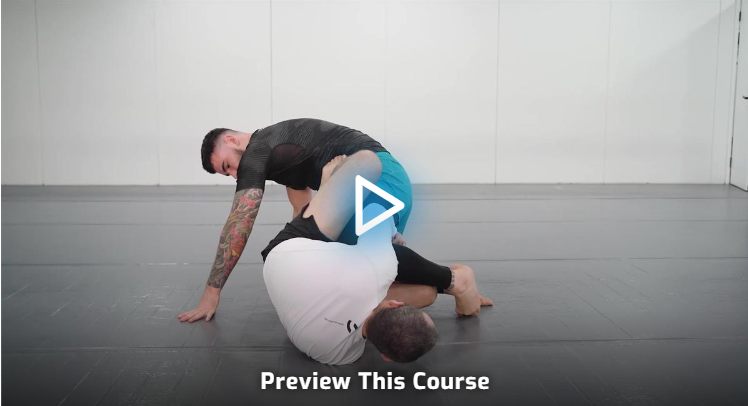
Michael Pixley's Close The Gap BJJ DVD

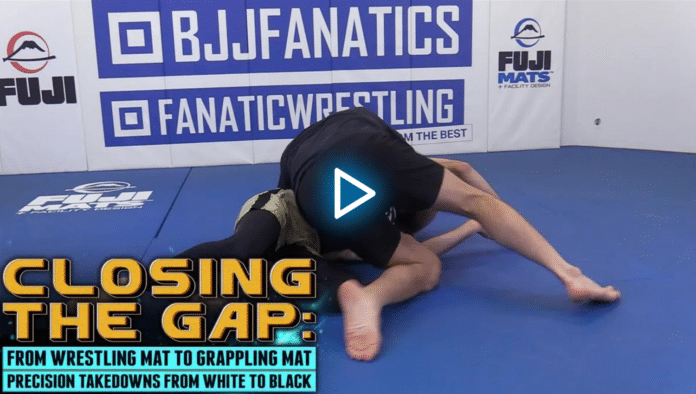
If you are looking for a shortcut to make your sucky BJJ takedowns better fast, then turning to seasoned grapplers with a wealthy wrestling pedigree, such as Michael Pixley is a no-brainer. Michael has come up with a very easy system of teaching everyone, white to black a key lesson in standup grappling – how to get closer to your opponent.

Closing The Gap is a 4-part BJJ DVD instructional that offers efficient ways to master the hardest part of takedowns – getting close enough to your opponent to be able to perform any of the hundreds of different takedown moves and sequences.

If you want to know exactly what you’re getting from this DVD, where the infamous Heath Pedigo collaborates with his student, expert wrestler Michael Pixley check out the detailed part-by-part review further in this article. Or, take our word for it, and go get the DVD now!
Closing The Gap - A Michael Pixley DVD Review
Check out the Michael Pixley DVD Review: Close The Gap

KEY TAKEAWAYS

  • Extremely well-organized content according to the BJJ belts; 
  • Easy wrestling tasks that will teach you how to make your takedowns work;  
  • The Daisy Fresh takedowns system taught by an NCAA and NAIA Champion;
  • 4 volumes with a total running time of just under two hours; 
  • BJJ World Expert Rating: 8 out of 10

GET THE FULL ‘CLOSING THE GAP’ DVD HERE!

Why Closing the Gap is Important

Whenever I am teaching people wrestling for BJJ, particularly those new to the sport, the very first task they get is getting close to their opponent and attaching themselves in a way that opens up takedown attacks. As it turns out, this is the hardest part of taking someone down to the mats!

We all know that taking someone down from a distance only works in Master Ken videos and Aikido demonstrations. If you want to wrestle someone to the mats while they are resisting, you need to get close and personal with them. That means winning the grip fight and locking either the leg(s), neck, or waist of your opponent.

The main issue I find with closing the gap is that it is impossible to predict how an opponent is going to react, as moving while standing is much faster and chaotic than grappling on the mats. Enter this Michael Pixley DVD, with a very precise structure organized by BJJ belt level,  to offer a practical solution to this problem.

The Grappling Pedigree of Michael Pixley

You’ve heard of the Daisy Fresh BJJ team, haven’t you? Of course, you have. Well, you already know how effective they are on the mats, and that the crazy system developed by head coach Heath Pedigo works like a charm.

What you probably don’t know is that the team’s prowess in standing exchanges is down to Michael Pixley, a seasoned wrestler with more than 18 years of high-level experience. The NCAA and NAIA National Champion is also extremely efficient at BJJ, as demonstrated by the fact that he has several notable titles IBJJF titles at major tournaments like the Pans and the Worlds.

All in all, Michael is the perfect fit when it comes to learning takedowns specifically tailored for BJJ – he has done both wrestling and Jiu-Jitsu at the highest levels, and has an incredible approach to coaching and organizing content. Keep reading to find out more, or just go get his DVD now!
Michael Pixley Close the Gap DVD Review
Michael Pixley’s Close The Gap BJJ DVD

A Detailed look at the “Closing The Gap” Michael Pixley DVD

Closing the gap is a DVD offering systematized material, organized into 4 different volumes, which are further divided into specific chapters. Pixley smartly uses the BJJ belt system to scale the difficulty of the techniques and concepts presented in different portions of this instructional:

Part 1 – White Belt

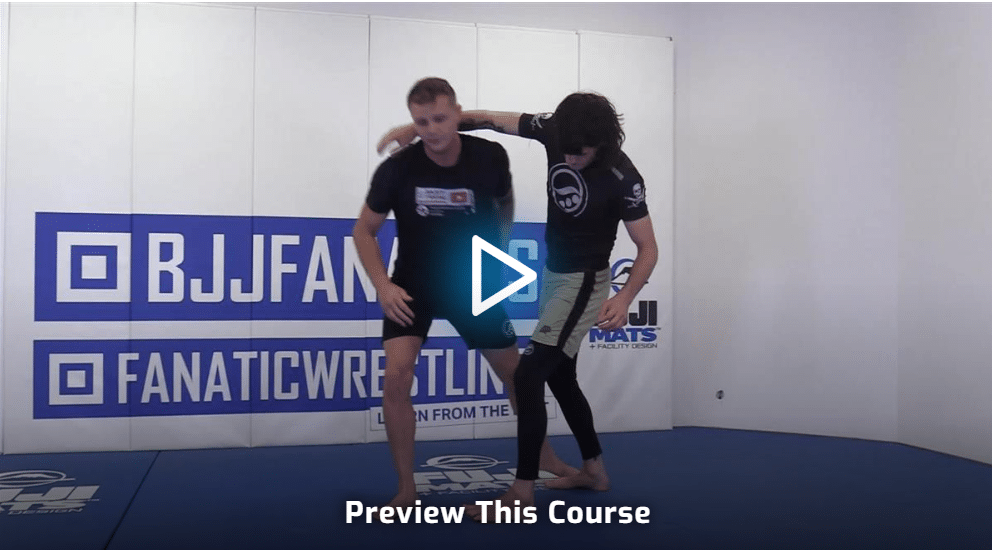
Kicking things off is what is arguably the most important volume in the series – a system to any white belt a threat on the feet. Michel Pixley starts with a stance and grip fight, before going deeper into more precise standing engagements.

The focus is mainly on the front headlock position, which, given that it is intended for white belts, is the perfect choice. A bunch of 2-on-1 grip configurations feature here, along with the unmistakable snap-down that opens up a route into the front headlock.

There are also lots of single-leg takedown options that open up using the same stance and grip fighting principles the volume opened up with. Pixley also offers some fancier moves for more adventurous white belts, such as knee taps and throwbys.

Part 2 – Blue Belt

If you expect the material in this Michael Pixley DVD to get more interesting with every volume, you won’t be disappointed. For all the enthusiastic blue let’s out there, who are looking at closing the gap, Michale offers fun ways of getting into position for the double leg takedown.

The grip fighting tactics also change to offer more versatility, such as Russian ties, overties, and ways to deal with some of the most common reactions people have to the double leg, both as an entry and a takedown.

Part 3 – Purple and Brown Belt

This is where things get more complicated. Just like BJJ. The third volume in the series covers even more information suited for purple and brown belts, which builds on the foundations laid in the previous parts.

For purple belts, Michael opens up new dimensions available from the front headlock mostly in the form of cradles, which I found to be particularly efficient in Jiu-Jitsu. Ankle picks also reappear in this section, albeit with more angles and details compared to the initial white belt instructions.

Pixley introduces fakes and some highly specific wrestling grips, like the football grip and deep underhooks. This portion of the instructional is all about putting everything he showed up to this point to use by threatening with staples such as headlocks and single legs and switching attention to ankle picks, low singles, and dragdowns.

Part 4 – Black Belt

To be honest, this is one part of the DVD I would’ve skipped, as I feel that by black belt, people already have their idea of what they can, and more importantly, can’t do. They also have more than enough experience to tailor a standing game to their preferences, so I think Pixley would’ve been better suited to dedicating this part to include more brown belt combinations and tactics.

Michael simply directs black belts to wrestle in this section, applying their style to anything they do. I tend to agree, but would also like to add that at black belt, wrestling as a means of effective guard pulling should also be covered.

How to Use this DVD

In my opinion, Michael Pixley made a great selection of highly effective wrestling moves that work perfectly in Brazilian Jiu-Jitsu. He also managed to organize them by BJJ belt level in a way that works, which I was skeptical about when I saw the content before watching the entire DVD. He definitely changed my mind.

The best way to learn wrestling for BJJ is to do it over and over again, in every practice session. I would recommend that you watch every part of this instructional, even if you are more experienced, as that is where Michael presents the fundamentals that he uses to build a more versatile wrestling game in the following parts.

Remember that the main focus is on closing the gap, so measure your success on how well you can manage distance and attach yourself to the opponent. rather than success with taking people down, at least as you begin using this instructional.

Close the Gap on Successful Takedowns Today!

There is plenty of content out there to help you figure out takedowns for Brazilian Jiu-Jitsu, but it is mostly offering wrestling or Judo-specific moves that do not translate directly to what BJJ folks need. Michael Pixley managed to bridge this particular gap, as well as offer what I’d call the only takedown instructional successfully systematized using the BJJ belt system.

So, if your takedowns need work, which they most likely do, grab this DVD if you’re anywhere in the range between white and brown belts in Jiu-Jitsu. I am confident you’ll learn a lot and reap quick benefits if you follow Pixley’s system that made the DaisyFresh team so scary on their feet!

DOWNLOAD MICHAEL PIXLEY’S ‘CLOSING THE GAP’ DVD HERE!

The Best WRESTLING DVDs And Digital Instructionals

“Power Ride Pinning” Craig Jones Jiu-Jitsu DVD Instructional REVIEW

Click Here

The LIST of ALL Brazilian Jiu-Jitsu and Grappling DVDs EVER MADE
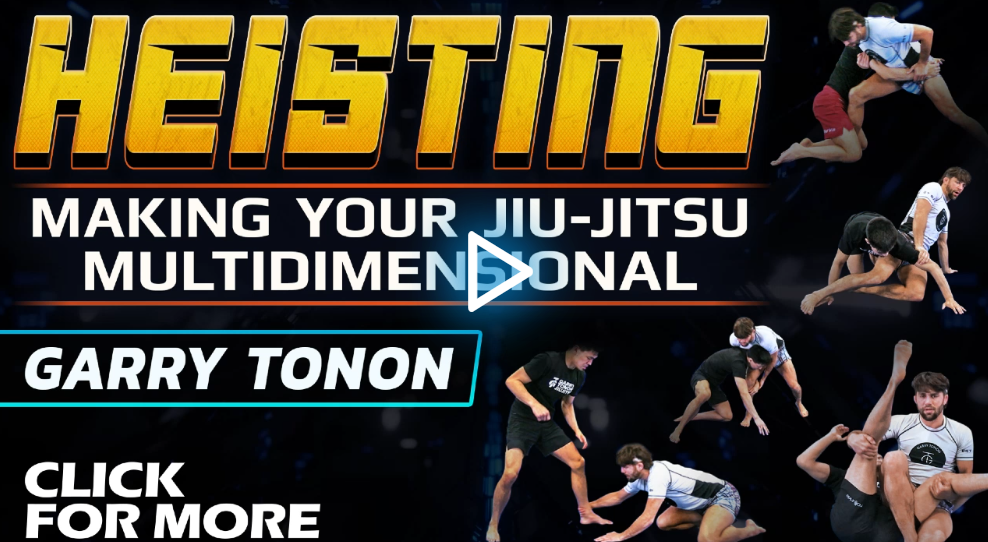
Garry Tonon DVD Review – Heisting: Making Your Jiu Jitsu Multidimensional

Heisting: Making Your Jiu Jitsu Multidimensional- A Garry Tonon DVD Review
Get Garry Tonon's Heisting BJJ DVD

This is one of those DVD instructions that teach you the whole BJJ game by focusing on movement rather than going off the deep end with endless details on techniques that you’ll likely never remember. Garry’s intent with this is to help you integrate standing and groundwork, not just when going to the ground but also when standing up.

Just like with any other Garry Tonon DVD instructional, this one delivers on its promise. Gary managed to figure out a way to present the true power and potential of hip heisting in BJJ, turning one of the most dismissed and ignored movements into the subject of an 8-part instructional that will make you a better grappler.

GRAB THE HEISTING GARRY TONNON DVD HERE!

Heisting: Making Your Jiu Jitsu Multidimensional- A Garry Tonon DVD Review
Get Garry Tonon’s Heisting BJJ DVD

KEY TAKEAWAYS

  • A No-Gi, 8-part instructional, with over 5 and half hours of material;
  • Seamless integration of standing, top, and bottom positions using one move; 
  • You’ll learn winning scrambles and set up wicked submission traps; 
  • A multidimensional approach to training and teaching Jiu-Jitsu; 
  • BJJ World Expert Rating: 10 out of 10

The Lost Art of Heisting for Grapplers

If there is one thing that anyone who has been training for more than a couple of months hates hearing in BJJ class is ‘Okay, guys, let’s do some hip escapes’. The blame for that lies with coaches, though.

Having people practice endless hip escapes, a.k.a. hip heists, a.k.a. shrimps across the mats is a waste of everyone’s time and a complete misrepresentation of a very powerful movement in BJJ. Allow me to elaborate.

Heisting is not a defensive movement to get you out of side control. In fact, that is one example where it doesn’t work. Heisting refers to moving your hips in the direction of your butt, but not in just one direction, but rather all available ones. This includes vertical motions as well as horizontal which is the cornerstone of this Garry Tonon DVD.

Did he manage to capture the true essence of heisting for grappling? Well, he had 8 volumes and just under 6 hours to achieve it, but you don’t have to get the instructional to find out the answer – just check out the detailed review of every part that we prepared below.

Do We Really Need to Talk About Garry Tonon?

Dubbed “The Most Exciting Grappler Alive”, Garry Tonon is a name everyone knows in the grappling world and a rising one in the MMA realm. One of the original trio of Danaher Death Squad members to reach notoriety with leg locks, Garry represents the New Wave Jiu-Jitsu team but is more focused on his ONE FC MMA performances rather than pure grappling competition.

Garry got his black belt from Tom DeBlass and Ricardo Almeida but has spent most of his professional grappling career as one of John Danaher’s prodigy students. While everyone’s still waiting on Tonon’s first ADCC title, he does boast an impressive competition pedigree which includes several EBI World Champion titles, and Pans title.

The most exciting part about Gary Tonnon’s style of grappling is how he moves. he places a lot of emphasis on motion, wearing down opponents with relentless movement, which is all aimed at opening up submissions across the entire body. One of the pillars of this style is heisting, a multidimensional approach to BJJ he shares with us in this instructional.


GRAB THE HEISTING GARRY TONNON DVD NOW!

A Detailed Review of Garry Tonon DVD about Heisting

Garry’s immaculate organization of this DVD ensures that he covers more aspects of heisting than you could possibly think about. I admit, some of these uses and iterations of this underrated foundational movement were eye-openers for me as well. From leglocks and takedowns, Tonon takes us through pins, escapes, scrambles all the way to inversions all by focusing on how to heist your hips:

Part 1 – Leg Locks

You’d expect a Tonon DVD to feature leglocks, so Gary decided to kick things off by addressing heisting in relation to the famous Ashi Garami leg lock system. Most of the focus in this par is on entries into leglocks, from top and bottom.

Heisting helps open up a sliding motion which Gary uses as the key method to execute cross, double leg, and even back side entires into leglocking positions. The wrap-up in this part is a section covering the ankle pick by way of heisting.

Part 2 – Sumi Gaeshi

If you’ve seen Tonon grapple, you know how much he likes to use ‘sacrifice throws’ in his game. Sumi Gaeshi is the perfect example, a staple in both Judo and BJJ when it comes to taking someone the mats by pulling them on top and over your head.

This volume starts with footwork that makes heisting possible, which, in turn, makes the throw unstoppable. In true Tonon style, he then shows how you can spread towards a ton of attacks, from Ashi Garami leg locks to Kimura finishes.

The best aspect of this volume of the DVD is that he offers ways to heist and end up with a Sumi Gaehsi sweep from different guard scenarios, in addition to using it for surprisingly fast throws.

Part 3 – Back Attacks

Another staple of Garry Tonon’s game is slick and lightning-fast back takes from literally everywhere. It turns out he was using heisting to make it all happen so effectively.

Most of the chapters in this section of the instructional cover ducking, which is much more than just a way to expose the back during takedowns. Tonon explores both seated and standing integrations of the heist, throwing in arm drags and hamstring pulls to open up a bunch of different attacking directions.

Part 4 – Pinning and Escaping

One aspect of heisting you are probably aware of already is as a means of getting out of pins. While not really efficient on its own, used to expose submission threats, a heist truly changes how effective you are in dealing with pins.

More importantly, your ability to heist is a great way to ensure you become a lot more proficient at pinning others, by introducing purposeful movement into pinning, rather than just trying to hold someone down statically. The elbow positing chapter is particularly interesting as an opinion of blending together defense and offense.

Heisting: A BJJ DVD by Garry Tonon
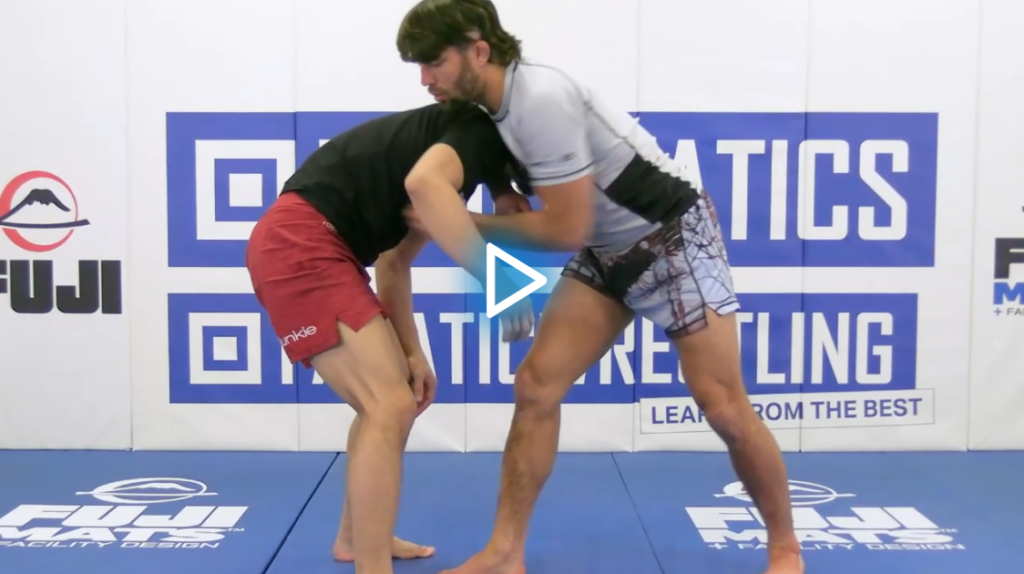
Heisting: A Garry Tonon DVD sample

Part 5 – Heisting For Top Position

A few more integrations of takedowns and pins by way of heisting, with the focus now on the heels-to-butt position. In this volume, Tonon explores Judo-derived foot sweeps and throws, a few more Sumi Gaeshi variations, and inversions that open up a whole new can of movement worms.

Part 6 – Takedowns

In this volume of the Garry Tonon DVD, the focus is on two of the most common wrestling takedown launch pads we use in BJJ. The first one is the single leg, which Gary accentuates with heisting. The second is the front headlock, where the use of the heist is apparent, but Garry still has some useful insights to offer.

Wrapping up is another misused and misunderstood staple grappling movement – the sprawl. Garry explains how heisting makes the sprawl better, introducing a new dimension to it, just as promised in the DVD title.

Part 7 – Scrambling

This volume is probably what most of those who expect the DVD to resemble Gary Tonon’s grappling style expect out of it. The subjects in this volume are versatile and different, but they all have one thing in common – heising.

From the turtle position and passing, to Ashi Garami positions, throws, and takedowns, all the way to funk rolls, Gary manages to pull everything together into a very cool way of using heisting as a safety net and means to end up winning whenever you enter a scramble.

Part 8 – Inversions

Inversions entered BJJ as a way to attack before quickly mutating into one of the best guard retention and recovery means ever, and even a powerful defensive position when done right. Getting in and out of inversions is all about hip hesitating, which just so happens to be the subject of this DVD.

This volume covers the art of heisting into inversions, as well as connecting inversions to leg lock entries based on heisting, like the ones covered in the first volume of this instructional.

CHECK OUT THE FULL GARRY TONNON HEISTING INSTRUCTIONAL HERE!

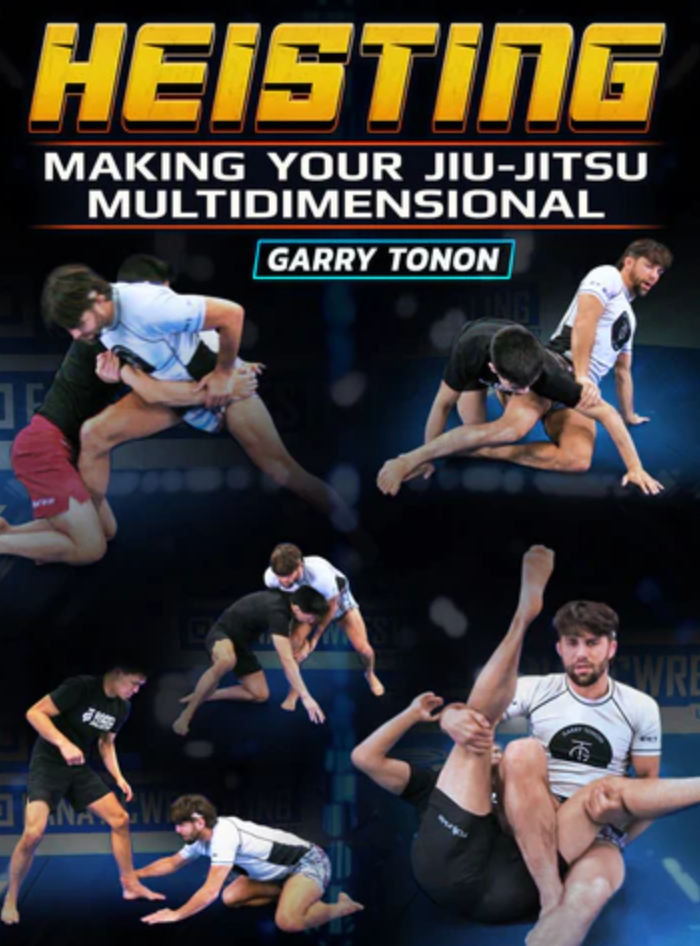
Garry Tonon DVD cover Heisting: Multidimensional Jiu-Jitsu
Heisting: Garry Tonon DVD cover

Heistng Past the Shrimp in BJJ 

From a practical standpoint, the best way to use this DVD is to allow it to change your mind on what hip heisting is.  If you’re expecting an 8-part instructional on shrimping, you’re better off looking elsewhere.

If you want to make your Jiu-Jitu more effective in every aspect, and most importantly, during transitions between top, bottom, and standing positions, then there is no aspect of this DVD that you won’t find useful. The best part is that you don’t have to use the DVD in the order it is shot, but can rather watch any one volume, or even chapter, and still get vital information out of it.

Making Your Jiu-Jitsu Multidimensional

As far as I am concerned, Tonon’s instructionals are a must-have in any grappler’s video collection. This particular one moves past being a collection of endless techniques and concepts and rather teaches you something many thought was impossible – the entire game at once.

There is really not much left to say – this is a 10 out of 10 DVD which any grappler will benefit from watching, even if you don’t finish it. As a black belt who is moving away from a fast-paced movement-based game such as Tonon’s, I still found a wealth of knowledge in this instructional to rapidly improve in all aspects of BJJ.

Grab the heisting DVD by Garry Tonon now and provide yourself with the perfect means to surpass everyone on the mats in record time!

Garry Tonon – Unifying The Systems Instructional Review

“Shoot To Kill: Wrestle, Scramble, Submit” Garry Tonon DVD Review

Exit The System Gary Tonon DVD Review


Lachlan Giles Saddle: A 6 Part BJJ DVD Review

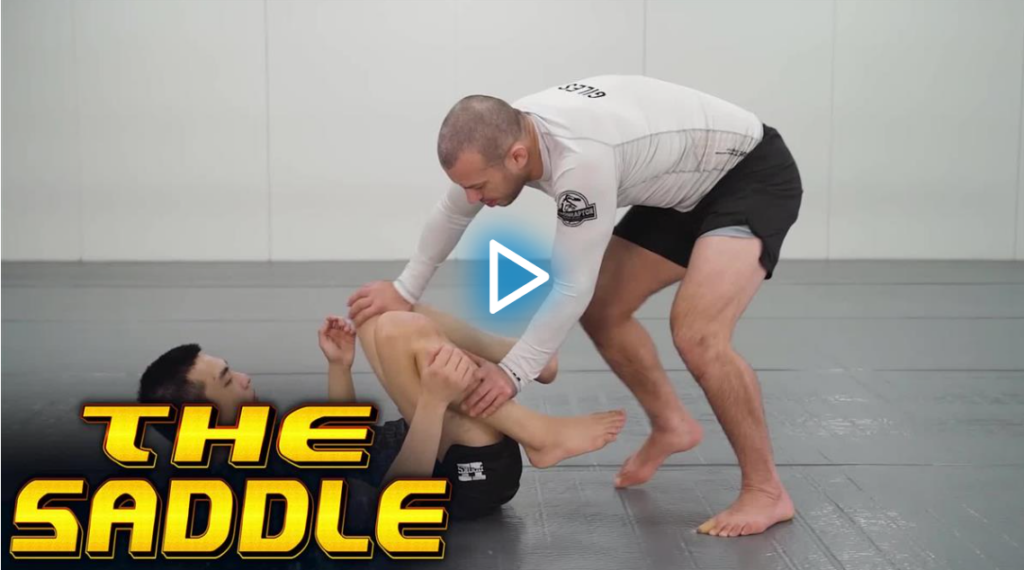
Review of The Lachlan Giles Saddle DVD
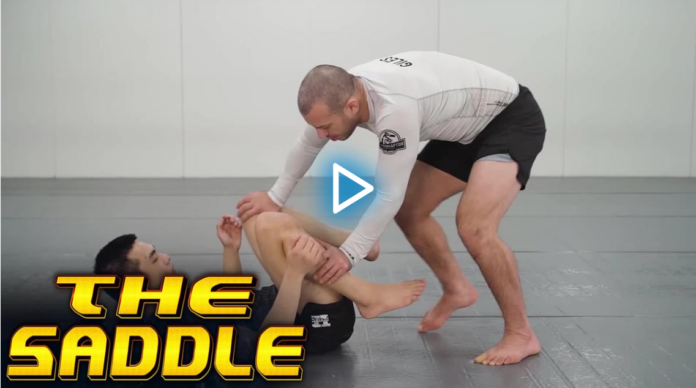
Lachlan Giles Saddle DVD

You think you know everything there is about the Saddle position in BJJ? Well, think again. Many grapplers were also confident that they knew everything about leg locks from the 50/50 position before Lachlan Giles proved them wrong with THAT unforgettable ADCC performance.

Now, there is a new Lachlan Giles Saddle DVD instructional out, and it has the potential to do the same for the Saddle position. Lachlan offers a true masterclass in each volume, covering different specifics of the position and bringing everything together through a series of narrated roles and troubleshooting guides.

Read on to discover exactly what awaits you in this 6-part instructional by one of the best grappling competitors and coaches in the world!

Click Here To Download the Lachlan Giles Saddle Instructional Now!

Lachlan Giles Saddle DVD Review
Lachlan Giles Teaches the Saddle

KEY TAKEAWAYS

  • A new complete system for attacking leg locks from the Saddle position; 
  • Over 5 hours of high-quality leg lock instructions;  
  • Learn how to enter, control, and finish from the Saddle;
  • A unique material organization to guide both new and experienced students:  
  • BJJ World Expert Rating: 9 out of 10

The Leg Lock Position With 100 Names

  • The saddle.
  • The 4/11.
  • The Honeyhole.
  • The Inside Senkaku.
  • The Cross Inside Ashi Garami…

These are just a few examples of different names for the same position. Why did Lachlan choose the Saddle for his DVD? I guess it is a thing of preference and convenience, but from a historical perspective, the position was popularized by Sambo and is referred to as the Saddle in the Russian-born combat sport.

Naming issues aside, the Saddle is one of the strongest positions that allows you to control the lower limbs of an opponent, keeping them with their hips on the mats. Most importantly, it opens up different submission options on the legs without having to leave the position.

While this particular instructional is No-Gi, everything is still applicable to the Gi as well. Also, from an IBJJF-legality perspective, the position itself is fully legal to use at every belt. The submissions people below the black and brown belt can use are limited, but the position itself won’t get you penalized.

The Story of Lachlan Giles

Lachlan is the second most famous Australian grappler in the world, coming in second only to the notoriety his best student to date, Craig Jones brings with him. A physiotherapist by vocation, Lachlan has an immensely deep understanding of how the human body works, which is what allows him to be so efficient at dismantling legs and hyperextending their joints.

Born in Melbourne, Giles got his black belt from John Simon in 2012 and has been teaching at the Absolute MMA Academy for the entirety of his coaching career. So far he has several key competitive titles to his name:

    • 2019 Kinektic Invitational Champion (No-Gi)
    • 2018 UAEJJF Continental Pro Champion (Gi)
    • 2016 & 2017 IBJJF Pan-Pacific Champion (Gi and No-Gi)
    • 2015, 2017 & 2019 ADCC Asia and Oceania Trials Winner (No-Gi)

There is also that memorable performance at the ADCC 2019, where Lachlan tore through the open weight division, despite being the smallest grappler there, leg locking giant grapplers from the 50/50 position to earn a hard-fought 3rd place, and only because he ran into Gordon Ryan in the semi-finals.

Review of The Lachlan Giles Saddle DVD
Lachlan Giles Saddle DVD

Play-By-Play Lachlan Giles Saddle DVD Review

One of the best aspects of this Lachlan Giles Saddle DVD is how he organizes the content so that people of different experience levels know where to start. He also covers every key aspect of controlling and finishing from the position, as well as versatile entries across the material.

The way Lachaln brings everything together is through a set of narrated rolls he presents in the final volume, which is his original way of wrapping up his BJJ instructionals:

Part 1 – Entries

While I tend to prefer entries to go last whenever I teach anything, there is no real flaw in the fact this Lachlan Giles Saddle DVD starts with them. After a general overview of the position and the opponent’s usual reactions, Giles offers new students a key aspect of the Saddle position to focus on before exploring further.

Following suit are a host of different entries from both the top and bottom positions, such as backsteps, butterfly guard entries, stepovers, and the reverse X Guard. He wraps up with info on raping and a great explanation of what the false reap is.

Part 2 – Key Concepts

I really appreciated this volume of the Lachlan Giles Saddle DVD. Instead of jumping in with crazy finishes, he decided to devote an entire volume to the foundational concepts that provide such immense control from the position.

Lachlan talks about developing a strategy for playing the Saddle position and does a detailed comparison of how the position performs vs the 50/50. He uses the key mechanics of a heel hook finish to bring control concepts and goals closer, through guidelines on leg tightness, hip distancing, and heel digs.

Part 3 – The Double Trouble Principle

This one is pretty well known among leg lockers, stating that you need to control both legs before you attack the one you have established as the primary recipient of your attacks. The double trouble position is perfect for those just starting with the Saddle, including some ankle locking options that are legal to perform at all belt levels.

You can expect to learn the ins and outs of stuff like the Aoki lock, the Cloverleaf ankle lock, the Z-lock, etc. Lachlan also talks about the double 50/50 position and how it relates to the Saddle.

Part 4 – Primary Leg Tactics

This is the meat and potatoes of this Lachlan Giles DVD, with a wide range of different attacks regarding the primary leg, which is the one you keep in between your legs and attempt to heel hook.

Once again, Giles starts with primary leg strategies, before delving into how to attack in two different situations:

    1. When the heel is exposed
    2. When the heel is hidden

Both cover finishing strategies ranging from heel hooks to Z locks as well as rolling through to stay in control of the primary leg and using the double trouble principle to enhance said control.

Part 5 – Bottom Saddle

I was pretty cautious when watching this particular volume of the instructional since I suffered a torn knee ligament a few years ago while playing the position, so I’ve been staying away from it.

Lachlan offers options for entering from the bottom, controlling the position, and recovering when the top person is trying to deconstruct it. This is exactly where I got injured, but Lachlan offers a brand new way of playing, one that does not put your knee in any danger.

Having a PhD in physiotherapy with most of his work targeting the knees the best chapter Lachaln offers in this volume is what the bad ideas are in terms of the bottom saddle position. I’d go as far as saying this is the most important chapter in the entire DVD.

Part 6 – Narrated Rolling

The final part of the Lachlan Giles Saddle DVD features narrated rolls that include different sparring partners, with Lachlan narrating everything he is doing during those rolls, in relation to the material offered earlier. He also offers a bunch of very useful drills to help turn you into the next big thing in leg locking.

Learn the Secrets Of the Saddle from Lachlan Giles HERE

Saddling Up For Better Heel Hooks

There is really no doubt that the Saddle position is a highly effective one in BJJ, and heel hooks from there are one of the most dreaded and potentially debilitating submission holds in grappling.  Whether you are a leg locker or you despise them, understanding the Saddle is key for both attacking and defending from the position.

The reason why Lachlan Giles Saddle DVD is your best choice is twofold:

    1. He has a background like nobody else in the field, given his physiotherapy credentials;
    2. He showcased how effective he is with leglocks at the highest levels of competitive grappling.

Unless you can say the same for yourself, then you’ll certainly learn a lot from this Lachlan Giles Saddle DVD, regardless of what you are after – an entire system or just a boatload of details for specific aspects of the position.

So, GRAB IT NOW and start tearing legs off! 

Leg Locks 101: A Guide to Positions, Submissions, Dangers, And Rules

10 Best Leg Locks DVDs and Digital Instructionals

Lachlan Giles Leglocks DVD: Leg Lock Anthology 50/50 Review

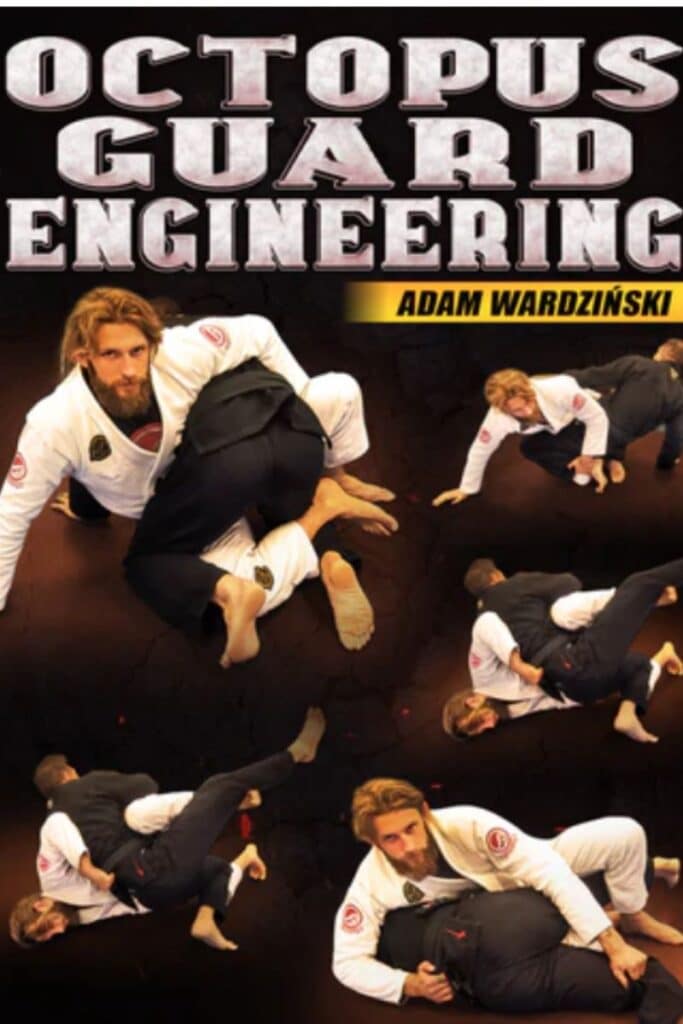
BJJ World Champion Adam Wardzinski – Octopus Guard DVD Review

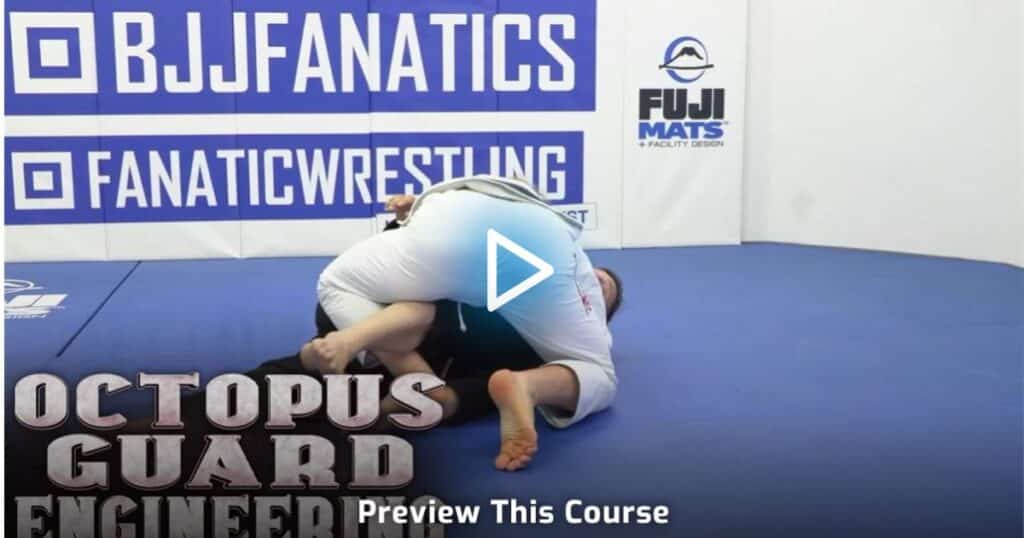
Adam Wardzinski - Octopus Guard DVD Review
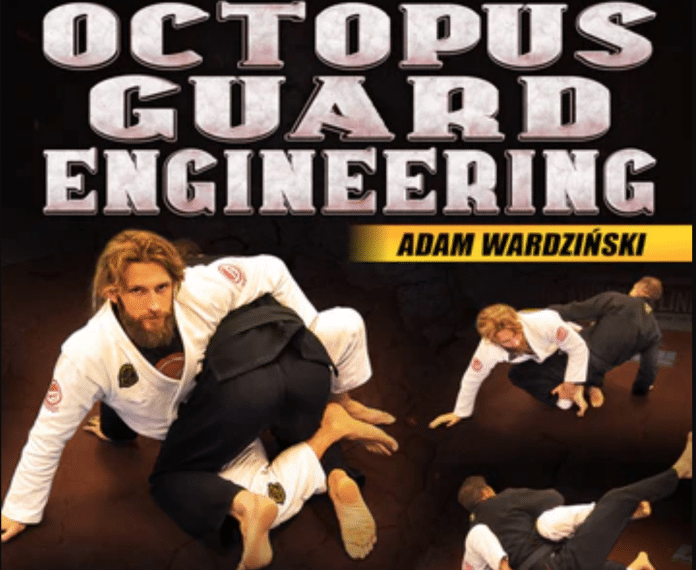
Octopus Guard DVD by Adam Wardzinski

Ready to learn some different guard magic, from the 2024 IBJJF black belt BJJ world champion himself, Adam Wardzinski? Well, I can tell you for sure that you are considering the perfect DVD to surprise people at the gym in the realm of guard.

The Octopus Guard may not be Wardzinski’s signature position, but when it comes to guard in the context of modern Jiu-Jitsu, there aren’t many others I’d pick over Adam, particularly after his stellar performance at the Worlds.

Another thing that is definitely going to work for you if you opt to make the Octopus Guard your own is that it is a relatively obscure position, yet one that is surprisingly effective. Whether you are just a very enthusiastic white belt or a seasoned grappler with decades of experience you have lots to add to your game with this Adam Wardzinski DVD!

Adam Wardzinski Octopus Guard
Adam Wardzinski Octopus Guard Engeneering

KEY TAKEAWAYS

  • A stellar No-Gi guard instructional by BJJ World Champion Adam Wardzinski;
  • Highly systematized content in 5 parts two and a half hours long;
  • Entries, sweeps, back attacks, recoveries, and connections to other guards;
  • Innovative combinations like the top Octopus position;
  • BJJ World Expert Rating: 9 out of 10.  

Get the Octopus Guard DVD by Adam Wardzinski HERE!!!

What is the Octopus Guard?

The octopus guard is a very confusing position, originally presented to the BJJ world by Eduardo Telles. Now there is a name that those who were actively involved in the world of grappling 10-15 years ago are easily going to recognize.

Despite being almost as obscure a figure as his guard is a position, Telles did manage to provide the grappling community with a real treat of a guard. The fact that people are still playing it, including high-profile grapplers like Adam Wardzinski and Oliver Geddes, is a testament to how effective the position is.

If you need a mental image of the Octopus Guard, picture yourself in closed guard, with both your opponent’s arms placed with the palms on the mat to one side of your torso. Those who have some experience are probably thinking ‘Hmmm, sounds like an arm drag’. You’re right on the point!

In fact, to get into the Octopus Guard you want to do an arm drag from the closed guard, and sit up, just like you would for a back take. Instead of transitioning, you place the arm that is closer to your opponent around their waist. You’ve got the octopus ready to go!

Your legs make or break a guard, so in order for the Octopus Guard to be effective, you need to try and keep the ankles crossed. The guard not only works from the half guard as well, I’d argue that it works even better when set up from the half than the open guard. As you’ll find out further in this Adam Wardzinski DVD review, so does he.

Introducing 2024 BJJ World Champion Adam Wardzinski

Adam Wardzinski is a name most people who have been training for at least a couple of years know. Until just a few weeks ago, he was mentioned in two main grappling contexts:

    1. His prowess with the butterfly guard in both Gi and No-Gi, and
    2. His failure to win an IBJJF or ADCC world title using his signature move, or, well, anything.

This second point finally changed on the IBJJF Worlds in June of 2024, with Wardzinski dominating the heavyweight division, winning all his matches by way of submission, and becoming the first-ever European grappler to achieve this title.

Adam was born in Poland, where he still resides, representing the Checkmat team. Warzdzinski, also known as ‘Megatron’, got his black belt from Alan “Finfou” do Nascimento in 2016, which is when he became known as a fierce competitor with an exceptionally effective butterfly guard game.

In all honesty, Adam’s trophy cabinet is not with some huge accolades. I’ll include his latest victory so that you can get the whole picture:

    • 2024 IBJJF World Champion (Gi)
    • 2023 IBJJF Pan Champion (Gi & No-Gi)
    • 2022 / 2024 IBJJF European Champion (Gi)
    • 2021 AJP Abu Dhabi World Pro Champion (Gi)
    • 2018 ADCC European Trials Winner (No-Gi)

Now that you know all about Adam, we can move on to show exactly what you’ll learn after getting his Octopus Guard BJJ DVD.

Octopus Guard Adam Wardzinski BJJ DVD Review

Wardzinski’s Octopus Guard DVD is organized into 4 parts, following the golden standard of BJJ DVD instructional nowadays. It is entirely No-Gi, which makes it immediately applicable in Gi as well, and each part lasts just over half an hour – the perfect length for an instructional:

Part 1 – Intro

The DVD kicks off with Adam Wardzinski laying down the foundations of the positional concepts for the position, and a few of the main entries. In my opinion, these are the trickiest parts, as once you get the Octopus Guard, you’re more or less in cruise control.

I found some really useful tips, particularly his take on dealing with the crossface, which is a common occurrence when you’re setting up the Octopus from the half guard.

Part 2 – Back Exposure

Given the positioning of the Octopus Guard relative to the opponent, attacking the back is the most viable option. Actually, when I come to think about it, the Octopus is like a checkpoint between a closed/half guard and any backtake done from those positions.

Adam shares a bunch of different ways to conquer the back while managing to retain the guard. I like that instead of showing a safety position for retention, Wardiznski actually goes on to cover the most common passes the top person might use, and how to turn the tables as they attempt them.

Part 3 – Sweeps & Attacks

Whenever I’ve experimented with the Octopus Guard, I found sweeps to happen almost inadvertently, as people are afraid of me getting the back more than they are of giving away top position.

Throughout this Adam Wardzinsk DVD review, I discovered a few very original ways to capitalize on such behavior from the opponents, sweeping mostly sideways or raising up to the versatile dogfight position.

Of course, butterfly-based sweeps make up most of the sweeping options in an instructional by Adam Wardiznski. I also like the connection between back takes and sweeps that he demonstrates in this part of the DVD.

Part 4 – More Sweeps and Back Takes

This part is a continuation of the previous one, with Adam showing overhead sweeps as opposed to sideways breakdowns. To be honest, after the abuse of 13 years in Jiu-Jitsu, I am more than content with the easier sweeps from the previous volume, but that doesn’t mean these sweeps and combined back takes won’t work for you.

A particular treat for me, as a mainly defensive player, was the clever interplay Adam demonstrates between the Octopus Guard and the turtle position. Vintage Eduardo Telles stuff taken to new heights!

Part 5 – Top Octopus and Closed GuardVariations

Most of the options offered thus far are from the half guard Octopus position. In the final volume, Adam Wardziski covers the closed guard Octopus as well, offering the same directions of back attacks and sweeps.

Wrapping things up is a section covering some very original takes on the Octopus position. Namely, Adam demonstrates how to play a variation of the guard when you are on top, utilizing well-known checkpoints such as the headquarters position.

Get the Octopus Guard DVD by Adam Wardzinski HERE!!!

Practical Applications

There is not much evidence when it comes to using the Octopus Guard at the highest levels of BJJ competition. That just means there is space for you to make it your own, and become the next BJJ World Champion using this slick guard position.

Based on my experience, the position is effective, albeit it works best as a trap against experienced opponents (brown belt and above). That said, I have only messed around with it, and haven’t done any extensive research.

If you like to expose the back from any guard position, particularly closed versions like a full guard and/or half guard, this position is going to introduce a new dimension into your game. It is also exceptionally useful to those who like to have an ace up their sleeve and enjoy setting dilemma traps for their opponents.

Will the Octopus guard be the centerpiece of your game as a high-level competitor? I doubt it. It will, however, make you a nuisance on the mats, both in sparring and open tournaments, so investing in this Adam Wardzinski DVD is a smart, forward-looking decision.

BJJ World Champion Adam Wardzinski - Octopus Guard Engineering DVD Review
Adam Wardzinski Octopus Guard DVD Cover

Grab the Octopus Guard DVD by Adam Wardzinski Now!

You know how this goes, grab it while it is hot! The Octopus Guard instructional is Adam’s latest DVD, and with his very recent history-making success at the 2024 IBJJF Worlds, interest in his work is only bound to rise.

Get this DVD now, and pick it apart to integrate what works for you in your game. Adam makes it all possible by providing a structure that is easy to follow, yet doesn’t require you to watch everything to get to the final volume.

I’d say this Adam Wardzinsk DVD Review was a real breath of positional fresh air in the dense fog of instructional covering the same old guard positions over and over again. More than well worth it!

Grab the Octopus Guard DVD by Adam Wardzinski Now!!!


Half Guard -The Best DVDs And Digital Instructionals

The Best Closed Guard DVD Instructionals and Digital Releases

Flexible People Enjoy Jiu-Jitsu More: Here’s Why You’ll Want to Start Stretching Today

Flexible People Enjoy Jiu-Jitsu More: Here's Why You'll Want to Start Stretching Today

Jiu-jitsu is a martial art known for focusing on ground fighting and submissions. What jiu-jitsu requires in many situations are strength, strategy, and agility.

While these are crucial elements for jiu-jitsu success, one overlooked component greatly contributes to the enjoyment of training, effortless practice, and overall impression of the sport.

When we mention flexibility, it’s not just about the easier execution of flashy moves. Flexibility transforms your jiu-jitsu experience into something much better. It elevates your enjoyment of the sport to a higher level. Here’s how.

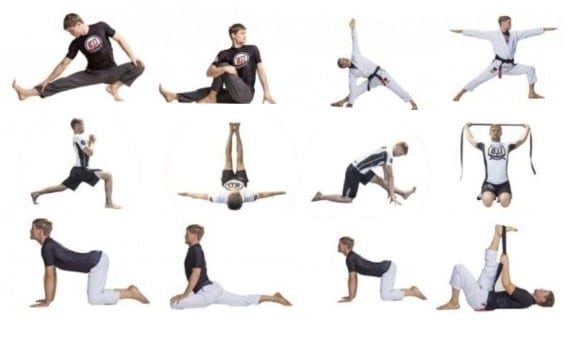
Beginner program yoga for jiu jitsu

Enhanced Mobility and Range of Motion

Flexibility undoubtedly gives you a broader range of motion, allowing you to perform many techniques that would otherwise be difficult or impossible.

As someone who has been focusing exclusively on open guard and guard retention for over ten years, I know how important it is to have flexible hips. Hips are, alongside proper techniques, the most important aspect of guard retention.

Additionally, flexible hips make it easier to transition between various guards, adapt to new situations, and respond to your opponent’s reactions. It is also much easier to maintain control and set up submissions.

Improved Defensive Capabilities

A crucial fact is that a flexible body can easily escape tight spots. When someone applies pressure, and you are flexible, you will notice how even a shrimp escape becomes more efficient. This also applies to full mount and side control, where a flexible person can maneuver more easily.

What’s essential is that someone flexible not only escapes submissions and bad positions more easily but also expends much less energy in the process, as the struggle with their own body is reduced.

Effortless Transitions and Flow

You may have heard that jiu-jitsu is often described as a “game of human chess,” where fluidity and the ability to transition smoothly between positions are paramount. Flexibility significantly aids in transitions and the overall game of human chess. For flexible people, the concept of the game of human chess becomes clear by the second training session, while those who are not flexible might struggle even after a long time, as every transition represents a battle with their own and their opponent’s body.

It’s important to note that flexibility enhances your movements, making them more effective, aesthetically pleasing, and enjoyable.

Yoga for rocks preview
Preview the course of flexibility for rocks

Reduced Risk of Injury

In a physically demanding sport like jiu-jitsu, the risk of injury is always present. However, flexibility significantly reduces the risk of injury and serves as a protective measure. Flexible joints, tendons, and muscles are much better at absorbing impacts and protecting against sudden stretches and awkward movements.

For flexible practitioners, the possibility of strains, sprains, and other common injuries is so reduced that it is rare to find practitioners over 50 who aren’t flexible. Injuries tend to sideline those who are not flexible, diminishing their enthusiasm for training in older age unless they drastically commit to yoga or stretching.

Greater Enjoyment and Longevity in the Sport

When you combine better defense, improved mobility, effortless transitioning, and a significantly reduced risk of injury, it all culminates in a much more enjoyable jiu-jitsu experience.

When you are not constantly struggling with your own body due to a limited range of motion, you can focus on various techniques and strategies within the art, which ultimately makes this sport incredibly interesting. All of this leads to a deeper love for the sport and genuine enjoyment of it.

Effortless Jiu-Jitsu Through Flexibility

You’ve probably noticed people in your academy who spar effortlessly. If you take a closer look, most of those who spar effortlessly and have an effortless jiu-jitsu game are flexible. I would say 99.9% of such practitioners are highly flexible and simply enjoy the sport. They are known for being able to do the most sparring rounds and having the best conditioning. However, flexibility is often the main reason for this.

You can notice how easily they defend their guard, and even when they get into difficult situations, they can quickly escape and continue sparring without problems when others cannot.

Additionally, they are often the last ones on the mat, looking for another round of sparring.

It is crucial to note that flexible practitioners usually experience less soreness and muscle tightness after training, which makes recovery easier and allows them to enjoy the training and recovery process more. Consequently, they can train for more hours.

Conclusion

Whether you are a beginner or someone who has been training for a long time, incorporating flexibility training into your routine is something everyone should do. Reduced risk of injury, fluid movements, and effortless training and sparring are things that everyone practicing jiu-jitsu should have in their arsenal. So, get a yoga mat, start stretching, and watch your game flourish.

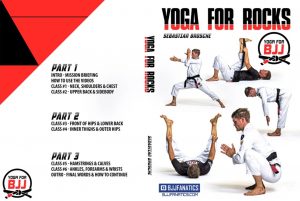
If you want to know how to start and you don’t have any experience with yoga or stretching, “Yoga For Rocks” by Sebastian Brosche is a great way to start to stretch and enjoy Jiu-Jitsu much more

Yoga For Rocks by Sebastian Brosche. 

Yoga For BJJ Sebastian Brosche And the latest Yoga For Rocks DVD

Craig Jones Hosts $1 Million Tournament, Draws More Qualified ADCC Fighters

Craig Jones Hosts $1 Million Tournament, Draws More Qualified ADCC Fighters

Craig Jones has decided to create an unprecedented stir in the grappling world with his ambitious plans to host a tournament boasting a $1 million prize fund.

The Craig Jones Invitational, formerly BDCC, will take place on August 16 and 17 at the Thomas and Mack Center in Las Vegas, the same venue that hosted ADCC 2022 two years ago.

The decision to launch this event stems from Jones’ dissatisfaction with ADCC’s prize payments. Jones is determined to pay fighters significantly more than ADCC, aiming to elevate the status of BJJ athletes worldwide.

“I’m organizing an event that pays athletes 100 times more than ADCC pays its winners, and I will donate all ticket sales proceeds to charity,” Jones wrote on Reddit.

Jones confirmed and provided a screenshot showing that the tournament funds are secured and the participants will be paid in full. Nicky Ryan also confirmed this, stating:

“The screenshots of Jones’ account for the tournament are real, and there’s no scam involved. This money is very real,” Nicky Ryan declared.

Jones has also included a women’s division in the tournament, emphasizing that it would be unfair for female grapplers like Ffion Davies to miss out on rewards and not be part of the event.

What has particularly intrigued the Jiu-Jitsu community and sparked controversy is the fact that the tournament is scheduled to take place simultaneously with ADCC 2024.

This timing is intentional, as Jones aims to directly compete with ADCC, encouraging everyone to reconsider the payment and status of fighters. He has called upon fighters and the community to support his event, which promises significant rewards.

“Reach out to the fighters for me. Push them in the right direction,” stated Craig Jones.

Unsurprisingly, this move has not been well received by everyone at ADCC, especially its president, Mo Jassim, who has sharply criticized Jones’ intentions and event.

“Craig Jones is doing this just to counterprogram us or out of spite, and those aren’t legitimate reasons to do anything at all,” Mo Jassim stated.

Given that Jones is offering unprecedented rewards of $1 million for a single tournament, free streaming on YouTube, and a timing that directly competes with ADCC, this event could be crucial in improving the situation in Jiu-Jitsu.

ADCC is already feeling the impact, as qualified fighters are leaving the ADCC event for the CJI (Craig Jones Invitational).

Whether Jones’ move will bear fruit remains to be seen, but it is certain that many will question what is right and could set new standards for future events and compensation for Jiu-Jitsu fighters.

Craig Jones announced that former UFC champ Luke Rockhold is coming to his tournament. Also, Ffion Davies and William Tackett have withdrawn from ADCC. Jones also stated that more fighters are expected to join.

Whose side are you on? Do you think Jones’ move is the right one?

ADCC 2024 Competitors – Full List UPDATED

ADCC 2024 competitors list

Below is the list of all confirmed competitors at the ADCC 2024. We’ll update the list regularly as athletes join it.

ADCC 2024 Super Fight

  • Gordon Ryan vs. Yuri Simoes

Men’s Divisions

-66 kg

  • Diogo Reis (Reigning Champion)
  • Owen Jones (1st European Trials winner)
  • Dorian Olivarez (East Coast Trials winner)
  • Ethan Thomas (1st Asia & Oceania Trials winner)
  • Gairbeg Ibragimov (2nd European Trials winner)
  • Kennedy Maciel (1st South American Trials winner)
  • Fabricio Andrey (2nd South American Trials winner)
  • Deandre Corbe (West Coast Trials winner)
  • Huaiqing Xu (2nd Asia & Oceania Trials winner)
  • Ethan Crelinsten (Invited)
  • Kauã Gabriel (Invited)
  • Ashley Williams (Invited)
  • Keith Krikorian (Invited)
  • Josh Cisneros (Invited)

-77 kg

  • Kade Ruotolo (Reigning Champion)
  • Jozef Chen (1st European Trials winner)
  • Elijah Dorsey (East Coast Trials winner)
  • Kenta Iwamoto (1st Asia & Oceania Trials winner)
  • Tommy Langaker (2nd European Trials winner)
  • Luiz Paolo (1st South American Trials winner)
  • Alexandre de Jesus (2nd South American Trials winner)
  • Andrew Tackett (West Coast Trials winner)
  • Levi Jones-Leary (2nd Asia & Oceania Trials winner)
  • JT Torres (Invited)
  • Nicky Ryan (Invited)
  • Jonnatas Gracie (Invited)
  • Mica Galvao (Invited)
  • Dante Leon (Invited)
  • PJ Barch (Invited)
  • Oliver Taza (Invited)

-88 kg

  • Giancarlo Bodoni (Reigning Champion – Not yet confirmed)
  • Santeri Lilius (1st European Trials winner)
  • Jacob Couch (East Coast Trials winner)
  • Izaak Michell (1st Asia & Oceania Trials winner)
  • Taylor Pearman (2nd European Trials winner)
  • Charles Negromonte (1st South American Trials winner)
  • Pedro Marinho (2nd South American Trials winner)
  • William Tackett (West Coast Trials winner)
  • Lucas Kanard (2nd Asia & Oceania Trials winner)
  • Tye Ruotolo (Invited)
  • Gabriel Almeida (Invited)
  • Jacob Rodriguez (Invited)

-99 kg

  • Kaynan Duarte (Reigning Champion)
  • Luke Griffith (1st European Trials winner)
  • Paul Ardila (East Coast Trials winner)
  • Declan Moody (1st Asia & Oceania Trials winner)
  • Marcin Maciulewicz (2nd European Trials winner)
  • Cassio Felipe Costa (1st South American Trials winner)
  • Henrique Ceconi (2nd South American Trials winner)
  • Michael Pixley (West Coast Trials winner)
  • Daniel Schuardt (2nd Asia & Oceania Trials winner)
  • Mason Fowler (Invited)
  • Cyborg Abreu (Invited)
  • Roberto Jimenez (Invited)
  • Rafael Lovato Jr. (Invited)
  • Eli Braz (Invited)

+99 kg

  • Gordon Ryan (Reigning Champion – Not yet confirmed)
  • Heikki Jussila (1st European Trials winner)
  • Daniel Manasoiu (East Coast Trials winner)
  • Josh Saunders (1st Asia & Oceania Trials winner)
  • Mark MacQueen (2nd European Trials winner)
  • Jose Inacio (1st South American Trials winner)
  • Victor Honorio (2nd South American Trials winner)
  • Mike Perez (West Coast Trials winner)
  • Mansur Makmakhanov (2nd Asia & Oceania Trials winner)
  • Victor Hugo (Invited)
  • Nick Rodriguez (Invited)
  • Gutemberg Pereira (Invited)
  • Felipe Pena (Invited)
  • Josh Saunders (Invited)

Women’s Divisions

-55 kg

  • Ffion Davies (Reigning Champion – at -60 kg from old weight divisions)
  • Margot Ciccarelli (European Trials winner)
  • Ana Rodrigues (South American Trials winner)
  • Jasmine Rocha (West Coast Trials winner)
  • Adele Fornarino (Asia & Oceania Trials winner)
  • Mackenzie Dern (Invited)
  • Mayssa Bastos (Invited)

-65 kg

  • Aurelie Le Vern (European Trials winner)
  • Ana Carolina Vieira (South American Trials winner)
  • Helena Crevar (West Coast Trials winner)
  • Sula-Mae Lowenthai (Asia & Oceania Trials winner)
  • Bia Mesquita (Invited)
  • Brianna Ste-Marie (Invited)
  • Amanda Leve (Invited)
  • Morgan Black (Invited)

+65 kg

  • Nia Blackman (European Trials winner)
  • Maria Ruffato (South American Trials winner)
  • Elizabeth Mitrovic (West Coast Trials winner)
  • Nikki Lloyd Griffiths (Asia & Oceania Trials winner)

Notes and Updates

  • April 24: PJ Barch (-77 kg), Ffion Davies (-55 kg), and Bia Mesquita (-65 kg) confirmed.
  • April 29: Brianna Ste-Marie (-65 kg) confirmed.
  • May 6: Jay Rodriguez (-88 kg), Nick Rodriguez (+99 kg), Ashley Williams (-66 kg), Gabriel Almeida (-88 kg), and Gutemberg Pereira (+99 kg) confirmed.
  • May 8: Keith Krikorian (-66 kg), Josh Cisneros (-66 kg), Amanda Leve (-65 kg), and Morgan Black (-65 kg) confirmed.
  • May 11: Rafael Lovato Jr. (-99 kg) confirmed, eight winners from the ADCC Asia & Oceania Championships confirmed.
  • May 15: Felipe Pena (+99 kg), Josh Saunders (+99 kg), Eli Braz (-99 kg), and Oliver Taza (-77 kg) confirmed.

How to Watch ADCC 2024

The 2024 ADCC World Championships will be streamed live on flograppling.com on August 17&18.

Legs or Hands: The Importance of Choosing the First Contact in Jiu-Jitsu

Legs or Hands: The Importance of Choosing the First Contact in Jiu-Jitsu

In jiu-jitsu and all grappling sports, the first contact often sets the tone for the fight and can be a decisive moment that shapes the outcome.

At the moment when you’re faced with the decision of whether to use your hands or feet to establish the first contact, understanding the dynamics of both options is crucial.

Given that grappling sports revolve around the concept of connection, how we initiate this vital contact is of utmost importance.

Whether you’re trying to establish control or aiming for submission, it all starts with deciding whether that contact will be made with the hands or feet.

What’s important to note that the first contact’s decision doesn’t depend on us but on our opponent. It relies on their position, movements, and intentions. Often, our choice depends on whether our opponent reveals any weaknesses in their movements.

In No-Gi grappling, where grips are limited compared to Gi grappling, we often establish the first contact with our feet, focusing on the ankles and knees. Then, the hands come into play, seeking grips on the wrists, collar, and elbows, depending on the situation and our opponent’s position.

All of this is aimed at establishing control and manipulation over our opponent.

Nicky Ryan is one of the competitors who pay special attention to the first contact with his feet because they provide him with signals about the opponent’s movements, which he then uses to execute his planned attacking techniques. Nicky has explained his entire Wrestle Up system in his instructional series called “Wrestle Up” where he explicitly uses his feet as the first contact, followed by his hands.

Just as we test the waters before diving in, the first contact is something that is extremely important and serves as a scouting mission. We test the opponent’s defense and vulnerabilities, and we check their tendencies and identify gaps in their game that we can exploit.

In the end, mastering the initial contact requires a deep understanding of the sport itself so that we know when to use our hands and when to use our feet. Improving that first contact will help us adapt more easily to our opponents and their intentions.

Think about this a bit more and plan for what you’ll establish first contact with each time. Practice different scenarios, and you’ll see how many quality follow-ups you create from different contacts, almost unconsciously.

Why Do White Belts Quit BJJ?

Why Do White Belts Quit in BJJ?

If you’ve been training Jiu-Jitsu for some time, you’ve probably noticed that many students who come to Jiu-Jitsu quickly quit. It makes people wonder why they even came if they give up after a short time without exploring the skill and never return.

The journey into Jiu-Jitsu starting with a white belt is very challenging for many, from many aspects, making it seem like an insurmountable mountain. New white belts can’t grasp that the Jiu-Jitsu journey is simple if you don’t try to master it instantly.

So why do people give up?

This is a question that many in BJJ ask every day, especially gym owners and coaches.

What particularly intrigues us is why some students who are very enthusiastic about training BJJ, in the beginning, quit long before reaching the blue belt.

Studying this phenomenon and talking to various professors, and students, and through various surveys, we have come to some conclusions that we think are the reasons.

Why do white belts quit?

If we ask how much time and training per week is needed for progress in Jiu-Jitsu, we can say that even one session a week is enough for progress. However, is one training session per week enough for progress compared to other students especially those who started training when you did? We can say that it isn’t.

Jiu-Jitsu requires a lot of time, and it’s not something everyone can keep up with. To maintain the will and desire to train, you need to invest at least 3 training sessions per week to progress enough for that progress to push you forward.

Here we have a vicious circle because if you spend much time somewhere where you don’t see progress, you lose interest in it. This problem happens to all white belts for whom everything in BJJ seems impossible to learn anyway. When we combine this with slow progress because some don’t have time for training, quitting training is the only logical sequence of events.

Furthermore, individuals starting BJJ have various goals. Some want to learn fighting skills, some want to learn self-defense, some want to raise their fitness level, and some want to socialize through sports. Considering the differences in the reasons for training, intensity varies from student to student, and therefore, some become discouraged by others and stop training.

Mental and Physical Barriers

Just knowing and understanding techniques in BJJ is one thing, but applying those techniques against sparring partners who resist using all their strength and knowledge is something completely different.

No matter how many times you practice a technique on a partner who doesn’t resist, you will never perform that same technique effortlessly on someone who resists.

The mechanics of each move differ greatly in sparring compared to drills, so each one requires going through sparring for our body to get used to and learn how to apply it in real situations. This is also why all self-defense skills don’t work in reality because they are only practiced and not applied in sparring and real situations.

Since BJJ is absolutely real in every aspect, and the training sessions themselves are based on real scenarios and fights, it often happens that white belts are discouraged by the “I don’t know anything” attitude and don’t give themselves time to learn how to apply things in real combat.

Wrong Environment

In many cases, the sense of camaraderie can significantly affect the decision whether to stay or leave BJJ. The approach to BJJ and especially sparring must be in the spirit of healthy competition. That’s precisely why BJJ is becoming an increasingly popular sport. Namely, absolutely everyone who understands how this sport works strives to maintain a positive sports spirit in the gyms.

This is one of the reasons why finding the right academy is very important. A place where everyone is geared towards victory, and submissions, and where they tally “victories” and “defeats” in sparring against each other is certainly not encouraging for white belts.

Wrong Mindset

Having a wrong mindset means we’ll face so many “problems” that aren’t problems but seem very large to white belts.

As a beginner in any sport, especially one with as many techniques and unknowns as Jiu-Jitsu, it is important for white belts to reconcile their lack of experience and unfamiliarity with techniques.

It is important not to let the fear of the unknown discourage you in your further training. As you know, every black belt was once a white belt. As we like to say in Jiu-Jitsu, every black belt is a white belt who never gave up.

What is important to accept is that BJJ is a sport that requires patience and perseverance no matter how slow progress may be sometimes.

What we know is that it is very important to set goals for ourselves and that we all have goals to achieve. Whether we reach our goals faster or slower doesn’t matter because every journey through Jiu-Jitsu is individual.

We all know that it is easiest to make excuses for not doing something and why something doesn’t work, however, the right approach is to seek solutions and ask as many questions as possible to your higher-ranked colleagues or coaches.

Setting Unrealistic Goals

One of the biggest reasons white belts quit BJJ is setting unrealistic goals. None of us experienced in the sport progressed overnight, so you won’t either. None of us were able to win every spar right from the start, so you won’t either.

This is the case in all sports, not just Jiu-Jitsu. In Jiu-Jitsu, you experience this “reality check” every training session, so it’s a little harder to take than in team sports where you can always blame someone else. And even in some other martial arts, it’s easier because you don’t have to spar every training session or attend sparring sessions. In BJJ, every training session involves sparring because no one will hurt you, and you can work at 100%, so there are no excuses for poor performance and “losing”. You simply have to accept reality and strive to be better, learning something from every subsequent training session.

Given all of the above, we conclude that it is most important to set realistic goals for yourself and accept reality as it is, real, as it is. It is very important not to compare ourselves to others because we don’t all have the same lives, the same time, the same affinities, or abilities.

Focus on mastering the basics, be consistent in training, and arm yourself with a lot of patience and practice, and the results will come sooner than you expect.

Mikey Musumeci Challenges Kade Ruotolo in Historic Title Fight

Mikey Musumeci Challenges Kade Ruotolo in Historic Title Fight

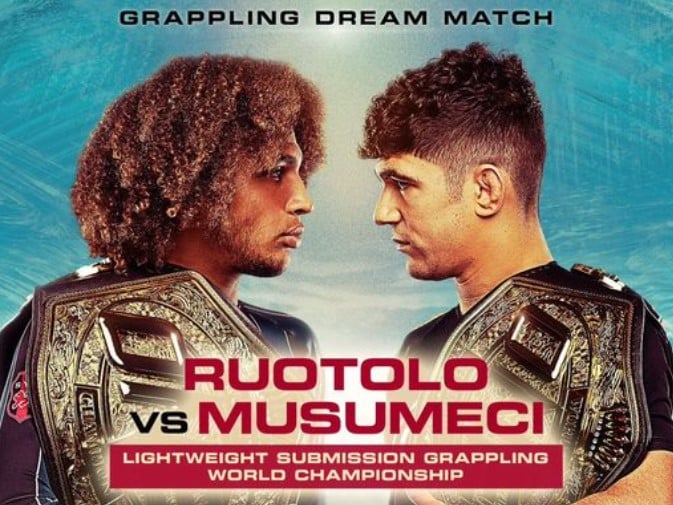
In one of the most anticipated matchups currently possible in the world of Jiu-Jitsu, we have the clash between two undefeated titans, Mikey Musumeci and Kade Ruotolo. The bout is scheduled for September 6th at the Ball Arena in Denver, Colorado.

Darth Rigatoni, Mikey Musumeci’s nickname in ONE Championship, has already notched up 6 consecutive victories against more or less elite opponents. But what Mikey is aiming for now are two belts in two weight classes that couldn’t be further apart. In this showdown, Mikey is prepared to move up three weight classes to challenge Kade Ruotolo for the ONE belt.

On the other hand, Kade Ruotolo is the current lightweight champion of ONE with an impressive score of 6-0 and at just 21 years old. Being the youngest ADCC champion ever, his skill is unquestionable at any given moment. Additionally, unlike Mikey, he’s accustomed to shaving weight to meet the challenge posed by Mikey.

Given that both fighters are at the pinnacle of the Jiu-Jitsu sport and practically untouchable in ONE, we can say that this matchup is a spectacle even before the fight itself. And it’s safe to predict that the fight itself will be one of the biggest spectacles in grappling history to date.

What’s certain is that fans eagerly anticipate this bout and the moment when Ruotolo and Musumeci will face each other on the big stage, thereby making history. For all updates regarding this fight, you can find them on onefc.com, the official website of ONE Championship.