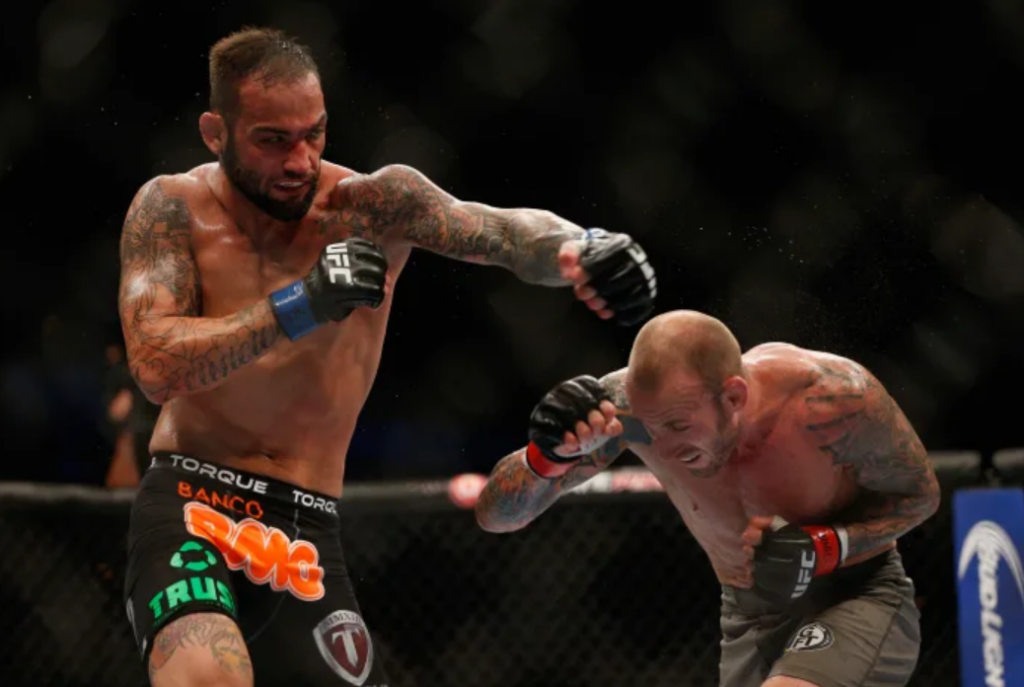
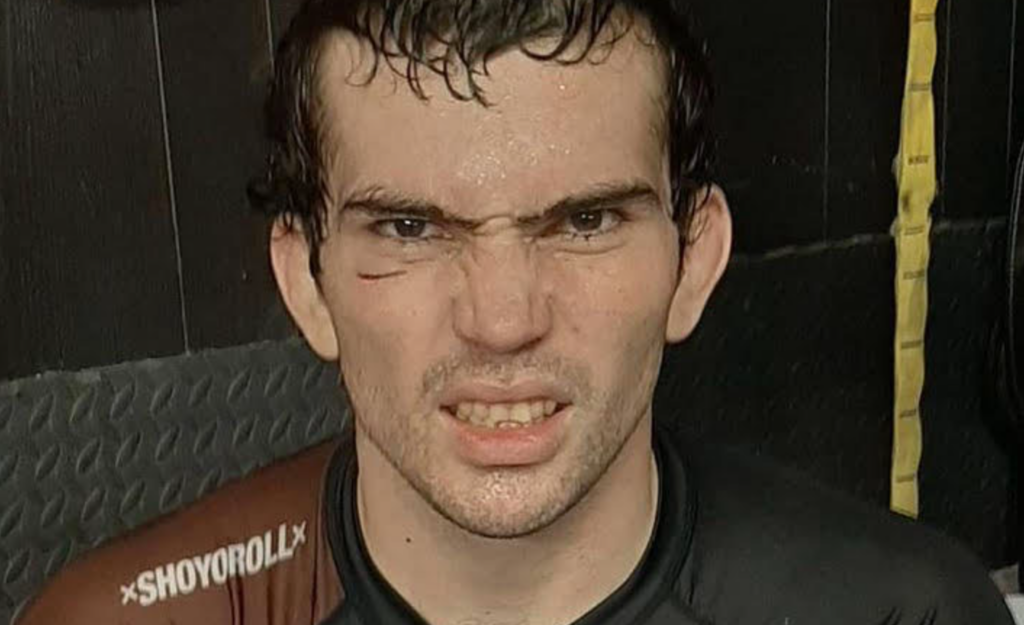
The MMA world was rocked by the tragic news of Guilherme “Bomba” Vasconcelos’ death in October 2024. The 38-year-old Brazilian fighter, known for his stints in the UFC and Bellator, as well as Demi Lovato’s ex boyfriend, was found dead in his Illinois home. Recent reports have confirmed that Vasconcelos’ death was ruled a suicide, leaving fans and fellow fighters in shock and sorrow.
Vasconcelos, who had a professional MMA record of 10-6, was celebrated for his aggressive fighting style and dedication to the sport. He gained significant attention not only for his performances in the cage but also for his high-profile relationship with pop star Demi Lovato in 2017 when she was actively training BJJ.
Vasconcelos and Lovato were first seen together in 2017, ringing in the New Year and enjoying a movie date on New Year’s Day. Their relationship, however, came to an end in May 2018, with reports suggesting that it had simply run its course.
On the morning of October 15, 2024, authorities were called to Vasconcelos’ residence after a woman discovered his body in the garage. Security footage revealed that he had taken his own life the previous night.
The police found multiple vials of anabolic steroids at the scene, but a toxicology report confirmed that the only substance in his system was caffeine.
Injuries and Constant Setbacks
In the months leading up to his death, Vasconcelos faced several challenges. He had withdrawn from a jiu-jitsu tournament in Las Vegas due to a recurring back injury, which he described as one of the most frustrating experiences of his career.
“I believe in my jiu-jitsu and I believe that I could have gone further,”he wrote in a social media post. “But unfortunately, the injury I had in my lower back one month ago came back, and when I finished my first fight, I could no longer walk and had to abandon the competition”.
Remembering Guilherme Vasconcelos
The news of Vasconcelos’ death has sent shockwaves through the MMA community. Fellow fighters, fans, and friends have taken to social media to express their grief and pay tribute to the late athlete.
Demi Lovato shared a heartfelt message on social media, immediately after his passing writing, “Rest in peace, dear angel”.
Vasconcelos’ uncle, Walter, also released a statement mourning his nephew’s passing. “You chased your dreams in the United States as an MMA fighter, Guilherme Bomba,”he said. “You became a champion in Brazil, but we never imagined that this journey would lead you to a point of no return without any of us by your side”.
Guilherme Vasconcelos’ legacy extends beyond his achievements in the cage. He was a dedicated father, leaving behind a one-year-old daughter, Naomi, whom he shared with model Kayla Lauren.
Final Thoughts
The loss of Guilherme “Bomba” Vasconcelos is a tragic chapter in the world of MMA. As fans and fellow fighters mourn his passing, they also celebrate the impact he had on the sport and the lives he touched. His memory will live on through his contributions to MMA and the love and support of his family and friends.
For those struggling with mental health issues, it’s crucial to seek help and support. Resources are available, and reaching out can make a difference. The MMA community stands united in honoring Vasconcelos’ legacy and advocating for mental health awareness.
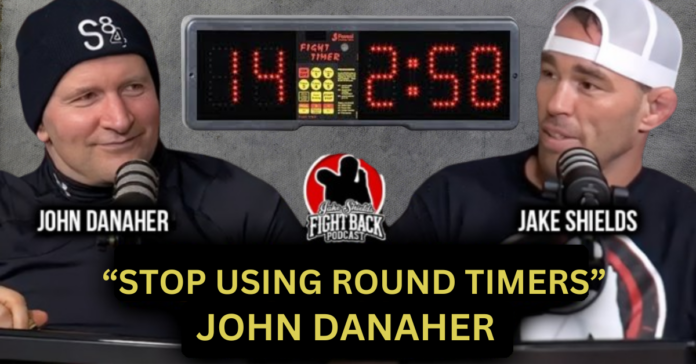
The legendary John Danaher claims round timers are holding back your true potential on the mats.
When it comes to Brazilian Jiu-Jitsu, few figures are as influential as John Danaher. The mastermind behind champions like Gordon Ryan and Garry Tonon, Danaher is renowned for his analytical approach and innovation in the art of grappling. But in a world where structure and routine dominate training protocols, Danaher is challenging one of the most ingrained practices in martial arts gyms: the use of round timers.
Throwing Time Out the Window
Traditionally, BJJ classes incorporate timed BJJ rounds to simulate the constraints of competition and to organize training sessions efficiently. However, Danaher argues that this method might be holding practitioners back.
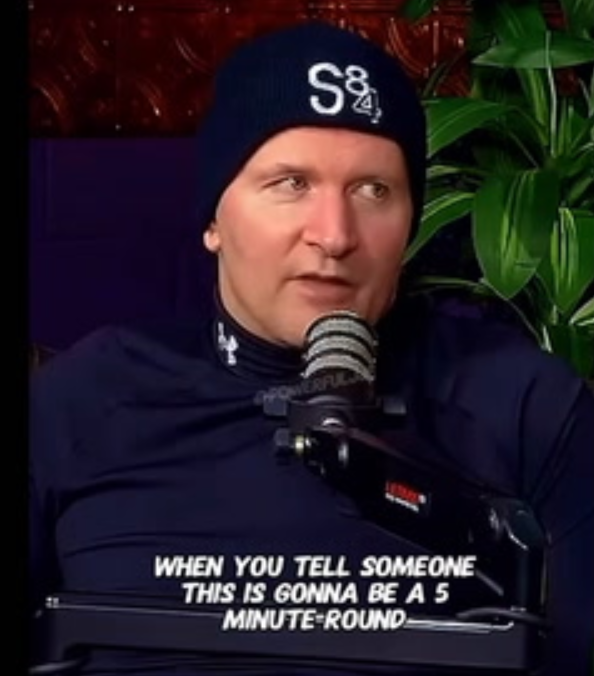
“When you tell someone this is going to be a five-minute round, if it’s going badly for them – in their head they’re just saying: “One minute, two minutes left survive.“
Danaher’s philosophy centers on immersive learning. By removing the pressure of the ticking clock, students can:
Explore Positions Thoroughly: Without time constraints, grapplers have the freedom to navigate and understand intricate positions without feeling hurried.
Develop Patience and Timing: Grappling without a timer fosters a sense of timing that’s dictated by the opponent’s movements, not by an external countdown.
Enhance Problem-Solving Skills: Extended rolls allow practitioners to encounter and address a wider array of situations, promoting creativity and adaptability.
Jiu-Jitsu is termed ‘human chess’ for a reason. You wouldn’t rush your moves in chess because a timer is beeping. Every position deserves the time it takes to understand and overcome it.
Danaher Says Round Timers Are A Crutch
The results of Danaher’s unorthodox methods are hard to dispute. His students consistently dominate at the highest levels of the sport, often showcasing superior technique and problem-solving abilities that set them apart from their opponents.
“The only thing when you’re not going to get saved by the clock that will save you is your technique and so it creates a mindset in students where the only thing they know they can rely on is their own technique.”
While Danaher advocates for the elimination of round timers in certain aspects of training, he acknowledges that they have their place, especially when preparing athletes for competition scenarios.
Danaher’s insights aren’t just for elite competitors—they hold significance for hobbyists and martial arts enthusiasts alike.
Reduced Anxiety: Without the stress of the clock, students can enjoy rolling more and focus on technical improvement.
Enhanced Learning Environment: Instructors can tailor sessions to the needs of the students rather than fitting into predetermined time slots.
Community Building: Extended rolls can foster camaraderie as practitioners work together to solve grappling puzzles.
Embracing Change?
Adapting to a timer-less training regime may seem daunting for gyms accustomed to strict schedules. However, incorporating even a few sessions without time constraints could offer noticeable benefits.
As John Danaher claims round timers are a waste of time, we should see it as an invitation to rethink how we learn and teach Brazilian Jiu-Jitsu. By prioritizing depth over duration, practitioners at all levels might unlock new facets of their game.
In a sport that constantly evolves, being open to such revolutionary ideas could be the key to staying ahead. What’s your take? Have you trained without round timers, or are you intrigued to try? Join the conversation and share your experiences.
De la Riva is the most common, and most mispronounced open guard in the history of the sport of BJJ. Regardless of how you say it, you’ll need to have an idea of how it works, if nothing else, then to be aware of what you need to shut down when you want to pass it.
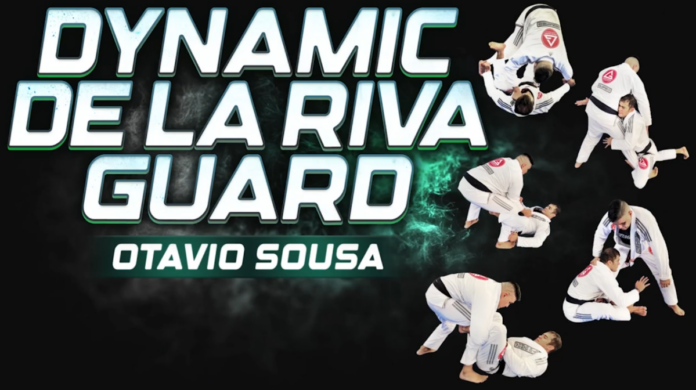
With so many De la Riva instructional out there, why should you go for the Dynamic De La Riva Guard Otavio Sousa DVD exactly? Well, for starters, nobody plays the position better than Brazilians who’ve come up with the Gracies. Next, if someone is a multiple-time World champion, and has dedicated their life to BJJ, it’s a good bet they know what they’re talking about.
Everyone’s Favourite Open Guard
The De la Riva is to open guard what closed guard is, well, to every guard. It is a position you’re going to find yourself in, even if you don’t want to play it – it is that common. So, what are you going to do when you end up in the DLR guard while rolling or competing with the Gi?
Well, first up, let’s see what the dangers are. You should ensure your hook leg is sticky enough so that the top person cannot simply strip it off at will. next, be aware of your active leg, as it can easily end up in a leg lock if you push on the hips too much.
Now that structure is out of the way, what are your attacks? Well, it will depend on your grips. If the top person is kneeling, you can pretty much use anything you want, except for leg locks. When they’re standing, you’re likely gripping the sleeves and should consider sitting instead of lying on the mats.
Finally, just like the Dynamic De La Riva Guard Otavio Sousa DVD teaches us, sweeps are your best friend from the De la Riva! Subs can happen here and there, but the best way to approach the guard, when you want to actually attack from it and not transition to a neighboring one, is to try and end up on top.
Gracie Barra’s Otavio ” The Steamroller” Sousa
Otavio Sousa is the perfect depiction of Gracie Barra professor. He spent his entire grappling career training under the GB banner, starting at the legendary Recife Academy, led by Ze Radiola as a teenager.
He competed a lot rising through the ranks, and eventually conquering his first world title as a brown belt, before winning three more world titles, five Pans titles, and the Brazilian Nationals. He got his black belt from Carlso Gracie Jr. and ended up in Irvine, California, as the head coach of the local GB academy in town.
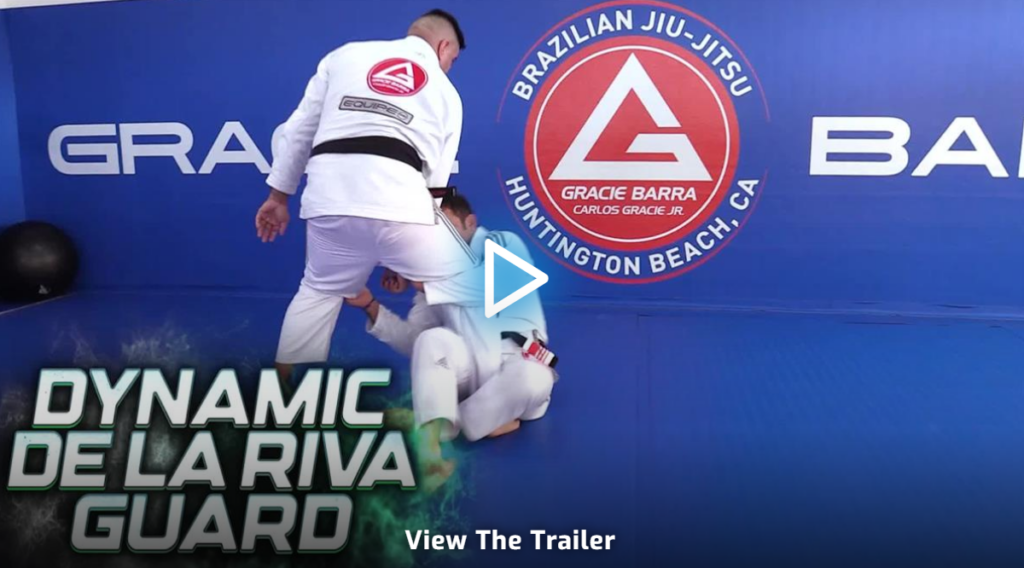
While the initial GB posting did not work out for Sousa, who fell out with owner Chirs Pizzo, it did earn him a following of core students, including Budo Jake, who went with him as he found his home in GB Huntington Beach. The Dynamic De La Riva Guard Otavio Sousa DVD clearly shows the Gracie influence and knowledge Sousa has of the Gentle Art.
Dynamic De La Riva Guard Otavio Sousa DVD Review
The Dynamic De La Riva Guard Otavio Sousa DVD is a four-part BJJ instructional with the Gi, offering competition-tested techniques by a Carlos Gracie JR black belt and multiple times world champion. All the material is organized systematically and the full length of the instructional is just under 2 hours:
Part 1 – Seated Sweeps
A lot of the attacks in this Dynamic De La Riva Guard Otavio Sousa DVD are centered around sweeps. This is understandable, as a standing opponent doesn’t leave too many submission options from the De la Riva guard.
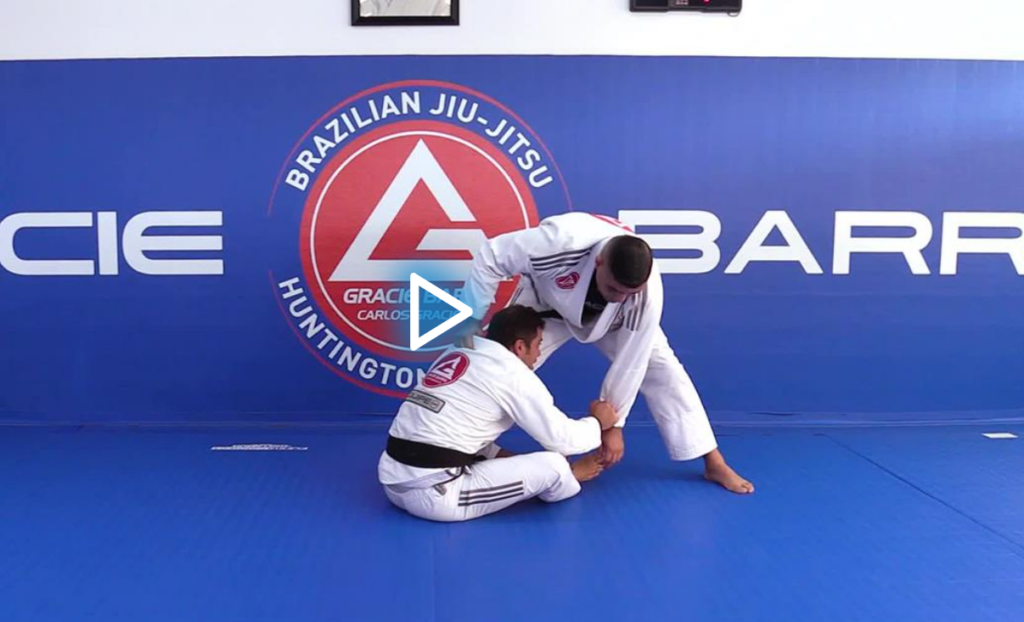
Naturally, sitting up is the optimal De la Riva structure against standing opponents, so Souse delivers most of the material in the first volume from that position. He begins with a few basic DLR sweeps, tilting the top person backward or forward, before launching into several wrestle-up options based on leg hooks.
He also covers some common reactions in this part of the instructional, addressing how to still get a sweep when the opponent drives into you, or tries to pull back. My favorite part of the entire DVD came in the very final chapter of this volume – a DLR kneebar setup.
Part 2 – Rolling Sweeps
Part two is all about those who love to sweep with flair (and have no neck issues – yet). Overhead sweep variations, branded “roll under” sweeps, make up most of the material in the second volume of the Dynamic De La Riva Guard Otavio Sousa DVD.
Most of the initial setups for the sweeps still begin in the seated De la Riva guard position, often working in a reactive fashion based on what the top person does. While not the optimal way to figure these things out, I applaud Otavio’s attention to detail.
The first submission in this DVD also makes an appearance here, although it can be branded a cameo. Professor Sousa shows his Omoplata entry using a cross-sleeve grip and offers an additional route to the back from the same sequence.
Part 3 – Shin to Shin Concepts
The part of the Otavio Sousa De La Riva DVD that competitors will enjoy the most. let’s not forget that Sousa is a multiple-time world champion, who proved his DLR can cause trouble to the best in the world, and this particular aspect played a major part in his open guard game when he competed.
Since this is a Gi instructional, the lapel was bound to make an appearance at some point. It is the perfect way to increase the connection when playing the shin-to-shin guard, a natural follow-up of a seated De la Riva and one of the best attacking seated guards, according to me.
Sousa shows plenty of sweeps, maps out the integration and connections of the DLR and the Shin-to-Shin guards, and provides directions to the Single leg X guard, which is the next natural progression. While demonstrating how to move through guards, Sousa throws in Omoplatas, wristlocks, and back takes to serve as useful checkpoints.
Part 4 – Single Leg X-Guard
Finally, we get to the Gi version of the Single Leg X guard, something most people in the Gi associate with the De la Riva. The final portion of the Dynamic De La Riva Guard Otavio Sousa DVD shows how to integrate an inside guard position with an outside guard, essentially closing the system.
Leg attacks feature here, only legal ones, as this is a GB instructional, but efficient when done right, nonetheless. Toe holds and ankle locks are responsible for lower body attacks, while more sweeps, featuring the lasso position provide even suitable options to pair up with the submission threats.
Using Guards As a Funnel
Generally, most guards put you in a position where your legs are on the outside of your opponent’s legs, or between them. The first kind is outside guards, while the second is referred to as inside guards. Both, understandably have their strengths and weaknesses.
This is not the place to go into the discussion of what exactly are the options for each, but rather to understand the context in which the martial from the Dynamic De La Riva Guard Otavio Sousa DVD can help your guard game as a whole.
A goal of guards is to progressively trap the top person, leading them into submission or sweep. These are funnels that you use to impose your game and are based on the specific options available from outside or inside guards.
For example, if you try to go for leg locks from an outside guard like the De la Riva, apart from the Caio Terra ankle lock, you can’t really do much, just like setting up a triangle from the butterfly guard is impossible. The point is that you should use guards as funnels, recognizing whether outside or inside-based attacks are the easiest to get to.
You won’t become a world champion by mastering the material in the Dynamic De La Riva Guard Otavio Sousa DVD, but you just might get a title or two if you make the De la Riva the center of your open guard game. And why wouldn’t you? It connects great with other guards, works against different levels of passing, and is just as useful in No-Gi as it is with the Gi. Off to practice now!
You’ve heard black belts talk about cooking your opponents from top position, and about using pressure to make them suffer without trying to achieve a specific goal as fast as possible. While easy to understand, this particular aspect of BJJ is notoriously hard to execute, especially for those newer to the sport.
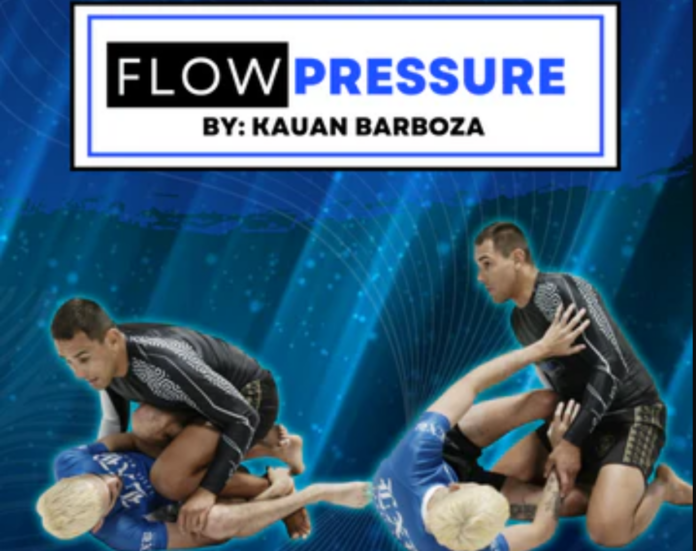
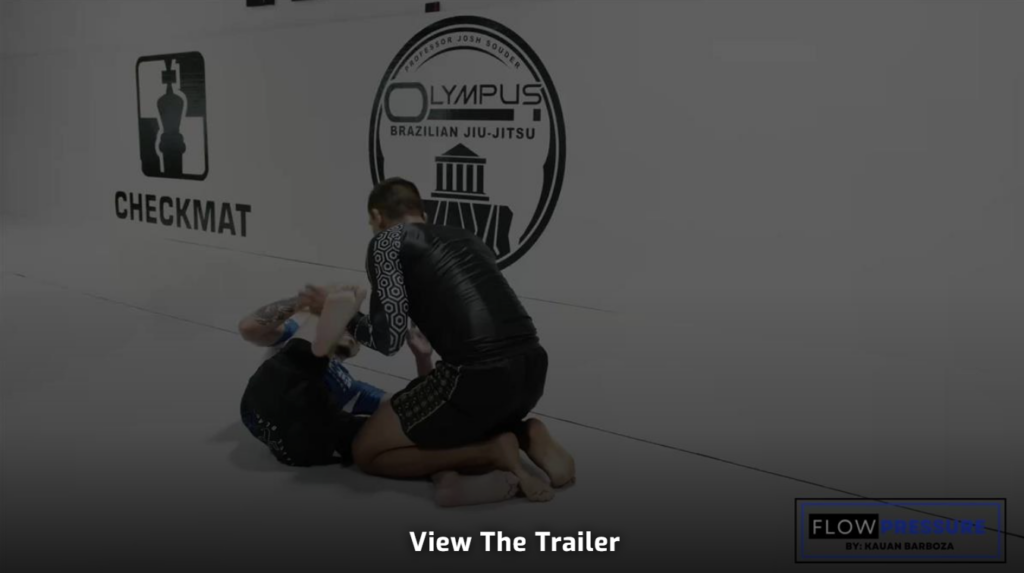
The Flow Pressure Kauan Barboza DVD offers an easy-to-understand perspective on the whole thing, by limiting pressure from top to passing only. This allows for lots of motion, which, in turn, makes flow pressure possible. Once you get the hang of flowing pressure, static pin pressure becomes a piece of cake.
What is Flow Pressure?
You’ve heard of flowing in BJJ, and I bet you’ve heard, AND felt pressure. The question is, can you combine them together? Logically, it seems you can’t because in order to flow you need motion, and usually, in BJJ, for pressure, you need to stay relatively static.
What’s tripping you up here is context. Pressure is not the same across all aspects of grappling, most notably passing and pinning. For the most part, people think of pressure in terms of mount, side control, or knee on belly. While correct, this is not the same pressure that you would and should use during passing, nor is it pressure that allows for a simultaneous flow.
The Flow Pressure Kauan Barboza DVD does a great job of explaining what passing pressure is and how using motion until you reach a pin is what makes passes and attacks against the guard effective. After all, you can’t pass if you don’t move, regardless of how heavy you are, right?
Checkmat HQ Coach Kauan Barboza
Not many kids from Brazil who only care about soccer make the transition to Jiu-Jitsu, and even fewer end up excelling as grapplers. Kauan Barboza is one of those few, having swapped soccer for BJJ as a teenager, and developed into one of the top professional grapplers to represent Checkmat these days.
Originally from Rio, Kauan actually wanted to try out Japanese Ju Jitsu, but his father knew a BJJ coach named Ari “Galo” a standout representative of the Carlson Gracie lineage. Barboza started competing almost immediately after signing up, winning a bunch of medals that led him to the No-Gi worlds in 2015 as a purple belt.
He met his next coach Andre Vasconcelos there, and ended up under his mentorship, eventually getting his black belt from Andre in 2017. Barboza quickly adapted to the Checkmat HQ, even marrying inside the academy. Eventually, Vasconcelos and Leo Vieira asked Kauan to pick up a coaching position at the headquarters academy.
The Flow Pressure Kauan Barboza DVD shows what his game and approach are all about. Curiously, even though it is a passing DVD by a guard specialist, it offers incredible concepts that make enormous sense.
Flow Pressure Kauan Barboza DVD Review
The Flow Pressure Kauan Barboza DVD contains two volumes and offers just over an hour of material. There is a clear structure to the instructional, which is No-Gi and contains technical and tactical information and great drill setup ideas.
Part 1 – Drills & Outside Passing
Kauan starts off introducing his take on passing by going through four drills, each targeting a specific pass. All of them refer to passing sequences that lead you around the bottom person’s legs, also known as outside guard passing.
As Barboza gets to the technical portion of the Flow Pressure Kauan Barboza DVD, his first order of business is to demonstrate a slick way of solving inverted guards by using leg drags. He also covers lots of shin-to-shin control via wipers to trap a leg and open up passing opportunities.
One of the most noticeable things is that Kauan doesn’t try to pass as quickly as possible, but rather focuses on constantly making the bottom person carry his weight. Even more, by favoring the shin-to-shin position he places focused pressure that inevitably opens up options for all the passes he shows, such as double under, folding, knee cut, etc.
Part 2 – Inside Guard Passing
By inside passing, Kauan means dealing mostly with half-guard variations. Sticking to the constant pressure concepts already presented in the first volume of the Kauan Barboza Pressure DVD, he now demonstrates how to use passing pressure to expose the back or finish past the legs using different methods.
The portion covering the deep half guard was particularly interesting. In it, Barboza explains exactly how to make the bottom person carry you, even though they chose that guard, ending with either a pass or a Berimbolo.
Finally, as the instructional comes to a close, the focus is on knee slice pass, done on both sides of the guard. Switching sides and pass destinations is the perfect example of the flow pressure concept Barboza is introducing here.
Tactical Guard Passing
Passing is a very complex part of BJJ and one that nobody can say they’ve mastered. There is to much live work and unpredictable behavior to be able to claim that you know exactly what to do against all guard threats you might face on the mats.
That said, a passing strategy is never a bad thing to have. In fact, it is imperative that you approach guards tactically, whether it is by looking to stall, out-maneuver your opponent, or pressure them into removing their guard.
This last bit seems to be a real favorite of many people, but the end result is never like the stuff they see on YouTube. That’s because the pressure you need during passing is not the same as the pressure you use for pinning, a distinction that is perfectly made in the Flow Pressure Kauan Barboza DVD.
Time to put some pressure on the next person who decides to play guard against you! Equipped with the solutions for both inside and outside guard passion from the Flow Pressure Kauan Barboza DVD, all that is left now is to iron out the kinks from trying something new and enjoy your newfound passing success. Let me tell you, passing a guard after you take a person’s soul with pressure feels much more gratifying than simply cutting through!
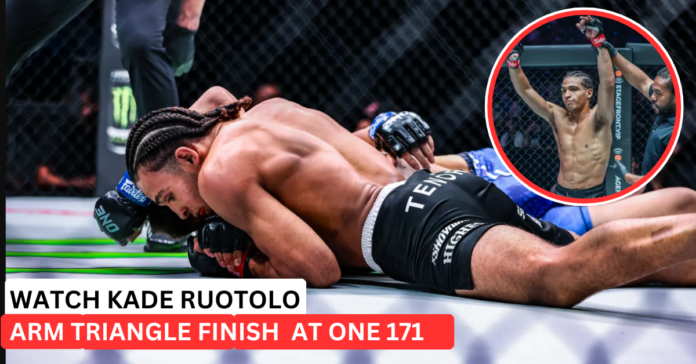
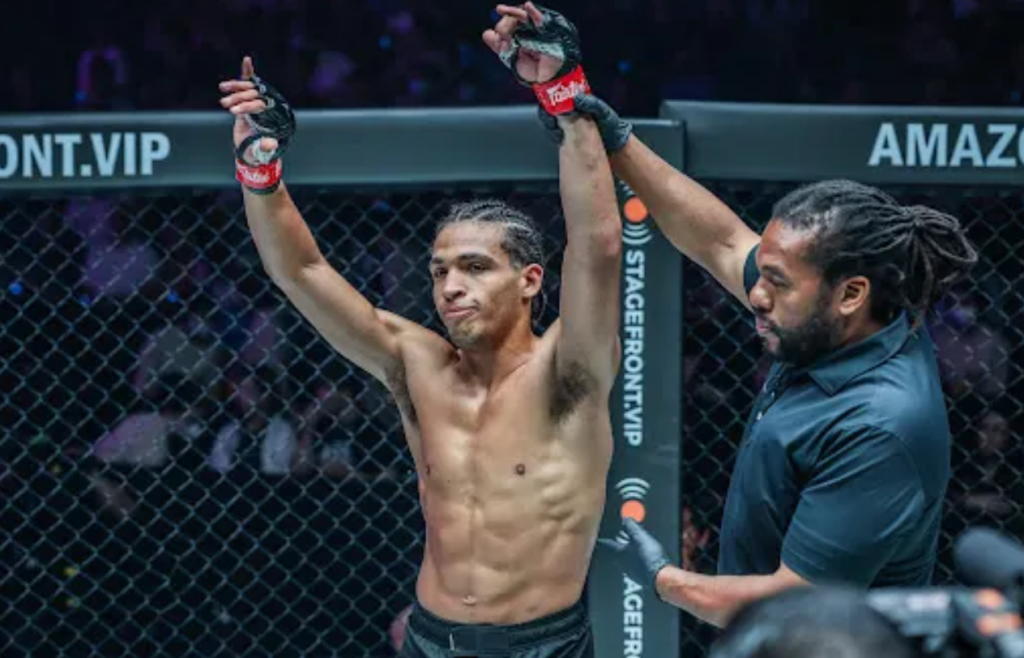
Kade Ruotolo, the Brazilian Jiu-Jitsu wunderkind, showcased his grappling mastery once more at ONE 171, securing a dominant first-round submission victory over Argentina’s Nicolas Vigna. The Kade Ruotolo arm triangle choke that left the crowd in awe, allows the 20-year-old to extend his professional MMA record to a flawless 3-0, all wins coming by way of submission.
Watch The Kade Ruotolo Arm Triangle That Forced Nicolas Vigna to Tap
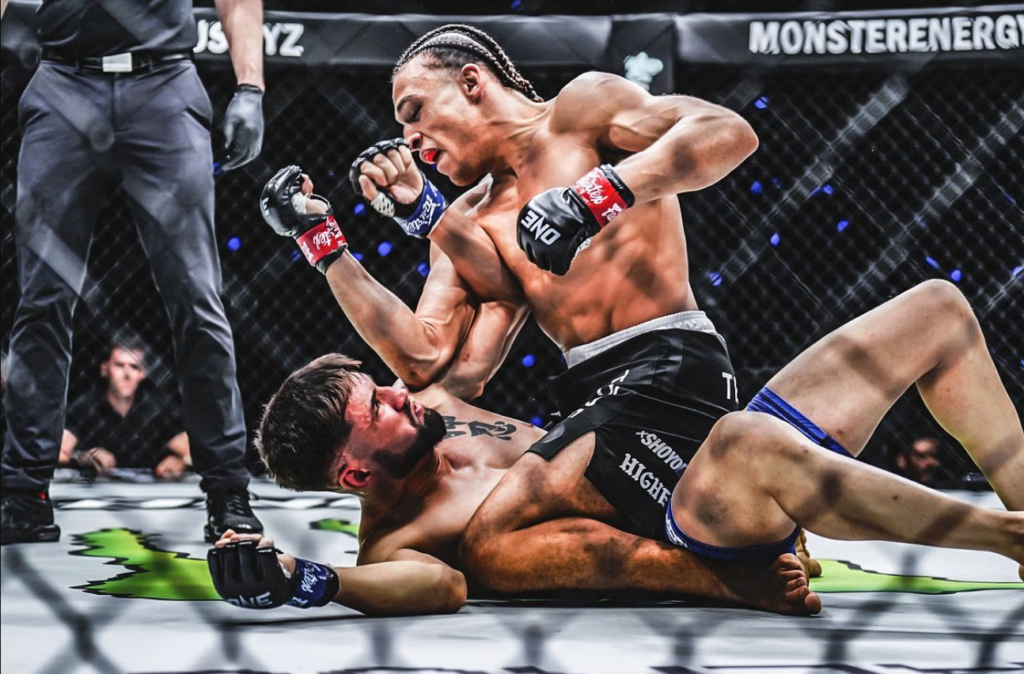
From the moment the cage door closed, Ruotolo wasted no time asserting his game plan. He engaged Vigna with calculated strikes, setting up the takedown that would inevitably lead to his signature ground game.
Just minutes into the first round, Ruotolo deftly closed the distance, imposing his aggressive style from the start. Displaying a pressure game that we’ve grown to expect from him, he hit Vigna with that after-threat, almost coming close with a leg lock.
“Oh, this is the end finish, the arm triangle. I don’t even hit that many arm triangles, so it’s good to get an arm triangle finish. I thought for sure after the first exchange, when I got to the leg lock that was the end of the fight. I felt the ankle pop, I hate feeling the ligaments pop like that. That’s never fun to feel that. Then I felt it in the knee stretch really hard.”
Seizing another submission opportunity, though, Ruotolo locked in a tight arm-triangle choke. Vigna struggled but was left with no choice but to tap out after just over three minutes in the first round, marking yet another early finish for the young American.
Ruotolo exclaimed with a beaming smile during his post-fight interview. “It’s incredible to see my hard work paying off. Each fight is a new lesson, and I’m just getting started.”
The MMA Rise of the Best Lightweight Grappler in the World
Kade Ruotolo’s transition from elite BJJ competitions to the mixed martial arts arena has been nothing short of sensational. At only 20 years old, he’s not only clinched world titles in grappling but is now making waves in MMA with his aggressive and submission-oriented style.
With this victory, Ruotolo sends a clear message to the lightweight division: he’s a force to be reckoned with. His impeccable timing, seamless technique, and calm demeanor under pressure make him a nightmare matchup for anyone unprepared to handle his ground game.
Analysts are already speculating about potential future opponents. A step up in competition seems imminent, and fans are eager to see how Ruotolo will fare against the division’s elite.
World-Class and Still Improving
What sets Ruotolo apart is not just his skill but his mindset. He approaches each fight as an opportunity to grow.
“Every time I step into the cage, I’m testing myself,” Ruotolo shared. “There’s always room to improve—whether it’s my striking, wrestling, or jiu-jitsu. I’m hungry to evolve as a complete martial artist.”
His humility and dedication resonate with fans and aspiring fighters alike, painting the picture of an athlete committed not just to winning but to the art of combat sports.
Ruotolo’s success highlights the ever-evolving role of Brazilian Jiu-Jitsu in modern MMA. While the sport has seen a surge in striking-centric fighters, Ruotolo proves that elite grappling remains a pivotal skill set.
His ability to control opponents and finish fights without absorbing significant damage prolongs his career and sets a tactical blueprint for others to follow.
What’s Next for Kade Ruotolo?
The sky’s the limit for Ruotolo. With three consecutive first-round submissions, the anticipation for his next bout is already building. Will he face a seasoned veteran to test his mettle, or will ONE Championship continue to nurture his development with carefully selected matchups?
One thing is certain: Ruotolo isn’t shying away from any challenge:
“I’m ready for whoever they put in front of me,”he stated confidently. “I trust my team, and I trust the process. This is just the beginning of an amazing journey.”
With an extra $50,000 in bonus for his performance, we’re in for a lot more Kade Ruotolo MMA delights as he is fully dedicated to his MMA career:
“I have to be honest guys,” Kade shared. “I definitely want to defend my grappling title here, I got the belt and I definitely need to defend it, but if I’m being 100% honest, MMA is in my heart 100 percent. And if it’s what I want, it’s definitely another MMA fight. I want to get back in there as soon as possible and keep it in the first round again.”
Final Thoughts
The Kade Ruotolo ONE 171 performance is a vivid reminder of the exciting blend of youth, talent, and charisma that he always brings to the mats, whether it is MMA or grappling. Based on his statements, his perfect record, and his latest performance, we’re bound to see a lot more from Kade with MMA gloves on, rather than off, although I think Craig might be able to draw him to CJI again.
You’ll never be able to learn the closed guard in BJJ. It doesn’t matter if you’re top or bottom, there’s always going to be something that surprises you, even if you think you know everything the position offers.
There is something about the full guard that makes everyone susceptible to it, including elite-level world champions. The Full Guard Formula James Booth DVD offers a perspective on mastering the full guard that is inspired by a Gracie family member. It is definitely worth a look and today, I’ll tell you exactly why that is.
Guard Efficiency
If I could describe the role of the guard in one word it would be efficiency. This is particularly true in terms of the closed guard, a.k.a. the full guard. There is no point in trying to achieve something quickly from guard – you got the floor behind you and the opponent in front of you, so you’re not going anywhere in a hurry.
Instead, the guard is intended to help you stall the pace of the match or roll, providing you with plenty of opportunities to trap your opponent and force them into mistakes by making them struggle. Effective doesn’t mean fast in BJJ, but rather not tired as you emerge out of the guard with a sweep, tap, or a back take.
The Full Guard Formula James Booth DVD offers an interesting view of guard efficiency rooted in Old-school Gracie philosophies. If I’m completely honest, the Gracies’ were masters of using the guard to influence the pace and the outcome of a match, so if you want to become effective with your closed guard instead of trapping yourself, this DVD might be a good choice.
Grindhouse Professor James Booth
James Booth is a Daniel Gracie black belt, holding a second-degree rank. He has spent most of his grappling life competing, with big notches on his belt featuring victories over ADCC champions and UFC veterans. He has competed in all types of tournaments from INJJF to NAGA, including super fights.
A thing that sets James aside, though is his teaching. Not many people have the experience of learning and teaching simultaneously, but those that do, turn out to be exceptional teachers after they reach black belt.
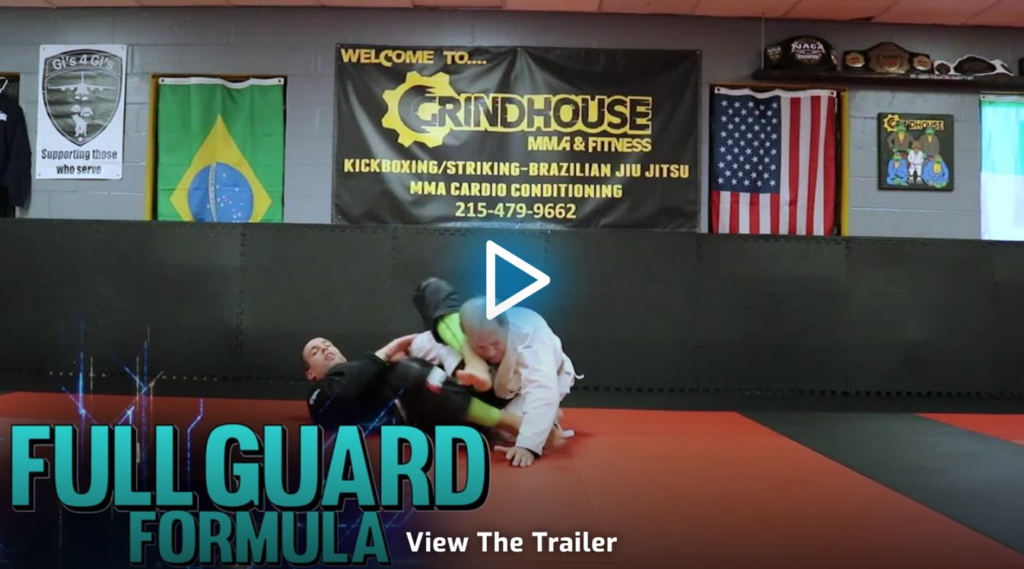
Booth started teaching when he was a blue belt and has never looked back since. Now the owner of Booth BJJ and the grappling coach at Grindhouse MMA in Bucks County, he is demonstrating through his students that his Jiu-Jitsu is all about effectiveness. The Full Guard Formula James Booth DVD is a great example of his work.
Full Guard Formula James Booth DVD Review
OVer the course of an hour and a half, the Full Guard Formula James Booth DVD will provide plenty of information on playing the guard, and some on passing it to help you rethink your approach to the full guard. The instructional contains three volumes, the first two on guard attacks and the third covering passing:
Part 1 – The Holy Trinity of Full Guard
The Full Guard Formula James Booth DVD kicks off in a classic way, with an introduction of the coach and a quick overview of the material that follows. Booth starts the technical portion with a concept, explaining the three positions that, according to him, are behind all the success you’re to have with his full guard system.
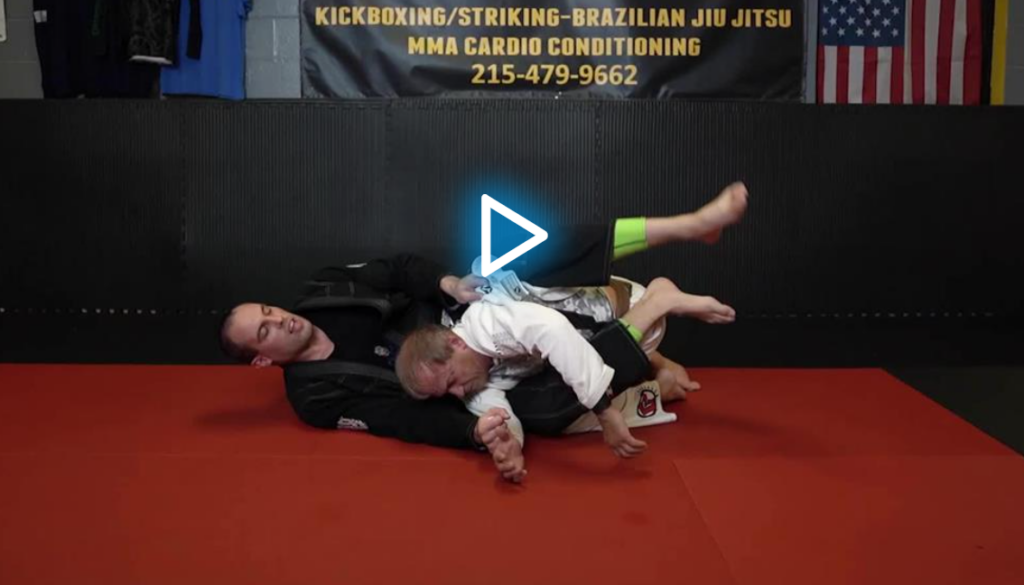
They make sense from the get-go but really become clear as he proceeds to provide examples of sweeps, starting with the flower sweep. This sweep gets a very detailed breakdown in this instructional, including technical details, mechanics, troubleshooting, and submission follow-ups if it fails.
A few effective lapel control moves wrap this opening part of the DVD up, with the triangle entry and finish something that got me seriously curious.
Part 2 – Breaking Posture
Breaking posture is essential if you’re playing closed guard, but is also an aspect of guard that most people take for granted. As the second volume of the Full Guard Formula James Booth DVD unfolds, James ensures to dedicate lots of time and focus to this specific movement.
He calls the high guard variation he plays the Broken Posture Guard, and launches into submission attack chains from it, sparing no detail as he delivers the material. Most of the focus is on triangles and Omoplatas, but a few well-placed Gi chokes are also featured.
I liked the quick bridging solution to some attacks from the top person, as well as the double-trouble attacks that followed. Booth blends together sweeps and submissions in some classic (traingle/armbar) and some not-so-classic combos (Americana / Back Take) that are definitely effective!
Part 3 – Passing
In the final part of this James Booth Full Guard DVD, the focus shifts completely to the top person. Passing-wise, Booth’s system is all about pressure. He opens strong, demonstrating a quick wrist lock finish inside the guard, before moving on to different ways, most of them painful, to open up the closed guard.
He relies heavily on the punch choke, a.k.a. the Amassa Pao as he is opening and passing the guard. The one thing that really caught my eye was the part about passing from a broken posture situation.
At the tail end of the instructional, James covers specific grip training by talking about rows and drags, and offers the framework of his coach’s Daniel Gracie methodology to help you learn faster.
The Timeless Full Guard
The one thing that has survived all scrutiny of the modern grappling movement is the closed guard. People have claimed that almost every other move or position is either unstoppable or doesn’t work at one point in time or another.
The guard remains a steady and important constant in BJJ, meaning you need to pay attention to how you set it up. I always coach my competitors to be very aware of it and have ready solutions for both and top.
Let’s be honest – if you compete, you’re going to be inside the closed guard, playing or passing it, at least once per tournament. It is simply omnipresent and instinctive, and even if your game is all about the “inverted De La Lady Bug guard” or another Frankenstein guard, you’ll need to know what to do from or in the full guard.
Instructionals such as the Full Guard Formula James Booth DVD are not going to teach you how to play guard, but they will give you a roadmap on what you need to strive toward or fight against, depending on whether you’re top or bottom. The learning part happens on the mats.
I don’t particularly like the word formula for BJJ purposes, but in this sense, it kind of works. The Full Guard Formula James Booth DVD really is more of a framework/roadmap, using techniques to capture concepts, rather than a step-by-step instructional. I prefer this type of DVD over the standard technical ones, so I am glad I got to go through this one, and I’m certain it will help your full guard immensely.
have you ever thought of mixing together an old-school version of a guard, with a modern-day iteration of that, or even better, another guard of the same category? I’ haven’t either, and I was very pleasantly surprised by the underlying idea of doing exactly that, as it is delivered through the Half Guard Evolution Rodnei Barbosa DVD.
The two-part instructional is perfect for those who would love to apply this concept to Gi half guards without thinking too much about stuff. For those who are looking for more than a copy-paste game, the DVD also contains a blueprint on how to integrate old-school land new school BJJ positions for a very unpredictable, versatile, and above all, effective game.
The Most Confusing Guard in BJJ
I have plenty of students that love playing half guard. Who doesn’t? Some even have regular private classes scheduled just so they can explore the subject more. The result is an inevitable confusion that arises from all the options they have from the position. Paralysis by analysis, I believe, is what it’s called.
There are so many different variations of the half guard, and so many options from each variation that there is no way someone could hope to master them all in a quest to figure out the best ones to use. However, there is a way to reduce the confusion and introduce some order into the half guard chaos.
I usually like to limit people to two variations of the half guard, ideal ones that they like playing and that fit their goals and abilities. Then, they get the old task of exploring them for months and months, solving all problems that arise.
However, the Half Guard Evolution Rodnei Barbosa DVD has opened up a new and perhaps even better way of combining half guards – blending old-school methods with modern-day variations. It’s still the same idea of combining two half guards, but the fact they’re from different eras in BJJ turns the tables, confusing the top person instead of the guard player.
Rodnei ‘Roy’ Barbosa
Rodnei Barbosa is a Brazilian Jiu-Jitsu black belt under Paulo Rezende. He is a standout competitor with huge accolades to his name, and a big pedigree as a coach. The Brazilian has been dedicated solely to Jiu-Jitsu since the age of 18 when he decided to pursue it as a career.
Born in Formiga, Rodnei started training capoeira as a young kid, aged only 6. which was a common activity in Brazil in the 90s. He discovered BJJ a few years later when he stumbled upon a social project run by Lourenco Nascimento. Barbosa stuck with Nascimento for almost a decade, getting most of his colored belts from him.
Rondei’s success on the mats saw him moving to Poco de Caldas, joining the academy that produced the legendary Marcelo Garcia, as he decided to dedicate full time to BJJ. He lived in a fighter;’s house set up by head coach Rezende, the same as Marcelo Gracia, Matheus Diniz, and Reinaldo Ribeiro.
Since his black belt promotion in 2025, Barbosa has conquered the No-Gi IBJJF Worlds, Abud Dhabi Pro, IBJJF Europeans, and the Brazilian Nationals. With a style rooted in high-quality competitive Jiu-Jitsu, his Rodnei Barbosa Half Guard DVD is one you cannot miss if you are a competitor.
Half Guard Evolution Rodnei Barbosa DVD Review
In the Half Guard Evolution Rodnei Barbosa DVD, Roy offers an interesting way of blending half guards from old-school Jiu-Jitsu with ones that we usually see used these days. Over the course of two hours, he delivers plenty of easily usable material, presented with the Gi:
Part 1 – The Half Guard Single Leg
As this Half Guard Evolution Rodnei Barbosa DVD kicks off, Rodnei begins with a throwback to an old way of playing half guard using lapels. He dubs it the single leg half guard, as the control doubles as a great way to control the single leg position from standing as well.
Barbosa goes straight to the system, without lengthy explanations of positioning. He explains a couple of grip combinations from the butterfly guard that allow you to enter the single leg half guard before launching into an explanation of how to use the knee shield for best results.
Sweeps come up next, with different grip combos, one of which is always controlling the lapel that’s around the leg, providing unbalancing opportunities in different directions. Rodeni brings the first part of his DVD to a close presenting the backstep sweep system which is a very original way to end up on top, blending old-school half guard with modern moves such as lockdowns.
Part 2 – Coyote and Lapel Guards
The second part of the Half Guard Evolution Rodnei Barbosa DVD serves as the bridge that connects the old-school iterations of the half guard with more modern variations and even different guards that work based on lapel control.
Rodnei begins with the popular Coyote guard, exploring how to improve the underhood control by introducing lapels to the mix. He then launches into the usual sweeps, knee bar and back takes that this super-effective guard offers.
Next on Barbosa’s agenda is the worm guard which allows him to connect half guards, such as the Coyote with open guards, such as the Worm simply by sticking to lapel control. He uses the single leg half guard as the bridge that allows easy transitions into either the K guard for those preferring leg locks, or the Worm Guard with all the crazy sweeps it has to offer, some of which Brabosa covers in this portion of the instructional.
Old School To New School
The dichotomy of different generations does not skip BJJ as an ecosystem. We see people who have trained for ages swear by the old-school Gracie-style moves and tactics, claiming that’s exactly what allowed them to train without restrictions.
On the other side, we have modern-day kids, those who have grown up with BJJ available in digital learning platforms, and seminars and are used to having a new technique go viral every week. This bunch usually has little regard for the OG Jiu-Jitsu, claiming all they need is the modern stuff.
At the end of the day, if you take a look at any of the top grapplers of our time, you’ll see that they (or their coaches) manage to blend the best aspects of new and old-school BJJ to develop a crazy effective game that can beat people from any generation.
If you’re interested in applying this methodology to your half guard game, opting for the Half Guard Evolution Rodnei Barbosa DVD as your primary resource is a great idea. It is straightforward and will allow you to understand how the process of blending OG and modern Jiu-Jitsu works, allowing you to expand on the concepts it covers.
A great way to level up your half guard is to mix in some old-school effective versions of the guard with a modern-day variation that best suits your game. There’s hardly a better way to introduce versatility and depth to your half guard game, and the Half Guard Evolution Rodnei Barbosa DVD is a great guide to set you on that path!
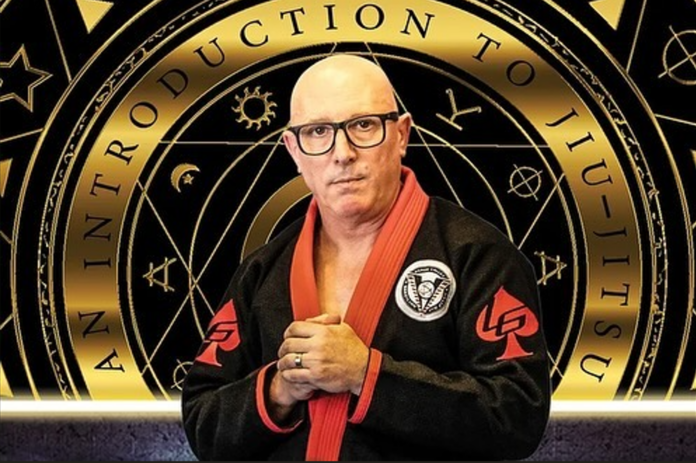
Maynard James Keenan, renowned frontman of Tool and Puscifer, is turning attention to the world of Brazilian Jiu-Jitsu with his new documentary, “The Great In-Between.” The film offers an in-depth introduction to the martial art, reflecting Keenan’s personal journey and passion for Jiu-Jitsu.
Maynard James Keenan – A Multifaceted Artist and Athlete
Known for his enigmatic stage presence and musical prowess, Keenan is now showcasing his skills offstage. “The Great In-Between” is not just a film but a glimpse into Keenan’s dedication to Brazilian Jiu-Jitsu. The documentary features insights into training techniques, the philosophy behind the sport, and Keenan’s own experiences.
In an interview with Ghost Cult Magazine, Keenan explained his motivation: “I’ve always been fascinated by the discipline and mental strength required in Jiu-Jitsu. This documentary is my way of sharing that journey with the world.”
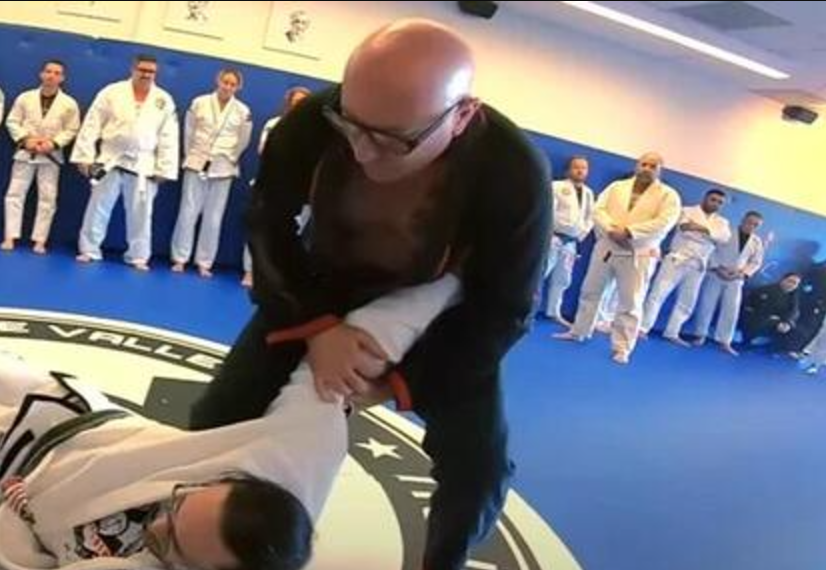
During a promotion ceremony at Redline Jiu-Jitsu Academy, Maynard earned his BJJ black belt less than a year ago. It was Ty Gay who awarded the Tool frontman with the coveted black belt.
A Must-Watch for Jiu-Jitsu and Combat Sports Enthusiasts
Fans of combat sports and martial arts will find “The Great In-Between” particularly engaging. The film delves into the core principles of Brazilian Jiu-Jitsu, making it accessible for both beginners and seasoned practitioners. Keenan’s unique perspective as a musician and athlete adds a compelling layer to the narrative.
The Maynard James Keenan BJJ documentary is set to premiere on December 15, with exclusive screenings at select venues. Viewers can expect a rich blend of personal anecdotes, expert interviews, and detailed demonstrations. As Lambgoat reports, Keenan’s hands-on approach and deep respect for the art form shine through in every frame.
After all, Maynard relied on his Jiu-Jitsu skills during a concert in 2010, never stopping his performance while he dealt with an unruly fan, all of which was caught in a viral video:
Join the Conversation
Whether you’re a long-time fan of Maynard James Keenan or someone interested in martial arts, “The Great In-Between” is a Brazilian Jiu-Jitsu documentary that promises to inspire and educate. Stay tuned for more updates and join the conversation using the hashtag #TheGreatInBetween.
In a raw and revealing YouTube video, Brazilian Jiu-Jitsu phenom Andrew Wiltse pulled back the curtain on a deeply personal struggle: a manic episode in early 2025 that led to hospitalization and a chaotic confrontation with law enforcement.
Known for his explosive finishes and relentless pace on the mats, Wiltse described how his mental health crisis left police officers struggling to physically restrain him—a stark reminder of the intersection between elite athleticism and psychological vulnerability.
“I was looking at the sky, contemplating life” Wiltse shared, reflecting on the incident. “I kinda like sat down in the parking lot and three cops approached me.”
A Grappler’s Strength Meets Mental Health Crisis: Andrew Wiltse vs Cops
According to Wiltse, the incident unfolded when he became aware that police officers were approaching him on account of walking around town and talking to himself. After many reports by concerned citizens, police arrived to try and figure out what was troubling Wiltse.
Initially, he went willingly with the law enforcement officials to a nearby hospital, as Andrew Wiltse recalls:
Officers reportedly attempted to de-escalate the situation verbally, but Wiltse’s heightened physicality, honed through years of combat sports, turned the encounter volatile after he tried to leave the hospital, but was not allowed:
“They tried to stop me from walking out but none of them were willing to tackle me or tase me…yet. One of them puts their hand on my shoulder and says ‘You’re going to come inside with us,'”
Understandably, this was a lot easier for the officers to declare than do. The altercation began quietly before Andrew Wiltse showed why he is one of the best, although things weren’t violent from the start, even though the officers introduced a taser to the mix after a while:
“First guy comes at me and it just reminded me of like a sloppy Jiu-Jitsu wrestler trying to do a double leg that doesn’t really know how to do a double leg. I went from cool to now you’re having a rabid, world-champion honey badger “
Interestingly enough, Wiltse dismissed the taser as ‘having no effect’ and was acting mainly on autopilot as he grappled almost a dozen officers and security guards at once. Wiltse managed to take the taser away from the officers but opted to discard it rather than make things worse by using it:
Eventually, Andrew Wiltse was hospitalized and sedated. No serious injuries were reported, but the incident once again demonstrated how difficult it is for undertrained law enforcement to deal with someone who has professional combat sports training.
https://www.youtube.com/watch?v=VGJpfc-hQPQ
Andrew Wiltse Manic Episode Reflections
After the fact, Andrew Wiltse, who is now medicated after willingly seeking professional treatment and care, shared that he is not hiding his episode and welcomes the effects it has had on him:
“I’m not really ashamed of the fact that I had a manic episode,” and added that “The cops in Mount Vernon handled me with superb kid gloves, and I love them very much for the way that they did not like, shoot me okay, they’re great!”
The Bigger Picture: Mental Health in Combat Sports
Wiltse’s story has ignited conversations across the grappling community, where mental health struggles are often overshadowed by a culture of toughness.
Anxiety and mental health issues have been the main topic of research for many scientists lately, with the Journal of Combat Sports Medicine offering lots of studies and insights into what affects competitive combat sports athletes.
Most MMA/BJJ gyms lack mental health resources and few promotions screen athletes for psychological well-being. Sometimes, the results of ignoring the signs can be huge, as was the case of Andrew Wiltse.
Now stabilized on medication and in therapy, Wiltse has issued a message to his fans:
The Illinois native plans to return to competition in 2025 but admits his priorities might have shifted after the incident.
Even Tough Guys Need Someone Sometimes
Andrew Wiltse’s story is more than a headline—it’s a call to action for the grappling world to prioritize mental health as fiercely as armbars and gold medals. Wiltse is thankfully going to be okay, but only after he thought he was a god and had to be somewhat rudely awakened by law enforcement. It’d be ideal for others who might be struggling not to take things as far.
Passing is a subject in BJJ that is always going to draw lots of questions and present a problem for people. At this point, we have so much information available on modern and old-school, and MMA guard passing that someone without a solid understanding of grappling is likely to end up lost and confused.
So, why would we look at another guard passing BJJ DVD? Well, this one offers an interesting option of cutting through the nonsense by using a proven method to complete your passing sequences. The Higher Tripod Passing Craig Jones DVD offers a simple blueprint to master a complex system in a short period of time.
Modern Guard Passing
These days, passing is exceedingly difficult to put into a category. A couple of decades ago it was either closed or open guard passing, with the top person either standing or kneeling. It was simple, and it worked based on either heavy pressure or fast movement.
These days, there are guard passing systems for everything, which does make sense if we think about how many different guards there are. Saying closed and open guard is not enough anymore, as there are plenty of hybrid options and Gi or No-Gi-specific ones that create the need for equally elaborate passing systems.
The end result is overcomplicated passing, with too much information to process. Hwoever, there is a system or a concept of passing every now and again that introduces lots of useful ideas. Josef Chen is one of the latest BJJ prodigies to offer one, and one of his coaches Craig Jones now puts even more flair to it in the Higher Tripod Passing Craig Jones DVD.
The Man Who Turned BJJ Upside Down
Everyone knows Craig Jones and his legacy in the BJJ World. In the span of a decade, he came out of nowhere (or at least it seemed so)and submitted everyone in EBI with leg locks in minutes up to the final. Then, he almost broke Gordon Ryan’s arm, getting within a whiff of the EBI title.
The grappling community took notice and Craig rode that wave like a pro, embedding his name in BJJ history, but in a way that is very different from others, along the lines of Marcelo Garcia, Roger Gracie, or Gordon Ryan. Craig is more like Jeff Glover but with lots more results.
To this day Craig has managed to create one of the best competitor dens in the sport, forming the B-team in Austin, launching the highest-paying professional Jiu-Jitsu tournament, going against the ADCC, and was instrumental in breaking up one of the best competition teams ever, and has released dozens of BJJ instructionals.
And these are not even the weirdest things he’s done! We’re not going to go into them here, but we are going to take a look at Craig’s latest DVD, inspired by one of the top B-Team competitors. Let’s see what the Higher Tripod Passing Craig Jones DVD is all about.
Higher Tripod Passing Craig Jones DVD Review
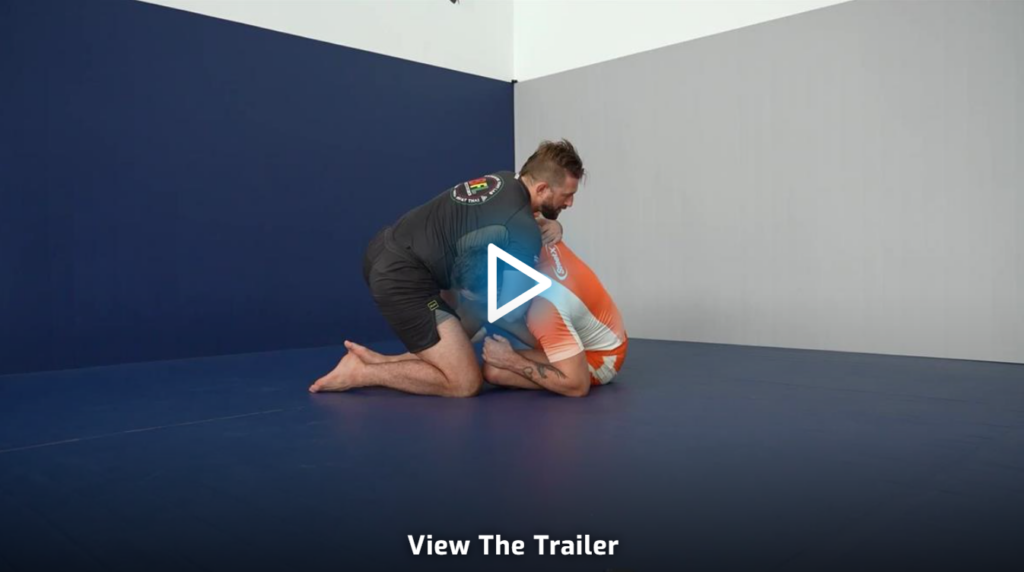
This Craig Jones Tripod Passing DVD is one of the Aussie’s better instructionals, offering around two hours of material. It follows the standard four-volume structure and is easily applicable in both Gi and No-Gi.
Part 1 – Control & Positioning
Leave it to Craig to pick up a move and break it down in a way that would impress even Danaher. In the Higher Tripod Passing Craig Jones DVD, he goes over the passing system developed by Josef Chen, adding his own twits and explaining exactly why it works so well.
in fact, this entire opening volume is all about mechanics. Craig breaks things down into positioning and control. Position-wise, he offers precise sets of instructions for both the upper and lower body, and he provides a clear order of doing things when using high tripod passing.
Part 2 – Forcing Butterfly Guard
Forcing a specific guard is a proven tactic that all of the BJJ world’s top passers have been using for decades. For the most part, people tend to force the half-guard, but other guards could work just as well.
For high tripod passing, starting from the butterfly guard seems to yield the best results. The better part of this volume focuses on how to force the bottom player into the butterfly guard and what to do afterward.
Baiting as a concept is also something Craig speaks about in this part of the Higher Tripod Passing Craig Jones DVD. He uses Ashi Garami threats to set up a pass, essentially showing you how to bait people into positioning themselves so that you can pass without resistance.
Part 3 – Underhook Passing
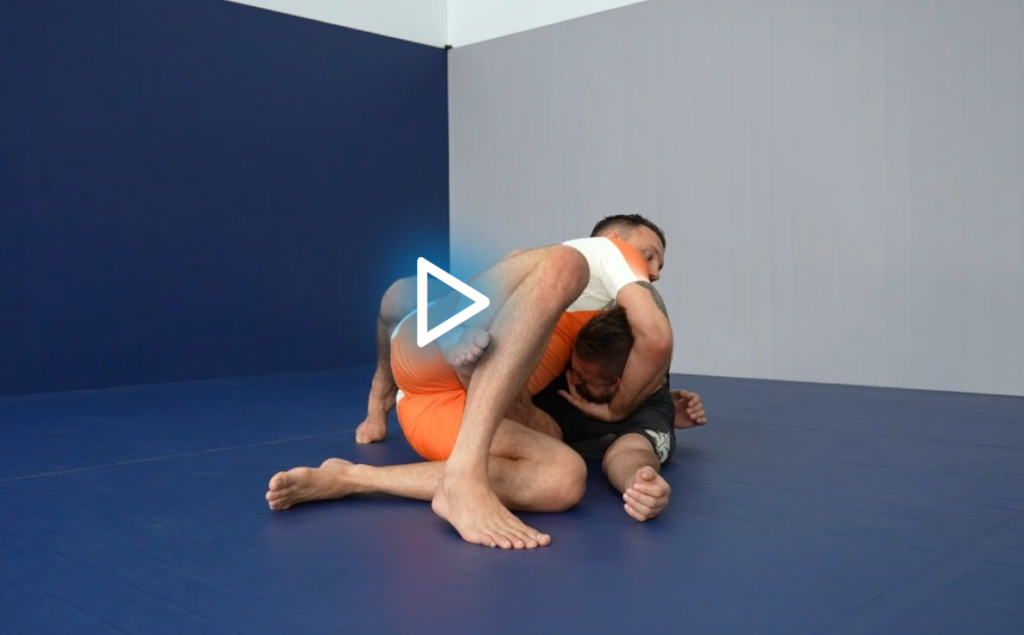
Craig refers to the near underhook as the true purpose of this instructional. The arm placement is crucial for the tripod passing system, but in a way that has more to do with blocking and guiding movement, than with attacking yourself to your opponent.
This entire portion of the Craig Jones Tripod Passing DVD addresses the near-side underhook, how to set it up, change sides, and deal with problems that you’ll encounter frequently. A common solution at the end of the funnel is the Tiananmen Square Lockdown position – you don’t want to miss this one!
Part 4 – Bonus Moves
The final part of the Higher Tripod Passing Craig Jones DVD is all about stuff that Craig has added to Chen’s high tripod passing system. As expected, wrestling-inspired moves feature a lot, such as the duck under and side control peak out.
The dog fight also makes an appearance, leading to some interesting resolutions of this ‘scramble’ position that definitely weren’t common practice before. As the instructional comes to a conclusion, Jones offers plenty of cowcatcher, a.k.a. head wrap half Nelson details and scenarios to really amp up the efficiency of high tripod passing.
The Baiting Game
Going after people when you’re grappling is a solid strategy, as it allows you to set the pace from the beginning. If the other person can’t match, or slow down your pace, you’ll get teh upper hand and with it, probably win the exchange, and even the entire match/round.
However, aggressive and high-paced work is not always effective in BJJ as people, especially guard players, have a way of stalling things or springing traps to stop you from passing. However, that is not something that is only available to the guard player.
Baiting and waiting are as old as martial arts are, and you can use this concept in every aspect of BJJ. When you’re passing, it means you’re not forcing the pass, only looking to beat the legs, but rather tricking your opponent into leaving a door open for you, or, pulling you into a pass.
Approaching grappling problem-solving like this means you need to exert less energy, create fewer openings, lower the risks of counters, and end up in pins with a tired and surprised opponent underneath. this concept of baiting runs through all of the content in the Higher Tripod Passing Craig Jones DVD.
The entire concept of higher tripod passing rests on an old-school wrestling principle for dominating and winning scrambles – whoever is higher, will likely end up on top, a.k.a. win. It works in wrestling and it works in BJJ as well. Now, with the Higher Tripod Passing Craig Jones DVD, you get to use it to solve one of BJJ’s greatest puzzles, which is passing the guard.