So now that the craziness around the IBJJF worlds has settled, it’s time to think about the upcoming competition season. The next round of worlds is a year removed, so you have the time to get a foolproof game plan ready. While there are many aspects to a competition gameplan, the technical aspect is, of course, the most important. So before we even think about conditioning, mental toughness, and strategy, let’s discuss Jiu-Jitsu techniques.
Whenever you’re preparing for competition, you need to be able to grasp the bigger picture. That means that getting ready for competition should have you looking at all possible aspects of the game. The Jiu-Jitsu techniques you choose to center your plan around cannot be the only ones in your arsenal. At a beginner level (senior white belt / early blue belt) you need to learn how to widen your technical horizon. it’s time to think about connections and having an ace for every usual position, good or bad.
That said, a solid gameplan consists of much more than Jiu-Jitsu techniques. However, without them, there’s no plan. The most important thing to consider in building a gameplan is the balance. Too few techniques and you’ll end up short at a certain point. Too many Jiu-Jitsu techniques and you’ll be overwhelmed and end up overthinking things. When you’re working on a technical gameplan for competition, simplicity and drilling are your two best friends. Today, we’re going to lay out the basic structure of a solid gameplan for any blue belt out there looking to compete. Once again, this is only the most basic part of a gameplan, with upcoming articles aiming to focus on mindset, nutrition, and conditioning.
The Concept Of Comfort And Discomfort
To begin with, you need to understand one very important premise. You need to know how to act in every given situation during a match! There’s no way around it! What this means is that you need to have at least one move that you know, have drilled and are comfortable with from everywhere. Skipping takedown training just because you aim to pull guard might end up with you flying through the air against your will. Do not assume that you’re good enough to brush away an opponent’s game simply by going for what you like.
This is where the concept of comfort and discomfort comes into play. The broad notion behind the concept is that you need to turn discomfort into comfort for your self, and the other way around for your opponent. For example, ending up mounted shouldn’t have you panicking like a drowning man. Instead, you should be calm, breathe and have the correct Jiu-Jitsu techniques ready to get you out. This translates to being comfortable in a potentially uncomfortable position. It’s not that your opponent can’t make you miserable. it is about knowing you can escape and doing it despite their best efforts.
Your overall knowledge of the game (or apparent knowledge) should turn even the most comfortable positions of your opponent into uncomfortable ones. This is going to suck away their confidence, leaving you with a clear path to go for your favorite Jiu-Jitsu techniques.
Systematization Of Jiu-Jitsu Techniques For Competition
If you’re at a blue belt level, or close to it, you most likely have competition experience. So, you know that forcing single moves doesn’t go down well on the mats. Even when rolling, forcing things makes you tense and easy to defend against. That means that you should always look to combine your best Jiutechniqueschniqes with other relatable moves.
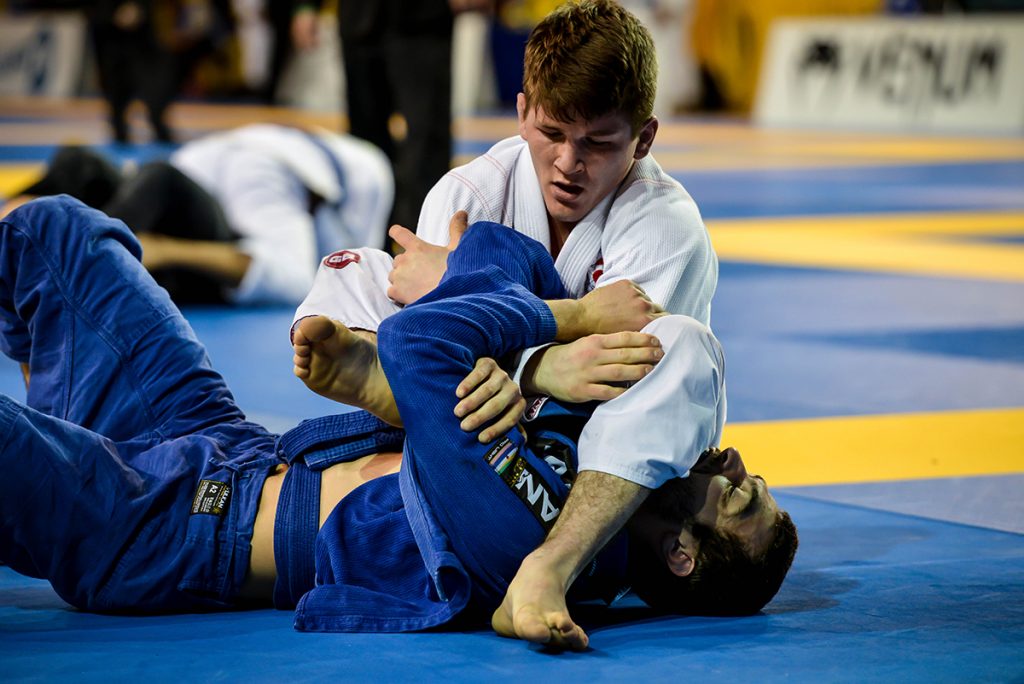 For example, thinking about an armbar from the mount should mean you’re firmly in the mount. Furthermore, you should always have a backup move to go to in case the armbar fails. No matter how good you are with it, in the that of battle you’ll probably make an error or simply be off with your timing. Knowing that you have a follow-up means that you won’t be worried about an attack failing and you won’t be forcing it.
Apart from forcing moves, you need to make sure you’\re not rushing them as well. Looking for an armbar straight off a scissor sweep is going to get you in a scramble. You’re much better off establishing mount and looking for a collar choke before thinking about an armbar. Yes, even if you’re not good at collar chokes, you need to at least use them as a threat to set up what you really like.
So, in terms of systematization, we’re going to divide Jiu-Jitsu techniques into three distinct categories, each with three subcategories of its own. Within those categories are moves and techniques that easily connect to each other, resulting in an easy to execute, complete gameplan.
The Defensive Game
Staying safe is a priority in BJJ. Attacking is always the preferred course of action, of course, but without defense, you have nothing to fall back to. Al lit takes is an eager and faster opponent and you’ll be forced into discomfort. Instead, make sure you know how to defend and escape every bad position in BJJ. Contrary to popular belief among beginners, this is the aspect of your game you really need to learn for competition. Conversely, here are the best Jiu-Jitsu techniques to help you feel comfortable when defending.
Standing
Every BJJ match starts standing. Even if you absolutely hate takedowns, you need to know how to stay on your feet long enough to pull guard properly. For that, you’ll need to get comfortable in two major aspects of grappling: Judo and wrestling. Now, since both of those are complex grappling martial arts of their own, you just need to know how to stay safe until you get what you want.
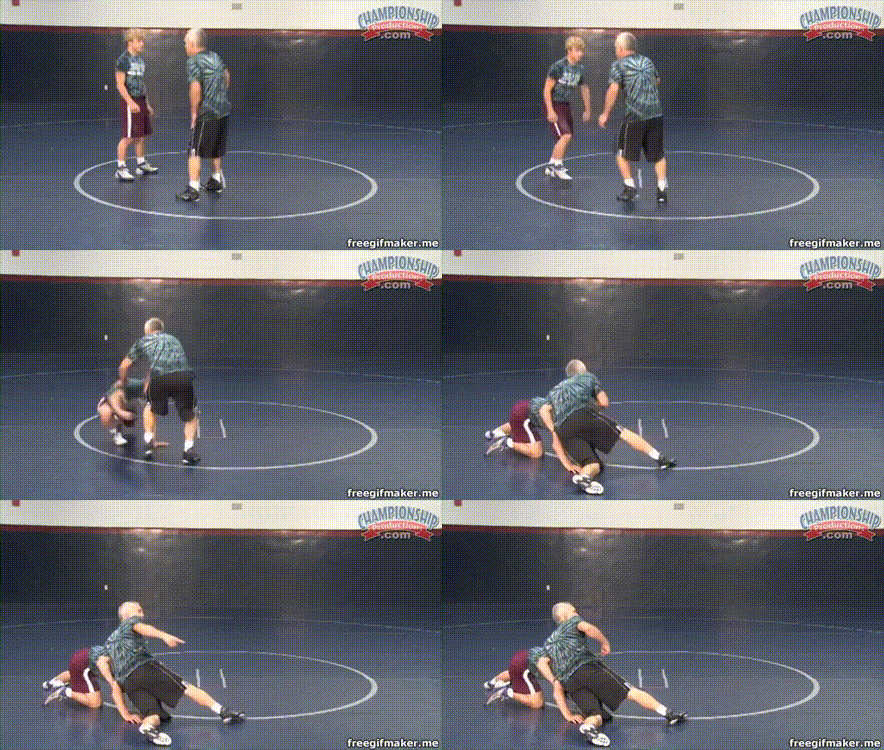 In terms of countering wrestlers, you need to know that they’re the ones that’ll go low the moment you slap and bump. Furthermore, once someone like that starts touching your head, you”re certainly up against a wrestler. Head touches are a popular way of measuring distance. No matter the attack remember that you need to be ready to sprawl in an instant. even pulling guard needs to be fast and decisive, so don’t expect much time to settle your grips. In terms of Jiu-Jitsu techniques, learn to sprawl fast and hard. It’s going to get you out of many wrestling-related messes on the feet.
Against a Judoka, expect an iron gripping rapper that stands tall and upright in front of you. The thing with Judo is that attacks are most likely to come in form of hip throws or foot sweeps. That said since both have different mechanics and countering is quite complex and requires judo experience, you need to cut them at their root. Your best defense against a Judo player is grip breaks. Yes, their grips are strong but with proper technique, you can restrict the opponent from establishing them. When you drill Jiu-Jitsu techniques, spend time braking Gi grips. It’ll be worth it!
Staying On Top
Although the top position is seen as a dominant one in grappling martial arts, BJJ is a very different story. Namely, open guard players are very dangerous, having attacks lurking where you least expect them. Having top position is going to do nothing for you if you get swept or submitted. So, staying on your feet long enough to make sure you can be dominant is key.
 When working against open guards, sweeps are the obvious major threat. Once again, grips play a huge role here. Whenever you’re on top, go fro grip breaks again, whether it is Gi or No-Gi. This is going to allow you to maintain a posture which is the backbone of a solid defense on top. Next, make sure you know how to maintain a strong base so that your opponent can’t manipulate your center of gravity. This means drilling sweep defense by shifting base and/or learning to get back on your feet instantly before your opponent completes a sweep.
Finally, in terms of specific Jiu-Jitsu techniques, you’ll need to have your submission defenses ready. Armbars, triangles, and Omoplatas are the most usual suspects although you need to work on collar chokes and guillotine defense as well. One of each should suffice but remember to always connect an escape or counter with a transition to a better position. Making techniques chains is key to a solid competition gameplan.
Bottom Escapes
When on the bottom in BJJ, unless you’re in a guard variation, you’re most likely in trouble, Whether it is side control, mount or back control, you’re going to have to fight your way out before thinking about anything else. So, make sure you do not dread these position and instead train regularly how to escape and counter them.
Your best bet to escape any given position is to have at least one solid escape. Although it is preferable to have two different ways out, one will suffice if you drill enough. Let’s say you’re stuck in bottom side control. The best way out is the simplest – bridge and shrimp. However, you need to be able to use this escape against any and all side control variations, which is often impossible. Until you think about frames. When drilling the basic side control escapes make sure you start with building frames. This is going to improve your escapes and it also translates to escaping other positions, like the mount.
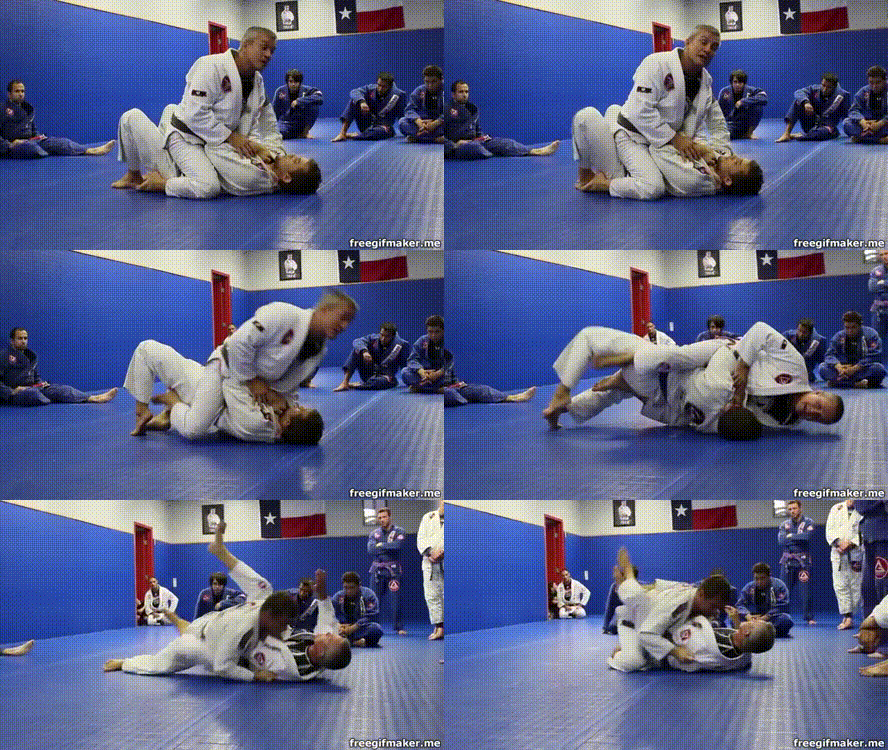 Getting out of bottom mount is not an easy task. When you’re considering Jiu-Jitsu techniques for this purpose, look no further than the UPA, or bridge. have an explosive bridge ready to go before your opponent settles. Drill the exact timing of the escape and make sure you do not panic. Once out, you can go straight into transitions to attack.
The back is the worst position to get out of, and you need to make sure you have at least one escape down. No matter which escape, remember to always make sure you grip fight to stop the choke from being set up. Only then can you think about escaping the hooks and the whole position.
Transitional Jiu-Jitsu Techniques
Under transitional Jiu-Jitsu techniques, we don’t just mean moving between dominant positions. Sweeps and guard passes are also transitional moves rather than attacking ones. In those terms, the three categories of transitional Jiu-Jitsu techniques include sweeping, passing as well as your usual inter-positional transitions.
Sweeping Jiu-Jitsu Techniques
With sweeps it is easy. MoOst sweeps depend on the guard you’re playing so you’re already probably adept at sweeping from there. generally, when sweeps are in question, you need to beardy to sweep from two major positions, no matter how little time you spend in them. Those are the closed and the half guard.
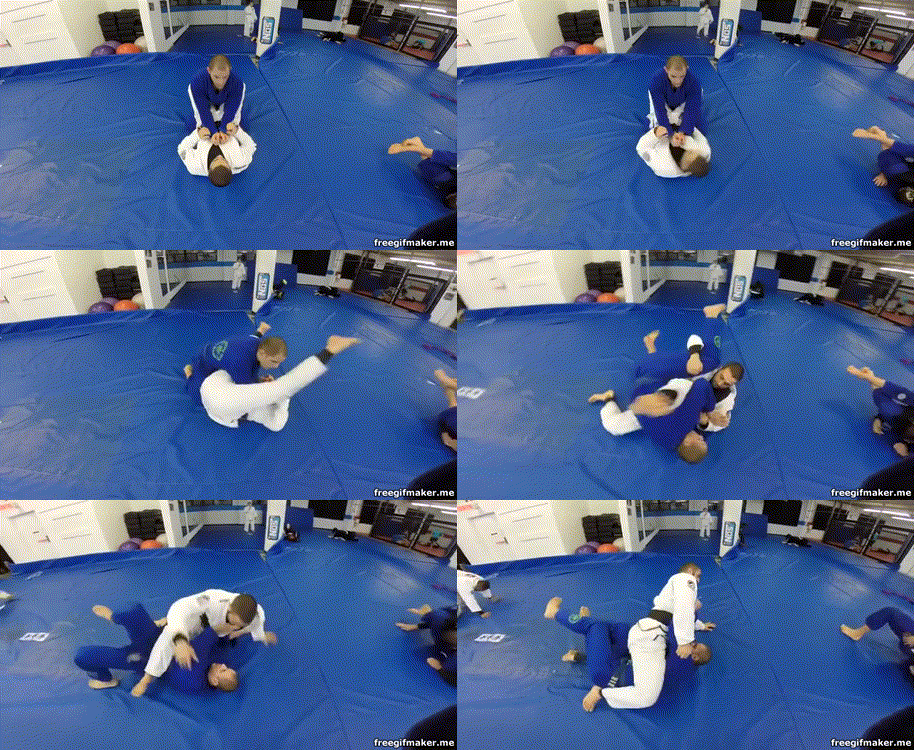 You simply have to know a sweep from the closed guard if you think about competing in BJJ. No matter which one you choose, make sure you can execute it to perfection, as it’ll you’ll most likely need it in every match. Best contenders are the scissor, pendulum and sit up sweeps. All of these are going to ensure you get on top, but even proficiency in one is enough for competition.
Form the half guard, there’s nothing that can beat the regular underhook sweep. First, it keeps you in a perfect position to be safe in the half guard, as you have to be on your side. Next, it keeps you close to your opponent, so they can’t launch an attack. And finally, sweeping is as easy as trapping their free leg with your arm. Learn, it drills it and uses it!
The Passing Gameplan
In terms of passing the guard, once again you need to know which Jiu-Jitsu techniques apply to a given situation. You can’t hope to use a standing pass against half or an open guard, so you’ll need variety in your passes.
Against the closed guard, I think that standing passing is the best bet, especially at beginner level. You can opt for passing from the knees as well, but standing is easier to drill land execute. Make sure you can do it in your sleep so that nobody can bother you from the closed guard.
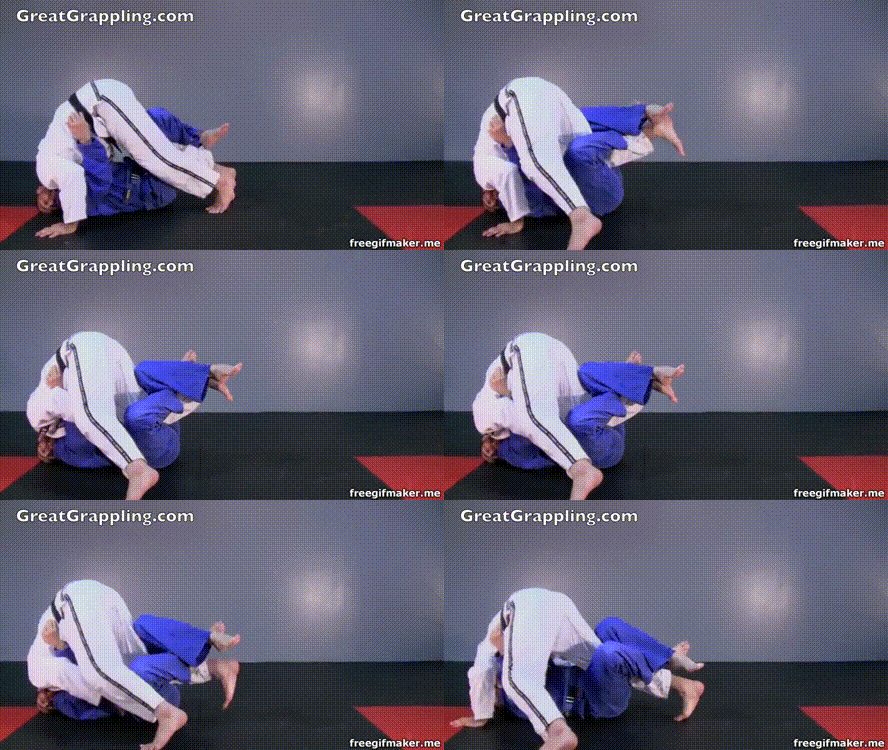 Half guard passing is once again going to revolve around the underhook. This gives you an easy system to follow. When in half guard, top or bottom, go for an underhook. This is going to allow you to pin your opponent back to the mat while you choose your pass. You can either knee slide or go straight into mount. Remember to drill on both sides as you can’t know which side your opponent prefers!
Finally, the most complex types of passes are against the open guard. Since there are some any open guard variations, you need to make sure you have a couple of passing systems that cover most. Your best bet is to have a pressure pass (knee slice or over-under, for example) and a circular pass (torreando or leg drag) in your arsenal. Choose your favorite and learn it good. You’ll discover which to use when in rolling and in conversation with your instructor.
Or, you could pick up Craig Jones’ latest DVD series “How To Pass Guards Quickly And Easily”. It is going to provide you with all the essential guard passing Jiu-Jitsu techniques for competition.
Positional Transitions
Positional transitions do not require a lot of explanation. You already know that in BJJ, you need to be in a correct position in order to make sure you can control and/or finish an opponent. This means progressing through the hierarchy of position until you reach your favorite.
To that extent, you’ll need to know what to do once you pass, sweep or escape a position. When in side control, you have the option of going to mount or back control. Make sure you have a way to both so that you cover every direction your opponent goes to. IN terms of the mount and back, these positions are interchangeable between themselves, although back control is preferred. WWhen in mount it is not hard to transition to the back. The same goes for back control, although going to mount should only be an option when an opponent is close to an escape.
The goal is to never allow an opponent to return you from mount to side control, or further back like half or full guard. Once you get a position you need to know how to stay there or transition towards your favorite one.
Attacking Jiu-Jitsu Gameplan
Finally, we arrive at the cherry. This should be the last part of your gameplan, despite common practice. Yes, submissions are fun but they’re also really hard to get in the competition. So, when you prepare your gameplan, make sure you have all your defensive and transitional Jiu-Jitsu techniques ready before you move on to attacks. In terms of attacking, submissions are the obvious focus, although taking an opponent down is also a part of this category.
Essential Takedown Skills
In terms of takedowns, we already covered the defensive aspect. If guard pulling is your forte than by all means, practice it as an attack. after all, it is a great way to take the fight to the ground, which is the essence of a takedown.
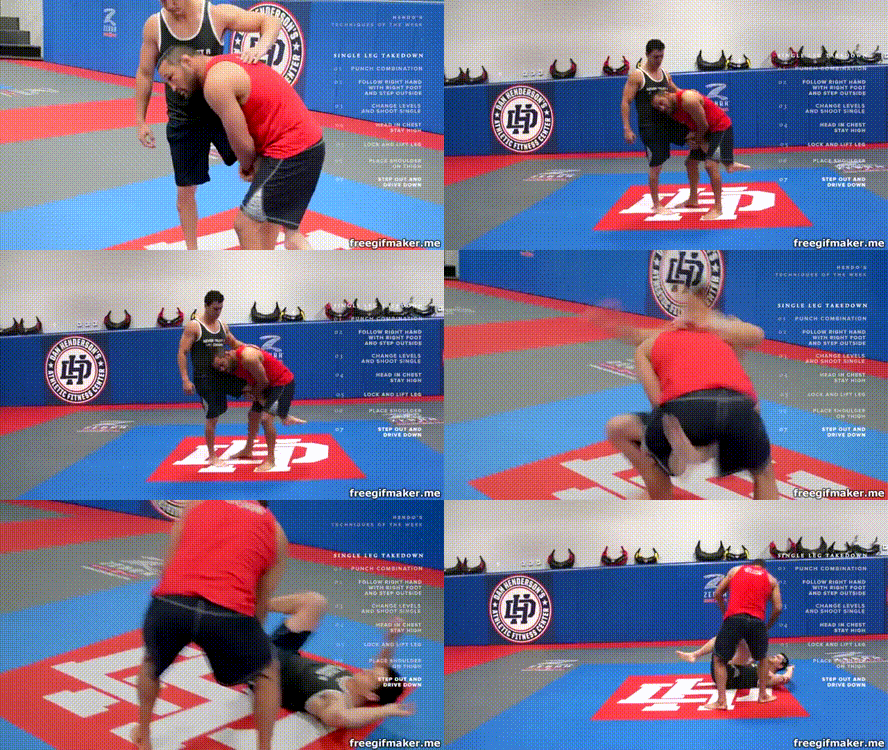 If you want to shake things up a bit, make sure you choose a specific takedown or family of takedowns to practice. Your best bet is to go for either Judo throws or wrestling takedowns, instead of trying everything together. That said, your focus should be directed towards high-percentage techniques only. Judo foot sweeps or with double and/or single leg takedowns are your best bet. They require a lot of drilling but aren’t too difficult to learn.
Top Position Attacks
First and foremost, let’s make one thing clear. Attacking from top positions means attacking from either top side-control, mount or the back. Half guard is also an option but you’re better off passing before you attack.
From side control, your best bet is to attack with moves that don’t require a lot of movement. The paper cutter choke, baseball choke and bent armlocks (Kimura / Americana) are your best bet. That said if you prefer to go for an armbar, by all means, drill the move and go for it! Remember that you can also always transition to the back or mount as well!
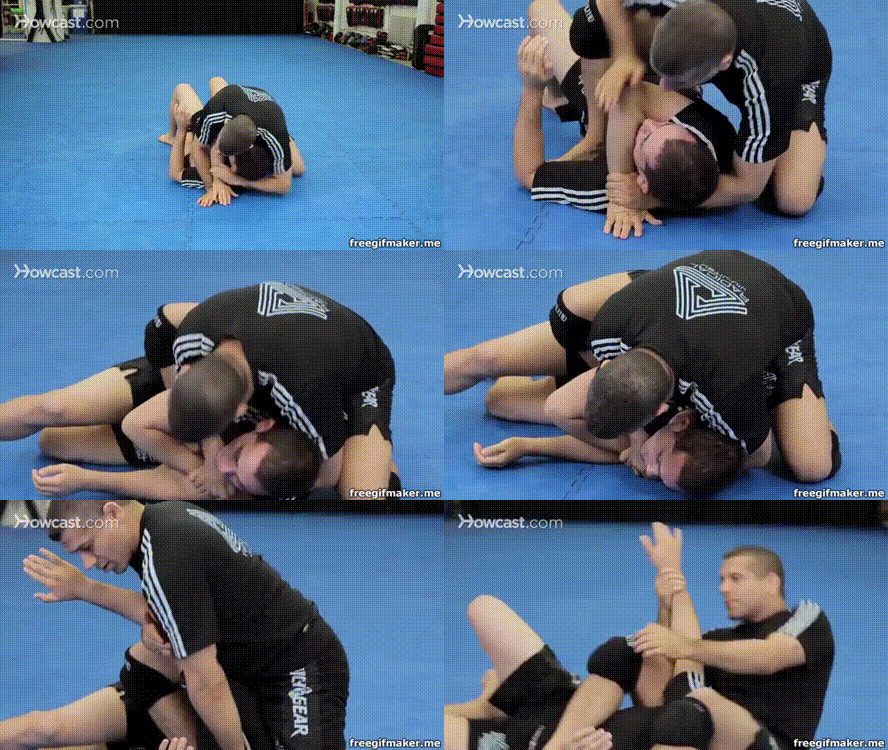 Form the mount it’s always best to keep things simple. Leave the mounted Ggogoplatas for later and focus on the highest percentage BJJ submissions. Those are the cross collar choke and the armbar from mount. My advice is to learn them as a system so that you use both with equal efficiency when you attack. In terms of attacking from the back, there’s not much to talk about. Go for a choke. Pick a collar choke and master it, but do not forget about the rear naked choke as well. It offers different options in the Gi and is essential for No-Gi.
Bottom Attacks
 Attacking from the bottom is the defining characteristic of Brazilian Jiu-JItsu. there are plenty of Jiu-Jitsu techniques that fit the bill here, and if you try to learn them all, you’ll fail at all of them. Instead, as a still somewhat beginner in BJJ, as a blue belt, you should look to perfect the three best moves from the bottom. Those are the triangle choke, the armbar, and the Omoplata. As you can see, those are the same three you need to know how to defend against.
These moves are the high percentage at every level of Jiu-Jitsu. they also tie together perfectly in a system and are easily accessible from plenty of guard variation. These are the holy trinity of submissions and you should drill them every time you train!
However, it is always prudent to have a few surprises down your sleeve. To that extent, pick up Danaher’s leg lock DVD and throw in a few butterfly guard leg lock attacks as well. While you’re looking to keep things interesting, spend some time experimenting with the Kimura as well. It can be a very powerful submission as well as a gateway for sweeping. And finally, make sure you at least know that the Guillotine choke exists as a weapon from the guard. turn to Lachal Giles and his “High Percentage Chokes” DVD series for detailed advice.
Source Videos: Mount escape, Pendulum sweep, Half Guard Pass, Single Leg, Triangle Armbar, Sweep Counter, Sprawl
Related Articles:
BJJ Blue Belt Requirements, Struggles, And Expectations
Simple Side Control Escape Concepts You Must Know
Roll Tired To Perfect Your Jiu-Jitsu Techniques
5 Steps To Fix Your BJJ Game Weak Spots
Turtle up! A Quick Guide To The Forgotten Turtle Guard




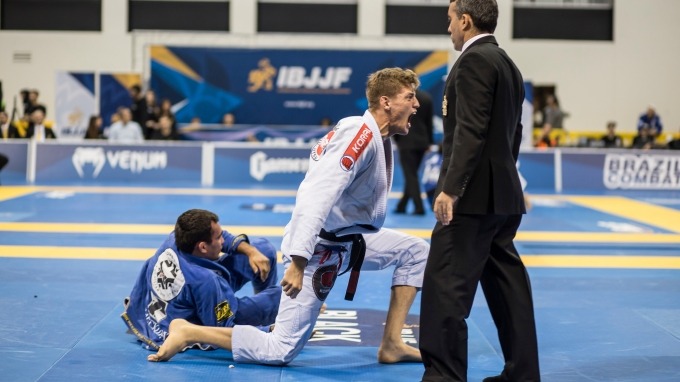
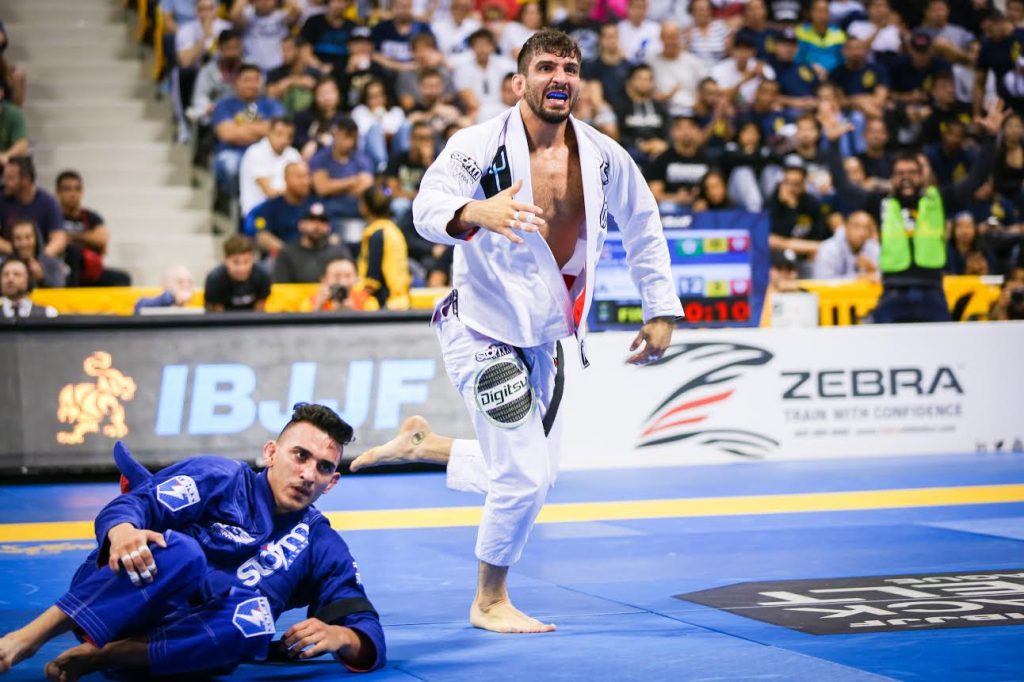 So, you went to a Jiu-Jitsu tournament and you lost. Big deal, right? Well for some people it turns out that it is a very big deal. Or at least the make it one. The fact is that nobody likes to lose. It is in our nature as humans to always strive to be better than others in different areas. BJJ is no different. However, people coming out on the losing end often do not want to accept the loss as it is. In turn, they come up with a plethora of excuses to justify their lack of grappling success.
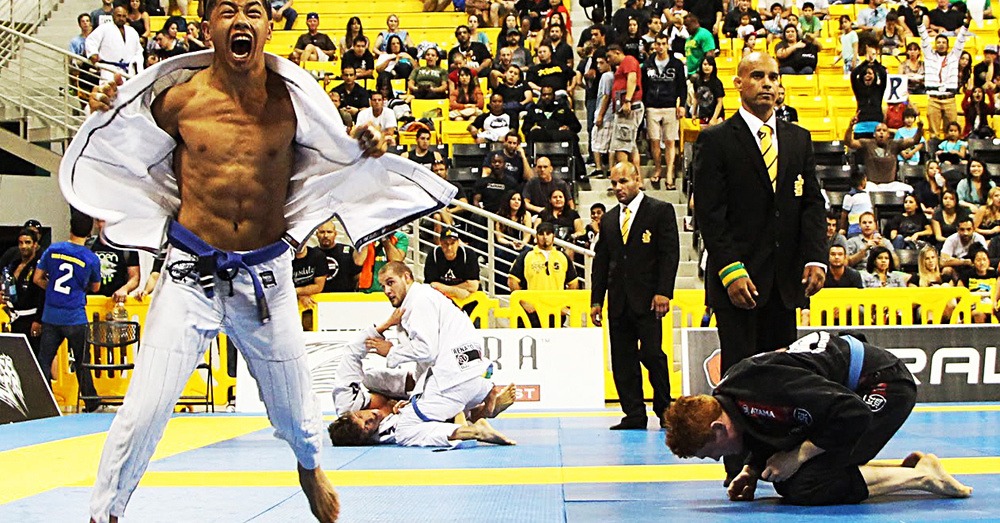 The trick with a loss is treating it with no more respect than the minimum required(see below). Losing is not a big deal, as for the majority of grapplers it isn’t a question of income. Losing once, or even a few times in a row doesn’t mean you’ll never be able to win. Look at a loss the same way you look at tap in practice. Brush it off, smile and slap hands again.
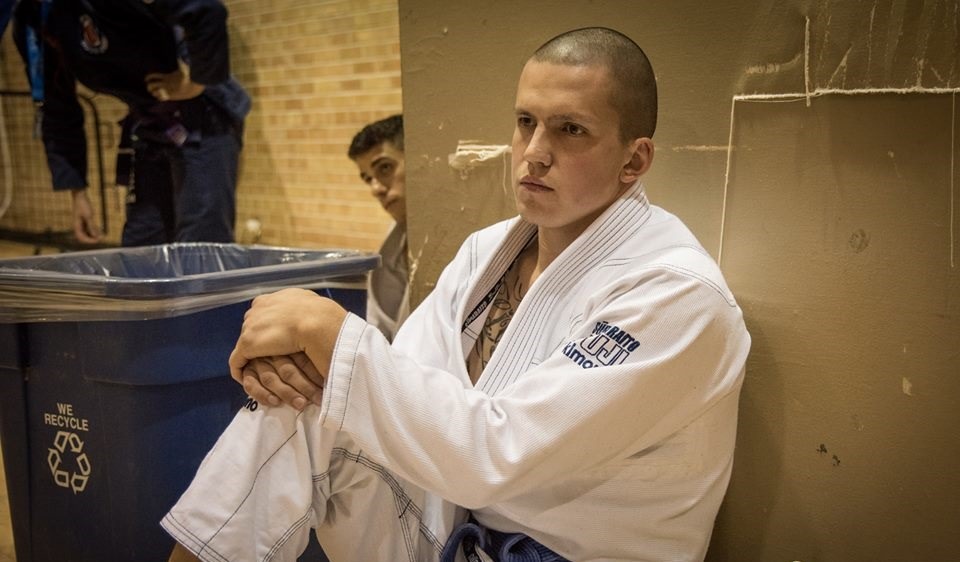 Stress management is another great coping mechanism. So you wnt out to grapple and you lost. That’s no reason to feel all jittery and stressed out afterward. In fact, this strategy works just as well before the competition as it does after. Make sure you relax and really think about the point of it all. You compete for fun and you should have fun while you’re doing it. Losing shouldn’t prompt you to spend the rest of the day stressing out like you’ve lost your job.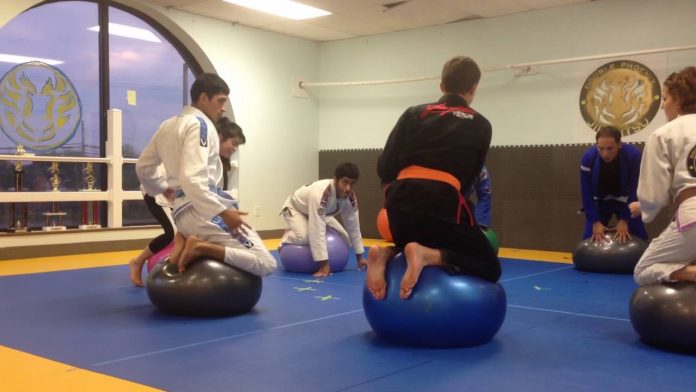
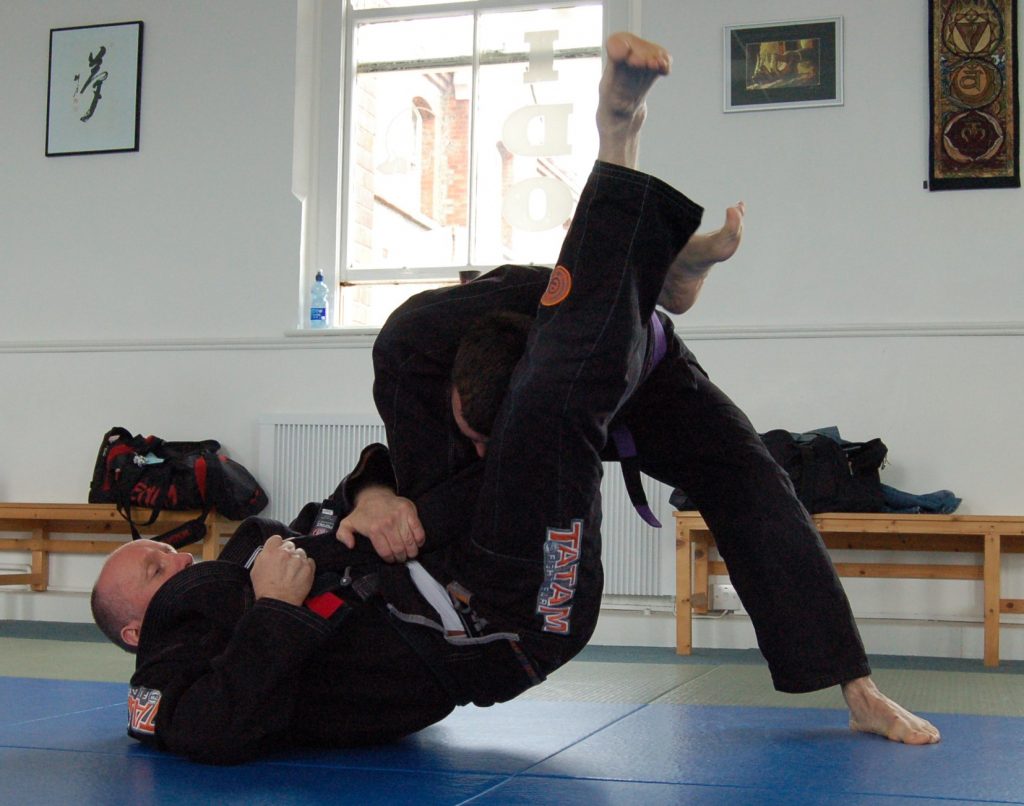 In terms of preventing this, there are three bases to cover. First, you need to recognize your opponent’s attempts to get you out of balance. Next you need to make sure you can keep your center of gravity. The main method for this is maintaining good posture. Furthermore, you can look to directly counteract gravity by becoming stronger in certain specific areas. The posture and specific strength are highly trainable qualities. Recognizing when your opponents are attacking your balance in Jiu-Jitsu is down to experience and understanding of the game,
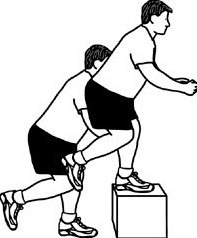
 This one is fairly easy. Use a box, stairs, or even an unstable surface for this exercise. Bosu balls or stability balls are the props of choice for unstable step ups. The idea is to step one leg on the elevated surface and use it to go all the way up. When you have full extensions, go down the same way. Now repeat on the other side. 10 reps per leg are the sweet spot.
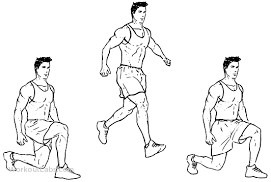 Lunges are one of those exercises that are good for multiple different athletic qualities. Balance happens to be one of them. No matter which direction you’redoing them in, lunges are a great way to help you stay on your feet. Once again, you can use an unstable surface with the leg you’re working. It’s the same as step ups, only on a flat surface instead of an elevated one.
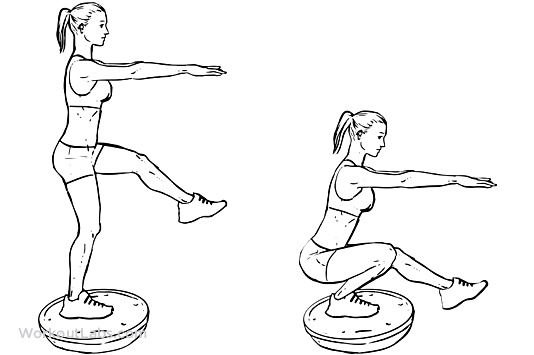 Stay off the unstable surfaces for this one. As easy as they might look, you’re in for a surprise once you freest trey them. Start with the very basics and use progressions in order to achieve full pistol squats. They’re a magnificent tool for balance in Jiu-Jitsu and every grappler should be able to perform them, For the pistol squat, you start standing. Raise one of your legs straight in front of you, as close to hip level as possible. now go down all the way with your other leg, keeping the leg straight. three sets of ten are going to make you unsweepable.
 This is where things get a bit more dynamic. Simple jumps are a great way to test your balance. Now, try doing them with one leg only and you’re really going to have to focus. As with pistol squats, unstable surfaces are not a great idea here, unless you’re really comfortable with jumping on the floor. Even then, make sure you’re careful and do not force things.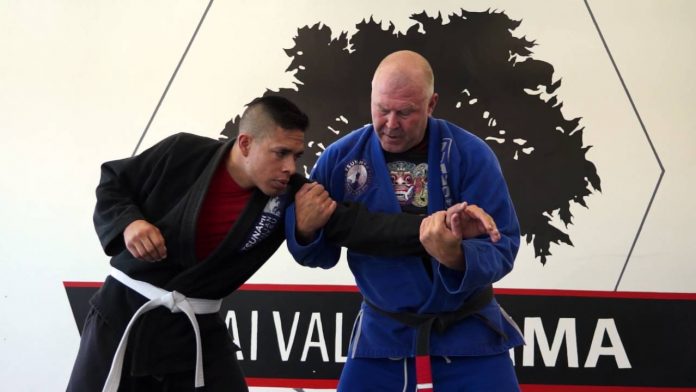
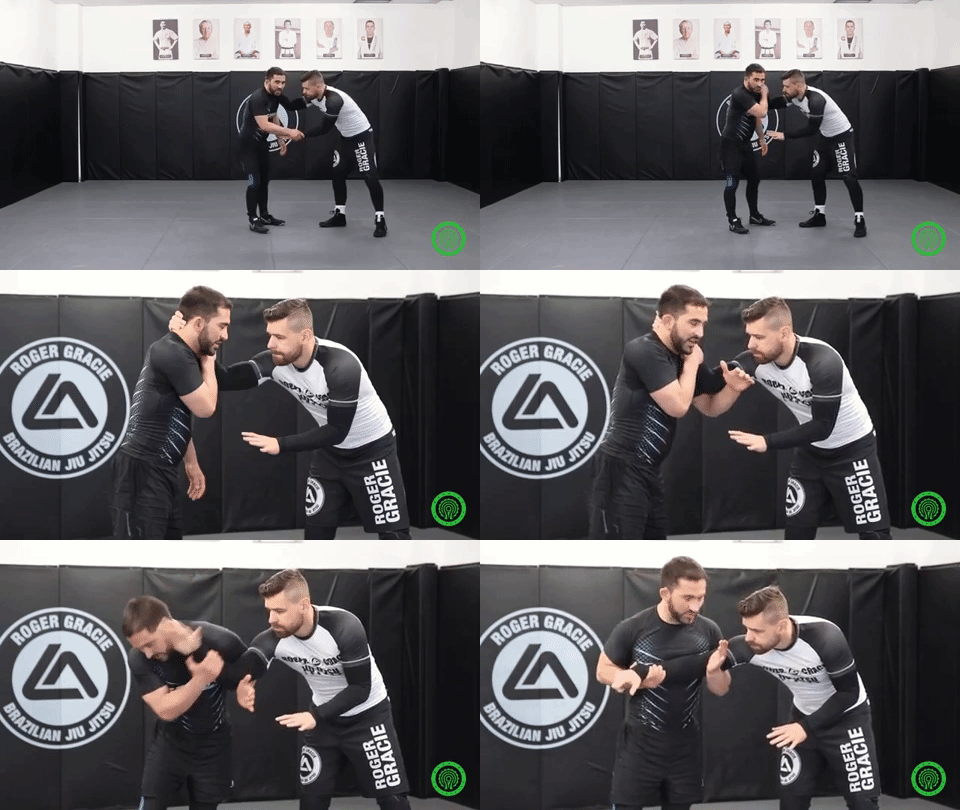
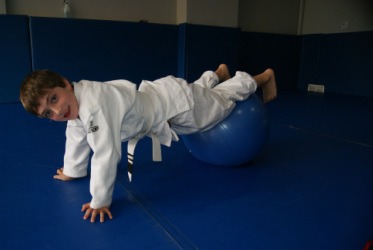
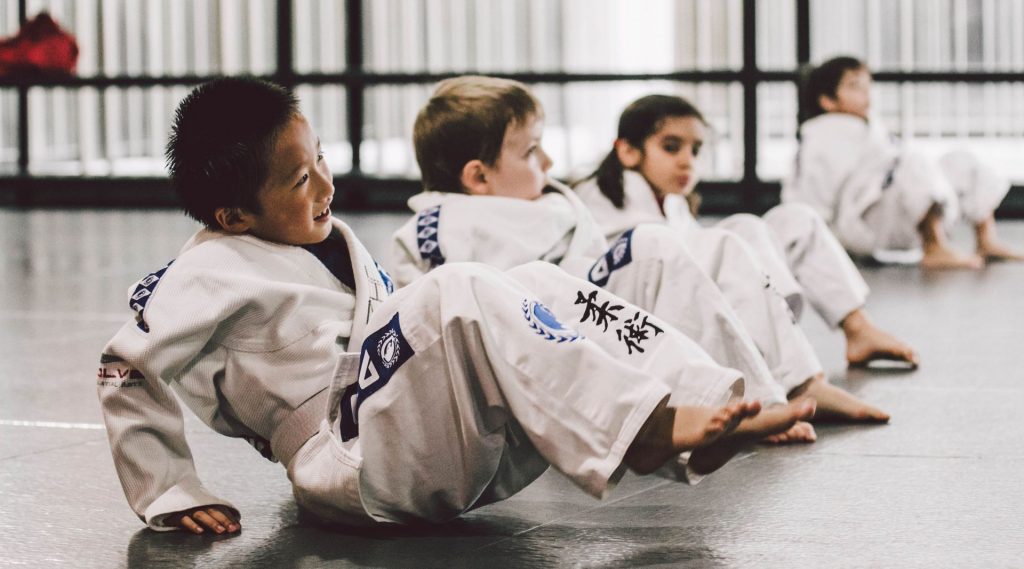 There’s also the issue of a number of kids. Once you have more than 6 – 8 kids, there’s little chance of you running an effective class. if the age difference between kids is also huge and varied, you’re in for a long night. The first thing you need to do is find yourself some help. either a fellow instructor for an advanced enough adult student is enough. If you’re all alone, with a dozen kids, forget about getting the most out of class in a technical sense. You’ll need a different approach to keep everyone happy and still accomplish to teach the kids something.
 Following drills, you have a couple of options. Either give the kids a game, which is essentially, just drills in disguise or goes for the technical part. This depends largely on the time you have at your disposal. When demonstrating technique keeps things simple, interesting and understandable. And avoid submission holds at all costs. Make sure kids understand that an armbar position, for example, is where they win.
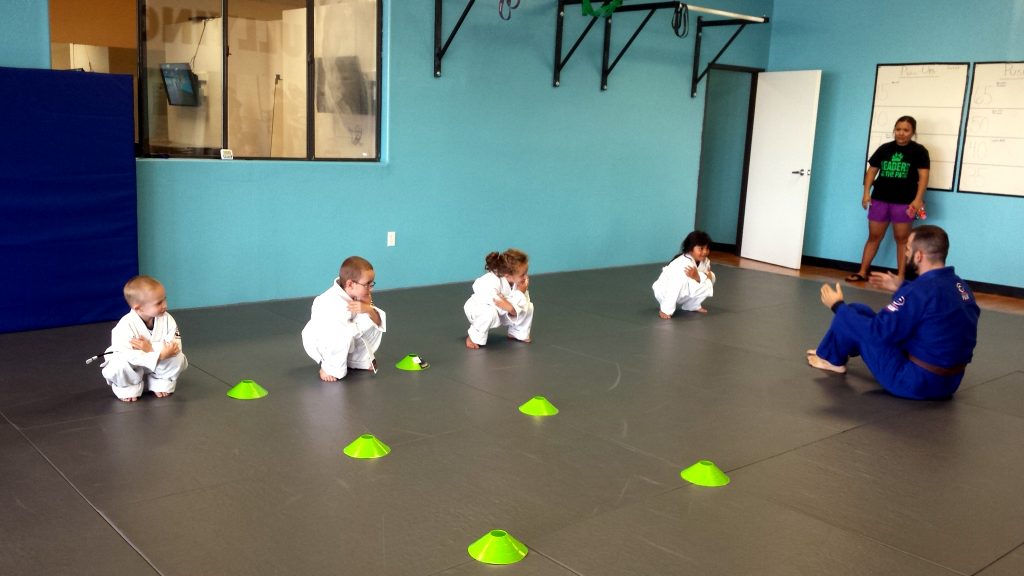 The best manner to do animal drills is lengthwise in the gym. Put the kids in two or three lines and call out a kid to the front of each. next, have them do a “trial run” just take their time to get to the opposite end. Once they run back, have them line up at the back. when their turn comes up again, tell them that the goal is to get to the end first, while still moving correctly. That way you add both intensity and a competitive drive to the drill. Kids will love it.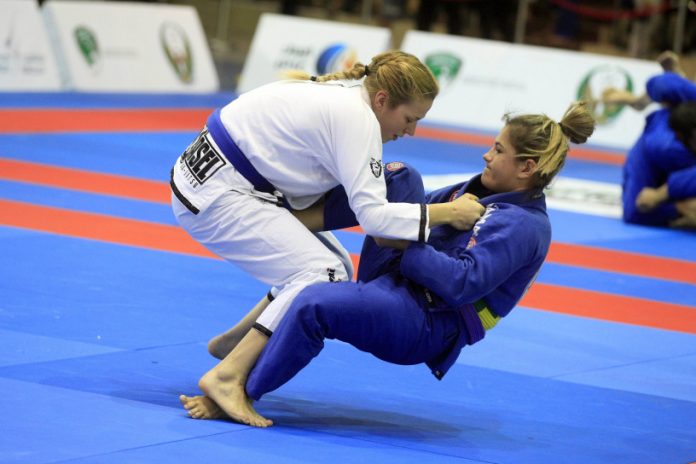
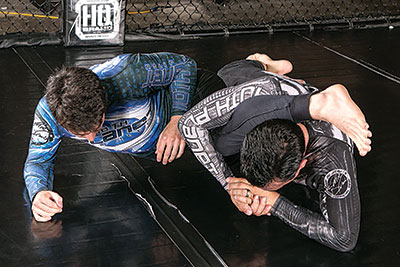
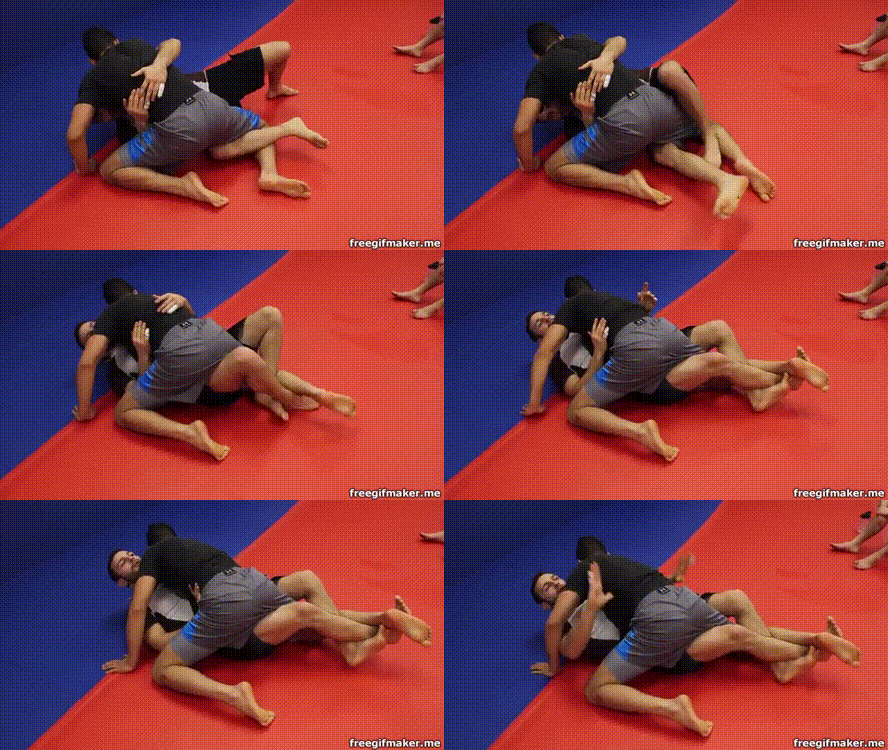 For the lockdown, you start on the bottom of half guard. You need to have your outside leg go on the inside, trapping the opponent’s shin. This is generally contrary to most other half guard positions. Once you have the leg inside, you use your other leg to build a triangle. The second leg is the one that goes on top of the one you used to trap the shin. Once you have this wedge though, you need to look to reinforce it. To do so, sneak the foot of the leg that’s on top of ht triangle under the opponent’s trapped leg, as low on the ankle as possible. In order to stay in the position, be sure to flex both your feet and keep them there at all times.
 From a basic lockdown, you need to find both underhooks. As a general rule of thumb, the first underhook you look for is on the side of the trapped leg. To open up space from your back simply pull both your knees toward the opponent’s butt, then extend the legs upwards as far as possible. You’ll notice that the hips of the opponent lift up as a result and their balance is in jeopardy. From there. swing the extended legs to the side you’re planning to underhook. This is going to force your opponent to base out, which opens up space for the underhook. Once you have it, return with your back on the mat.
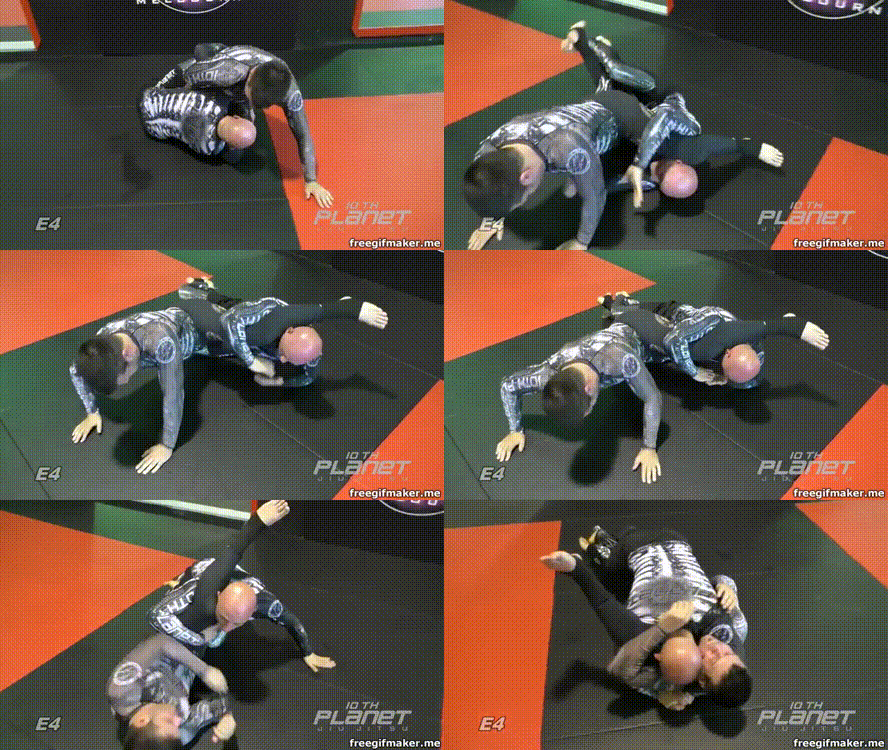 Finishing the sweep involves you repeating the knees in, legs extended and swing once again. Since you’re already on your side, you’re going to do it swinging to the opposite side (the side of the trapped leg). When you finish, you need to make sure you have the opponent’s underhooked thigh on your shoulder. Only when this is in place, you can pull yourself up, getting on top with the opponent’s legs in a split.
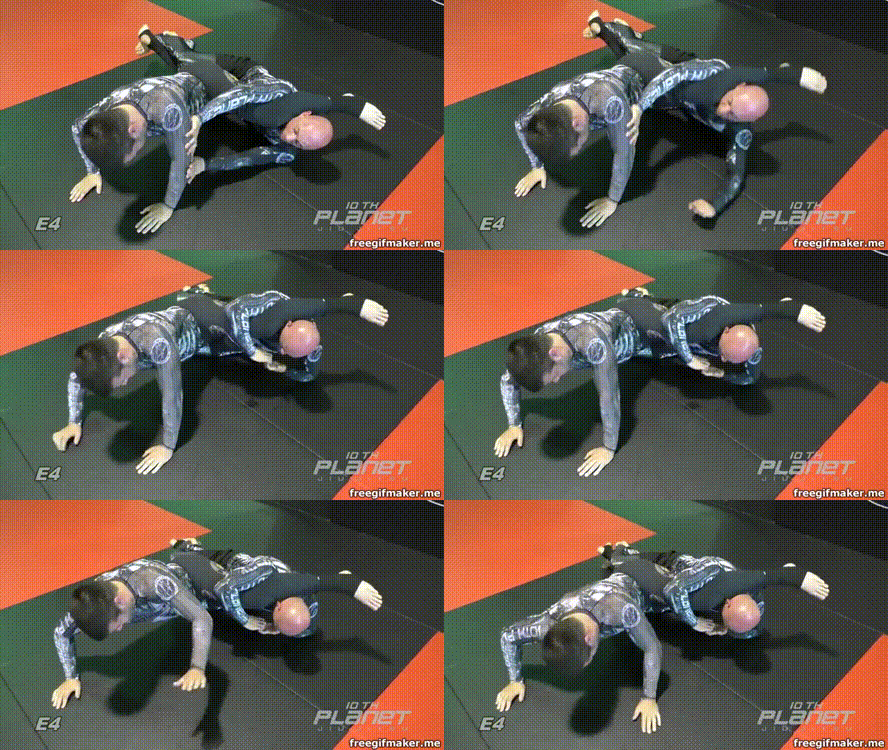 When you pass, your opponent is going to be so grateful that there’ no more pressure that’ll get submissions for free. Actually, you can finish a fight directly from the completed sweep position. Simply twist the top side leg of the opponent toward teh other leg and apply pressure forward. You’re going to get a crotch-ripper submission with absolutely no effort. However, keep in mind that this move is illegal in some competition formats.
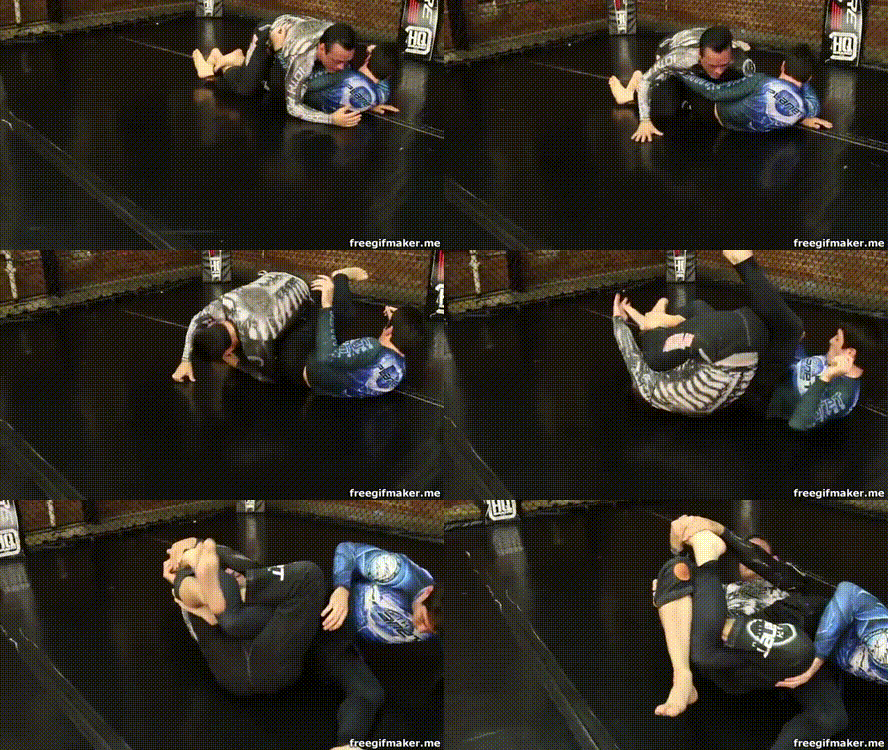 From the same position, you can also get the leg over (like for the leg drag pass) and hit a slicer. Once the leg is over, turn back, grab the foot of the trapped leg and roll over the shoulder. This is the “Vaporizer” as Eddie Bravo calls it and is the nastiest slicer in BJJ.
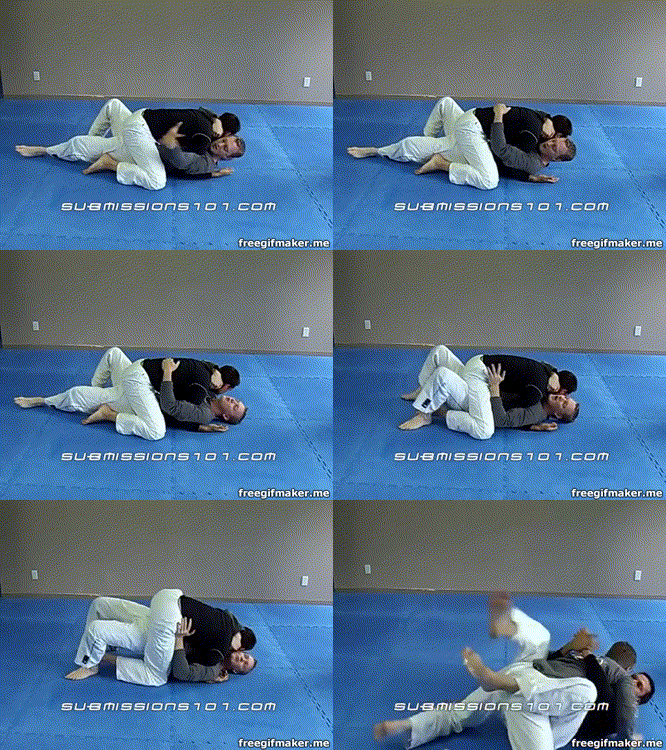 The very basic mount escape is the “Upa” or bridge escape. This one is really effective against the low mount and can work at every level. It is based on one of the most essential BJJ movements which you most likely drill every time you step on the mats. IN order to be able to utilize this escape, though, you need to make sure you follow a checklist.
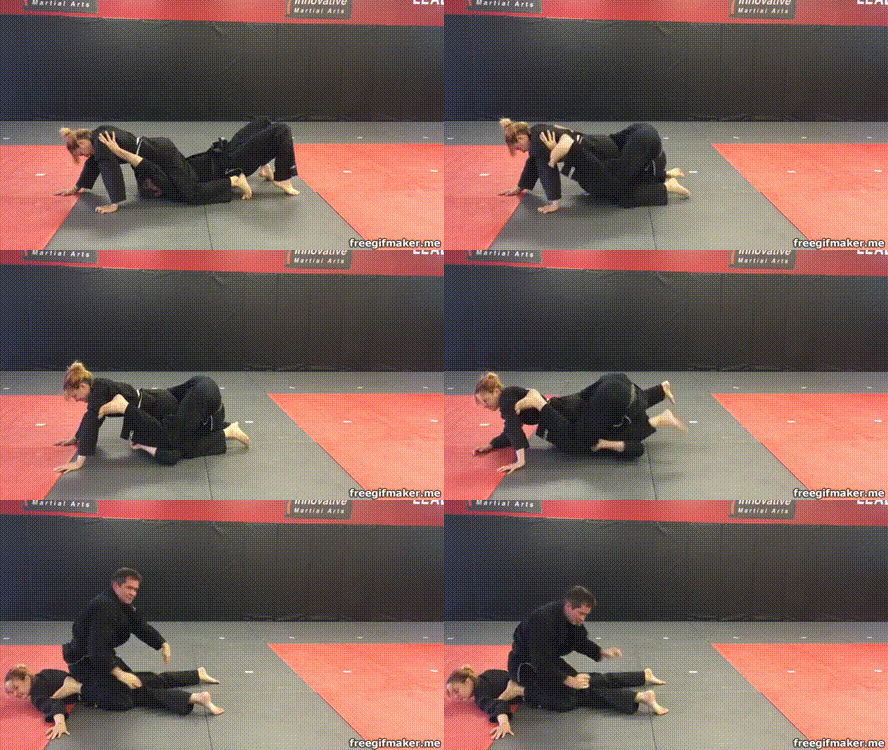 This is primarily a high mount escape. Every time an opponent is high up your chest, they’re sacrificing direct control over your hips for added pressure. The freedom of your hips is the logical tool to use in order to escape. What you need to do is lift your hips as high as possible, inserting both your feet into the opponent’s armpits. From there, the goal is pushing as hard as possible into the armpits in the direction over your head. Remember to also roll over in order to end up on top. A key thing here is to keep your feet in the armpits. Do not cross them all the way in front of the opponent as you can get leg locked.
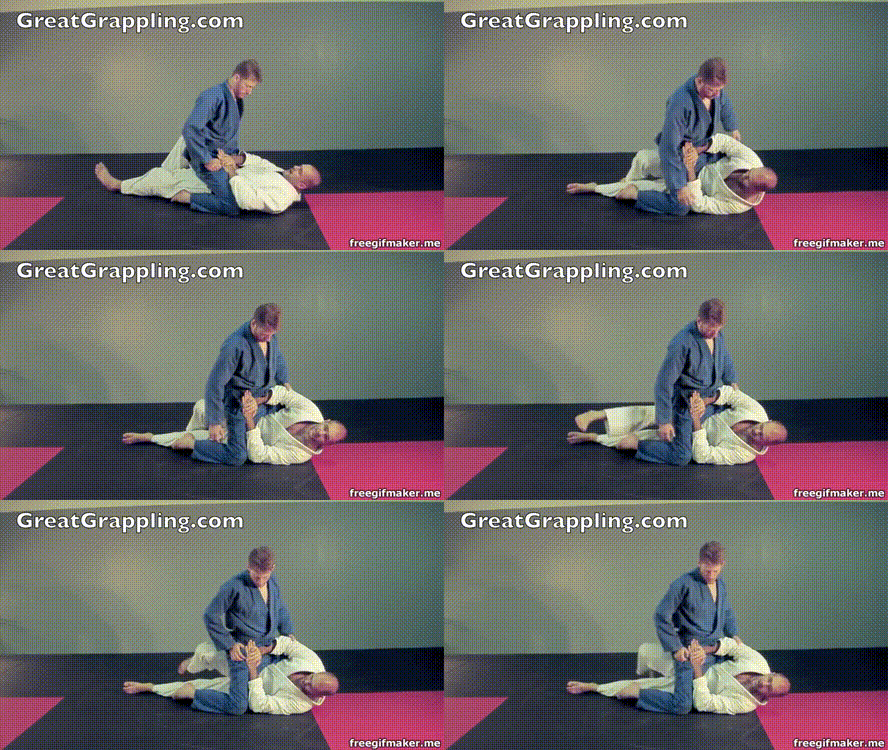 The basic idea is to use both your arms to create a frame against the opponent’s hips. Prop the elbow of one arm on the mats and use the other as a cross frame. Once you have the frame it’s time to go to one side, so that you can hip escape. While you shrimp out, push back on their hips in order to prevent your opponent from following you. You’ll end up in half guard or full guard, ready to work.
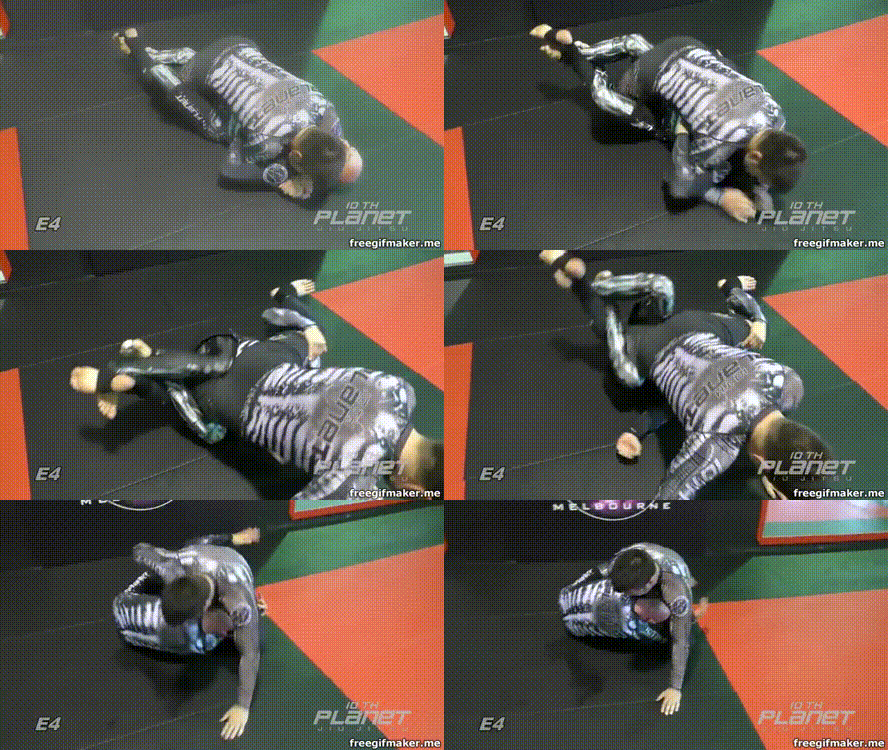
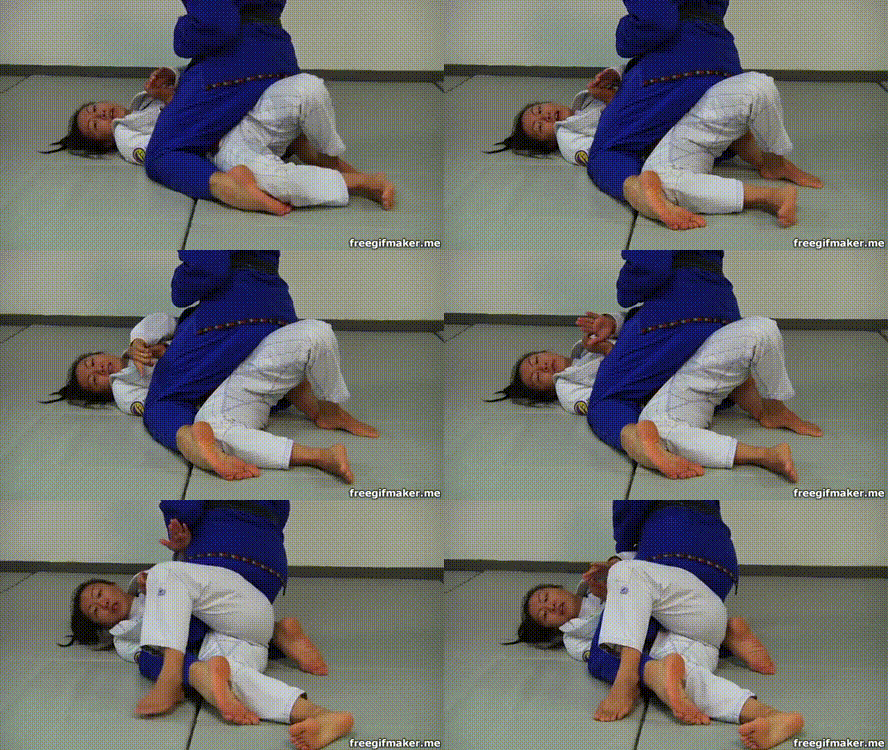 For this escape, you either need a frame on the hips again or just to push on them with your palms. The idea is preventing the opponent from coming forward. Once that’s done you completely extend one of your legs and return it up. The goal is to use your knee to push on the inside of their shin while you get the leg back. Once you have it bent sufficiently, use your other leg, foot on the ground, to reinforce the frame. All that’s left now is to wait. No matter where your opponent moves, they’ll end up in your half guard, since you have their leg isolated. It is a really cool and efficient mount escape to have in your arsenal.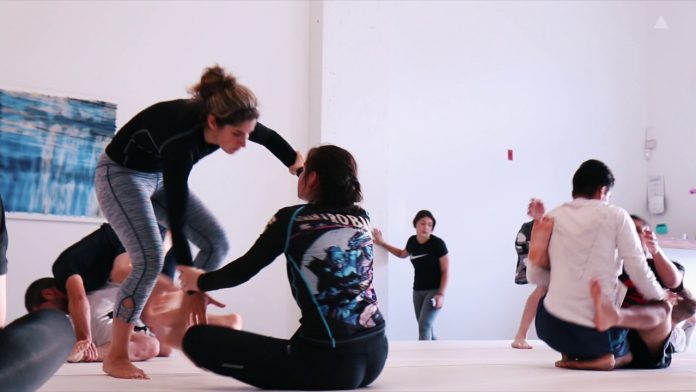
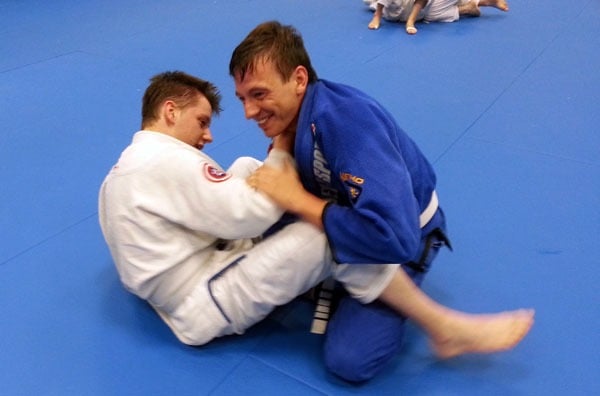 When we roll hard, we tend to go with our best moves only. The high-stress environment offers very few opportunities for thoughtful work. Instead, we fall back to automatic responses, which in grappling, means favorite moves. there’s nothing wrong with this, however, it’s hard to introduce new techniques when you’re stuck repeating old ones over and over again. Flow rolling is a surefire way to ensure your game develops constantly, even when you go for competition rolls.
 The arguably most important thing during flow rolling is consciously giving away moves and techniques. To clarify this doesn’t mean allowing a partner to move around doing whatever they want. Nor does it mean digging into a defensive position and remaining solid as a rock. It means allowing a partner to execute a technique without resistance so that you can think about going straight into a new move yourself. You’ll notice that thinking ahead instead of focusing on stopping a move is a far better strategy for Jiu-Jitsu. Learn to adapt and avoid scrambles by thinking about linking defensive, offensive and counter move together constantly.