Here we are at yet another article that’s going to tackle a few nutrition myths. Of course, those are myths pertaining to Brazilian Jiu-Jitsu nutrition, rather than genera fitness ones. With all the diets out there, from specialized to those that “work for everyone” it is hard to choose the Best Diet for BJJ. That is because such a diet does not exist. There’s no universal system that’ll help you get in shape like some of the grapplers you like watching fight. However, there is the individual approach to the entire BJJ lifestyle that includes diet. And that is something that will work for everyone, as long as it is based on personal needs and realistic goals. To that extent, there are a lot of diets out there, and some are better than others for grappler.
In order to make life easier for grapplers, we’re launching a series of articles under the name Best Diet for BJJ. In it, we’ll be covering most of the famous diets out there, and how they work (or not) for Jiu-Jitsu and other grappling martial arts. Of course, there’s always that individual factor as well, along with personal preferences. Still, most people out there that like to experiment with clean eating have dabbled with different things. The usual suspects here are Paleo, vegetarian/vegan, Gracie Diet, Keto, Flexible dieting, Dolce diet, etc. They all have their merits and they all have their drawbacks. That is what actually makes the good choices as long as they satisfy the individual factor.
Best Diet for BJJ: What Is A Ketogenic Diet?
Opening up the account in our Best Diet for BJJ series is the Keto, or Ketogenic diet. Before we head off to explore whether or not it is sustainable for grapplers, let’s talk about Keto in general for a little bit. The ketogenic diet is based onshifting your body from burning carbohydrates as the primary source of fuel, to burning fat. It does so by shifting the metabolism to what is known as ketosis, or the production of ketone bodies. There are the byproducts of metabolism that doesn’t have carbs at its disposal.
The ketones or keto bodies are byproducts of the metabolism of fat, which occurs in the liver. Those can then be used instead of carbs as fuel, particularly for the brain. During a Ketogenic diet, the level of ketone bodies in the blood rises. In fact, it should be at a certain level, if you’re really want to do the diet correctly. That requires daily checks of the ketone bodies in your blood via pricking a finger (similar to checking blood sugar levels). Moreover, since carbs are literally everywhere these days, you’ll need to introduce exogenous ketones in the form of a supplement to really help you stay in ketosis. Not a simple thing to do at all, but is it worth it?
Benefits of the ketogenic diet include quite rapid weight loss, improved health, particularly of the cardiovascular system, and increased energy. It does take a while to get used to it, though, and the first few weeks when switching from a regular diet are going to be extremely hard.
Disclaimer: Always consult a doctor, and avoid even attempting a keto diet if you’re diabetic, or have other metabolic issues.
Will It Work For Grapplers?
So, even though this diet seems strange, yet effective, will it actually work for grapplers? After all, can the body really run at a high pace with only fat as its primary fuel source? Fat is easy to get in sufficient quantities as it is the most calorically dense of all the macronutrients. Moreover, fatS usually taste great, so there’s no palatability problem. In terms of fat as fuel for demanding athletic performances, it all depends on the exertion.
When trying to go at the pace of a professional athlete, the ketogenic diet might actually cause more harm than good. The body gets into a depleted state from training, and trying to keep it running on ketones only might easily lead to ketoacidosis which is a pathologicalcondition. In short, it is not what you want to achieve. Staying in ketosis for prolonged periods of time might actually feel counterproductive unless you allow your body a period of adaptation when switching to keto. That means laying off hard training as well.
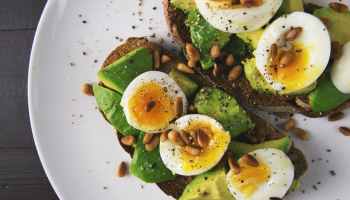
On the other hand, the reason why Keto might be the Best Diet for BJJ out there is sustainability. Eating fat and protein is not really hard, even if you have to eat out. What you need to cut, apart from all obvious grains, is also fruit, because it is very rich in carbs. That might be a nuisance for some people. However, on the other side, you have “as much as you want” bacon, eggs, avocados, coconut oil, nuts seeds, and the likes.
Another thing to consider, when choosing Keto as a lifestyle is age. The older you get, the more it will fit an athletic lifestyle, while providing ample amounts of energy.
Weight Cutting On Keto
If you are not on a ketogenic diet already, switching to keto in order to cut weight will get you results, but it comes at a price. That price comes in the form of something called the Keto Flu. it refers to a group of symptoms that appear whenever you switch from a carb-rich diet to a ketogenic one. And it can completely mess up your weight cutting as it takes 7-10 days for those symptoms to clear up.
Symptoms begin two to seven days after switching to a keto diet. Headaches, nausea, irritability, brain fog, a broken sleep rhythm, etc are the main signs. If this happens, your training will suffer, and so will your weight cutting efforts. The Keto Flu passes quickly, as long as you eat a bit more often, perhaps sneak a few carbs in to ease the transition and drink plenty of water. As you can see, it may not be the best idea to go on a weight cut by going full Keto if you’re not used to that way of dieting from before.
The best BJJ diet for you should factor in weight cutting, but it has to be apart of the system, rather than changing it altogether. That means, start Keto a few months before you need to cut weight. That will prime you to just adjust a few macros here and there and cut weight easily when the time comes. In fact, you’ll shed a few pounds anyway, meaning there’ll be barely anything left to cut when tournament time comes.
Wrap Up
The best diet for BJJ is the one you can stick to, period. However, you won’t know until you try, and spend a few months on it. Keto won’t work immediately and it will take time to adjust to it. there will be visible returns tough, especially when your body adapts to using fat as fuel instead of carbs. the diest can be somewhat challenging to adhere to, though, in the long run, so make sure you experiment with it rather than saying you’ve found the best BJ Jdiet for you on the first day.
Roger Gracie is a name that everyone in grappling has heard of. Those that are newer in the BJJ world might not have had the chance of enjoying his performances live, but you can see recordings of most of them. In fact, you probably have. Roger, both in his MMA and BJJ fights always had an extremely simple game, that was just as devastating as it was uncomplicated. Now, he provides us with the details of one of the key aspects of his game – The Roger Gracie Side Control System in the form of a modern-type Roger Gracie DVD instructional.
I’ve always enjoyed Roger Gracie’s Jiu-Jitsu, whether it is watching him fight, or hearing him teach. He is one of the best instructors ever, although has not really exposed himself too much in the digital BJJ World. Getting your hands on a Roger Gracie DVD is not hard but there aren’t too many of them available. So, when something like the Roger Gracie Side Control System instructional hits the shelves, you know exactly where your Black Friday savings should go.
One Of The Greatest Grapplers Ever!
Gordon Ryan, Buchecha, Marcelo Garcia, Roger Gracie. Those are the four names you’ll find in every BJJ GOAT discussion online. And there’s a great reason for it – they all deserve to be mentioned. While Buchcecha and Ryan are still going strong, and they have competed against each other, the other two are from a different era and we’ll probably never see the four of them settle the debate once and for all by actually going toe to toe o the mats.
That said, Roger held the GOAT title for a long while there, especially after managing to submit everyone in his division and the absolute in the Worlds. Throughout, he used an extremely simple system of taking people down, passing, getting to mount and cross choking everyone. As you imagine, stuff like the Roger Gracie Side COntrol System played a huge part in his game, and not just at that particular edition of the Worlds.
Roger beat pretty much everyone in BJJ in his prime. He has 10 world titles, 2 ADCC titles, as well as titles in all other major competitions. One of his records is submitting all 8 opponents in the 2005 ADCC, something nobody has been able to replicate since. Roger has only 7 losses in 83 BJJ matches, and 82% of his wins have come by way of submission. Now if that’s not enough to get you excited about a Roger Gracie DVD, nothing is.
Making Simple BJJ Great Again
People have said over and over again that Roger Gracie has a very simple game. That doesn’t mean that his game is not high-level, or that there are not a thousand little details that make it all work and seem so effortless. However, the fact of the matter is that he likes to keep things fundamental, rather than go for flashy stuff.
As you’ll see in the “Roger Gracie Side Control System” Roger Gracie DVD, he focuses on several key aspects. First of all, he likes to be on top. Despite having a great guard game, Roger never spends too much time on his back. Next, he likes to be heavy, using weight distribution and angles to make it difficult for people to move and breathe. Finally, he likes to submit directly from a pressure position, not having to change everything just to get a tap.
This Roger Gracie DVD will teach you all of the above when it comes to executing the Roger Gracie game from side control.
Roger Gracie DVD Review: The Roger Gracie Side Control System
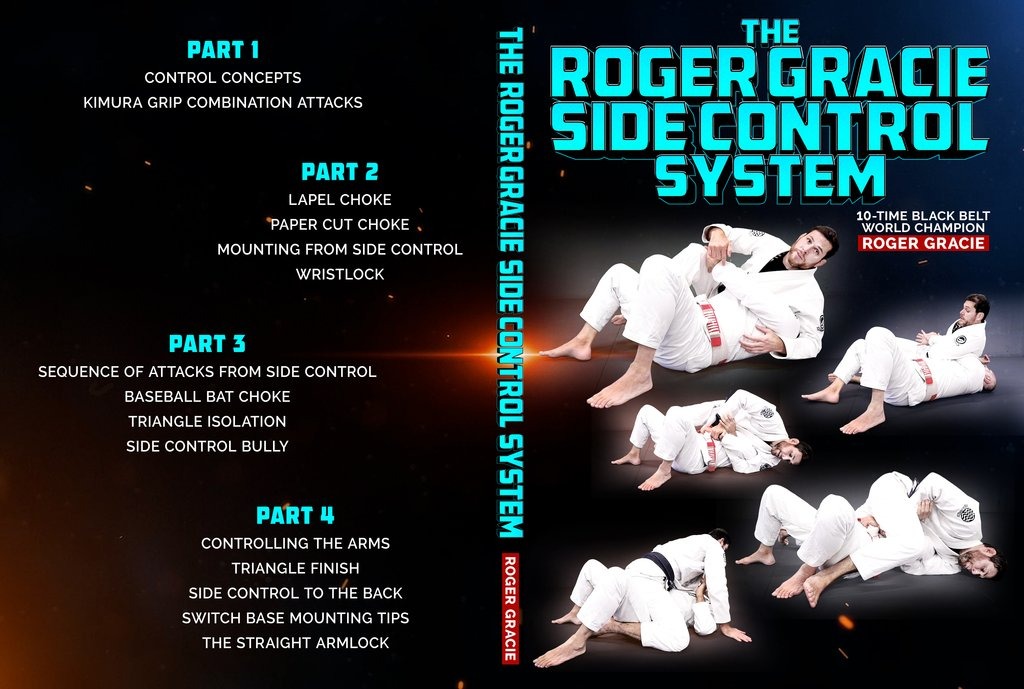
The Roger Gracie Side Control System is a modern Roger Gracie DVD instructional, with four volumes and a clear-cut structure. There’s no need to talk about Roger’s teaching methods, as he is one of the most accomplished BJJ instructors in the world. You will get great details on key aspects of controlling the side control position and finishing from it using a myriad of attacks. In other words, this is the old-school Gracie type of side control that will forever change your top game.
1. Control
Opening up is a volume that explains how Roger Gracie likes to control people from side control. You’ll get a real master class inside control variations, mostly switching between “classic” side control and the dreaded 100 Kilos version. He also explains in great detail where arms should go, how to position your hips, and most importantly, how to feel really heavy no matter how big your opponent is. There are also different grip variations, using both No-Gi and Gi grips to help you stay in control while you’re in the position.
The first volume of this Roger Gracie DVD doesn’t just cover control, though, there’s a section in there on the Kimura grip, and how it can help you both stay in side control, and set up a submission.
2. Chokes
When it comes to chokes, especially collar and lapel based ones, there’s hardly anyone better to learn from than Roger Gracie. In the second volume of the Roger Gracie Side Control System instructional, he shared several high-level choking options from side control that you’ll fall in love with.
He starts off with a really simple lapel choke, followed by the best details you’ll ever hear on the Paper cutter choke. Let’s just say that getting to Roger’s side control will mean the same as finishing a coke when there’s a Gi available from now on.
The volume concludes with a very sneaky wrist lock from the position, and a few words on how to get to mount from Roge’s side control.
3. Sequence Attacks
This is where Roger really connects the dots of his game. In the third portion of this Roger Gracie DVD you’ll learn just why Roger Gracie’s attacks from the top are so devastating. He shares his take on how to sequence positional and submission attacks to go up the hierarchy of BJJ position while always threatening with a submission. Needless to say, you retain immense control throughout.
Awesome stuff like the baseball bat choke and isolating limbs to get a perfect triangle without having to jump around and risk losing position is the main start of this volume. However, my personal favorite was the portion on being a “side control bully” and I think it will be everyone’s favorite as well.
4. Transitioning
Finally, wrapping the Roger Gracie Side Control System up is a volume that offers transitioning options from side control. Of course, in line with Gracie’s philosophy, they’re all taking you forward into better positions, rather than being risky and flashy.
First of all, Roger covers some interesting arm control options, and once again talks about the triangle choke, as important aspects of looking for transitions out of side control. As you’d expect the positional progression takes us to the mount or the back, with finishing options, of course.
A straight armlock rounds off everything Roger has to say about side control. This time.
Conclusion
There’s really no need to talk about reasons why you need a Roger Gracie DVD. I guess the only reason not to get every one of his is if you’re not looking to get better at BJJ. Otherwise, there’s hardly any better instructional out there on the subject of having an immense pressure based top game with lots of submission options. Just like in the “Roger Gracie Side Control System”.
Armbars. You either love them or hate them depending on where you are in the exchange. One thing is for sure. You’ll both get a tap with one, and tap to one during your time training Jiu-Jitsu. Needless to say, armbars work from anywhere: guard, mount, side control, turtle, you name it. Moreover, you have plenty to choose from in bent, straight, inverted, etc. armlocks. But what’s the highest percentage, fastest armbar you can get with minimal movement? That would be an armbar from guard. And it comes in several different variations.
The armbar from guard is a classic Brazilian Jiu-Jitsu submission. It is one of the first you learn and one you stick with until the end. However, if you look at the rate of the “standard” armbar from guard, you might notice that they’re nowhere near as impressive as you might think. This is down to the approach we have to the basic guard armbar, as well as the way we learn it. There are just too many steps in which an opponent can counter or escape. So, why not shorten them and go for a quick and easy armbar from guard variation? On that note, why not have several instead of just one quick option? Let’s find some answers.
The Issue WIth Setting Up Armbars From Guard
The armbar from guard is a reliable and easy to learn technique. Well, okay, it may not be that easy, but it does work. That being said, there’s a flaw in the armbar from guard that we know and love to do. Actually, the submission itself is perfect. It is the process of getting to the submission that we approach in a more difficult manner than we should.
Think about a basic closed guard armbar. You start of ina a closed guard and you need to get an opponent’s arm as high as possible across your torso. That right there is a first warning sign for them to pull their arm back. Next, you try and wedge it all in place with grips and a posture break. Second warning sign. Step Three is usually opening your guard and placing your feet on their hips. You then rotate to change the angle and finally, you swing the leg over the head for the final position. Submitting is step number six in this sequence.
Sequences like this, with multiple steps, rarely do seem to work in BJJ. The armbar from the bottom is ultra-effective, but getting there needs to be done in as few steps as possible, preferably one or two. The less time your opponent has to realize what is going on, the better. That’s one way of improving your armbar submission rate. The other is to include armbar variations and finish with minimal movement and only a few steps once again.
Armbar From Guard – Quick Submission Options
First up, let’s see how we can shorten the 5-6 step sequence to a 2-step one. First up, you have to be sure the elbow of the opponent is in front of your thigh. If that is the case, simply grip their sleeve wherever it is. The goal is to keep the arm from retracting. To start the armbar, the first motion is angling your head to the opposite side of the arm you’re attacking. The second step is throwing your legs up, biting down on the opponent’s shoulder. That’s a quick and efficient tap right there, with them being none the wiser.
A real favorite of mine is the quick armbar from the guard using an overhook. This tight armlock works when you manage to overhook one arm. You can get there in whichever manner you find suits you the most. After you overhook, though, go for the collar grip with the overhook arm. That’ll give you an anchor. Finishing requires you to open your guard, angle sideways, and use your knee to press on the opponent’s elbow. Painful, quick, and with no way out.
A quick armbar from the guard option can also be pulled off when an opponent decides to stand up. The collar and sleeve guard is your best option. A collar grip will keep an opponents’ posture broken as they stand up, so always look for those grips from any bottom guard. Moreover, having these grips opens up one of the fastest armbars ever. As the opponent tries to keep their hips back, you use your foot that’s posted on their hip to lift your body up. That’ll allow you to put your knee over the elbow of the arm you’re controlling. Gravity will do the rest.
Interesting options also include crazier stuff, like double armlocks from the closed guard or variations. Check Eddie Bravo’s new Ultimate Rubber Guard DVD for the Dead Orchard double armbar.
The Marcelo Garcia Inverted Armbar
Marcelo Garcia’s inverted armbar is also one of the quick armbar from guard options you should have up your sleeve. Marcelo was so proficient with it, that he tapped out high-level opponents at will, something nobody has been able to reproduce since.
The Marcelo Garcia-style inverted armbar starts from the butterfly guard. You can start from just about any guard variation though, including the closed guard. You can start with double triceps grips, or, even better, an over-under. Once you elevate your opponent, and they put weight on their hips, you simply slide your grips up to the arm on the underhook side. A key moment is to try and touch your elbows while crossing your wrists, palms toward you. This will keep the arm in place and give you more pressure. Form here, you’re a hip escape away from finishing one of the tightest armlocks in Brazilian Jiu-JItsu. Or, you get one of the most famous sweeps ever.
Final Words
Quick armbars are effective. They require lots of details, true. However, they take fewer steps to set up, giving them a distinct advantage. Let me put things into a different perspective here – the nature of quick armbars means you open up way more attacks, including the standard armbar, when you try to get on of them. On the other hand, they have such a huge percentage of success, that you won’t need to follow up. Simply put, the less you complicate armbars the more armbar from guard taps you’ll get.
What is the most unassuming choke that you use to get taps in BJJ? There are plenty of options out there, but some just have that surprise factor that gets people to tap like they’re a drummer in a death metal band. Those are exactly the chokes you want to have in your arsenal, but you can’t use them all the time. My favorite of the bunch is the Cobra choke, a modified wrestling hold that’s tailor-made to strangle people in BJJ.
The power of the cobra chokes lies in two main areas. First of all, nobody expects it, and secondly, it works great in both Gi and No-Gi. The choke is simply in nature, and you can finish it from top sid control, although you’ll need to set it up from guard, front headlock, or against a turtled up opponent. Once you have it, though, you can pretty much do anything, from a finish, to conquer side control, get other positions (knee on belly, mount, back), or simply torture someone by pinning them in the position.
The Head Wrap Half Nelson
The Cobra choke is actually a modification of a classic wrestling move that falls under the Nelson category. Nelsons are moves that give wrestlers immense control over the neck and shoulders, and we already know how much dominance that provides. Just like with other sneaky stuff that can be stolen (and modified) from wrestling, the Cobra choke, or as it was originally named, the head wrap half Nelson is a perfect fit for Brazilian Jiu-Jitsu.
For the move to work, you need o first understand the Half Nelson. Imagine an opponent is in turtle. You are positioned on one side of them, and you use the same side arm to sneak it under their elbow, just like you would for a seatbelt underhook, but form the near side. The goal is to thread the arm as deep as possible so that you can cup the back of their head with your palm. This will give you control over the arm, the shoulder of that arm, and the head and it’ll only “cost” you one arm. Wrestlers use it to turn people around so that they end up n their backs for a pin.
The headwrap half Nelson works much like the half nelson, but with the added element of extra head control. Namely, instead of attacking a turtle position from the side, you start off from the front. The goal is a chin strap grip first, and then sneaking the arm in. However, this time you’ll be sneaking your arm from the front to the back, going under the armpit, and ending up with a palm on the back. Similarly to a chicken wing in wrestling. This gives you extra control over the head and further blocks the arm when you turn the opponent over.
The Cobra Choke
In terms of attacking with this move in Jiu-Jitsu, you need just a few slight modifications. First of all, in wrestling, the goal is a pin. In BJJ, pinning someone won’t get you too much except for a few seconds of control. It is helpful when you’re trying to establish side control and reset attacks from there, but the main thing to do is getting a tap right then and there. And it is a nasty one.
The way of getting the Cobra choke is mostly from the front headlock. The setup is similar to a head wrap half Nelson, with a stronger emphasis on the chin strap grip. Once you have control over the chin, thrust your thumb into the throat of the opponent from the get-go. The other arm should go under the armpit, and then bend towards the back, looking to really “hook” the armpit. The elbow of the chin strap arm should be tight to your ribs, and the other elbow should go to the mats as if you’re doing an elbow strike.
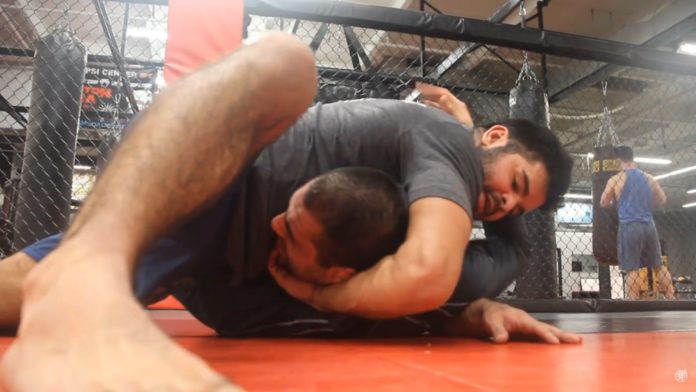
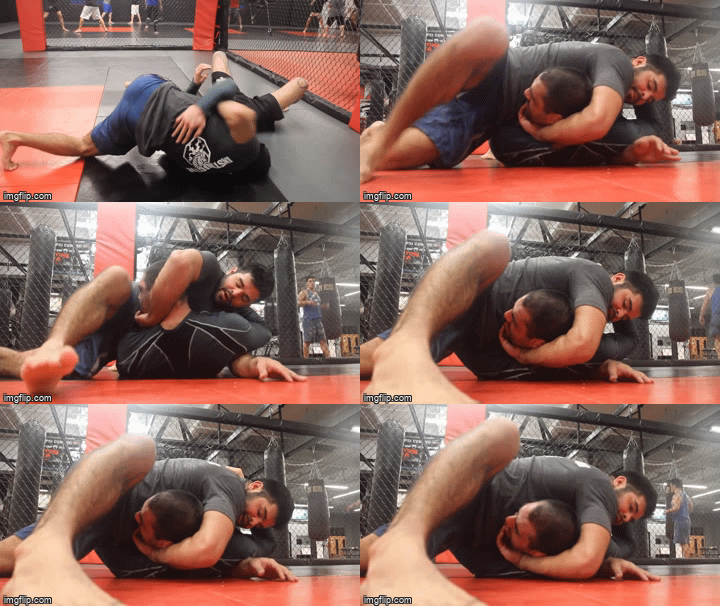
The moment an opponent gets to the ground with their back, you should aim to transition your lower body into a Judo side control configuration. The hips should be near the ground, and you should aim to keep the elbow of the chin strap arm close to your ribs and you’ll get a nasty pul land twist on the neck.
For a precise guillotine-like finish, you can have your legs in any position you want, as long as the hips are low to the mats. The finish requires pushing your hips in, like in a sprawl, and pulling the head first towards yourself and then upwards to get a very nasty choke.
What Does The Cobra Choke Offer?
One reason why the Cobra choke is awesome is that you can get it against anyone. People in BJJ never expect Nelson variations, meaning it is a very high percentage move. The half Nelson, in particular, is highly effective and I have no idea why people don’t use it more.
In terms of finishing, you can use the Cobra choke to get people out of turtle or keep them in side control for a while. You could also use it to get to mount and still have the option of a mounted Guillotine choke. Speaking of chokes, you can actually finish in a different way than what I described before, by going for chest compression. From the Judo side control configuration, you can lift the head and back of an opponent off the mats for a chest compression pressure submission. Alternatively, you can just crank the neck too.
Setting up the choke, apart from standing front headlocks and the turtle is also possible from the guard, which will get you “bonus” sweep points. An arm-in guillotine that you can’t finish is perfect, as it will open up a butterfly sweep, which you can change into a Cobra choke. Once the hips of the opponent hit the ground, just switch from the arm in position to the chicken wing and you’re all set to finish the sweep and get the tap. Plus, you can easily get into an Anaconda choke from the Cobra choke position if you can’t finish it for some reason.
Finally, this choke will work because people don’t’ expect it. That means you shouldn’t use it all the time and base your game around it, but get it out of your back pocket to wrap people up when you really need it.
Final Thoughts
The Cobra choke is yet another example of how wrestling can be modified to provide BJJ with awesome options of both control and submission. You don’t even need to learn the Nelsons in order to understand the choke but it will open up a different horizon for you, especially if you like to mess around it front headlocks, or are having trouble dealing with turtled up opponents. Give it a try!
The closed guard is now back and just about everyone is giving it a try. To be honest, I’m seeing people in BJJ that have never really taken it seriously so far. For me, it is baffling, as I did nothing else probably midway through the blue belt. I was practicing it for months in my morning classes. However, just going back to the closed guard doesn’t guarantee people will be successful. Instead, there are modifications to it that are much more adept for today’s modern Jiu-Jitsu game. I’m not talking about crazy stuff like the rubber guard, but rather something everyone can get to safety, and use to progress. I’m talking about the BJJ High Guard, a closed-guard variation that has been revolutionary for me.
Playing the closed guard nowadays is not easy. People have countless ways of passing it, and there are no more rules than before. Now, people can even pass with broken posture if you’re not careful, or they can start hunting for leg locks. Nothing is certain anymore, so you need to find a way to bring some stability back. And the solution is very easy – the BJJ High Guard. For me, it ended up begin the perfect solution. I have shorter legs and do not really enjoy doing stuff like the rubber or Williams guard. So, figuring this out was a real game-changer, and now I’m about to share my experience with you.
The Holy Trinity Of The Closed Guard Game
Before I head on, I have to share a few of the concepts behind my own closed-guard game. These are crucial in understanding the BJJ high guard later on and why it works. When in closed guard, we’ve all been taught to get grips on our opponent and try to break their posture. Well, half of this is true – the posture part. However, getting grips is not really as mandatory as you may think. In fact, you need to connect to your opponent whenever possible, but that must not be your only goal.
In that sense, gripping is not as important as positioning your opponent’s rems where you want them. If the arm is in a spot where you can go for it, its own grip will hold it in place and you don’t have to tire your forearms. In that sense, even moving around in the closed guard can be difficult particularly if you’re trying to sit up, which most people do. Instead, when you need to move in order to get a better angle, just go side to side. Keep your back on the mats and go side to side – nobody can stop you.
When it comes to posture, remember that you have your legs around the opponent’s waist. Why just pull with the arms when you can use your legs and entire body to get them down? Try it and you’ll see that there’s no need to pull on collars like you’re hanging off of a cliff. And this is precisely where the high guard comes in – it solves everything I just talked about. It keeps posture broken, it doesn’t require grips, and opens up movement angles that the other person can defend. the perfect storm.
The BJJ High Guard
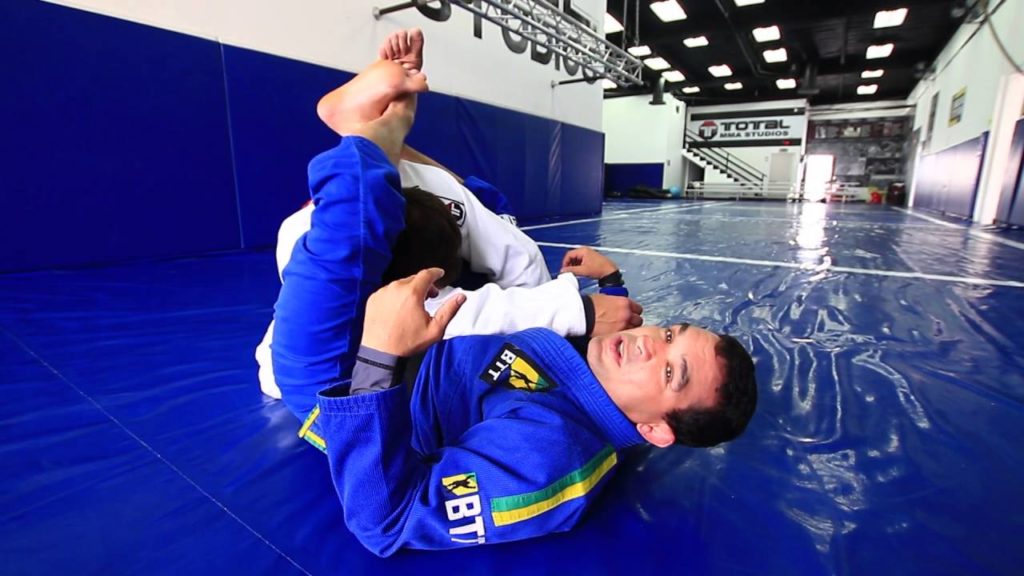
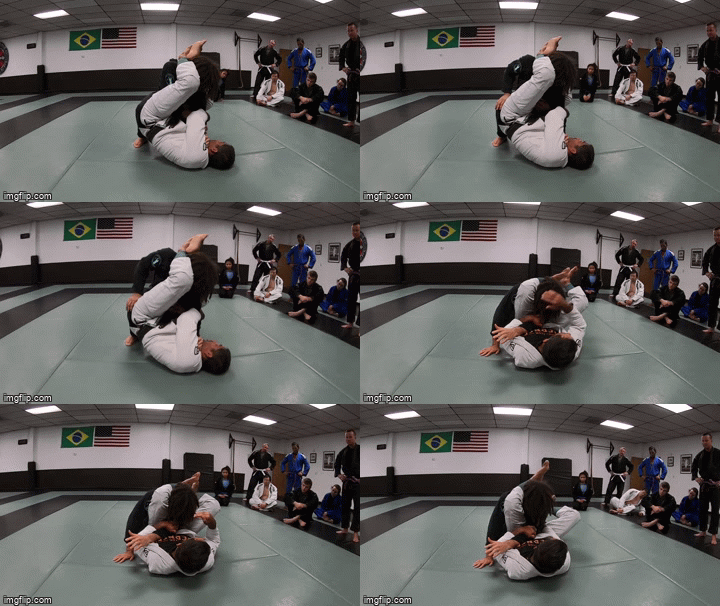
The BJJ High Guard position is very simple. In fact, the name says it all. Instead of having the legs around the waist. you lock your guard higher towards the head. However, if you attempt to just raise your legs, you’ll only get yourself in trouble, In order to stay there without trouble, you’ll need a wedge for your hips. In a regularly closed guard, the opponent’s thighs provide a wedge. In the BJJ high guard, you’ll have to trap one of their shoulders in order to have a position that makes sense. From there, on it doesn’t matter if they try to posture up, or stay bent. In fact, you don’t even need the posture to be broken in order to obtain the BJJ High guard.
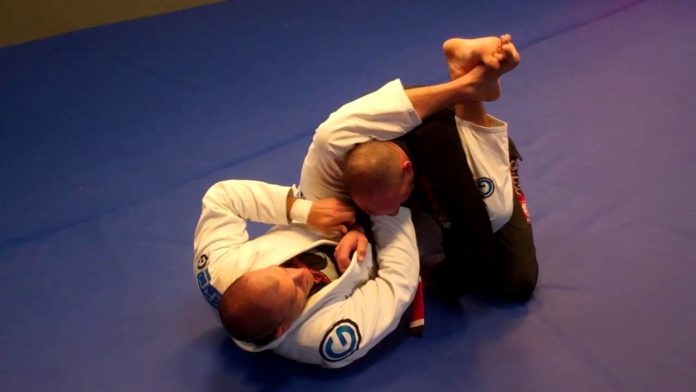
A key thing to remember is the position of at least one of the opponent’s arms. If their arm is at your centerline, or across it in the direction of an arm drag, you can go for the high guard. If the arm is on the ground, next to your hip, however, you’ll need to reposition it before you gain entry. That’s the only simple rule to follow. Once you have the arm in position, just think about a triangle. Pop your hips up, place one leg over the shoulder, and use the other leg to lock it up. here, the leg that’s under an armpit is the one that’s always on top for a much tighter fit. that’s it!
Armlocks
What can you do in a position like this? That’s actually very easy. Once you try it out for the very first time you’ll see arm-locking options right away. The best part is that there is more than one, and you need absolutely no strength to get a tap. For one, you have the straight armbar right there for the taking. The arm is just dangling in front of you and they can’t pull it back, So just grip and pop the hip up for an armbar finish.
If you want to attack other armlocks, you can think about bending the arm. Simply put their thumb to the outside, keep a 90-degree bent in the arm, and pull. If they’re one of those crazy flexible people, just add your hips into the mix and you’ll get a tap. Or f^*#k it and go for a wristlock.
Triangles And Other Chokes
The BJJ high guard, as a position is about 80 percent a triangle choke. All that it takes is getting the trapped arm out the back door. In certain situations, your opponents will do it for you, and you can freely slap the triangle on. Another thing you can do is go for a cross-collar choke. This one is going to require you to have a cross-collar grip inside, preferably before you enter the high guard. However, you can also place it whenever you want.
The cross-collar choke works as a trick counter submission here. Instead of trying to sink it in, let your opponent pop their shoulder towards you, back into regular guard. This will allow you to get the second grip in and then, right before you finish the choke, go back to the BJJ High guard. Just for good measure!
Sweeping
The final direction you can take with eth BJJ High guard is sweeping. As such, There’s really not much to say on the subject, as this is very easy. The position in itself is very unstable for the person on top. All you need is to get your hip and knee to the ground, on the side where your leg is over the shoulder. ti si easy to do, nobody can block it and nobody can stand up after they fall. From there, you can choose whether to transition into the mount or go straight for a mounted armbar or back control.
Final Thoughts
The BJJ high guard is one of those sneaky positions that not many people play. It works perfectly in both Gi and No-Gi if you follow the key concepts (posture, movement, and grips). Moreover, it works against people of all body types, even those much bigger than you. For me, the best thing is that it requires no athleticism or flexibility, and yet it is almost impossible to get out of. Give it a try and let me know how you fare with it!
If you’re not one of the lucky ones that can work at Google, Facebook, or any of the other companies that offer BJJ classes to their employees, you’ll have to settle for training in regular classes outside of work. In most cases, that means after work, or later in the evening. However, you also have another option – morning Brazilian Jiu-Jitsu classes. why not train before you go to work and before everything else in your day? After all, there’s hardly a better way to start the day than a class and a few rolls.
The only trouble with morning Brazilian Jiu-Jitsu classes waking up and dragging yourself to the gym. Once you’re there, you’ll be amazed at how you didn’t want to go just half an hour ago. That said, there are a few things that can make this process easier so that you can enjoy all the benefits that morning grappling classes bring. And there are plenty of those, as you’ll see later on in this article.
Morning Brazilian Jiu-Jitsu Classes
If you’ve never been to a morning BJJ class, you’ve definitely missed out on a wonderful experience. And yeah, the earlier that class is, the beer the experience will be. A great way to try morning Brazilian Jiu-Jitsu classes is at BJJ camps, although that is highly dependent on the level of partying done the previous night. If not, then most academies do offer them, so you should at least give it a try.
Personally, I am not much of a morning person but I really do enjoy a morning Jiu-Jitsu class. Whether it is being in one or teaching one, there’s just a different vibe about the whole thing. First of all, people are more quiet than usual, with the odd yawn or two still sneaking in. Second, warm-ups have never felt so good in your life. But that’s far from the best part of it.
Given that you’ve done nothing much with your body and brain except get to the gym since you’ve woken up, you’re completely fresh and open to receiving lots of new information. In other words, the amount of stuff you can learn in a morning class is vastly different from what you can cram in your head after a whole day of adulting around.
Rolling is also on a different level. It is usually just a couple of lighter rolls since you’ll need to shower and get to work, probably. Those rolls, though will not only be the most technical ones you’ll do, but you’ll also start seeing things during them than you don’t usually see in evening classes.
How To Make Sure You Get On The Mats?
That is the million-dollar question, isn’t it? How do you ensure you get to that coveted morning class on time, or better yet, at all? Trust me, the first few times might just be so interesting that you can’t wait to get there, but one hard day, a bad night’s sleep or just getting used to the schedule of morning Brazilian Jiu-Jitsu classes will lend up presenting you with difficulties he ti si time to get out of bed. Especially during the dark cold days of winter.
So the first order of business in order to make it to Brazilian Jiu-Jitsu classes in the morning is sleeping right. What exactly does that mean? Sleep at least 7-8 hours. Sleep in a room that is dark, with no electronic devices around. If you can, make sure you haven’t eaten anything at least three hours before bed, preferably more. Have your curtains down so that light from the outside doesn’t wake you up.
Eating is another big one. If you’re going to do fasting, do it before bed. In the morning, before training, you need to eat, and you need to eat for energy. So carb up, but be smart about your food choices, or you’ll feel bloated on the mats.
Finally, makes sure you waste no time so that you don’t have to get up too early to get ready. Pack your bag the night before, do some breakfast prep, get your clothes ready and the likes. This ensures that after you wake up you’ll be ready to leave in minutes.
The Benefits Of Morning Brazilian Jiu-Jitsu Classes
There are of course plenty of benefits to training early in the morning. I already mentioned some of them above, mostly in terms of Brazilian Jiu-Jitsu skill acquisition and rolls. However, there’s more to it than meets the eye with morning Brazilian Jiu-Jitsu classes. If you can make it to the mats, that is.
First up, training in the morning will speed up your metabolism. No, you don’t have to be hungry when going to class, as we already discussed. in fact, if you’ve eaten before, you’ll not only burn it off in training but will continue to burn off calories as the day goes on.
Next up is mood. You know that feeling you get after you train? Well, imagine if your day started off feeling like that. You’ll boost your productivity, be more positive, and get a lot more things done. Not to mention you can come back for an evening class to round it all of.
There’s also the subject of scheduling, which is why most people choose morning Brazilian Jiu-Jitsu classes in the first place. If you work in shifts or have other obligations in the evenings, morning classes make life simple. No need to skip class or try to wiggle out of work.
You’ll also have a lot more BJ training under your belt since you’ll be going to more classes than usual. Plus, when the time comes to sleep at night, you’ll be off to dreamland like a baby.
Wrap Up
Morning Brazilian Jiu-Jitsu classes simply make sense, and they feel awesome. They especially feel awesome as jiu-jitsu for beginner adults because if you’re not in training Jiu-Jitsu morning classes are a great total body workout that we all need early. You can build strength, learn some real-world self-defense, and see some real results while having fun in the morning with other students. All you need to do is build up the habit of waking up to get there. You’ll not only get eth benefits of JIu-JItsu in the morning, but you’ll also develop a great habit of waking up early and doing something productive. Even if you’re taking a competition path morning classes are the way to go. Plus, can you tell me a better way to start your day than with Brazilian Jiu-Jitsu?
The IBJJF sure dropped a bomb on us with that statement a month or so back, when they announced that heel hooks and reaping will become legal in 2021. Okay, there are safety restrictions here and there, but in essence, people will be free to hunt for leg locks using the modern Ashi Garami game. But when we come to stop and think about it, what is going to be the result of this new IBJJF Heel hooks rule?
So far we saw heel hooks lead the modern leg locks game revolution once when the DDS brought them to everyone’s attention about a decade ago. In 2010 you would rarely see someone practicing heel hooks, especially in Gi based academies. Are we in for another tectonic shift with the IBJJF heel hooks rules about to change? Allowing this move, and all fo the positions that go with it does mean the game will open up even more.
Heel Hooks And the IBJJF – A BJJ Saga
IT has been well documented that one of the main grievances the BJJ world had with the ultimate governing body, the IBJJF was in terms of rules. In fact, it is one section of the rulebook that has always caused controversy and divides in the grappling community. It is the section on legal and illegal techniques, along with some of the restrictions the IBJJF imposes, like for example, making certain moves only available to people once they reach a certain level.
There’s merit to it, and the idea behind it is noble – protect the competitors. Hwoever, it was proven throughout the years, BJJ is not something that’s done and dusted. It is a sport that is still fairly new, and one that is currently evolving on a daily basis. It is hard to pinpoint a set of rules and keep them for a few decades without changing any of them when the sport they’re trying to govern is changing constantly.
The IBJJF hee hooks rules currently state that nobody is allowed to use this technique, regardless of belt level, as it is deemed too dangerous to safely be done in a competitive situation. The same holds true for the knee reap position, which will get you DQed just by entering into it. Makes no sense when the sport has proven the opposite to be correct, does it?
The Updated IBJJF Heel Hooks Rules
One thing we know about IBJJF rules is that they rarely change, In fact, I haven’t seen them change too much lately. some minor stuff about jumping guard and similar stuff,f but nothing major. For them, to come out and announce they will do such a huge shift in their rules is an unheard-of step so far. And it will reverberate throughout the grappling community.
The IBJJF heel hooks rules changes will see the move become legal. However, it will only be legal for brown and black belts. Moreover, only IBJJF No-Gi tournaments will feature the new rules, whereas the Gi ones will still follow the current (old) ruleset. The knee reaping rule will also adhere to the same guidelines, only available to brown and black belt No-Gi competitors.
As per the IBJJF, this rule change is still long to be subject to change. They probably consider it an experiment to test out the waters, given that plenty of other, if not all other tournaments employ rules that allow for either knee reaps, heel hooks, or both. Whether they’re hoping it will fail or not is unknown. IF experience has taught us anything, the experiment will be useful which we al certainly hope will lead to further IBJJF heel hooks rule changes, opening the moves up to purple, and eventually even white and blue belts, and in the Gi, of course.
What Will The Result Of The New IBJJF Heel Hooks Rules Be?
That is the million-dollar question, isn’t it? It is not like these new IBJJF heel hooks rules will open up unheard of opportunities or completely change the landscape of Brazilian Jiu-Jitsu. It will impact competitions though, and not just in the sense of leg locks.
Sure, we can be certain that we will see a lot more specialization. People that like doing leg locks and knee reaping heel hooks, in particular, will definitely be more encouraged to go deeper into that aspect of grappling and polish it up further. But that’s just one part of it.
The fact that the IBJJF has limited heel hooks and knee reaps to No-Gi only means that people will start to rain a lot more without the Gi. After all, there are as many high-end competitions in No-Gi as there are with the GI: Pans, Worlds, Euros, etc. So No-=GI training will become prevalent which will cause a divide in the Gi vs. No-Gi debate that is ever-present in Jiu-Jitsu.
On a more positive note, you can expect the guard game to evolve quickly and change significantly. The moment knee reaps become legal, working off of your back will get an expanded set of options. Along with the guards, counters and passing will inevitably follow, meaning we’ll get a whole new surge of crazy techniques, concepts, and positions that will once again push BJJ into evolving, albeit in a direction we haven’t been to a lot until now.
Summary
Brazilian Jiu-Jitsu is fun, and it will become even more fun. Sure, you’ll have to dust off a pair of shorts and spats if you’re to train more in No-Gi, but here’s to hoping that the IBJJF heel hooks rules changes will extend to Gi tournaments sooner rather than later. It’s more that certain that we will see BJJ evolve as a result, and we will see the emergence of some brand new moves. Plus, we’ll get to enjoy seeing high-level athletes battle for heel hooks in IBJJF competitions as well as doing it ourselves.
Fernando Terere is one of the most recognizable faces in Brazilian Jiu-Jitsu. The World Champion has one of the most entertaining games in the sport and has come up with some very interesting variations of moves that are extremely effective for everyone, beginner to advanced. He doesn’t have a lot of material available on his game, which is exactly why this Terere BJJ DVD is such a valuable grappling instructional. In it, you can learn ”The Compete Terere Game” step by step, from standing to groundwork.
There’s a lot to learn from the folks that have been involved in BJJ from the early days and have literally seen it all. Fernando Terere is one of them. His story is an inspirational one, even by Jiu-Jitsu standards. He has overcome much to make sure he is on the mats, and now, he even treats us with great instruction as well. “The Complete Terere Game: Beginner to Advanced” is a BJJ DVD Instructional that everyone should have, if nothing else, just to have access to Terere’s unique moves and options.
The Fernando Terere Story
Fernando Augusto is a Brazilian JIu-Jitsu black belt that was born in Rio in 1980. He grew up in the favelas of Rio, so engulfed in the well-known Brazilian poverty that not much is clear about his early life and upbringing.
BJJ was a way for Terere to escape the slums, and escape he did. He started pretty early, going through the kids’ belt ranks first. He hit-ups and downs in his training as well, having to do several pauses at different belt levels, but eventually managed to find a steady academy in Academia Strike. Having uncanny athletic abilities, Terere won everything he could, and even as a blue belt was one of the toughest people within the gym.
Never forgetting where he came from, Terere always promoted BJJ amongst the poor kids in the favelas of Brazil. That led him to even open an academy where they could train in his old favela “Morro do Cantagalo”. This project is still active and helping lots of kids in Brazil figure out a better life through Jiu-Jitsu.
Despite winning the worlds, Pans, Brazilian Nationals, and all other competitions as a black belt, and trying his hand in MMA, Terere didn’t always have a smooth path. In 20014 he had some law trouble in the US, followed by a bout of depression that led to drug addiction. He left the sport and nothing was known until 2009 when he went into rehab and got back to teaching. He made a comeback to the competition in 2012. Fast forward to today, and we have “the Complete Terere Game” instructional to add to his list of accomplishments as well.
The nickname, Terere, comes from a famous herb used as a tea in Brazil. HE got it as a result of constantly singing a popular song at the time, which mentioned the herb.
Terere’s Unique Style
Terere fought under the Alliance banner, although he split from them after a falling out with Fabio Gurgel. He fought in plenty of weight classes, often competing for 2-3 divisions above his weight, as well as in the absolute. As he puts it, he was always slightly claustrophobic, which led him to really develop his top game. Saying that the succeeded would be putting it mildly. He not only developed a great top game for BJJ, but he also has one of the most efficient standing systems as well. In fact, he won a world champion title against Nino Schembri thanks to one of his throws and the ability to render guards useless against him.
But it is not just throwing that Fernando Terere excelled at. He is one of the people that we have to thank for things like the Torreando pass, the leg drag, some butterfly guard hook sweep innovations, and plenty of other stuff! Most of it is in the “Complete Terere Game’ instructional, and is now finally available to everyone, from beginner to advanced.
The Complete Terere Game: Beginner to Advanced DVD Review
“The Complete Terere Game” is a BJJ DVD instructional by Fernando Terere that covers every aspect of the Jiu-Jitsu game. In it, across three volumes you’ll find guard techniques and attacks, plenty of passes and top pressure positions, as well as some signature Terer takedown tactics that are extremely difficult to defend against. Given that it is Terer himself explaining everything with great detail, you also get the chance to learn from one of the most charismatic and knowledgeable BJJ professors in the world.
This is what you can expect from the instructional:
1. The Butterfly Guard
After a short introduction, Fernando Terere kicks this DVD off with the butterfly guard, something we all know works. Well, even before the leg locks rejuvenated the guard, Terere used it as the pillar of his guard game, sweeping world-class black belts at will. He really has the butterfly sweep game broken down to a science, with sweeps available from both seated and supine positions.
Apart from sweeps, there’s a really neat arm drag in there, as well as an entire philosophy on how to think when you’re looking to take. Some key drills for the butterfly guard also make an appearance in one of the chapters here.
2. Judo For BJJ and Top Game Basics
Probably the most enticing aspect of Terer’s game is his standing system. As he states in “The complete Terere Game” DVD, he likes t base his standing game around Judo and has modified certain aspects of it for Jiu-Jitsu. For example, his signature Safada takedown, which he explains completely in the second volume of this instructional. He also covers sacral variations of the Seoi Nage as well as crucial information on how to set up Judo throws in a BJJ context.
The second part of this volume features several passing philosophies and setups as well. As expected, you can find the Fernando Terere versions of passing with underhooks (Roger Gracie style) as well as dealing with the lasso guard. However, falling down on the side to pass the guard hs to be the weirdest guard passing setup I’ve ever seen!
3. Terere’s Submission Toolbox
The final part of “The Compete Terere game” Fernando Terere BJJ DVD is all about Terere’s submission game. He starts off with subs that will help you break down the turtle position, starting off with a very tight clock choke. He then goes on to explore back takes against the turtle before delivering on some more submission options in the form of triangle chokes.
Terere’s triangle is one of the nastiest in the history of the game, and the setups he sues to get it from top positions like mount and side control are explained in great detail right here, in this final volume of his new instructional.
Conclusions
When Fernando Terere has something to say about BJJ, we should all listen. In “The Complete Terere Game” he has plenty to say, and he does so over there information-packed volumes. So, beginner or advanced, you need this instructional and you need to hear what Terere has to say about the butterfly guard, submissions, and ways to take people down and break apart their guard. You’ll only become a better grappler for listening to him.
Do you like kneebars? IF you do, then you’ve probably tried to do the famous Bernardo Faria kneebar from the over-under pass, or a top half guard variation. That also means that you’ve probably failed more than you’ve succeeded with it, and you might have given up on the move altogether. I know. It has happened to me. However, as proven by Fraria himself, the Dogbar works and is one of the nastiest kneebar submission variations available in BJJ. Plus, it is a “blitz-type” move that you can set up in an instant.
With BJJ moves, it is all about details, details, and more details. As I often say in class, it is the hardest to finish a submission at the very end, just when you think you have it. This is the time when those key details and fundamental concepts and principles really do determine whether or not you’ll be successful. The kneebar submission is just like any other submission in those terms. Whether you’re going for a regular kneebar. Rolling kneebar or the Dogabbar, you’ll need two things: first, follow the main principles of the submission, and second, make sure you know all the key finishing details of the variation you’re using.
The Kneebar Submission In BJJ
The kneebar submission is a move we don’t see too often at the highest levels in BJJ. Don’t get me wrong, people attempt it all the time, and in some cases, they’re really successful with it. We’ve seen it work across all competition platforms, from IBJJF Gi tournaments (where it is legal for brown and black belts only) all the way to ADCC and EBI. The thing with the kneebar is that people often try to finish it before they actually have it, which is the number one reason behind so many failed kneebar attempts.
The way the kneebar works is similar to an armbar – you place pressure on the knee joint with your hips, forcing it to bend in a direction opposite of its anatomical structure. For the kneebar submission to work, though, as well as any other leg lock you need to fulfill one key principle – both your opponent’s buttocks need to be in on the ground, or you should have both sides of their hip under control. Without it, you’ll be hard-pressed to finish any type of kneebar.
Finishing the “generic” kneebar requires you to understand several key mechanical details. For one, you need to have your butt touching the hips of your opponent. Second, you need to hug the leg you’re attacking with both arms, as tightly as possible to your chest. Third, you eyed to extend your spine until you can trap the foot between your head and bottom shoulder. Finally, you need to both twist and upwards with the shoulder, and push in with your hips to get a devastating break. All these details apply to any variation, whether it is the bottom kneebar or the top position Dogbar.
What is the Dogbar?
The Dogbar is a variation of the kneebar submission done as you’re passing the guard. I saw Bernardo Faria do it first, so I’ll credit him with the move, although it is unclear whether he invented it o learned it from someone else.
The Dogbar is a kneebar you do with your legs only, while you are in the over-under passing position. That of course, implies that you need to know how to do the over-under pass, in order to position yourself perfectly for a Dogbar. Check this article out, or get Bernardo’s DVD on the subject to learn everything about the over-under pass.
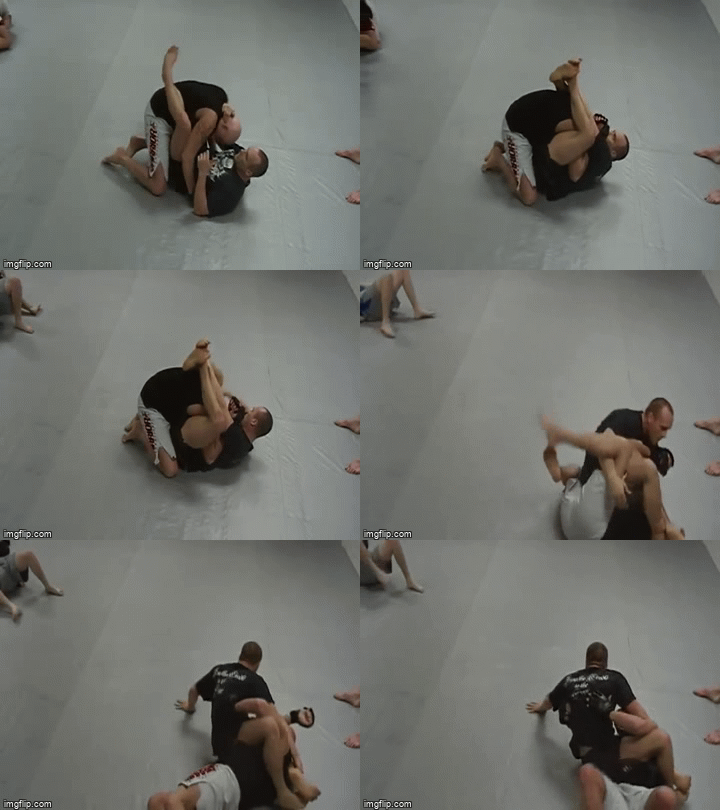
The Dogbar is done on the leg that you have in between your legs during an over-under pass. It is the leg that has that pesky hook on you which you sometimes can’t shake to get to side control. In such a situation all you need to do is use your inside leg to hook under that leg, at calf level, looking to triangle the legs. Extending your hips from here, while holding tightly on to the over-under grips. will get you in the Dogbar position and provide you with a tight and unexpected kneebar submission finish.
But of course, there’s more to it than meets the eye.
Key Details To finishing the Dogbar From The Over-Under Pass
When it comes to the Dogbar, there are plenty of little details you need to make sure are in place. Otherwise, you’ll end up with the leg slipping out, or the knee turning to the outside, which is as godo a defense as any. So, let’s look back at the basic principles and key kneebar submission details.
In order to make sure the opp[ponent’s hips are on the ground all you need to do is keep your over-under grips tight. That will make sure that the hips don’t move and lift off the ground even when your butt comes down from the pass for the Dogbar finish. However, You also need to focus on rotational control of the hips, preventing the opponent from rotating the leg to the outside trying to escape the submission. You’re over are will have to deal with this task.
When it comes to the small details, you need to think of the triangle structure you do with your legs as your arms in regular kneebar submission. The triangle needs to slide down over the calf muscle and towards the angle until you get the “sweet spot” for placing pressure on the knee. At the same time, your shoulders work the way your butt does in a regular kneebar, sticking tightly to the hips.
Finally, there are possible variations of the Dogbar that include a hybrid finish when you’re on your side like for regular kneebar submission but finish with a Dogbar configuration. Against knee shield, this means getting a scoop grip vs. the shield leg and falling to your side, while at the same time triangle the bottom half guard leg you had trapped anyway. The finishing mechanics are pretty much the same.
Summary
The Dogbar is a very powerful kneebar submission you can use to catch people off guard. When they start looking you for it, though, you’ll have to polish it up toBeranrdo Faria level if you’re to still keep tapping folks out with it. It can be done though, and if you follow fundamental kneebaring principles and the key Dogbar mechanical finishing details, you’ll have no trouble tapping out everyone with it for years to come.











 The ketones or keto bodies are byproducts of the metabolism of fat, which occurs in the liver. Those can then be used instead of carbs as fuel, particularly for the brain. During a Ketogenic diet, the level of ketone bodies in the blood rises. In fact, it should be at a certain level, if you’re really want to do the diet correctly. That requires daily checks of the ketone bodies in your blood via pricking a finger (similar to checking blood sugar levels). Moreover, since carbs are literally everywhere these days, you’ll need to introduce exogenous ketones in the form of a supplement to really help you stay in ketosis. Not a simple thing to do at all, but is it worth it?
 Symptoms begin two to seven days after switching to a keto diet. Headaches, nausea, irritability, brain fog, a broken sleep rhythm, etc are the main signs. If this happens, your training will suffer, and so will your weight cutting efforts. The Keto Flu passes quickly, as long as you eat a bit more often, perhaps sneak a few carbs in to ease the transition and drink plenty of water. As you can see, it may not be the best idea to go on a weight cut by going full Keto if you’re not used to that way of dieting from before.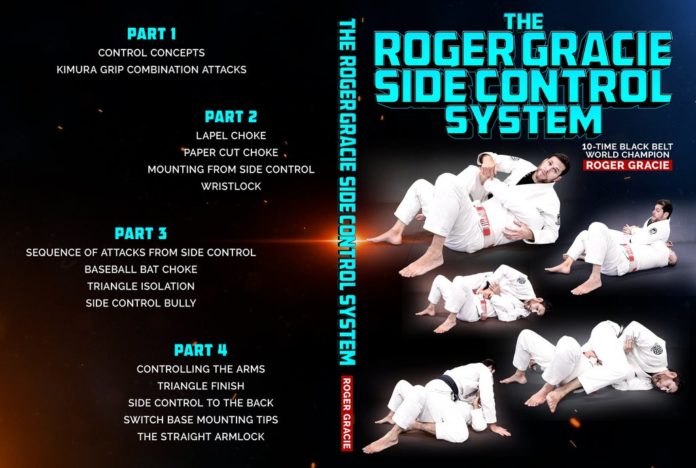
 The Roger Gracie Side Control System is a modern Roger Gracie DVD instructional, with four volumes and a clear-cut structure. There’s no need to talk about Roger’s teaching methods, as he is one of the most accomplished BJJ instructors in the world. You will get great details on key aspects of controlling the side control position and finishing from it using a myriad of attacks. In other words, this is the old-school Gracie type of side control that will forever change your top game.
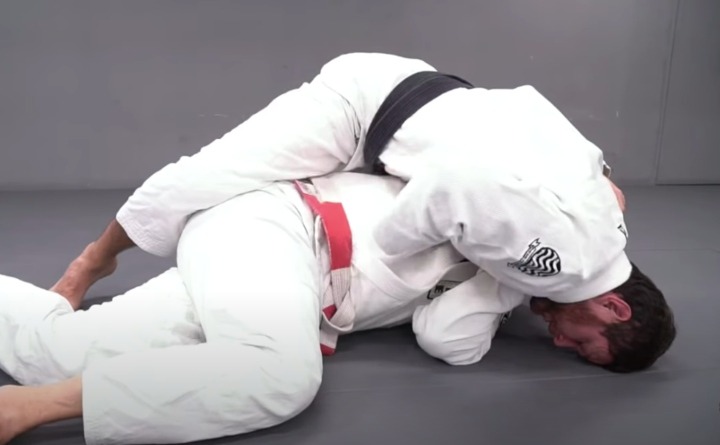 First of all, Roger covers some interesting arm control options, and once again talks about the triangle choke, as important aspects of looking for transitions out of side control. As you’d expect the positional progression takes us to the mount or the back, with finishing options, of course.
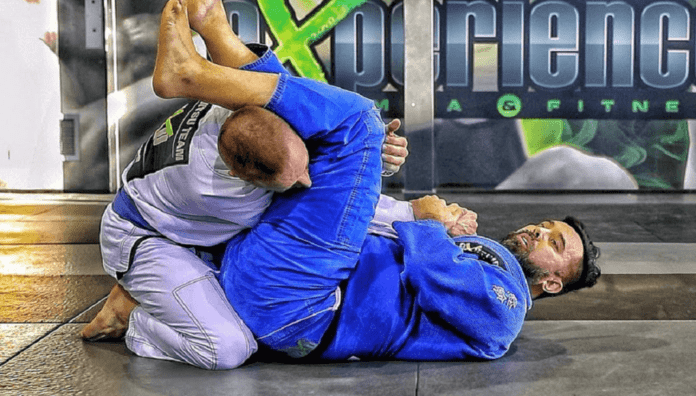
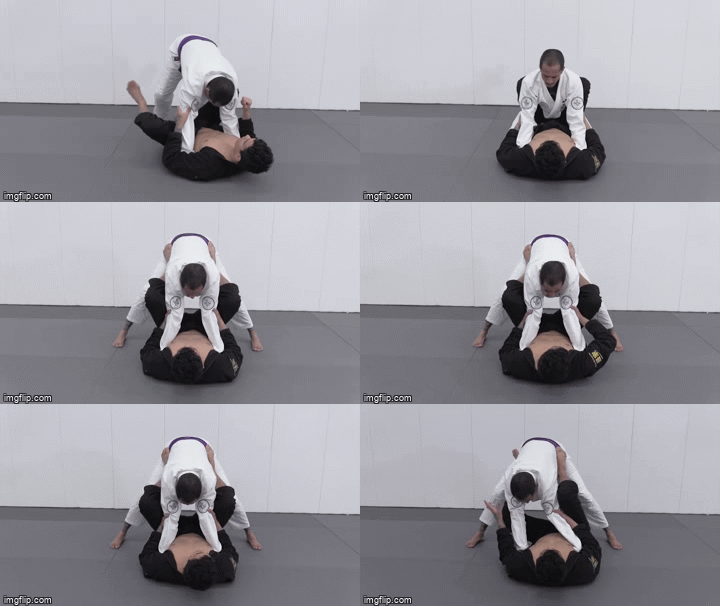
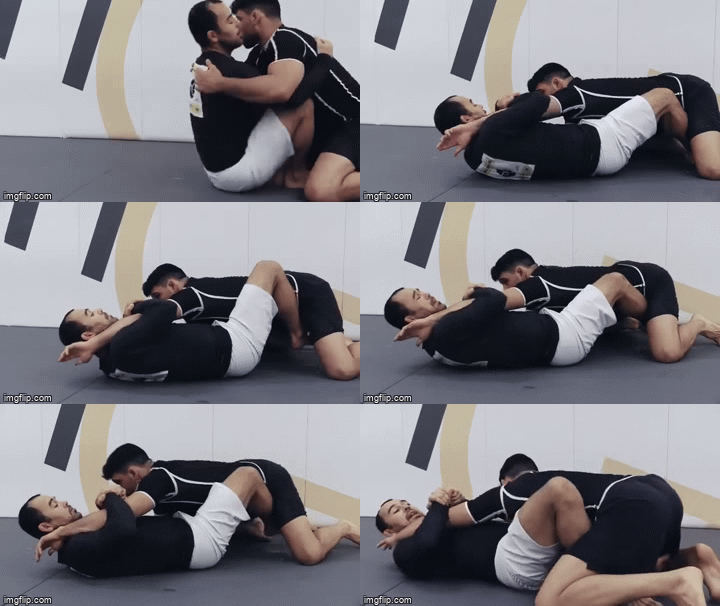
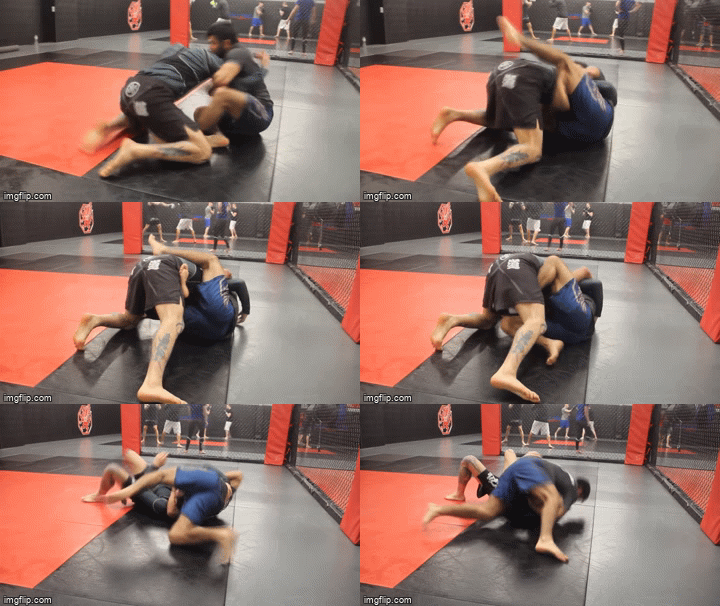
 In that sense, gripping is not as important as positioning your opponent’s rems where you want them. If the arm is in a spot where you can go for it, its own grip will hold it in place and you don’t have to tire your forearms. In that sense, even moving around in the closed guard can be difficult particularly if you’re trying to sit up, which most people do. Instead, when you need to move in order to get a better angle, just go side to side. Keep your back on the mats and go side to side – nobody can stop you.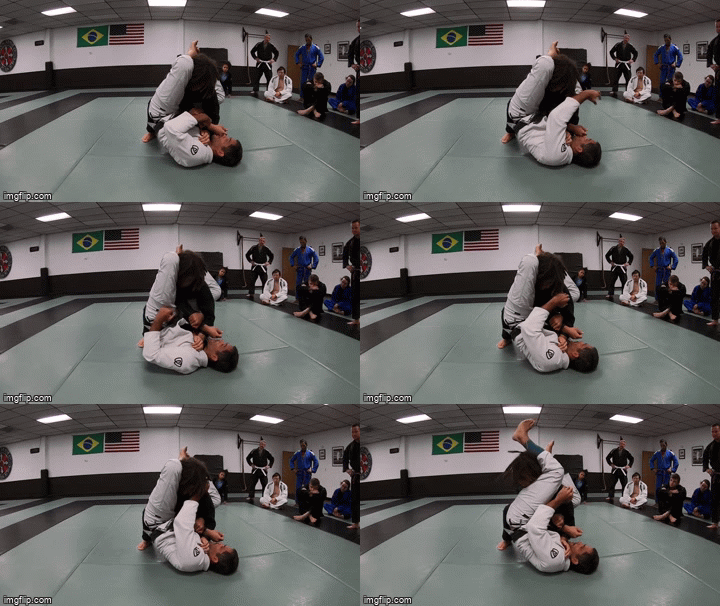
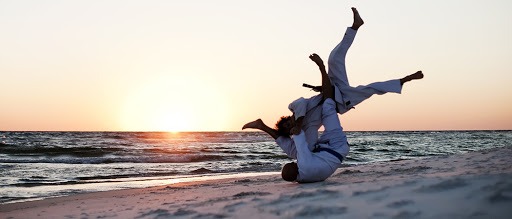
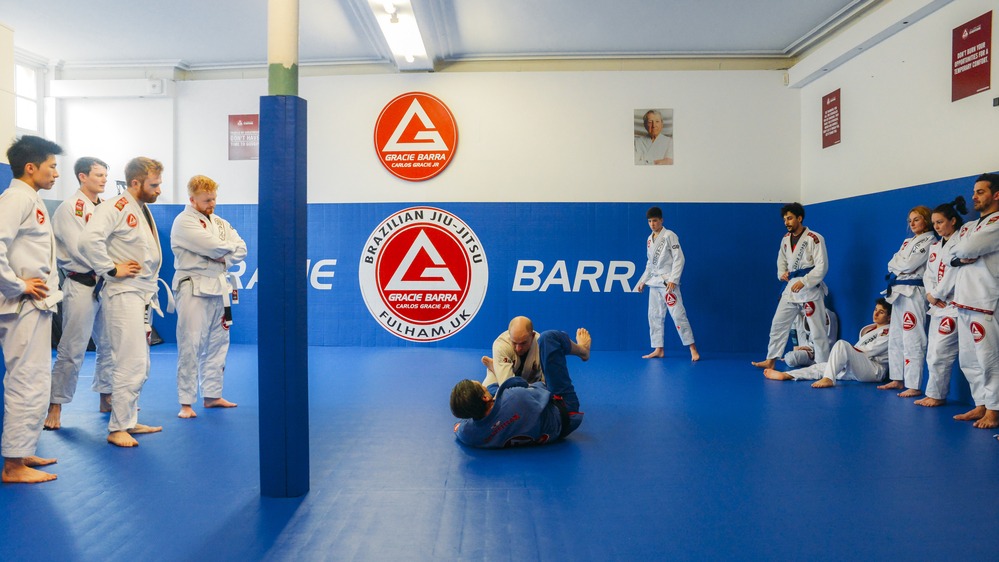 Personally, I am not much of a morning person but I really do enjoy a morning Jiu-Jitsu class. Whether it is being in one or
 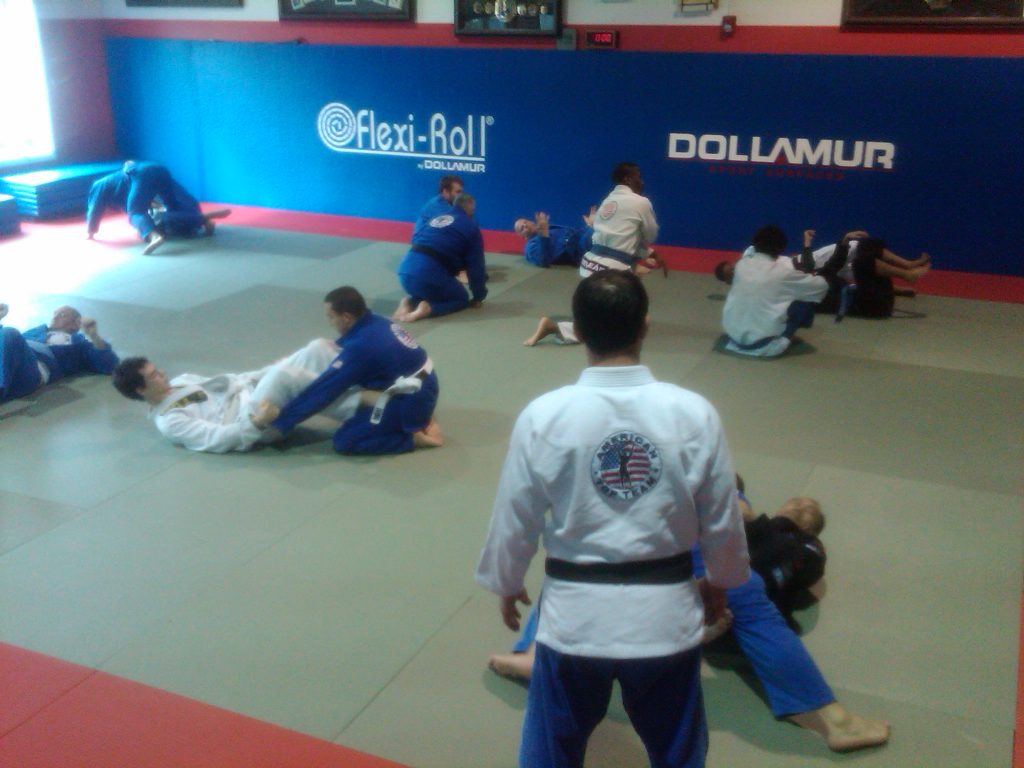 There’s also the subject of scheduling, which is why most people choose morning Brazilian Jiu-Jitsu classes in the first place. If you work in shifts or have other obligations in the evenings, morning classes make life simple. No need to skip class or try to wiggle out of work.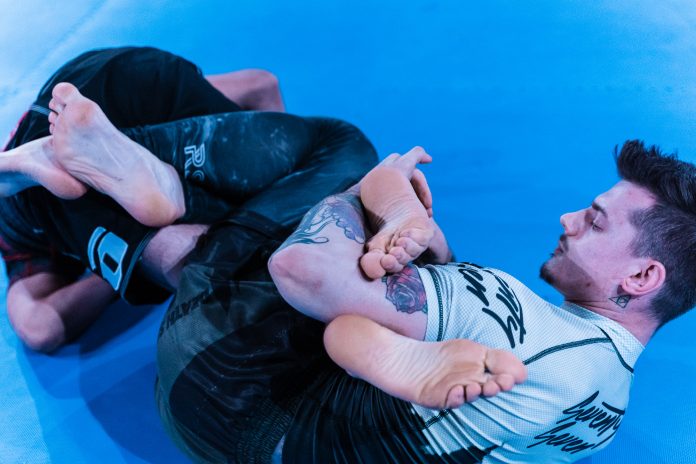
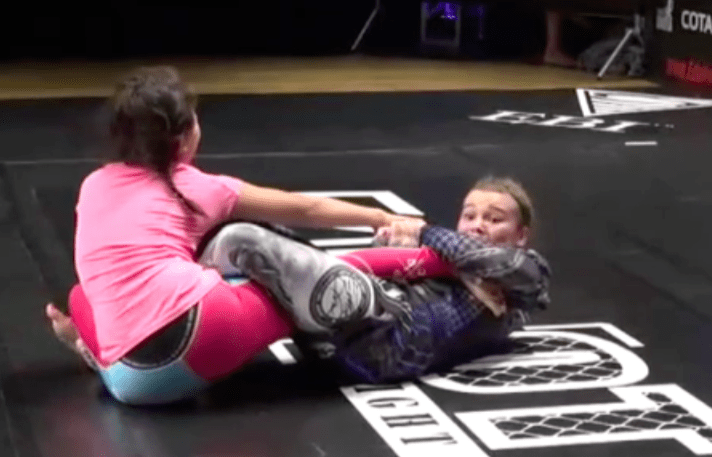 There’s merit to it, and the idea behind it is noble – protect the competitors. Hwoever, it was proven throughout the years, BJJ is not something that’s done and dusted. It is a sport that is still fairly new, and one that is currently evolving on a daily basis. It is hard to pinpoint a set of rules and keep them for a few decades without changing any of them when the sport they’re trying to govern is changing constantly.
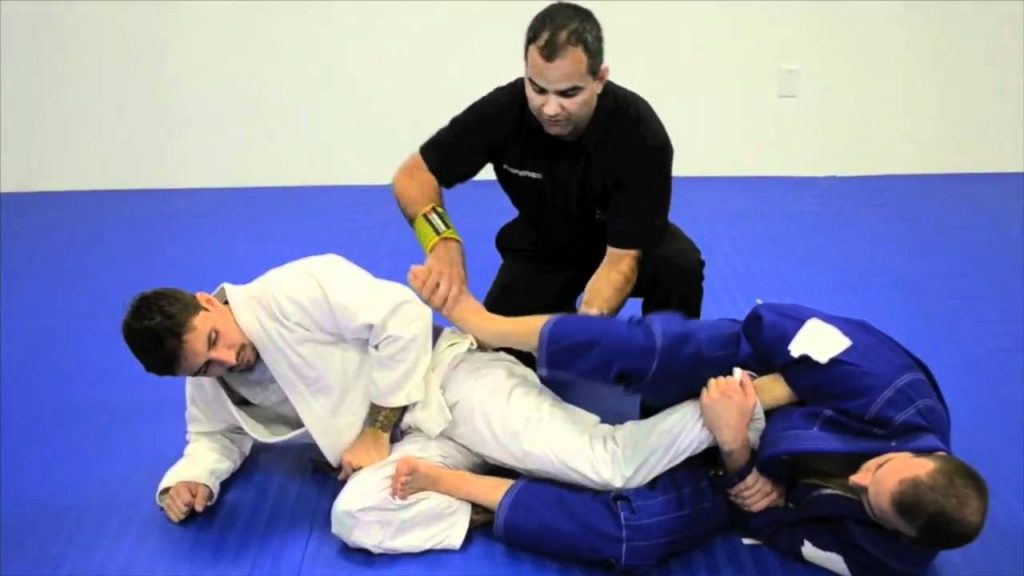 The fact that the IBJJF has limited heel hooks and knee reaps to No-Gi only means that people will start to rain a lot more without the Gi. After all, there are as many high-end competitions in No-Gi as there are with the GI: Pans, Worlds, Euros, etc. So No-=GI training will become prevalent which will cause a divide in the Gi vs. No-Gi debate that is ever-present in Jiu-Jitsu.

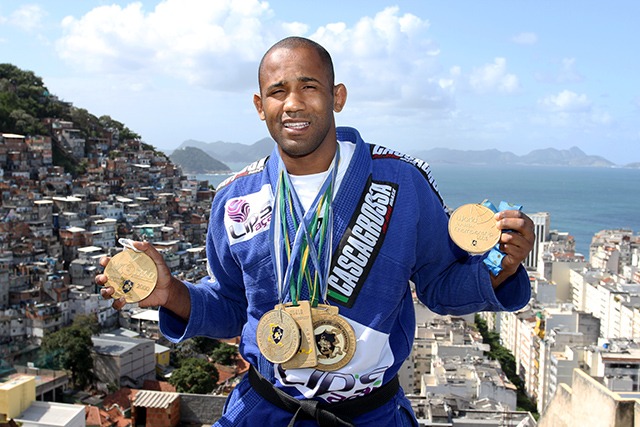 BJJ was a way for Terere to escape the slums, and escape he did. He started pretty early, going through the kids’ belt ranks first. He hit-ups and downs in his training as well, having to do several pauses at different belt levels, but eventually managed to find a steady academy in Academia Strike. Having uncanny athletic abilities, Terere won everything he could, and even as a blue belt was one of the toughest people within the gym.
 Probably the most enticing aspect of Terer’s game is his standing system. As he states in “The complete Terere Game” DVD, he likes t base his standing game around Judo and has modified certain aspects of it for Jiu-Jitsu. For example, his signature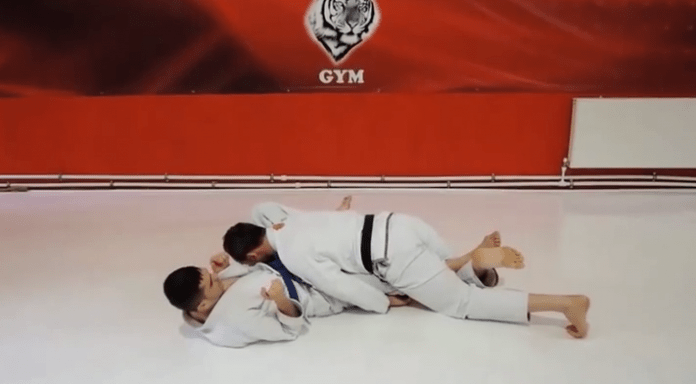
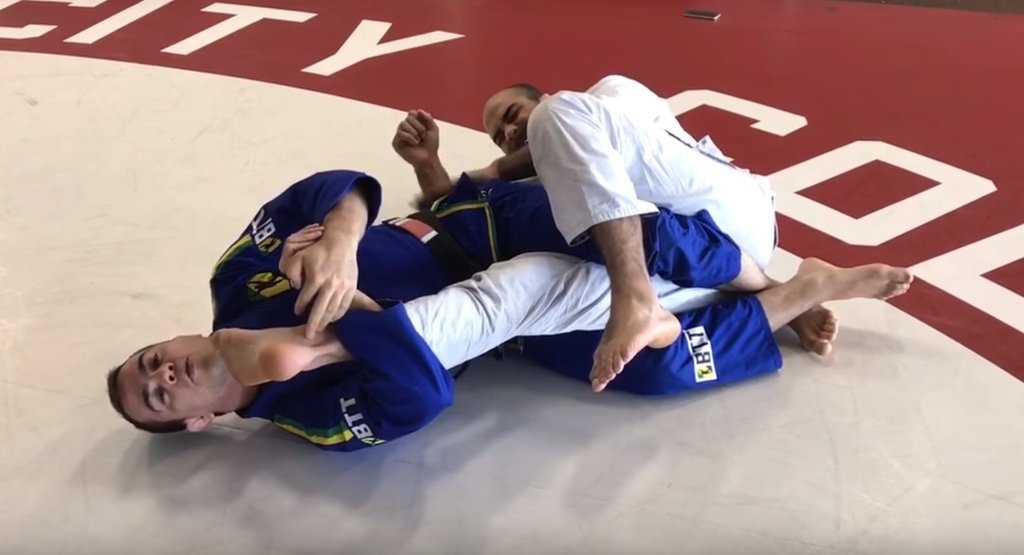 The kneebar submission is a move we don’t see too often at the highest levels in BJJ. Don’t get me wrong, people attempt it all the time, and in some cases, they’re really successful with it. We’ve seen it work across all competition platforms, from IBJJF Gi tournaments (where it is legal for brown and black belts only) all the way to ADCC and EBI. The thing with the kneebar is that people often try to finish it before they actually have it, which is the number one reason behind so many failed kneebar attempts.
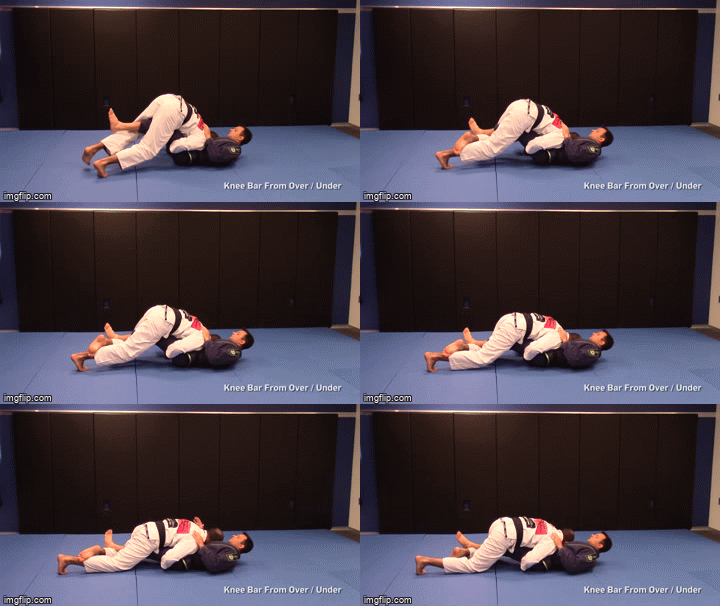 The Dogbar is done on the leg that you have in between your legs during an over-under pass. It is the leg that has that pesky hook on you which you sometimes can’t shake to get to side control. In such a situation all you need to do is use your inside leg to hook under that leg, at calf level, looking to triangle the legs. Extending your hips from here, while holding tightly on to the over-under grips. will get you in the Dogbar position and provide you with a tight and unexpected kneebar submission finish.