


CholoMMA Flannel Chokes Dewy Ventura DVD Review [2026]

CholoMMA Flannel Chokes Dewy Ventura DVD Review

Key Takeaways

  • A short, position-based choke sampler built around collar/flannel grips from common BJJ control spots (back, side, mount, turtle, guard).
  • Best for grapplers who like high-percentage finishing and want a “grab-and-go” flannel choke system they can test immediately in rolling.
  • The big idea is pressure + timing + grip positioning, not flashy technique collecting.
  • The main limitation: it’s one concise volume, so it feels more like an intro blueprint than a deep encyclopaedia.
  • Rating: 7/10

DOWNLOAD CHOLOMMA FLANNEL CHOKES DEWY VENTURA DVD

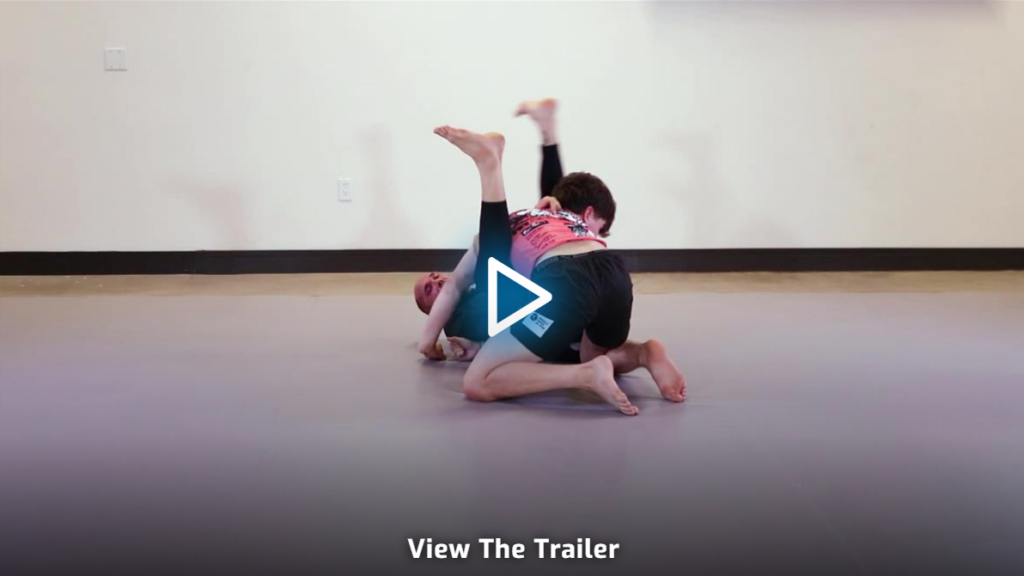
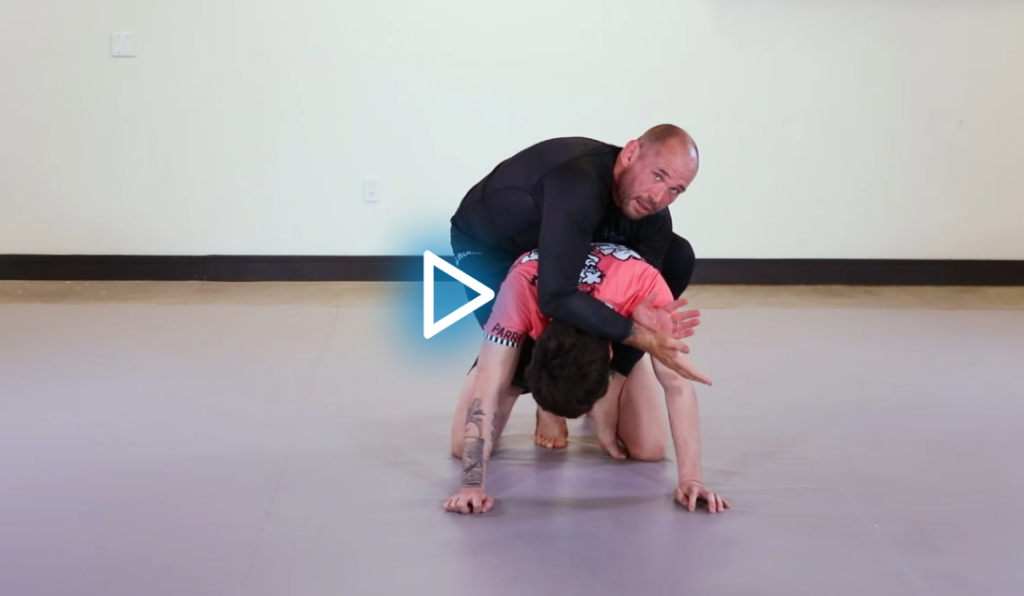
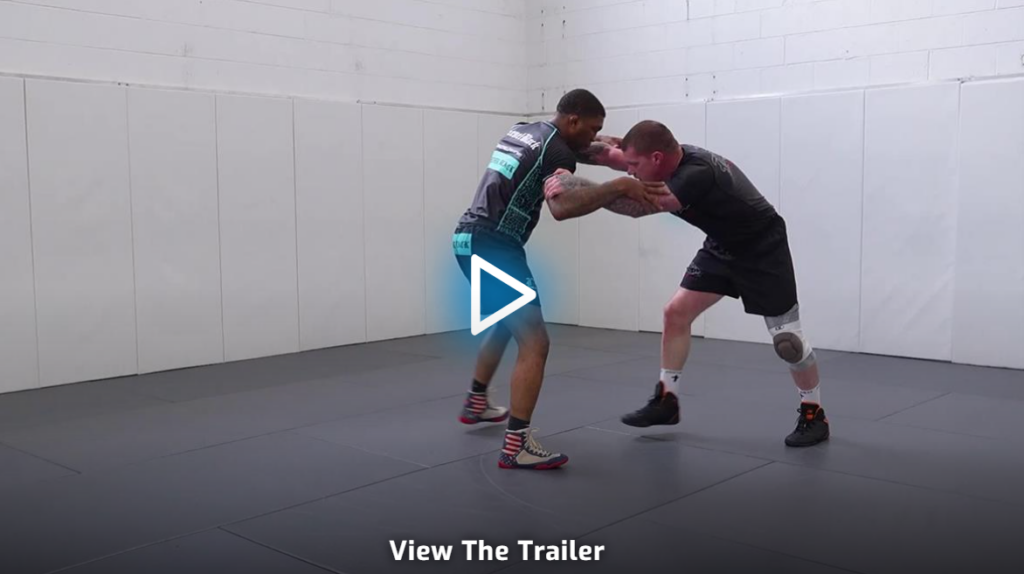
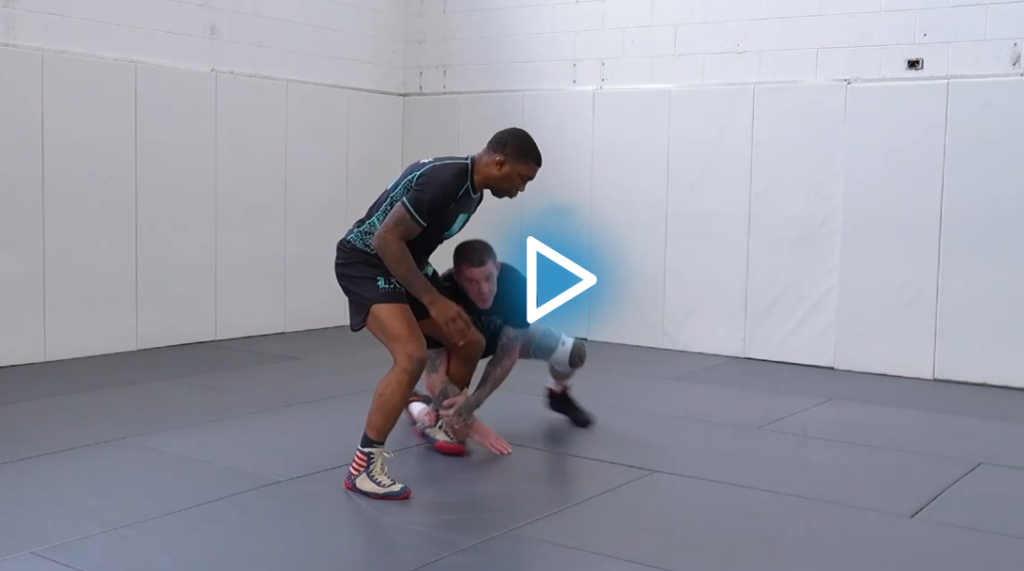
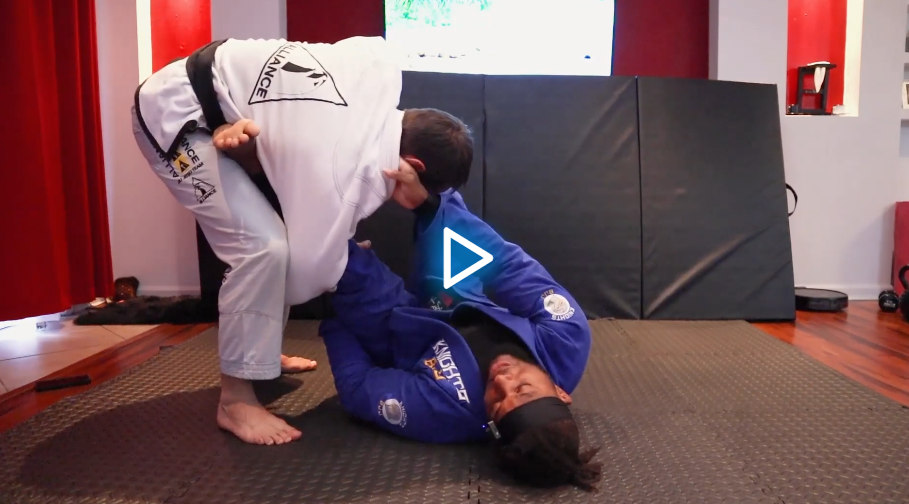
The CholoMMA Flannel Chokes Dewy Ventura DVD is exactly what the title suggests: a collar-focused choke course that treats a flannel grip like a weapon you can deploy from everyday grappling positions. It’s presented with that CholoMMA “character” energy, but the content is still rooted in familiar submission mechanics—create a strong connection to the neck, manage posture, and tighten the space until the finish is unavoidable.

What makes this release interesting isn’t that it “reinvents” chokes. It’s that it leans into a very practical truth: if you can reliably secure collar-like grips, you can create strangles in places where most people are still thinking “control first, submission later.” And because the course frames the material as applicable in both Gi and No-Gi (with the flannel/collar idea as the bridge), it’s also a neat mental model for people who bounce between rule sets.

You’re not buying this to become a lapel wizard. You’re buying it to get a compact set of finishing ideas you can bolt onto positions you already hit every round.

Flannel Chokes?

Collar chokes are one of those skills that quietly separate “good” grapplers from “annoying to deal with” grapplers. In the Gi, they’re obvious—fabric gives you handles, friction, and time. In No-Gi, the same principles still exist (head positioning, leverage, neck alignment, pressure chains), but you often lose the clean “handle” that makes finishing feel effortless.

That’s why the premise behind a flannel-based approach is useful, even if you never wear flannel in training: it forces you to think about how you enter the choke. The choke isn’t just the squeeze at the end—it’s the sequence that gets you a dominant connection to the neck while denying your partner the posture and hand-fighting they need to breathe.

A smart collar-choke player also learns something that translates well to collar chokes in No-Gi: you don’t need perfect positions; you need repeatable problems you can impose. If your opponent is turning, framing, granby-ing, or scrambling, you can still build pressure as long as your grip and body angle are doing the “closing” work. That’s the real value of any course that emphasizes timing and “ugly” positions—because live rolling is rarely clean.

What’s CholoMMA?

Dewy Ventura is based in the Atlanta area and is one of the creators behind CholoMMA, a project that blends Brazilian Jiu-Jitsu teaching with entertainment and character work. The brand’s whole thing is bringing humor into a space that can sometimes take itself a bit too seriously—without turning the techniques into a joke.

From the bio material available, Ventura’s background isn’t only on the mats. He’s also worked as an artist/actor/producer and has been involved in creative projects in and around Atlanta, which explains why CholoMMA feels like more than “three guys filming moves.” It’s positioned like a real media product, with a specific style and identity, and that matters because teaching style is part of what you’re paying for in any instructional.

On the Jiu-Jitsu side, the key detail is that the CholoMMA approach is intentionally practical: techniques framed as usable, pressure-oriented solutions—often with a self-defense flavor—rather than competition-only micro-details. That lens fits the theme of “flannel chokes” perfectly, because the entire idea is about turning collar-like grips into finishes wherever the fight goes.

Complete CholoMMA Flannel Chokes Dewy Ventura DVD Review

The CholoMMA Flannel Chokes Dewy Ventura DVD is a single-volume course that runs a little over 40 minutes, and it’s organized in a refreshingly simple way: it cycles through common grappling positions and shows flannel/collar-based choke options in each one.

The chapter list alone tells you the intention—this isn’t a niche “from one hyper-specific guard” project. It’s meant to be a plug-in system for positions you already reach: back control, side control, knee on belly, turtle, quarter guard, technical mount, and full guard, plus a second chunk that revisits back control and then hits closed guard, side control again, top mount, and turtle.

Structurally, it’s split into two sections—Toker’s techniques first, then Dewy’s moves—which gives the volume a sparring-partner feel rather than a one-person lecture. Even without obsessing over naming every choke variation, the takeaway is clear: each segment is about creating a collar-style connection and turning it into a finish by chaining pressure and angles.

This is also where the DVD’s unorthodox leverage branding makes sense—because the same grip concept gets recycled across positions, and you start seeing how small adjustments in where you anchor your hands (and how you pin the opponent’s posture) change everything.

The best part of a short instructional like this is that it doesn’t drown you in options. It pushes a repeatable habit: if you’re on the back, on top, or in a front-headlock/turtle-ish scramble, you should already be thinking about how to climb toward the neck.

In that sense, it pairs nicely with Gi lapel choke setups—not because the exact mechanics are identical, but because the mindset is. Get a meaningful grip, win posture, compress the space, and don’t let the opponent reset. The drawback is also the obvious one: because it’s one compact volume, you don’t get deep troubleshooting the way you would in a multi-hour system.

If you’re the type who wants ten counters to every defense, the CholoMMA Flannel Chokes Dewy Ventura DVD will feel like a highlight reel of concepts and applications rather than a full “course curriculum.” But if you want quick, testable ideas from common positions—and you’re happy to do your own experimentation in rounds—it delivers.

Using the CholoMMA Flannel Chokes Dewy Ventura DVD

Start by picking two positions you hit constantly—say, side control and back control. Spend a week where your only goal is to get to the position and attempt the collar/flannel grip entry. Not the finish. Just the entry. You’ll be shocked how often people fail at the choke simply because they’re late to the grip. From there, build a simple progression:

  1. Grip entry reps (light resistance.
  2. Positional sparring from that position (short rounds, reset often).
  3. Add one “escape constraint” for your partner (for example: they can hand-fight, but they can’t explode to standing).

This is where the course can help your broader game: it encourages you to link control to finishing faster, especially when you’re already in top pins. If you’re working on back control strangles in general, the collar/flannel concept can be another path that complements your RNC-based thinking.

For No-Gi-focused athletes, the best use of the CholoMMA Flannel Chokes Dewy Ventura DVD is as a conceptual bridge. Even if you can’t grab cloth, you can still recreate similar outcomes with head-and-arm positioning, wrist control, and posture breaking. That’s why “collar concepts” can matter even when you’re sweaty and shirtless.

CHOLOMMA FLANNEL CHOKES DEWY VENTURA DVD AVAILABLE HERE

Who Is This For?

The CholoMMA Flannel Chokes Dewy Ventura DVD is a good fit for white belts with some mat time who already understand basic positions (side control, mount, back, closed guard) and want a simple submission direction that isn’t overly technical.

It’ll also please blue and purple belts who want more finishing options from positions they already dominate—especially top players who live in pins. Gi players who like collar attacks will get fresh to think about cloth grips (and how those ideas can translate).

People who enjoy self-defense choke concepts and the idea of using “real-world clothing grips” as part of grappling creativity.

It’s less ideal for brand-new white belts who still struggle to hold positions (you’ll get more value after you can stabilize) and advanced competitors looking for a deep, competition-optimized troubleshooting system with lots of layered counters.

Pros & Potential Drawbacks

Pros

  • Very position-friendly format: you can jump straight to the chapter that matches what you hit most in rolling.
  • High usability: the ideas are built around common controls (side, mount, back, turtle), not rare scenarios.
  • Concept-driven finishing: emphasis on pressure, timing, and grip positioning helps you understand why it works.
  • Gi-to-No-Gi mindset transfer: even if cloth isn’t available, the posture-breaking approach can still guide your choking game.
  • Two-instructor “flavor”: the split between sections keeps the pacing lively and offers slightly different looks at similar goals.

Potential Drawbacks

  • Short runtime: it feels more like a strong blueprint than a deep system with lots of troubleshooting.
  • Not a full entry curriculum: the focus is mainly on applying the grips within positions, not building a whole standing-to-finish pathway.
  • If you want ultra-precise naming and taxonomy of every choke variation, the vibe here is more practical than academic.

Grab the Flannel!

The CholoMMA Flannel Chokes Dewy Ventura DVD is a compact, position-based choke course that delivers a fun concept with real training value: treat collar-like grips as a consistent finishing engine across the spots you already dominate. The best-case user is someone who wants a flannel choke system they can immediately test from side control, mount, back control, and turtle without needing a semester of lapel theory.

It’s not a massive, encyclopedic instructional—and that’s exactly why the rating lands where it does. You’re getting a solid set of ideas, a clear theme (pressure + timing + grips), and a quick way to add finishing threats to your top game. If that matches what you want, it’s an easy watch and an even easier “try this tonight.”

Coach Kyvann Gonzalez Late Policy Ignites A Mat Etiquette War: Pay Up, Or Get Locked Out

Coach Kyvann Gonzalez Late Policy Ignites A Mat Etiquette War: Pay Up, Or Get Locked Out
  • The Kyvann Gonzalez late policy draws a hard line: paying members can arrive whenever, but late arrivals to free training can get locked out.
  • Gonzalez says the difference is simple—if you pay dues, the gym works for you; if you’re getting free mat time, punctuality is the price of entry.
  • He also admits his older “everyone must be on time” stance cost him paying students, so he evolved the rule into a pay-vs-free split.
  • The debate hits a nerve in Jiu-Jitsu: is lateness a harmless reality of adult life… or a culture-killer that derails training for everyone else?

Being late to class is one of those BJJ arguments that never dies. It’s right up there with “spats under shorts” and “should white belts do heel hooks?” But this week, the conversation got a fresh coat of gasoline thanks to the Kyvann Gonzalez late policy at Bodega BJJ—because Gonzalez isn’t just “anti-late.” He’s selectively anti-late.

On a recent podcast appearance, Gonzalez explained that paying members get flexibility. People showing up late to free sessions? Different story.

The Kyvann Gonzalez Late Policy: Paying Members vs Free Training

Gonzalez’s stance starts with a pretty blunt customer-service idea: if someone pays monthly dues, they’re not asking permission to exist in the room—they’re literally funding the room.

If you’re a paying member, come whenever you want, dude. If you pay me to go to my gym, I work for you. You show up when you want. If you can make it, if you can make it on time, if you can’t, whatever.
– Kyvann Gonzalez (Jits and Giggles podcast) –

But then comes the second half of the rule, the part that makes people sit up:

If you’re one of these free members, I will lock you out. And if you come in and you’re late and you’re like, ‘No, please let me in.’ I will talk s**t the whole time and make you feel like you’re an idiot.
– Kyvann Gonzalez (Jits and Giggles podcast) –

That contrast is what turned a basic gym etiquette topic into headline material. Because it isn’t just about lateness—it’s about who gets grace, and who has to “earn” it.

Coach Kyvann Gonzalez Late Policy Ignites A Mat Etiquette War

Why Bodega BJJ Drew A Hard Line On Tardiness

Gonzalez also admits he didn’t always run it this way. Earlier in his gym-owner era, he tried the classic strict-coach approach—everyone on time, no exceptions—and it backfired.

In the beginning we lost a lot of members because I would just be like, ‘Dude you’re late. Like you suck. Like stop being late.’ I used to lock people out all the time. They’d be like, ‘I pay you to be here.’ I’m like, ‘No, you used to.’
– Kyvann Gonzalez (Jits and Giggles podcast) –

That “I’m right” energy might feel satisfying in the moment, but it’s not exactly sustainable when rent is due and membership numbers are the difference between a real academy and a hobby project.

So the Kyvann Gonzalez late policy evolved into something more transactional: pay, and you get flexibility; don’t pay, and the gym is doing you the favor—so show up like it matters.

His partner and training partner Vanessa Comeau has backed the broader theme too, framing it as a pushback against what they see as entitlement around training access and expectations.

“Respect” Or Disruption? The Real Reason Coaches Hate Late Arrivals

Here’s the part a lot of students miss: coaches don’t just dislike late arrivals because they’re old-school or power-hungry. Late arrivals create real problems in a room that’s already running at max mental bandwidth.

If you’ve coached or helped run class, you’ve seen it:

  • The warmup and movement prep gets interrupted.
  • Pairings get reshuffled mid-drill.
  • The late person often needs a speed-brief on what everyone’s doing.
  • Someone ends up drilling with a partner who’s cold, rushed, or out of sync.

And in grappling, “cold and rushed” is how people get hurt—especially if the late student jumps straight into hard rounds or tries to match the intensity of people who already did 20 minutes of movement and positional work.

Gonzalez has also been clear that he’s not pretending life doesn’t happen. Work meetings, kids, real-world obligations—those aren’t character flaws. His frustration is aimed at the pattern of being late because someone simply doesn’t take the schedule seriously.

The Business Side: Free Sessions, Entitlement, And The $15 Popup Test

The late-policy conversation also connects to the bigger point Gonzalez has been making: mat time isn’t magically free just because the room feels casual. A gym runs on rent, insurance, cleaning, equipment, and a coach’s time—whether the class is packed or not.

In the same stretch of commentary, Gonzalez described offering free morning sessions, then testing the room’s willingness to contribute by running a low-cost popup.

None of these fools came. None of them.
– Kyvann Gonzalez –

That moment helps explain why the Kyvann Gonzalez late policy hits free sessions harder. From his perspective, if a gym hands out free training and people can’t even show up on time, that’s not “busy adult life”—that’s a lack of appreciation.

And to be fair, there’s a real cultural tension here: Jiu-Jitsu wants to be welcoming and accessible, but gyms are also small businesses with razor-thin margins. Free training can build community. It can also attract people who treat it like it has zero value.

The Price Of Mat Time Isn’t Always Money

Whether people agree with the tone or not, the Kyvann Gonzalez late policy forces a question most gyms avoid saying out loud: What do you owe the room if you’re not paying for it?

For paying members, the answer is often “show up when you can, do your best, keep training.” For free sessions, Gonzalez is basically saying the payment is behavior—punctuality, consistency, and respect for the structure.

And that’s why this story sticks. Because it’s not really about the clock. It’s about the social contract of training: your time matters, but so does everyone else’s. And in a sport where one distracted moment can mean a torn knee or a broken rib, “being late to BJJ class” isn’t always a harmless quirk—it can be a ripple that affects the whole mat.


Front Headlock and Tactics Josh Barnett DVD Review [2026]

Front Headlock and Tactics Josh Barnett DVD Review

Key Takeaways

  • This is a front headlock system, not a random collection of finishes—Barnett treats the position like a control hub that forces predictable reactions.
  • Best value comes from the “how to keep them stuck” mechanics: pressure, angle, and decision-making that makes escapes feel expensive.
  • The structure is clean and progression-based: first you win position and go-behinds, then you layer chokes and catch wrestling facelock variations, then you add nastier catch wrestling options.
  • If you already play snap-downs, sprawls, or wrestling-up in No-Gi, this plugs into your game immediately.
  • Rating: 9.5/10

GRAB HERE: FRONT HEADLOCK AND TACTICS JOSH BARNETT DVD

If you’ve ever hit a snap-down, latched a front headlock, and then… kind of stalled—this is the exact problem Front Headlock and Tactics Josh Barnett DVD is trying to solve. Josh Barnett isn’t presenting the front headlock as a momentary checkpoint on the way to something else. He’s treating it as a position you can live in—a place to rack up control, force movement, and finish with high-percentage attacks when the opponent finally panics.

That framing matters because the front headlock is everywhere in real training: sprawls, failed shots, turtle exchanges, stand-up scrambles, and those messy who’s on top transitions that decide rounds. Barnett’s promise here is simple: stop letting opponents slip out and reset. Instead, learn how to turn the front headlock into a loop—control → reaction → finish or go-behind → re-attack.

Finding the Best of Catch Wrestling for BJJ

The front headlock is one of those positions that grapplers know, but don’t always own. In most rooms, it’s taught as a quick guillotine look, maybe an anaconda if you’re feeling spicy, and then you move on. The problem is that against anyone decent, the opponent’s first goal isn’t to get submitted—it’s to recover posture, clear grips, and re-enter neutral where they’re safer.

What separates a good front headlock player from a great one is the ability to deny the exit. This is where catch wrestling thinking pairs nicely with modern No-Gi: it’s less about hunting one perfect submission and more about turning the position into a decision tree where every option hurts.

The best front headlock systems don’t just threaten a choke—they threaten the go-behind, the snap-down re-attack, the front facelock, and the grindy in-between controls that make people carry your weight. That’s the lane Front Headlock and Tactics Josh Barnett DVD lives in: pressure-first, tactical, and built to function when your partner is trying very hard not to cooperate.

The Legendary Josh Barnett

Josh Barnett has been around enough combat sports worlds to have a rare perspective: elite MMA experience, deep grappling knowledge, and meaningful time inside professional wrestling—where control, leverage, and body positioning are the whole game. He’s widely known by the nickname “The Warmaster,” and his MMA stats alone explain why the Josh Barnett front headlock instruction carries weight: a long career with a heavy emphasis on submissions and top control.

From the available public bios, Barnett is associated with UWF-USA, and he’s listed as having a professional coaching lineage that includes Erik Paulson—one of the key connector figures who helped bring catch wrestling concepts into modern submission grappling circles.

Put that together, and you get a teacher who isn’t just demonstrating moves—he’s selling you a way to think: don’t chase chaos, manufacture it for the other person. That mindset is exactly why a Barnett front headlock course is interesting in 2026. The position has only become more important as No-Gi continues to blend wrestling, front headlock cycling, and turtle offense into a single competitive language.

Front Headlock and Tactics Josh Barnett DVD Review

If you’re serious about No-Gi, wrestling-heavy Jiu-Jitsu, or MMA-adjacent grappling, this is one of the more complete front headlock systems you can study without it turning into “highlight technique soup.” The material is practical, pressure-tested in spirit, and organized in a way that makes it easy to implement.

Volume 1 – Front Headlock Takedown Finishes

Volume 1 starts where the system should start: what the front headlock actually is (grips and mechanics), and how to convert it into reliable front headlock takedown finishes and control. In Front Headlock and Tactics Josh Barnett DVD, Barnett quickly moves past vague keep pressure advice and gives you a framework for go-behinds and movement-based finishes like the drag-by and shuck.

The standout here is that the takedown finishes don’t feel separate from the submission game—they feel like the same attack expressed in different directions. Even the bigger, flashier turns (like the cement mixer and Olympic roll) are presented as part of a coherent “front headlock = steering wheel” approach, not as highlight bait.

Volume 2 – Submission Finishes

Volume 2 is the front choke chapter in the best sense: you get a primary finish (front chokes), and then Barnett layers variations that match different defensive behaviors. The short choke and post choke feel like “if they do X, you do Y” options rather than isolated techniques.

Front Headlock and Tactics Josh Barnett DVD is especially good here at making the front headlock feel like a clamp you tighten in stages—first you keep them from resetting, then you punish the posture they choose. The inclusion of named catch-style finishes (like the Schalles choke and Schultz headlock) also signals the course’s identity: this isn’t only a No-Gi guillotine product; it’s a front headlock finishing module with catch wrestling DNA.

Volume 3 – Facelocks

Part 3 shifts into front facelock territory, and this is where the tactics part of the title really earns its place. Instead of assuming you always get clean choking looks, Barnett shows how to keep the opponent trapped when their priority is survival. You get front facelock and naked front facelock material, plus a Greco neck lock entry, and then an anaconda finish that includes the roll.

In the Front Headlock and Tactics Josh Barnett DVD, these aren’t presented like choose your favorite. They’re presented like tools for different frames and head positions—ways to keep pressure and force the head/neck to carry load while you stay safe from scrambles.

Volume 4 – The Choke Stack

The final volume is where Barnett leans hardest into the catch wrestling flavor: lasso choke, cravat options, a front full nelson, and a front quarter nelson chin pick twist. Importantly, these aren’t taught as cartoon villain moves—they’re taught as controls and finishes that become available when your opponent’s defense creates the openings.

The volume also circles back to the Assassin finish and closes with an outro, which makes the overall arc feel complete. If you’re already a front headlock player, the Front Headlock and Tactics Josh Barnett DVD in this final section feels like expanding your vocabulary: you’re not replacing your game, you’re adding nastier (and often more controlling) sentences you can speak when the roll gets stubborn.

Championship Catch Wrestling

The easiest way to make this instructional “stick” is to treat it like a weekly front headlock cycle rather than a binge-watch. Start with Volume 1 and pick one go-behind path (drag-by or motion-and-shuck are great), then build two training rounds around it:

  1. Positional start: front headlock with your preferred grip, opponent trying only to clear and square up.

  2. Constraint: you’re allowed only go-behind attempts for the round—no submissions yet.

Once you can keep the position long enough to force reactions, add one choke from Volume 2 as your “tax” on posture. After that, add Volume 3’s facelock options as your answer when the choke isn’t clean. Finally, treat Volume 4 as your specialist layer: you don’t need every finish to get value, but having one or two “this is miserable to defend” controls changes how people roll with you.

FRONT HEADLOCK AND TACTICS JOSH BARNETT DVD DOWNLOAD 

Who Is This For?

Front Headlock and Tactics Josh Barnett DVD is a strong fit forwWhite-to-blue belts (with a wrestling room exposure): If you can already find front headlocks but can’t keep them, this is a system upgrade. Purple belts and up will appreciate the decision-making and the way Barnett connects control to finishing without relying on perfect looks.

For No-Gi grapplers who wrestle up this plugs directly into snap-downs, sprawls, and turtle sequences. The emphasis on control, pressure, and preventing scrambles maps well to fighting.

Brand-new white belts who still struggle to recognize head position, grips, and basic front headlock safety might need positional fundamentals first may not get maximum value.  The same is true for Gi purists looking for lapel-based front headlock adaptations won’t find that here—the course identity is clearly No-Gi/catch-wrestling aligned.

Pros & Potential Drawbacks

Pros:

  • System-first structure: It teaches control and cycling, not just finishes, which is why it works against resistance.

  • Clear progression across volumes: Takedown finishes → front chokes → facelocks/anaconda → heavier catch options feels like a real learning path.

  • Pressure without wasted motion: The emphasis on shutting down exits means you spend less energy chasing scrambles.

  • Adds depth beyond the standard guillotine/anaconda pairing: The course broadens your No-Gi front headlock toolset in a way most BJJ instructionals don’t.

  • Highly compatible with modern No-Gi training: Snap-downs, sprawls, and turtle exchanges are everyday scenarios, not niche ones.

Potential Drawbacks:

  • Some material is “mean” by design: Certain catch wrestling options demand good partner awareness and responsible training intensity.

  • Not a Gi-specific product: Gi grips and lapel-specific routes aren’t the focus, so Gi-only readers won’t get full value.

  • You still need entries: Barnett improves what happens once you’re there, but you must already be able to reach the front headlock reliably.

Catch It!

A lot of instructionals claim to make you dangerous from the front headlock. What makes Front Headlock and Tactics Josh Barnett DVD different is that it makes you annoying first—and dangerous second. Barnett builds the position like a trap: you learn how to keep people from escaping cleanly, then you layer finishes that match the defensive choices they’re forced into.


What’s Happening At Atos Jiu-Jitsu? Inside The Exodus, The Andre Galvao Allegations, And The Sport’s Power Problem

What’s Happening At Atos Jiu-Jitsu? Inside The Exodus, The Andre Galvao Allegations, And The Sport’s Power Problem
  • A wave of departures from Atos became public before the most detailed Andre Galvao allegations were widely shared, fueling speculation that concerns were already circulating internally.
  • A February 1, 2026 written statement attributed to André Galvão denies wrongdoing, calls the claims “false rumors,” and signals legal action.
  • Former Atos athlete Alexa Herse released a multi-slide statement describing alleged misconduct and says she filed a report with law enforcement.
  • Adele Fornarino addressed “a crisis” in Jiu-Jitsu after a Polaris win, framing the Atos exodus as a hierarchy problem.
  • Keenan Cornelius warned about “hero worship” and the danger of “emperors” in martial arts — a theme that now hits differently.

Atos doesn’t just “have drama.” When a flagship team starts bleeding well-known names and everyone goes quiet at the same time, the sport feels it.

Over the last week, the Atos situation has escalated from whispers to headlines: departures, a written denial attributed to André Galvão, and a detailed statement from a former athlete that turned the conversation into something far darker than normal team politics.

This isn’t an attempt to litigate the Andre Galvao allegations in a comment section. It’s a map of what’s been said publicly, what’s been denied, and why this story has become a flashpoint for a bigger issue: power in Jiu-Jitsu — and what happens when that power is treated as untouchable.

What’s Happening at Atos?

The simplest fact — and the reason this story refuses to die — is that multiple athletes and staff have publicly separated themselves from Atos in a short time window.

In the information circulating publicly, some departures appear to have begun before the Andre Galvao allegations became the main talking point, which is why so many people read the exit wave as more than a PR problem.

At the same time, the lack of a single, clear team-wide explanation created the perfect rumor vacuum. Fans started hunting for “insider” updates, athletes started posting vague statements about safety and accountability, and the community split into two predictable camps: “wait for proof” versus “believe the people speaking up.”

One name repeatedly mentioned in the newest round of departures is Bruno Frazatto, cited as one of the latest high-profile exits.

Whether more names follow or not, the optics are already brutal: when people who’ve built their careers under a banner start dropping it, everyone asks the same question — why now?

Andre Galvao Allegations: Denial, Details, and the Line Everyone’s Watching

The public narrative has two competing pillars.

First: a written statement attributed to André Galvão dated February 1, 2026. In it, he categorically denies the accusations, calls them “false rumors,” and says legal steps are being taken.

He also suggests the controversy is driven by personal resentment connected to administrative and financial changes. The statement stresses that the academy is monitored and invites students and parents to reach out directly with concerns.

Over the past few days, false rumors have circulated online alleging inappropriate conduct with female students. These claims are untrue…
– André Galvão (written statement) –

Second: a multi-slide statement from former Atos athlete Alexa Herse, announcing she is no longer associated with the team and explaining why she felt compelled to speak publicly.

Her statement describes a pattern of alleged misconduct over a period of months, including claims of inappropriate touching during training and repeated comments about her body and appearance. She also describes reaching out to Angelica Galvão and feeling dismissed.

Moving forward I am no longer associated with Atos Jiu Jitsu… I have no choice but to step away and speak out.
– Alexa Herse –

The single most consequential claim in Herse’s statement is her assertion that she reported the matter to law enforcement.

I have filed a report with local law enforcement.
– Alexa Herse –

Right now, this is the only responsible framing: Andre Galvao allegations and a denial, with no publicly announced legal conclusions in the material currently circulating.

That doesn’t make the accusations “fake,” and it doesn’t make the denial “proof.” It means the story is in its most volatile phase — where loyalty and reputation can distort people’s judgment before facts are established.

Adele Fornarino and Keenan Cornelius Add to the Fire

If this were just about Atos, it would have stayed inside the team bubble. It didn’t — because prominent voices used the moment to talk about structure.

After a submission win at Polaris, Adele Fornarino took the microphone and framed the moment as an abuse-of-power problem baked into the sport’s hierarchy.

There’s a crisis in jiu-jitsu at the moment… people in positions of dominance… taking advantage of the most vulnerable… and it needs to stop.
– Adele Fornarino –

Keenan Cornelius then pushed the same theme from another angle: the way martial arts can “warp” authority, turning a coach into an emperor-like figure inside a closed ecosystem. His warning line — repeated everywhere since — is basically a survival tip for students.

As a student, I would urge you to beware when there’s too much hero worship going on of a particular personality.
– Keenan Cornelius –

And that’s the real reason the Andre Galvao allegations have detonated beyond one academy: Jiu-Jitsu runs on trust. If the hierarchy becomes unaccountable, the sport’s safest spaces stop being safe — especially for the people with the least power.

What’s Happening At Atos Jiu-Jitsu?

The Reddit Swirl

The community is trying to crowdsource clarity in real time. A widely shared Reddit post asking for updates on “what’s going on with Atos/Andre Galvao” captured the mood: confusion, fragments, and frustration.

Those threads also show the danger: speculation spreads faster than facts, and the most extreme claims travel the farthest — including unverified talk that goes well beyond what’s been formally stated.

On Instagram, combat sports accounts have amplified the story with big reactions and promises to investigate, adding volume but not necessarily verification. That’s how modern scandals move: the information gap becomes content.

So what should readers watch next? Two things:

  1. Whether any formal process (legal or organizational) becomes public, and
  2. Whether more athletes add specific, on-record statements — instead of vague references to “knowing things.”

Whatever the outcome, one reality is already here: the Atos situation has forced Jiu-Jitsu to look hard at its own power structures. Even if the Andre Galvao allegations end up being decided outside the spotlight, the conditions that let a story like this erupt — hierarchy, silence, and hero worship — aren’t limited to one logo on one rashguard.

Tom Hardy Brown Belt Has People Whispering The Quiet Part: BJJ Black Belt Isn’t That Far

Tom Hardy Brown Belt Has People Whispering The Quiet Part: BJJ Black Belt Isn’t That Far
  • The Tom Hardy Brown Belt promotion just happened, and it instantly reignited the “celebrity belt” argument.
  • The belt was awarded by Sonny Weston at Horsham BJJ during a seminar appearance from Tom DeBlass.
  • Hardy’s story keeps landing because he’s competed and won locally — and training partners keep describing him like a regular student, not a VIP.
  • Brown belt is where the conversation shifts from “is it real?” to “is he going to compete again — and how close is black belt?”

Tom Hardy has been the rare celebrity BJJ case that grapplers can’t stop debating, and his brown belt promotion is the newest chapter. This isn’t a random photo-op belt reveal.

It’s a milestone that only happens when coaches trust your fundamentals, your mat IQ, and your ability to train hard without turning every round into a spectacle.

The “Celebrity Belt” Conversation Just Got Real

BJJ has no shortage of famous hobbyists, but Hardy keeps triggering the debate for a different reason: he’s stayed on the mats long after the headlines faded.

He first touched the sport through fight prep for the 2011 film Warrior, then gradually turned it into a consistent training habit alongside a schedule that would be an easy excuse for most people to quit.

That consistency matters because belt talk gets ugly when people assume the mat time isn’t there. With Hardy, the skepticism keeps running into the same wall: he keeps showing up, keeps improving, and keeps doing the normal BJJ grind — injuries included.

Tom Hardy Brown Belt: Who Promoted Him And Why It Matters

Hardy received his brown belt from Sonny Weston, head instructor at Horsham BJJ, in a promotion tied to a seminar visit from Tom DeBlass.

Hardy’s belt timeline has been public enough that people track it like a fight record: blue belt in 2020, purple belt in 2023, and now brown belt in early 2026. That doesn’t prove he’s a world-beater — but it does signal sustained training over years, not weeks.

And in BJJ culture, brown belt is where hiding stops. The expectation is that you can control rounds, troubleshoot problems, and roll responsibly with everyone from eager white belts to experienced competitors.

One detail that jumped out immediately: DeBlass didn’t just react online — he traveled to be present.

He’s also described being friends with Hardy and sharing technique with him, which is a small sentence with a big implication: Hardy is actively seeking feedback, not passively “training.”

So even if you’re allergic to celebrity Jiu-Jitsu stories, the subtext is hard to ignore. This promotion was treated like something meaningful inside the room, not just content for outside it.

The Part That Silences The Loudest Critics: Competition

Hardy has also done the thing most famous people avoid: he’s competed. In 2022, he entered local tournaments at blue belt — including events in Wolverhampton and Milton Keynes — and won gold.

“Probably the toughest competitor I have ever had, he certainly lived up to his Bane character.”
– Opponent (Blue Belt Tournament) –

That competition history is a big reason the online chatter around Tom Hardy Brown Belt has leaned more approving than cynical.

The recurring theme in mat-room stories is that he trains hard, keeps it respectful, and doesn’t try to big-time anyone.

Hardy’s public association with REORG also adds context: he’s tied his Jiu-Jitsu profile to supporting veterans and first responders.

“Now it’s more of a meditation or relaxing… I have no competitive spirit… I don’t need to win, I don’t care… I always get beaten, but that’s okay.”
– Tom Hardy –
Tom Hardy Brown Belt Promotion

Tom Hardy Hits Brown Belt

Now the fun question isn’t “is he legit?” anymore. The real question is what Hardy does next.

Does he enter another bracket at brown belt, where the pace and punishment spike? Does he stay selective and focus on training while filming?

Or does this new rank pull him deeper into the competitive side — because once you’re here, black belt stops being a distant concept and starts feeling like a real horizon.

Either way, Tom Hardy Brown Belt isn’t just celebrity news. It’s a reminder that in Jiu-Jitsu, consistency is the only currency that counts — and Hardy has been quietly spending it for years.

The Knee Cut Guard Pass John Danaher DVD Review [2026]

The Knee Cut Guard Pass John Danaher DVD Review

Key Takeaways

  • A six-part, step-by-step system that treats the knee cut as a connected passing method—not a single “move.”
  • Best for grapplers who already knee cut sometimes, but lose the pass in the messy middle (frames, hip escapes, re-guarding).
  • Strong emphasis on starting position, diagonal control, and recovering your base so you can finish clean instead of stalling in half-pass purgatory.
  • The later sections expand the pass into a broader passing hub (Toreando links, North-South routes, headquarters/split squat passing).
  • Rating: 8/10

KNEE CUT GUARD PASS JOHN DANAHER DVD DOWNLOAD

The knee cut is one of those passes that looks simple until you try to land it on someone who actually knows how to play guard. One moment you’re slicing through the knees; the next, you’re stuck in a half-guard glue trap, your posture is broken, and you’re eating frames while the bottom player rebuilds everything. That’s the real problem most people have with this pass: not knowing it, but finishing it.

That’s exactly the lane Knee Cut Guard Pass John Danaher DVD aims to occupy. Instead of treating the knee cut like a highlight-reel slide, this instructional frames it as a system of starting positions, controls, angles, and recovery mechanics—so the pass doesn’t fall apart the second the guard player starts doing guard-player things. If you’ve ever felt like your knee cut is almost there, this is designed to turn that almost into something you can rely on.

The Sweet Spot Pass

The knee cut sits in that sweet spot between pressure passing and mobility passing. It’s not pure smash—because you still need angle, timing, and a clean line through the legs—but it’s also not the kind of passing where you’re constantly disengaging and sprinting around ankles. The best knee cutters feel like they’re always one step ahead: they win inside space, pin shoulders and hips, and force the bottom player to carry your weight at the exact moment they want to rotate.

In practical terms, a high-percentage knee cut usually comes down to three ideas:

  1. You begin from a position where your hips are stable and your posture is recoverable.
  2. You control the far-side upper body enough that frames don’t reset the guard.
  3. You dominate the near-side hip/leg line so the guard player can’t freely reinsert knees and shins.

If any one of those is missing, the knee cut tends to turn into a slow-motion stalemate. That’s why the best passers don’t treat it as “knee across, done.” They treat it as a decision tree: if the underhook is there, you slice and flatten; if it isn’t, you change connection and posture; if the guard changes shape (shield, half, transitional frames), you still keep the same passing logic.

The Knee Cut Guard Pass John Danaher DVD leans hard into that systemic viewpoint, which is exactly what this pass demands if you want it to work beyond friendly rounds.

John “Rashguard” Danaher

John Danaher’s reputation in Jiu-Jitsu isn’t built on flashy competition moments—it’s built on building monsters who win with repeatable mechanics. With an academic background in philosophy and years spent training and teaching under Renzo Gracie’s lineage in New York, Danaher became known for an unusually analytical teaching style: he breaks positions into problems, then solves them with structure, constraints, and “if-then” clarity.

His influence is often associated with elite submission systems, but the larger pattern is that he tends to systematize fundamentals until they become brutally consistent. When he says something is “high percentage,” he usually means it can be made reliable under resistance if you respect the details.

The knee cut is the kind of pass that rewards exactly that mindset. It’s not rare. It’s not mysterious. It’s just a pass where small positional errors get punished immediately. Knee Cut Guard Pass John Danaher DVD is Danaher applying his usual “make it inevitable” approach to a classic passing staple that many grapplers half-know and half-finish.

The Details: Knee Cut Guard Pass John Danaher DVD Review

The early structure (starting position, diagonal control, recovery to base) gives you a practical checklist, and the middle volumes add layers that help you scale from “I can hit this sometimes” to “I can force this often.”

The later material—especially the headquarters-based section—does a good job turning the knee cut into a passing hub, which is how high-level passers actually use it.

Volume 1 – The 3 Step System

The first section lays out the backbone of the instructional: a clearly defined, three-step framework that organizes the knee cut into phases rather than moments. The emphasis is on creating an advantageous starting position, establishing diagonal control (anchored around underhook mechanics and opposite-side knee penetration), and then recovering back to a stable base while controlling the outcome.

What’s useful here is the order of operations. A lot of people try to “win” the pass with the slice itself, and then panic when the bottom player disrupts posture or clamps half guard. By treating recovery-to-base as a formal step, the knee cut guard pass instructional highlights something experienced passers feel instinctively: finishing the knee cut often depends more on your ability to stabilize after the slice than the slice itself. This volume sets expectations that the knee cut is a process—one you can repeat—rather than a gamble.

Volume 2 – Collar and Underhook Knee Cut

The second volume narrows in on what Danaher describes as the first type of knee cut you must master: knee cuts with minimal connection, organized around collar/underhook relationships and specific hand positioning themes.

In practice, this portion is about learning to knee cut without needing perfect “chest-to-chest dominance” first. That’s realistic for most training environments: the guard player is framing, moving, and denying the clean underhook, so the passer needs a version of the knee cut that still functions when connection is lighter.

Volume 3 – Underhook Knee Cuts

This is where the instructional shifts from entry-level reliability to the grinding, higher-control version that pressure passers love: knee cut passing with greater connection, centered on fighting your way to an underhook through reactive and proactive methods. Danaher also includes a recap to keep the system coherent, and then contrasts two distinct finishing styles—chest-to-chest/ear-to-ear knee cuts versus higher-head, post-oriented knee cuts.

This volume does a good job of explaining why some knee cuts feel unstoppable while others feel like you’re sliding into danger. Increasing connection is not just about weight; it’s about denying the bottom player’s defensive cycles by controlling the lanes they need to rotate, frame, and reinsert knees.

The comparison between tighter chest alignment and a more post-driven posture also helps different body types find their version: some grapplers pass best by smothering; others pass best by staying tall enough to keep their hips mobile and their balance recoverable.

Volume 4 – Combining Knee Cuts

Volume four expands the knee cut into a broader passing network by explicitly pairing it with other passes and transitions: knee cut to Toreando, North-South passing, half guard passing to knee cut, plus themes like timing, misdirection, body lock knee cut variations, and even passing without inside foot position.

This section is where Knee Cut Guard Pass John Danaher DVD becomes more than “a knee cut tutorial.” It turns the knee cut into a hub: you threaten one direction to force a reaction, then take the pass the guard player gives you.

The emphasis on misdirection and timing is especially important because the knee cut is often less about overpowering and more about catching the guard player mid-adjustment. If you’re the kind of passer who likes to chain attacks instead of forcing one, this volume will likely be where the instructional starts paying off fast.

Volume 5 – Headquarters

The fifth volume is a special topic: headquarters position and knee cut passing. Danaher introduces the headquarters position, then covers practical problems that frequently derail passers—like clearing a hand off your ankle and controlling the top knee position—before layering in a sequence of attacks from headquarters: knee cut pass, smash passing, knee hike guard passing, and the skip step pass.

This is a very coach-friendly section because headquarters is one of the most teachable passing hubs in Jiu-Jitsu. It gives structure to the chaos of open guard: you’re not just reacting to grips and shin frames, you’re building a stable base from which multiple passes branch. It also helps clarify when the knee cut is the right choice versus when another branch (smash, hike, skip) is simply higher percentage in that moment.

Volume 6 – Split Squat Passing

The final section looks at knee cut passing from a split squat configuration, including a wrist pass to knee cut and a two-handed pass option. It also addresses a very real-world scenario: what to do if you cannot secure underhook control.

Instead of pretending that problem doesn’t exist, Danaher routes into alternative outcomes, including knee cut transitions into a Darce strangle or a T Kimura. Conceptually, this volume is about not freezing when the guard player wins a key battle (like denying the underhook). A lot of failed knee cuts fail because the passer becomes single-track minded:

if the underhook isn’t there, they still try to slice the same way and end up stuck. By presenting structured alternatives—both passing and submission-based—this section makes the system feel complete.

The Best Way to Use Danaher Instructionals

To get real value out of this, treat it like a short-term project rather than a “watch once and hope” instructional. Start by picking one primary entry (for most people, the headquarters-based approach is the most repeatable), then isolate the three-step framework from volume one as your checklist.

In live rounds, your goal is not “hit the knee cut.” Your goal is: start in the right place, establish diagonal control, recover to base while controlling the outcome. If you can reliably do those three things, the knee cut starts finishing itself.

A simple training plan is to build positional rounds around the problem phases. Begin in headquarters or split squat, and give the bottom player one job: deny underhooks and reinsert knees.

Give the top player one job: progress through the system without rushing. Once you’re consistently getting to half-pass situations, start from there and work only on the recovery-to-base portion—because that’s where most knee cuts die.

This is also an instructional that rewards filming your rounds. The “micro-detail” promise is real in the sense that small posture errors—head position, knee angle, hip distance—are usually the difference between pressure and stalemate.

GRAB HERE: KNEE CUT GUARD PASS JOHN DANAHER DVD

Who Is This For?

This is best for grapplers who already understand what the knee cut is and have at least a basic passing vocabulary. A solid white belt who can name positions and isn’t still drowning in open guard chaos can absolutely benefit, but the biggest payoff starts at blue belt and above—when you’ve tried knee cutting on competent guard players and realized it’s not as automatic as it looks.

It’s also a strong fit for pressure passers who want a clean, repeatable “main pass” that links naturally to other passes and coaches looking for a structured way to teach knee cutting without turning it into a random collection of grips and finishes.

Pros & Potential Drawbacks

Pros:

  • True system framing, not a one-off technique. The three-step organization gives you a repeatable template instead of a “try this grip” vibe.
  • Clear distinction between minimal vs greater connection knee cuts. That’s a real-world passing problem, and the John Danaher knee cut pass DVD treats it seriously.
  • Excellent linking between passes. The knee cut-to-Toreando/North-South/two-handed connections make the knee cut a hub rather than a dead end.
  • Headquarters focus adds teachability and consistency. For many grapplers, headquarters is where the knee cut becomes a dependable A-game option.
  • Addresses the underhook-denial problem directly. The final section’s alternative routes help prevent the common “I’m stuck because Plan A failed” stall.

Potential Drawbacks:

  • Detail density can feel heavy if you don’t already knee cut. Beginners may need to build basic passing comfort before the micro-details stick.
  • If you dislike structured, concept-driven teaching, you may want more “just show the move” pacing. This is not a quick-hits highlight format.
  • Some branches may be more relevant than others depending on your ruleset/style. Not everyone will prioritize submission follow-ups from the knee cut, for example.

Master The Move – Knee Cut Pass

If your knee cut already exists in your game but collapses under resistance, this is a strong upgrade. The biggest value in Knee Cut Guard Pass John Danaher DVD isn’t that it shows the knee cut—it’s that it shows how to make the knee cut survive contact with real guard defense.

Instead of betting everything on one slice, you threaten the knee cut to open other passes, and you use other passes to funnel back into the knee cut. That’s where the system starts to feel like it belongs in an A-game.


Peptides for BJJ: The Grappler’s Guide To The Recovery Trend Everyone’s Whispering About

Peptides for BJJ: The Grappler’s Guide To The Recovery Trend Everyone’s Whispering About
  • Peptides are short chains of amino acids that act like biological messengers—some are being used (and marketed hard) as peptides for BJJ recovery tools.
  • The two names grapplers mention most are BPC-157 and TB-500, largely because they’re associated with tendon/ligament recovery and reduced inflammation.
  • A lot of what’s out there is more hype than hard human data, and many products sit in a murky “research chemical” grey zone.
  • If you compete in drug-tested events, peptides can be a career-limiting choice—rules, bans, and contamination risks are real.
  • Even the most peptide-curious grapplers keep repeating the same truth: if your sleep, food, and training load are sloppy, peptides won’t save you.

Why Grapplers Are Talking About Peptides Now

BJJ has always had a recovery culture—tape, ice, sauna, massage guns, “just one more round,” and the quiet tradition of pretending your elbow isn’t screaming. But over the last couple of years, a new phrase has started popping up in gyms and group chats: peptides for BJJ.

The hook is obvious. Grappling is uniquely brutal on connective tissue. It’s not just soreness from hard rolls. It’s fingers that never fully un-swelling, knees that complain on stairs, and shoulders that feel like they’re held together with hope and athletic tape.

Peptides enter the conversation because they’re marketed as targeted recovery signals—something “more specific” than supplements, and “less intense” than full-blown hormone use. Online, the tone swings between biohacker optimism (“this fixed my tendon”) and old-school skepticism (“just sleep more”).

In one r/bjj thread, the most common advice wasn’t a peptide name—it was basically: clean up your recovery basics before you start chasing pharmaceuticals. That’s a very BJJ answer, and it’s also the right place to start.

Peptides for BJJ

Peptides for BJJ: The 60-Second Explanation

Peptides are short chains of amino acids—smaller than proteins—often described as messengers in the body. Some occur naturally and regulate important processes (think hormone signaling, immune response, tissue repair).

The current trend revolves around synthetic or lab-formulated peptides that aim to “nudge” specific biological pathways tied to recovery, inflammation, or growth.

Here’s the important part for grapplers: when people say “peptides,” they’re not talking about one thing. They’re talking about a broad category that can include:

  • Injury/recovery-focused peptides (the ones tied to soft tissue repair and inflammation)
  • Growth-hormone-related peptides (designed to stimulate the body’s own GH release)
  • Metabolic/weight management peptides or peptide-adjacent meds (often discussed in athletic circles for body comp, even when they’re not “recovery” tools)

So when someone asks “Do peptides work?” the only honest answer is: Which peptide, for what goal, and under what medical context? The category is too wide for a single yes/no.

This article is for educational purposes only. It is not medical advice… Always consult a physician before starting any new therapy, supplement, or medical treatment.
– Cesar Lima –

BPC-157 And TB-500: Why These Two Names Won’t Die

If you’ve heard peptide talk around the mats, BPC-157 is usually the first name out of someone’s mouth, with TB-500 close behind. The appeal is straightforward: grapplers don’t typically “need” bigger traps—they want elbows that stop barking, knees that feel stable, and nagging tissue irritation that stops turning into months-long layoffs.

  • BPC-157 is commonly discussed as an anti-inflammatory, tissue-repair-focused option—especially in relation to tendons, ligaments, and joints. That matches the problem set BJJ creates: overuse, torque, and repeated micro-trauma rather than one clean injury event.
  • TB-500 is often framed in the same recovery lane—tissue repair and inflammation reduction—again, highly appealing to a sport built around grinding pressure and awkward leverage.

But there’s a catch that matters: the “success stories” you hear in gyms are usually anecdotes, not controlled human studies. And the reason these two peptides are constantly debated online is the exact same reason people keep trying them: the injuries they target are the ones that are hardest to rehab fast.

In other words, the market exists because the problem is real—whether the solution is as clean as the marketing claims is where the argument starts.

Growth Hormone Peptides And The “Train More” Temptation

A second bucket of peptides for BJJ hype revolves around growth hormone stimulation—peptides people discuss as a way to improve recovery, body composition, or training capacity.

This is where names like Ipamorelin and CJC-1295 come up a lot in peptide content aimed at athletes. The pitch is usually: stimulate your body’s own growth hormone release, support recovery, and avoid some of the downsides people associate with direct hormone use.

For grapplers, this is the most seductive storyline of all: recover faster → train more → improve faster. And if you’ve ever watched someone win a local tournament simply because they could keep rolling hard while everyone else was limping, you understand why people chase that edge.

But it’s also the lane where the risks and rule issues get loud—because “performance-adjacent recovery” is exactly what drug testing is trying to discourage. Even if your gym culture is casual about it, competitions may not be.

The Part Most People Skip: Safety, Legality, And The “Research Chemical” Problem

This is where the story gets less fun—and more important.

A lot of peptide content aimed at athletes includes a blunt warning: many peptides are not FDA-approved for human use, and often get sold in a marketplace that’s closer to “grey” than “regulated.” That doesn’t automatically mean “evil,” but it does mean quality control and contamination become real concerns.

There’s also the competition side. Even if your local scene is basically “show up and scrap,” more events are taking drug testing seriously. And peptide discussions frequently include the same caution: drug-tested athletes should assume peptides can land them in trouble.

Drug-tested athletes should proceed with caution — many peptides are banned by WADA and USADA.
– Swolverine Inc. –

And beyond rules, there’s a basic health reality: once you move from “supplement” to “bioactive compounds,” you’re playing a different game. Side effects, interactions, and unknown long-term outcomes aren’t theoretical—they’re the price of being early to a trend.

If you’re going to take anything from this section, let it be this: the risk is not just the peptide—it’s the ecosystem around it. Unclear sourcing, unclear purity, unclear medical supervision, and unclear sport legality is a brutal combination.

Hormone Therapies And NAD+: When “Recovery” Turns Into “Longevity Medicine”

Peptide talk often bleeds into broader performance medicine topics, especially for older grapplers or anyone feeling the “I can still roll, but I can’t recover” phase.

You’ll hear people mention testosterone therapy (for men and women in medically supervised contexts) in the same breath as peptides. The reasoning is simple: hormones impact energy, mood, muscle maintenance, and the peptides for recovery capacity—and those things matter when you’re trying to train consistently into your 30s, 40s, and beyond.

NAD+ therapy also appears in the “performance and longevity” lane. It’s usually framed around cellular energy and fatigue resilience—less “my elbow hurts,” more “I’m tired all the time and I want my engine back.”

This is also where the conversation should get more medical and less gym-bro. If your goal is longevity—staying on the mats for decades—guessing your way through powerful interventions is the opposite of the point.

The Recovery Stack That Beats Everything Else (And Nobody Wants To Hear It)

If peptides were a guaranteed shortcut, every serious competitor would be using them openly—and they’re not. A big reason is risk, rules, and uncertainty. But another reason is boring: the biggest recovery gains still come from fundamentals.

Even in the most peptide-curious corners of the community, the same checklist keeps showing up:

  • Sleep quantity and quality (the real performance enhancer nobody can buy).
  • Nutrition that matches training volume (especially protein and overall calories).
  • Smarter training load management (less ego-rolling, more intentional rounds).
  • Injury rehab done properly (not “I rolled through it until it disappeared”).
  • Consistency over hero sessions (because tendons hate chaos).

Here’s the clean way to think about peptides for BJJ without getting lost in hype: if you’re not already doing the boring stuff, peptides don’t become a “multiplier”—they become a distraction. And if you are doing the boring stuff, the decision shifts into a higher-stakes zone: medical guidance, competition rules, and long-term health tradeoffs.

What Comes Next For peptides for BJJ: A Smarter Conversation In The Gym

Peptides aren’t going away from grappling culture. The demand is too predictable: high training volume, chronic joint issues, and a sport full of obsessive problem-solvers.

But the conversation is getting sharper. It’s moving from “what should I take?” to better questions:

  • Am I injured or just under-recovered?
  • Am I competing in drug-tested events now—or later?
  • Do I actually have medical oversight, or am I crowd-sourcing healthcare?
  • What would happen if I fixed sleep, food, and training structure first?

That last one is the gut punch. Because for most grapplers, the best “protocol” isn’t in a vial. It’s in your calendar, your bedtime, and whether you treat recovery like part of training instead of the thing you do when your body finally forces you.

If you’re curious about peptides for BJJ, at least let the curiosity be disciplined—like your Jiu-Jitsu. Ask better questions, protect your health, and don’t trade long-term mat time for short-term hope.


Ankle Locks Don’t Work David Mitchell DVD Review [2026]

Ankle Locks Don't Work David Mitchell DVD Review

Key Takeaways

  • Best for No-Gi grapplers who want a reliable straight ankle lock they can hit in live rounds (not just a “catch and pray” foot grab).
  • Core focus: Short X / Butterfly Ashi finishing mechanics, plus the troubleshooting that actually solves the usual defenses (booting, standing, peeling grips, hiding the heel line).
  • This isn’t a “20 entries” course—it’s a finishing course that builds pressure, control, and decision-making so the ankle lock stops being a coin flip.
  • Limitations to know: If you’re hunting heel hooks first, you’ll need to mentally reframe why the straight ankle matters (and why it often wins earlier).
  • Rating: 9/10

ANKLE LOCKS DON’T WORK DAVID MITCHELL DVD DOWNLOAD HERE

Ankle locks have a weird reputation in modern grappling: everyone knows they work, but plenty of people still treat them like the “budget leg lock” you threaten with until you can move on to something else. Ankle Locks Don’t Work David Mitchell DVD is basically a full-on rebuttal to that mindset—taught through a very specific lens: build a straight ankle lock that finishes even when your opponent does all the right defensive things.

Mitchell’s style here feels like it comes from real competitive friction: he’s not teaching the ankle lock as a single move, but as a chain of control problems you solve in order—bite, posture, inside space, pressure angle, and reaction. If your straight ankle lock has ever felt like it’s “almost there” until someone stands up, boots hard, or hand-fights you into nothing… this No-Gi leg lock instructional is designed for exactly that moment.

Ankle Locks Don’t Work (And Other Lies)

The straight ankle lock is one of the most misunderstood submissions in No-Gi because the finishing looks deceptively simple. People assume it’s about yanking the foot. In practice, the high-percentage finish is closer to a wedge-and-fold: you’re controlling the foot’s ability to rotate, controlling the knee line so they can’t run, and creating an angle where their defensive structures collapse under pressure.

That’s why positions like Butterfly Ashi remain gold even in a heel hook-heavy era: they give you a stable lever on the leg while keeping your upper body free to win the grip battle. When done right, you’re not “chasing” the ankle lock—you’re forcing your partner to carry your structure, then tightening the trap.

The big hidden advantage, especially for IBJJF legal leg locks purposes, is how often a clean straight ankle lock forces a predictable sequence: boot → stand → rotate → hand-fight → give up balance. A truly good ankle lock system doesn’t just finish—it creates sweeps, back-takes, and passes because the defense is so scripted. That’s the lane this instructional lives in: turning the ankle lock into a game plan, not a “hope submission.”

All About Leg Locks: David Mitchell 

David Mitchell (often listed as David Charles Mitchell in event results) is a competitive Black Belt with strong credentials in Masters divisions, particularly in No-Gi. He won the Masters 2 Black Belt Open Class at the IBJJF No-Gi Worlds in 2023 and also medaled in his weight category at that same event—proof that his leg lock approach isn’t theoretical or purely gym-room.

That matters for this topic because straight ankle locks are one of the most tested submissions in the sport—everyone has a defense, everyone has an opinion, and the meta has moved fast. Mitchell’s credibility here comes from the fact that he’s building a system around the ankle lock that holds up against experienced opponents who know exactly what you’re trying to do.

The Full Ankle Locks Don’t Work David Mitchell DVD Review

This course is structured like a practical conversion kit: it starts from the end (finishing), then builds the grip framework, then adds pain/pressure escalations, then shows entry routes. Then, it spends serious time on troubleshooting and common reactions (especially standing defense), and finally ties it into 50/50 and saddle situations before ending with drills and positional work.

Volume 1 – Short X Foundations

Mitchell opens by planting a flag: he wants you to become a Short X king, and he frames the ankle lock as something you should understand from the finish backward. Instead of dumping you into a bunch of entries, he prioritizes what submits actually bite—your relationship to their hip line, the way you structure your legs, and the kind of angle you need before you ever squeeze.

This volume feels like it’s designed to fix the common “looks right, doesn’t tap” problem. He layers in the small adjustments that change everything: how your secondary leg helps control rotation, where your body should be relative to their knee line, and how you choose between committing to the finish versus coming up for the sweep when the defense gives you that option. The troubleshooting section is especially important here because it establishes the tone of the whole series: you’re not just learning a move; you’re learning what to do when the move doesn’t work immediately.

Volume 2 – Grip Frameworks & the Apollo Lock

If Volume 1 is the lower-body structure, the second portion of this DVD is the upper-body engine. Mitchell outlines multiple grip options and then organizes them in a way that makes decision-making faster—so you’re not always improvising your hands mid-scramble. The point isn’t “use grip A always,” but rather understanding what each grip gives you: better control, better squeeze mechanics, better ability to survive hand-fighting, or better angle for the finish.

He also introduces the Apollo Lock concept here as a way to reinforce the break when a standard finish isn’t getting the reaction you want. The value of this volume is that it makes your ankle lock less fragile: if your partner is good at peeling hands, stripping grips, or riding out pressure, the grip system becomes your toolkit for re-attacking without losing the leg.

Volume 3 – Pressure Escalation & Pain Management

Volume 3 has a clear theme: if your opponent is durable—or if your mechanics are close but not quite perfect—you need ways to escalate pressure without losing position. Mitchell introduces options like the elbow kickstand and other named variations (including the Sole Crusher and the 404) to give you finishing tools that feel more like “pressure locks” than quick snaps.

This is where the instructional starts to feel very competition-friendly. Rather than encouraging frantic reaping of the ankle, it teaches how to keep your structure while increasing discomfort and limiting the opponent’s ability to rotate out.

Volume 4 – Half Guard and K-Guard

This is the “how do I get there?” volume, and it’s also where Mitchell starts connecting leg attacks to broader positional outcomes. He covers entry routes like the half guard swim-through and multiple paths from K-Guard into X and Short X.

The emphasis is less on flashy inversion and more on getting your hips and legs aligned so you land in the position ready to finish, not ready to scramble. What makes part 4 especially useful is that it doesn’t treat the ankle lock as a dead-end. Mitchell includes follow-ups around passing—both “passing on feet” and “passing on knees”—which is exactly how a real match often plays out: you attack, they defend hard, and now they’re compromised in a way that should let you advance.

The “dynamic entries” section reinforces that you’re rarely entering on a perfectly still opponent; you’re entering in motion, and your job is to arrive with control rather than chasing speed.

Volume 5 – Troubleshooting

If there’s a meat and potatoes section of this instructional, it’s this volume. Mitchell explicitly addresses why he prefers Short X to outside ashi in this context, then spends serious time on the real-world problems that kill ankle locks: distance management, booting, subtle adjustments to re-bite, and the exact moments where you need to reset rather than force.

He also goes hard on standing defense—arguably the most common survival tactic once someone feels the lock. This includes proactive answers (like transitioning to variations such as the Aoki-style finish when appropriate), decisions about when to go belly-down, and how to keep control when your opponent is rising and trying to shake you off. le.

There’s also an advanced link here connecting shin-on-shin into single leg X into Short X, which helps bridge the gap for grapplers who like to play open guard and want a consistent path into their finishing position.

Volume 6 – 50/50 and Saddle

In modern No-Gi, you don’t always get to live in your preferred entanglement—sometimes you land in 50/50, sometimes you hit a saddle-style position, sometimes you’re forced into a leg pummeling exchange. Mitchell addresses both 50/50 and saddle as practical realities and shows how to apply his approach inside those frameworks.

The important takeaway is that he’s not trying to turn this into a heel hook course. Instead, he’s showing how the straight ankle lock remains relevant—even in positions where people assume the “real” threat must be rotational. If you compete in rulesets that limit heel hooks, or you simply want a submission that’s available more often, this integration helps you keep your game coherent when the entanglement changes.

Volume 7 – Drills, Positionals, and Making it Stick

The final volume is where the instructional becomes easiest to implement. Mitchell provides drills and positional sparring ideas that reinforce the key habits: clean entry alignment, grip retention, angle creation, and reacting correctly to common defenses. This matters because ankle locks aren’t just technique—they’re timing and feel. If you only “watch” ankle locks, you’ll still miss the micro-adjustments that make the finish click.

Ankle Locks Scare People – Use Them More!

To get real value out of this instructional, treat it like a short training block, not a one-night binge. A realistic plan looks like this: spend your first week living in the Volume 1 world—finish mechanics and structure—because everything else collapses if you can’t actually make people respect the bite. In week two, add the grip framework from Volume 2 and one pressure escalation from Volume 3, then immediately test it in positional rounds starting from Short X.

Week three is when you start building the game: pick one entry route (half guard swim-through or a K-Guard path) and make it your default way to arrive in position. Then spend a full week using Volume 5 as your troubleshooting map—especially the standing defense sections—because that’s the point where most straight ankle locks fail in sparring.

Finally, sprinkle in Volume 6 only as needed: if your room constantly forces 50/50 or saddle exchanges, use it to keep your ankle lock threat alive without changing who you are as a grappler.

AVAILABLE HERE: ANKLE LOCKS DON’T WORK DAVID MITCHELL DVD

Who Is This For?

This instructional is a strong fit for solid white belts through purple belts who already understand basic leg entanglement positioning but haven’t developed a truly consistent finish. Early white belts can still benefit, but they may need a coach to help them recognize knee line, inside space, and angle before they can fully apply the details.

Style-wise, it’s great for No-Gi players who want a high-percentage straight ankle lock system that works in live rounds without relying on athletic scrambling and modern guard players who like shin-on-shin, single leg X, or K-Guard and want a direct path to a finish.

Maybe skip this one if you only want heel hooks and see the straight ankle as secondary—you’ll still learn a lot, but you need to buy into the premise. Pure Gi specialists who rarely play No-Gi leg entanglements will find that the concepts translate, but the emphasis here is clearly No-Gi reality and reactions.

Pros & Potential Drawbacks

Pros:

  • Clear “start from the end” teaching approach that fixes the biggest problem: getting the finish to actually work under resistance.

  • Strong troubleshooting layer (especially for standing defense and boot defense), which is where most ankle lock instructionals fall short.

  • Practical grip framework that helps you win hand-fighting battles instead of constantly losing your bite mid-attack.

  • Entries connect naturally to real guard scenarios and include pass follow-ups, so your leg attacks feed your overall game.

  • Drills and positional sparring guidance makes it easier to build the skill into your rounds, not just your knowledge.

Potential Drawbacks:

  • If you want a wide “encyclopedia” of entries, this is more of a focused finishing-and-reaction system than a huge catalog.

  • Some named variations will click best for grapplers who already have decent positional control; brand-new players may need extra reps to feel the differences.

  • Heavy No-Gi emphasis—Gi-only players will need to adapt grips and reactions to their environment.

Ankle Locks Work!

If your ankle locks have felt like a gamble—strong on compliant partners, weak on anyone good—this is the type of instructional that can genuinely change that. The biggest win is how Mitchell frames the straight ankle lock as a sequence of solvable problems: structure, grip, angle, inside space, and reaction.

Ankle Locks Don’t Work David Mitchell DVD earns its title by attacking the exact reason people say ankle locks “don’t work”: they’re doing them without control layers. Mitchell gives those layers, then backs them with troubleshooting and training methods that translate to live sparring.


Manchester United Forward Matheus Cunha Trains BJJ — And Earns First Stripe

Manchester United Forward Matheus Cunha Trains BJJ — And Earns First Stripe
  • Manchester United forward Matheus Cunha trains BJJ and has already received his first stripe on a white belt.
  • The BJJ training is happening under elite competitor and coach Lucio “Lagarto” Rodrigues at Valour Jiu-Jitsu.
  • Fans are split: it’s a great skill-builder… but also a sport where injuries can happen fast.
  • The bigger story is the trend: high-level footballers are increasingly dabbling in grappling, despite the obvious risk.

A Premier League Star Steps Onto The Mats

There are celebrity hobbies, and then there are hobbies that come with chokes, joint locks, and the kind of awkward scrambles that can turn a normal Tuesday into six weeks of rehab.

That’s why the moment Manchester United forward Matheus Cunha trains BJJ hit social media, it instantly became more than just a “look what he’s doing in his spare time” post.

The images making the rounds show Cunha in a real training environment—hands-on grappling, positional work, drilling on the ground. Not a staged “I wore a Gi once” photo-op. And while plenty of pro athletes cross-train, Brazilian Jiu-Jitsu carries a specific kind of reputation: it’s technical, addictive… and it does not care what your contract says.

Cunha even leaned into the vibe with a caption that read like a little wink to the grappling crowd:

Those who are not graduates, please show respect.
– Matheus Cunha –

It’s playful, but the message underneath is clear: he’s taking this seriously enough to talk like someone who’s already been bitten by the bug.

Manchester United Forward Matheus Cunha Trains BJJ And Gets A First Stripe

Here’s the detail that pushes the story from “interesting” to “oh, wow”—Manchester United forward Matheus Cunha trains BJJ and has already been awarded the first stripe on his white belt.

That doesn’t make him a killer on the mats overnight, but it does suggest consistency. Stripes are usually earned through showing up, learning the fundamentals, and not being the guy who disappears after two sessions because the warm-up bruised his ego.

The stripe moment was shared publicly by his coach, and the tone wasn’t “celebrity client” fluff. It read like a coach genuinely proud of a student starting the journey the right way—showing up, listening, doing the work.

One of the coach’s lines that stuck out was a simple truth most grapplers recognize immediately:

What’s the hardest belt to get in jiu-jitsu? It’s the white belt.
– Lucio “Lagarto” Rodrigues –

That’s the part non-grapplers sometimes miss. White belt isn’t “easy mode.” It’s the phase where your body is learning a new language, your balance gets exposed, and your instincts betray you at the worst times.

And yes—this is also the phase where injuries can happen, especially if someone trains like they’re still on a football pitch.

Why Grappling Makes Clubs Nervy

If you’re a pro footballer, your body is literally your livelihood. Clubs obsess over workload, recovery, soft-tissue management, and the kind of marginal gains that sound ridiculous until you see a season decided by one hamstring.

So when Manchester United forward Matheus Cunha trains BJJ, the natural reaction from fans isn’t just “cool.” It’s: is anyone at the club sweating right now?

Because BJJ’s injury profile isn’t about one dramatic moment (though it can be). It’s often the small stuff: a freaky landing off a takedown, a knee twisting in a scramble, a shoulder getting yanked in an awkward post. Even with careful partners, grappling is still grappling.

That tension showed up immediately in community chatter. One comment summed up the vibe bluntly:

A surprising amount of current athletes pick up BJJ given the obvious risks involved.
– Slowbrojitsu –

Another put it even more directly, comparing BJJ to the “safe” hobbies clubs usually tolerate:

Makes a change to golf. Surely his club might not be too keen on him doing a full combat sport?
– Meerkatsu –

That’s the entire debate in two sentences. Golf is a wrist tweak. Jiu-Jitsu is an uncontrolled environment by design—two people trying to dominate each other’s balance, posture, and joints. Even when it’s friendly, it’s still a combat sport.

Lucio “Lagarto” Rodrigues And The Valour Jiu-Jitsu Factor

The flip side—and this matters—is that Cunha isn’t training in some random back room with a guy who got promoted off vibes. Manchester United forward Matheus Cunha trains BJJ under Lucio “Lagarto” Rodrigues, a highly accomplished black belt with serious competitive credentials, including multiple major podium finishes.

That changes the risk equation. High-level coaches tend to run structured rooms. They understand pace. They know how to keep beginners safe, how to control sparring intensity, and how to build fundamentals without turning every round into an ego-fest.

Rodrigues also framed the opportunity in a way that sounded personal, not transactional:

My life purpose continues every day: to bring joy and real value to the lives of the people around me.
– Lucio “Lagarto” Rodrigues –

It also helps that Cunha is an elite athlete with the kind of balance, coordination, and explosiveness that translates well to grappling—if it’s channeled correctly.

Athleticism can be a cheat code in early training… or it can be the thing that gets you hurt fastest if you use it at the wrong time.

One more wrinkle: he’s not the only footballer with a connection to the sport. There’s already talk of other players who train, including a teammate from his past clubs who’s reportedly a blue belt.

Manchester United Forward Matheus Cunha Trains BJJ

What This Could Mean If More Footballers Follow

The reason this story travels isn’t just because a famous name tried a new sport. It’s because Manchester United forward Matheus Cunha trains BJJ at a time when grappling is creeping into mainstream athletic culture in a way it never used to.

Ten years ago, you’d expect this from retired athletes looking for a new challenge. Now it’s happening with active pros—people still in the peak of their careers—drawn in by the skill, the mindset, and the weirdly addictive feeling of learning how to solve problems under pressure.

If Cunha sticks with it, the “celebrity BJJ” angle fades and the real story becomes: this is what Jiu-Jitsu looks like when it’s normalized. Not a gimmick. Not a stunt. Just another high-performance athlete choosing to spend free time getting humbled, learning leverage, and earning stripes the slow way.

And whether Manchester United’s staff love it or hate it, the spotlight that comes with it is undeniable: when Manchester United forward Matheus Cunha trains BJJ, a whole new crowd starts googling what a stripe means—and why the white belt might actually be the hardest one to get.


How Old is BJJ? Robert Drysdale Says The Gracie “100 Years” Story Doesn’t Add Up

How Old is BJJ? Robert Drysdale Says The Gracie “100 Years” Story Doesn’t Add Up
  • Robert Drysdale is disputing the commonly repeated “1925” origin date tied to Mitsuyo Maeda’s arrival in Rio.
  • He argues the sport most people recognize as Brazilian Jiu-Jitsu today is much younger, with a major turning point in 1975.
  • A resurfaced “$9.99 blue belt” story from Hawaiian MMA veteran Ron Jhun highlights how messy belt legitimacy used to be.
  • The real argument isn’t just history—it’s who gets to define what counts as “real” Jiu-Jitsu.

How Old Is BJJ? The “Century” Celebration Just Got A Reality Check

Brazil recently held a high-profile ceremony honoring a century of jiu-jitsu in the country, with Rorion Gracie in attendance and politicians talking about the art as cultural heritage. It’s a powerful image: the Gracie family story, stamped as official history.

But Robert Drysdale has been publicly pushing back on the timeline behind that celebration. In a recent conversation, the BJJ historian and competitor challenged the popular claim that Brazilian Jiu-Jitsu began in 1925—often linked to Mitsuyo Maeda arriving in Rio de Janeiro.

The date 1925 by the way is incorrect.
– Robert Drysdale –

That single sentence is guaranteed to trigger the sport’s most sensitive nerves. Jiu-Jitsu loves lineage, loves origin stories, and loves clean anniversaries. Drysdale is arguing that the math—and the myth—don’t line up.

Drysdale’s Claim: The Gracie Timeline Starts Later Than People Think

Drysdale says he understands why people get angry when he challenges the “1925” narrative, but insists he can back up what he’s saying with documentation.

People get mad at me when I say it, but I can prove it. I have pictures, documents.
– Robert Drysdale –

His core argument leans on statements attributed to Hélio Gracie: that Hélio claimed he hadn’t even heard of jiu-jitsu until he watched Carlos Gracie compete years later—around 1929 or 1930. Drysdale also points to the first Gracie Academy opening in 1931 as a more concrete milestone than “Maeda arrived, therefore BJJ was born.”

He’s not denying the Gracies mattered. He’s saying the story is messier: judo schools, regional rules, and a broader Brazilian martial arts scene all fed into what later became “Brazilian Jiu-Jitsu.” In that framing, the Gracies are pivotal—but not the entire starting gun.

The 1975 Rule Change That He Says Created Modern Sport BJJ

Here’s Drysdale’s biggest grenade: he argues that what the Gracies practiced through the mid-1970s looked far closer to ground-oriented judo than what today’s competitors train for. In his view, a pivotal competition ruleset shift in 1975 changed the incentives—and redirected the evolution of the art into the points-driven sport the world recognizes.

That changes everything. That redirects the evolution of jiu-jitsu.
– Robert Drysdale –

Drysdale has even framed his research around that date, saying the “real” anniversary for modern Brazilian Jiu-Jitsu is closer to 50 years than 100. Love him or hate him, it’s a simple hook that sticks: if you’re asking “How old is BJJ,” he’s telling you to stop counting from a romantic origin story and start counting from the rule set that shaped the sport.

The $9.99 Blue Belt Story Explains Why Legitimacy Has Always Been A Fight

While Drysdale is challenging the timeline, Ron Jhun’s story challenges another sacred BJJ obsession: belts.

Jhun recalled entering a Relson Gracie tournament in Hawaii after largely training from videotapes with his brother-in-law. When asked who his instructor was, he didn’t even pretend to play the lineage game.

How you get your belt? I bought it. I bought it from Casey Martial Arts.
– Ron Jhun –

According to the story, Jhun won his weight class and the absolute division anyway—then “promoted” himself the most blunt way possible by buying a blue belt for $9.99 before the next event. It’s funny, it’s wild, and it’s also a snapshot of an era when the Gracies were fiercely policing legitimacy and gym affiliation could matter as much as skill.

The twist is that the situation eventually reached John Lewis, one of the earliest non-Brazilian black belts. After training with Jhun, Lewis reportedly gave him the stamp the belt shop never could.

You (are) a legit blue belt. If anybody asks, just tell them John Lewis gave you a blue belt.
– John Lewis –

Put the two stories together and the clicky question becomes unavoidable: How old is BJJ—and who gets to decide?

Drysdale is fighting over the sport’s “birthday.” Jhun’s anecdote shows the belt system has long been its own battleground for authority. Either way, the same theme keeps surfacing: in Jiu-Jitsu, legitimacy isn’t just earned on the mats—it’s argued, guarded, and constantly rewritten.