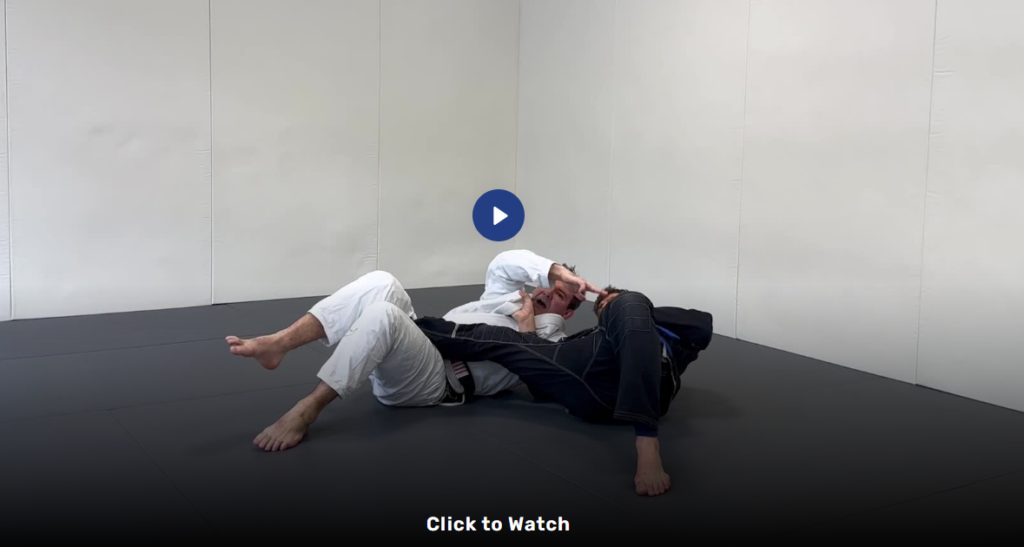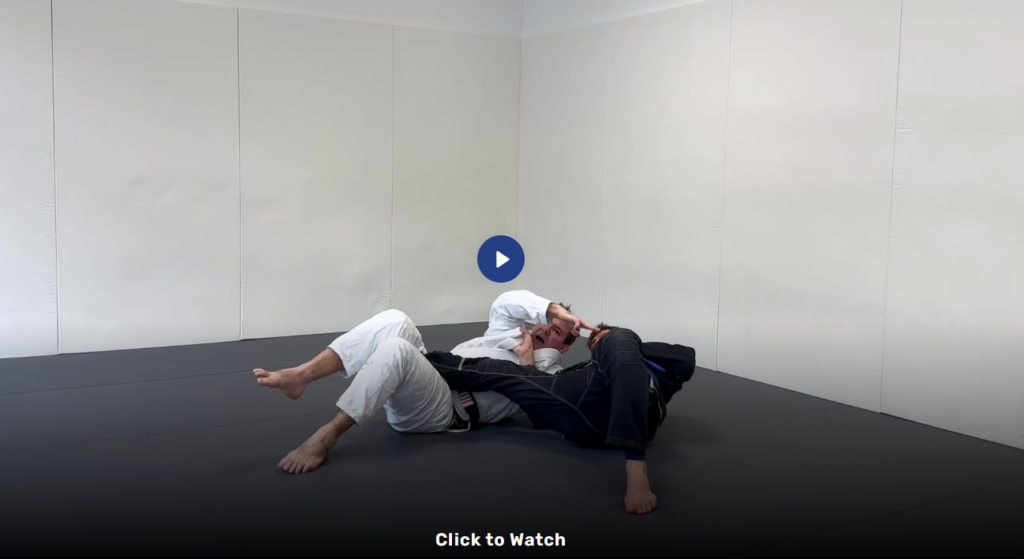


Finish Quickly From Turtle: Samurai Submissions Kenta Iwamoto DVD Review [2026]

Finish Quickly From Turtle: Samurai Submissions Kenta Iwamoto DVD Review

Key Takeaways

  • Samurai Submissions Kenta Iwamoto DVD is a tight, get-to-the-point submission system built around controlling turtle and punishing the moment someone thinks they’re safe.
  • The biggest strength is the sequence: control and mat returns first, then fast front headlock finishes, then multiple entries into the front headlock from standing/top/bottom.
  • Volume 2 is the engine room—short chokes, high-ground control, and strong finishing options that reward clean positioning more than brute force.
  • It’s compact and usable, but it’s also pretty No-Gi flavored, and a couple of options can be ruleset-dependent if you compete.
  • Rating: 8.5/10

SAMURAI SUBMISSIONS KENTA IWAMOTO DVD AVAILBLE HERE

Turtle is one of those positions that looks defensive on paper, but feels like a coin flip in real rounds. Sometimes it’s a safe shell. Sometimes it’s just “I’m about to give up my neck because I’m tired.” That’s the space Samurai Submissions Kenta Iwamoto DVD lives in: the moment your opponent turns in, clamps up, and tries to stall the chaos into a reset.

Kenta Iwamoto’s approach isn’t about showing you 40 flashy ways to attack turtle. It’s more like a short, sharp blueprint: control the turtle reliably, shut down the common escape, and funnel everything into finishes that come on fast. The course structure reflects that mindset—first, you learn how to hold the position and return people to the mat. Then you get the front headlock submissions (and the high ground layer). Finally, you get practical ways to arrive at the front headlock from different scenarios, not just after a scramble.

If you’re tired of opponents winning by curling up and surviving, this instructional is basically a permission slip to treat turtle as an attacking position again—without turning every exchange into a messy back-take lottery.

Beating Turtles

A lot of gyms teach turtle in two extremes: either never turtle (because back exposure), or turtle is fine (because you can granby, sit-out, wrestle up, and keep scrambling). The truth is turtle is a transition hub—and whether it’s safe depends on who’s better at controlling the space around the hips and shoulders.

From the top player’s side, turtle attacks usually fall into a few families:

  • Riding and returning: breaking posture, forcing the hands to post, and repeatedly dragging the opponent back down when they try to stand.
  • Go-behinds and seatbelt control: taking the angle so you’re not directly behind their spine, and using that angle to stop rolls and sit-outs.
  • Front headlock funnels: creating a connection to the head/arm that leads into guillotines, D’arces, kata gatame variations, and back exposure when they defend.
  • “High ground” control: staying above the shoulders and using your weight and grips to make their turtle feel like quicksand.

What makes Samurai Submissions Kenta Iwamoto DVD interesting is that it doesn’t treat turtle as its own isolated universe. It treats turtle as the front end of a submission chain—where the real payoff is the front headlock and the control layers that prevent the classic “I’ll just roll out” escape pattern.

The New Generation: Kenta Iwamoto

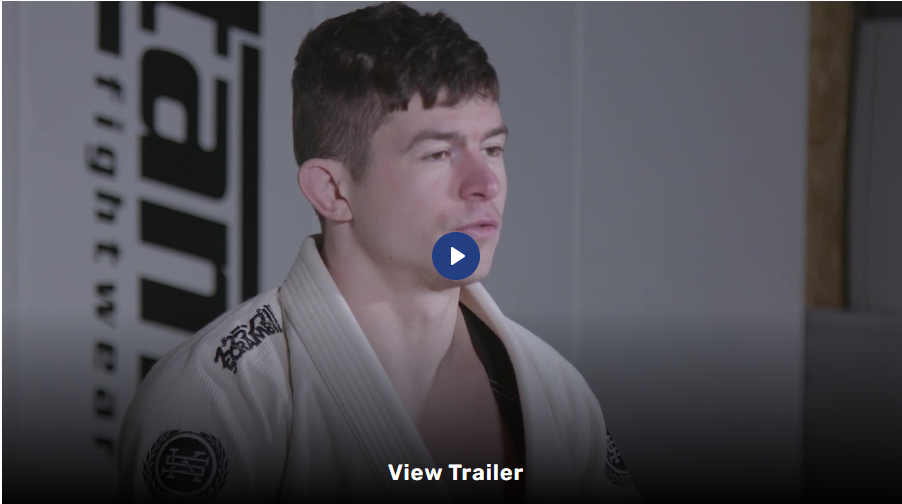
Kenta Iwamoto is one of the more unusual new generation grapplers because his base is not traditional Jiu-Jitsu—it’s judo. He was already a judo black belt before he fully committed to Brazilian Jiu-Jitsu, and his background shows up in how he thinks: tight body control, efficient returns, and a preference for making your opponent carry weight instead of “winning positions” with frantic movement.

Competition-wise, he’s best known for consistently qualifying through the ADCC pathway, including multiple wins at the ADCC Asia & Oceania Trials (2019, 2022, 2023), and he’s also posted notable results in No-Gi at the elite level. Over time, he’s trained and prepared with high-level rooms, including time with the B-Team training environment, which helps explain why his instructional blends wrestling-style front headlock mechanics with the kind of positional suffocation you’d expect from a top submission grappler.

He’s also spoken publicly about the intensity of his early martial arts experience in Japan, including harsh treatment during his youth judo training. You don’t need that context to use the material—but it does add a layer of understanding to why his style is so focused on pressure, control, and no wasted motion.

Detailed Samurai Submissions Kenta Iwamoto DVD Review

A quick structural note: this is a three-volume course that’s surprisingly compact. It’s not trying to be an encyclopedia. Samurai Submissions Kenta Iwamoto DVD is closer to a system install you can actually finish in a week, then revisit in targeted spots.

Volume 1 – Turtle Control

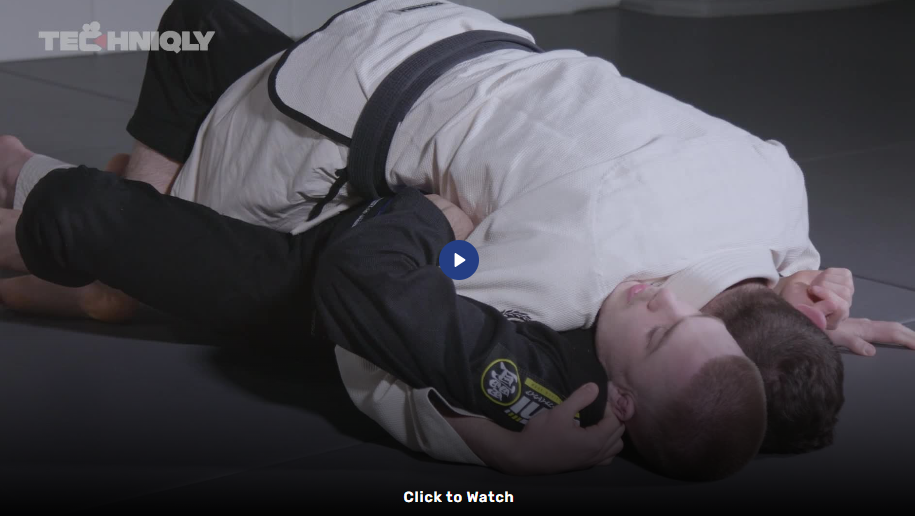
The opening volume is all about earning the right to attack. Instead of jumping straight into chokes, Kenta builds the base: controlling turtle using a go-behind approach, breaking down the position with a gut-wrench style of pressure, and dealing with one of the most common get out of jail buttons—the granby roll.

What I like here is that the control is presented as a sequence, not as isolated tips. You see how the initial angle and hip control leads into stable holds—like the double under bodylock and seatbelt control—so you’re not constantly chasing. The efficient mat returns section is also a big deal for anyone who rolls with athletic opponents.

Plenty of turtle systems look great until the other person stands up and turns it into a wrestling scramble. Mat returns are what separate I almost had it from you’re stuck here now. If you already have good back takes but struggle to keep people grounded during turtle transitions, Volume 1 is the glue that makes the rest of the system work.

Volume 2 – Darces & High Ground Attacks

Volume 2 is the money volume, and it’s where Samurai Submissions Kenta Iwamoto DVD becomes what it claims to be: a finish-first system. The focus shifts to front headlock submissions, starting with a seated kata gatame setup and moving into an arm-in guillotine and a guillotine dilemma that forces reactions. From there, Kenta goes into a short D’arce sequence—covering arm configuration, positioning details, and finishing.

Then you get the high ground layer, which is basically the control hub for the volume. He breaks down guidelines and grip choices (locked hands vs open hands), and then uses that control to create back-take and submission threats. Notably, the content includes a back take leading into a twister option, plus a full nelson using the legs, and a hammerlock solution for opponents who keep their elbows welded tight.

The volume finishes with back triangle requirements/benefits and a back triangle entry that uses Kimura pressure and posting. That’s a smart choice, because it keeps the system consistent: you’re not just hunting a single choke. You’re building a small web of threats where defending one line exposes the next.

The only caveat: a couple of these tools are ruleset-sensitive (twister especially), and some require good judgment in training. But as a conceptual package—front headlock to high ground to back exposure—this volume is excellent.

Volume 3 – Standing

The final part of the Samurai Submissions Kenta Iwamoto DVD answers the practical question most instructionals skip: “Cool… but how do I get there against someone who doesn’t just turtle on command?

Instead of staying stuck in turtle-only scenarios, Kenta shows multiple ways to arrive at the front headlock from standing exchanges and from live grappling positions. On the standing side, he covers close-range entries off over-under and underhook situations, then troubleshoots the front headlock with a kosoto-style angle.

He also includes a far-range overtie snap, a detail on snapping hands using your head, and an arm-drag route into the same attacking hub. From the ground, you get a front headlock connection from top via a knee cut scenario, and from bottom via heisting—again reinforcing that this is meant to be used in real rounds, not just in idealized turtle positions.

Looking Beyond Back Takes

If you want this system to show up in sparring quickly, don’t try to “learn the whole thing” at once. Use a simple progression to get the most out of this Turtle Kenta Iwamoto DVD:

Turtle control rounds only. Start every round in turtle with you on top. Your only goal is to keep them grounded and prevent the granby roll escape. Think Volume 1: go-behind angle, gut-wrench pressure, seatbelt/double under stability.

Front headlock finishing reps under fatigue. Start from front headlock and rotate through the arm-in guillotine, short D’arce, and the kata gatame entry. Keep the reps short, then finish with positional sparring from the same spot.

Add the high ground layer. This is where the system becomes “sticky.” Work the high ground controls and use them to force a reaction—then choose the appropriate finish (or back exposure).

Integrate entries. Use Volume 3: start from standing ties, then start from a knee cut exchange, then start from bottom heisting. Your goal isn’t to hit everything—it’s to find two reliable pathways into your best front headlock.

Done this way, Samurai Submissions Kenta Iwamoto DVD becomes a real module in your game: a repeatable response when someone turtles, plus a way to manufacture the front headlock when they don’t.

DOWNLOAD SAMURAI SUBMISSIONS KENTA IWAMOTO DVD

Who Is This For?

This Kenta Iwamoto instructional is best for solid white belts through advanced players, with the sweet spot being blue to brown—people who already understand basic control, and now want a sharper finishing toolkit.

It’s a particularly good fit for gapplers who like front headlock attacks and want a clearer chain from control → submission, anyone who constantly deals with opponents who stall in turtle instead of engaging and competitors who value fast finishes and hate long, coin-flip scrambles.

Brand-new white belts who don’t yet have the control sensitivity to keep turtle stable and pure Gi specialists looking for Gi-grip-specific turtle attacks (this material is presented with a very No-Gi grip logic) might not love it, though.

If your current turtle plan is basically hope they give me hooks, Samurai Submissions Kenta Iwamoto DVD gives you a more reliable alternative: win the control first, then take what they expose.

Pros & Potential Drawbacks

Pros

  • Clear system order: control first, then submissions, then entries—so it’s easy to build into training blocks.
  • High-percentage focus: arm-in guillotine, short D’arce, and kata gatame-style attacks are proven tools, not gimmicks.
  • Practical entries beyond turtle: standing and ground-based pathways make the material usable in real rounds.
  • Mat returns and granby counter included: huge for keeping athletic scramblers from turning turtle into a reset.
  • Compact runtime: short enough to finish, rewatch, and actually drill instead of collecting dust in your library.

Potential Drawbacks

  • Some tools are ruleset-dependent: twister-style options won’t fit every competition format, and you’ll need discretion in training.
  • Finishing bias over position collecting: if you prefer slow back control and methodical point-scoring, this course leans the other way.

Break the Shell! 

If you’ve ever felt like turtle is the opponent’s time-out button, this is a strong antidote. The Samurai Submissions Kenta Iwamoto DVD does a good job of reframing turtle as an attacking opportunity—as long as you’re willing to prioritize control and angle before you chase the neck.

The course is compact, but the content is high utility: Volume 1 makes you better at keeping people pinned in turtle, Volume 2 gives you the submission chains and high ground control that create real finishing pressure, and Volume 3 provides realistic ways to access the front headlock hub from multiple contexts.

MMA Fighter Bites Opponent’s Ear and Sparks Cage-Side Chaos at Clash 15 in Brno

MMA Fighter Bites Opponent’s Ear and Sparks Cage-Side Chaos at Clash 15 in Brno
  • A Clash 15 main event in Brno, Czech Republic ended almost immediately after an illegal ear bite during a takedown exchange.
  • The injured fighter later said he needed 28 stitches.
  • As the alleged biter left the cage, footage shows objects thrown and multiple people rushing him, forcing security into a messy escort.
  • The MMA fighter bites opponent’s ear incident is reigniting the same debate every “custom rules” show eventually faces: how far can you push “anything can happen” before it becomes a safety problem?

MMA Fighter Bites Opponent’s Ear: The Moment Everything Went Sideways

The fight didn’t build. It detonated.

One early grappling exchange, a takedown attempt, and then the kind of foul combat sports fans still talk about decades later: MMA fighter bites opponent’s ear—hard enough that the referee stepped in as the injured fighter recoiled and blood became the headline.

The bout was the latest chapter in a rivalry promoted under “custom rules,” the sort of label that signals unpredictability and gives matchmakers room to blur the line between sport and spectacle.

But even in a format marketed as anything-goes, biting is the fast lane to stoppage. There’s no ambiguity, no “let them work,” no warning that makes sense. You can’t keep a fight going when someone’s teeth are involved.

And once the bite happened, the crowd didn’t just react—they escalated. What followed looked less like a combat sports event and more like a crowd-control test nobody passed.

A “Custom Rules” Rematch

Clash has built a reputation around entertainment-first matchmaking and rule sets designed to create moments. That can be fun—until the “moment” is a foul so graphic it forces an immediate stoppage and flips the building from cheering to chasing.

This wasn’t a clean, technical heavyweight chess match that took a dark turn in round three. By most accounts and the available footage, the key sequence happened early: a takedown attempt, bodies colliding, and then the bite. The referee’s intervention came fast, and for good reason.

That’s the underlying contradiction of “custom rules” promotions: they want the energy of a street fight, but they still need the infrastructure of a sanctioned show—officials to stop fouls, medics to treat injuries, security to separate people, and some baseline standard of safety that keeps the event from becoming a brawl in the stands.

Because when a promotion sells the idea that the night might go off the rails, it can attract fans who are more interested in the rails going missing than in the fight itself.

28 Stitches and Crowd “Justice”

After the stoppage, attention shifted from the cage to the exit.

The injured fighter, Václav Mikulášek, later shared that the damage required 28 stitches—the kind of number that makes even seasoned fight fans wince. More than the gore, it’s the clinical detail that lands: stitches mean tissue repair, not just “a little blood.”

People, he bit off my ear. If you want to know how much it hurt, about 100 times more than the dentist!
– Václav Mikulášek (via social media) –

That line—half disbelief, half dark humor—captures how fighters often cope with freak incidents. But it doesn’t soften what happened next.

Footage from the arena shows the alleged biter, Pavol Vasko, being rushed out as the crowd surged. Drinks flew. At least one chair is visible in the chaos. People appear to close the distance and swing as security tries to move him up the ramp and out of danger.

It’s the kind of scene that makes everyone look bad at once:

  • The fighter who committed the foul is now in a real physical danger that has nothing to do with competition.
  • The crowd stops being an audience and becomes a mob.
  • Security and event staff get overwhelmed, which creates more risk for everyone—fighters, officials, and bystanders.

And from a purely practical standpoint, the MMA fighter bites opponent’s ear incident raises a question promotions hate answering: if fans can reach a fighter that easily, what happens the next time something controversial occurs—whether it’s a bite, a late stoppage, a perceived robbery, or a grudge match that spills past the bell?

The Problem With Selling Chaos

The foul itself is simple. The aftermath is complicated.

Biting is one of those infractions combat sports doesn’t tolerate because the consequences are immediate and nasty: lacerations, infection risk, and injuries that don’t belong in a regulated fight. So the competitive outcome is almost secondary.

The reason this story is spreading fast isn’t just the Tyson comparison people will inevitably make.

It’s because it’s a perfect storm of modern fight culture: a spectacle-driven promotion, a rivalry rematch, a foul that can’t be waved off, and an audience that decided the night wasn’t over when the referee stopped the fight.

And that’s the headline you can’t unsee: MMA fighter bites opponent’s ear, and suddenly everyone in the building becomes part of the fight—whether they were supposed to be or not.

In Essence The Straight Footlock Jake O’Driscoll DVD Review [2026]

In Essence The Straight Footlock Jake O'Driscoll DVD Review

Key Takeaways

  • A mechanics-first straight ankle lock instructional that’s built around why finishes work, not just how to copy a grip.
  • Strong emphasis on alignment (hips, knee direction, pressure), plus clear decisions for belly-up vs belly-down finishing.
  • Practical coverage of the positions people actually end up in: Outside Ashi, 50/50, and even top-position ankle locks.
  • Best suited for grapplers who want a “reliable finisher” footlock that holds up under resistance, not a one-time surprise tap.
  • Rating: 9/10

DOWNLOAD: THE STRAIGHT FOOTLOCK JAKE O’DRISCOLL DVD

The straight footlock has a weird reputation in Jiu-Jitsu. Half the room treats it like a “white belt submission,” while the other half has that one training partner who makes it feel like your ankle is about to file for divorce. The difference is almost never strength—it’s mechanics, control, and decision-making.

That’s exactly why the Straight Footlock Jake O’Driscoll DVD is such an interesting release. It’s positioned as a system that strips the ankle lock down to its essentials and rebuilds it into something repeatable: consistent pressure, fewer escape windows, and clearer finishing routes depending on how the opponent reacts.

An Honest Submission

A straight footlock (straight ankle lock) is one of those submissions that exposes how honest your fundamentals are. If your control is loose, the opponent’s knee line slips. If your alignment is off, you end up cranking your own arms while their foot rotates into safety. If you chase the tap instead of building the break, you create the scramble that lets them heel-slip, stand, or counter-leg-lock you.

At a high level, the submission has three jobs:

  1. Control the leg and isolate the escape routes – This is where people lose the plot. They “have the foot” but don’t actually own the knee line, hip position, or the opponent’s ability to rotate.

  2. Create a structure that turns pressure into breaking force – The straight footlock isn’t magic. The breaking pressure comes from correct alignment—your body acting like a lever system—rather than you curling your arms and praying.

  3. Make a smart finishing choice based on the opponent’s reaction – Belly-up finishes can be clean and fast, but belly-down finishes often become necessary when opponents are savvy and start clearing their knee or rotating. The best finish is the one that matches the position you’ve truly secured—not the one you wanted in your head.

    What separates a “beginner ankle lock” from a competition-grade one is how well you manage those three jobs while the other person is actively trying to ruin your day.

Details Matter: Coach Jake O’Driscoll

Jake O’Driscoll is an Australian black belt and the head instructor at Essence Brazilian Jiu-Jitsu, where he’s built a reputation as a detail-heavy coach with a strong competitive room. He’s also widely known for coaching high-level athletes, including ADCC champions and medalists, which matters here because the modern leg lock game punishes sloppy teaching.

In other words: he’s not teaching the straight footlock like an isolated move. He’s teaching it like a reliable part of a bigger leg-entanglement ecosystem—where opponents are aware, defensive, and ready to counter. That coaching context shows up in how this material is organized: concepts first, then positional applications, then the messy reality positions like 50/50 and finishing from top.

The Complete Straight Footlock Jake O’Driscoll DVD Review

If your straight ankle lock usually feels like you’re almost there, or you finish some people but can’t finish the good guys, this is the kind of instructional that tends to fix the real problem: the small details you didn’t realize were non-negotiable.

Volume 1 – Footlock Mechanics

Volume 1 starts exactly where good footlock instruction should start: concepts and finishing mechanics before you get lost in cool variations. The early structure is all about understanding finishing positions and the breaking mechanics that actually create pressure. Then it gets specific in the right ways—details like the direction of the knee, whether you should flare or squeeze, and how your finishing choice changes depending on belly-up vs belly-down alignment.

A particularly useful inclusion here is the attention to rules and legality. Regardless of your gym culture, straight ankle locks live inside a world of ruleset differences, and being clear about what’s allowed (and what puts you in danger) is part of building a footlock you’ll actually use in competition.

Volume 2 – Outside Ashi

Part 2 shifts into positional application through Outside Ashi ankle locks and inside-hip positioning—basically, the range where most people either become dangerous or get countered. The structure here is tight: establish the position, revisit breaking mechanics from a new angle, then move into finishing routes.

This is also where you start seeing the system part more clearly, because the finishes aren’t presented like random tricks. They’re presented like answers to predictable reactions: how the opponent tries to rotate, how they hide the heel, how they clear the knee line, and what finishing option matches the control you have.

Volume 3 – Developing the 50/50

The next volume is the one most grapplers will be grateful for, because it tackles 50/50—the position that turns a lot of leg lockers into philosophers. The instructional frames 50/50 footlocks with the right mentality first, then goes into the practical requirements: locking the legs correctly, bringing the knee to the middle, setting up the footlock, and then finishing from multiple body orientations (inside-hip, belly-down, flat back, backside, etc.).

This is a smart design choice. In 50/50, the straight footlock only works consistently if your control beats the opponent’s ability to rotate and hand-fight. The variety of finishing angles matters because opponents won’t sit still and give you the perfect look.

You also get reverse ankle lock material from backside configurations, plus a discussion of heel hook options. Even if your primary goal is the straight footlock, acknowledging adjacent threats changes how you finish—because the opponent’s defensive choices often expose other options (or force you to respect theirs).

Volume 4 – Footlocks From Top

The Jake O’Driscoll straight ankle lock instructional ends with a fun twist: straight footlocks from top. A lot of people treat ankle locks as something you hunt from leg entanglements only, but top-position footlocks pop up more than people admit—especially when opponents are building guards, framing, or trying to recover from half guard and open guard situations.

This volume covers the why of finishing on top, then deals with ruleset differences again (which is crucial here), and then moves through scenarios like top half guard, split squat positioning, leg drag contexts, and De La Riva situations.

What I like about this section is that it makes the straight footlock feel less like a niche leg-locker weapon and more like a submission you can threaten while passing. That’s a big deal for Gi players and pressure passers who want lower-body submissions without turning every exchange into a full leg lock shootout.

A Complete Footlocks System

The fastest way to get value out of the Straight Footlock Jake O’Driscoll DVD is to treat it like a mechanics project first and a submission project second. Pick one primary finishing configuration (belly-up or belly-down) and rep it with a partner who gives you realistic, progressive resistance. Your goal isn’t the tap—it’s repeating the same alignment every time.

Start rounds directly in Outside Ashi and in 50/50. Give the defender one main goal (clear knee line and stand/rotate) and give the attacker one main goal (keep control and finish clean). Short rounds, lots of resets. Then, focus on chaining: if the opponent rotates, you choose the finishing orientation that matches the control you still have. This is where your footlocks stop being “a move” and become a reliable part of your game.

This is also a good instructional for coaches, because it gives you a way to teach the straight ankle lock without making your room reckless. If you want people to train leg locks safely, you need them to understand control and alignment—not just yank harder.

THE STRAIGHT FOOTLOCK JAKE O’DRISCOLL DVD AVAILBLE HERE

Who Is This For?

This is one of those instructionals that genuinely works across levels, but in different ways:

  • White belts / new grapplers: You’ll get the most benefit from the conceptual foundation—why your footlocks fail, how to apply pressure without spazzing, and how to think about finishing positions.
  • Blue to purple belts: This is the sweet spot. If you already attack legs but your success rate is inconsistent, the systematization (especially in Outside Ashi and 50/50) will make your straight footlock feel dependable.
  • Advanced grapplers: The value is in refinement and decision-making—plus the top-position applications that can add a submission threat to your passing without changing your whole identity.

It’s less ideal for people who only want explosive, highlight-reel leg lock entries. This is more about making the finish inevitable than making the entry flashy.

Pros & Potential Drawbacks

Pros:

  • Mechanics-first teaching that fixes real finishing problems. The focus is on alignment, pressure, and decision-making—not just a grip sequence.
  • Clear distinction between finishing orientations. Belly-up vs belly-down is treated like a real choice, not an afterthought.
  • Strong positional relevance (Outside Ashi + 50/50). These are the exact places most modern grapplers end up when ankle locks are on the table.
  • Top-position ankle locks are a genuine bonus. This can plug into passing and guard scenarios without forcing you into a full leg-lock identity.
  • System cohesion. The material feels connected across volumes, which helps you actually build a game plan instead of collecting techniques.

Potential Drawbacks:

  • Not an “entries-heavy” course. If you wanted a giant library of leg lock entries from everywhere, this is more focused on making the straight footlock finish work reliably.
  • 50/50 still demands patience. Even with good instruction, that position requires mat time and composure to apply under resistance.
  • Some viewers may want more Gi-specific context. The concepts carry over, but the emphasis feels more universal/No-Gi-leaning in how it’s framed.

Essential Footlocks

The Straight Footlock Jake O’Driscoll DVD does what good instructionals are supposed to do: it takes something familiar, exposes why most people do it poorly, and rebuilds it into a dependable weapon. The straight footlock stops being a beginner submission and becomes a mechanical system—one you can apply from modern leg entanglements like Outside Ashi and 50/50, and even from top positions as you pass.

Do You Have to Compete in BJJ? The Jocko Willink Argument That Triggers Every Hobbyist Debate

Do You Have to Compete in BJJ? The Jocko Willink Argument That Triggers Every Hobbyist Debate
  • Do you have to compete in BJJ? No — but Jocko Willink argues competition is the fastest way to get an “honest” read on your Jiu-Jitsu and your ego.
  • Willink says tournaments expose holes your regular training partners may never find, especially when nerves and pressure hit.
  • The pushback is real: injury risk, work/family schedules, and the feeling that competing is “optional” for hobbyists.
  • The real debate isn’t medals — it’s whether you want your Jiu-Jitsu tested against strangers under stress.

Jocko Willink Thinks Training Can Lie To You

Most academies have the same quiet social contract: train hard, don’t be a jerk, and try not to get hurt on a Tuesday. That’s a good thing — it’s why normal people can train Jiu-Jitsu for years without needing an ice bath and a chiropractor on retainer.

But it also creates a trap.

If you only roll with familiar bodies, familiar grips, and familiar rhythms, you can build a version of your game that “works”… in your room. Jocko Willink’s whole argument is that competition snaps you out of that comfort bubble — not because your teammates are soft, but because familiarity is a powerful cheat code.

In a recent podcast appearance with Jack Osbourne, Willink framed Jiu-Jitsu as a rare martial art where you can go hard regularly, learn under real resistance, and still walk into work the next day.

The problem, he says, is that even in a tough room, training partners can become predictable — and your brain starts protecting your identity as “the guy with the good guard” or “the girl with the nasty armbar.”

Competition doesn’t care who you are at your academy.

<h5 class=”custom-quote”>Competition is really good because you’re going against someone that you haven’t ever gone against before… So they’re going to possibly find some holes in your game.<br>– Jocko Willink –</h5>

That’s the click-worthy core of it: tournaments aren’t just about proving you’re good. They’re about proving you’re not as good as you think — and then deciding what to do with that information.

The Question Everyone Dodges: Do you Have to Compete in BJJ?

Here’s why this question hits a nerve: it sounds like a simple yes/no, but it’s really three questions disguised as one.

  1. Do you have to compete to get good?

  2. Do you have to compete to get promoted?

  3. Do you have to compete to know if your Jiu-Jitsu “works”?

Willink’s answer isn’t “yes, everyone must compete.” It’s harsher than that. It’s more like: If you want real growth, you need real testing — and competition is the cleanest form of it.

He’s not talking about becoming a full-time competitor or chasing a podium like it’s rent money.

He’s talking about the specific kind of pressure that forces truth out of you: the walk to the mat, the unfamiliar grips, the crowd, the referee, the adrenaline dump that makes your “A-game” feel like it got unplugged.

You’re also going to be in front of a bunch of people, so you’re going to be vulnerable, exposed, and you might get tapped out.
– Jocko Willink

That “exposed” word is doing a lot of work. Because the fear isn’t always losing. It’s losing publicly — and having to live with the idea that your Jiu-Jitsu wasn’t as bulletproof as you felt on a random Thursday night.

Injury Risk in BJJ, Adult Life, And The Price Of “Optional”

The loudest counterpoint is also the most reasonable: competing can get you hurt.

Not everyone can risk a jacked shoulder, a tweaked knee, or a blown elbow because a stranger decided the gold medal was worth ripping a submission through a late tap.

And the older you get — or the more your job depends on your body — the more “just do it” starts sounding like advice from someone who doesn’t have to pay your bills.

That’s why the hobbyist debate never dies. One side says competition is the ultimate growth accelerator. The other side says: I train to feel better, not to limp.

Not worth the risk of injury, at all, especially if you are past your mid thirties.
– robotkutya87 –

Still, even the anti-competition crowd tends to accidentally admit something: tournaments are a different animal. The people warning you off comps aren’t usually saying “competition teaches nothing.” They’re saying the cost/benefit calculation changes when you’ve got kids, a physical job, or zero interest in building your personality around medals.

So the real question becomes: Is “optional” a reason, or an excuse? Because “you don’t have to” is true — but it can also be a very comfortable place to hide if what you’re actually avoiding is pressure.

What A Stranger Will Expose That Your Teammates Won’t

A lot of athletes who compete will tell you the same thing in different words: tournaments don’t magically give you new techniques. They reveal whether your existing techniques survive stress.

That’s the part that hits hardest for first-timers. Your cardio feels worse. Your timing disappears. Your hands turn into frozen claws. Your breathing gets weird. You do something objectively stupid — like yanking a guillotine from bottom side control — and then you wonder why you did it like you were possessed.

This is where Willink’s point connects to the everyday grappler: competition forces you into unfamiliar resistance with consequences. Even if the consequences are just embarrassment, it’s still a consequence — and your nervous system reacts like it matters.

And once you’re signed up, you train differently. Not necessarily better, but more honestly. You notice which positions you’re avoiding. You start asking: “If this guy stuffs my takedown, what’s my plan?” or “If my guard gets passed, how am I getting out without panicking?”

That’s why so many coaches nudge students toward at least one BJJ tournament: not because everyone should be a competitor, but because a deadline forces clarity.

The One-Tournament Test: Do you Have to Compete in BJJ?

So let’s land this without the cheesy “everyone should compete” sermon.

Do you have to compete in BJJ? No.

You can train for fitness, community, self-defense confidence, or pure obsession with technique and still build a dangerous, effective game. Plenty of killers never compete. Plenty of competitors are mid. Medals don’t equal mastery.

But Willink’s argument is hard to shrug off because it isn’t about medals — it’s about data.

Competition gives you a brutally clean signal:

  • What breaks first under pressure?

  • What habits show up when you’re tired and nervous?

  • What positions do you actually understand — and which ones only work when your partner “plays Jiu-Jitsu” with you?

And the best part is: the results aren’t even the point. Willink’s whole vibe is to treat getting tapped as information, not identity — even when it’s embarrassing.

I was like, dude, awesome job. High five… I look at it like, dude, yes, jiu-jitsu works.
– Jocko Willink –

That’s the challenge he’s really throwing at hobbyists: can you handle being exposed without making it a crisis?

If you do one tournament and decide it’s not for you, fine — you still learned something you can’t easily learn in class. If you do one tournament and it lights a fire under you, also fine — now you’ve got a new lane.

Either way, the decision stops being theoretical.

Kyra Gracie on Gracie Family Sexism: “Women Weren’t Valued”

Kyra Gracie on Gracie Family Sexism: “Women Weren’t Valued”
  • ADCC champion Kyra Gracie has reignited an uncomfortable conversation in Jiu-Jitsu by describing what she calls Gracie family sexism, including women being discouraged — and even “prohibited” — from training.
  • Kyra Gracie on Gracie family sexism: becoming a champion was the only way to “have a voice” in a family culture where the winner got status, attention, and authority.
  • Kyra also claims women’s achievements were treated as “cool” while men’s wins were treated as “wow,” pointing to a massive prize-money gap as part of the problem.
  • In a separate recent podcast appearance, she broadened the critique to Jiu-Jitsu culture at large, arguing that “competition-only” gyms historically pushed out women and non-competitive students.

Kyra Gracie is one of the most decorated women ever to represent the most famous surname in Jiu-Jitsu — and she’s using that platform to say the quiet part out loud.

In multiple recent interviews and appearances, Kyra Gracie on Gracie family sexism didn’t come packaged as a vague “things were different back then” comment.

It landed like an elbow from mount: direct, blunt, and personal. She described a culture where women weren’t simply overlooked — they were actively discouraged from stepping on the mat, and in her mother’s case, she says the family outright stopped her from training.

That’s a loaded claim in any sport. In Jiu-Jitsu — a community that still treats “Gracie” like a holy word — it’s gasoline.

Kyra Gracie on Gracie Family Sexism and the “Champion Gets A Voice” Rule

Kyra framed the family dynamic in a way every competitor instantly understands: status goes to the winner.

“The best spot on the couch back home was for the champion. Who chose the food? The champion. If there was any debate in the family about anything, the champion had the final word.”
– Kyra Gracie –

That mindset, she says, shaped her entire pathway into the sport — not just as an athlete chasing medals, but as a young woman trying to earn the right to be heard in her own environment.

“I said, ‘Well, I guess I’ll have to become a champion to have a voice here too. I’ll follow these footsteps.’”
– Kyra Gracie –

That’s the hook that makes this story travel: she isn’t selling a “girl power” slogan. She’s describing a system where winning wasn’t optional — it was the entry fee for legitimacy.

And when your last name is Gracie, “legitimacy” is the currency.

Prohibited From Training

The most jarring part of Kyra Gracie on Gracie family sexism isn’t even about her — it’s about her mother.

In recounting her family’s attitudes toward women training, Kyra says her mother made it to blue belt before being told to stop.

“She got to blue belt and then had to stop. She was prohibited from training by my uncles because that wasn’t the ideal path for a woman.”
– Kyra Gracie –

That detail matters because it undercuts the sanitized version of Jiu-Jitsu history that fans often repeat: the idea that the art was always “for everyone,” and the culture just naturally evolved.

Kyra’s version is much uglier: women didn’t slowly trickle in because they “weren’t interested.” They were kept out — socially, structurally, and sometimes directly — and the people doing it weren’t random gym bros. They were family.

Gracie Family Sexism, Pay Gaps, and The “Cool Vs. Wow” Problem

Kyra doesn’t just describe exclusion — she describes how women’s success was treated once they broke through.

“Women weren’t valued within the family. First they are prohibited [from training], and then if you win, it’s like: ‘Cool.’ But if a man wins: ‘Wow, that’s awesome… The great champion.’”
– Kyra Gracie –

That “cool vs wow” line is painfully familiar to a lot of women in Jiu-Jitsu: the sense that you can be exceptional, dominant, disciplined — and still get treated like a novelty side story.

Kyra also pointed to financial reality as a reinforcement mechanism, claiming men could earn far more than women for championship wins at the time.

Whether or not every number holds up across every event, the broader point lands: when the money, prestige, and marketing tilt heavily to one side, the culture follows.

And it’s not just prize checks. Kyra described being undervalued as an instructor, saying she heard variations of, “You’re a woman, so we’ll charge less,” and “not many people will attend.”

That’s not ancient history. That’s a reminder that some of the sport’s “old-school” assumptions still show up in the business side of Jiu-Jitsu — seminar pricing, headliner slots, poster placement, and who gets treated as a draw.

Building A Different Jiu-Jitsu

If Kyra Gracie on Gracie family sexism was the headline, her broader critique might be the bigger fight: she’s also arguing that Jiu-Jitsu drifted away from being a confidence-building tool and toward being a survival test designed mainly for tough, competitive people.

In a recent podcast discussion, she described an academy culture where the intensity wasn’t just hard — it was designed to break people.

She recalled an environment where “Friday was the day of beatings,” and argued that this “strong-only” model historically pushed out exactly the people who could benefit most: women, smaller students, and non-competitive adults who came for self-confidence, fitness, or personal development.

Her response hasn’t been a social-media rant. It’s been building a different structure — including separating classes by goals and student profiles, not just belt level.

In that model, competitors get their room, but the “executive,” the beginner, and the person chasing lifestyle training doesn’t get thrown into the deep end and told to drown or adapt.

This part is important because it turns the story from pure controversy into a power move: Kyra isn’t just criticizing. She’s positioning herself as someone trying to reshape what “real Jiu-Jitsu” even means.

“Friday Was The Day Of Beatings”

This is why the story spreads: it’s not just about the past, and it’s not just about one famous family.

Kyra Gracie on Gracie family sexism forces the community to look at two uncomfortable truths at the same time:

  1. Jiu-Jitsu’s growth story isn’t as clean as people want it to be — especially for women.

  2. The same dynamics still echo today, just in different forms: who gets promoted as “the face,” who is treated as legitimate, who gets paid, and who gets brushed off with a polite “cool.”

The Gracie name built an empire on the idea that Jiu-Jitsu makes you stronger — physically and mentally. Kyra’s critique is that for women, the sport often demanded extra strength just to be allowed in the room.

And that’s why this doesn’t die in a comment section. Because if the most famous “Jiu-Jitsu royal family” had to be dragged — internally — into accepting women on the mat, it raises a brutal question for everyone else:

If your gym culture is still dismissing women, still treating them like a side category, still “protecting” them instead of empowering them… how much of that is tradition — and how much is just sexism with a Gi on?

Fix Your Fundamentals Submissions Jared Welman DVD Review [2026]

Fix Your Fundamentals Submissions Jared Welman DVD Review

Key Takeaways

  • A Gi-forward fundamentals course that prioritizes control and clean mechanics over “gotcha” setups, built around submissions you’ll actually attempt in live rounds.
  • The best value is the positional organization: mount/back/side control → closed guard → half guard & butterfly, with time-stamped chapters that make drilling simple.
  • Expect classic finishes (armbar, kimura, arm triangle, triangle, omoplata, rear naked choke) plus collar-and-lapel staples like cross collar, bow and arrow, loop choke, and canto choke.
  • The course constantly reinforces “position before submission,” making it a strong reset button if your finishes are sloppy or strength-dependent.
  • Pure No-Gi players will still steal mechanics—but a meaningful chunk of the material is Gi-specific by design.
  • Rating: 8/10

FIX YOUR FUNDAMENTALS SUBMISSIONS JARED WELMAN DVD HERE

The Fix Your Fundamentals Submissions Jared Welman DVD is a fundamentals-first submission course that refuses to chase trends. Instead, it leans into the positions you end up in every round—mount, back control, side control, and the classic guards most gyms build around.

The premise is simple: submissions don’t need to be flashy to be reliable. They need clean mechanics, good positioning, and enough control that your opponent can’t just “wiggle out” the moment you commit.

That framing matters for anyone trying to build a functional finishing game. If you’ve ever hit the armbar position and still watched someone survive because your legs slipped, your hips drifted, or your grips were sloppy, you’re exactly who this series targets. The Fix Your Fundamentals Submissions Jared Welman DVD is meant to make your core finishes feel repeatable under pressure—not just in compliant drills.

Making Submissions Work

Fundamentals submissions are the ones you can finish when you’re tired, when grips aren’t perfect, and when your opponent is defending with intent. That’s why the Fix Your Fundamentals Submissions Jared Welman DVD sticks to classic, high-percentage finishes instead of niche variations. In practice, that usually comes down to a short list: armbars, kimuras, head-and-arm pressure, triangles, and a handful of Gi chokes that punish bad posture.

What makes them “fundamental” isn’t the move name—it’s the process: isolate the limb, win the angle, keep your base, and remove the opponent’s best defensive grips and frames. The Gi is a great teacher here, because collars and sleeves punish sloppy positioning; if you rush, your opponent literally has handles to survive.

Get those basics right and chaining becomes simple: defended collar chokes open armbars, defended armbars expose triangles, defended kimuras become controls that lead back to posture breaks. You don’t need 40 submissions—you need a handful you can repeat against real resistance.

Jared Welman – Combining Movement and Jiu-Jitsu

Jared Welman is a Brazilian Jiu-Jitsu black belt and instructor at Bernardo Faria Academy, known for pairing classic Gi fundamentals with mobility-first training. He’s also a 2nd-degree black belt in Taekwondo and has built a following around the idea that better movement quality leads to better Jiu-Jitsu—especially as athletes get older and can’t rely on pure speed.

That combination—fundamentals plus longevity-minded coaching—fits perfectly with a submissions instructional, and it’s the lens Welman uses throughout the Fix Your Fundamentals Submissions Jared Welman DVD.

Welman’s teaching style tends to favor clear positional definitions, straightforward mechanics, and small adjustments that remove the need to “muscle” finishes. If you’ve been looking for a Jared Welman BJJ instructional that keeps things practical and pressure-tested, his broader approach makes sense as a foundation for submissions.

https://www.youtube.com/watch?v=H3vHYUpWOPc&pp=ygUYU3VibWlzc2lvbnMgSmFyZWQgV2VsbWFu

Detailed Fix Your Fundamentals Submissions Jared Welman DVD Review

This is a four-volume set, and the organization is the real selling point. In the Fix Your Fundamentals Submissions Jared Welman DVD, that structure keeps you focused on finishes that show up in everyday rounds.

Total runtime is a little over two hours, and the chapters are broken into short, time-stamped segments. That makes it easy to study in mat-sized doses: pick one finish, drill it for a week, then come back and troubleshoot the exact chapter that matches where your attempt is breaking down (grips, angles, or control).

Volume 1 – Position And Definitions

Volume 1 starts with definitions and positioning, then builds from mount. The progression is what you’d expect from a fundamentals course: a traditional armbar, a faster named variation, and S-mount as the stabilizing pathway many beginners struggle to hold. From there, Welman addresses finishing against grips—a real Gi problem once opponents learn how to grab sleeves and collars to buy time.

The volume rounds out mount with a cross collar choke and a couple of labeled variations, then moves into familiar pressure finishes: Americana and arm triangle. It finishes by tying in upper-body control via gift wrap and a kimura grip concept, which helps connect finishing to controlling rather than treating them as separate skills. As far as mount submissions BJJ players actually hit under resistance, this is a clean, drillable baseline.

Volume 2 – Back Mount

Volume 2 is the most everyday section: back control, side control, north-south, and knee on belly. From the back, Welman covers the rear naked choke and Gi options like double collar and bow and arrow, plus an armbar to keep the theme consistent.

This is solid back control submissions material for anyone who gets the seatbelt but struggles to convert. Side control focuses heavily on armbars (far side and near side) and the classic partners to those attacks: Americana variations and the kimura.

A Canto choke chapter shows up here as well, leaning into the Gi’s ability to create finishing angles without needing explosive movement. The final stretch includes north-south and knee on belly, featuring a one-arm choke from north-south and a dedicated knee on belly armbar—two high-percentage options that reward good weight distribution.

Volume 3 – Closed Guard

Part 3 is closed guard, and it’s packed with the submissions most teams consider mandatory: cross collar choke, big wave (a named variation), arm triangle, kimura (plus variation), armbars (speed and traditional), triangle, and omoplata (plus variation). The way it’s laid out encourages simple chaining rather than complicated decision trees.

The practical takeaway for closed guard submissions is that Welman treats each finish as a posture-and-angle problem. You’re not just “throwing up a triangle”—you’re managing posture, creating the right angle, and choosing the finish that fits the reaction you get. The inclusion of a shoulder climb/lock chapter and a double armbar chapter reinforces that chaining can stay fundamental: you can layer options without turning your guard into chaos.

Volume 4 – Half Guard And Butterfly

The final piece of this DVD is a compact finishing unit for half guard and butterfly. Instead of trying to teach an entire guard system, it stays submission-focused: a kimura from half guard bottom, then Gi chokes like cross collar and loop choke. From butterfly, Welman continues with loop choke material (including a hip heist variation) and adds a shoulder crunch chapter before wrapping up.

This volume is best viewed as a supplement—useful if you routinely end up in half guard or butterfly exchanges and want a couple of reliable “threats” that force reactions. It’s not meant to replace a full half guard or butterfly curriculum, but it does give you enough to turn those scrambles into finishing opportunities, especially in the Gi.

Getting The Tap – Every Time

To get real value from the Fix Your Fundamentals Submissions Jared Welman DVD, treat it like a troubleshooting manual rather than a move-collection. Pick one position you reach constantly (mount, back, side control, or closed guard), and commit to one primary finish plus one secondary option that naturally pairs with it.

Use a simple loop: watch one chapter, drill 20–30 clean reps, then add progressive resistance (partner defends at 30%, then 60%, then “realistic but controlled”). Spend a week forcing that position in sparring, even if it means “losing the round” to get more reps. Between sessions, rewatch the exact segment and write down one or two cues you want to feel (hip angle, head position, grip placement).

If you want a quick structure: Session 1 work on mount amd grip defense. In session 2 focus on the back and side control, before moving on to the closed guard two-attack chain in session 3. Finally, session 4 is all about exploring the half guard/butterfly threat. If you train both Gi and No-Gi, prioritize the shared mechanics and treat lapel-driven chokes as Gi-only upgrades.

WATCH: FIX YOUR FUNDAMENTALS SUBMISSIONS JARED WELMAN DVD

Who Is This For?

This course is best for grapplers who want repeatable, control-first finishes—especially in the Gi. The Fix Your Fundamentals Submissions Jared Welman DVD gives beginners a clear positional roadmap, while intermediates tend to get the biggest payoff because small fixes in grip management and angle often turn“almost into tap.

It’s also useful for coaches who want a simple submissions curriculum they can assign by position, and for advanced students who like a periodic fundamentals reset.

It’s less ideal for No-Gi-only athletes (you’ll skip the lapel-driven material) or anyone hunting a modern, niche submission meta. You’ll still learn mechanics, but you won’t use every chapter.

Pros & Potential Drawbacks

No fundamentals instructional is perfect for everyone. The upside here is clarity and transferability: a small set of submissions you can sharpen for years. In the Fix Your Fundamentals Submissions Jared Welman DVD, that clarity comes from position-based organization and repeatable mechanics.

Pros:

  • Curriculum-style organization by position makes it easy to study and drill with purpose.
  • Strong control-first emphasis that helps remove strength dependence from your finishes.
  • Broad coverage of classic submissions without turning into an overwhelming encyclopedia.
  • Gi-specific options are included where they actually matter (grips, posture, collar-and-lapel finishing).
  • Short, time-stamped chapters make it easy to revisit problem areas between training sessions.

Potential Drawbacks:

  • The Gi emphasis is real; No-Gi-only athletes will skip some grip-dependent material.
  • Half guard and butterfly content is a finishing supplement, not a full guard system.

Transform Your Submissions

The Fix Your Fundamentals Submissions Jared Welman DVD succeeds because it stays disciplined: core finishes, taught from core positions, with a control-first mindset that actually improves your conversion rate. The four-volume structure gives you a clean path through mount, back, side control, closed guard, and a compact half guard/butterfly supplement, all without drifting into trend-chasing.

Its biggest strength is clarity. You can pick one position, drill one finish, and immediately pressure-test it in sparring. The main limitation is the Gi-forward focus—perfect for collar-and-sleeve players, less essential for No-Gi-only athletes.

https://bjj-world.com/bjj-gi-chokes-canto-choke/
https://bjj-world.com/gold-standard-gi-submissions-joel-tudor-dvd-review/
https://bjj-world.com/omoplata-giancarlo-bodoni-dvd-review/


Clamp Guard Engineering Adam Wardzinski DVD Review [2026]

Clamp Guard Engineering Adam Wardzinski DVD Review

Key Takeaways

  • A Gi closed guard system that’s all about slowing the round down and turning pressure passers into predictable, controllable problems.
  • Strong emphasis on getting to the clamp from common “real life” situations: classic entries, bad spots, and even off failed attacks.
  • Attacks are sweep-first, then submission-heavy: triangles, armlocks, and follow-ups that keep the top player stuck choosing between bad options.
  • Best suited for guard players (and competitors) who like structured progression over endless variations.
  • Rating: 8.5/10

CLAMP GUARD ENGENEERING ADAM WARDZINSKI DVD DOWNLOAD 

If you’ve ever watched Adam Wardziński compete in the Gi, you’ve probably seen that particular kind of guard control that feels unfair: the opponent looks like they’re passing… and then suddenly they’re glued in place, posture compromised, and getting tipped over by a hook sweep that barely looks like a sweep. The Clamp Guard Engineering Adam Wardzinski DVD is essentially a deep explanation of that feeling—how clamp guard sweeps and submissions work, why it’s such a reliable speed limiter, and how to use it.

The big promise here isn’t flashy innovation. It’s engineering: small mechanical priorities that make a classic guard idea hold up under modern pressure passing. Wardziński’s approach sits in a sweet spot—simple enough to repeat, structured enough to systematize, and meaningful enough to score in competition.

The Next Step in BJJ Guard Evolution

The clamp guard, broadly speaking, is one of those positions that doesn’t look like much until you feel it. It’s not open guard activity in the modern sense—there’s no constant spinning, no leg pummeling marathon. It’s more like a seatbelt for the bottom player: it limits the passer’s ability to freely posture, step out, and build passing layers.

That matters because most successful Gi guard passing today is built on rhythm. A good passer wins by stacking tiny advantages—clearing a knee line, forcing a frame to collapse, standing to break connections, then driving chest pressure. The clamp’s core value is that it interrupts that rhythm. It forces the top player to deal with a stable entanglement before they can even start “real passing.”

And once you can reliably pause the passer, you get to play the part that most guard players actually want: off-balancing into sweeps, and attacks that punish posture. If you like guard games where your best technique is keeping someone exactly where you want them, a clamp guard Gi approach is basically a permission slip to be patient, heavy, and annoying—in the best possible way.

The Always Entertaining Adam Wardziński

Adam Wardziński is a Checkmat black belt known for building a competition style around high-percentage guard control rather than highlight-reel variety. He’s often nicknamed “Megatron,” and the reputation fits: his game tends to feel mechanical, relentless, and weirdly calm while it’s dismantling you.

From a credibility standpoint, what makes him a strong instructor for this topic is the consistency of his competitive identity. Even when opponents know the general idea—hooks, posture control, slow strangulation of movement—they still get forced into the same set of losing reactions. That’s usually the sign you’re looking at a system rather than a bag of tricks.

In terms of accolades and competitive markers, Wardziński has notable results across major international circuits (including ADCC trials success and UAEJJF/IBJJF Open-level achievements). More importantly for a guard instructional, he’s someone whose A-game is clearly built around repeatable mechanics: win the connection battle first, then sweep/submit off the reactions. That’s exactly the lens Clamp Guard Engineering Adam Wardzinski DVD is trying to deliver.

Full Clamp Guard Engineering Adam Wardzinski DVD Review

The instructional is divided into four volumes that flow in a clean progression: get to the clamp reliably,  sweep and triangle from it,  layer armlocks and back takes, then connect the clamp to a Side Scissor framework that opens even more positional routes.

Volume 1 – Clamp Entries

Volume 1 is where Wardziński earns the engineering part of the title. He doesn’t treat the clamp like a random stop you happen to hit; he frames it as a position you can build toward from the situations guard players actually see every day.

You get entries from butterfly and closed guard, which is already useful because it ties the clamp to two of the most common engagement points in Gi Jiu-Jitsu. The more valuable layer, though, is the emphasis on entering from “bad” moments: when you’re losing the exchange, when something fails, or when you’re forced to recover structure under pressure.

That’s the difference between a position that works in drilling and a position that shows up in live rounds. The inclusion of clamp entries off failed submissions and even off a failed John Wayne sweep is a nice touch, because it frames the clamp as a safety net: miss an attack, don’t panic—clamp and re-stabilize.

Volume 2 – Attacks

The second part moves straight into offense, and it does it in the right order. Instead of immediately chasing submissions from a loose position, the clamp is treated like a control platform that naturally creates tipping points.

The main sweep option is introduced first, and that matters because sweeps are often the highest-percentage “proof” that your guard control is real. If you can consistently off-balance and reverse someone who’s trying to pass, your guard isn’t theoretical—it’s functional.

From there, triangles come in as the next layer, which makes sense for a clamp-based system: once posture is managed and the opponent’s reactions become predictable, triangle setups tend to appear without needing a ton of athletic repositioning. The reverse triangle options add a useful wrinkle too—because even when opponents start defending the “obvious” triangle line, the geometry of the clamp gives you alternate angles to keep them stuck in danger.

This is the part of Clamp Guard Engineering Adam Wardzinski DVD that will click fastest for competitors: sweep threat forces posture, posture creates triangle windows, triangle threat opens the next wave of attacks.

Volume 3 – Armlock Options

In part 3 it’s all about armlocks and the kind of top-player panic that armlocks create when their posture is already compromised. The simple armlock options framing is important: instead of presenting ten fancy finishes, Wardziński leans into reliable routes that come from controlling alignment first.

A straight armlock and a rolling armbar cover two different realities: one where the opponent is trying to stay square and safe, and one where the opponent is forced into motion to escape. You also get an omoplata concept section, which is valuable even if you don’t become an omoplata specialist—because it teaches you how to treat shoulder control as a positional lever, not just a submission.

The volume rounds out with a back take option, which fits the“punish reactions theme. When someone is stuck in a clamp and starts making desperate posture decisions, back exposure can show up as a byproduct of them trying to free themselves.

Volume 4 – The Side Scissor

Volume 4 is where the system expands into a related structure: the Side Scissor. This is essentially Wardziński showing how the clamp isn’t a dead-end position—it’s a connector that can shift into a new control framework with its own offensive routes.

You get multiple back take variations (including a specific look at back taking when the opponent goes to all fours), plus transitions that turn failed back takes into mount paths. That sequence matters: it shows a very competition-friendly mindset—don’t treat missed attacks as failure; treat them as steering wheels into the next dominant pin.

There’s also an armlock route off attempted back takes, and a flower sweep from the side scissor. The final “putting the clamp and side scissor together” segment is basically the summary glue: how the two positions feed each other so you can keep someone trapped in your preferred style of bottom control until you sweep, submit, or climb to a pin.

Starting to Clamp

The fastest way to make this Adam Wardzinski Clamp Guard instructional pay off is to treat it like a training block, not a binge-watch. Pick one entry route (closed guard or butterfly), then pick one “rescue” route (entries from bad positions), and build your first month around reliably finding the clamp in live rounds.

A practical training method:

  • Entry-only goal. Your “win condition” is getting to the clamp and holding it for 5–10 seconds without rushing.
  • Add the primary sweep. Positional spar: start in clamp, top tries to posture/pass, bottom’s only goal is the sweep.
  • Introduce triangle layer. Same sparring format, but now you alternate between sweep attempts and triangle threats depending on posture.
  • Choose one armlock and one transition to the side scissor. Your goal becomes chaining: clamp → attack → re-clamp or side scissor.

If you approach Clamp Guard Engineering Adam Wardzinski DVD this way, you’ll build something rare in guard training: predictability for you, unpredictability for them. You know exactly what you’re hunting. They know you’re hunting it too—and they still end up stuck dealing with the same traps.

GET HERE CLAMP GUARD ENGENEERING ADAM WARDZINSKI DVD

Who Is This For?

This is a Gi player’s instructional, first and foremost. If you spend most of your time in No-Gi, you’ll still learn ideas about connection and posture control, but the system is clearly designed for Gi realities: grip fighting, pressure passing, and the slower battle for alignment.

Belt-level wise, motivated white belts can absolutely take pieces from it—especially the core clamp mechanics and early sweep threats. That said, the people who will squeeze the most value out of this are solid blue belts through black belts, because they already understand the “why” of guard retention and can immediately plug clamp entries into existing guard frameworks.

Style fit:

  • Great for guard players who like butterfly/half-butterfly style engagement, and anyone who enjoys closed guard concepts but wants a more modern, pressure-resistant structure.
  • Strong for competitors who want a system that produces two-point reversals and positional climbs (mount/back) rather than living and dying by low-percentage submissions.
  • Less ideal for players who prefer constant mobility guards and don’t enjoy playing a “sticky” control game.

Pros & Potential Drawbacks

Pros:

  • Entry emphasis from realistic scenarios: not just perfect setups—also bad spots and failed attacks, which is where systems either work or die.
  • Clear sweep-to-submission layering: the clamp becomes a control platform that forces predictable reactions, making attacks feel earned rather than forced.
  • Triangle and armlock coverage complements the position: you’re not just sweeping—you’re building a full threat tree off posture control.
  • Strong connector volume (clamp ↔ side scissor): helps prevent the common “cool position, now what?” problem.
  • Competition-friendly decision-making: missed attacks are treated as routes to the next control point, not as resets.

Potential Drawbacks:

  • Very Gi-specific: No-Gi-only athletes will get less direct application.
  • Narrow focus (by design): if you’re looking for a giant “full guard encyclopedia,” this is a deep dive into one major tool, not a broad survey.
  • Some value depends on mat time: the clamp is about feel—newer grapplers may need repetition before it clicks under pressure.

If It Works for Adam…

There are instructionals that try to impress you with volume, and there are instructionals that try to change the way your rounds feel. This one is the second type. The Clamp Guard Engineering Adam Wardzinski DVD delivers a structured, pressure-resistant guard control tool that naturally leads into sweeps, triangles, and armlocks—and then shows how to widen the system by connecting it to a side scissor framework.

Best and Worst PED Compounds: The “Risk Vs Reward” Ranking Grapplers Can’t Ignore

Best and Worst PED Compounds: The “Risk Vs Reward” Ranking Grapplers Can’t Ignore
  • A men’s-health urologist released a tier list ranking PEDs by risk vs reward, not just “how jacked you look.”
  • The spicy take: trenbolone lands in F-tier despite its reputation as the ultimate “monster” compound.
  • His best and worst PED compounds breakdown leans on fundamentals — testosterone as the base, plus a few compounds he believes deliver results with less chaos.
  • He ends with the part everyone ignores: no medal or physique is worth trading for long-term damage.

In Jiu-Jitsu, PED talk usually lives in half-jokes and side-eyes. Someone comes back from a layoff looking like a different species, and the room suddenly discovers sarcasm.

But a recent tier list from Dr. Alex Tatem — a fellowship-trained urologist focused on men’s health — is forcing the conversation into the open with a blunt, doctor-approved framing: which drugs give the best return, and which ones can wreck you.

That’s why this best and worst PED compounds ranking is getting shared far beyond bodybuilding. The list isn’t a “how to.” It’s a warning label — and it has one verdict that’s guaranteed to start arguments at open mat.

The Best And Worst PED Compounds Tier List 

Most PED rankings are basically power fantasies: “strongest,” “dryest,” “most savage.” Dr. Tatem’s list goes the other direction.

He grades compounds on effectiveness, safety profile, and practical application — meaning the stuff that shows up in bloodwork, sleep, mood, and whether your body still functions when the training block ends.

That’s exactly why it resonates with grappling. Strength matters, sure, but so does cardio, recovery, joint durability, and staying healthy enough to train year-round.

A compound that makes you look dangerous but turns your life into a side-effect management project isn’t “elite.” It’s just expensive chaos.

And with that lens, the gap between the best and worst PED compounds gets a lot clearer.

Dr. Alex Tatem PED Tier List

At the top of Dr. Tatem’s best and worst PED compounds list are five names that have been around strength sports forever: MK-677, testosterone cypionate, nandrolone decanoate (Deca), Anavar (oxandrolone), and Primobolan.

His MK-677 pick is aimed at a specific problem — the hard gainer who can’t eat enough to grow.

“If you’re someone who really struggles to put on size, MK-677 is S-tier.”
– Dr. Alex Tatem

Testosterone is treated like the foundation, not the flashy headline. In his view, it’s the base layer everything else is built on.

Testosterone is the “building block off of everything else.”
– Dr. Alex Tatem

Deca also earns S-tier status, with Dr. Tatem highlighting its reputation for helping some athletes tolerate training — a big deal in a sport where people grind through sore knees and battered shoulders like it’s a personality trait.

The two oral entries are notable, too: Anavar is praised for being comparatively mild on the liver versus other orals, while Primobolan gets the nod as a “cutting” option that’s less likely to drag a bunch of water weight along for the ride.

A-tier is simpler: Turinabol (T-Bol) sits there as a “lean gains” classic with liver stress still part of the price tag.

Trenbolone In F-Tier: The Risk-Vs-Reward Line In The Sand

Now for the headline grabber: trenbolone gets tossed straight into F-tier. Dr. Tatem doesn’t deny it’s potent — he argues the toxicity isn’t worth the trade.

“If you can think of a way that Tren can poison you, Tren can poison you.”
– Dr. Alex Tatem –

His warning is wide-angle: kidney damage, liver toxicity, and even brain-health concerns that go beyond the usual “I feel edgy” gym lore. In the best and worst PED compounds debate, it’s a direct shot at the idea that “hardcore” automatically means “best.”

The bottom tier isn’t just tren, either. Proviron also lands in F-tier, described as more of a “supporting character” with limited anabolic upside.

And the C-tier reads like a cautionary tale. Halotestin is downgraded for being narrow in application — aggression and hardness without meaningful size.

Anadrol is flagged with a grim note about case reports linking it to liver cancer. Superdrol, once sold in mainstream supplement channels, is treated as an extreme liver-toxicity risk.

If the S-tier is “results with fewer landmines,” the bottom is “results that come with a lawyer-level disclaimer.”

Still Want to Get on PEDs in Jiu-Jitsu? 

Here’s why this story sticks for grapplers: it reframes PED debate from morality plays into risk management. People argue about testing and “everyone’s on something,” but they often skip the hard part — what these drugs can do to the heart, liver, kidneys, lipids, fertility, mood, and long-term quality of life.

That’s also where the best and worst PED compounds framing hits hardest. It’s not a flex contest. It’s a reminder that performance enhancement has a cost — and some compounds demand a lot more than a sore injection site and an edgy Instagram caption.

Dr. Tatem’s closer is basically the point of the whole list: no aesthetic goal or athletic achievement justifies gambling with long-term health.

In a sport where people already accept injuries as “part of the game,” that’s a line worth repeating — especially when the most mythologized compound in gym culture is the one he ranks dead last.

The Downfall of Atos Jiu-Jitsu: The Timeline That Turned An Empire Into A Liability

The Downfall of Atos Jiu-Jitsu: The Timeline That Turned An Empire Into A Liability
  • A wave of public accusations of sexual misconduct involving Andre Galvão detonated inside one of the most successful teams in modern Jiu-Jitsu.
  • High-profile athletes, gym owners, and affiliates began cutting ties aftrer the Atos scandal—some before allegations went public, many more immediately after.
  • Atos leadership announced an immediate, indefinite separation of Andre and Angelica Galvão from all roles, plus a third-party investigation.
  • The BJJ community split into two loud camps: “protect students and rebuild the sport” vs. “presume innocence and wait for courts.”
  • The Downfall of Atos Jiu-Jitsu now isn’t just about one team—it’s a stress test for the entire culture of hierarchy, loyalty, and “coach-as-hero.”

Atos didn’t become a powerhouse by accident. It became a blueprint—an academy network that turned medals into marketing, champions into recruiting tools, and team identity into something closer to a passport. For years, the flag meant excellence: world titles, ADCC credibility, and a reputation for producing killers across Gi and No-Gi.

Then, almost overnight, the flag became radioactive.

The Downfall of Atos Jiu-Jitsu is still unfolding in real time, but the outlines are already brutal: allegations against a legendary figurehead; an internal culture accused of enabling silence; an exodus of elite names; sponsors stepping back; affiliates ripping logos off walls; and a headquarters forced to publicly separate its most recognizable leaders while promising an outside investigation.

This is an exposé not because it revels in drama—but because the scale of the collapse demands the uncomfortable question: Was this inevitable in a sport built on unequal power relationships, hero worship, and private-room accountability?

From Dream Team To Brand Empire

Atos Jiu-Jitsu was founded in 2008 by Andre Galvão and Ramon Lemos, with roots that quickly grew into an international network. Its main headquarters became synonymous with San Diego, but the team expanded through affiliates across multiple countries—an ecosystem that blended competition success with a franchise-like identity structure.

The motto—“Together We Are Stronger”—wasn’t just a slogan. It was the pitch.

In practical terms, Atos became a pipeline: kids programs feeding juvenile and adult teams; full-time competitors training beside hobbyists; visitors flying in for “the room”; and a steady stream of tournament results reinforcing the idea that Atos wasn’t merely a team—it was the standard.

The coaching tree mattered too. Ramon Lemos has long been credited as a major developer of elite talent (including world-class names across eras and weight classes), and Atos’ competitive footprint expanded alongside a culture of “proving it on the mat.” The result was a team identity so strong that many students didn’t just train at Atos—they grew up inside it.

That’s why the Downfall of Atos Jiu-Jitsu hits differently than your average affiliation breakup. This isn’t a gym closing. This is a tribe fracturing.

The Atos Jiu-Jitsu Allegations: Timeline Of A Collapse

The public crisis accelerated when Alexa Herse—a young athlete who had trained within Atos from childhood—released a statement accusing Andre Galvão of sexual misconduct. In that statement, she described incidents she said made her feel uncomfortable during training sessions. She also said she filed a police report and urged others to come forward.

Silence only protects abusers, and I refuse to be silent anymore.
– Alexa Herse –

Her allegations landed like a grenade because of who she is in the Atos universe: not a random visitor, not a one-off student, but someone connected to the team’s internal story—someone who framed Galvão as a coach she once viewed as a hero and father figure.

And the details mattered. The accusation wasn’t a vague “bad vibes” complaint. It described specific behaviors—touching she said was inappropriate, comments about her body and appearance, and incidents during training that she characterized as sexual in nature.

Even before that statement, multiple established figures had reportedly begun distancing themselves from the team—suggesting internal conversations were already happening. In other words: the public didn’t start the fire. The public just saw the smoke.

Herse also claimed that when she tried to raise concerns internally, Angelica Galvão (Andre’s wife and a coach) discouraged her from speaking out, framing it in terms of loyalty and protection of the team. That allegation—of a “circle the wagons” response—became gasoline, because it mirrored a pattern many in martial arts recognize: the student is vulnerable; the coach has status; the team has incentives to protect the brand.

From there, the story broadened fast. The conversation moved beyond one statement into a wider theme: the way Jiu-Jitsu hierarchy can turn a gym into a closed system where the person with the most authority is also the least accountable.

At a major event in the UK, Adele Fornarino—fresh off a high-profile win—spoke directly to that theme, describing what she framed as a structural problem in Jiu-Jitsu.

There’s a big, big problem and it’s coming from the hierarchal structure of our sport.
– Adele Fornarino

That line landed because it didn’t sound like gossip. It sounded like an indictment of the sport’s operating system.

Meanwhile, mainstream and tabloid-style coverage amplified the “coach accused / student quits team” framing—pulling the story further outside the hardcore grappling bubble and into the broader sports internet. For Atos, that matters. Because a team can survive internal drama. Surviving public brand contamination is a different animal.

The Exodus: JT Torres, Josh Hinger, Sponsors and Affiliates Walk Away

Once the accusations became public, the departures stopped looking like isolated choices and started looking like a coordinated evacuation.

Lucas Pinheiro—an accomplished Atos competitor—announced he was cutting ties after speaking with multiple people he trusted inside the team and after his wife reportedly spoke with Herse. Bruno Frazzatto, one of the original Atos core members, was also among the early figures to break away—reportedly renaming his gym and removing the affiliation.

Then came one of the loudest signals possible: JT Torres.

Torres announced that Essential Jiu-Jitsu would end its affiliation with Atos, stating that his academy and affiliates would operate independently going forward.

As a coach and leader, providing and maintaining a safe environment is not optional.
– JT Torres –

That sentence is the nightmare scenario for any team in crisis—because it reframes the story from “allegations vs. denials” into “students’ safety vs. brand loyalty.” It also tells every parent reading between the lines: If a coach like JT is walking away, what does he know—or what does he believe is credible enough to act on?

Josh Hinger’s statement hit from a different angle—less institutional, more emotional. He described heartbreak, anger, and disgust at how he viewed the situation being handled, and he made his support for Herse explicit.

It’s nauseating to see how these disgusting situations have been handled.
– Josh Hinger –

Hinger also said he had severed remaining ties with Atos and Andre Galvão. That matters for two reasons:

  1. It signals this isn’t just “internet outrage.” These are people with deep history and real relationships.

  2. It shows how a crisis becomes contagious. The moment one respected figure speaks, others feel pressure to clarify where they stand.

The commercial dominoes fell too. Kingz Kimonos—long associated with Atos—suspended its sponsorship of both the team and Galvão. In combat sports, sponsorship isn’t charity. It’s brand math. When sponsors step back, it often means the risk profile has changed faster than the team can contain.

Atos affiliates followed. High-profile academies—Atos Miami, Atos United Kingdom, and a large portion of Australian affiliates—were reported as departing. Other U.S.-based schools removed Atos branding quietly, which is arguably more telling than a dramatic announcement: it suggests owners wanted distance without becoming part of the headline cycle.

At this point, the Downfall of Atos Jiu-Jitsu stopped being a scandal and became a logistical reality. Students had to decide where to train. Coaches had to decide whether the logo on their wall was worth the reputational price. And competitors had to decide whether the Atos name on their records now helped them—or followed them like a shadow.

The Split At Headquarters and the Fight Over the Narrative

As the fallout intensified, Atos headquarters released a statement announcing that Andre Galvão and Angelica Galvão had been immediately and indefinitely separated from all roles within the organization. The statement also said a third-party investigation was underway.

That’s the kind of move teams make when they believe the damage has passed the “PR problem” stage and entered the “survival” stage.

But the HQ decision also created a new battle: the fight over what this actually means.

  • Is it a genuine attempt to protect students and rebuild trust?

  • Is it a legal strategy?

  • Is it an internal power shift designed to keep the broader Atos network alive while sacrificing (or suspending) the faces most closely associated with the brand?

At the same time, there’s another truth that complicates the conversation: multiple reports stressed that no criminal verdict had been reached at the time of writing, and at least one outlet emphasized that no legal charges had been confirmed by authoritative public sources yet. That distinction matters—both ethically and legally—and it’s why the story has become a perfect storm.

Because in the middle of “no verdict” and “third-party investigation” sits a huge real-world problem: gym culture is not a courtroom. Students and parents don’t need a conviction to decide they feel unsafe. Gym owners don’t need a verdict to decide they can’t risk their reputation. Sponsors don’t need a judge to decide the logo is too expensive.

That’s why the reactions became polarized.

On one side: people calling for accountability, reform, and safety-first policies—especially around minors, coach-student boundaries, and power imbalance. On the other side: people insisting on presumption of innocence and warning against mob justice.

Jonathas “Ratinho” Eliaquim became one of the rare prominent Atos figures to publicly defend Galvão, framing his stance around loyalty and belief in the family.

I will stand by the Galvão family and not turn my back on them.
– Jonathas “Ratinho” Eliaquim –

That stance—rare, but loud—highlights what this crisis exposes: teams aren’t just training groups. They’re social systems. And when a social system breaks, people don’t react like neutral observers. They react like family members who feel threatened, betrayed, protective, angry, or all of the above.

This is where the narrative war becomes dangerous. Because in the worst cases, “team loyalty” can become a tool that pressures victims into silence or pressures witnesses into denial. But “instant condemnation” can also become a tool that destroys reputations without due process.

The sport is stuck in that tension—and the Downfall of Atos Jiu-Jitsu is forcing everyone to pick a side, even if the most responsible answer is: protect students now, and let legal facts develop without hysteria.

The Downfall of Atos Jiu-Jitsu

After The Downfall of Atos Jiu-Jitsu, BJJ Has Nowhere Left To Hide

Here’s the part nobody likes: Atos isn’t a one-off anomaly. It’s just the biggest example of a problem Jiu-Jitsu has struggled to confront for years—because the sport is built on intimacy and authority.

You train inches from someone’s body. You trust your coach with your safety. You accept hierarchy as part of learning. You’re told loyalty is a virtue. And if you’re a kid—or a young competitor raised inside a team—your coach isn’t just your instructor. They can become your entire social world.

That’s why the “hero worship” theme keeps resurfacing. Ryan Hall, writing about cultish behaviors and the failure of communities to police themselves, warned that internet noise isn’t enough.

Scorn and snarky comments on Internet forums are not enough—they fade away.
– Ryan Hall –

That line reads like a prophecy now—because this moment demands more than outrage. It demands systems.

If the sport wants to learn anything from the Downfall of Atos Jiu-Jitsu, it’s this: medals can’t be the only measure of legitimacy. Teams need standards that protect students even when the coach is famous, even when the gym is winning, even when the brand is booming.

What could that look like?

  • Clear safeguarding policies for minors (including boundaries for private training, travel, and coach-athlete communication).
  • Transparent reporting pathways that don’t route complaints back into the same hierarchy that benefits from silence.
  • Independent oversight options—even if informal at first—so students aren’t forced to “prove” their experience to the very people invested in denying it.
  • Affiliate accountability, where the logo means you accept baseline standards—not just revenue-sharing and brand alignment.
  • A cultural shift where leaving a team after raising concerns isn’t treated as betrayal.

And what about Atos itself?

The brand might survive as a fragmented network. Some academies may rebrand. Some may keep the name. Some may rebuild trust locally even if the global reputation is scorched. But “together we are stronger” only works when people believe “together” doesn’t mean “silent.”

For now, the only honest ending is uncertainty. Allegations are allegations until proven in court—but training environments are real life, and real life demands immediate safety decisions.

Atos helped define modern competitive Jiu-Jitsu. The tragedy is that the Downfall of Atos Jiu-Jitsu might define what comes next even more.

CholoMMA Flannel Chokes Dewy Ventura DVD Review [2026]

CholoMMA Flannel Chokes Dewy Ventura DVD Review

Key Takeaways

  • A short, position-based choke sampler built around collar/flannel grips from common BJJ control spots (back, side, mount, turtle, guard).
  • Best for grapplers who like high-percentage finishing and want a “grab-and-go” flannel choke system they can test immediately in rolling.
  • The big idea is pressure + timing + grip positioning, not flashy technique collecting.
  • The main limitation: it’s one concise volume, so it feels more like an intro blueprint than a deep encyclopaedia.
  • Rating: 7/10

DOWNLOAD CHOLOMMA FLANNEL CHOKES DEWY VENTURA DVD

The CholoMMA Flannel Chokes Dewy Ventura DVD is exactly what the title suggests: a collar-focused choke course that treats a flannel grip like a weapon you can deploy from everyday grappling positions. It’s presented with that CholoMMA “character” energy, but the content is still rooted in familiar submission mechanics—create a strong connection to the neck, manage posture, and tighten the space until the finish is unavoidable.

What makes this release interesting isn’t that it “reinvents” chokes. It’s that it leans into a very practical truth: if you can reliably secure collar-like grips, you can create strangles in places where most people are still thinking “control first, submission later.” And because the course frames the material as applicable in both Gi and No-Gi (with the flannel/collar idea as the bridge), it’s also a neat mental model for people who bounce between rule sets.

You’re not buying this to become a lapel wizard. You’re buying it to get a compact set of finishing ideas you can bolt onto positions you already hit every round.

Flannel Chokes?

Collar chokes are one of those skills that quietly separate “good” grapplers from “annoying to deal with” grapplers. In the Gi, they’re obvious—fabric gives you handles, friction, and time. In No-Gi, the same principles still exist (head positioning, leverage, neck alignment, pressure chains), but you often lose the clean “handle” that makes finishing feel effortless.

That’s why the premise behind a flannel-based approach is useful, even if you never wear flannel in training: it forces you to think about how you enter the choke. The choke isn’t just the squeeze at the end—it’s the sequence that gets you a dominant connection to the neck while denying your partner the posture and hand-fighting they need to breathe.

A smart collar-choke player also learns something that translates well to collar chokes in No-Gi: you don’t need perfect positions; you need repeatable problems you can impose. If your opponent is turning, framing, granby-ing, or scrambling, you can still build pressure as long as your grip and body angle are doing the “closing” work. That’s the real value of any course that emphasizes timing and “ugly” positions—because live rolling is rarely clean.

What’s CholoMMA?

Dewy Ventura is based in the Atlanta area and is one of the creators behind CholoMMA, a project that blends Brazilian Jiu-Jitsu teaching with entertainment and character work. The brand’s whole thing is bringing humor into a space that can sometimes take itself a bit too seriously—without turning the techniques into a joke.

From the bio material available, Ventura’s background isn’t only on the mats. He’s also worked as an artist/actor/producer and has been involved in creative projects in and around Atlanta, which explains why CholoMMA feels like more than “three guys filming moves.” It’s positioned like a real media product, with a specific style and identity, and that matters because teaching style is part of what you’re paying for in any instructional.

On the Jiu-Jitsu side, the key detail is that the CholoMMA approach is intentionally practical: techniques framed as usable, pressure-oriented solutions—often with a self-defense flavor—rather than competition-only micro-details. That lens fits the theme of “flannel chokes” perfectly, because the entire idea is about turning collar-like grips into finishes wherever the fight goes.

Complete CholoMMA Flannel Chokes Dewy Ventura DVD Review

The CholoMMA Flannel Chokes Dewy Ventura DVD is a single-volume course that runs a little over 40 minutes, and it’s organized in a refreshingly simple way: it cycles through common grappling positions and shows flannel/collar-based choke options in each one.

The chapter list alone tells you the intention—this isn’t a niche “from one hyper-specific guard” project. It’s meant to be a plug-in system for positions you already reach: back control, side control, knee on belly, turtle, quarter guard, technical mount, and full guard, plus a second chunk that revisits back control and then hits closed guard, side control again, top mount, and turtle.

Structurally, it’s split into two sections—Toker’s techniques first, then Dewy’s moves—which gives the volume a sparring-partner feel rather than a one-person lecture. Even without obsessing over naming every choke variation, the takeaway is clear: each segment is about creating a collar-style connection and turning it into a finish by chaining pressure and angles.

This is also where the DVD’s unorthodox leverage branding makes sense—because the same grip concept gets recycled across positions, and you start seeing how small adjustments in where you anchor your hands (and how you pin the opponent’s posture) change everything.

The best part of a short instructional like this is that it doesn’t drown you in options. It pushes a repeatable habit: if you’re on the back, on top, or in a front-headlock/turtle-ish scramble, you should already be thinking about how to climb toward the neck.

In that sense, it pairs nicely with Gi lapel choke setups—not because the exact mechanics are identical, but because the mindset is. Get a meaningful grip, win posture, compress the space, and don’t let the opponent reset. The drawback is also the obvious one: because it’s one compact volume, you don’t get deep troubleshooting the way you would in a multi-hour system.

If you’re the type who wants ten counters to every defense, the CholoMMA Flannel Chokes Dewy Ventura DVD will feel like a highlight reel of concepts and applications rather than a full “course curriculum.” But if you want quick, testable ideas from common positions—and you’re happy to do your own experimentation in rounds—it delivers.

Using the CholoMMA Flannel Chokes Dewy Ventura DVD

Start by picking two positions you hit constantly—say, side control and back control. Spend a week where your only goal is to get to the position and attempt the collar/flannel grip entry. Not the finish. Just the entry. You’ll be shocked how often people fail at the choke simply because they’re late to the grip. From there, build a simple progression:

  1. Grip entry reps (light resistance.
  2. Positional sparring from that position (short rounds, reset often).
  3. Add one “escape constraint” for your partner (for example: they can hand-fight, but they can’t explode to standing).

This is where the course can help your broader game: it encourages you to link control to finishing faster, especially when you’re already in top pins. If you’re working on back control strangles in general, the collar/flannel concept can be another path that complements your RNC-based thinking.

For No-Gi-focused athletes, the best use of the CholoMMA Flannel Chokes Dewy Ventura DVD is as a conceptual bridge. Even if you can’t grab cloth, you can still recreate similar outcomes with head-and-arm positioning, wrist control, and posture breaking. That’s why “collar concepts” can matter even when you’re sweaty and shirtless.

CHOLOMMA FLANNEL CHOKES DEWY VENTURA DVD AVAILABLE HERE

Who Is This For?

The CholoMMA Flannel Chokes Dewy Ventura DVD is a good fit for white belts with some mat time who already understand basic positions (side control, mount, back, closed guard) and want a simple submission direction that isn’t overly technical.

It’ll also please blue and purple belts who want more finishing options from positions they already dominate—especially top players who live in pins. Gi players who like collar attacks will get fresh to think about cloth grips (and how those ideas can translate).

People who enjoy self-defense choke concepts and the idea of using “real-world clothing grips” as part of grappling creativity.

It’s less ideal for brand-new white belts who still struggle to hold positions (you’ll get more value after you can stabilize) and advanced competitors looking for a deep, competition-optimized troubleshooting system with lots of layered counters.

Pros & Potential Drawbacks

Pros

  • Very position-friendly format: you can jump straight to the chapter that matches what you hit most in rolling.
  • High usability: the ideas are built around common controls (side, mount, back, turtle), not rare scenarios.
  • Concept-driven finishing: emphasis on pressure, timing, and grip positioning helps you understand why it works.
  • Gi-to-No-Gi mindset transfer: even if cloth isn’t available, the posture-breaking approach can still guide your choking game.
  • Two-instructor “flavor”: the split between sections keeps the pacing lively and offers slightly different looks at similar goals.

Potential Drawbacks

  • Short runtime: it feels more like a strong blueprint than a deep system with lots of troubleshooting.
  • Not a full entry curriculum: the focus is mainly on applying the grips within positions, not building a whole standing-to-finish pathway.
  • If you want ultra-precise naming and taxonomy of every choke variation, the vibe here is more practical than academic.

Grab the Flannel!

The CholoMMA Flannel Chokes Dewy Ventura DVD is a compact, position-based choke course that delivers a fun concept with real training value: treat collar-like grips as a consistent finishing engine across the spots you already dominate. The best-case user is someone who wants a flannel choke system they can immediately test from side control, mount, back control, and turtle without needing a semester of lapel theory.

It’s not a massive, encyclopedic instructional—and that’s exactly why the rating lands where it does. You’re getting a solid set of ideas, a clear theme (pressure + timing + grips), and a quick way to add finishing threats to your top game. If that matches what you want, it’s an easy watch and an even easier “try this tonight.”