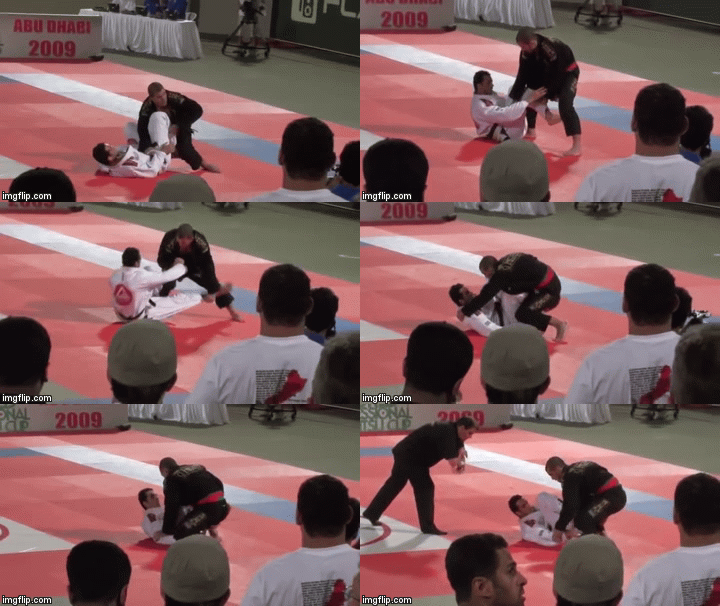
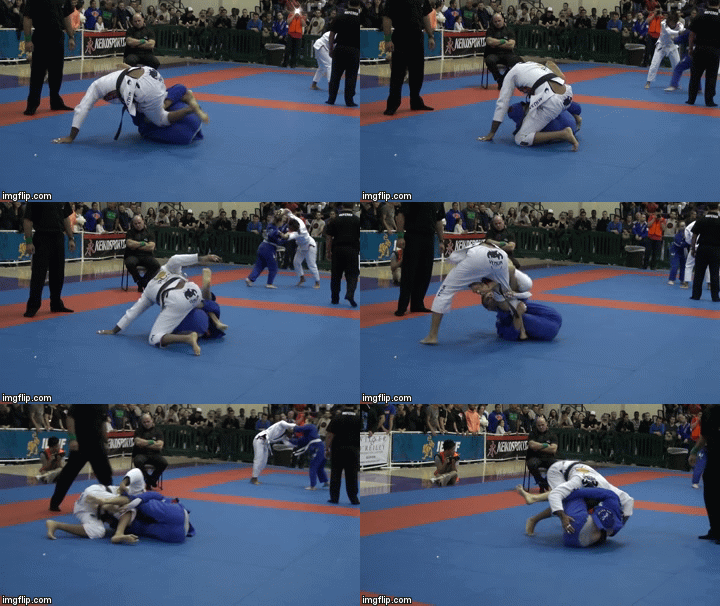
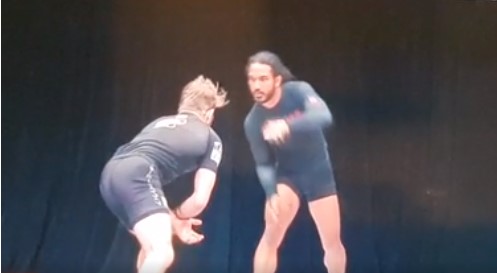
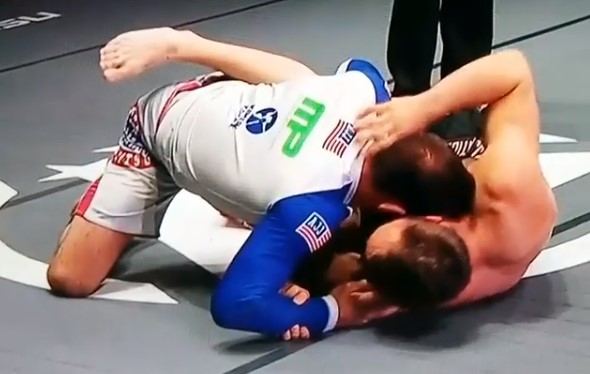
We knew that double leg takedown is a very powerful takedown in Grappling Martial arts. But what we didn’t know is that double leg takedown is able to take both referee and your opponent of the stage 🙂
Check down the video of Benson Henderson taking down Aj Agazarm off the stage. In the moment when the referee saw that they’ll go off the stage, he tried to save them both but he was taken down off the stage together with AJ Agazarm and Benson Henderson.
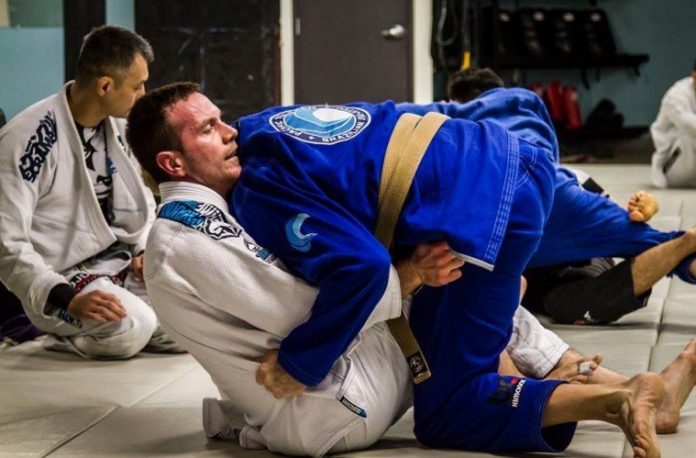
The butterfly guard is a specialized type of open guard that is highly efficient at the highest levels of Jiu-Jitsu. One specific aspect is that you do not have your opponent in a clinch with your legs, and your feet are not touching their hips. Rather, when employing the butterfly guard, your legs are bent in a way that resembles the butterfly stretch. Distance management is due to the hooks that your feet make behind the opponent’s knees or thighs.
The guard is probably BJJ’s most varied position. Closed guard, open guard, spider guard, rubber guard, half guard, butterfly guard, De La Riva, the list just goes on. Each guard has their uses and practitioners gravitate to one or more of these guards to use in their own games. So if you decide to play butterfly guard I can say that you decided well.
It’s a very versatile guard with so many options. It can be used very well in both Gi and No-Gi Brazilian Jiu-Jitsu and many other grappling martial arts. The main thing about butterfly guard is that you’re very mobile with it. When you play this guard you have numerous options and combinations for a lot of sweeps and reversals. Also, let’s not forget about many leg lock entrances that are pretty popular these days. If you were watching EBI or any other submission only event you could see that this guard is most leg lockers and guard pullers favorite position.
So, in this article I’ll try to explain and provide you with the butterfly guard basics like controlling your opponents, sweeping, submitting and everything else that butterfly guard can offer to you and there’s really a lot of it.
Controlling The Butterfly Guard
The most unique aspect of the butterfly guard is the apparent lack of distance control. Despite the loose-like control of the legs, control of the upper body is essential for an Eddie Cummings-like butterfly game. Typical gripping combinations include an over-under clinch, double-overhook clinch, double-underhook clinch, head and arm control, double wrist control or two-on-one arm control variations.
Once control is established with one of the gripping sequences, you are in a good position to attack your opponent. If the opponent isn’t versed in defending against the butterfly, it will become apparent quickly. Their base will be shifting all over, not knowing whether to sit up, lean forward, stand up or commit to passing your guard.
Let’s look at some highly effective submissions you can catch your opponent with while using the butterfly guard.
The armbar from the butterfly is executed when you can use your underhook to help elevate your opponent’s arm and prop it on your shoulder. Controlling your opponent by gable gripping your hands directly or slightly above your opponent’s elbow ensures your opponent is stabilized to finalize the attack. When your opponent begins to retreat, he will push to extend his arm. This is exactly what you want them to do, as you need to isolate the arm for an armbar. Just make sure you crunch up, applying maximum tension to the opponent’s elbow joint.
Butterfly Guard Triangles
Another effective submission from the butterfly guard is the triangle. While overhooking one of your opponent’s arms, try to sweep your opponent to the opposite side. Effectively sweeping your opponent will put them on their back. Getting to a dominant mount or a side control position is always welcome.
However, an experienced opponent won’t wait to be swept to their back. They’d much more likely look to place their hand out to balance their base. Still keeping your overhook, you can use your free arm to grab the wrist that your opponent is using to balance themselves. From there, it is crucial to bring your leg, from the overhooked side, up and around their your back. Next, the knee from your other leg should reach towards your chest and around your opponent’s based arm. This allows you to cross your legs behind your opponent’s neck.
Once you’re in this “diamond” position, the triangle isn’t far away. Often times you will have to angle your body, relative to your opponent’s body, by kicking your foot off your opponent’s hips or even the ground.
“Wolverine ” Heel Hooks
Eddie Cummings was the pioneer of dangerous leg attacks from the butterfly guard. The “Wolverine” opened all grappling martial arts practitioners to the endless opportunities of leg locks.
Very often, your opponent will avoid your butterfly like the plague. If you did a good job of closing the distance and securing an over-under clinch than you’ll be ready to execute the butterfly sweep. This is usually going to lead your opponent to stand up. The idea is to avoid being swept and to avoid your butterfly guard, altogether.
However, the opponent has just placed themselves in leg lock territory. The Single-Leg X, also known as the Ashi Garami, requires you to straighten one of your legs through your opponent’s leg and wrap your leg around the leg on that side. Continuing to bring your foot further in front of your opponent’s thigh will force your opponent to turn away. That’s the moment they expose the heel of that foot. Gable gripping around that exposed heel and twisting that leg inwards, towards the opponent, typically forces the opponent to tap out.
The more flexible you are in your legs, the more this submission makes sense to use. When trying to sweep your opponent towards their free arm side, your opponent likely will stretch their arm out to counter the sweep. Grabbing that wrist, or even blocking your opponent’s arm with your forearm, will prevent your opponent from collapsing the space you have made while attempting to sweep them.
Flexibility is your best friend in this next step. Using your leg on your overhooking side, quickly maneuver it around and up your opponent’s back, over their head, and under their chin. Finish the Gogoplata using both hands to pull your opponent’s head toward you, over your own shin. For added pressure, palm your own heel and push up, while using your other hand to grab the ball of your big toe and pull downwards.
Guillotine Choke
The guillotine is a refreshing option to surprise your opponent with. Ever since Marcelo Garcia revolutionized bot the butterfly guard and the guillotine, Brazilian Jiu-Jitsu has never been the same.
As your opponent bases their hand out, keep the overhook on the arm and use your other arm to wrap your opponent’s head. Finishing the Guillotine requires clinching both hands together and falling off to your side. To stifle your opponent’s front roll escape bring the leg from your overhooked arm side out and over your opponent’s back. As far as variations go, both the arm-in and the high elbow guillotines are at your disposal.
Now that you’ve seen a few good submissions from butterfly guard, it’s time to put this knowledge to use. Next time you train BJJ, start off your sparring matches from the butterfly guard and see if you can get your opponent in a submission. Remember that trying to sweep is always going to open up submission opportunities. Now go and train!
BJJ requires dedication both on and off the mats. You can’t be involved in the Gentle Art if you’re out of shape and your diet isn’t on point. Now, let’s face it, a squeaky clean diet in today’s society requires a major effort. Most people that are willing to eat clean but do not have sufficient time, decide to look for easier ways out. One such way is reaching for pills and powders. now, before you go off buying every magic supplement you see on TV make sure you know what works and what’s nothing more than marketing. There is an essential stack of BJJ supplements for grappling martial arts enthusiasts. It’s made up of the basic stuff that’s not too expensive and works. Give it a shot!
Remember that in today’s world there’s much more to protein powder than just regular, good old whey protein. We have blends, whey, casein, beef, cricket protein, and even super pump-up uber-bulk hope cans. There are a million and one different products out there and they all claim they’ll turn you into the Hulk. Since Jiu-Jitsu is not at all about getting pumped up, but rather about improving performance let’s see some BJJ supplements that actually help grapplers.
Before you go looking for supplements, make sure your diet is in order. Everything you need to know about eating for Jiu-Jitsu.
The 5 Best BJJ Supplements:
Whey Protein Isolate
Why should you be taking protein supplements? Well because protein shakes aren’t only for stacking on body builder-like muscles. They are great time-saving meal replacements that prevent catabolism eliminators and make everyday life easier. Imagine if you miss a full meal and all you have in your bag is a banana. A starchy fruit like that is surely going to boost your energy, but it as a whole, is not enough. You cannot bring a plastic knife to do a steak knife’s job.
Remember, the money you put into a good high-quality protein will be paid back in full with results. The last thing you want is to be swallowing down a shake that tastes like ground-up chalk. Keep your stomach happy and your performance top-class. If any of the BJJ supplements are worth splurging on, it’s this one. And make sure to shun all the blends and modern formulas. Whey protein isolate is the closest to milk-derived whey with maximal protein content. Just go for it. You and your gut will thank me later.
Branched Chain Amino Acids
BCAA stands for Branched-chain Amino Acids. It is one of, if not the most important supplement we can take as grappling martial arts practitioners. Most BJJ people train almost every day, we do strength and conditioning and try a diet or a weight cut at some point. But what we do not want to do is lose muscle due to a catabolic state. This is when our body instead turns to break down our muscles for nutrients. Enter BCAA, the catabolism destroyer.
What BCAAs do, is increase our body’s protein synthesis and promote the cellular transport that carries out protein synthesis. They also increase the cell’s capacity to synthesize protein. On top of it all BCAA’s decrease the breakdown of protein. BCAA’s modulate the way our body processes protein and let us process more all the while maintaining the breakdown of protein so we get the most out of it. As far as BJJ supplements go, it’s a must-have!
Creatine Monohydrate
Creatine is one of those supplements that has gotten mixed responses over the years. Creatine increases productivity on and off the mats helps build muscle by aiding in recovery and strengthening skeletal muscles. It provides an energy boost to help our muscles fire off more rapidly when we need them. Sometimes, in those hard training sessions, or in the finals of Worlds, that slight boost that gains you a second of advantage could be the turning point.
Creatine is an amino acid that, in effect, helps buffer the build-up of lactic acid. Lactic acid builds up is what we know as muscle fatigue, cramping or “burning out.” The trick with creatine is that you will need to “load” your system for a few days in order to build up a surplus. Generally, recommended doses are 20g per day for 5 – 7 days before switching over to a maintenance amount of 5 grams a day. The 20 grams of the load should be taken in 5-gram portions throughout the day. The best part is that creatine is practically flavorless and easily added to your post-workout shakes without any notice. Oh, and it is very cheap. A BJJ supplements stack mainstay if you ask me.
Omega-3 Fatty Acids
Fact check. We can not produce Omega-3 fatty acids naturally. Omega-3 fatty acids found in fish oils help build muscle, increase metabolism, reduce inflammation, increase organ function and promote weight loss. All of which, in a healthy manner, means that if you want to lean down and maintain muscle mass, you should add in fish oil.
If you want to live longer and have a functioning body, you should take fish oil. Even if you are a polar bear that loves salmon and BJJ, you should still take fish oil. You see, even if you are eating pounds and pounds of salmon, you can never really get enough. Luckily, you can supplement with Omega-3 fatty acids and get your fair share.
Fruit And Vegetable Powders
Despite always being told to eat our veggies, sometimes we just can’t get down to doing so. And some of us just plain do not want to. However, a lack of fruits and veggies weakens your body’s self-defense capabilities. Green foods, berries, citrus all provide key vitamins, minerals, and powerful nutrients we need to not only survive but thrive.
Luckily, a few companies have come up with multivitamins and greens supplements. These powders are quick, easy, and taste good. It’s understandable when you say that you do not have time to boil water and cook asparagus before rushing out to roll, but you have no excuse not to grab a scoop of some of the greens’ supplements in your stack, throw it in the shaker, and hit the road. Do yourself a favor and improve your immunity. Supplement with greens on a daily basis.
All in all, you take your training seriously. Take your diet seriously. Well, they go hand in hand. Your training without proper nutrition is like a Gi without a belt. Remember to eat well and train hard. Supplements are exactly as the word implies, supplemental. You should not be living off supplements but you should work them into your diet to fill in those gaps or lapses in nutrition that you do not get. There is no harm in adding a shake and some fish oil into your diet, there is only gain.
Craig Jones is really one exceptional Jiu-Jitsu Machine. After brilliant wins on ADCC 2017 he’s proving he’s one of the best BJJ athletes today.
Today he submitted Jake shields at the early start of the match. As you can see in a Video chain to submission went like this: Z guard > inversion > outside sankaku > inside heel hook.
With this victory, Craig Jones became the first Polaris Pro MiddleWeight Champion.
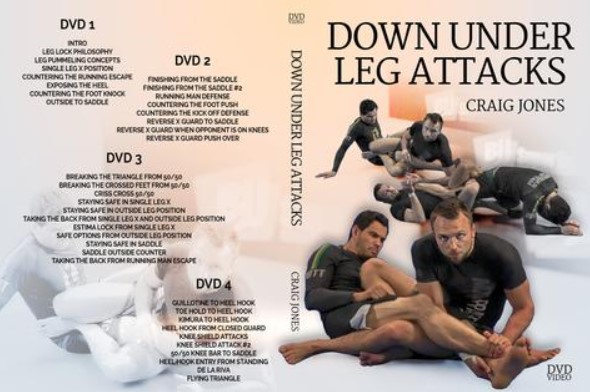
If you’re interested in Craig Jones Leg Locks DVD and Digital Instructional click HERE:
Lapel guards do present a major problem in modern BJJ. The Gi is a powerful weapon to use against any opponent. There is a multitude of chokes and different positions available through Gi manipulation. A unique trait of BJJ is using the opponent’s Gi against them by trapping them with various lapel guards. The lasso guard reigned supreme amongst open guards at the highest level of competition. However, as of late, another guard has taken over the mantle of most annoying guard to pass. Queue the notorious and very annoying, worm guard.
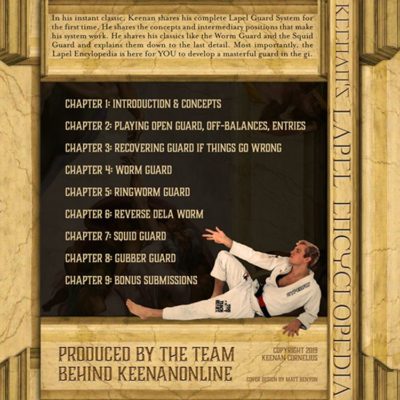
If you’re interested in Buying Keenan Cornelius’ Lapel Guard Encyclopedia you can check it HERE.
Techniques List
Ask any BJJ practitioner and they’ll tell you how much they despise the worm guard. It is a variation of the seated half guard, made more secure with the use of the lapel. The worm guard first surfaced in 2014, courtesy of BJJ European and World Champion Keenan Cornelius. Keenan has utilized the worm guard in many of his high-level black belt matches successfully. So much so, in fact, that other notable BJJ World Champions like Joao Miyao and Rafael Mendes soon followed suit. Of course, the entire Jiu-Jitsu community is never far behind when something as attractive and efficient as this guard comes along
Why Is The Worm Guard So Effective?
So, what is it that makes the worm guard so effective (read annoying)? In essence, the worm guard is a way of restricting your opponent’s movement by re-enforcing your open guard with their own lapel. This open guard position was developed by Atos Team’s Keenan Cornelius. Well, former Atos team member, anyway.
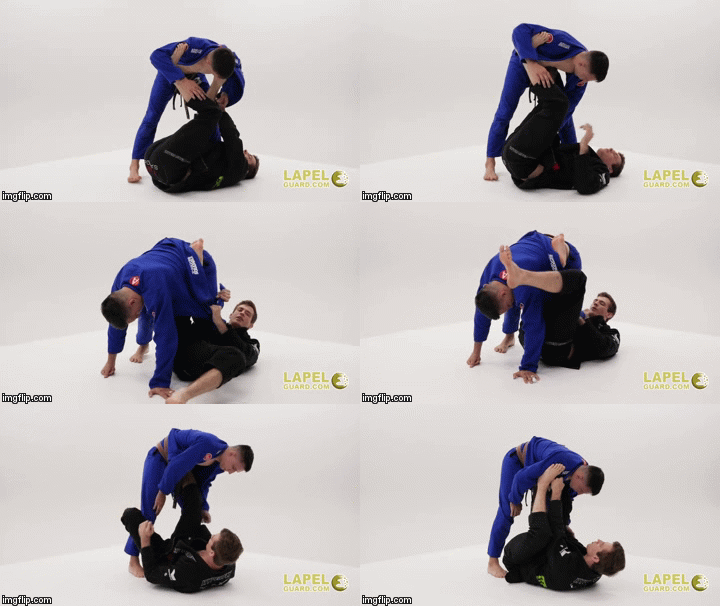
From a mechanical standpoint, the worm guard is essentially a seated/De La Riva guard variation. The one main distinction is that the focus of control switches from the outside leg hook to the lapel. Why? Well, the lapel, along with the inside leg provides 360-degree control, leaving no openings. If you start in a seated or De La Riva guard, you always want the inside leg on the opponent’s hips. This is your main starting point. You also want the lapel out of the belt on the same side of the inside leg. The goal is to wrap the lapel around the inside leg and grip it with the opposite side arm. Doing this places your opponent’s leg in a circle made by your gripping arm, your inside leg and their lapel. The level of control is insane.
Simply lying to your side with everything in place as described is going to make your opponent lean forward. That’s an effortless posture break if ever there was one. What can the opponent do? The leverage created by this control severely restricts the movement of the passer, as well as their ability to put pressure on the bottom grappler. This way, a variety of sweeps, reversals, and back takes open up for the bottom player. Let’s say they try to knee slice. The inside leg prevents it. Backstep? There’s no way out of the loop created by the lapel grip. Pressure passing? They’ll go flying!
How Did World Champions Deal With the Worm Guard?
So, after the first version of the worm guard emerged, and Keenan got the best of most, what was the response? As expected, it didn’t take long for the top-level grapplers to start devising solutions. It is not that the guard is any less effective, it is just more of a fair fight now that we know a thing or two about it. Or so we thought, anyway. Just like with everything in BJJ, the worm guard also evolved and got better. Or more annoying. Whichever way you prefer it.
Initially, I think it was 13 x BJJ World Champion Marcus “Buchecha” Almeida who figured out a great way to shut down Keenan’s guard. Buchecha’s concept worked by removing the main tool of the worm guard – the lapel. When they fought, Buchecha focused on breaking the lapel grips. Eventually, he did pass Keenan’s guard and won the match. Breaking the lapel grips will break the opponent’s complete worm guard game. However, achieving this is not as easy as it sounds.
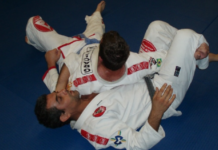
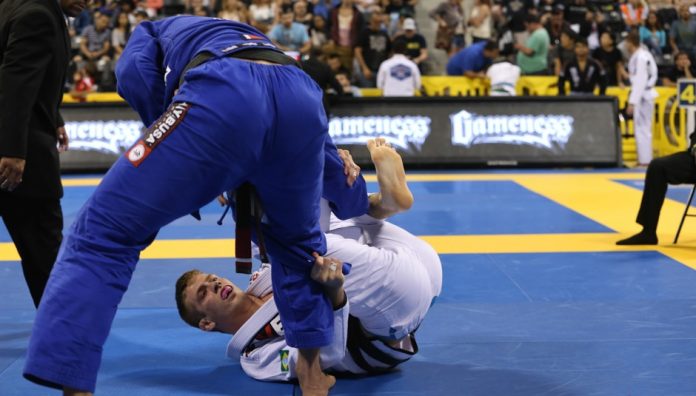
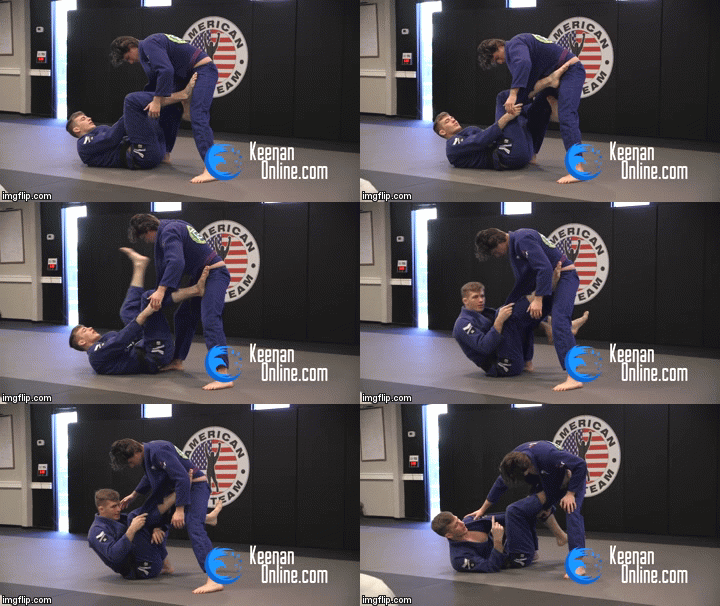
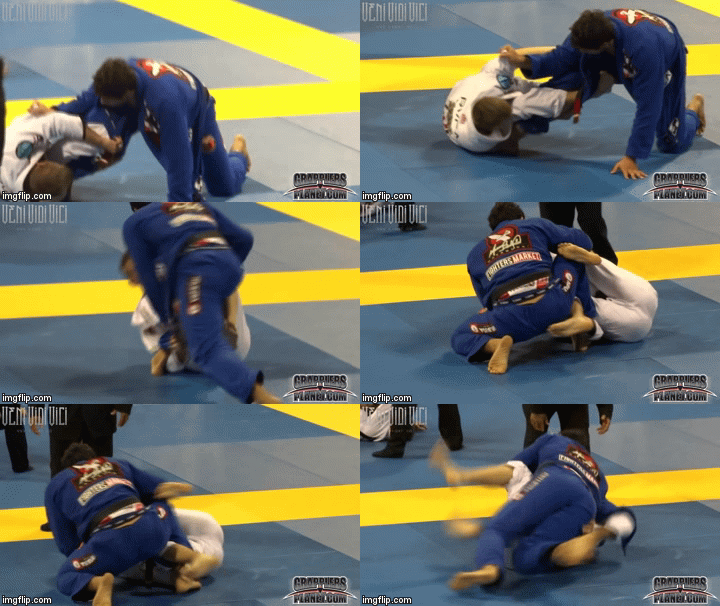
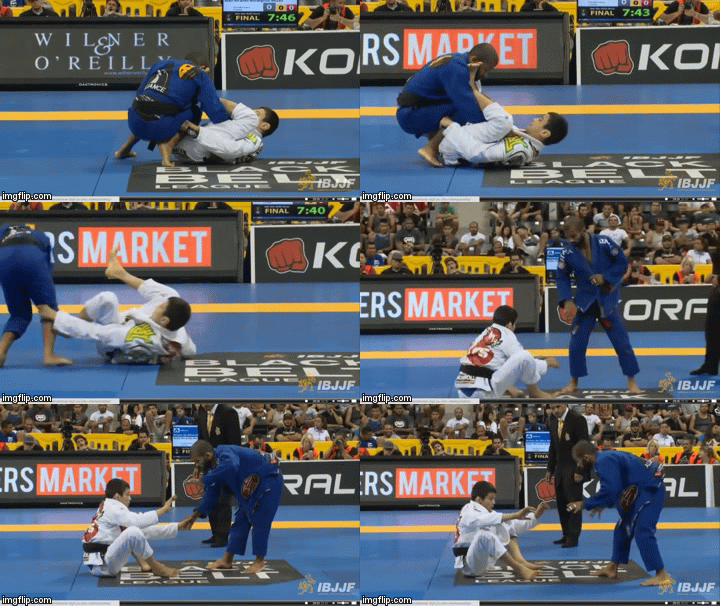
The worm guard players soon started merging the worm guard with other guards. The De La Worm and Spider Worm guard, for example, were some of the earliest hybrids. They took care of the grip problem, but now, a different issue presented itself. Bruno Malfacine used his base and stability to effectively prevent Miyao from sweeping him with the worm guard. Not even the De la Riva hook could make any difference. Malfacine remained in a squatting position, making it difficult for Miyao to create any space for a sweep. Bruno closed most of the gaps in the guard, making it impossible for Miyao to get a sweep because he couldn’t really feed the lapel grip.
Passing The Worm Guard
Ultimately, people actually went a step further and found out how to pass the worm guard, rather than just counter its attacks. And it has everything to do with posture. Having good posture, regardless of which guard you are passing, is essential in BJJ. The minute your posture is broken, it will be easier for your opponent to attack. This is especially true in the case of lapel guards.
Arguably the world’s greatest guard passer, Rodolfo Vieira showed zero respect for Braulio Estima’s lapel game. It was not a worm guard variation but the concepts still apply. Throughout the match, Vieira keeps his posture rock solid, making it difficult for Estima to maintain the lapel grip and attack.
Leandro Lo also had his say on the matter. Lo has one of the best passing games in the sport. When he came up against Keenan Cornelius and his worm guard for the second time, he had a few answers ready. Lo used the cross-face to pressure Keenan into releasing the guard. To achieve it, Leandro steps over the De la Riva leg, forcing a switch from the worm guard. This effectively gets him into the half guard, and he passes with ease.
Which brings us to the latest evolution. Did Keenan choose to work on the worm guard in particular? Yes, he did, but he didn’t leave it at that. He created four more “cousin” lapel guards that now tie together into the most comprehensive lapel guard system ever put together!
Keenan’s Response And The Evolution Of The Lapel Guards Encyclopedia
What is the next step after the worm guard, you might wonder? Well, it is the ringworm guard, of course. Yeah, it is not one of the best-named guards, but it is equally as pesky as ringworm. So, in that sense, the naming is spot on. However, that is far from the final spot in Keenan’s lapel wizardry.
Three more lapel guard variations now provide options most of us have never dreamed of having when it comes to playing guard. The Reverse De La Worm (a Reverse De La Riva guard hybrid), the Squid Guard and the Gubber guard are the latest and greatest of Keenan’s inventions. Unlike the initial worm guard, all of these guards actually work together, feeding off each other. This means that now, whatever someone does form the worm guard, there’s a solution. And the solutions come in the form of far worse lapel guards that now actually feature even direct submission options.
If you’re really interested in learning them all, an entire series of articles won’t even scratch the surface. Your best resource is actually picking up the 10-part “Lapel Encyclopedia” instructional, available in both DVD and digital format. Keenan’s Lapel Encyclopedia features everything, from opening lapel guard concepts to worm guard strategies and recovery. Of course, each of the five guards gets a volume of itself, along with an entire volume filled with submission options. In fact, check out the most detailed review of Keenan’s Lapel Encyclopedia featuring the worm guard right HERE!
In Summary
The Worm guard evolution is just as captivating as that of any move in modern Jiu-Jitsu. Do you need to know it? Absolutely, particularly if you do Gi Jiu-Jitsu even on occasion. However, if you’re really interested in using it as your main tool in competition, particularly at a high-level, you need the entire Lapel Encyclopedia system. It is more than worth investing in.
If you’re interested in Buying Keenan Cornelius’ Lapel Guard Encyclopedia you can check it HERE.
Brazilian Jiu-Jitsu is the ultimate system for battles taking place on the ground. No other grappling art comes even close to the magnitude of opportunities that BJJ offers. Despite many claiming, it is an all-encompassing art, it is not. BJJ is a specialized art and a highly specialized one at that. Judo, the BJJ predecessor and modern co-member of the grappling arts, is the polar opposite. Judo focuses almost exclusively on the way a fight reaches the ground, largely ignoring what happens after going down. So, why do both these arts focus on such different aspects fo the grappling game? Let’s peg them one against the other in a BJJ vs Judo debate and look for the answer.
Japanese Jiu-Jitsu is the common predecessor of both BJJ and Judo. This ancient system gave birth to Judo first, and through it, to BJJ much later on. After decades of each art developing in its own direction, the two still have plenty in common. However, despite their unbreakable historical bond, both arts today have more differences than similarities. This is mainly due to a few key aspects that influence both arts’ trajectories. BJJ vs Judo, which has progressed more and why? Let’s see…
Brazil vs. Japan – A Cultural View
To begin with, despite the common historical origin of both arts, they have geographically very different birthplaces. Japan, on one hand, is an epitome of Eastern culture and warrior traditions. Brazil, on the other hand, is as relaxed as it gets, with passion being commonly related to its people. As such, both cultures influenced their respective arts to large extents.
Brazilians transformed Judo into BJJ, after learning the art from a Japanese master that lived in Brazil. They needed to modify the sturdy traditional Japanese art to their body types and character. So, the Gracies started modifying and came up with Brazilian Jiu Jitsu.
Japanese people are known to be very loyal to tradition. They’re known as calm and calculated people. In turn, Brazilians are more of a “wild card” due to their highly passionate characters. Japanese judo practitioner Nishi Yoshinori once described the Gracies as being very reckless in their martial arts approach. Seeing how Helio had his arm broken by Kimura and had almost died after being choked, one could see his point. Brazilian culture also favors challenge matches over tradition, with victory at all costs as the main goal. The Japanese have a much more structured approach, one based on hierarchy, tradition, and respect.
This does not mean that Brazilians are disrespectful, it just outlines the intricate and deep cultural influences behind the BJJ vs Judo debate.
BJJ vs Judo – Technical Differences
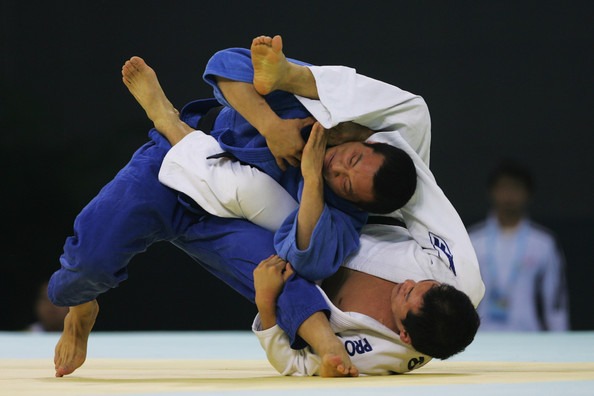
As previously stated, the grappling areas of focus differ greatly for both arts. Judo begins with grips, as does BJJ. However, the grips play a much more important role in Judo. The principle of Kuzushi (or unbalancing) is crucial for a successful Judo game, and grips are the key aspect of it. Judo mostly takes places standing, with both grapplers looking to throw their opponent to the ground. Only if both of them end up grounded, they resort to chokes and/or joint lock, to a much lesser extent than BJJ.
BJJ can be thought of as the grappling art that continues where Judo stops. Much like Judo’s approach to ground fighting, BJJ looks at throws only as a means of reaching the ground. Once down, BJJ athletes have an extensive array of tools to dominate and finish an opponent. Such is the confidence of Brazilian Jiu-Jitsu practitioners, that they often pull the opponent over them and attack from their backs. In Judo, such action would result in a straight loss.
This brings us to the rulesets. Each art has different rules based on the strategy of combat. During the course of its existence, Judo has significantly restricted submissions and lots of “potentially dangerous moves”. To gain victory, one must throw their opponent on their back to win the match. Otherwise, different points are awarded for different actions. Submissions are a way of winning, but they must be applied in a certain, very short, time frame.
In BJJ, victory can be obtained in many ways. The clearest way is via a submission hold (choke or joint lock). BJJ’s point system is much more elaborate than that of Judo. Throws and takedowns score way fewer points than in Judo. Matches can be won by advantages or a referee’s decision as well.
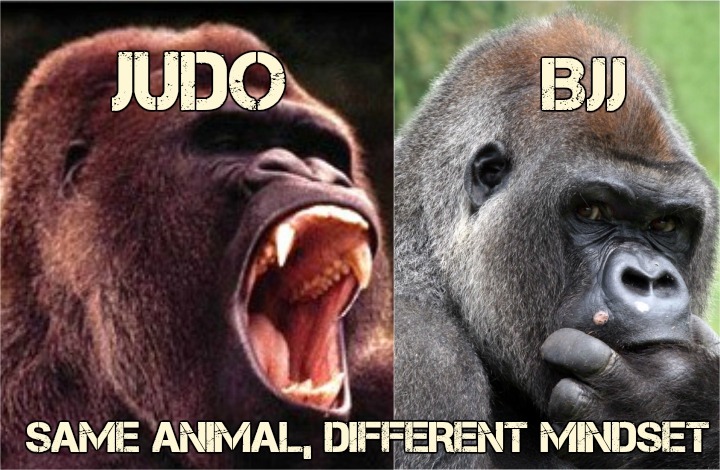
Remember the point about Brazilians being wild and reckless and the Japanese more calm and inclined towards hierarchy? Well, it all goes, pretty much down the drain in the mindset department.
The plane of movement in Judo (mostly on the feet) makes for much more aggressive matches. The nature of the art revolves around throws, which require both speed and explosiveness. Such characteristics mean that a Judo Match is much more fast-paced than in BJJ. To be honest, two BJJ athletes attempting Judo throws at a competition look very different to two Judo practitioners doing the same.
Taking place on the ground, BJJ is much slower paced than Judo, meaning there’s more time to think about things. Modern BJJ has much more of a flow about it than the start-stop action in Judo. So, in this instance, BJJ is the more cerebral approach, but only because ground fighting doesn’t allow for as much unrestricted movement as standing does. The vast repertoire of techniques available to a BJJ practitioner also influences their decision making during a fight, meaning they can take more time to achieve their goal.
A Match Made In Heaven?
We started off this article as a BJJ vs Judo debate, but we’re going to finish it with a sense of unity. In all fairness, the differences of both arts are actually why they’re so compatible with each other.
Both arts have their respective areas of specialization, meaning they could use the other’s expertise in other fields. As such, a perfectly rounded grappler would be able to effectively throw their opponent at will. However, instead of stopping there, the match could go on thanks to the comprehensive technical depth of BJJ. In a self-defense scenario, this is a priceless combination, allowing proficiency in both areas of fighting.
On another note, both mindsets could benefit each other as well. Sometimes, a little Judo aggression on the ground can be a game changer. Moreover, staying calm on the feet could have its benefits too, keeping a practitioner from rushing into traps. A merger it is then!
At the age of 3 years old my son’s daycare teacher said to us that our son has trouble focusing and that he can not pay attention when the teacher is reading to him.
At first, I was annoyed thinking that how is it possible a 3-year-old has Attention disorder? He’s only 3! He’s not supposed to be able to pay attention.
Well, I started paying a lot more attention to him and noticed that he could not sit still and concentrate on one thing for any period of time. It was suggested to me to try a Martial Art for him! At the age of 3, not many Martial Arts School would take him. I was able to find a Taekwondo school that had a little tigers program so I enrolled him. At his age no doubt the best thing I could have done for him.
He really learned a lot about self-control, discipline, and paying attention. It was a Korean school and they demanded that from him. He really enjoyed it and went till he was 6 1/2 years old. He obtained his black belt with a lot of hard work. He was able to concentrate and memorize all katas.
One day he was attacked in the backyard by an older child and was tackled to the ground and held there. I was able to get to him in enough time to stop him from getting hurt. He was crying and said dad I didn’t know what to do when he Knocked me to the ground. He was very upset.
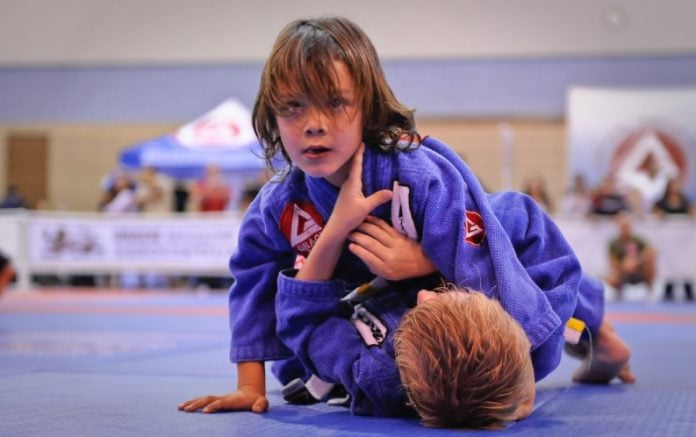
I did some research and found Jiu-Jitsu so I signed him up. This is one of the best things that I could have done for him for his Attention Disorder and his self-defense. Jiu-Jitsu requires him to focus more due to the fact of all the possible moves out there and also helps him with the defense on the ground. He has been doing Jiu-Jitsu for over a year now and is getting ready to test for his Gray/White belt and is so excited.
As a Parent, I am a firm believer that the Martial Arts can help children with all sorts of needs not to mention the most important of all, Confidence!
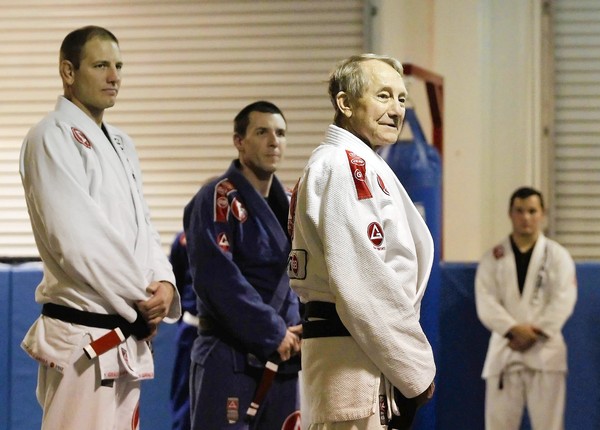
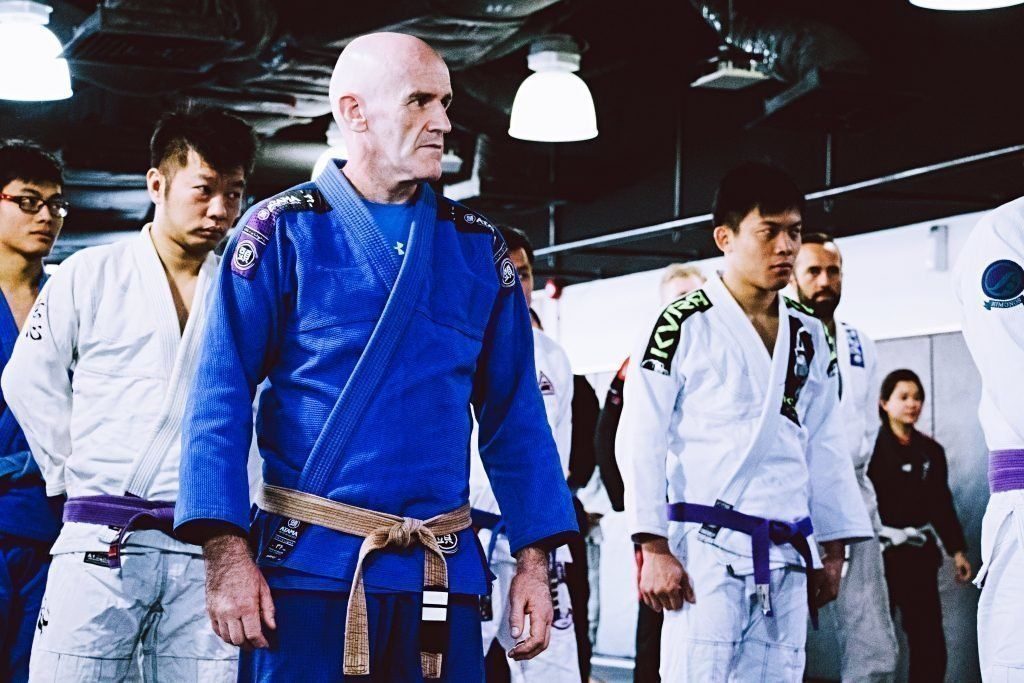
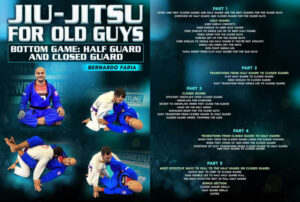
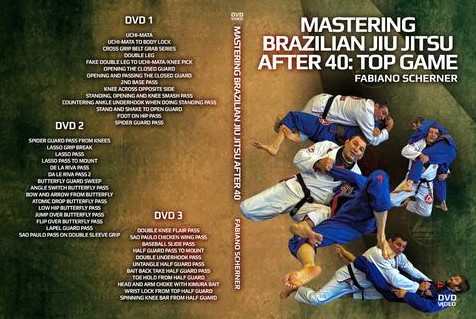
Unfortunately, not everybody in the BJJ community discovered the gentle art during their physical prime. If you step foot in any BJJ academy around the world, you will see men and women of all ages training on the mats. However, there is a different mentality in perspective and training between the “under 40” and “over 40” crowds on the mats. While the younger grapplers can put the “pedal to the metal” and push their physical limits on the mats, the older ones need to live and train differently due to physical limitations, work, family, and other life obligations. That’s where “old man Jiu-Jitsu” comes in.
What is “old man Jiu-Jitsu”? Well, first of all, it applies to both sexes, not just men. It just sounds cooler as praise put this way. Secondly, it is an approach that is going to allow an older practitioner to extend their training well into their senior years. Moreover, those that start off fairly late should use this approach so that they do not quit prematurely. All in all, it’s not rocket science, just a look at the smart little things most young studs often overlook.
Extra Gear To Get You Through
Have you ever wondered why older athletes (in and around their early forties) from all kinds of sports often wear knee braces? Well, after years of running, jumping and lifting weights, the wear and tear of athletic life inevitably lead to issues. Arthritis, tendinitis, and inflammation in the joints are the most common culprits. So, conversely, the first step before training should be getting the supportive gear on. At least for the older BJJ practitioner.
Pads and braces are other traits of “old man Jiu-Jitsu”. The compression braces and additional support help with comfort, stability, and peace of mind. Knee and ankle braces become almost mandatory after the age of 40. It is not that people are too old. The art is too demanding on the joints regardless of age, forcing extensive prevention measures upon older practitioners. Additionally, a nice lube of Tiger Balm or Icy Hot before and after training will keep the muscles loose and the sinuses clear.
Be Thorough With Warm-Ups
While a young teenager or a fit person in their twenties can jump right into training without a warm-up, the senior practitioner of grappling martial arts can not. “Old man Jiu-Jitsu” starts with a thorough warm-up and ends with an equally extensive cooldown.
Why? Well, first to prevent injuries. Warming up gets the body in motion and sport-specific movements play a huge role in preventing possible injury. Since an injury heals slower as a person gets older, this makes sense. Next, a good warm-up offsets inflammation because the muscles are not shocked with physical exertion straight off the bat. Last but not least, warm-ups aid in flexibility, more specifically in maintaining it.
While this is recommended for athletes of all ages, the young and limber can get away with going from 0 to 100 in less than 6 seconds. Their older training partners, on the other hand, need to acknowledge their limits. “Old man Jiu-Jitsu” means managing risk factors in order to be able to train consistently.
Techniquees List & More Info
Focusing On Jiu-Jitsu
Training time is precious to the older practitioner since most of them have busy lives with work, family, and other obligations. Getting 3 to 5 hours per week for a hobby is hard to negotiate, so they want to get the most of it. While younger students might have a hard time paying attention or slack off during drilling, the senior BJJ practitioner has to be deadly serious. Those that roam the masters’ divisions know how hard it is to find the time to train and are busting their tail at work to pay for the classes. So, pay close attention to what happens in class and be mindful when drilling.
Old Man Jiu-Jitsu vs. Youthful Athleticism
The OGs might not proudly and loudly gloat about it, but they feel really good on the inside when they get the better of their younger peers during live training. Despite not being as fast or well-conditioned, they do hold certain advantages. Namely, old man strength is real and can easily surprise a young and very self-confident training partner.
Furthermore, the wisdom of life often makes older practitioners more careful and slow-paced. They like to focus on the defensive side of things, but that provides them with ample countering opportunities. The technique has a crucial role when rolling with a younger training partner. Just as with female practitioners and those that belong in the lighter categories, the technique is the king in “old man Jiu-Jitsu”. Instead of strength, the masters look to utilize technique against physically more conditioned opponents
It might not happen every round, but when the older practitioner gets the better of a younger training partner, a part of them will tell themselves “I still got it” or “not bad for an old guy.”
When you are young, you can eat burgers and fries an hour before working out and run up and down a basketball court with no problem. Well, ok, you shouldn’t be on burgers and pizza, but you can get away with it.
You can even go out drinking all night and wake up on 2 hours of sleep to train at 9 AM. You won’t be fresh, but you’ll shrug it off easily. Once you get past 35 though, your body can’t handle chaos. Eating the wrong meal before or after training can leave you wrecked for days. Process alcohol is also very different it was when you were 21. Part of “old man Jiu-Jitsu” is understanding nutrition and how to eat before and after training to optimize energy levels and recovery.
No Regrets!
Lastly, older practitioners often like to tell young people how lucky they are to be able to start training at such a young age. “I wish this was around when I was your age” or “Take advantage of this time before you get too busy with work and family.”
In many cases, people discover the sport later and life and use it to get back in shape. BJJ is great to learn something new, taking on a new challenge, or fill a void in someone’s life. It is a fun and social hobby for most, but a piece of them wished they started in their teens or early twenties since they would likely be further ahead in their journey.
Remember, you can still compete in BJJ even at an advanced age. See how it’s done by two Coral Belts Going Against Each Other HERE.
It’s not a secret that Jiu-jitsu can really save your life. Either you’ll manage to defend yourself or you’ll improve quality of your life overall. In other words, with Jiu-Jitsu, you’ll become better and stronger person in every aspect of your life.
We bring you the short story from Reddit of a young BJJ practitioner who finally manages to stand up for his self. The sad thing is he had to stand against his father, but in this case, it was about time.
“I’ve been practicing for 9 months now, still fresh and green. My dad has been abusive and alcoholic my whole life. I started BJJ as an outlet for my frustration and depression. It has done wonders.”
“Today my dad showed up at my grandma’s house (where I live), drunk, starting trouble. I had enough and finally had the confidence to speak up for myself and told him to leave. He grabbed me by the collar and put me against the wall and for the first time in my life I felt in control. I tripped him and moved to mount and crucifix while my grandma called the police and held him there, threatening his arm when he tried to push me off.”
“The police came, he was arrested, and I feel like I removed a 100lb weight from my chest. For 9 months I’ve said Jiu Jitsu saved my mental health. Tonight it may have saved my physical health. Whether it was just training, or it gave me the confidence to not be abused, tonight, Jiu-Jitsu gave me my life. Love you guys, keep on rolling.”
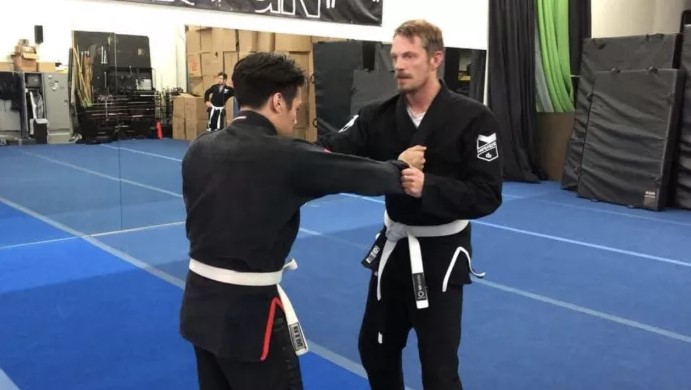
The famous Sweedish Actor Joel Kinnaman, well known Rick Flag from Suicide Squad. And also a Robocop from Robocop movie in 2014 did a great choreography for netflix show “Altered Carbon”







 The worm guard players soon started merging the worm guard with other guards. The De La Worm and Spider Worm guard, for example, were some of the earliest hybrids. They took care of the grip problem, but now, a different issue presented itself. Bruno Malfacine used his base and stability to effectively prevent Miyao from sweeping him with the worm guard. Not even the De la Riva hook could make any difference. Malfacine remained in a squatting position, making it difficult for Miyao to create any space for a sweep. Bruno closed most of the gaps in the guard, making it impossible for Miyao to get a sweep because he couldn’t really feed the lapel grip.