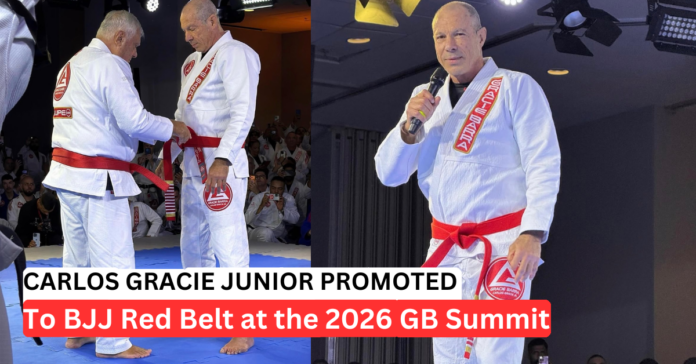



Zoltan Bathory Names Celebrity Grapplers He Says Are Actually Legit — And He’s Not Buying “Honorary Belt” Energy

Zoltan Bathory Names Celebrity Grapplers He Says Are Actually Legit — And He’s Not Buying “Honorary Belt” Energy
  • Zoltan Bathory names celebrity grapplers he believes are “legit,” and his yardstick is simple: do they actually show up and compete, or do they just train in private?
  • The Five Finger Death Punch guitarist says celebrity status can make Jiu-Jitsu credibility a constant uphill fight — because people assume the belt is “special treatment.”
  • Bathory points to Tom Hardy and Mario Lopez as celebs willing to step onto competition mats, then gives his “best I’ve seen” nod to Sean Patrick Flanery.
  • He also claims the entertainment world is packed with under-the-radar black belts — including names from punk and rock that most grapplers wouldn’t clock on sight.
  • Bathory even floats the idea of a celebrity Jiu-Jitsu event for charity… which is exactly the kind of chaos the internet would absolutely watch.

Why Zoltan Bathory Names Celebrity Grapplers (And Why Most Stay Quiet)

When someone says “celebrity Jiu-Jitsu,” the comment section usually splits into two camps: people who love seeing famous faces on the mats… and people who immediately assume the belt is a prop.

Bathory is leaning hard into the second camp’s skepticism — not by trashing anyone, but by explaining why celebrities often avoid the one thing that silences the noise: competition.

Not many of us compete… you don’t want “some competitive blue belt” saying “yeah I kicked his a*s.”
– Zoltan Bathory –

That’s the real tension Bathory is pointing at: training is private, but competing is public. If you’re famous, a normal tournament loss doesn’t stay a normal tournament loss — it becomes a headline, a meme, and someone else’s lifetime brag.

And Bathory isn’t speaking as an outsider tossing hot takes. He’s a black belt who’s spent years competing, and he’s blunt about what that grind costs.

I didn’t get my black belt because I’m a “celebrity”.
– Zoltan Bathory –

In other words: he’s not trying to win an argument on the internet. He’s trying to draw a line between “trains sometimes” and “actually lives this,” because in Jiu-Jitsu, mat time eventually exposes everything.

Tom Hardy And Mario Lopez Are On The “Actually Competes” List

If Bathory is going to talk legitimacy, he’s not just calling out the problem — he’s naming names.

Mario Lopez competes. Tom Hardy competes.
– Zoltan Bathory –

That line matters because it’s the opposite of the usual celebrity martial arts storyline. Most famous people who train do it quietly, usually for fitness, mental health, or movie prep.

Bathory’s point is that stepping into a bracket changes the whole dynamic: you’re not protected by your status, your PR team, or the social etiquette that makes people go easy on you in a private room.

In a local tournament, none of that exists. You’re just another person in a rashguard trying to win grips, pass guard, and not get choked in front of strangers with iPhones.

Bathory’s argument is basically: if you’re willing to compete, you’re willing to risk being regular. And in Jiu-Jitsu, “regular” is often the most credible thing you can be.

Sean Patrick Flanery Gets The “Boondock Saint” Co-Sign

Here’s the clicky part: when Bathory is asked who stands out as the best celebrity grappler he’s seen, he doesn’t hedge. He goes straight to a specific pick — and he frames it in a way that makes grapplers immediately know who he’s talking about.

From the world of entertainment, I would say the Boondock Saint himself.
– Zoltan Bathory –

Bathory is referring to Sean Patrick Flanery, an actor whose Jiu-Jitsu credentials have been a known thing in the community for years — but still surprise casual fans who only know him from movies and TV.

What makes this interesting isn’t just the name-drop. It’s the implication behind it: Bathory isn’t impressed by celebrity training stories. He’s impressed by people who have a real competitive relationship with the art — the ones who treat training like training, not like a quirky hobby that makes for cool podcast conversation.

And Bathory also hints at something that grapplers will instantly understand: even when you are legit, celebrity status keeps putting you on trial anyway.

“Did you get your belt because you are famous?”
– Zoltan Bathory –

That question doesn’t just float around outside the community. Bathory’s saying it follows you into the community — which is why competition becomes the cleanest rebuttal.

The Hidden Rock And Punk Black Belts He Says You’d Never Clock

Then Bathory does the other thing that makes this story catnip for grapplers: he pulls back the curtain on how many legit Jiu-Jitsu people are hiding in plain sight in entertainment.

His examples aren’t the usual Hollywood suspects. He starts talking about musicians — guys who, if you saw them at a venue or backstage, you’d never assume they’ve put in the kind of mat time required to earn a legitimate black belt.

Bathory claims Ricky Rocket (the drummer for Poison) is a third-degree black belt. He also brings up Harley Flanagan from Cro-Mags and Billy Graziadei from Biohazard as black belts, framing it as this quiet parallel world where people train seriously without making it their public identity.

That’s the part that will make a lot of readers do a double take, because it flips the usual “celebrity trains” narrative. These aren’t folks doing Jiu-Jitsu because it’s trendy. According to Bathory, they’re doing it the same reason everyone else does: because it becomes part of your life.

And if Bathory’s right, it also explains why the “celebrity belt” argument gets messy. The public sees fame first and assumes the belt is fake — while the mats don’t really care who you are.

The Celebrity Jiu-Jitsu Card Bathory Wants To Build

Bathory doesn’t just want to talk about it — he hints at turning it into an actual event, with a pitch that sounds half-joke, half-serious… which is usually how real combat sports ideas start.

We could make that happen in jiu-jitsu… for charity.
– Zoltan Bathory –

On paper, it’s absurd — and that’s exactly why it would work. A celebrity Jiu-Jitsu showcase would be equal parts sport and spectacle, but it could also solve the problem Bathory is describing. If the goal is to prove legitimacy, a match is the most honest language possible.

There’s also a bigger reason this concept would pop: grapplers love seeing crossovers when they’re real. Not the “trained for a movie” version. The “this person actually understands grips, base, and pressure” version.

And Bathory’s list — the guys who compete, the unexpected black belts, the Flanery nod — reads like he’s building a roster in his head already. Even if it never happens, the conversation he’s triggering is the same one BJJ has every time a famous person shows up in a Gi:

Are they here to be seen… or are they here to be tested?

Bas Rutten on Steven Seagal: Another Brutal Reality Check Over Aikido And MMA

Bas Rutten on Steven Seagal: Another Brutal Reality Check Over Aikido And MMA
  • Bas Rutten on Steven Seagal became a real talking point after Rutten praised Seagal’s martial arts ability but flatly said pure Aikido will not win in MMA.
  • That clip landed just days after another martial arts personality argued people spend too much time mocking Seagal’s demos and not enough time discussing the misconduct allegations that have followed him for years.
  • At almost the same time, Seagal was pushed back into the spotlight by news that he is returning to film in Order of the Dragon after a six-year screen absence.
  • The result is a messy collision of nostalgia, martial arts debate, and unresolved baggage that makes this story much bigger than a simple Aikido conversation.

Bas Rutten On Steven Seagal and his Aikido

The reason Bas Rutten on Steven Seagal landed the way it did is simple: Rutten did not go for the easy joke.

He did not dismiss Seagal as a fraud, and he did not pretend Seagal’s martial arts background means pure Aikido suddenly belongs in the cage either.

Instead, he gave the kind of answer that instantly travels in fight circles because it sounds both respectful and brutal at the same time.

Rutten openly said Seagal was “a great martial artist” and even called what he does “really amazing.” But the second half of that answer is what gave the clip real bite.

Rutten said elements of Aikido can work, especially hand control and arm control, yet he drew a hard line around the fantasy that pure Aikido is going to carry someone through modern MMA. In his view, it simply will not.

That distinction matters to a combat sports audience because it mirrors what grapplers have seen for years. A technique can be real without a complete system being enough at the highest level.

Rutten even widened the point beyond Aikido, arguing that modern MMA rewards cross-training and punishes single-discipline purity, whether that discipline is wrestling, boxing, karate, or anything else.

In other words, Bas Rutten on Steven Seagal was not really about whether Seagal can move. It was about whether admiration for a martial arts style should survive contact with real resistance, real timing, and real consequences.

That is exactly the kind of fault line that always gets the grappling world talking.

But saying that pure Aikido is going to make you win a mixed martial arts match, it’s just not going to happen.
– Bas Rutten –

The Problem With Pure Aikido

This is where the conversation gets more uncomfortable. Just a week before the Rutten clip made noise, another well-known voice in martial arts media argued that Seagal discourse has been badly distorted.

His point was not that Seagal should be taken more seriously as a fighter. It was that too many people focus on laughing at the demos while pushing far more serious accusations into the background.

That argument changes the emotional temperature of the entire discussion. Suddenly the endless “does Aikido work?” debate starts to feel like a distraction, or at least an incomplete version of the real story.

Mocking martial arts theatre is easy. Sitting with the uglier parts of a public figure’s legacy is not.

And that is why Bas Rutten on Steven Seagal feels bigger than a normal technique debate. Rutten’s comments reopened the performance side of the Seagal conversation, but the surrounding context makes it impossible to keep the discussion clean and isolated.

Once Seagal is back in the headlines, everything else comes with him.

For a Jiu-Jitsu and MMA audience, that is the real tension. Fight fans love arguing about what works, what is fake, and what is misunderstood. But when a polarizing figure re-enters the spotlight, the conversation rarely stays technical for long.

Order Of The Dragon Pulls Him Back Into View

If the Rutten clip had happened in isolation, this might have been just another temporary social media debate. But it did not happen in isolation.

Weeks earlier, Seagal was already back in circulation because of news that he will headline Order of the Dragon, an action film shot in Belgrade and scheduled for release in 2026. The production was pitched as a throwback to the big, stylized action movies of the 1980s and 1990s.

That timing matters. Seagal was not being rediscovered through an old viral clip or a random interview resurfacing. He was being reintroduced as a comeback figure.

The film announcement framed his return as a six-year-screen-absence ending with a nostalgic action vehicle, complete with international martial arts talent and behind-the-scenes hype about him performing fight scenes without a stunt double.

So now the public gets three overlapping versions of Steven Seagal at once. There is Seagal the technically gifted martial artist, as framed by Rutten.

There is Seagal the controversial celebrity whose legacy cannot be separated from longstanding allegations. And there is Seagal the aging action star being sold once more as a screen attraction.

That is why this story feels strangely combustible. Nostalgia alone would have been manageable. A technical debate alone would have been manageable. But mix all three together and the result is a conversation that refuses to stay in one lane.

Why Bas Rutten On Steven Seagal Won’t Fade Quietly

The lasting impact of Bas Rutten on Steven Seagal is that it exposed how split the public still is on what Seagal even represents. To some, he is a gifted martial artist whose reputation got swallowed by internet ridicule.

To others, even entertaining that conversation feels like a dodge from much darker issues. And to the movie business, he is apparently still recognizable enough to sell as a comeback name.

Rutten’s answer was probably the most damaging kind of critique because it was not blind hate. It gave Seagal credit, then removed the fantasy anyway. That is much harder to wave away than a cheap punchline. And in the middle of a film return, it all but guarantees the old debates will flare up again.

So yes, Bas Rutten on Steven Seagal started as a martial arts clip. But it is already turning into something else: a reminder that in combat sports, celebrity mythology is easy to revive, while the baggage attached to it never stays buried for long.

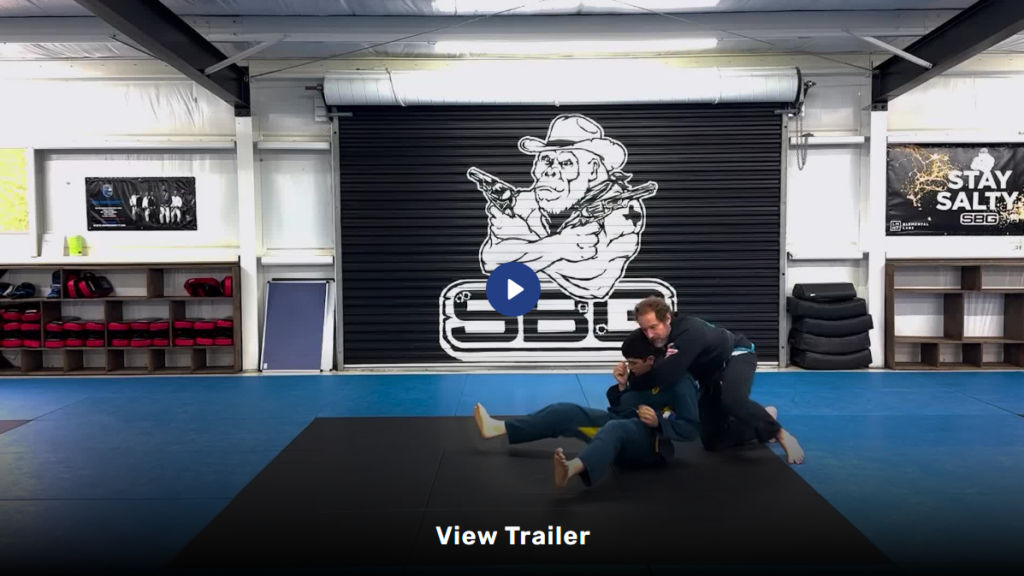
Sweep Single Everyone Jacob Howland DVD Review [2026]

Sweep Single Everyone Jacob Howland DVD Review

Key Takeaways

  • A four-volume Jacob Howland instructional built around turning the sweep single from a one-off shot into a broader offensive system.
  • The biggest strengths are its emphasis on entries, leg control, finishing details, and reaction-based follow-ups when opponents sprawl, whizzer, hop, or counter.
  • Volume 4 helps the material feel more useful for grapplers by showing entries from spots like deep half, collar drag, failed back push, and even mount escape.
  • Jacob “JJ” Howland brings a strong wrestling coaching background, over 30 years of wrestling knowledge, and experience working with MMA, wrestling, and Jiu-Jitsu athletes.
  • The main limitation is focus: this is a specialist takedown product, not a complete stand-up curriculum.
  • Rating: 8/10

AVAILABLE HERE: SWEEP SINGLE EVERYONE JACOB HOWLAND DVD 

The Sweep Single Everyone Jacob Howland DVD is a focused wrestling-for-grappling instructional that aims to turn one reliable attack into a complete offensive system. The product page frames it as a course that works against wrestlers, grapplers, and MMA fighters, with specific attention on entries, controlling the leg, finishing mechanics, balance breaking, and staying safe from counters. It is split into four volumes, and the chapter timings add up to a little over 108 minutes of material.

That is the right kind of promise for a niche instructional. Rather than pretending to teach all of wrestling in two hours, this one narrows the lens and tries to make one takedown family genuinely dependable. That usually produces better results for actual training, especially for BJJ people who need a repeatable stand-up sequence more than a giant encyclopedia.

What stands out early is that the Sweep Single Everyone Jacob Howland DVD is not sold as a desperation shot guide. The page explicitly contrasts the sweep single’s reputation as a reaction attack with the idea of using it as a system. That is a smart angle, because most grapplers do not fail on the first contact so much as they fail in the next two beats, when the opponent starts hopping, sprawling, whizzering, or circling out.

Single Leg Sweep – Yes, It’s a Thing

A good sweep single takedown is one of those techniques that fits modern grappling better than many people realize. It attacks on a strong angle, helps reduce the impact of heavy sprawls, forces the opponent to defend, and opens transitions into other takedowns. Those are not small selling points; they are exactly why single-leg families remain so important in wrestling, MMA, and Jiu-Jitsu stand-up.

For BJJ athletes, the sweep single sits in a sweet spot. It is aggressive enough to put points and top position on the table, but it is also technical enough that smaller grapplers can learn to make it work through timing, angle creation, head position, and control rather than pure horsepower. That matches the course description well, and it also explains why this topic has real crossover value outside pure wrestling.

The real question with instructionals like this is never whether the technique works. It is whether the instructor can build the surrounding ecosystem: entries, control, finishes, counters, and secondary attacks. That is where a niche course either becomes practical or ends up feeling like a highlight reel in tutorial form.

Elite Grappler Jacob “JJ” Howland

Jacob “JJ” Howland is presented on his own site as a United States Marine Corps veteran, retired competitive wrestler, elite combat sports coach, and mental health advocate with more than 1.2 million followers worldwide. The site also says he brings over 30 years of wrestling knowledge and works with professional mixed martial artists, top-level Brazilian Jiu-Jitsu competitors, and elite wrestlers.

From a credibility standpoint, the most relevant details are the wrestling roots and the coaching background. Howland says he was trained by National Wrestling Hall of Fame coach Keith Lowrance and shaped by the Granby System, which gives his instruction a clear wrestling lineage. His site also highlights a 2024 runner-up finish at the USA Wrestling Folkstyle Nationals after neck fusion surgery, which speaks less to this DVD’s content directly and more to the fact that he is still deeply connected to live competition and high-performance training.

That matters here because this is not a broad motivational product dressed up as technique. The topic is specific, and it needs somebody who has spent a long time thinking about how to win leg attacks against resistance. On paper, Howland fits that role well.

Sweep Single Everyone Jacob Howland DVD Review

The Sweep Single Everyone Jacob Howland DVD is organized in a way that makes sense for grapplers. It starts with mechanics and finishing structure, then moves into setups, then expands into follow-up attacks and alternative finishes, and finally shows how the attack can appear from more grappling-specific transitions and scrambles. That sequencing is one of the better things about the course.

Volume 1 – Skills Drills

The opneing volime is the mechanics-and-finishing base. The chapter list starts with a skill drill from the knees and then moves to standing entries, adding power through the back foot and hands, mastering position from a sprawled-on scenario, solving the problem of not being able to lock the hands, and addressing reactions like the strong whizzer. From there, it gets into named follow-ups like cut back, peek out, and seatbelt.

This is exactly where a lot of takedown instructionals win or lose me. If the first volume only shows the clean finish on a cooperative partner, the rest of the product usually feels thin. Here, the structure suggests that Howland understands the sweep single as a battle after contact, not just a shot before contact.

The inclusion of sprawled-on recovery, hand-lock problems, whizzer answers, and finishing variations is a strong sign that the Sweep Single Everyone Jacob Howland DVD is trying to build reliability rather than just confidence.

Volume 2 – Set Ups

Volume 2 shifts the attention to setups: touch-and-go sweep, push and pull, wrist control, collar tie, knee pull variations, and an underhook opposite-side sweep. On paper, this is where the system starts to breathe, because it is no longer just about finishing once you are already in; it is about getting there repeatedly against someone who knows what is coming.

This volume is especially important for grapplers, because setups are where wrestling transfers best to Jiu-Jitsu. A BJJ athlete does not need fifty takedowns. They need a small number of reliable pathways from common contacts like wrist control and collar ties. Volume 2 looks like the part most likely to help people actually pull the move into sparring instead of admiring it from the instructional screen.

Volume 3 – Putting It All Together

In part three, JJ broadens the attack family with pass-by setup, arm drag, cross-grip redirect, head tap fake step single, Russian underhook bait, high finishes, backside double, and a final section called putting it all together. This is where the material starts to resemble real takedown chains rather than a single isolated move.

I like this volume on paper because it acknowledges a basic truth of stand-up grappling: first attacks often force reactions more than they score directly. When an instructional starts linking the sweep single to arm drags, redirects, high finishes, and a backside double, it becomes more than a move collection.

It becomes a problem-solving framework. For people looking for better single leg finishes, this is likely the most valuable section after Volume 1, because it expands the scoring options instead of insisting every exchange must end one way.

Volume 4 – Entries

The final Volume is the most interesting part for a Jiu-Jitsu audience. It includes entries from knee cut, direct pull, deep half, failed back push, collar drag, and mount escape before moving into chapters titled develop core, opponent attack, opponent react, and complete. Even without overreading the names, the message is pretty clear: Howland wants this attack to show up outside clean neutral wrestling exchanges.

That gives the Sweep Single Everyone Jacob Howland DVD more practical range than the title alone might suggest. A lot of BJJ players do not hit their takedowns from a classic wrestling stance battle; they find them off transitions, scrambles, or partial resets. Volume 4 seems built for exactly that reality. It also helps the course feel more like a grappling instructional and less like a wrestling clinic dropped unchanged into a BJJ storefront.

A Wrestling for BJJ Blueprint

This is the kind of course that should be studied in layers. For wrestling for BJJ, the best approach would be to spend the first week on Volume 1 mechanics and Volume 2 setups, then build a second week around Volume 3 reactions and Volume 4 transition entries. That lets you drill the clean attack, then stress-test it through positional sparring starting from collar ties, wrist control, sprawled-on positions, deep half, or collar-drag situations.

The product page repeatedly emphasizes control, timing, angle creation, head position, off-balancing, defensive awareness, and live-resistance usefulness. That is the right checklist for actual implementation. If you are going to use this well, do not just rep the shot. Start rounds where your partner’s job is to whizzer hard, hop out, sprawl, or counter. Then build from there.

In terms of game development, the biggest value is not merely learning a takedown. It is learning how one takedown can anchor an entire phase of your stand-up. That is how good stand-up grows in grappling: not from collecting moves, but from learning one family well enough that other attacks appear naturally around it.

SWEEP SINGLE EVERYONE JACOB HOWLAND DVD DOWNLOAD

Who Is This For?

The Sweep Single Everyone Jacob Howland DVD is best suited for grapplers who already care about winning standing exchanges. That includes competition-focused blue belts and up, wrestle-up guard players, MMA athletes, coaches, and hobbyists who are tired of pulling guard every hard round. The course description’s emphasis on wrestlers, grapplers, and MMA fighters feels accurate in that sense.

Ambitious white belts can still benefit, especially if they have a coach helping them with stance, movement, and basic hand fighting. But I would not call this a first-ever wrestling course. It looks more like a focused weapon system than a total beginner roadmap.

It is also less ideal for people who want a broad survey of stand-up or who mainly care about Gi-specific gripping layers. There is obvious carryover, but the core value here is direct, pressure-based leg attacks and the reactions that spill out from them.

Pros & Potential Drawbacks

Pros:

  • Clear specialist focus. It stays on the sweep single and builds outward instead of wandering into unrelated takedowns.
  • Smart four-volume progression. Mechanics, setups, reaction chains, and grappling-specific entries make for a logical learning path.
  • Good reaction coverage. Whizzer problems, sprawled-on situations, high finishes, and secondary attacks give the system more staying power.
  • Useful crossover for grapplers. The deep half, collar drag, knee-cut, and mount-escape entries make the material feel more relevant to Jiu-Jitsu than a purely neutral-wrestling instructional.
  • Credible coach for the topic. Howland’s background as a Marine veteran, retired wrestler, long-time coach, and active clinic leader adds weight to the teaching angle.

Potential Drawbacks:

  • It is narrow by design. If you want a complete standing curriculum, this is not that course.
  • Some newer students may need more basics first. The system will land better if you already understand stance, hand fighting, and positional pressure.

You Need Just a Single Sweep

The Sweep Single Everyone Jacob Howland DVD does what a good niche instructional is supposed to do: it takes one dependable takedown family and tries to make it genuinely hard to stop. Between the finishing mechanics, the setup volume, the reaction-based chaining, and the grappling-friendly final volume, it looks like a course built for people who want something they can actually use instead of something they can only admire.

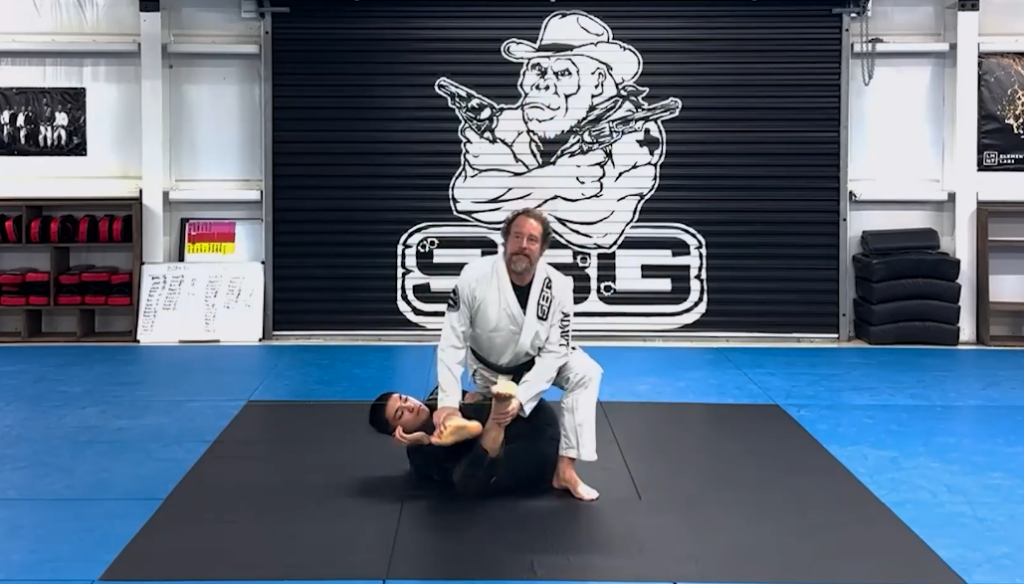
Mastering The Short Guy Guard Alec Baulding DVD Review [2026]

Mastering The Short Guy Guard Alec Baulding DVD Review

Key Takeaways

  • The Short Guy Guard Alec Baulding DVD is a five-volume guard instructional built specifically around the problems shorter grapplers deal with against longer, rangier opponents.
  • Its biggest strength is structure: it starts with guard retention and guard establishment, then layers spider-lasso, deep lasso, collar-sleeve, cross-sleeve, and several auxiliary guards into one connected system.
  • This is not a one trick release. It is a broad, Gi-heavy bottom game built around leverage, grips, angles, and transitions rather than flexibility or leg length.
  • More experienced guard players and competitors will probably get the most from it, but thoughtful white and blue belts can still use it as a roadmap if they are willing to study the material in layers.
  • Rating: 9/10

MASTERING THE SHORT GUY GUARD ALEC BAULDING DVD DOWNLOAD

The Short Guy Guard Alec Baulding DVD does something a lot of instructionals only pretend to do: it solves a real body-type problem instead of selling a generic system with a clever title. Alec Baulding frames this course around a simple reality. If you are shorter than many of your training partners, guard can feel uphill from the start because longer athletes get easier hooks, longer frames, and more natural grip advantages.

His answer is not to tell shorter grapplers to just be faster. It is to give them a layered guard game built around tighter leverage, smarter entries, and high-control positions that do not depend on having long limbs. That is why the Short Guy Guard Alec Baulding DVD immediately stands out.

Why Shorter Grapplers Need a Different Guard Framework

A lot of guard instruction in Jiu-Jitsu quietly assumes the player has room to extend, invert, and create distance with long levers. That is not always realistic for a shorter, stockier grappler. Those athletes usually do better when the guard game emphasizes tight connections, disciplined grips, off-balancing, and transitions that keep opponents in manageable ranges instead of letting them stretch the position out.

The Short Guy Guard Alec Baulding DVD appears to understand that from the ground up. What makes the course appealing is that it does not reduce short guy guard to one magic position. Instead, it treats the problem as a system issue. You need retention first. Then you need reliable ways to establish your preferred connections. Then you need a chain of guards that feed each other when opponents change posture or base.

On the product page, that shows up through a progression from guard retention into spider-lasso, deep lasso, spider guard, collar-sleeve, cross-sleeve, De La Riva, sit-up guard, and even secondary answers like quarter guard, knee shield, butterfly, X-guard, and half guard.

That breadth matters. A shorter athlete usually cannot afford to be stubborn from bottom. If one entry stalls, there has to be another route ready. That is a big reason the Short Guy Guard Alec Baulding DVD feels practical rather than gimmicky. It is about building a reusable framework, not just a highlight-reel sequence.

Who Is Alec Baulding?

Alec Baulding is a black belt under Romero Cavalcanti and has spent most of his competitive life under the Alliance banner. He is as an ADCC East Coast Trials champion, an IBJJF London Fall Open winner, and a colored-belt standout who won an IBJJF World Championship and Pan Championship at purple belt.

The lasso guard has long been one of his favorite positions, which is especially relevant here given how much of this instructional revolves around lasso-based control. His background also fits the theme of the course. He began Jiu-Jitsu at 15 after first trying Taekwondo, eventually receiving all his belts from Romero Cavalcanti, including his black belt in 2015.

Alec is an active competitor and coach who has become notably focused on instructional content, much of it specialized for smaller athletes who share his shorter, stockier build. That last detail matters. It suggests the Short Guy Guard Alec Baulding DVD is not random marketing language. It is consistent with the niche he has been developing as a teacher.

In other words, Baulding is a credible person to teach this. He is not just a good grappler making broad guard claims. He has a real competition pedigree, a clear stylistic identity, and a documented history of building teaching material around the needs of compact athletes.

Full Short Guy Guard Alec Baulding DVD Review

The Full Short Guy Guard Alec Baulding DVD is aimed at a specific athlete, and the product page is unusually clear about the intended outcome: build a seated guard foundation, neutralize reach advantages, and transition into spider guard, lasso guard, and collar-sleeve variations that work for compact frames. That focus alone makes the instructional worth attention, because it addresses a problem many smaller athletes feel every day but rarely see broken down this directly.

Volume 1 – Positional Sparring

The first volume is exactly where this course needed to start: guard retention and guard establishment. Baulding opens with an introduction, then moves into guard retention basics, positional sparring for retention, establishing guard, and positional sparring for establishing it.

That is a very smart choice. Too many guard products start with flashy attacks before explaining how the player is supposed to reliably get into the right shape in the first place. Here, the Short Guy Guard Alec Baulding DVD begins by addressing the entry barrier.

For me, that immediately boosts the value of the course. If you are shorter, your guard game often fails before the real technique begins because you lose distance or let the top player settle their pressure too early. Starting with retention and positional sparring tells me Baulding understands the difference between knowing moves and actually arriving in usable guard positions against resistance.

Volume 2 – Spider Lasso

The second part is where the main Gi engine starts to show itself. Baulding goes into spider lasso guard, distinguishes shallow and deep lasso, covers transitions, movement, positional sparring to establish the position, then addresses standing attacks and common top-player reactions such as combat base, both knees down, and the so-called Mendes Bros squat.

This is one of the strongest sections conceptually because it is not just “here is spider-lasso.” It is spider-lasso as a live problem-solving hub. That matters for a spider lasso guard player.

The value is not in memorizing one configuration; it is in understanding how the position changes when the passer changes height, pressure, and posture. Volume 2 looks especially useful for anyone who wants a tighter short grappler guard system rather than a loose collection of techniques.

Volume 3 – Deep Lasso

Volume 3 broadens the system without losing direction. Baulding adds deep lasso, spider guard, basic ankle lock mechanics, a warning not to stay in spider guard too long, then moves to collar-sleeve guard, standing omoplata attacks from collar-sleeve, major control points, triangle, and armbar.

I like this part because it shows the instructional is not trying to trap the viewer inside one preference forever. The progression from lasso to spider to collar-sleeve makes sense for a compact athlete who wants to keep offensive layers available while staying connected.

The inclusion of collar sleeve guard details is especially valuable, because that position often rewards precision and angle creation more than raw reach. It fits the theme of the Short Guy Guard Alec Baulding DVD very well.

Volume 4 – Collar Sleeve Guard(s)

The fourth volume might be the most modern-feeling section of the course. Baulding covers far-side collar-sleeve, cross-sleeve guard, omoplata roll variations, re-rolls, 2-on-1 triangle/omoplata options, cross-sleeve X-guard, matrix entries, crab ride roll, K-guard back take, movement, responses to combat base, and omoplata step-over defense.

What stands out here is the way the guard starts opening into more dynamic pathways without abandoning the original theme. The Short Guy Guard Alec Baulding DVD still feels like it belongs to shorter athletes, but it is no longer only about surviving length disadvantages.

By this point it is also about forcing dilemmas, chasing the back, and threatening layered attacks once the top player overreacts. If you already have a decent seated guard for shorter athletes, Volume 4 is probably where you start seeing the most competitive upside.

Volume 5 – Special Topics

The final volume is a grab bag, but in a good way. Baulding includes special topics such as alternative grips, double-sleeve transition to De La Riva, bump responses, and the Jon Thomas vice guard, among others.. This is where the Short Guy Guard Alec Baulding DVD starts to feel like a full reference rather than a narrow instructional.

The obvious upside is range. The obvious downside is that viewers looking for one hyper-focused game may find the final section a little more scattered than the earlier volumes. Still, I think it works because it shows Baulding trying to future-proof the system. If the first four volumes build the main road, Volume 5 adds side streets, detours, and troubleshooting options.

Learning Short Guy Guards

The best way to use the Short Guy Guard Alec Baulding DVD is not to binge it and then hope it appears in sparring. Volume 1 should be drilled and pressure-tested first, especially the guard retention and guard-establishing sequences.

After that, most people would benefit from picking just one main lane from the middle of the course, usually spider-lasso or collar-sleeve, and trying to make that section functional before moving on. The course looks much more like a system to build over time than a quick-fix product.

Competitors will find this instructional especially useful because of how often it returns to posture, control points, transitions, and positional sparring. Those are the things that usually survive tournament nerves.

For hobbyists, the appeal is slightly different. It offers a body-type-conscious map that can stop shorter grapplers from wasting months copying games that work better for taller training partners. That is a real benefit, and one of the biggest reasons this Alec Baulding instructional deserves a strong rating.

AVAILABLE HERE: SHORT GUY GUARD ALEC BAULDING DVD 

Who Is This For?

This course is best suited to blue belts and above, especially people who already know they enjoy playing guard. Competitors and detail-oriented hobbyists will likely get the most from it.

If you like grip sequences, layered attacks, and forcing reactions from bottom, the Short Guy Guard Alec Baulding DVD should fit your game nicely. It also looks particularly relevant for anyone who has struggled to translate mainstream open-guard advice into something that works with a shorter frame.

That said, it is not ideal for everyone. Pure No-Gi players will obviously get less from a system built around spider, lasso, collar-sleeve, and pant-grip frameworks. Brand-new white belts may also find the later volumes a little dense if their basic retention and grip awareness are not there yet.

They can still learn from it, but they will need patience. As a guard system for shorter athletes, it looks excellent. As a beginner’s first-ever instructional, it is a bit more demanding.

Pros & Potential Drawbacks

Pros:

  • Very clear audience fit: the course knows exactly who it is for, and that makes the teaching direction much tighter than in generic guard instructionals.
  • Strong foundational opening: starting with retention and establishment makes the entire system more usable in live training.
  • Excellent positional connectivity: spider-lasso, deep lasso, collar-sleeve, cross-sleeve, and auxiliary guards all appear as linked options rather than isolated techniques.
  • Competition-friendly emphasis: the product page repeatedly frames the material around tested details, positional sparring, and reactions against common top-player stances.
  • Useful breadth in the last volume: the extra material gives the viewer more than a narrow A-game and helps the system stay adaptable.

Potential Drawbacks:

  • Not especially minimalist: if you want one tiny, ultra-focused sequence, this is broader and more layered than that.
  • Less useful for No-Gi specialists: much of the material is built around Gi-specific gripping and guard structures.

Short Legs Aren’t a Problem

The Short Guy Guard Alec Baulding DVD is one of those instructionals that gets high marks because it solves a specific problem with a real system instead of vague advice. Alec Baulding has the background to teach it, the product structure makes sense, and the material appears to progress logically from retention into increasingly dangerous and flexible guard layers. For shorter grapplers, that alone makes it highly appealing.

Nick Rodriguez UFC BJJ Deal Is Only One Fight — And That Might Be The Biggest Twist Yet

Nick Rodriguez UFC BJJ Deal Is Only One Fight — And That Might Be The Biggest Twist Yet
  • Nick Rodriguez revealed his UFC BJJ debut is currently just a one-match deal, not a long-term exclusive commitment.
  • He said the opportunity came together on short notice, roughly two and a half to three weeks before the event.
  • Rodriguez also made it clear he likes UFC BJJ’s enclosed “bowl” because it limits stalling and edge-running.
  • That combination makes this debut feel less like a routine signing and more like a high-stakes test run for both sides.
  • The bigger implication is obvious: if this works, UFC BJJ may have found one of the few stars who can instantly make its format look violent, urgent, and worth watching.

Nick Rodriguez UFC BJJ talk was always going to draw attention, but the most interesting part is not simply that Nicky Rod is stepping into the promotion.

It is that he is doing it on a one-fight deal, on short notice, and with zero hesitation about why the ruleset suits him.

For a sport constantly fighting accusations of stalling, edge play, and anti-action tactics, that matters. Rodriguez is one of the few elite heavyweights whose entire brand is built on forward pressure, pace, and making opponents deal with him whether they want to or not.

Put a guy like that inside a walled competition area, and suddenly UFC BJJ has more than a debut. It has a stress test.

Why Nick Rodriguez UFC BJJ Feels More Dangerous Than A Normal Signing

A one-match contract changes the whole feel of this story. If Rodriguez had signed a long exclusive deal, the headline would have been simple: star joins new promotion. But that is not what this is.

This looks more like both sides checking each other out. Rodriguez gets a chance to see whether UFC BJJ is worth more of his time, and UFC BJJ gets to see whether one of grappling’s most recognizable names can make its product pop immediately.

That short-notice angle only adds to the intrigue. Rodriguez said the opportunity came together fast, after a spot opened up on the card.

<h5 class=”custom-quote”>Like two and a half weeks, three weeks. I think somebody dropped out of their card and I was like in the middle of negotiating with UFC. They’re like, ‘You just want to hop on this one?’ I was like, ‘Yeah.’<br>– Nick Rodriguez –</h5>

That quote says a lot. First, Rodriguez is clearly confident enough to jump in without a long runway. Second, UFC BJJ is still in a phase where it needs big names who can plug into a card and instantly matter.

A two-time CJI winner doing that on a one-fight deal is a far bigger story than a quiet roster addition.

Why The Bowl Format Could Turn Nicky Rod Loose

The second part of the story is even juicier. Rodriguez did not just accept the match. He openly said the “bowl” excites him.

That matters because enclosed grappling spaces are designed to remove one of the sport’s biggest escape valves: backing out toward the edge, forcing resets, and slowing the action down whenever the pressure starts building.

Rodriguez has dealt with that repeatedly in high-level No-Gi. He is explosive, aggressive, and very good at making matches ugly for the man across from him. Naturally, he sees walls as a gift.

<h5 class=”custom-quote”>I’m quite excited for the bowl itself. In the past, my opponents have really looked to run away from me, like kind of backpedal and work the edge.<br>– Nick Rodriguez –</h5>

That is the click-heavy angle right there. Rodriguez is not selling this like a prestige appearance. He is selling it like a trap.

And from UFC BJJ’s perspective, that is almost perfect. The promotion needs matches that look different from the stall-heavy versions of elite grappling that casual viewers often bounce off. Rodriguez is practically telling everyone the format removes one of the main survival tools used against him.

<h5 class=”custom-quote”>It’s going to be really difficult for my opponent to run from me when we are in the bowl. We got some walls up. So I’m really excited for that.<br>– Nick Rodriguez –</h5>

The B-Team Jiu-Jitsu Connection Makes This Make Even More Sense

There is another layer here. Rodriguez comes from a room long associated with structured, competition-focused training, and recent discussion around that camp has highlighted how much emphasis it places on controlling pace, breathing, and output across different heart-rate zones.

That does not automatically win anyone a match, of course. But it does help explain why Rodriguez sounds so comfortable with a format built around more contact, more forced engagement, and fewer natural pauses.

If your game already depends on staying composed while pushing the action, an enclosed arena is less a problem than a weapon.

That is also why Nick Rodriguez UFC BJJ chatter feels more significant than a generic crossover headline. This is not a technical wizard trying to solve a strange format on the fly. This is a pressure athlete stepping into a ruleset that appears designed to punish disengagement.

Even the scoring caught his attention. He said he likes that the promotion is valuing submission attempts, control, positional dominance, and what he described as utter dominance.

That sounds tailor-made for someone who has built his reputation by making matches physically miserable.

Why This One Fight Could Change A Lot More Than One Card

The timing is important too. Grappling is increasingly crowded with promotions, prize-money politics, and talk about exclusivity.

The same recent conversation around Rodriguez touched on bigger concerns in the scene, including whether exclusive UFC deals could eventually thin out the usual ADCC talent pool.

That makes his current setup interesting for another reason: he is not locked down. At least not yet.

So this debut becomes a market test. If Rodriguez goes out there and looks like a monster in the bowl, UFC BJJ gets instant credibility from a real star. If he enjoys the structure, the money, and the visibility, that one-match deal could quickly become something larger. And if it does not work, he still walks away without having tied himself to a long contract.

There is also the personality side of it. Rodriguez has never exactly sounded like someone built for quiet, careful career management.

He has publicly called out PED culture in Jiu-Jitsu before, he has never been shy about saying where he thinks the sport is headed, and he competes with the kind of intensity that either wins people over immediately or makes them desperate to see him lose.

That kind of energy is useful if you are trying to build a new promotion fast.

So yes, Nick Rodriguez UFC BJJ is a debut story. But it is also a leverage story, a format story, and maybe even a preview of where elite No-Gi could be heading next.

If this one fight delivers, it will not feel like a one-off for long.

Ffion Davies Claims Judo Is Harder Than BJJ – So She Does Jiu-Jitsu

Ffion Davies Claims Judo Is Harder Than BJJ - So She Does Jiu-Jitsu
  • Ffion Davies made waves after saying judo is “way harder” than Jiu-Jitsu during a recent podcast appearance.
  • She did not stop there, also arguing that No-Gi Worlds are nowhere near as difficult as Gi Worlds.
  • Those comments matter because Davies is not a random hot-take merchant; she is one of the most respected competitors in women’s grappling.
  • In one conversation, she managed to stir up judo vs Jiu-Jitsu, Gi vs No-Gi, and the question of what titles really carry the most weight.

Ffion Davies claims judo is harder than BJJ, and that would already have been enough to set off a week of arguments in grappling circles.

But what made her comments hit even harder was the way she tied that opinion to a much bigger point about competitive standards, technical difficulty, and what she sees as the true pecking order in the sport.

Davies was speaking about her early background and the mindset she carried over from judo into Jiu-Jitsu. The result was a brutally honest description of the difference she felt between the two cultures, and it did not sound like someone trying to be diplomatic for the sake of preserving peace on the timeline.

It’s one of the toughest sports in the world. It’s way harder than Jiu-Jitsu. That’s why I do Jiu-Jitsu.
– Ffion Davies –

Why Ffion Davies Claims Judo Is Harder Than BJJ 

Part of the reason this quote exploded is simple: it attacks a comfortable assumption many grapplers carry around without really questioning it.

Plenty of Jiu-Jitsu practitioners view their sport as the most technical, the most layered, and in many cases the most demanding form of jacket grappling. Davies basically walked into that conversation and said not so fast.

Her reasoning was not built on random trolling. She comes from a serious judo background and described bringing that intense competitive culture with her when she first entered Jiu-Jitsu rooms.

In her telling, the shift was almost jarring. Judo had wired her for a much harsher pace, harsher expectations, and a much more unforgiving atmosphere around competition.

That matters because it reframes the comment. This was not a casual “my sport beats your sport” line. It sounded more like an athlete comparing two worlds she has actually lived in, with enough firsthand experience to make people stop and listen.

Davies even joked that judo people are “freaks,” but the subtext was clear: in her view, the sport demands a level of physical and mental hardness that even elite Jiu-Jitsu does not always require in the same way.

The Gi Worlds Vs No-Gi Worlds Debate

As spicy as the judo line was, the second half of the conversation may be even more combustible long term. Davies also gave a very blunt assessment of Gi Worlds, No-Gi Worlds, and ADCC, and that is where this stopped being just a cross-sport comparison and turned into a proper hierarchy debate.

She said that when she hears “world champion,” she thinks first of Gi Worlds. She also made it clear that, for her, No-Gi Worlds does not sit on the same level of difficulty. ADCC, meanwhile, was the one event she placed on par with Gi Worlds.

When I say world champion, I think Gi Worlds to me is like a true world champion.
– Ffion Davies –

That is the kind of statement that instantly irritates people, because it challenges more than one tribe at once. Gi specialists will hear validation. No-Gi specialists will hear disrespect.

ADCC fans will likely point to her comments as proof that the event still sits in a tier of its own. And everyone else will start relitigating the same old question: what is actually harder, the technical density of the Gi or the speed and athletic volatility of No-Gi?

Davies’ view was that mistakes in the Gi carry heavier consequences and that the format is more technically demanding over time. She also suggested that No-Gi allows more room for big momentum swings, where a match can flip faster and more dramatically.

That does not mean No-Gi is easy. She did not say that. What she did say is more provocative precisely because it was more nuanced: No-Gi is difficult, but not as difficult as Gi Worlds in her eyes.

Why Davies’ Background Makes This More Than A Throwaway Hot Take

This story would be much smaller if it came from someone with less credibility. But Davies has built a reputation as a serious competitor and, just as importantly, as someone who usually speaks plainly even when it is inconvenient.

That pattern matters. She has previously spoken openly about the barriers women still face in Jiu-Jitsu, including unequal opportunities, unequal treatment, and the pressure women often feel to prove they belong in ways men do not.

So this latest flare-up fits a broader picture: Davies is not especially interested in smoothing her opinions into something market-tested and harmless.

That is why the comments landed with real force. They felt like honest competitive analysis from an athlete who has spent years operating at the sharp end of the sport, not a manufactured headline designed by committee.

It also helps that she is speaking from a hybrid perspective. A lot of these debates get reduced to camps yelling at each other from opposite ends of the mat. Davies has experience in both worlds, which gives her words more bite and more legitimacy.

UFC BJJ or Gi Worlds? 

Ffion Davies claims judo is harder than BJJ, but the real reason this story has legs is that it cracked open several insecurities at once.

It challenged the self-image of Jiu-Jitsu, cast doubt on how people rank major titles, and reignited the endless Gi vs No-Gi argument in one clean burst.

That is why this will keep circulating well beyond a single news cycle. Grappling is full of debates that never really die; they just wait for the right athlete to throw fresh fuel on them. Davies did exactly that here.

And because she is respected enough that people cannot just dismiss her as clueless, the backlash is likely to be matched by a lot of quiet agreement too. Some athletes will hate what she said. Some will secretly nod along. Either way, that is usually the sign a quote hit exactly where it was supposed to.

The Hip Kimura Mike Gardner DVD Review [2026]

The Hip Kimura Mike Gardner DVD Review

Key Takeaways

  • A compact, concept-first system that reframes the kimura as a control platform, not just a shoulder lock.
  • Strong emphasis on hip positioning, angle, and structure to make finishes feel tight without muscling.
  • Covers entries and follow-ups across common grappling hubs like closed guard, half guard (top and bottom), and top turtle/scramble situations.
  • Short runtime means it’s easy to study and actually apply, but advanced grapplers may want more depth in a few branches.
  • Rating: 8/10

THE HIP KIMURA MIKE GARDNER DVD DOWNLOAD

If you’ve ever hit a kimura grip and felt like the rest was a coin flip—either you rip it with your arms, or you lose the position—this is exactly the problem Hip Kimura Mike Gardner DVD is trying to solve. The central idea is simple: the kimura works best when your hips are doing the controlling, not your biceps doing the begging.

Mike Gardner’s approach treats the kimura as a framework for breaking posture, steering reactions, and moving through positions while maintaining the same threat. Instead of presenting the kimura like a single finish you chase, he builds it as a system that can produce sweeps, transitions, and back takes when the opponent defends.

Kimuras Never Get Old 

The kimura is one of the rare submissions in Jiu-Jitsu that doubles as a restraint. At a basic level, everyone understands figure-four the arm and finish. But in live rolling, most kimura attempts die in the same place: you get the grip, the opponent frames, turns, postures, or hides the elbow line—and your attack turns into a tug-of-war.

That’s why the best kimura players don’t treat it like a finishing move. They treat it like a control grip that forces choices. Once the figure-four is attached, you can often dictate where the opponent’s shoulders point, how their spine rotates, and which side they can safely move toward. In other words: the kimura can act like a steering wheel.

The hip part matters because the kimura is fundamentally about shoulder alignment and rotational control. When you connect your hips and core to the position, you stop being a person holding an arm and become a wedge that controls the entire upper body. That’s where the kimura becomes consistent: not because you got stronger, but because you built a better structure.

In that sense, a good Hip Kimura Mike Gardner DVD review should ask one question: does it actually teach you how to make the kimura feel unavoidable—without relying on brute force? This one largely does, and it does it by prioritizing angle, hip connection, and transitions over harder finishing mechanics.

Mike Gardner: “Combatch” and Teaching BJJ

Mike Gardner is a full-time Jiu-Jitsu instructor at Legion in San Diego, where he’s known for teaching both kids and adults and for taking a systems-based approach to coaching. His instructor profile highlights him as an AJJ black belt and a JJWL Champion.

What stands out most is how his background fits the style of this instructional. According to his bio, he leaned into problem-solving and systems thinking before going all-in on Jiu-Jitsu, eventually becoming a full-time coach.

He also created “Combatch,” a Jiu-Jitsu card game designed to help people practice the mental side of grappling away from the mats—another clue that he likes teaching frameworks, not just techniques.

He also openly isn’t framed as a super-competitor type; instead, his credibility here comes from teaching, building processes, and obsessing over a position he clearly loves (the bio even calls out that he loves the kimura). That coaching-first lens shows up throughout the Hip Kimura Mike Gardner DVD.

Detailed Hip Kimura Mike Gardner DVD Review

The Hip Kimura is split into two volumes. Based on the chapter timestamps, the total runtime lands at just under an hour, which immediately tells you what kind of product this is: a tight, practical system rather than a marathon deep-dive.

Volume 1 – Kimura Mechanics

The Hip Kimura Mike Gardner DVD starts by tightening the foundation: you get an intro, core kimura mechanics, and a specific T-position concept that frames how Gardner wants you to align your body around the grip. The instructional also includes a reverse Kimura and Choi Bar segment early on, which signals a theme you’ll see repeatedly: the kimura isn’t a dead end—it’s a connector.

From there, the rest of the volume is heavily entry-driven. Instead of dumping random scenarios, Gardner organizes the first half around named entries like shoulder sandwich and pass behind, then moves into half guard-focused entries. The point isn’t the novelty of the names—it’s that he’s showing multiple ways to arrive at the same hip-connected control, which is exactly how a useful kimura control system should be taught.

The back end of Volume 1 also includes top turtle stuff, which matters because turtle is one of the most common scramble hubs where people almost secure the kimura grip—then lose it as the opponent rolls or stands. Even without turning this into a giant turtle encyclopedia, it’s a smart inclusion: if your kimura system can survive scrambles, it becomes a real weapon.

Volume 2 – Transitions & Entries

Volume 2 feels like the make it work in motion section. It opens with “Kettle Transitions” (it’s as weird as it reads) and then goes straight into troubleshooting. That ordering is important: transitions first, then fixes. It reinforces the idea that the hip kimura is meant to travel—if you’re static, you’re easier to peel off.

This volume also introduces several entries that read like stand-up or front-head/drag style connections. That’s a big plus for anyone who wants their kimura threat to exist before the match becomes ground-only.

And once you hit the midsection of the volume, you get a sequence of escape-proofing style chapters—things like the infamous Ghost Escape and Houdini—which, at minimum, communicate that Gardner expects opponents to try to slip and spin out, and he’s prepared for it.

The later chapters in the first part of the Hip Kimura Mike Gardner DVD read like finishing/positional resolution and error-correction. He wraps it with re-hip Kimura, which is basically the thesis of the whole project: even if something slips, rebuild the hip connection and return to control rather than starting over from scratch.

Sticking to Kimuras

Because this instructional is concise, it lends itself to a very specific training plan: pick one entry, one control checkpoint, and one if they defend, I go here option—then pressure test it for two weeks.

Grip + hip connection only is the place to start exploring. In positional rounds, don’t even chase finishes. Your goal is to build the hip angle and keep the opponent carrying your control while they try to posture and frame.

When you’re comfortable, add one transition. Choose one of the listed transitions (the instructional clearly emphasizes movement and transitions as part of the system). The moment your partner starts escaping consistently, plug in one of the troubleshooting concepts rather than switching submissions out of frustration.

The Hip Kimura Mike Gardner DVD Free Sample

WATCH A SAMPLE: The Hip Kimura Mike Gardner DVD

AVAILBLE HERE THE HIP KIMURA MIKE GARDNER DVD

Who Is This For?

The Hip Kimura Mike Gardner DVD is best for white belts through purple belts who already know what a kimura is, but can’t keep people pinned long enough to finish it consistently. I’m pretty sure No-Gi grapplers and MMA-oriented students who want upper-body control that survives scrambles and transitions will also find it more than useful.

Brand-new white belts who don’t yet have basic positional stability should stick to basic Kimuras and perhaps skip this one (for the time being). The hip-driven approach is simple, but it still assumes you can hold a position long enough to apply structure.

If you specifically want a modern Mike Gardner Kimura instructional that’s structured around control first, you’ll likely get what you came for.

Pros & Potential Drawbacks

Pros:

  • Concept-forward approach: It’s built around hip positioning and angle control, not finish harder.
  • Two-volume, low-fluff structure: Easy to revisit and drill without feeling buried.
  • Multiple entry points: The chapter list shows entries from half guard, closed guard, turtle/scramble, and more.
  • Troubleshooting is included: Practical recognition that people will try to slip out.
  • Strong for chaining attacks: The content clearly points to transitions, back takes, and follow-ups when opponents defend.

Potential Drawbacks:

  • Short runtime: If you prefer long-form instructionals with exhaustive branches, this may feel more like a sharp blueprint than a full library.
  • Not a Kimura from everywhere encyclopedia: It covers multiple positions, but it’s still focused on the Hip Kimura framework rather than every Kimura variant under the sun.

Use Your Hips

Overall, Hip Kimura Mike Gardner DVD delivers what it promises: a structured way to turn the kimura into a hip-driven control system that can lead to finishes, transitions, sweeps, and back takes—without relying on arm strength as the main engine.

It’s not a massive, four-hour masterclass. Instead, it’s a tight system you can actually install: mechanics, core positioning (including the T-position concept), multiple entries, and troubleshooting that matches what happens in live rounds.

Take Me Down Win $1000 Challenge Is Getting Buried By Its Own “Receipts” As Georgio Poullas Keeps Denying The Takedowns

Take Me Down Win $1000 Challenge Is Getting Buried By Its Own “Receipts” As Georgio Poullas Keeps Denying The Takedowns
  • Georgio Poullas keeps insisting he’s never been taken down in his viral “Take Me Down, Win $1000” challenge — despite multiple clips circulating that appear to show the opposite.
  • A takedown clip involving a police officer has reignited the backlash, with fans compiling a running list of moments they believe should count.
  • The controversy escalated further after RAF 6, where Poullas’ match with UFC contender Arman Tsarukyan ended in a post-bout brawl.
  • Ben Askren then poured gasoline on the story during live commentary, slamming Poullas’ wrestling and throwing out a PED accusation — which Poullas has denied.

The “Take Me Down, Win $1000” pitch is simple on paper: step in, score a takedown on Georgio Poullas, and collect the money. It’s a perfect social media hook — cash prize, ego, and a clean win condition that even casual fans understand.

The problem is that the internet doesn’t just watch these challenges anymore. It reviews them. Frame by frame. With the kind of energy normally reserved for bad referee decisions and suspicious IBJJF advantages.

And right now, fans are doing what fans do best when they feel played: compiling receipts.

Georgio Poullas’ Big Claim: “I Literally Haven’t Been Taken Down”

Poullas has built the brand around a single idea: he’s untouchable in this format.

That’s why one quote has become the anchor point of the entire backlash — because it isn’t vague, it isn’t hedged, and it doesn’t leave much room to wiggle.

I literally haven’t been taken down… I’m like bro, I literally haven’t been taken down.
– Georgio Poullas –

In combat sports, bold claims usually fall into two categories. They either become legendary… or they turn into a future montage. The “$1000 takedown challenge” is drifting hard toward montage territory, because the argument isn’t about whether Poullas is tough (he clearly is), but about whether he’s redefining “takedown” on the fly to protect the gimmick.

And once that idea lands, every single scramble becomes evidence.

Take Me Down Win $1000: The Receipts Keep Stacking Up

What changed in the last few days isn’t one viral clip — it’s volume.

Fans have started gathering multiple moments where Poullas appears to hit the mat off an opponent’s attack, and then quickly scramble back up or reverse.

In wrestling scoring, that’s often the exact moment the points happen: control is established, the defender hits the mat, and the exchange gets counted before the escape.

But in chaotic, social-media-rule challenges — often without a clear ref, clear scoring, or a clean restart — a takedown can become a vibe instead of a call.

One of the most discussed sequences involves a challenger referred to as Joseph, where viewers argue a foot sweep puts Poullas down before Poullas immediately hip-heists and recovers.

Some fans insist it should be “takedown, then reversal.” Others say it’s too messy, too fast, too unrefereed to call.

That’s the key issue: the challenge isn’t failing because people think Poullas is bad. It’s failing because people think the rules are flexible — and flexible rules kill a cash-prize gimmick.

Once that trust breaks, the internet stops asking “Can anyone take him down?” and starts asking “How many takedowns are being waved off?”

The Police Officer Clip, Pat Downey, And The One Moment That Won’t Go Away

The clip that keeps resurfacing — the one that turns casual skepticism into full-on roast session — is the police officer sequence.

The reason it lands isn’t because it’s the cleanest takedown ever filmed. It’s because it’s the worst possible optics for a challenge built on invincibility.

A police officer stepping in and putting you down (even once, even briefly) is the kind of moment that the internet will replay until the end of time — especially if you’re publicly claiming it never happened.

The clip has been shared and discussed by wrestling figures online, and it’s now become a reference point: when someone says “He’s never been taken down,” the response is basically, “Okay, but what about that?”

From there, the story widens into a bigger question: What counts as a takedown in this challenge? Is it any moment the hips and back touch? Is it control for a second? Does a scramble cancel it? Is it only a “clean finish” with a reset?

If the answer isn’t consistent, the prize money starts to feel like a prop — and “Take Me Down, Win $1000” becomes “Take Me Down, Win an Argument in the Comments.”

Ben Askren Lights The Match As RAF 6 Spirals Around Arman Tsarukyan

Then the whole thing leveled up from “viral mat nonsense” to “combat sports headline” because of RAF 6.

Poullas faced UFC lightweight contender Arman Tsarukyan in a match that didn’t just generate highlights — it generated chaos. The bout itself got messy, and the aftermath exploded into a post-match brawl involving teams and security.

That matters for the broader story because it shifts the framing. Poullas isn’t just “the $1000 takedown guy” anymore — he’s now attached to a highly public incident, with footage, emotions, and a crowd that already thinks he’s gaming the narrative.

And right in the middle of that, Ben Askren showed up on commentary and chose violence — verbally.

I think Georgio is a very average wrestler. If you look at his college record it’s not very good and I think he’s afraid to get exposed.
– Ben Askren –

Askren didn’t stop at critique. He also threw out a PED accusation live, tying it to Poullas’ fatigue mid-match.

To be clear: Askren’s comment was an allegation, not proof, and there’s no public test result attached to it. Poullas has also denied using performance-enhancing drugs and has said he’s “natty” when asked in interviews.

But allegations from a high-profile name like Askren have a way of becoming their own storyline — especially when the internet already believes the “Take Me Down, Win $1000” brand runs on selective framing.

When A Viral Challenge Turns Into A Paper Trail

This is the trap of building a persona around one absolute claim: eventually, the audience doesn’t need a rival to beat you — it just needs a compilation.

If Poullas wants the “Take Me Down, Win $1000” concept to survive long-term, the fix is boring but necessary: clear rules, consistent officiating, and a scoring standard that doesn’t change depending on who’s filming.

Because right now, every new clip doesn’t just add to the debate — it adds to the suspicion that the challenge is designed to be unwinnable. And once fans believe the game is rigged, they stop trying to win the money.

They try to win the narrative.

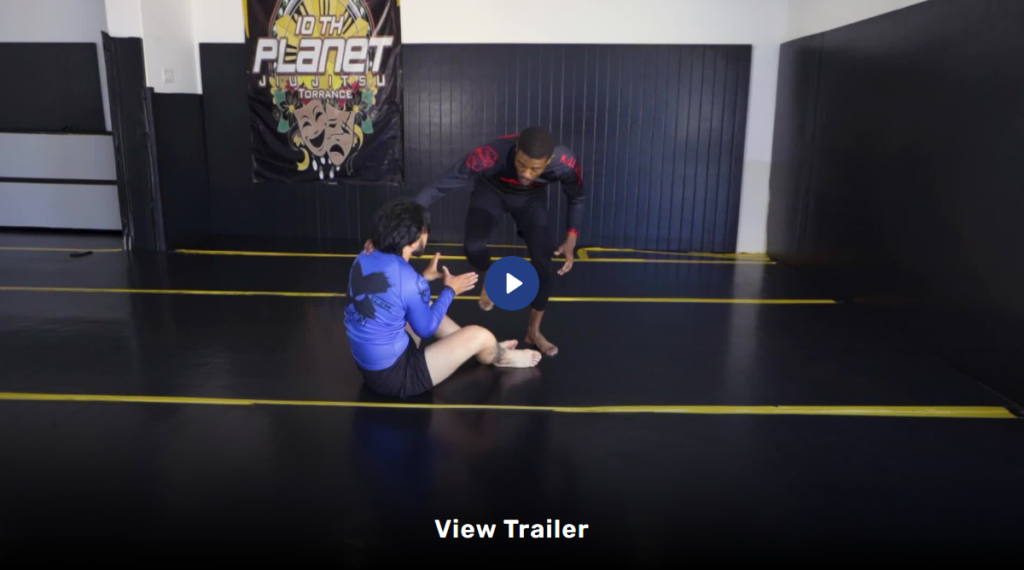
Foot Sweep Flo Justin Flores DVD Review [2026]

Foot Sweep Flo Justin Flores DVD Review

Key Takeaways

  • A four-part stand-up instructional built around timing, rhythm, and kuzushi—so foot sweeps feel smooth instead of forced.
  • Starts with solo balance + mechanics, then builds into entries from common clinches and wrestling ties.
  • Strong emphasis on chaining attempts (miss → re-attack) so you stop swinging at shins and start creating real reactions.
  • Best fit for grapplers who want safer takedowns that don’t demand explosiveness or a full judo-throw commitment.
  • Rating: 8.5/10

DOWNLOAD FOOT SWEEP FLO JUSTIN FLORES DVD

Foot sweeps are one of those skills everyone likes the idea of… until they actually try them live. The concept is elegant—minimal effort, maximal payoff—but the reality is usually messy: missed contact, awkward hopping, and that awful moment when your partner looks at you like you just tried to kick their ankle off.

That’s exactly why Foot Sweep Flo Justin Flores DVD stands out right away. Instead of selling foot sweeps as a magic trick, it frames them as a timing skill you can systematically build: balance first, movement second, kuzushi third, and only then the flash of making someone hit the floor. The theme of the whole instructional is simple: stop trying to force sweeps, and start learning how to make people fall into them.

If you’re a Jiu-Jitsu athlete who wants more confidence on the feet—without turning every round into a scramble-heavy wrestling match—this is a surprisingly practical roadmap.

Do Foot Sweeps Have a Place in Modern BJJ?

Foot sweeps sit in a weird spot in modern grappling. They’re common in Judo, underused in Jiu-Jitsu, and often misunderstood by wrestlers who are used to driving through targets rather than catching steps. In sport Jiu-Jitsu, a clean sweep can score, create a guard pass opportunity, or at least force a reset where you choose the next exchange. In MMA, the value is even clearer: you can disrupt posture, dump someone, and stay safer than you would committing to bigger hip throws.

The problem is that foot sweeps aren’t technique-first the way many ground attacks are. You can memorize the steps, but if your timing is off by half a beat, it doesn’t work. That’s why so many grapplers abandon them early—they feel unreliable compared to a double leg, body lock, or guard pull.

A useful way to think about foot sweeps is as movement traps. You’re not trying to sweep a stationary person. You’re trying to catch a predictable step that you helped create. That’s where kuzushi (off-balancing) matters, but not in the dramatic launch them way. It’s subtler: steering weight, shifting hips, pulling and pushing at the right moment, and turning foot sweeps into a chain of threats rather than a single Hail Mary attempt.

Foot Sweep Flo Justin Flores DVD leans hard into that reality. It’s less about collecting twenty different sweeps and more about building the timing engine that makes any of them actually show up in live rounds.

Justin Flores – When Judo Meets Wrestling

Justin Flores is one of those rare instructors who can credibly talk to three different audiences at once: pure grapplers, wrestlers crossing over, and fighters who need takedowns without chaos. He’s widely known as a takedown and grappling coach, and he’s worked extensively with high-level MMA athletes—including Ronda Rousey during her UFC run—while also coaching Team USA in judo at the Olympic level.

From a credibility standpoint, the most important piece here isn’t hype—it’s overlap. Flores’ background blends competitive judo, Division 1 wrestling experience, and years of coaching athletes who must make takedowns work against resistance. That matters because foot sweeps are often taught either as traditional Judo techniques (beautiful, but not always adapted to No-Gi grips) or as cute add-ons to wrestling systems. Flores is positioned to bridge that gap.

He also presents himself as someone who prioritizes principles and structure over gimmicks—exactly what you want in an instructional about timing-based takedowns that can’t be brute-forced.

Detailed Foot Sweep Flo Justin Flores DVD Review

The structure of the Foot Sweep Flo Justin Flores DVD is clean: four parts that move from solo coordination → partner mechanics → entries from common ties → chaining and combinations from realistic clinch positions. You can feel the intent: build the skill from the ground up so the later techniques don’t float above your ability.

Volume 1 – Solo Movement

Volume 1 is the unsexy part—and it’s arguably the most valuable. Flores opens with an intro and quickly shifts into solo balance work and movement patterns: lateral, forward, and rotating entries.

If you’ve ever tried to learn foot sweeps by copying highlights, you know the issue: you’re trying to execute the end of the movement without owning the setup movement. Volume 1 attacks that head-on. It gives you a base of footwork and balance patterns that make your hips and feet cooperate—so when you do move into partner work, you’re not learning the sweep while simultaneously learning how to walk.

The partner drill section on foot sweep mechanics is the key transition point, because it starts aligning your timing with real feedback. From there, the material flows into movement-based foot sweeps—lateral movement, backwards movement, and the waddle concept that reinforces rhythm and step management.

Volume 2 – Underhooks and Rotation

Part 2 of the Foot Sweep Flo Justin Flores DVD shifts from pure mechanics into purposeful entries, and the theme becomes clearer: create predictable movement, then harvest the step. Flores focuses heavily on underhook-based setups—lateral underhook, forward underhook, and circle underhook—because underhooks are one of the most universal control ties across Gi, No-Gi, and MMA clinch situations.

He also includes the Russian 2-on-1 (and a circling variation), which is a smart addition for Jiu-Jitsu players who already like wrist control and angle creation. The Russian tie is one of the best ways to make an opponent step awkwardly while they try to square up, and that’s basically a foot sweep invitation if your timing is right.

This is where Foot Sweep Flo Justin Flores DVD starts feeling like a real system rather than a set of techniques. The entries aren’t random—they revolve around grips/ties that naturally produce the kind of stepping patterns foot sweeps need.

Volume 3 – Wrestling Sweeps

Volume 3 expands into back-side sweeping and clinch-to-back scenarios, which is a very Jiu-Jitsu-friendly direction. Instead of treating foot sweeps as purely takedowns, Flores frames them as tools you can apply once you start winning positional battles like seat belt control, rear body lock situations, and pummeling exchanges.

You get sequences like seat belt back sweeps, pummel back sweep, and rear body lock foot sweeps—plus several bridging techniques that connect wrestling-style motion (throw-bys, duck unders) into sweep opportunities. This volume will land especially well for grapplers who already chase the back standing, or who like body-lock styles but want a lower-risk way to finish without overcommitting.

Volume 4 – Combo Attacks

Volume 4 is where chaining and misdirection really becomes the point. The techniques here feel like problem solvers—answers for opponents who start anticipating your sweep timing or stiff-arming your setups.

You see concepts and sequences like Magic Stick, Swallow Counter, and multiple back sweep chains. What I like about this section is that it doesn’t pretend you’ll hit the first sweep every time.

Instead, it gives you built-in continuity: if the opponent pulls back, circles out, or tries to posture away, you’ve got a follow-up that punishes the exact reaction they just chose. For anyone who’s ever felt foot sweeps were too inconsistent, Volume 4 is the argument that consistency comes from layering, not from finding a single perfect technique.

Learn Sweeps, Not Judo

Here’s the most realistic way to get results from Foot Sweep Flo Justin Flores DVD without turning your training into a foot-sweep-only cult:

Do the solo work as a warm-up (5–10 minutes). Volume 1’s balance and movement patterns are perfect for this. You’re training rhythm and coordination—the exact things that disappear under pressure if you don’t hardwire them.

Pick one primary tie for a month (underhook or Russian 2-on-1). This is where most grapplers mess up: they try to add sweeps everywhere. Instead, choose one clinch/tie you already see a lot in your rounds and make that your foot sweep home base.

Add a simple constraint round: Only off-balance and sweep—no shots. Even one round per session forces you to actually develop timing instead of panic-wrestling. If you’re at an MMA gym or a No-Gi room, this also keeps sparring safer and less collision-heavy.

FOOT SWEEP FLO JUSTIN FLORES DVD AVAILABLE HERE

Who Is This For?

The Justin Flores foot sweeps DVD is a strong fit for white through black belts who want smarter stand-up without relying purely on shots or strength, older grapplers (or anyone managing nagging injuries) who want foot sweep takedowns that don’t demand full explosive commitment and wrestlers crossing into Jiu-Jitsu who already understand angle and pressure, but want timing-based attacks that don’t require knee-dropping entries.

Judoka adapting to No-Gi who want realistic grips and wrestling-aware movement will also benefit, along with all coaches building a stand-up curriculum that’s safer than just wrestle harder.

Who may not love it:

  • Grapplers who only care about pulling guard and immediately playing leg entanglements.
  • People looking for a ten best throws highlight reel. This is more system-and-timing than crowd-pleasing big air.

If your goal is to become the person who can casually put someone on the floor without looking like you tried that hard, Foot Sweep Flo Justin Flores DVD is aimed directly at you.

Pros & Potential Drawbacks

Pros:

  • Timing-first approach that treats foot sweeps like a learnable skill, not a talent you either have or don’t.
  • Excellent progression from solo movement → partner mechanics → entries → chaining, which makes the learning curve more realistic.
  • Works across contexts (Gi, No-Gi, and MMA-style clinches) instead of living in a single ruleset bubble.
  • Underhook and Russian tie integration is very practical for modern Jiu-Jitsu stand-up.
  • Chaining emphasis helps solve the biggest foot sweep problem: inconsistency when the first attempt misses.

Potential Drawbacks:

  • If you want lots of post-takedown ground follow-ups and passing sequences, this is more focused on getting the sweep/takedown, not finishing the entire top-game storyline.
  • If you refuse to do the footwork and solo work, you’ll miss a big part of what makes the system click.

Trip and Sweep

Foot sweeps can feel like the most frustrating part of stand-up in Jiu-Jitsu—right up until the moment they start working, and then they feel like cheating. The biggest value of Foot Sweep Flo Justin Flores DVD is that it doesn’t pretend the timing problem isn’t real. It builds a pathway from movement and balance into real entries, and then pushes you toward chaining and reactions—where consistent sweeps actually live.

UFC BJJ Fighter Pay: Claudia Gadelha’s Numbers Just Put A Price Tag On Pro Grappling

UFC BJJ Fighter Pay: Claudia Gadelha’s Numbers Just Put A Price Tag On Pro Grappling
  • Claudia Gadelha says top exclusive contracts are landing in the 500,000 to 800,000 Brazilian reais range annually—roughly $97,000 to $155,000 USD—if athletes hit four appearances and finish by submission.
  • The UFC BJJ fighter pay structure matters: UFC BJJ’s “submission money” concept effectively rewards finishes far more than decisions, shaping how athletes fight and how they plan careers.
  • The same push for “professionalization” that’s raising purses is also tightening the ecosystem—UFC BJJ exclusives are expected to be locked out of ADCC after 2026.
  • Meanwhile, the money conversation is spilling into everything else: instructionals, brand-building, and even the celebrity side of the sport.

For years, elite Jiu-Jitsu athletes have lived on a weird mix of medals, clout, seminars, and “hope this superfight pays.” Now Claudia Gadelha is publicly putting real numbers on what the UFC-backed grappling project can pay—numbers that instantly change the conversation about what a “career” in Jiu-Jitsu even looks like.

On a recent podcast appearance, Gadelha described a top-end range for exclusive athletes that—if accurate—would be a seismic shift from the sport’s usual hustle-economy. It’s also the kind of claim that creates a new problem: once the pay is real, the contracts get real too.

And that’s the story hiding inside the headline. UFC BJJ Fighter pay isn’t just about bigger checks—it’s about control, scheduling, exclusivity, and what fighters will trade to get those numbers.

UFC BJJ Fighter pay: The Numbers Gadelha Put On The Table

Gadelha’s headline figure is blunt: exclusive athletes, competing four times a year, are earning between 500,000 and 800,000 Brazilian reais annually, which was translated as roughly $97,000 to $155,000 USD at the time of the discussion.

Now there are athletes earning 500,000 reais to do a jiu-jitsu contest. It’s incredible.
– Claudia Gadelha –

In a sport where “purse disclosure” usually means a vague rumor and a handshake, that kind of transparency is rare. And it immediately reframes the usual question athletes get asked—“Why aren’t you doing more superfights?”—into something more strategic: “Why would you fight anywhere else?”

But the fine print matters. The same breakdown tied those bigger annual totals to a very specific assumption: four matches per year and all won by submission, because that’s where the payout spikes.

That’s a big deal, because it suggests the pay isn’t just “a salary.” It’s an incentive structure that’s designed to shape performance.

The “Submission Money” Twist That Changes How Athletes Compete

The most interesting part of this pay conversation isn’t the top number—it’s how you get there.

UFC’s model in MMA has long been described as “show + win.” What’s being described here is closer to “show + submission,” meaning the finish is the multiplier. If you’re an athlete who can reliably submit elite opposition, you’re not just winning—you’re cashing in.

If you’re a grinder who wins on points, you might still win the match and lose the payday ceiling.

That dynamic changes athlete behavior in a way the sport hasn’t really had to confront at scale. In most grappling promotions, the incentives are scattered: win money here, a bonus there, and the real payday being the instructional you sell after the highlight clip goes viral.

With UFC BJJ Fighter pay now being framed as a structured, repeatable annual earning path, the sport gets pulled closer to a league model—one where fighters optimize careers around a calendar, not just around “who’s offering a superfight this month.”

That’s good news for athletes who’ve been trying to make a living off pure competition. It’s also how you end up with contracts that start looking less like “opportunities” and more like “commitments.”

The Catch: Bigger Purses Usually Come With Tighter Control

If the money is real, the leverage becomes real too. And Gadelha has been direct about what the promotion wants from its exclusive athletes once the next cycle hits.

In the discussion about cross-promotion and ADCC participation, she described a future where exclusivity actually means exclusivity—after a final window.

There are some of our exclusive athletes that we’ve given the ADCC to this year, but from next year on, they can only be an athlete of the UFC BJJ.
– Claudia Gadelha –

That’s the trade-off laid out plainly: if you want the stability and the payouts, you may be giving up the most legacy-rich stage in No-Gi grappling.

Gadelha also framed the broader intent as building a consistent pro pathway—more events, more regular opportunities, more structure.

We don’t want to compete with anyone. We believe in what ADCC is doing, what IBJJF is doing, we believe that these are different products from what we have and what we are doing here. But we also believe that for an athlete to be able to build a professional career in Jiu-Jitsu, this is the place he or she has to be, because we have consistency. Last year we did six events, now there are ten events this year.
– Claudia Gadelha –

And in one line, she acknowledged what everyone suspects is coming next: negotiation—then policy.

We don’t have a relationship yet with UFC BJJ, but we’re talking.
– Claudia Gadelha –

So the pay story isn’t isolated. It’s attached to an ecosystem shift: more events on one side, fewer “free agent” appearances on the other.

Why This Pay Story Is Also An Instructional Story

Gadelha’s comments didn’t just land on purses. They also pointed toward the business reality of modern Jiu-Jitsu: instructionals aren’t a side hustle anymore—they’re the retirement plan while you’re still competing.

The traditional model has been:

  • compete for exposure,
  • teach to survive,
  • sell instructionals to scale.

UFC BJJ’s pitch sounds like it’s trying to flip that into:

  • compete for a real purse,
  • build a brand inside the UFC machine,
  • then monetize education and content with a bigger audience already baked in.

That’s why the “instructional sales” angle matters here. If you’re paying athletes enough to treat competition like a job, you’re also creating a pipeline where instructionals become part of the official career track—not just something athletes do independently to make rent.

And that bleeds into the sport’s culture in ways people don’t always expect.

Jiu-Jitsu’s New Attention Economy

If UFC BJJ Fighter pay actually becomes a reliable six-figure lane for a chunk of the roster, it doesn’t just help athletes—it changes what the public sees as “pro grappling.” More events, more storylines, more consistent matchups, and a clearer “big league” to point casual fans toward.

The question now is simple—and it’s the one every serious competitor is already asking themselves:

If UFC BJJ is finally paying like a real sport… what are you willing to give up to get it?