


What is the definition of advanced Jiu-Jitsu? Don’t answer immediately, but think about it a little bit. Is it doing the most complicated thing possible and making it work against everyone? Or, is it doing the very basic agent everyone, despite them knowing what you are doing. To be honest, I doubt there is one precise definition as to what advanced Jiu-Jitsu is, but if I had to choose I’d with the power of deception. Like having a powerful foot lock finish in mind when you’re starting off an armbar attack from the closed guard.
While submission chaining is a thing that usually upper belts focus on, that does not make it advanced in terms of Jiu-Jitsu. On the contrary, sequences and chains as moves stringed together are quite predictable and not hard to deal with. Looking for loops that have moves tided together so they’re is primarily no escape, and then looking to trick your opponent into defending everything but the move you’re actually attacking with is what Jiu-Jitsu is truly about. Those sneaky transitions that seem like they’re impossible, like a foot lock from an Omoplata are exactly what shows how much someone understands and can actually use BJJ.
The Secret Of Advanced Jiu-JItsu
If there is one thing that all advanced Jiu-Jitsu athletes have in common it is their smart, and above all efficient, use of transitions. A transition should not just happen as a response to your opponent’s movements – it is a valuable tool for both offense and defense. Transitions are basically opportunities to get what you want while an opponent can’t defend it, regardless if they’re aware of what you’re setting up or not. Moreover, they’re never-ending and are actually what makes all those submission chains and move loops work.
A hugely important lesson to learn in BJJ is that you set stuff up during transitions. Any attacks from a foot lock to a choke will work much better if you set everything up during a transition and simply finish the moment movement stops. In fact, transitions, in this case, are windows of opportunity that actually open up the possibility of submission. Thinking like this means you won’t expect any movement to end before you start another one – that is what advanced Jiu-Jitsu is all about.
One more thing that defines advanced BJJ is the ability to keep an open mind. Combining old school BJJ with all the modern things cerates a blend that will keep people guessing all the time. Moreover, introducing elements from other grappling martial arts into your game, like wrestling, will further open up chances for you to do whatever you think of. A foot lock can easily turn into back attacks or even a lapel guard that might end up back as a leg lock after a front headlock attack. Just an example.
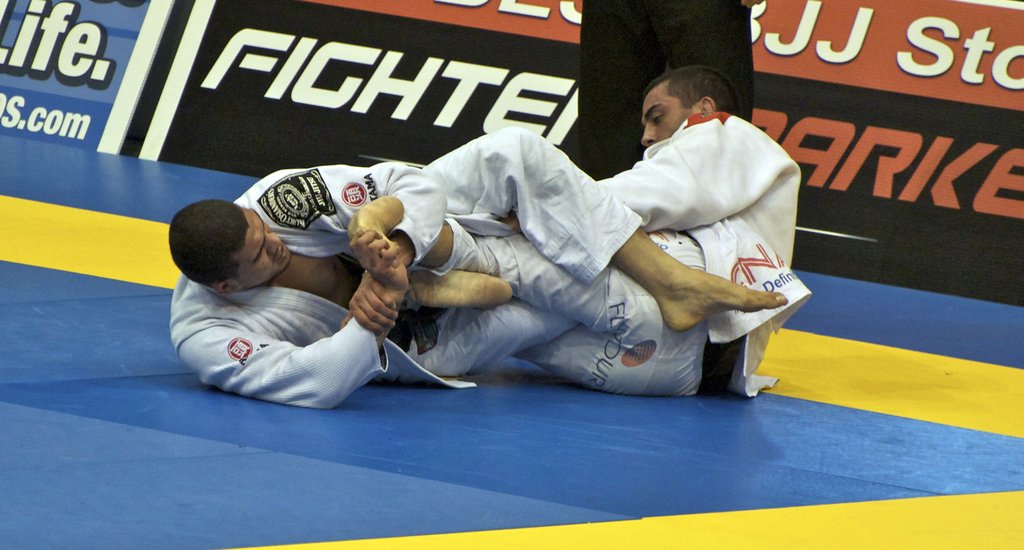
When Closed Guard Meets Leg Locks
Can you do leg locks from the close guard? Sure you can. You can even be direct about it, but we’re looking into advanced Jiu-Jitsu and transitional attacks today, so we’re going to be all sneaky and deceptive with our setups and end goals.
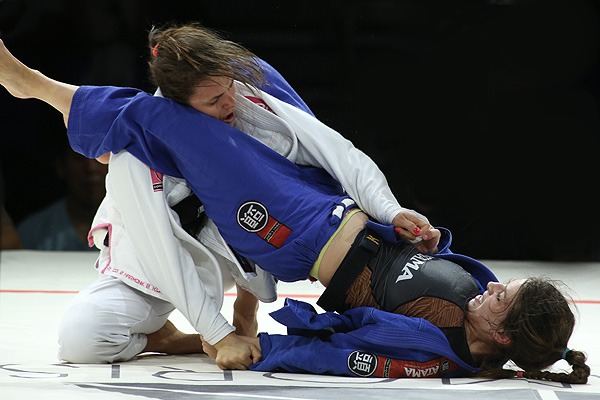
The closed guard is a position of strong control for the bottom person because of the inherent deep inside control it provides, as a result of the placement of the legs. It is perfect for both BJJ and self-defense because it gives you access to the upper body of an opponent. What it also does is trap the legs of the top person. As good as that is to prevent kicks, it does present a slight challenge when hunting for a foot lock. This is where transitional attacks and advanced Jiu-Jitsu come into play.
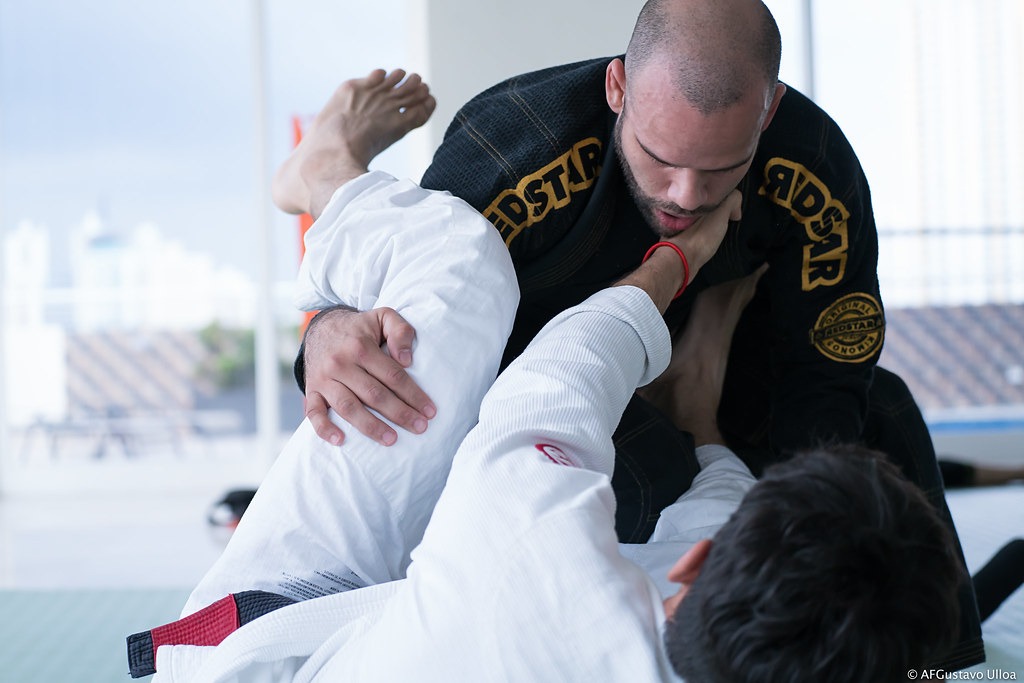
In order to get a foot lock, you need an Ashi Garami. To get an Ashi Garami, you need to get control over one leg, which is very difficult when that leg is bent and on the ground. the solution is easy – threaten with other things to cause the person to lift their leg and provide you with the option to get what you want. It may be an upper-body submission (cross-collar choke, armbar, Omoplata) or a sweep. Transitions will allow you to get your foot lock unimpeded, and you might even get a tap along the way if you catch people completely off guard.
Awesome Foot Lock Finish From An Omoplata Attack
Let’s take a look at how you can put all that was discussed together through a very precise example. We’ll look at how a foot lock setup from the closed guard works. It will start with an armbar, include a scissor sweep, An Omoplata transition, and eventually, the easiest Ashi Garami entry and subsequent foot lock of choice.
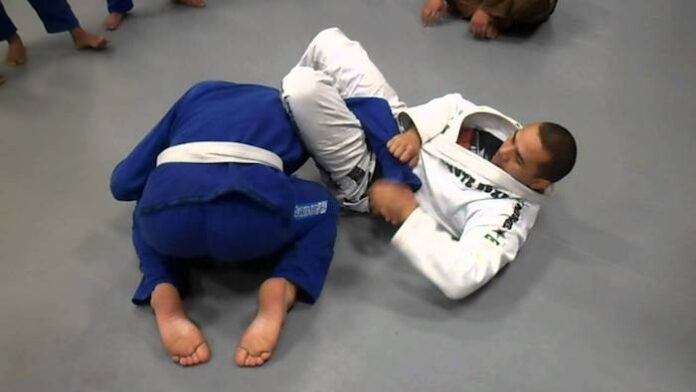
From a closed guard, start off setting up your favorite armbar. It is a more or less telegraphed attack that will cause people to withdraw their arm. That right there is the chance for a transition. As they withdraw, follow with your body. That will get you the right angle and shorten the distance for establishing a pants grip on one leg. Ten, use the far leg to threaten a scissor sweep. You guessed it, this is only to elicit another response that will get you a transition you want – towards the Omoplata. A simple switch to the hips is all it takes for you to do a slight adjustment and send your opponent posting on the ground.
From there you could go for the Omoplata, of course. The options that open up, though, traditionally speaking are foot locks and/or triangles. Since we’re going for a foot lock here, placing both your feet in the armpit of the arm you’re controlling is all it takes for you to comfortably slide into Ashi Garami. It would be redundant for me to tell you which foot lock to finish with, given that this was always the goal, right?
Wrapping Up
If you’re looking to become an advanced Jiu-Jitsu player, you need to become sneaky and cunning. Start using transitions to set up attacks first. then, move on to using multiple transitions to set up different attacks and/or defenses. How else would you be able to set up a perfectly reliable foot lock from the closed guard without too much effort?

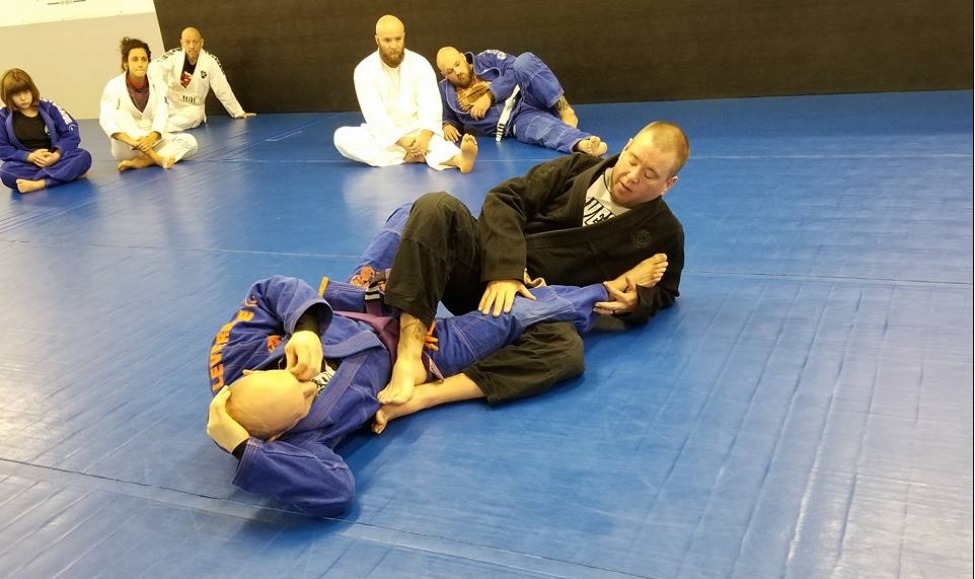
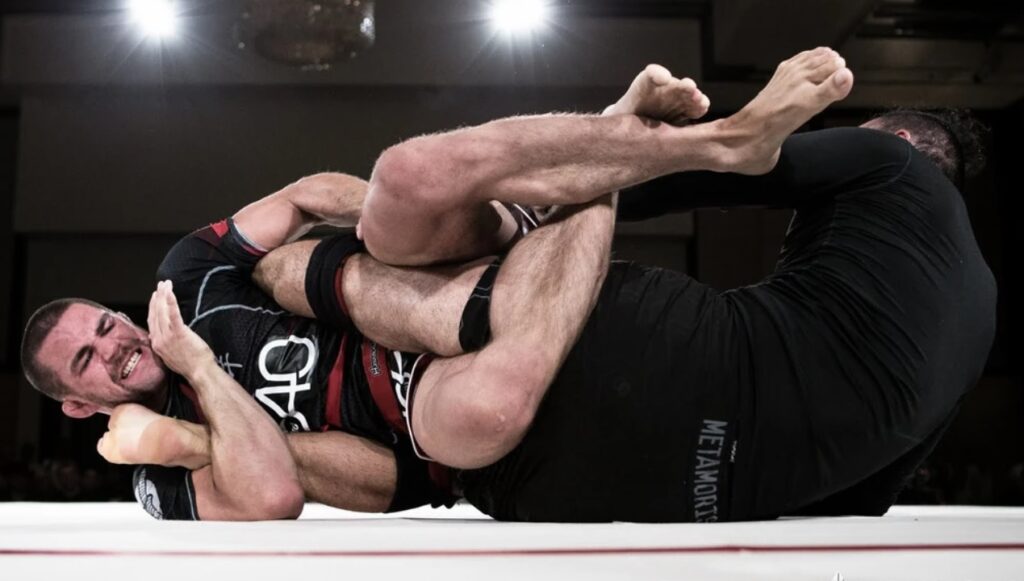
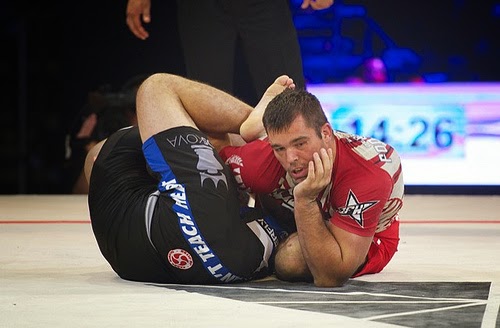
 #1. Cypress Hill – Get ‘Em Up (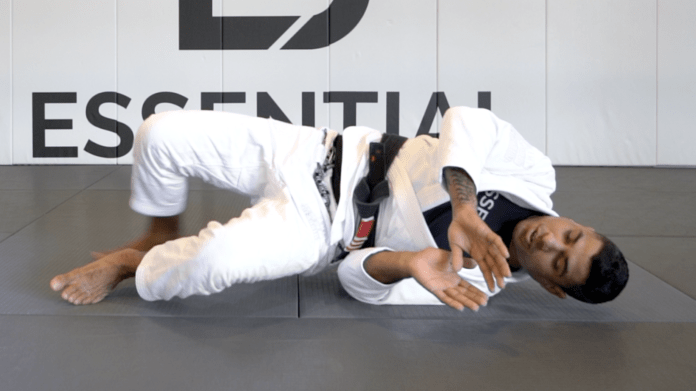





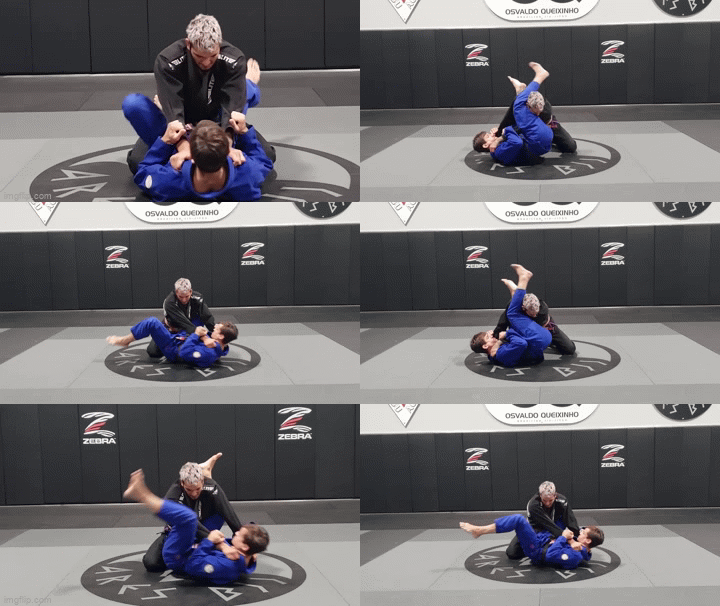 First up, a BJJ drill you probably know pretty well. From closed guard, you set up so that your partner’s arms are gripping your collars. Your partner should have their arms extended and grip firmly – they are your pivot point. The goal for you is to open your guard and swing one leg so that you use the momentum to spin sideways and end up in an armbar position. then, you use your other leg and immediately swing to the other side, relying on momentum to keep going.
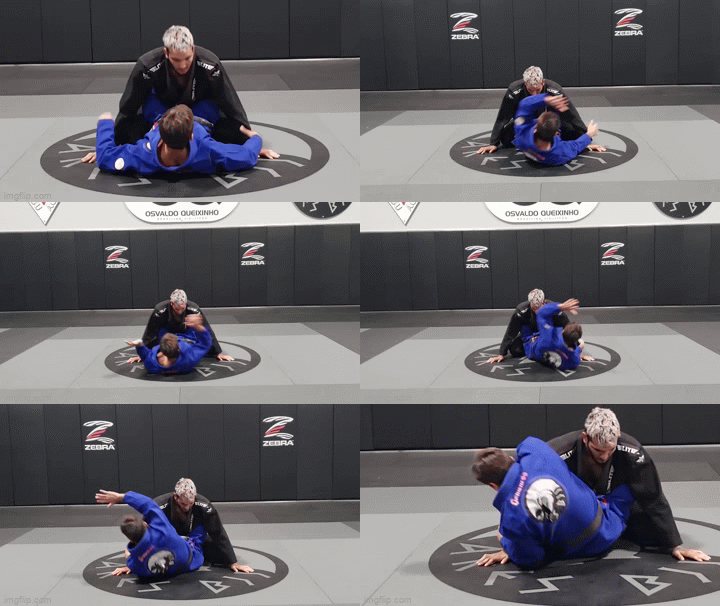 This is a pretty straightforward and simple BJJ drill. Your partner will have their arms on either side of your hips, while in your closed guard. Your task is to sit up while twisting, looking to establish a quick Kimura grip on one arm, before going back on the ground and preparing the same thing on the other side. The goal is to keep alternating sides without rest for an allotted period of time.
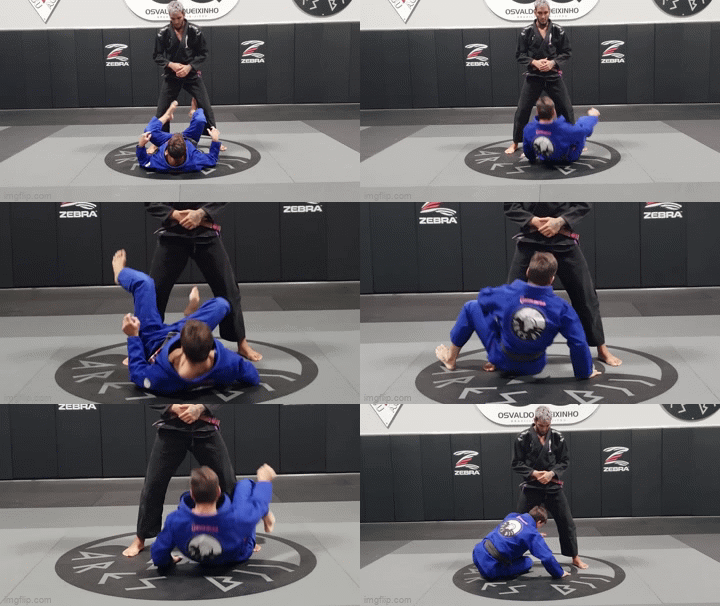 This is a highly interesting drill and that I doubt anyone will grow bored of. Basically, it involves you sitting up from open guard, and going straight into a koala sweep configuration with your legs, posting with the arm, and tightly gripping one of your opponent’s legs. It is a highly useful BJJ drill to develop coordination and speed in executing this sweep, ora follow up single leg takedown.
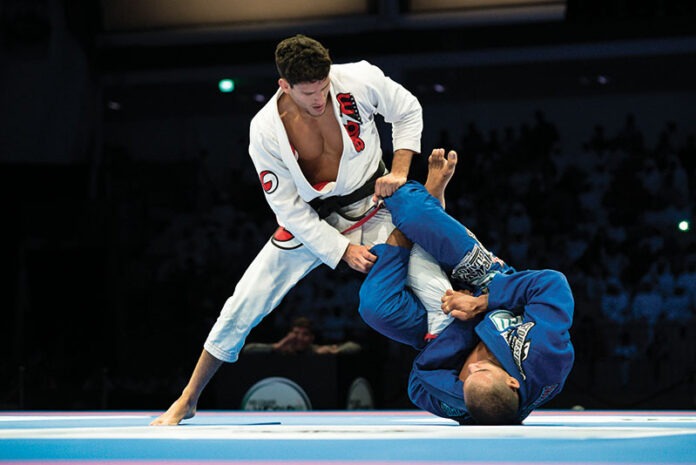
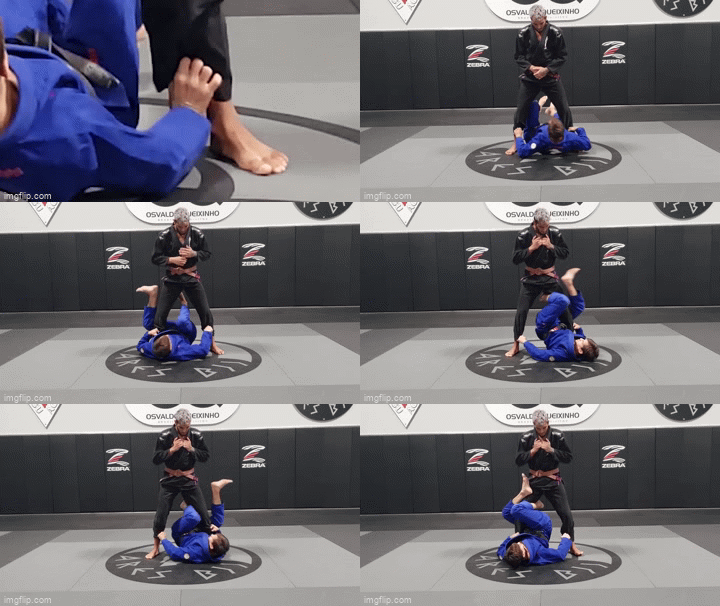 Leg locker or open guard player, this BJJ drill is a must! It is one of the core drills that even Danaher himself teaches to leg lockers. Your task is simple – get into an Ashi Garami from the bottom, against a standing partner (AKA
 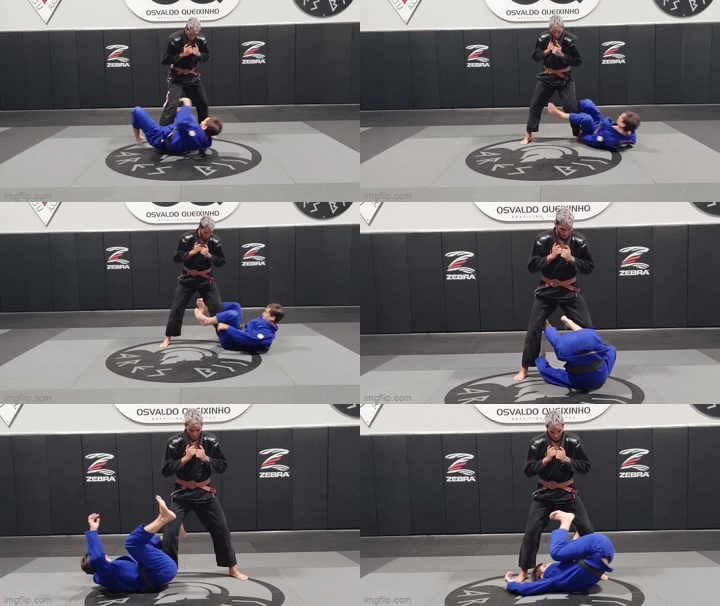 One for all the
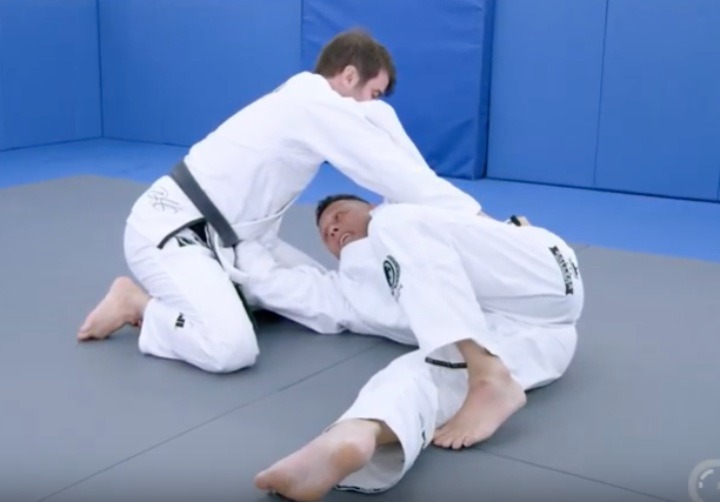
 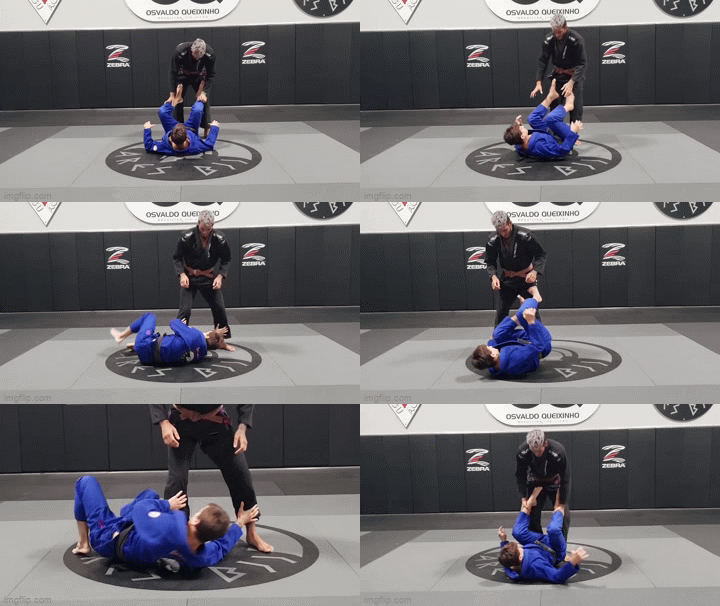 One of the movements you will do every time you step on the mats, guaranteed. As a bonus, this is a speed BJJ drill where your partner needs to actively engage as well, which makes it both fun and challenging. Your partner will be looking to drag both your ankles to one side, stepping to pass your guard. Yoru’s goal is to frame with the arms (an arm on each shin), shrimp away, and use your leg to recover open guard.
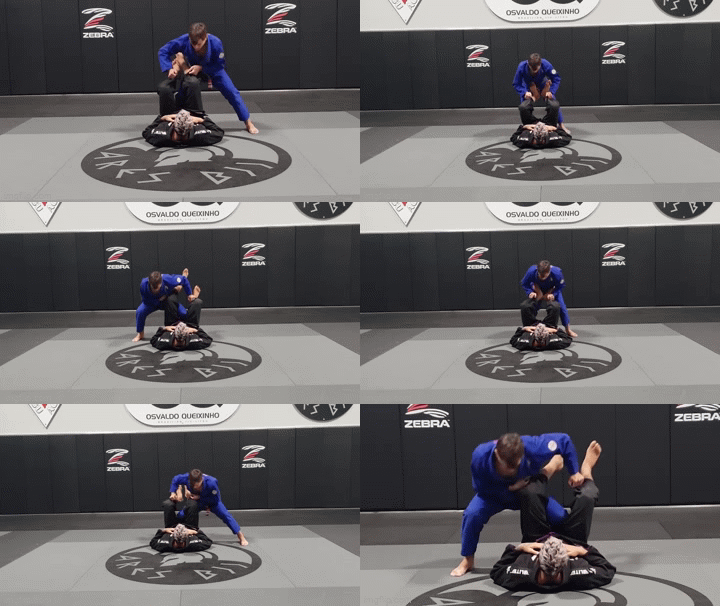 As far as speed drills in Jiu-Jitsu go, this one, along with the following BJJ drill are pretty much the “A” and “B” of drilling guard passes. Your opponent will be on their back, legs bend at the knees, and ankle raised off the ground. Your goal is to place strong grips on the Gi pants, mid-level at the shin, and use them to drag both legs to one side of your body, as you side step to the other. The word “speed” is actually imperative here and not just a description!
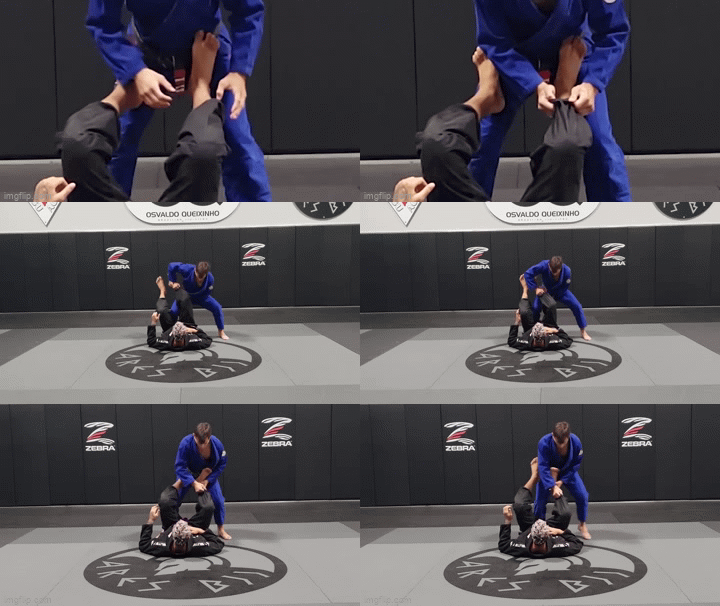 The single leg drag works pretty much like the double on, but you’re focusing on only one leg. This one is a bit more complex, and you should really master the double leg version first, in order to really make this one count. You will only be able to move to one side when doing repetitions, so plan that you will need double the time to cover both legs.
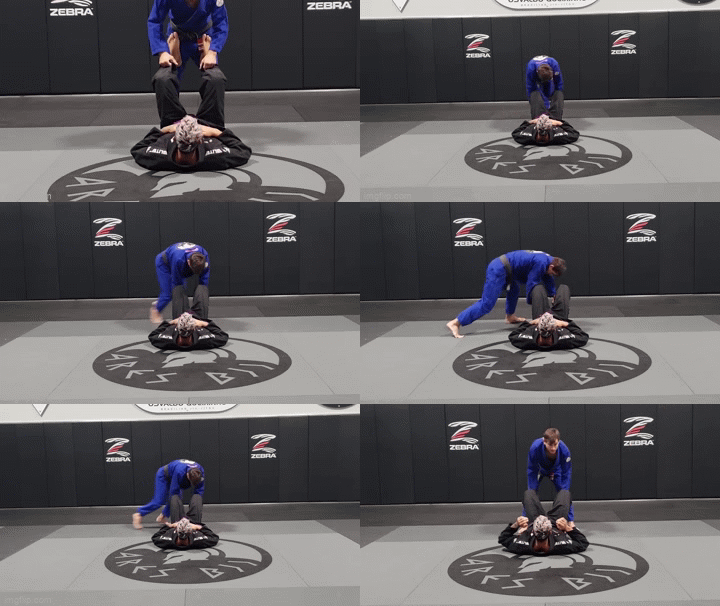 The Torreando pass is one of the most utilized passes in Brazilian Jiu-Jitsu. Not many people realize that it is the initial movement that pins both legs to the ground that makes or breaks this pass. that is precisely why the
 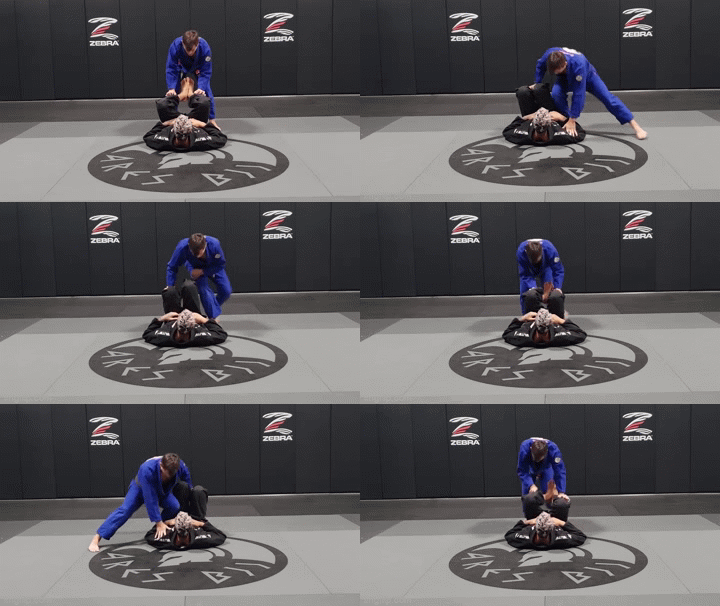 Another BJJ Drill that requires you to turn your brain on and can be challenging, thus making it interesting. The X pass requires you to do some funky side to side and then front footwork in order to get past the legs. The starting position is the same as the other drills above, and the ending position is knee-on-belly. A highly useful ability to develop with this drill si going backward from knee-on-belly so that you can switch to the other side and keep the drill flowing.
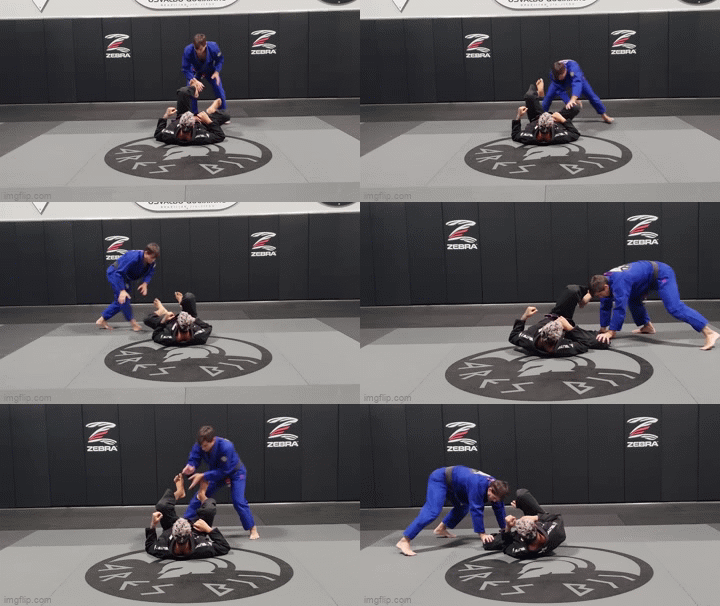 Simple is best, and that is true for both guard passing and setting drills up. In this case, you’re aiming to cross your handstand grip at ankle level and inside the knee. As you do, you will both pin the shin of your partner to the ground, and pivot your body to the side to get a passing angle. Basically, this is an application of the monkey solo BJJ drill.
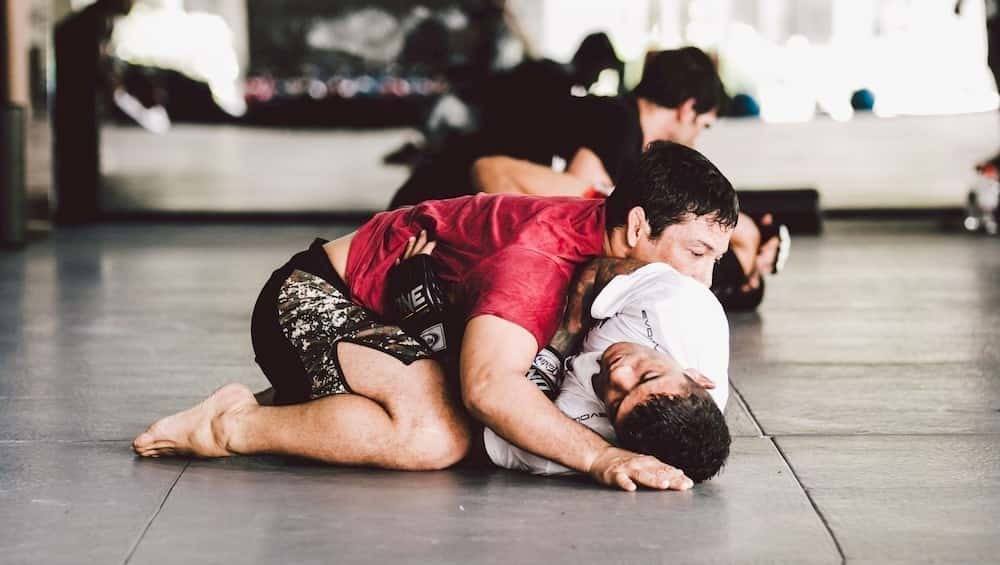
 One of the hardest things about side control top is staying in control. For this drill, you start in top-side control, and your partner will turn into you looking to underhook you with their far arm. Your task is to sue their movement to switch sides. First up, you’ll press their head into the ground so that you block their initial movement. Then you use the same grip as a pivot point as you move your legs in a semi-circle over their head ending up in side control on the other side. Similar to the shrimp recovery drill, this one requires your partner to actively participate at all times.
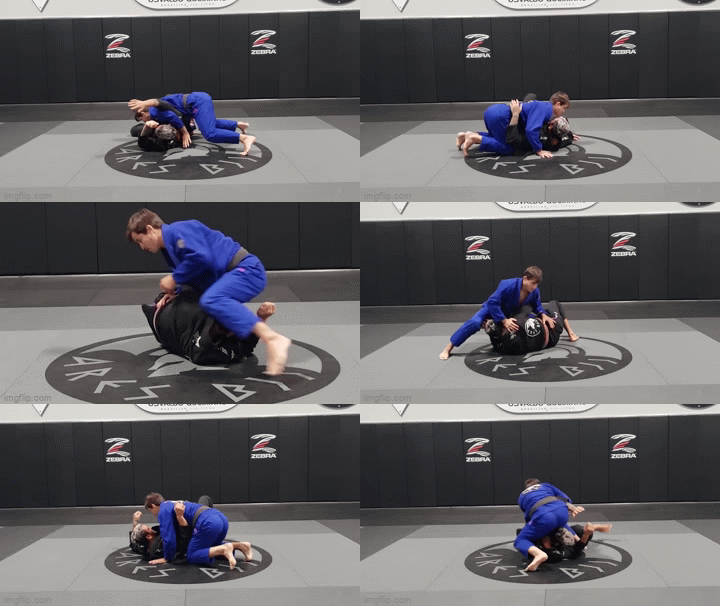 Very similar to the previous BJJ drill, only done from the knee-on-belly position. Your partner’s tas is to turn towards you, trying to push the knee of their belly. You will use that movement to step over their head, and use a backstepping motion with the other leg to end up behind them. As they turn to their back to avoid back control, you jump straight into knee on belly, and the drill can continue to flow.
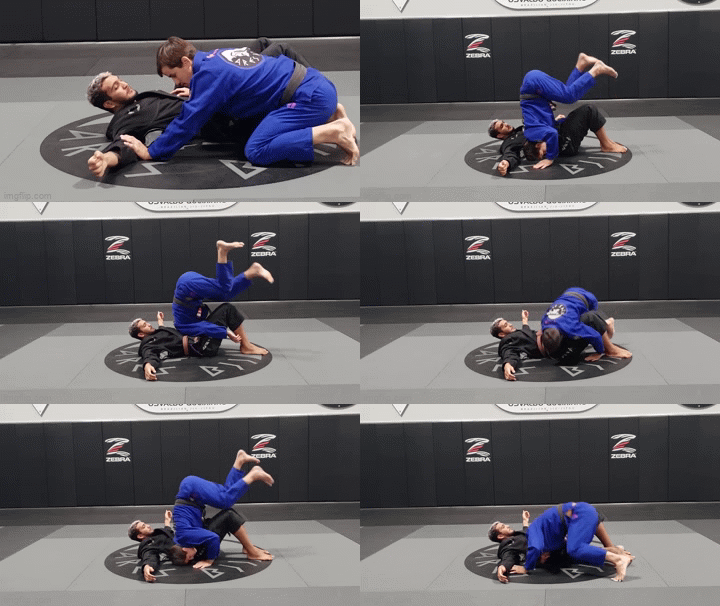 A very amusing and challenging BJJ drill to do, but an extremely useful one against people that are wizards at guard recovery. You star at one side of your partner’s hip. You will place the top of your head on the mats, using the near side arm to grip around the waist of your partner. Then you will balance on your head, skipping over with both legs on the opposite side. The head is going to follow so that you can drill in a flowing manner.