



Blue Belt in Six Months? Fabio Gurgel Defends Daniella Cicarelli’s Fast-Track Promotion

Blue Belt in Six Months? Fabio Gurgel Defends Daniella Cicarelli’s Fast-Track Promotion
  • Daniella Cicarelli receiving a blue belt in six months triggered a familiar Jiu-Jitsu argument: did she “earn it,” or was it celebrity privilege?
  • Fabio Gurgel says the Daniella Cicarelli blue belt promotion followed Alliance’s system: heavy training volume, 150 classes, and a passed belt exam.
  • Gurgel’s bigger point is about scale: large academies can’t run promotions purely on “coach feel,” so they track benchmarks.
  • The backlash isn’t just about one belt — it’s about what belts are supposed to represent in modern Jiu-Jitsu.

The Six-Month Promotion That Hit A Nerve

A blue belt in six months is the kind of phrase that instantly turns a normal Jiu-Jitsu week into a comment-section war.

That’s exactly what happened when Brazilian model and former MTV Brasil host Daniella Cicarelli was promoted to blue belt after roughly half a year on the mats.

What makes this one extra sticky is who’s attached to it: Fabio Gurgel, the longtime Alliance leader known as “The General.” In other words, this isn’t a random instructor tossing belts around in a strip-mall gym.

This is one of the most established coaching names in the sport standing behind a promotion that many practitioners still see as “too fast to be real.”

Blue Belt in Six Months: What Gurgel Says Actually Happened

Gurgel’s defense wasn’t vague, and it wasn’t sentimental. He framed Cicarelli’s promotion as a product of volume, structure, and a measurable pathway — not fame.

There was this case with Daniella Cicarelli, who started doing four classes per day. She practically lived at the academy, doing private and group classes. She completed 150 classes, which is what Alliance determines for you to take the belt exam. She took the Alliance belt exam, aced it, and was promoted.
– Fabio Gurgel –

That explanation matters because it draws a hard line between two different arguments people love to mix together:

  • “Six months is too fast.”
  • “Six months is too fast unless you trained an absurd amount and passed the same hurdles everyone else has to pass.”

Gurgel is essentially saying the second one applies here — that the calendar is misleading if the training volume is extreme.

If someone trains four times a day, the “six months” headline can mask what is effectively a year (or more) of mat time compared to the average recreational student.

And he didn’t stop there. He pointed to a bigger issue: once an academy gets large enough, belt promotion standards don’t just become a coaching philosophy — they become an operational problem.

Alliance’s Promotion System: Standardization vs “Coach Feel”

At smaller gyms, belts are often personal. Coaches watch you roll, feel your timing improve, see how you behave under pressure, and make a call.

In big teams, that model breaks down fast — not because coaches don’t care, but because there are simply too many students to track closely with the human brain alone.

Gurgel argued that people complain about “systematizing” promotions… until the gym has a mass graduation day.

People criticize this, but they don’t criticize when at the end of the year you have 80 people who get promoted at the same time. Are you telling me that 80 people who were promoted there all trained dedicated and learned the techniques they should have learned? Impossible.
– Fabio Gurgel –

That’s the real crux. A system based on attendance benchmarks and testing isn’t just about “handing out belts.” It’s about preventing the opposite problem too: promotions becoming random, political, or dependent on whether the coach happened to see your best rounds.

You can disagree with the model — plenty of people do — but Gurgel’s point is coherent: if the team is huge, you either build a trackable process, or you accept that standards will drift in a different direction.

Daniella Cicarelli’s Fast-Track Blue Belt Promotion

Daniella Cicarelli’s Blue Belt: The “Celebrity Factor” Question

The hardest part for any coach in this situation isn’t the exam or the class count. It’s credibility management.

If a high-profile person gets a belt quickly, many practitioners will assume the worst — even if the promotion followed the same checklist everyone else has. That suspicion isn’t always fair, but it’s predictable. Belts are symbols, and symbols get guarded.

Cicarelli, for her part, framed the moment as an intense six-month sprint rather than a casual hobby milestone. She also referenced Gurgel directly — not as a “celebrity coach flex,” but as the person who nudged her into training in the first place.

I started Jiu-Jitsu after a conversation with the General @fabiogurgel and since then, I fell more in love each day. I intensified training, dedication and thoughts, and today I climbed the first step of the ladder I chose to follow.
– Daniella Cicarelli –

She also credited instructors Ree Bueno and Luizinho Ramos for guiding her through the process, and described the promotion as something she had been focused on daily.

Today was the day I trained, prepared, studied, dreamed, and visualized intensely for the last six months. No pressure, no diamonds.
– Daniella Cicarelli –

Whether you buy it or not, that language is important: she’s not selling “I’m naturally gifted.” She’s selling “I outworked the timeline.”

Should Belts Be Time-Based, Skill-Based, Or Attendance-Based?

First, it’s the first major milestone in Jiu-Jitsu — the moment many students stop feeling like total beginners and start believing they belong. Coaches often talk about it as a make-or-break stage, not just a rank.

Second, modern Jiu-Jitsu isn’t one thing anymore. Some people train like competitors. Some train like hobbyists. Some train twice a day, plus privates. Some train twice a week and still love the art. Trying to force one universal timeline across all of that is how you get constant belt outrage.

Gurgel has even described blue belt promotions as one of the best moments a coach gets to experience — which makes the backlash feel more personal to some instructors.

I’ve probably graduated a few hundred, maybe thousands of blue belts in my life. But, I have to confess that it’s one of the coolest feelings a coach can experience.
– Fabio Gurgel –

At the end of the day, this isn’t just about whether Daniella Cicarelli “deserved” a blue belt. It’s about whether the community is willing to accept a reality where a blue belt in six months can happen — if the person’s mat time, testing, and performance match the rank — even when the person receiving it is famous enough to make everyone suspicious.
The J Lock Jakob Müller DVD Review [2026]

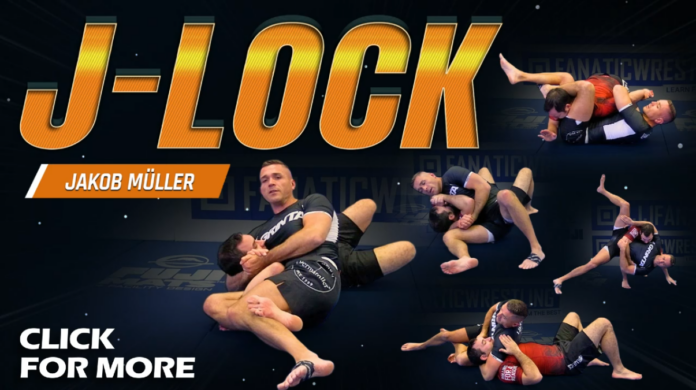
The J Lock Jakob Müller DVD Review
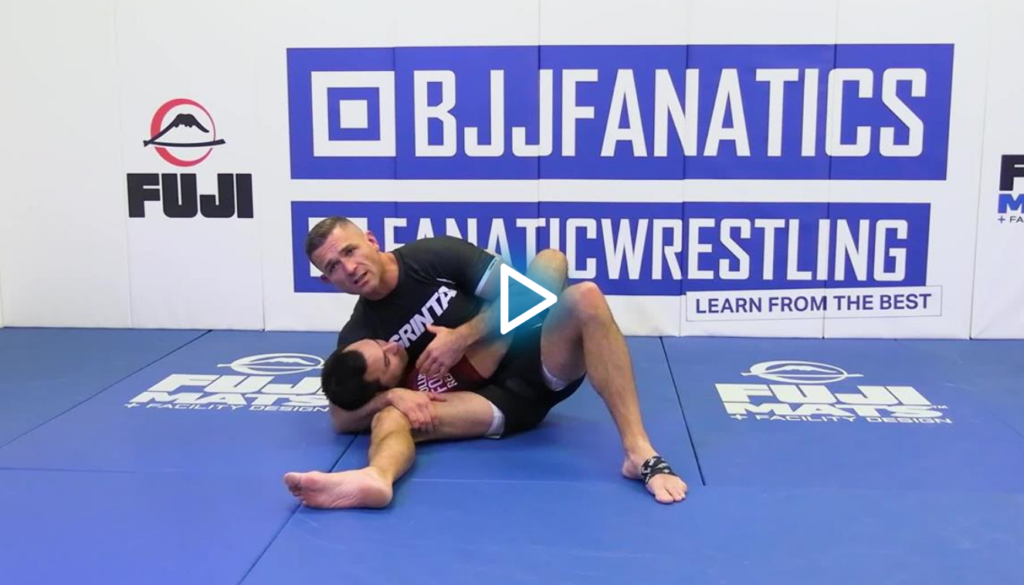
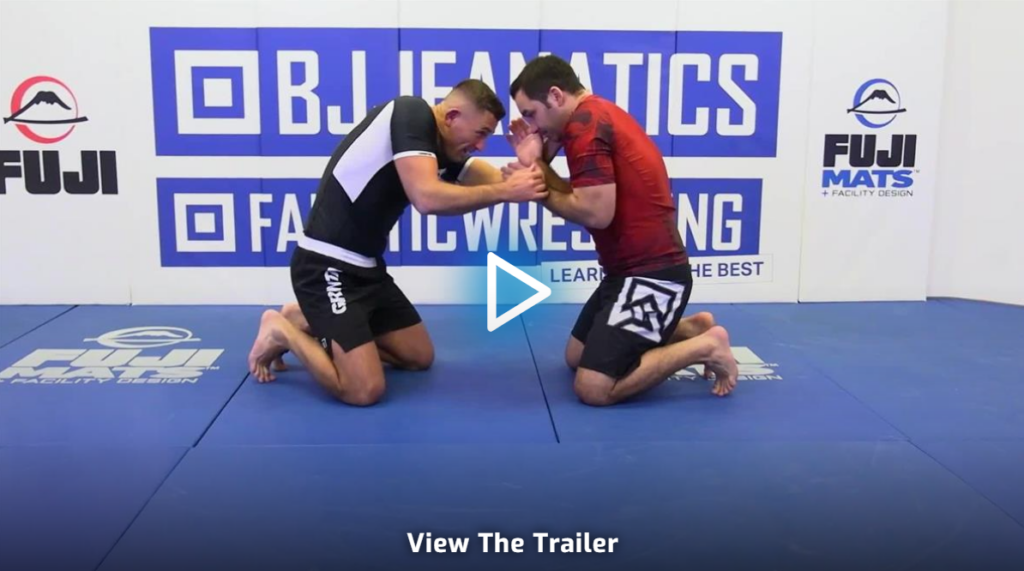
  • https://bjj-world.com/best-americana-arm-lock/A concise, mechanics-first No-Gi shoulder lock instructional built around a sneaky Americana-style finish that’s designed to feel “obvious” once you see the angle.
  • Heavily anchored in Kesa Gatame (scarf hold)—with clear coverage of how opponents typically roll, frame, or hide the arm to survive.
  • Practical entries beyond top control, including setups from bottom, guard-to-Kesa transitions, half guard, and even takedown-to-Kesa sequences.
  • Includes “how not to” details—especially around applying the finish cleanly (and not forcing yourself into bad positions or rules trouble).
  • Rating: 8/10

DOWNLOAD HERE: The J Lock Jakob Müller DVD

If you’ve been around the mats (or the internet) long enough, you’ve probably seen someone get caught with a shoulder lock that looks like an Americana… until the finish lands at a weird, uncomfortable angle and the tap comes fast. That’s the lane The J Lock Jakob Müller DVD lives in: not a sprawling submission encyclopedia, but a tight, targeted blueprint for one specific weapon—and the situations where it keeps showing up.

What makes this kind of instructional interesting isn’t just the move. It’s the promise of repeatability. Plenty of flashy submissions look great when the opponent is already doomed. What grapplers actually want is something that works when the other person knows what’s coming, clamps everything down, and starts doing the classic “nope” reactions—rolling, locking hands, tucking the elbow, and turning the escape into a scramble.

The J Lock Jakob Müller DVD is short by modern standards, but it’s also refreshingly direct. It leans into the reality that most people don’t need twenty variations—they need the handful of details that turn an “almost” into a tap, plus the counters to the first line of defense.

Why Aren’t You Doing More Americanas?

Americana-style locks are a paradox in Jiu-Jitsu. Everyone learns them early, everyone thinks they understand them, and then everyone gets confused when they stop working against decent opponents. The reason is simple: a traditional Americana tends to be loud.

The alignment is readable, the finish often demands a stable pin, and the defender has plenty of familiar survival habits—hand-to-hand defense, elbow tightness, bridge-and-roll timing, and turning the shoulder to change the pressure.

That’s why the concept behind The J Lock Jakob Müller DVD makes sense in today’s game. Modern grappling is full of micro-scrambles from pins—especially from scarf hold and transitional side control. A submission that plugs into those moments, without needing a perfect mount or a slow setup, is exactly the kind of tool that spreads quickly.

One more note for real-world training: shoulder locks are “quietly dangerous.” People often don’t feel pain until the joint is already compromised. Any system that emphasizes mechanics over muscle is great… but it also means you should apply it with control, especially in the gym.

Jakob Müller – An Unknown Grappler on the Rise

Jakob Müller is a purple belt, credited with popularizing the J Lock submission, and the instructional positions him as the person who can explain why it works—not just how it looks in a highlight clip. In that sense, The J Lock Jakob Müller DVD is less about “here are 50 submissions” and more about “here’s the exact mechanical idea that made this particular lock spread.”

The credibility claim being made is practical: the move went viral because it’s catching people, and Müller is teaching the details that make it consistently finishable—plus the common reactions that show up once training partners start hunting for the escape.

Full J Lock Jakob Müller DVD Review

The J Lock Jakob Müller DVD is organized into two volumes, and it stays tightly focused on the submission, the Kesa Gatame hub it often appears from, and the most common pathways into the position (top, bottom, and transitional entries). It’s a compact watch, which actually helps: the structure feels like “learn it, troubleshoot it, then learn how to reach it from more places.”

Volume 1 – Kesa Gatame Attacks

Volume 1 is essentially the home base for the system, and it’s very scarf-hold-centric. The early sections establish the position and the scoring/control context (including a segment labeled around Kesa 5 Points), then move quickly into what always happens once you threaten a shoulder lock from a tight pin: the defender starts turning, rolling, and trying to rotate out of the pressure.

This volume is valuable because it doesn’t pretend the finish lives in a vacuum. There are dedicated pieces on counters, preventing the rollover, and then a specific section on how to actually get the arm—which matters because scarf hold often gives you control without the exact arm isolation you need.

There’s also an interesting nod to rule-set reality, which is the kind of detail a lot of instructionals skip (and a lot of competitors learn the hard way). The back half rounds out with defense and counters to the defense, keeping the “if they do X, do Y” logic clear.

Volume 2 – Bottom Traps & Flying Setups

Volume 2 expands the system outward, and it’s the part that makes The J Lock Jakob Müller DVD feel more like a plug-in weapon than a one-position trick. It starts with the lock from bottom, then addresses a rolling counter—basically acknowledging that once your opponent realizes what’s happening, the scramble responses are going to show up fast.

After that, the instructional spends real time on how to arrive in Kesa from different phases: kneeling situations, standing takedown entries into Kesa, guard break-to-Kesa, and half guard-to-Kesa. The volume also includes a Flying J Lock segment and a section focused on fighting for the arm in the in-between moments—exactly where people tend to lose the opportunity if their pin isn’t fully settled.

A final stretch labeled like a private-lesson style segment (with detailed instruction from top and bottom) helps reinforce the mechanics in a more coached, troubleshooting format. It’s a nice way to close: instead of adding random variations, it doubles down on making the core idea sharper.

You Have the Positions – Add the Submission

The biggest mistake people make with any trending submission is trying to bolt it onto their game at full speed. With The J Lock Jakob Müller DVD, the smarter path is to treat it like a small system you can pressure-test in layers:

Start from the position, not the entry. Begin in Kesa Gatame with a cooperative partner and focus on the arm acquisition and finishing alignment. Your goal is to understand the “feel” of correct mechanics—where your leverage comes from, and what makes the finish clean instead of forced.

Add the first defensive reaction. Once you can hit it slowly, have your partner do the most common survival pattern (rolling/turning/connecting hands), and work through the “prevent the rollover” and counter logic. This is where the instructional’s shortness is actually a plus: you’re not trying to remember a library—just the main problems.

Only then add entries. Volume 2 gives multiple routes into Kesa, and you’ll get more out of them once you know you can finish when you arrive. Pick one entry that matches your current game (guard break-to-Kesa, half guard-to-Kesa, or takedown-to-Kesa) and run it as positional rounds.

If you do it this way, The J Lock Jakob Müller DVD becomes a functional training plan for 2–4 weeks: a focused submission study that won’t hijack your entire development, but will still give you a weapon that shows up naturally during pin transitions.

The J Lock Jakob Müller DVD DOWNLOAD HERE

Who Is This For?

The J Lock Jakob Müller DVD is best for white belts to blue belts who want a simple, reliable submission idea tied to a pin they’ll encounter often (especially if their top game is improving). Upper belts who already have decent pin control and want a “sneaky” finish that doesn’t require a long setup will pick a few tricks too.

Maybe skip it if you’re a grapplers who never play Kesa Gatame and don’t plan to (you can still use the entries, but the core hub is clearly scarf hold). It’s also not the best fit for people looking for a broad shoulder-lock curriculum across many positions—this is a focused system, not an Americana encyclopedia.

Pros & Potential Drawbacks

Pros

  • Tight focus, minimal fluff: It stays on one submission family and the real reactions that stop it.
  • Strong Kesa Gatame integration: Clear emphasis on pin control, rollover prevention, and arm acquisition.
  • Entries aren’t an afterthought: Bottom, guard-to-Kesa, half guard-to-Kesa, and takedown-to-Kesa sequences make it practical.
  • Rule-awareness baked in: The “don’t get disqualified” style content is the kind of detail competitors appreciate.
  • Troubleshooting emphasis: The later detailed/coaching-style segments reinforce mechanics instead of piling on random variants.

Potential Drawbacks

  • Narrow scope by design: If you don’t want to invest in a scarf hold submission system and its transitions, the value drops.
  • Not a long-form course: Some grapplers prefer deeper, multi-hour systems; this is compact and to the point.
  • Requires responsible training partners: Shoulder locks can escalate quickly—mechanical efficiency cuts both ways.

J-Locking Fools

There’s a reason the J Lock concept spread fast: it lives in a familiar framework (Americana-style control) but uses a deceptive angle that people don’t immediately recognize until it’s too late. The J Lock Jakob Müller DVD does a good job of taking that viral moment and turning it into something you can actually train—especially by anchoring the finish in scarf hold, addressing the common reactions, and then showing multiple ways to enter the position rather than pretending the lock happens by magic.

For a compact instructional, it delivers a lot of practical “this is what will go wrong, and here’s what to do” value. If you’re willing to build a little Kesa Gatame competence and you like submissions that arrive during transitions, The J Lock Jakob Müller DVD is a smart add—and at 8/10, it earns its score by being useful, direct, and easy to integrate without turning your whole game upside down.

Gordon Ryan $20K Lifetime Kingsway Membership: 5-Spot Offer Ignites a BJJ Firestorm

Gordon Ryan $20K Lifetime Kingsway Membership: Kingsway’s 5-Spot Offer Ignites a BJJ Firestorm
  • Gordon Ryan $20k lifetime Kingsway membership is being sold in Austin: 5 total spots, available through Jan. 31.
  • The numbers can work (especially if you’re already paying top-tier monthly dues), but “lifetime” + a gym that opened in 2025 is why the community is split.
  • Ryan is reported to have hinted at a clause that refunds the fee minus months used (using $400/month as the reference).

The Offer: $20K, Five People, and a Deadline

The pitch is simple and intentionally provocative: Gordon Ryan $20,000 lifetime membership—five available, first come first served, and the clock stops at the end of January. Kingsway Jiu-Jitsu is selling five lifetime passes for $20,000 each, and interested buyers are directed to contact the gym/admin directly.

This is also where the copy does its real job. It’s not trying to sell casuals. It’s calling out the “I’m here for the long haul” crowd—black belt chasers, serious competitors, and the kind of student who measures time in training years, not in seasonal motivation.

That’s why the Gordon Ryan $20k lifetime Kingsway membership isn’t presented like a discount—it’s presented like a commitment test.

To make the framing crystal clear, the promo language (as reported) basically argues: if you’re going to be in Austin and training for years at the academy, the math should favor you.

“If you plan on staying in Austin… for more than 4 years… this investment probably makes sense…”

And yes, it’s also a $20,000 jiu-jitsu membership, which is exactly why it spread instantly—because no matter how elite the room is, the sticker shock is headline fuel.

Why the Gordon Ryan $20k Lifetime Kingsway Membership isn’t Automatically Crazy

Here’s the part that makes people pause before they roast it: monthly dues at Kingsway are not local hobby gym pricing.

According to the gym’s own membership page, Kingsway Jiu-Jitsu pricing includes $350/month for 3x/week for adults, and it also lists $400/month for unlimited classes.
Kingsway Jiu-Jitsu

So the break-even depends on what membership you compare it to:

  • If you’re paying $400/month, the Gordon Ryan $20k lifetime Kingsway membership breaks even at 50 months (a little over 4 years).
  • If you’re paying $350/month, it’s about 57 months (just under 5 years).

That’s why the deal has defenders. If you genuinely believe you’ll be training there for 8–10 years, Gordon Ryan $20k lifetime Kingsway membership can look like front-loading a cost you were going to pay anyway—just without the monthly friction.

And it’s not only about dollars. It’s also the implied access: training environment, coaching ecosystem, and the social proof of being “one of five.” That scarcity is the marketing engine.

Why “Lifetime” Triggers People in Grappling

Now the other side—also valid—comes down to one word: lifetime.

The biggest objection is immediately clear: Kingsway opened in 2025, meaning it’s a relatively new operation selling a product that assumes long-term stability.

That’s why the Gordon Ryan $20k lifetime Kingsway membership turns into a trust discussion fast. Jiu-jitsu gyms relocate. Leases end. Owners burn out. Brands retool. Even successful competitors aren’t automatically great long-term operators. So when people hear “lifetime,” they don’t imagine a decade of training—they imagine all the ways a promise can become a headache.

On Reddit, the vibe is blunt: the math might be fine, but nobody can guarantee what “lifetime” actually means in a sport built on constant change.

“Will they still be there in 5 years? No one can say.”
– Reddit comment –

That skepticism is exactly why this BJJ lifetime membership deal became a debate instead of a simple promo announcement.

The Safety-Net Claim: Refunds (Minus Months Used)

This is the detail that matters most for converting skeptics: what happens if the gym closes?

Gordon Ryan responded in comments by implying there’s a protective clause—if Kingsway shuts down, buyers would be refunded, but adjusted for the time they already used at a monthly rate.

“We would… refund… minus how many months it’s been active… assuming… 400 a month.”

If that language is truly in the contract (and enforceable), it reframes the Gordon Ryan $20k lifetime Kingsway membership as less of a leap of faith and more like a prepay with an unwind mechanism.

But if it’s not clearly written—if it’s vague, discretionary, or loaded with conditions—then the word “lifetime” stays radioactive.

Gordon Ryan $20K Lifetime Kingsway Membership

The Real Question People Should Ask Before Buying

Strip away the memes and the tribal takes, and the decision point is practical:

If you’re considering Gordon Ryan $20k lifetime Kingsway membership, you’re not really buying “training forever.” You’re buying a set of promises—about access, continuity, and what happens if the situation changes.

Before anyone wires money, the buyer should want clear answers in writing:

  • Is the membership transferable?
  • What counts as “closure” (new name, new location, new ownership)?
  • What happens if key coaches stop teaching regularly?
  • Are there limitations (class caps, schedule changes, policy changes)?

Because if the paperwork is solid, Gordon Ryan $20k lifetime Kingsway membership could be a bold, high-commitment play that saves money for the rare athlete who truly stays put for years.

If the paperwork is fuzzy, then it’s just an expensive bet—on a business, a brand, and a future nobody can predict.

Either way, it did exactly what it was built to do: make the grappling world argue.

Semen Retention for Grappling Performance? BJJ Black Belt Days a 183-Day Streak Gave Him “Boundless Energy”

Semen Retention for Grappling Performance? BJJ Black Belt Days a 183-Day Streak Gave Him “Boundless Energy”
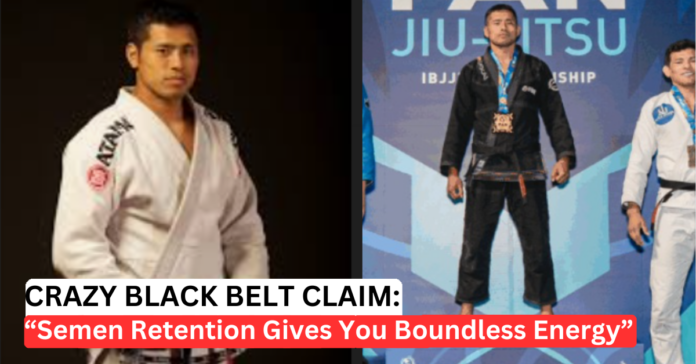
  • A BJJ black belt says semen retention for grappling performance was a game-changer during a 183-day streak leading into Masters competition.
  • Nakapan Phungephorn claims it boosted his stamina, improved in-match decision-making, and spilled over into stricter lifestyle habits.
  • The clip sparked a predictable mix of praise, ridicule, and “yeah… but did you win?” reactions.
  • His credentials (IBJJF Masters World Championships, long competitive résumé, academy owner) are a big reason the debate hit harder than usual.

What Nakapan Phungephorn Actually Said

Jiu-Jitsu has always been a magnet for unconventional training methods — but even by grappler standards, this one landed like a flying knee in the comment section.

Nakapan Phungephorn, a veteran black belt and Masters competitor, posted a video explaining that he went 183 days without “spilling” as part of his preparation — and he’s convinced it helped him on the mats. The conversation quickly became less about whether people found it weird, and more about whether semen retention for grappling performance is a real edge or just a mental trick with better marketing.

I retained my seed, didn’t spill my seed for six months
– Nakapan Phungephorn –

Phungephorn framed it as a deliberate experiment: a long streak of celibacy/abstinence that he says changed the way he felt in training, in competition, and even in his day-to-day discipline.

Semen Retention for Grappling Performance: The Three Benefits He Claims

Phungephorn didn’t present it as mystical. He presented it like a training camp variable — something he tested, tracked, and then reported back on.

1) “Boundless energy” and more total training hours.
His first claim was simple: he felt like his gas tank got bigger, and his ability to stack sessions improved.

Number one, I had boundless energy. I could train hours in a day… But now I could train for two, three, four hours a day
– Nakapan Phungephorn –

He described being able to hit strength and conditioning earlier in the day and still come back for Jiu-Jitsu at night — while also acknowledging that age still forces smarter recovery decisions.

2) Better decision-making in the middle of matches.
The second benefit he named wasn’t physical; it was competitive clarity.

When I was actually in the tournament during my matches, I felt that I could make micro-adjustments right in the middle of the match
– Nakapan Phungephorn –

That “micro-adjustment” idea is something grapplers recognize immediately: the difference between being stuck in a plan and being able to steer the match as it unfolds.

3) Discipline “spillover” into other habits.
The third benefit is the one that might make the most sense to skeptics: once you’re doing something hard every day, other “hard” decisions get easier.

It has given me other areas in my life where I’ve actually been able to exert discipline over, like cutting down sugar, getting rid of caffeine
– Nakapan Phungephorn –

In other words, even if you don’t buy the physiological angle of semen retention for grappling performance, you can still see how the structure of the commitment could tighten up sleep, food choices, recovery habits, and overall consistency — all of which absolutely matter in Jiu-Jitsu.

Why This Blew Up In The BJJ World

If a random hobbyist said “this boosted my performance,” the internet would shrug and scroll. This hit differently because Phungephorn isn’t some anonymous belt-testing story.

The clip spread fast and triggered the full range of grappling reactions: respect for discipline, jokes about oversharing, and a chorus of practical questions about what exactly the “rules” of the streak were.

One of the most common themes was basically: Cool story… how did you do at Masters? Phungephorn didn’t answer that in the video itself, which only poured gasoline on the curiosity.

It also tapped into something the sport can’t stop doing: hunting for the “one weird thing” that makes training click.

Whether it’s breathwork, cold plunges, carnivore dieting, sauna protocols, or sleep trackers, grapplers love the idea that the next performance leap is hiding in lifestyle details — and semen retention for grappling performance is about as polarizing a lifestyle detail as you can post publicly.

Who He Is And Why Some People Took It Seriously

Phungephorn is the founder of BETA Academy in Washington, DC, and he’s been a notable name on the North American grappling circuit for years. He is a Pedro Sauer black belt, and he’s competed across multiple eras of the sport — including the Grapplers Quest scene, which shaped a lot of the early 2000s U.S. competitive landscape.

He’s also logged legitimate Masters accomplishments in No-Gi competition, which matters here because it frames the video as something closer to a camp reflection than a random internet challenge.

That context doesn’t prove the semen retention for grappling performance claim, but it explains why the debate didn’t die in an hour. People are more willing to entertain a controversial idea when it comes from someone with real mat time, real competition reps, and a track record of building a functional academy.

Will everyone start running a 183-day streak? Probably not. But will “retention” keep showing up as the next hot talking point in gym locker rooms and training group chats? That’s already happening.

Leg Lock Specialist vs Legless Wrestler: Valter Walker vs Zion Clark Set For Karate Combat 59

Leg Lock Specialist vs Legless Wrestler: Valter Walker vs Zion Clark Set For Karate Combat 59
  • UFC heavyweight Valter Walker will compete in a grappling match against wrestler Zion Clark at Karate Combat 59 on Feb. 13 in Doral, Florida.
  • Walker has built a reputation around heel hooks in the UFC, but Clark was born without legs—making Walker’s signature attack impossible in the usual way.
  • The leg lock specialist vs legless wrestler bout is scheduled for Karate Combat’s Pit Submission series at Univision Studios.
  • Walker is coming off a fibula fracture suffered in his most recent UFC win, and this booking keeps him active while he continues his recovery.
  • Some matchups are intriguing because the skills overlap. This one is intriguing because the overlap disappears.

On Feb. 13, Karate Combat 59 will feature Valter Walker and Zion Clark in a grappling bout that’s already being framed as a must-click spectacle. The hook is obvious: Leg lock specialist vs legless wrestler, in a submission match, inside Karate Combat’s pit.

The MOST VIRAL GRAPPLING MATCH IN HISTORY!
– Karate Combat –

Leg Lock Specialist vs Legless Wrestler: The Matchup That Erases Walker’s Best Weapon

Walker has become one of the UFC’s most unusual heavyweights because he keeps winning the same way: fast entries into heel hooks and even faster taps. At UFC 321, he finished Louie Sutherland in 84 seconds, extending a streak that’s made him synonymous with leg attacks at heavyweight.

That’s exactly why this pairing lands. Against Clark, the heel hook isn’t “harder to get to”—it’s functionally off the table. The question isn’t whether Walker can hit his A-game. It’s whether he can build a new A-game on short notice, against an opponent whose body type makes standard grappling assumptions unreliable.

Zion Clark’s Unusual Base Creates Real Grappling Problems

Clark’s story is well-known, but the competitive angle matters here: he comes from wrestling, and his entire movement system is built around upper-body control, hand-fighting, and balance that doesn’t look like a standing opponent’s balance.

In grappling terms, that can make common pathways—shooting underhooks, chasing hips, climbing to leg entanglements—feel like reaching for handles that aren’t there.

For a lot of athletes, “adaptation” is something they talk about in interviews. For Clark, it’s the baseline. Every exchange is already an adjustment, which is why a matchup like Leg lock specialist vs legless wrestler can be more technical than it looks from the headline.

Karate Combat 59 And The Pit Submission Spotlight

The bout is booked under the Pit Submission series at Karate Combat 59, taking place at Univision Studios in Doral, Florida.

The pit’s walls are part of the selling point: they keep action tight, stop scrambles from drifting out of bounds, and create pressure situations where an athlete can pin and drive without the usual resets.

That environment matters in a matchup this odd. If Walker can get chest-to-chest control, the walls may help him maintain it. If Clark forces movement and turns it into a scramble, the pit can also keep Walker in contact when he’d normally disengage and reset.

What “No Legs To Attack” Really Means Tactically

The obvious change is that Walker can’t threaten classic leg entanglements. But the ripple effects are bigger: guard passing, positional control, and even “safe” transitions all look different when an opponent isn’t framing with shins, hooking with feet, or re-guarding in the conventional way.

For Walker, that likely means winning with shoulder pressure and head position rather than knee-line control.

For Clark, it means turning every grip fight into an angle battle, where his upper-body mobility and wrestling instincts can punish over-commitment from top position.

In other words, Leg lock specialist vs legless wrestler isn’t just a meme setup. It’s a real rules-and-geometry problem, and someone’s habits are going to get exposed.

If Walker Can’t Heel Hook, He Still Has To Finish

Walker doesn’t need to “prove” he’s more than heel hooks—he needs to show it under bright lights. Upper-body submissions are the obvious pivot: guillotines, head-and-arm chokes, kimura controls, and arm isolations that come from heavy top pressure rather than leg traps.

For Clark, the win condition is simpler: survive the early pressure, keep the match in motion, and force Walker to solve positions he doesn’t usually have to solve at UFC heavyweight speed.

Either way, the headline writes itself, but the outcome won’t. On Feb. 13, Leg lock specialist vs legless wrestler will answer a question fans almost never get to see tested: what happens when a specialist loses access to the very thing that made him a specialist?

Nathalia Santoro Arrest Video: Bodycam Shows DWI, Evading Police, And Weapons Allegations

Nathalia Santoro Arrest Video: Bodycam Shows DWI, Evading Police, And Weapons Allegations
  • Craig Jones posted newly surfaced bodycam footage of Nathalia Santoro’s arrest to the official B-Team Jiu-Jitsu YouTube channel.
  • Court documents describe a roughly 15-mile pursuit in Austin, Texas on October 16, 2025, with speeds reported above 120 mph.
  • The Nathalia Santoro arrest video shows a tense roadside stop, a field sobriety evaluation, and a confrontation during booking and a blood draw.
  • Santoro faces multiple charges tied to two October incidents, including alleged DWI, evading police with a vehicle, and weapons-related allegations.

A Nathalia Santoro Arrest Video has gone viral after being released by Craig Jones. The footage shows Santoro — a Jiu-Jitsu practitioner and Gordon Ryan’s spouse — being taken into custody following what authorities allege was a high-speed pursuit in Austin, Texas.

It’s a perfect storm for grappling social media: bodycam chaos, a Porsche SUV, and Jones dropping it into the timeline like a grenade.

How The Nathalia Santoro Arrest Video Landed On B-Team’s Channel

Jones releasing the Nathalia Santoro Arrest Video immediately made it bigger than a local arrest story. Jones and Ryan have competed before, but their modern rivalry has largely lived online — and Jones has always been at his most dangerous behind a keyboard and a “post” button.

Regardless of who uploaded it, the footage is tied to serious allegations laid out in Travis County court filings, along with a second incident days later.

What Police Say Happened In The 120mph Austin Pursuit

According to affidavits filed in Travis County, the October 16, 2025 incident began when an officer attempted to stop a green Porsche SUV driving without license plates in North Austin. Authorities say the vehicle failed to yield, leading to a pursuit of roughly 15 miles that reached speeds reported above 120 mph.

The Nathalia Santoro Arrest Video begins after officers use “low-speed interventions” to stop the SUV. Officers approach with weapons drawn and order Santoro out. Once she’s outside, she refuses to answer multiple questions and pushes back on the idea her driving was dangerous.

“It’s because I just like to drive fast.”
– Nathalia Santoro, in bodycam footage –

During the exchange, she references Jiu-Jitsu — first saying she was going to “train” before correcting herself to say she was going to “teach.” After a field sobriety evaluation, she is shown being taken into custody. The footage continues at the station during the booking process.

Nathalia Santoro Arrest Charges

The Charges, The Firearms Allegation, And The Second Crash

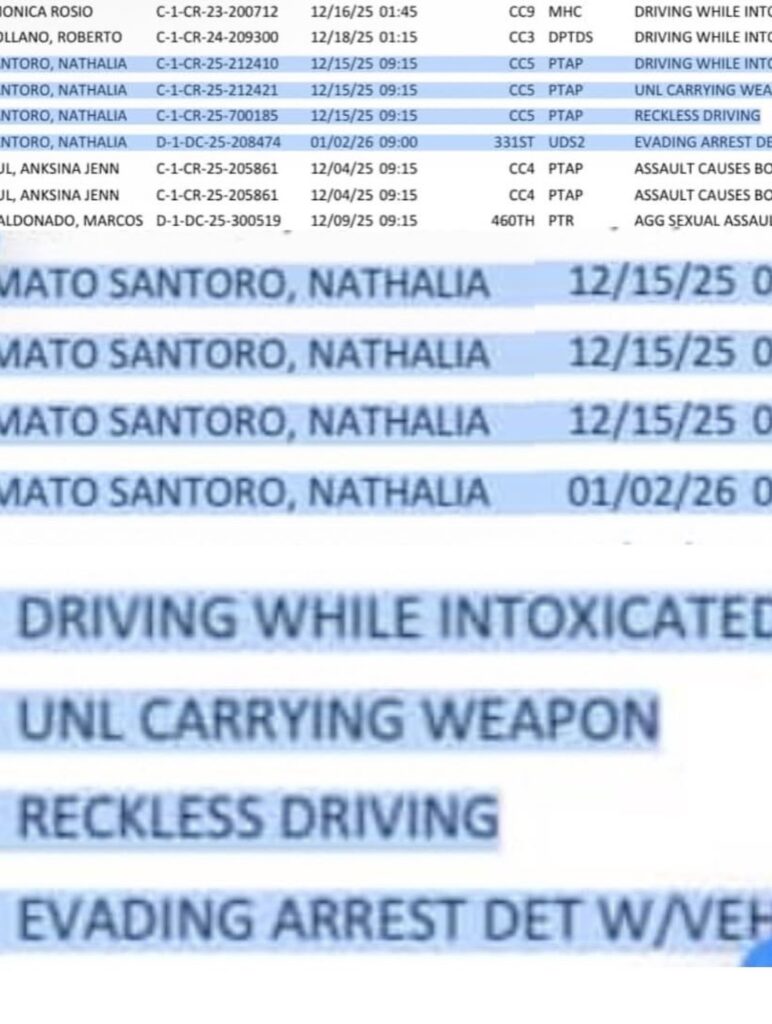
Court records tied to the October incidents list multiple charges against Santoro, including alleged driving while intoxicated (DWI), evading police with a vehicle, reckless driving, and unlawful carry of a weapon.

In the first incident, police reportedly found two loaded firearms with chambered rounds inside the vehicle.

Days later, a separate report describes an October 22 crash on FM 1826. Authorities say Santoro admitted she had been traveling around 90 mph in a 55 mph zone because “the roads were empty,” left the roadway on a bend, and struck a utility pole with enough force to snap it.

Bond was reportedly set at $3,000 for each case, and court records indicate she posted bond shortly after the first arrest. Those records also list conditions restricting her from driving without a valid license and insurance.

The Backlash Keeps Growing

The Nathalia Santoro Arrest Video keeps spreading because it doesn’t just show an arrest — it shows an escalation. During booking and a blood draw, Santoro is shown becoming increasingly agitated and making threatening remarks.

“You have 3 seconds until I like literally going to punch you in the face.”
– Nathalia Santoro, in bodycam footage –

The clip has also drawn heavy criticism over an offensive remark Santoro makes when asked about allergies, referencing gay people. That moment pushed the conversation beyond “BJJ drama” into a broader backlash about conduct and accountability.

Legally, the next steps hinge on how the cases move through the court process. Reporting tied to the court timeline indicates a pretrial appearance was scheduled for mid-December, with her lawyer appearing on her behalf while she traveled internationally.

Octopus Guard v2 Craig Jones DVD Review [2026]

Octopus Guard v2 Craig Jones DVD Review
  • Best for intermediate-to-advanced No-Gi players who keep running into strong, standing pressure passers and want a “sticky” guard that leads somewhere.
  • The system’s big promise is control without chaos: attach, off-balance, and steer opponents into back exposure, leg entries, or top position instead of scrambling for your life.
  • The strongest material is the emphasis on cleaner entries (from seated guard, knee shield, and failed shots) and on keeping connection when opponents try to disengage.
  • If you’re hoping for a quick “one move” guard, this isn’t it—Octopus Guard v2 is a web of grips, angles, and reactions that rewards reps and mat time.
  • Rating: 8.5/10

OCTOPUS GUARD V2 CRAIG JONES DVD DOWNLOAD HERE

The Octopus Guard has always had a certain reputation in No-Gi: it’s the guard you reach for when someone’s trying to turn passing into a weightlifting session. Octopus Guard v2 Craig Jones DVD is presented as an updated, modernized version of that idea—less about winning a single scramble, more about building an attachment-based guard that can reliably funnel a standing passer into the outcomes you actually want.

Craig’s pitch is simple: instead of fighting strength with strength, you learn to “stick,” tilt, and redirect until your opponent gives you a back take, a leg entanglement, or a clean path to come up on top. If you consistently lose offensive momentum the moment opponents stand and start smashing forward, this course is designed to give you a plan that keeps contact and creates predictable reactions.

Why is Everyone Talking About the Octopus Guard? 

At its core, the octopus concept is a connection guard. You’re not trying to keep someone at the end of your legs forever—you’re trying to attach your upper body to theirs in a way that steals their ability to freely rotate, retreat, and re-enter passing. That’s why a lot of people describe it as a reach-around guard: the goal is to lock in meaningful upper-body connection while you manipulate their hips and balance.

In modern No-Gi, that matters because good passers are trained to deny inside position, keep their legs safe, and disengage the second they feel danger. Attachment guards flip the script. When you can keep chest-to-hip contact and correct head/shoulder alignment, you can off-balance a standing passer even when they’re bigger and stronger.

The best versions of this style aren’t “random scrambles”—they’re funnels. If they square up, you tilt. If they back out, you follow and climb. If they overcommit forward, you redirect and come up. That’s the promise of Octopus Guard v2 Craig Jones DVD: fewer coin-flip exchanges, more repeatable sequences built on connection.

Does Craig Jones Really Need an Introduction?

Craig Jones is an Australian grappler and Brazilian Jiu-Jitsu black belt under Lachlan Giles, and he spent years working extensively with coach John Danaher during the Danaher Death Squad era before helping start B-Team in 2021.

Competitive accolades aside, Jones is known for turning modern No-Gi chaos into systems—especially from open guard and in the space between “guard” and “wrestling.” His achievements include an IBJJF World No-Gi title at purple belt (2015), two ADCC Trials wins, and ADCC silver medals in 2019 and 2022.

He also held multiple titles with Polaris, a format that consistently rewards grapplers who can solve problems in real time rather than rely on scripted sequences. That background matters here because Octopus Guard v2 Craig Jones DVD is positioned as a “control-first” guard: you’re trying to trap choices, dictate posture, and create reactions that open up high-percentage routes to the back, legs, or top.

Detailed Octopus Guard v2 Craig Jones DVD Review

The Craig Jones Octopus Guard DVD presents this as a comprehensive system optimized for modern No-Gi grappling, featuring improved entries from seated guard, knee shield, and failed shots; techniques to off-balance and “stick” to standing opponents; and transitions into back takes, leg entries, and top pressure. It also promises practical answers for opponents who disengage, sprawl, or shut down grips.

One caveat: the listing doesn’t provide a clear volume-by-volume chapter breakdown in text, so this review breaks the content down by the pillars highlighted in the description—because that’s also how most grapplers will actually build and apply the system on the mat.

Volume 1: Cleaner Entries

A lot of octopus material falls apart at the same point: getting into the position against a partner who doesn’t want to give you the angle. Starting from common situations—seated exchanges, knee shield battles, and the messy moment after a shot stalls—makes this feel grounded in real rounds.

The most useful idea here is treating “entry” as more than getting your arm around. Good octopus guard entries create immediate posture problems and threaten balance right away, so the passer can’t simply stand tall, peel grips, and back out. Craig’s siode control setup is a perfect example.

Octopus Guard v2 Craig Jones DVD also nudges you toward getting back up to your feet (no surprise there) using the same landmarks, the same shoulder line, the same head position as Jones previous work.

Volume 2: Getting on Top

This is the engine of the system: staying glued to the opponent without needing flexibility, inversions, or a perfect guard distance. The focus here is on the idea of attaching, tilting, and redirecting, which is exactly what makes octopus worth learning in the first place.

Practically, that “stickiness” comes from denying the passer clean hip rotation killing positions like reverse side control in the process. A few super slick Darce countersbring this part of the Octopus Guard v2 Craig Jones DVD to a close.

Volume 3: Darces & Buggy Chokes

The DVD builds on the Darce sitautions from the last volume, offering some Darce attacks in this one. Craig manages to connect the Buggy choke with the infamous Ghost Escape to Darce, giving a lot more credibility to both moves when used as a combo.

Buggy-wise, he offers several experimental options that even the Ruotolos haven’t found yet. Typical Craig stuff, unexpected and definitely out there, but effective nonetheless. Several more Darce counters feature in this part, before a single chapter on turtle both wraps this one up, and announces the next volume.

Volume 4: Turtle, Legs and Crucifix Attacks

Craig hits both the defensive and offensive aspects of the turtle game, entering from the octopus here. He definitely lifts up Eduardo Telles’ original work, offering some of his signature leg entries, but also introducing modern defensive turtle concepts, like that of Priit Mihkelson’s.

As for all you crucifix lovers out there (me included), the Crucifixed chapter offers an entire mini system boiled down into 10 minutes. If you’ve ever felt like your guard is all effort and no payoff, this “multiple outcomes” structure is one of the biggest practical upgrades.

Troubleshooting: Disengagement and Counter-Pressure

Connection guards live or die on one question: what happens when they try to leave? The description specifically calls out disengagement, sprawls, and grip-killing counters, which is exactly where most “cool guards” fall apart in sparring.

This troubleshooting angle is also what makes the system feel more advanced. It assumes you’re willing to make micro-adjustments and chain reactions, not just memorize a sweep. You’ll get more out of it if you’re comfortable thinking in sequences: if they back out, follow; if they sprawl, re-angle; if they shut down grips, switch your attachment line.

That’s why Octopus Guard v2 Craig Jones DVD will likely click fastest for grapplers who already like systems and funnels—because the “answers” are as important as the initial attacks.

GRAB NOW: THE OCTOPUS GUARD V2 CRAIG JONES DVD

Who Is This For?

This is primarily for No-Gi athletes who already have basic open guard competence and want a more controlling answer to standing passing. If you’re still at the stage where you’re regularly getting flattened and passed before you can build frames, you’ll probably get more immediate benefit from foundational guard survival first—then return to this once you can reliably stay in the fight.

The best fit is intermediate-to-advanced grapplers who end up in seated guard, knee shield, and half-shot scenarios and want an offensive plan from there, or prefer creating predictable reactions over gambling on athletic scrambles.

If you want a system that can work against bigger passers without requiring extreme flexibility or positional dominance, back exposure, and coming up on top more than chasing low-percentage submissions, then this instructional will help. Gi players can steal concepts, but the pacing and grip assumptions are clearly modern No-Gi.

Pros & Potential Drawbacks

Pros

  • Realistic entry points. Built around positions you actually hit in rounds (seated, knee shield, failed shots), not perfect setups.
  • Connection-first control. The system is designed to reduce chaos by forcing predictable reactions through attachment and off-balancing.
  • Multiple branches. Back, legs, or top pressure—so you’re not stuck with one “win condition.”
  • Energy-efficient approach. Tilt-and-redirect tends to scale well as you age or when you’re undersized.
  • Useful troubleshooting focus. It explicitly targets the exact counters that make most guards fail in hard sparring.

Potential Drawbacks

  • Not a beginner shortcut. You’ll need enough guard fundamentals to find entries safely and protect yourself during the attach phase.
  • Reps required. This is a system, not a trick—without drilling, it can feel slippery to apply.
  • Narrower (No-Gi) translation. If most of your mat time is in the Gi, you’ll need to adapt more details than usual.

Control Without Chaos

Octopus Guard v2 Craig Jones DVD is a modern, connection-based guard built for the exact kind of standing pressure passing that dominates No-Gi right now. The big strengths are the emphasis on entry realism, the “sticky” off-balancing loop, and the ability to branch into back exposure, leg entries, or coming up on top—without relying on speed or explosive athleticism.

Overall, I’d rate Octopus Guard v2 by Craig Jones as a strong, modern guard system with a clear upside for intermediate-to-advanced grapplers, and a manageable learning curve if you commit to the required reps.

The Art of The Wrist Lock Andre Galvao DVD Review [2026]

The Art of The Wrist Lock Andre Galvao DVD Review

Key Takeaways

  • Best for: blue belt and up (and coaches), especially top players who already live in mount/side control and want sneaky, safe finishes.
  • Big strength: wrist locks are taught as a system that connects to armbars, S-mount, kimuras, and chokes, not as random party tricks.
  • What’s inside: 4 volumes, just under 2.5 hours, with direct “from position → finish → transition” structure.
  • Potential downside: if you want lots of stand-up wrist lock entries or a massive troubleshooting library, this course is relatively compact.
  • Training note: wrist locks can feel “cheap” if applied fast—this course works best when you also commit to control, pacing, and partner safety.
  • BJJ World Rating: 8/10

ART OF THE WRIST LOCK ANDRE GALVAO DVD DOWNLOAD

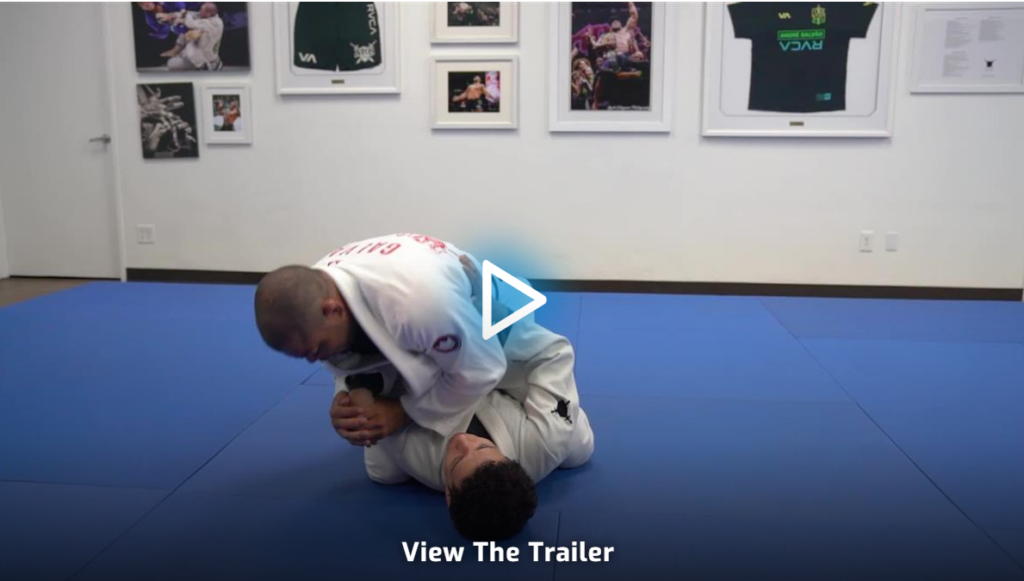
If your mental image of wrist locks is “grab and hope,” Art of The Wrist Lock Andre Galvao DVD goes the opposite direction. Galvão’s approach is: stabilize first, isolate the arm, and make the wrist lock the logical outcome of dominant control.

A big reason this works is psychological: most grapplers defend armbars, kimuras, and chokes on autopilot—but they don’t always build strong wrist awareness. When you’re already pinning shoulders, limiting hip movement, and forcing bad frames, the wrist becomes a surprisingly available finish.

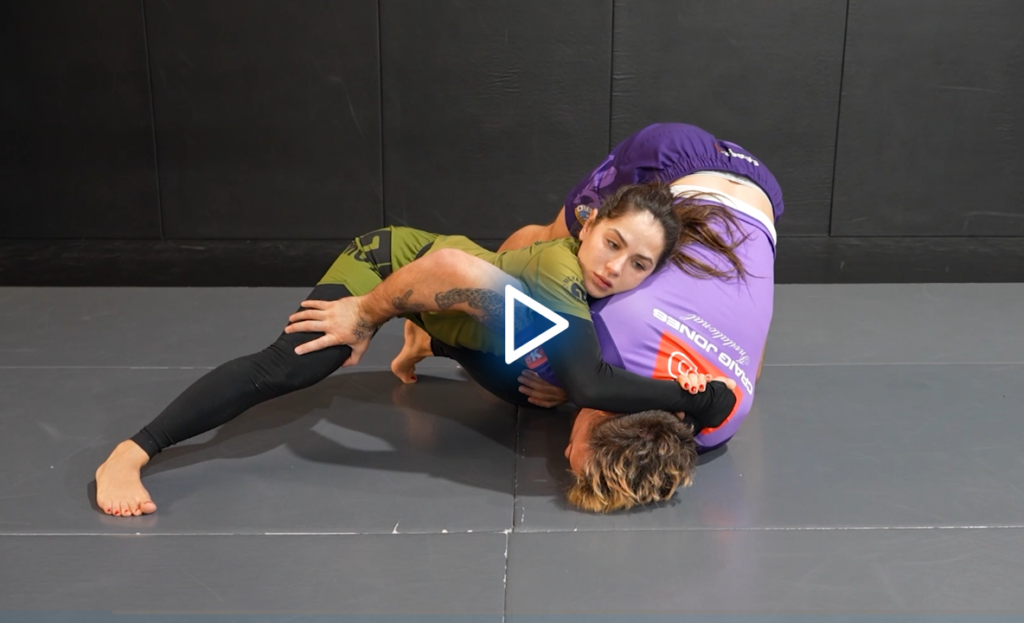
Mão de Vaca – The BJJ Submission Everyone Hates

Just as importantly, the course constantly hints at a rule-of-thumb that experienced people already know: wrist locks aren’t magic… they’re a multiplier on good Jiu-Jitsu. If your mount is loose, your wrist locks will be loose. If your chest pressure and arm isolation are sharp, the wrist lock shows up everywhere.

Wrist locks have a reputation problem, and honestly… sometimes it’s deserved. The fix is simple: train them the same way you train heel hooks with beginners—slow, controlled, and with clear expectations.

If you want a clean, modern wrist lock system that won’t wreck your training room relationships (as long as you apply it responsibly), the Art of The Wrist Lock Andre Galvao DVD is a strong pick.

About The Instructor: André Galvão

André Galvao is one of the most decorated competitors of his era and a major figure in modern Jiu-Jitsu, both as an athlete and coach. He’s a black belt under Luis “Careca” Dagmar, has trained extensively with Fernando Tererê, and is widely known for elite-level success in both Gi and No-Gi, including major IBJJF and ADCC accomplishments.

He’s also the co-founder and head coach of Atos Jiu-Jitsu, and his broader combat sports résumé includes professional MMA experience and competition ties recognized by organizations like ONE Championship.

The key point for this specific topic: Galvao’s game has always been rooted in pressure, control, and transitions. That matters because wrist locks only become “high percentage” when they’re attached to that kind of structure.

Detailed Art of The Wrist Lock Andre Galvao DVD Review

Art of The Wrist Lock Andre Galvao DVD is organized into 4 volumes, and it’s refreshingly direct: each chapter is basically a position + a wrist lock variation + a natural follow-up. Total runtime comes in at just under 2 hours 30 minutes, so you’re not committing to a 9-hour rabbit hole.

Volume 1: Fundamentals & Wrist Locks From Mount

Volume 1 starts with framing the wrist lock as a real submission—not a novelty—and then quickly moves into mount. The early tips section matters more than it sounds: Galvão’s finishing emphasis is on timing and leverage, not muscling the hand.

The mount sequence is where the course first shows its personality: wrist locks aren’t presented as isolated finishes; they’re positioned as a way to punish predictable frames, force defensive reactions, and open clean pathways to S-mount and armbar finishes.

If you’re already a mount hunter, this volume gives you a tidy upgrade: you don’t need to change your whole game—just add a new branch that makes your mount attacks harder to predict.

Volume 2: Mouse Trap And Shoulder Pin Attacks

As the DVD goes on, it expands the same philosophy into tighter pinning structures. The names are fun, but the value is serious: these attacks are built around immobilizing the shoulder line, which makes wrist manipulation far more reliable.

This is where Art of The Wrist Lock Andre Galvao DVD starts feeling especially useful for coaching: the sequences are easy to turn into positional rounds because they’re built from common training positions (mount and side control).

The kimura wrist lock portion also fits perfectly into modern grappling logic: if you already threaten kimuras, this gives you another finish/transition that can appear when opponents over-defend the obvious grip battle.

Volume 3: Back Control Links & Closed Guard Wrist Locks

The third part is a nice change of pace: it connects wrist locks to back control and then spends meaningful time in closed guard.

Back control wrist locks often sound weird until you see them: they’re not reach and pray moves—they show up when someone is fighting hands in predictable patterns. The key takeaway is that wrist locks become more realistic when your opponent is forced to keep their hands in a narrow defensive lane.

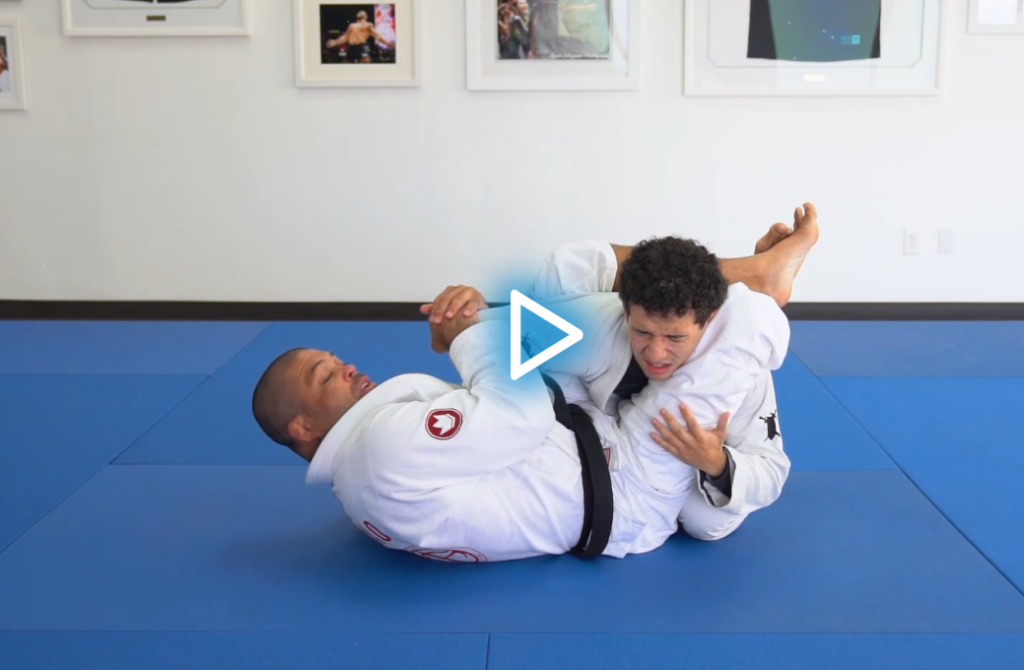
The closed guard section is arguably the most classic Jiu-Jitsu part of the entire course. It includes both Steven Seagal-style naming and practical mechanics that fit naturally alongside collar grips, posture breaks, and cross-choke threats.

If your guard game already includes cross chokes and armbars, you’ll find the wrist locks here feel like a logical add-on, not a separate skill set.

Volume 4: Wrist Locks From Chokes, Crucifix, and Food For Thought

Finally, Andre delivers the expansion pack volume—more positions, more variety, and a more creative feel without drifting into gimmicks.

The triangle and cross-choke-linked wrist locks are especially important because they reinforce a big principle: wrist locks show up when an opponent’s hand must post or frame, and those moments happen constantly in chokes and triangles.

The crucifix wrist lock material is short but interesting—crucifix control is already a handcuff-style position, so wrist attacks make intuitive sense there.

Galvão closes with a food for thought segment that functions like a reminder of the course’s main message: wrist locks work best when you treat them as part of a complete control-and-submission chain, not as a random surprise.

How To Add Wrist Locks Without Being “That Guy”

A few themes keep repeating throughout Art of The Wrist Lock Andre Galvao DVD, and they’re what separates this from “wrist lock highlight reel” content:

  • Control before crank: most finishes are built after the opponent’s posture/frames are compromised.
  • Chain finishing: wrist locks constantly connect to armbars, kimuras, and chokes, which makes them more reliable.
  • Position-based entries: you’re rarely “hunting the wrist” from nowhere—you’re applying it from mount, side control, back control, or guard where you already have structure.
  • Timing beats strength: the best moments aren’t when you squeeze harder; they’re when the opponent leans, posts, or turns at the wrong time.

This is why the instructional feels suited for real training rooms: it rewards good Jiu-Jitsu habits instead of replacing them. You’ll get more taps and fewer annoyed training partners.

GET IT NOW: THE ART OF THE WRIST LOCK ANDRE GALVAO DVD

Who This Is For (And Who Should Skip It)

You’ll benefit most from this Andre Galvao Wrist Lock DVD if you are:

  • A blue belt (or above) looking for legit wrist locks that fit inside normal positional grappling,
  • A top player who spends a lot of time in mount and side control,
  • A coach who wants a clean set of wrist lock options that won’t turn class into chaos,
  • A grappler whose submission game already includes armbars/kimuras and wants better finishing branches.

You might skip it if you’re a brand-new white belt still learning basic control and finishing mechanics, or you only want standing wrist locks and self-defense style flow (this course is mostly ground-based and position-based). Also, if you prefer ultra-long instructionals with endless troubleshooting trees, this is not the DVD for you.

Pros and Potential Drawbacks

Pros

  • High-percentage, position-first approach that makes wrist locks feel “earned,” not cheesy.
  • Excellent chaining into common submissions (armbar/kimura/chokes), so you’re not gambling on one finish.
  • Clear structure and pacing: easy to study, easy to drill, easy to teach.
  • Practical selection of positions: mount, side control, back, closed guard, triangle—no weird, low-rep stuff.

Potential Drawbacks / Limitations

  • Compact runtime: great for learning quickly, but not a massive encyclopedia.
  • Less emphasis on stand-up wrist lock entries compared to what some people expect from a wrist lock-focused title.
  • Training culture factor: Some academies are weird about wrist locks—your ability to apply this may depend on how your room trains.

Final Verdict: Is It Worth It?

The Art of The Wrist Lock Andre Galvao DVD does what a good specialty instructional should do: it gives you a focused skill set that plugs into positions you already hit in rolling. The best part is that it doesn’t sell wrist locks as magic—it shows how they become consistent when you attach them to dominant control and smart chaining.

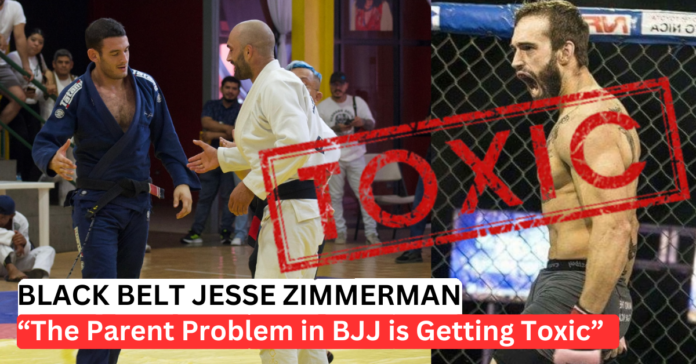
Jiu-Jitsu Culture Turning Toxic? Black Belt Says Tournaments Are Getting “Weird”

Jiu-Jitsu Culture Turning Toxic? Black Belt Says Tournaments Are Getting “Weird”Jiu-Jitsu Culture Turning Toxic? Black Belt Says Tournaments Are Getting “Weird”
  • Black belt Jesse Zimmerman says regional youth tournaments are filling up with adults “posturing” instead of letting kids compete in a healthy atmosphere.
  • He warns that ego-driven behavior is pushing the sport away from the humility that once defined many rooms.
  • An anthropologist’s “tribal” theory explains why Jiu-Jitsu feels so addictive—and why status games can show up when the “tribe” gets bigger.

Jiu-Jitsu culture turning toxic is usually something you hear after a bad open mat story. But Zimmerman’s frustration didn’t come from internet drama—it came from coaching kids at regional tournaments and seeing the adults turn the venue into a masculinity contest.

Jesse Zimmerman’s Warning From Youth Jiu-Jitsu Tournaments

In a video shared online, Zimmerman described tournament rooms where dads spend all day posturing around the mats, flexing and trying to look like the toughest guy in the building.

It’s a room full of dads… competing for the title of toughest guy in America.
– Jesse Zimmerman –

The setting is what makes the complaint sting. This isn’t a pro bracket with money on the line. It’s youth divisions and local comps—exactly the kind of environment that’s supposed to teach composure, respect, and how to win and lose without melting down.

Zimmerman also pointed to a familiar contradiction: BJJ is supposed to humble you, yet it still attracts people who want the look of being dangerous more than the work of getting good.

When that attitude leaks into kids’ events, it doesn’t just sour the day—it changes what young athletes think Jiu-Jitsu is about.

Jiu-Jitsu Culture Turning Toxic is More Than a Meme

Zimmerman’s clip spread because a lot of practitioners recognized the energy. Not necessarily the exact same tournament, but the same vibe: adults trying to “win” the room, not just support the competitors.

It’s easy to see why Jiu-Jitsu culture turning toxic is a conversation right now. The sport is bigger than ever, and with growth comes more cameras, more highlight culture, and more people treating every moment like content.

That shift can reward the loudest behavior—especially at tournaments where emotions run high and everyone wants their team to look dominant.

Zimmerman framed it as more than annoyance. He hinted at the most serious consequence: families quietly deciding the environment isn’t worth it.

I’m this close to taking my kids out of jiu-jitsu.
– Jesse Zimmerman –

That line is the real hook. It’s not about one cranky black belt complaining. It’s a coach and parent saying, “If this is what the scene is becoming, I’m out.”

Philip Folsom’s “Tribal” Jiu-JItsu Theory Explains The Pull

Around the same time, anthropologist and former elite U.S. Army warrior Philip Folsom offered a useful lens for why Jiu-Jitsu hits people so hard.

In a podcast appearance, he argued that the art’s appeal goes beyond fitness or self-defense—it recreates a tribal “kinship system” built on trust, shared hardship, and accountability.

Jiu-jitsu is popular because it’s a kinship system.
– Philip Folsom –

That idea tracks with what most long-term grapplers feel: the mat is one of the few places where you can’t fake who you are under stress, and where real bonds form because people are literally trusting each other with their bodies.

The Dark Side Of The BJJ Tribe: Posturing, Hierarchy, And Ego

But if Jiu-Jitsu is a tribe, status matters inside the tribe—belts, medals, “who taps who,” and increasingly, who has the biggest online presence. In a healthy room, that status is mostly a byproduct of time, skill, and being a good teammate.

In an unhealthy room, status becomes the point.

That’s where Zimmerman’s tournament warning and Folsom’s “kinship system” concept collide. As the tribe grows, you get more people who show up for community—and more people who show up for the pecking order.

When the pecking order becomes the obsession, you start seeing the tells: sideline theatrics, performative toughness, and a need to dominate the atmosphere even when the match on the mat involves children.

It’s also how Jiu-Jitsu culture turning toxic can creep in quietly. No scandal required—just a steady drift from “learn and improve” to “prove and posture.”

How Gyms Keep The Mat Humble Without Killing The Vibe

The fix isn’t to make Jiu-Jitsu soft. The fix is to aim intensity at development instead of ego.

For youth programs, that can start with clear expectations for parents: what supportive coaching sounds like, what behavior crosses the line, and why.

For adult rooms, it’s the same principle—leaders have to protect the culture they claim to value by rewarding humility, effort, and good training partners, not just the loudest “tough guy” energy.

Because if the sport loses the humility that made it special, people won’t just complain online. They’ll do what Zimmerman hinted at: quietly walk away—especially if Jiu-Jitsu culture turning toxic becomes the normal training reality instead of the occasional bad day.

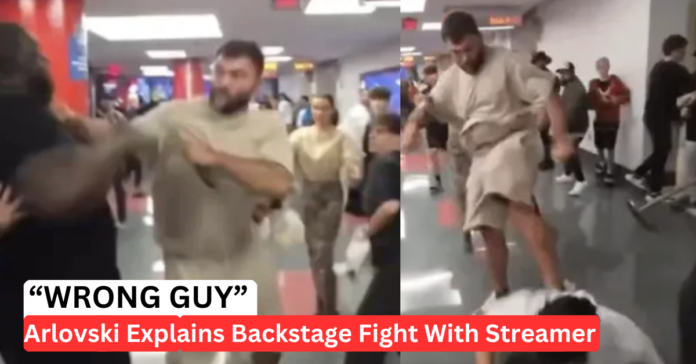
Andrei Arlovski Jack Doherty Brawl: Viral Clip Shows Doherty Crew “Got The Wrong Guy”

Andrei Arlovski Jack Doherty Brawl: Viral Backstage Clip Shows Streamer Crew “Got The Wrong Guy”
  • Former UFC heavyweight champion Andrei Arlovski got into a brief backstage fight with streamer Jack Doherty’s entourage after the Jake Paul vs Anthony Joshua event in Miami.
  • Multiple angles of the Andrei Arlovski Jack Doherty brawl went viral, showing Arlovski getting swung on and firing back while security rushed in.
  • Arlovski later framed it as self-defense, saying he was protecting his wife, child, and friends and that the group was “looking for content.”
  • His blunt summary of the night: they “got the wrong guy.”

The Jake Paul vs Anthony Joshua card in Miami had plenty of spectacle, but the clip that grabbed fight fans’ attention didn’t happen under the bright lights.

It happened in the concourse and backstage chaos, where former UFC heavyweight champion Andrei Arlovski found himself in a fast, messy scuffle with streamer Jack Doherty’s crew — and, in the process, delivered the most clickable takeaway of the weekend: they picked the wrong target.

If you’ve spent any time on combat sports social media, you already know why this blew up. It’s the collision of two worlds: influencer “content” culture and a veteran fighter who has spent decades dealing with real violence in controlled (and uncontrolled) environments. And on video, it looks like one side expected a reaction… just not that kind.

What Happened In The Andrei Arlovski Jack Doherty Brawl

Video footage circulating online shows Arlovski and Doherty crossing paths in a crowded walkway area. The moment starts like a typical “bump-and-argue” scene — quick words, people posturing, the usual entourage energy.

Then it escalates.

In the clearest angles, a member of Doherty’s group swings first. Arlovski responds immediately, throwing back with enough force to drop one person and force the rest of the crew to hesitate for a beat — the exact beat that separates “this is content” from “this is a problem.”

Security and bystanders pour in quickly. The scuffle doesn’t last long, but it’s chaotic: multiple people reaching in, shouting, trying to separate bodies, and Arlovski still throwing as he’s being pulled away.

If you’re looking for the reason fans are glued to the clip, it’s simple: it looks like one side expected a controlled confrontation… and the other side treated it like a real one.

Why The Clip Blew Up After Jake Paul vs Anthony Joshua

Big events create big hallways — and big hallways create moments. When you stack a mainstream boxing spectacle (Jake Paul vs Anthony Joshua), packed exits, security lanes, and influencer crews filming everything, you’re basically begging for an incident to go viral.

One detail that keeps coming up in coverage and fan breakdowns: Doherty appears to be wearing a wireless microphone during the walk.

That matters because it pushes the conversation toward intent — not just “two groups bumped into each other,” but “someone was recording a segment.”

That doesn’t automatically prove the entire thing was planned. Crowded arenas are messy. But when the footage shows microphones and cameras in the mix, the public reads the situation through an “influencer content” lens.

And once a “new angle” hits the internet, the debate turns into a frame-by-frame courtroom: Who initiated contact? Who threw first? Was it self-defense? Was it provocation?

That’s the modern fight ecosystem — the footage is the story.

Arlovski’s Statement: “I Just Stopped The Threat”

Arlovski didn’t leave the narrative entirely up to social media.

In comments attributed to him afterward, he pushed back hard on the idea that he “beat up” anyone. His framing was self-defense — specifically, stopping a threat around his family and people close to him.

First of all, I didn’t beat [up] anyone, I just stopped the threat.
– Andrei Arlovski –

He didn’t stop there. Arlovski also described the encounter as something more deliberate than an accidental bump in a crowded corridor — suggesting the group was hunting for a reaction and that the “content” setup was obvious in real time.

They just got the wrong guy, that’s all.
– Andrei Arlovski –

That line is doing a lot of work — because it turns the incident into a cautionary tale. In the influencer world, antagonizing strangers can be framed as a prank. In the fight world, antagonizing the wrong person becomes a fast lesson.

Who Is Jack Doherty, And Why Fight Fans Reacted The Way They Did

Doherty is widely known online for pushing boundaries to generate engagement — the kind of content where the “reaction” is the product. That’s exactly why the Andrei Arlovski Jack Doherty brawl landed differently with fight fans.

Combat sports culture has a built-in skepticism toward performative confrontation.

Most grapplers and fighters have seen the difference between playful roughhousing and genuine escalation — and the moment a punch gets thrown, you’re no longer in the “internet antics” category. You’re in the “real consequences” category.

That’s also why Arlovski’s name carries weight here. He’s not just a random guy who got clipped on camera.

He’s a former UFC heavyweight champion with decades of experience and a reputation for toughness — the kind of person you shouldn’t be testing in a crowded hallway, especially with family nearby and adrenaline in the air.

Influencer “Content” Meets Real Violence

The most interesting part of the Andrei Arlovski Jack Doherty brawl isn’t the punches themselves — it’s what the clip represents.

More and more, fight events have become content farms. Influencers show up to film, provoke, and package moments into short-form drama. Usually, the risk is minimized by numbers, security, and the assumption that most people will back down.

But that assumption fails when the target is a trained fighter who reads a swing as a threat and responds like a professional.

Arlovski’s takeaway — “stop the threat” — is a phrase you’ll hear in self-defense circles for a reason. It’s not about “winning a fight.”

It’s about ending the danger as quickly as possible. When that mindset collides with influencer provocation, you get exactly what we saw in Miami: a split-second shift from performative confrontation to a very real scramble.

And if there’s one reason this story will keep getting clicks, it’s because people can’t stop watching the same lesson play out:

If you’re chasing viral moments around fighters, eventually you’re going to run into someone who doesn’t care about the camera — and you’re going to learn what “the wrong guy” really means.