




- Best for intermediate-to-advanced No-Gi players who keep running into strong, standing pressure passers and want a “sticky” guard that leads somewhere.
- The system’s big promise is control without chaos: attach, off-balance, and steer opponents into back exposure, leg entries, or top position instead of scrambling for your life.
- The strongest material is the emphasis on cleaner entries (from seated guard, knee shield, and failed shots) and on keeping connection when opponents try to disengage.
- If you’re hoping for a quick “one move” guard, this isn’t it—Octopus Guard v2 is a web of grips, angles, and reactions that rewards reps and mat time.
- Rating: 8.5/10
OCTOPUS GUARD V2 CRAIG JONES DVD DOWNLOAD HERE
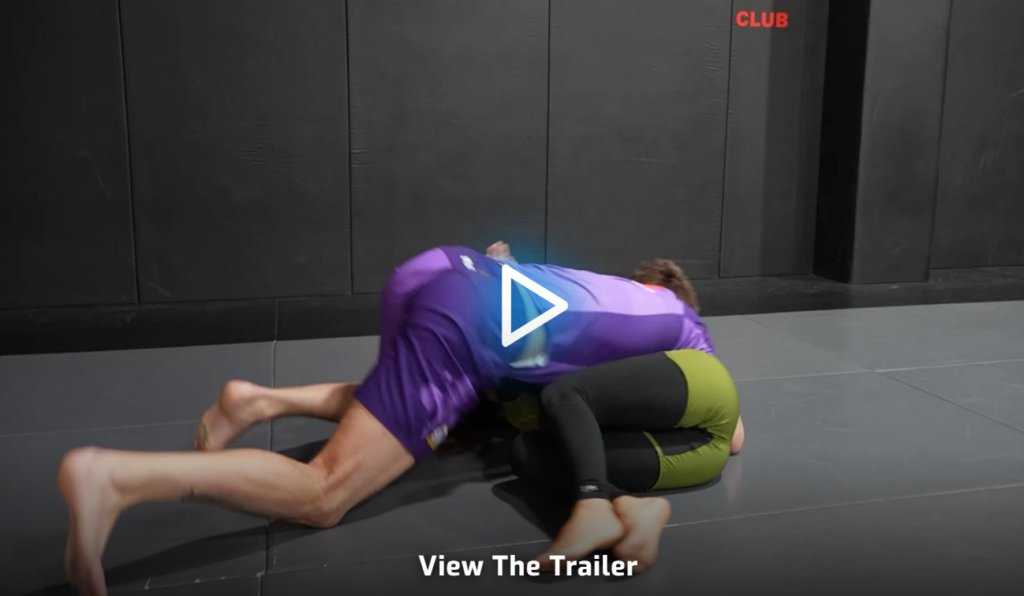
The Octopus Guard has always had a certain reputation in No-Gi: it’s the guard you reach for when someone’s trying to turn passing into a weightlifting session. Octopus Guard v2 Craig Jones DVD is presented as an updated, modernized version of that idea—less about winning a single scramble, more about building an attachment-based guard that can reliably funnel a standing passer into the outcomes you actually want.
Craig’s pitch is simple: instead of fighting strength with strength, you learn to “stick,” tilt, and redirect until your opponent gives you a back take, a leg entanglement, or a clean path to come up on top. If you consistently lose offensive momentum the moment opponents stand and start smashing forward, this course is designed to give you a plan that keeps contact and creates predictable reactions.
Why is Everyone Talking About the Octopus Guard?
At its core, the octopus concept is a connection guard. You’re not trying to keep someone at the end of your legs forever—you’re trying to attach your upper body to theirs in a way that steals their ability to freely rotate, retreat, and re-enter passing. That’s why a lot of people describe it as a reach-around guard: the goal is to lock in meaningful upper-body connection while you manipulate their hips and balance.
In modern No-Gi, that matters because good passers are trained to deny inside position, keep their legs safe, and disengage the second they feel danger. Attachment guards flip the script. When you can keep chest-to-hip contact and correct head/shoulder alignment, you can off-balance a standing passer even when they’re bigger and stronger.
The best versions of this style aren’t “random scrambles”—they’re funnels. If they square up, you tilt. If they back out, you follow and climb. If they overcommit forward, you redirect and come up. That’s the promise of Octopus Guard v2 Craig Jones DVD: fewer coin-flip exchanges, more repeatable sequences built on connection.
Does Craig Jones Really Need an Introduction?
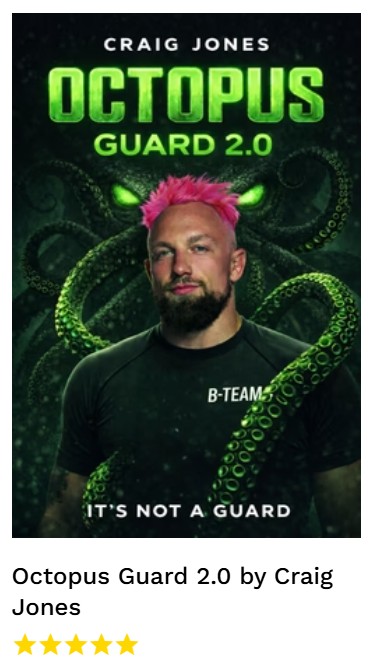
Craig Jones is an Australian grappler and Brazilian Jiu-Jitsu black belt under Lachlan Giles, and he spent years working extensively with coach John Danaher during the Danaher Death Squad era before helping start B-Team in 2021.
Competitive accolades aside, Jones is known for turning modern No-Gi chaos into systems—especially from open guard and in the space between “guard” and “wrestling.” His achievements include an IBJJF World No-Gi title at purple belt (2015), two ADCC Trials wins, and ADCC silver medals in 2019 and 2022.
He also held multiple titles with Polaris, a format that consistently rewards grapplers who can solve problems in real time rather than rely on scripted sequences. That background matters here because Octopus Guard v2 Craig Jones DVD is positioned as a “control-first” guard: you’re trying to trap choices, dictate posture, and create reactions that open up high-percentage routes to the back, legs, or top.
Detailed Octopus Guard v2 Craig Jones DVD Review
The Craig Jones Octopus Guard DVD presents this as a comprehensive system optimized for modern No-Gi grappling, featuring improved entries from seated guard, knee shield, and failed shots; techniques to off-balance and “stick” to standing opponents; and transitions into back takes, leg entries, and top pressure. It also promises practical answers for opponents who disengage, sprawl, or shut down grips.
One caveat: the listing doesn’t provide a clear volume-by-volume chapter breakdown in text, so this review breaks the content down by the pillars highlighted in the description—because that’s also how most grapplers will actually build and apply the system on the mat.
Volume 1: Cleaner Entries
A lot of octopus material falls apart at the same point: getting into the position against a partner who doesn’t want to give you the angle. Starting from common situations—seated exchanges, knee shield battles, and the messy moment after a shot stalls—makes this feel grounded in real rounds.
The most useful idea here is treating “entry” as more than getting your arm around. Good octopus guard entries create immediate posture problems and threaten balance right away, so the passer can’t simply stand tall, peel grips, and back out. Craig’s siode control setup is a perfect example.
Octopus Guard v2 Craig Jones DVD also nudges you toward getting back up to your feet (no surprise there) using the same landmarks, the same shoulder line, the same head position as Jones previous work.
Volume 2: Getting on Top
This is the engine of the system: staying glued to the opponent without needing flexibility, inversions, or a perfect guard distance. The focus here is on the idea of attaching, tilting, and redirecting, which is exactly what makes octopus worth learning in the first place.
Practically, that “stickiness” comes from denying the passer clean hip rotation killing positions like reverse side control in the process. A few super slick Darce countersbring this part of the Octopus Guard v2 Craig Jones DVD to a close.
Volume 3: Darces & Buggy Chokes
The DVD builds on the Darce sitautions from the last volume, offering some Darce attacks in this one. Craig manages to connect the Buggy choke with the infamous Ghost Escape to Darce, giving a lot more credibility to both moves when used as a combo.
Buggy-wise, he offers several experimental options that even the Ruotolos haven’t found yet. Typical Craig stuff, unexpected and definitely out there, but effective nonetheless. Several more Darce counters feature in this part, before a single chapter on turtle both wraps this one up, and announces the next volume.
Volume 4: Turtle, Legs and Crucifix Attacks
Craig hits both the defensive and offensive aspects of the turtle game, entering from the octopus here. He definitely lifts up Eduardo Telles’ original work, offering some of his signature leg entries, but also introducing modern defensive turtle concepts, like that of Priit Mihkelson’s.
As for all you crucifix lovers out there (me included), the Crucifixed chapter offers an entire mini system boiled down into 10 minutes. If you’ve ever felt like your guard is all effort and no payoff, this “multiple outcomes” structure is one of the biggest practical upgrades.
Troubleshooting: Disengagement and Counter-Pressure
Connection guards live or die on one question: what happens when they try to leave? The description specifically calls out disengagement, sprawls, and grip-killing counters, which is exactly where most “cool guards” fall apart in sparring.
This troubleshooting angle is also what makes the system feel more advanced. It assumes you’re willing to make micro-adjustments and chain reactions, not just memorize a sweep. You’ll get more out of it if you’re comfortable thinking in sequences: if they back out, follow; if they sprawl, re-angle; if they shut down grips, switch your attachment line.
That’s why Octopus Guard v2 Craig Jones DVD will likely click fastest for grapplers who already like systems and funnels—because the “answers” are as important as the initial attacks.
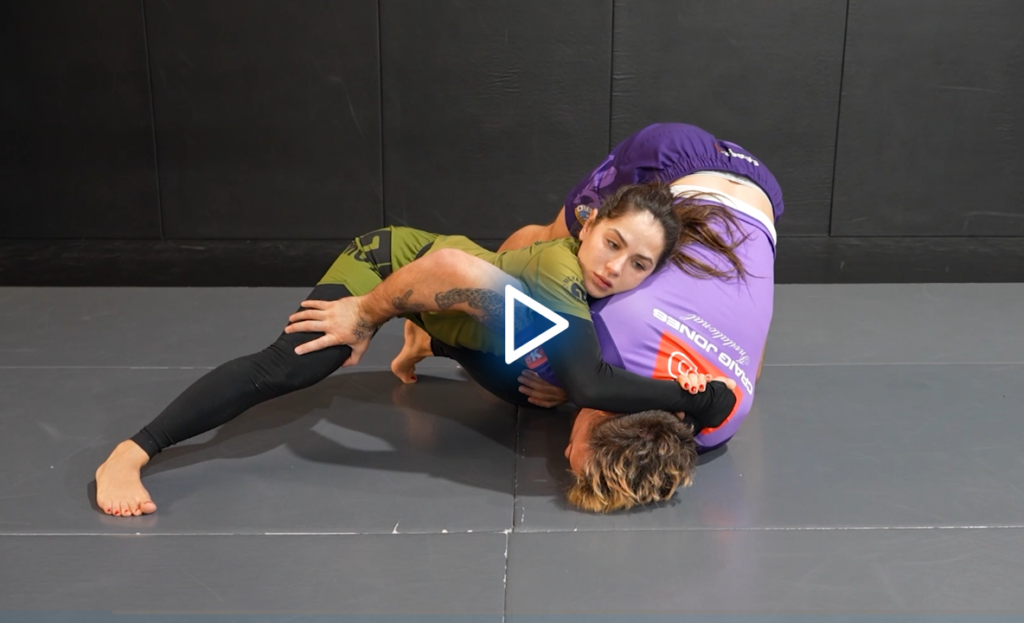
GRAB NOW: THE OCTOPUS GUARD V2 CRAIG JONES DVD
Who Is This For?
This is primarily for No-Gi athletes who already have basic open guard competence and want a more controlling answer to standing passing. If you’re still at the stage where you’re regularly getting flattened and passed before you can build frames, you’ll probably get more immediate benefit from foundational guard survival first—then return to this once you can reliably stay in the fight.
The best fit is intermediate-to-advanced grapplers who end up in seated guard, knee shield, and half-shot scenarios and want an offensive plan from there, or prefer creating predictable reactions over gambling on athletic scrambles.
If you want a system that can work against bigger passers without requiring extreme flexibility or positional dominance, back exposure, and coming up on top more than chasing low-percentage submissions, then this instructional will help. Gi players can steal concepts, but the pacing and grip assumptions are clearly modern No-Gi.
Pros & Potential Drawbacks
Pros
- Realistic entry points. Built around positions you actually hit in rounds (seated, knee shield, failed shots), not perfect setups.
- Connection-first control. The system is designed to reduce chaos by forcing predictable reactions through attachment and off-balancing.
- Multiple branches. Back, legs, or top pressure—so you’re not stuck with one “win condition.”
- Energy-efficient approach. Tilt-and-redirect tends to scale well as you age or when you’re undersized.
- Useful troubleshooting focus. It explicitly targets the exact counters that make most guards fail in hard sparring.
Potential Drawbacks
- Not a beginner shortcut. You’ll need enough guard fundamentals to find entries safely and protect yourself during the attach phase.
- Reps required. This is a system, not a trick—without drilling, it can feel slippery to apply.
- Narrower (No-Gi) translation. If most of your mat time is in the Gi, you’ll need to adapt more details than usual.
Control Without Chaos
Octopus Guard v2 Craig Jones DVD is a modern, connection-based guard built for the exact kind of standing pressure passing that dominates No-Gi right now. The big strengths are the emphasis on entry realism, the “sticky” off-balancing loop, and the ability to branch into back exposure, leg entries, or coming up on top—without relying on speed or explosive athleticism.
Overall, I’d rate Octopus Guard v2 by Craig Jones as a strong, modern guard system with a clear upside for intermediate-to-advanced grapplers, and a manageable learning curve if you commit to the required reps.