








- https://bjj-world.com/best-americana-arm-lock/A concise, mechanics-first No-Gi shoulder lock instructional built around a sneaky Americana-style finish that’s designed to feel “obvious” once you see the angle.
- Heavily anchored in Kesa Gatame (scarf hold)—with clear coverage of how opponents typically roll, frame, or hide the arm to survive.
- Practical entries beyond top control, including setups from bottom, guard-to-Kesa transitions, half guard, and even takedown-to-Kesa sequences.
- Includes “how not to” details—especially around applying the finish cleanly (and not forcing yourself into bad positions or rules trouble).
- Rating: 8/10
DOWNLOAD HERE: The J Lock Jakob Müller DVD
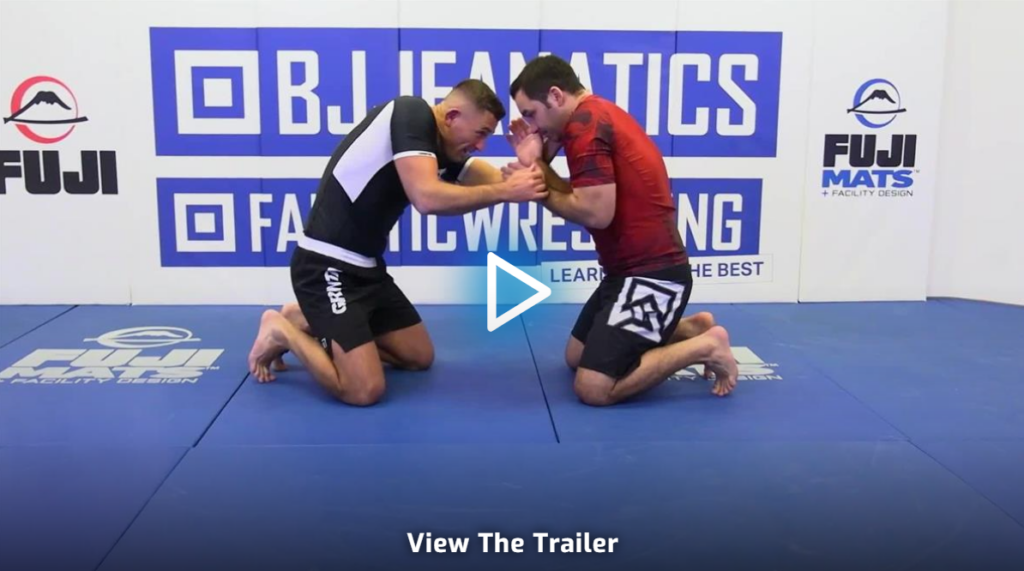
If you’ve been around the mats (or the internet) long enough, you’ve probably seen someone get caught with a shoulder lock that looks like an Americana… until the finish lands at a weird, uncomfortable angle and the tap comes fast. That’s the lane The J Lock Jakob Müller DVD lives in: not a sprawling submission encyclopedia, but a tight, targeted blueprint for one specific weapon—and the situations where it keeps showing up.
What makes this kind of instructional interesting isn’t just the move. It’s the promise of repeatability. Plenty of flashy submissions look great when the opponent is already doomed. What grapplers actually want is something that works when the other person knows what’s coming, clamps everything down, and starts doing the classic “nope” reactions—rolling, locking hands, tucking the elbow, and turning the escape into a scramble.
The J Lock Jakob Müller DVD is short by modern standards, but it’s also refreshingly direct. It leans into the reality that most people don’t need twenty variations—they need the handful of details that turn an “almost” into a tap, plus the counters to the first line of defense.
Why Aren’t You Doing More Americanas?
Americana-style locks are a paradox in Jiu-Jitsu. Everyone learns them early, everyone thinks they understand them, and then everyone gets confused when they stop working against decent opponents. The reason is simple: a traditional Americana tends to be loud.
The alignment is readable, the finish often demands a stable pin, and the defender has plenty of familiar survival habits—hand-to-hand defense, elbow tightness, bridge-and-roll timing, and turning the shoulder to change the pressure.

That’s why the concept behind The J Lock Jakob Müller DVD makes sense in today’s game. Modern grappling is full of micro-scrambles from pins—especially from scarf hold and transitional side control. A submission that plugs into those moments, without needing a perfect mount or a slow setup, is exactly the kind of tool that spreads quickly.
One more note for real-world training: shoulder locks are “quietly dangerous.” People often don’t feel pain until the joint is already compromised. Any system that emphasizes mechanics over muscle is great… but it also means you should apply it with control, especially in the gym.
Jakob Müller – An Unknown Grappler on the Rise
Jakob Müller is a purple belt, credited with popularizing the J Lock submission, and the instructional positions him as the person who can explain why it works—not just how it looks in a highlight clip. In that sense, The J Lock Jakob Müller DVD is less about “here are 50 submissions” and more about “here’s the exact mechanical idea that made this particular lock spread.”

The credibility claim being made is practical: the move went viral because it’s catching people, and Müller is teaching the details that make it consistently finishable—plus the common reactions that show up once training partners start hunting for the escape.
Full J Lock Jakob Müller DVD Review
The J Lock Jakob Müller DVD is organized into two volumes, and it stays tightly focused on the submission, the Kesa Gatame hub it often appears from, and the most common pathways into the position (top, bottom, and transitional entries). It’s a compact watch, which actually helps: the structure feels like “learn it, troubleshoot it, then learn how to reach it from more places.”
Volume 1 – Kesa Gatame Attacks
Volume 1 is essentially the home base for the system, and it’s very scarf-hold-centric. The early sections establish the position and the scoring/control context (including a segment labeled around Kesa 5 Points), then move quickly into what always happens once you threaten a shoulder lock from a tight pin: the defender starts turning, rolling, and trying to rotate out of the pressure.
This volume is valuable because it doesn’t pretend the finish lives in a vacuum. There are dedicated pieces on counters, preventing the rollover, and then a specific section on how to actually get the arm—which matters because scarf hold often gives you control without the exact arm isolation you need.
There’s also an interesting nod to rule-set reality, which is the kind of detail a lot of instructionals skip (and a lot of competitors learn the hard way). The back half rounds out with defense and counters to the defense, keeping the “if they do X, do Y” logic clear.
Volume 2 – Bottom Traps & Flying Setups
Volume 2 expands the system outward, and it’s the part that makes The J Lock Jakob Müller DVD feel more like a plug-in weapon than a one-position trick. It starts with the lock from bottom, then addresses a rolling counter—basically acknowledging that once your opponent realizes what’s happening, the scramble responses are going to show up fast.
After that, the instructional spends real time on how to arrive in Kesa from different phases: kneeling situations, standing takedown entries into Kesa, guard break-to-Kesa, and half guard-to-Kesa. The volume also includes a Flying J Lock segment and a section focused on fighting for the arm in the in-between moments—exactly where people tend to lose the opportunity if their pin isn’t fully settled.
A final stretch labeled like a private-lesson style segment (with detailed instruction from top and bottom) helps reinforce the mechanics in a more coached, troubleshooting format. It’s a nice way to close: instead of adding random variations, it doubles down on making the core idea sharper.
You Have the Positions – Add the Submission
The biggest mistake people make with any trending submission is trying to bolt it onto their game at full speed. With The J Lock Jakob Müller DVD, the smarter path is to treat it like a small system you can pressure-test in layers:
Start from the position, not the entry. Begin in Kesa Gatame with a cooperative partner and focus on the arm acquisition and finishing alignment. Your goal is to understand the “feel” of correct mechanics—where your leverage comes from, and what makes the finish clean instead of forced.
Add the first defensive reaction. Once you can hit it slowly, have your partner do the most common survival pattern (rolling/turning/connecting hands), and work through the “prevent the rollover” and counter logic. This is where the instructional’s shortness is actually a plus: you’re not trying to remember a library—just the main problems.
Only then add entries. Volume 2 gives multiple routes into Kesa, and you’ll get more out of them once you know you can finish when you arrive. Pick one entry that matches your current game (guard break-to-Kesa, half guard-to-Kesa, or takedown-to-Kesa) and run it as positional rounds.
If you do it this way, The J Lock Jakob Müller DVD becomes a functional training plan for 2–4 weeks: a focused submission study that won’t hijack your entire development, but will still give you a weapon that shows up naturally during pin transitions.
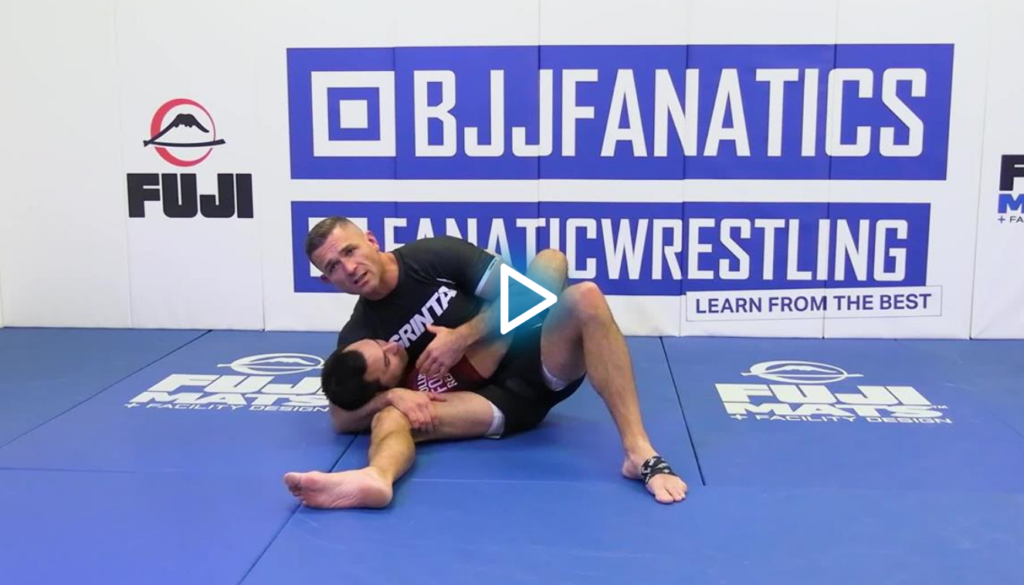
The J Lock Jakob Müller DVD DOWNLOAD HERE
Who Is This For?
The J Lock Jakob Müller DVD is best for white belts to blue belts who want a simple, reliable submission idea tied to a pin they’ll encounter often (especially if their top game is improving). Upper belts who already have decent pin control and want a “sneaky” finish that doesn’t require a long setup will pick a few tricks too.
Maybe skip it if you’re a grapplers who never play Kesa Gatame and don’t plan to (you can still use the entries, but the core hub is clearly scarf hold). It’s also not the best fit for people looking for a broad shoulder-lock curriculum across many positions—this is a focused system, not an Americana encyclopedia.
Pros & Potential Drawbacks
Pros
- Tight focus, minimal fluff: It stays on one submission family and the real reactions that stop it.
- Strong Kesa Gatame integration: Clear emphasis on pin control, rollover prevention, and arm acquisition.
- Entries aren’t an afterthought: Bottom, guard-to-Kesa, half guard-to-Kesa, and takedown-to-Kesa sequences make it practical.
- Rule-awareness baked in: The “don’t get disqualified” style content is the kind of detail competitors appreciate.
- Troubleshooting emphasis: The later detailed/coaching-style segments reinforce mechanics instead of piling on random variants.
Potential Drawbacks
- Narrow scope by design: If you don’t want to invest in a scarf hold submission system and its transitions, the value drops.
- Not a long-form course: Some grapplers prefer deeper, multi-hour systems; this is compact and to the point.
- Requires responsible training partners: Shoulder locks can escalate quickly—mechanical efficiency cuts both ways.
J-Locking Fools
There’s a reason the J Lock concept spread fast: it lives in a familiar framework (Americana-style control) but uses a deceptive angle that people don’t immediately recognize until it’s too late. The J Lock Jakob Müller DVD does a good job of taking that viral moment and turning it into something you can actually train—especially by anchoring the finish in scarf hold, addressing the common reactions, and then showing multiple ways to enter the position rather than pretending the lock happens by magic.
For a compact instructional, it delivers a lot of practical “this is what will go wrong, and here’s what to do” value. If you’re willing to build a little Kesa Gatame competence and you like submissions that arrive during transitions, The J Lock Jakob Müller DVD is a smart add—and at 8/10, it earns its score by being useful, direct, and easy to integrate without turning your whole game upside down.