


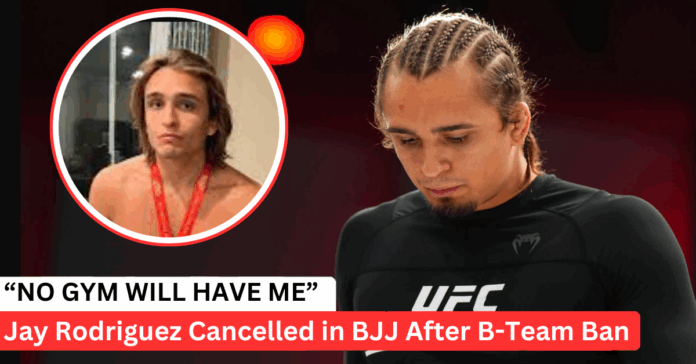

- Jay Rodriguez Cancelled in BJJ is the central claim after his split from B-Team, with access to elite rooms reportedly drying up.
- He says he’s “blacklisted” in top Austin gyms and hasn’t trained for months after the B-team ban, highlighting how gatekeeping works in practice.
- The story spotlights BJJ politics: brands, sponsors, and risk management often decide who trains where—more than merit alone.
- Whatever you think of the controversy, the case forces a debate about due process, athlete support, and the real meaning of “team.”
Jay Rodriguez Cancelled in BJJ isn’t just a headline—it’s the thesis he’s been pushing since his sudden ejection from B-Team.
In a recent sit-down, Rodriguez described a chain reaction that started with his ban after abuse allegations and ended with a cold reality: the best rooms don’t want him. The ripple effect isn’t theoretical; it’s where training actually happens—or doesn’t—for a high-level competitor.
“I can’t train in Austin specifically… anywhere worth going to.”
– Jay Rodriguez
Inside The Fallout Of Jay Rodriguez Cancelled In BJJ
For an athlete who lives in the room, the “ban” isn’t symbolic—it’s the gym doors that no longer open. That’s where Jay Rodriguez Cancelled in BJJ becomes a career limiter, not just a social stigma.
He’s been blunt about the practical impact: elite mats are scarce and geographically clustered. In Austin, the density of world-class rooms makes it a super-hub. Lose access there, and the daily sparring that shapes your timing, reactions, and confidence evaporates.
When Jay Rodriguez Cancelled in BJJ moves from rumor to reality, it shows up in the quality of partners he can (or can’t) find.
“I don’t train at all… for like maybe two or three months.”
– Jay Rodriguez
Blacklists, Closed Doors, And A Shrinking Map
Let’s talk mechanics. If you’re persona non grata at one flagship gym, the message can travel fast.
Owners share information, sponsors worry about optics, and suddenly the “Where can I drop in?” question becomes a game of musical chairs with no empty seat. That’s why the phrase Jay Rodriguez Cancelled in BJJ keeps popping up—it reflects how quickly informal networks can harden into practical roadblocks.
It also reframes how we think about “team.” BJJ markets itself as a meritocracy: tech beats clout, leverage over muscle, points over politics.
But teams are brands now, tied to events and streaming numbers. If a brand decides you’re a reputational risk, your route back isn’t just “win a few superfights.”
It’s reputational rehab plus months of drilling without the partners who made you sharp in the first place.
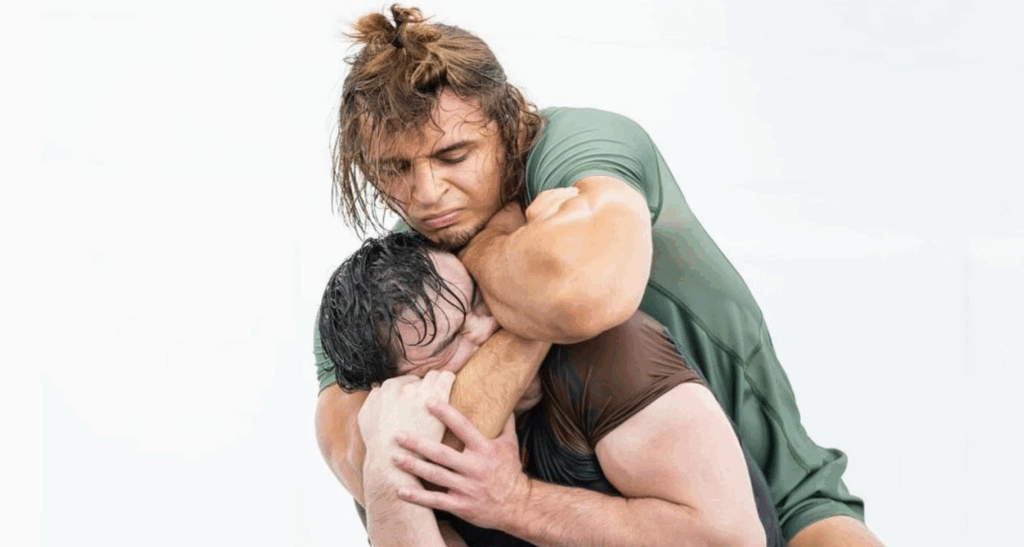
Training Without A Tribe — What That Really Costs
Every contender knows the difference between hobbyist rounds and rooms that feel like shark tanks. Lose the latter, and your feedback loop breaks. You’re no longer getting punished for small mistakes by peers who can exploit them in a heartbeat.
Over time, that erodes match fitness, decision-making under fire, even self-belief. That’s why Jay Rodriguez Cancelled in BJJ is not mere rhetoric—it’s a training-camp death by a thousand cuts.
Rodriguez has tried to reframe the downtime—lifting, eating, recalibrating—while stressing he’s made personal changes. But high-level jiu-jitsu is a timing sport.
Without regular exposure to top-tier scrambles, even an ADCC medalist begins to feel a step behind. Jay Rodriguez Cancelled in BJJ ultimately measures out in beat-the-count details: late wrestle-ups, missed back exposure, the half-second windows that once felt automatic.
“I feel like I got cancelled in BJJ, like for real… The reaction I got from people in the community was just insane.”
– Jay Rodriguez
Ethics, Process, And The Power Of Team Brands
There are two debates running in parallel. One is about behavior and accountability—non-negotiable topics in a sport that’s finally confronting how athletes, teams, and influencers wield power.
The other is about process: who decides the penalty, how long it lasts, and whether a path back exists. When Jay Rodriguez Cancelled in BJJ becomes the default setting with no clear off-ramp, the sport ends up outsourcing justice to whispers and sponsorship calculus.
Supporters argue that gyms are private businesses and have every right to refuse entry. Critics respond that a sport built on personal reinvention needs a transparent framework for suspensions, reinstatements, and conditions for return.
Both can be true: protect the room, protect the brand—yet still outline a due-process model that doesn’t reduce a career to rumor management.
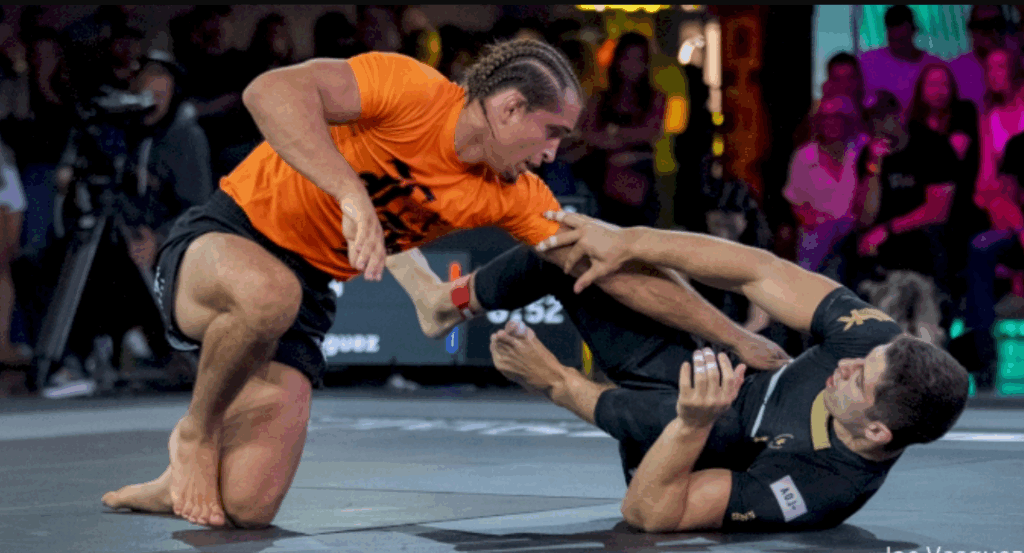
Where Jay Rodriguez Cancelled In BJJ Goes From Here
The next chapter hinges on whether any high-level room gives him a structured lane back—clear expectations, timeboxed restrictions, and an accountability plan. Without that, Jay Rodriguez Cancelled in BJJ remains the story, and the practical effect is straightforward: fewer elite rounds, fewer reps under pressure, fewer meaningful opportunities.
If a gym does open its doors with guardrails, the narrative changes. Now you’ve got a test case the whole sport can watch: can a top athlete rebuild trust, recalibrate, and compete at the same level after months on the shelf?
One decision from a single room could turn Jay Rodriguez Cancelled in BJJ from a verdict into a transition period. That’s the tension—between protection and possibility—that will define what happens next.