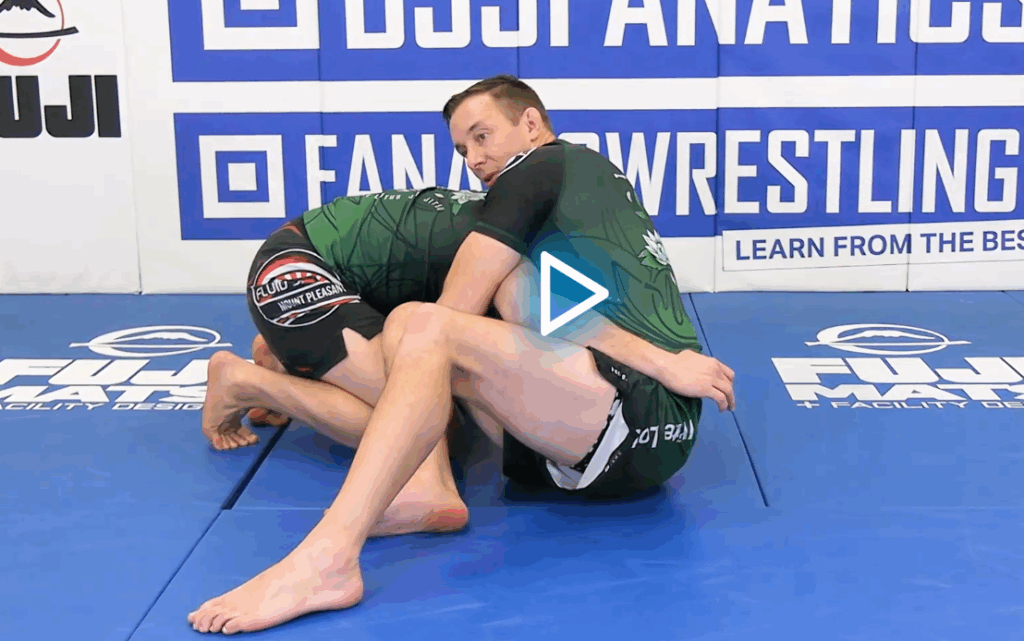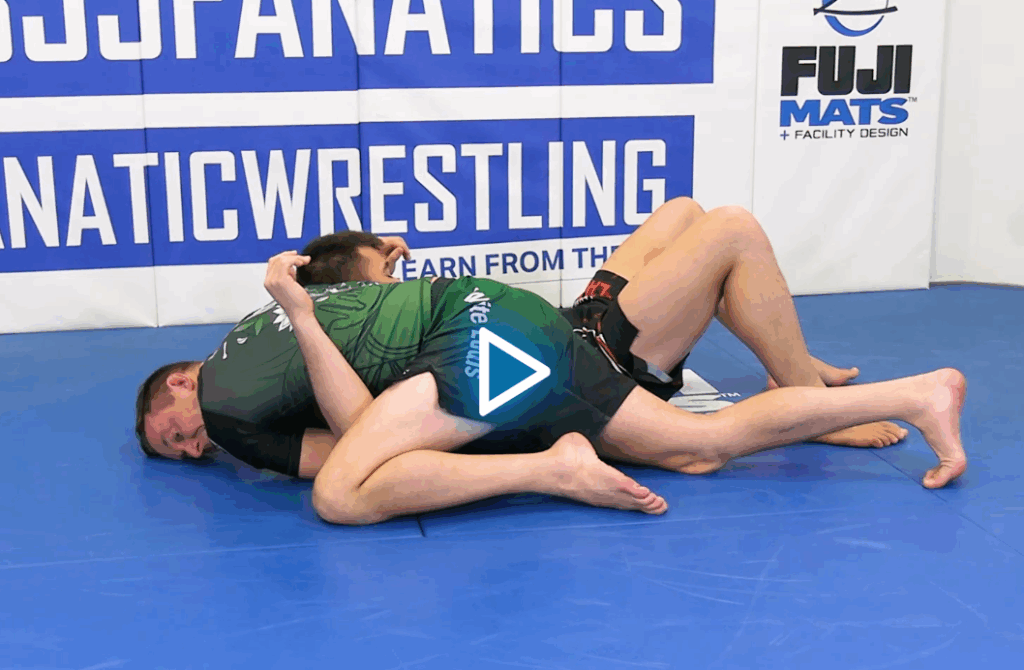




An unpassable guard isn’t just a defensive wall—it’s your ticket to staying out of trouble and dictating the match. If you can consistently retain your guard, you dramatically reduce the risk of being caught in dominant positions like side control, mount, or back control. Guard retention should be at the core of your training if your goal is long-term success in Brazilian Jiu-Jitsu.
This guide breaks down the essentials: guard retention, how to improve it, key drills and concepts, and the best instructional videos available.
What Exactly Is Guard Retention?
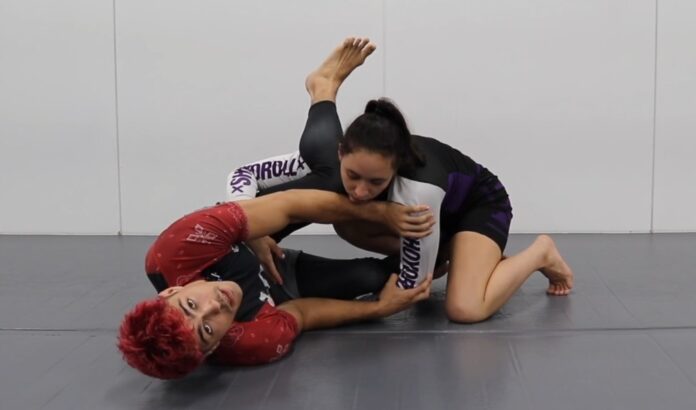
In BJJ, guard retention means maintaining your guard and preventing opponents from passing into more dominant positions. It’s a nuanced skill that requires timing, precision, and spatial awareness. Though difficult to master, especially for new practitioners, it’s vital for controlling matches and staying safe.
A few reasons guard retention is critical:
- Stops opponents from achieving dominant control positions.
- Buys you time to transition into attacks or escapes.
- Allows for better scrambles following takedowns or failed submissions.
As John Danaher emphasizes, the bottom game in Jiu-Jitsu heavily relies on your ability to establish and maintain your guard.
Five Key Strategies to Boost Your Guard Retention (with Examples)
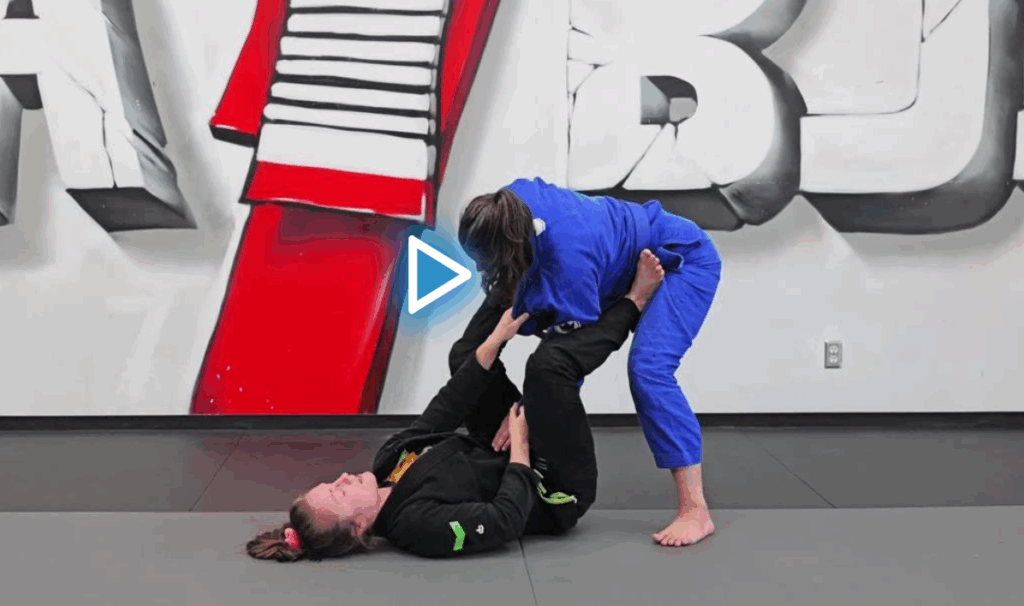
Here are five essential guard retention strategies explained with clear visual/video examples to help you grasp and apply each concept:
🔗 1. Synchronize Your Upper and Lower Body
When facing passes like the toreando or knee cut, always move your torso in the same direction as your legs to maintain structural alignment.
🎥 Example (Toreando Counter Drill): Watch on YouTube
🧷 2. Maintain Knee-to-Chest Connection
Avoid reaching your legs toward the opponent. Keep knees tight to your chest and flared beside your ribs for defensive integrity.
🎥 Visual Drill by Cobrinha: 8 Solo Guard Drills
🧩 3. Use the High Pummel
The high pummel replaces the traditional hip escape by allowing you to create space while keeping the leg structure intact.
🎥 High Pummel Detail (From De La Riva): Watch on YouTube
🔺 4. Offset Your Legs: One High, One Low
This off-balanced leg positioning breaks your opponent’s grips and slows their passing options.
🎥 Leg Work Demonstration: Solo Drills for Retention
🛑 5. Create Strong Frames
Framing with your arms, legs, or shins slows forward pressure and gives you time to reposition.
🎥 Framing Concepts Breakdown: Guard Retention Essentials
Core Concepts of Effective Guard Retention
These five principles apply across most passing situations:
- Hide the hip-to-armpit gap – Never give your opponent this entry point.
- Widen your guard – A narrow frame is easier to collapse.
- Control them with your feet – Keep their base disrupted.
- Square your hips to their angle – Prevent them from creating favorable angles.
- Layer your defense – Use hooks, frames, and off-balancing movements together.
Guard Retention Drills You Should Be Doing
🥚 1. The Squashing Drill
This drill teaches you how to hide the space between your hip and armpit—one of the main areas opponents exploit during a pass. It also helps with core activation and positional awareness.
🎥 Watch here: Fast Learn Guard Retention – Squashing Drill
How to use it:
- Use as a solo warm-up or flow drill.
- Start on your back, and react to pressure by curling and repositioning your hips.
🚶 2. The Stepping Drill
This movement-based drill develops your ability to square your hips to the passer and maintain distance by stepping and pummeling with your legs.
🎥 Watch here: BJJ Guard Retention Drill
🔁 3. 8 BJJ Solo Basic Guard Retention Drills (Cobrinha BJJ)
One of the best solo drill compilations out there. These drills target guard maintenance, hip movement, and recovery.
🎥 Watch here: 8 Solo Drills by Cobrinha
🌀 4. 3 Essential Guard Retention Drills
These three drills build coordination and timing to defend against most common guard passes.
🎥 Watch here: 3 Essential Drills
🧍♂️ 5. 3 Solo Drills for Guard Retention
Simple, effective solo drills to improve your guard retention even when you don’t have a training partner.
🎥 Watch here: Solo Drills for Retention
🧱 6. Wall Guard Retention Drills (Cobrinha BJJ)
Learn how to use the wall to simulate guard pressure and retention angles in this Cobrinha demo.
🎥 Watch here: Wall Drills with Cobrinha
🌀 7. Solo Drill for Guard Retention (Paulo Miyao)
Paulo Miyao shows a powerful flexibility-based drill that can help prevent guard passing.
🎥 Watch here: Paulo Miyao Drill
🛡️ 8. Essential Guard Retention Drills
An overview of key solo and partner drills for building an unpassable guard.
🎥 Watch here: Guard Retention Essentials
How to use it:
- Work in short bursts (2–3 rounds of 1 minute).
- Perform during positional sparring or technical warm-ups.
These drills aren’t flashy, but consistently drilling them builds the muscle memory needed to keep your guard strong, even against aggressive passers.
Instructionals That Can Transform Your Guard Retention
Levi Jones-Leary – Xanadu Back Takes: Elite Guard Retention, Berimbolos & Xanadu Guard
Levi blends cutting-edge guard retention with berimbolos and modern back takes. This instructional is perfect for players looking to integrate dynamic movement and modern guards into their retention strategy.
Lachlan Giles & Ariel Tabak – Guard Retention Anthology
A complete collection addressing dozens of guard-passing scenarios, explained through concepts and live examples.
Mikey Musumeci – Power Switch Guard Retention and Genius Back Takes
A modern look at retention combined with transitions to back attacks.
Firas Zahabi – Guard Retention Made Easy
Simple, repeatable systems to build retention from the ground up.
Thiago Abud – 360 Degrees Guard Retention
Learn how to retain guard regardless of how or where the pass comes from.
Bernardo Faria – Jiu-Jitsu For Old Guys: Guard Retention
Ideal for older practitioners seeking effective, low-impact defensive techniques.
John Danaher – Guard Retention: Go Further Faster
A detailed breakdown of the core concepts, suitable for all levels. Danaher lays the foundation for a structurally sound guard.
Gordon Ryan – They Shall Not Pass
Focuses on no-gi strategies to stop all forms of passing, including scramble resets.
Training Application: Turn Rolling into Retention Reps
Start every sparring round from a seated position. Don’t engage grips or force a guard style. Just focus on retaining—nothing else. Let your opponent try to pass, and apply the concepts you’ve learned.
It will be tough at first. You’ll probably get passed a lot. But each failed attempt is data. Review it. Refine. Repeat.
Eventually, you’ll reach a point where retention feels natural. From there, layer in your preferred guards, sweeps, and submissions.
Final Thoughts
Guard retention isn’t flashy, but it’s foundational. Mastering this area of your game creates confidence, durability, and opportunity. Whether you’re just starting out or preparing for competition, the principles outlined here—and the instructionals linked above—can accelerate your progress.
🤔 Frequently Asked Questions (FAQ)
❓ What is guard retention in BJJ?
Guard retention refers to your ability to maintain guard and prevent your opponent from passing into more dominant positions. It involves framing, timing, hip movement, and awareness. Solid guard retention is foundational for both defense and transitioning to offense.
❓ How do I improve my guard retention?
Improvement comes from consistent drilling and positional sparring. Focus on key principles like staying tight, syncing your upper and lower body, and keeping your knees engaged. Drills like the Squashing Drill and Stepping Drill (linked above) are a great place to start.
❓ Is guard retention important for beginners?
Yes. Even if you’re not a “guard player,” learning how to retain guard will keep you from getting dominated in bad positions. It’s one of the most essential defensive skills you can develop early on.
❓ Do I need to be flexible to have good guard retention?
Flexibility helps, but it’s not required. Good mechanics and positioning usually outweigh raw flexibility. Many high-level athletes use posture, angles, and timing to make their guard hard to pass, even without extreme mobility.
❓ What are some effective guard retention drills?
Some of the most effective drills include:
- The Squashing Drill (for maintaining core compression and alignment)
- The Stepping Drill (for hip movement and guard recovery)
- You can find video examples in this article for wall drills and solo pummeling.
❓ How long does it take to develop strong guard retention?
It depends on your training consistency and how focused you are. With consistent practice, many people notice improvements in just a few weeks. Mastery, like everything in BJJ, takes time—think months or years, not days.
The Best Open Guard Retention Concept video you will ever Watch!