




The 8 Worst Martial Arts Movies of All Time, Ranked

kinMartial arts films are known for high-octane action, legendary choreography, and unforgettable heroes. But not every roundhouse kick hits the mark. Some entries in the genre are so poorly executed they’ve become punchlines. What defines a cult classic versus just a flop? These worst martial arts movies toe that line—they fall so far they become captivating. They’re cinematic disasters worth seeing, only if you’re ready to laugh with them, not at them. The 8 Worst Martial Arts Movies Explore our definitive list of the worst martial arts movies ever made—complete with hilarious plotlines, cringe-worthy dialogue, and cult-classic charm. If you thought martial arts films were always epic, think again! Here's a rundown of the worst martial arts movies that left audiences stunned—not with awe, but disbelief. 1. The Last Airbender (2010) Director: M. Night Shyamalan An infamous example of how not to adapt beloved source material, The Last Airbender butchered the vibrant, martial arts-driven world of Avatar: The Last Airbender. Mispronounced names, wooden acting, a completely joyless tone, and baffling fight choreography left fans and critics cold. “This movie manages to make martial arts boring, which should be impossible.”– Collider The film turned what could have been a dynamic martial arts epic into a slog of exposition and empty CGI. It still sits at the bottom of the barrel for both fantasy and action genres. 2. Street Fighter: The Legend of Chun-Li (2009) Director: Andrzej Bartkowiak Kristin Kreuk’s turn as Chun-Li couldn’t save this franchise misfire, which lacked compelling fights, coherent storytelling, or any real connection to the source material. Fans were left scratching their heads as the movie turned one of gaming’s most iconic characters into a forgettable action cliché. The martial arts sequences were generic, relying more on shaky camera work than legitimate choreography. Even die-hard fans of the Street Fighter franchise have disowned it as one of the worst martial arts Movies ever. 3. Ballistic: Ecks vs. Sever (2002) Director: Wych Kaosayananda Often ranked among the worst films ever made, Ballistic: Ecks vs. Sever is an action film with zero personality. Antonio Banderas and Lucy Liu are utterly wasted in this confusing barrage of explosions and plotless noise. The martial arts elements are minimal, and what’s there is underwhelming. The film’s incoherence is legendary, and even its title became a meme for needless excess. 4. Double Dragon (1994) Directors: James Yukich Another video game adaptation that missed the mark entirely. Double Dragon was supposed to bring the classic arcade game to life, but ended up as a campy, low-budget mess. From awkward fight scenes to groan-worthy one-liners, it never figured out what kind of film it wanted to be. Robert Patrick’s over-the-top villain couldn’t rescue this film from its identity crisis. Martial arts fans expecting slick choreography instead got goofy action and cringe-inducing special effects. 5. DOA: Dead or Alive (2006) Director: Corey Yuen With Corey Yuen at the helm, DOA had the pedigree to deliver sharp martial arts. But instead of building on its action roots, the film leaned heavily into bikinis, bad dialogue, and nonsensical plot twists. It turned the fighting game into a parody of itself. “It’s more beach volleyball than martial arts… and not in a good way.”– Collider The few decent fights are drowned out by style-over-substance visuals and cartoonish set pieces. The film is a guilty pleasure at best—and a genre failure at worst. 6. The Order (2001) Director: Sheldon Lettich Jean-Claude Van Damme stars in this forgettable globetrotting action flick that blends religion, mysticism, and martial arts with no clear direction. It suffers from stiff acting, lazy plotting, and some of the most uninspired fight scenes of Van Damme’s career. Even fans of his late-'90s and early-2000s work struggled to find anything to latch onto here. The Order is a prime example of wasted potential and franchise fatigue that lands a flick in the worst martial arts list. 7. The Quest (1996) Director: Jean-Claude Van Damme Despite its Bloodsport-style tournament setting and Van Damme’s presence both on screen and behind the camera, The Quest feels more like a low-energy rerun than an evolution of the genre. The fights are fine—but just fine—and the story is a derivative globetrotting adventure that brings nothing new to the table. The movie was dismissed as "Van Damme’s vanity project," and its failure signaled a turning point in his career. 8. Jiu Jitsu (2020) Director: Dimitri Logothetis Yes, it stars Nicolas Cage. Yes, it involves aliens. And yes, it’s actually called Jiu Jitsu. Unfortunately, it has very little to do with the actual martial art of jiu-jitsu. The movie’s plot—an alien warrior returns to Earth every six years for a ritualistic fight—is as bizarre as it sounds. “Nicolas Cage fighting an alien ninja should’ve been a blast. Instead, it’s a mess.”– BJJ Community Review With confusing editing, nonsensical lore, and action scenes that rely more on fast cuts than technique, Jiu Jitsu is a masterclass in martial arts movie disappointment. When Flying Kicks Miss the Mark The worst martial arts movies remind us that even genres built on discipline and craft can fall victim to lazy storytelling, poor direction, and tone-deaf execution. Whether it's misusing legendary talent or completely misrepresenting a martial art (Jiu Jitsu, we’re looking at you), these films failed to honor the rich tradition of martial arts cinema. If you're looking for fight scenes that inspire, steer clear of these—and rewatch "Enter the Dragon" instead. Worst Martial Arts Movies That Even Fans Can’t Defend

Martial arts films are known for high-octane action, legendary choreography, and unforgettable heroes. But not every roundhouse kick hits the mark. Some entries in the genre are so poorly executed they’ve become punchlines.

What defines a cult classic versus just a flop? These worst martial arts movies toe that line—they fall so far they become captivating. They’re cinematic disasters worth seeing, only if you’re ready to laugh with them, not at them.

The 8 Worst Martial Arts Movies

Explore our definitive list of the worst martial arts movies ever made—complete with hilarious plotlines, cringe-worthy dialogue, and cult-classic charm. If you thought martial arts films were always epic, think again!

Here’s a rundown of the worst martial arts movies that left audiences stunned—not with awe, but disbelief.

1. The Last Airbender (2010)

Director: M. Night Shyamalan

An infamous example of how not to adapt beloved source material, The Last Airbender butchered the vibrant, martial arts-driven world of Avatar: The Last Airbender. Mispronounced names, wooden acting, a completely joyless tone, and baffling fight choreography left fans and critics cold.

“This movie manages to make martial arts boring, which should be impossible.”

The film turned what could have been a dynamic martial arts epic into a slog of exposition and empty CGI. It still sits at the bottom of the barrel for both fantasy and action genres.

2. Street Fighter: The Legend of Chun-Li (2009)

Director: Andrzej Bartkowiak

Kristin Kreuk’s turn as Chun-Li couldn’t save this franchise misfire, which lacked compelling fights, coherent storytelling, or any real connection to the source material. Fans were left scratching their heads as the movie turned one of gaming’s most iconic characters into a forgettable action cliché.

The martial arts sequences were generic, relying more on shaky camera work than legitimate choreography. Even die-hard fans of the Street Fighter franchise have disowned it as one of the worst martial arts Movies ever.
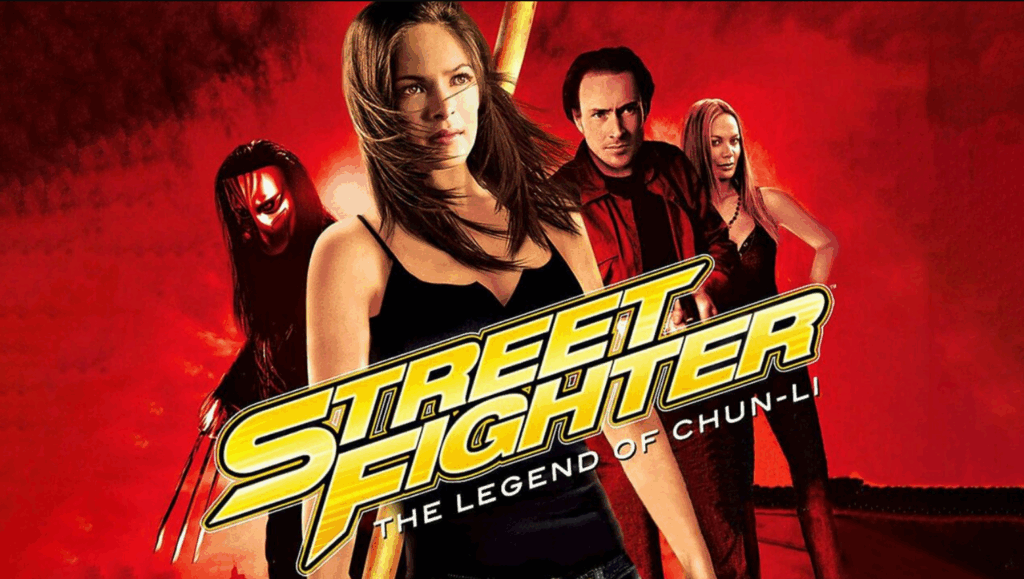
Worst Martial Arts Movies - Street Fighter Chun Li

3. Ballistic: Ecks vs. Sever (2002)

Director: Wych Kaosayananda

Often ranked among the worst martial arts movie flops ever made, Ballistic: Ecks vs. Sever is an action film with zero personality. Antonio Banderas and Lucy Liu are utterly wasted in this confusing barrage of explosions and plotless noise.

The martial arts elements are minimal, and what’s there is underwhelming. The film’s incoherence is legendary, and even its title became a meme for needless excess.

4. Double Dragon (1994)

Directors: James Yukich

Another video game adaptation that missed the mark entirely. Double Dragon was supposed to bring the classic arcade game to life, but ended up as a campy, low-budget mess. From awkward fight scenes to groan-worthy one-liners, it never figured out what kind of film it wanted to be.

Robert Patrick’s over-the-top villain couldn’t rescue this film from its identity crisis. Martial arts fans expecting slick choreography instead got goofy action and cringe-inducing special effects.

5. DOA: Dead or Alive (2006)

Director: Corey Yuen

With Corey Yuen at the helm, DOA had the pedigree to deliver sharp martial arts. But instead of building on its action roots, the film leaned heavily into bikinis, bad dialogue, and nonsensical plot twists. It turned the fighting game into a parody of itself.

“It’s more beach volleyball than martial arts… and not in a good way.”

The few decent fights are drowned out by style-over-substance visuals and cartoonish set pieces. The film is a guilty pleasure at best—and a genre failure at worst.

6. The Order (2001)

Director: Sheldon Lettich

Jean-Claude Van Damme stars in this forgettable globetrotting action flick that blends religion, mysticism, and martial arts with no clear direction. It suffers from stiff acting, lazy plotting, and some of the worst fight scenes of Van Damme’s career.

Even fans of his late-’90s and early-2000s work struggled to find anything to latch onto here. The Order is a prime example of wasted potential and franchise fatigue that lands a flick in the worst martial arts list.
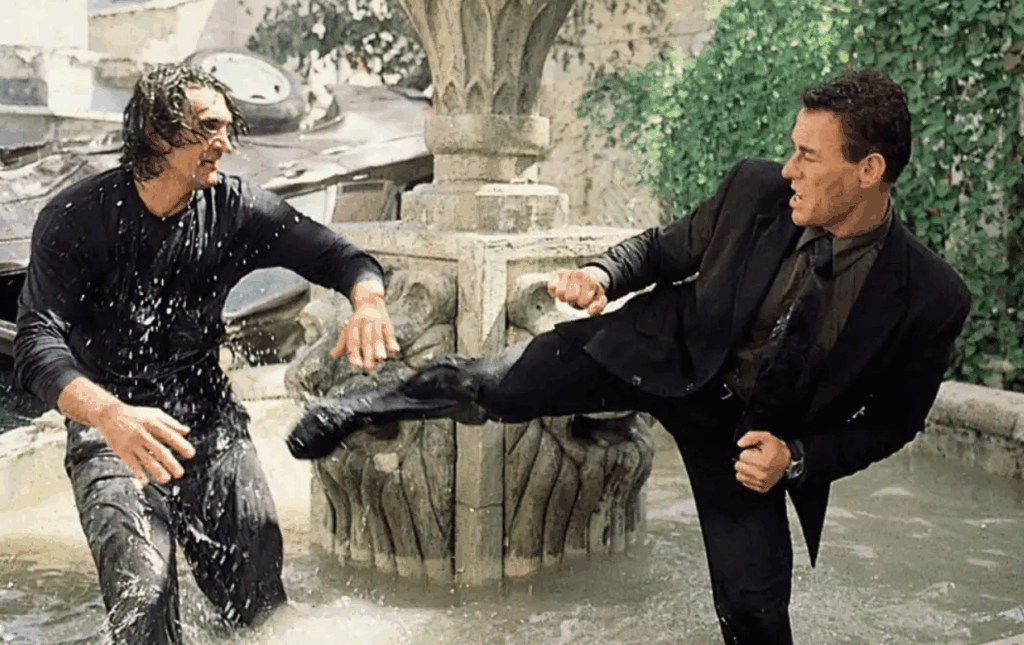
Worst martial arts movies Jean Claude Van Damme

7. The Quest (1996)

Director: Jean-Claude Van Damme

Despite its Bloodsport-style tournament setting and Van Damme’s presence both on screen and behind the camera, The Quest feels more like a low-energy rerun than an evolution of the genre. The fights are fine—but just fine—and the story is a derivative globetrotting adventure that brings nothing new to the table.

The movie was dismissed as “Van Damme’s vanity project,” and its failure signaled a turning point in his career.

8. Jiu Jitsu (2020)

Director: Dimitri Logothetis

Yes, it stars Nicolas Cage. Yes, it involves aliens. And yes, it’s actually called Jiu Jitsu. Unfortunately, it has very little to do with the actual martial art of Jiu-Jitsu. The movie’s plot—an alien warrior returns to Earth every six years for a ritualistic fight—is as bizarre as it sounds.

“Nicolas Cage fighting an alien ninja should’ve been a blast. Instead, it’s a mess.”

With confusing editing, nonsensical lore, and action scenes that rely more on fast cuts than technique, Jiu Jitsu is a masterclass in bad martial arts films. And everyone expected a great BJJ Movie from Nicolas Cage.

When Flying Kicks Miss the Mark

The worst martial arts movies remind us that even genres built on discipline and craft can fall victim to lazy storytelling, poor direction, and tone-deaf execution. Whether it’s misusing legendary talent or completely misrepresenting a martial art (Jiu Jitsu, we’re looking at you), these films failed to honor the rich tradition of martial arts cinema.

If you’re looking for fight scenes that inspire, steer clear of these—and rewatch “Enter the Dragon” instead.

Bodylock System Darryl Christian DVD Review [2025]

Bodylock System Darryl Christian DVD Review

Key Takeaways

  • A wrestling for BJJ insturctional that explains exactly what the bodylock is and how to use it for clinching
  • Delivers more uses and variations of the position for BJJ and MMA than you thought were possible.
  • Covers key aspects such as footwork, grips, angles, tactics, and defensive uses of all kinds of bodylocks. 
  • BJJ World Expert Rating: 9.5 out of 10. 

BODYLOCK SYSTEM DARRYL CHRISTIAN DVD GET HERE

Another one of those moves we tend to use a lot and take for granted is the bodylock. While most people imagine having their arms clasped around someone’s waist when the name is mentioned, the bodylock actually goes far beyond just that particular position.

The Bodylock System Darryl Christian DVD makes that painfully clear and will make you feel like you’ve been grappling wrong for your entire career on the mats so far. If you want to make the most out of your connections and figure out the role clinch plays in Jiu-Jitsu, you definitely need this one!

Why the Bodylock? 

Bodylocks have been dominating Jiu-Jitsu for the past few years. There’s a good reason for this, too — they work in many different positions, are fairly easy to hold, and tend to appear freely in scrambles. They’ve even spread to Gi BJJ, particularly in the domain of guard passing.

Personally, I’ve always enjoyed looking for bodylocks while standing but never really thought of them as clinching positions. I know, it’s one of those things that are painfully obvious but apparently easy to miss.

The Bodylock System Darryl Christian DVD opened my eyes to the versatility of the position, which extends well beyond just taking people down or passing guards. It turns out there are so many bodylock variations you can use from literally anywhere — as long as you don’t limit your perception of the move to just one position.

Clinch Master Darryl Christian

The name might not ring a bell, which is not uncommon these days — unless someone is on TRT and talking crap, or one of the handful that are actually extremely good in BJJ, it’s hard to remember everyone involved in grappling. I had no idea who Darryl Christian was either, before I picked this DVD up.

It turns out that Darryl is the man behind the stellar wrestling performances of some of the biggest stars we’ve seen in the UFC octagon. World champions such as Dominick Cruz, Rashad Evans, TJ Dillashaw, and Chael Sonnen. He’s also the mastermind behind Kyle Dake, a high-level Olympic wrestler who is one of the few who have beaten Jordan Burroughs.

Christian, who was a member of the US National Wrestling Team himself, was one of the first people to cause tectonic changes in the way grappling training for MMA is structured. Even Jiu-Jitsu greats such as Keenan Cornelius and Rafa Mendes sought out his tactical expertise.

This Darryl Christian Bodylock System DVD is one of the best grappling resources I’ve ever seen in my life — and I’ve seen a lot. It doesn’t matter if you do Gi, No-Gi, MMA, or pure wrestling — this one is a must-have!

Bodylock System Darryl Christian DVD Review

It takes the Bodylock System Darryl Christian DVD just three volumes, the first two of which last around 30 minutes, and the final one just under, to unlock all the potential of the bodylock position that you never knew was there.

Part 1 – Footwork for Clinching

Try to clinch with a wrestler and you’ll soon find out that unless you can keep a hold of the clinch, you’re done. Staying attached in a way that allows you to eventually get your opponent to the mats has everything to do with footwork.

The opening part of the Bodylock System Darryl Christian DVD covers this in detail, but not in a boring way that has you moving around the gym without a partner, holding a wrestling stance. Darryl invites chaos and scrambles, outlining exactly when you need to move and how.

What you can expect to understand better from this volume is the art of off-balancing, trips, ducking to get behind, the Momir, and how to transition between bodylocks and snapdowns.

Part 2 – Front Headlock Attacks

Part two of the Bodylock Darryl Christian DVD focuses on the front headlock first, demonstrating how you can use bodylocks from this position as well. I was very surprised at first, too, but it fits right in with Darryl’s unorthodox way of thinking.

Essentials such as grip placement, body alignment, and footwork appear again, allowing you to build on them with hip tosses, ankle picks, and cross-body attacks. Head and arm chokes also feature, along with some awesome roll-through takedowns that are Instagram reel–worthy.

Part 3 – Defending With Bodylocks

The final part of the DVD is all about defense, or better said, counterattacking, because Darryl’s clinching tactics don’t really leave too much room for you to get attacked. Here, Christian talks about transitioning from offense to defense and back, which is the first and most important chapter, according to me.

From a strictly grappling standpoint (he has some kick defenses for MMA in this part too), the bodylock-based counters to classics such as the single and double leg takedown are absolutely insane!

Moreover, he also demonstrates how to keep someone down or up against a wall or cage. A fine way to wrap the Bodylock System Darryl Christian DVD up.

More than Just a Hug

As it turns out, you don’t have to bodylock someone under the arms and around their waist for the move to work. Yeah, you can go over one arm, over both arms, lock the torso from the front headlock position, and anything else you can think of — it all works.

For me, this was a huge benefit from watching this DVD — I understood more about things I was doing while grappling. It seems we’ve all been using bodylocks constantly, just without associating what we’re doing to that specific term.

There is a good reason why people refer to Darryl Christian as the clinch master — he can lock his arms around your body from just about anywhere and make any grappling move work based on that attachment. The Bodylock System Darryl Christian DVD truly is an instructional that everyone involved in grappling needs to see.

DOWNLOAD HERE: BODYLOCK SYSTEM DARRYL CHRISTIAN DVD

Clinch the Body!

After going through the contents of the Bodylock System Darryl Christian DVD, you’ll never look at clinching the same. It is the simplicity of the material that did it for me — you can use it in No-Gi, in Gi, for MMA, wrestling, or even in Muay Thai. It opens the door to a completely new way of working with your arms connected around your opponent’s body.

Blue Belt Sandbagging: The 215-Win Blue Belt Controversy Under the Microscope

Blue Belt Sandbagging: The 215-Win Blue Belt Controversy Under the Microscope
  • A Grappling Industries event recently became ground zero for a fresh controversy in Brazilian jiu-jitsu.
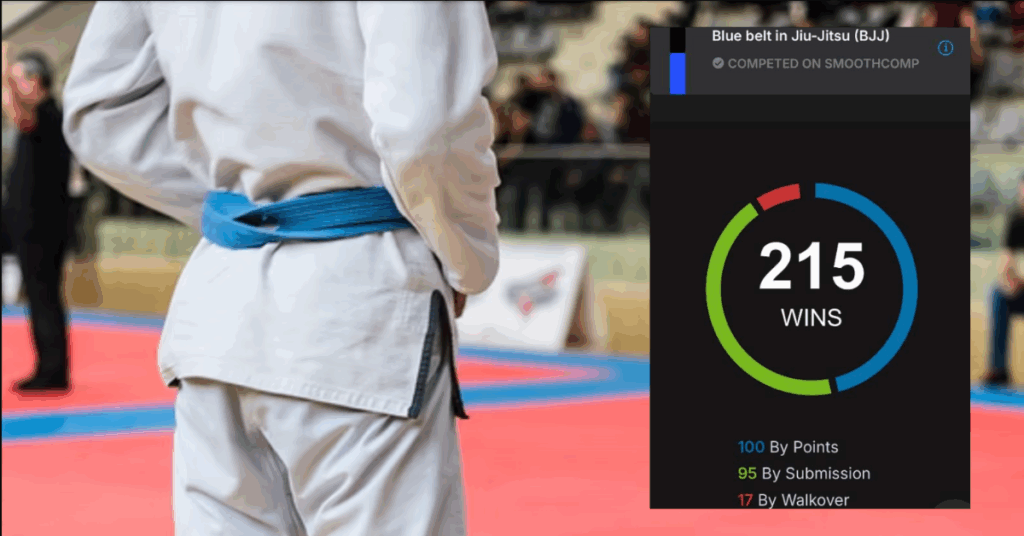
  • An image emerged of a blue belt competitor with an eye-watering 215 recorded wins — 130 of them by submission — still entering blue belt divisions.
  • The screenshot instantly went viral and sparked accusations of blatant blue belt sandbagging, igniting a debate that refuses to die down.
  • Practitioners and fans flooded forums and comment sections, asking the same thing: how can someone with that much mat time still compete as a beginner-level belt?

This 215-Win Blue Belt Became BJJ’s Most Wanted (by Reddit)

The firestorm started with a short YouTube clip showing a Grappling Industries competitor effortlessly dominating matches. But it wasn’t the highlights that drew attention — it was the context: a blue belt with 215 wins, including 130 submissions.

For many, this wasn’t just a display of skill — it was a red flag. The blue belt sandbagging accusations came fast.

“At that point, you’re not competing — you’re farming medals.”

On Reddit and BJJ-focused forums, the sentiment was echoed with memes, outrage, and disbelief. Users began digging into his BJJ competition history and highlighting how such a high match count would outpace even many black belts. It raised an uncomfortable question: was this athlete being held back… or choosing not to move forward?

Blue Belt Sandbagging

Grappling Industries Rolls Out a Code to Combat Sandbagging

In a rare public move, Grappling Industries responded to the growing outrage by announcing a code-based competitor tracking system designed to make it harder for athletes to abuse the belt system. The tool allows organizers to flag competitors who have built up excessive match histories without belt progression.

This isn’t just a one-off fix. It’s a recognition that sandbagging in BJJ — the act of staying at a lower rank to dominate brackets — has become more than an annoyance. It’s undermining the legitimacy of tournaments.

“We can’t rely on belt color alone anymore. If someone’s got a black belt’s record and a blue belt around their waist, that’s a problem.”
– Jiu-Jitsu tournament organizer –

Still, the system is in its early days, and critics warn that without wide adoption or instructor accountability, it may be easy to sidestep.

Who’s at Fault: The Athlete, the Coach, or the System?

The ethics of this situation are murky. Is it the competitor’s responsibility to ask for a promotion? Or is it the instructor’s duty to elevate students who clearly outgrow their rank?

Some blame the athlete, claiming that deliberately competing as a lower belt to win easier matches is selfish and dishonest. Others argue it reflects a larger problem in BJJ — inconsistent belt standards and a lack of governing structure.

“This is why people stop competing. They show up to a local tournament and get mauled by someone with 200 matches under their belt.”
– BJJ competitor on Reddit –

In BJJ’s self-regulated culture, sandbagging thrives in the grey areas. There are no universal standards for how long someone should stay at a belt. Coaches promote when they feel it’s right — and sometimes that means waiting too long, or keeping athletes at lower belts to benefit team win rates.

Blue Belt Sandbagging Isn’t New — But This Might Be the Worst Case Yet

This isn’t the first time a competitor’s record has caused outrage, but the numbers here are extreme. 215 wins. 130 submissions. All under the same belt. It’s hard to argue that the athlete is still learning the fundamentals of jiu-jitsu.

It’s also a wake-up call. For the sport to grow, it needs better systems — and more integrity. That might mean stronger BJJ tournament rules, public match databases, or unified belt progression standards across gyms. Until then, scenes like this will keep surfacing.

“This isn’t about skill anymore. It’s about ethics.”

Can BJJ Clean Up Its Competitive Divisions?

The controversy surrounding this blue belt sandbagging case has once again put the spotlight on the sport’s weakest link: its structure. Grappling is a beautiful art, but when the BJJ ranking system is not respected, some people will bend those rules for competitive gain.

Whether the infamous 215-win blue belt will be promoted or continue his medal spree is unclear. But the damage is done — to his reputation, to the confidence of honest competitors, and to the belt system itself.

Jiu-jitsu, at its best, is about honesty, growth, and respect. This case serves as a warning: without reform, the line between technical progression and competitive manipulation will only grow blurrier.


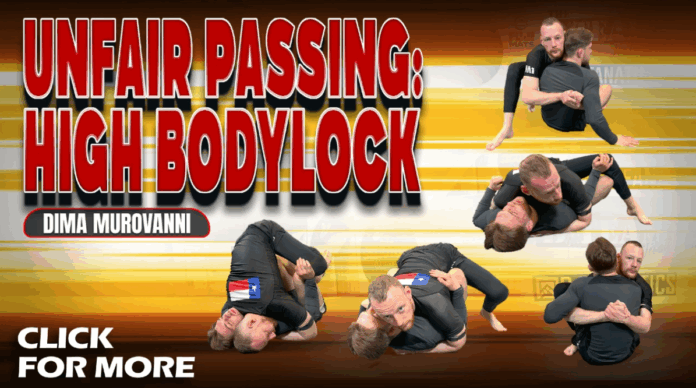
Unfair Passing High Bodylock Dima Murovanni DVD Review [2025]

Unfair Passing High Bodylock Dima Murovanni DVD Review

Key Takeaways

  • A No-Gi BJJ DVD by Dima Murovanni that explains how to train and add high bodylock passing to your game.
  • The material revolves around the why and how of every segment of a high bodylock pass.   
  • Offers different passing methods, different end-range pinning positions, and provides examples of beating various guards. 
  • BJJ World Expert Rating: 9 out of 10. 

UNFAIR PASSING HIGH BODYLOCK DIMA MUROVANNI DVD GET HERE

Reading the name Dima Murovanni and the word “passing” in one sentence is sure to get any grappler’s attention these days, especially No-Gi specialists. Add to it innovation in the form of the high bodylock position, and the promise of making passing unfair to your advantage, and you have a bestseller.

The reason why the title of the Unfair Passing Dima Murovanni DVD makes you want to watch it immediately has little to do with marketing, though (kind of), and lots to do with the man behind it and the methods presented. Dima has a one-of-a-kind grappling mind that is in big demand these days — and this is your shot at getting a piece of it.

The Move That Changed Guard Passing

Bodylock passing is something I first saw from Danaher’s DDS. I was not sold on it initially, but it grew on me as time passed since it started appearing everywhere. It opened the door to wrestling-inspired attachments for passing in BJJ, and the snowball effect inevitably ensued.

These days, the bodylock is half of No-Gi BJJ. People use it for passing, for takedowns, and even for escapes. While powerful, the position does offer some drawbacks, which is why I was skeptical of using it at first.

For example, the reason that the attachment is reliable is the fact that your hands are tied together, but that can also be a drawback when you’re on the mats. Moreover, dedicating both arms to something means the rest of your body has a lot of work to do if you don’t want to lose your positioning the moment you let go.

These kinds of nuances have plenty of solutions, and one comes in the form of moving the bodylock higher up the torso. The Unfair Passing High Bodylock Dima Murovanni DVD focuses a lot on this position, making a very strong case for bodylock passing — again.

Dima Murovanni – A Different Kind of Coach

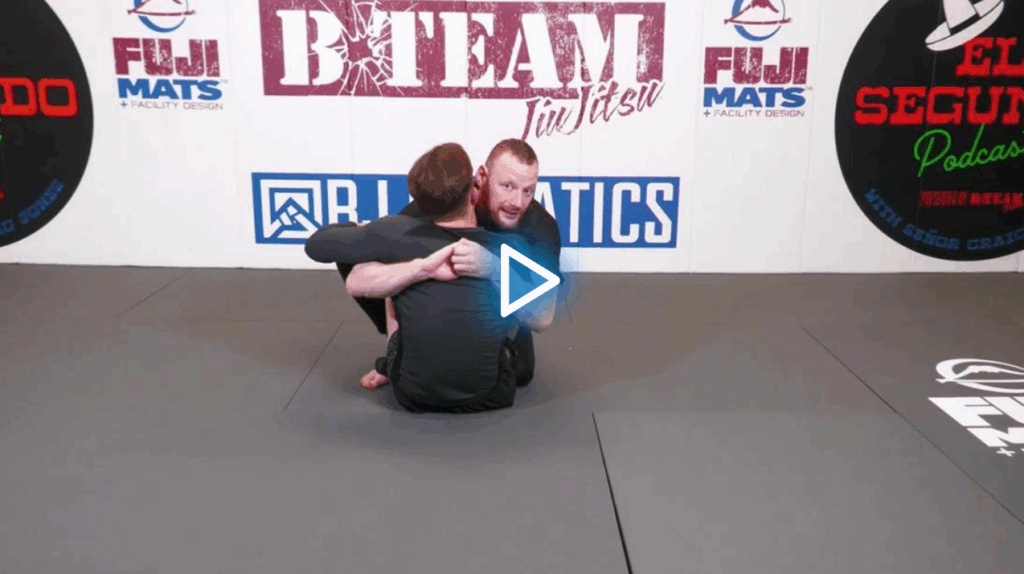
You know him as one of the B-Team coaches, but do you have any idea where Dima Murovanni perfected his grappling before landing in Austin? Originally from Kyiv, Ukraine, he started grappling in 2017 as part of MMA training, which eventually led him to BJJ Akademie Berlin, where he found his home.

He went through all the belts under Robert Graalfs and had very promising performances on the European grappling scene as a blue belt. Unfortunately, injuries struck very early in his career, cutting short his competitive dreams.

What he couldn’t do himself, he managed to transfer to others, though. Linus von Schrenk was the first to capture the BJJ world’s eye with his performances while being coached by Dima. Jozef Chen wasn’t far behind, and suddenly, lots of pro grapplers were looking for the new mastermind behind these rising Jiu-Jitsu stars.

Dima, who got his black belt in 2024, has also been very active sharing his knowledge via BJJ instructionals. If I’m not mistaken, he has seven DVDs out so far, including the High Bodylock Dima Murovanni DVD we’re dissecting today.

Unfair Passing High Bodylock Dima Murovanni DVD Review

The Unfair Passing High Bodylock Dima Murovanni DVD is a three-part instructional delivering information on using an innovative way to pass, while also helping you organize your training using modern practice-design methods.

Part 1 – Understanding Why & How

Dima has unusual instructionals, at least if we measure them by modern standards. That doesn’t make them bad, though — quite the opposite. The Unfair Passing Dima Murovanni DVD starts with a quick overview of what a high bodylock is, without too much passing information yet.

Murovanni then launches into conceptual instructions, covering the why and how behind the position, and presenting why it works so well when passing. He covers the concept of the pocket (it was a game changer for me when I discovered it) and ties the high bodylock with his higher tripod passing system.

Most of the focus in this volume is on why things work and how, as Dima explains how to approach any BJJ problem. He doesn’t just mean the general why and how of passing, but rather understanding these aspects of each segment of a grappling exchange.

Part 2 – Passing End Ranges 

In part two of the Unfair Passing High Bodylock Dima Murovanni DVD, finishing a pass is in the spotlight. Dima goes over the usual ending positions of a pass, such as mount, side control, and the back, explaining how to get to each with the high bodylock.

He also covers the one position every grappler struggles with when passing — the closed guard — offering interesting solutions for it. Pressure and positioning are the two key elements of passing that get their why and how dissected in this volume.

Part 3 – Bodylock Passing Butterfly Guards

Probably the one thing you expected in the High Bodylock Dima Murovanni DVD. While it was the butterfly guards that launched the success of bodylock passing, this part of Dima’s instructional offers something different.

Here, Murovanni talks a lot about the half butterfly, once again from the perspective of why and how things work when you slap on a high bodylock from the top. Some of the usual pass-finishing means, such as step-overs and switch passing, appear, along with a breakdown of crucial concepts of misalignment and crushing the knees.

Part 4 – Half Guard Solutions

In the final part of the Unfair Passing High Bodylock Dima Murovanni DVD, the half guard is the position that gets victimized (or at least those playing it against you). Dima provides an easy solution for the usual frames that half guard players love to use, and unleashes a combo of passes to completely kill the guard off.

One of the best parts of the DVD comes at the very end, as Murovanni explains how to train the system he presented in the instructional. His methods are neither standard nor ecological, but we definitely know they work.

Two-For-One

So, how does high bodylock passing help your overall top game? The main advantage of this position tends to fly well under the radar, while most people attribute its success to technical details such as grips and hip motion.

There is, of course, a place for grips and hips too, and they play their roles in the success of the move, but the one main thing high bodylock passing offers — perhaps better than any other pass — is pinning. I’m not talking about your usual pinning here, but rather pinning that happens while you’re passing.

If you ask yourself what is the end goal of a pass in BJJ, the answer is always going to include not allowing the other person to get back into guard. For the most part, pinning helps you prevent this, but if you start looking for pins only after you pass the legs, you’ll find yourself back in guard more often than not.

That’s where the Unfair Passing High Bodylock Dima Murovanni DVD offers practical solutions. While not the only way of achieving pinning and passing at the same time, it is definitely a practical one, especially if you’ve never considered this before.

DOWNLOAD: UNFAIR PASSING HIGH BODYLOCK DIMA MUROVANNI DVD

Keep it Unfair! 

There’s nothing better in BJJ than using tactics that completely shift the match or roll outcome in your favor. When they’re legal, you have the perfect unfair advantage to sue anyone you grapple with on the mats. In terms of passing the Unfair Passing High Bodylock Dima Murovanni DVD delivers exactly what it promises. It’s unfair, it’s effective, and it will annoy everyone you try it on — three reasons not to miss out on this one!

Rickson Gracie Parkinsons Diagnosis Becomes His Final BJJ Lesson

Rickson Gracie Parkinsons Diagnosis Becomes His Final BJJ Lesson
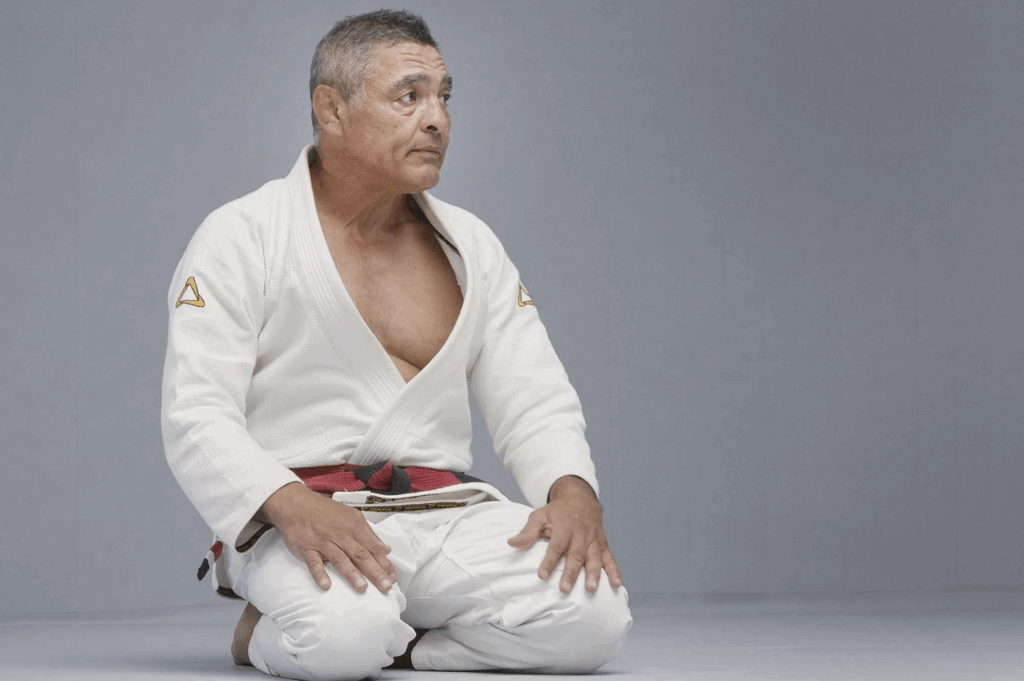
  • Rickson Gracie, one of the most revered figures in Brazilian jiu-jitsu history, has publicly revealed that he is living with Parkinson’s disease.
  • The Rickson Gracie Parkinsons reveal stunned much of the martial arts world, but what followed wasn’t a retreat into silence.
  • Instead, Gracie is using the diagnosis as a platform to spread the deeper principles of his art—ones he believes matter now more than ever.
  • His concept of “invisible jiu-jitsu,” built on breath, energy, and internal awareness, has found new urgency and poignancy through his health journey.

Rickson Gracie Parkinsons Diagnosis: A Life-Changing Revelation

In a deeply personal interview not long ago, Rickson Gracie confirmed his Parkinson’s disease diagnosis and spoke candidly about how the condition has reshaped his outlook on life.

While the physical toll of the disease is undeniable, Gracie’s focus has shifted toward emotional and spiritual healing.

“I’ve forgiven my father, I’ve forgiven my brother.”
– Rickson Gracie –
The revelation shocked many in the BJJ world, particularly given Rickson’s reputation as the Gracie family’s most stoic and composed representative.

But it aligns with a gradual transformation the Brazilian jiu-jitsu legend has embraced in recent years—one that prioritizes inner peace over outer dominance.

“My biggest fight is not with an opponent anymore. It’s with the limits of my own body.”
– Rickson Gracie –
Rickson Gracie Parkinsons Diagnosis

What Is Invisible Jiu-Jitsu? 

Gracie has long advocated for a principle he calls “invisible jiu-jitsu” — a set of concepts built around posture, timing, breathing, and energy conservation that go far beyond technique. It’s a style of grappling that emphasizes subtle control over brute force, and internal awareness over external showmanship.

Now, living with Parkinson’s, Gracie argues that these principles are more relevant than ever.

“The idea is not to fight with muscle. It’s about energy without force, movement without resistance. That’s not just jiu-jitsu; that’s life.”
– Rickson Gracie –

The Rickson Gracie diagnosis has not altered his commitment to teaching. If anything, it has enhanced his role as a spiritual and philosophical figure within the martial arts world.

His lectures and workshops, many of which are now recorded and circulated widely online, have become less about drills and more about breathing, alignment, and what he calls the “mind-body connection.”

The Gracie Who Taught Stillness

Rickson’s journey marks a significant shift in how strength is viewed in martial arts. For decades, he was the embodiment of dominance—an undefeated MMA fighter, a feared competitor, a teacher whose technique was the stuff of legend.

But the Rickson Gracie Parkinsons disease has reframed his legacy in a powerful way.

“I used to think invincibility was about never losing. Now I think it’s about never quitting, no matter what.”
– Rickson Gracie

This message has resonated throughout the jiu-jitsu community. Practitioners and fans have taken to Reddit and social media to share how the Rickson Gracies Parkinsons diagnosis has shifted their perspective on what it means to be a martial artist.

“He’s still teaching us, just in a different way.”
– Reddit user –

In a world where athletic decline is often hidden or denied, the Rickson Gracie health revelation shows a rare vulnerability. And in doing so, he has perhaps become more impactful than ever.

Rickson Gracie Parkinsons – A Final Lesson to the BJJ World

Rickson Gracie Parkinsons diagnosis is not a retreat—it’s a culmination. Through Parkinson’s, he has found a new way to express the essence of Brazilian jiu-jitsu. The teachings that once required mats and Gis are now being passed down through metaphor, breath work, and storytelling.

The legacy of this Brazilian jiu-jitsu legend will no longer be measured by his undefeated record, but by how he embraced suffering as part of the warrior’s path. Rickson Gracie’s Parkinson’s disease experience has become a living example of invisible jiu-jitsu: calm in chaos, control through surrender, and resilience rooted in stillness.

In facing illness with dignity, he may be delivering the most profound lesson of his life.

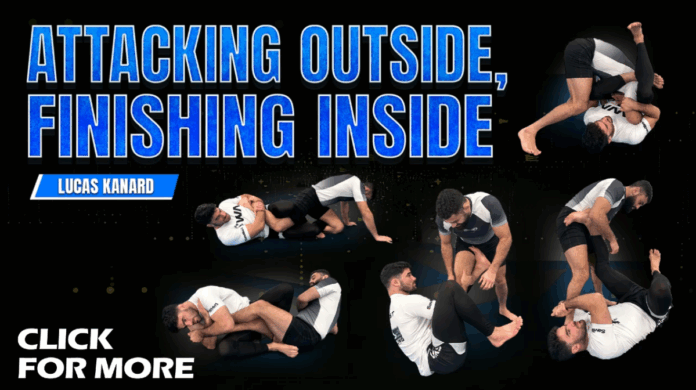
Attacking Outside Finishing Inside Lucas Kanard DVD Review [2025]

Attacking Outside Finishing Inside Lucas Kanard DVD Review

Key Takeaways

  • An interesting No-Gi Jiu-Jitsu instructional explaining how to leg lock while basing your game on outside moves like Berimbolos.
  • Features guard tactics for getting to inside leg locking positions from different No-Gi guards.   
  • Explains how to tie together upper and lower body attacks, while also covering sideways motion and scooping. 
  • BJJ World Expert Rating: 7.5 out of 10. 

ATTACKING OUTSIDE FINISHING INSIDE LUCAS KANARD DVD GET HERE

There comes a point in Brazilian Jiu-Jitsu where you simply have to start considering things like directions, motion, demarcation lines, and other concepts you’ve only heard Danaher mention but never really took to heart. The sport becomes a lot more about movement than moves as you understand more and more about it.

Unfortunately, instructionals that cover these topics with any degree of success are just as rare as white belts who understand them. The Attacking Outside Finishing Inside Lucas Kanard DVD comes as a real refreshment in this sense, managing to cover complex movement guard concepts presented through a mix of mini-systems.

Linking Upper and Lower Body Attacks

One of the hardest things to figure out in grappling is how to link upper and lower body attacks without compromising your control or positioning in the process. There are many ideas on the subject, but not many people have managed to repeatedly use them with a high rate of success.

Let’s face it — most people in grappling who have a tactical approach won’t just jump into leg locks from top positions. That means these upper-lower connections play a much more important role in guarded exchanges than anywhere else.

The Attacking Outside Finishing Inside Lucas Kanard DVD does a good job of addressing outside and inside guards as the main way of knowing what’s at your disposal. Outside guards give you access to upper-body submissions, while inside ones are great for leg locking. Linking guard categories gives you an entire game.

Lucas Kanard – ADCC Fugitive, CJI Threat

Lucas Kanard won the ADCC Asia and Oceania Trials in 2024 but never got the chance to test his skills against the athletes that remained on the ADCC mats. Instead, Lucas Kanard opted to skip over to CJI just two weeks before the event, filling in for Mason Fowler in the +80kg division.

His CJI performance did not disappoint, with a 70-second heel hook finish over staple name Victor Hugo advancing him quickly. Unfortunately, he lost his second match against Inacio Santos on points but left a lot of people wondering what he can do.

Lucas is one of the best of the fresh batch of competitors stemming from Australia. The 35-year-old Gracie Barra representative is in his prime now and has proven he can hold his ground with the best of them. The Lucas Kanard Finishing Inside DVD offers great insight into his tactical approach to grappling, which is why he wins so often.

Attacking Outside Finishing Inside Lucas Kanard DVD Review

The Attacking Outside Finishing Inside Lucas Kanard DVD is a six-part No-Gi instructional with around three hours of super high-quality material. It focuses on leg lock finishes based on using foundational movement concepts that are pretty difficult to teach on their own.

Part 1 – Leg Locks 

Lucas kicks off his first instructional with an overview of the submissions he’s going to use throughout the Attacking Outside Finishing Inside Lucas Kanard DVD. It is a smart move, as he provides the end goal before talking about how to get there by spinning and inverting.

The finishing in this particular DVD revolves around leg locks — even though Kanard is known for being very diverse with upper-body attacks. Moves like the Mikey Lock, kneebars, Aoki lock, and heel hooks feature from the double trouble inside Ashi and 50/50.

Part 2 – K Guard & DLR Tactics 

Everyone’s favorite No-Gi guard these days, the K Guard, gets lots of attention in the Attacking Outside Finishing Inside Lucas Kanard DVD. However, Lucas moves away from just presenting K Guard setups for leg locks and instead shows it with more context to the whole game.

For instance, he offers routes between the closed guard, K Guard, X Guard, De La Riva Guard, and 50/50 without distinguishing between them as separate guards. Instead, he links them into a big guard system that allows for outside maneuvering like Berimbolos and inversions toward inside leg-locking positions, such as the Inside Senkaku.

Part 3 – Linking Open Guard Attacks

In part three of the Lucas Kanard Attacking Outside DVD, the system opens up even more, accommodating plenty of common open guard scenarios. The one I’d single out from this volume is the role of the false reap in open guard play, even though it is only mentioned briefly. Most of the volume covers the Keymaster and how to link it to K Guard and DLR.

Part 4 – The Seated Guard Game

The original position for hitting leg locks was the seated guard, which got replaced by supine positions like the K Guard somewhere along the line. The Attacking Outside Finishing Inside Lucas Kanard DVD brings attention back to the butterfly position with a strong focus on initial grips.

Two-on-one positions, triceps pulls vs. passing, and scooping as an offensive tactic all feature in this volume. The Mateusz armbar pull is the chapter to really pay attention to, especially if you’re into attractive submission setups/guard pulls.

Part 5 – Working from Long Range Guards

These days, we don’t see a lot of long-range guard work, mostly because No-Gi dominates the BJJ world and doesn’t allow for it. Or does it?

Unless you like to just stand up, like a certain compatriot of Lucas, then all the situations where you’re on your butt or supine and have no grips or connection to the top person are still considered guard. This part of the Lucas Kanard Finishing Inside DVD addresses exactly these types of exchanges.

Moving with a bit more of a defensive approach first, Lucas talks frames, tactical inversions, and J-point camping. He also addresses guard recovery from some common pressure positions, including stack passes, leg drags, and the over-under. Finally, he even talks about how to still use a guard when you’re on the bottom in the north-south position before you get smashed.

Part 6 – Fun Extras

Arguably the most interesting part of the Attacking Outside Finishing Inside Lucas Kanard DVD — but one that you can’t really use unless you’ve seen the previous volumes. Here, Kanard spends an additional 15 minutes or so covering heel hook awareness so you don’t get tapped yourself.

He also shows a few fun ways to get to the saddle position, from top and bottom, as well as a very sneaky crucifix entry from initial Ashi entries. Overall, this entire DVD is the perfect playground for purple belt leg lockers.

Multi-Directional BJJ?

One issue with the upper-lower connection approach is that BJJ is not just two-directional. It will force you to think about more ways to move if you don’t want to get smashed.

Don’t get me wrong, the upper-lower guard game is going to work perfectly for you — until people figure out that moving sideways, staying around you, or blocking your inside space kills your game. If you don’t adapt at that point, you’ll end up at the beginning again — it doesn’t matter that you can link the upper and lower so well.

Covering this particular problem, in addition to demonstrating how to move from upper to lower and back, is one of the key things that stands out in the Lucas Kanard Attacking Outside DVD. In other words, you don’t have to be a leg locker to benefit greatly from this BJJ DVD.

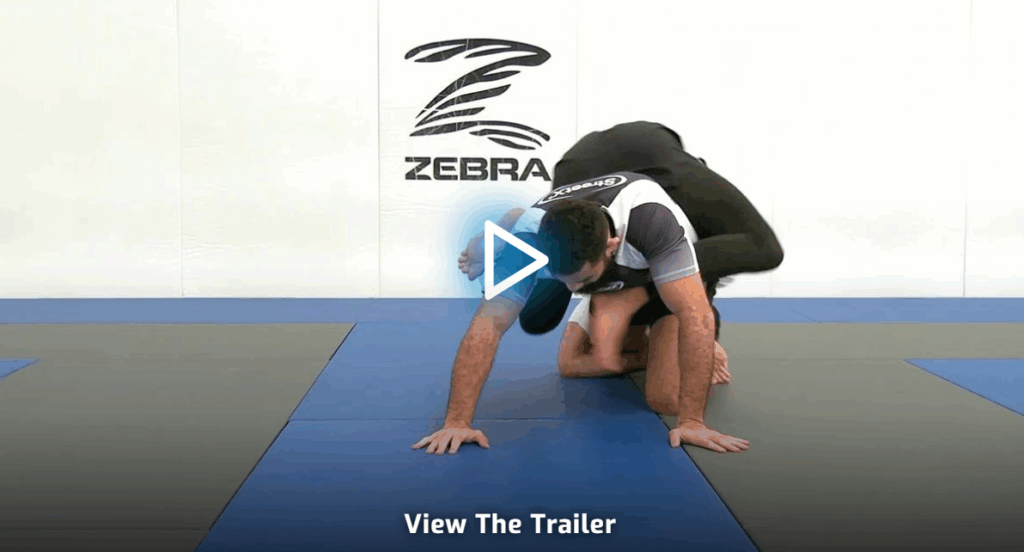
Attacking Outside Finishing Inside Lucas Kanard DVD Free Sample

WATCH A FREE SAMPLE: Attacking Outside Finishing Inside Lucas Kanard DVD

DOWNLOAD HERE: ATTACKING OUTSIDE FINISHING INSIDE LUCAS KANARD DVD

Outside-Inside and Upside-Down

At the end of the day, the ideal match would be one where you move the least, tangle up your opponent as early as possible, and lead them deep into the craziness of your game, eventually tapping them quickly. As you probably know, this scenario rarely plays out, so organizing your game like the Attacking Outside Finishing Inside Lucas Kanard DVD suggests is a much more logical and rational way of developing a BJJ game plan.

Why the Brock Lesnar Kneebar Loss to Frank Mir Still Haunts the UFC Giant

Why the Brock Lesnar Kneebar Loss to Frank Mir Still Haunts the UFC Giant
  • The Brock Lesnar UFC debut at UFC 81 wasn’t supposed to end in controversy.
  • But that’s exactly what happened when Frank Mir submitted Lesnar with a kneebar, just 90 seconds into the first round.
  • Lesnar’s frustration wasn’t just about the tap—it was about how quickly the referee intervened.
  • Nearly two decades later, the Brock Lesnar kneebar remains one of the most debated submission finishes in UFC history.

Lesnar’s UFC Debut Ends in Rage, Not Regret

Coming into his UFC debut, Brock Lesnar was a crossover megastar. Former WWE champion, NCAA wrestling legend, and one of the most physically dominant athletes the promotion had ever signed.

The UFC gave him no warm-up: it was straight to the fire with a matchup against jiu-jitsu black belt and former champion Frank Mir.

The opening exchange of the Frank Mir vs Brock Lesnar fight was fireworks. Lesnar took Mir down almost instantly and began unloading hammerfists.

But just as he was finding his rhythm, referee Steve Mazzagatti paused the action to deduct a point for illegal punches to the back of the head. The restart would change everything.

Brock Lesnar Kneebar Loss to Frank Mir

Seconds later, Mir caught Lesnar in a super-tight kneebar, forcing a panicked tap. And that’s when the real tension began.

Brock has made no secret of his enduring bitterness over the stoppage.

“I was so mad. I was controlling the fight. It was one mistake. That [ref] didn’t give me a chance to recover, to fight out of it.”
– Brock Lesnar >–

While some argue that Lesnar simply got caught, others agree that the ref may have jumped in early. Mir, for his part, has never downplayed the Brock Lesnar kneebar but has admitted that pressure from his coaches and the UFC’s expectations made the moment less joyful than expected.

UFC 81 Gave Us a Rivalry — and Two Broken Expectations

The aftermath of UFC 81 was strange. Lesnar, despite the loss, remained a massive box-office draw and would go on to win the UFC heavyweight title within two years.

Frank Mir, though victorious, described feeling empty after the fight. In a separate interview, he revealed his wife was actually angry about how much damage he took before securing the submission.

So, while one man tapped and the other got his hand raised, neither came away satisfied. What should have been a clear-cut beginning of a UFC journey instead became a launchpad for resentment, rivalry, and redemption.

Why the Brock Lesnar Kneebar Still Echoes in UFC History

Looking back, the Brock Lesnar kneebar moment wasn’t just a submission. It was a spotlight on what happens when hype meets reality in the UFC.

For Lesnar, it exposed the limits of raw power against elite technique. For Mir, it showed that victory doesn’t always feel like vindication.

It was Lesnar’s first UFC loss, and it stung. Not because of the pain, but because he felt robbed of a real fight. The kneebar was real. The frustration was, too. And in a sport where narrative matters as much as knockouts, that moment still resonates.

A Defining Moment That Shaped Two Careers

The aftermath of the Brock Lesnar kneebar loss also marked a shift in how the UFC promoted crossover athletes. Dana White and UFC brass had taken a gamble putting Brock into such deep waters so soon, and while it backfired in the short term, it proved profitable in the long run.

Lesnar’s appeal wasn’t diminished by the loss — it was amplified. He was raw, emotional, and polarizing. The kneebar loss humanized him, and fans were now invested in watching whether he could evolve.

That evolution came fast. Lesnar would defeat Heath Herring in dominant fashion before going on to stop Randy Couture and capture the UFC heavyweight belt. Yet, even as he reached the top of the sport, the shadow of that Frank Mir kneebar never fully disappeared.

It was always referenced in build-ups to future fights, always lingering as the moment Brock Lesnar got caught — not by a punch, but by a technique that demanded respect for Jiu-Jitsu fundamentals.

And in a way, that’s what gives the Brock Lesnar kneebar its enduring place in MMA lore. It’s a reminder that no matter how powerful or marketable a fighter is, the UFC is a proving ground where technique can trump hype.

For Mir, it was a career highlight. For Lesnar, a lesson carved deep into memory — and perhaps the one loss that made every win after that more meaningful.

Charles Oliveira Bird Collection Includes $80K in Exotic Parrots – And Nearly a Tiger

Charles Oliveira Bird Collection Includes $80K in Exotic Parrots - And Nearly a Tiger
  • Charles Oliveira bird collection is valued at around $80,000
  • Includes rare parrots and macaws — one gifted by Real Madrid star Vinícius Jr.
  • He almost bought a tiger but decided exotic pets were more his style
  • For Oliveira, pets aren’t just hobbies — they’re symbols of freedom, identity, and home

Charles Oliveira Bird Collection Is Worth More Than Most Cars

Most UFC champions flex cars, chains, or luxury watches. Charles Oliveira, always unconventional, went another route: birds. Lots of them.

The Charles Oliveira bird collection is worth nearly $80,000, featuring a curated group of rare exotic species — including parrots and macaws. His passion for avian companions is more than an Instagram stunt.

He owns a specially built aviary at his home in Brazil and is frequently seen posting videos playing with his birds, speaking softly to them in Portuguese, or letting them perch on his shoulder.

This isn’t some side hobby for the former UFC lightweight champion — it’s a defining part of his lifestyle.

They’re part of the family. I don’t go to parties or clubs. I go home to my birds.
– Charles Oliveira –

The image clashes with the Oliveira fans see in the Octagon — aggressive, unrelenting, dangerous. But it also tracks. For someone raised in poverty in the favelas of Guarujá, Brazil, the idea of owning creatures that fly freely must feel like poetic justice.

Charles Oliveira get gift from Vinicius Jr.

 A Vinícius Jr Gift and a Near Miss With a Tiger

Perhaps the most surreal detail in the Charles Oliveira bird collection? One of the birds wasn’t purchased — it was a gift from Real Madrid and Brazil national team star Vinícius Jr.

The soccer phenom is a longtime fan and friend of Oliveira and, in a show of mutual respect, gave him an exotic parrot to add to the aviary. The gesture wasn’t just personal — it was symbolic, showing how Brazil’s top athletes recognize and honor each other.

Oliveira pet birds affinity goes even deeper. In a recent appearance, he admitted that he came close to buying a tiger during his rise in the UFC.

I almost went full Mike Tyson and got a tiger, but I thought, ‘Nah… let me stick with the birds.’
– Charles Oliveira –

The idea of owning a tiger may seem absurd, but it reflects a common pattern among elite fighters who achieve sudden wealth: chasing exotic or dangerous pets as markers of status and identity.

Why UFC Fighters Are Drawn to Wild Status Symbols

The Charles Oliveira bird collection might be eccentric, but it’s far from the first case of a UFC fighter expressing themselves through animals.

Conor McGregor had his tigers. Khabib Nurmagomedov raised bears. Mike Tyson — who Oliveira referenced — famously kept big cats as companions in his mansion.

The psychology behind it is layered. For fighters, pets can be both projection and escape — a way to communicate who they are outside the cage. In Oliveira’s case, the birds signify gentleness, control, and home. They’re a peaceful counterweight to the violence of his profession.

More importantly, they can’t be bought on impulse — they require care, patience, and consistency. The same traits Oliveira is known for in his training and approach to life.

Charles Oliveira UFC Champion

Oliveira’s Birds Aren’t Just Pets — They’re Personal

What makes the Charles Oliveira bird collection unique isn’t the price tag or species rarity. It’s what the aviary represents.

To outsiders, a fighter owning exotic birds might seem quirky. But to those who follow Oliveira’s journey — from barefoot kid to UFC champion — it makes perfect sense. Birds are born in cages or trees. He built his own aviary, brick by brick, the same way he built his career.

It’s also notable that Oliveira often brings fans into that world via social media. He doesn’t show off like some athletes. Instead, he lets people in — sharing clips of his birds eating, flying, or even just sitting with him during recovery.

It’s my escape. Some people drink or go out. I go talk to my birds.
– Charles Oliveira –

In an era where UFC stars are constantly performing for the camera, Oliveira remains grounded — even when surrounded by creatures with wings.

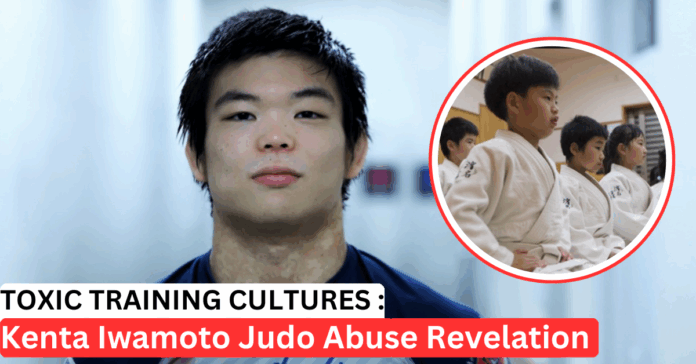
“He Would Choke Me Out”: Kenta Iwamoto Judo Abuse Experience

“He Would Choke Me Out”: Kenta Iwamoto Judo Abuse Experience
  • Rising B-Team standout Kenta Iwamoto revealed disturbing memories of judo abuse in his youth.
  • Iwamoto claims his childhood coach regularly choked him unconscious during sparring sessions.
  • The Kenta Iwamoto Judo abuse expereince sheds light on toxic martial arts cultures that still go unchecked today.
  • Iwamoto now thrives in Brazilian Jiu-Jitsu, but the trauma of his early training remains.

“He Would Just Choke Me Out”: Kenta Iwamoto Judo Abuse Story

For many martial artists, their first coach is a mentor. For Kenta Iwamoto, that figure was something else entirely. In a recent interview, the B-Team athlete recounted how his childhood judo coach routinely used brutal and unsafe methods to “discipline” students.

The most chilling of these? Being choked unconscious during live sparring—while still a child.

My judo coach would just choke me out in sparring, and I would wake up not knowing what happened.
– Kenta Iwamoto –

The judo coach abuse practice wasn’t a one-time event. It happened often enough that Iwamoto, who began judo at age six, associated the mat not with growth—but fear. His coach, he said, used submissions not to teach, but to control.

These aren’t isolated accusations. In the full interview, Iwamoto alludes to a wider culture of normalized brutality that existed in the dojo system. “It was just how things were done,” he said. “You didn’t question it.”

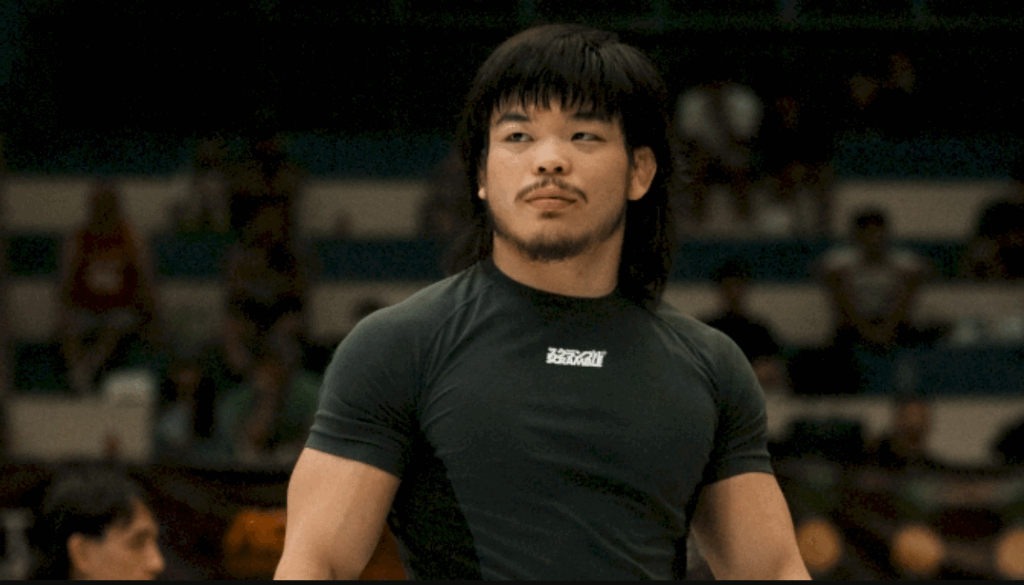
B-Team Kenta Iwamoto

Why Judo’s Harsh Culture Still Escapes Scrutiny

The Kenta Iwamoto judo abuse story forces martial arts communities to confront a longstanding elephant in the room: how many of these environments still blur the line between tough training and trauma?

While judo is revered globally for its discipline and Olympic pedigree, stories like Iwamoto’s echo a troubling reality—particularly in countries like Japan, where deference to authority often discourages speaking out.

This isn’t the first time the sport has faced scrutiny. Over the years, Japanese judo programs have drawn criticism for hazing, corporal punishment, and even deaths related to negligence. But few athletes of Iwamoto’s stature have opened up so candidly.

We were just kids. We didn’t understand that it wasn’t normal.
– Kenta Iwamoto –

Beyond Japan, similar patterns have emerged in dojos around the world, where a culture of silence and reverence for lineage often shields abusive practices from criticism.

Coaches are rarely vetted beyond technical credentials, and the absence of formal oversight bodies leaves young athletes vulnerable.

When abuse is discovered, it’s often brushed off as part of a “warrior mentality” or dismissed as a necessary rite of passage—creating a cycle that discourages victims from speaking up.

Iwamoto’s Rise at B-Team Jiu-Jitsu

Despite the dark start to his martial arts journey, Iwamoto didn’t walk away from grappling altogether. He transitioned to Brazilian Jiu-Jitsu and, eventually, joined B-Team Jiu-Jitsu, one of the most competitive no-gi academies in the world.

Today, he competes at the highest levels of submission grappling, known for his slick guard work and ability to adapt to modern meta-games. In contrast to his judo past, BJJ offered an environment rooted in learning, autonomy, and mutual respect.

While he rarely discusses his upbringing publicly, the Kenta Iwamoto judo abuse story adds depth to his quiet intensity on the mats. Every medal he wins now seems to carry more weight—not just competitive, but emotional.

The Long-Term Cost of Early Abuse

Even with his success in jiu-jitsu, the emotional scars of his early judo years remain. Stories like Iwamoto’s matter because they don’t just recount trauma—they remind us of the environments we still allow to flourish under the guise of Judodiscipline.

This isn’t just about me. A lot of kids went through the same thing. Some never came back to training at all.
– Kenta Iwamoto –

The Kenta Iwamoto judo abuse story isn’t just a condemnation of one coach—it’s a call to the broader martial arts community to protect its most vulnerable students. It’s also a reminder that success doesn’t always come from the right path—it sometimes comes in spite of it.

Overhook From Everywhere Adele Fornarino DVD Review [2025]

Overhook From Everywhere Adele Fornarino DVD Review

Key Takeaways

  • A No-Gi BJJ DVD exploring all the positions where an overhook will make you dominant.
  • Covers many guarded situations, along with standing applications and scramble solutions featuring overhooks. 
  • Delivers an easy-to-follow system that will take you from standing to tapping someone out using only one attachment.  
  • BJJ World Expert Rating: 8.5 out of 10. 

OVERHOOK FROM EVERYWHERE ADELE FORNARINO DVD GET HERE

Explore overhooks from more than just the closed guard with the Overhook From Everywhere Adele Fornarino DVD.
Fornarino knows how to clam up and control people from any position, especially in guarded situations.

For those who have trouble figuring out attachments and grip placement in No-Gi, this is the instructional you absolutely need to get. It is fast-paced but fits all levels, and will surely improve your guard, standing, and scramble outcomes using just one move—the overhook.

Over or Under? 

If you’ve been rolling for a year or more, you are probably already contemplating a classic grappling dilemma—overhooks or underhooks. I had the same troubles, and they still tend to appear in specific positions to this day, some 15 years after I discovered them.

There is no wrong or right answer here—it all depends on your goals, the opponent, and the situation you’re in. For the most part, I avoided underhooks for years since I love Darces. That means when someone places an underhook on me, it means I get a free choke. In fact, that’s how I discovered the overhook.

That said, overhooks are not the winner in this dilemma. Underhooks have their place too, working as the better solution in many standing, guarded, and top pinning situations. I’d say use both, but if you’re new to grappling or not sure where to start, focus on the overhook first. The Overhook From Everywhere Adele Fornarino DVD will guide you.

Adele Fornarino – One of the Biggest Names in Women’s Grappling

Wherever you turn these days, the name Adele Fornarino pops up. As we anticipate her performances in the four-bracket women’s CJI2 tournament, after seeing her lose a close match to Ffion Davies on UFC Fight Pass, we’re seeing lots of Adele lately—and for good reason.

The Australian-born grappler has been doing all the right things these past few years. She had a great run at the 2024 ADCC, beating everyone to the title, after previously conquering the Pans, Europeans, and winning the GrappleFest U60 kg title. Since then, she’s had mostly superfights, so seeing her in tournament format again is going to be interesting.

Since her ADCC triumph, Adele has provided several glimpses into her game via BJJ DVDs. Her latest instructional, focusing on one of her favorite grip positions, is the Adele Fornarino Overhook DVD—and it’s definitely worth exploring.

Overhook From Everywhere Adele Fornarino DVD Review

In just over three hours, the Overhook From Everywhere Adele Fornarino DVD will show you everything you need to know about using overhooks to become super annoying from a bunch of positions in No-Gi. The material is spread out over four volumes for optimal organization.

Part 1 – Getting the Overhook

First up in the Overhook From Everywhere Adele Fornarino DVD is how to get into the position. You already know what an overhook is, but you probably have no idea why you’re failing at it.

Adele explains how to use the overhook in combination with Jedi Mind Tricks and dilemmas while reinforcing it with the knee shield. She also shares tactics to deal with overly defensive opponents, as well as those who try to smash you from the top.

Part 2 – The Clam

Arguably, the most valuable mini-system delivered in this Overhook From Everywhere Adele Fornarino DVD is the clam concept from the second volume. Once again, you’ve probably heard or seen iterations of it, but none come even close to the effectiveness of this one.

The reason for that is that Adele uses the overhook to get people trapped into the clam, but she also has her signature Chopstick Guard mixed into the system. This introduces an element of surprise to an already sticky situation, allowing you to sweep, triangle, Omoplata, or wrestle-up in various ways.

Part 3 – The Half Butterfly Overhook Game

This is where things go deep into the rabbit hole. Adele provides one of the best instructionals for the half butterfly guard in just one volume of the Adele Fornarino Overhook DVD, while focusing mostly on the overhook.

Starting from the relation (and ways to switch) between the half butterfly and knee shield, she launches into a submission-heavy system, shedding light on why her No-Gi game is so successful on the biggest stage. Fornarino offers chokes, sweeps, and armbars from the half butterfly before she turns to the turtle.

Attacking the turtle with overhooks is very innovative and effective, as the chapters on submissions, mat breakdowns, and pin setups clearly demonstrate. In the final couple of chapters, Adele also covers the dogfight position and how to win when you’re the one with the overhook.

Part 4 – Standing Overhooks

The last part of this Overhook From Everywhere Adele Fornarino DVD offers a way to set up your standing game using mostly overhooks. She provides options to launch super high-percentage Judo throws from the overhook, mixed in with a few wrestling classics like the Fireman’s Carry and the Front Headlock.

Saving the best for last, Adele Fornarino wraps up this instructional with a couple of flying submissions from the overhook, in the form of armbars and triangles.

Effective Attachments in Grappling

Depending on your goals, you’ll need to attach to folks if you have any hope of making BJJ techniques work. For the leg lockers out there, feel free to skip to a different DVD instructional. For everyone else, let’s talk overhooks more.

Attaching to the arms allows you access to the upper body, which provides chokes and armlocks as your main submission options, but also creates off-balancing opportunities that lead to sweeps. The question of where to attach on the arm is not one that can be answered with certainty, nor will you be able to get a specific attachment with every attempt.

That said, I personally prefer shoulder-level attachments for control and elbow-level attachments for attacking. A good overhook goes somewhere in between these two joints, which is why it is so powerful—you can switch effortlessly between control and attack—like in the Overhook Adele Fornarino DVD.

Overhook From Everywhere Adele Fornarino DVD Free Sample

SEE A FREE SAMPLE: Overhook From Everywhere Adele Fornarino DVD

DOWNLOAD : OVERHOOK FROM EVERYWHERE ADELE FORNARINO DVD

Get Over It! 

Next time you find yourself in guard, especially closed guard, slap an overhook on your partner. Then, try to keep it for as long as you can – after a while, it’ll feel like they’re giving you stuff just to get out of it. Now imagine what a tried and tested system, such as the one in the Overhook From Everywhere Adele Fornarino DVD can do for you.