








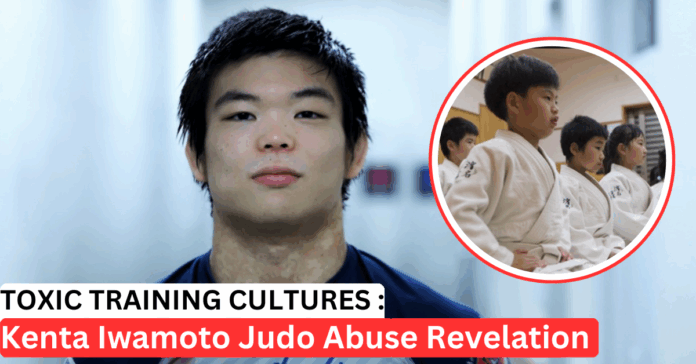

- Rising B-Team standout Kenta Iwamoto revealed disturbing memories of judo abuse in his youth.
- Iwamoto claims his childhood coach regularly choked him unconscious during sparring sessions.
- The Kenta Iwamoto Judo abuse expereince sheds light on toxic martial arts cultures that still go unchecked today.
- Iwamoto now thrives in Brazilian Jiu-Jitsu, but the trauma of his early training remains.
“He Would Just Choke Me Out”: Kenta Iwamoto Judo Abuse Story
For many martial artists, their first coach is a mentor. For Kenta Iwamoto, that figure was something else entirely. In a recent interview, the B-Team athlete recounted how his childhood judo coach routinely used brutal and unsafe methods to “discipline” students.
The most chilling of these? Being choked unconscious during live sparring—while still a child.
My judo coach would just choke me out in sparring, and I would wake up not knowing what happened.
– Kenta Iwamoto –
The judo coach abuse practice wasn’t a one-time event. It happened often enough that Iwamoto, who began judo at age six, associated the mat not with growth—but fear. His coach, he said, used submissions not to teach, but to control.
These aren’t isolated accusations. In the full interview, Iwamoto alludes to a wider culture of normalized brutality that existed in the dojo system. “It was just how things were done,” he said. “You didn’t question it.”

Why Judo’s Harsh Culture Still Escapes Scrutiny
The Kenta Iwamoto judo abuse story forces martial arts communities to confront a longstanding elephant in the room: how many of these environments still blur the line between tough training and trauma?
While judo is revered globally for its discipline and Olympic pedigree, stories like Iwamoto’s echo a troubling reality—particularly in countries like Japan, where deference to authority often discourages speaking out.
This isn’t the first time the sport has faced scrutiny. Over the years, Japanese judo programs have drawn criticism for hazing, corporal punishment, and even deaths related to negligence. But few athletes of Iwamoto’s stature have opened up so candidly.

We were just kids. We didn’t understand that it wasn’t normal.
– Kenta Iwamoto –
Beyond Japan, similar patterns have emerged in dojos around the world, where a culture of silence and reverence for lineage often shields abusive practices from criticism.
Coaches are rarely vetted beyond technical credentials, and the absence of formal oversight bodies leaves young athletes vulnerable.
When abuse is discovered, it’s often brushed off as part of a “warrior mentality” or dismissed as a necessary rite of passage—creating a cycle that discourages victims from speaking up.
Iwamoto’s Rise at B-Team Jiu-Jitsu
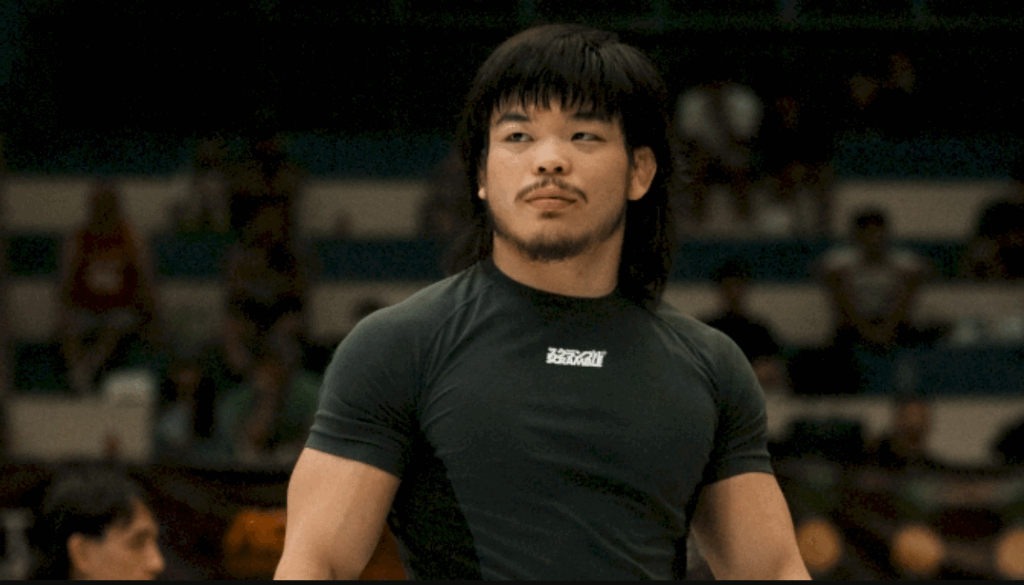
Despite the dark start to his martial arts journey, Iwamoto didn’t walk away from grappling altogether. He transitioned to Brazilian Jiu-Jitsu and, eventually, joined B-Team Jiu-Jitsu, one of the most competitive no-gi academies in the world.
Today, he competes at the highest levels of submission grappling, known for his slick guard work and ability to adapt to modern meta-games. In contrast to his judo past, BJJ offered an environment rooted in learning, autonomy, and mutual respect.
While he rarely discusses his upbringing publicly, the Kenta Iwamoto judo abuse story adds depth to his quiet intensity on the mats. Every medal he wins now seems to carry more weight—not just competitive, but emotional.
The Long-Term Cost of Early Abuse
Even with his success in jiu-jitsu, the emotional scars of his early judo years remain. Stories like Iwamoto’s matter because they don’t just recount trauma—they remind us of the environments we still allow to flourish under the guise of Judodiscipline.
This isn’t just about me. A lot of kids went through the same thing. Some never came back to training at all.
– Kenta Iwamoto –
The Kenta Iwamoto judo abuse story isn’t just a condemnation of one coach—it’s a call to the broader martial arts community to protect its most vulnerable students. It’s also a reminder that success doesn’t always come from the right path—it sometimes comes in spite of it.